Tag: International

  • YouTube hires Derek Blasberg

    YouTube hires Derek Blasberg

    YouTube is forming a new division dedicated to fashion and beauty content partnerships, led by Derek Blasberg.

    The appointment comes less than a week after Instagram launched its long-form video app, IGTV, in a clear bid to compete with the Google-owned platform.

    Blasberg will be based in New York and report to a team led by YouTube’s Kelly Merryman, vice president of content partnerships. He is tasked with cultivating relationships with brands and high-profile people in the industry so that they will use the platform more often, more effectively and build audiences there.

    Merryman’s team has similar divisions dedicated to news, sports, television, gaming and other categories and had been looking for the right person to lead its fashion and beauty industry relationships. A different division at YouTube will continue to focus on fashion and beauty influencers who built their followings on the platform.

    Instagram hired Eva Chen, the former editor-in-chief of Lucky Magazine, in 2015 to play a similar role as head of fashion partnerships at Instagram. Since then, the platform has deepened its connection with the fashion and beauty sectors by working with designers, brands, stylists, makeup artists and influencers to ensure they get the most out of Instagram. Chen’s team assists in creating content and helps these industry players engage with their audiences.

    With Blasberg, YouTube has found a popular, well-connected frontman to court fashion and beauty leaders. A former columnist and editor for Style.com, Harper’s Bazaar and other fashion and lifestyle publications for over a decade, Blasberg is leaving his role as the host of CNN Style on CNN International after two years and heading to YouTube full time. He will retain a role as a contributing editor at Condé Nast’s Vanity Fair, where he was appointed the title of Our Man on the Street in 2015.

    “I am looking forward to bridging the world of YouTube creators with the global style and beauty industries in this newly created role and department,” said Blasberg in a statement.

    Blasberg is a smart hire, but he has his work cut out for him. Instagram has an outsized influence in the highly visual fashion world. The platform and its fashion partnerships team have become an active part of the industry scene, most recently sponsoring a table at the Met Gala and supporting tentpole events like the CFDA Awards by installing and running Instagram-friendly photo sets. With the launch of IGTV, brands and influencers have a new outlet for vertically aligned videos for up to one hour in length, edging closer to something more typically found on YouTube.

    “Vertical video is ideal for fashion and it’s a format that younger audiences are really comfortable with,” said Jim O’Neill, principal analyst at Ooyala, a video and analytics technology company. “The whole idea of up to an hour-long option is potentially really big for Instagram influencers, more so than even brands.”

    YouTube has some advantages, including a larger user base — 1.8 billion unique monthly visitors to Instagram’s 1 billion — who are already trained to search for videos on the platform. On YouTube, Chanel has 1.1 million subscribers; a recent campaign video for its Bleu de Chanel Parfum was seen 3.8 million times. On Instagram, where the house has 28.5 million followers, the same commercial was viewed 250,000 times in the feed post format.

    “In this newly created role, Derek will collaborate with our incredible creators and diverse portfolio of brands to achieve even more success,” said Merryman in a statement.

    YouTube already has some fashion trailblazers: model Karlie Kloss launched her own channel, Klossy, in 2015 and now has over 700,000 subscribers. She recently released a series sponsored by Ford as part of a partnership with her nonprofit Kode with Klossy, that features her interviewing trailblazers in science and technology.

  • Telstra launches mobile satellite small cell

    Telstra launches mobile satellite small cell

    Australia’s Telstra has launched a new offering providing satellite-based small cell solutions for remote areas, and has signed on the first customer for the service.

    The Mobile Satellite Small Cell product offering is designed to provide most of the benefits of Telstra’s LTE-Advanced services at a lower cost.

    People and organizations in remote areas will be able to use the service to extend coverage in underserved remote areas.

    According to Telstra, the service can support voice, email, messaging and internet browsing but is not intended to support data-heavy applications such as video streaming or calling.

    The operator is targeting the offering at local councils, tourist attractions, agricultural businesses and other organizations seeking to extend coverage where none exists.

    Telstra aims to sell up to 500 satellite small cells over the next three years after having tested the technology for the last 12 months. The first two small cells will be deployed for Queensland’s Winton Shire Council.

    “The Telstra 4GX-lite Mobile Satellite Small Cell is a way to bridge the gap between what customers want and what is financially viable. This solution gives consumers, businesses and local councils more control over where they can get mobile coverage, making them part of the decision making process,” Telstra group managing director for networks Mike Wright said.

    “We’ll continue to look for innovative ways to expand our network across the country so that all Australians can have access to the latest technology and stay connected to the things they love.”

  • Iconic fashion house Chanel declares earnings first time in 108 years

    Iconic fashion house Chanel declares earnings first time in 108 years

    Luxury fashion house Chanel has released trading figures for the first time in its 108-year history.

    Total sales for last year were US$9.62 billion, up 11 per cent from the previous year on a constant-currency basis. Asia-Pacific and Chanel’s home market, Europe, were the primary drivers of the growth. Operating profit reached $2.69 billion.

    The New York Times said the results prove Chanel is among the largest luxury brands in the world based on sales, ahead of Gucci ($7.1 billion in sales last year) and on a par with Louis Vuitton (analysts estimate between $9.3 billion and $11.6 billion). Chanel’s sales growth is strong, the company is boosting investment and has a net debt level of just $18 million.

    “The announcements are, however, more important for their symbolism,” observed the NYT.

    “At a time of heightened competition in high-end retail and of persistent rumors that Chanel could be a takeover target, the storied French fashion house said it had opened up its books to show that it had the size, and the willingness, to fend off any approaches.”

    Chanel’s CFO Philippe Blondiaux said that even though the company is privately owned and had no need to release financial figures, it wanted to demonstrate to the market how strong it was when there was speculation about a takeover bid.

    “We realised it was time to put the facts on the table as to exactly who we are: a $10 billion company with very strong financials, plus all the means and ammunition at our disposal to remain independent,” Blondiaux said.

    Chanel also plans to restructure its operations, bringing all division under the one umbrella and adopting the new name Chanel Limited.

  • Walmart to try new Sam’s Club concept

    Walmart to try new Sam’s Club concept

    Walmart is to test a new Sam’s Club concept which is less than a quarter the size of the current model.

    Stewart Samuel, program director at IGD Canada, says a typical Sam’s Club outlet in North America is 134,000sqft. But the new store opening in Dallas is just 32,000sqft.

    “This will be a new test format for Sam’s Club which will help it to further innovate and improve the member experience,” says Samuel, who shapes IGD’s research program across North America.

    “Offering a convenient shopping experience will be a key driver underpinning the format’s development. The retailer will focus on delivering a more digital-led experience, including fast membership sign-up, easy returns, checkout using Scan & Go and digital signage.”

    The new Sam’s Club concept will offer a tailored, locally-relevant assortment of between 1000 and 2000 items, including grocery and fresh foods, grab-and-go meals and frequently purchased consumable goods.

    While the test format will be radically different to the core Sam’s Club offer, it could provide Walmart with a new route to future club growth, particularly as e-commerce continues to become a larger part of the club model.

    “This has been a priority focus for the retailer, with its established Club Pickup model augmented by the launch of home delivery via Instacart earlier this year. In January, the retailer announced that it was closing 63 clubs, with around 10 of them earmarked for conversion into e-commerce fulfillment centres,” said Samuel.

    The format could also provide Walmart with new ideas to enhance its hypermarket model.

    “While the retailer has launched several initiatives as part of its ‘Supercenter of the future’ project, these have been within its existing store footprint. Sam’s Club has been an important incubator for new ideas at Walmart over recent years, so success with this new format could lead to a similar test for its core hypermarket format.”

  • US Supreme Court Widens Reach of Sales Tax for Online Retailers

    US Supreme Court Widens Reach of Sales Tax for Online Retailers

    Local governments in the US are now able to force online retailers to collect sales tax on purchases made in states where they have no physical presence, echoing the Australian government’s move to ‘level the playing field’ through the implementation of GST on low-value imports.

    In a 5-4 ruling on Thursday, the highest court in the US backed a South Dakota law enacted in 2016, which required out-of-state e-commerce companies to collect sales tax if they generated $100,000 or more in sales, or conducted 200 separate transactions in the state.

    The law was challenged by online furniture and homewares business, Wayfair, on the basis of a 1992 ruling, which barred states from forcing businesses with no local physical presence in the state to collect state sales tax.

    This created a legal loophole benefiting online retailers in particular, since they could offer consumers an overall lower price on items than their bricks-and-mortar competitors.

    The reversal of the 1992 ruling is being praised as a win for ‘main street’, that is, traditional bricks-and-mortar retailers, which have struggled to compete with the increased choice and attractive prices offered by e-commerce companies, leading to record closures in recent years.

    Indeed, pureplay online retailers, including Ebay, Etsy, Overstock, Wayfair and Amazon, saw their share prices fall on Thursday, following the decision.

    Small online businesses are expected to suffer most, as they face the increased cost and complexity of collecting various state and local taxes.

    And while the ruling has immediate implications only for online retail sales in the state of South Dakota, other states in the US – 45 of which collect state sales tax – are now expected to introduce similar laws.

  • Reebok names new global creative director

    Reebok names new global creative director

    U.S. sporstwear brand Reebok has recruited Nike alumni Karen Reuther to be its global creative director.

    The Adidas-owned Reebok has tapped Reuther to replace Thomas Steinbruck, who exited the company earlier this year.

    With 12 years brand creative experience at Nike, Reuther was appointed global creative director at the rival U.S. sports company during her multi-year tenure. She has also served as VP creative at VF Corporation and director of consumer insights and trends at Ziba Design.

    Most recently, the executive served as creative director and brand psychologist at Cast Collective, a Boston-based group of consultants specialising in design, innovation and technology.

    Clients included Puma, Vans, Timberland, Pantone, Piaggio Fast Forward, TJX Cos. Inc., Everybody Fights and Ideo.

    “Karen brings a wealth of experience, both in our industry and from the outside,” commented Reebok President Matt O’Toole.

    “Her expertise, clear vision and leadership skills will guide our design excellence, inspire creative rigor and craft and deliver a unified global design strategy for Reebok.”

    Reuther will lead all aspects of design and brand identity across all of Reebok’s brands and channels, working in conjunction with the company’s product and marketing teams.

    “I am incredibly excited to join Reebok,” said Reuther in a release. “

    “This is a brand with a heritage that is unmatched, with some of the most iconic footwear silhouettes in the industry. But beyond this great heritage is an authentic fitness brand, with a unique and powerful purpose. I am particularly excited to help Reebok merge the past and the present–bringing fitness and fashion together to create the very best products on the market.”

    In its latest earnings release in early May, Adidas said sales at loss-making fitness brand Reebok fell 3% due to declines in the training and running categories.

    Overall, Adidas said group sales rose 26% in greater China for the same period.

  • Tomas Maier exits Bottega Veneta

    Tomas Maier exits Bottega Veneta

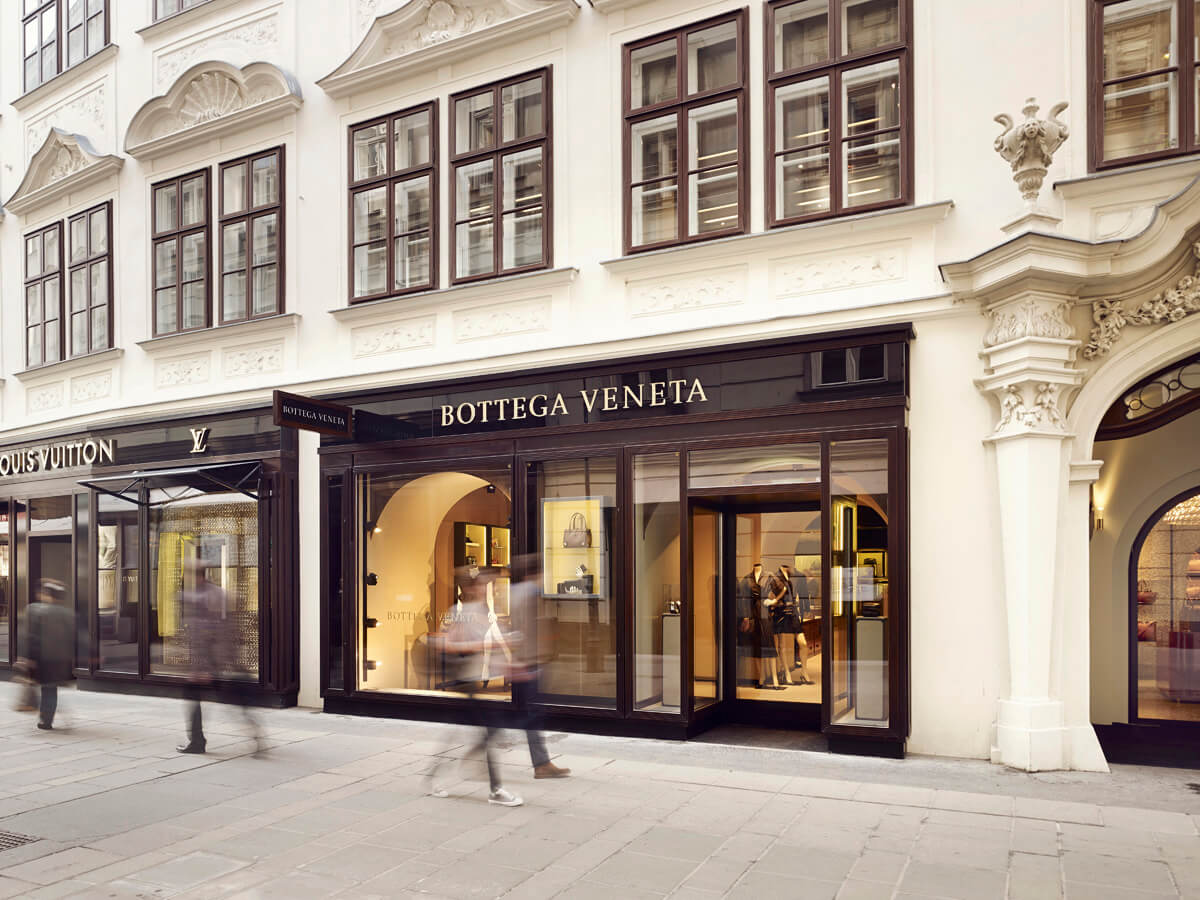
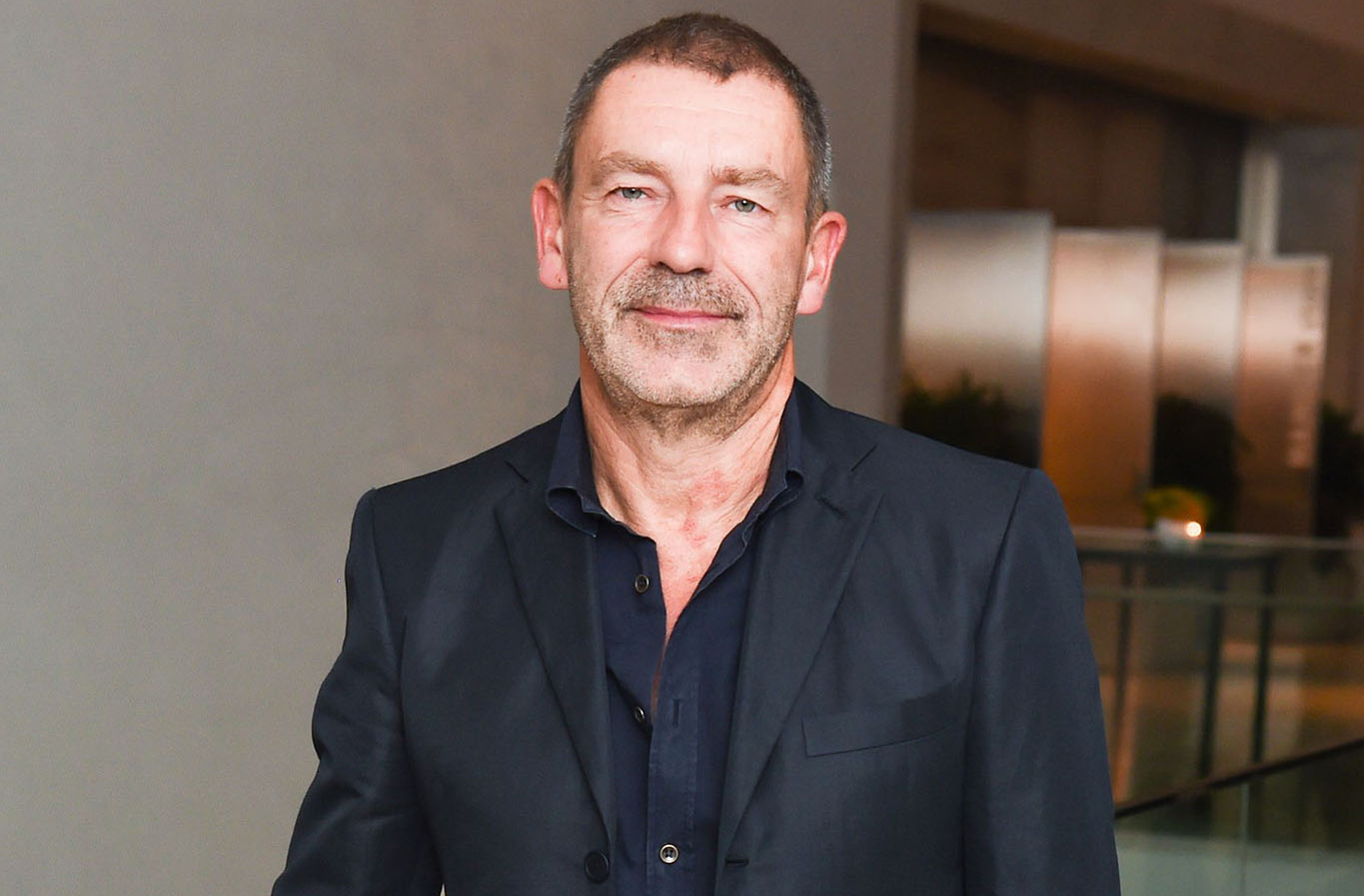
    Bottega Veneta announces the departure of its creative director Tomas Maier, who joined the Italian House in 2001.

    Tomas Maier crafted its renaissance by drawing on the exceptional know-how of the House. Thanks to his creative vision, Bottega Veneta today embodies the quintessence of understated and sophisticated luxury.

    Mandatory Credit: Photo by Billy Farrell/BFA/REX/Shutterstock (6118543kh)
    Tomas Maier
    Hammer Museum Gala in the Garden, Los Angeles, USA – 08 Oct 2016

    “It’s largely due to Tomas’s high-level creative demands that Bottega Veneta became the House it is today. He put it back on the luxury scene and made it an undisputed reference. With his creative vision, he magnificently showcased the expertise of the House’s artisans,” stated François-Henri Pinault.

    I am deeply grateful to him and I personally thank him for the work he accomplished, and for the exceptional success he helped to achieve,” he continued.

  • Supreme and Nike sneaker collaboration is launched

    Supreme and Nike sneaker collaboration is launched

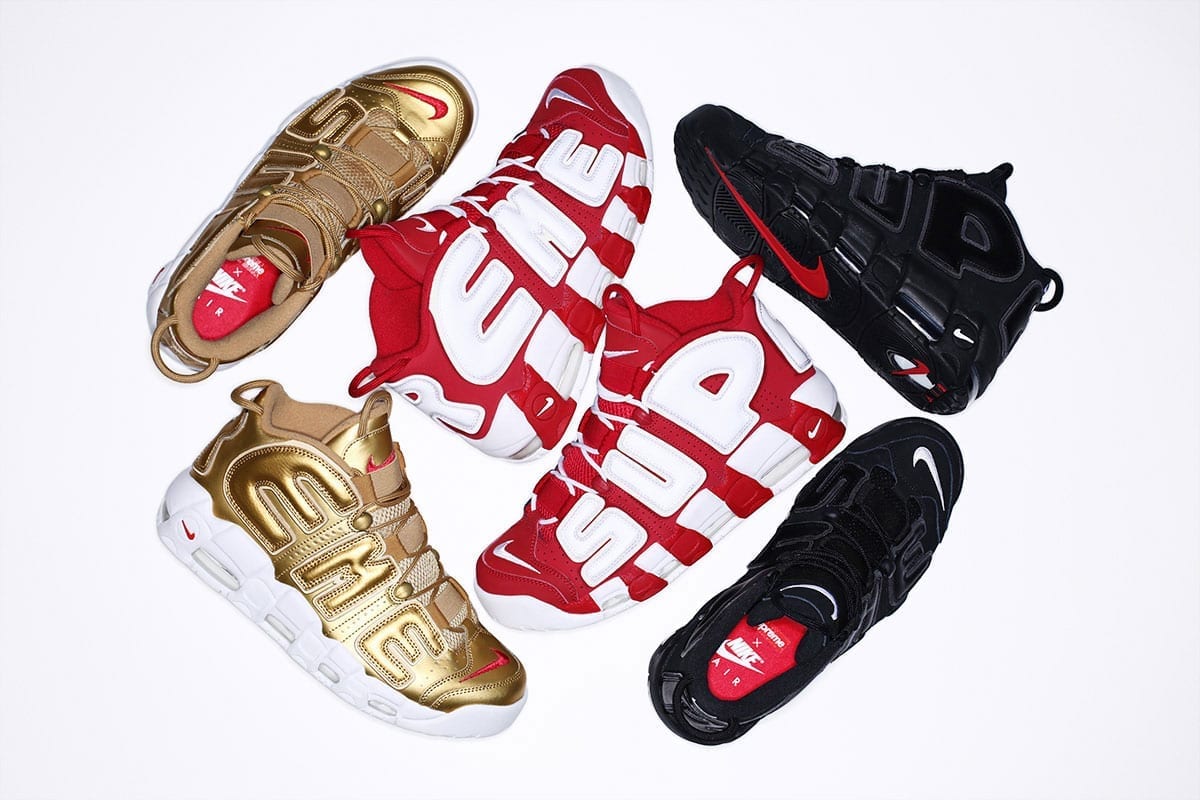
    Supreme and Nike have teamed up to release one of the highest-profile sneaker collaborations this year.

    The cross-branded release updates Nike’s road racing Air Streak Spectrum Plus, originally released back in 2003, with a new version in black with lime and blue flames “Black/Volt”. Another variant is the original white and red colourway “White/Habanero-Red”.

    Both designs are upgraded with a mesh upper, Phylon midsole, and a mesh tongue carrying the Supreme logo. The insoles are dual branded.

    The Supreme x Nike Air Streak Spectrum Plus Spring 2018 collection will be released on June 14 (June 16 in Japan) exclusively at Supreme stores and on its website.

  • Nine West, Bandolino brands sold for $340m

    Nine West, Bandolino brands sold for $340m

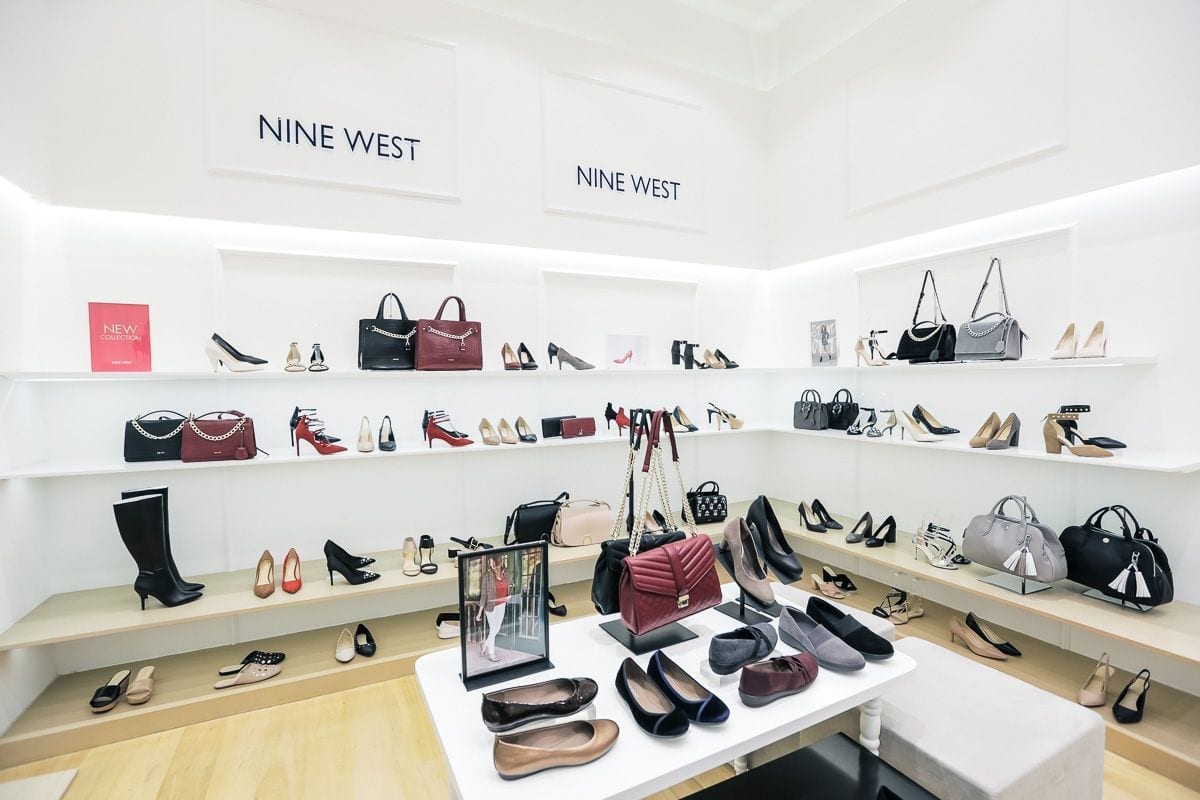
    Nine West Holdings Inc. has sold its Nine West and Bandolino footwear and handbag businesses at a court auction to Authentic Brands Group for $340 million.

    Nine West Holdings Inc. has sold its Nine West and Bandolino footwear and handbag businesses at a court auction to Authentic Brands Group for $340 million.

    The brand management firm won the auction by bidding more than $140 million over its initial stalking horse bid.

    Ralph Schipani, chief executive officer of Nine West, said, “We are pleased to have completed this important step in our restructuring and are now focused on moving forward with the reorganization of our remaining businesses with the support of our key stakeholder groups.”

    ABG chairman and ceo Jamie Salter said, “The addition of these two brands enhances ABG’s growing lifestyle portfolio, while launching our global footwear platform. We see incredible opportunity to expand the brands beyond footwear and handbags, specifically in the apparel and home categories as well as in new markets around the world.”

    Once the sale is approved by a Manhattan bankruptcy court and the deal has closed, ABG will assume all the licensing partnerships and marketing initiatives for both brands. ABG named Marc Fisher Footwear as operator of the footwear businesses and Signal Products as operator of the handbag businesses. A court hearing is scheduled for June 18 and a closing date is slated for July 15.

    Nick Woodhouse, president and chief marketing officer of ABG, said, “This purchase elevates ABG’s footwear and accessories business to over $2 billion in global retail sales and brings our portfolio to nearly $8 billion.”

    Nine West Holdings filed for Chapter 11 bankruptcy court protection in April in a Manhattan bankruptcy court.

    Nine West Holdings sold the two businesses so it can recapitalize its balance sheet. The sale will help the bankrupt firm restructure operations so it can focus on its profitable businesses — One Jeanswear Group, its Jewelry Group, the Kasper Group and its Anne Klein business. The company has said it plans to exit bankruptcy court proceedings around September.

  • IHOP makes waves with name-change mystery

    IHOP makes waves with name-change mystery

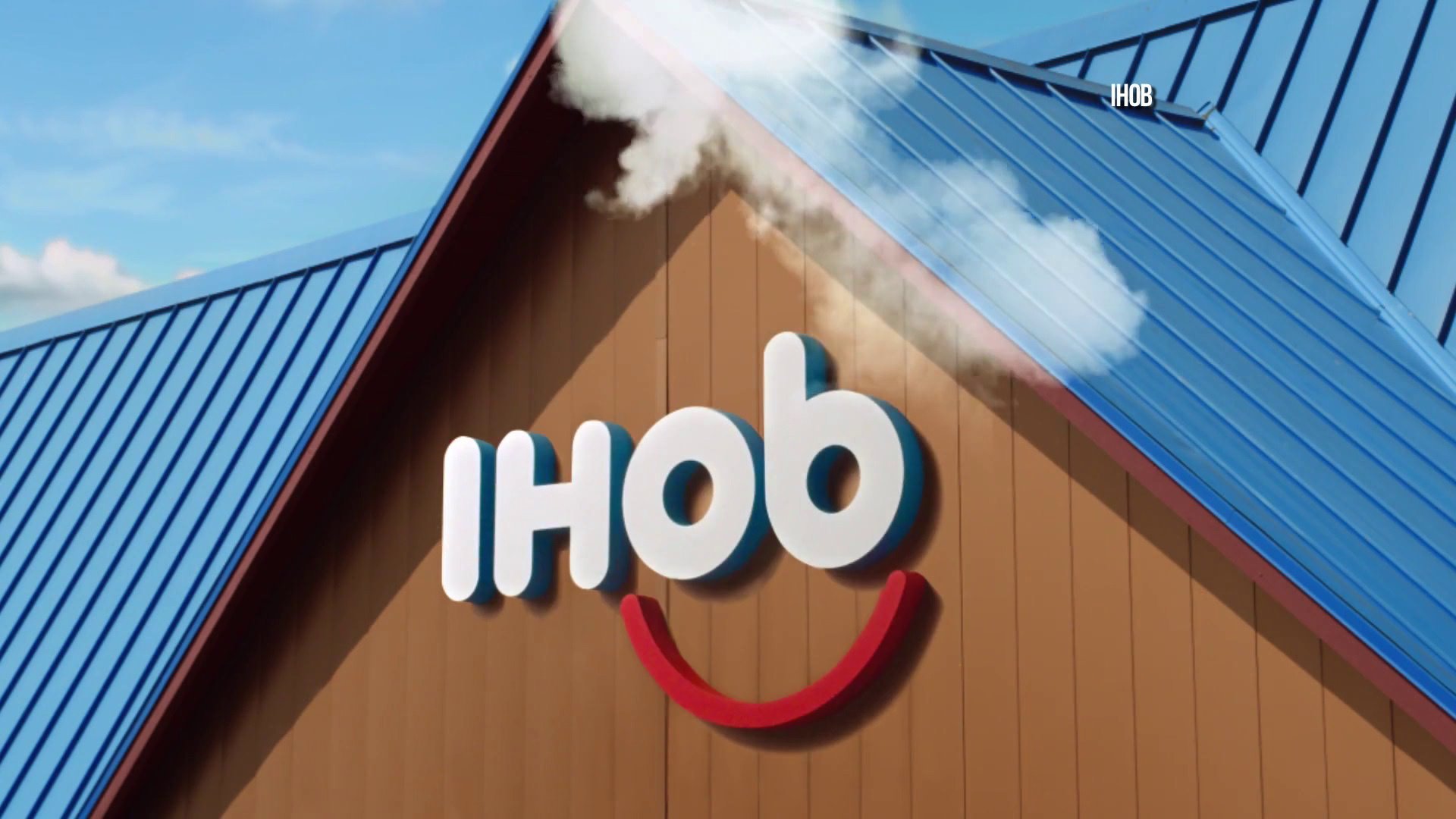
    US-headquartered pancake restaurant Ihop drew a massive social media backlash after announcing it was changing its brand to Ihob – with the b for burgers.

    But the Ihop name change turned out to be a publicity stunt – to try to share the message amongst the ranks of American fast-food fans that the ubiquitous chain was just as good at making burgers as its trademark, calorie-laden pancakes.

    So while the company had to fend off thousands of criticisms from its customers – most of whom failed to read the small print in the announcement that it was a “temporary” change – the subsequent publicity ensured there will be few people across America this morning who don’t know that Ihop – or Ihob – serves burgers as well as pancakes.

    “@IHOb the b stands for blasphemy,” tweeted one dismayed customer. Another said it stood for “international house of betrayal”.

    “The world is spiraling out of control and I can’t understand why IHOP would force us to deal with more unwelcome change,” said another. And yet another: “Why is ihop going thru a mid life crisis.”

    Rival chains climbed on the bandwagon with some good-natured jibes, as well:

    “Not really afraid of the burgers from a place that decided pancakes were too hard,” tweeted Wendy’s.

    And Whataburger tweeted: “As much as we love our pancakes, we’d never change our name to Whatapancake”.

    Guessing game

    Prior to the Ihop name change the company held an online survey, teasing the new Ihob name and inviting people to guess what the b stood for. More than 30,000 people guessed words ranging from bananas to bacon, brunch to breakfast.

    After the furore, Ihop president Darren Rebelez told CNN (yes, he go onto CNN – that’s how successful this PR stunt was!) the company will always be named Ihop, “but we want to convey that we are taking our burgers as seriously as our pancakes”.

    “Burgers are a quintessential, American menu item so it makes perfect sense that Ihop … would go over the top to create a delicious lineup of quality burgers,” added Nevielle Panthaky, the chain’s “culinary chief”.

    Ihop, which turned 60 this year, has nearly 1800 locations across the US, including a flagship in Hollywood, California, which was converted into an Ihob for yesterday’s brand launch party.

    Unsurprisingly, marketing experts were heaping praise on Ihop.

    “Credit to IHOP: They’re garnering more media attention than the moon landing for adding seven hamburgers to their menu,” wrote Kevinwxgg in a tweet, quoted by the Washington Post in a story headlined “IHOP’s name change is what happens when brands exploit the Internet outrage cycle”.

  • Poundworld on the brink of collapse with 5,300 jobs at risk

    Poundworld on the brink of collapse with 5,300 jobs at risk

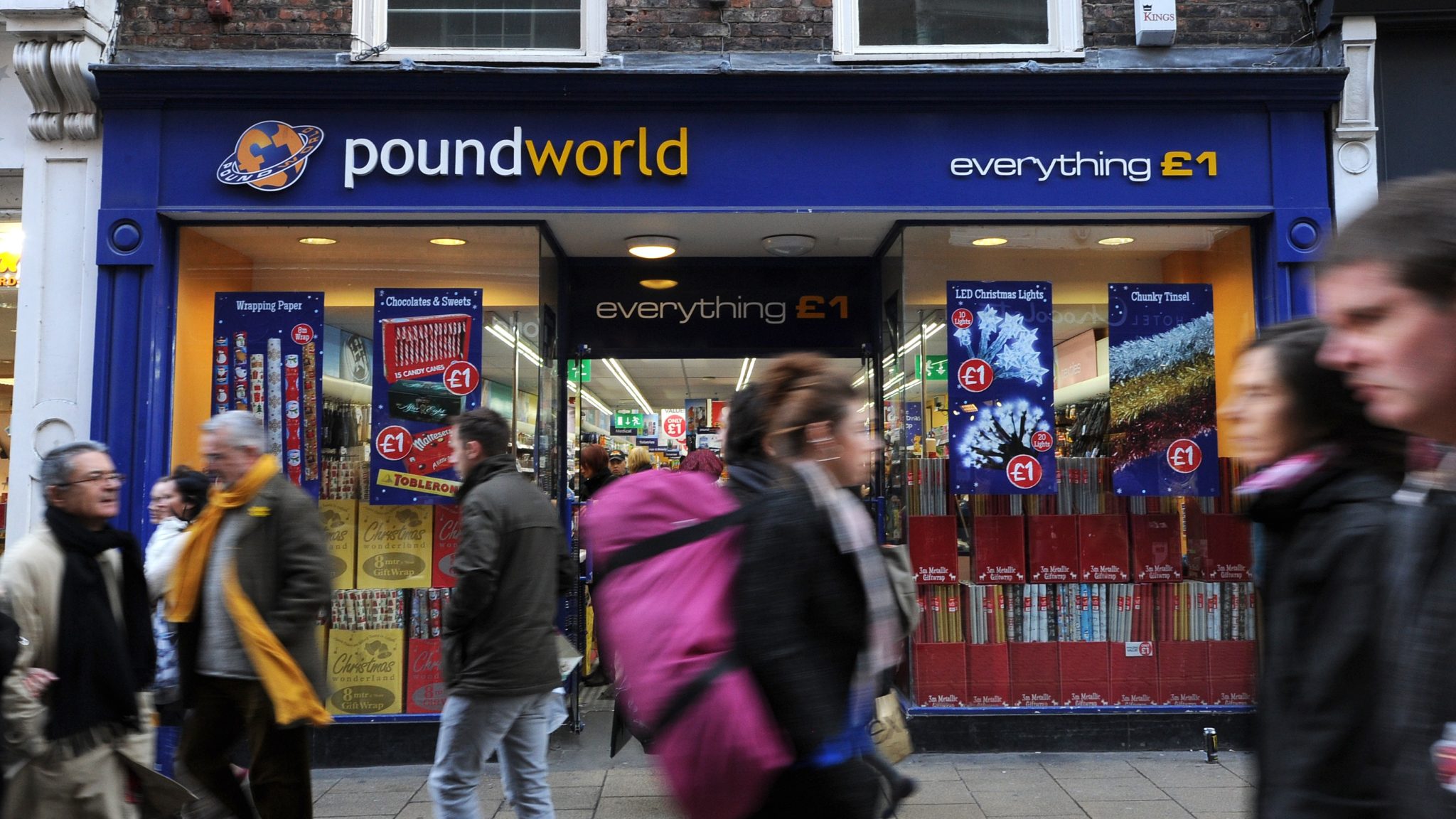
    UK discount retailer Poundworld is on the brink of collapse with an administrator about to be appointed following the collapse of talks with a potential angel investor.

    As reported, the company has filed a notice of intention to appoint an administrator, giving the company 10 business days protection from its creditors, and management time to finalise a restructuring plan to keep the 355-store chain trading.

    The UK financial press reports that Deloitte has been appointed to oversee the administration process and was already working on a plan as a contingency should a new owner not be found.

    Retail turnaround specialist Alteri Investors this week walked away from talks over taking over the ailing company leaving the owners with no other option than to commence administration procedures, given the business is running low on cash.

    Poundworld is owned by US private-equity company TPG Capital. Last financial year it lost £17.1 million, more than three times the loss of the prior year.

  • New  TWG Tea Leicester Square Boutique has more than 800 teas

    New TWG Tea Leicester Square Boutique has more than 800 teas

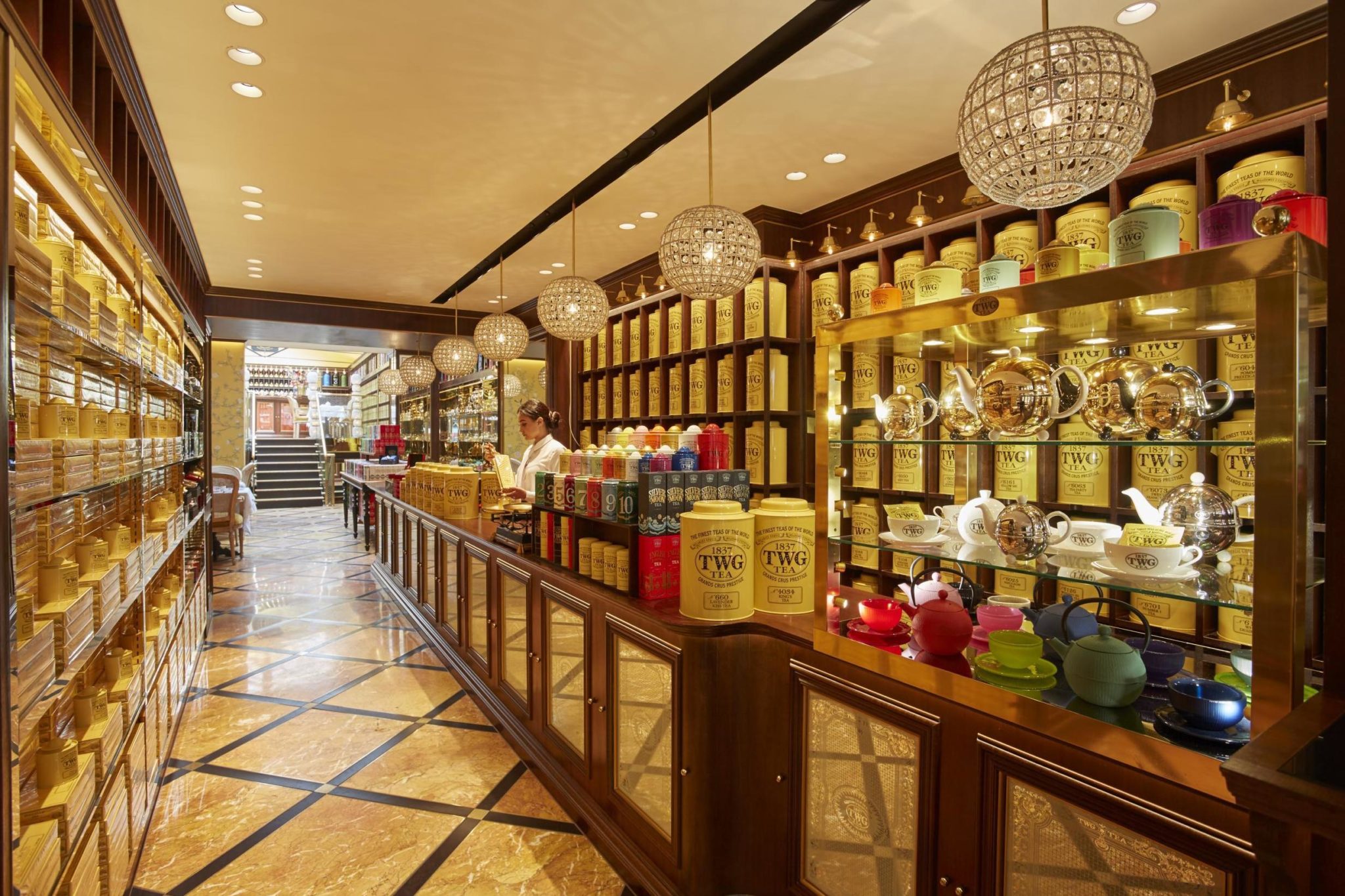
    TWG Tea has launched a London flagship in Leicester Square.

    Inside, the TWG flagship are tables laden with colourful cannisters of the company’s teas, including London Breakfast, Paris Breakfast (with candied spices), Russian Breakfast (Georgian smoky tea with bergamot); afternoon and evening blends like the Orient Express (black tea with wild berries) or Longevity tea, with white leaves; fun blends such as Silver Moon (green tea with berry and vanilla), Emerald River (green with Burma fruits) and the White House (with fruits and roses).

    There are also teas for the connoisseur: the rare first-flush and the white Darjeelings, Chinese Yellow teas, once a drink for emperors, the white Yin Zhen, and blue tea. Prices range up to £1300 for 100g. All up, there are about 800 teas in this branch. In the company’s other, smaller new shop on Brompton Road, opposite Harrods, there are 600.

    Tea can be imbibed from breakfast through to dinner in the tea-salon-cum-restaurant upstairs. This is a grand Chinese room, with tea-leaf shapes on the ceiling and red lacquer panelling. At the back, there is a museum of tea artefacts, from Russian samovars to old dragon-wreathed Chinese teapots and chests.

    As well as teas there are tea-flavoured biscuits and patisserie and ice cream. “We don’t want it just to be about afternoon tea,” says TWG co-founder Maranda Barnes. “We want it to be for every time of day, for everything you do. I was 18 before I started drinking tea. I have it with my girlfriends when I want to unwind, when I want to celebrate, when I want to get myself going. I want everyone to feel that there’s a tea for them. I don’t want it to be stuffy and intimidating.”

    Waiters recommend teas to go with the food, but there is also tea in the food … macha salt on the French fries, Sencha tea and popped rice on the butter and tea leaves in the bread, macha beurre blanc in the Norwegian salmon sauce and the Sakura! Sakura! Tea in the sorbet that goes with the Bain de Rose dessert.

  • Korea now fifth-biggest beauty exporter to EU

    Korea now fifth-biggest beauty exporter to EU


    Korea is now one of the top beauty product exporters to the European Union, surpassing Japan to take the No. 5 spot in terms of value.

    According to a report released by the International Trade Association on 5 June, Korea exported 135 million euros (US$158 million) of beauty products to the EU last year, pushing Japan down to the No. 6 spot.

    The United States took the top spot last year, with 1.2 billion euros of exports to the EU. China came in second with 630 million euros, followed by Switzerland with 574 million euros and Canada with 137 million.

    Although it placed fifth overall, Korea actually recorded the highest year-on-year increase among the top five, at 46.8 percent. The report added that the 135 million euros was a 10-fold increase compared to 2010.

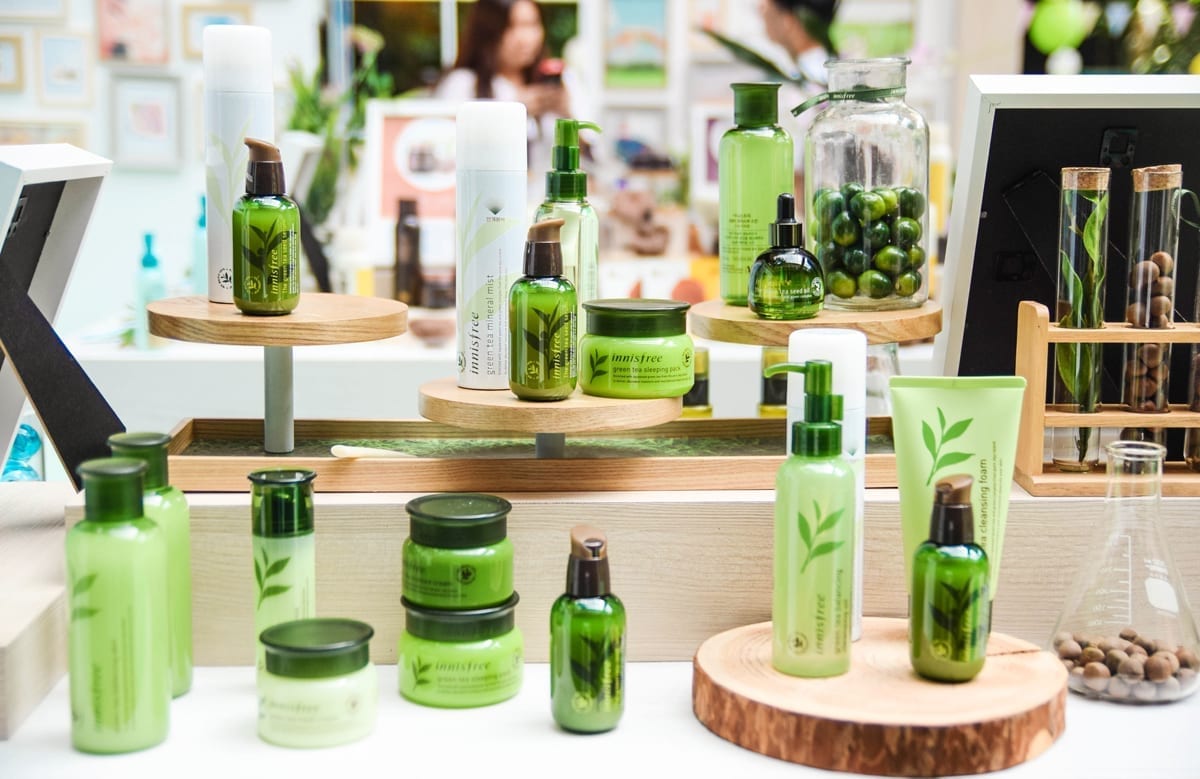
    A major contributor to the rise in popularity of Korean beauty goods across Europe is the growing trend for eco-friendly or vegan lifestyle. The analysis, from Korea International Trade Association’s (KITA) Brussels office, pointed out that Korean brands managed to cater to these changing tastes as they heavily promote the use of natural ingredients like ginseng, green tea and aloe plants.

    This was backed by a survey conducted by Cosmetics Europe in April last year: 52 percent of respondents answered that a product’s effect on the environment was a major factor they considered when making beauty purchases.

    The analysis said that there is a growing perception in Europe that Korean beauty products are good quality. Korean brands also offer products that are otherwise hard to find from European brands, like sheet masks and cushion foundations.

    For companies that aim to launch businesses in Europe, KITA advised that it’s necessary to verify that product ingredients are not animal-tested, as such testing was banned by the European Union in 2013.

    “Several European companies said Korean brands have to work more to increase awareness and particularly make sure to emphasize that they are Korean, as a lot of European consumers know that animal-testing is mandatory for beauty products in China,” said the report.

  • Verizon names former Ericsson chief as new CEO

    Verizon names former Ericsson chief as new CEO

    Former Ericsson chief executive Hans Vestberg was named Friday as the new CEO of US telecom group Verizon, succeeding Lowell McAdam as of Aug 1.

    Vestberg, 52, is currently chief technology officer and head of global networks for Verizon, the leading US wireless telecom group which also owns the AOL and Yahoo brands and is a major broadband provider.

    McAdam, 64, who has been CEO since 2011, will serve as executive chairman until the end of next year, when he will retire and become non-executive chairman, a Verizon statement said.

    Under McAdam, Verizon took over the stake in the important wireless unit from Britain’s Vodafone and built a customer base of more than 150 million.

    He also led efforts to buy faded internet stars AOL and Yahoo to create a digital media operation within the firm, under the brand known as Oath.

    Vestberg, a native of Sweden, served for six years as president and CEO of that country’s big telecom-networking group Ericsson before moving to Verizon.

    He takes over as telecom firms race to build fifth-generation, or 5G networks expected to lead to an array of new services such as telemedicine and autonomous vehicles.

    The transition also comes amid a pending tie-up between number three and four carriers T-Mobile and Sprint, subject to regulatory review.

    Verizon’s main competitor, AT&T, is seeking a transformation with the purchase of media-entertainment giant Time-Warner, a deal being challenged by US antitrust authorities.

    “I am humbled to be appointed CEO of Verizon at such an exciting and dynamic time for our company and industry,” Vestberg said.

    “We are experiencing unprecedented changes in the way users interact in the digital world, and we are racing ahead to remain at the forefront of technology, connectivity and mobility.”

  • Fauchon Launches A Collection Of 20 Boutique Hotels

    Fauchon Launches A Collection Of 20 Boutique Hotels

    Luxury French food purveyor Fauchon will launch its global hotel brand Fauchon Hospitality in Paris on September 1.

    Long associated with fine foods, patisserie and French delicacies, the brand will open its first, the Fauchon L’Hotel Paris, as a 54-room, five-star property on the Place de la Madeleine, the home of the brand, since 1886.

    President/CEO Jacques-Olivier Chauvin says the strategy is to establish a portfolio of 20 Fauchon Hotel-branded properties over the next decade, including in Asia.

    “We are currently in advanced discussions for a hotel in Doha, Qatar and Kyoto, Japan, as well as with a top European player. We are in contact with a major US operating company regarding expansion in the US.”

    Early this year, the Fauchon Hospitality organisation was set up with  as president/CEO. A former Relais & Châteaux CEO, Chauvin is spearheading the bid to build on the brand’s 130-year-old gastronomy legacy to create a domain of service excellence, gourmet cuisine and tailored local experiences.

    He says the unique selling proposition of the hotels is that each will offer what they describe as “GLAM”: Gourmet – the most creative Parisian patisserie in traditional French culinary style; Location at the heart of major cities; Attention and experiences which are bespoke; and Mesdames – “always in tune with women, featuring sophisticated lighting, Dyson hair dryers, properly sized bathrobes, Carita amenities and more”.

    Chauvin says Fauchon Hotels will include the brand’s “in-room Gourmet Bar” which has disrupted the hotel minibar concept by providing guests with a selection of complimentary Fauchon products.