Tag: International

  • Australia retail sales return to growth in April 2018

    Australia retail sales return to growth in April 2018

    The Australian retail industry returned to growth in April with a 0.4% rise in sales after stalling in March, according to the Australian Bureau of Statistics (ABS), surpassing expectations of a 0.2% gain.

    “Retail turnover rose by 0.4% in April, seasonally adjusted, which is an improvement on the March figures which showed no increase,” said National Retail Association CEO, Dominique Lamb, adding it was positive news following the sluggish start to 2018 for the sector.

    All seven Australian states, except for South Australia, recorded growth for the month period, with the Northern Territory lifting the most in value terms, up 2.6% in April.

    The ABS recorded strong sales for cafes, restaurants and takeaways, kicked on by unseasonably warm weather, which many states experienced throughout autumn.

    On the fashion front, the results were not as good with both department stores, and clothing, footwear and personal accessories categories recording turnover falls of 0.9% and 0.8%, respectively.”

    Looking forward, the NRA pointed out that one of Australia’s biggest annual discount seasons — to mark the End of Financial Year (EOFY) — began last week, meaning fashion and department store sales should improve in June.

    It is forecast that Australian shoppers will splurge close to $26 billion during the EOFY sales period in June.

    “With several department stores and fashion outlets slashing their prices between now and July 1, we are optimistic that sales in this area will pick up markedly in the month ahead,” said Lamb.

    “We urge shoppers across the country to take advantage of many of the great bargains on offer as retailers attempt to clear stock before the end of the financial year.”

    Annual retail sales of more than A$315 billion accounts for almost 18% of Australia’s GDP.

  • House of Fraser set to close 31 stores – but Dundrum to survive

    House of Fraser set to close 31 stores – but Dundrum to survive

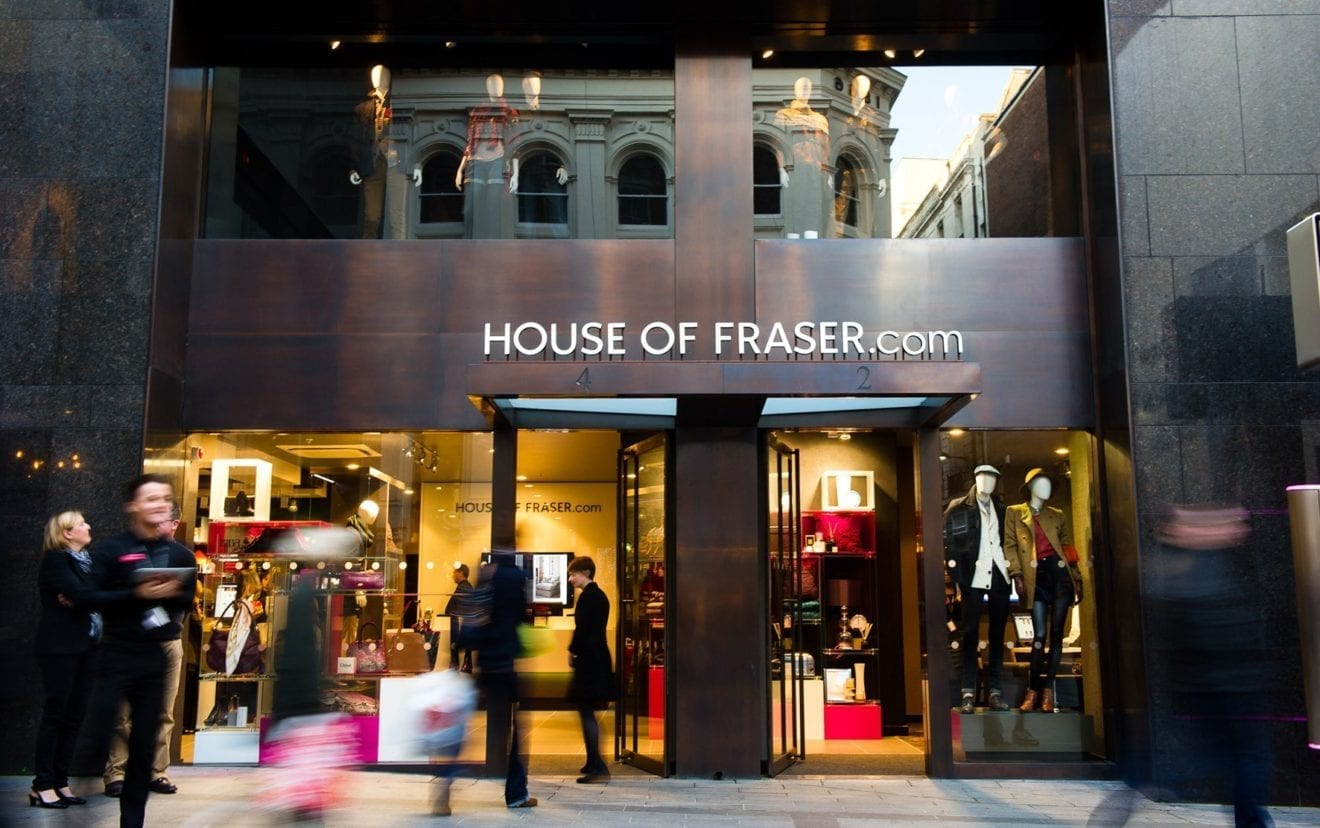
    British-based retailer House of Fraser is set to close 31 of its 59 stores, but its Dundrum store in Dublin and its Victoria Square outlet in Belfast will survive the cull.

    The company is implementing a restructuring plan that will affect 6,000 jobs – 2,000 House of Fraser employees and 4,000 concessions – in a bid to save the company.

    The closures are part of a proposed Company Voluntary Arrangement. CVAs allow insolvent firms to continue trading while paying creditors over a fixed period.

    The CVA, a legal process in the UK that requires landlords to agree to reduced rents or terminations of lease, is a condition for the sale of a controlling stake in the department store group to Hong Kong listed company C.banner, that also owns toy shop Hamleys and plans to inject £70 million of fresh capital into House of Fraser.

    The stores scheduled for closure, which include the group’s Oxford Street store in London and many outlets in provincial cities in Britain’s north and midlands, will remain open until early in 2019.

    Creditor meeting

    The creditor meeting to approve the CVA will be held on June 22nd. Landlords have already signalled their disquiet with the proposal, because it does not impose losses on other creditors or shareholders.

    In a statement, House of Fraser said without the restructuring plan, the company did not have a viable future.

    The restructuring process will also see the company relocate its head office in Baker Street and its Granite House office in Glasgow to new locations to help cut costs.

    The planned closures follow last month’s announcement that another Chinese group, retailer C.banner, had agreed to become the majority owner with a 51 per cent stake, with Nanjing Cenbest remaining a minority shareholder. Mike Ashley’s Sports Direct chain owns an 11 per cent stake in the retailer.

    House of Fraser said it had held constructive initial discussions with landlords and other key stakeholders.

    “The retail industry is undergoing fundamental change and House of Fraser urgently needs to adapt to this fast-changing landscape in order to give it a future and allow it to thrive,” said Frank Slevin, chairman of House of Fraser.

    “Our legacy store estate has created an unsustainable cost base, which without restructuring, presents an existential threat to the business. “So whilst closing stores is a very difficult decision, especially given the length of relationship House of Fraser has with all its locations, there should be no doubt that it is absolutely necessary if we are to continue to trade and be competitive.”

    The use of CVAs have been criticised by landlords in the UK. Speaking on BBC Radio 4’s Today programme on Thursday morning, Ian Fletcher of the British Property Federation said: “The only way to challenge [a CVA application] at the moment is to go to court – that’s not a particularly appetising proposition for anybody.

    “These are big decisions, they involve billions of pounds and they involve people’s jobs and at the moment the only person that is the judge and jury on those is the insolvency practitioner so there is a group already that exists called the pre-pack panel, they could have a role in terms of giving a second opinion.”

    Those affected by the store closures have already been informed. Among those set to close are the company’s Oxford Street store in London and stores in Birmingham and Bournemouth.

    The House of Fraser store in Dundrum is a separate legal entity.

  • Rimowa’s Off-White collaboration

    Rimowa’s Off-White collaboration

    When Alexandre Arnault became co-chief executive of Rimowa in October 2016, following its sale to LVMH for €640 million, the 26-year-old son of LVMH chairman Bernard Arnault set about pushing the German luggage label, best known for its ribbed aluminium suitcases, into new territories.

    First came a collaboration with the Roman fur and leather house Fendi, followed by a partnership with Los Angeles-based Anti Social Social Club. But it was the company’s tie-up with billion-dollar streetwear juggernaut Supreme that really made a splash.

    Now, Arnault is about to drop what could be one of Rimowa’s biggest product collaborations to date: a pair of transparent polycarbonate suitcases created in partnership with Virgil Abloh’s haute streetwear sensation Off-White.

    Below is the gallery of the suitcases (3 images) :

    “At LVMH, we have a saying that we like to be between tradition and modernity. Rimowa is a 120-year-old brand and what we’re doing with Virgil is a great example of modernity,” explained Arnault, who first teased the collaboration on his personal Instagram account in September 2017 and will officially debut the resulting product on June 20 at Off-White’s Paris menswear show.

    The move comes as more and more luxury brands are tapping the cultural energy and business model of streetwear to stay relevant with millennial customers, who drove 85 percent of luxury growth last year and increasingly demand newness and novelty.

    “Maybe there’s a bit of fatigue from customers of traditional brands and they’re excited by fresh products done in a different way and this is something that’s really well embraced by streetwear,” said Arnault. “One collaboration in itself won’t be a key sales driver, but ultimately the social media value of them is extremely important for driving awareness and desirability.”

    Rimowa will follow the Off-White initiative with a partnership with Parisian streetwear label NasaSeasons. But Arnault says he isn’t planning to continue product collaborations at this pace. “You’ll see us come with collaborations for sure but not all in the same space or at the same scale every two months. I’m very cautious of one collaboration too many.”

    Abloh said suitcase he created for Rimowa is transparent in order to let consumers participate in the design process, much as he has with some of his recent sneaker designs for Nike.

    “It’s like 3.0 of personalisation. It’s not just putting your initials on it but allowing another layer to come in play,” he explained. “There’s an emotional component to owning [the suitcase] and you become a performance art piece just by using the thing. It’s like putting your items on display and rethinking the premise of a product.”

    Abloh was recently named men’s artistic director of Louis Vuitton as part of a series of changes on the men’s side of LVMH, including the appointment of Kim Jones at Dior Homme and the appointment of Kris Van Assche at Berluti. Both Jones and Van Assche are known for their modern, streetwear-savvy sensibilities.

    But although the worlds of streetwear and luxury are undoubtedly merging as part of a wider generational shift, Arnault is quick to note that quality will remain a long-term marker of authentic luxury goods. “The thing that changed is the way luxury goods are perceived, marketed and distributed,” he explained. “But people are willing to pay a premium if we know a product comes from a trusted brand with quality craftsmanship — that won’t change.”

    “Heritage, quality, craftsmanship and authenticity from the preceding generation of luxury, that’s valuable. Those things won’t waver,” agreed Abloh, “But being a part of the new era is the halo effect, the cultural attachment and relevance. Married in the right way you have the future of how a brand can be one-part luxury from the preceding generation and coveted by the next generation. That’s the unique fit going forward.”

    Abloh’s ability to bring his streetwear-infused aesthetic to a major European luxury house will be put to the test later this month when he shows his debut collection for Louis Vuitton.

    “What you’ll see with what Kim and Virgil are doing at Dior Homme and Louis Vuitton isn’t the most streetwear-inspired collection — you’re not walking into a skate shop,” hinted Arnault. “They also have to adapt to codes, quality criteria and brand DNA.”

  • Life at Starbucks after Howard Schultz

    Life at Starbucks after Howard Schultz

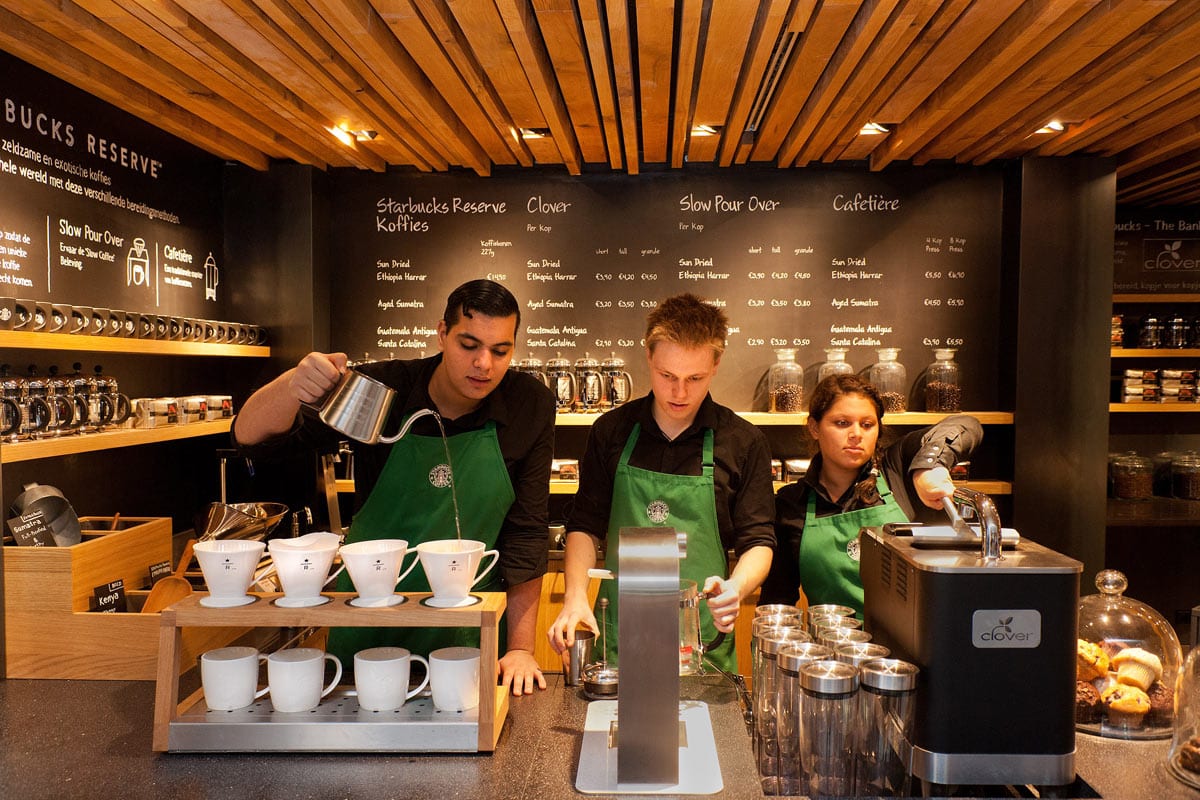
    Howard Schultz, Starbucks’s public face, wrote an emotional letter to employees on Monday to announce his plans to leave the Seattle company on June 26 after some 40 years, saying, “I would like to humbly remind you not to lose sight of what matters most: your fellow partners and our customers.”

    Schultz, who will leave his position as Starbucks’s executive chairman, continued, “Success is not an entitlement; it must be earned every day through hard work and teamwork.”

    A good reminder that was. Starbucks, under Schultz, has been a success story.

    The company has expanded from 11 stores in 1987 to 28,000-plus, in 77 countries, becoming the world’s No. 1 coffeehouse chain thanks to its “Third Place” pitch as a community spot for people between home and work. The company’s stock has jumped 21,000% since its 1992 IPO, and Starbucks was ahead of curve in offering employee benefits including comprehensive health care and free college tuition.

    It also has become a poster child for corporate activism and social consciousness. And with mobile phones fast changing consumer behavior, Starbucks was also ahead in building a mobile payment and rewards system that’s given it coveted customer insights.

    Starbucks’s share in the $58 billion global specialty coffee shop market rose to about 46% last year, from 41% in 2014, according to Euromonitor. Its share in the nearly $25 billion U.S. market surged to more than two-thirds, from 61%, during the same period, Euromonitor data shows.

    However, as much as Starbucks, or Schultz, can take pride in those accomplishments, the reality is that what once set Starbucks apart has been widely replicated and, in some cases, outdone. Just look at the crop of gourmet coffee shops like Think Coffee, Gregorys Coffee, Blue Bottle Coffee and Stumptown Coffee Roasters, which have suddenly mushroomed in cities like New York and beat Starbucks at its own game.

    Starbucks is also facing growing competition on the low end, led by McDonald’s, and increasingly has to respond to the trend of consumers’ brewing more high-end coffee at home or buying more ready-to-drink coffee on the go. A recent Mintel study, for instance, showed ready-to-drink coffee has posted five straight years of double-digit sales growth, outpacing the specialty coffee shop sales growth tracked by Euromonitor.

    Meanwhile, as Starbucks has grown, it has faced the mounting challenge of training its employees and maintaining the same level of customer service and experience. For instance, even though the company recently shut its more than 8,000 company-owned U.S. stores to train nearly 175,000 employees on unconscious bias after a Philadelphia manager called the cops on two black men, the response from both employees and customers has been mixed. (Just look at Starbucks’s painstaking responses to each Facebook post applauding or faulting it for the move.)

    With its recent move to officially declare its Use of Third Place policy to welcome anyone, paying customer or not, to its stores, the chain also needs to figure out who and how it wants to please without alienating its loyal customers.

    The warning signs started coming even before the Philadelphia incident. A Market Force Information study of U.S. coffee, bakery and donut shops in February found Starbucks’s composite loyalty index, which measures things such as customers’ satisfaction and their likelihood to recommend a restaurant, actually declined to 49% this year, from 58% in 2017. This ranked Starbucks below rivals including Krispy Kreme and Panera Bread.

    In yet another cautionary sign, in KPMG’s 2018 U.S. Customer Experience study, which was released Tuesday and covers 250 brands of various sectors, Starbucks actually came in a less-than-impressive 80th place. Among those categorized as restaurants in the study, it fell behind chains like Chick-fil-A, In-N-Out Burger and Krispy Kreme.

    Starbucks, which has also been hurt by declining U.S. mall traffic, has seen the Americas region’s comparable sales, or sales at company-owned locations open for more than 13 months, slow each year to 3% in fiscal 2017 from 7% in fiscal 2013. Even in Asia, where Starbucks has identified China as a big growth driver, comparable sales have slowed over that time.

    That’s not even counting the fact that growth elsewhere likely won’t come fast enough to move the needle and eclipse the U.S.-dominated Americas region, which represented 70% of fiscal 2017 sales versus Asia’s 14%.

    “Never embrace the status quo,” Schultz, whose upcoming departure from Starbucks has sparked speculation of a possible presidential run, wrote in his letter. “Have the curiosity to look around corners and the courage to push for reinvention. … Change is inevitable, and the world has become a more fragile place since we first opened our doors.”

    Starbucks needs to take those words to heart. After all, the world has not only become a more fragile place; it’s also become a more fickle place.

  • Fendi names global head of retail, wholesale

    Fendi names global head of retail, wholesale

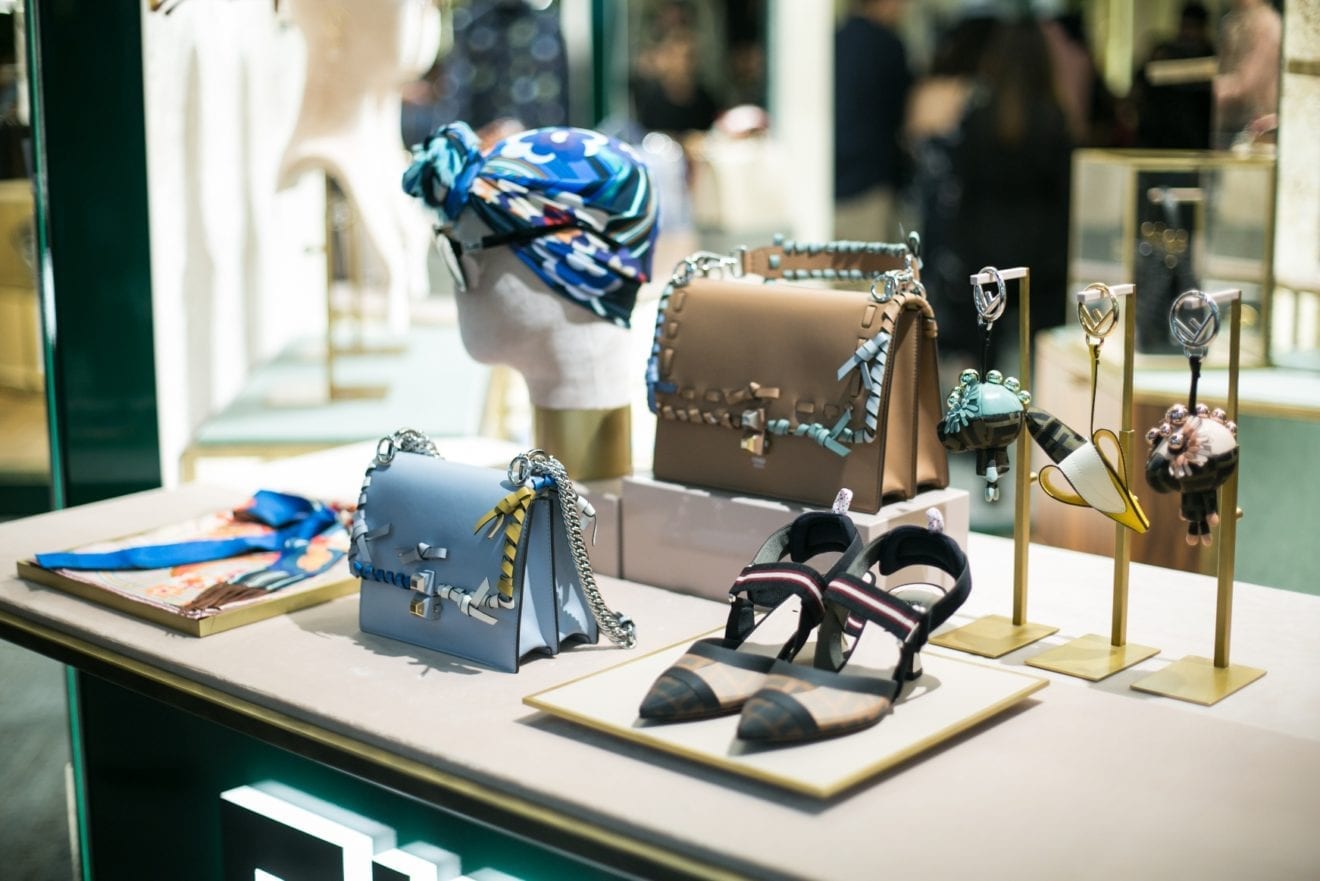
    LVMH Group announced  that Giuseppe Oliveri is leaving his role as general manager of Dior China to take over global retail and wholesale at Fendi.

    Effective 1 July 2018, Oliveri will return to his homeland Italy, commencing as Fendi’s managing director of retail and wholesale.

    Oliveri began his career in banking, before moving into retail with Italian group Benetton, followed by a stint at Stefanel in Hong Kong. From there, he became general manager of Versace’s Asia-Pacific region, before heading over to lead Dior’s Chinese operations in 2015.

    The news comes on the heels of several management reshuffles across the LVMH Group fold.

    Oliveri’s predecessor, Charles Delapalme, recently left to take over Dior’s commercial activities, a role in which he succeeds Serge Brunschwig, who is now CEO at Fendi, following Pietro Beccari’s appointment at the head of Dior.

    LVMH, whose 70 brands range from Dom Perignon champagne to fashion houses like Fendi and Givenchy, said sales rose 11 percent between October and December on a like-for-like basis, which strips out currency swings.

    At the time of reporting in January, the French company said demand from Asian shoppers boosted makers of high-end handbags, clothing and watches during 2017, thanks in particular to thriving Chinese demand.

    While individual brand results were not disclosed, the firm said operating income for the whole of 2017 stood at 8.29 billion euros ($10.36 billion), up 18 percent from a year earlier.

    In Hong Kong, Fendi has more than 200 employees with seven stores in Landmark, Times Square, Pacific Place, Canton Road, Harbour City, DFS Sun Plaza and Elements, according to the French Chamber Hong Kong.

    In the Asia Pacific region, Fendi also has locations in Macau, Taiwan, Korea, Singapore, Malaysia, Thailand and Australia. The brand employs over 2500 employees worldwide.

  • Adyen First To Launch Real Time Mastercard Account Updater Service Globally

    Adyen First To Launch Real Time Mastercard Account Updater Service Globally

    Adyen, the payments platform of choice for many of the world’s leading companies, today announced its direct API integration with the Mastercard® Account Updater service. Qualified merchants processing with Adyen globally can now increase revenue from card-on-file payments by automatically updating Mastercard accounts in real time.

    The direct API connection helps to prevent card declines due to account changes caused by expiration dates or new replacement card numbers, among other reasons. Microsoft and Twitter are among Adyen’s merchants using the Mastercard Account Updater service.

    “The subscription economy is experiencing massive growth, with 100% increase year-over-year for the last five years. Beyond digital services, Adyen is seeing a strong uptake in physical products like cosmetics, fashion and bicycles now offered as a subscription service. Payments are a critical touchpoint for ensuring uninterrupted service for customers and sustained revenue for merchants,” said Roelant Prins, chief commercial officer at Adyen. “Adyen, together with Mastercard’s Account Updater, is focused on making the highest number of payments succeed by automatically updating card data at the point of transaction, preventing involuntary card declines due to expired or replaced cards.”

    “Today’s consumers have their card information stored at multiple online stores and in the event the card gets replaced, it is an inconvenience to remember and update the card details at all the stores,” said Johan Gerber, executive vice president of security and decision products at Mastercard. “As the first payments platform to use our Account Updater API, Adyen is giving merchants a powerful tool to provide a better, seamless consumer shopping experience by automatically updating the details.”

    Adyen’s use of the Mastercard Account Updater API can be activated instantly with no merchant integration required. Adyen also provides merchants extensive live performance data including authorization rate impact by issuing bank and decline code.

  • Captain D’s Seafood Restaurant to have more stores by franchising

    Captain D’s Seafood Restaurant to have more stores by franchising

    World Franchise Associates has announced the signing of an agreement to exclusively represent Captain D’s Seafood Restaurant for development opportunities worldwide. World Franchise Associates assists franchisors to enter new international markets and expertly assists investors to acquire master franchises for the best franchised and most recognized business brands in the world.

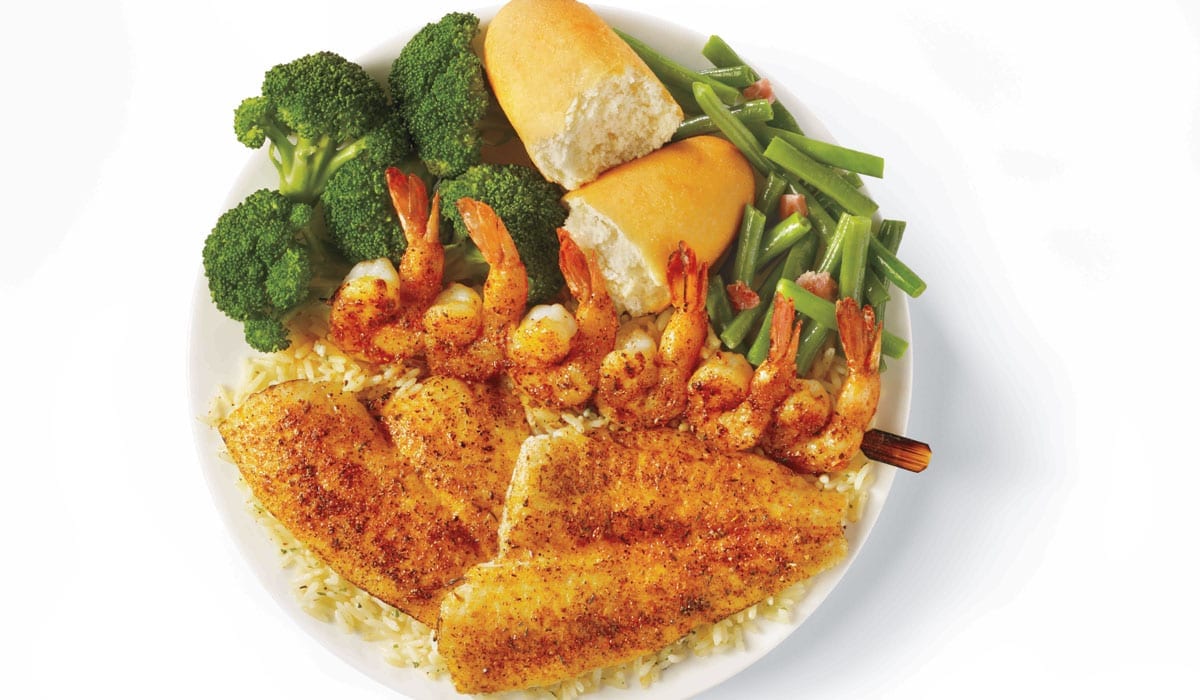
    Captain D’s is the industry-leading fast-casual seafood franchise in the United States with over 550 restaurants. The brand was ranked No. 1 seafood franchise in The QSR 50, the annual ranking by QSR Magazine. The brand also received noteworthy recognition in the franchise industry by setting brand AUV records in 2012, 2013, 2014, and 2015; and 2016 marked the 6th consecutive year of sales growth.

    The brand relaunched four years ago with an expanded menu to include healthy, grilled options and re-imaged decor to attract a new generation of diners seeking seafood as a fast-casual meal alternative. With meals offered at attractive price points – The changes spurred increased customer counts, higher average tickets and more customer frequency.

    Paul Cairnie Chief Executive Officer, World Franchise Associates said, “We are excited about helping to introduce Captain D’s, the number one QSR seafood franchise in the United States, to international audiences worldwide. While other QSR chains have struggled to maintain and grow AUV, Captain D’s is growing — and the growth is sustainable.  Seafood franchises today have an opportunity, as the QSR seafood space has few competitors, so Captain D’s has plenty of room to grow.”

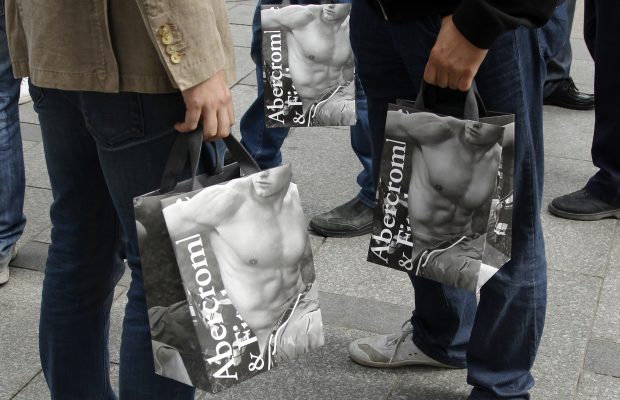
  • Abercrombie and Hollister lead A&F path to recover

    Abercrombie and Hollister lead A&F path to recover

    Following on from a robust fourth quarter, Abercrombie & Fitch has continued its run of success with another solid set of sales numbers. Although growth has come off the back of soft prior year comparatives, the positive comparable sales numbers are an indication of momentum at both the Abercrombie and Hollister brands.

    Under the leadership of Fran Horowitz and her team, the business now has a much clearer sense of direction and a strategy that is producing results.

    Last quarter the Abercrombie brand delivered its first positive comparable sales number in five years, an advancement that has continued into this period with the division reporting a 3 per cent uplift. While this represents something of a bottoming out of sales declines, we also believe that Abercrombie is benefitting from the many improvements that have been made over the past year.

    One of the biggest shifts at Abercrombie has been the change in tone of the business. It has moved from a brash brand to a somewhat confused brand to a brand with a much clearer and more focused identity.

    While we would argue that this reinvention is still a work in progress, we think that the more authentic tone and the coalescing around an effortless American casual theme has paid dividends.

    A key part of the reinvention has been a focus on the product. There are two things we particularly like here. The first is the more disciplined approach to merchandising, which has involved having fewer items in the assortment but making sure that the pieces stocked are a mix of staples and on-trend garments.

    This has made the range much easier to shop. Alongside this, there have been significant improvements to quality and styling. Most of this is subtle and seen in small details like stitching, discrete monograms, or the design of buttons and zippers. The net effect is a range that is more mature and sophisticated, with many more ‘must have’ elements.

    Although it has traditionally been a stronger business, Hollister has also benefited from a more focused approach. Its carefree casual position resonates with the target audience and this is helping to differentiate it and drive sales in a crowded marketplace.

    Across both brands, there are some impressive changes which are supporting sales growth. Marketing efforts are much more comprehensive, with social channels and influencers being used to gain attention.

    Importantly, the company is now marketing where its customers are rather than just through traditional channels, using platforms like Snapchat and app-based games to create brand awareness and affinity.

    Stores have also been an area of focus and we applaud the continued efforts to rightsize the chain.

    Moreover, we remain impressed with the new store formats of both Abercrombie and Hollister. These represent an enormous shift in thinking and allow customers to see and experience the new face of the brands. Digital has not been neglected and we equally welcome changes made to the websites and the development of more omnichannel services.

    Admittedly, all of this has added to costs, which contributed to this quarter’s loss. That said, the company is a lot less in the red than it was this time last year, which represents progress.

    Abercrombie & Fitch’s work is not yet complete. The past couple of years were about stabilising and transforming the business, something we think has been achieved.

    In the year ahead, the focus must be on accelerating growth.

  • The $1,290 Balenciaga “T-shirt shirt” goes viral

    The $1,290 Balenciaga “T-shirt shirt” goes viral

    Pushing all those social media buttons and getting everyone het up to such an extent that they have just become complicit in making an item in the men’s collection a veritable phenomenon simply on the back of an Instagram post.

    When will we stop swallowing the bait? One moment there’s a picture online, and the next it has spawned 1,000 memes — all of which lead back to the source, and all of which play right into the hands of the very canny designer Demna Gvasalia.

    He understands as well as anyone how to ride the hype cycle and bend the free-floating and often indiscriminate desire of the digisphere to use fashion as target practice to his own advantage.

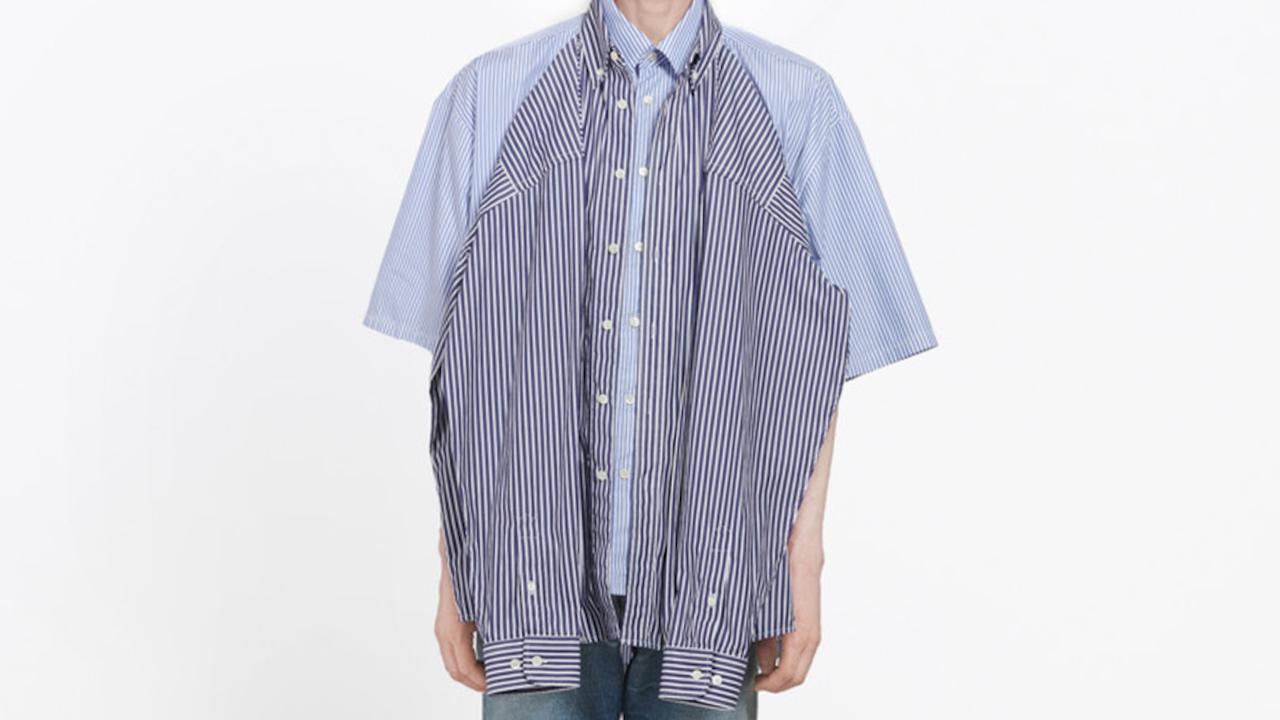
    It is, of course, of the T-shirt shirt, a men’s wear product from the Balenciaga fall 2018 collection that is exactly what it sounds like: a cotton T-shirt twinned to a cotton button-up shirt in complementary colors that can be worn with the long-sleeved shirt draped on the front, or the T-shirt draped off the back.

    It costs $1,290 and is currently available to order. It’s not quite two-for-one, but close. It’s in the same family as the Double Shirt (a short-sleeved button version with the long-sleeved one that costs $1,490) and has a sibling in the spring women’s collection (a version that costs $1,690 is sold out at the Balenciaga store online), though no one seems to have registered any outrage about that one yet.

    In collection context, the T-shirt shirt could be seen as smart, pointed commentary on our conflicted relationship with the whole idea of smart casual dressing and obsession with becoming the next Mark Zuckerberg by shedding the corporate uniform.

    But on its own in various Instagram posts, with a young man looking serious and pouty while draped in multiple empty sleeves, it went viral on tides of self-amused commentary about fashion’s ridiculousness.

    The Twitterati had a field day! The Daily Mail weighed in! So did Perez Hilton. Fortune and CBS did stories. Those are just a few of the reactions, which have come from India, Mexico, Germany, Britain and Canada, among other places. Most of them could be summed up as: Look at everyone freaking out about the crazy fashion types making weird stuff.

    Though Balenciaga declined to comment on the reactions, this is not the first time the brand has turned the potential of social media mockery over what is perceived as a silly product into a strategy.

    It began just over a year ago, when a leather version of the classic IkeaFrakta shopper that cost $2,145, instead of the original’s 99 cents, sent the internet into a similar frenzy about apparent fashion excess — and then sold like hot cakes.

    That may have been a fluke, but then came the embellished platform Crocs for $850, which again produced shock and horror online — and were sold out on some sites before they even arrived, thanks to the number of pre-orders engendered by all that chat. And now we have the T-shirt shirt.

    Are you seeing the same pattern I am seeing? With both Balenciaga, where Mr. Gvasalia has been creative director since October 2015, and his own brand, Vetements, the designer has made something of an art form out of appropriating the basic clothing (or high fashion) common denominators that we have long taken for granted and twisting and torquing them into new forms that demand a rethink. Now he is doing exactly the same thing with our reactions.

  • Kate Spade committed suicide

    Kate Spade committed suicide

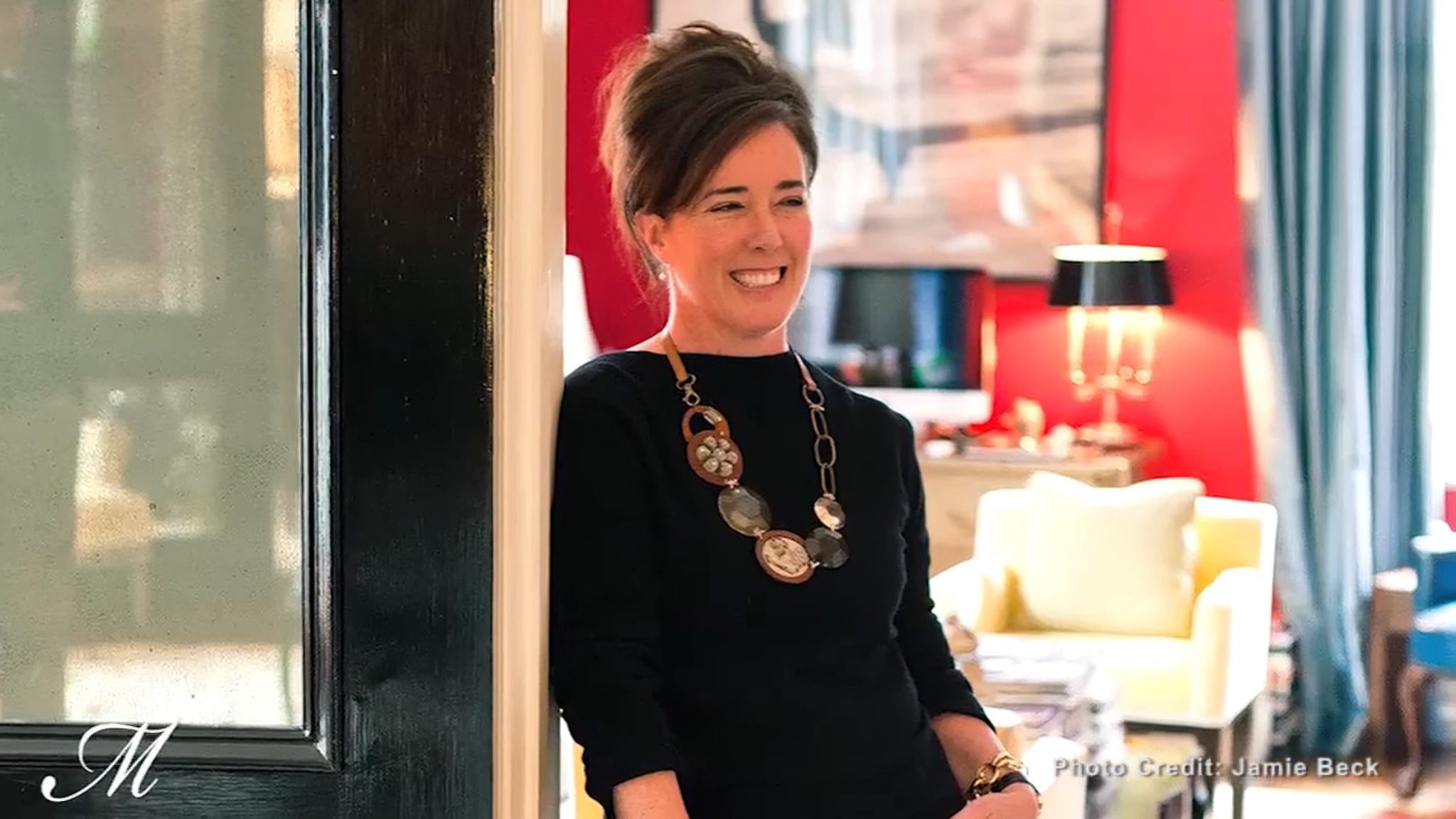
    Kate Brosnahan Spade, who created an iconic, accessible handbag line that bridged Main Street and high-end fashion, hanged herself in an apparent suicide Tuesday at her Manhattan apartment, according to New York Police Department sources.

    Police responded at 10:10 a.m. after Spade was found by her housekeeper, NYPD Chief of Detectives Dermot Shea said. A suicide note was found at the scene, he said. Spade addressed her daughter in the note, according to two NYPD sources. Spade’s husband also is referenced in the note, according to one of the sources.
    The designer, 55, started Kate Spade New York in 1993 and opened her first shop in the city three years later, the company’s website states.
    Best known for its colorful handbags, Kate Spade New York has more than 140 retail shops and outlet stores across the United States and more than 175 stores internationally, the site states.
    Over time, she distanced herself from her business.
    In 1999, she and her husband, Andy Spade, sold 56% of the brand to Neiman Marcus for $33.6 million. Liz Claiborne acquired the company in 2007, and Spade left her namesake brand. The luxury fashion company Coach announced plans in May 2017 to buy Kate Spade for $2.4 billion.
    Kate Spade New York issued a statement confirming the “incredibly sad news” of their eponymous founder’s death.
    “Although Kate has not been affiliated with the brand for more than a decade, she and her husband and creative partner, Andy, were the founders of our beloved brand,” the statement said. “Kate will be dearly missed. Our thoughts are with Andy and the entire Spade family at this time.”
    “We honor all the beauty she brought into this world,” the company said in a tweet.
  • Trend of ‘ugly’ summer collection

    Trend of ‘ugly’ summer collection

    From mop shoes to bejewelled crocs, ‘ugly fashion’ is 2018’s most pervasive trend.

    In fact, it has popularised items that are so deeply uncool, wearing them proves, ironically, just how cool you are.

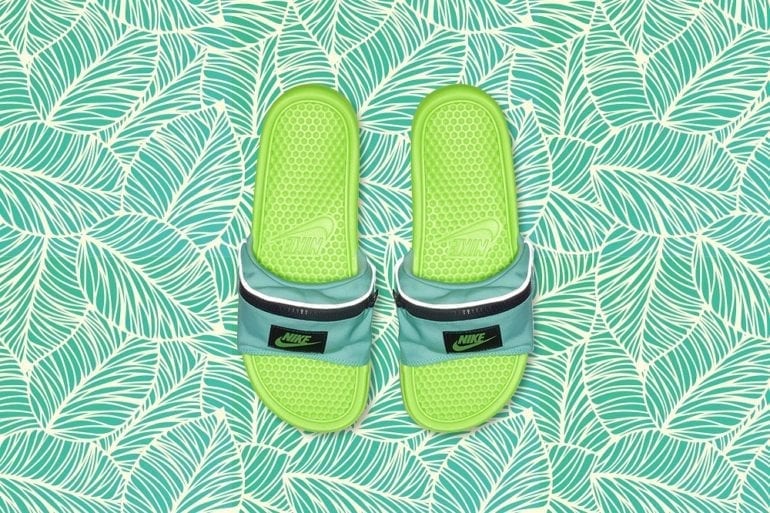
    The latest addition to the trend: Nike’s ‘fanny-pack’ – or as we call them in the UK, ‘bum bag’ – Benassi slides. They are sandal slides with a handy zip pouch for you to keep your… well, we’re still trying to figure that part out.

    The shoe might not be available yet, nor do we know how much this reworked Nike classic is going to cost, but having a bumbag on your foot has sent the Twitterverse into a frenzy.

    The latest addition to the trend: Nike’s ‘fanny-pack’ – or as they are called in the UK, ‘bum bag’ – Benassi slides. They are sandal slides with a handy zip pouch for you to keep your some of your belonging, not sure what yet.

    The shoe might not be available yet, nor do we know how much this reworked Nike classic is going to cost, but having a bumbag on your foot has sent the Twitterverse into a frenzy.

    But mostly, people have just been wondering what to do with this extra pocket space. The truth about ‘ugly fashion’ is that it definitely creates quite a buzz online, and cascades of UGC.

    But they are not the only shoes in the ugly fashion universe. In fact, sported by the likes of Gigi Hadid and Kendall Jenner, ‘ugly’ footwear companies like crocs have enjoyed a higher market value thanks to the effect of the trend.

    Basically, ugly fashion is here to stay.

  • Starbucks Chairman Howard Schultz To Step Down

    Starbucks Chairman Howard Schultz To Step Down

    Starbucks chairman Howard Schultz shocked many of his 350,000 associates across the world by announcing his resignation with just three weeks notice.

    Political commentators have been quick to link his sudden departure to a bid for the Democratic presidential nomination for the 2020 election, rumours about which have been swirling for months.

    Schultz’s last day at the small Seattle company he bought in 1987 and built into one of the world’s largest cafe chains will be on June 26 when he will be designated chairman emeritus. Myron E Ullman, formerly chairman and CEO of JCPenney, will take over as chairman with Mellody Hobson, president and director of Ariel Investments, becoming vice chairman.

    In a long letter to staff and customers, Schultz said it seems like yesterday that he first walked into the Pike Place store, “stepped across the threshold, and was swept into a world of coffee and community”.

    “That moment began the journey of a lifetime. Not just for me, but for so many of us. Who could have imagined how far we would travel together, from 11 stores in 1987 to more than 28,000 stores in 77 countries. But these numbers are not the true measures of our success. Starbucks changed the way millions of people drink coffee, this is true, but we also changed people’s lives in communities around the world for the better.”

    Perhaps a clue to his future political intentions was an invitation in the letter to follow his website which appears to be brand new. On the site he signs off from Starbucks in another letter, closing with the comment: “I still have the same curiosity that’s fuelled me all these years, and a relentless passion to enhance the lives of others. I encourage and welcome your thoughts about what comes next…”

    During recent years, Schultz has been more outspoken about his political views, publicly endorsing Hillary Clinton and condemning several actions of US President Donald Trump.

    It’s not goodbye

    In his letter to Starbucks staff and customers, Schultz said the move will be an emotional transition.

    “But I’m looking forward to spending time with my family this summer. I’m also writing a book about Starbucks’ social impact work and our efforts to redefine the role and responsibility of a public company in an ever-changing society. It’s a journey that has prompted me to consider the many ways that each of us, as citizens, can give back to our communities. I’ll be thinking about a range of options for myself, from philanthropy to public service, but I’m a long way from knowing what the future holds.”

    He was also clear in his desire to remain part of the company he built so strong. “I’ll never say goodbye to you. Just thank you.”

  • Mothercare creditors approve CVA plans

    Mothercare creditors approve CVA plans

    Creditors have given the green light to the Mothercare CVA plan which will lead to the closure of 49 stores and the axing if hundreds of jobs.

    The company voluntary arrangement was revealed last month after the company posted a  £72.8 million loss last financial year, despite the closure of more than half its stores over the past five years. The company admitted then it was in a “perilous” position.

    More than 75 per cent of creditors approved the plan – necessary for its implementation. As well as the closures, the embattled retailer will seek rent reductions on 21 store sites.

    The Mothercare CVA will not affect day-to-day operations with all stores continuing to trade for the time being.

    Part of the CVA is a £113.5 million refinancing package, including £28 million raised through the sale of new shares, and revised debt facilities.

    “We are very grateful for the support of our many stakeholders across our creditor base in supporting today’s CVA proposals,” said Clive Whiley, a turnaround specialist appointed acting executive chairman less than two months ago to help rescue the business.

    “These measures provide a solid platform from which to reposition the group and begin to focus on growth, both in the UK and internationally.”

  • L’Oréal and Valentino announce a worldwide license agreement for fine fragrances and luxury beauty

    L’Oréal and Valentino announce a worldwide license agreement for fine fragrances and luxury beauty

    L’Oréal and Valentino announce the signature of a worldwide long-term license agreement for the creation,  development and distribution of fine fragrances and luxury beauty under the Valentino brand.

    Founded in 1960 in Rome, Maison Valentino holds a unique role in the luxury universe thanks to its long standing tradition in Haute Couture and the innovative contemporary vision of Creative Director Pierpaolo Piccioli. Under the successful direction of CEO Stefano Sassi and Creative Director Pierpaolo Piccioli, Valentino today embodies the image of beauty, of the extraordinary and of modernity, and as such, provides a strong inspiration for fragrance and beauty creation. The top three most popular fragrances today are Valentino Donna, Valentino Uomo and Valentina.

    The agreement will be effective as of 1 January 2019, after customary regulatory approvals, if any.

    Nicolas Hieronimus, Deputy CEO of L’Oréal, said “We are thrilled to have been granted the license of Maison Valentino. With its unique combination of prestige and modernity, Valentino definitely will appeal to millennial consumers around the globe and ideally complements our brand portfolio.”

    Stefano Sassi, CEO of Valentino, said “We are very excited to start this new venture together with L’Oréal to further develop our beauty business. We believe Valentino has great potential within the category and that with L’Oréal’s unparalleled expertise in the sector, we will be able to realize that potential.”

  • Bag maker Samsonite’s CEO resigns after short-seller report

    Bag maker Samsonite’s CEO resigns after short-seller report

    Samsonite CEO Ramesh Tainwala has resigned with immediate effect “in the best interests of the company” as the fallout from a short-seller report on the company’s reputation and share price continues.

    Tainwala will be replaced immediately by CFO Kyle Gendreau.

    Hong Kong-listed Samsonite’s stock value plummeted more than 20 per cent during two days last week, before trading was suspended, leaving it with a valuation of about US$4.8 billion.

    That followed the release of a report by Blue Orca accusing the world’s largest luggage maker and retailer of questionable accounting practices and questioning its engagement in third-party related transactions with entities owned by Tainwala.

    But in a statement issued overnight, chairman Timothy Parker said the Samsonite CEO was stepping down due to issues with his academic qualifications.

    “While the board notes that since the company’s IPO in 2011, its disclosure of Ramesh’s educational background has been accurate, the board also takes seriously the allegation that has been made about his academic credentials. Ramesh tendered his resignation, citing personal reasons. In considering such resignation, the board thoroughly reviewed the facts related to this allegation and has determined that accepting Ramesh’s resignation is in the best interests of the company and its shareholders.”

    Tainwala has overseen solid growth of Samsonite in recent years, including the acquisition of luxury travel brand Tumi.

    Parker paid tribute to Tainwala’s “dedication and many contributions to the success of Samsonite” over the years. “During his tenure the company has continued to achieve strong revenue and earnings growth.”

    Gendreau takes over

    Kyle Gendreau has served as an executive director of Samsonite since March 2011, previously serving as CFO and an executive director of the consolidated group since January 2009.

    “Having served as a senior executive of Samsonite for many years, Kyle possesses a strong understanding of our industry, significant financial management experience across retail and consumer products, as well as deep institutional knowledge of Samsonite,” said Parker.

    “Samsonite has a proven record of solid growth and value creation since its initial public offering in 2011, and Kyle has played an instrumental part in achieving these results. The board is confident that under Kyle’s leadership, the company remains well-positioned to continue executing on its multi-brand, multi-category and multi-channel global strategy to capitalise on the growth opportunities ahead and to enhance long-term value for shareholders.”

    Gendreau’s appointment can be interpreted as the ultimate endorsement of its position on the Blue Orca report, given his long tenure overseeing Samsonite’s financials.

    “One-sided and misleading”

    In a separate statement overnight, Samsonite formally responded to the damaging report, opening with a warning to shareholders that Blue Orca is “a self-proclaimed activist investment fund that is focused on short selling”.

    “In the short-seller report, Blue Orca cautions investors that it has a “short interest in Samsonite’s stock and therefore stands to realise significant gains in the event that the price of Samsonite stock declines”.” It has declined by 20 per cent since the report’s release.

    The luggage giant’s board said it had thoroughly reviewed the allegations in the report and determined that they are “one-sided and misleading” and that conclusions drawn regarding its financial results are incorrect.

    On the allegations of irregular third-party related transactions, Samsonite’s board said continuing connected transactions are entered into in the ordinary and usual course of business of the group and are either on normal commercial terms or on terms that are no less favorable than available with any other third party.

    “The company has robust internal procedures to ensure that all continuing connected transactions have been identified, and appropriately reviewed and disclosed, in accordance with the Stock Exchange’s listing rules. Those transactions have been subject to annual review and approval by the company’s disinterested directors and independent non-executive directors in compliance with the requirements of the listing rules, and review by the company’s internal audit department. This process, which is performed in connection with the publication of the company’s financial results, helps to ensure that all continuing connected transactions have been identified and properly disclosed. In addition, the company’s external auditors, KPMG, perform annual limited assurance procedures related to continuing connected transactions.”