Tag: International

  • Designer Parfums acquires Cerruti 1881 fragrance licence

    Designer Parfums acquires Cerruti 1881 fragrance licence

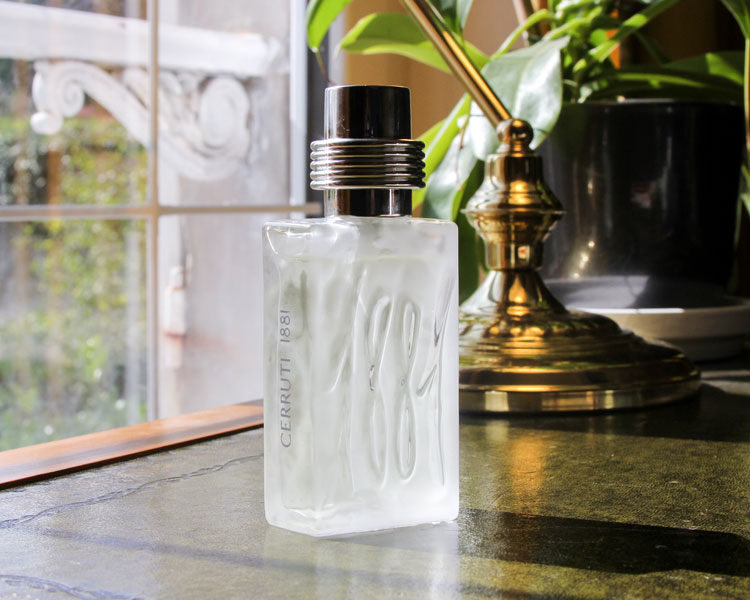
    UK Designer Parfums has acquired the fragrance licence of the Cerruti 1881 brand, chairman/CEO Dilesh Mehta has announced.

    Nino Cerruti founded the brand in Paris in 1967, which is known for its quality products in the world of fashion, accessories and fragrance.

    Cerruti 1881 executive VP Laurent Grosgogeat says scents have been a major category for the brand in the past 40 years. When the Cerruti brothers founded the house in Biella, Italy, in 1881, they were known for making quality wools and textiles.

    Twenty-year-old Nino Cerruti took up the baton in the 1950s and in 1967 founded Cerruti 1881 with its focus on men’s ready to wear. Today, the brand has nearly 100 directly run stores globally and is stocked by leading retailers.

    It launched its first fragrance in 1978, and since April 2011 has been part of Hong Kong-based Trinity Limited, which specialises in high-end men’s pret a porter. Jason Basmajian was appointed chief creative officer in October 2015.

    Designer Parfums offers a range of premium fragrances and beauty products either wholly owned or run under licence. Covering more than 80 countries, its portfolio includes such brands as Aigner Parfums, Ghost, Jean Patou and Jean-Louis Scherrer.

  • Burberry makes a move to boost its handbag business

    Burberry makes a move to boost its handbag business

    Burberry, which is seen as punching below its weight in handbags and leather accessories compared to its peers, said it will be taking a team of around 100 leather goods specialists in-house as part of the deal agreed with CF&P, one of its longstanding suppliers.

    It did not say how much it would pay for the deal.

    Luxury goods firms tend to make the largest chunk of revenues from high-margin leather accessories, and many seek where possible to cut out the middle-man, giving them more control over costs and turnaround times.

    CF&P, which is based in Scandicci just outside Florence, focuses on developing propotypes and works with other brands. A small part of its business will remain independent following the deal with Burberry.

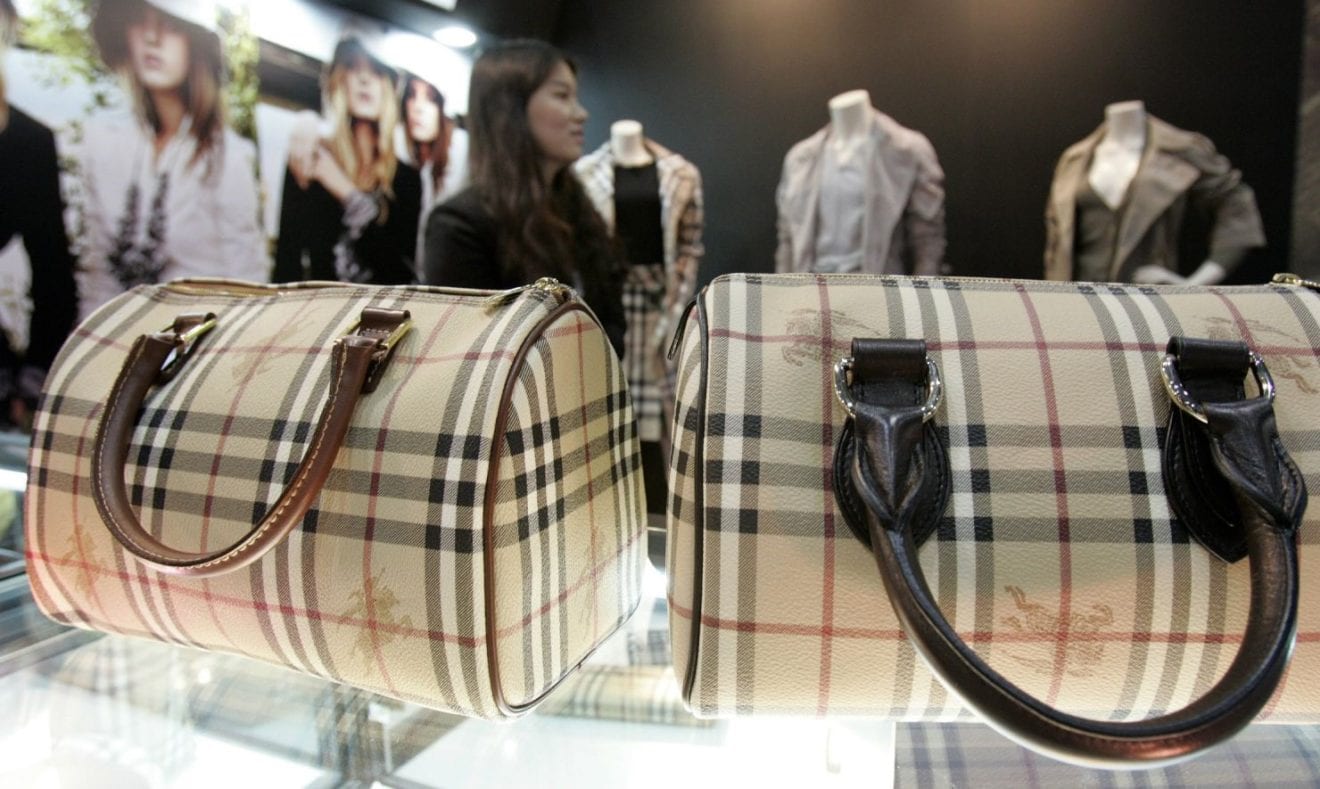
    The acquisition comes as Burberry Chief Executive Marco Gobbetti pushes to transform the brand known for its camel, red and black check designs into more of a top-end luxury player, in part by shaking up the product range.

    “The challenge for Burberry in launching its new medium-term strategy to climb back up the luxury pyramid has been the fact that it is inherently weak in a core product area: leather goods,” analysts at Jefferies said in a note, adding that the Italian deal was a welcome move.

    Burberry, which reports preliminary results on Wednesday, has also brought in a new designer, former Givenchy star Riccardo Tisci, and overhauled several layers of management.

    The brand does not break out how much of its manufacturing process is internal, though it is known to produce some of its trademark items, like its trench coats, in Britain.

    Rivals are also making similar moves to tighten control over suppliers. Italy’s Gucci, owned by the Kering luxury conglomerate, earlier this year inaugurated a vast leather goods facility in Tuscany, with some 800 employees.

    The Gucci ArtLab will be focused on prototyping as well as research into new materials and techniques.

    Some other brands like LVMH’s Louis Vuitton or Hermès have long had full control of their leather goods manufacturing, but are also looking to cut lead times as they look to meet thriving demand.

  • Walmart sales boosted by new website

    Walmart sales boosted by new website

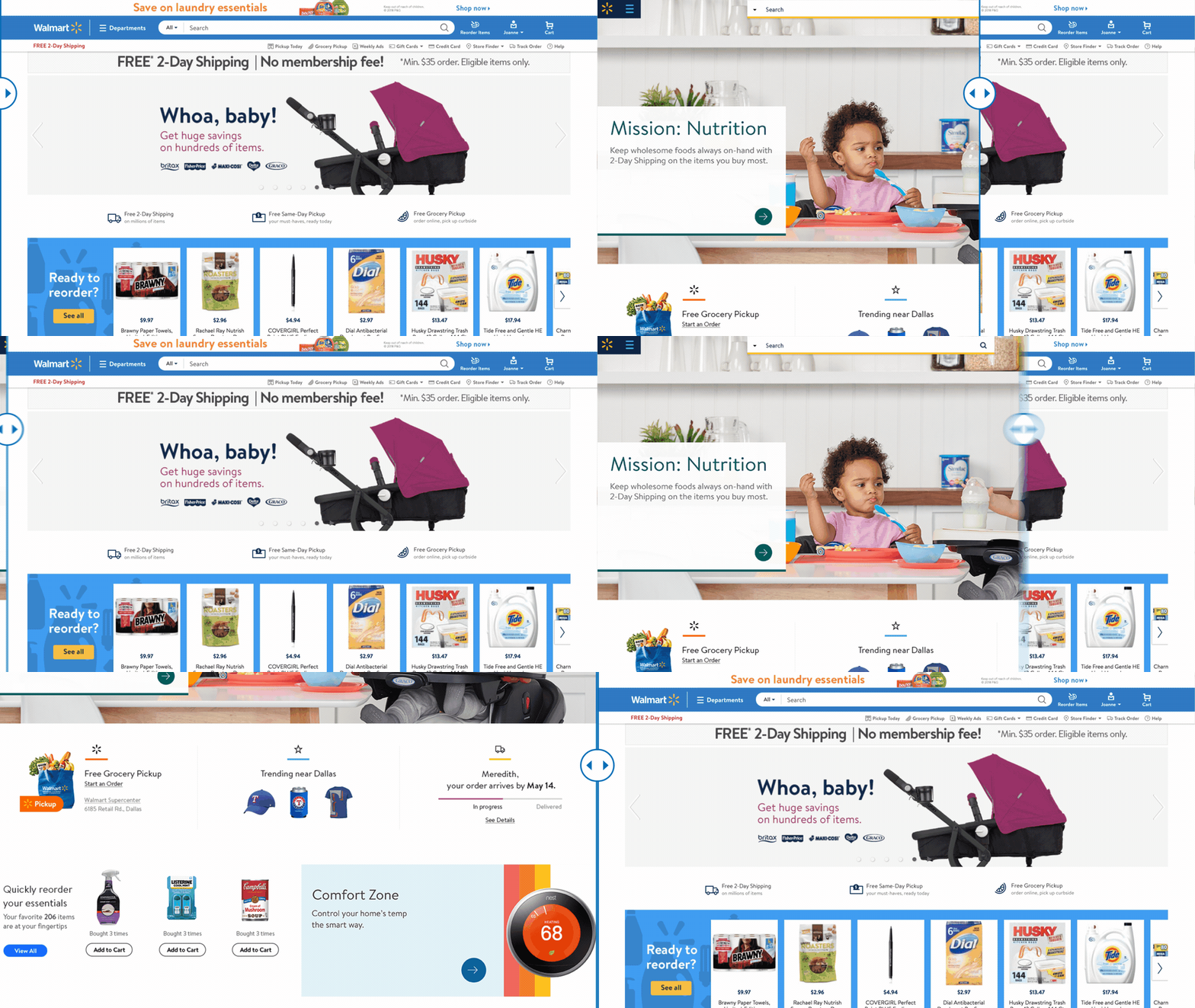
    A new website has delivered a rebound in e-commerce sales for the world’s largest retailer Walmart, but falling margins have crimped first quarter earnings, with operating income down four per cent on a constant currency basis.

    Delivering its figures for the 13-weeks ended 28 April in the US overnight, Walmart said price cuts and higher shipping costs weighed on gross margin, down 23 basis points.

    Despite that sales, up 2.7 per cent on a constant currency basis to US$120 billion, and earnings came in above market expectations – helped along by a rebound in e-commerce sales, up 33 per cent.

    Comparable sales (excluding fuel) increased by 2.1 per cent, compared to 1.4 per cent in the prior corresponding period.

    Walmart launched a new website during the quarter after online sales experienced a slowdown over the holidays, with growth down to 23 per cent compared to 50 per cent in Q317.

    Walmart president and chief executive Doug McMillion said it was a solid first quarter with momentum building across the business.

    “We’re transforming to better serve customers, we are changing from within to be faster and more digital, while shaping our portfolio of businesses for the future,” he said.

    Walmart made a number of large corporate moves in the first quarter, including a US$16 billion deal for a 77 per cent stake of Indian marketplace Flipkart and a circa £10 billion on the merger of its UK supermarket business Asda with Sainsbury’s.

    Walmart also revealed on Thursday that it had sold its banking operations in Canada and Chile in line with its focus on retail.

    Neil Saunders said the first quarter figures were impressive in that, for a company of its size, Walmart has shown an ability to make dramatic changes to its business model in a relatively short time frame.

    “Today’s results are proof not only that Walmart is making gains in its day-to-day business, but that it is now a company firmly in the midst of a dramatic transition. As much as the structural changes are disruptive and, in some cases, profit-eroding, we believe they are necessary in order for Walmart to thrive in a new era of retail,” Saunders said.

    “Too many legacy retailers fail to make the bold moves needed to maintain their relevance. Walmart is not one of them. It has both the will and financial muscle to ensure it remains a retail leader for many years to come. Indeed, we think it is one of the few companies that can truly take on Amazon in a serious and meaningful way.”

  • The secret to Savage x Fenty’s success

    The secret to Savage x Fenty’s success

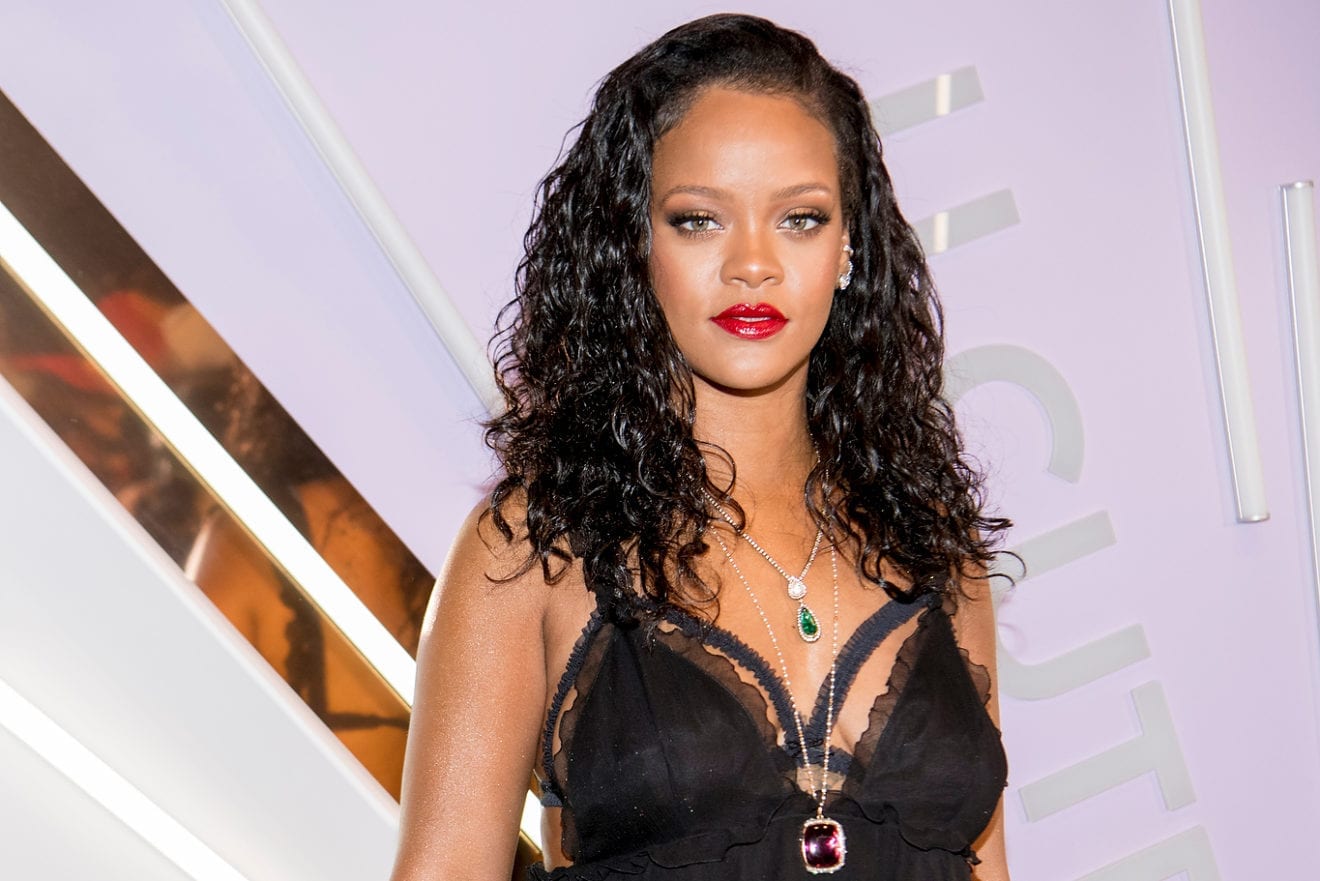
    Rihanna’s highly-anticipated, size-inclusive lingerie line Savage x Fenty marked the latest addition to the superstar’s sprawling fashion and beauty empire.

    Avid buyers who visited the Savage x Fenty site at midnight were placed in a queue system that could not keep up with demand: fans had to wait as long as two hours and/or enter the queue multiple times before they could freely browse and purchase products from the collection.

    Developed in partnership with TechStyle — the subscription-oriented parent company behind Kate Hudson’s Fabletics and Kim Kardashian’s ShoeDazzle — Savage x Fenty features 90 pieces of lingerie, sleepwear, and accessories in multiple shades and sizes, including four themed capsule collections titled On the Reg, U Cute, Damn and Black Widow.

    All items are priced under $100 apiece, with the option to sign up for a $50 annual subscription program for exclusive early access to product launches and limited-edition items.

    “Savage is really about taking complete ownership of how you feel and the choices you make,” Rihanna told Vogue last week. “Basically making sure everybody knows the ball is in your court.”

    From her multimillion-dollar cosmetics line Fenty Beauty to her iconic collaborations with Puma and now her Savage brand, the singer is setting new standards for brand partnerships in the music industry — all while working on a new reggae album. Forbes estimates that the star banked $12 million in 2017 (one-third of her pre-tax earnings that year) from her fashion ventures.

    Fenty Beauty — notable for featuring 40 different shades of foundation to accommodate different skin tones — racked up $27 million in earned media value within just one month of launch. Annual revenue for Fenty Beauty is on track to surpass those of rival lines like Kylie Jenner’s Kylie Cosmetics and Kim Kardashian’s KKW, according to Slice Intelligence.

    Is the business backed by her music success? A rep for Rihanna declined to comment, but sources tell Billboard that Roc Nation’s CEO/co-founder Jay Brown is one of her secret weapons, overseeing her deals.

    Rihanna first signed with Roc Nation’s management arm in 2010, and later joined the firm’s in-house label imprint in 2014; Roc Nation hired new president of management Phil McIntyre just a few weeks ago, allowing Brown to turn even more of his focus on Rihanna, sources say.

    But because Rihanna is leveraging her own brand to sell her products, she is directly involved in every step of the design and manufacturing process, and goes above and beyond to pull back the curtain for her fans — visiting facilities, picking out color palettes, filming DIY makeup tutorials and regularly seeding previews of upcoming products on her Instagram account, which boasts 62.5 million followers as of press time.

    “One thing that’s always stood out to me is how unapologetically human Rihanna is,” Aleesha Smalls-Worthington, senior brand director, marketing & e-commerce at Scotch Porter and former digital marketing exec at Iconix Brand Group and Roc Nation, tells Billboard. “Whether in person or on social media, that element of humanness is still missing from a lot of relationships and interactions. Many celebrities set up their business objectives based on the 10 million views or $10 million in sales they want in return. Rihanna’s ‘return’ is simply what her fans want from her: inspiration, aspiration, a piece of Ri. That in all-caps spells HUMAN.”

    A huge competitive advantage for Rihanna in the current brand landscape is her focus on diversity and inclusiveness in her products. According to Slice Intelligence, African-American, Hispanic and Asian shoppers comprise the largest proportions of Fenty Beauty’s customer base, while white shoppers are the brand’s smallest consumer group.

    Rihanna’s successful launches with brands like Puma and TechStyle also highlight a key discrepancy between the high-end fashion brands that artists tend to cite in their lyrics — e.g. Gucci, Louis Vuitton, Valentino — and the types of deals that actually lead to meaningful, sustained revenue for artists and a closer, more accessible relationship with fans.

    “Every single artist I’ve talked to wants a Gucci deal,” Marcie Allen, president of music experiential agency MAC Presents, tells Billboard. “Guess what? Unless you’re The Rolling Stones, your fans can’t afford Gucci. Most of the artists coming up today are younger, and their key fan demographics are Gen-Z and millennials. Last time I checked, my stepdaughter who’s Gen-Z is not going out and buying a Gucci bag. I tell these artists, you can wear Gucci all you want, but you also need to work with brands your fans can afford.”

    In fact, for artists with avid online followings, making products more affordable could actually lead to more aggregate spending and income, not less. According to Slice Intelligence, Fenty Beauty consumers spend an average of $471 annually on makeup, outpacing shoppers of Kat Von D who spend $371, KKW shoppers who spend $278 and Kylie Cosmetics shoppers who spend $181 — a testament to how an eye for diversity and accessibility, plus unparalleled cultural clout, equals an unstoppable driving force for business.

    Normally, music partnerships with fashion brands involve the artist and their team receiving a flat fee or commission to license music for advertising, and/or to be featured in official ambassador programs that brands already have in place. Depending on the turnaround time, payments can start as low as $10,000 for one to two days of production and social posts.

    But deeper, more integrated deals like the ones Rihanna and Roc Nation are brokering also involve equity and royalties on unit sales, in addition to steep upfront fees. Sources tell Billboard that A-level artists can command advances as high as $2 million for each branded clothing and footwear line, plus anywhere from a 7- to 15-percent cut of gross sales.

    “If I can do your job better than you, I can’t hire you. That’s a waste of my money and time,” Rihanna said at Vogue’s Forces of Fashion conference in October 2017. “But if you have something to offer, I know there’s an expertise that I can respect and I put people in place based on what their strengths are … I’m only as great as my team, and I pay very special attention to that.”

    Rihanna was first appointed as Puma’s creative director and global ambassador for the brand’s women’s collections in Dec. 2014. Her first branded sneaker, launched in May 2016 for $140 a pop, sold out in just 35 minutes.

    Though Rihanna’s appointment with Puma arrived amid a flurry of other corporations hiring celebrities as creative directors and chief creative officers, in a mutually desperate attempt to increase brand exposure — Lady Gaga and Polaroid (2010), will.i.am and Intel (2011), Alicia Keys and BlackBerry (2013), Justin Timberlake and Bud Light Platinum (2013), Nick Cannon and RadioShack (2015) — Rihanna retained her branding power even as most “creative directorships” proved to be unfeasible and shut down within just a few years.

    “From the artist’s perspective, the title of ‘creative director’ is actually very limited,” Mara Frankel, senior creative director, brand partnerships at Atlantic Records, tells Billboard. “Brands aren’t going to change their entire media-buying strategy to suit what artists are looking for, and artists are not really meant to work for brands in that way because they want to focus on being in control of their own music and art. This can lead to a less authentic relationship, which could be why some of these deals didn’t work out in the long term.”

    Part of Rihanna’s outsized branding success comes from her reputation and devoted following online. According to Nielsen Music’s N-score talent tracker — which assesses endorsement potential for U.S. celebrities across 10 attributes, and which brands rely on to maximize ROI on their campaigns — Rihanna outranks the average music celebrity on marketability with an overall N-Score of 78, compared to the music average of 65. On the “Stylish” and “Trendsetter” attributes in particular, Rihanna outranks much of her competition at 48 and 35 respectively, compared to the music norms of 26 and 19.

    In addition, Rihanna fans are 3.7 times more likely to purchase from Rihanna herself than from other celebrities, according to research from The NPD Group — which reflects a wider trend across the industry of artists becoming the new influencers of note for retailers. “It used to be that all these fashion houses were seeding their products only with social-media and YouTube influencers, but now, there’s a huge paradigm shift towards artists,” says Allen. “You used to see an actor or model like Kate Moss as the face of a Gucci campaign, not Harry Styles.”

    The major labels are growing their own brand partnership teams, which are dedicated to securing strategic deals for their artists that drive both visibility and market share. The types of deals range from product placements in music videos and sync licenses for commercials to private events and tour sponsorships. Fashion has become one of the hottest partnership targets, as clothing and beauty brands naturally cover an expansive amount of real estate, from social media and TV campaigns to billboards and brick-and-mortar stores — compelling some industry experts to call retail “the new media.”

    While some in-house label departments handle merchandising and e-commerce directly for their artists, like Universal Music’s Bravado, third-party fashion deals continue to flood the marketplace like never before. SZA, Metro Boomin, Future and Cher have all appeared in Gap commercials over the last nine months.

    Justin Timberlake debuted his branded Air Jordans during his Super Bowl Halftime Show performance in Feb. 2018; just this week, Nike launched another special-edition Air Jordan shoe with Travis Scott. Gucci recently tapped Harry Styles as the face of its upcoming tailoring campaign, while Lil Yachty, A$AP Rocky and Joey Bada$$ all have their own capsule collections with Nautica, Guess and Urban Outfitters, respectively.

    “The landscape is extremely competitive right now,” says Allen. “I am pitching artists to brands every single day and telling them, ‘Listen, in two months, you won’t be able to get this artist for less than half a million dollars. If you don’t jump on this artist now, you will not be able to afford them down the line.’ My biggest advice to brands is to listen to your peers in the industry, and not to underestimate the importance of being part of an artist’s career when they are on the rise.”

    Of course, no one celebrity or even a large management company like Roc Nation can pull off an entire product launch alone, which is where TechStyle comes in as an invaluable partner for Savage x Fenty.

    In a similar vein, Fenty Beauty is tapping into Kendo Holdings, a division of French conglomerate LVMH that has incubated products with other celebs like Kat Von D, for manufacturing and distribution.

    In the fragrance world, Parlux Fragrances handles manufacturing and distribution for Rihanna and Jay-Z, while Elizabeth Arden handles logistics for the likes of Shawn Mendes and Britney Spears — the latter of whom still makes an estimated $50 million from fragrances alone every year.

    SEE ALSO : Off-White opens second Hong Kong store, launches capsule line

    “What Rihanna’s doing right now is creating a dominating mix of products that she knows she has the right to be a resource and creative authority for,” says Smalls-Worthington.

    “You have a lot of celebrities trying to put a square peg in a round hole, but Rihanna’s going wide and deep in a smart way: carefully studying her consumers and how they express themselves across multiple touch points, and delivering on that expression in an inclusive way, without forcing anything. Her products are empowering people to express their best versions of their best selves — to get a piece of Rihanna without sacrificing who they are as individuals. She’s set herself up in a way such that she is it, and her consumers also want to be it. And I don’t think she’s done yet.”
  • ‘Healthy’ sales for Macy’s physical stores

    ‘Healthy’ sales for Macy’s physical stores

    “Healthy” physical store sales for US department store have  exceeded expectations, prompting the retail giant to lift its business outlook for the year.

    Macy’s posted an overall sales increase of 3.6 per cent increase for the quarter compared to the same period last year to $5.5 billion.

    The company has raised its outlook for 2018 and is now expecting earnings to be between $3.75 and $3.95 a share, which is five per cent more than in 2017.

    “Macy’s Inc.’s results for the first quarter of 2018 reflect continuing momentum in the business,” said Jeff Gennette, Macy’s, Inc. chairman and chief executive officer.

    “We exceeded our expectations and saw strong performance across all three brands—Macy’s, Bloomingdale’s, and Bluemercury—as well as across all geographic regions and families of business. We are maintaining a healthy inventory position, which helped us deliver improved gross margin.”

    Gennette said the winning formula for Macy’s, Inc. is a healthy brick and mortar business, robust e-commerce and a great mobile experience.

    “While we have more work to do, the continuing improvement in our stores is encouraging and we once again achieved double-digit growth in the digital business,” he said.

    “Our best customer is responding well to the improvements we’ve made to her experience in our stores, on .com and through the Macy’s app.”

    Neil Saunders, managing director of GlobalData Retail, said Macy’s results showed a positive answer to the question on whether Macy’s could continue to deliver a recovery.

    “The sales uplifts are particularly impressive, with a 3.9 per cent rise in comparables (4.2 per cent on an owned plus licensed basis) suggesting that Macy’s recovery is gaining momentum,” Saunders said. “That said, there are a few caveats that need to be addressed in order to provide a balanced view.”

    Saunders said the first of these is the shift of the Friends and Family promotion to this period; last year this fell into the second quarter.

    “This event is a big driver of sales and added 250 basis points to the comparable numbers. Stripping this out means that comparables rose by a respectable, but more modest, 1.7 per cent on an owned plus licensed basis,” he said.

    “To be fair, this still represents progress from the 1.4 per cent increase Macy’s posted last quarter.”

    The second consideration, according to Saunders, is the very weak prior year comparative when sales dropped by 5.2 per cent on a comparable basis and by 7.5 per cent on a total basis. While beating prior year sales was never guaranteed, with a little effort it has been relatively easy for Macy’s to engineer a better performance. This is especially so given that many underperforming stores which dragged down the same-store figures have been shut.

    The third point relates to the general consumer economy which has been strong over the period. Tax cuts, bonuses and good tax refunds have all been a windfall to consumers who have responded by increasing spending.

    “This rising tide has floated most retail boats, Macy’s among them,” he said. “This does not mean that Macy’s deserve no credit for its advancement, but it does mean that the process of re-engineering the business is being carried out against a favorable backdrop.”

    The future danger, Saunders said, is that many of these dynamics will not hold as Macy’s moves through the fiscal year.

    “Prior year numbers become tougher, the second quarter will lose an important event, and the consumer finances will likely tighten,” he said. “Taken in concert, this suggests that performance may well deteriorate.”

    Saunders said the reason for their pessimism is that they believe Macy’s still has many fundamental issues that it needs to work through. These include sub-optimal ranges, a store experience that leaves a lot to be desired, and many locations where traffic is likely to decline over the medium term. On top of all of this, competition remains tough.

    “There are many tempting raw ingredients in Macy’s strategy,” he said. “Our main concern is that these need to be mixed together into a more coherent dish. And this dish needs to be served up at more of Macy’s stores across the country. In short, progress is being made, but Macy’s needs to up the pace if it is to maintain momentum.”

  • Singapore will be next destination for Creyate

    Singapore will be next destination for Creyate

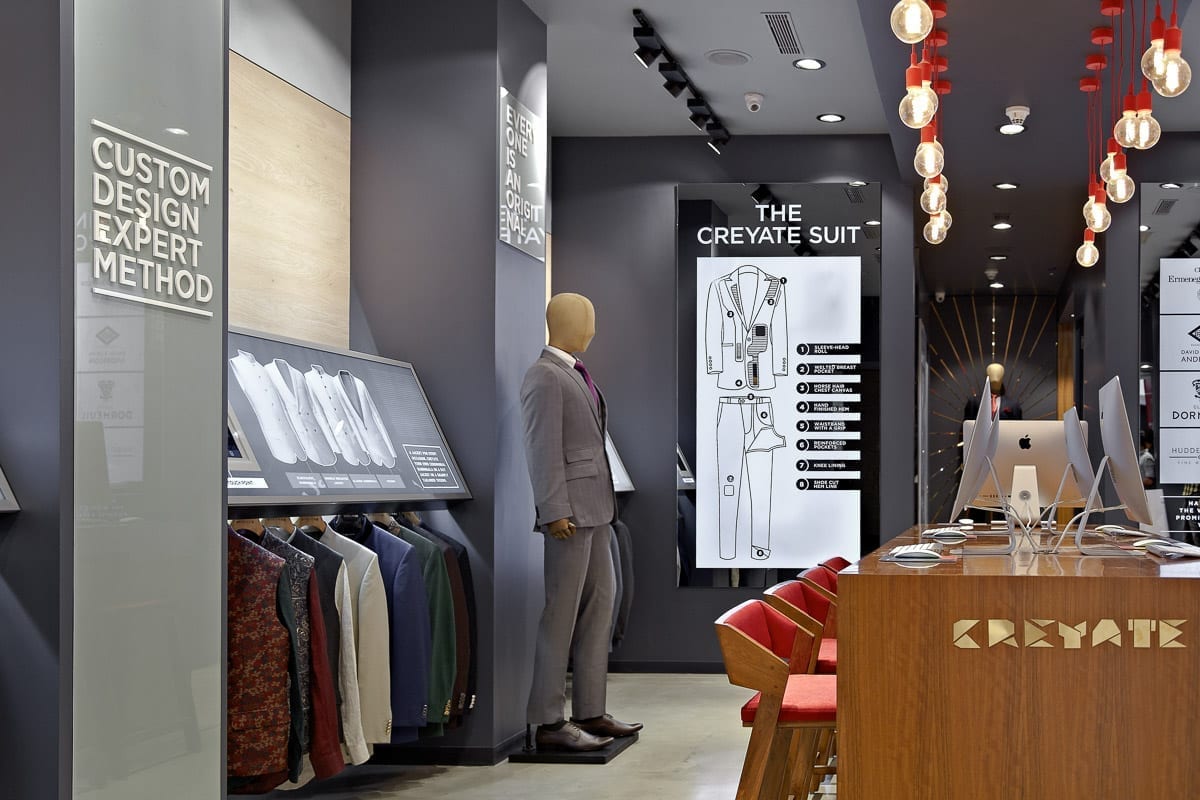
    Indian custom-clothing brand Creyate plans to open stores in Singapore, the US, UK and Dubai after a successful foray into Japan.

    Owned by Arvind Internet, the company recently opened its first luxury store in the Indian city of Bengaluru and is considering ramping up its expansion through a franchise model. It has 13 stores operating in its home market already.

    Described as an emerging brand, Creyate customises apparel products to people who buy online or in-store. Online, they can submit measurements and select designs in advance of picking up the products in store – or having them delivered.

    In Japan,Creyate already has 50 stores-in-stores specialising in denim.

    Arvind Internet COO Tejinder Singh said that the company wants to double its retail network within 18 months.

    “With our omni-channel approach, we may cap it at two stores per city, so we are looking to explore Tier-II cities, as well. It is an inventory-light model, which suits the all stakeholders at a macro level,” said Singh.

  • JD Sports in Deal to Acquire Finish Line

    JD Sports in Deal to Acquire Finish Line

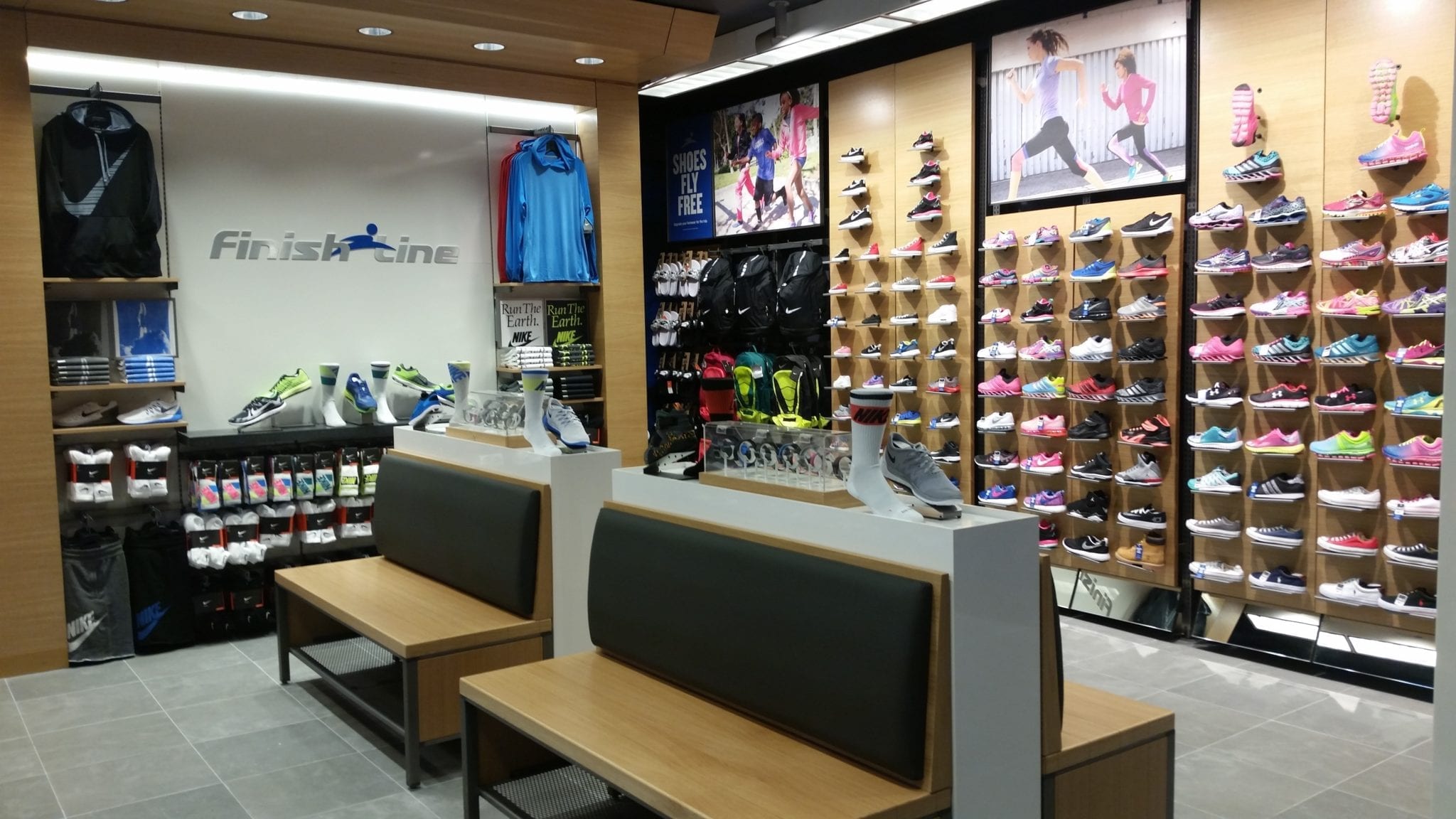
    British retailer JD Sports Fashion is to pay US$558 million to acquire America’s Finish Line, one of the country’s largest upmarket sportswear chains.

    Finish Line, whose sales reached $1.84 billion in the year to March 3, is listed on the Nasdaq. It sells multi-brand apparel and accessories from 556 branded retail stores across 44 states and Puerto Rico, and online.

    Besides its own stores, Finish Line sells athletic shoes through 375 branded and 188 unbranded concessions within Macy’s stores and on the company’s website.

    JD Sports, which recently overtook UK rival Sports Direct as the nation’s largest sportswear retailer by market value, has previously expanded in to South Korea, Spain and France, with other Asian markets on the horizon. This is its first foray into the US market.

    “This is a landmark day for JD and will be transformational for the business. It immediately offers a major presence in the US, a clear next step to further increase our global scale,” said executive chairman Peter Cowgill in a statement.

  • Weak sales brought H&M to bad raport

    Weak sales brought H&M to bad raport

    Swedish fashion retailer H&M has posted a decline in its first quarter profit and has warned that it may need to cut prices to clear unsold stock.

    H&M posted a 61 per cent drop in profit for the three months to February. Pretax profit fell to 1.26 billion crowns ($154 million). The clothing retailer’s net profit of 1.37 billion crowns was boosted by a one-off positive tax income of 399 million crowns related to US tax reform.

    The company had warned recently that markdowns due to weak demand in its main H&M brand stores would hit earnings, and this month said quarterly sales had fallen by two per cent.

    Online sales increased by approximately 20 per cent year on year.

    “As communicated previously, the start of the year has been tough,” said Karl-Johan Persson, company CEO. “2018 is a transitional year for the H&M group, as we accelerate our transformation so that we can take advantage of the opportunities generated by rapid digitalisation.”

    “The weak sales development combined with substantial markdowns had a significant negative impact on results in the first quarter,” Persson said.

    But, the retailer had said it expected sales and profits to return to growth.

    “Many of our ongoing initiatives are giving good indications and results, even though they have not yet been implemented at a large enough scale to have a decisive effect on the overall results,” Persson added.

    This year, H&M announced it is planning to open 220 new stores. Most will be H&M stores, but 90 will be its newer spin-offs including & Other Stories, Cos and Monki.

  • Tim Hortons unveils $700M plan to renovate most Canadian locations

    Tim Hortons unveils $700M plan to renovate most Canadian locations

    Canadian restaurant chain Tim Hortons has opened the first of a new store concept which it plans to progressively convert most domestic stores to during the next four years.

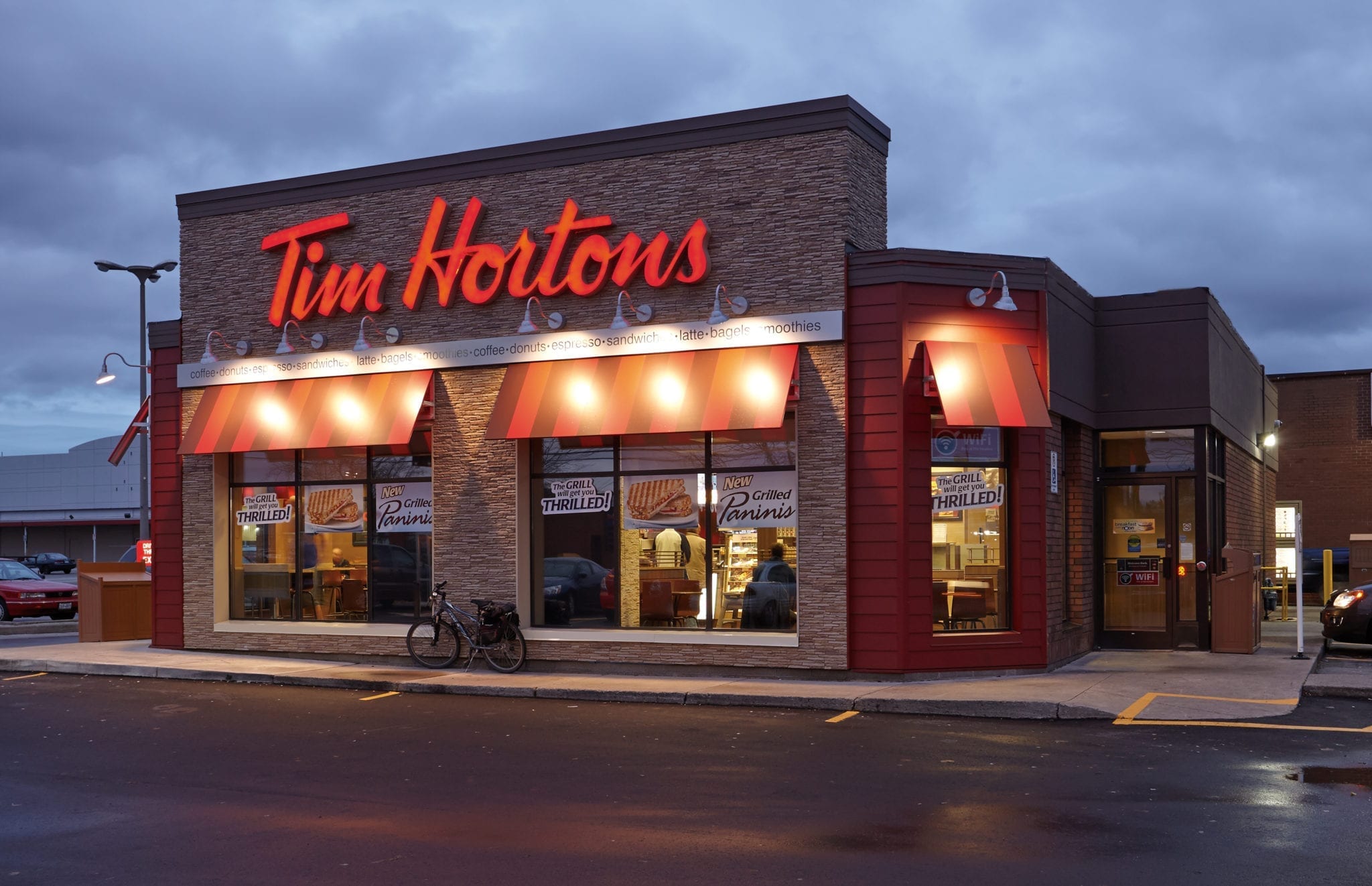
    The chain, owned by Restaurant Brands International, has adopted a contemporary design look it has dubbed the ‘Welcome Image’ and is positioning as the biggest upgrade since the company was launched in 1964.

    Rolling out the new design across Canada will cost the company and its franchise partners an estimated $700 million (US$543 million) over the four years. There is no word yet on plans for the chain’s international stores, including in the Philippines where it has 11 stores trading already with plans for 24 more in the short term.

    The restaurant exteriors will be designed with natural looking, lighter, and more inviting materials, the company said in a statement.

    “Inside, restaurants will be decorated with artwork that reflects Tim Hortons values and history – including a commissioned portrait of Tim Horton, a mosaic of iconic brand images and a photo wall that features Tim Hortons unique coffee-sourcing and proprietary blending process. Guests will also enjoy upgraded, open concept seating that fosters the sense of community at the core of the Tim Hortons brand.”

    Slide to view the gallery below :

    “We want Tim Hortons to always be their home away from home,” said Alex Macedo, president of the Tim Hortons brand.

    “We know that Tim Hortons is a fundamental part of Canadian culture and we’ve worked hard with our restaurant owners to ensure we’re delivering exactly what our guests have come to expect from their favourite local coffee shop. Throughout the creative process, we conducted extensive market testing that revealed our new Welcome Image is not only approved, but loved by our guests across the country.”

    Tim Hortons has more than 4700 restaurants located in Canada, the United States, and around the world.

    Restaurant Brands International also owns Burger King and Popeyes.

  • Stella McCartney buys Kering’s 50% stake in her fashion label

    Stella McCartney buys Kering’s 50% stake in her fashion label

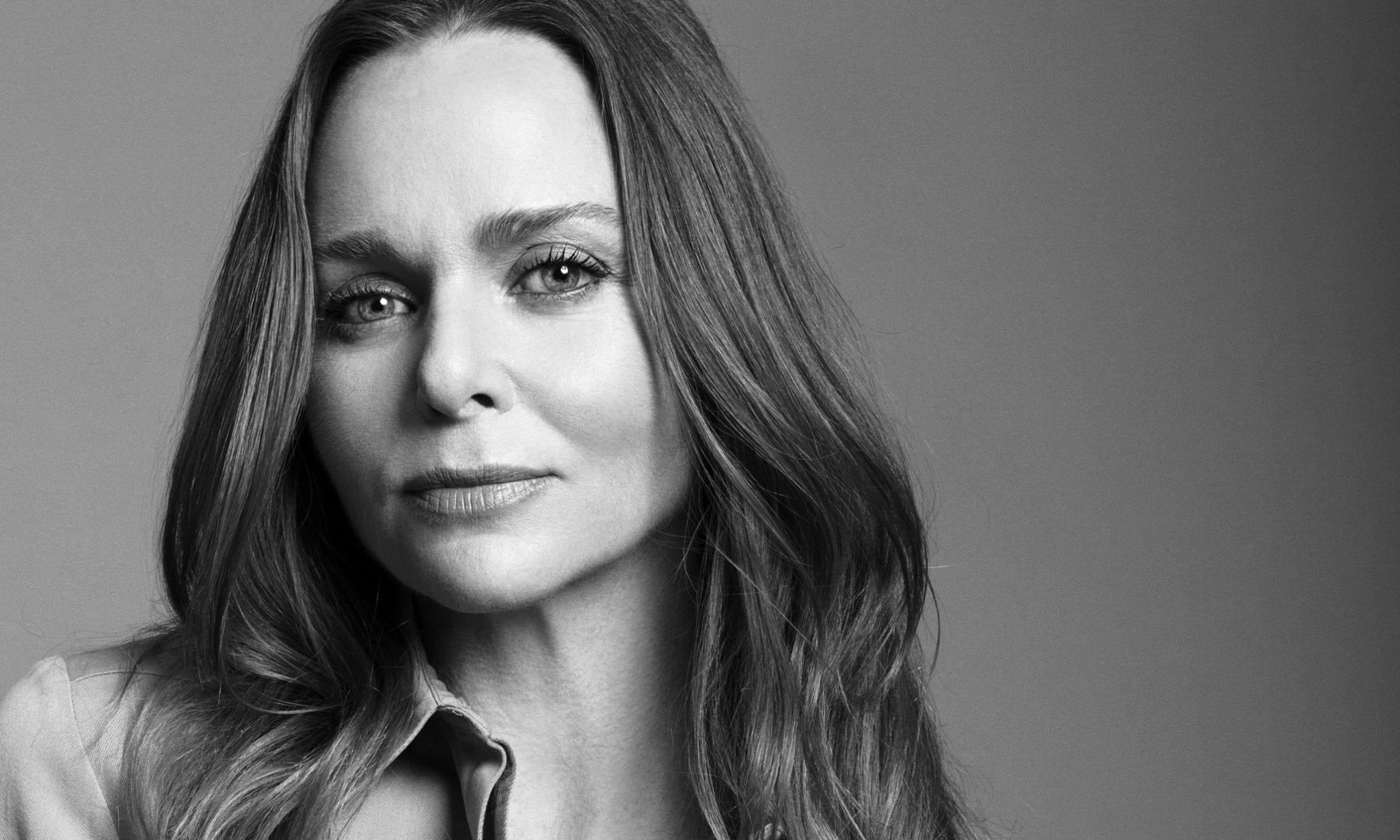
    Kering is selling its 50 per cent stake in fashion label Stella McCartney back to the namesake designer after a 17-year partnership.

    The news follows a report last month revealing that a formal transition process was already in motion with an announcement imminent.

    “It is the right moment to acquire full control of the company bearing my name,” says McCartney.

    “This opportunity represents a crucial patrimonial decision for me. I am extremely grateful to Francois-Henri Pinault and his family and everyone at the Kering group for everything we have built together in the past 17 years. I look forward to the next chapter of my life and what this brand and our team can achieve in the future.”

    Kering chairman/chief executive Pinault says it is the right time for McCartney to move to the next stage. “Kering is a luxury group that empowers creative minds and helps disruptive ideas become reality. I am extremely proud of what Kering and Stella McCartney have accomplished together.”

    McCartney had the option, expiring on Saturday, to buy back Kering’s shares in the label, according to the terms of their JV. Kering and Stella McCartney have previously acknowledged separation talks on more than one occasion over the course of their partnership.

    McCartney’s father, musician Paul McCartney, is said to have played a role in helping to finance the buyback, but this cannot be independently confirmed. A spokesperson for McCartney previously said that her father has never been involved with the business.

    The disposal of Stella McCartney comes at a time when Kering is streamlining its portfolio. It announced in January it would spin off German sportswear brand Puma to its own shareholders.

    The split comes after Kering announced its most profitable year on record, with group net profits soaring 120 per cent last year driven by “spectacular” growth at Gucci and Yves Saint Laurent as well as a strong performance by Balenciaga, the group’s fastest-growing brand in the fourth quarter.

    The conglomerate posted sales of €15.5 billion (about US$19.2 billion), up 27.2 per cent year on year. Revenues topped €10 billion for the first time, with Gucci crossing the €6 billion mark in sales.

    McCartney first made her mark at Richemont-owned fashion label Chloe, before launching her eponymous brand in partnership with Gucci Group (once a subsidiary of what is now Kering).

  • The new LL Bean Urban store will open soon

    The new LL Bean Urban store will open soon

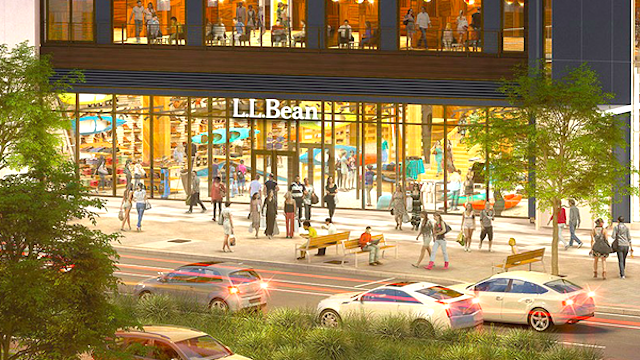
    US outdoor retailer LL Bean will open its first LL Bean Urban concept store on April 6.

    While the backbone of the famous brand’s physical store presence comprises large format, warehouse style stores, usually located in bulky-goods centres, rather than in high street precincts, the company believes an offer tailored more to city consumers will expand its customer base and sales.

    The 8600sqft LL Bean Urban store, smaller than its mainstream stores, will open at One Seaport in Boston, featuring a range of active and casual apparel as well as the traditional outerwear and footwear for which it is best known. The stock will be tailored to Bostonians’ most-favoured recreational preferences.

    As part of its overall national retail growth plan, LL Bean made the decision to expand its presence into Boston’s Seaport because of the high degree of awareness and affinity Boston residents have for the brand – and to capitalise on its relationship with the Boston Red Sox team.

    “The new Seaport store will allow the people of Boston and beyond to experience first-hand everything the legendary outdoor retailer offers: quality merchandise, exemplary customer service, excellent outdoor programming, a welcoming shopping environment and an ethos to always do what’s right by its customers, employees, the environment and the community,” said Greg Elder, VP of stores.

    “Boston is a city that’s as passionate about the outdoors as we are. We’re excited to bring the outdoor spirit to the heart of Boston at our first city store, and get to know the vibrant Seaport community.”

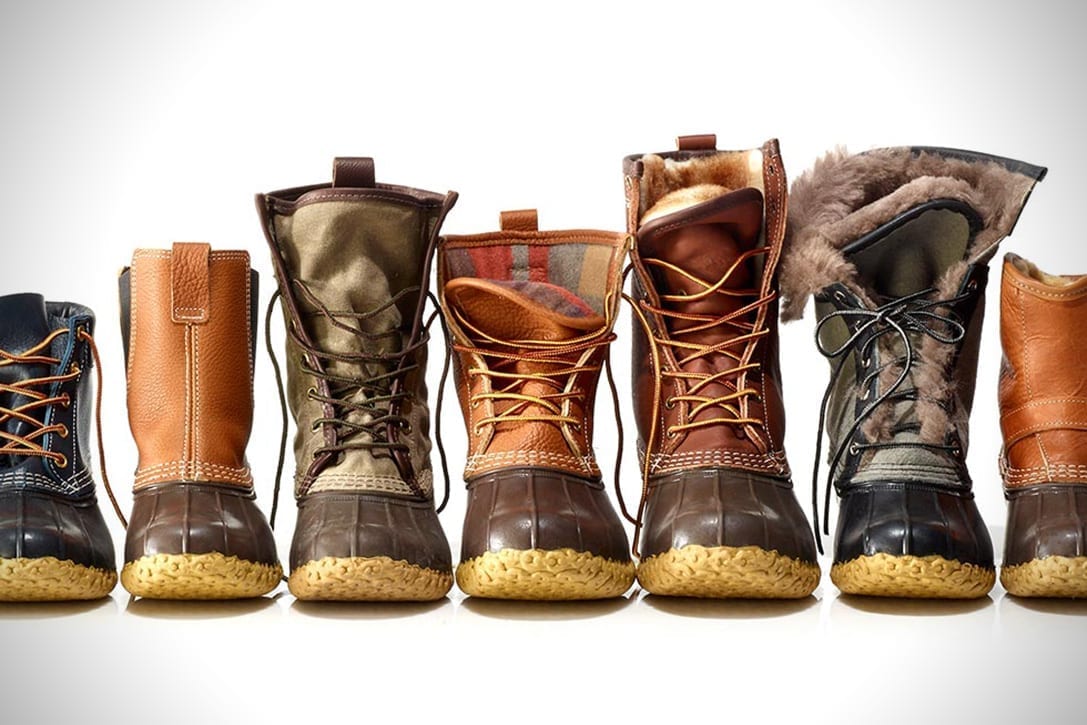
    LL Bean was founded in 1912 by Leon Leonwood Bean, in a single room, selling a single product: the Maine Hunting Shoe. Still family owned, LL Bean now operates 39 stores in 17 states across the US, along with 25 in Japan.

  • Asos wants to make online shopping more inclusive

    Asos wants to make online shopping more inclusive

    The millennial fashion company has stocked petite, tall, curve, plus size and maternity ranges for a while now, and this new step will help it embrace inclusivity even further.

    According to the reports, the images will be created using augmented reality, as the technology will enable to company to superimpose the pieces on women of different sizes rather than having to resort to countless and expensive photo shoots.

    The feature will be rolled out gradually across the brand’s app, it confirmed this week via social media.

    Asos said in a statement: “We’re always testing new technology that can make our customers’ experience even better. In this case, we’re experimenting with AR to show product on different size models, so customers can get a better sense of how something might fit their body shape.”

    The decision was praised by consumers on Twitter, with one user writing: “This helps massively, as I often wonder how clothes would look on me, when I’m clearly 5 sizes bigger than the model. Great move forward.”’

    With over 80,000 brand and own-brand products available on its platform, Asos is one of the largest fashion platforms in the e-commerce space. The company is continually innovating, having launched try-before-you-buy in November and a Christmas gift assistant on Facebook in December.

    The company overtook Marks & Spencer last year in market value, and is en route to reach a 25-30% sales growth in financial 2018.

  • Kim Jones is the new artistic director of Dior Homme

    Kim Jones is the new artistic director of Dior Homme

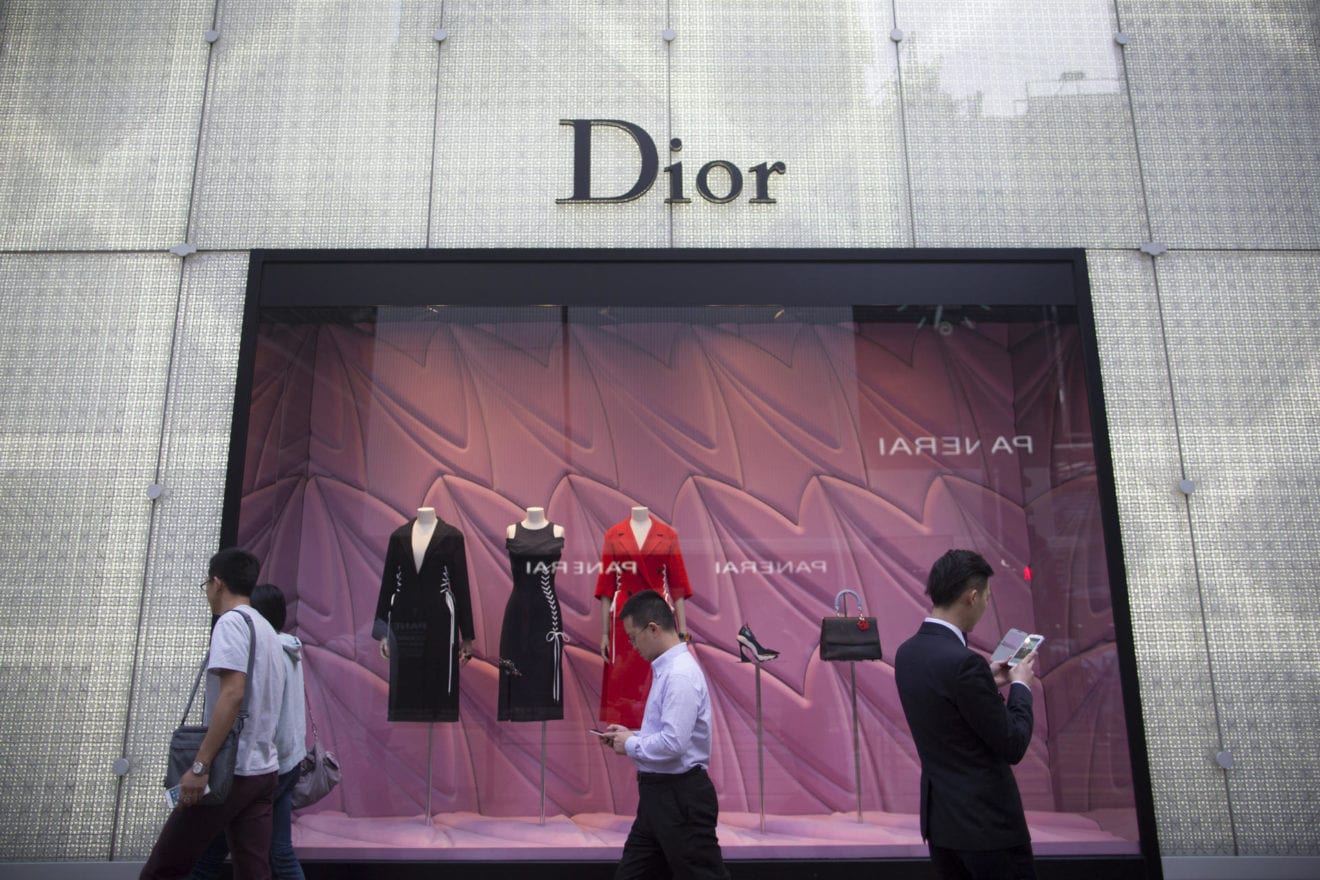
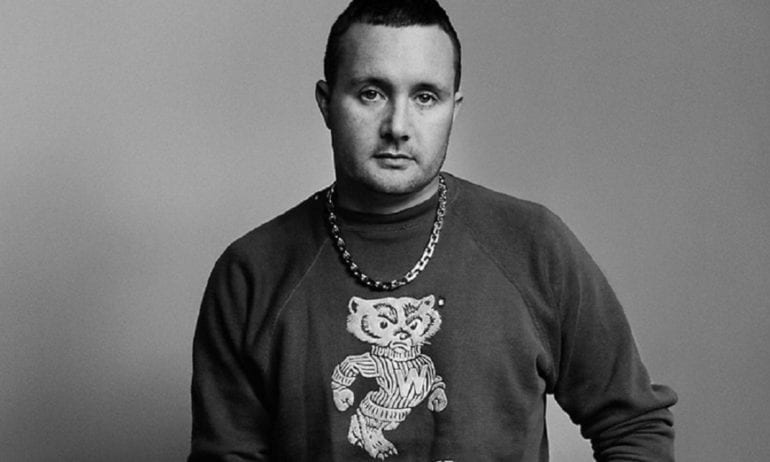
    Kim Jones, the British menswear designer who left Louis Vuitton in January, will become the artistic director at Dior Homme in April. He replaces Kris Van Assche, who had helmed the menswear arm of Dior since 2007.

    Jones is a widely liked figure in fashion, with 345k Instagram followers and famous friends on speed dial including Kanye West and David Beckham, both regular guests at his show. His finale at Louis Vuitton took things to another level. He walked to applause, flanked by two of his best friends, Naomi Campbell and Kate Moss, wearing Louis Vuitton-monogrammed trench coats. Before the Dior Homme announcement, he was linked to top jobs at Versace and Burberry.

    In a statement, Jones said: “I am deeply honoured to join the house of Dior, a symbol of the ultimate elegance.” He also thanked Dior CEO Pietro Beccari for the opportunity, the man widely thought to be the mastermind behind the move. He worked with Jones at Louis Vuitton, and moved to Dior in February. Both brands are part of the LVMH luxury group. The CEO paid tribute to Jones in his own statement. “I admire his creative vision, which combines both his own inspirations of contemporary culture and his own reinterpretation of specific codes and heritage of a house,” said Beccari.

    Jones’s tenure at Louis Vuitton was characterised by just that combination. The designer managed to mix the wealthy traveller feel of the house that began as a luggage brand in 1854 with the cool streetwear references of his own history. As a young designer, he started his career in London in the 90s, working with sportswear brands including Umbro, peaking with a collaboration between Louis Vuitton and Supreme at the beginning of 2017. Something unthinkable the previous decade – in 2000 the streetwear label received a cease-and-desist letter from Vuitton for using their famous monogram on a skateboard – was made tangible by Jones. It was a big hit. Consumers queued up outside pop-up stores in July, with many of the pieces resold for 1.5 times their original price.

    Dior Homme will be hoping that Jones can bring his cool factor to the brand. Van Assche’s reign has been successful but without fireworks. His aesthetic was sharp suiting with graphic details, and he worked with celebrities including Robert Pattinson, A$AP Rocky, Mr Robot’s Rami Malek and Depeche Mode’s Dave Gahan.

    Van Assche was promoted from the design studio to lead Dior Homme in 2007, with the departure of Hedi Slimane. It was Slimane – due to present his first collection for LVMH brand Celine this autumn – who first gave Dior Homme a jolt of stardust in the noughties, during his seven-year stint. His ultra-skinny rock’n’roll tailoring was favoured by rock stars of the era including Pete Doherty and Johnny Borrell. Van Assche built on this work with similar silhouettes and references. It is understood that the Belgian designer will stay within the LVMH group with an announcement imminent.

    Jones’s first collection for Dior Homme will be in Paris in June. A-list stars in the front row and cool references on the catwalk can be expected.

  • Nike is world’s most valuable apparel brand, says Brand Finance Top 50

    Nike is world’s most valuable apparel brand, says Brand Finance Top 50

    Despite losing popularity with American teenagers and a drop in brand value of 41 per cent, Nike is still way out in front in the Brand Finance Top 50 list of the most valuable apparel brands in the world.

    In the list, just been release by the independent brand valuation and strategy consultancy, Nike’s main competitor Adidas was fourth behind H&M and Zara with an increase in brand value of 41 per cent.

    In the realm of luxury brands, Hermes overtook Louis Vuitton, jumping two spots from 7th to 5th from last year. Luxury brands including Cartier, Gucci, Hermes and LV had strong growth in value as more consumers in emerging markets buy into the market.

    Japan’s Uniqlo was the only Asian brand in the top 10, with Hong Kong jeweller Chow Tai Fook and China’s Anta Sports taking up the 13th and 33rd spots respectively.

    These are the top 50 most-valuable apparel brands in the world this year:

      1. Nike (brand value, US$2.8 billion)
      2. H&M ($1.8 billion)
      3. Zara ($1.7 billion)
      4. Adidas ($1.4 billion)
      5. Hermes ($11.3 billion)
      6. Louis Vuitton ($10.4 billion)
      7. Cartier ($9.8 billion)
      8. Gucci ($8.5 billion
      9. Uniqlo ($8 billion)
      10. Rolex ($6.3 billion)
      11. Coach ($6.1 billion); 12. Victoria’s Secret ($6.1 billion); 13. Chow Tai Fook ($5 billion); 14. Tiffany & Co ($4.6 billion); 15. Burberry ($4.5 billion);16. Christian Dior ($4 billion); 17. Polo Ralph Lauren ($4 billion); 18. Prada ($3.8 billion); 19. Under Armour ($3.7 billion); 20. Armani ($3.5 billion)
      12. Puma ($3.3 billion); 22. Ray-Ban ($3.2 billion); 23. Omega ($3.1 billion); 24. The North Face ($3.1 billion); 25. Pandora ($3 billion); 26. Michael Kors ($2.7 billion); 27. Tommy Hilfiger ($2.6 billion); 28. Anta ($2.6 billion); 29. Old Navy ($2.3 billion); 30. Bulgari ($2.2 billion)
      13. Bershka ($2.2 billion); 32. Calvin Klein ($2.2 billion); 33. Levi’s ($2.2 billion); 34. Primark/Penneys ($2.1 billion); 35. Moncler ($2 billion); 36. Boss ($2 billion) 37. Gap ($2 billion); 38. Ferragamo ($1.9 billion); 39. Saint Laurent ($1.8 billion); 40. Bottega Veneta ($1.8 billion)
      14. Valentino ($1.8 billion); 42. Skechers ($1.6 billion); 43. Swatch ($1.6 billion); 44. Tag Heuer ($1.5 billion); 45. Timberland ($1.4 billion); 46. Massimo Dutti ($1.3 billion); 47. Reebok ($1.3 billion); 48. Woolworths ($1.2 billion); 49. Stradivarius ($1.2 billion); 50. Pull and Bear ($1.2 billion).
  • Vera Wang Group appoints new president

    Vera Wang Group appoints new president

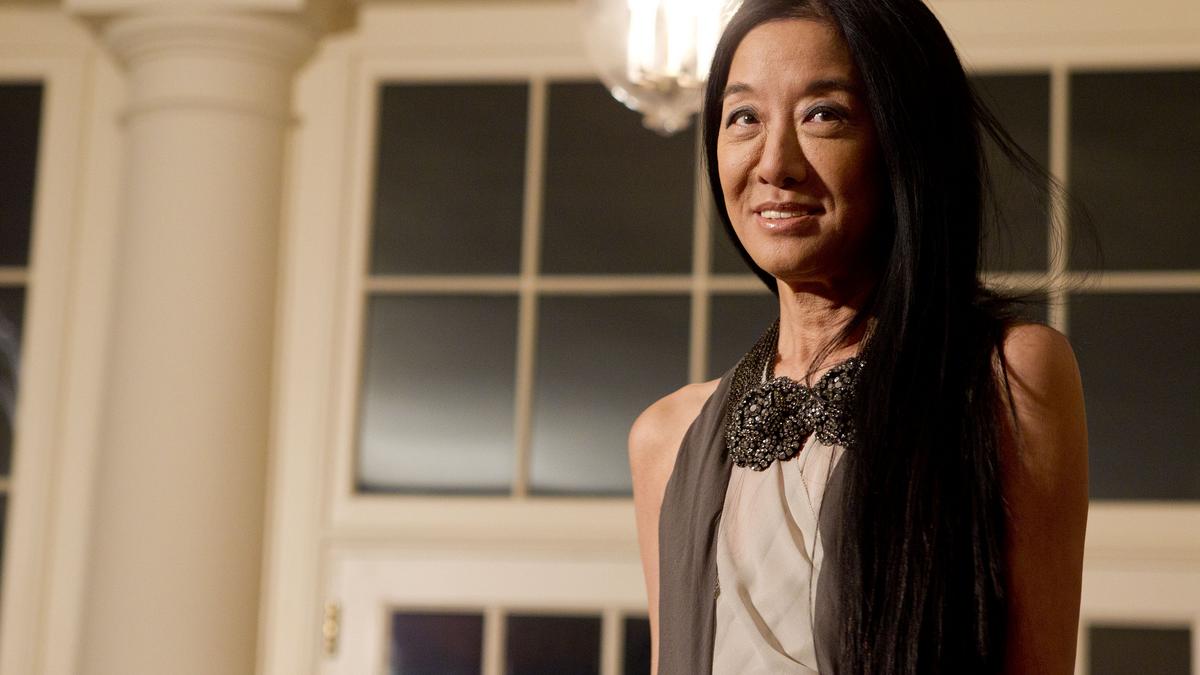
    Peggy Eskenasi has been named president of Vera Wang Group.

    A former Nine West Holdings and Kohl’s executive, Eskenasi succeeds Veronique Gabai-Pinsky, who has been at the helm since January 2016.

    An industry veteran, Eskenasi has served in multiple executive roles since debuting her career. She was executive chairwoman of Nine West Holdings, Inc. from late 2014 to mid 2016, following a stint as senior executive vice president of product development at Kohl’s Department Stores.

    For Kohl’s, which has held the license for Simply Vera Vera Wang for more than ten years, Eskenasi lead the building of a large stable of brands, made up of both Kohl’s exclusives and licenses of the company. Big names include Simply Vera Vera Wang, Jennifer Lopez, Candie’s, Rock & Republic and Juicy Couture.

    Prior to this, she was president of private brands at Saks Inc. from 1997 to 2004.

    According to WWD, Gabai-Pinsky is resigning for personal reasons.

    “Vera Wang personally thanks her for her valuable contribution to the company during her tenure and wishes her all the best,” the Wang spokeswoman said of Gabai-Pinsky.

    Neither Wang nor Eskenasi were available for comment.

    Vera Wang has dozens of flagship stores worldwide. In the Asia Pacifc region, Vera Wang stores are located in China, Japan, Taiwan, South Korea, The Philippines and Australia.