Tag: International

  • Epiphany Cafe plans to invade Asia

    Epiphany Cafe plans to invade Asia

    A rural New Zealand donut maker is set to expand into Asia, initially targeting the Philippines, Indonesia, Malaysia and Singapore.

    Epiphany Cafe started just two years ago as a single family-owned store in the Waikato city of Hamilton, in the heart of New Zealand’s largest dairy-farming region. Since then it has expanded to five stores in Auckland and Hamilton under a franchise model it is now looking at expanding into other New Zealand towns and cities before heading offshore.

    “We believe there is a need we can fulfil in Asia,” GM for sales and marketing, Suzanne Gaier, said in an interview published on Stuff.co.nz.

    Gaier hopes to have the first Asian stores operating within 12 to 24 months.

    “Our idea is also to bring our core staff members from New Zealand into Asia and inject Kiwiana that way too. The whole idea is to take our Kiwi brand over there and be the Fonterra of sweet treats… as well as provide Kiwi expats with a little slice of home.”

    Epiphany Cafe developed its donut recipe over six months and now boasts 29 flavours regularly rotated.

  • Dickson Concepts opens up Harvey Nichols to HK online shoppers

    Dickson Concepts opens up Harvey Nichols to HK online shoppers

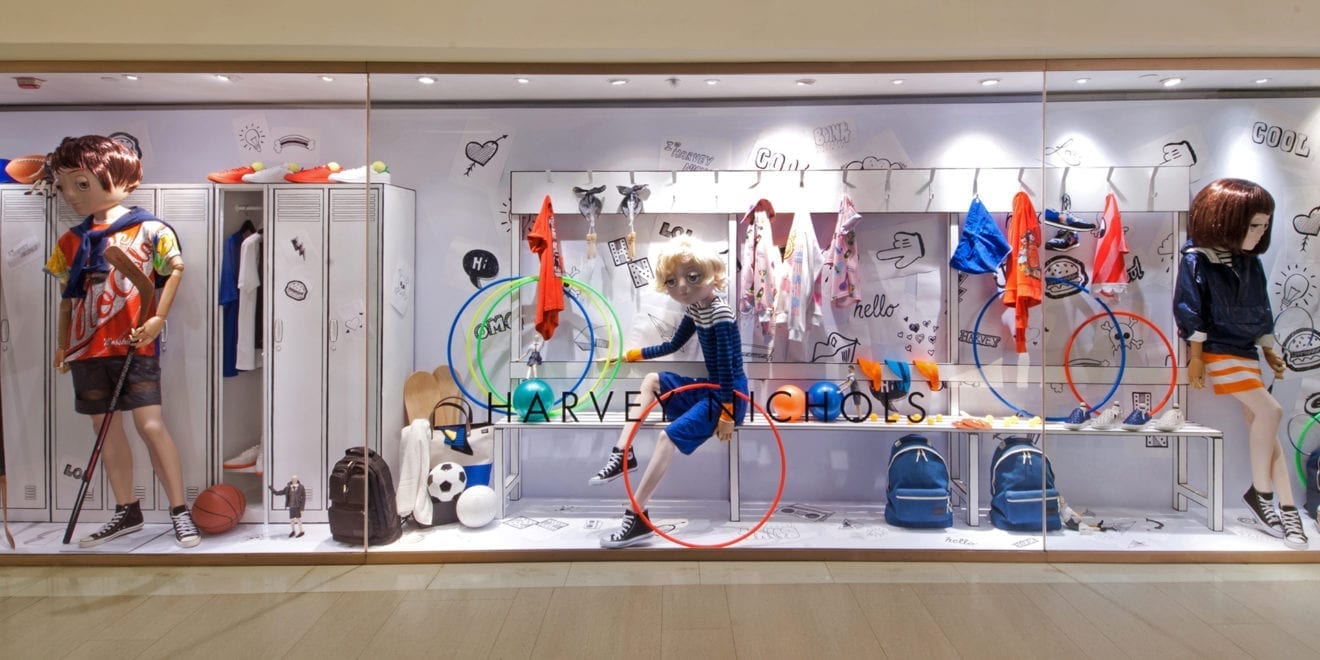
    Dickson Concepts has entered a strategic partnership with UK department store Harvey Nichols to combine physical retail stores and e-commerce.

    “Dickson Concepts will gain complete access to Harvey Nichols’ digital expertise, and allow Harvey Nichols to accelerate its global e-commerce strategy by combining its highly curated fashion edits from two iconic international locations online,” the Hong Kong-listed company said in a statement.

    Dickson Concepts operates Harvey Nichols, Beauty Bazaar and Beauty Avenue stores and controls the UK-incorporated Harvey Nichols Group.

    Leading international brands and emerging designer talent from both Harvey Nichols UK and Harvey Nichols Hong Kong will be available online, with local customers now able to shop the global Harvey Nichols range.

    As part of the partnership, Dickson Concepts will also launch multiple omnichannel initiatives, such as introducing “Endless Aisles” at its stores that will allow in-store customers to enjoy the full offer of Harvey Nichols’ in-store and online offering simultaneously.

    E-commerce styling lounges with stylists offering personalised service will be introduced to assist customers to coordinate their personal looks.

    “Dickson Concepts will also work with Harvey Nichols to introduce augmented reality solutions in-store, which will allow Hong Kong customers to virtually try selected beauty products only available at Harvey Nichols UK, before proceeding to make purchases online. Furthermore, Dickson Concepts will work with Harvey Nichols to allow Hong Kong’s online customers to shop live with Harvey Nichols’ in-store stylists in the UK, via a solution powered by the global retail technology company Hero, with which Harvey Nichols has an exclusive arrangement.”

    Hong Kong online shoppers will be able to connect and interact with associates from Harvey Nichols’ UK stores via instant messaging, photo sharing, and live video streaming, allowing customers to shop the group’s eight stores in the UK in the comfort of their own homes.

    Since launching harveynichols.com in 2011, Harvey Nichols has invested over HK$500 million in its e-commerce business, allowing the company to become the first luxury department store in the UK to integrate a marketplace solution in its e-commerce platform, along with being the first department store in the UK to link its online customers with in-store product experts in real-time, to enable live shopping via instant messaging, photo sharing, and live video streaming.

    Harvey Nichols also recently signed a multi-year, global partnership deal to become the first department store in the world to join the Farfetch platform. Farfetch customers will be able to buy from Harvey Nichols from anywhere in the world.

    Embracing digital

    Dickson Concepts says the partnership with Harvey Nichols demonstrates the former’s commitment to embracing digital technologies and developing its e-commerce business to “define a completely new retail format for Hong Kong,” re-enforcing its belief that e-commerce will become a dominant part of retail internationally.

    “As such, the group is prepared to invest up to HK$200 million on its digital marketing and e-commerce initiatives to grow its e-commerce business, and with its healthy cash balance in excess of HK$1 billion, will also make additional appropriate strategic investments to accelerate its growth in e-commerce.”

  • VARTA Storage Launches Its Energy Storage Products in Australia

    VARTA Storage Launches Its Energy Storage Products in Australia

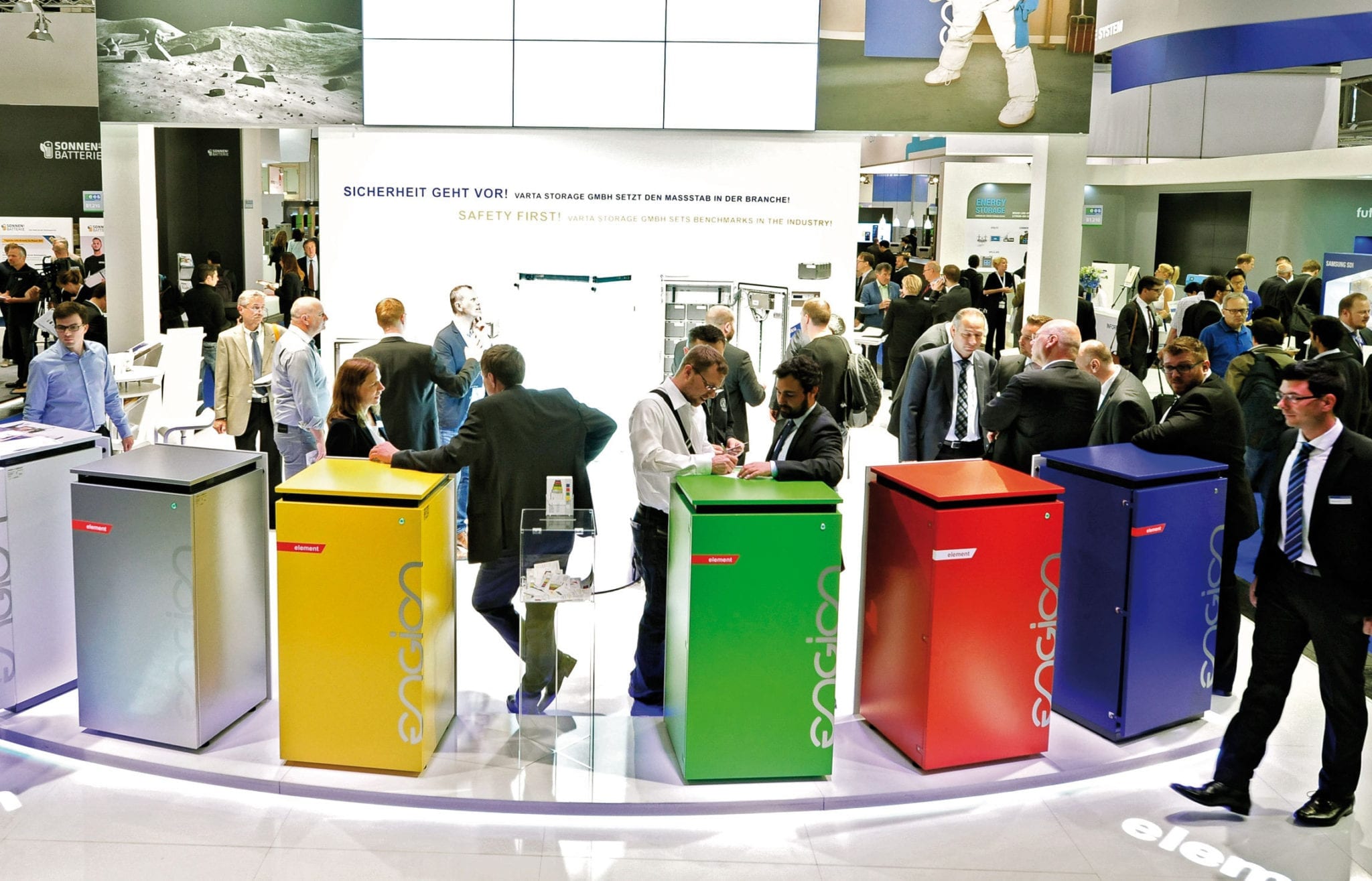
    Varta Storage GmbH enters the Australian market, bringing their quality “Made in Germany” energy storage solutions to the fifth continent. Customers will be able to buy and install VARTA Storage’s lineup of VARTA pulse solutions across the country.

    The VARTA pulse is a starter all-in-one package, which is easy to install and of a compact size. The devices combine a high energy density and is available in two sizes, i.e. with 3.3 kWh and 6.5 kWh. The energy storage solution is extremely reliable, robust, and fulfills all safety regulations. Through Plug & Play, the wall-mounted energy storage is instantly ready-to-use with only 30 minutes needed for installation and can be combined with all renewable energy sources. Hence it can be used to power the heating as well as all electrical household appliances, giving VARTA pulse owners the freedom to use their self-generated energy whenever and wherever they need it.

    “We are happy to be bringing our pulse energy storage solutions to the Australian market, enabling homes to not only generate their own energy, but also store it and then use it whenever they need,” said Gordon Clements, General Manager VARTA Storage. “The VARTA pulse portfolio is versatile, robust, and extremely reliable. Consumers receive an easy-to-install solution when deciding for a VARTA pulse devices.”

    “Australia is a significant growth opportunity for VARTA Storage. VARTA has more than 130 years of experience and expertise in working with energy, starting with developing the first battery in the world and growing the company to become a globally recognised innovator and provider in the space. VARTA is powering a multitude of different devices already, so the energy storage which can power homes and household machines is a natural extension of our portfolio. And we are very much looking forward to bringing our ‘Made in Germany’ quality to Australia,” said Roman Jordan, Head of Sales RES, VARTA Storage GmbH.


  • Thomson Reuters launches bitcoin sentiment gauge

    Thomson Reuters launches bitcoin sentiment gauge

    Thomson Reuters Corp is to track and analyse chatter about bitcoin on hundreds of news and social media websites to help investors looking for an edge in trading the world’s biggest cryptocurrency, the company said today.

    A new version of its MarketPsych Indices, which it runs in conjunction with MarketPsych Data LLC, a behavioural economics research firm, will scan over 400 websites, many specific to cryptocurrencies, to capture market-moving sentiment and themes, Thomson Reuters said in a statement.

    Digging through market chatter and analysing online sentiment has long proven popular among traders of traditional asset classes.

    The boom in the prices of cryptocurrencies in recent years has spurred a huge online industry where individuals exchange trading ideas in forums and news websites report on the latest developments in the industry.

    Many analysts have linked online activity, for example Google searches for “bitcoin”, with the price of the best-known cryptocurrency.

    “News and social media are driving the investment and risk management process more than ever with the continuing rise of passive and quant-driven trading,” said Austin Burkett, global head of quant and feeds, Thomson Reuters.

    Bitcoin’s price gained more than 1,300% last year as investors piled in, and since peaking at close to US$20,000 (RM78,000) in December has lost more than half its value. It was trading at around US$9,600 on the Luxembourg-Bitstamp exchange today.

  • Hubert de Givenchy Dies at 91, Fashion Pillar of Romantic Elegance

    Hubert de Givenchy Dies at 91, Fashion Pillar of Romantic Elegance

    French couturier Hubert de Givenchy, a pioneer of ready-to-wear, has died at the age of 91.

    Paying homage to its founder, the house of Givenchy says he was “a major personality of the world of French haute couture and a gentleman who symbolised Parisian chic and elegance for more than half a century”.

    Givenchy designed Audrey Hepburn’s little black dress in the movie Breakfast at Tiffany’s.

    “He revolutionised international fashion with the timelessly stylish looks he created for Audrey Hepburn, his great friend and muse for more than 40 years,” the house says. “His work remains as relevant today as it was then.”

    Givenchy was part of the elite cadre of Paris-based designers, including Christian Dior and Yves Saint Laurent, who redefined fashion after World War II. He forged close friendships with his famous clients including Elizabeth Taylor, Jackie Kennedy and Princess Grace of Monaco.

    He was born into an aristocratic family in the provincial city of Beauvais on February 21, 1927, and founded his label in 1952, selling it to luxury conglomerate LVMH in 1988. He retired several years later.

    Clare Waight Keller, who has been at the helm of the brand since last year, said on her official Instagram account she was “deeply saddened by the loss of a great man and artist I have had the honor to meet”.

    LVMH CEO Bernard Arnault says he is “deeply saddened” by Givenchy’s death. “He was among those designers who placed Paris firmly at the heart of world fashion post-1950.”

  • Hollister sales hits US$2 billion as A&F rebounds

    Hollister sales hits US$2 billion as A&F rebounds

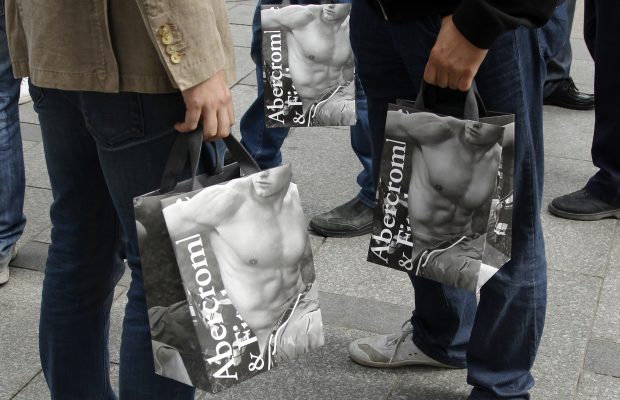
    Hollister sales helped drive a strong fourth quarter for parent Abercrombie & Fitch in both revenue and profit.

    In the past year, Hollister sales broke the US$2 billion sales threshold for the first time, rising 19 per cent in the final quarter to February 3, to $709.2 million.

    All of the Abercrombie & Fitch brands posted increased sales in the quarter, as did all geographical markets.

    Net sales were $1.193 billion, up 15 per cent for the quarter, which included an extra week. The company said the additional week benefited fourth-quarter net sales by approximately 4 per cent.

    Comparable sales rose 9 per cent and comparable operating income doubled, according to CEO Fran Horowitz.

    “We are pleased by our performance. Our focus on staying close to our customer, executing to our playbook and maintaining our disciplined approach to expense management delivered a strong performance on both the top and bottom line,” she said.

    The company’s main brand, Abercrombie, returned to positive sales for the quarter after a series of declines, in part reflecting the success of a new store format now being rolled out across the US and in selected international markets, including Hong Kong. Global sales rose 9 per cent.

    The company also recorded record digital sales across all brands.

    “We continue to improve the customer experience with ongoing investments in loyalty programs, stores, direct-to-consumer and omnichannel capabilities,” said Horowitz.

    “We have a strong balance sheet, proven cost management discipline and a clear plan for building on the foundations we laid last year. This year, we will continue to focus our attention and our investments on engaging our customers with compelling assortments and new experiences, in clearly defined brand voices, positioning our business for sustainable long-term growth.”

    US sales rose 13 per cent and international sales by 20 per cent,with direct-to-consumer sales accounting for 34 per cent of total company sales, up from 31 per cent in the same period last year.

  • Malaysia unfazed by US import tariffs on steel, aluminium

    Malaysia unfazed by US import tariffs on steel, aluminium

    While Malaysia may not see much of an impact from the United States’ move to go ahead with steel and aluminium import tariffs, the move is likely to trigger a surge in steel prices.

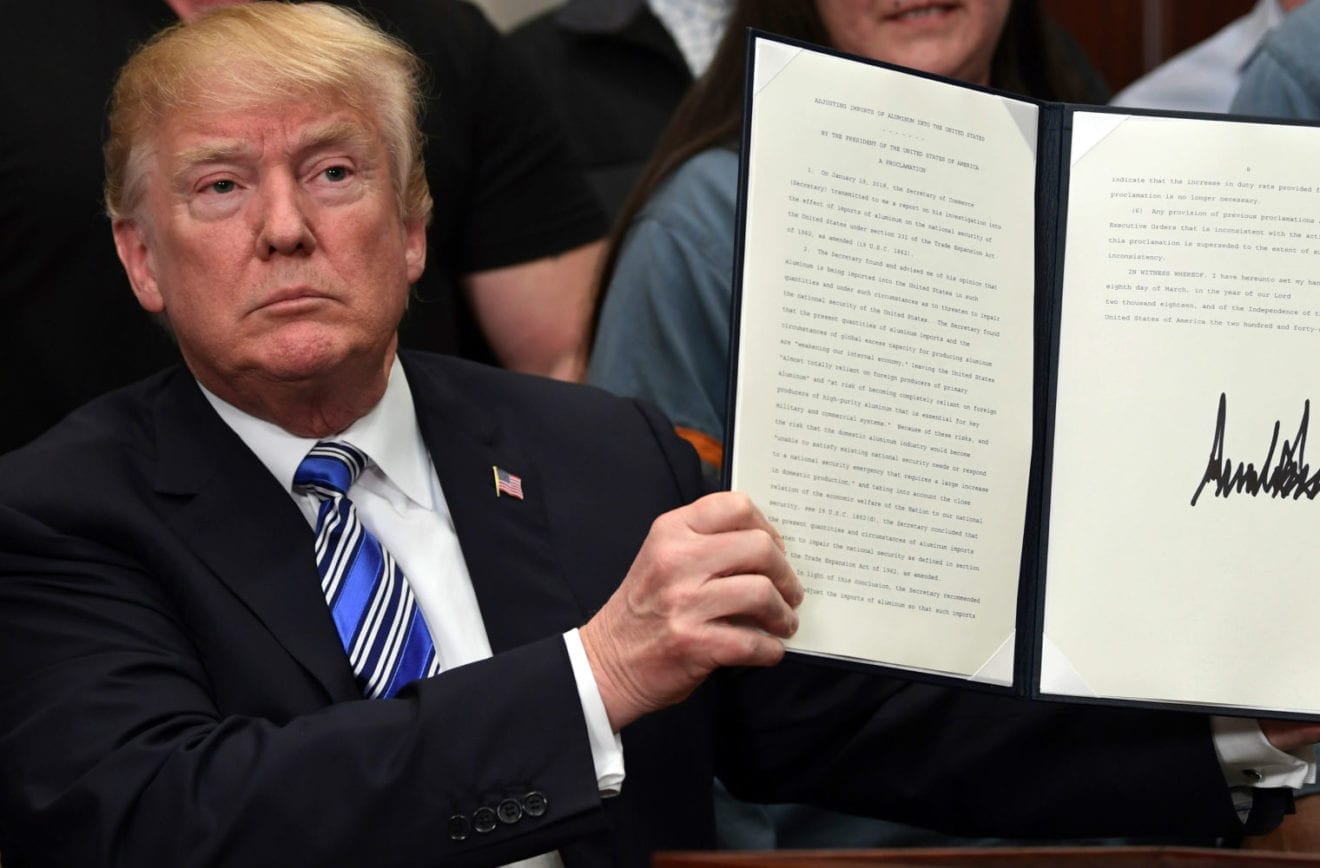
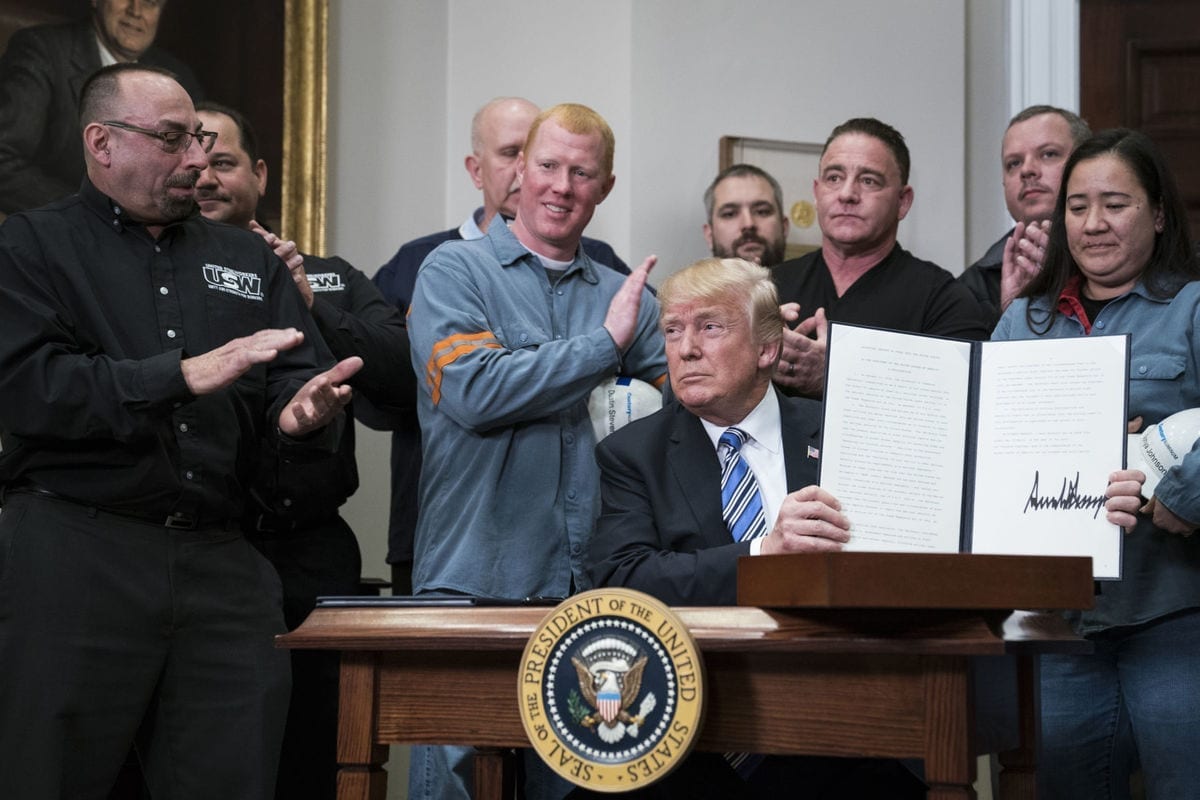
    US President Donald Trump signed off on the implementation of 25% tariff on steel imports and 10% for aluminium last week, fanning an outburst from industry players and critics from across the world and within the US alike.

    Maintaining his earlier stance, Malaysian Iron and Steel Industry Federation (Misif) president Datuk Soh Thian Lai said that the impact on Malaysia will be minimal given the relatively small volume of steel exports.

    Malaysian steel exports, which stood at about 96,000 tonnes, accounted for only 0.2-0.3% of the total US steel imports for 2017 of between 34 million and 37 million tonnes.

    Soh said Malaysia will still be able to find an alternate market to the US to export this 96,000 tonnes.

    “Most probably steel prices in US will increase fast enough in the near term and importers will still be able to import even with the 25% duty,” he added.

    In line with that, scrap prices are likely to see a rise, given that consumption of the material will become more domestic centric, hence limiting exports.

    “Scrap prices will increase because now the US could use more scrap internally instead of exporting. The US in actual fact is a net exporter of scrap, and with this trade act imposed, this could raise steel prices not only in the US but also countries importing scrap from them especially Malaysia and Asean countries,” he explained.

    Majority of Malaysia’s scrap, which could not be quantified, he said, is imported, with the US being one of the major importers.

    On the next course of action, Soh said Misif has written of its grouses to the US embassy and the Ministry of International Trade and Industry (Miti).

    “We will follow up with US Embassy and Miti on this. Since the US has allowed an exemption on Canada and Mexico. We will ask the government to bring this up to the US, for Malaysia to be exempted,” he added.

    Echoing Soh’s sentiment on surging steel prices, Barnabas Gan, economist at OCBC Bank, said while trade barriers will spike steel and aluminium prices, it could also result in job casualties for the steel and aluminium-consuming industries of the US.

    “Eventually, we note that the trade tariffs without exemptions will likely do more harm than good, both to the US economy as well as impeding global growth and trade activities. Even in the absence of trade retaliation, the tariffs would threaten many jobs in the US pertaining to aerospace, automobile, manufacturing and construction industries, while benefiting steel and aluminum makers,” he noted.

    Consumers would then face higher inflationary pressures, and thus adversely affect consumer spending and overall disposable income levels. Moreover, the bleaker outlook for the said industries could worsen investor confidence, and thus dissuade investment spending into the US,” he added.

    Meanwhile, Ambank Research said that the move could potentially reduce US steel imports by 13.3 million tonnes and Malaysia on its end could see a reduction of between 48,000 and 49,000 tonnes. Similar to Gan, the research house said the tariffs could have a knock-on effect on steel-consuming industries.

    In line with this development, AmBank noted that the US dollar is expected to weaken, working to strengthen the ringgit and heighten fears of possible trade war.

    The share price of Tatt Giap Group Bhd which exports steel products to the US, fell 3.33% to close at 14.5 sen on Friday, along with Mycron Steel Bhd, which fell 1.15% to 43 sen.

    Steel counters which saw gains at market close on Friday were Ann Joo Resources Bhd Resources, up 0.29% to RM3.47; Malaysia Steel Works (KL) Bhd, 1.05% to 96.5 sen; CSC Steel Holdings Bhd, 2.88% to RM1.43; and Atta Global Group Bhd, 0.55% to 92 sen.

    Leon Fuat Bhd was unchanged at 79.5 sen.

  • New Look to close 60 stores, with 980 jobs at risk

    New Look to close 60 stores, with 980 jobs at risk

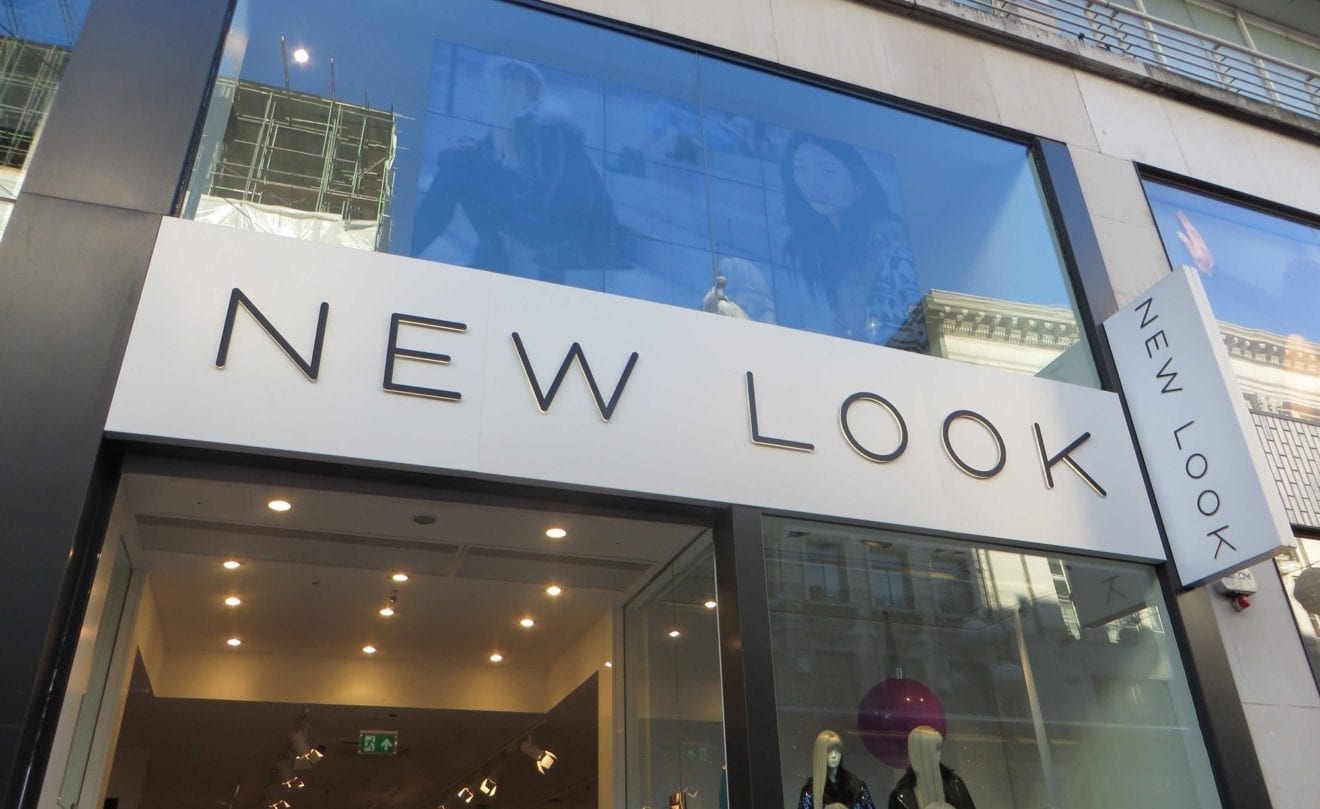
    UK Fashion retailer new Look is to shutter 60 stores – but at least one analyst fears that may not be enough to arrest its sliding performance.

    The closures are a core feature of a company voluntary agreement (CVA) proposal to its creditors that will also see rents reduced and the loss of almost 1000 jobs. It has 593 stores in the UK.

    Stores slated for closure include its flagships in Oxford Street and some standalone menswear stores, suggesting  that strategy failed.

    “While the closure of stores will lead to market share loss in the short term, it is a long awaited and necessary move,” commented Charlotte Peace, a retail analyst with GlobalData.

    “New Look is now in danger of slipping out of the top 15 UK clothing retailers this year. The retailer’s plan to close just circa 10 per cent of its UK store estate is not enough and New Look must continue to rationalise its remaining oversized store network given it is a huge encumbrance for the retailer.”

    Peace said New Look is suffering from “a loss of brand appeal and growing irrelevance among its core UK shopper base”.

    “A leaner store estate will improve space productivity, increase profit per store and provide a more consistent brand image, which is much needed for the retailer’s survival,” she said.

    Deloitte’s Daniel Butters and Neville Kahn have been appointed as nominees to the CVA.

    “Given our challenged trading performance and over-rented UK store estate, we are having to take tough but necessary actions to reduce our fixed cost base and restore long-term profitability,” said New Look executive chairman Alistair McGeorge.

    “We have held constructive discussions with our key landlords and strategic partners and will now seek creditor approval on our CVA proposal.”

    Butters said the retail trading environment in the UK remains extremely challenging, driven by weaker consumer confidence, the implications of Brexit and competition from online channels.

    “New Look is an iconic brand on the high street and the CVA will provide a stable platform upon which management’s turnaround plan can be delivered.”

    In the 39 weeks to December 23, New Look reported an underlying operating loss of £5.1 million and a pre-tax loss of £123.5 million after sales slumped 10.7 per cent in the UK..

    No stores will be closed ahead of the March 21 deadline for creditor approval of the CVA.

  • Brazil feels pain of US steel tariffs

    Brazil feels pain of US steel tariffs

    Brazilian iron and steel shares took a hit Friday, as markets weighed a potential trade war in response to Washington’s decision to impose hefty tariffs on foreign steel and aluminum.

    Brazil is the second biggest steel exporter to the United States after Canada — and the government is deeply worried about US President Donald Trump’s imposition of 25% tariffs on steel and 10% on aluminum.

    Foreign minister Aloysio Nunes and foreign trade minister Marcos Jorge shot back with a statement Thursday warning that Brazil “will resort to all necessary steps … to protect its rights and interests.”

    Nunes said Brazil was “greatly concerned” by the measure which would “bring severe damage to Brazilian exports and have a negative impact on the flow of bilateral trade.”

    On the Sao Paulo stock exchange Friday, Vale was down 1.33% in late-morning trading, Gerdau was down 1.72% and Usiminas 1.8%. Shares had already taken hefty hits the previous day after Trump’s announcement.

    US NAFTA partners Canada and Mexico are being exempted from Trump’s tariffs, but Brazil will be left wide open to the measures. Brazilian steel accounts for nearly 14% of US steel imports by volume, the US commerce department says.

    The US market accounted for 32.9% of all Brazil’s steel exports last year, the Brazilian government says.

    Blowback

    Brazil’s National Confederation of Industry (CNI) has gone further, blasting Washington’s “unjust, illegal” move which it says will cost Brazil some US$3 billion a year in lost steel exports and US$144 million in aluminum trade losses.

    Diego Bonomo from the CNI says the United States will get blowback because Brazil is the main importer of US carbon steel. Also, 80% of Brazilian steel exports to the United States are semi-finished products used by US industry, then sold on.

    Trump’s tariffs, due to take effect in 15 days, “will have two negative effects: first on exports of Brazilian steel to the North American market and secondly on US exports to Brazil,” Bonomo said.

    The fact that Brazil’s exporter rivals Canada and Mexico will not be under the same tariffs will further hurt Brazilian competitiveness, said Jose Augusto Coelho Fernandes, policy director at the CNI.

    “Brazilian industry regards this measure of President Trump with great worry. Firstly, since he excluded the NAFTA countries from the initial impact, it leaves Brazil as the most-affected country,” he said.

    “If Brazil doesn’t manage to get an exemption it will certainly file a formal complaint at the WTO along with the European Union and China,” Risk Brief consultancy said in a note to clients.

  • JCPenney Annual Statement shows positive numbers

    JCPenney Annual Statement shows positive numbers

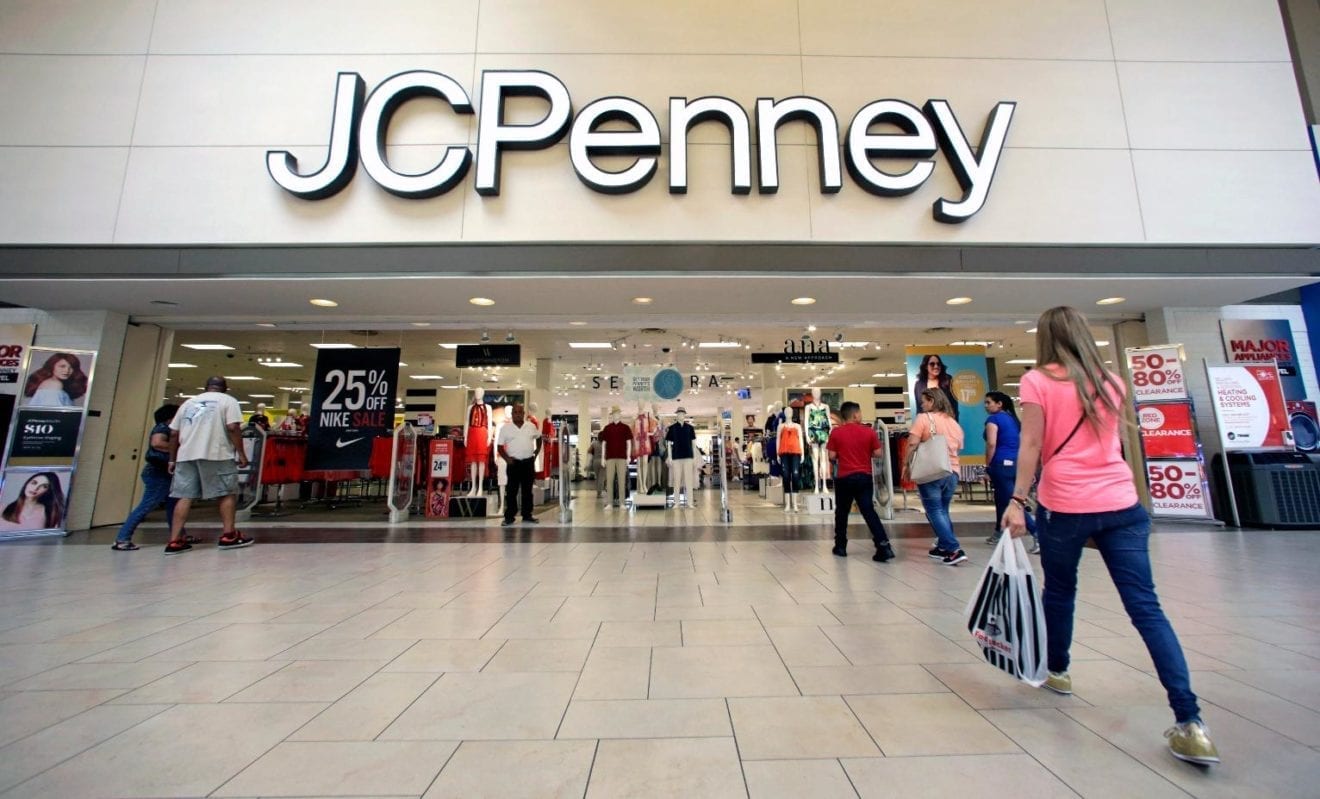
    US department store JCPenney has recorded a 2.6 per cent increase in same-store sales for its fourth quarter, rescuing full-year sales to a negligible 0.1 per cent rise.

    Total net sales for the 14 weeks ended February 3 increased 1.8 per cent to $4.03 billion compared to $3.96 billion for the 13 weeks ended January 28 last year. Comparable sales increased 2.6 per cent on the same 13 week basis as the fourth quarter last year.

    Jewellery, home, Sephora, footwear and handbags were the company’s top performing categories during the quarter.

    Adjusted net income was $179 million, down from last year’s $202 million.

    Total net sales decreased 0.3 per cent to $12.51 billion for the full year, compared to $12.55 billion last year. The company said the slight decline in total net sales was primarily due to store closures last year, most of which closed in the first half of the year, and was partially offset by incremental sales for the 53rd week.

    JCPenney reported a net annual loss of $116 million, compared to net income of $1 million last year. This reduction was driven primarily by restructuring charges associated with the fiscal 2017 store closures and voluntary early retirement program.

    Chairman and CEO Marvin R Ellison, said the company was encouraged by the results for the fourth quarter and full year.

    “Through the hard work and dedication of the entire JCPenney team, we delivered our second consecutive year of positive adjusted earnings. For 2017, we improved adjusted earnings per share by 175 per cent, reduced our outstanding debt levels by over $600 million and generated over $200 million of free cash flow.

    “During the fourth quarter, we delivered our strongest positive sales comps and achieved our largest gross margin improvement for the year.”

    Ellison said in the year ahead the company will intensify its market share efforts in appliances, mattresses and furniture, while continuing to modernise its apparel assortment and omni-channel offer.

    “Our strategy and plan is clear and consistent, and we remain focused on two critical factors – to operate the business for growth and deliver profitable earnings.”

  • Jaguar Land Rover needs Brexit detail before building electric cars in Britain

    Jaguar Land Rover needs Brexit detail before building electric cars in Britain

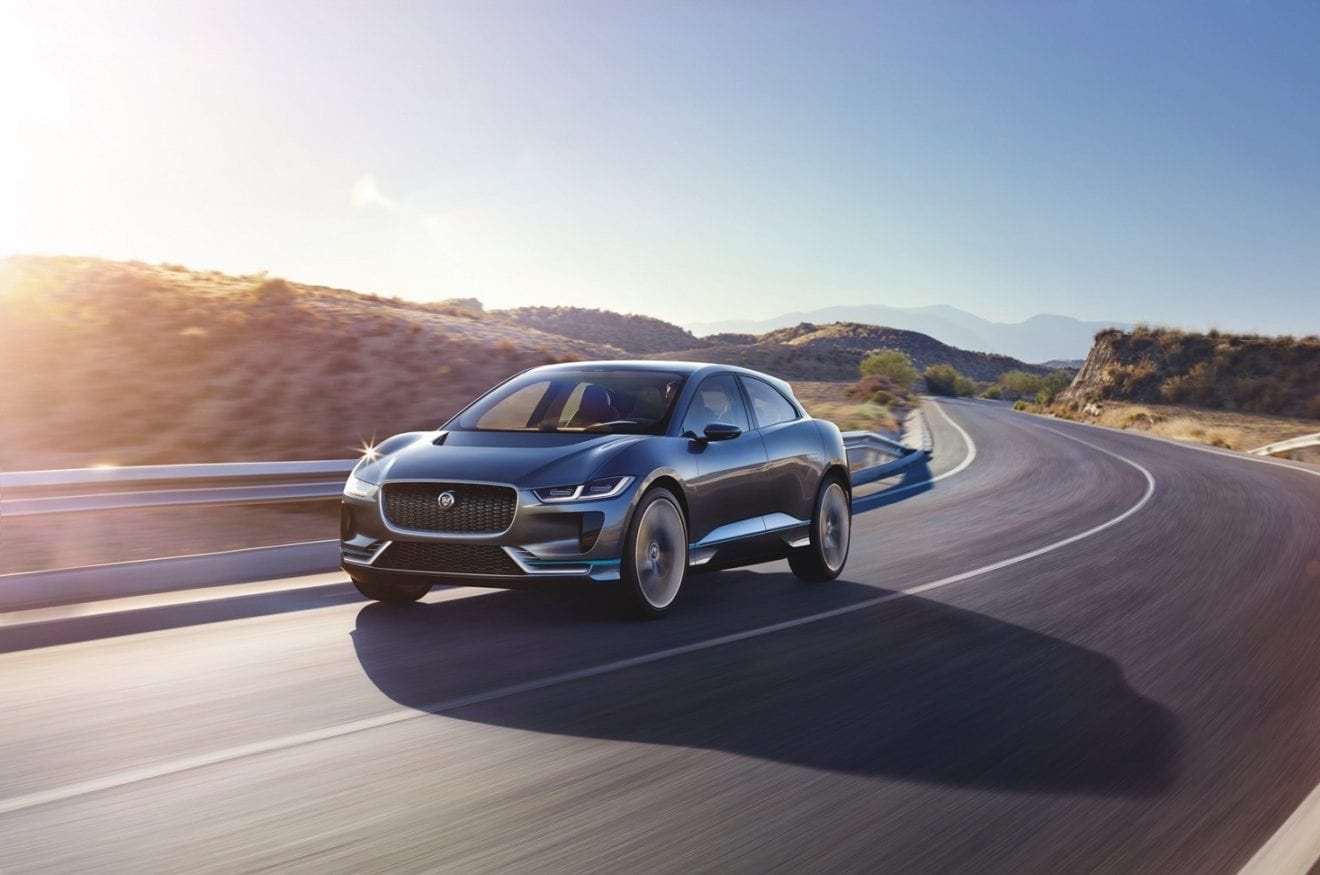
    Jaguar Land Rover (TAMO.NS) is waiting for more information on trading conditions after Brexit before it decides whether to make electric cars in its home market, the boss of Britain’s biggest carmaker said.

    The Indian-owned automaker, which makes just under one in three of Britain’s 1.7 million cars at three factories, is building its new I-PACE electric model in Austria.

    The company is due to decide this year whether to build electric vehicles in Britain but, like its peers, is worried about the imposition of tariffs or customs checks after Brexit, snarling up supply chains and adding costs to production.

    “That makes the decision this year very, very critical and I don’t know whether we can make it,” Chief Executive Ralf Speth said at the Geneva Motor Show.

    London and Brussels hope to agree on a transitional deal this month to maintain free and unfettered trade until at least the end of 2020 ahead of a long-term Brexit agreement to be decided by the end of the year.

    Speth cited the need for support from government and academia but when asked whether Brexit was a factor in the decision-making process, he said:

    “We are waiting for these kinds of decisions. It goes without saying because uncertainty is really challenging us very much and not only us, it’s for the complete industry.

    “You hardly see inward investment any more or every decision is taking longer from every faculty. Therefore it would be … appropriate to get more information about these kinds of deals.”

  • Foot Locker Looking To Shutter 100 Stores

    Foot Locker Looking To Shutter 100 Stores

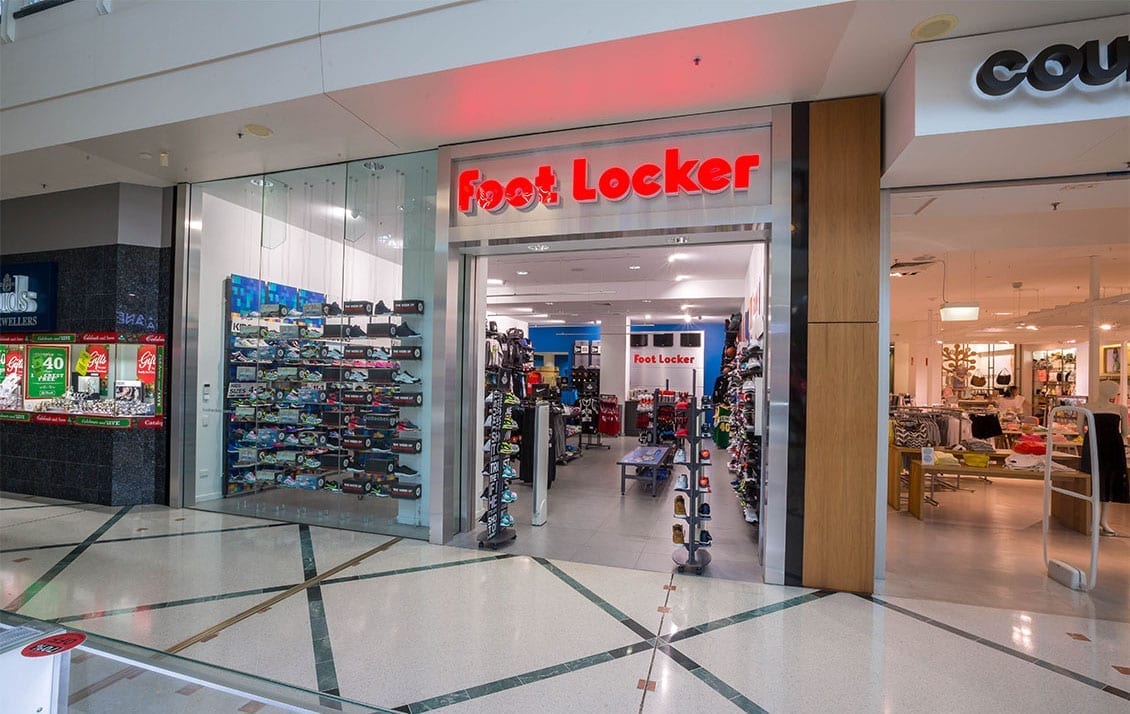
    Foot Locker has revealed plans to close about 110 stores this calendar year after reporting a loss of US$49 million for the last quarter.

    The closures follow the cull of 147 stores globally last year – however it will continue to open new stores where there is market potential, with about 40 likely this year.

    “We continue to prune the fleet of under-productive stores and open a few select, high-profile stores,” Foot Locker CFO Lauren Peters said in an earnings call with investors.

    Most of the stores to be closed are located in “deteriorating” shopping malls, typically in regional US, where shoppers are increasingly going online to buy essentials.

    Where an American consumer may once have gone to a Foot Locker store to buy Nike or Adidas shoes, they can now go online to the manufacturer’s site or to a portal like Amazon where they can shop multiple categories without leaving the sofa.

    Globally, Foot Locker has 3310 stores after opening in 94 new locations last calendar year.

    “The disruption that has characterised the retail industry recently is not going away,” CEO Richard Johnson added. “Consumers want experiences, they want cool products, and they want it all – fast.”

  • Burberry lost marketing head Sarah Manley

    Burberry lost marketing head Sarah Manley

    Britain’s Burberry is set to lose its long-serving Chief Marketing Officer, Sarah Manley, who joined the luxury brand back in 2001, just one month after Christopher Bailey’s entrance into the top spot.

    Coinciding with Bailey’s last runway show for Burberry last week, Manley is reportedly packing her Burberry bags too, with a departure date slated for July’s end, as reported by FashionNetwork.com.

    While neither Burberry nor Manley have made a comment on the departure news, it is believed that the executive desires to take a break after seventeen years with Burberry. Manley’s departure has evidently been prompted by Bailey’s leaving too.

    No hints have been given as to who might replace Manley either.

    Manley joined Burberry in 2001 as global director of public relations, before being promoted to vice president, and then senior vice president of marketing. In 2008, Manly was named Burberry’s Chief Marketing Officer, where she oversaw a now 200-strong communications team in London.

    Major brand achievements linked to Manley include building the Burberry brand globally via elaborate events such as the holographic show, exhibition and store opening combinations in Beijing and Shanghai.

    She also put on the ‘London in Los Angeles’ party in Los Angeles’s Griffith Observatory, attracting 700 celebrity guests such as the Beckhams, Elton John, Rosie Huntington-Whiteley, Cara Delevingne and Anna Wintour.

    Manley was also involved in building Burberry’s burgeoning digital presence, growing its social media following and providing content that surpassed that of its competitors in terms of creativity and authenticity. Last week, social media analytics firm NetBase released its 2018 Luxury Brands Report, indeed naming Burberry as third in its overall ranking of the top ten luxury brands on social media, behind Louis Vuitton and Land Rover.

  • Galeries Lafayette Europe names new head of watches

    Galeries Lafayette Europe names new head of watches

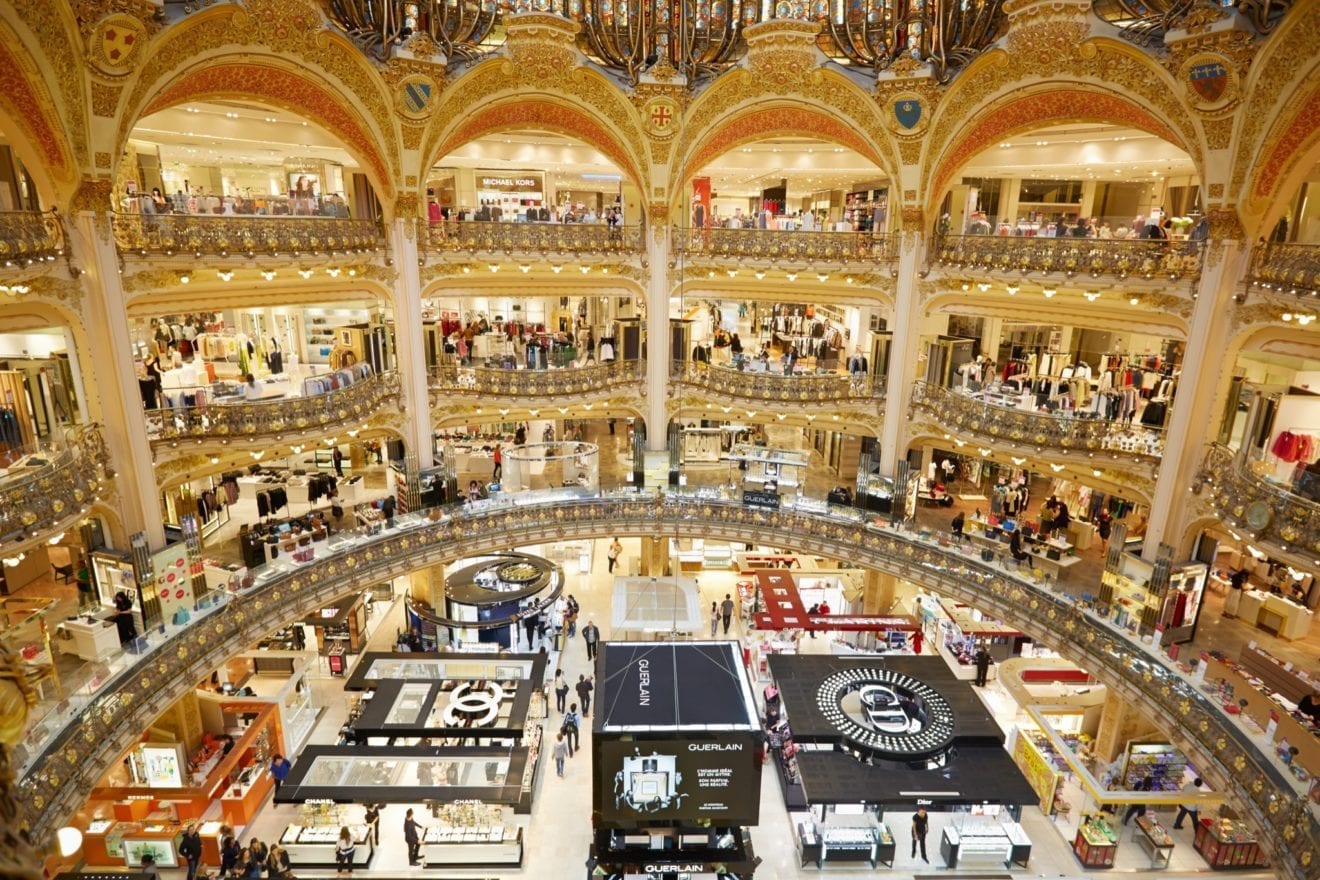
    European department store Galeries Lafayette has announced the appointment of Arthur Lemoine to head of watch activities. Lemoine succeeds Daphné de Jenlis, who is taking sabbatical leave but remaining in the group.

    Reporting to the French group’s executive chairman Philippe Houzé, Lemoine will be in charge of luxury watch brands Louis Pion, Galeries Lafayette-Royal Quartz Paris and Augis 1830 as part of the Paris retailer.

    In addition to the new role, Lemoine joins the executive committee of Galeries Lafayette BHV Marais, helmed by Nicolas Houzé.

    Arriving at Galeries Lafayette ten years prior, the 33-year-old executive was most recently in charge of the firm’s Eataly rollout, after the group signed an exclusive franchise agreement with the Italian food chain in France.

    With plans thoroughly underway, the first Eataly in Paris is slated to open in 2019.

    The new appointment looks to strengthen Galeries Lafayette’s plunge into travel retail, by bolstering its luxury watch offering at key airport terminals in Paris.

    Most recently, the department copped a contract to manage a network of watch stores at Charles de Gaulle and Orly airports, coining each Galeries Lafayette-Royal Quartz Paris.

    Meanwhile, the retailer announced last year the slated opening of its first mainland China store. The flagship is scheduled for Shanghai in 2018, with close to a dozen more outlets planned for major cities in China in the next seven years.

    To coordinate international expansion, which in addition to China includes Istanbul, Luxembourg and Kuwait, the group has also created an international development team. At its head is Philippe Pedone, currently CFO for the group’s department store business and a member of the executive committee.

    Galeries Lafayette group annual consolidated revenue is expected to be €4.5 billion, compared to the current €3.8 billion for the current fiscal year, with goals to reach €5.5 billion in 2020, 30% of which is to be generated online.

  • Burberry has new chief creative officer, soon

    Burberry has new chief creative officer, soon

    Fashion company Burberry has appointed Riccardo Tisci chief creative officer, effective from March 12.

    With expertise across womenswear, menswear, leather goods and accessories, Tisci joins Burberry from Givenchy, where he was creative director from 2005 to last year.

    A graduate of Central Saint Martins in London,Tisci will direct all Burberry collections and present his first for the brand in September. He will be based at the brand’s headquarters in London.

    “Riccardo’s skill in blending streetwear with high fashion is highly relevant to today’s luxury consumer,” says Burberry CEO Marco Gobbetti.

    Tisci says he has enormous respect for Burberry’s British heritage and global appeal. Born in Lombardy, Italy, in 1974, he worked with Gobbetti when he was president/CEO of Givenchy from 2004 to 2008.

    Since 2013, Tisci has been collaborating with Nike and previously held design roles at Antonio Berardi, Puma and Ruffo Research.

    GlobalData retail analyst Charlotte Pearce says the market reacted positively to Tisci’s appointment.

    “He will be able to breathe new life into the company and bring a fresh perspective to the luxury British brand. With six months to go before Tisci presents his first show for Burberry in September, he will have time to firmly establish himself in the business and lay out his creative vision for the renowned brand.”

    Peace says it is imperative that Tisci and Burberry CEO Marco Gobbetti work closely together over the coming months – as they would have at Givenchy – to reinvigorate the Burberry brand.