Tag: International

  • Paul Marciano resigned from Guess

    Paul Marciano resigned from Guess

    Guess co-founder Paul Marciano has stepped away from the business for an indefinite period while an investigation takes place into allegations of improper conduct.

    Marciano denies the allegations which have not been detailed by Guess.

    However Retail Dive has reported that actress and model Kate Upton, who has worked for the brand, accused Marciano of sexual harassment via Twitter and model Miranda Vee, who previously accused Marciano and real estate developer Mohamed Hadid of sexual harassment and assault, had filed a report against the two men with the Los Angeles police.

    “The company takes very seriously any allegations of sexual misconduct, is committed to maintaining a safe work environment, and looks forward to the completion of a thorough investigation of all the facts,” the company said in a brief statement.

    Two independent directors were appointed to oversee the investigation on February 7. The probe is being conducted by the law firm of O’Melveny & Myers and the directors have also retained the law firm Glaser Weil.

    “The board… and Mr Marciano have agreed that Mr Marciano will relinquish his day to day responsibilities at the company, on an unpaid basis, pending the completion of the investigation,” the statement said

    Marciano added: “I have pledged my full cooperation to the company, and I have the utmost confidence in our CEO, Victor Herrero, to continue leading the company during this time.”

  • Interparfums and Bolloré Logistics Extend their Partnership

    Interparfums and Bolloré Logistics Extend their Partnership

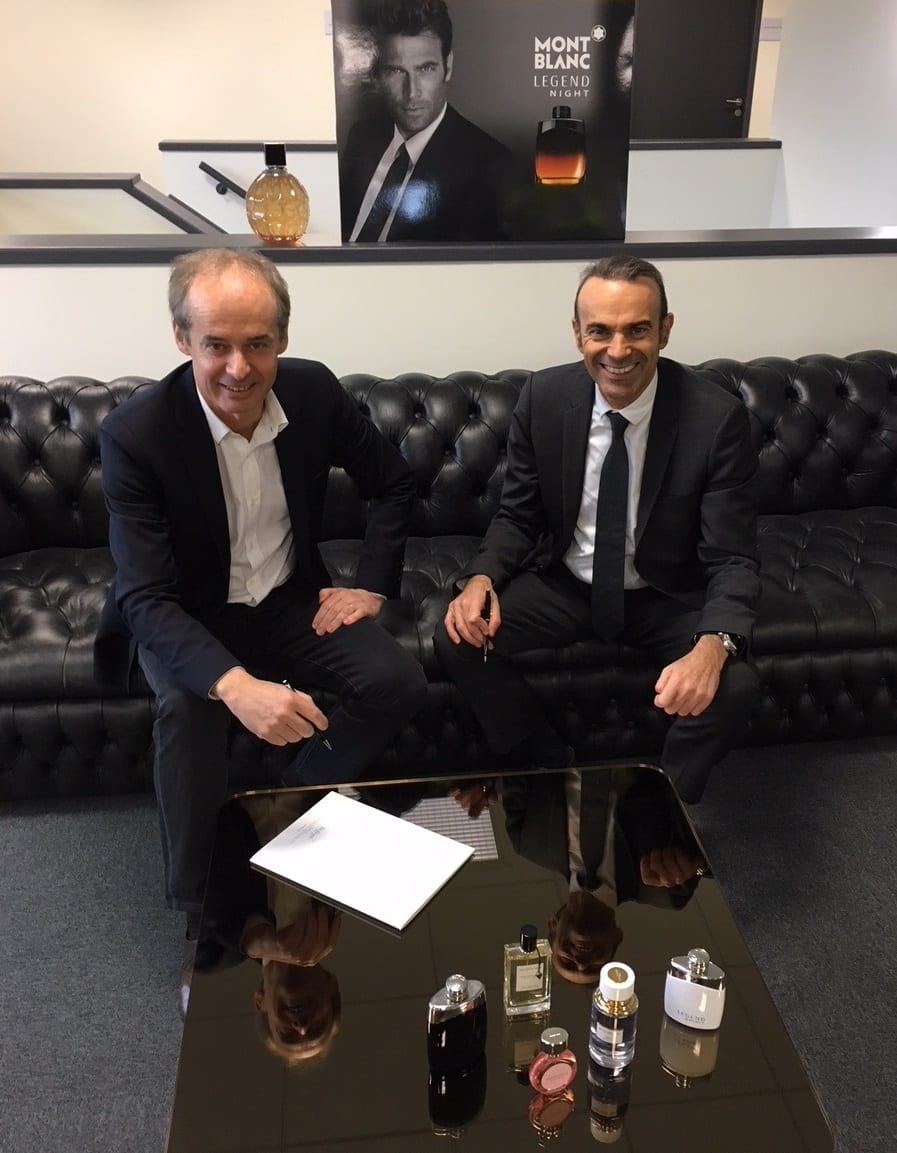
    Interparfums and Bolloré Logistics announce the extension of their partnership for a period of three years including 2018, 2019, and 2020.

    Interparfums is a French company that develops perfumes and cosmetics lines on the basis of global exclusive licensing agreements with luxury, fashion or accessories brands that include Montblanc, Jimmy Choo, Coach, Boucheron or Van Cleef & Arpels. They own Lanvin fragrances and Maison Rochas (fashion and perfumes). The company monitors and takes complete care of the perfume life cycle, from its creation to its distribution in France and internationally.

    Bolloré Logistics has accompanied the development of Interparfums’ logistics activities since 1994.

    The logistics partnership started in a 200 m² warehouse located in Petit Quevilly, Upper Normandy, and then was transferred to a dedicated warehouse of 9,000 m² in Grand Couronne in 2000, after which was expanded in 2003 to reach a surface area of 12,000 m².

    Given its strong growth, Interparfums continued their expansion with the construction of an additional 9,000 m2 building to reach a total surface area of 21,000 m2 in 2006. In 2011, activity at Grand Couronne was transferred to Criquebeuf sur seine in a 30 000 m2 building rented by Interparfums.

    To date, a construction permit for the creation of an additional 6,000 m2 cell of was issued with a delivery planned for the second quarter of 2018 therefore increasing the total surface area to 36,000 m2.

    The Bolloré Logistics branch in Grand Couronne provides upstream transport from the packers located in France in the Normandy, Centre Val de Loire and Hauts de France regions, as well as logistics services. It takes care of unloading, reception of products, storage and stock management, ordering, order preparation for France and global destinations by sea and air routes, transport planning, documentation management and returns, thanks to interfacing systems, Electronic Data Interchange (EDI) with Interparfums. Bolloré Logistics teams also provide monthly and annual inventories.

    Olivier Boccara, Global Sales Director at Bolloré Logistics, commented: “Interparfums is a historical customer who trusts us and we are proud to support during their expansion by providing quality logistical services that are recognized throughout this long partnership.”

    Philippe Santi, Deputy Managing Director of Interparfums added: “Bolloré Logistics has been a key partner in our development for many years. Their expertise in the perfumes and cosmetics sector, the quality of their processes and the professionalism of their local teams are for us key factors of success and allow us to offer a powerful service to all our customers worldwide.”

  • Chanel invests in Farfetch for digital retail push

    Chanel invests in Farfetch for digital retail push

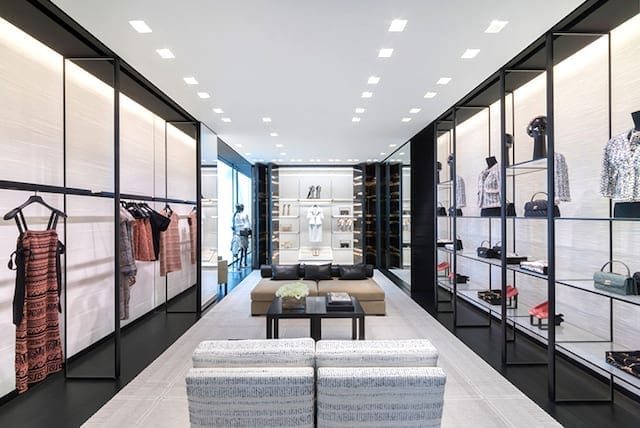
    In an effort to become more digitalized, Chanel has tapped e-commerce firm Farfetch, consolidating the partnership with a minority stake purchase in the UK retailer.

    The French couture house looks to develop digital communication such as chats to connect Chanel clients with store assistants.

    Privately owned, Chanel is known for its reluctance to digitize or stock itself in multi-brand retailers, adding to the allure and rarity of the brand.

    With the Farfetch deal, the label will still not sell its luxury fashion and apparel online, but will solely work with the platform on digital innovations linked to customer services in the coming years, said Bruno Pavlovsky, Chanel’s fashion president.

    Smartphone applications — allowing people to select their preferences and sizes on their phones before visiting a store, are in works and will let shop assistants better cater to individual needs, Pavlovsky said.

    Meanwhile, in store, shoppers will be able to preselect items as they browse, rather than wait for a sales associate to help them.

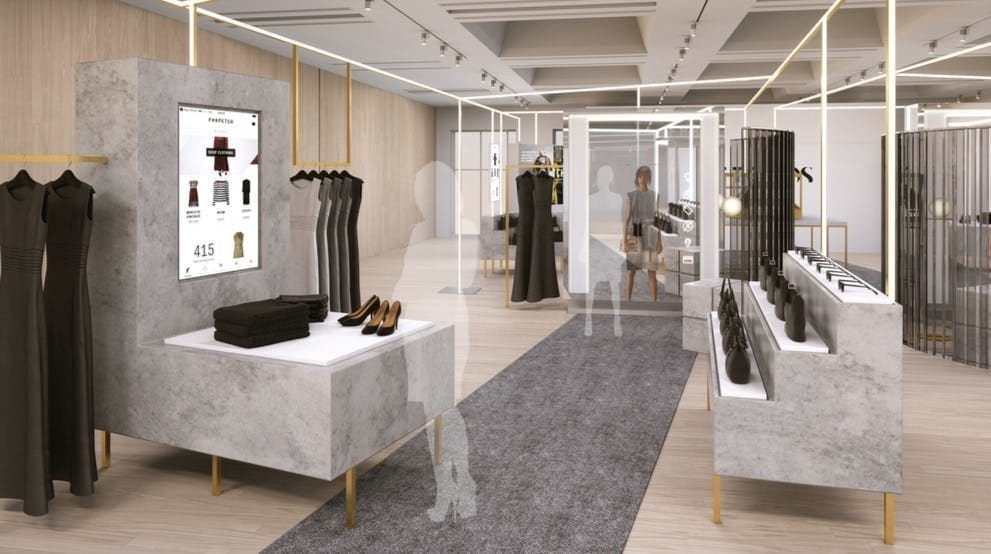
    The deal is the first of its kind for Farfetch. In 2015, Farfetch launched the Store of the Future division, and acquired London boutique Browns, serving as a playground for innovations in omni-channel retail technology and ‘augmented retail’.

    It’s the latest move from a luxury brand to tap Farfetch and other digital savants like it, in a bid to lure younger or more teched-out shoppers.

    Burberry announced a new deal with Farfetch that will see its full range being made available to shoppers in 150 countries on the Farfetch platform. It also means that its entire global inventory will be available to e-buyers for the first time.

  • VIP.com, first Chinese partner of the London Fashion Week

    VIP.com, first Chinese partner of the London Fashion Week

    The new relationship is truly special as this is the first time a Chinese retailer becomes an Official Sponsor of London Fashion Week. Vip.com will be working closely with British brands to help them launch in its hugely lucrative and ever-expanding home territory.

    “The fashion market in China is extraordinarily sophisticated and fast paced, and hungry for new design talent,” says Jenny Jioe, Managing Director of Fashion at Vip.com. “Our consumer is aware of London’s creative pedigree, and ready for both news and product. I know from first-hand experience that the brands in London, with all their energy and unbridled creativity, are precisely what we are looking for.”

    Vip.com is one of China’s top 3 ecommerce retailers, with annual retail sales of $11.2b, 57.8million active customers, over 335million orders in 2017, and eight individual international sourcing offices. In 2016 Forbes ranked Vip.com as No.2 in its top 100 companies with the highest growth.

    London Fashion Week is a renowned launch pad for emerging fashion talent. “The nature of working with so many new businesses, is that they don’t have the advertising power of the global fashion brands,” says Caroline Rush, Chief Executive British Fashion Council. “What they have is incredible products that a fashion-forward Chinese consumer is going to love. Our role is to shine a light on these businesses and work with our partners at Vip.com to introduce these brands to a highly engaged audience in China.”

    The new partnership takes sponsorship at London Fashion Week into new, global realms of business and marketing savvy. “We are going to stage a show that is exclusive run by Vip.com,” says Paul Tyce, the Chinese e-commerce site’s UK country manager. “We will offer live streaming to our customers in China, in-depth cooperation with designers, and fashion and art exhibitions. This isn’t just about title sponsorship.”

  • YNAP shareholder criticises Richemont’s acquisition bid

    YNAP shareholder criticises Richemont’s acquisition bid

    Richemont’s takeover bid for Yoox Net-a-Porter (YNAP) has been handed some uncertainty amid reports that a long term shareholder will vote against it.

    US-based value investor Robotti & Co – which has a stake of less than one per cent in the YNAP Group – did not see the deal as being “synergistic” or that the price offered was at “sufficient valuation”.

    “Given that Yoox Net-a-Porter has leading a position in the industry and the best management team, we think the company should remain independent for the time being,” Robotti & Co portfolio manager Isaac Schwartz told the newspaper.

    Swiss-based Richemont – which owns high-end brands such as Cartier, Montblanc and Dunhill London – already has a stake in the YNAP Group but last month it made a public tender offer to buy the shares it does not own for €38 (£33.5) per share.

    Various publications have revealed different total estimates for the takeover bid, ranging from €2.8 billion (£2.4 billion) to €5.1 billion (£4.5 billion).

    The deal would only go ahead once it is approved by YNAP Group shareholders.

  • Tesco UK to tackle food waste with new Colleague Shops

    Tesco UK to tackle food waste with new Colleague Shops

    Grocery and general merchandise retailer Tesco is set to introduce ‘Colleague Shops’ in all its UK stores to give employees the opportunity to take food approaching its expiry date, as part of its wider work to prevent good food from going to waste.

    Dedicated storage areas and fridges will be set up in back-of-store employee rooms to safely store quality food on its use by or best before date, and has the added benefit of helping to reduce food waste.

    The company said the move is part of Tesco’s on-going drive to ensure that no food safe for human consumption will go to waste in its UK retail operations by the end of 2017/18. Colleague Shops will form an additional part of Tesco’s established approach to managing stock in store which includes using sophisticated systems to predict and order the amount of food that customers are expected to buy in stores.

    Additionally, the price of products are ‘reduced-to-clear’ as they approach their expiry date to minimise surplus. If food cannot be sold, it’s offered to local charities and community food groups via Tesco’s surplus food redistribution initiative, Community Food Connection. However, charities don’t always need everything offered to them, so any food left over will now be made available to Tesco staff.

    Tesco’s head of food waste reduction Mark Little said: “We want to do everything we can to make sure perfectly good food doesn’t go to waste. Our Colleague Shops are a win-win, providing an additional step to support our efforts to tackle food waste in our own operations and offer colleagues an extra little help at the end of their shift.”

    Colleague Shops will be introduced to Tesco stores by the end of February. The surplus food will initially be made available for 1p before becoming free of charge in a few months’ time.

  • Boots’ owner accused of hiking medication prices

    Boots’ owner accused of hiking medication prices

    A supplier then owned by Walgreen Boots Alliance, BCM Specials, charged extortionate amounts to the health service for 500ml tubs of skin cream in 2016.

    A swathe of similar cases has been revealed whereby the NHS has been charged excessive prices for drugs dubbed “specials” which are often available elsewhere for a fraction of the price.

    Specials are custom-made treatments for patients requiring non-standard medications, and their prices are unregulated, allowing the supplier to dictate their price.

    This leads to the NHS paying varying prices for the same products from different suppliers.

    In October 2016, it allegedly paid £45.47 for preservative-free eye drops to Unichem, another wholesaler owned by Boots.

    A larger quantity of the same product was reportedly bought for £1 at a different time, though Boots disputed this figure.

    These are reportedly a drop in the ocean and the exploitation of the loophole in price regulation is understood to be rife.

    Walgreen Boots Alliance has denied the allegations, stating that it complied with all regulations.

    A spokeswoman said: “Specials are unique items ordered at short notice. They are made by highly trained technicians in dedicated laboratories in the UK that source ingredients, produce and quality-check often on the same day, and as a single item.

    “This process incurs high overheads, reflected in the final cost, which is set in line with the sector to reflect the bespoke nature of the products.”

    The British Association of Dermatologists chairwoman Deirdre Buckley said: “For many dermatology specials the ingredients aren’t expensive and it’s inexplicable why they cost so much.

    “It is not right. We have a duty to conserve the resources of the taxpayer so that the money is used to actually care for patients.”

    The Department of Health and Social Care said that from April the law will be changed to put suppliers and pharmacies under greater scrutiny.

  • Christopher Bailey takes final bow for Burberry at LFW

    Christopher Bailey takes final bow for Burberry at LFW

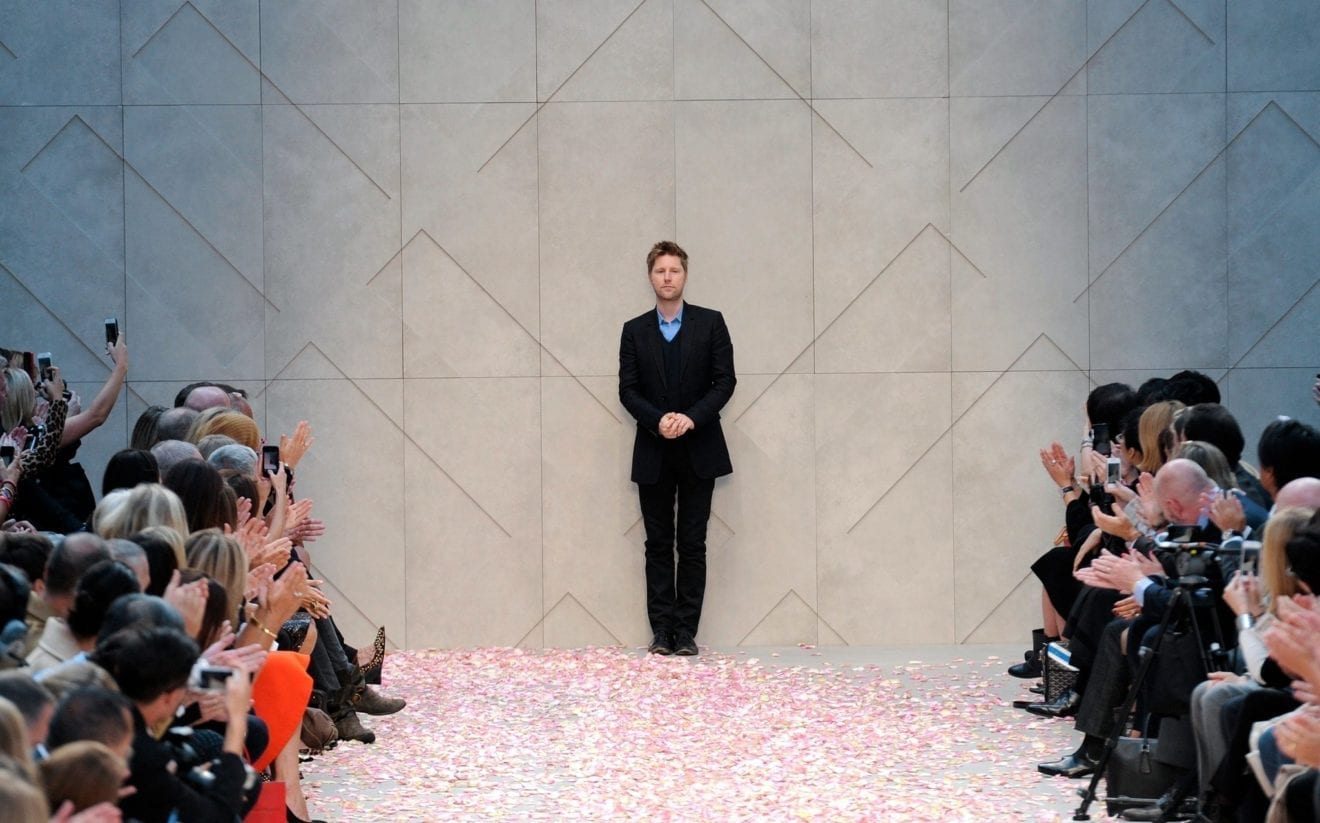
    Christopher Bailey has marked the end of his tenure at Burberry with a final, rainbow-themed collection unveiled at London Fashion Week over the weekend.

    Bailey first joined Burberry in 2001 and has since been a driving force behind the brand’s revitalisation and success both as a high street retailer and wholesaler.

    He is credited for transforming the once-struggling British label into a luxury powerhouse and the biggest drawcard in London Fashion Week.

    He was promoted to the dual role of chief executive and chief creative officer in May 2014, a position he held for just over three years.

    In July last year, he gave up his chief executive officer duties for Marco Gobbetti and transitioned into his current dual role of president and chief creative officer.

    Bailey’s final collection for Burberry, which was unveiled on the second day of London Fashion Week on Saturday, featured a mix of styles from the past, present and future.

    The rainbow was a central motif, with rainbow stripes woven into Burberry’s famous heritage check, a nod to the brand’s support for three LGBT charities and Bailey’s career as an openly-gay chief executive of a FTSE 100 company.

  • Mercedez’s owner warns of supply chain risk from switch to electric cars

    Mercedez’s owner warns of supply chain risk from switch to electric cars

    Daimler AG, owner of the Mercedes-Benz brand, warned that a fall in demand for diesel cars and a switch to electric vehicles could force it to prop up its supplier base.

    Carmakers face increased legal and regulatory scrutiny over pollution levels produced by their diesel-engined vehicles after Volkswagen (VOWG_p.DE) in 2015 admitted to cheating emission tests using engine management software.

    To avoid a total ban on their diesel vehicles, Daimler and other carmakers have stepped up development of electric cars and agreed to update their engine management software to cut down pollution levels.

    Daimler’s suppliers are being forced to invest to help electrify the entire Mercedes-Benz range by 2022, prompting the carmaker to use unusually frank language to warn about the impact of the shift to electrified cars in its report.

    “Due to the planned electrification of new model series and a shift in customer demand from diesel to gasoline engines, the Mercedes-Benz Cars segment in particular is faced with the risk that Daimler will require changed volumes of components from suppliers,” the carmaker said in its annual report.

    “This could result in over- or under-utilization of production capacities for certain suppliers. If suppliers cannot cover their fixed costs, there is the risk that suppliers could demand compensation payments,” Daimler said.

    “Necessary capacity expansion at suppliers’ plants could also require cost-effective participation,” Daimler added.

    Daimler created a risk management committee to oversee its suppliers in the aftermath of the 2008 financial crisis, when some smaller companies ran into cash-flow problems, forcing Daimler to step in.

    Daimler said earlier this month that its profit growth would be dampened this year by spending on new technologies such as electric and autonomous vehicles.

    In its annual report, Daimler also said that political crises and uncertainties could lead to supply bottlenecks for specific raw materials, leading to volatile prices.

    “Generally, the ability to pass on the higher costs of commodities and other materials in the form of higher prices for the manufactured vehicles is limited because of strong competitive pressure in the international automotive markets,” the annual report said.

    Daimler’s report showed that provisions stood at 14 billion euros ($17.3 billion) at the end of 2017, 2.1 billion higher than a year earlier.

    The Stuttgart-based carmaker did not provide a detailed breakdown of the rise but said it was primarily due to increased obligations from sales transactions, provisions for warranty obligations, and provisions relating to legal proceedings.

    Daimler is being sued by owners of diesel-engined Mercedes-Benz vehicles in the United States in a class-action suit which alleges the German carmaker used software to reduce emissions.

    Daimler views the lawsuit as being without merit, but added it could not quantify the legal risks from class-action lawsuits, the annual report showed.

    Among the legal risks faced by Daimler is a regulatory probe tied to raids at several car manufacturers and suppliers, with regard to steel purchasing. Daimler reiterated in its report that it was cooperating in full with the authorities.

    Daimler also said in its report that Chief Executive Dieter Zetsche’s total remuneration for 2017 amounted to 8.61 million euros, an increase from 7.61 million euros a year earlier.


  • European car sales up 6.8 percent in January, led by French gains

    European car sales up 6.8 percent in January, led by French gains

    Sales of passenger cars in Europe rose twice as fast in January as in the whole of 2017, helped by strong gains at France’s PSA Group and Renault, industry data showed.

    Registrations increased 6.8 percent to 1.29 million cars last month in the European Union (EU) and European Free Trade Association (EFTA) countries, Brussels-based industry body ACEA said on Thursday, from 1.20 million a year earlier.

    By comparison, sales in the region climbed for a fourth straight year in 2017 by 3.3 percent to 15.6 million vehicles.

    “January is usually a strong month, people resorted to buying after holding back on purchases at the end of last year,” a spokeswoman for ACEA said, adding the number of selling days was unchanged compared to the same month a year earlier.

    Sales by PSA including the newly-acquired Opel-Vauxhall brands surged 73 percent to 211,097 vehicles and were still up 12 percent if figures for the former General Motors division were excluded, the data showed.

    French rival Renault posted a 9.5 percent gain to 118,405 models, marginally beating Europe’s biggest automotive group Volkswagen which grew 8.7 percent to 316,783 cars with its volume brands Skoda and Seat contributing a major part to the increase.

    Four of Europe’s five biggest auto markets posted higher sales with only Germany and Spain managing double-digit advances while France and Italy recorded lower single-digit gains.

    Europe’s No. 2 market Britain suffered its tenth consecutive monthly drop, with sales down 6.3 percent in part due to customers being put off from buying diesels, which politicians have targeted over air pollution concerns.

  • Porsche, Audi to develop joint electric car platform to save costs

    Porsche, Audi to develop joint electric car platform to save costs

    Porsche and Audi, Volkswagen’s main luxury car divisions, plan to develop a joint platform for electric vehicles that will enable them significantly cut down on costs, German newspapers quoted their chief executives as saying.

    “By 2025, we’re facing a low single-digit billion euro sum to develop the architecture,” Audi CEO Rupert Stadler told both the Stuttgarter Zeitung and Stuttgarter Nachrichten.

    “If both would act on their own, costs would be 30 percent higher,” Porsche CEO Oliver Blume said, adding Audi was hiring 550 developers for the project and Porsche 300.

    From 2021 onwards, both businesses want to bring several models to the streets based on the joint platform, with Stadler saying that would build two sedan cars in Neckarsulm and two sports utility models at its Ingolstadt base.

    Porsche’s Blume said the sportscar maker could build its first model based on the joint architecture in Leipzig, where it is already assembling its Macan sport-utility model. “I currently see good chances for Leipzig,” Blume said.

  • Braccialini declared bankrupt

    Braccialini declared bankrupt

    A court in Florence has declared the Italian fashion brand Braccialini bankrupt after rejecting a request for an arrangement with creditors.

    The request was filed by the fashion house in June 2016 but the tribunal on Wednesday ruled that in Braccialini’s case there was the “technical impossibility” of managing a company that is “at this point insolvent”.

    The tribunal said that “several uncertainties weighed on the arrangement”, not enabling to “ensure the payment of the minimum 20%” to creditors. Luxury handbag-makers Braccialini and Tua in 2017 were bought by Arezzo-based jewelry and luxury brand Graziella Group, which is continuing production.

    Braccialini Spa had retained property of real estate, a depot and other brands after the acquisition, all assets that will now be managed by a trustee.

    The decision was reportedly affected by the issuing in 2016 of invoices to four suppliers, all Chinese creditors, according to court documents.

    The agreement included the “duplication of invoices” and delayed payment of money Braccialini owed to the four Chinese suppliers, among other things – “operations worth hundreds of thousands of euros” allegedly made right before and after the request for an arrangement with creditors, according to the ruling.

    Braccialini’s attorneys have denied that the company forged invoices, insisting it pursued the “interest of all creditors” and its over 80 employees.
    Meanwhile prosecutors in Florence are investigating 25 people, including members of the company’s board and trustees between 2011 and 2014, when the company’s crisis worsened.

    The label, known for its colorful and trendy handbags and accessories, celebrated its 60th anniversary in 2013 with a new museum inside its headquarters in Scandicci, near Florence.

    The family-run business was first launched by Carla Braccialini in 1953 with a collection that included dresses and hats, as well as bags.
    It quickly became popular thanks to its combination of different materials and bold take on patterns and color.

    Luxury purse maker was bought by Graziella Group in 2017

  • Further steps needed to thwart EU’s move to ban palm oil in biofuels

    Further steps needed to thwart EU’s move to ban palm oil in biofuels

    More engagements, consultations and follow-up actions are needed to remove the European Union’s (EU) threat to ban palm oil use in biofuels, said industry veteran Tan Sri Dr Yusof Basiron.

    The former Malaysian Palm Oil Council CEO said Malaysia’s stance was still not being heeded by the EU Parliament, despite various talks and engagements being undertaken and conducted at the government-to-government level.

    “There have been clear statements by the governments of major palm oil-producing countries to oppose the ban and even those hinting at possible trade actions or retaliation, including consulting the World Trade Organisation, to deter the EU from implementing the discriminatory ban on palm oil for biofuels,” he said.

    Yusof said the MPOC and the Malaysian Palm Oil Board representative offices in the EU recognised the need to counter the ban when the threat first emerged.

    As a result, many initiatives had been taken, including continuous talks with the EU countries, to oppose the proposed ban by the trading bloc.

    The EU Parliament voted on Jan 17, 2018, to ban palm oil-based biofuels by 2021, while other vegetable oil-based biofuels such as those from soya oil and rapeseed oil can continue to be used until 2030.

    Spain was the latest EU country to speak out against the resolution after France, Sweden, the United Kingdom (Conservative MPs who are part of the governing party of Prime Minister Theresa May), Germany and the Netherlands.

    Yusof said palm oil-producing countries had reacted to this singling out of palm biofuels for the ban as a trade discrimination that would affect the imports into the EU, because locally-produced soya and rapeseed oils were not similarly subjected to the ban.

    “There are also Members of the European Parliament (MEPs) who are sympathetic to maintaining good trade relations with palm oil-producing countries.

    “This is reflected in an amendment submitted by 57 MEPs to drop the ban on palm biofuels. Nevertheless, 492 MEPs voted in favour of the ban, although the number was far less than the 640 who had voted for it in April 2017,” he said.

    However, he said, it was common for the EU Parliament to vote based on popularity trends, knowing that the next round of scrutiny for approving the Renewable Energy Directive (RED) Bill would be done at the tripartite meeting or trilogue, where the council would discuss and recommend the final version of the RED Bill.

    The trilogue to be held soon will consist of government representatives of EU member countries, the Commission and Parliament.

    “It is already envisaged that the Council and Commission, being technically competent with the legal, economic and scientific ramifications of the proposed discriminatory ban on palm oil, are not supportive of the ban.

    “We are hopeful that any future ban on the use of biofuels to be approved in the RED Bill will not be discriminatory towards palm oil,” Yusof said.

  • Blockchain revolution comes to world of humanitarian aid

    Blockchain revolution comes to world of humanitarian aid

    Blockchain, the technology behind the cryptocurrency Bitcoin, is taking root in a sector far from finance: the world of humanitarian aid.

    By offering refugees a virtual identity, reassuring donors that their money is being well spent, or rushing funds where they are needed most, aid charities are experimenting with the technology in the hope that it can improve their work.

    “We are at the very beginning. There is a lot of hype,” said Christopher Fabian, leader of Unicef’s Ventures Fund, which invests in open source technology solutions.

    At the end of 2017, Unicef – the UN agency dedicated to protecting children – brought together Russian-speaking blockchain experts in a meeting in Kazakhstan.

    The goal? To develop a “smart contract” that would facilitate transactions between the organisation and its numerous partners for deliveries and payments, if certain conditions were met.

    “It totally failed, but we learned a lot from that and will do the same challenge this year in Mexico,” Fabian admitted, adding that he could envision a host of future projects using blockchain for the “social good” – even if most of them will fail.

    But the UN gency is thirsty for innovation.

    Its French office has also launched an operation dubbed “Game Chaingers” (for blockchain), which challenges tech geeks and gaming enthusiasts to install on their computers software aimed at creating Ethereum, a virtual currency, to help Syrian children.

    Blockchain allows users to create and spread information across a large network of computers, which its proponents say lends it both transparency and security. And the applications for the technology are multiplying quickly.

    For aid and development groups, blockchain can come in all shapes and sizes.

    Aid donors could, for example, trace their contributions as they spread across an organisation. The platform Disberse, supported by a network of 42 humanitarian groups, already road-tested this application by tracking money sent by a British association to four schools in Swaziland.

    In theory, the technique can reduce transaction costs, fight corruption by making everything transparent, and allow a better record of where food aid is directed, or make sure that medicines are not counterfeited.

    Those in charge of programmes that directly send money to people in need also see it as a way of more easily controlling the disbursement of funds or avoiding use of financial intermediaries such as banks, which might also take a cut.

    “In the old days, we were delivering aid at the back of the truck,” said Alex Sloan, a consultant at the World Food Programme’s Innovation Accelerator, which works with startups and others to help fight hunger.

    “Now, we are moving towards distributing cash to our beneficiaries, in the form of actual cash, through vouchers, e-cards, etc.”

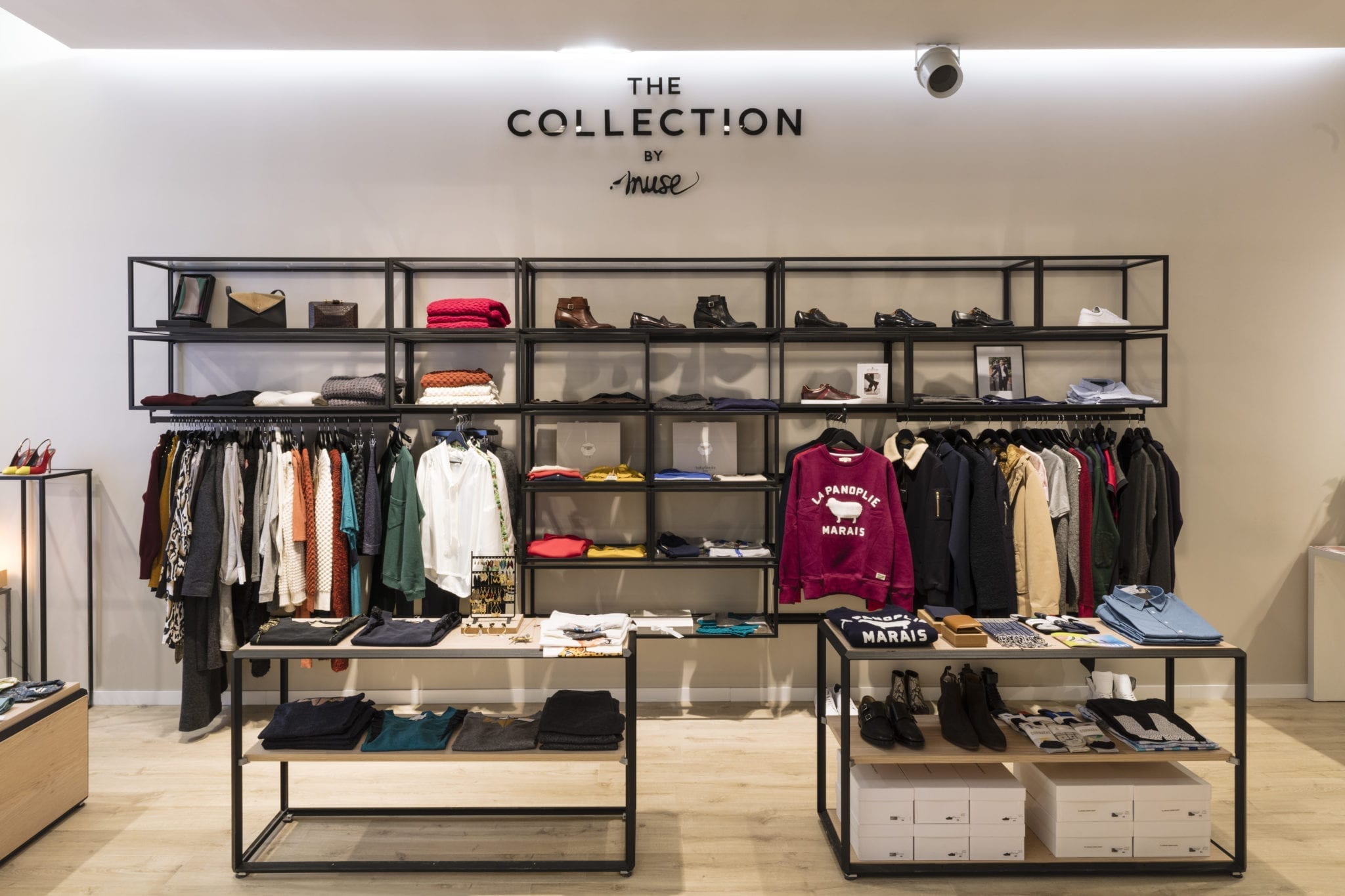
  • Muse Shopping Centre’s new Incubator Store designed by JHP

    Muse Shopping Centre’s new Incubator Store designed by JHP

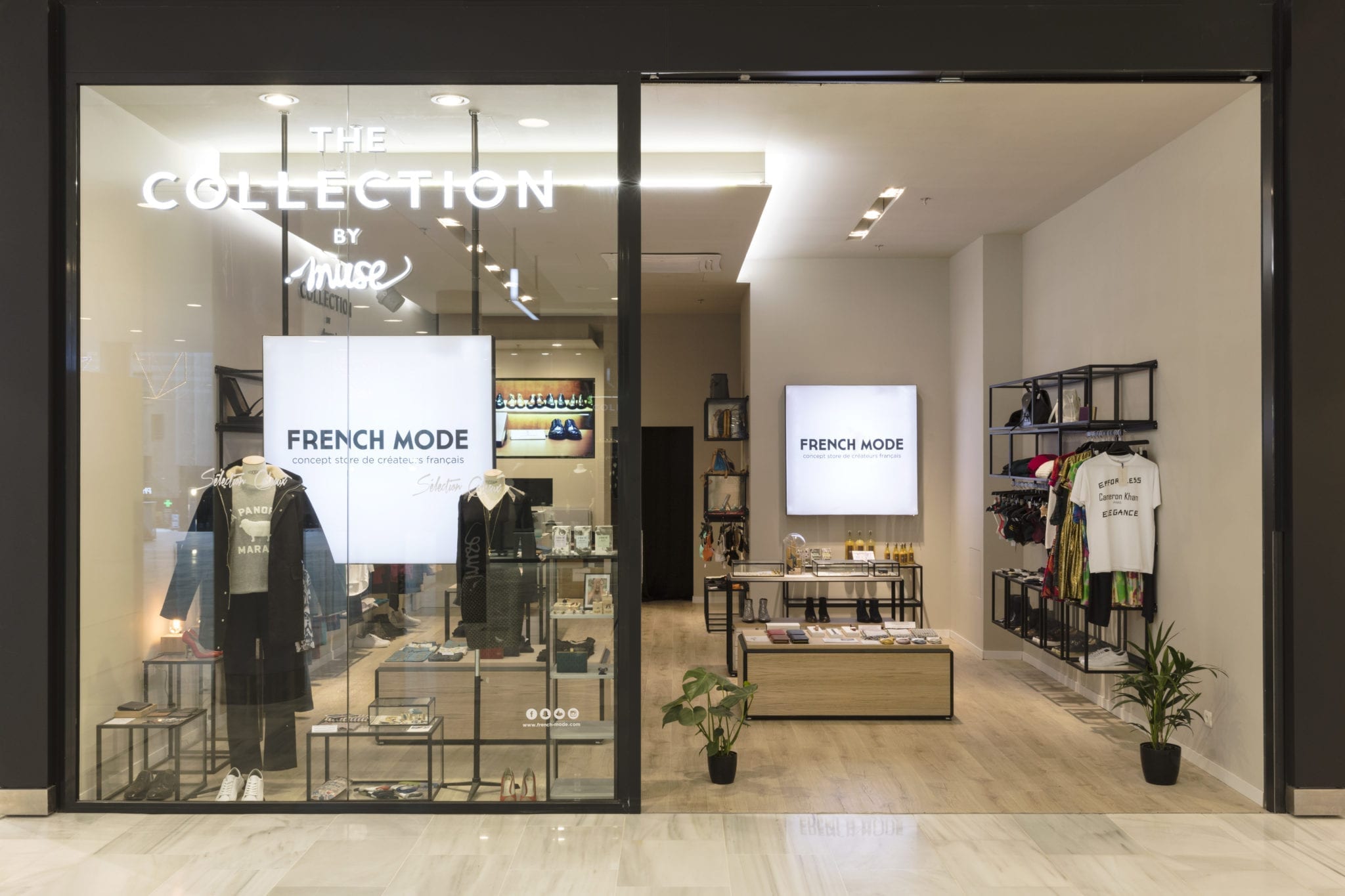
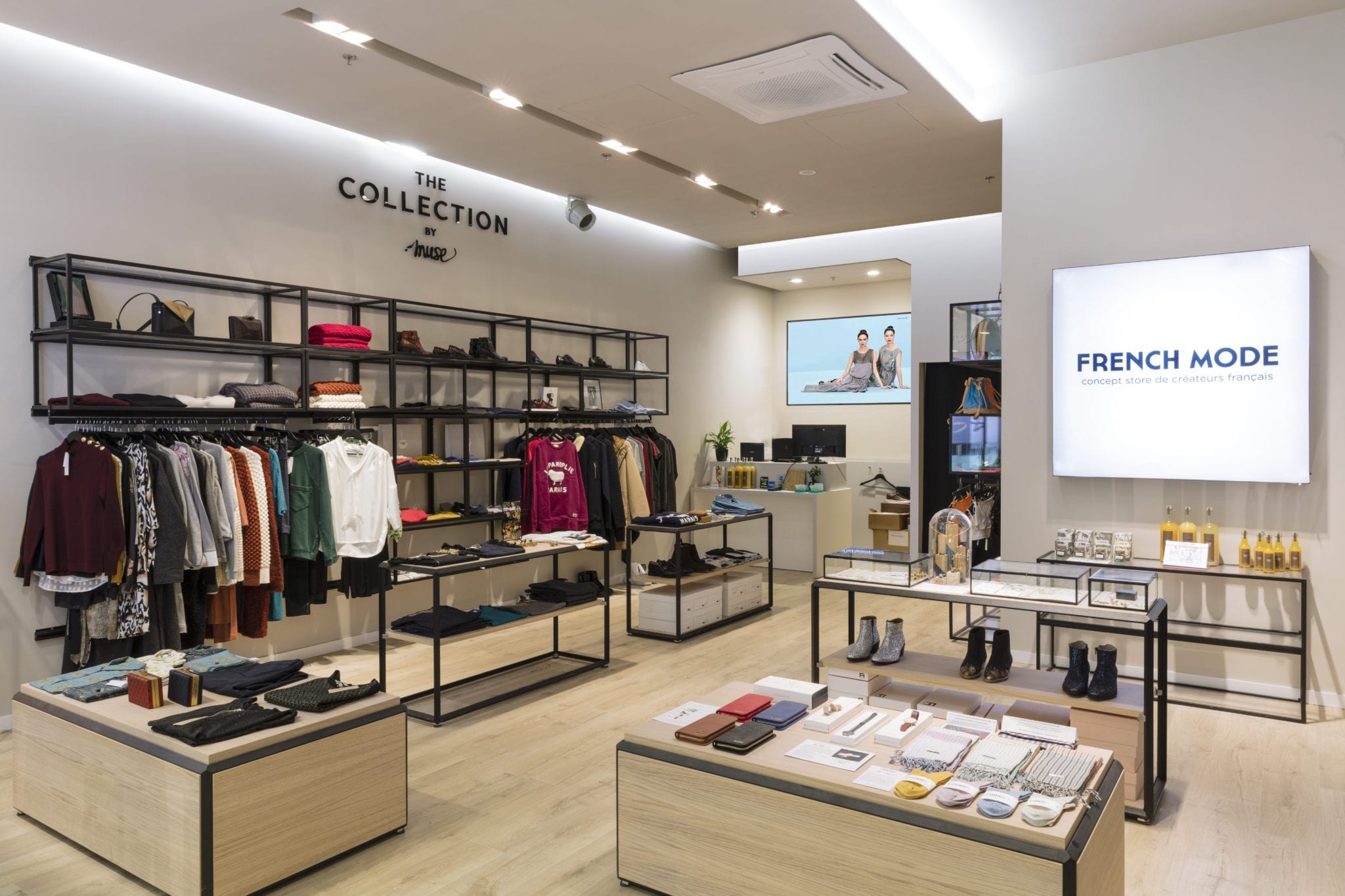
    JHP have been appointed by French developer Apsys to create a radical new store concept. ‘The Collection by Muse’, located in the newly opened Muse shopping centre in Metz, France, is the ultimate incubator store. Its flexible design and centralized POS system allow it to host brands on a temporary basis. Brands range from already established brands to young designers and emerging labels from all around the world, and are as diverse as Fashion, Accessories, Beauty, Home, Objects and Technology companies. Current tenant is upcoming French fashion label ‘French Mode’.

    The principle is simple: every three to four months, a new brand takes the reins of the shop to exhibit their collections. Located on the first floor of Muse, the Collection by Muse’s main purpose is to incubate new retailers and brands, test the popularity of new categories, respond to seasonal demand, inspire and encourage customers to return again and again.

    Muse, Lorraine’s new mall, opened its doors to the public on 22 November 2017, opposite the Centre Pompidou-Metz museum complex and a few minutes’ walk from Metz city centre in France. As the cornerstone of the new Amphithéâtre quarter, Muse fosters an urban mix thanks to a combination of retail outlets, homes, offices and leisure facilities of over 80,000 sqm.

    The centre accommodates 112 outlets including fashion boutiques, home décor stores, restaurants and day-to-day shops, including Primark, Carrefour Market, Superdry, New Look, Zadig & Voltaire, Sephora, and the restaurants Burger King, Air Bagels and Beef House.