Tag: International

  • Under Armour Asia saves the brand globally

    Under Armour Asia saves the brand globally

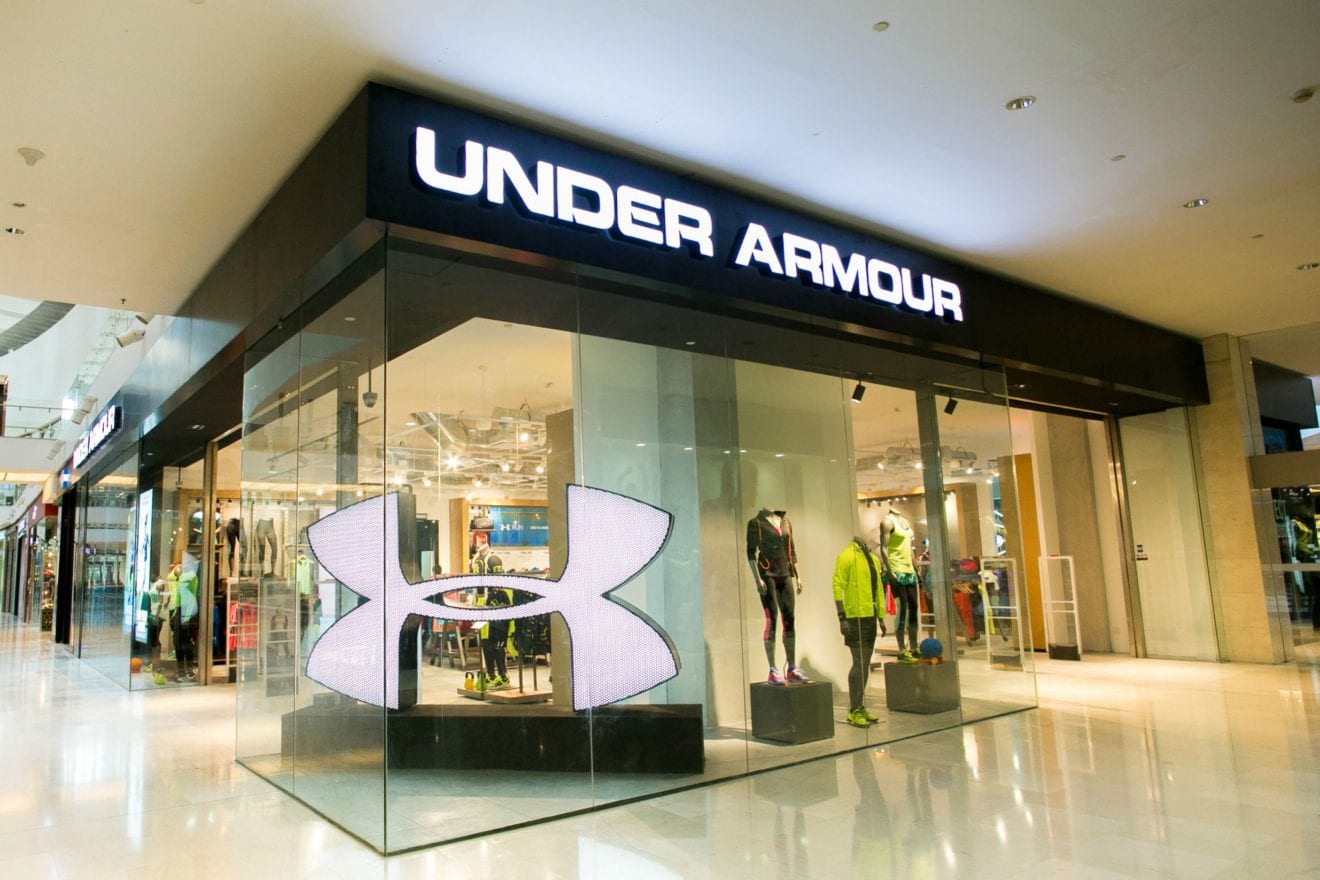
    Under Armour Asia sales soared 61 per cent in the 12 months to December – a highlight in the US-headquartered sportswear retailer’s year in which it lost US$48 million.

    Global revenue was up a mere 3 per cent to $5 billion with the company losing ground in the wholesale sector, but raising its direct sales – which now account for 35 per cent of turnover – by 14 per cent.

    Asia was by far Under Armour’s top-performing market, with sales in Latin America up 28 per cent and in Europe, Middle East and Africa, by 42 per cent. It is in the company’s core North American market where the damage is being done – sales fell 5 per cent

    The loss was caused by restructuring costs and impairments of $124 million. Those excluded, Under Armour achieved an operating surplus of $87 million.

    While noting a small improvement in the company’s fourth quarter, retail analyst Neil Saunders, MD of GlobalData Retail, said the results “show signs of a company in difficulty”.

    Fourth-quarter sales rose 4.6 per cent, a sharp turnaround from the 4.5 per cent decline of the preceding quarter, but that growth came entirely from overseas markets, led by Under Armour Asia, up 66 per cent.

    “While overseas growth is to be applauded, it carries investment costs and also accounts for just 25 per cent of group revenue,” noted Saunders. “As such, Under Armour is reliant on its North American operation to drive performance on both the top and bottom lines. Unfortunately, the North American division had a lamentable quarter and is the main source of Under Armour’s woes.”

    Saunders said the brand has “lost power” in North America.

    “Compared to last year, Under Armour was firmly off the radar for holiday gifting. Far fewer people thought of or requested the brand for gifts, and consequently fewer people bought into it. Under Armour has spent too much time trying to expand its footprint and product coverage, and too little time building connections with customers.”

    He said Under Armour was failing in terms of customer experience.

    “Customer service at some of its own stores leaves a lot to be desired. Meanwhile, expansion into retailers like Kohl’s has weakened exclusivity and made the brand feel commoditised and ubiquitous.”

    GlobalData Retail’s consumer data reveals Under Armour has lost its way, with consumers unsure what the brand stands for, what it specialises in, and why they should use it.

    “For many, it has become something of an also-ran,” said Saunders. “These shallow roots are dangerous: they leave Under Armour vulnerable to competition and the vagaries of changing market conditions.”

    In contrast, rival Lululemon has a very clear sense of identity, and its approach is more disciplined and focused, which has helped it maintain price integrity and remain a destination of choice for many consumers.

    “While we do not believe that Under Armour should simply emulate Lululemon, we do think it can learn some lessons from its playbook.”

    Saunders said Under Armour has already warned of further full-year revenue decline in North America this year and operating profit will also be weak thanks to restructuring and impairment costs.

    “For all of this, Under Armour still has potential; but it needs to use the year ahead to regroup and rethink its strategy. The company that once believed it could challenge Nike has come down to earth with a bump. Humble reflection is now the order of the day.”

  • Kering to celebrate new sales record

    Kering to celebrate new sales record

    In a “phenomenal” result, global luxury group Kering had record operating revenue last year, driven in large part by the popularity of Gucci.

    Kering’s income totalled €15.4 billion (US$19 billion), up 25 per cent as reported or 27.2 per cent on a comparable basis. Revenue from luxury activities was up 27.5 per cent as reported, or 29.9 per cent on a comparable basis, while for sport and lifestyle activities, revenue was up 12.8 per cent as reported or 14.7 per cent on a comparable basis.

    Describing it as a phenomenal year, chairman/CEO François-Henri Pinault says the group created more than €3 billion in extra revenues in a single year, and generated more than €1 billion in additional EBIT.

    In a performance “nothing short of spectacular”, Gucci was amplifying its desirability across all markets.

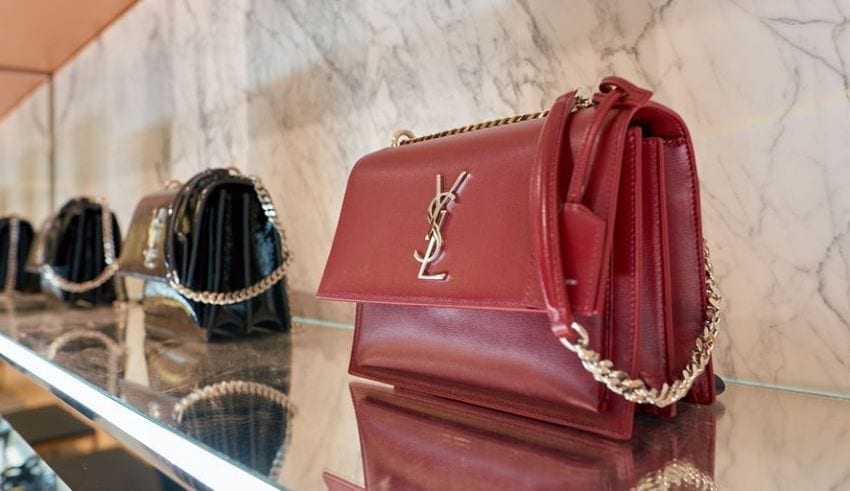
    “Saint Laurent is on a rapid growth track, while Bottega Veneta pursues its redeployment. Balenciaga is charting an impressive development trajectory, and our other luxury brands are experiencing positive momentum,” says Pinault.

    Revenue for luxury activities topped €10 billion last year, up 29.9 per cent year on year based on comparable data. Comparable growth was up 44.6 per cent for Gucci and 25.3 per cent for Yves Saint Laurent.

    Other luxury brands saw accelerated revenue growth (up 14.1 per cent on a comparable basis), especially Balenciaga, which delivered the fastest growth rate of all group brands in the second half.
    Puma’s revenue topped €4 billion for the first time, a rise of 15.8 per cent on a comparable basis, while recurring operating income for the brand jumped 92.7 per cent.

  • GreyOrange to showcase expanded AI-powered Butler range at LogiMat 2018 for autonomous order fulfilment

    GreyOrange to showcase expanded AI-powered Butler range at LogiMat 2018 for autonomous order fulfilment

    Robotics and supply chain automation company, GreyOrange, will launch its new goods-to-person Butler XL at LogiMat 2018, the 16th International Trade Fair for Intralogistics Solutions and Process Management in Stuttgart, Germany on 13-15 March.

    With the new ButlerTM XL, GreyOrange expands the range of goods-to-person solutions that can be used in manufacturing facilities and omnichannel warehouses, to move different kinds of loads from raw materials to finished goods. The Butler XL can handle a payload of 1600 kgs (3500 lbs) including pallets, drums and sacks. Designed to work in tandem with the current Butler system, this makes it easy to add its new capabilities to existing operations.

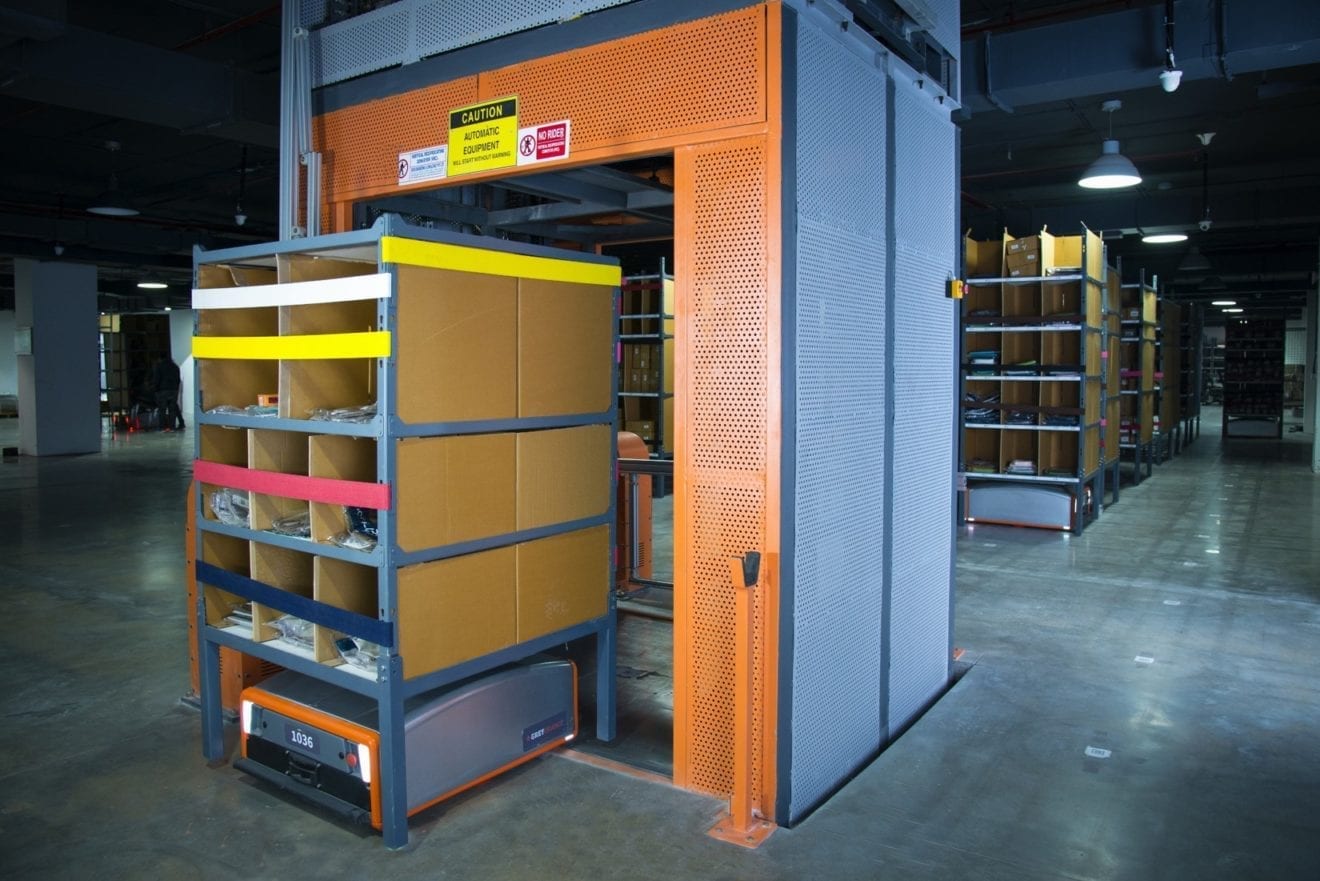
    The new Butler robotics system will support multi-floor operations with the integration of an elevator. This provides greater flexibility to optimise handling of inventory across a facility.

    GreyOrange is a fast-growing company in supply chain automation, deploying its AI-enabled ButlerTM robotics system in warehouses and fulfilment centers for e-commerce, retail and consumer packaged goods. In the last year. GreyOrange has rapidly expanded its presence with its Butler goods-to-person system deployed in Japan, Hong Kong, India and the Americas, plus a new site currently being installed in Europe.

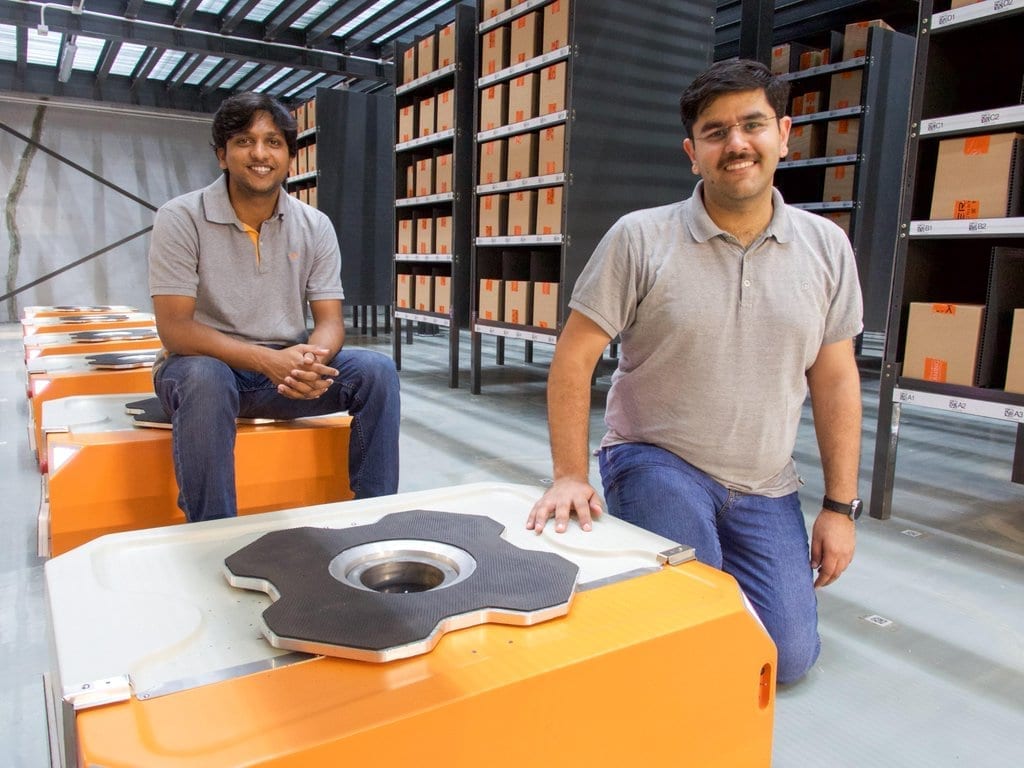
    Samay Kohli, Group Chief Executive Officer, GreyOrange, said, “The Butler goods-to-person robotics solution has been very well received since its launch. The Logistics industry has made huge strides in terms of adopting new technologies, and worldwide we are seeing increasing interest in our automation solutions driven by Artificial Intelligence. At LogiMat we will demonstrate how our expanded range of Butler products addresses supply chain complexities to deliver end-to-end efficiencies from inbound, inventory management to outbound. We invite everyone to our Stand to get a demo of our new products and see its advantages.”

    GreyMatter is the software platform developed by GreyOrange to revolutionise warehouse operations by connecting people, process and technology more efficiently using Artificial Intelligence. In real-time, it integrates and delivers all of the functionality, intelligence and services required for optimum warehouse operations. At every step of the process, from receiving to storage to picking to fulfillment, orders are consolidated through automation.

  • Tesco trolleys accused of sexism and gender apartheid

    Tesco trolleys accused of sexism and gender apartheid

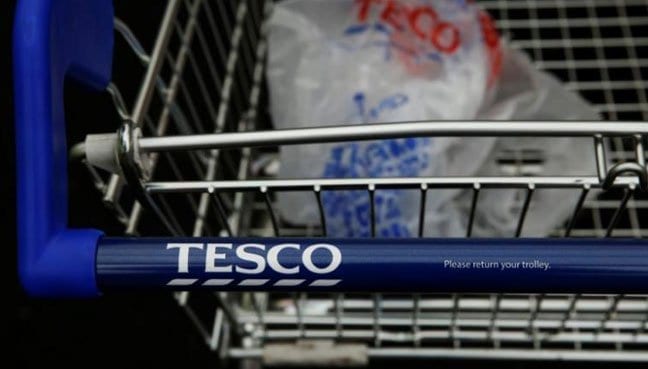
    Tesco is to introduce new safety warning stickers on its trolleys after a social media storm saw it accused of “gender apartheid”.

    The warnings feature drawings of a woman and a child demonstrating how to allow children to ride in trolleys safely. A Manchester woman took to social media complaining the warnings were sexist because they featured a woman and child, enhancing social stereotypes that it was a woman’s role to do the shopping.

    Matt O’Connor, from an organisation called Fathers4Justice, went even further, saying: “Tesco needs to stop this gender apartheid”.

    Using a hashtag ‘everyday sexism’, the original complainant Tweeted “Tesco, is it only women who do the food shopping and look after the kids?”

    Samantha Rennie, executive director at equality group the Rosa UK Fund for Women and Girls, told the Manchester Evening News: “It… plays a role in reinforcing stereotypical ideas of the woman being responsible for the weekly food shop.”

    However, newspaper readers took a saner perspective on the issue. An online survey of readers showed 90 per cent did not believe the trolley warnings were sexist, (although it did not disclose the number of votes).

    One local Manchester man Tweeted that the complaint showed “The world’s gone mad”.

    “The [Manchester] woman who complained needs to get a life. It may be a man dressed as a woman.”

    Tesco says it has ordered new warning signs featuring gender neutral characters which will be placed on the next 20,000 new trolleys to be put into service across the UK.

    Discount brand mooted

    Meanwhile, Tesco has not commented on reports it is planning a bare-essentials style grocery chain to tackle German rivals Aldi and Lidl head on.

    The Sunday Times newspaper has reported that Tesco will launch a separate brand where goods are price matched to Aldi and Lidl’s offer, to try to win back customers lost to the German brands over the last decade.

    The stores would likely stock around 3000 SKUs and the brand and store format would be designed to stand apart from Tesco so as not to cannibalise its main brand’s sales. A typical Tesco supermarket stocks up to 30,000 items.

    The discounters are continuing to eat into the market share of Britain’s so-called ‘big four’ chains. In the latest quarterly data published by Retail Gazette, Tesco’s sales rose 2.6 per cent while Aldi and Lidl reported 16.2 and 16.3 per cent increase respectively.

  • Fosun International reportedly acquires Lanvin

    Fosun International reportedly acquires Lanvin

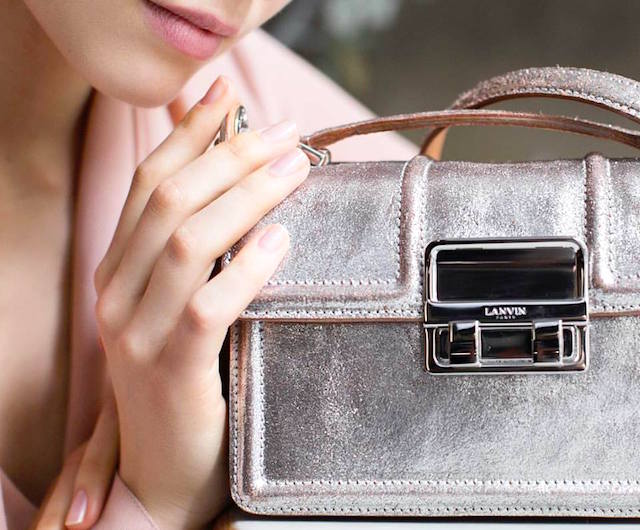
    Fosun International has purchased Paris fashion brand Lanvin for more than 100 million euros, two sources close to the matter have revealed to the French fashion press.

    Sources revealed to FashionNetwork.com late Friday that the Chinese group would acquire France’s oldest fashion maison, beating out Qatar’s Mayhoola, winning the auction-style fight for Lanvin that has been ongoing for some weeks.

    “Fosun has won Lanvin and an announcement should be made this week,” one of the sources said.

    The deal will see Fosun International invest more than 100 million euros in Lanvin with the company issuing new shares to its new controlling shareholder.

    Current majority shareholder Shaw-Lan Wang, the Chinese, Taiwan-based entrepreneur, who goes by Madame Shaw, will remain a minority shareholder alongside Swiss German entrepreneur Ralph Bartel, who had to increase his stake in Lanvin to do so. It remains unclear how much of the cash will go to Madame Shaw.

    “It is a surprising decision,” one of the sources said. “This is a complex affair, many will be watching how Fosun handles it.”

    It’s a blow to Mayhoola’s portfolio also. The owner of Valentino and Balmain has been eyeing Lanvin for a decade now.

    Sales at Lanvin have more than halved in the past three years to less than 100 million euros as the French fashion house struggled to reinvent itself under two successive designers in a desperate attempt to find the right strategy after sacking its star designer Alber Elbaz in 2015.

    Owned by Shanghai billionaire Guo Guangchang, Fosun International already has investments in luxury companies, namely French holiday operator Club Med and knitwear band St. John in the United States. It also has stakes in insurance and trading companies.

    It was reported in September last year that the Chinese investor was also in the running to purchase Swiss luxury brand Bally. However, it was announced this week that fellow Asian investor Shangdong Ruyi, the Chinese group that also controls SMCP and Aquascutum, has acquired Bally.

    Lanvin, Fosun International and Mayhoola were unavailable to make a comment on the news.

  • Shiseido’s results for 2017

    Shiseido’s results for 2017

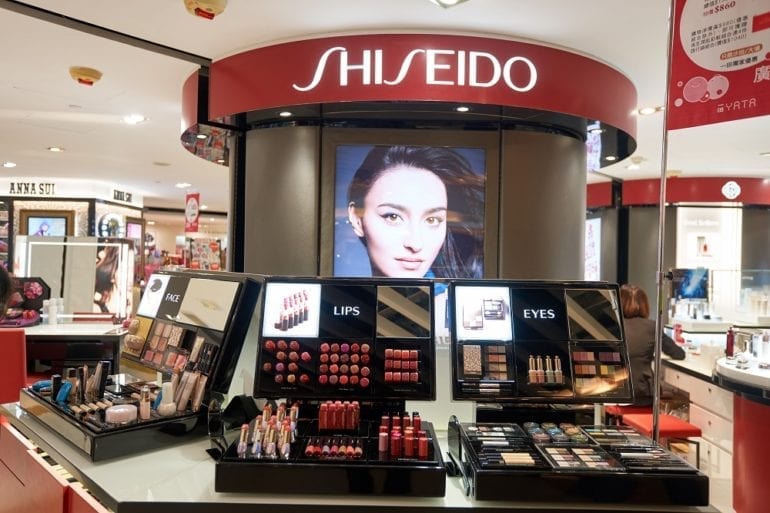
    Shiseido just released its results for the Fiscal Year Ended 31 December 2017.

    Shiseido achieved Global Net Sales of ¥1,005,062 (compared to ¥850,306 in 2016) and a Global Operating Income of ¥80,437 (compared to ¥36,780 in 2016).

    In the Asia Pacific Business, the brands driving sales are Clé de Peau Beauté, NARS, and other brands in the prestige category, mainly in South Korea, Thailand, and Taiwan.

    Sales of Clé de Peau Beauté were particularly strong in the flagship store opened in Singapore.

    In the cosmetics and personal care categories, sales growth was seen for SENKA, which benefited from enhanced marketing tailored to the differing consumer preferences and lifestyles in each country, and for the sunscreen ANESSA, owing to an expansion of sales channels.

    The growth is the result of the improvement in the product mix and higher margins.

    The Shiseido Group formulated VISION 2020, a medium- to long-term strategy in 2014 while positioning the three years from fiscal years 2018 to 2020, as the period to accelerate growth in order to tackle a new strategy.

    It seems this long-term strategy is working and the company plans to announce the new three-year medium-term management plan on 5 March 2018, and disclose the consolidated results forecasts and the dividend forecast for the fiscal year ending December 2018, the initial year of the plan.

  • Pandora posts good numbers in challenging market

    Pandora posts good numbers in challenging market

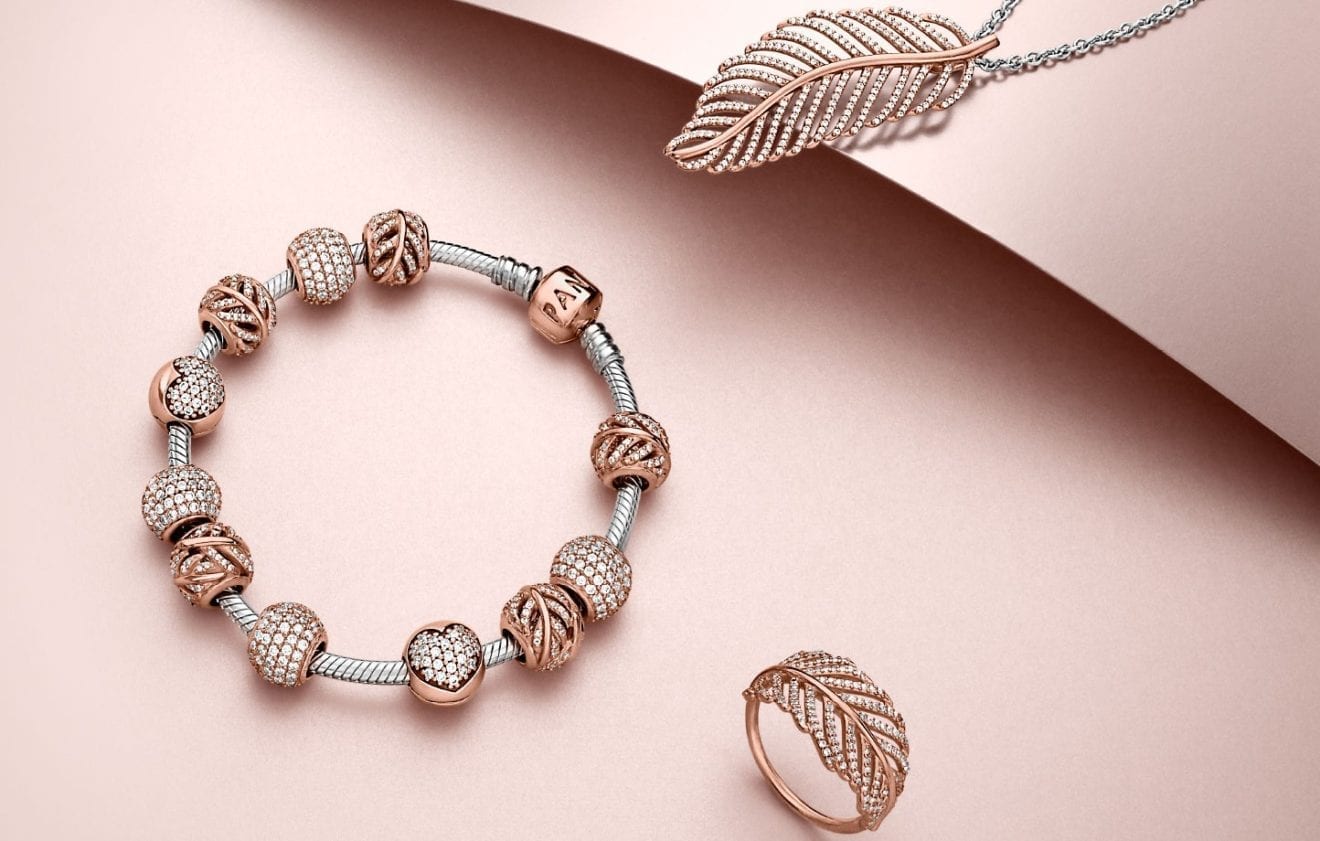
    Danish jewellery manufacturer and retailer Pandora reports a strong year despite market challenges.

    Group Pandora sales increased by 12 per cent (15 per cent in local currency) last year to DKK22.7 billion (US$3.7 billion). Revenue from Pandora-owned retail grew 42 per cent (46 per cent in local currency). ​

    Like-for-like sales-out growth for the brand’s concept stores was 11 per cent.

    Pandora sales in Asia Pacific were up 25 per cent (28 per cent in local currency).

    Revenue from charms was up 8 per cent and revenue from bracelets increased 8 per cent. Full jewellery brand development remains on track with combined revenue from rings, earrings and necklaces, and pendants up 28 per cent. The three categories represented 26 per cent of group revenue compared with 23 per cent in 2016.

    Gross margin was 74.5 per cent last year, down from 75.1 per cent).

    Describing the year as “challenging and eventful”, CEO Anders Colding Friis says revenue was driven by a strong performance from Pandora-owned retail, and double-digit growth in local currency across all product categories.

  • Amazon 2017 sales soar, record-breaking Q4 profit

    Amazon 2017 sales soar, record-breaking Q4 profit

    Amazon has bested all previous financial quarters with the announcement this month company fourth-quarter revenues hit $60.5 billion, driving profits up 150% to $1.9 billion – a record profit gain for the US e-commerce giant.

    On the back of a strong Christmas period across both its namesake Amazon.com and the newly acquired Whole Foods Inc, Amazon said total revenues soared by 38% compared to the previous year.

    The American company was further helped out by its burgeoning cloud business, Amazon Web Services, which took in $5.11 billion, up 45% on last year.

    Over the three-month period ending December 31, the Seattle-based firm said net income more than doubled to $1.86 billion, or $3.75 per share, thanks also to a $789 million benefit from the U.S. Republican tax bill passed in December.

    The world’s largest online retailer drew millions of new customers to its Prime fast-shipping club too. Amazon said that Prime saw more than 4 million sign-ups in just seven days alone last quarter, and revenue from subscription fees grew 49% to $3.2 billion.

    Amazon said it expects operating profit this quarter of between $300 million and $1 billion.

    In a statement, chief executive officer Jeff Bezos also praised the company’s Alexa voice assistant: “Our 2017 projections for Alexa were very optimistic and we far exceeded them. We don’t see positive surprises of this magnitude very often.”

    Amazon continues to break into new retail territory. In addition to Alexa, the internet shopping giant opened its first automated grocery store in January in Seattle, Washington.

    Dubbed Amazon Go, the checkout-free grocery looks to set the stage for the future of physical store retailing where shoppers serve themselves, with the option of leaving without ‘paying’.

    Amazon also recently revealed a healthcare deal with partners Berkshire Hathaway and J.P. Morgan Chase. Looking ahead, it plans to “double down” on Alexa’s promotion while it continues to look for a second headquarters location in North America.

  • Macy’s New Verona Collection Includes Hijabs

    Macy’s New Verona Collection Includes Hijabs

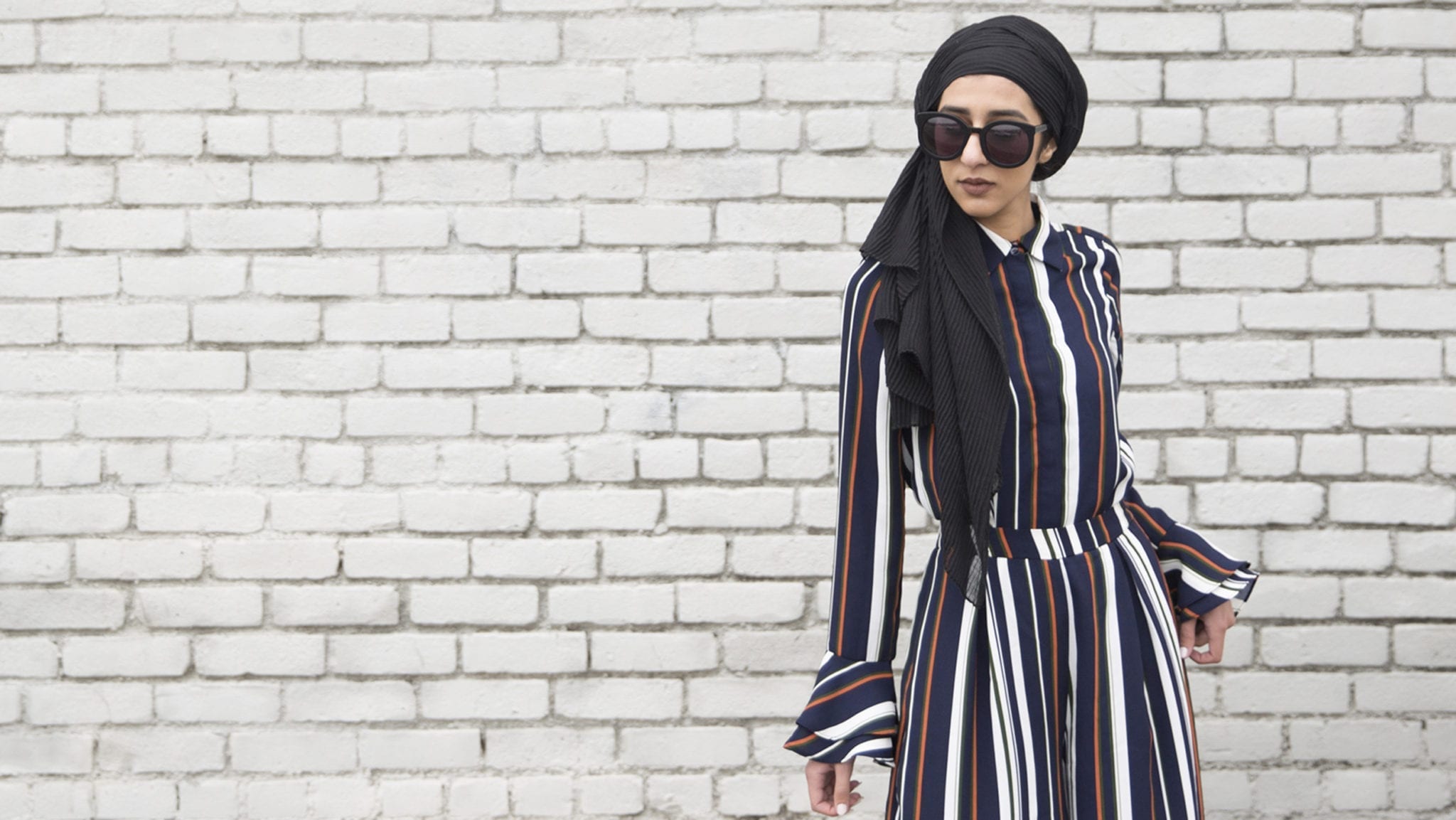
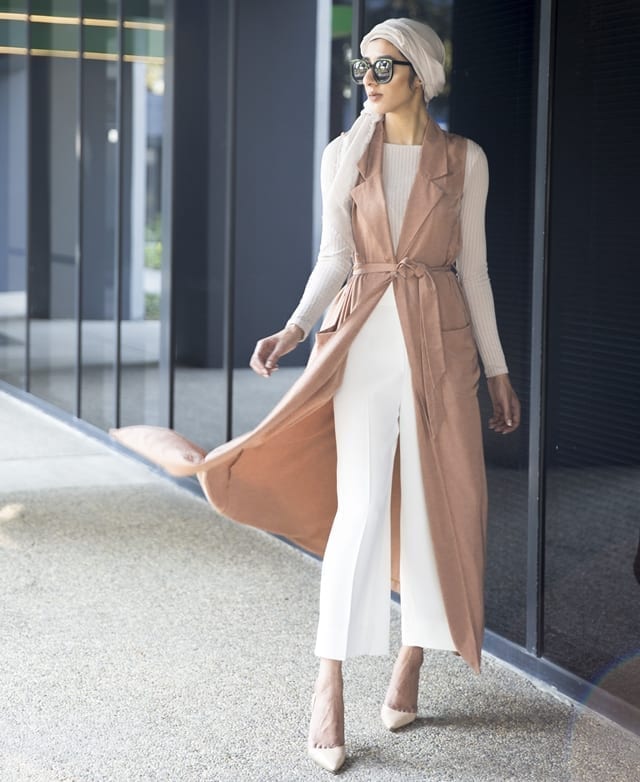
    Macy’s has launched what it describes as a “modest clothing brand” – the Verona Collection – targeting Muslims and women seeking conservative styling.

    The brand was founded by Lisa Vogl and finds its way onto Macy’s online store this month after Vogl graduated from the US department store’s incubator program The Workshop at Macy’s.

    “Verona Collection is more than a clothing brand. It’s a platform for a community of women to express their personal identity and embrace fashion that makes them feel confident on the inside and outside,” said Vogl. “Macy’s has been an amazing partner, helping us strengthen the foundation of our business through The Workshop at Macy’s and now introducing our brand to their consumers through this collaboration.”

    The Verona Collection will feature a curated selection of versatile, ready-to-wear pieces including dresses, tops, cardigans, pants and hijabs in a variety of colors and fabrics.

    Inspired by Vogl’s personal experience looking for fashionable and modest clothing, the modest clothing brand’s standout pieces include maxi dresses, versatile cardigans and hand-dyed hijabs. Accented with asymmetric buttons, the maxi dress is a modern take on a timeless classic and cardigans come in sleeveless and full sleeve styles for layering-look options. The hijabs are hand-dyed in versatile fabrics making them perfect for any occasion.

    “Through The Workshop at Macy’s, Lisa shared her vision to create a collection that speaks to a community of women looking for a solution to their fashion needs,” said Cassandra Jones, senior VP of Macy’s Fashion. “Verona Collection offers a unique and understated elegance through everyday essentials designed for versatility and comfort, and through our partnership, we can better serve our customer looking for modest fashion.”

    Shawn Outler, Macy’s executive VP– licensed businesses, food services and multicultural initiatives, says The Workshop at Macy’s, founded in 2011, nurtures and supports minority- and women-owned businesses to build their capabilities and become the next generation of retail partners.

    Items in the Verona Collection range in price from $12.95 to $84.95 and go on sale on macys.com from February 15.

  • Amazon unveiled its plans for Whole Foods

    Amazon unveiled its plans for Whole Foods

    Ever since Amazon spent $13.7 billion on Whole Foods in June 2017, theories have been swirling as to why the world’s biggest e-commerce firm would get into the old-time business of selling groceries in stores.

    Now it is becoming clearer that what Amazon really wanted was a slice of real estate closer to consumers, to get goods faster to them than ever.

    The clearest signal so far: Amazon announced Thursday that people subscribing to its Prime service in four major U.S. cities (Austin, Cincinnati, Dallas and Virginia) can get groceries from Whole Foods delivered within just two hours of placing an order, for free. They’ll be able to order fresh meat, seafood, flowers and “most” of the items stocked in their local Whole Foods outlets, the company says.

    That means you could theoretically eat lunch, and then order your dinner ingredients on the same day.

    The move could have far-reaching consequences once Amazon begins introducing speedy delivery from other Whole Foods outlets across the world, raising consumer expectations and putting pressure on other grocers to offer the same kind of shipments too.

    In one movement, Amazon has also taken the so-called “last mile” delivery problem it’s been trying to solve with one-day deliveries on Prime, and flipped it on its head.

    Instead of driving goods to your house from a vast warehouse on the edge of the city, it’s bringing them direct from main street; with an order being processed just down the road, the last mile is now the “first mile.”

    For now, this applies to the groceries that are traditionally available in Whole Foods. But some in the e-commerce industry believe Amazon has been planning to seriously restructure Whole Foods stores, sectioning off areas that it can turn into miniature versions of its highly-automated warehouses.

    That could allow Prime customers to not only receive Whole Foods fresh fish and veg, but popular household items like toothpaste and baby diapers.

    Amazon wants to build a distributed supply chain, says Elram Goren, who runs CommonSense Robotics, an Israeli startup selling automated-warehouse technology to rival grocery chains, and to be “close to their customers.”

    While that might seem like a threat to other grocers, Goren contends that Amazon is setting an example those competitors can follow too. That is, if they’re willing to make radical changes to the way they use their stores, and also turn sections of them into “micro-fulfilment centers.”

    “For a very long time, e-commerce was growing extremely fast and companies like Walmart, Kroger or Albertsons, didn’t really have have any kind of strategic advantage over Amazon,” he adds.

    “But with online groceries they have that infrastructure. Think of a store. It already has a supply chain coming in, and it is by definition close to the customer.”

    Tom Adeyoola, who founded the British e-commerce startup Metail, agrees retailers need to embark on a “big change in mindset,” and take advantage of the fact that their stores are physically closer to customers than Amazon’s warehouses.

    “If you could have a big store footprint, how can you turn that into a fulfilment center?” he says. Companies with a trusted logistics model and reliable delivery service could have the most success, he adds.

    Amidst a so-called retail apocalypse that’s swallowing up storied retailers like JCPenney and Toys R’ Us, that could be a model worth thinking about.

  • Off-White and Jimmy Choo together for Galeries Lafayette

    Off-White and Jimmy Choo together for Galeries Lafayette

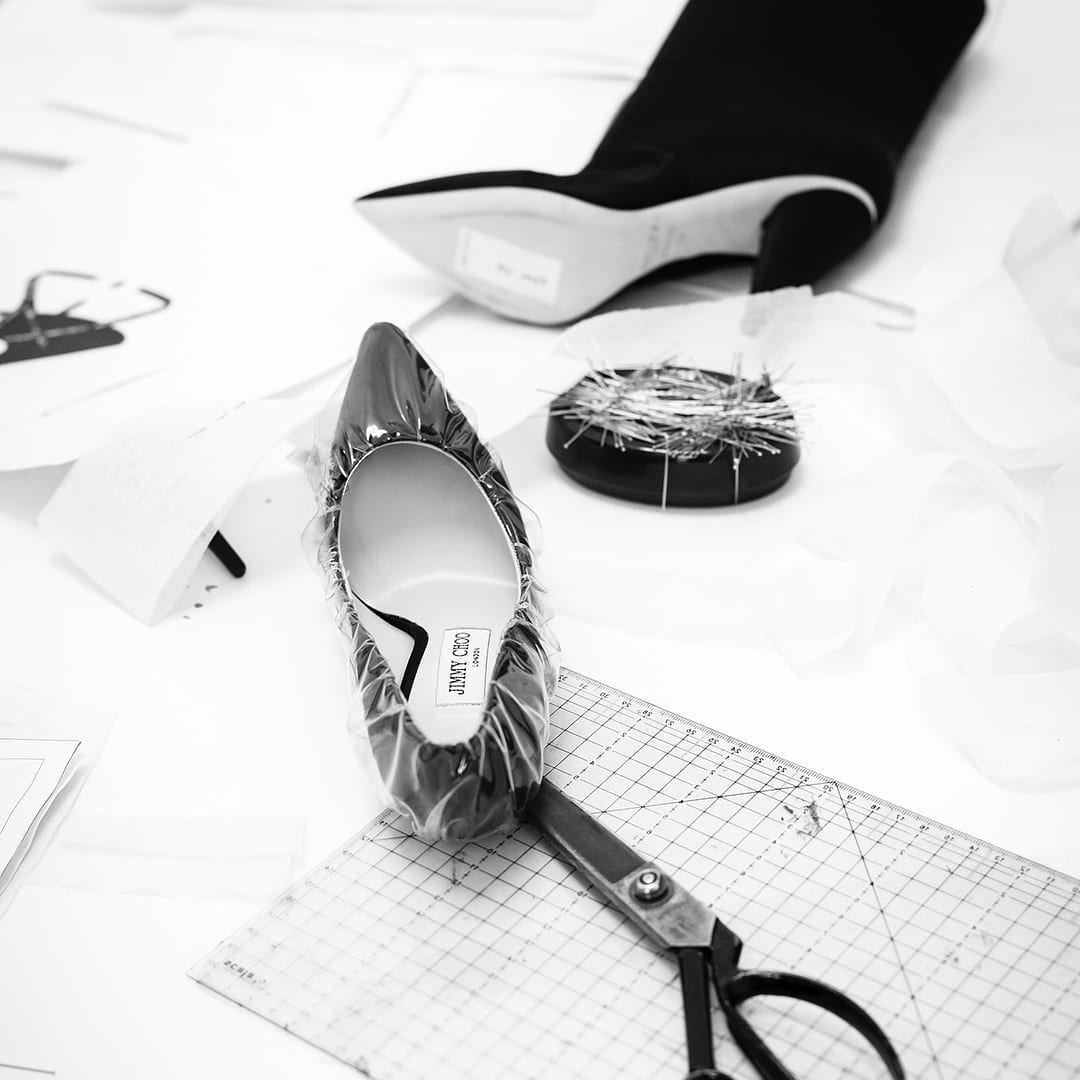
    Announced in September 2017 during the spring/summer 2018 shows, the much anticipated “Off White c/o Jimmy Choo” collaboration will be launched globally on 21 February 2018 both online and in store.

    To mark the occasion, the two brands will open a pop-up store in Galeries Lafayette on Boulevard Haussmann in order to showcase the original collection’s different looks. The space will remain open until 4 March 2018.

    The collection is Jimmy Choo’s first partnership with a ready-to-wear designer for a line of commercial footwear.

    The brand has teamed up with Off-White, headed by fashion prodigy Virgil Abloh, which has previously worked on collaborations with sportswear-inspired brands such as Nike.

    The pieces in the collaboration were inspired by Diana, Princess of Wales, channeling iconic 90’s design while also incorporating details reflecting current trends in order to appeal to the needs and tastes of modern princesses.

    In this spirit, the collection features conceptual shapes, tulle, floral embellishments and gemstones.

    Speaking of the collaboration, Sandra Choi, Jimmy Choo creative director, explained, “To collaborate with a brand like Off-White allows Jimmy Choo to explore a new avenue and take part in a different conversation.

    I love to mix it up by getting together with a different creative mind, identifying our synergies and combining our DNA to create a beautiful and surprising collection with unexpected links to the roots of our brand.”

  • Skechers Q4 global sales jump 27 percent

    Skechers Q4 global sales jump 27 percent

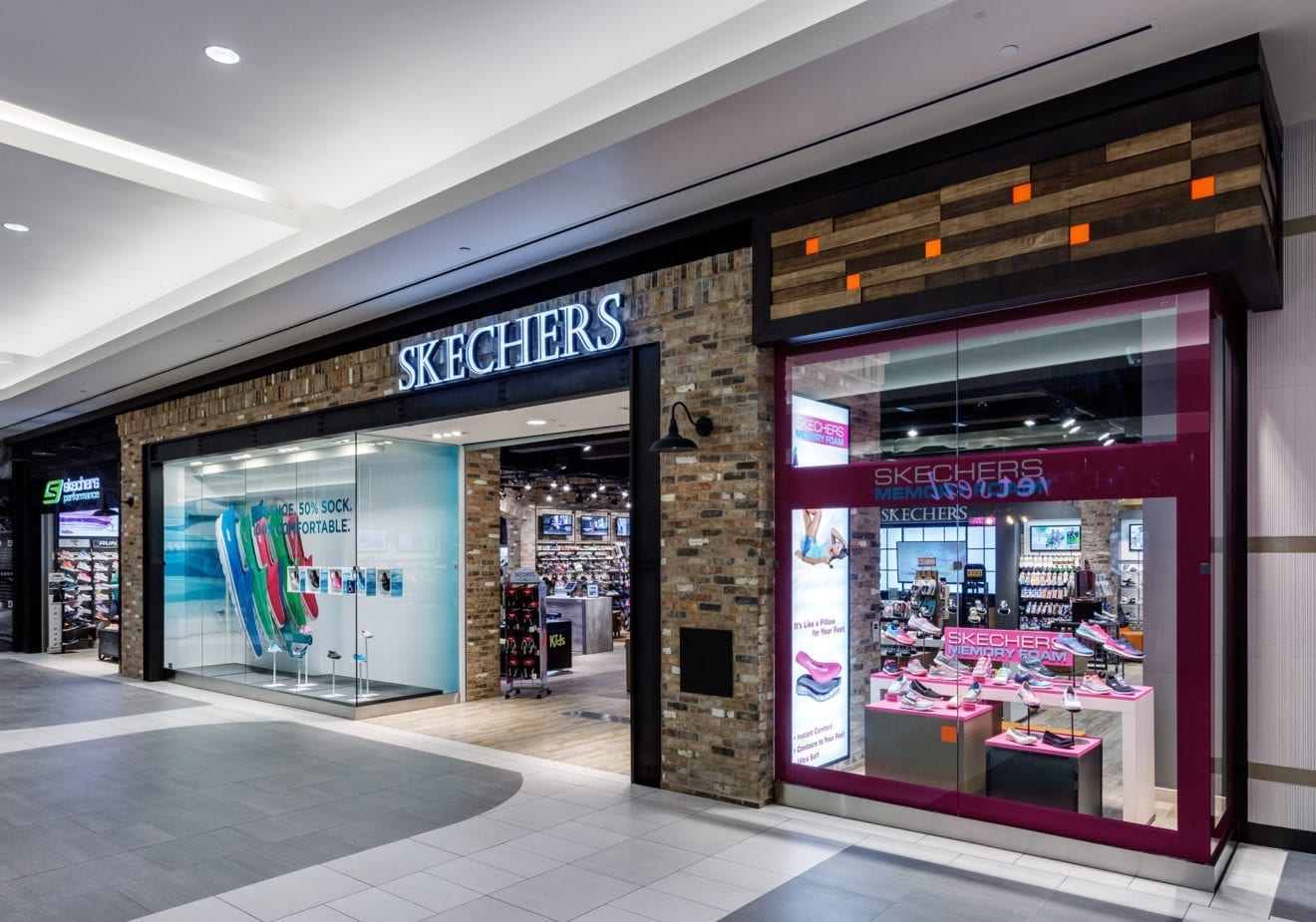
    Shoe retailer Skechers posted a 27 per cent increase in sales in the last quarter, powered by a 40 per cent increase in international wholesale sales, and a strong performance in China.

    “Last year was monumental for Skechers as we achieved sales of more than US$4 billion for the first time in our 25-year history,” said Robert Greenberg, Skechers CEO.

    “This growth is due to our continued focus on efficiencies and infrastructure as well as innovation, comfort, and relevancy within our product design. In the US, we remained the No 1 walking, work, casual lifestyle, and casual dress footwear brand, and the No 2 casual athletic footwear brand.

    “Furthermore, we grew our Skechers store base to 2570 locations at year-end and saw impressive growth across the globe – including record sales on Single’s Day in China,” said Greenberg.

    “As we look ahead, with fresh styles shipping for spring, we believe we will remain a leader in the lifestyle footwear channel in the US, selectively expand our retail footprint, and continue our global growth as we see our international business becoming an increasingly larger piece of our total business.”

    Global annual sales rose $600 million year-on-year to $4.16 billion, “a testament to the worldwide strength and relevance of our product, marketing and brand,” added COO David Weinberg.

    In its own stores, Skechers achieve comparable same-store sales growth of 10.5 per cent in the US market and 16.5 per cent overseas. It added 75 stores during the year, 22 of them in the last quarter.

    While the company reported a net loss of $66.7 million for the last quarter, this was hugely impacted by a $99 million tax charge linked to the Trump government’s taxation reform enacted in December. Earnings from operations increased 96.9 per cent primarily due to sales growth.

    For the full year, Skechers earned $179.2 million, down 26.4 per cent on 2016’s $243.5 million, but that, too, is after the taxation impact.

  • Columbia Sportswear Company Reports Record Sales and Earnings

    Columbia Sportswear Company Reports Record Sales and Earnings

    Columbia Sportswear has reported record fourth quarter net sales of US$776 million for the three months to December.

    The figure represents an 8 per cent increase on the same period a year earlier. Fourth quarter operating income was $109.4 million, but the company recorded a $7.1 million net loss for the period, largely due to restructuring costs under its Project Connect program.

    Full year net sales increased 4 per cent, to a record $2.47 billion, while full year net income fell from $191.9 million to $105.1 million, again due to restructuring costs and one-off items.

    President and CEO Tim Boyle described the sales figures as “better than expected” citing continued growth in Europe and North America, along with improved sales by distributor partners globally.

    “We are particularly encouraged by the strong results we achieved in Europe-direct in 2017, completing a third consecutive year of double-digit constant-currency net sales growth and continued improvement in operating margin. A relentless focus also drove 2017 net sales growth in the US, with expansion of direct-to-consumer offsetting challenges in wholesale resulting from the effect of bankruptcies, liquidations and stores closures.”

    Boyle said the company anticipates further sales and earnings growth this year, and a continuation of the company’s strategic repositioning.

    “With record cash and short-term investment balances of $768.1 million exiting 2017, and no long-term debt, we have the flexibility to adapt our business as our major markets continue to evolve. It is from this position of strength that we are investing in our strategic priorities to drive brand awareness and sales growth through increased, focused demand creation investments, enhance consumer experience and digital capabilities in all our channels and geographies, expand and improve global DTC operations with supporting processes and systems; and invest in our people and optimise our organisation across our portfolio of brands.”

  • L’Oreal reports healthy 2017: notes “strong potential” of travel retail

    L’Oreal reports healthy 2017: notes “strong potential” of travel retail

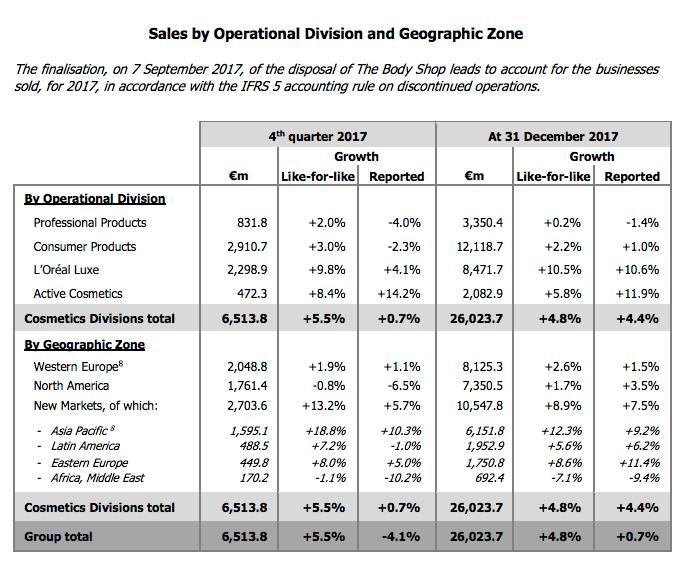
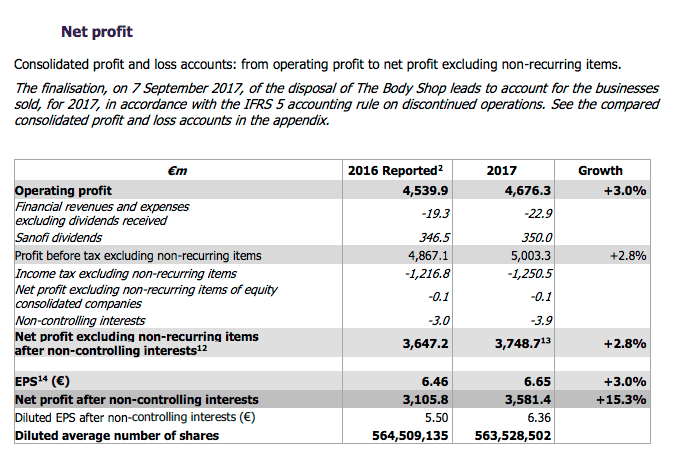
    L’Oréal’s 2017 sales climbed +2% year-on-year (at constant exchange rates) to €26 billion. Like-for-like sales were up +4.8% and net profit (excluding non-recurring items) increased +2.8% to €3.7 billion.

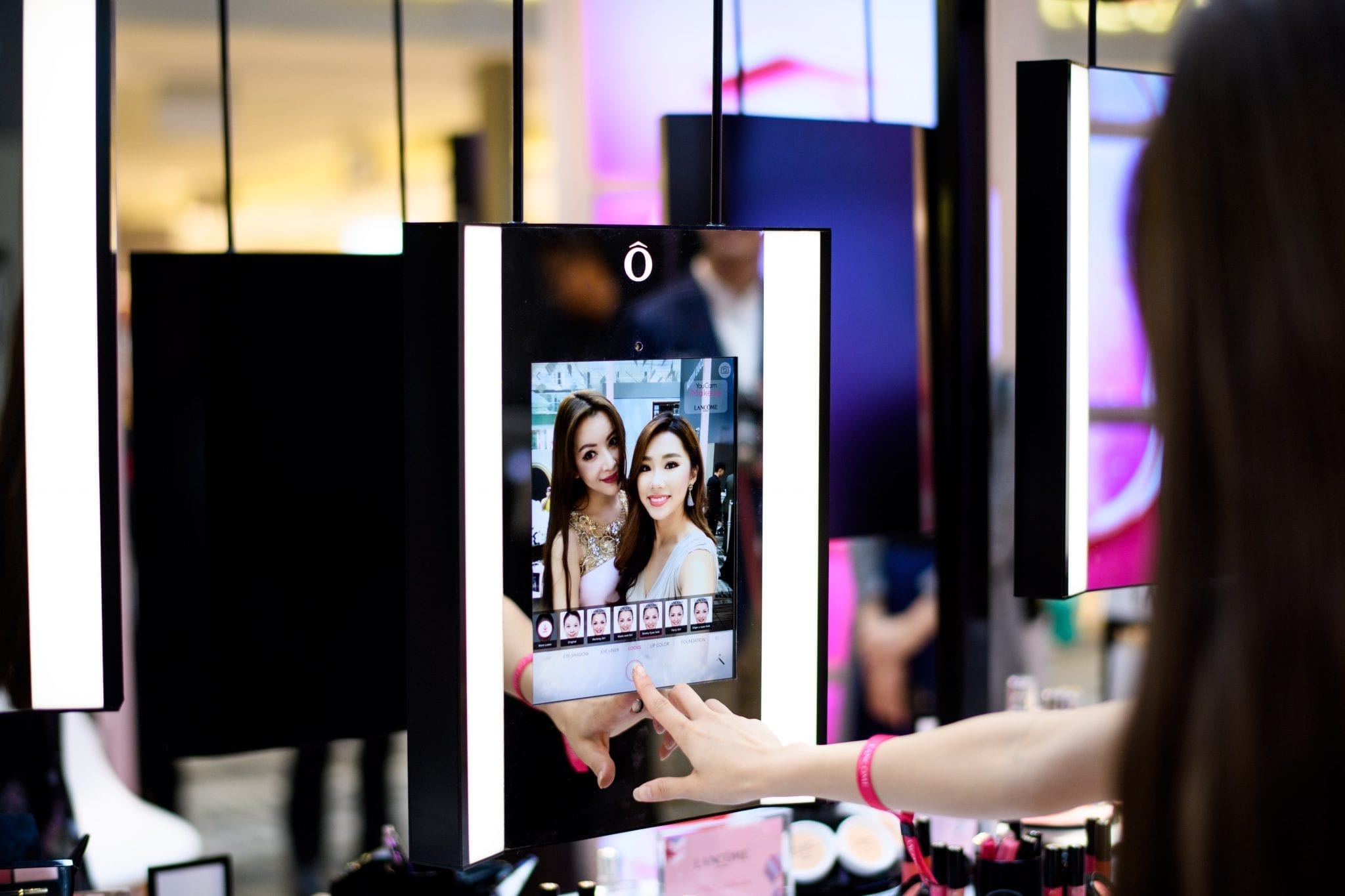
    The company noted the “strong potential” of its travel retail business, which celebrated its 40th anniversary last year.

    Group revenue growth was buoyed by e-commerce sales, which rose +33%.

    L’Oréal Luxe sales grew by +10.6% on a reported basis with Asia Pacific delivering a double-digit increase. China and travel retail both achieved “particularly good figures”.

    Sales in the Active Cosmetics division rose by +11.9%, with sales breaking €2 billion.

    The Consumer Products division posted +1% growth while Professional Products sales decreased -1.4%.

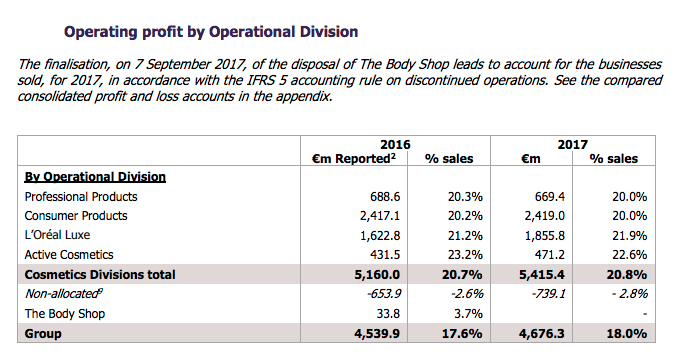
    L’Oréal Chairman and CEO Jean-Paul Agon said: “In a beauty market that pursued its steady growth in 2017, L’Oréal had a good year with sustained sales growth momentum, and robust profits. As announced, the second half accelerated compared with the first, particularly in the fourth quarter with +5.5% like-for-like growth. All the divisions recorded sales growth, especially L’Oréal Luxe which is delivering spectacular growth, particularly in Asia. The Active Cosmetics division achieved more than €2 billion in sales for the first time.

    “Growth in the Consumer Products division is being slowed by the continuing difficulties of the American and French markets, while sales in the Professional Products division improved at the end of the year. Today more than ever, L’Oréal can rely on its unique portfolio of powerful and complementary brands, eight of which now have sales above €1 billion.

    “As for the geographic zones, the New Markets exceeded more than €10 billion of sales for the first time ever, thanks especially to the dynamism of Asia Pacific. Performance in Western Europe remained solid.

    “2017 was especially notable for the accentuation of our digital edge and the strengthening of our positions in two strategic channels. Firstly in e-commerce, where our sales accelerated to reach €2 billion, an increase of +33.6%. Secondly in travel retail, a channel with strong potential, in which L’Oréal celebrated 40 years of presence by strengthening its number one position.

    “In terms of results, as announced, operating margin has reached the record level of 18% of sales, while increasing research expenses and business drivers. There were improvements in all our operating parameters; the quality of the results is also reflected in the record cash flow.

    “And finally, in 2017, L’Oréal was recognised for its leadership in corporate social responsibility with, for the second year running, the best score awarded by the CDP, three ‘A’s, and L’Oréal has been ranked number 1 in all sectors by Vigeo Eiris. L’Oréal has also obtained first place in the world ranking by Equileap for gender equality.

    “As for 2018, in a market that should remain dynamic and contrasted, L’Oréal more than ever before has the best advantages in terms of innovation, brand power, digital prowess, and the quality of its teams all over the world, to win market share and strengthen its beauty leadership. We are therefore confident that, this year once again, we will outperform the market and achieve significant growth in like-for-like sales and an increase in profitability.”

    RESULTS BY REGION

    Western Europe

    In 2017, Western Europe posted growth of +2.6% like-for-like and +1.5% reported. Growth was particularly robust in Great Britain, Spain and Germany, fuelled by the make-up and skincare categories. Sales in France continued to be held back by a slightly contracting market. The two main divisions, Consumer Products and L’Oréal Luxe, outperformed their respective markets, and the Active Cosmetics division’s growth accelerated in the second part of the year.

    North America

    North America posted growth of +1.7% like-for-like and +3.5% reported. Make-up sales were driven by NYX Professional Makeup and L’Oréal Paris. Haircare is “proving less dynamic”, L’Oréal said. The strong performance of Active Cosmetics was bolstered by the recent acquisition of CeraVe and the SkinCeuticals and La Roche-Posay brands.

    New markets

    Asia Pacific recorded growth of +12.3% like-for-like and +9.2% reported. China’s strong growth was fuelled by ‘very good’ e-commerce results across all divisions. India, Thailand and Malaysia all posted strong gains.

    Latin America sales increased +5.6% like-for-like and +6.2% reported. Mexico and Argentina recorded double-digit growth, while the economic environment remains difficult in Brazil. The L’Oréal Luxe and Active Cosmetics divisions achieved double-digit rises, driven by Lancôme and La Roche-Posay. Make-up turned in a solid performance for Consumer Products, reflecting the expansion of NYX and the continued growth of Maybelline.

    Eastern Europe was up +8.6% like-for-like and +11.4% reported. Turkey and Central Europe were the growth drivers, while sales in Russia were ‘satisfactory’. E-commerce now accounts for more than 5% of sales in this region.

    Sales growth in Africa and the Middle East was -7.1% like-for-like and -9.4% reported, with a “clear improvement” in the second half. Despite substantial declines in markets, the situation is stabilising in the Gulf states, said L’Oréal. Sales in Egypt were “dynamic”.

  • Rimowa unveils new brand identity for its 120th anniversary

    Rimowa unveils new brand identity for its 120th anniversary

    A worker intently studies an aluminium suitcase on the assembly line at the Rimowa factory in Cologne. He opens and closes it repeatedly, lays it flat, pounds a hinge with his mallet, stands it on its wheels and starts over again. Until this bag is perfectly balanced, it will not leave the factory. Such labour-intensive quality has been in Rimowa’s DNA since Paul Morszeck founded it in Cologne in 1898.

    With its immediately recognisable aluminium cases and grooved design, Rimowa is a cult brand, the type that bonds owners in a kind of unspoken club.

    The German company turns 120 this year, but there will be no one special event, says Alexandre Arnault, the new 25-year-old CEO, who finds the idea of a party ‘outdated’. Rather, it will be a whole year of celebration, of taking a fresh look at the suitcase brand that pioneered aluminium and polycarbonate, and finding ‘a cool way to remind people who we are’.

    Tall, poised and impeccably dressed, fluent in French, English and German, Arnault is the third child of LVMH CEO Bernard Arnault and it was his idea that the luxury goods conglomerate acquire Rimowa. He had been using a matte black ‘Salsa’ model since age 17 or 18, when he moved to New York for an internship.

    ‘My family was not too happy when I travelled with it,’ he recalls. ‘But when they looked at it carefully, they understood the beauty of the product, the craft behind it.’ The family operation has high-profile luggage brands of its own, of course, but when Louis Vuitton started to modernize its suitcase line with lighter and four-wheeled models, Rimowa’s particular set of skills became clear.

    LVMH bought Rimowa in January 2017, after two years of negotiation, and Arnault was appointed CEO alongside Dieter Morszeck. He has been actively shepherding the brand ever since, with collaborations, new stores, a pop-up, and no sign of slowing down.
    ‘What I have learned from growing up in my family and seeing other CEOs is that you have to be involved in the product on every single level,’ he says.

    In June he hired Hector Muelas, formerly of Apple and DKNY, as Rimowa’s chief brand officer. Early this year they unveiled a new visual identity, a collaboration with Munich-based Bureau Borsche and London-based Commission Studio.

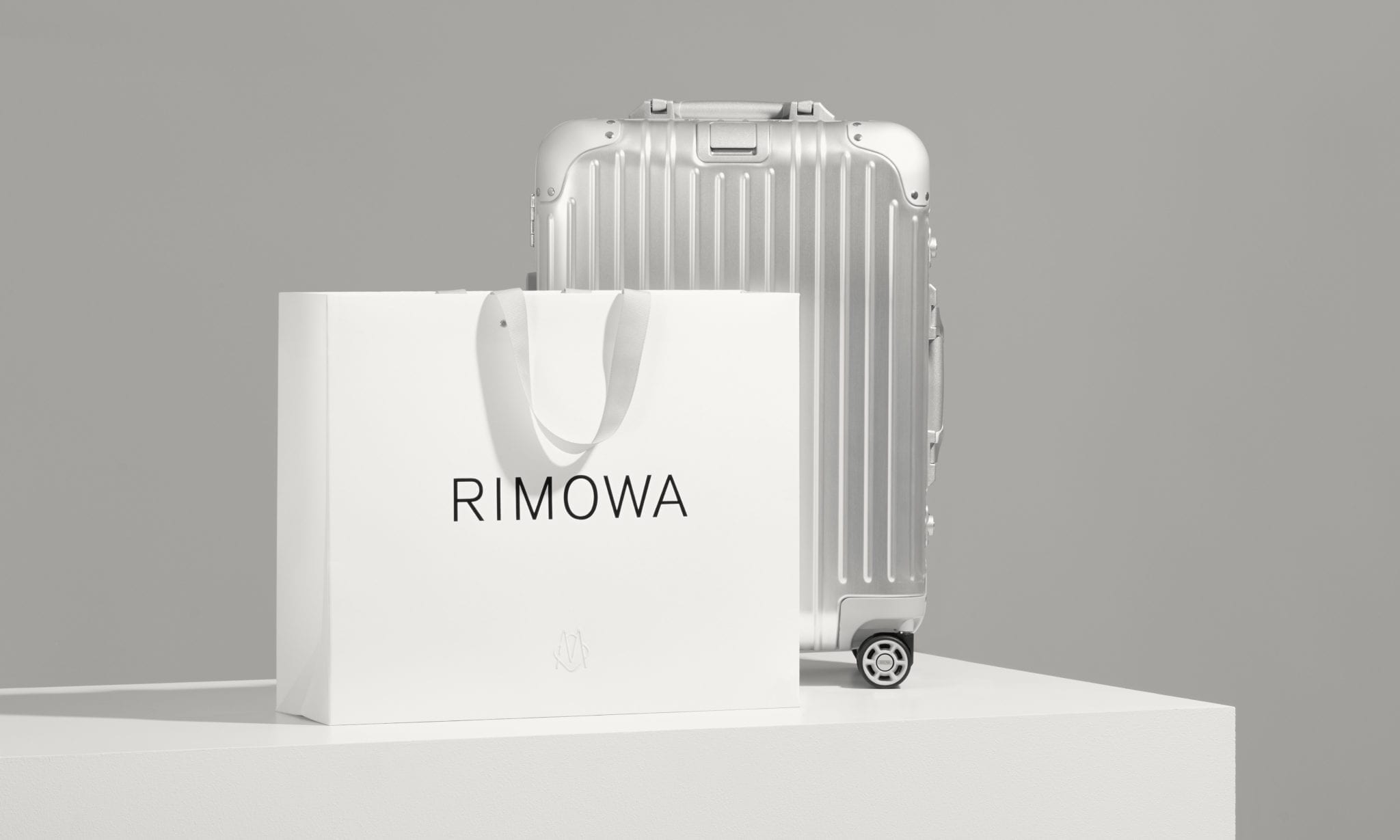
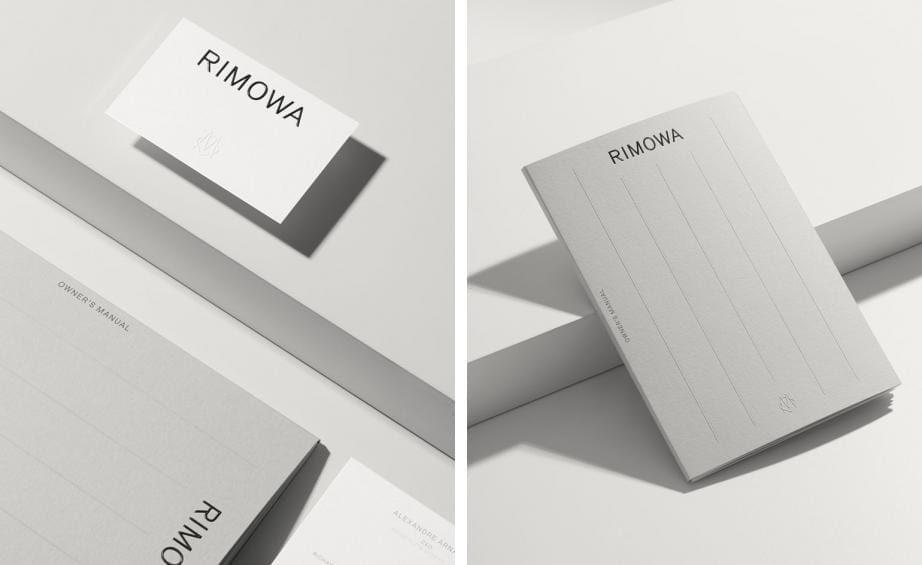
    The pill-shaped frame and rounded letters of the previous logo have been replaced with an understated design, with a refined sans serif font that ‘encapsulates the timeless and considered nature of the brand’, says Muelas. The colour blue has disappeared in favour of neutral shades – black, white and grey.

    The team also designed a new monogram inspired by Rimowa’s original from 1898. It features sharpened vertices like the spires of Cologne’s famous cathedral, intertwined with angular curves that mirror the industrial forms of contemporary Rimowa suitcases.

    Both the logo and monogram appear on a redesigned range of packaging. Once an afterthought, Rimowa’s packaging now aspires to be as pleasing as that of an iPhone.

    There are dust bags, shopping bags with straps held in place by rivets, and gift boxes for carry-ons. Demonstrating a price tag that slides out of a little folder, Muelas says, ‘With every single piece of design, we put a lot of consideration into how it would make people feel. When you buy Rimowa it’s a magic moment. It’s got to have a ritual.’

    Paper accessories such as an owner’s manual and notebooks are embossed with fine parallel lines to mirror the suitcases’ grooves. Geographic coordinates appear here and there, making oblique reference to meaningful locations for the company, such as the factory where each case was produced.

    The number of meaningful locations is increasing, as last year saw a slew of new store openings in cities such as Paris, Frankfurt and Tokyo. Arnault wants each one to give customers an experience, and he plans to hire in-country architects to design individual stores for different markets. Beyond suitcases, customers in larger cities will discover unique lifestyle products made by local talents especially for the brand. In Paris, for example, the new flagship is selling chocolate bars by Patrick Roger, available until mid-February.

    Arnault is also excited about the pop-up concept, having launched the company’s first in Beverly Hills last December, built to look like a luggage conveyor belt and selling products such as fresh juice and travel and design books, as well as aluminium pens by Kaweco and T-shirts by German brand Merz b Schwanen. ‘A pop-up in a new place for six months allows us to try a new store concept, a new design. If it works, great, we learn from it. If it doesn’t work, we also learn from it.’

    As for collaborations, Rimowa teamed up with Fendi for a limited-edition suitcase with a belt, leather handles and the double F logo melded onto the aluminium surface. Also launched last December, the cases came with a price tag of €1,700 and sold out within a week. While more such team-ups are on the horizon, Arnault is keeping the details to himself. What he does admit to is his dream collaboration, with Nasa. He plans to contact them soon.

    This goal reflects Arnault’s love of technology (he Is a graduate of Paris’ prestigious École Polytechnique). In 2016, Rimowa introduced electronic luggage tags, and the young CEO is considering what other digital innovations might add value for the customer. Nothing gimmicky, he insists. A suitcase with an integrated battery charger would be heavy and unnecessary, while one with its own scale seems practical.

    For the 80th anniversary of its signature aluminium suitcase last year, the house produced a fully digital campaign – portraits of Rimowa cases belonging to Karl Lagerfeld, Martha Stewart and the Italian chef Massimo Bottura, among others.

    Reached at his recent Gucci Garden restaurant opening in Florence, Bottura recalls, ‘I bought my first Rimowa after years of luggage envy, watching other travellers wheel their metal cases around with ease.

    In particular, I was fascinated by the Rimowa photography cases, these big aluminium boxes that protected fragile equipment. Finally, a wheel broke on a black plastic trolley I had and I bought a Rimowa silver bullet trolley at the airport to replace it. And that was the beginning of the obsession.’

    At a time when many brands talk about storytelling, suitcases are natural vehicles for it. ‘They’re travel companions,’ notes Muelas, witnesses to the experiences and memories that mark a journey. Indeed, when LVMH announced the acquisition, Arnault received notes from people around the world telling him their Rimowa stories.

    He says, ‘There’s an amount of love that exists out there for this product that I’ve rarely seen before, and I think it’s linked to this relationship of trust. Our suitcases are so robust that people trust us with their most personal belongings, their most valuable things.’