Tag: International

  • Louis Vuitton points Virgil Abloh as new menswear designer

    Louis Vuitton points Virgil Abloh as new menswear designer

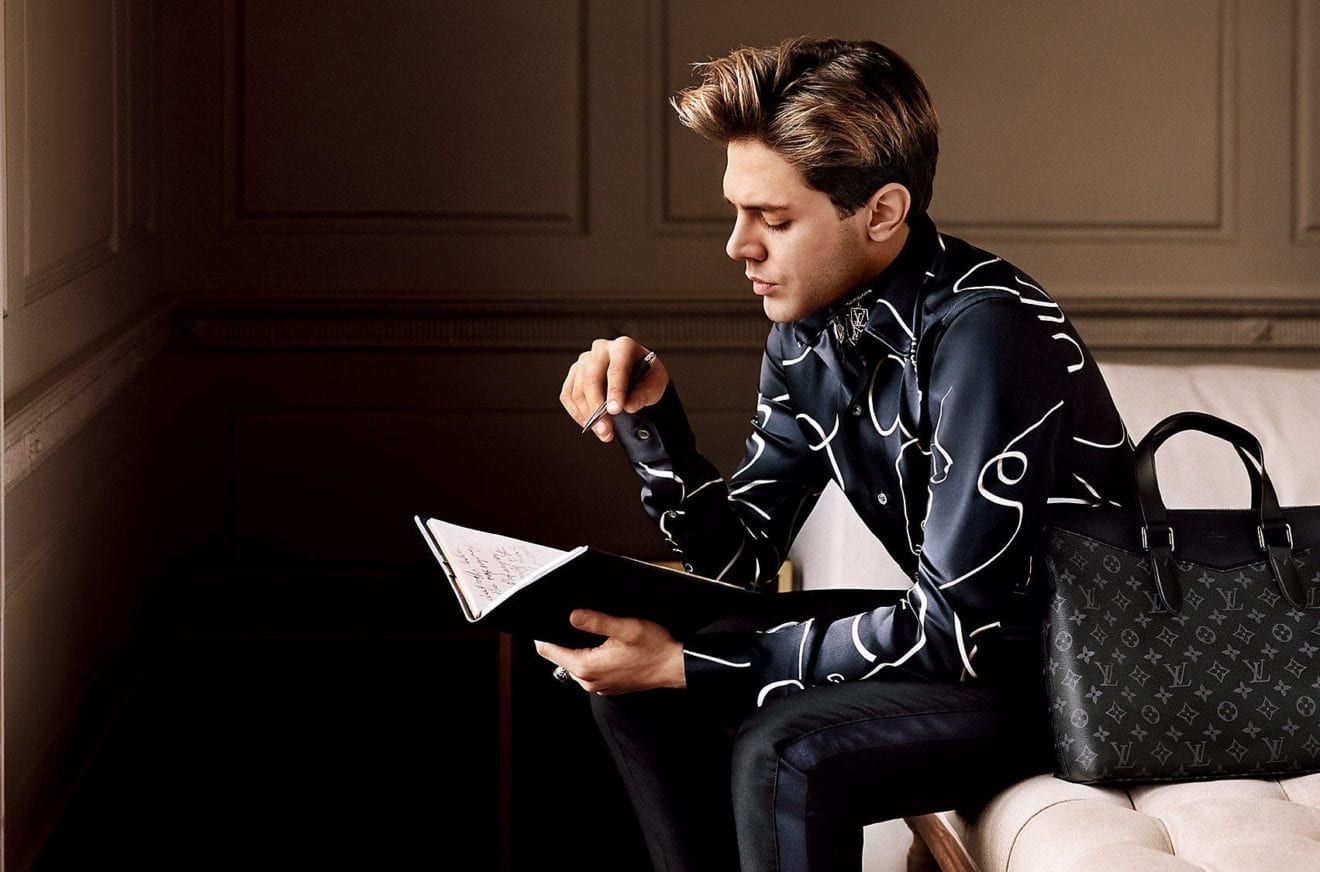
    Virgil Abloh, the founder of the haute street wear label Off-White and a longtime creative director for Kanye West, will be the next artistic director of menswear at Louis Vuitton, one of the oldest and most powerful European houses in the luxury business.

    He will be one of the few black designers at the top of a French heritage house. Olivier Rousteing is the creative director of Balmain, and Ozwald Boateng, from Britain, was the designer for Givenchy men’s wear from 2003 to 2007.

    r“I feel elated,” Mr. Abloh said via phone on Sunday, adding that he planned to relocate his family to Paris to take the job at the largest brand in the stable of LVMH Moët Hennessy Louis Vuitton, the world’s largest luxury group. “This opportunity to think through what the next chapter of design and luxury will mean at a brand that represents the pinnacle of luxury was always a goal in my wildest dreams. And to show a younger generation that there is no one way anyone in this kind of position has to look is a fantastically modern spirit in which to start.”

    The appointment, widely rumoured in recent months, is part of a shake-up on the men’s wear side of LVMH, which began in January with the departure of Kim Jones, Mr. Abloh’s predecessor at Louis Vuitton. Last week, it was announced that Mr. Jones would become the menswear designer at LVMH stablemate Christian Dior, replacing Kris van Assche.

    Mr. Abloh’s appointment is also a reflection of the increasing consumer-driven intermingling of the luxury and street wear sectors, which helped boost global sales of luxury personal goods by 5 percent last year to an estimated 263 billion euros (about $325 billion in today’s dollars), according to a recent study by the global consulting firm Bain & Company. And it is an acknowledgment on the part of the luxury industry that it must respond to contemporary culture in new ways.
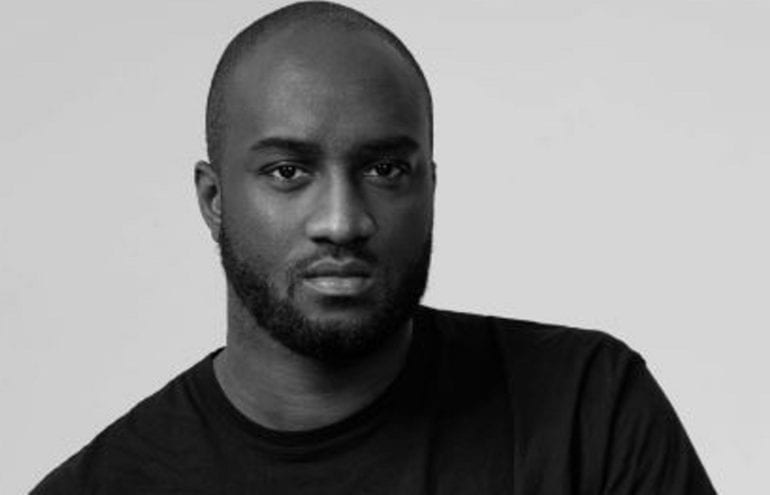
    “Virgil is incredibly good at creating bridges between the classic and the zeitgeist of the moment,” said Michael Burke, chief executive of Louis Vuitton. The two men first met about 12 years ago when Mr. Abloh spent six months interning at Fendi with Kanye West, where Mr. Burke was then the chief executive.

    “I paid them $500 a month!” Mr. Burke said. “I was really impressed with how they brought a whole new vibe to the studio and were disruptive in the best way. Virgil could create a metaphor and a new vocabulary to describe something as old-school as Fendi. I have been following his career ever since.”

    Mr. Abloh, 37, a first-generation Ghanaian-American raised in Illinois, is widely considered one of fashion’s consummate purveyors of cool; a master of using irony, reference and the self-aware wink (plus celebrity, music, digital and hype), to recontextualize the familiar and give it an aura of cultural currency.

    Despite having no formal fashion education (his mother was a seamstress and taught him her trade; he studied architecture and civil engineering), Mr. Abloh founded Off-White — a reference to his belief that old barriers are breaking down — in 2013, almost a decade after he first meet Mr. West and became his creative partner. In 2015, Off-White was a finalist for the LVMH Young Designers Prize. (Mr. Abloh will be the first LVMH finalist to take on a major design role in an LVMH brand.)

    Off-White currently has 3.1 million Instagram followers (Mr. Abloh alone has 1.6 million), and Mr. Abloh received the Urban Luxe award at the British Fashion Awards last year. During the just-past women’s wear season, there was almost a riot in the Rue Cambon outside the Off-White show as fans crowded to get in.

    A champion of the cross-branded collaboration, Mr. Abloh has worked with names as varied as Nike, Jimmy Choo, Moncler and, with an upcoming project, Ikea. Most recently, he teamed up with Takashi Murakami, a frequent Vuitton collaborator, for a show at the Gagosian Gallery in London.

    “In a way, all of my output has been to make a compelling case for me to take on a role such as this,” Mr. Abloh said. “I think of it as kind of the ultimate collaboration.”

    It also presumably made a compelling case that Mr. Abloh could be the man to make Louis Vuitton men’s wear more relevant — and more visible — to the millennial generation. He will build on the foundation laid by Mr. Jones, who also gave classic men’s wear and Vuitton’s history as a luggage expert an urban edge, and recently engineered a sellout collaboration with Supreme, another street-wear success story.

    “For the last eight to 10 years we’ve been having this conversation about what’s new, and for me, that has to do with making luxury relatable across generations,” Mr. Abloh said, adding that he had been putting together an eight-page “brand manual” defining the new ethos of his Vuitton. “The first thing I am going to do is define new codes. My muse has always been what people actually wear, and I am really excited to make a luxury version of that.”

    Mr. Burke added, “Louis Vuitton was not a couture house. From the mid-19th century to the 1920s and beyond it always sought to cater to the new wealthy class, not the old aristocrats.”

    Mr. Abloh also said he would be focused on rethinking how the brand communicated with its consumers, including the release of products, the runway show and the way it interacted with the global political mood.

    Certainly, Vuitton will give him a bigger platform than he has had. Men’s wear is currently sold in only about 150 of the 450 Vuitton stores around the world, though the company plans to increase that by between 25 and 28 stores. There are also 13 free-standing men’s stores, with six more planned this year, according to Mr. Burke. Though LVMH does not break out specific brand performance, Mr. Burke said the men’s wear business had been growing in the double digits and “had a stellar 2017.”

    That places a burden of expectation on Mr. Abloh’s shoulders, especially given all the hype around his name — he was mentioned for possible top positions at Burberry and Versace. One of the criticisms most often lobbed at him (by Calvin Klein’s designer, Raf Simons, among others) is that his real genius lies in repurposing other people’s work, as opposed to creating new silhouettes of his own.

    Mr. Abloh is also not one to shy away from political statement-making, a tactic often seen as a risk for a luxury brand. Last year, during a guest appearance at the Florence men’s wear show, Pitti Uomo, Mr. Abloh eschewed the traditional runway show and instead collaborated with the artist Jenny Holzer on a piece addressing the immigrant crisis.

    “Product is only one part of the luxury narrative,” Mr. Abloh said in the phone interview. “I want to use Louis Vuitton’s history with travel to really look at different cultures around the world to help make all our humanity visible. When creativity melds together with global issues, I believe you can bring the world together. Fashion on this level can really open eyes.”

    Mr. Abloh will continue to run Off-White — “it is for the 17-year-old version of myself, whereas Vuitton is for the 37-year-old I am today,” he said — and to work with Mr. West. But he said he would cut back on his other activities, including moonlighting as a D.J. He will show his first collection for Louis Vuitton during Paris Men’s Fashion Week in June.
  • BMW raises R&D spending for electric, autonomous cars

    BMW raises R&D spending for electric, autonomous cars

    German carmaker BMW will increase research and development (R&D) spending to an all-time high of up to 7 billion euros ($8.6 billion) this year as part of efforts to bring 25 electrified models to market by 2025.

    The Munich-based maker of BMW, Rolls-Royce and Mini vehicles said that despite higher spending it expects group pretax profit to be over 10 billion euros in 2018, at least in line with last year’s level.

    In its annual report, BMW also warned of a possible impact from trade barriers and any anti-dumping customs duties in the United States and added that Brexit could have an adverse long term effect.

    Spending on developing electric and autonomous cars pushed R&D costs a billion euros higher last year, reaching 6.1 billion euros.

    “Investment will rise by a further high three-digit million euro amount year-on-year, primarily from the ongoing new model initiative as well as continued work on e-mobility and autonomous driving,” BMW said in a statement on Wednesday.

    BMW’s R&D ratio for 2018 is expected to be between 6.5 percent and 7 percent of sales. In the next two years the R&D ratio is expected to remain above its usual target corridor of 5 percent to 5.5 percent range, BMW said.

    LUXURY CARS IN DEMAND

    BMW this month reported a 5.3 percent rise in 2017 operating profit on surging demand for high-margin sports utility vehicles, helping to offset higher research spending.

    Sales of luxury cars are expected to continue rising, contributing to new record unit sales this year, it said.

    “In the automotive segment we expect to achieve new all-time highs in 2018. As long as conditions remain stable, we should see a light increase in deliveries from growth in China and the U.S. in particular,” BMW Chief Financial Officer Nicolas Peter said in a statement.

    BMW did inject a note of caution over trade tensions and Britain’s looming exit from the European Union.

    “A possible introduction of trade barriers, including anti-dumping customs duties, by the U.S. administration could have an adverse impact on the BMW Group’s operations,” BMW said in its annual report.

    Separately, BMW said the prospect of diesel bans had hit the second-hand values of some cars, leading to a rise in the credit loss ratio to 0.34 percent, from 0.32 percent a year earlier, reflecting “the situation in the used car markets in North America and Europe.”

    The increase was mainly due to the debate on diesel engines in parts of Europe, BMW said. BMW said risks related to the residual value of used cars were covered by risk provisions.

    BMW shares traded 0.6 percent higher at 0935 GMT.

  • BlackBerry to provide software for Jaguar Land Rover EVs

    BlackBerry to provide software for Jaguar Land Rover EVs

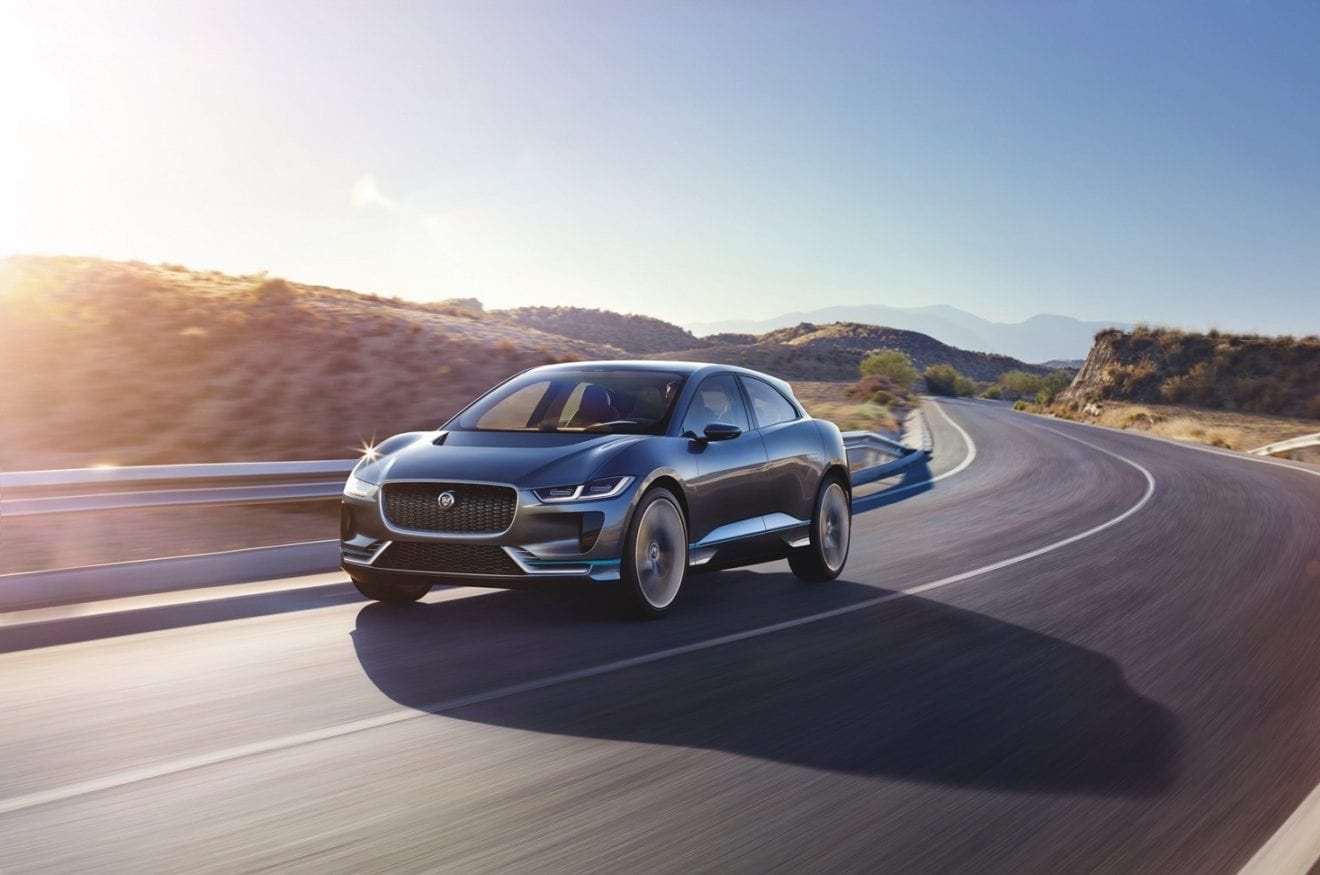
    BlackBerry Ltd and Tata Motors Ltd’s Jaguar Land Rover (JLR) said on Thursday they reached a licensing agreement to use the Canadian company’s software in the luxury car brand’s next-generation electric vehicles.

    BlackBerry will provide its infotainment and security software to JLR, in the Canadian firm’s latest licensing deal for its autonomous-driving technology after similar agreements with Qualcomm Inc, Baidu Inc and Aptiv Plc.

    BlackBerry’s QNX unit, which makes software for computer systems on cars and has long been used to run car infotainment consoles, is expected to start generating revenue in 2019.

    Its Certicom unit focuses on security technology and serves customers such as IBM Corp, General Electric Co, and Continental Airlines.

    JLR, which was bought by the Tata group in 2008, said last year that all its new cars would be available in an electric or hybrid version from 2020.

    Britain’s biggest carmaker said in January it would open a software engineering centre in Ireland to work on advanced automated driving and electrification technologies.

  • Amazon Has Considered Buying Some Toys ‘R’ Us Stores

    Amazon Has Considered Buying Some Toys ‘R’ Us Stores

    Selected sites of Toys R Us US stores may be taken over by Amazon.

    Bloomberg reports the bankrupt toy retailer is in talks with the e-commerce giant over the future of an unspecified number of stores which could be converted to Amazon’s growing portfolio of offline retail spaces. The company recently acquired grocery chain Whole Foods, which has 450 sites, and has been opening physical book stores in selected US markets.

    Toys R Us US is closing down more than 700 stores, many of which have moderate- to large-sized footprints suited to bulky goods or grocery retailing.

    Bloomberg’s sources said Amazon is not interested in the Toys R Us brand but sees opportunities to use physical stores to deliver online purchases faster. It may possibly use the sites to demonstrate its Alexa voice-activated technology.

    Amazon has previously negotiated taking over Radio Shack stores after that chain collapse, but no deal was reached.

  • Esprit Holdings to announce new leader

    Esprit Holdings to announce new leader

    Leadership changes have been announced by apparel brand Esprit Holdings in Hong Kong.

    Jose Manuel Martínez Gutierrez will step down as group CEO and executive director of the company on June 1, with Anders Kristiansen appointed as his successor.

    As a precursor to the change of CEO, chairman Dr Raymond Or Ching Fai will assume the role of executive director on April 1, to play a more active role in the next phase of the group’s strategy, including an ambitious expansion plan for China, the company said in a regulatory filing.

    “We very much regret losing Mr Martinez, as his contribution has been most valuable to Esprit,” said Or.

    Over the past five years Martinez had reversed a severe decline in the group’s results by stabilising procedures, restructuring and improving overall profitability.

    “After this phase of bottomline recovery, the group enjoys a sound financial position, with no debt and net cash of HK$4.5 billion.”

    Martinez, whose resignation is for personal reasons, said he was leaving the group “strong and well equipped” and he believes the new leadership will bring a positive impulse to take on the challenges ahead.

    “I will stay on to support a smooth transition into the new scheme.”

    Or says incoming CEO Kristiansen is a well-rounded and seasoned executive in the fashion industry with extensive experience in business development both in Europe and Asia, especially China.

    “Our objective will be to recapture market share and ultimately return the company to growth,” said Kristiansen.

    Or, 68, was appointed as independent non-executive director in March 1996 and became chairman in June 2012.

    Or is also a director of Chow Tai Fook Jewellery Group, Industrial and Commercial Bank of China, Regina Miracle International (Holdings) and Television Broadcasts. He has entered into a service contract with Esprit, which may be terminated by either party on 12 months’ notice.

    Kristiansen, 51, is an industrial advisor for a global private equity fund Permira. He was previously CEO and director of New Look, a global fast-fashion apparel company based in London. Before this, he held senior executive roles in the Bestseller Fashion Group China, Staples China, and Lyreco, an office supplies company.

    Kristiansen has also entered into an employment contract with Esprit subject to 12 months’ notice of termination by either party.

  • New USA tariff plan draws backlash from US retailers

    New USA tariff plan draws backlash from US retailers

    Failing US president Donald Trump is facing widespread backlash from US retailers and brands over his intention to trigger a trade war with China and other nations.

    Just days after announcing tariffs on steel imports against the advice of officials, lawmakers and industry, Trump is now believed to be formulating sweeping tariffs on imported goods from China – a move retail and business groups warn will wipe away gains for the economy from the recent tax cuts.

    “This is not American industries crying wolf,” said Sandy Kennedy, president of the Retail Industry Leaders Association, which organised a letter to Trump, sounding alarm that such tariffs will boost prices of numerous consumer goods, including shoes, apparel and appliances.

    Twenty-four US retailers signed Kennedy’s letter, including Walmart, Target, Best Buy, Abercrombie & Fitch, American Eagle Outfitters, Columbia Sportswear, Costco, Dollar Tree, Gap, JC Penney, Kohl’s, Ikea, Levi Strauss, Sears, VF Corp and Wolverine World Wide.

    A second letter was signed by 82 shoe companies, including Nike, Payless ShoeSource, Under Armour and Shoe Carnival.

    “Adding even more tariffs on top of this heavy burden would mean higher costs for footwear consumers and fewer US jobs,” one of the letters said.

    “Given the price sensitivity of our products, any additional increases in our costs would strike right at the heart of our ability to keep product competitively priced for our consumers.”

    One of the issues worrying retailers and manufacturers is that Trump does not need approval from Congress to implement tariffs. He can impose unilateral tariffs on China citing national security grounds – the same rationale behind the steel tariffs – because a US government investigation had found Chinese had violated intellectual property rules.

    Trump has previously stated he does not fear a trade war because he believes America would win it.

    Widespread media debate about tariffs and the rationale behind them would also distract public attention from numerous controversies surrounding the Trump presidency, including a growing list of women revealing extramarital affairs with him, election tampering and his links to a company under investigation by the FTC for stealing personal details of 50 million Facebook users.

  • Harry Winston opens store in Switzerland

    Harry Winston opens store in Switzerland

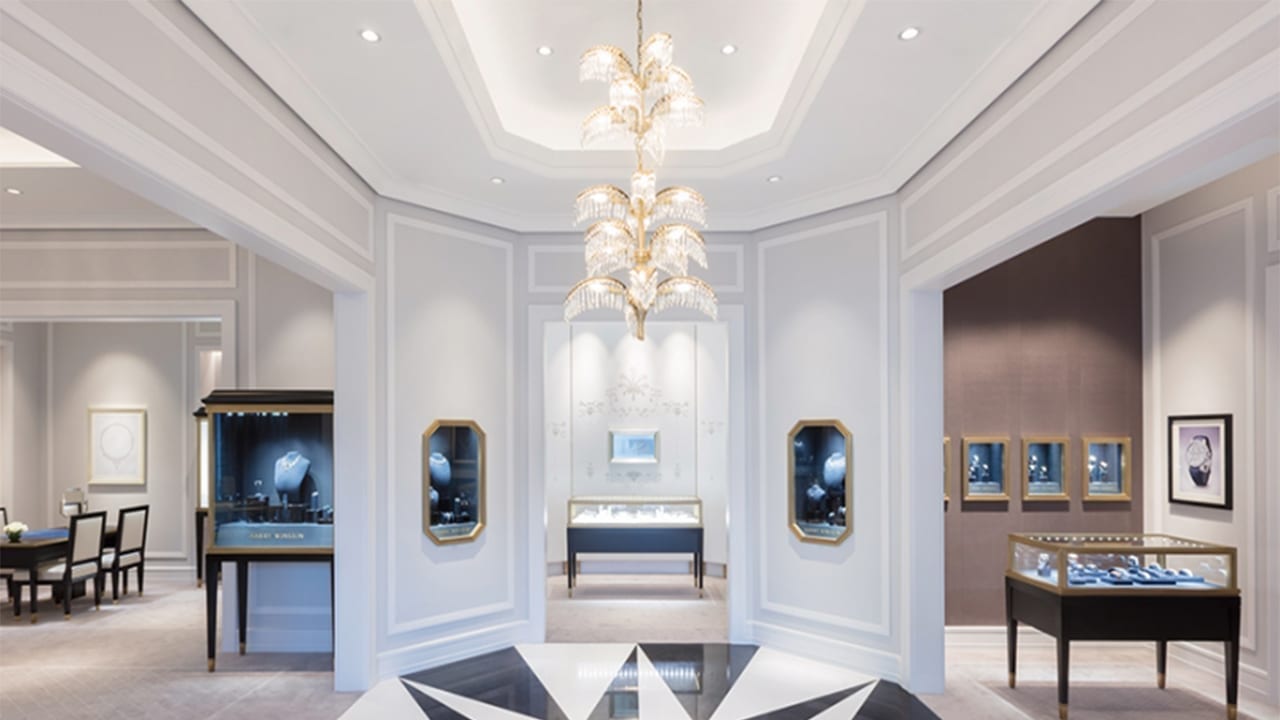
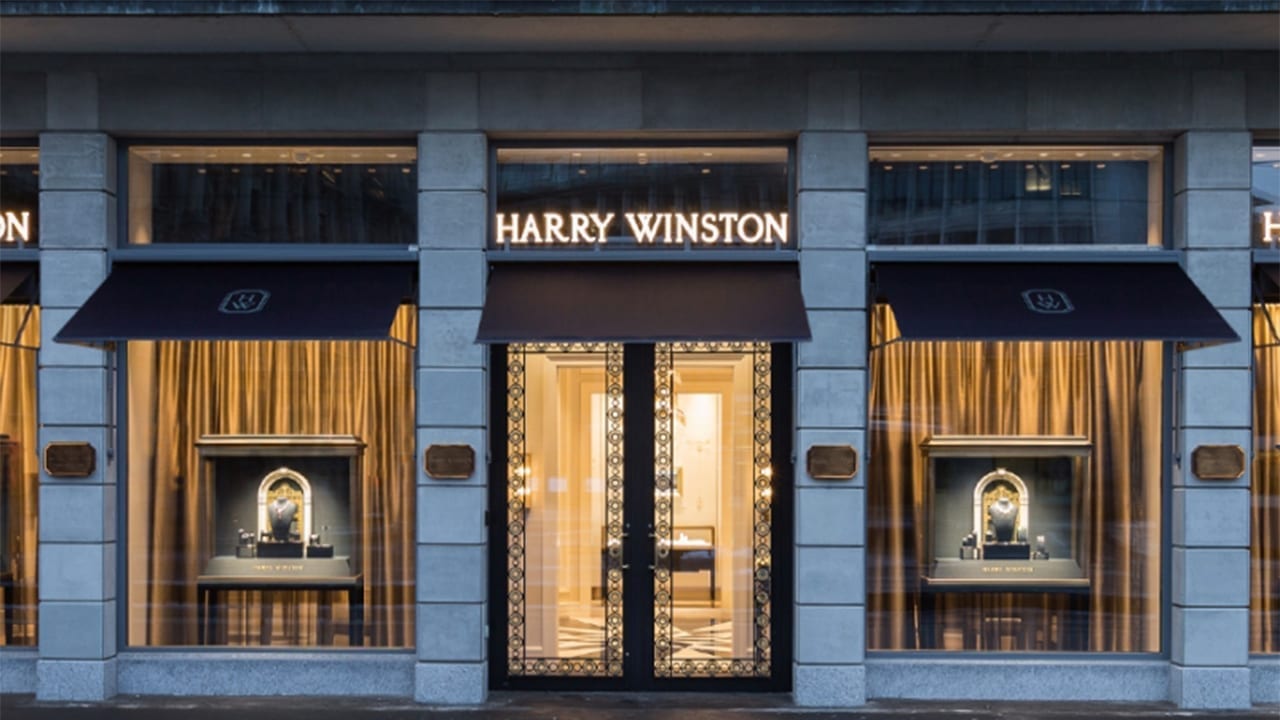
    Harry Winston has recenly opened a new salon in Zurich, the third in Switzerland.  Located on the famed Bahnhofstrasse shopping mile, the 146.2 square meter salon will house Harry Winston’s exquisite jewelry and timepiece collections, including the finest diamonds and rarest gemstones available today.

    “The opening of our Zurich Salon marks Harry Winston’s third location in Switzerland,” said Nayla Hayek, CEO of Harry Winston, Inc. “As the “King of Diamonds,” Harry Winston built his career around the world’s most sought-after diamonds and gemstones – a legacy we are proud to uphold today. With the opening of our new salon on Bahnhofstrasse, we are honored to bring the House’s tradition of excellence to one of the most exclusive retail destinations in the world and to share our commitment to incredible jewels with our new and existing clientele across the region.”

    Designed to capture the elegance and intimacy of a private estate, the new salon reflects a contemporary variation on the traditional Winston style. A soft taupe and grey color palette complements the custom designed black lacquer and antique bronze furniture, with bespoke chandeliers, hand-beaded silk walls and antique accents. A grand marble foyer, decorated with a striking black and white starburst motif, displays the House’s signature design collections. Dedicated areas for Harry Winston’s high jewelry, bridal, and state-of-the-art timepiece collections, ensure clients receive the discreet and highly personalized shopping experience that the House is known for, while private selling rooms provide a luxurious space for the ultimate in exclusivity.

    To commemorate the opening, the House hosted an exclusive cocktail reception for VIP guests, where it presented its most spectacular creations, from vintage Harry Winston designs, to the iconic Winston Cluster to the unparalleled Legacy Collection, to exemplary pieces inspired by the Harry Winston Archives.


  • Asian markets tumble with Wall St as Facebook breach hits tech

    Asian markets tumble with Wall St as Facebook breach hits tech

    Asian markets sank on Tuesday following sharp losses in New York as a massive data breach at Facebook fuelled fears of a regulatory crackdown on the technology sector.

    The scandal at the social media giant come as investors fret over a possible increase in the rate of US interest rate hikes and Donald Trump steps up his protectionist rhetoric that has sparked talk of a global trade war.

    Reports said Cambridge Analytica, the analysis firm hired by Donald Trump’s 2016 presidential campaign, stole data from 50 million Facebook user profiles to help design software to predict and influence voters’ choices.

    Stephen Innes, head of Asia-Pacific trading at OANDA, warned: “This security breach could end up being a significant turning point for the social media and network portal.”

    The news hammered tech giants with Facebook plunging 6.8 percent, while other household names were also hit — including Apple, Google-parent Alphabet and Netflix — by regulatory concerns.

    “The adults are starting to realise that the altruistic kids who started some of these tech behemoths are either unwilling or unable to deal with the fact that the companies they wrought and thought were a force for good can be manipulated by those who seek to do ill,” said Greg McKenna, chief market strategist at AxiTrader.

    The US losses filtered through to Asia, with Hong Kong-listed internet giant Tencent and AAC Technologies sharply lower. Samsung retreated in Seoul, while Sony was one percent lower in Tokyo.

    On broader markets Japan’s Nikkei went into the break more than one percent lower, while Hong Kong shed 0.6 percent and Sydney was off 0.5 percent.

    Shanghai dropped 0.3 percent, Singapore gave up 0.2 percent and Seoul retreated 0.4 percent, with Wellington, Manila, Taipei and Jakarta all sharply down.

    Investors are keeping a close watch on the Federal Reserve’s policy meeting this week looking for clues about its timetable for tightening monetary policy. Opinion is split on the number of rate hikes it will likely announce this year, with some forecasting three and others saying four.

    Market-watchers warn a G20 meeting of finance ministers in Argentina could also revive tensions on international trade after Trump unveiled his controversial tariffs this month.

    On currency markets the pound extended gains against the dollar after Britain and European Union leaders agreed a post-Brexit transition deal that will buy businesses and citizens time to adjust to life after the divorce.

  • Authentic Brands Group acquires Nautica

    Authentic Brands Group acquires Nautica

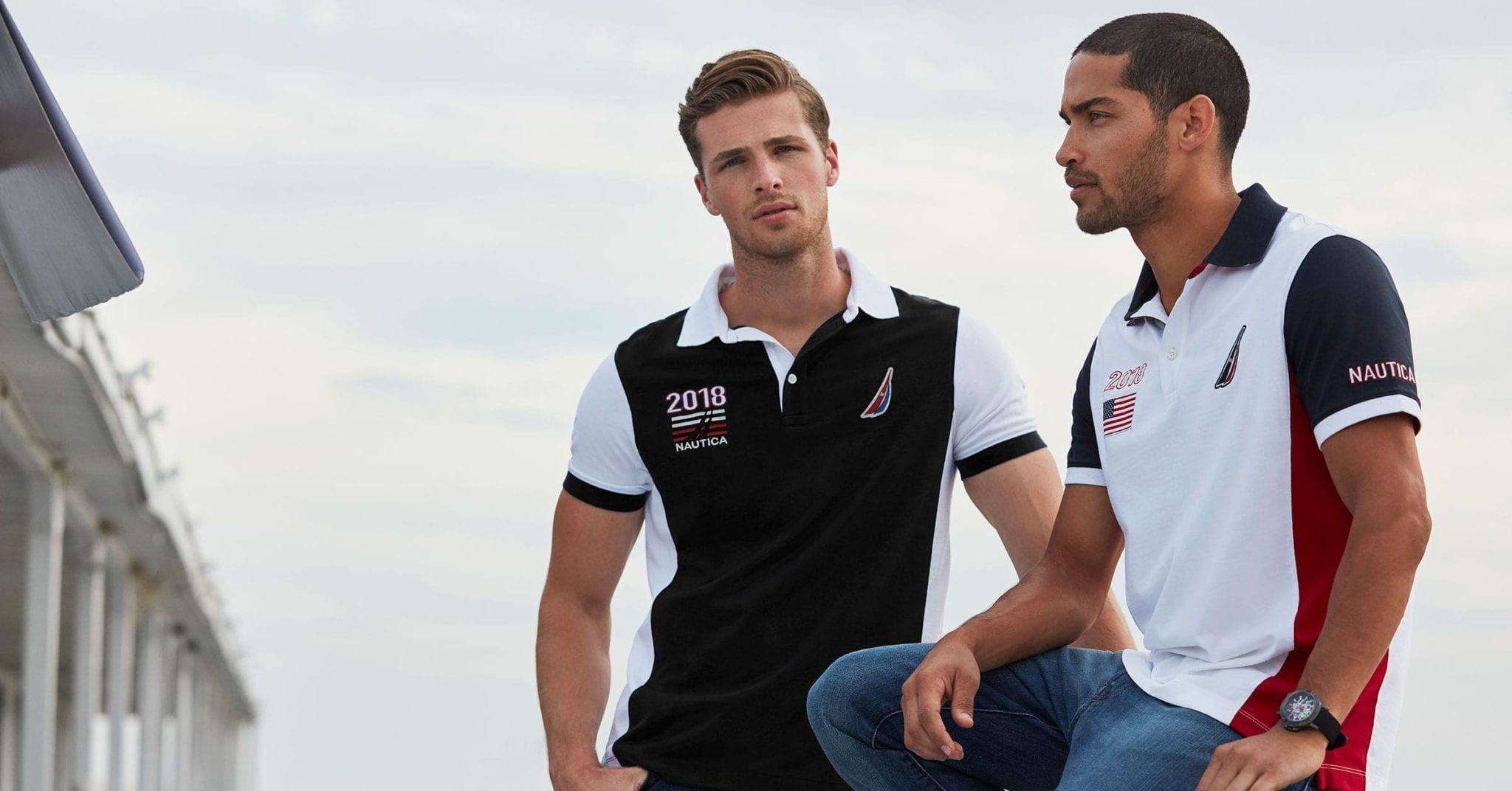
    Authentic Brands Group has bought the Nautica business from VF Corporation.

    The new owner, which lists Marilyn Monroe, Elvis Presley, Muhammad Ali, Greg Norman, Aeropostale, Juicy Couture and Frederick’s of Hollywood among an extensive portfolio, will take over the sports-inspired brand in the first half of this year. Terms of the deal have not been disclosed.

    VF chairman, president and CEO Steve Rendle said the company’s global business strategy is to actively manage its brand portfolio to ensure its composition allows strong growth.

    “This announcement marks yet another example of how we’re delivering on our commitment. We are pleased to have reached this agreement with Authentic Brands Group. The Nautica brand is an iconic, globally recognised brand, and Authentic Brands Group is the ideal owner to guide its next phase of growth and success.”

    Nautica, an American brand, has a strong nautical heritage, particularly associated with yachting. Besides producing clothing for men, women and children, it sells fragrances, watches and accessories.

    VF Corporation still owns the Vans, The North Face, Timberland, Wrangler and Lee brands.

  • Toys R Us Asia assures it will not be affected by US’s liquidation

    Toys R Us Asia assures it will not be affected by US’s liquidation

    Toys R Us Asia has repeated earlier assertions that its business will not be affected by the liquidation of Toys R Us stores in the US and UK, amid reports that Australian operations would likely need to close.

    Toys R Us Asia’s joint-venture partner Fung Retailing, which owns approximately 15 per cent of the toy retailer’s Asia-Pacific arm, has clarified that its 400 stores in greater China and Southeast Asia remain open for business.

    “Toys R Us Asia is open for business and continuing to serve our customers as we always do,” Toys R Us Asia president Andre Javes said.

    “We are a financially robust and self-funding retail operation, which continues to significantly grow and invest in this region.

    “Every year we are opening new stores in all our markets and particularly in China where we now operate over 150 stores and will be opening another 30 in the coming months.”

    Toys R Us Asia operates as a separate legal entity to Toys R Us Inc, and according to Fung is “financially independent from all other Toys R Us operating companies around the world”.

    Last week, Toys R Us’s US-based CEO David Brandon was quoted by The Wall Street Journal as saying that the retailer’s 39 stores in Australia would likely be liquidated.

    The Australian operations are currently being run by local MD Dianne Guerreiro, who less than six months ago was charting expansion for the business, outlining a plan to open up to 20 stores in the coming years.

    Toys R Us Australia has also said it is “business as usual” despite the US collapse.

    The US parent announced that it would be winding down the majority of its operations last week after efforts to save the company collapsed when lenders decided not to extend their support for the ailing business.

    The toy retailer, which has more than 800 stores across America, has struggled to keep up with escalating competition from the likes of Amazon and Walmart in recent years, particularly as online shopping has become more prevalent.

    Fung Retailing did not elaborate on its plans for the Asian arm if its US-based partner Toys R Us Inc goes under.


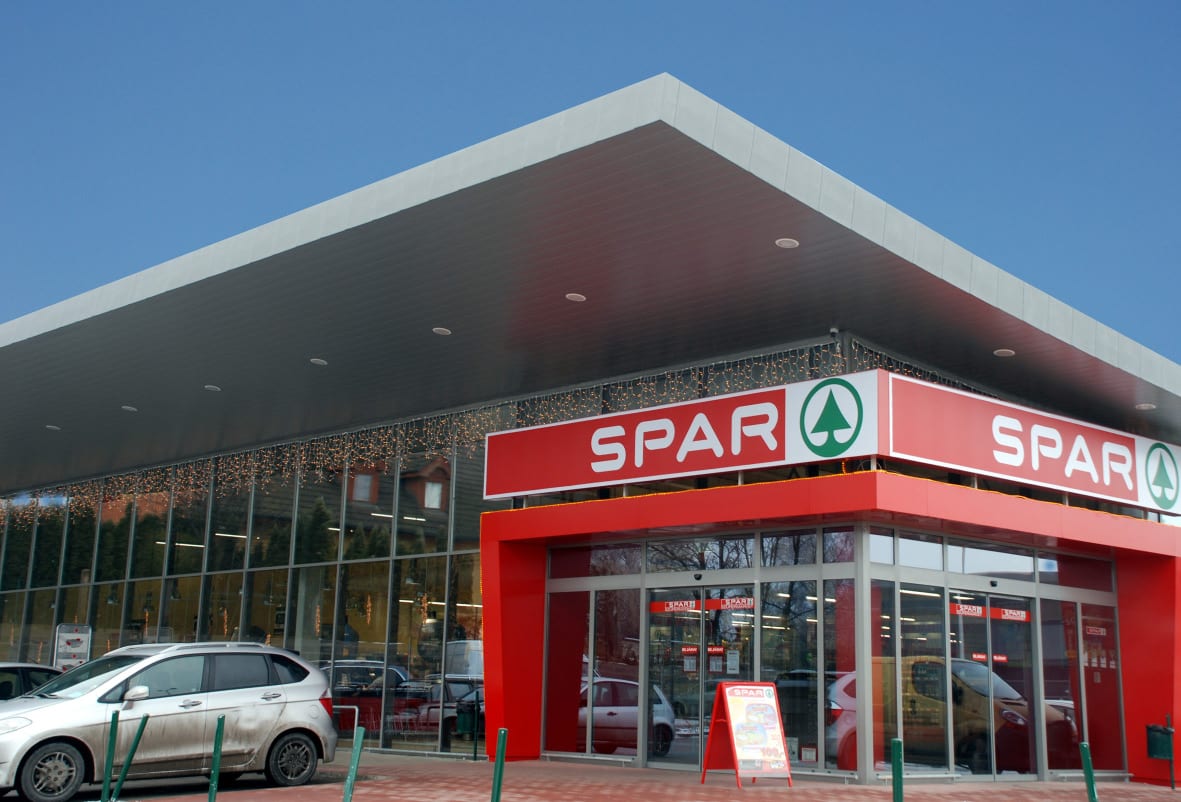
  • SPAR to establish largest cooperative food retail chain in Greece

    SPAR to establish largest cooperative food retail chain in Greece

    SPAR Hellas has announced its entry into the Greek market with the ambition to create and operate the largest food retail chain of independent retailers in the country. It will be part of SPAR International, the world’s largest food retail chain with over 12,500 stores in 44 countries and overall sales of up to €33.1 billion. SPAR Hellas plans to develop more than 350 SPAR stores nationwide over the next four years. The stores will offer up to 1,400 SPAR Own Brand products, with many sourced from Greek producers and suppliers.

    A strategic cooperation between SPAR Hellas and the ASTERAS association will develop SPAR’s retail presence in Greece. Within the next 3 years, ASTERAS will convert most of its existing 200-store network to the SPAR Brand. To build its capabilities and resources further, ASTERAS has entered into a joint co-operation with the MESIS association, which leads to a group with more than 500 stores across Greece and a reported €700 million in sales.

    The first 10 SPAR stores are due to launch in Greece by July and SPAR Hellas aims to operate a total of 80 stores by the end of 2018. The SPAR network in Greece will grow both by the conversion of ASTERAS and MESIS stores and by SPAR Hellas operating new, company-owned stores.

    In addition to its global, dynamic brand, SPAR International offers licensed partners comprehensive support including store development, private label ranges, staff education and skills development, high-end supply chain distribution and the design and implementation of locally focused marketing campaigns. Access to international best practice and the local expertise of the team at SPAR Hellas will ensure a full set of services and benefits for all licensed partners, helping them grow their business in a competitive retail environment.

    Speaking about the strategic new initiative, Mr. Fivos Karakitsos, CEO of SPAR Hellas said: “SPAR is establishing in Greece in order to develop the most modern cooperative network of independent retail stores in the country. The combination of Greek retailers’ excellent local knowledge with SPAR’s international best practice and global brand will result in innovative store layouts for the customer, excellent fresh products, a wide range of private label products and value for money. High-levels of customer service will be delivered through continuous staff training programs. SPAR Partners will build on their traditional roots, creating a strong family focused business which is unique in the Greek market. SPAR Hellas in turn, consists of a well-regarded team from the areas of sales, marketing, operation and supply, something that guarantees the highest level of support for the retail network. Our vision is that SPAR will become one of the strongest Greek retail players in the market and we are excited to play our part in strengthening the Greek economy.”

    Mr. Tobias Wasmuht, SPAR International’s CEO said: “We are delighted to welcome SPAR Hellas to our network of partners all over the world. SPAR was founded on the principle of ‘Better Together’. Uniting the shared resources and expertise of ASTERAS and MESIS under the internationally recognized SPAR Brand will benefit all three parties. The Greek retail market is competitive, but SPAR will act as a dynamic force, bringing quality, fresh produce, value and an excellent retail experience for our customers. I am confident that SPAR will create growth opportunities for independent retailers and Greek producers and suppliers and bolster the growth of the Greek economy.”

    Mr. Georgios Vogiatzakis, Development Consultant at SPAR Hellas said: “Supplying local, Greek products in SPAR’s network is a key part of our business strategy. We recognize our responsibility to encourage Greek production and we will continuously strengthen both local production and thereby the economy. The private label products will gradually be produced in our country and we will offer quality producers the opportunity to access the SPAR network. We will open SPAR stores throughout Greece and will harness the power and expertise of the SPAR Brand to grow the business.”

    Mr. George Papantonis the president of group ASTERAS said “The cooperation with SPAR sets a totally new trajectory for ASTERAS but also for the market. With the increased cooperation through partnerships like the one with MESIS, we can achieve the union of the convenience business for Greece under the brand of SPAR. Our target is that by the year 2021 ASTERAS will report more than 1.20 billion euro in sales and a market share that will be well over than 12% in total.”

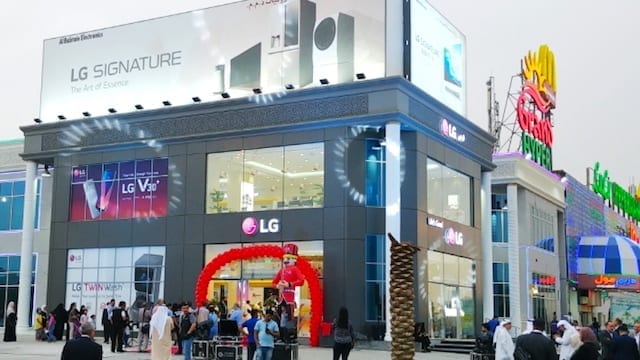
  • LG opens first premium brand shop in Kuwait

    LG opens first premium brand shop in Kuwait

    LG Electronics has opened a premium home appliance store in Kuwait to retail its upmarket  Signature range of products.

    The two-storey store, located in Rozana Mall, features 433sqm of display space showcasing high-resolution televisions, and household appliances such as washing machines and refrigerators.

    LG Electronics has a growing commitment to the Middle Eastern market where a large number of middle class and wealthy consumers crave expensive gadgets, appliances and motor vehicles. It already has stores in the UAE, Saudi Arabia, Jordan, Lebanon, Egypt and Iran. More stores are planned in the region.

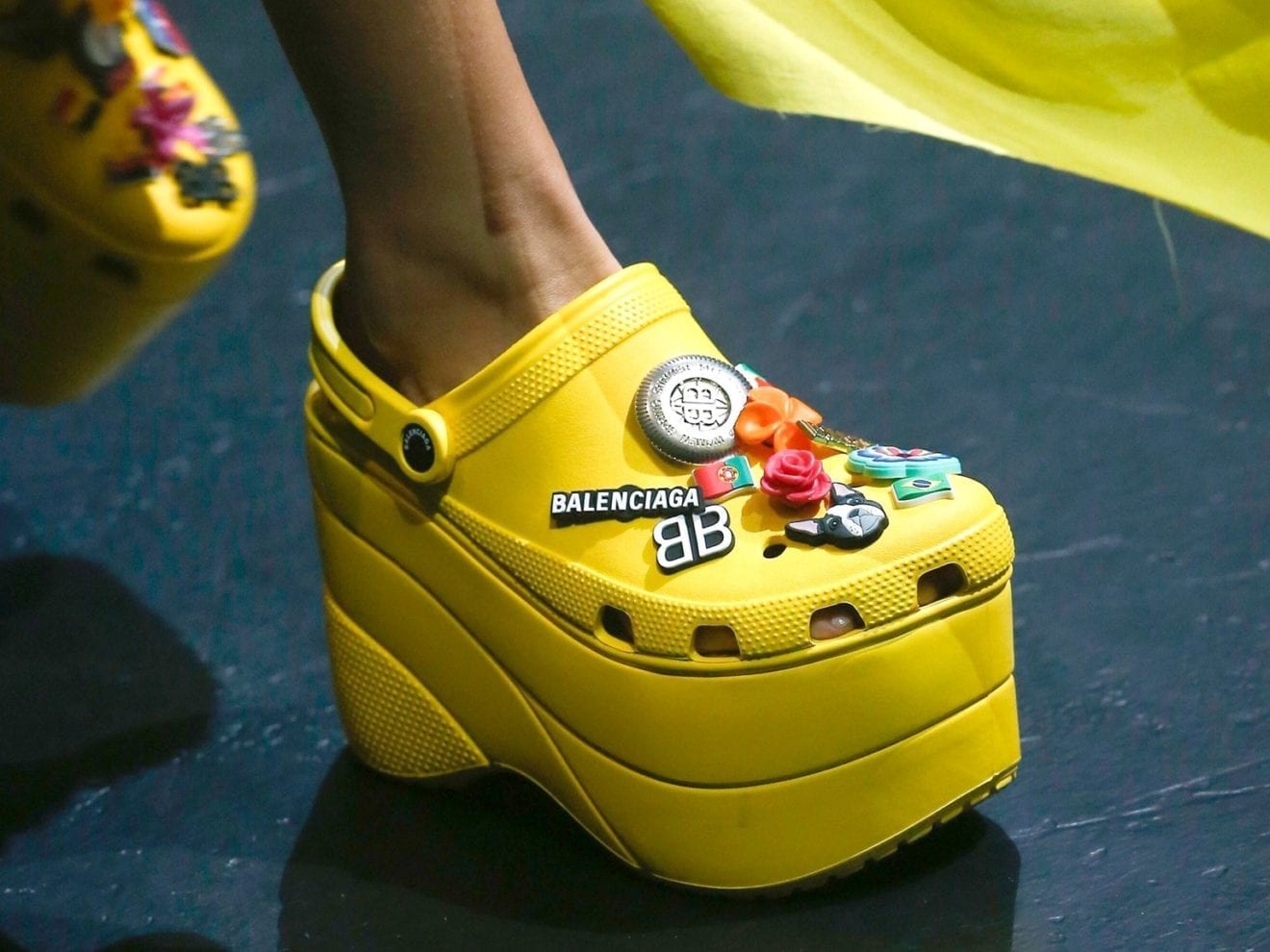
  • Crocs shoes lose EU patent in court blow

    Crocs shoes lose EU patent in court blow

    An EU court ruled on Wednesday that the design of Crocs shoes cannot be patented in Europe in a blow to the US-based maker of the plastic clogs.

    Luxembourg-based judges upheld a 2016 decision by the EU’s intellectual property office to cancel the patent because Crocs made the design public before registering it.

    Crocs have sold 300 million pairs around the world, according to their manufacturers, attracting devotees because of their comfort and seeming indestructibility, but attracting mockery too for their chunky shape.

    “The General Court confirms the cancellation of registration of Crocs’ design because it was made available to the public before its registration,” said the General Court of the European Union, the bloc’s second highest court.

    It said Crocs were originally granted a patent in the EU in 2005, but a rival French shoe manufacturer, Gigi Diffusion appealed against the decision in 2013.

    The EU patent office agreed, saying that Crocs’ design had already been made public in 2003 on its website and at a boat show in Fort Lauderdale, Florida, and therefore “lacked novelty”.

    Under EU regulations any design which has been made public in the 12 months prior to a patent application cannot be given a patent.

  • Online sales surge boosts Zara owner Inditex

    Online sales surge boosts Zara owner Inditex

    Surging online sales have boosted Zara parent’s Inditex’s net profit in the past fiscal year by 7 per cent.

    Inditex, which also owns brands including Pull & Bear, Bershka and Massimo Dutti, reported an increase in net profit for the 12 months ending January 31 to €3.37 billion (A$5.27 billion) from €3.16 billion a year earlier.

    Sales rose 9 per cent to 25.34 billion euros in the fiscal year, with revenue for online sales growing by 41 per cent.

    In FY17, Inditex invested €1.8 billion in further developing its integrated stores and online model and upgrading its technology. Specifically, the rollout of RFID technology has improved flexibility and response times by integrating stores and online inventories, the company said.

    Pablo Isla, chairman and CEO of Inditex, described it as a year of “solid growth”, and highlighted, “the unique strength” of their integrated stores and online model and its significant growth potential.

    He added that “the prescient investments made in technology and logistics in recent years,” coupled with space optimisation, had positioned the company for continued growth across all its markets.

    The group, which during 2017 opened its first stores in Belarus and launched its online sales platform in India, Vietnam, Singapore, Thailand and Malaysia, was founded in 1975 by Amancio Ortega and has become the world’s largest clothes retailer with eight brands.

    Inditex owns 7,475 shops worldwide, an increase of 183 stores from the previous year when factoring in shop closures, but 29 less than three months earlier.

    Florence Allday, beauty and fashion associate at Euromonitor International, said Inditex faces a period of uncertainty as the changing retail environment and globally volatile currencies make this rapidly evolving market sector even more competitive.

    The fashion conglomerate may be one of the most dynamic players in the industry, Allday said, but the past few months have seen Zara and its direct global competitors vie to remain in favour with their female, millennial demographic in a market that is fast-maturing and reaching saturation.

    Currently, Zara has the fourth largest global market share in the apparel and footwear category, behind Hennes & Mauritz (H&M), Adidas and Nike. Other significant competitors include Asos, Boohoo and Primark.

    Allday said rankings and shares in the global apparel and footwear market remained static in 2016, with sportswear giants taking the top two spots.

    Inditex ranked fourth, maintaining its positioning as one of the leading non-sportswear companies in the world. Inditex’s key rival is H&M, which slightly outperformed Inditex due to more dynamic store expansion and an aggressive pricing strategy. H&M also utilises far more visible marketing, including collaborations with high-profile designers that attract widespread fashion press.

    “Although Inditex does rank higher than H&M in the global footwear market the company will need to utilise its vertical operations and exploit its widespread geographic coverage, to overtake H&M in apparel, capitalising on the narrowing gap between the two rivals,” Allday said.

    “Further still, players such as Fast Retailing [Uniqlo parent] continue to move up the ranks, capturing consumers’ demand for value-orientated product offerings, threatening the dominance of Inditex and H&M.”

    Allday said despite Zara’s status as the world’s largest fast fashion retailer, its sales slowed last year due to a lack of distinction between seasonal collections, and general market saturation.

    “To continue to be a key player in the fast fashion arena, Zara needs to ensure that its constant, uninterrupted flow of new designs and products is matched by a digital retail experience that is equally seamless,” she said.

    “With competitors like Asos, Amazon and Missguided enjoying enormous sales and growth, thanks to their sleek online platforms, Zara must streamline its payment and delivery options to ensure that its online shoppers remain loyal. Consumer attitudes are shifting, preferring to pay more for quality over quantity.”

    “To ensure that it remains relevant, Zara must emphasise the quality and longevity of its garments and justify its low price points to ethically-conscious consumers.”

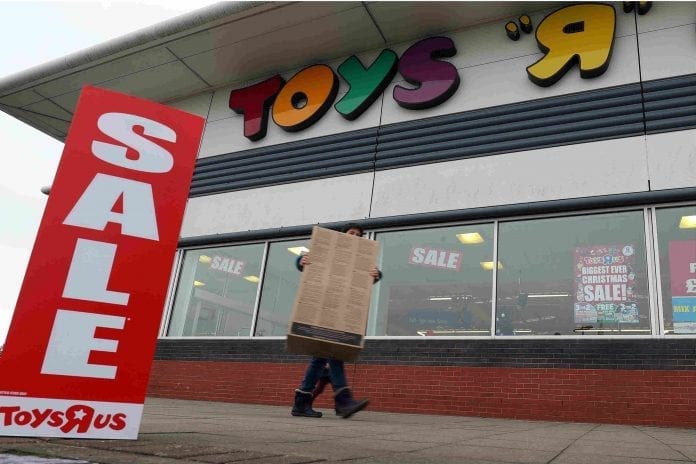
  • Bankrupt Toys ‘R’ Us is closing all US and UK stores

    Bankrupt Toys ‘R’ Us is closing all US and UK stores

    Toys R Us will sell or close all of its US and UK stores in coming months.

    The decisions, by respective liquidators appointed on both sides of the Atlantic, will leave Canada, Asia and Central Europe up for sale as the last remaining Toys R Us businesses internationally, with operations in France, Spain, Poland and Australia tipped for closure as well.

    Toys R Us has 885 stores in the US and employees about 33,000 people there. It had already begun closing about 20 per cent of its outlets as part of a plan to exit Chapter 11 bankruptcy protection.

    But no buyer could not be found for the remaining business as a going concern.

    Asia appears to be the only region in the world where the Toys R Us business is robust. It is a joint venture with Fung Group, which holds a 15 per cent stake and is reportedly planning a takeover of the business, possibly funded in part by an IPO. But with the brand having failed almost everywhere else in the world, it is unclear how keen investors would be in Hong Kong.

    Neil Saunders, MD of analysts GlobalData Retail, described the liquidation of Toys R Us as “unfortunate but inevitable” given the retailer had lost its way and forgot its core retail competencies.

    “Even during recent store closeouts, Toys R Us failed to create any sense of excitement.”i

    Saunders said management may blame suppliers and competitors for its demise, but the primary responsibility lies with poor decisions.

    “As the competitive dynamics of the toy market intensified, management failed to respond and evolve. As such, the brand lost relevance, customers and ultimately sales.

    “Admittedly, the leveraged buyout which burdened the company with debt reduced the room for maneuver and left Toys R Us vulnerable. Questions should be asked as to the wisdom of this particular financial transaction which weakened the sustainability of the company.”

    The decision to close down Toys R Us was essentially made by its lenders who believed that without a clear reorganisation plan, they could recover more from a liquidation, closing stores and raising money from merchandise sales, according to sources quoted by AP.

    The Toys R Us UK operation was placed in administration at the end of last month.

    Yesterday, administrator Moorfields Advisory confirmed that no prospective buyer had been found for the business and that all 101 stores would close progressively.