Tag: International

  • Revlon appoints first-ever female CEO

    Revlon appoints first-ever female CEO

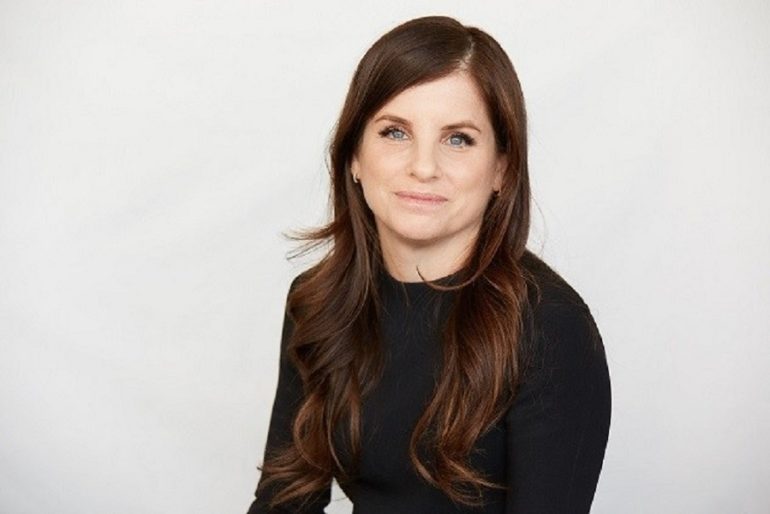
    Revlon Inc. has appointed Debbie Perelman as its new chief executive officer, in move that sees the U.S. cosmetics company welcome in its first female CEO.

    Perelman, who was also named president, is the daughter of Revlon board chairman Ronald Perelman and has spent more than 20 years at the company.

    She replaces Paul Meister, who has been overseeing daily operations at Revlon. Meister will stay on as executive vice-chairman of the board.

    Previously chief operating officer of Revlon, a role that commenced in January, Perelman has worked in a varying capacity for Revlon, across finance, distribution, sales and marketing, and as a board member, for the last two decades

    The 44-year-old has also served as a board member and executive vice president of strategic and new business development at Revlon’s majority owner, MacAndrews & Forbes.

    In her new role, Perelman will continue to oversee the company’s digital transformation, after successfully forming a data and analytics group developed to facilitate and boost Revlon’s e-commerce business.

    She has been pivotal in the training of several hundred Revlon employees globally, as well as making key hires for content creation, search-engine optimization and search-engine marketing, plus shifting content creation in-house, and fostering a culture of innovation.

    “Revlon is a brand of firsts — the first to match lips and fingertips, the first to be inclusive, the first to develop colour stay technology and the first brand to embody women empowerment in the beauty industry,” Ronald Perelman, chairman of the board and Perelman’s father, said in a statement.

    “Debbie’s global perspective, financial acumen and holistic approach to brands, consumers and technology will help Revlon reclaim its leadership position. I have always trusted Debbie to bring fresh vision, innovation and success to companies, and I have no doubt she will do the same for Revlon. Debbie’s extensive experience at both MacAndrews & Forbes and Revlon, as well as her track record for innovation and breaking paradigms to compete in today’s digital and consumer-first environment, make her the ideal leader for Revlon. She is thoughtful, team-oriented and decisive, and I can think of no better way to express MacAndrews & Forbes’ support of Revlon and belief in its future than by appointing Debbie to lead the company.”

    Founded in 1932 in New York, Revlon Inc. today operates brands Revlon, Elizabeth Arden, Almay and Sinful Colors.

  • De Beers Sees The Light, Launches Lab-Grown Diamond Line

    De Beers Sees The Light, Launches Lab-Grown Diamond Line

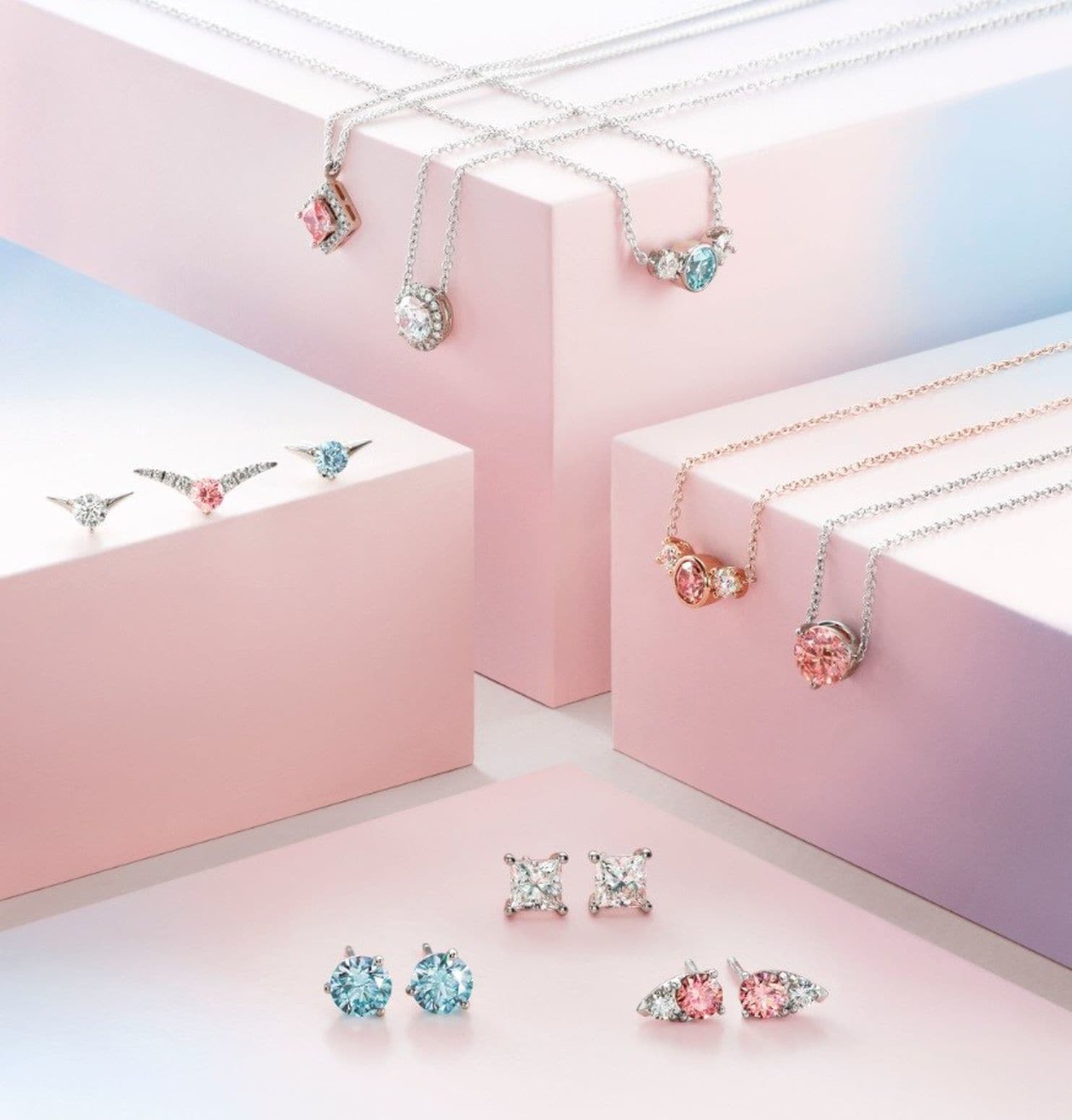
    After years of disavowing the authenticity of man-made diamonds grown in a laboratory, De Beers has suddenly seen the light and responded to consumer demand by offering a lab-grown diamond alternative under the Lightbox Jewelry name.

    That is what the company would have you believe in its announcement yesterday that advancements in technology have now made it possible for De Beers to offer a more affordable alternative to mined diamonds.

    “Lightbox will transform the lab-grown diamond sector by offering consumers a lab-grown product they have told us they want but aren’t getting: affordable fashion jewelry that may not be forever, but is perfect for right now,” Bruce Cleaver, CEO of De Beers Group said in a statement. “Our extensive research tells us this is how consumer regard lab-grown diamonds – as a fun, pretty product that shouldn’t cost that much – so we see an opportunity that’s been missed by lab-grown diamond producers.”

    Adding to the fun element in the Lightbox Jewelry line will be an emphasis on colored pink and blue stones to compliment the traditional clear-white diamonds. Prices will start at $200 for a quarter-carat stone to $800 for one-carat. These prices, however, don’t include the cost of the jewelry setting, which will initially include earrings and necklace designs, not rings.

    Lightbox Jewelry will be available starting in September on the Lightbox website, with retail partnerships “to be announced in due course,” the company said.

    To jump start its entry into the lab-grown market, De Beers will invest $94 million over the next four years in a new Element Six production facility near Portland, Oregon, which will join Element Six’s existing U.K.-based operation. Element Six has been the production of arm of De Beers Group producing lab-grown industrial diamonds for over 50 years.

    Disrupt yourself

    In opening its doors to lab-grown diamonds, De Beers is giving credibility to a product that it has for years claimed is not the real thing. “De Beer’s focus is on natural diamonds,” Simon Lawson, its head of research and development, said to Bloomberg in 2015. “We would not do anything that would cannibalize the industry.”

    This is a classic “disrupt yourself before you are disrupted” move. While the jewelry-quality lab-grown diamond industry is small today, estimated by Morgan Stanley to represent less than 1% of the global market for rough diamonds, with sales between $75 to $200 million, it predicts lab-grown diamonds could account for 15% of the gem-quality melee diamond market by 2020, (defined as less than a half carat in rough form that can be ready for jewelry mounting by using industrial drill bits, saws and sanding equipment), and 7.5% of the larger diamond market.

    In its mined-diamond business, De Beers has a lot to lose as laboratory-diamond sales grow. The Economist reports that De Beers accounts for about one-third of global mined-diamond sales, down from 45% in 2007.

    Among the many factors disrupting De Beers mined-diamond business, which declined from $6.1 billion in 2016 to $5.8 billion in 2017, are millennials’ concern about the environmental and human toll associated with extracting diamonds out of the ground. Laboratory-grown diamonds answer this objection.

    “Millennials are even more concerned with the human factor impacted by mining industry than their environmental concerns, which are great as well,” Marty Hurwitz, CEO of MVI Marketing, told me. His company recently conducted a study that found nearly 70% of millennials would consider a lab-grown stone for an engagement ring.

    Disrupt the disrupters

    By embracing lab-grown diamonds and calling it their own, De Beers is disrupting the industry’s stance against the numerous startup disruptors eating away at their market dominance. These brands include Ada Diamonds, ALTR, Diamond Nexus, Diamond Foundry, New Dawn Diamonds and Pure Grown among others, though no market-share leader has emerged as yet.

    The diamond industry has been arguing for years that laboratory-produced diamonds are not “real.” In a new study from the Diamond Producers Association conducted by Harris Poll, it reports, “A clear majority of American consumers recognize that diamonds created in a factory (also known as ‘synthetic’ or ‘laboratory-grown’) are not ‘real’ diamonds.”

    Pushing back on the lab-grown industry’s narrative that the stones it produces are chemically and structurally the same as a mined diamond, DPA CEO Jean-Marc Lieberherr said, “At a time when everything ‘artificial’ aims to compete with, and replace, ‘natural’ and ‘real’, these results show consumers care about inherent value, authenticity and symbolism that a diamond carries.”

    While the De Beer’s Lightbox Jewelry announcement doesn’t address the “real” versus “fake” controversy, it does distinguish between its mined-diamond offering as “forever,” as in “A Diamond Is Forever,” to its Lightbox alternative as for “right now.”

    It also is notable that it calls Lightbox “fashion jewelry,” positioning it as the lesser, more affordable alternative to “fine jewelry” quality defined by a natural, mined-diamond selection.

    The official industry distinction between fine and fashion jewelry is that fashion doesn’t have precious gemstones or precious metals (other than plating) while fine jewelry is made with precious metals and precious gemstones. In other words, lab-grown diamonds are not “precious” whereas mined diamonds are.

    This suggests the direction that De Beers will take as it moves Lightbox Jewelry into the market: “If you want fashion jewelry, Lightbox is your choice. If you want precious fine jewelry, then Forevermark and De Beers Jewellers is for you.”

    Go big or go home

    Rather than fight the rising tide against laboratory-grown diamonds which has found a consumer market ready, willing and able to embrace it, De Beers is getting in early to take a leadership position in an emerging category with no clear-cut leader.

    Now it will have one, with De Beers’ mighty marketing muscle moving in to define the category and establish its positioning against the lab-grown upstarts, as well as elevating its mined-diamond precious jewelry offering.

    De Beers single-handedly made diamonds what they are today. Next De Beers is going to make laboratory-diamonds what they will be tomorrow: a fun fashion pretender to the real, rare, precious, natural, “forever” diamond.

    And as it did with diamonds throughout its 130-year history, De Beers is going to use its power to establish prices for both the mined and laboratory-diamond markets. Its Lightbox Jewelry prices are way below current levels in the industry today, and given advances in technology and production processes, the costs to produce man-made stones will only fall.

    Likewise, by establishing a low-price alternative to the real thing, De Beers will be able to drive up the prices for its natural stones. It’s a very smart and bold move that would make Cecil Rhodes proud.
  • Lululemon Athletica reports solid first quarter earnings

    Lululemon Athletica reports solid first quarter earnings

    Canadian athletic apparel maker Lululemon Athletica Inc posted first-quarter profit that beat expectations on Thursday as revenue jumped 25 per cent, sending the company’s shares to an all-time high in after-hours trade.

    Second-quarter earnings are expected to be between 46 and 48 cents per share on revenue of $660 million to $665 million, the Vancouver-based company said in a statement. That compares with per-share adjusted earnings of 39 cents on revenue of $581.05 million a year earlier.

    The stock surged 6.2 per cent to $111.51 in after-hours trading, surpassing an intraday record set on Tuesday. That followed a 0.55 per cent decline during the day, as the broader S&P 500 index dropped 0.7 per cent.

    Lululemon, which popularized “athleisure wear” by turning pricey women’s yoga wear into mainstream fashion, is navigating a move by consumers to online shopping and growing competition from rivals including Under Armour Inc and Nike Inc . It has fought back by investing in its e-commerce platform and expanding its men’s offerings.

    A 62 per cent increase in revenues from its direct-to-consumer business, which includes online sales, helped drive earnings to 55 cents per share in the quarter ended April 29, compared with analyst estimates of 46 cents, and up from 23 cents a share a year earlier.

    Revenue increased to $649.7 million, up from $520.3 million a year ago. Analysts had expected $617.7 million.

    The company did not provide an update in the statement about its search for a new chief executive officer following Laurent Potdevin’s abrupt departure in February on undisclosed charges of misconduct.

  • How are luxury brands leveraging gamification in China?

    How are luxury brands leveraging gamification in China?

    This year, we have witnessed a surge in the number of luxury brands leveraging gamification to engage with Chinese consumers. From Hermès to Dior, a bevy of major luxury players have jumped on board, launching playful interactive games on their official WeChat accounts.

    What’s behind the trend?
    The growing domination of online gaming comes as no surprise when one considers the context in which Chinese millennials came of age. For many who grew up in single children homes, gaming was a way to fulfill a need for social connection and to forge an identity. Online gaming offers a way to connect to a larger community, the rules are clear and results are often celebrated and broadcast to millions of other users.

    It is estimated that the millennial generation (defined as those born between 1983 and 1997) will make up 65% of China’s consumption growth through 2020. A recent study by Bain reveals that Chinese millennials purchase luxury items more frequently and have more spending power than previous generations had at their age. As the highest potential consumer segment for luxury brands, it was only a matter of time before industry leaders introduced gaming to attract the millennial shopper.

    Curiosity China’s picks

    • Best Branding – Hermès

    The storied French fashion house looked to their roots for inspiration for this popular WeChat game. “H-pitchhh” is a virtual version of the classic horseshoe toss game which has been around since ancient Roman times. The game serves as nod to Hermes’ beginnings as a harness maker and makes great use of the smart phone’s interactive features.

    • Best O2O – Dior

    In celebration of the brand’s new store opening at Plaza 66, Dior launched a widely successful WeChat campaign that invited users to collect items from the latest collection via an interactive treasure hunt. Those users that successfully completed the game could launch a virtual hot air balloon for a chance to win tickets to the opening event.

    • Best Viral – Guerlain

    In partnership with Sunrise Duty Free, the French cosmetics brand launched a Tetris-inspired WeChat game. This highly addictive game attracted 18,582 page views and 10,000 players

    What’s in it for brands?

    • Education : Gamification opens up a whole new way to educate users about your brand history in an engaging and highly shareable manner.
    • Engagement : Their highly shareable nature not only increases follower engagement, but encourages viral sharing thereby growing the follower database.
    • Collect data : Online games present the perfect opportunity for brands to collect data from users. In the case of Guerlain, users were asked to share their personal info for a chance to win a lipstick.
    • Drive conversions : Games like those from Guerlain and Dior were designed to drive conversions. Guerlain selected 300 users to win a KissKiss lipstick to be picked up in store. By bringing users to the point of sales, there is a great opportunity to upsell additional items.
  • supreme’s new brooklyn store features a giant skate bowl

    supreme’s new brooklyn store features a giant skate bowl

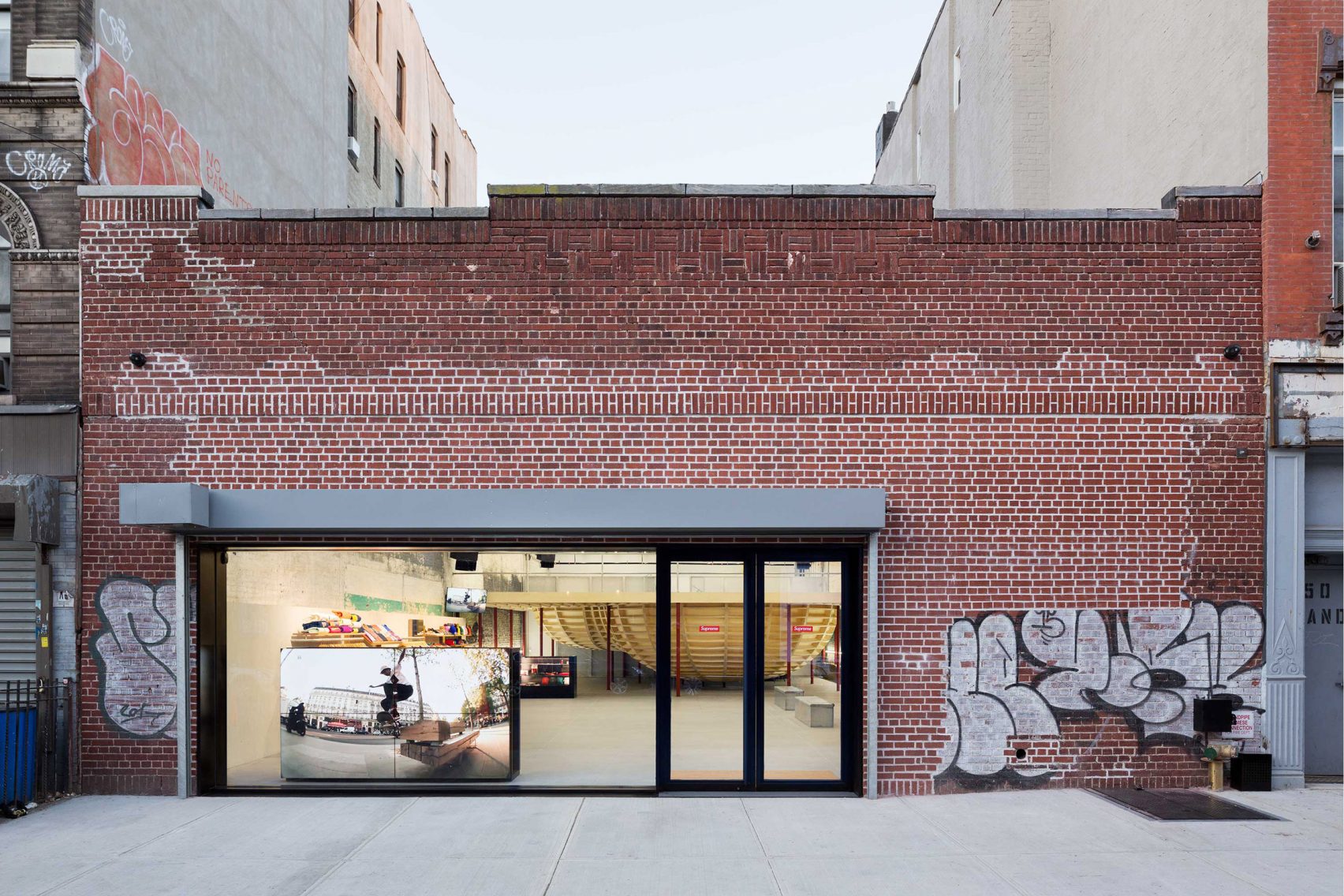
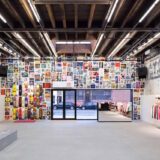
    The new Supreme Brooklyn store features a free-standing skate bowl, merging leisure and retail for the famous streetwear brand.

    The space was designed by New York firm Neil Logan Architect and is located inside a retrofitted warehouse, once used for parking delivery trucks, as reported.

    As Dean Kaufman’s photographs show, the architects left the brick walls exposed and large industrial-style skylights bathe the space in natural light.

    Supreme is an edgy skate, fashion and apparel brand founded in New York in 1994, which gained massive international brand exposure in a collaboration with Louis Vuitton last year.

    The Supreme Brooklyn store store-cum-skatepark spans 2938sqft, with an open-plan retail area at the front, and a section for storage and skateboarding towards the rear.

    The free-standing skate bowl was designed by Steven Bladgett of American art collective Simparch and custom-built with Baltic birch plywood. The structure is supported by a series of red poles around its perimeter, providing enough height for skateboarders to drop into the bowl and for fitting rooms to be housed underneath.

    Images of the store can be viewed below :


  • Strong year of growth for SPAR with global sales

    Strong year of growth for SPAR with global sales

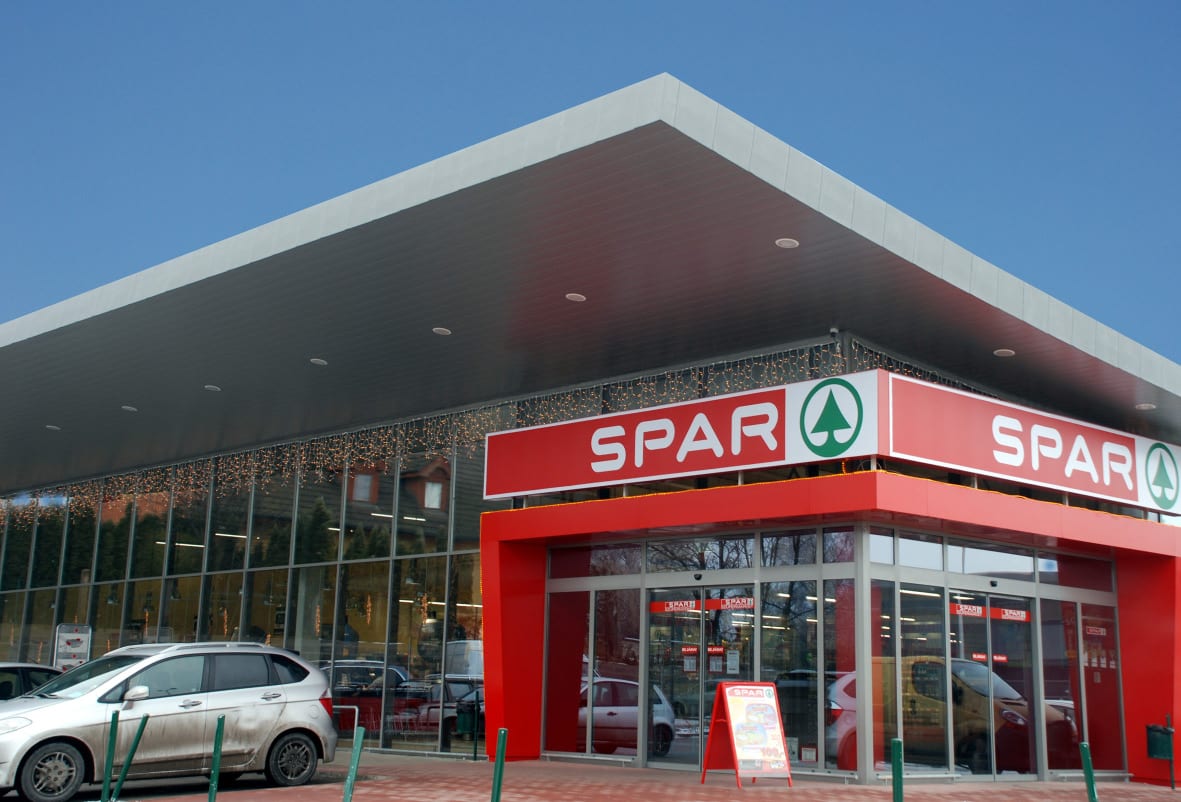
    SPAR International, the world’s largest food retail voluntary chain, has seen strong, continued growth with retail sales announced today of €34.5 billion for the year ending December 31st 2017. The results, which represent a year-on-year increase in retail sales of 5.3% on a constant currency basis, were announced at the 63rd International SPAR Congress in Bangalore, India.

    Performance highlights during the year include:

    • A year-on-year increase of 232 additional stores, bringing the total number to 12,777 stores globally equating to over 7.4 million m2 of sales area across all SPAR formats.
    • SPAR maintained its ongoing strategic focus on growth and international expansion and now operates across 48 countries worldwide. In 2017 SPAR was launched in five new countries – Saudi Arabia, Pakistan, Qatar, Ukraine and Belarus.
    • In the Eurozone SPAR recorded sales of €16.2 billion, an increase of 4% on 2016. SPAR Austria’s €650 million investment reaped rewards with a recorded domestic growth of 4.4% in 2017. Other standout performances include SPAR Netherlands (+7.7%), SPAR Spain (+5.5%) and SPAR Ireland (+4.8%). SPAR UK’s retail sales grew to €3.2 billion a 4% increase in local currency equivalent.
    • Central and Eastern Europe had an outstanding year growing 17% to combined sales of €5.2 billion. A key highlight was the 59% growth in sales of SPAR in Croatia as a consequence of the acquisition of the Billa store network in the country. SPAR Hungary also saw strong growth in retail sales of 8.8% in constant local currency equivalent.
    • In Russia, SPAR continues to win market share both with strong like-for-like growth as well as overall year-on-year increase of 18.8%.
    • In Africa and the Middle East SPAR grew its presence in 15 countries, recording strong growth of 8.5%, to achieve a consolidated regional turnover of €5.7 billion. In 2017, SPAR South Africa increased its turnover by 7%, to €4.83 billion in constant currency values.
    • SPAR now has a presence in six countries in the Asia Pacific region. SPAR China is expanding by transferring international best practice and multi-format stores in major cities of Southern and Northern China and the total number of stores grew to 408. SPAR Thailand is now firmly established in the market with over 30 stores opened in its first year of operation and SPAR Australia had an exceptional year of growth with sales growing by 14% in 2017.

    Speaking on the publication of the 2017 results, Tobias Wasmuht, CEO of SPAR International said, “2017 was an extraordinary year of growth for SPAR Worldwide, with sustained growth across all 48 markets where SPAR operates. Our strategy launched in 2016 entitled ‘SPAR: Better Together’, is showing strong signs of benefitting our SPAR country operations internationally, as we reap the significant economies of scale and synergies of our growing international presence and expansion. Over a two year period we have added 600 new stores and 500,000 m² of sales area and as a consequence have grown by €3.2 billion in revenue.

    “A key focus throughout 2017 has been to grow our presence through targeted expansion, and to drive retail development through expanding our multi-format retail strategy. Operationally we are stronger as a result of investments in the supply chain and are generating more value through better buying and leveraging our growing scale in procurement.

    “In Europe, pan-European trends of smaller households, aging populations and urbanisation have contributed to a growth in smaller store format channels. We are witnessing a renaissance in modern neighbourhood retailing across the continent and the channel is continuing to grow in strength and importance.

    Increasingly we are seeing global trends of health and wellness becoming the new norm as highlighted by the fast roll out of the award-winning SPAR Natural concept in Spain, Italy, Russia, Middle East, South Africa and India.

    “A further commonality across SPAR Worldwide in 2017 was the investment of SPAR on a major scale in responsible retailing. Our commitments and initiatives across the world, whilst tailored to community specific needs, are strongly focused on health, community, the environment and sourcing responsibly.

    Wasmuht concluded “SPAR’s ability to take a tailored approach to individual markets – be it adapting and evolving in existing markets or seamlessly integrating into new markets – sets it apart in the retail space. SPAR is increasingly attractive to regional retailers who seek to benefit from the scale and agility of SPAR to fast track their development in the face of growing international competition. The outlook for 2018 and beyond is positive. As SPAR grows internationally we create a continuous cycle of reinvesting that growth in resources which in turn makes us stronger and better together.”

  • Samsung loses patent case retrial

    Samsung loses patent case retrial

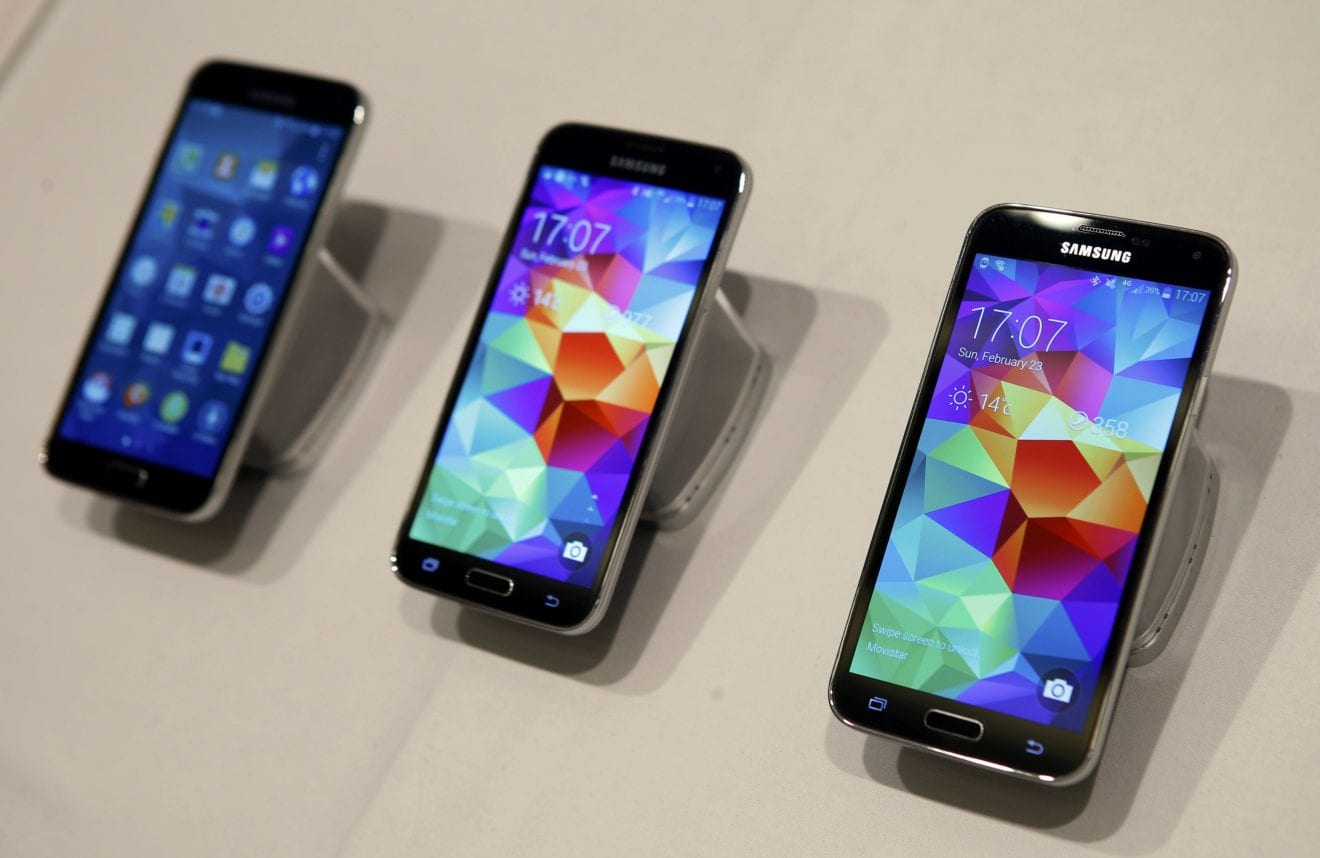
    A U.S. court has ordered Samsung Electronics to pay $538.6 million in damages for infringing the design and utility patents of iPhones in early Galaxy models in a retrial of a case that dates back seven years.

    The retrial jurors in the Northern District of California on Thursday awarded Apple $538.6 million in damages after five days of deliberations – $533.3 million for violating design patents and $5.3 million for violating utility (technical) patents.

    The amount is $140 million more than the $399 million Samsung had agreed to pay – equivalent to all profits from the sale of the infringing smartphones – before it asked the Supreme Court to order a lower court to retry the case.

    Samsung already paid $548 million in damages to Apple in December 2015 that included the $399 million.

    In 2012, the Korean tech giant was found liable for infringing three of its U.S. archrival’s iPhone design patents – the rounded corners, the rim that surrounds the front face, and the grid of icons that users view – and two technical patents, which affect the way some features work. But the two companies have long disputed the amount of damages to be paid.

    Samsung has not decided whether to appeal the retrial verdict, which would prolong the already lengthy legal battle.

    “Today’s decision flies in the face of a unanimous Supreme Court ruling in favor of Samsung on the scope of design patent damages,” Samsung said in a statement. “We will consider all options to obtain an outcome that does not hinder creativity and fair competition for all companies and consumers.”

    Apple said in a statement it was pleased that the members of the jury “agree that Samsung should pay for copying our products.”

    “This case has always been about more than money,” the iPhone maker said, adding, “we believe deeply in the value of design, and our teams work tirelessly to create innovative products that delight our customers.”

    “Samsung is now going to consider its options,” wrote Florian Muller, an intellectual property analyst who writes a closely followed patent blog Foss Patents. “Those options are post-trial motions and, possibly, another appeal.”

    The legal feud between the two biggest smartphone rivals began in April 2011 when Apple sued Samsung for violating its patents and copying the design of its iPhone, seeking $2.5 billion in damages.

    Samsung was ordered to pay $1.05 billion in damages by jurors in 2012, which was reduced on appeal to $930 million. The U.S. Court of Appeals for the Federal Circuit stripped another $382 million from that, saying the iPhone’s appearance could not be protected through trademarks, to $548 million in December 2015.

    A year later, the U.S. Supreme Court ordered a lower court on Samsung’s petition to reconsider the $399 million in damages on unanimous opinion that damages for design patent infringement can be based only on the part of the device that infringed the patent, not on the entire product.

    Samsung argued then that it should only have to pay $28 million in damages for profits from the components of its Galaxy phones that copied Apple’s patents.

  • Saks Fifth Avenue Unveils New Beauty Floor In New York Flagship

    Saks Fifth Avenue Unveils New Beauty Floor In New York Flagship

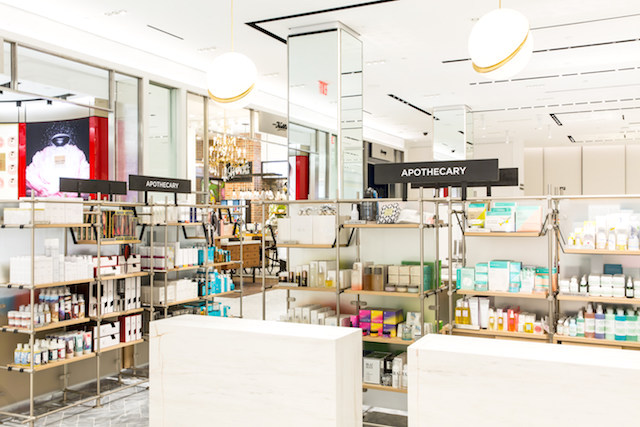
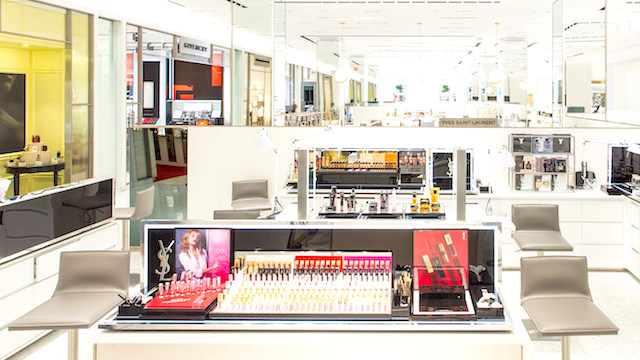
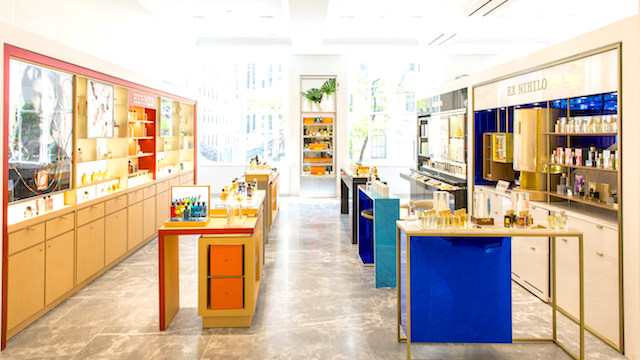
    A new beauty hall has opened inside the Saks Fifth Avenue flagship in New York, 40 per cent larger than the space it replaces.

    Perhaps the most surprising feature is that it moves from the ground floor – the typical bastion of beauty halls in department stores all over the world – up one level.

    Taking up 32,000sqft it is home to more than 120 cosmetics, skincare, fragrance and wellness brands, 58 of them new to the venue.

    There are 15 new spa rooms offering services such as facials, massages, manicures, brow services – and even a florist.

    Saks Fifth Avenue says moving the beauty department to the second floor, represents an evolution in the way customers shop and experience beauty.

    “As part of Saks’ overall growth strategy, we continue to look for ways to innovate, create and disrupt,” says Marc Metrick, president, Saks Fifth Avenue. “The bold decision to move beauty to the second floor … enabled us to create the epitome of an experiential beauty floor. We continue to apply the principles of what we call The New Luxury to everything we do. What we’ve done with beauty gives the customer a warmer environment, differentiated from what they can get anywhere else and creates a reason to come to Saks and experience our brand.”

    Tracy Margolies, chief merchant at Saks Fifth Avenue, says the retailer curated the floor to represent the best innovations in beauty and wellness in a truly specialised space. “By offering beauty and wellness workshops and panels, Saks is taking a holistic approach to make our clients feel great both inside and out.”

    Grand Renovation

    The relocation and expansion of the beauty hall represents the latest chapter in what the company is calling the Saks Fifth Avenue flagship’s “Grand Renovation”.

    The space was opened up to create broad sightlines across the floor and modernise traditional finishes that complement the brand’s heritage. Custom agglomerate white stone flooring was imported from Italy and the building’s original windows facing Fifth Avenue, 49th Street, and 50th Street, were restored, allowing natural light to flood into the floor as well as offering north- and south-facing views of the city.

    Highlights of the new beauty hall include:

    • FaceGym, an original non-invasive facial workout, exclusive to Saks and the first shop in the US.
    FaceGym at Saks Fifth Avenue New York, Beauty on 2 (Courtesy of Justin Bridges for Saks Fifth Avenue) (PRNewsfoto/Saks Fifth Avenue)
    • Dedicated spa rooms for Chanel, Cle de Peau Beaute, Dior, Kiehl’s Since 1851, La Mer, La Prairie, Martine de Richeville, Skinney MedSpa and Sisley Paris.
    • Brow and lash styling by Blink Brow Bar London.
    • CoolSculpting and laser hair removal by Skinney MedSpa and manicures and meditation by Sundays.
    • Martine de Richeville’s slimming, deep-tissue massage, Remodelage, – a Saks exclusive and the brand’s first space in the US.
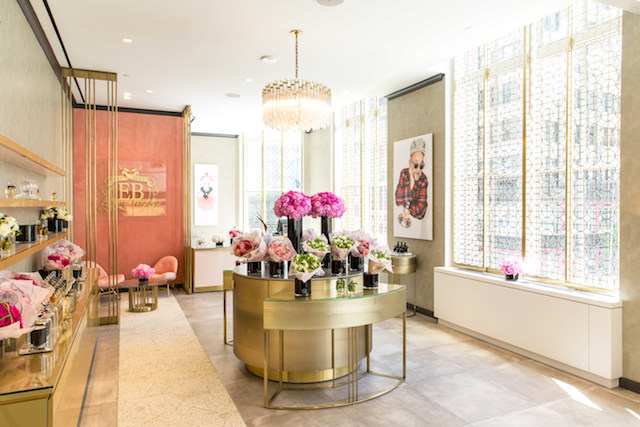
    • Hand-tied floral arrangements by EB Florals, revolving around the composition of the fragrances and their seasonal availability.
    EB Florals at Saks Fifth Avenue New York, Beauty on 2 (Courtesy of Justin Bridges for Saks Fifth Avenue) (PRNewsfoto/Saks Fifth Avenue)

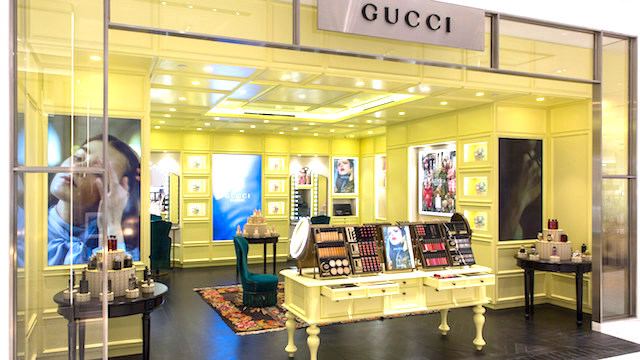
    There are anchor shops from Aesop, Chanel, Christian Louboutin Beaute, Dior, Giorgio Armani, Givenchy, Gucci, Kiehl’s Since 1851, La Mer, La Prairie, Sisley Paris, and Tom Ford.

    Gucci at Saks Fifth Avenue New York, Beauty on 2 (Courtesy of Justin Bridges for Saks Fifth Avenue) (PRNewsfoto/Saks Fifth Avenue)

    Saks New York will host beauty and wellness events in a 850sqft flexible event space, which will also host master classes, public appearances, small private gatherings and visual installations.

  • Old Navy Drives Growth for Gap in First Quarter

    Old Navy Drives Growth for Gap in First Quarter

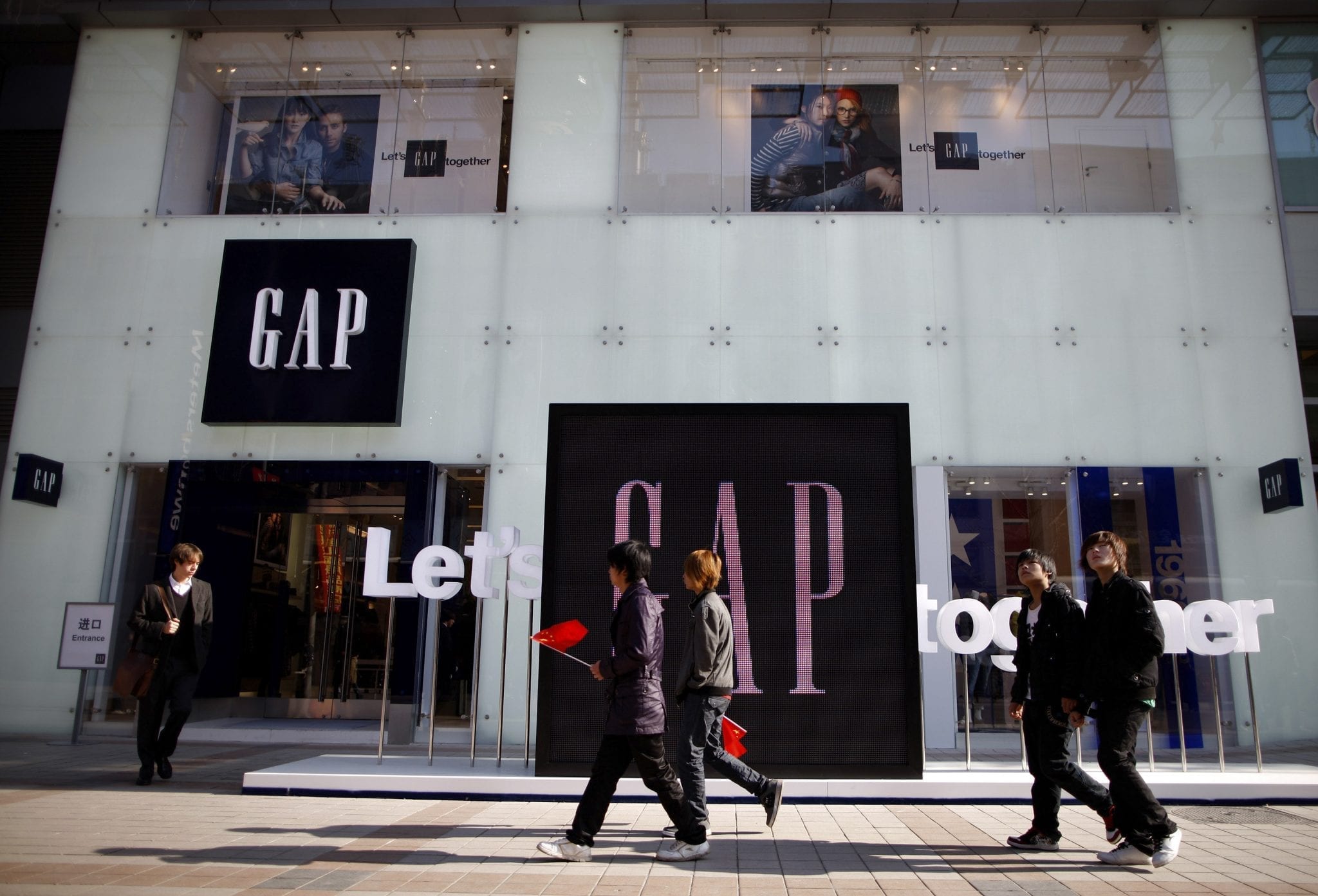
    The tried-and-true formula of trendy casual wear at a bargain price was the right formula for Old Navy, a division of Gap Inc.

    In its first-quarter earnings report for the period ending May 5, Gap Inc. said that Old Navy’s same-store sales were up 3 percent, but that was still off from the same period last year when Old Navy comps showed a strong 8 percent increase.

    Still having trouble was the San Francisco company’s principal nameplate, Gap. Gap’s same-store sales declined 4 percent in the first quarter compared with the same period last year.

    The Gap stores have been experiencing a lack of depth in some products and inventory overstock, left over from last year. The excess inventory led the company to slice prices to get rid of excess merchandise, said Teri List-Stoll, Gap’s chief financial officer and executive vice president, who was speaking on a May 24 earnings call. “During the quarter, we cleared inventory through sell-offs and cut prices,” she said. “It does set us up for cleaner stores in the second quarter and a better inventory position for the back half of the year.”

    Gap stores have been going through a difficult year. In February, the company fired its Gap brand president, Jeff Kirwan, and replaced him with Brent Hyder, who is the acting Gap brand president.

    In a welcome change, the company’s Banana Republic division saw comp-store sales rise 3 percent compared with last year’s negative 4 percent. Art Peck, Gap’s president and chief executive officer, said the company has been investing in quality yarns and fabrics for its Banana Republic clothing, which has been well received by customers. Items that sold well included sweaters, bottoms and dresses.

    Overall, same-store sales for the company were up 1 percent across the board compared with 2 percent last year.

    Gap Inc. reported that net income for the first quarter totaled $164 million, up from $143 million in the first quarter of 2017. Net sales came in at $3.8 billion, a 10 percent rise over last year.

    At the end of the quarter, Gap Inc. had 3,617 stores in 45 countries, of which 3,171 were company-operated. Gap executives said they continue to invest in stores such as Old Navy and its activewear brand store Athleta while closing less profitable Gap and Banana Republic stores, located mostly in malls.

  • Starbucks is now a public space

    Starbucks is now a public space

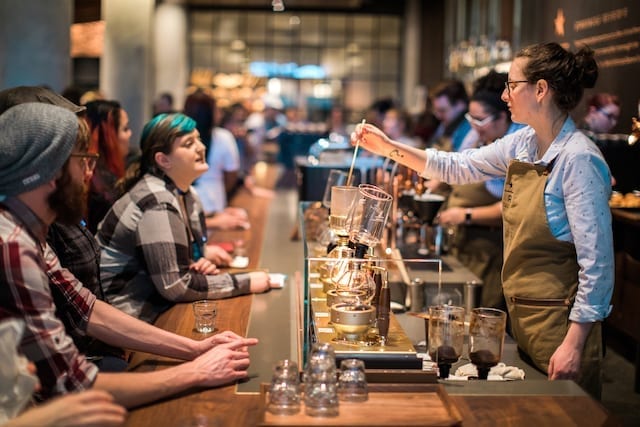
    You no longer have to buy a coffee to use Starbucks’ bathroom or plug in your laptop for an afternoon of web browsing, but that doesn’t mean you can camp out for a nap or bring alcohol into the cafes.

    Starbucks has been updating its guest policy in the wake of public outcry over the arrest of two black men in a Philadelphia cafe.

    “Any person who enters our spaces, including patios, cafes and restrooms, regardless of whether they make a purchase, is considered a customer,” the company said in a statement last week.

    However, Starbucks’ decision to open up its doors and patios to nonpaying customers drew complaints that Starbucks stores would turn into havens for drug users and the homeless.

    While some have praised the coffee giant for its more open policy, others have used it to poke fun at the company. On Twitter, some users joked about Starbucks becoming free offices for freelancers, homeless shelters and drug dens.

    The coffee giant has since clarified its policy, telling The Wall Street Journal that employees have been instructed on how to deal with people who are being disruptive, smoking or using drugs and alcohol or sleeping inside the cafes.

    “We want our stores to be the third place, a warm and welcoming environment where customers can gather and connect,” the company said in a statement. “When using a Starbucks space, we respectfully request that customers behave in a manner that maintains a warm and welcoming environment by: using spaces as intended, being considerate of others, communicating with respect [and] acting responsibly.”

    Starbucks said employees should contact the police if a situation “presents immediate danger” and can request that a customer be prohibited from returning to Starbucks stores.

    The policy change, which was first announced last week, comes as Starbucks gears up for its nationwide racial-bias education program on May 29. The company will close all of its 8,000 company-owned restaurants in the U.S. during the afternoon to address implicit bias, promote inclusion and help prevent discrimination.

  • Zara Stratford flagship store pioneers new approach to integrating stores and online

    Zara Stratford flagship store pioneers new approach to integrating stores and online

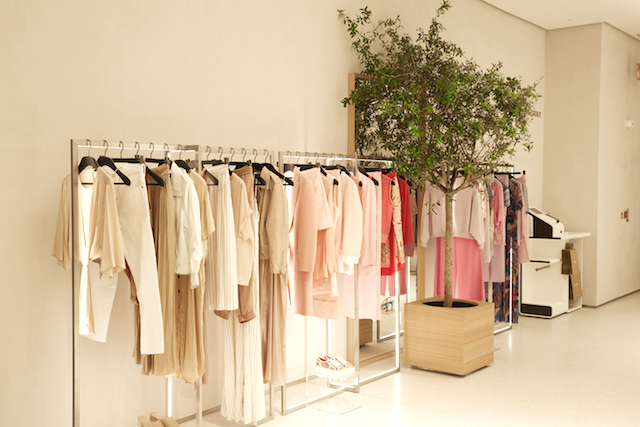
    A new Zara flagship unveiled in London this week gives an insight into its new global direction.

    High in technology, compact in footprint, Zara believes the new Westfield Stratford store concept will “transform the customer shopping experience at its heart”, integrating online and in-store shopping.

    It is the Spanish fast-fashion retailer’s first store in the world to introduce a fourth section after women’s, men’s and kid’s: online. A separate area has been designed to house two automated order collection points.

    The system’s optical barcode reader scans QR or Pin codes that customers receive when they place orders online. Behind the pick-up point, a robotic arm collects trays and organises the packages optimally according to their size, delivering orders for customers to collect in seconds. The system can handle 2400 orders simultaneously, enabling shoppers to collect purchases made through Zara’s e-commerce platforms. Online orders are available in store on the same day if made before 2pm, or the next day if made in the afternoon.

    Gallery of New Zara Stratford flagship can be viewed below :

    Zara says the customer service features go beyond integrating online and offline shopping. The new store aims to create a “seamless, convenient and enjoyable shopping experience”. Interactive mirrors equipped with RFID readers can detect the garment a customer is holding, enabling customers to see what a complete outfit will look like in the mirror.

    Zara staff will use iPads to advise customers and accept payments on the shop floor. Customers can pay using their mobile phones via the Zara app or the Inditex Group app, InWallet.

    And to complement the regular cashier desks, there is a self-checkout area with a system that automatically identifies garments being purchased. Customers can simply confirm their items on a screen at the self-checkout before paying with their cards or mobile phones.

    The 4500sqm store has been under renovation since January and was temporarily replaced with the brand’s first pop-up store for the purchase and collection of online orders only, some of the features of which are replicated in the Zara flagship.

    Inditex chairman and CEO Pablo Isla described the reopening of the Zara flagship as an important moment for the company.

    “We are in a unique position as we enjoy a global sales platform that fully integrates stores and online. In recent years we have invested in the most advanced technology and optimised our stores for this aim. Our business model combines stores and digital seamlessly, and we are ready for the opportunities that this brings with current and new customers,” he said.

    From a design perspective, the store has a two-storey facade without shop windows on the first floor, providing a transparent view of the store’s interior architectural features and collections.

    The refurbishment of the Zara flagship follows the brand’s introduction of an augmented reality experience at 120 flagship stores worldwide for a fortnight earlier this year.

  • TK Maxx owner TJX Companies reports strong sales growth

    TK Maxx owner TJX Companies reports strong sales growth

    Off-price retailer TJX has posted an increase in sales for the first quarter with earnings that exceeded its expectations.

    Net income for the quarter ended 5 May was $716 million, while adjusted diluted earnings per share was $.96, a 17 per cent increase over the prior year.

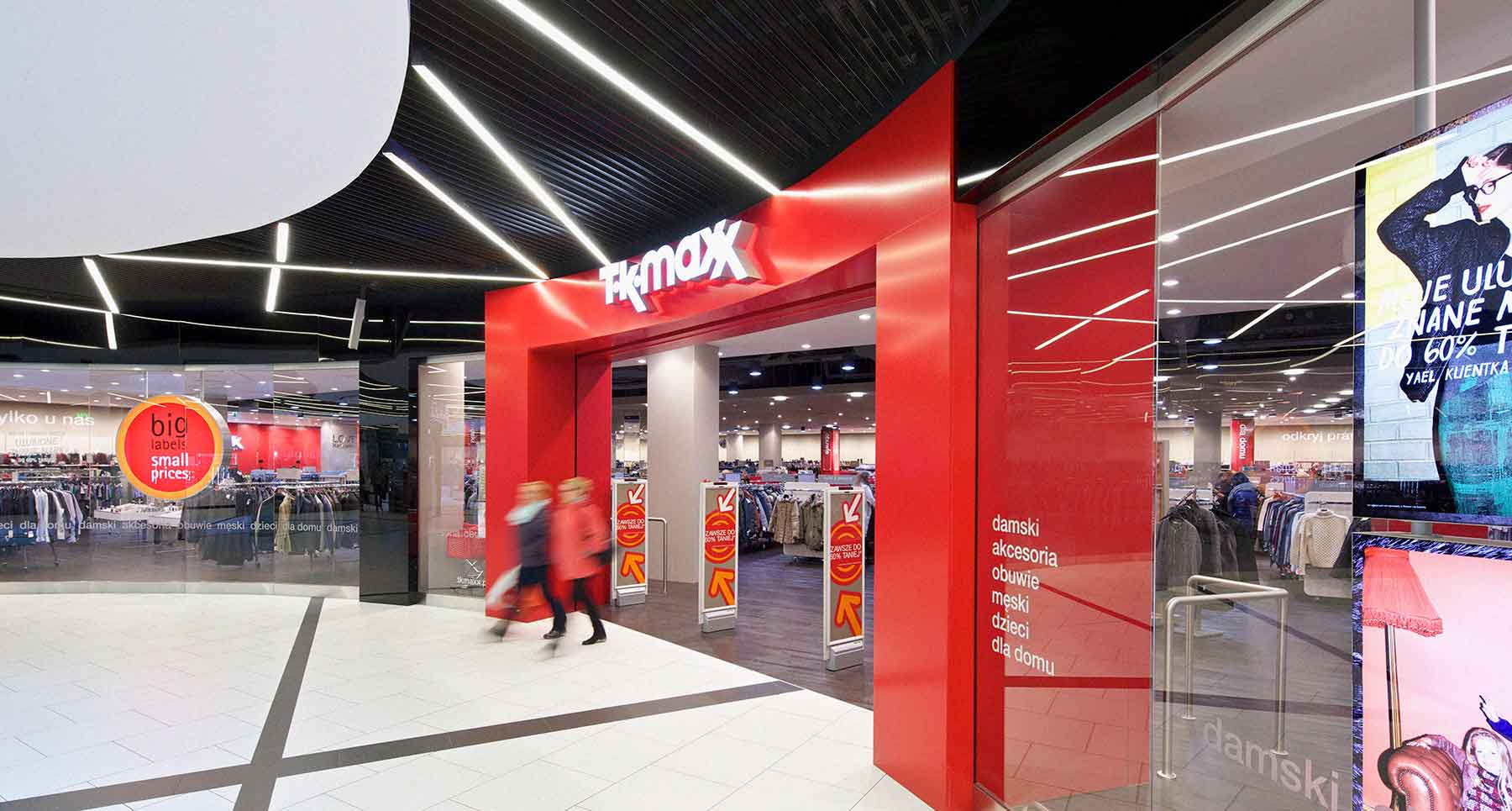
    The TK Maxx owner posted a 12 per cent increase in net sales for the first quarter ending May 5 to $8.7 billion, while consolidated comparable sales increased by three per cent.

    “We are very pleased with our first quarter results as both our consolidated comp store sales growth of three per cent and earnings per share exceeded our expectations,” said Ernie Herrman, CEO and President of The TJX Companies.

    Marmaxx, the company’s largest division, delivered a strong four per cent comparable store sales.

    “Customer traffic was once again the primary driver of our comparable store sales increases at each of our four large divisions,” Herrman said. “Based on our strong first quarter performance, we are updating our outlook for full-year earnings per share. We believe that the consistency of our customer traffic increases demonstrates the strength and resiliency of our business and our ability to succeed through many types of economic and retail environments.”

    Herrman said their second quarter is off to a strong start and added they are seeing a lot of opportunities to capitalize on the fashions and brands available to them in the marketplace.

    “We are convinced that we will continue to gain market share and grow successfully around the world,” he said.

    For the second quarter of FY2019, the company announced it expects diluted earnings per share to be in the range of $1.02 to $1.04. Excluding an expected benefit of approximately $.15 per share due to items related to the 2017 Tax Cuts and Jobs Act (primarily the lower US corporate income tax rate), the company expects adjusted earnings per share to be in the range of $.87 to $.89, compared to $.85 last year.

    The company added it now expects diluted earnings per share to be in the range of $4.75 to $4.83, which represents an 18 per cent to 20 per cent increase over the prior year’s $4.04.
    The company also said it is increasing the high-end of its FY2019 adjusted EPS guidance by $.02 to reflect its strong first quarter results.

    During the first quarter period, the company has increased its store count by 71 stores to a total of 4,141 stores. The company increased square footage by five per cent over the same period last year.

  • Marks and Spencer set to close 40 more stores

    Marks and Spencer set to close 40 more stores

    British department store retailer Marks & Spencer will close a further 40 stores in its home market as it struggles to improve its bottom line.

    According to reports, M&S will announce which of its 140-strong full-store network will close on Wednesday UK time, adding to the 20 already shuttered. The full stores stock both fashion and food.

    Rationalising the store network was a key plank of a turnaround program announced 18 months ago by CEO Steve Rowe, which also included retrenching from overseas markets. Since then, the company’s Mainland China operations have been closed down and its profitable Hong Kong business divested to Middle East-based Al-Futtaim under a franchise arrangement.

    The decision to accelerate the closure program was prompted by early results from the closure of a store in Warrington town centre which led to increased sales in a newer off-high-street store nearby.

    “We have been clear about our plans to accelerate our store closure program and the action we must take to build a business with sustainable, profitable growth,” an M&S spokesperson said.

    On Wednesday, M&S is expected to report further under performance in its food arm, with analysts projecting a drop in sales, but an improved bottom line.

  • Fragrances are not Instagrammable

    Fragrances are not Instagrammable

    Digital media has upended the beauty business, lowering barriers to entry for new brands built not on department store distribution and traditional marketing tactics, but on e-commerce and digital influence.

    In recent years, a slew of new digital-first beauty businesses — armed with venture funding and offering artisanal or “clean” formulations and niche identities that consumers find more authentic — have mounted a challenge to the ubiquitous luxury-brand beauty products made by licensing giants Estée Lauder, L’Oréal and Coty. (Of course, some of these smaller entrants have been snapped up for undisclosed sums by these very giants: Estée Lauder has acquired Le Labo, Frederic Malle and By Killian, while L’Oréal has bought Atelier Cologne.)

    And yet, in recent years, the fragrance business hasn’t seen the same kind of digitally driven, explosive growth as colour cosmetics and skincare. In 2017, the US prestige fragrance market grew 4 percent, trailing makeup (6 percent) and skincare (9 percent), according to NPD Group.

    According to Tribe Dynamics, a marketing technology firm that quantifies the dollar-value of digital content, or earned media value (EMV), fragrance only represented two percent of the total EMV generated in the beauty business in 2017, even after growing by 20 percent year on year. Fragrance also has far fewer digital ambassadors, who posted sponsored social media content far fewer times than digital ambassadors in other beauty categories.

    The biggest challenge is the very nature of the product itself: no matter how powerful the brand, how beautiful the bottle and how compelling the marketing campaign, a fragrance is selling scent — and we can’t smell the internet. But more and more fragrance brands are finding savvy ways to connect with digital consumers and shift product online.

    For a player like Diptyque, a niche fragrance brand with major ambitions, creating digital content and staging Instagram-friendly experiences is a new focus. “In the past, we were more used to communicating who we are with words, and now we are working much more with visuals and images and videos,” explains Fabienne Mauny, global brand chief executive of Diptyque and Byredo, which are both owned by Manzanita Capital, a private equity firm founded in 2001 by William S Fisher.

    The first thing one sees upon entering Diptyque’s new Mercer Street pop-up shop in Manhattan is a wall lined with rows and rows of the French brand’s oval illustrated perfume bottles — 364 to be exact. It is dense and impressive, much like the store itself, which manages to tell 50 years of Diptyque’s fragrance history, despite its relatively small scale. We follow from the brand’s first release, L’Eau, in 1968 — brought to life by news clips capturing the tumult of the era — to 2018’s launches, Tempo and Fleur de Peau, introduced by videos playing inside two closet-sized spaces.

    Everything inside the installation-heavy store, from a postcard-covered wall to a jungle-themed photobooth, connects to the history of the brand and its founders — their inspirations, travels and artistic endeavours — and is practically begging to be Instagrammed. And the artists who illustrated each of the two new fragrance bottles gets just as much attention as the perfumer.

    It’s not just about social media-friendly visuals, however. The traditionally seductive and heteronormative fragrance marketing message so prevalent in the fragrance business doesn’t play as well online, where a newly awakened activism is reshaping culture. “Typically, what we used to see in the glossies was always a semi-naked woman, probably with a man, and there would be some sort of expensive accessories around them,” says Saisangeeth Daswani, head of advisory in fashion and beauty at the trend research firm Stylus.

    But when the old-school beauty giant L’Oréal launched Proenza Schouler’s first fragrance, Arizona, in February, the campaign’s main theme was not overtly sexual, but about a physical escape to a stunning landscape. “Arizona is about her and how she feels,” says Laura Azaria, vice president of marketing for fine fragrances at L’Oréal USA. “It was definitely part of the positioning: she is very empowered. It’s not this classic, ‘I’m going to seduce.’”

    And to effectively deliver their message, many fragrance brands are adopting the digital marketing tactics that work elsewhere in the beauty business: gifting product to influencers, commissioning content from them, staging social media-ready events and press trips, playing with Snapchat augmented reality lenses. “Technology enables us to tell a much more interesting and multi-faceted story,” explains Coty’s chief marketing officer Simona Cattaneo. “It’s an ongoing conversation, we communicate every day.” Coty launched Gucci’s In Bloom — the first fragrance under Alessandro Michele — and Tiffany’s first fragrance, in 2017. “This is something that has completely changed our way of working.”

    “Fragrance is obviously a little bit trickier because it’s not very tangible,” says Chriselle Lim, an influencer with 1 million followers on Instagram and founder of the creative agency CINC Studios, which has worked with L’Oréal and Coty to promote their fragrances. Instead of “flat lay” images of a fragrance bottle, she prefers video. “You can do amazing storytelling that you can’t do with just photos,” she says, citing a video about the connection between scent and memory that she produced for a scent from Maison Margiela’s series Replica. Recently for Proenza Schouler’s Arizona, she published a soft-focus video of herself holding the bottle on an overcast day in Central Park. “A whole new world is just a dream away…” she wrote in the caption.

    For Diptyque, the SoHo pop up is an experiment with an interactive and social media-driven retail experience. The brand even launched an Instagram contest, through which a winner who posts the best drawing of a “scent memory” will receive a custom perfume inspired by the illustration.

    “We wanted it to be an immersion within our universe,” says Julien Gommichon, president of Diptyque and Byredo Americas. Still primarily known in the United States for candles and home goods, Diptyque is focusing on fragrance to keep up its recent revenue growth trajectory — more than 20 percent each year for the past six years. “There are still so many people who don’t know who we are,” says Mauny. “The potential is huge.”

  • Marni names new CEO

    Marni names new CEO

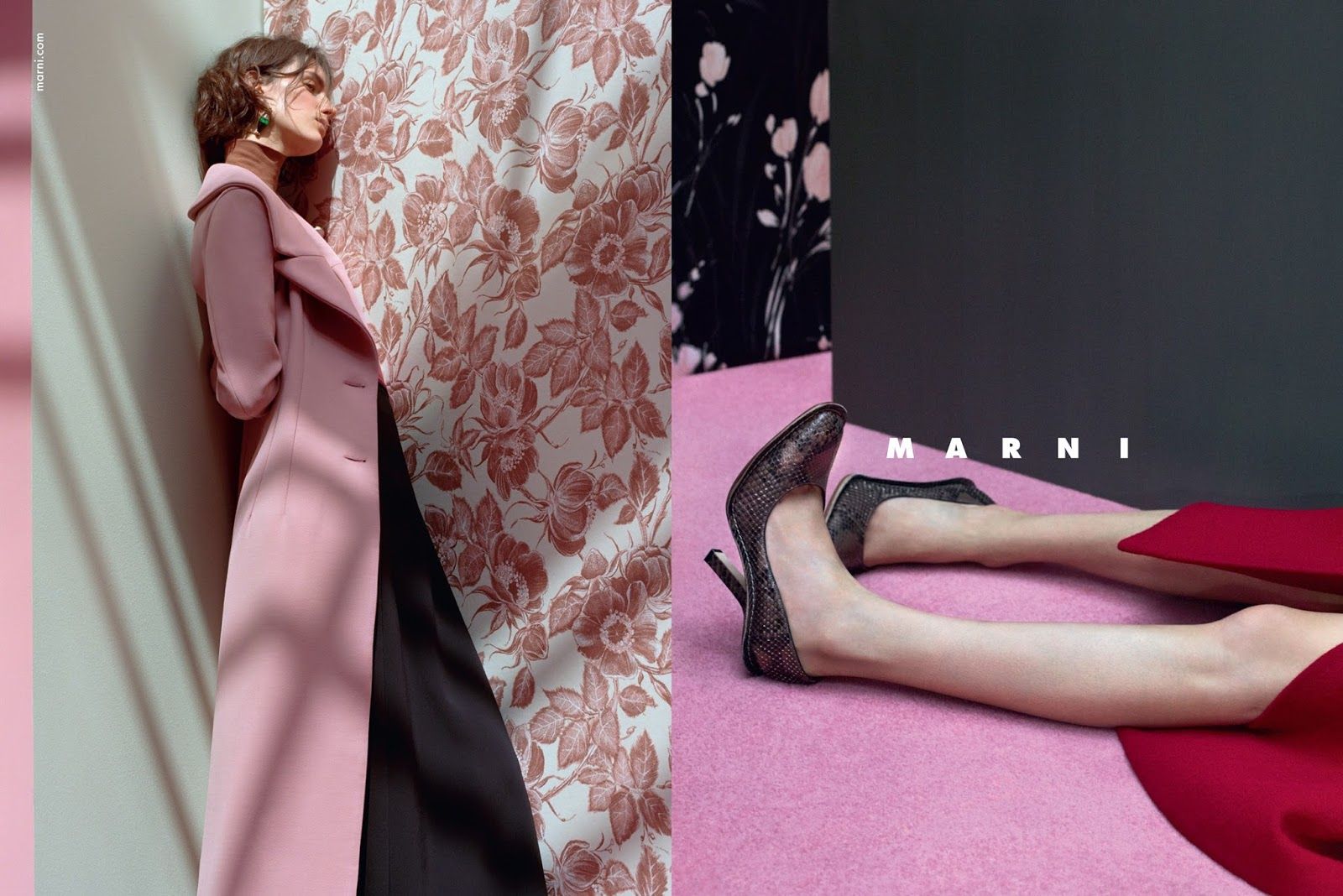
    Italian fashion major Marni has announced the appointment of Stefano Biondo to chief executive officer, effective 15 May 2018.

    The OTB Group-owned luxury label poached Biondo from eyewear company Safilo, where he served as chief brand officer.

    He succeeds Ubaldo Minelli, who was promoted to CEO of OTB in January. Biondo will report directly to Minelli.

    In speaking with WWD, Minelli expressed his confidence in Biondo’s helming of the Marni brand, which has been under management reconstruction globally.

    “Marni has a precise and recognisable identity with incredible potential for growth,” said Minelli.

    “In recent years, we have built a solid foundation for the brand’s future and it is now on the launchpad for true development and success.”

    One of the biggest turning points for the label was in 2016, when Marni appointed a new creative director, Francesco Risso, to replace Marni founder, Consuelo Castiglioni.

    In 2017, Marni’s turnover exceeded 180 million euros, experiencing double-digit growth worldwide, especially in Asia.

    It also highlighted a growth in accessories, specifically handbags, which soared on some 90% in certain markets. Millennial sales were also up, said OTB.

    Marni is present in 54 countries with a wholesale channel of 470 stores and 70 mono-brand stores, with 22 boutiques operated with local partners. Most recently, Marni opened a flagship store in Florence, with several planned for China.

    In 2017, the OTB group quadrupled its Earnings Before Interest and Tax (EBIT) to €21.5 million, despite suffering a 2.4 percent decline in group revenues

    OTB controls Marni, Diesel, Maison Margiela, Viktor & Rolf, Paula Cademartori, Staff International and Brave Kid.