Tag: International

  • Michael Kors Launches Graffiti Capsule

    Michael Kors Launches Graffiti Capsule

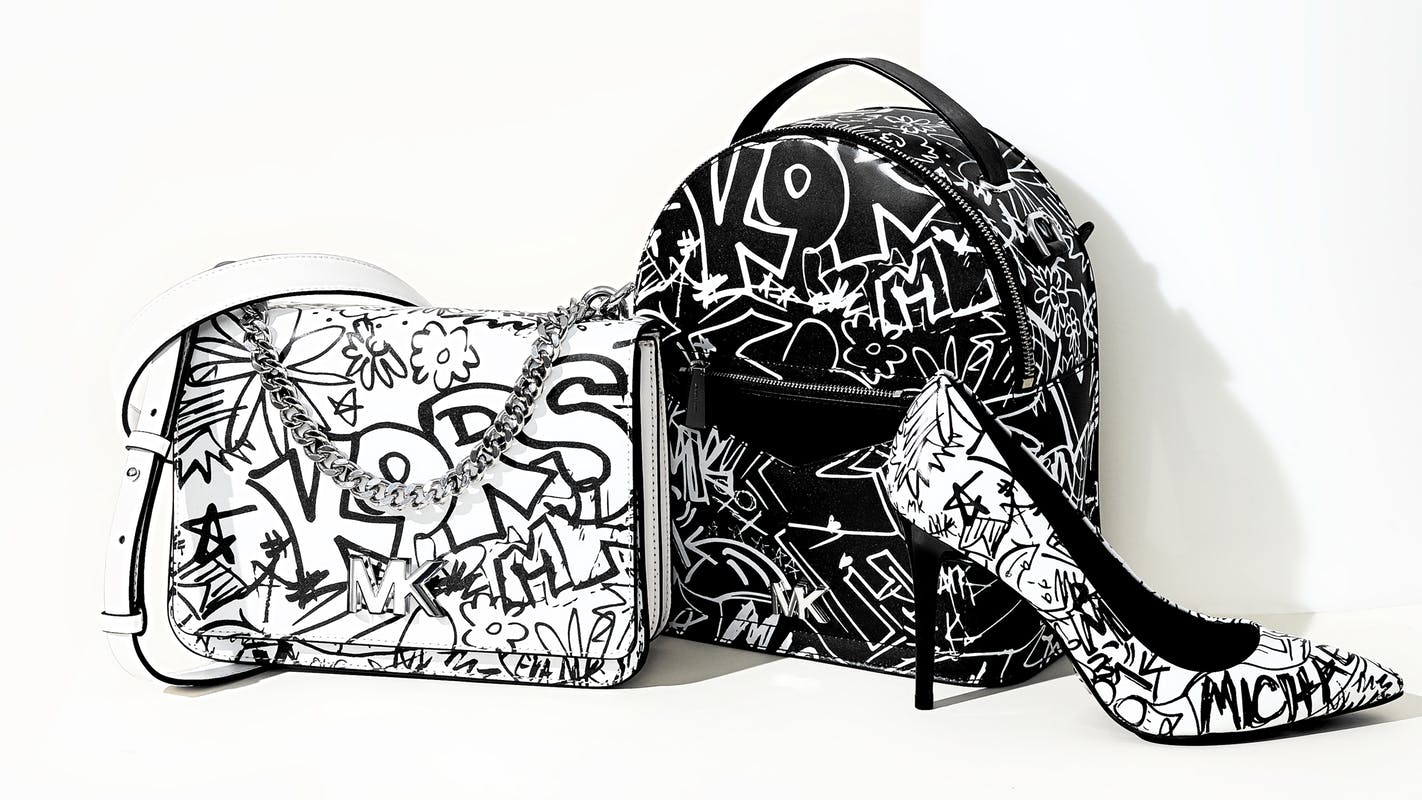
    Accessories and apparel designer Michael Kors has released a new limited-edition graffiti capsule of jackets, shoes and bags, taking inspiration from the street art of Eighties-era New York City.

    The Michael Kors graffiti collection launch has been marked by an elaborate window display installation created by two fashion professionals who lived in New York during the period. The displays will appear in the Michael Kors stores at Mandarin Gallery in Singapore, the Jing’An Kerry Centre in Shanghai, and in Ginza, Japan following exhibitions in New York, London and Milan.

    The displays are the result of a collaboration between Candy Pratts Price and hair stylist Christiaan, both iconic figures of their generation. They feature a floor-to-ceiling screen print of Kors in his aviators, as well as rotating mannequins in selfie-snapping poses wearing the graffiti merchandise and sculptural wigs.

  • DIP clothing by US’s Kroger launched

    DIP clothing by US’s Kroger launched

    US supermarket giant Kroger is to roll out a new apparel label, called Dip.

    The new brand will be sold through stores-in-stores in about 300 Fred Meyer and Kroger Marketplace stores across the US, a fraction of its 2779-strong network.

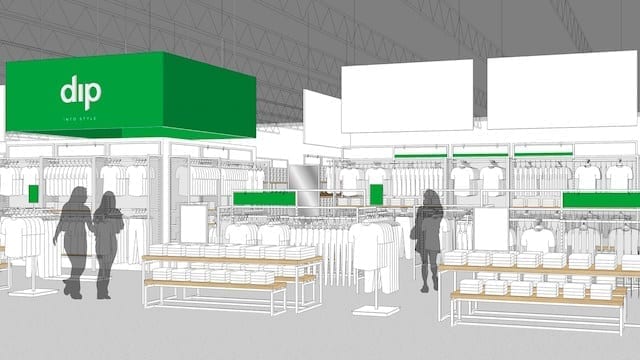
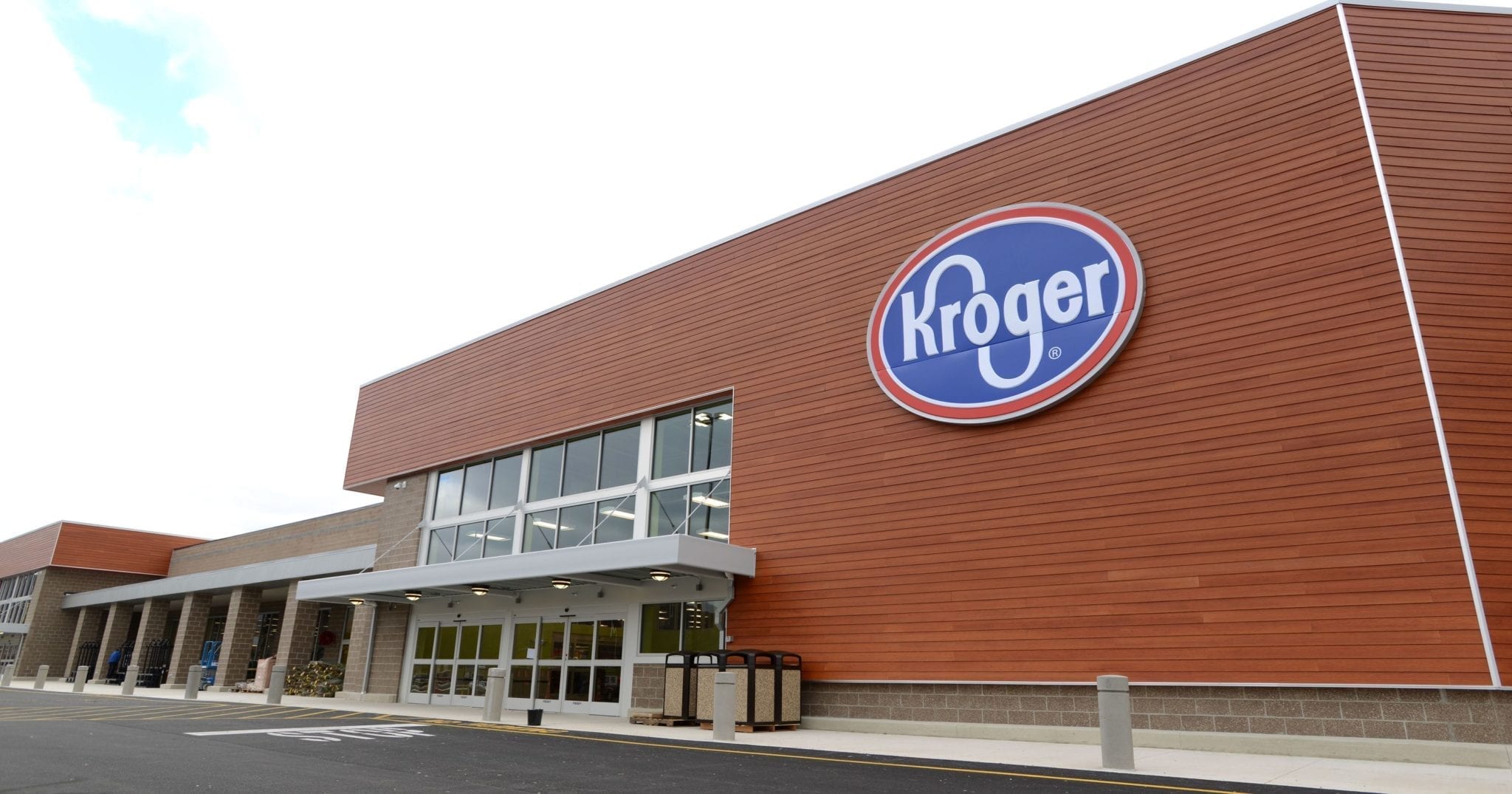
    The company released an artist’s impression of how the Dip space will look, (above). It will replace more than a dozen of the company’s private-label clothing brands.

    Kroger has tapped fashion designer Joe Mimran to create what it bills as “a new and exciting apparel brand” and which will launch with men’s, women’s, juniors, kids, and baby collections.

    Mimran previously launched Club Monaco, Joe Fresh and Pink Tartan during a 30-year career in fashion design. His brief was to develop a clothing line for Kroger which “makes effortless style easy and affordable to achieve”.

    “We’ve worked closely with Joe and his team to develop a line of clothing that works for today’s times – easy to buy, easy to wear, and easy to love,” said Robert Clark, Kroger’s senior VP of merchandising. “Effortless style, every day of the week.”

    “Style should be fun,” said Mimran. “We believe good design can be affordable. It should fit into your life, not the other way around.”

    Mimran says the name Dip was chosen after looking at Kroger’s heritage in food. “We thought about the fun, easy energy of the clothes. We thought about what makes every gathering better. And it just kind of clicked – Dip.”

  • OANDA named world’s Best Retail FX Platform

    OANDA named world’s Best Retail FX Platform

    OANDA has been named the world’s Best Retail FX Platform at the prestigious e-FX awards, which are presented by leading industry publication FX Week each year. This marks the second time the OANDA® platform has been recognised at the awards, which celebrate excellence in the electronic foreign exchange industry.

    A global leader in online multi-asset trading services, OANDA combines cutting-edge trading technology and exceptional execution across a wide range of asset classes, enabling clients to trade global market indices, commodities, treasuries, precious metals and currencies on OANDA’s multi-award winning institutional-grade OANDA trading platform and MT4.

    Vatsa Narasimha, President & CEO of OANDA Corporation, said, “We are truly honoured to receive this distinguished award, which recognises our ongoing commitment to better serving our clients. Over the course of our 22-year history, we’ve worked hard to meet the ever-changing needs of our clients through enhancements to our institutional-grade trading platform, cutting-edge trading tools, advanced charting solutions and award-winning educational material. Looking to the future, we’ll continue to combine our passion for innovation with ground-breaking technology in order to continue to provide the best trading experience for our clients.

    Now in its 15th year, the 2018 e-FX Awards recognise excellence, innovation and superior customer service in foreign exchange, focusing on quality rather than quantity and traded volumes. The winners are decided by a panel of industry experts.

  • Starbucks to stop using disposable plastic straws

    Starbucks to stop using disposable plastic straws

    Starbucks has announced plans to eliminate plastic straws globally by 2020.

    According to a statement released by the brand, Starbucks’ focus on adapting to consumer trends has led it to take notice of the “tremendous momentum” of the global movement to eliminate plastic straws.

    “Going strawless is the right thing to do for our environment, our partners and our business,” the statement read.

    The brand plans to introduce strawless lids and alternative-material straws in its 28,000+ stores around the world. The lids are already available in more than 8000 stores throughout North America for certain menu items. Straws made from alternative materials will soon be available on request for its Frappuccino beverages.

    Starbucks is the largest food and beverage retailer to make such a commitment, which will eliminate more than 1 billion plastic straws per year from Starbucks stores.

  • Mothercare plan after CVA approved

    Mothercare plan after CVA approved

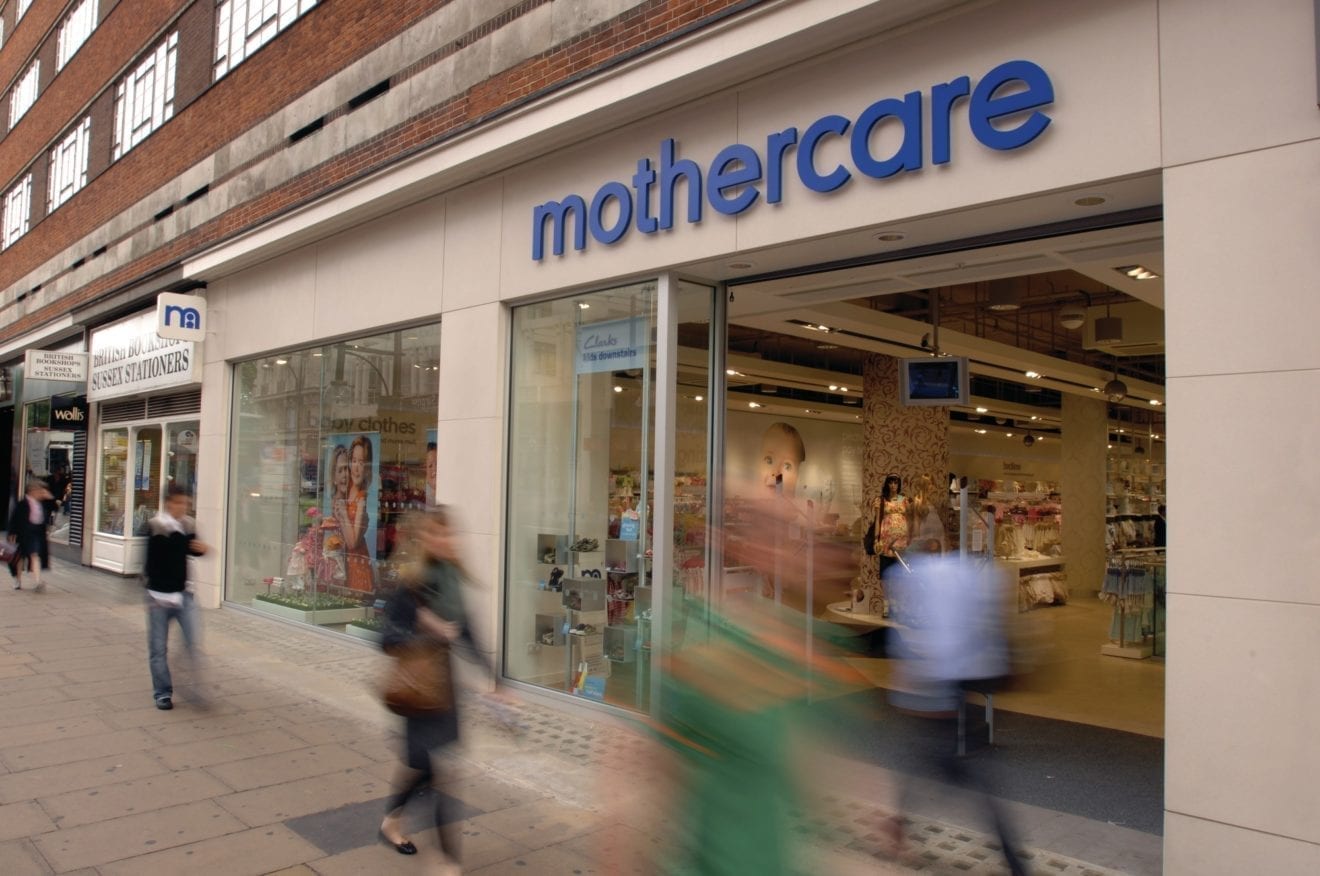
    Mothercare is set to raise £32.5 million from its existing shareholders as part of a restructuring plan to secure its long-term future.

    The embattled retailer of baby and childrens goods has set July 27 as a deadline for raising the additional capital. Conditional on the share issue being fully subscribed, the company’s existing lenders have agreed to a revised debt facility of £67.5 million.

    A Company Voluntary Agreement (CVA) for the restructure of the business was largely approved, the exception being a plan to save Childrens World. In a statement, the company said it received insufficient support from creditors for the CWL plan, and as a result that business has been placed into administration, with 13 of its 22 stores to be transferred to other Mothercare group companies to continue trading.

    Combining the exit of CWL and other aspects of the Mothercare CVA, the company will close 60 UK stores, leaving it with just 77 by June next year. Of those, 19 will be on reduced rent.

    Clive Whiley, interim executive chairman, said when he joined the business just three months ago, Mothercare faced “a bleak future with growing and pressing financial stresses”.

    “We have worked tirelessly as a team to get to where we are today and this fully underwritten equity issue marks the end of this initial phase, returning the group to financial stability. This could not have happened without the support of all of our stakeholders for which we are very grateful.”

    He said that while the lack of full approval for the Childrens World CVA was disappointing, the company has found a solution which allows it to go “further and faster” with the right-sizing of its store portfolio.

    “We have also identified significant areas for further efficiencies and cost savings, which will underpin our return to a sustainable future.”

    The company said current trading continues to follow the patterns seen in the second half of the last financial year, with challenging conditions in the UK balanced by “some stability” in its international operations

    The group has identified cost savings totalling £19 million together with £10 million cash realisation arising out of the CVA plan and other initiatives.

    CEO Mark Newton-Jones said the group has gone through an “unprecedented period for UK retail”.

    “We have not been alone in facing a number of strong headwinds. However, we are now in a position to re-focus on our customers and improve the Mothercare brand both in the UK and across the globe. We have exciting plans ahead to revitalise the brand through enhancing our product ranges, improving our design and value, developing our digital and multi-channel proposition and investing in our people.

    “Our goal remains clear, to be the leading global specialist for parents and young children,” he concluded.

  • HBX announces an official partnership with G-SHOCK

    HBX announces an official partnership with G-SHOCK

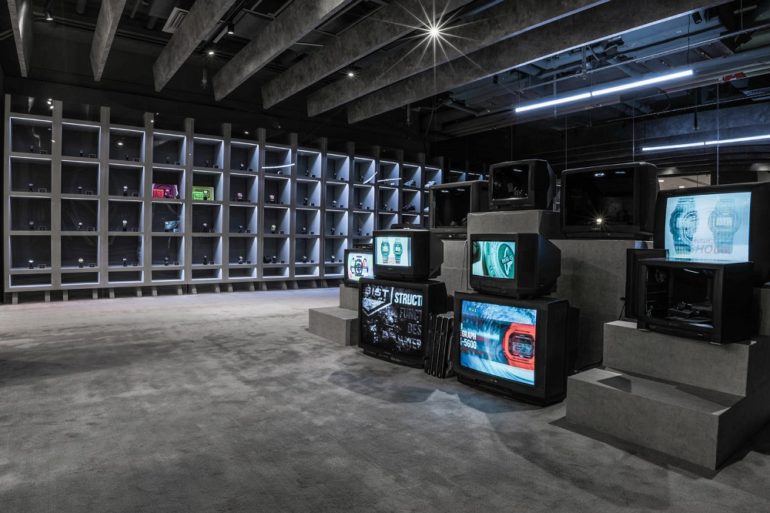
    HBX announces an official partnership with G-SHOCK for their 35th Anniversary pop-up starting 30th June at SHOP B30, LANDMARK MEN, LANDMARK ATRIUM, 15 Queen’s Road Central, Hong Kong.

    The G-SHOCK 35th Anniversary Pop-up will display an array of G-SHOCK’s 35th Anniversary collection, which has re-imagined the first G-SHOCK ORIGINAL DW500C from 1983.

    Model DW-5000MD, one of the 5 newest collections, is specially collaborated with the fashion brand MADNESS.

    To bring out G-SHOCK’s youthful and trendy designs at all times, the store is designed to accommodate the stylish mix of its old and new models displaying 44 highly collective watches throughout history together on the acrylic wall aside, along with a series of display blocks to showcase the current 5 newest models at the storefront.

    In addition, a highlighted installation is placed at the centre of the store, built from a range of vintage TV’s from the 80s, displaying a series of branded showreels, and nicely placed on top of a set of concrete sculptures at the bottom to indicate a comeback of the classic vibe.

  • Gucci to launch limited-edition tattooed handbag

    Gucci to launch limited-edition tattooed handbag

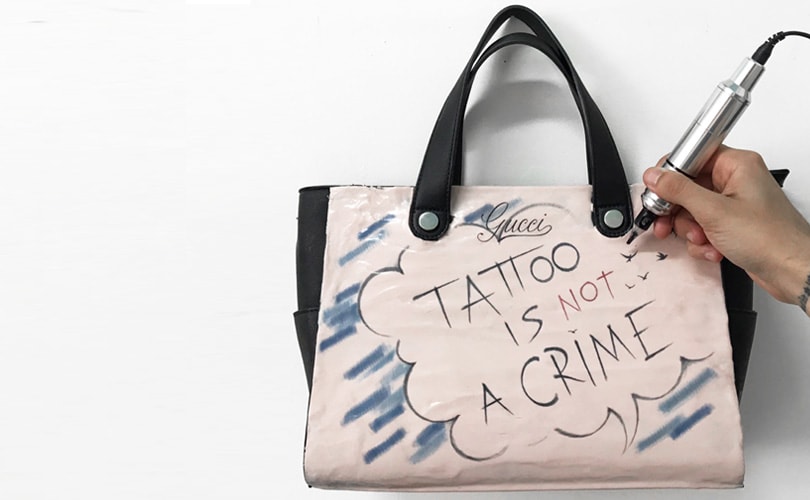
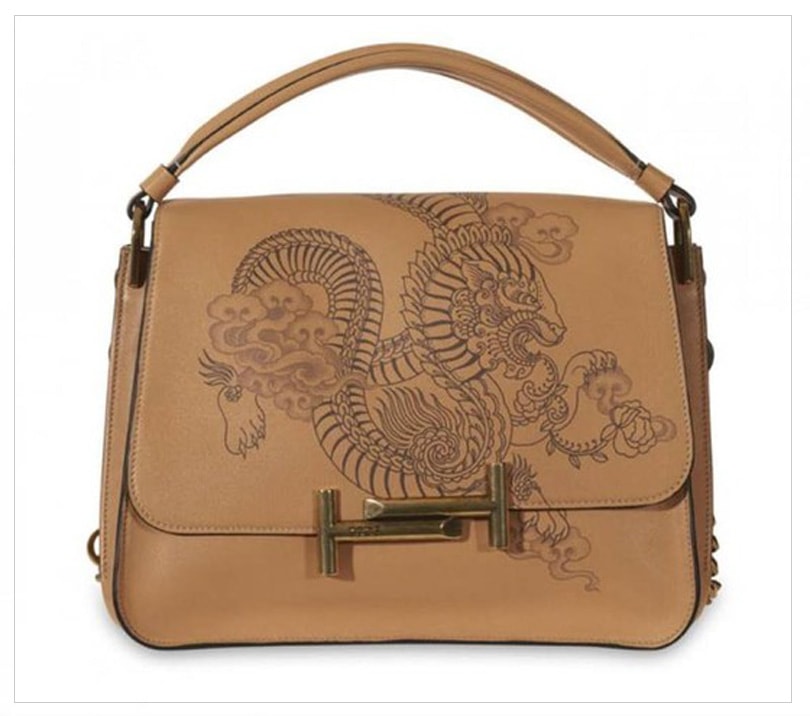
    Gucci is launching a faux-leather tattooed handbag collection with Italian artist Gabriele Pellerone, best known for his cutting-edge paintings.

    The fashion house will take orders for 100 handbags from next January.

    Customers will be able to choose from a set of designs developed by the Gucci design team with Pellerone and displayed on Gucci’s website.

    Prices have not yet been disclosed.

    There will be a demonstration of the tattooed handbags at the “Autumn Equinox: Collective Visions in Abstraction and Figuration” exhibition on September 21 at the Agora Gallery in New York City.

  • Is plus-size fashion is the new black?

    Is plus-size fashion is the new black?

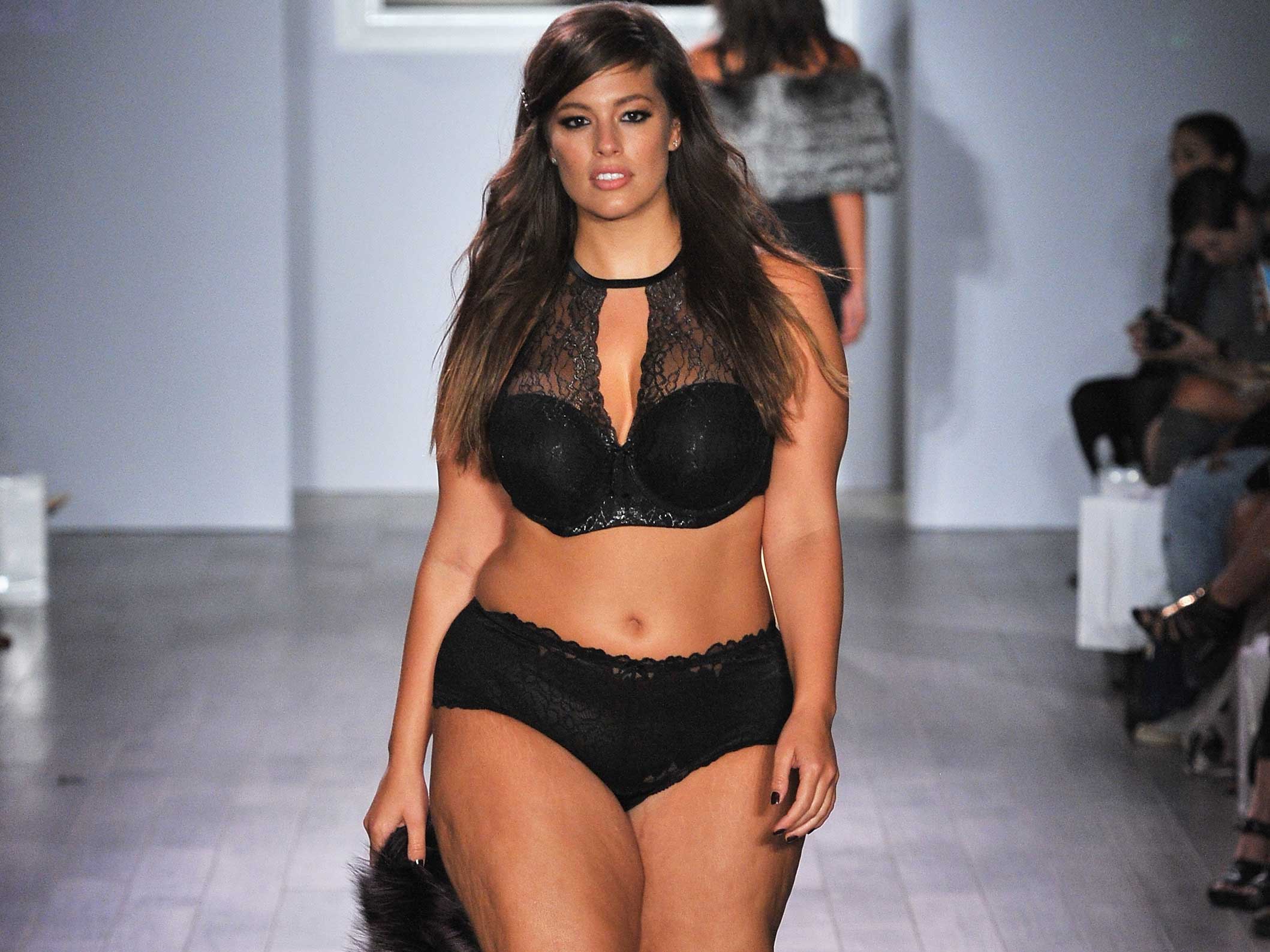
    The so-called “plus-size” market (typically size 14 and up) has been an under-served opportunity for as long as I’ve been in retail. Historically there were some good reasons for this.

    Traditionally, the main thing retailers optimized was physical space and inventory.

    Accordingly, the breadth and depth of the merchandise carried in a store would, more or less, follow a statistical distribution of sizes, adjusted by color ranges carried and constrained by inventory budgets and the literal store-by-store physical limitations of tables and racks. From a short-term financial perspective this made sense.

    Unfortunately it’s also true that many parts of the fashion industry exhibited both overt and unconscious bias against images of women that did not conform to their unrealistic–and often unhealthy–“ideals” of feminine beauty. As a result it’s clear that the industry has been painfully slow to represent an appropriate spectrum of customers in advertising, design and product offering.

    At long last this appears to be changing, primarily owing to a few key factors:

    The long tail of e-commerce. The inherent economics of a direct-to-consumer business model allows different capital dynamics to be at play. E-commerce warehousing has important advantages over physical store distribution (much lower real estate cost, greater ability to flex space, economies of scale in centralizing inventory), making it considerably more economically feasible to carry a wider range of products.

    Indisputable demographic changes. It has been true for some time that Americans are getting larger and, by all indications, this isn’t likely to change. While it would have been wise for retailers to have taken this market more seriously years ago, perhaps the most recent data makes it painfully obvious how significant the incremental growth opportunity is.

    Growing cultural awareness and acceptance. Numerous sociological factors, among them the overall ‘body positive movement’, heightened (and well deserved) criticism of the fashion and advertising industries’ obsession with rail thin models and the growing social media popularity of certain key celebrities and influencers have all contributed to subtle but important shifts in perspectives.

    Demonstrated “mainstream” success. Special size catalogs and stores (think Lane Bryant and Avenue) have been around for a long time, and collectively they represent a large market segment. Yet somehow they were seen as niche or unusual situations operating outside of the mainstream. In recent years, however, brands like Aerie have launched winning “real women” marketing campaigns. Major traditional retailers, from Kohl’s to Charlotte Russe to JC Penney and beyond, are seeing success as they invest in the plus-size opportunity. Newer online-only brands like Eloquii are realizing strong growth.

    As is well documented in this excellent report from Coresight Research, the simple truth is that the plus-size sector is already large and growing faster than the overall market. Despite this momentum, however, many opportunities to eliminate areas of customer dissatisfaction and amplify the overall experience remain. Retailers that wish to take full advantage of this growth area would be wise to keep a few things in mind:

    Saying you are customer-centric and being customer-centric are two different things. Most retailers say they are customer-centric and strive to be innovative. And yet the vast majority have thus far failed to seize the plus-size opportunity. It’s well past time to stop paying lip service and get into action.

    Treat different customers differently. It has always been a good idea to move toward greater personalization. No customer wants to be average, but more importantly in the anytime, anywhere, anyway world of today, no customer has to settle for being treated that way. The future of most retail will be determined by those retailers that have the greatest level of customer insight and are able act on it in relevant and remarkable ways.

    Fix it in the mix; silos belong on farms. One of the reasons so many retailers missed the plus-size opportunity is due to their relentless focus on silo-ed performance analysis.

    Apparel buyers consistently under represented plus-size dresses in their assortments (as just one example) because they don’t get any credit for the handbags, cosmetics, kids apparel or whatever else that customer might buy when they are in the store (or on the website). If you are not thinking cross-shopping, market basket size and lifetime value you are going to keep making some dumb decisions.

    Here comes Amazon. Amazon already has a stable of plus-size private brands. They will have more. They currently lack the fashion credibility and physical store presence to fully prosecute this opportunity. That is almost certain to change in the not too distant future.

    There is really no such thing as plus-sized. Representation is vitally important. The industry can, and absolutely should, do a better job of depicting a spectrum of body types in media–and in other aspects of how they do business. In a different light, when it comes to how sizing is presented to the consumer, does it ultimately help anybody to make this increasingly arbitrary distinction, particularly when the average (American) woman wears between a size 16 and 18? Ultimately it’s all just sizes. And different fits. And colors. And patterns. And styles. And on and on.

    The retailer’s job is to understand the rich tapestry of differences, to curate their unique point of view and to deliver an intensely rich, relevant and differentiated experience at scale for all the customer segments they choose to serve.

    With growth so hard to come by for most retailers these days, it is worth asking why so many have ignored this opportunity for so long?
  • Dell becomes public company five years after buyout

    Dell becomes public company five years after buyout

    Dell, the onetime leader in personal computers and tech industry stalwart, said Monday it will become publicly traded five years after a contentious private equity buyout.

    The company announced a stock swap deal with its software subsidiary VMware that will result in a reorganized tech giant that returns to the stock market, with founder Michael Dell retaining control as chairman and chief executive.

    The move comes after a 2013 private equity buyout led by Michael Dell aiming to revive the company that fell behind when consumers turned to mobile devices instead of PCs.

    “I am proud to lead this great company into its next chapter as we continue to evolve and grow to the benefit of our customers, partners, investors and team members,” Michael Dell said in a statement.

    “Unprecedented data growth is fueling the digital era of IT, and we are uniquely positioned with our portfolio of technologies and services.”

    The new Dell is far from the maker of personal computers that helped ignite the personal computer market in the 1990s.

    It acquired the data storage group EMC in 2016 for a whopping US$67 billion (RM271 billion) and is a major player in software, security and cloud computing in addition to its PC business.

    Michael Dell, who currently owns 72% of Dell Technologies common shares, struck a deal with the private equity firm Silver Lake to take the company private in 2013 in an effort to reorganize without pressure from public shareholders.

    The move came amid fierce opposition from some shareholders led by billionaire investor Carl Icahn, who called the plan a “giveaway.”

    Dell will trade on the New York Stock Exchange after completion of the deal, expected later this year, the company said.

  • John Lewis announces business focus renewal

    John Lewis announces business focus renewal

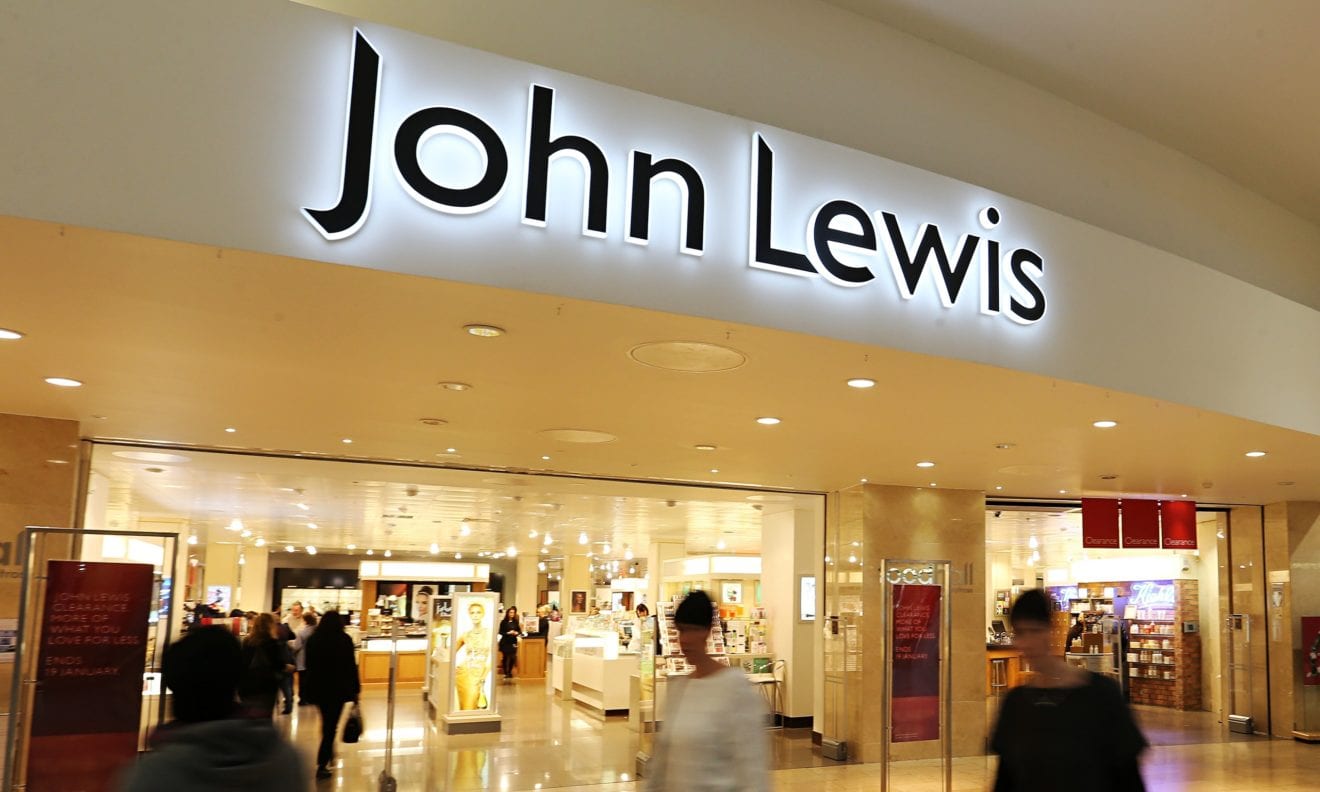
    UK-based company The John Lewis Partnership has announced a renewed business focus on differentiation and innovation.

    The company operates both the fashion, home and technology retailer John Lewis as well as the convenience-chain Waitrose.

    Chairman of the John Lewis Partnership, Sir Charlie Mayfield, said “as retail changes we need to tread a path that enables us to thrive as a business while building on the qualities that make us different.”

    “For us, the relentless pursuit of greater scale is not the right course.”

    The announcement release notes “clear plans to build on our strengths and to sharpen our points of difference in both Waitrose and John Lewis.

    “These plans include further investment in and development of unique products and service, together with a greater emphasis on own brand and innovation.”

    Waitrose will renew its focus on core customers, and plans to extend further the range of “exclusive products while continuing to raise the quality”, including a greater focus on health and well-being.

    The chain is also committing to a higher level of customer service with “an increase in the number of specialists to advise customers” in store.

    John Lewis will focus on three key areas; unique products, personal service and expansion into new services.

    “At the heart of the strategy is developing a curated and targeted assortment, which is increasingly unique to John Lewis,” reads the announcement.

    “Key to this is supercharging women’s fashion, acquiring new niche brands, securing exclusives with international brands and significantly growing design capability”.

  • Purecare Announces International Partnership With Index Living Mall

    Purecare Announces International Partnership With Index Living Mall

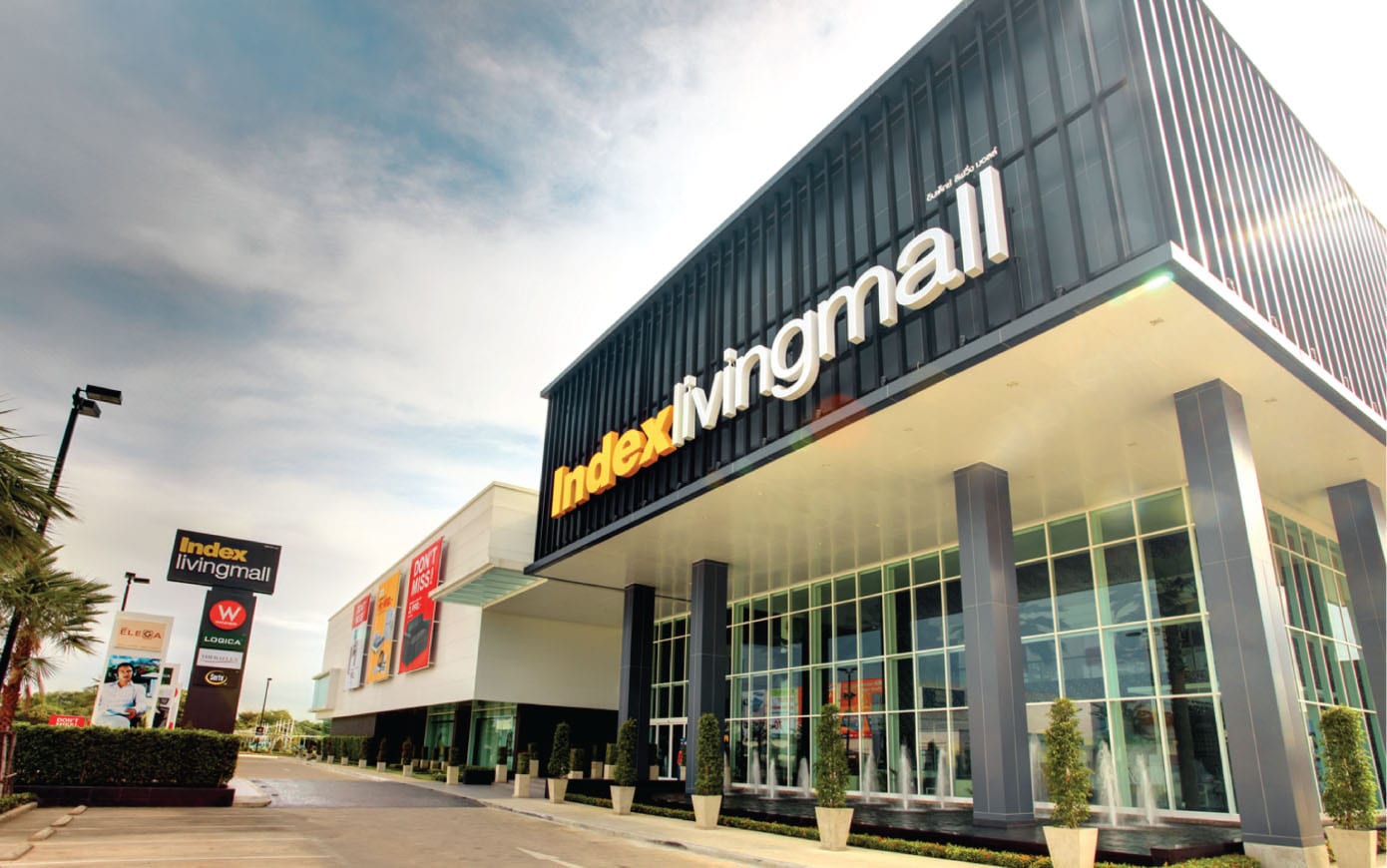
    North American bedding retailer PureCare has announced a partnership with home furnishings retail chain store Index Living Mall.

    Index Living operates 28 locations in Thailand out of 114 stores throughout the Southeast Asia region. It is the largest network of home goods retail stores in Thailand. It will carry a curated collection of PureCare’s bed linens, mattress protectors and pillows from this summer through to autumn this year.

    Ralph Rosen, PureCare’s VP of business development, said: “Both of our companies are committed to offering the very best quality and value to today’s health-conscious consumers and allergy sufferers.

    Our international product and sales team worked closely with their merchandising team of professionals to come up with a specific selection of products that augmented and enhanced Index Living Mall’s current retail offering.”

    President and COO of PureCare Jeff Bergman said that by partnering with PureCare, Index Living Mall has embraced what it envisions as a growing global movement of health and wellness in the ‘top of bed’ category.

    Index Mall’s VP product development Pichapim Patamasatayasonthi added: “This year Index Living Mall aims to become the total “sleep solution center” for our customers. We offer ‘PureCare’ one of the leading innovative brands in the world from the USA now to the Thailand market.”

    PureCare has previously expanded into Canada, Russia, Australia, New Zealand, the UAE, Central America and the Caribbean.

  • Galaxy Note9 invitation hints at revamped stylus

    Galaxy Note9 invitation hints at revamped stylus

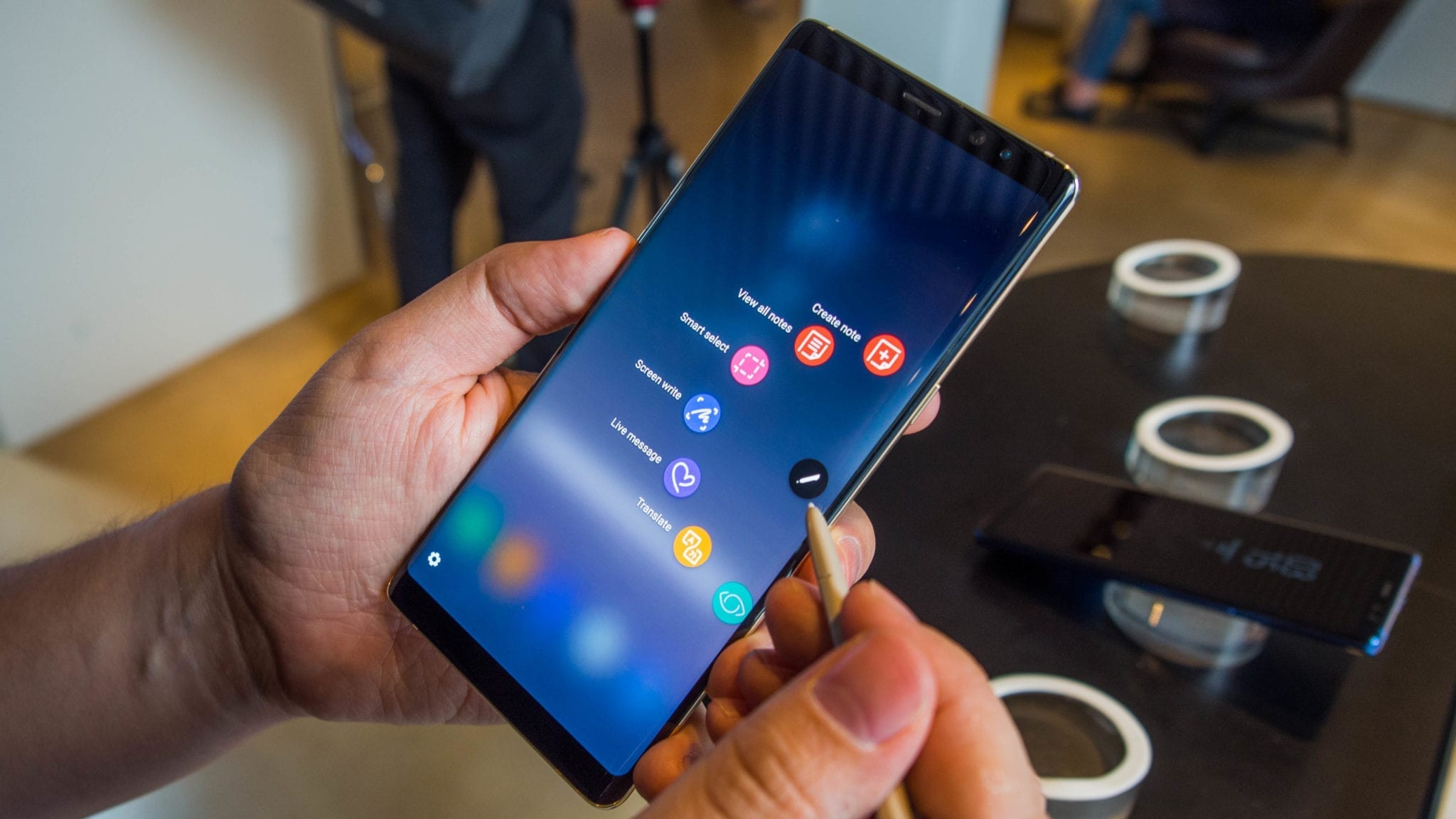
    Samsung Electronics is scheduled to unveil its Galaxy Note9 phablet on Aug. 9 in New York, according to an invitation the company sent to media on Thursday.

    The unpacking event for the next flagship smartphone will take place at 11 a.m. local time on Aug. 9, or midnight on Aug. 10 in Korea, at the Barclays Center in Brooklyn, New York. The showcase will also be livestreamed on the Samsung website.

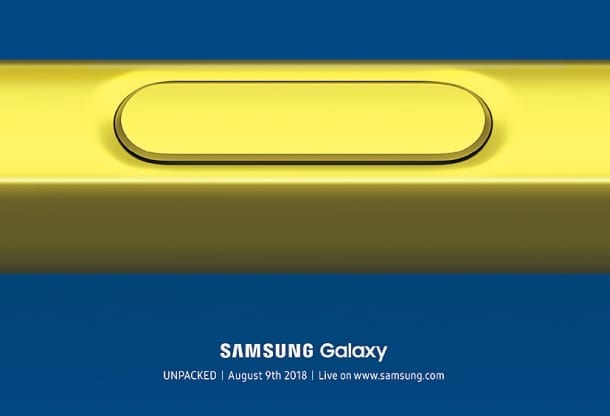
    Unlike previous years, Samsung opted not to include a catchphrase for the new model on the invitation – the Note8 missive came with the slogan “Do bigger things” – instead showing a magnified image of the button on the Note series’ signature S Pen stylus in gold on a blue background.

    The teaser video released with the invitation confirms that the button is on the S Pen, indicating that the new stylus will have enhanced features.

    Some early reports speculate that Samsung has added Bluetooth to the stylus, while other rumors guess that the pen will include a microphone to allow users to make phone calls. The button could be used for capturing images or video on the phone.

    According to a series of leaks, the Note9 has a 6.4-inch super AMOLED display – even bigger than the Note8’s 6.3 inches and S9+’s 6.2 inches. Aside from the increased size, there are few rumors suggesting any other dramatic changes to the phone itself, implying that the revamped S Pen could be the most revolutionary feature in the new device.

    The event for the Note9 comes about two weeks earlier than the Note8, which was first showcased on Aug. 23 last year and began shipping Sept. 21.

  • Tomas Maier to close down

    Tomas Maier to close down

    After more than twenty years of operation, Tomas Maier is no more. The luxury fashion label, founded in 1997 by the German designer of the same name, will cease operations by year-end.

    French luxury conglomerate Kering, which acquired the women’s wear brand in 2013 via a jointly owned company of which it was a major shareholder, confirmed this week it “is ending its partnership with the label, which is ceasing operations.”

    The label has between 20 and 30 employees, and “in the next few months, [Kering] will make every effort to protect their jobs, coordinating with the label’s local employee representatives,” read a press release.

    Furthermore, writing appointments for the resort 2018 and men’s spring 2019 collections have been cancelled and it is understood the next collection probably will not be produced.

    Earlier in the month, Tomas Maier resigned from his role as creative director of Bottega Veneta, which is also part of Kering.

    With a resume that reads Guy Laroche, Sonia Rykiel and Hermès, Maier was pivotal in making Bottega Veneta’s sales go from €50 million to €1 billion in 17 years.

    However, the brand lost momentum in recent years, and Kering changed its creative leadership. Daniel Lee, most recently director of ready-to-wear at Céline, succeeds Maier from 1 July.

    Parent of luxury brands including Gucci, Balenciaga, Saint Laurent and Boucheron, Kering has been selling-off its stake in less profitable fashion brands. It recently disclosed it is in talks to sell its shares in Christopher Kane back to the namesake designer and bid adieu to sports brand Puma earlier in the year.

  • Casino teams with L’Oréal to launch Paris wellbeing stores

    Casino teams with L’Oréal to launch Paris wellbeing stores

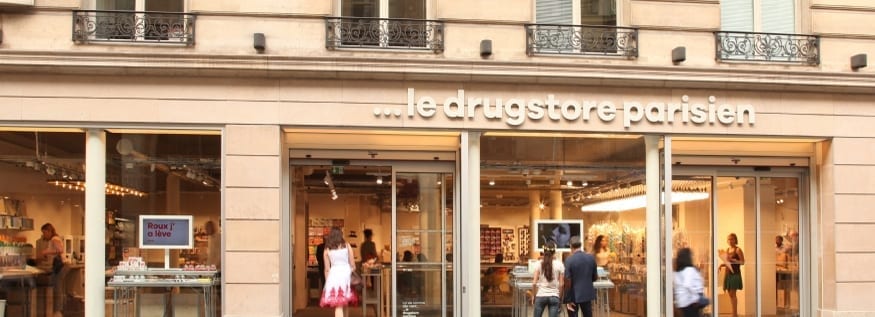
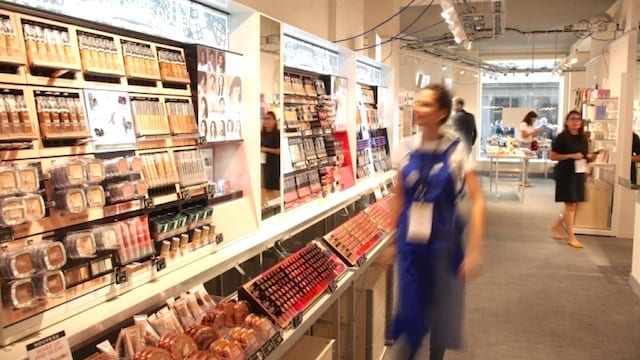
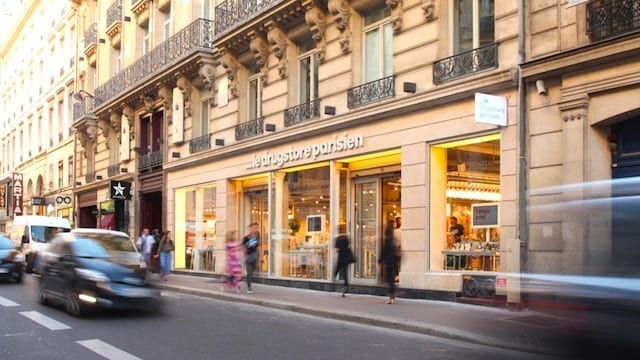
    French retailer Casino Group has teamed with cosmetics company L’Oreal France to launch Le drugstore Parisien, a new retail concept targeting city-dwellers in the heart of Paris.

    The two companies boldly claim the concept will “revolutionise the beauty and well-being shopping experience in the French capital”.

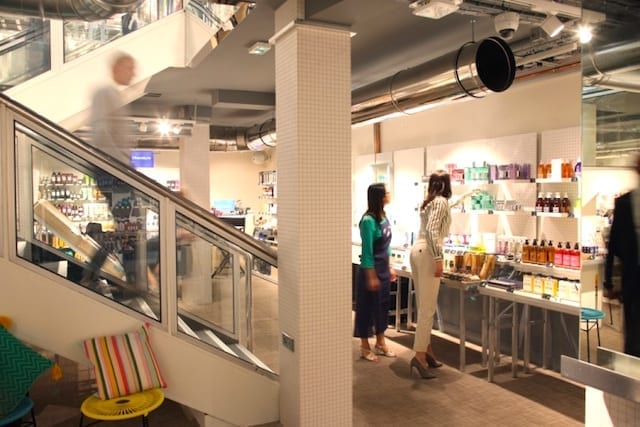
    Operated under Casino Group’s Franprix banner, Le Drugstore Parisien is positioned as “the urban store for beauty from within, practical treats and serendipity [the art of making unexpected discoveries].”

    The store will offer beauty and well-being products alongside over-the-counter pharmaceutical products, sewing kits, accessories and healthy snacks and treats.

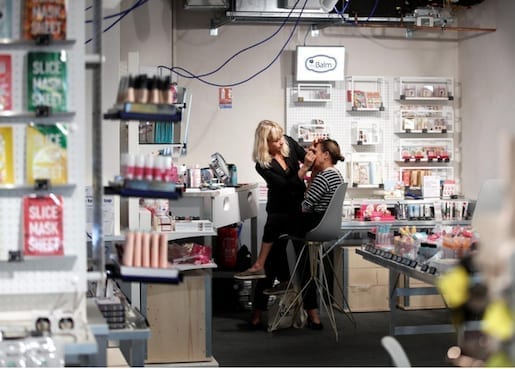
    A number of L’Oreal brands will be available, including L’Oreal Paris, Maybelline, Garnier, NYX Professional Makeup, Essie and Sanoflore, as well as exclusive, expert brands so that shoppers can discover something new with every visit.

    Amenities designed specifically for urban consumers will also be on hand, such as free Wi-Fi, mobile-phone charging points, water fountains, shoe-shining machines, sinks and dressing tables, dry cleaning, parcel pick-up points, light therapy areas, key exchange, and one-hour delivery for certain products.

    Jean Paul Mochet, CEO of convenience banners at Casino Group, said the company has for several years been working to find ways of helping convenience stores connect better with customers.

    “In cities, we have been paying particular attention to the new ways space and time are used, which are radically changing consumer behaviour. The lines between work, culture and fun are being blurred, creating a new way of living. So city-dwellers need tailored products and services to make their lives easier. This goal was exactly what we had in mind when designing Le Drugstore Parisien – a unique, laid-back place that celebrates joy, pleasure and well-being amidst the hustle and bustle of Paris life.”

    The first two Le Drugstore Parisien sites opened last weekend at 66, Rue de la Chaussee d’Antin and 122, Rue du Bac in districts 9 and 6, respectively. They will be trade seven days a week, from 10am to midnight Monday to Saturday and from 11am to 8pm on Sundays. One day a month, they will open for 24 hours to offer Parisians exclusive events and well-being services.

  • New York-based Russian label J.Mendel files for bankruptcy

    New York-based Russian label J.Mendel files for bankruptcy

    After fighting creditors in court for several months now, fashion label J.Mendel has filed for bankruptcy, in a last minute bid to restructure debts and continue operations.

    The U.S-based womenswear brand has officially filed for Chapter 11 protection in bankruptcy court in New York.

    According to J.Mendel’s controlling investor Stallion Inc. and its John Georgiades — who has been at the helm of the Russia-founded firm since Marc Durie’s leaving as CEO in early 2016 – the company plans to “move forward” despite the news.

    “Restructuring the company’s debts will allow J.Mendel to face the current challenging luxury retail environment, and I am confident that this will allow the company to move forward with renewed financial stability, allowing us to focus on crafting the best designs for our devoted clientele,” said Georgiades.

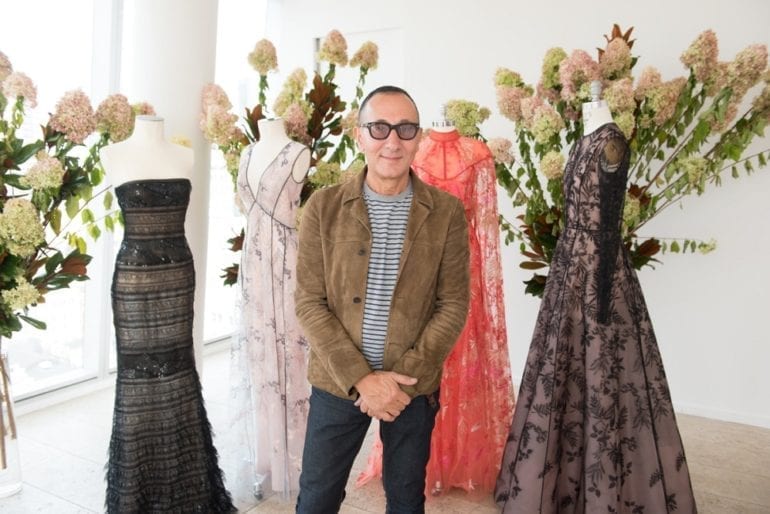
    With bills owing to landlords and modelling agencies, among other firms, J.Mendel’s creative director and brand scion Gilles Mendel, revealed that he continues to work on the label’s upcoming collection.

    “I am actively designing our spring 2019 collection and look forward to presenting it in September during fashion week,” said Mendel.

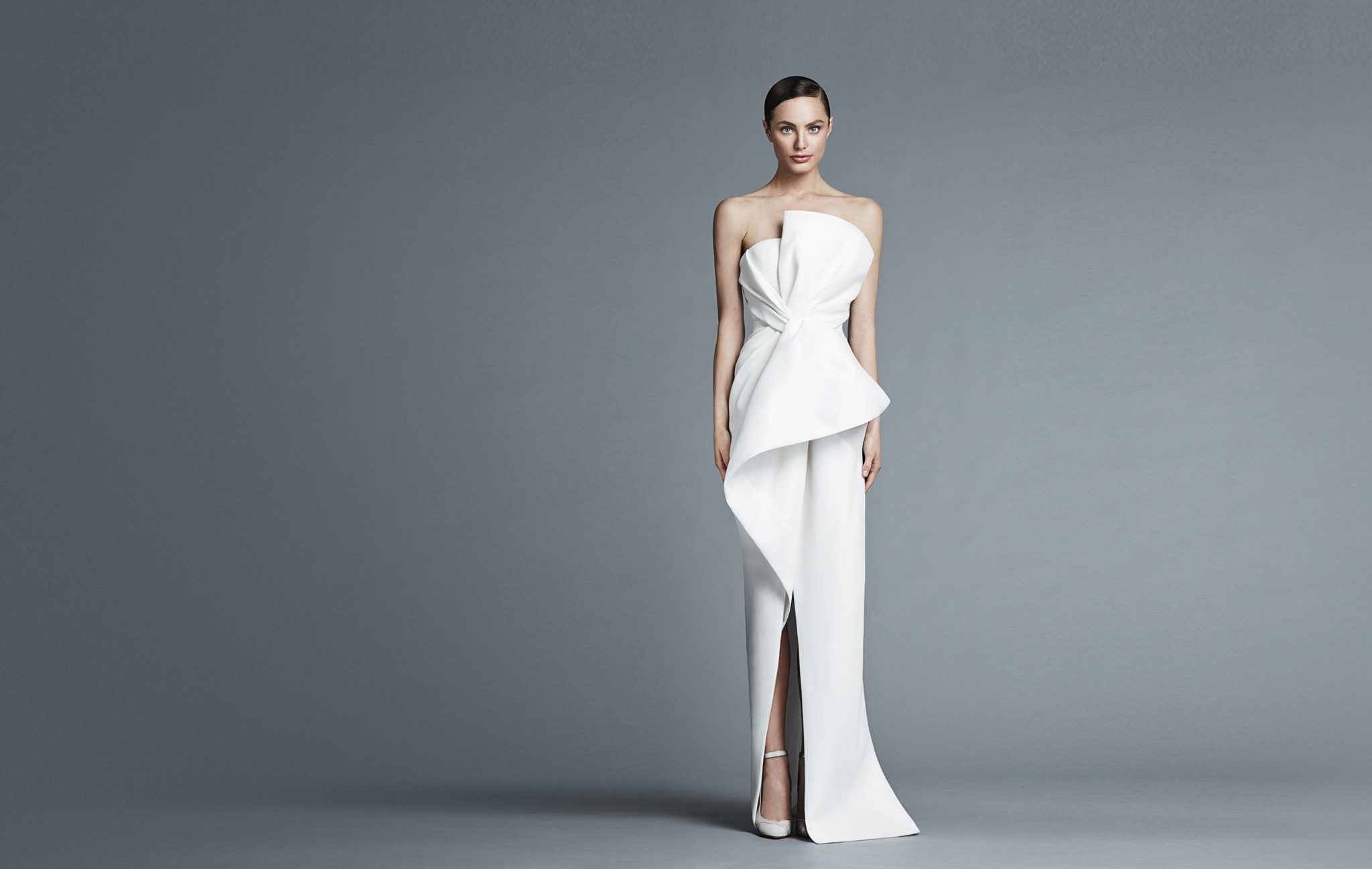
    Founded in St. Petersburg, Russia, in 1870 before moving to New York in the 1980s under Mendel’s guide, J.Mendel is known its formal women’s wear and gowns that often appear on red carpets.

    In 2015, J.Mendel reportedly made some $30 million a year in sales from its ready-to-wear, couture, bridal and accessories lines.

    According to recent U.S. press reports, the brand owes real estate firm The Arsenal Co. $1.1 million relating to the lease of an entire floor in a Midtown building, where the brand previously kept its headquarters, which is left early and has since stopped paying.

    Earlier this year, public relations firm Karla Otto said the brand owed $260,000 for its work putting on J.Mendel’s first couture show in July 2016 in Paris.

    The New York Times is also suing J.Mendel for $28,000 owed for advertising. DNA Model Management is owed close to $60,000 in unpaid modelling fees while Er Fur Trading Corp. requires $107,500 for animal fur skins.

    It also owes e-commerce platform management company Acadaca LLC some $60,000.