Tag: International

  • World’s biggest brands put on notice over 5,000,000-tonne laminate packaging problem

    World’s biggest brands put on notice over 5,000,000-tonne laminate packaging problem

    Big brands have been put on notice about their inaction over the world’s growing 5,000,000-tonne problem of plastic aluminium laminate waste.

    Following revelations about the scale of the problem in the UK and internationally, the CEO of the company behind the world’s only solution for recycling laminates – food pouches, pet food pouches, toothpaste tubes, sachets – has called on the world’s biggest FMCG companies to support investment in new processing capacity.

    Enval CEO Dr Carlos Ludlow-Palafox has written an open letter addressed to the CEOs of companies that benefit from laminate packaging, such as Unilever, Kraft, Nestlé Mars, Colgate, Campbell’s, GSK and Hain-Celestial to get behind efforts to process post-consumer waste.

    Across Europe and the US, billions of plastic aluminium laminate pouches, tubes and sachets are being discarded and sent to landfill or incineration while consumers are often misled into thinking that they are recycled, as reported.

    In the UK alone more than 10 billion laminate packaging items are sold annually but fewer than 1 in 20,000 is recycled. Of the remainder two thirds go to landfill and the rest are incinerated. This recycling rate is 50 times worse than that of disposable coffee cups, which has received great attention from media and politicians alike.

    Because the material contains bonded plastic and aluminium, the packages cannot be treated either as plastic or as aluminium. Only the Enval process can deal with them, however currently there are no major initiatives in place in the UK or the world to collect and sort post-consumer packages and genuinely recycle them.

    To process the waste, Enval has developed the world’s only commercial scale plant to deal with the material, which uses a microwave heating method to recover the aluminium into reusable ingots and process the plastic into reclaimed oil.

    Manufacturers and waste companies have undertaken successful trials with the Enval plant but have failed to support wider collection and processing efforts due to a reluctance to make the initial investment required.

    Enval CEO Dr Ludlow-Palafox said the lack of involvement by the FMCG brand owners and the risk-averse nature of the waste handling sector has meant the Huntingdon plant is still the only one in operation.

    “We believe the time for complacency is over. FMCG brands are using laminate packaging because of its exceptional characteristics and cost and environmental benefits. Yet the fact remains that more than 10 billion pouches, tubes and sachets end up being thrown away in the UK alone. This is inexcusable now that we have an environmentally sustainable and economically viable solution. These same companies boast about their environmental credentials: it is time for some action.

    “Consumers are buying laminate packaging in good faith – often either thinking it can be recycled or because there is no other choice. Big brands have reaped the benefits of advancements in packaging technology while delivering no certainty to consumers.

    “The problem of single-use laminates dwarfs that of coffee cups. Brands and regulators now need to put their money where their mouth is and ensure that laminates can be genuinely reprocessed and these materials brought into a circular economy that benefits both the market and the planet.”

    Independent studies commissioned by WRAP UK and the UK’s Department for Environment, Food and Rural Affairs (DEFRA) have shown that laminates can be readily separated from waste streams using conventional sorting technology. These studies also proved that a majority of householders, when asked, sort laminates for recycling for collection as they do with other materials.
  • Nike, Sony and NBA collaborate for PlayStation sneakers

    Nike, Sony and NBA collaborate for PlayStation sneakers

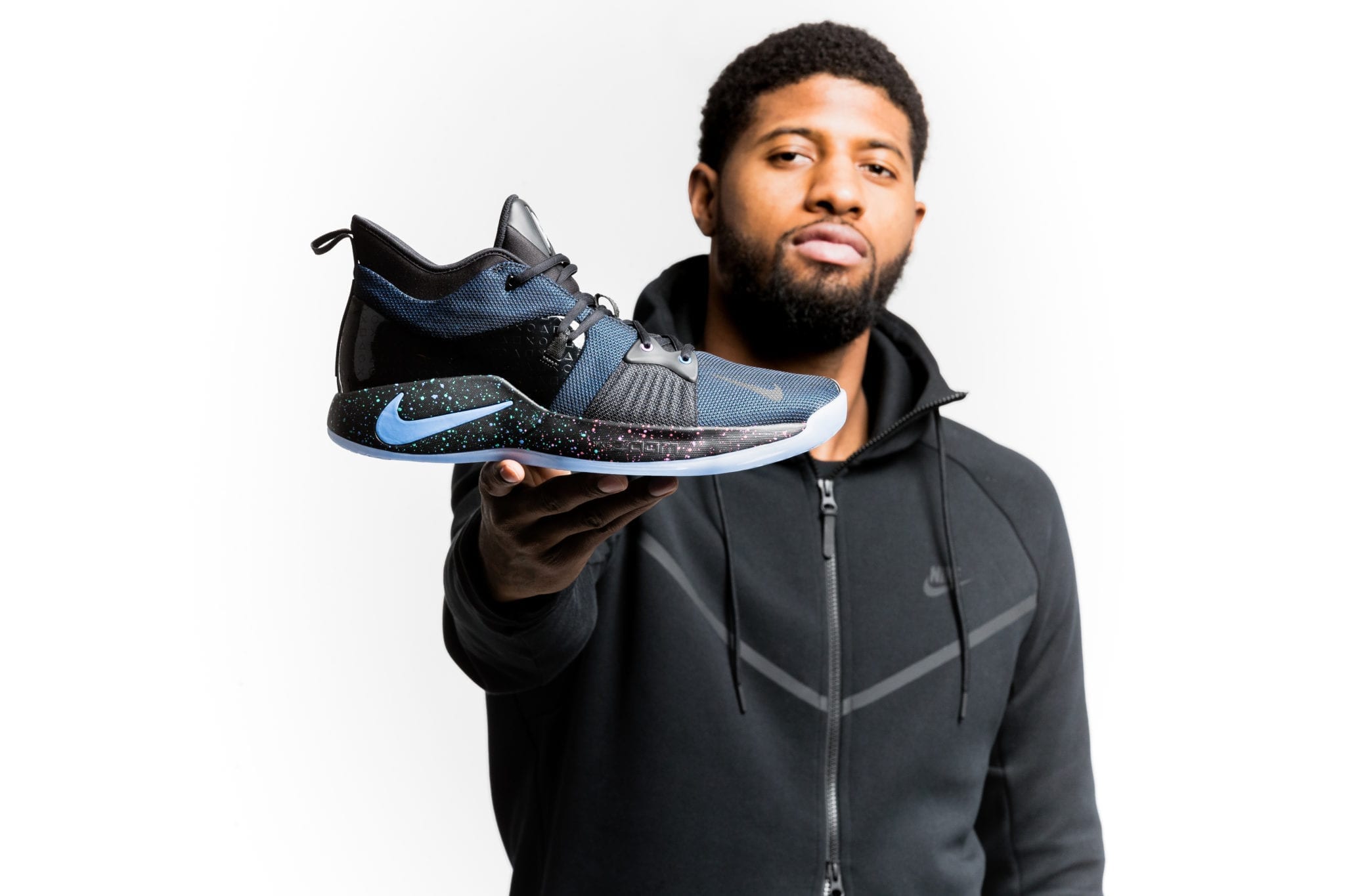
    Nike and Sony Playstation are set to introduce a signature shoe with NBA superstar Paul George.

    Both Nike and Sony have released a teaser video showcasing the sneakers, expected to be released in limited quantities on February 10.

    Capturing the spirit of PlayStation, the footwear features LED logos on the tongue that light up either on static mode or pulse.

    The midsole also takes on PlayStation’s galaxy theme, echoing the PlayStation 2 start-up screen.
    The eyelets on the shoes also feature the classic PlayStation button colours of pastel green, red, pink and blue.

  • Michael Hill to step out from US market

    Michael Hill to step out from US market

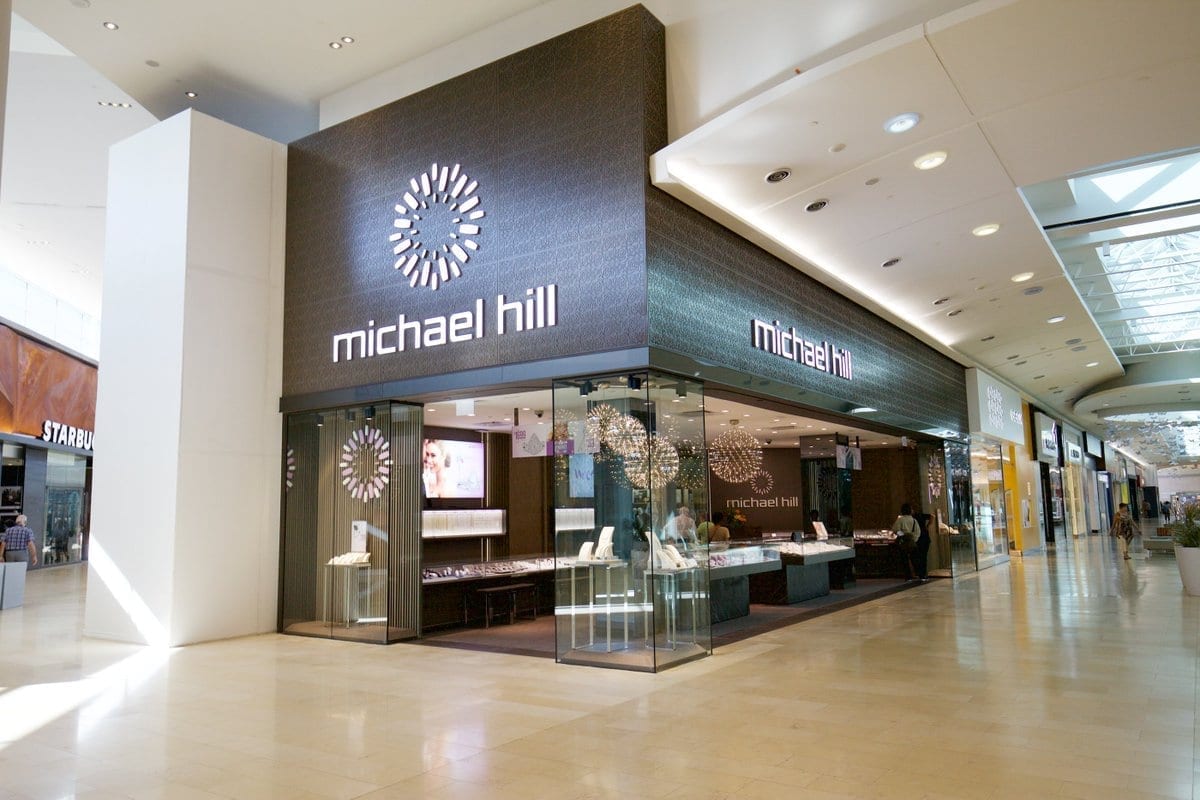
    New Zealand jeweller Michael Hill is to close down its US operations following a strategic review.

    The complete exit of its loss-making retail operations in the US comes after continued poor performance saw same-store sales drop a further 10 per cent in the retailer’s most recent trading update.

    Since launching in the US in 2008, the Michael Hill US business has struggled to provide a return for the group despite significant investment into developing a viable business model.

    “Our time in the highly competitive US jewellery market taught us a lot and helped to strengthen our core business including the development of our bridal collection strategy and the development of our professional care plan,” said Taylor.

    “However, our US operations have not gained sufficient traction in recent years and the level of capital required to scale-up the business is not warranted under current trading conditions.”

    After the US closures are finalised, Michael Hill will continue to operate more than 300 stores globally, including 172 in Australia, 53 in New Zealand and 83 in Canada.

    The company said it continues to see significant long-term value in its Australia, New Zealand and Canada businesses. which continue to perform strongly. During the first half of the current year, those stores accounted for 95 per cent of total group revenue and recorded same-store sales and total revenue growth of 1 per cent and 5 per cent respectively.

  • Amazon Go, a high-tech version of a 7-Eleven, finally opened on Monday

    Amazon Go, a high-tech version of a 7-Eleven, finally opened on Monday

    No cashiers, no lines, no registers – this is how Amazon sees the future of in-store shopping.

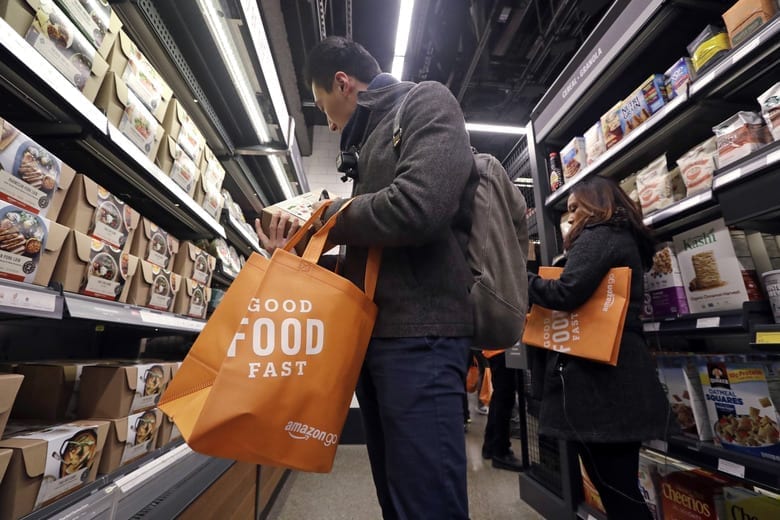
    The online retailer opened its Amazon Go concept store to the public on Monday, selling milk, potato chips and other items typically found at a convenience shop. Amazon employees have been testing the store, which is at the bottom floor of the company’s Seattle headquarters, for about a year.

    The public opening is another sign that Amazon is serious about expanding its physical presence. It has opened more than a dozen bookstores, taken over space in some Kohl’s department stores and bought Whole Foods last year, giving it 470 grocery stores.

    But Amazon Go is unlike its other stores. Shoppers enter by scanning the Amazon Go smartphone app at a turnstile. When they pull an item of the shelf, it’s added to their virtual cart. If the item is placed back on the shelf, it is removed from the virtual cart. Shoppers are charged when they leave the store.

    The company says it uses computer vision, machine learning algorithms and sensors to figure out what people are grabbing off its store shelves.

    Amazon says families can shop together with just one phone scanning everyone in. Anything they grab from the shelf will also be added to the tab of the person who signed them in. But don’t help out strangers: Amazon warns that grabbing an item from the shelf for someone else means you’ll be charged for it.

    At about 167 square metres, the store will also sell ready-to-eat breakfasts, lunches and dinners. Items from the Whole Foods 365 brand are also stocked, such as cookies, popcorn and dried fruit.

    The company had announced the Amazon Go store in December 2016 and said it would open by early 2017, but it delayed the debut while it worked on the technology and company employees tested it out.

  • Audemars Piguet to try secondhand market

    Audemars Piguet to try secondhand market

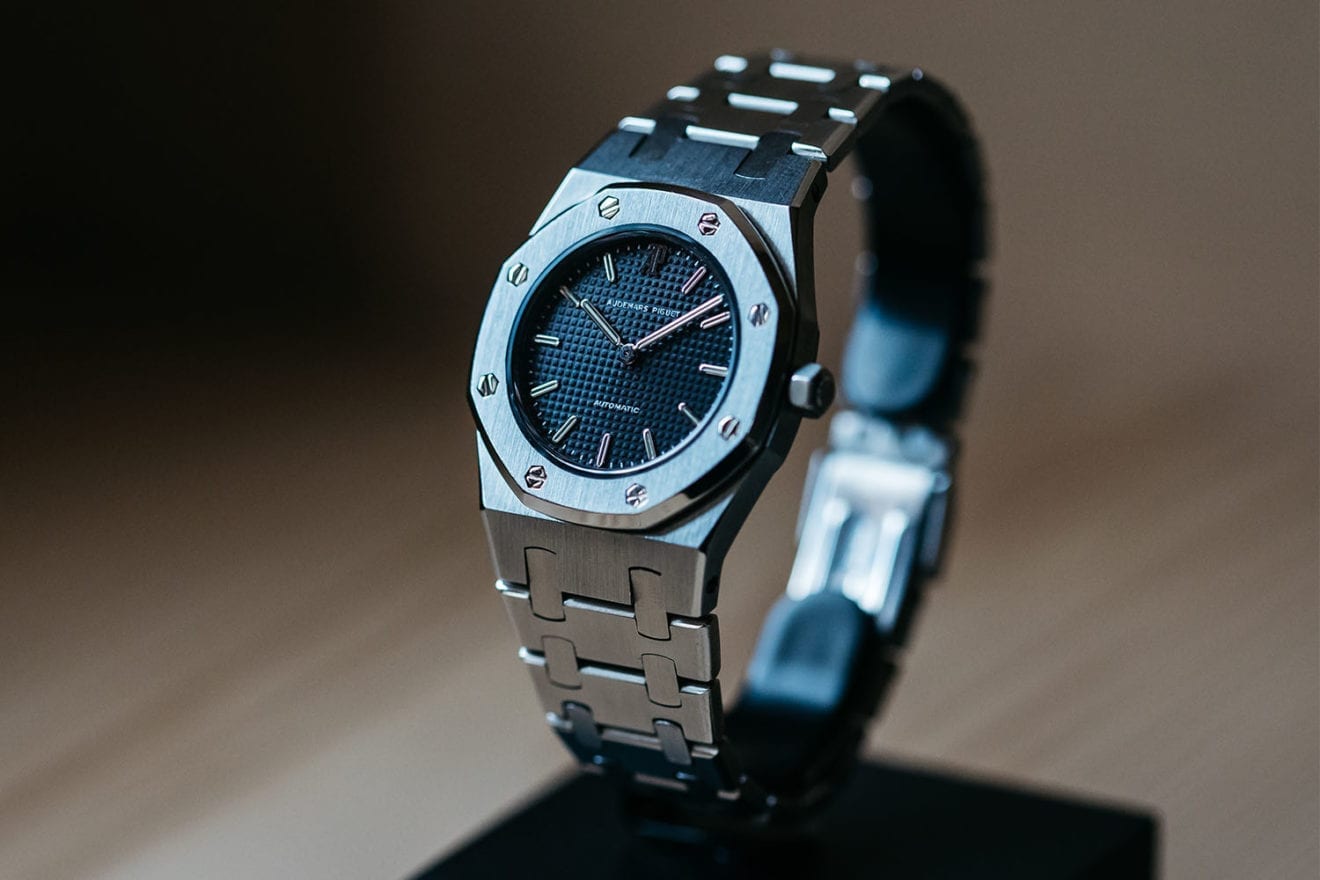
    Swiss luxury watchmaker Audemars Piguet is planning to launch its own shop for used watches.

    It is believed to be the first major watch brand to break into the growing market for secondhand luxury timepieces.

    Audemars Piguet (AP) says it has had a “test run” at a Geneva store and intends to expand its secondhand business to other Swiss locations. Initially it is treating customer trade-ins as partial exchanges, later aiming to sell the pieces.

    “Secondhand is the next big thing in the watch industry,” says AP chief executive Francois-Henry Bennahmias. “At the moment, we leave it to what I call the ‘dark side’ to deal with demand for pre-owned pieces.”

    Smaller-scale watch brands such as H.Moser & Cie and MB&F will join AP in expanding to the secondary high-end goods market later this year.

    “It is important to control the sale of secondhand watches to protect owners and the value of watches already in the market,” says H.Moser & Cie’s Edouard Meylan.

  • Budget fashion star Primark boasts record Christmas sales

    Budget fashion star Primark boasts record Christmas sales

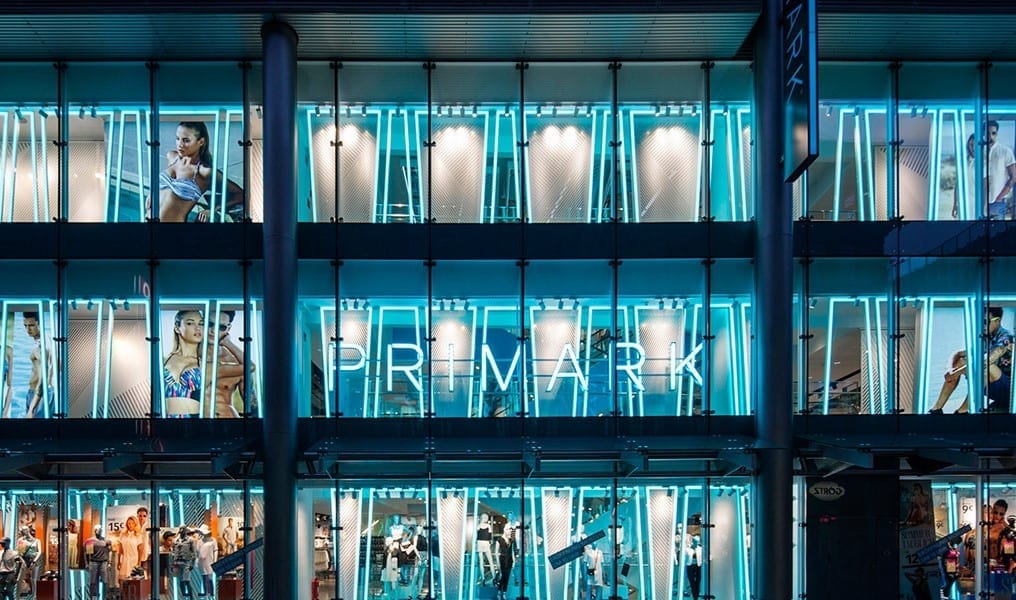
    UK fast-fashion retailer Primark has reported record Christmas sales, largely due to the addition of a massive 300,000sqft of retail selling space.

    In its home market, Primark opened five stores during the 16-weeks to January 6 and during the whole year added 1.1 million sqft of space. By the end of the period the company, a subsidiary of Associated British Foods, operated 350 stores and 14.2 million sqft of trading space.

    Total retail sales rose 7 per cent year-on-year on a constant currency basis.

    “The UK continued to perform well with strong like-for-like sales, a consequent strong increase in share of the total market, and trading which reflected the breadth of our consumer offering,” the company said in a statement.

    Figures for Europe were less inspiring, due to warm weather in October reducing demand for winter clothing.

    The company said its operating margins in the first half year are now expected to be close to those in the same period last year with better buying almost offsetting the adverse effect of the weaker exchange rate between the pound and the US dollar.

  • Retailers suffer worst December since 2010

    Retailers suffer worst December since 2010

    Retail sales fell more sharply than expected in the core Christmas month, capping the worst December performance for volumes since 2010.

    The Office for National Statistics (ONS) issued the grim update on the health of the high street just hours after Carpetright became the latest big name chain to announce a profit warning .

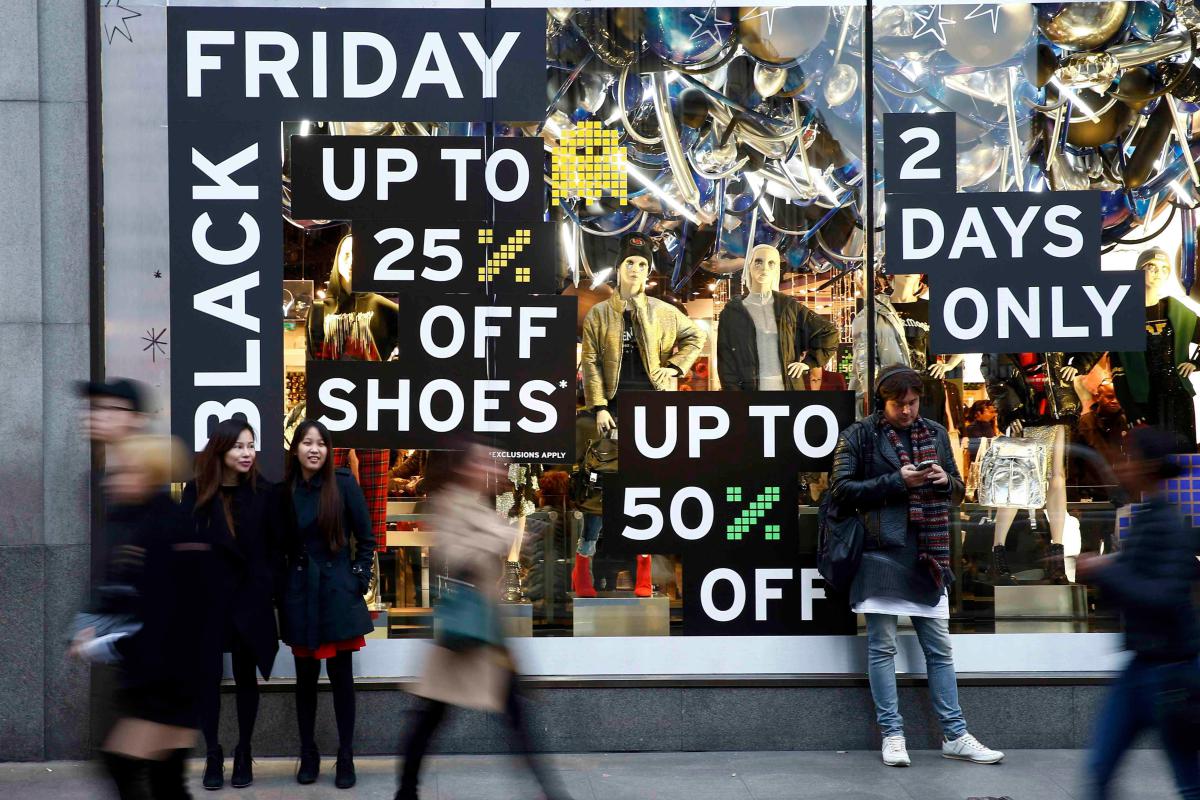
    The retail figures showed sales volumes fell 1.5% on November which was boosted by strong Black Friday trade.

    It marked the biggest month-on-month fall since June 2016 – the month when the UK was focused on the Brexit vote on 23 June.

    The Leave win prompted a collapse in the value of the pound, resulting in a leap in shop prices during 2017 as a whole as stores passed on higher import costs.

    Higher inflation, coupled with earnings failing to keep pace, has been a thorn in the side of the retail sector as the squeeze on shoppers’ budgets has dented demand for non-essential goods.

    The ONS said 2017 was the weakest year for retail since 2013 but it still recorded year-on-year growth of 1.3% and a rise of 1% over the final quarter of the year.

     How the major retailers have fared over Christmas

    Senior statistician, Rhian Murphy, said: “Retail sales continued to grow in the last three months of the year partly due to Black Friday deals boosting spending.

    “Consumers continue to move Christmas purchases earlier with higher spending in November and lower spending in December than seen in previous years.

    “However, the longer-term picture is one of slowing growth, with increased prices squeezing people’s spending.

    “Over the year the proportion of internet spending is continuing to rise, with almost one in every five pounds spent online by the end of 2017.”

    Ruth Gregory, UK economist at Capital Economics, said it was difficult to get a clear picture of the state of the high street because the ONS figures showed retail sales values rising – suggesting a limited impact from price pressures.

    “A fall in retail sales volumes in December had always looked likely, given November’s hefty rise.

    “After all, UK retailers’ adoption of “Black Friday” discounting appears to have caused consumers to bring forward their Christmas purchases, rather than to buy more overall in recent years,” she wrote.

  • Dunkin’ Donuts Unveils Next Generation Concept Store in the US

    Dunkin’ Donuts Unveils Next Generation Concept Store in the US

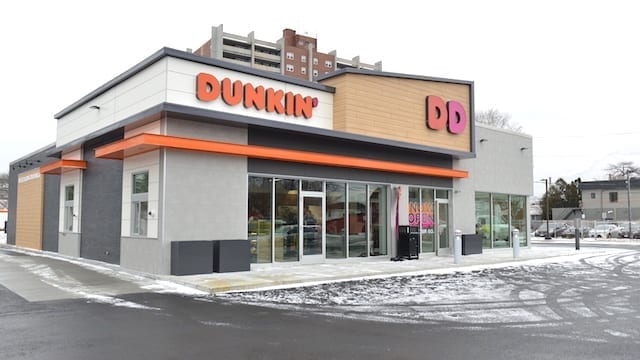
    Dunkin’ Donuts US has unveiled its next generation concept store – in the city where it opened its very first outlet 68 years ago.

    The new store, in Quincy, Massachusetts, features what the brand describes as “a modern atmosphere” and new and innovative technologies and design elements – including the first drive-thru exclusively for mobile ordering.

    The “On-the-Go drive-thru lane” allows members of the Dunkin’ Donuts loyalty program DD Perks who order ahead via a mobile app to bypass the ordering lane and merge straight into the line for the pickup window.

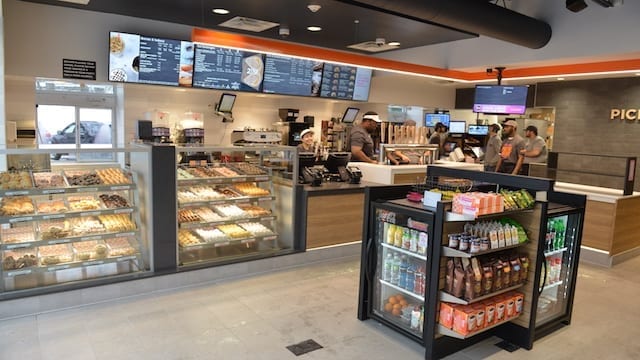
    The interior design uses lighter colored materials, an open layout and natural light to create an approachable, positive and energetic environment.

    And a new tap system has been designed to pour eight types of cold beverages such as coffees, iced teas, cold brew coffee and nitro-infused cold-brew coffee.

    Later this year, Dunkin’ Donuts will introduce digital kiosks allowing customers to order with or without the help of a staff member, while a mobile pick-up area will allow DD Perks members to order ahead via an app, reducing the time waiting in-store.

    New uniforms are also revealed in the Quincy store, including headwear designed in partnership with lifestyle brand Life is Good. Staff t-shirts feature slogans such as “Fuelled by Positive Energy,” and “Drink Coffee. Be Awesome”.

    The new 2200sqft Quincy stores is located about 1.6km from the original Dunkin’ Donuts US location and is the first of 30 or more new and remodelled Dunkin’ Donuts US restaurants that will test variations of the new design this year.

    The final Dunkin’ Donuts store design will be unveiled once testing is complete. The Quincy store is also one of a select number of restaurants testing new signage that refers to the brand simply as “Dunkin’.”

    “The launch of our next generation concept store marks one of the most important moments in Dunkin’ Donuts’ growth as an on-the-go, beverage-led brand,” said Dave Hoffmann, president of Dunkin’ Donuts US and Canada. “We have worked closely with our franchisee community to create a positive, energetic atmosphere for our guests that remains true to our heritage, while emphasising and enhancing the unparalleled convenience, digital innovation and restaurant excellence that distinguishes Dunkin’. We are thrilled to begin the New Year with such an exciting milestone for our brand, and look forward to rolling out Dunkin’ Donuts’ store of the future to our guests in all of our communities.”

  • Apple’s multi-billion dollar bonanza

    Apple’s multi-billion dollar bonanza

    Apple will make about $US38 billion ($A53 billion) in tax payments on its overseas cash and plans to open a second US campus as part of a five-year, $US30 billion US investment plan.

    Apple said it plans a wave of investing and hiring in the United States and will create 20,000 jobs through hiring at its existing campus and the new one. It will announce the location later this year.

    About a third of the new spending will be on data centers to house its iCloud, App Store and Apple Music services. The company has data centers in seven states and also on Wednesday broke ground on an expansion of its operations in Reno, Nevada, where local officials granted it tax breaks on a downtown warehouse.

    The announced tax payment was roughly in line with what analysts expected from the tax bill, which requires companies to pay a one-time tax on foreign-held earnings whether they intend to bring them back to the United States or not.

    Apple has $US252.3 billion in cash abroad and previously had set aside $US36.3 billion in anticipation of tax payments on its foreign cash, meaning the payment would not represent a major impact on its cash flow this quarter.

    Apple did not indicate how much, if any, of its cash it would actually bring back to the United States.

    Apple also said it would boost its advanced manufacturing fund, which it uses to provide capital and support to suppliers such as Finisar Corp and Corning Inc, from $US1 billion to $US5 billion. Apple said it plans to spend $US55 billion with US-based suppliers in 2018, up from $US50 billion last year.

    Apple joins Amazon.com Inc in scouting for a location for a second campus. Amazon finished taking applications from cities in October for its second campus.

  • Gold Phantom Opéra de Paris | Devialet limited edition in Asia Pacific

    Gold Phantom Opéra de Paris | Devialet limited edition in Asia Pacific

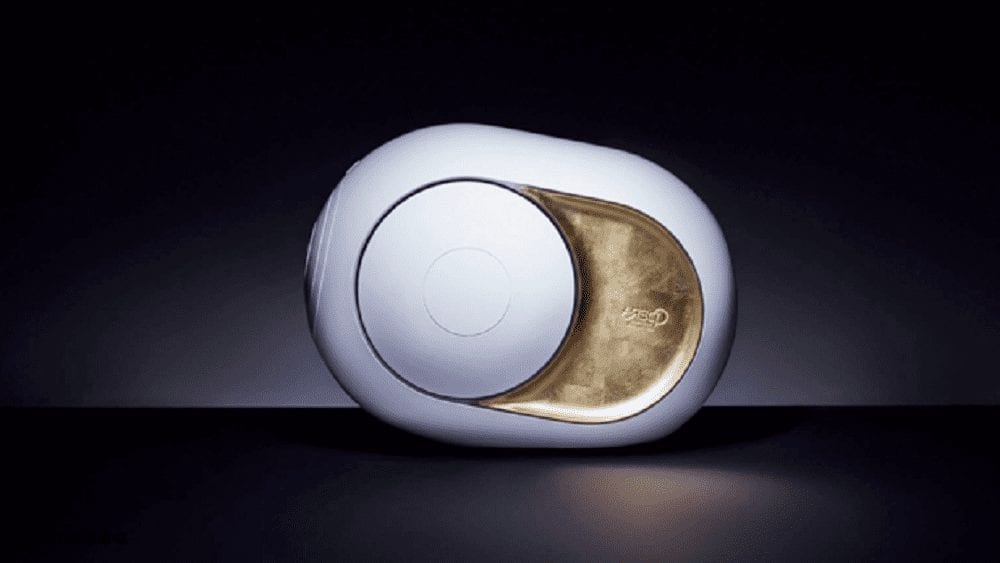
    Following the announcement of their 10-year partnership, Devialet is releasing a limited supply of Gold Phantom Opéra de Paris | Devialet to its key flagships across Asia Pacific region.

    The partnership and licence agreement will see the two organisations work together upon a shared vision of excellence and strong ties to France’s musical and historical heritage.

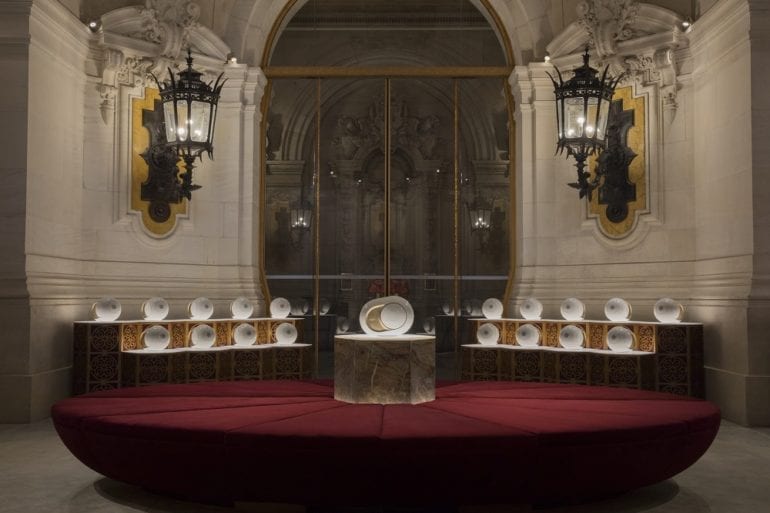
    The three main focuses of the project will be a Devialet sound discovery area within the Palais Garnier, a co-branded product line, and an Opera “hors les murs” (outside the walls) project, offering a new way to listen to and experience opera.

    Jean-Philippe Thiellay, Deputy General Director of the Paris Opera said; “The search for new forms of outreach and development is an integral part of our mission. Devialet is a magnificent partner for us, with a uniquely French take on innovation and excellence that is completely in line with the Opera’s own vision. The Paris Opera will celebrate its 350th anniversary in 2019, and is constantly seeking new ways to reinvent itself as an institution.”

    Devialet can claim such a partnership as one of its kind and Quentin Sannié, cofounder and CEO of Devialet commented :  “Working alongside the Paris Opera, a symbol of excellence, and having a presence in the Palais Garnier, the visionary work of an innovator of his time, has been a dream for almost 10 years. We want to use this project to contribute to the influence of French creativity around the world.”

    Retail in Asia joined the launch of the limited edition of 88 pieces available in Hong Kong. Hong Kong is one of three chosen destinations in the world to release the covetable collection’s edition otherwise only available within the sound discovery area of the Opera Garnier, Paris.

    The launch at the Devialet private lounge in Lee Garden One in Causeway Bay presented the Gold Phantom Opéra de Paris | Devialet as if it was an artwork dominating the hall. Once unveiled, the guests were transported to the Opéra de Paris on the musical notes of the The Phantom of the Opera.

    Drawing on the iconic gilded interiors of the Auditorium, each Gold Phantom Opéra de Paris | Devialet features the Paris Opera logo and gold leaf gills finished by Ateliers Gohard, according to meticulous and time-honored oil gilding methods.

    Handed down across 3 generations of traditional and fine application, they have treated each of Phantom’s side panels with the same original mastery used to restore and illuminate the gold of the Palais Garnier itself.

    The design, being finished by Ateliers Gohard makes the collaboration between Opéra de Paris and Devialet a 360 degree experience of the excellence of French art in its myriad of realizations.

    Each gold leaf is applied by hand for a unique and irreplaceable patina. Once the leaf has been applied, it cannot be removed. Absolute perfection is required first time round.

  • Google to open e-suite office in Shenzhen

    Google to open e-suite office in Shenzhen

    A month after announcing plans to open its first AI lab in China, Google is expanding again through a move into Shenzhen.

    The U.S. tech giant has opened an office in the Chinese city, which borders Hong Kong and known for being a global hardware hub. This is not a fully-blown Google campus, instead the company has taken up space within a serviced office starting this week.

    “We have many important clients and partners in Shenzhen. We are setting up this e-suite office to be able to communicate and work with them better,” a spokesperson said in a statement confirming the news.

    Shenzhen is home to Tencent, the $500 billion firm behind WeChat, and mobile giants Huawei and ZTE, while the likes of Alibaba and Baidu are also present. The city has a thriving maker community, which includes global hardware accelerator program HAX.

    Google currently has offices in Shanghai and Beijing.

    There’s much to dig into around the search giant’s upcoming China-based AI lab, which taps into China’s growing AI talent pool and could signal a move to developing China-focused products. That, plus the re-launch of Google Translate app in China last year, gave fuel to the idea that the firm is ‘back’ in China. The Shenzhen presence is a more subtle development, a nod to the importance of the city for Google’s business.

    The Shenzhen office is likely to be used by a number of teams that already spend a lot of time in the city. Google decided that something more permanent was preferable to working out of hotels or public spaces. The firm’s China-based sales team, its hardware team and those in logistics, sourcing, supply are most likely to make use of it.

    Further down the line it seems possible that Google might opt for an office space that is more permanent — and more Googly — but for now we understand that there’s no timeline for that.

    The Shenzhen base also reflects Google’s position following its $1.1 billion deal to acquire a large chunk of HTC’s smartphone business. As a report from The Information recently noted, Google has also ramped up its hardware efforts in China. Its headcount for its Shanghai-based hardware engineering jumped to more than 100 from just 20 one year ago, the publication said.

    “I expect Google to make its Home products and more in Shenzhen. No doubt they have staff visiting frequently,” Benjamin Joffe, General Partner at HAX said.

    “Considering the push they had at CES and the fact that they are expanding the product line there will probably be more Googlers to join the ranks of Apple, Amazon and other companies’ staff in the watering holes and eateries of Shenzhen, in Nanshan or Futian,” he added.

  • Luk Fook Holdings retail Business 3Q Same Store Sales Up 1% On Year

    Luk Fook Holdings retail Business 3Q Same Store Sales Up 1% On Year

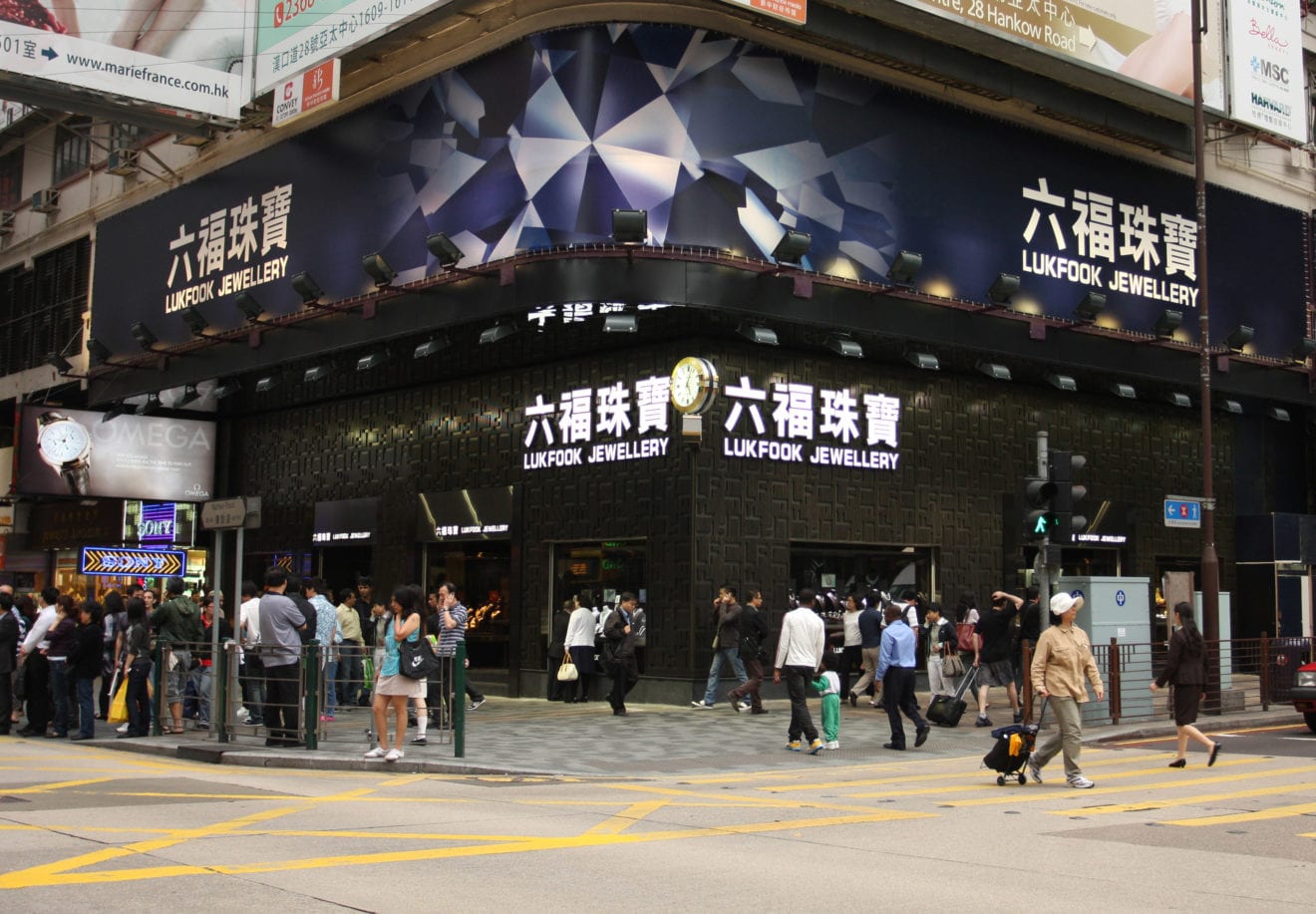
    Luk Fook Holdings (International), a Hong Kong-listed jewelry retailer, said Wednesday its retail business same store sales for October to December was up 1% on year.

    In the third quarter, same store sales growth of gold products were down 3% and gem-set jewelry products were up 10%, it said in an exchange filing.

    “The gem-set jewellery products in Hong Kong and Macau market continued to benefit from the market improvement as well as the successful introduction of more varieties of stylish and good-value-for-money products,” it added.

  • Burberry third quarter sales slip 2 percent as it starts up-market move

    Burberry third quarter sales slip 2 percent as it starts up-market move

    UK luxury brand Burberry today reported a 2% drop in retail revenue for the Christmas quarter after sales in Europe slipped against a year ago when a fall in the pound had helped its home market.

    Chief executive Marco Gobbetti set out a plan in November to take the label further up-market.

    But the company said there would be little, if any, growth in revenue and operating profit until its 2021 financial year as the programme was implemented.

    Burberry said its retail revenue was £719m in the three months to December 31, its fiscal third quarter, down from £735m the same time in 2016.

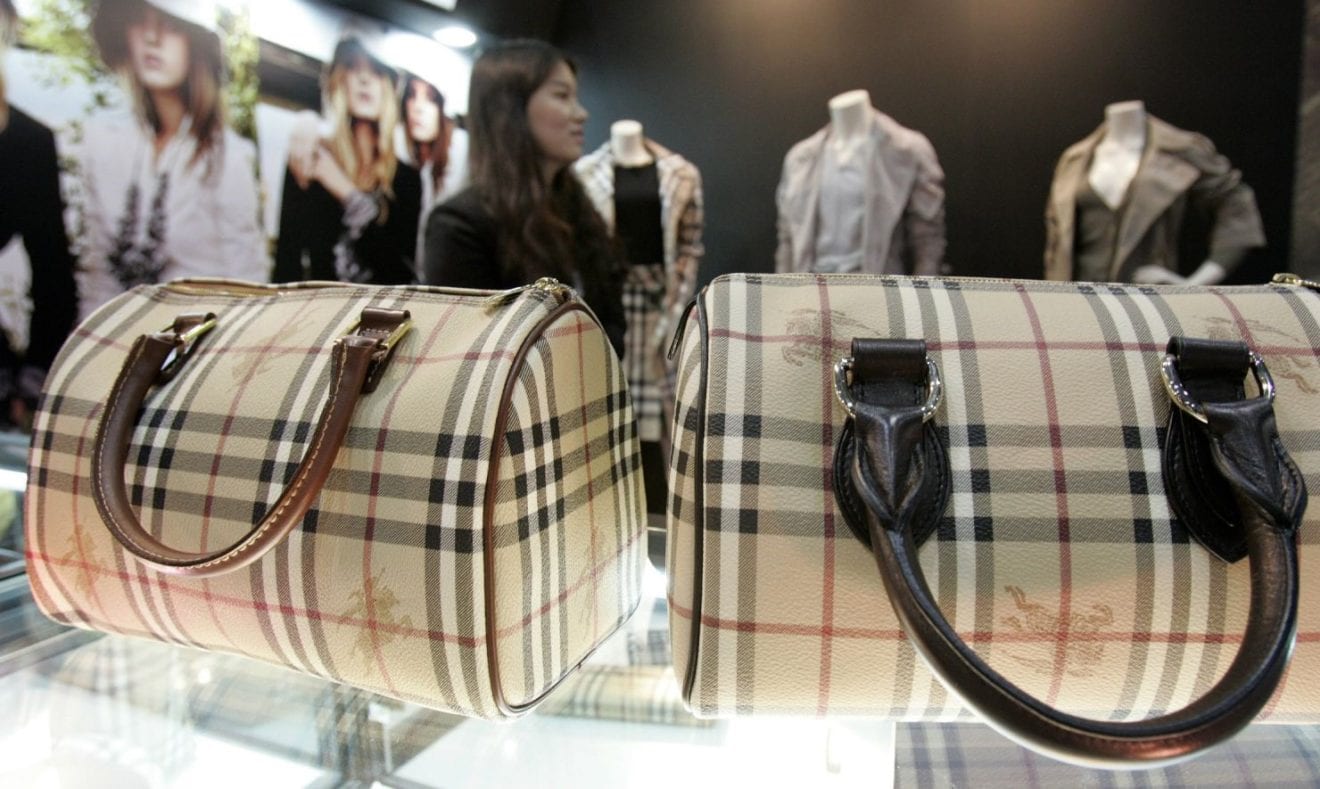
    The firm, known for its camel, red and black check, said retail revenue was up 1% on an underlying basis, while comparable store sales rose 2% – below analysts’ expectations.

    Comparable store sales grew by a mid-single figure percentage in Asia Pacific and mainland China, and by a low single digit in the Americas.

    However, they fell by a low single figure in its Europe division, hurt by a larger fall in the UK which performed very strongly in the same period in 2016.

    Burberry did, however, maintain its operating profit guidance for the full 2017-18 year and said it was on track to make cumulative cost savings of £60m in the year.

    “We are making good progress embedding our strategic vision into the organisation,” said Gobbetti.

    Burberry announced in November that Christopher Bailey, the designer who turned the firm into a global label, would leave this year.

    Today’s statement did not give any update on the search for Bailey’s successor.

  • Hybrid Smartwatches to Make Up Over 50% of Smartwatch Shipments by 2022

    Hybrid Smartwatches to Make Up Over 50% of Smartwatch Shipments by 2022

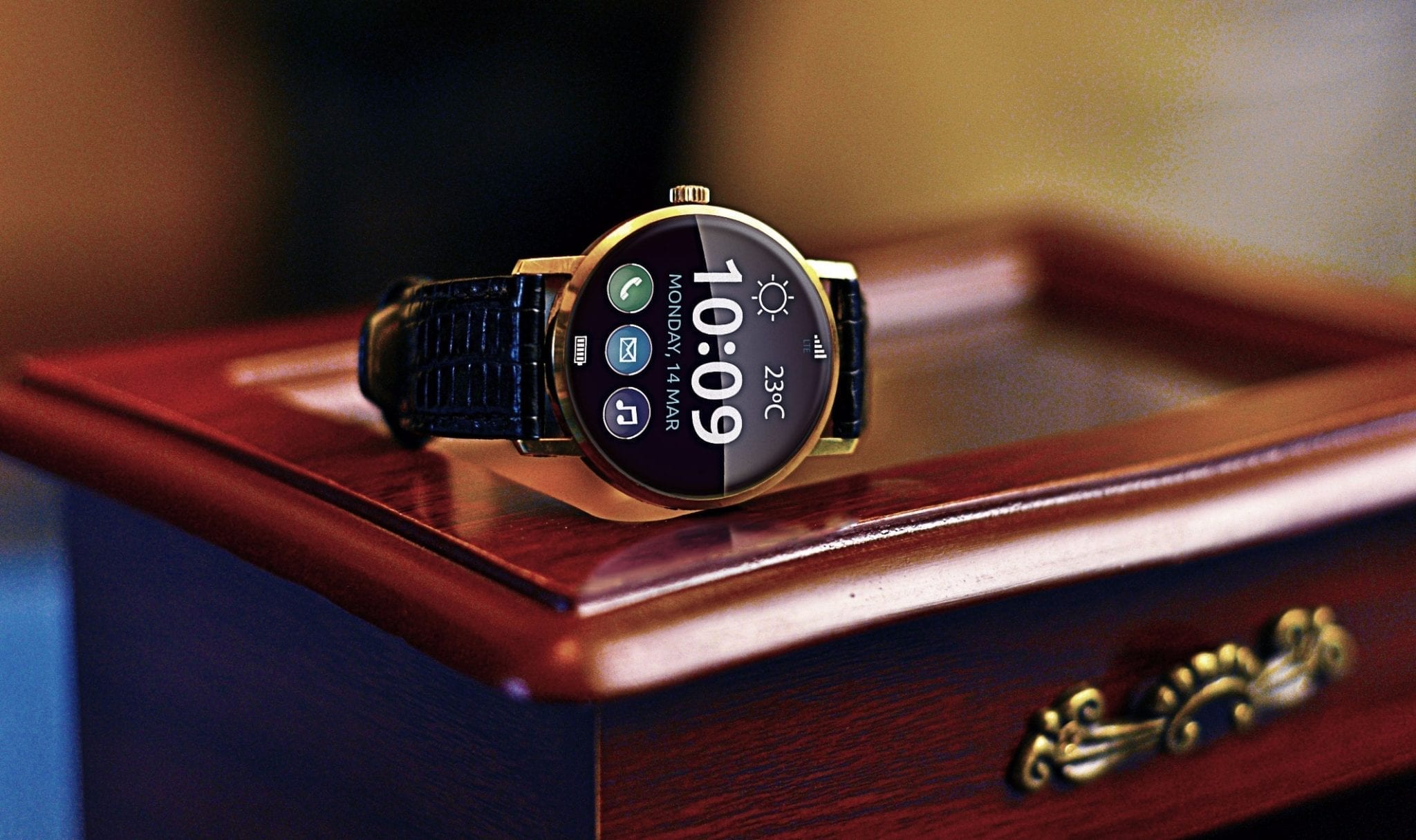
    Watches that appear to be analogue models but integrate smartwatch features will make up more than half of the smartwatch market by 2022, according to Juniper Research.

    This means that nearly 80 million hybrid smartwatches, such as Fossil Q and Nokia Steel, will be shipped by 2022, up 460 per cent from an estimated 14 million last year. However, for digital-display smartwatches like Apple Watch and Fitbit Ionic, Juniper lowers the rate of growth to 160 per cent.

    This slower growth has caused several manufacturers, including Huawei, Motorola and Sony, to leave the space, says Juniper’s new report, Smartwatches: Trends, Vendor Strategies & Forecasts 2018-2022. Those staying in play are pivoting toward specific uses, mainly fitness, which Apple, Casio, Samsung and others have emphasised in recent releases.

    “The smartwatch market is refining itself into a series of specific-use cases”, says research author James Moar. “This is having an impact on every aspect of smartwatches, from their design for increasingly specialised uses to their sale through specific retailers. While most vendors cannot necessarily hope to reach a broad coverage, the industry as a whole is here to stay.”

    Despite the renewed interest in hybrids, Juniper expects individual players to produce few smartwatches. Hybrid watch manufacturers generally ship fewer than 2 million units annually.

    An exception is Fossil, which has released many display and hybrid smartwatches. It is forecast to ship more than 6 million smartwatches annually by 2020.

    Meanwhile, the report has found that different connectivity technologies are becoming more prevalent for smartwatches, with GPS expected to be an element for nearly half of all smartwatches by 2022. In comparison, growth will be limited for near-field communication NFC technology as this is currently locked into specific ecosystems. Juniper does not foresee any change to this in the foreseeable future.

    Juniper Research provides research and analytical services for the global hi-tech communications sector, and has also just issued a complimentary white paper for vendors, Why Most Smartwatches ‘Fail’.

  • Kim Jones is leaving Louis Vuitton

    Kim Jones is leaving Louis Vuitton

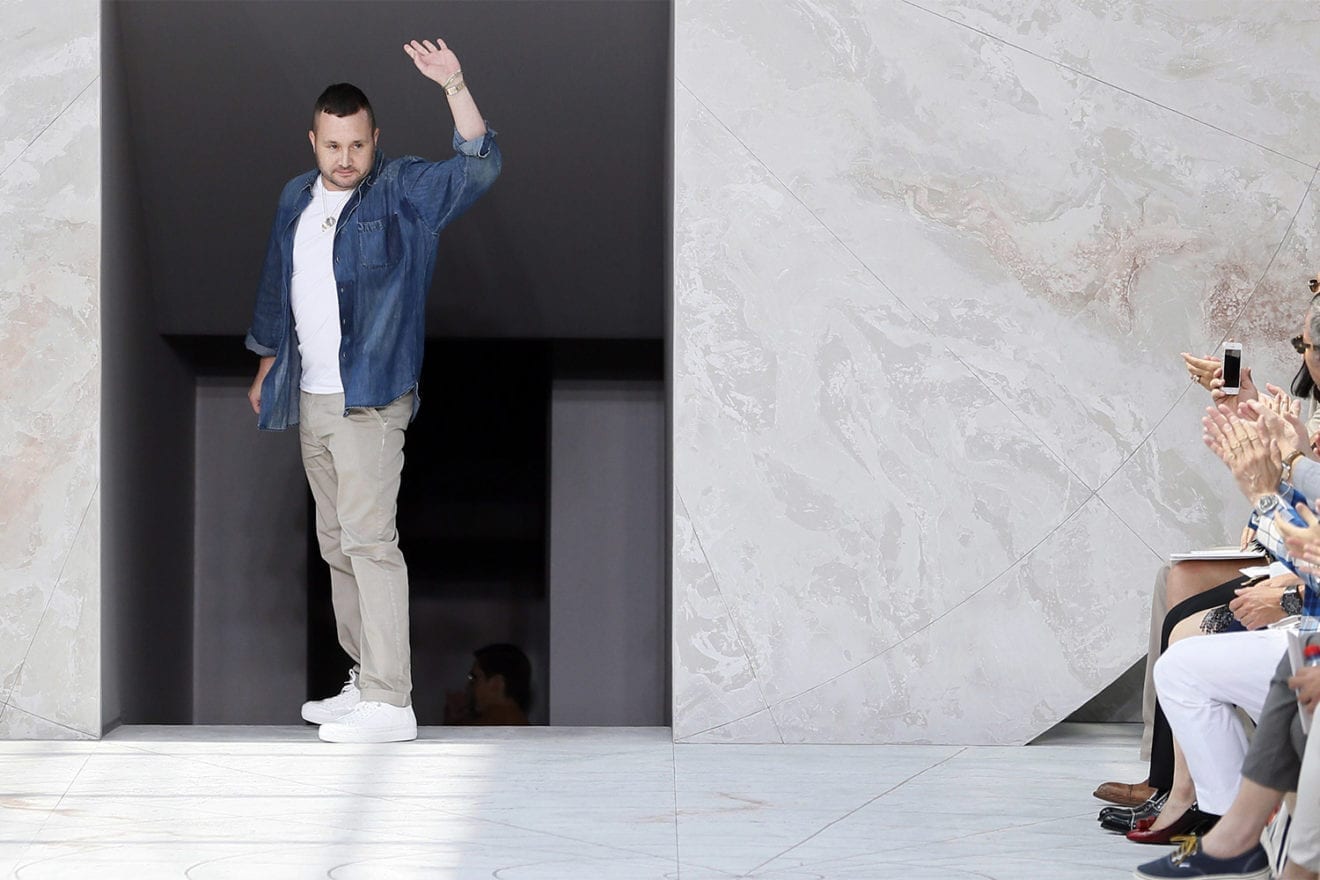
    Kim Jones is reportedly parting ways with Louis Vuitton. The English designer was appointed as LV’s men’s artistic director in 2011, and has been largely credited with breathing new life into the storied fashion house. His implementation of streetwear sensibilities has received praise from fashion icons Kanye West and Off-White designer Virgil Abloh. He was also instrumental in the wildly popular and highly coveted Louis Vuitton x Supreme collaboration.

    “Some critics say that I am just jumping on the bandwagon, but actually I am not. [Streetwear has] always been part of my DNA.” Jones said in 2017. “Street wear is the modern contemporary menswear. Look at the Japanese street wear designers such as Undercover: the details of the clothes are just incredible. It is really intelligent menswear.”

    It is unclear if Jones will take a role with another fashion brand; however, BoF reports there are rumors of him moving to Burberry.

    In September of 2017, reported that Versace was looking to hire Jones as its creative director; however, ​his deal with LV seemed to pose the biggest challenge.

    “No contract has been signed and the likelihood of a deal could not immediately be learned,” the publication wrote. “It is understood that the biggest barrier is a contractual one: [In 2016], the Englishman renewed his employment agreement at Vuitton.”