Tag: jakarta

  • Manulife in upbeat mood after first half surge

    Manulife in upbeat mood after first half surge

    Manulife Indonesia president director and chief executive officer (CEO) Indren S. Naidoo (right) and Manulife Aset Manajemen Indonesia chief economist and investment strategist Katarina Setiawan talk on the sidelines of a press briefing in Jakarta on Wednesday.

    Despite the country’s weak economy, life insurer Manulife Indonesia enjoyed a sharp increase in new business premiums during the first semester of the year on the back of surging wealth and insurance sales.

    Its total new business premiums soared by 28 percent year-on-year (yoy) to Rp 1.8 trillion (US$135 million) in the first semester, according to Manulife’s unaudited financial results for the first semester of 2016.

    During the January and June period, Manulife’s wealth sales rose 27 percent yoy to Rp 1 trillion from
    Rp 785 billion, while its insurance sales increased 17 percent yoy to Rp 764 billion from the corresponding period in 2015.

    As of June, Manulife’s total premium and deposits amounted to Rp 9.1 trillion, a 12 percent hike from Rp 8.1 trillion recorded in the same month last year. The number of the company’s in-force policies, meanwhile, grew steadily to 2,297,305 from 2,250,210 recorded in June last year.

    “We are confident that our business will book positive growth over this year,” Manulife’s newly appointed president director and chief executive officer Indren S. Naidoo told a press briefing on Wednesday.

    Indren, who assumed his position in May, said he was optimistic that the company could tap into the growing insurance market in Indonesia, which is the most populous country in Southeast Asia, but has low insurance penetration.

    Indonesia’s economy expanded an annual 4.92 percent in the January-March quarter, below analysts’ expectation of 5.05 percent. Growth weakened for the fifth straight year in 2015, to 4.8 percent, amid poor commodity prices and contracting exports.

    Financial Services Authority (OJK) data showed that conventional insurance premiums accounted for just 2.37 percent of the country’s gross domestic product (GDP) during the first quarter of the year. Life insurance penetration rates, meanwhile, reached 0.93 percent of the GDP in the January-March period.

    “Compared to some other markets in Asia, we are actually quite low. So, the opportunity is there,” said Indren, who previously assumed CEO positions at Manulife units in the Philippines, Thailand, Vietnam and Cambodia prior to his current position.

    Indren said Manulife would continue to expand its unit-linked products, which have become the main driver of the company’s business growth.

    The contribution of Manulife’s unit-linked products, which combine insurance and investment products such as government bonds and stocks, “was close to 80 percent of our business”, Indren said, explaining that the insurer would continue to promote the instrument as customers still expected double-digit returns on their investment amid the downward trend in banks’ deposit interest rate.

    In the first half of the year, Manulife launched unit-linked product Mi Wealth Insurance to further boost its investment-linked insurance products.

    He expressed his optimism that the burgeoning middle-income segment in the country, expected to reach 100 million of people by 2020, would be a boon for Manulife’s unit-linked products, which are aimed to higher-end customers.

    The CEO said Manulife would continuously educate potential customers on life insurance, as well as its unit-linked instruments by leveraging its 8,000 agents in 25 branches across the country and its bankassurance service, for which the insurer has forged partnerships with three lenders in the country: DBS, Bank Danamon and sharia-based Bank Muamalat.

    “We are here not to sell, but to teach [the customers]. At the end of the day, you, as a customer, will make the decision [on whether to buy Manulife’s products],” Indren said.

  • KinerjaPay Launched “I Love Indonesia” Campaign

    KinerjaPay Launched “I Love Indonesia” Campaign

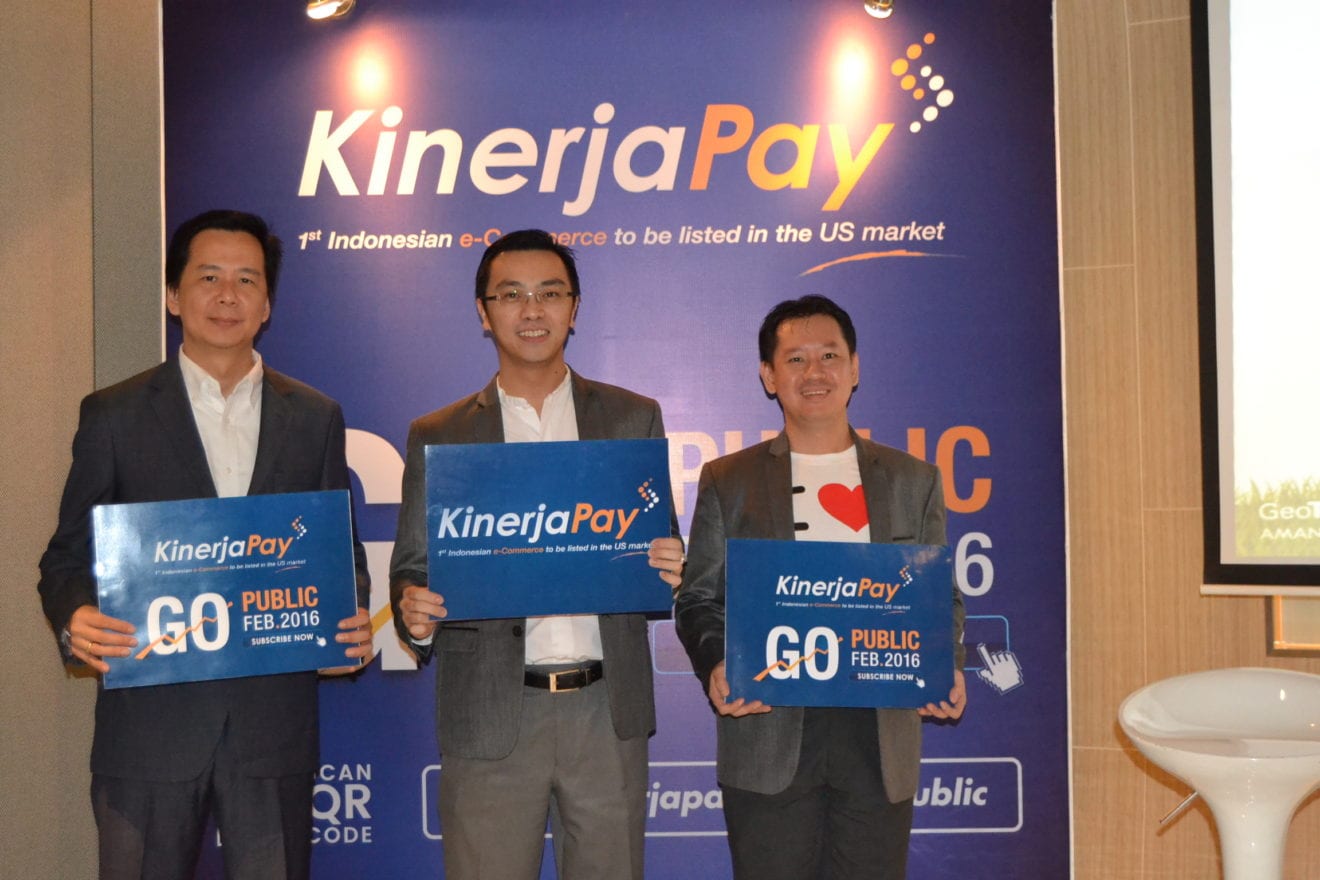
    KinerjaPay launched “I Love Indonesia” Campaign to promote selected premium local products in its marketplace. This campaign is also to celebrate Indonesia’s 71st Independence Day anniversary on 17 August 2016. It is also designed to increase people’s love for domestic products and stimulate domestic consumption.

    Indonesia is a country of big numbers and big opportunity. With 252 million inhabitants it is the world’s fourth most populous country and the largest in south east Asia. Indonesia has 18,307 islands, over 742 different languages and a middle class larger than the population of Malaysia or Australia. Currently the 16th largest economy in the world, it is projected to be the seventh largest economy in the world by 2030. Catching the hype and realizing that a young population embracing the Internet faster than ever before. Mr. Sofyan Djalil as the Indonesia State Enterprise Minister once said he supported any form of program that boost love for the country’s products. “So far, people are not aware that the quality of Indonesian products is already good. I appeal to all state-owned companies to really take the opportunity, provide funds and put up the logo in their ads. They must do whatever they can to make the campaign effective,” he said.

    On the other hand, this campaign also means to promote national products abroad. In making an effective on this goal, The Company is also collaborating with overseas partners such as in Singapore to assist SMEs to expand their businesses internationally especially in South East Asia (SEA). The idea is to leverage strategic values and locations of Indonesia and Singapore, running many regular and ad-hoc events such as monthly networking events, trainings, site visits, and trade exhibitions.

    Mr. Deny Rahardjo, CEO for PT KinerjaPay Indonesia stated “We are very excited and optimist on the success of this campaign to promote Indonesia’s selected local prominent and unique merchants such as Batik, Indonesian coffee bean and handcrafted products. There are currently already more than 418 premium products and 14 prominent merchants have agreed to join the campaign that is planned to run until end of 2016. We do hope that this will bring positive impact towards local economy while promoting KinerjaPay as brand of trust.”

    Notice Regarding Forward-Looking Statements

    This press release may contain forward-looking statements, about KPAY’s expectations, beliefs or intentions regarding, among other things, its product development efforts, business, financial condition, results of operations, strategies or prospects. In addition, from time to time, KPAY or its representatives have made or may make forward-looking statements, orally or in writing. Forward-looking statements can be identified by the use of forward-looking words such as “believe,” “expect,” “intend,” “plan,” “may,” “should” or “anticipate” or their negatives or other variations of these words or other comparable words or by the fact that these statements do not relate strictly to historical or current matters. These forward-looking statements may be included in, but are not limited to, various filings made by KPAY with the U.S. Securities and Exchange Commission, press releases or oral statements made by or with the approval of one of KPAY’s authorized executive officers.

    Forward-looking statements relate to anticipated or expected events, activities, trends or results as of the date they are made. Because forward-looking statements relate to matters that have not yet occurred, these statements are inherently subject to risks and uncertainties that could cause KPAY’s actual results to differ materially from any future results expressed or implied by the forward-looking statements. Many factors could cause KPAY ‘s actual activities or results to differ materially from the activities and results anticipated in such forward-looking statements, including, but not limited to, the factors summarized in KPAY ‘s filings with the SEC. In addition, KPAY operates in an industry sector where securities values are highly volatile and may be influenced by economic and other factors beyond its control.

    KPAY does not undertake any obligation to publicly update these forward-looking statements, whether as a result of new information, future events or otherwise. Please see the risk factors associated with an investment in our securities which are included in our Annual Report on Form 10-K as filed with the U.S. Securities and Exchange Commission on February 11, 2016.

  • Blackmores spreads wings in Indonesia

    Blackmores spreads wings in Indonesia

    Blackmores chief executive Christine Holgate is in Jakarta today to launch the company’s expansion into the Indonesian market.

    The Sydney-based vitamin and supplements company has been operating in China, Singapore, Malaysia and Thailand for some years but has held back from the Indonesian market as it searched for the right partner.

    It has now partnered in a joint venture with Indonesia’s Kalbe Farma, one of the largest health care companies in South East Asia.

    “We will be launching with eight products and have 25 products by the end of the year,” Ms Holgate said yesterday.

    “It is quite a complex registration process in Indonesia compared with Australia. But we are used to the different Asian markets where it can take six months to a year to get registered.”

    She said Blackmores had chosen to partner with Kalbe as it was a major supplier of the nutritional supplements market in Indonesia.

    “It’s a market worth around $2 billion in Indonesia and it’s growing really fast,” she said.

    “The country has one of the fastest growing middle classes in the world and it’s predicted to be the third biggest economy in the world by 2030,” she said.

    She said Indonesians were increasingly interested in more Western versions of natural health products. She said Kalbe had a strong “common shared sense of purpose” with Blackmores including having an institute to train people in natural health care products.

    She said Blackmores would be able to leverage Kalbe’s training processes and its strong representation in shopping centres throughout Indonesia where it has health centres giving advice on natural health products.

    Ms Holgate has been in Indonesia for the past week at the Australian-Indonesian dialogue which is aimed at boosting trade between Australia and Indonesia. Federal Trade Minister Steve Ciobo has been negotiating a free trade agreement with Indonesia, reviving a process which stalled in 2013.

    Ms Holgate said only 2 per cent of Australia’s trade was done with Indonesia and added there were business opportunities in areas such as health, education and financial services. She said Australian companies needed to negotiate partnerships with Indonesian companies to expand into the market.

    Blackmores’ business in Indonesia was “not going to be a huge overnight.”“But you need to plant seeds to grow trees and this is an important next step in our history of growing in Asia.”

  • Bank Indonesia still has chance to slacken its monetary policy

    Bank Indonesia still has chance to slacken its monetary policy

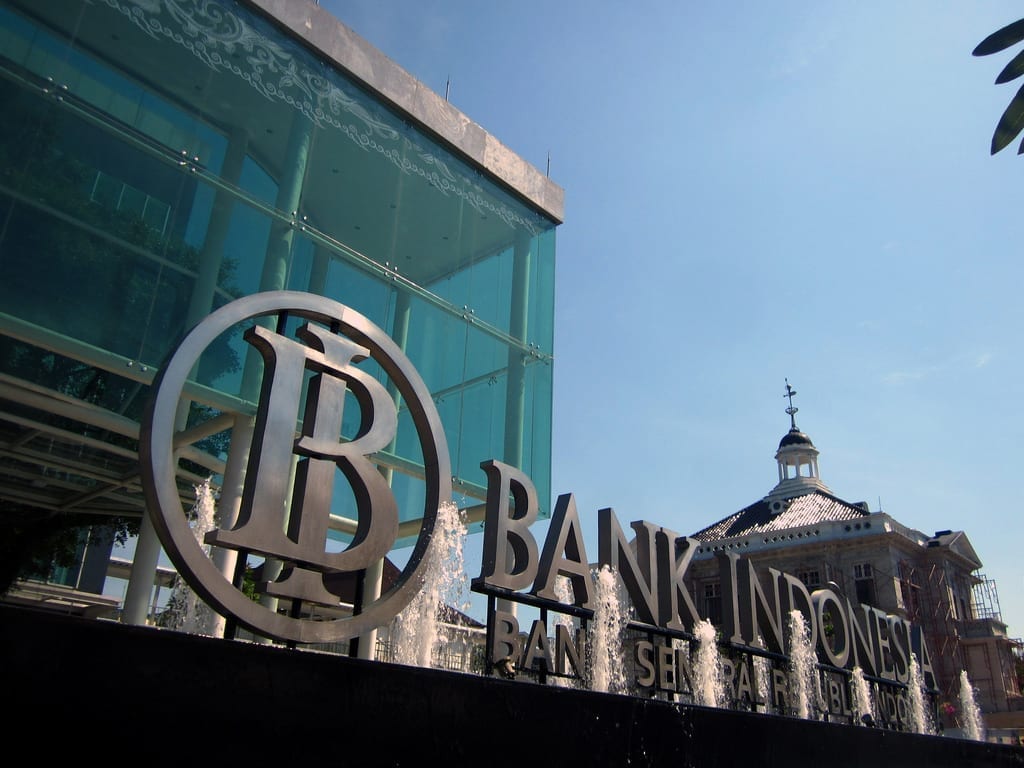
    Bank Indonesia (BI) Governor Agus Martowardojo said the central bank still likely has a chance to relax its monetary policy in the second half of this year.

    “Seeing the condition in August, we can say that there is still a chance to slacken monetary policy but whether it will be carried out next September or October will depend on the data” the central bank governor said in Jakarta on Wednesday.

    BIs board of governors meeting on August 18-19 decided to maintain its 7-Day Reverse Repo Rate (BI 7-day RR Rate) at 5.25 percent with a deposit facility (DF) interest rate of 4.5 percent and lending facility (LF) being lowered by 100 basis points from 7.0 percent to 6.0 percent.

    BI began introducing the 7-Day RR Rate last April. At the BIs board of governors meeting on April 21, 2016, the BI Rate was fixed at 6.75 percent and the BI Repo Rate at 5.50

    Besides this, the BI also maintained a symmetrical and narrow interest rate corridor where the lower limit of DF Rate is set 75 basis points below the 7-Day RR rate and the upper limit of LF Rate is set 75 basis points above the 7-Day RR Rate.

    The decision is in line with the efforts to maintain the macroeconomic stability by continuously preserving the momentum of domestic economic growth amid weakening global economic performance.

    With macroeconomic stability, controlled inflation at targeted range, good current transaction deficit and stable currency rate, room for monetary relaxation is still open.

    The BI also continues to take abreast of short-term domestic global economic development, particularly the possibility for the Fed to raise its Fund Rate. “We wilL see it in September there will be flight to quality with regard to reports on the improvement of the United States economy.”

  • BEI launches online investment-based simulation game

    BEI launches online investment-based simulation game

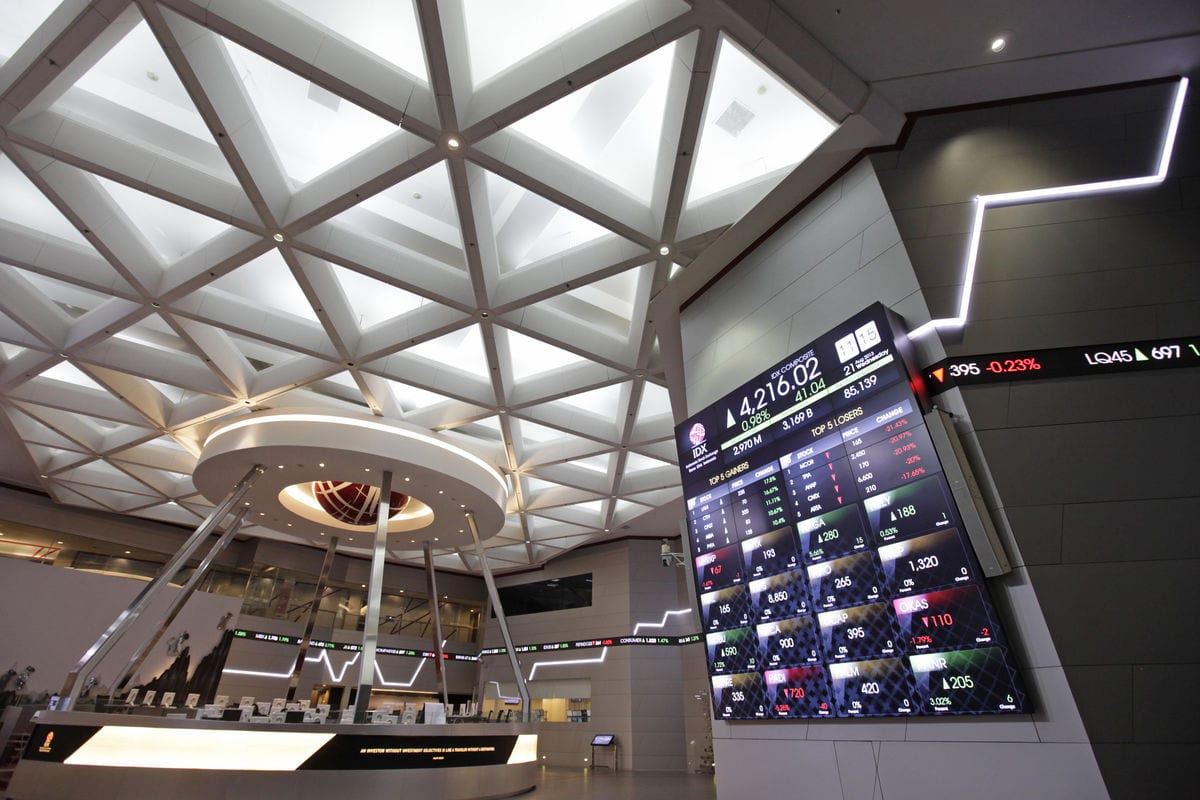
    The Indonesia Stock Exchange (BEI) launched an online investment-based simulation game “Nabung Saham Go” (Saving Stocks Go) as one of the measures to introduce the capital market industry to the public, especially to university students.

    “The game was one of the steps to introduce the capital market to the public. The Nabung Saham Go game can be played by anyone although it is aimed at university students as it is easier for them to play. The game is similar to Pokemon Go,” Development Director of BEI Nicky Hogan stated here on Tuesday.

    Hogan emphasized that the game falls under the education category and offers a fusion of the virtual and real worlds. Players will encounter small adventures bearing different themes and will get a series of interesting information.

    “The application encourages players to become more familiar with the capital market,” he remarked.

    Hogan elaborated that the “Nabung Saham Go” game invites players to collect points gained after answering the questions posed by the gaming application.

    “Players can visit certain places, such as the Financial Services Authority Building and Indonesia Stock Exchange Building to get information on how to gain points in the game. In each of the places visited, the player will have to answer a few questions on the stock market. Each correct answer will be given points,” he explained.

    In addition to “Nabung Saham Go,” Hogan said the users can play an analog game called “Stocklab,” which is associated with investment instruments, such as stocks and mutual funds.

    “The game Stocklab uses media cards and as an outline, the players will be guided on the strategy of investing and are invited to find out how the company made its initial public offering,” he added.

  • Bukalapak CEO Shows Confidence in Indonesia’s Internet Business

    Bukalapak CEO Shows Confidence in Indonesia’s Internet Business

    Ahmad Zaky, CEO of Indonesian e-commerce company Bukalapak.com, said that the growth of Indonesian internet business has the ability to compete with Japan and ASEAN countries. One of the strong supporting factors of Indonesia’s internet business is demography.

    “Our population mostly consists of young internet users,” Zaky said at the Investor Summit Grand City Expo event in Surabaya, Friday, August 19, 2016.

    Zaky predicted that currently, around 60 percent of the Indonesian population has access to the internet. Combined with the demography factor, Zaky forecasted that all Indonesian citizen will be able to use the internet in the next five years. “In the next five years, people not using the internet will feel alienated,” Zaky said.

    Zaky added that the rapid development of smartphone technology is another factor that supports the growth of internet users. “I can’t imagine, within the next 10 years, everything must have already use digital technology,” Zaky said.

    Zaky also compared the number of Indonesian population, which could reach up to 300 million, with Japan’s population. “Japanese population is not that many. It tends to decrease,” Zaky explained.

    Another driver of Indonesian internet business, according to Zaky, is the increasing sales of smartphones. Zaky said that smartphone sales could reach as high as 3.5 million in just one month. As a result, Zaky asserted that in the next two to three years, there will be 100 to 150 million smartphone users in Indonesia. “This is why I am confident that the internet business in Indonesia could exceed Japan,” Zaky explained.

    Zaky said that in order to overrun ASEAN and Japan internet companies, local internet business players must be able to dominate the domestic market.

    Other supporting factor, as Zaky explained, is the number of potential customers in Indonesia. For example, Zaky said that the largest number of Google PlayStore customers is from Indonesia. Foreign applications such as BlackBerry Messenger, Whatsapp, and games like Clash of Clans or Pokemon Go, are mainly downloaded by Indonesians. “Now imagine if Indonesian people were to create games or applications to be sold at PlayStore,” Zaky said.

    However, Zaky also highlighted the challenges that must be faced in the era of global competition, one of which is price competitiveness. Zaky said that nowadays, people can buy cheaper goods from China rather than Indonesia through e-commerce. “Well this will depend on the President’s discretion in developing the needed infrastructure,” Zaky said.

    Nevertheless, Zaky remains optimistic that the current economic growth can strengthen Indonesia’s position in the Asian region. “If we can conquer Indonesian [market], we can conquer ASEAN,” Zaky concluded.

  • Starwood Hotels & Resorts To Debut Four Points Jakarta, Thamrin In The Capital Of Indonesia

    Starwood Hotels & Resorts To Debut Four Points Jakarta, Thamrin In The Capital Of Indonesia

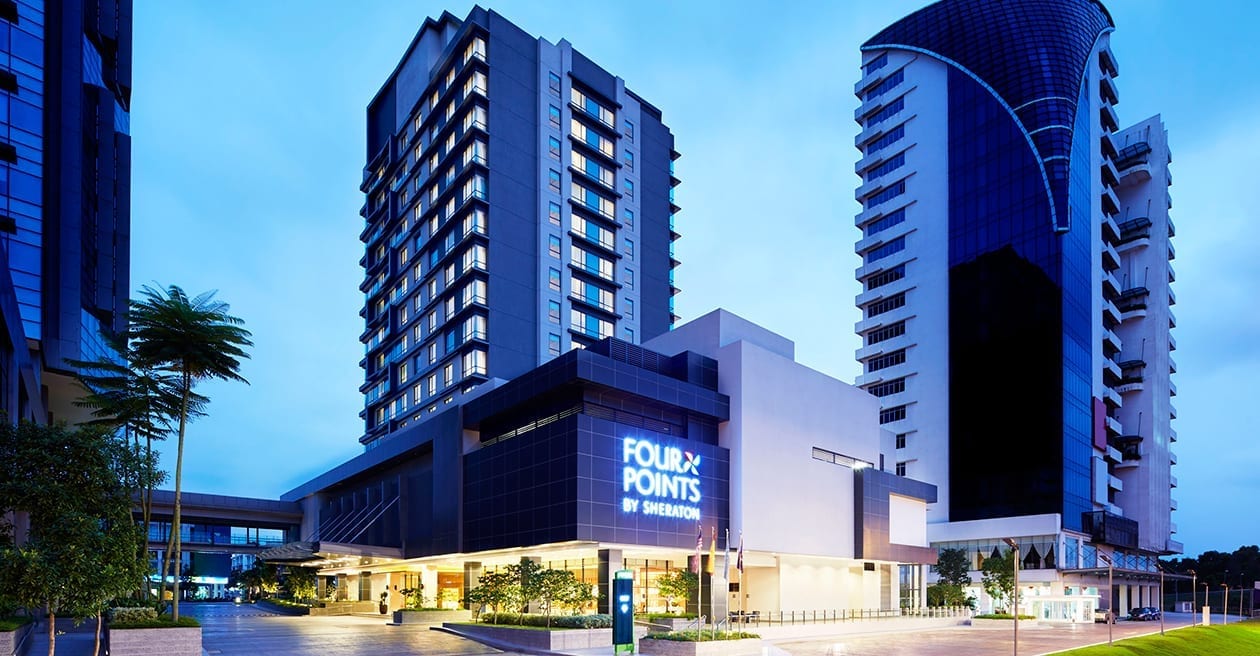
    Starwood Hotels & Resorts Worldwide, along with PT Thamrin Ekspress Indonesia today jointly announced the opening of Four Points Jakarta, Thamrin. The opening marks the first Four Points property in Jakarta, and the sixth in Indonesia. The hotel is part of an approximate 159,000 square foot mixed used development that consists of offices located on the upper floors of the building and the hotel.

    “Built for the smart, independent business traveler, Four Points continues to offer our guests exactly what they need while on the road,” says Vincent Ong, Senior Director, Asia Pacific Brand Management, Four Points. “We are excited to open Four Points in Indonesia’s capital of Jakarta, one of the fastest growing cities in Southeast Asia and continuing the immense growth momentum of the brand in the region and generating a halo-opening effect.”

    Four Points Jakarta, Thamrin features 164 guest rooms with fast and free Wi-Fi throughout the hotel. Guestrooms are fitted with the Four Points brand’s signature bedding, 43” LED flat-screen TVs, and complimentary bottled water. The hotel features an all-day dining venue, which incorporates the brand’s signature Best BrewsTM program, allowing guests to sample a range of local craft and artisan beers. For meetings and events, Four Points Jakarta, Thamrin has three comfortable, stylish meeting spaces totaling 1,615 square feet that overlooks the lively Thamrin business district. The hotel also offers a 24 hour fitness center that is fully equipped with a range of high-endurance and low impact workout equipment.

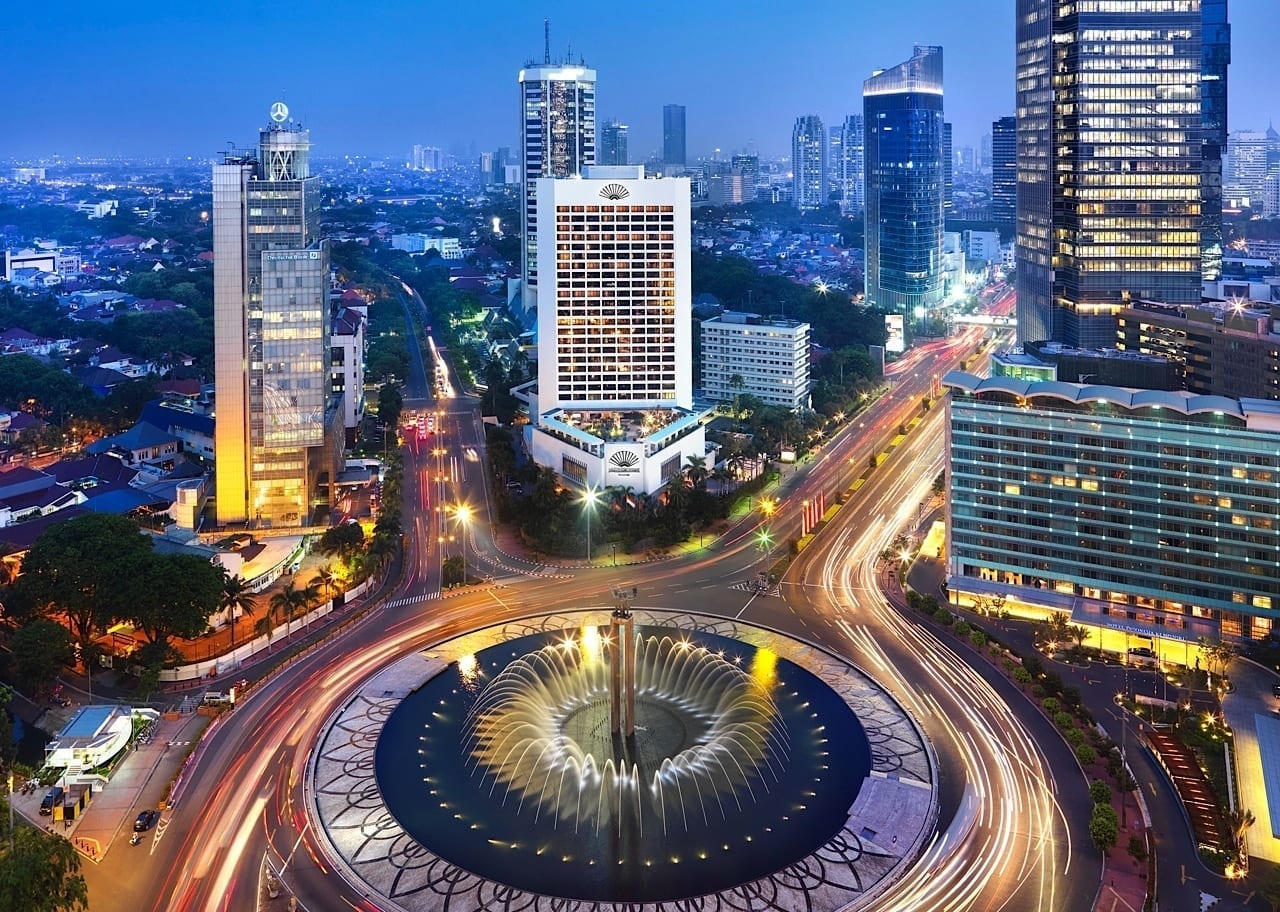
    Four Points Jakarta, Thamrin is strategically located along Jl M.H. Thamrin at Menara Topas, a major road running through the Central Business District in Jakarta with high visibility for corporate clients. The hotel is located just under one half a mile north of the famous Selamat Datang roundabout near multinational corporate offices, embassies, megamalls, retail shops, restaurants and bars. For guests looking to immerse in the rich history and culture of Jakarta during their stay at the hotel, they can visit Pasar Baru, the oldest shopping center in the city that dates back to the Dutch colonial era, Sunda Kelapa, a 17th century port to see the world’s last wind-powered trading schooners, or take in captivating views from the observation deck at Monas, a National Monument located in the center of Freedom Square. All are located within 7.5 miles of the hotel.

    Starwood Hotels & Resorts is rapidly growing in Indonesia alongside the increasing number of domestic and international travelers. Currently there are 19 properties across Indonesia with 15 hotels under construction. In Jakarta alone, Starwood has five properties representing the Le Méridien, Tribute Portfolio, The Luxury Collection and Sheraton brands, with six more hotels opening by 2020, including the debut of the Westin brand in August, 2016 and the Aloft brand by 2018.

  • Pertamina Rolls Out 98-Octane Fuel

    Pertamina Rolls Out 98-Octane Fuel

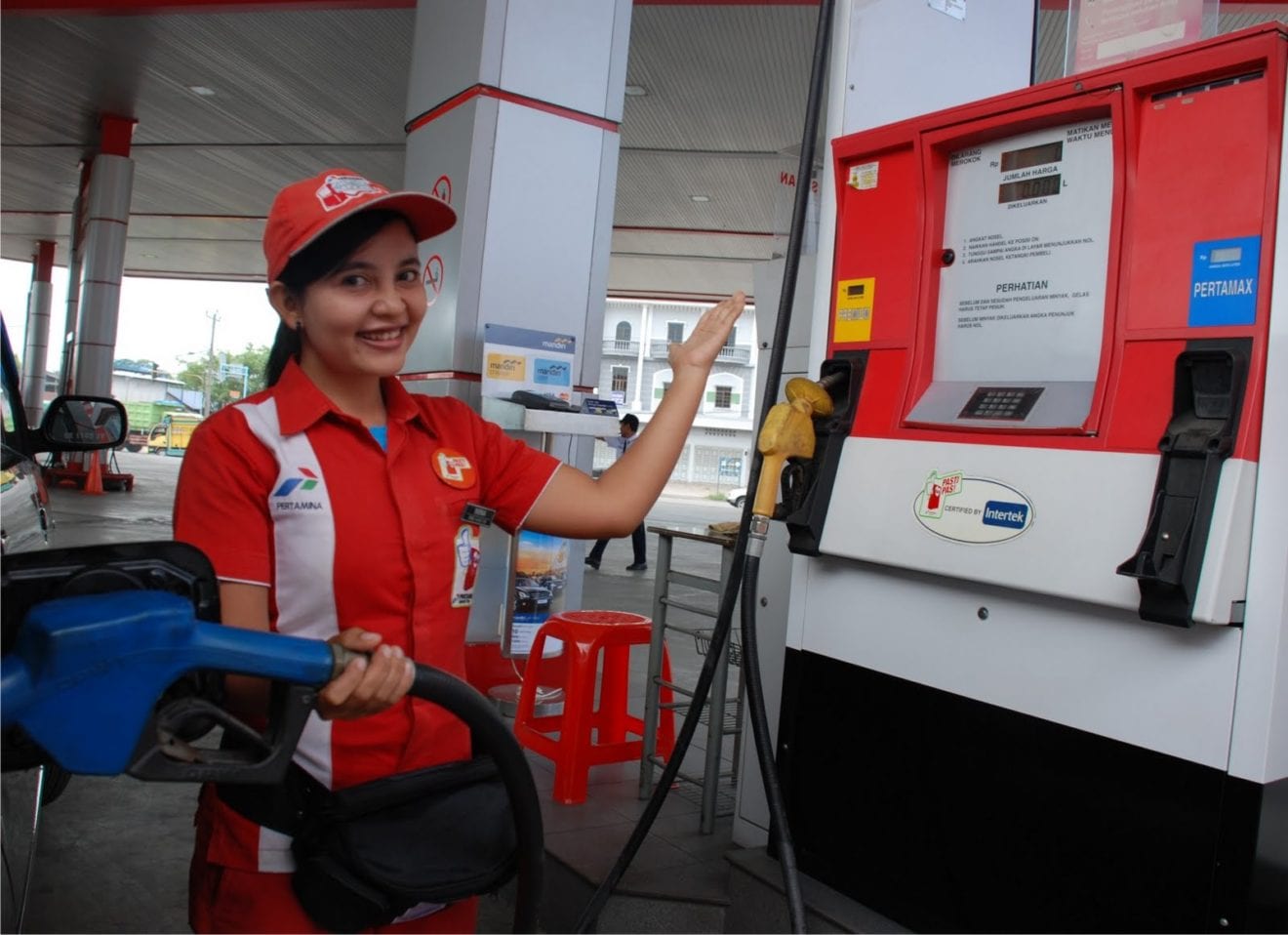
    State-owned oil company PT Pertamina has launched a new fuel, Pertamax Turbo. Vice President Corporate Communication, PT Pertamina, Wianda Puspongoro said the product is available at several gas stations in Jakarta.

    “It is now available on MT Haryono, Pramuka, Pantai Indah Kapuk and one other location,” Wianda told Tempo at an auto expo Gaikindo Indonesia International Auto Show 2016 at ICE BSD, Thursday.

    Pertamax Turbo is a fuel with an octane rating of 98. The fuel is released for those who need fuel with an octane rating of above 95, such as those owning turbochared vehicles.

    The first phase of its sales only include Jakarta. In the second phase, Pertamax Turbo will be distributed outside of Jakarta, such as East Java, Central Java and Sumatra. “We have no problem in the preparation for product [launch in other regions],” Wianda said.

    Wianda said Pertamax Turbo is priced at around Rp8,700 per liter. Wianda had yet to confirm whether Pertamax Turbo would replace Pertamax Plus. “We’ll see.”

  • Indonesian capital’s airport opens $560 million terminal

    Indonesian capital’s airport opens $560 million terminal

    The Indonesian capital’s airport opened a new terminal Tuesday after years of operating at far above its passenger capacity.

    Domestic flights for national carrier Garuda began operating in the morning from Soekarno-Hatta airport’s steel and glass $560 million Terminal 3. Its international flights will shift to the new terminal next month.

    Other airlines will gradually move their flights to the terminal and the airport company plans to start refurbishing two old terminals, built in 1984 and 1992, later this year.

    Indonesia, an archipelago of more than 250 million people, is one of world’s fastest growing air travel markets.

    But many international airlines bypass the capital Jakarta in favor of modern, high-capacity airports at Bangkok, Singapore or Kuala Lumpur for their Southeast Asian stopovers.

    The airport operator and government hopes the new terminal, and a third runway that is under development, will change that.

    Budi Karya Sumadi, Indonesia’s transport minister and former president of the airport company, said “this terminal was built to change the image of the capital Jakarta.”

    Soekarno-Hatta airport will be able to handle 62 million passengers a year once the renovated terminals are fully operational again in early 2018. The airport handled about 54 million passengers last year, making it the 18th busiest in the world, according to Airports Council International.

    An electric train from the airport to the city is slated for completion in early 2017.

  • Indosat Ooredoo, Fortumo bring direct carrier billing to Indonesia

    Indosat Ooredoo, Fortumo bring direct carrier billing to Indonesia

    Indosat Ooredoo has partnered with mobile payments platform provider Fortumo to launch direct carrier billing in Indonesia.

    The partnership is expected to enable the Indonesian mobile operator’s 69.8 million subscribers make online payments by charging purchases to their mobile account, without the need to use a credit card.

    “This strategic collaboration with Fortumo will bring more benefits to Indosat Ooredoo customers and allow transactions at a wider network of merchants,” said Prashant Gokarn, chief of new business and innovation at Indosat Ooredoo. “We look forward to continuing to provide innovation that brings more value to our customers as part of our goal to become a leading digital telco.”

    Fortumo’s direct carrier billing platform is used by leading app stores (Google Play, Windows Phone Store), digital media companies (Sony, HOOQ, Gaana) and gaming companies (EA Mobile, Gameloft, Kinguin, Rovio).

    To enable global carrier billing for these merchants, Fortumo has partnered with more than 350 mobile operators across the world.

    “Connecting with Fortumo gives mobile operators immediate access to additional revenue from all the segments of the digital industry,” said Siddharth Sahi, VP of business development and carrier relations at Fortumo.

    The two companies cite data which show that there are over 65 million smartphone owners in Indonesia, but less than 5 million people have access to credit cards.

    They said this meant that a majority of the digital population cannot make online payments. As a consequence, digital merchants lose out on revenue from a majority of the population. Carrier billing resolves this problem by allowing any mobile phone owner (both prepaid and postpaid) to make payments through Fortumo.

  • ‘Wonderful Indonesia’ campaign boosts tourism industry

    ‘Wonderful Indonesia’ campaign boosts tourism industry

    The government’s efforts to promote tourism in the archipelago with its Wonderful Indonesia campaign have had a positive impact, the president director of tour and travel company Panorama Sentrawisata said on Tuesday.

    Budi Tirtawisata said that in the first six months of this year, his company booked a 19 percent increase in gross revenue to Rp 2.38 trillion, from Rp 1.99 trillion in the same period last year, as more foreigners were drawn to Indonesia.

    “The government’s free visa policy is also contributing to growth in the tourism sector,” Budi told reporters at a press conference in Jakarta.

    Budi was upbeat the company’s business volume would increase, and possibly double, in the second half of 2016, compared to the first half, because more tourism activities were expected to take place in the period.

    “The peak season for tourist visits to Indonesia is during the summer, which occurs in the second half of the year,” Budi said, adding that more tourists would also visit the country during the Christmas holidays in December.

  • Indonesia capital’s airport to open new terminal next week

    Indonesia capital’s airport to open new terminal next week

    Air passenger numbers are soaring in Indonesia, the world’s biggest archipelago nation, as a growing middle class increasingly chooses to fly but ageing infrastructure is struggling to keep up.

    The main airport serving the Indonesian capital Jakarta will next week open a new terminal to ease the burden on the country’s busiest aviation hub, the airport operator said Wednesday.

    The $380 million terminal at Soekarno-Hatta International Airport, which will start operations at about midnight Monday, will have a capacity of 25 million passengers a year once fully operational, said state-owned airport operator Angkasa Pura II.

    The other terminals are currently handling a total of about 60 million passengers a year, way over their capacity.

    The new Terminal 3 will start off handling only flights operated by Indonesian flag carrier Garuda, and it is hoped it will be fully operational by March next year.

    “This will be the biggest terminal in Indonesia,” Angkasa Pura II chief executive Djoko Murjatmodjo told AFP.

    It will eventually be connected to central Jakarta, about 30 kilometres (18 miles) away, by a rail link. There is currently no rail line between the airport and city centre, leaving passengers facing monster traffic jams to get into Jakarta at busy times.

    The terminal’s opening has been delayed for more than a month after the government ordered alterations following the discovery that an important part of the airport was not visible from the air traffic control tower.

    As well as ageing infrastructure, the Indonesian aviation sector also faces problems with safety and has suffered a string of deadly crashes in recent years.

  • Indonesia joins Malaysian halal e-commerce

    Indonesia joins Malaysian halal e-commerce

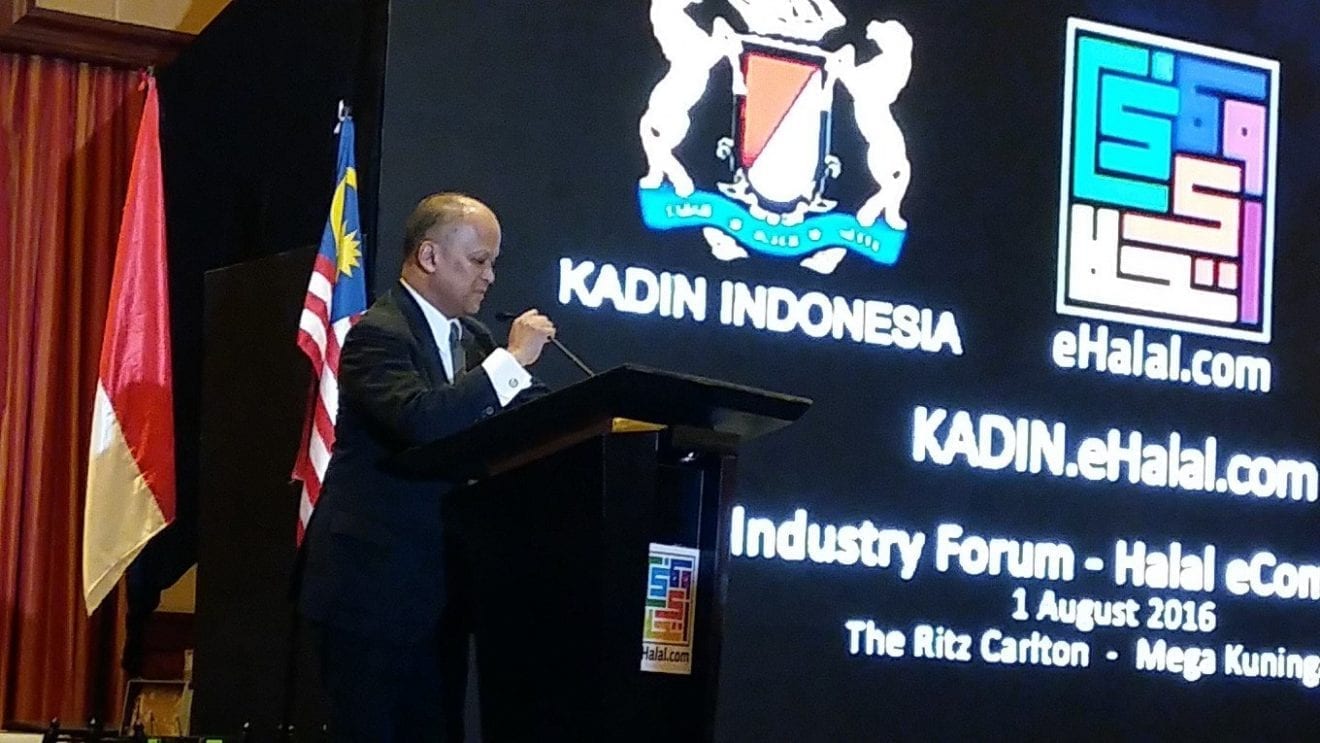
    The Indonesian Chamber of Commerce and Industry (Kadin) has joined Malaysia’s halal e-commerce website to tap into a larger international consumer base for local products, while at the same time giving local consumers easier access to imported halal products.

    The halal business sees a large market of 1.8 billion Muslims worldwide with a variety of products ranging from food, cosmetics, to pharmaceuticals. Markets for the halal business include the ASEAN region — led by countries such as Indonesia, Malaysia and Thailand, which have a large Muslim population — as well as the Middle East and North Africa.

    Now that Indonesian businesses have joined Malaysia’s e-Halal, a commerce directory portal of halal products not only from Malaysia but other countries such as China and India, Kadin chairman Roslan P. Roeslani said the country should not only be a market for halal products but also a producer and supplier.

    E-commerce platforms are becoming increasingly popular to showcase Indonesia’s potential, from big players to smaller enterprises, he added.

    Current trends show that the halal business and market will continue to grow. In 2014, the global halal market value reached US$2.3 trillion.

    “As long as there are Muslims in this world, the halal market will continue to thrive. We must see the business opportunity in this, while still upholding Islamic values,” Rosan said during an event to introduce e-Halal in Jakarta on Monday, adding that Indonesian products can be accessed through the official portal, kadin.ehalal.com.

    Malaysia’s halal industry is more developed and advanced than Indonesia’s, but the latter could still
    work to catch up and learn from Malaysia’s experiences. Indonesia’s potential is not only in food and beverage, Roslan explained, but also cosmetics, such as the popular Wardah, and fashion.

    E-Halal director Michael Teh said although most of its suppliers were Malaysian, it hoped to add Indonesian suppliers to its list from the cooperation with Kadin. E-Halal was launched in Malaysia in May and now has hundreds of products, from prawn crackers and baby food to fresh vegetables and bath salts.

    Michael said suppliers may join e-Halal for free, so long as their products are certified halal from the local issuing authority. From Indonesia, for example, products must receive halal certification from the Indonesian Ulema Council (MUI).

    “All our suppliers must be certified, and we will verify the certifications they upload. Our concept is to enable and safeguard halal suppliers to reach the world of e-commerce,” he said during the same occasion.

    Malaysian International Trade and Industry Ministry’s Halal Industry Development Corporation (HDC) CEO Dato Seri Jamil Bidin said Malaysia and Indonesia must cooperate in developing the halal industry, which holds large economic potential.

    “Amid the increasingly borderless global trade, it is important to seize opportunities and develop with sophisticated technology like e-halal,” Jamil said.

  • Indonesia`s economy improves

    Indonesia`s economy improves

    The central Bank of Indonesia has said that Indonesia’s economy will continuously improve, along with the stability of the economy, the continuation of fiscal stimulus, and the implementation of structural reforms.

    “In the medium-term, Indonesias economic growth will be higher, more inclusive, and more sustainable,” the Director of Economic and Monetary Policy at Bank of Indonesia, Solikin M Juhro, said here on Thursday.

    He noted the consistent implementation of structural reforms is a key to the improvement of the domestic economic outlook.

    According to Solikin, amid various external and domestic challenges, Indonesias economic performance during 2015 recorded a positive development.

    The macroeconomic stability becomes better, and the stability of the financial system has been maintained, he added.

    “After being slow, the nation’s economic growth began to increase in the second half of 2015,” Solikin said.

    He explained that such success was supported by the Bank of Indonesias policies, as well as close coordination with the government in safeguarding the economic stability, promoting economic growth, and accelerating structural reforms.

    Further, according to Solikin, the consistent implementation of structural reforms should be continued through the optimization of infrastructure developments, such as roads, electricity, and irrigation, including the development of human resources.

    “The economy of Indonesia keeps growing at a rate of 4.8 to 5.5 percent. We are able to grow above 6 percent, if we apply economy diversifications,” he added.

  • GrabBike Indonesia Records 300% Growth

    GrabBike Indonesia Records 300% Growth

    Online app-based transportation service GrabBike recorded a growth of 300 percent (year to date) until the first half of 2016.

    “Our growth has been outstanding since last January when Grab did a rebranding as the service provider with the most complete vehicle reservation platform,” Public Relations Manager for Grab Express and Grab Bike Dewi Nuraini said in a statement on Thursday, July 14, 2016.

    Dewi says Grab’s machine learning technology and data analytic capabilities are the significant driving growth factors and allow major efficiency.

    In addition, the company also gradually reduces subsidy for every trip completed by 50 percent. “This indicates the high involvement of the users on Grab’s multi-service platform,” Dewi said.

    One of Grab’s four monthly active users in Indonesia averagely uses more than one Grab services. Besides the app-based motorcycle taxi or GrabBike, Grab has a private car rental, taxi order, and courier service.

    Dewi said Indonesia has become the largest market for Grab, based on the number of trips completed on the entire platform. Therefore, Grab specifically focuses its business in Jakarta.

    “Grab also plans to expand its multi-service platform to more than eight major cities in Indonesia,” said Dewi.