Tag: jakarta

  • Japanese manufacturers pitch new products at Indonesia motorcycle show

    Japanese manufacturers pitch new products at Indonesia motorcycle show

    Japanese motorcycle manufacturers are promoting their products at the Indonesian Motorcycle Show 2016 in Jakarta, with Suzuki Motor Corp. using the biennial event to unveil its latest models.

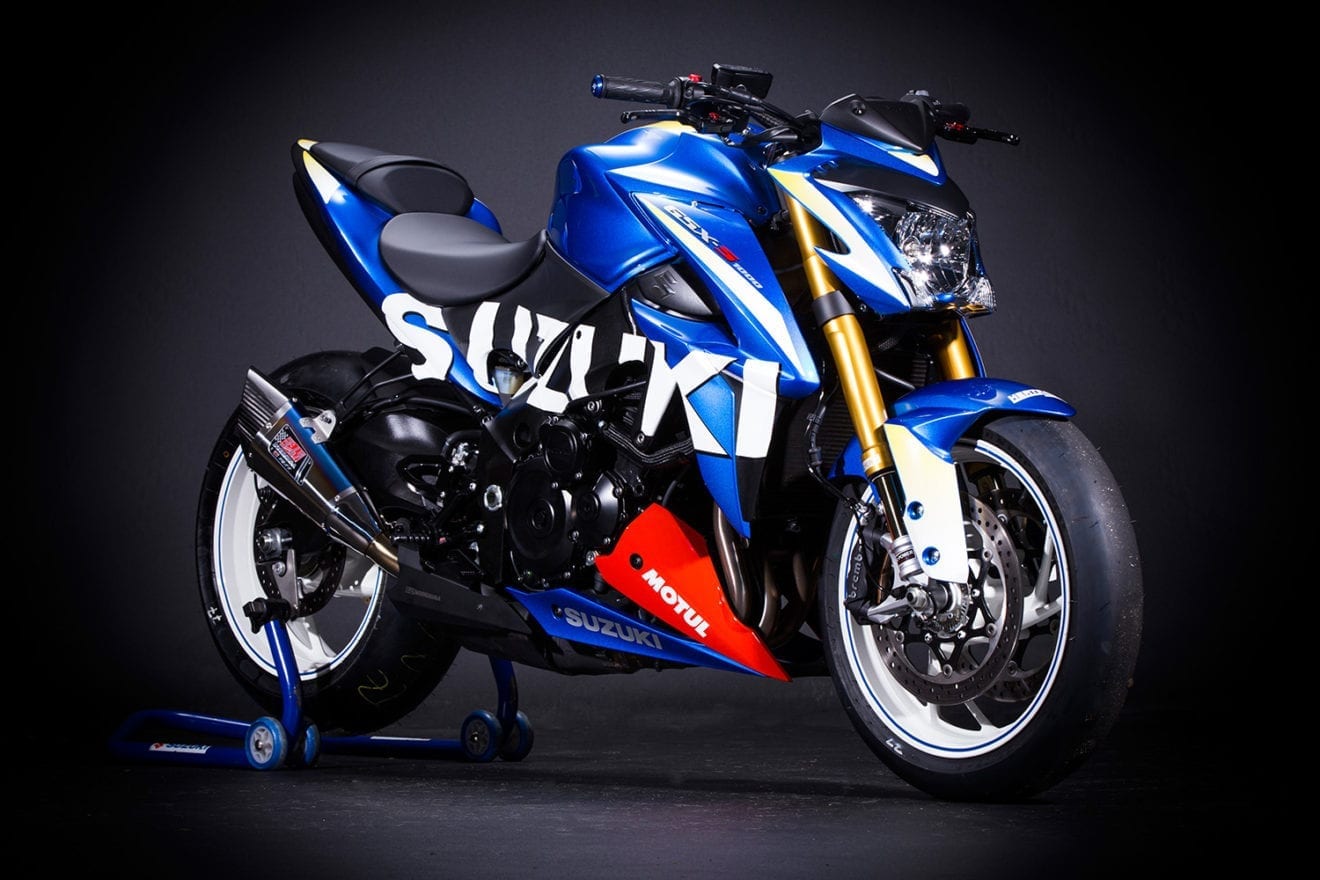
    Suzuki took the wraps off the GSX-R 150 and GSX-S 150 sport motorcycle models at the five-day show, which runs until Sunday, giving the Indonesian public an opportunity to see its latest products before their official launch in the first half of 2017.

    “We are very proud to introduce the GSX-R 150 and GSX-S 150 for the first time in the world,” Kazumasa Watanabe, manager of Suzuki’s motorcycle marketing group for the Association of Southeast Asian Nations, said at the show Wednesday.

    He described the Suzuki GSX-RR technology, on which the new models are based, as the company’s “highest achievement” in the GSX series that helped Suzuki win the 12th round of MotoGP, the world’s most prestigious motorcycle race, in Britain on Sept. 4.

    Kawasaki Heavy Industries Ltd. also unveiled its Kawasaki Ninja 650, while Honda Motor Co. released the prices of its All New Honda CBR250RR, introduced last July, which are $4,900 for the standard model and $5,300 for the model equipped with an anti-lock braking system.

    In the scooter category, Yamaha Motor Co. introduced the three-wheeled Tricity 155 in Indonesia after it was launched globally five months ago.

    Indonesia’s three-wheeler market is still very new, but Mohammad Masykur, assistant general manager for marketing at PT Yamaha Indonesia Motor Manufacturing, was optimistic about its future.

    “The presence of Tricity in Indonesia will give a new color to the Indonesian automotive world,” he said, adding that the company’s “Leaning-Multi Wheel technology will make a difference on the Indonesia road.”


  • Business council expects 100 thousand Russian tourists to Indonesia

    Business council expects 100 thousand Russian tourists to Indonesia

    Russia-Indonesia Business Council expects an increase in the number of Indonesian tourists to Russia and vice versa in 2016 and the coming years, in order to strengthen relations and economic cooperation between the two countries.

    A statement from the Russia-Indonesia Business Council received by ANTARA here on Thursday said that tourism was a topic of particular concern at the annual Business Forum held on October 31 in Jakarta.

    Mikhail Kuritsyn, the CEO of Russia-Indonesia Business Council, expected 100 thousand Russian tourists to visit Indonesia in the coming years, and 18 thousand Indonesian tourists to visit Russia in 2016.

    He also called for the diversification of tourism in Indonesia, so that Russian tourists would not only visit Bali Island but also other tourist destinations, which are spread across various islands in the country.

    Direct flights from Jakarta to Moscow will be the first step in enhancing the tourism cooperation.

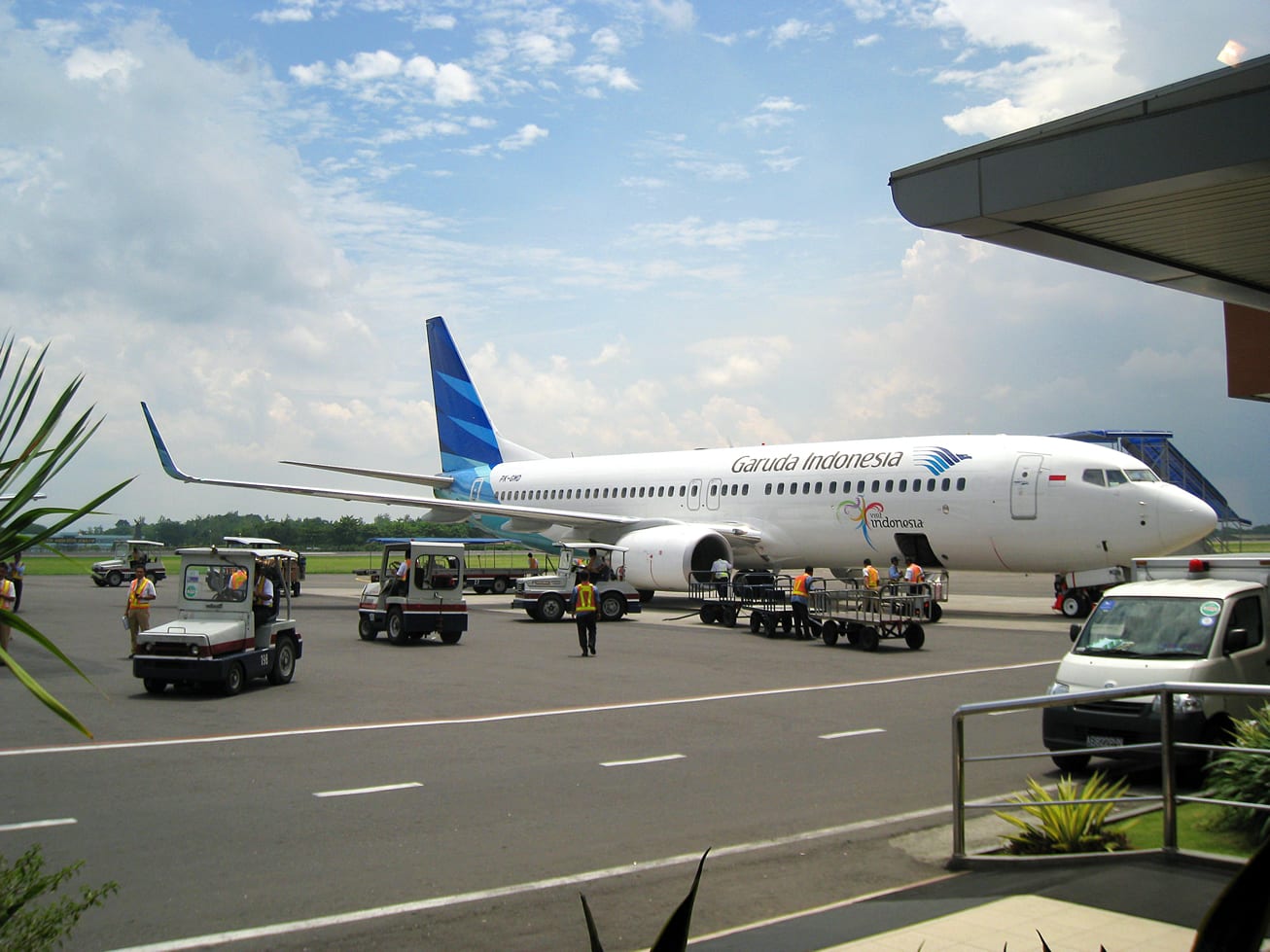
    The national flight carrier, Garuda Indonesia, is expected to become the operator for Indonesia – Moscow flight before the second quarter of 2017.

    The Russia-Indonesia Business Forum was attended by the Russian Federation Minister of Industry and Trade, Denis Manturov; the Indonesian Minister of Maritime Affairs and Fisheries, Susi Pudjiastuti; the Indonesian Coordinating Minister for Economic Affairs, Darmin Nasution; and the Russian Federation Ambassador Extraordinary and Plenipotentiary to Indonesia, Mikhail Galuzin.

    The forum was participated by 150 delegates from Indonesian companies and 100 representatives from Russian companies, including Russian Railways, United Shipbuilding Corporation, Rosneft, Rusal, Rusnano and Rostech.

    The Russia-Indonesia Business Council is a non-governmental organization which was established to bring together Russian and Indonesian businesses.

    Its main mission was to develop a mutually beneficial business relationship in order to strengthen and expand economic trade, investment and scientific cooperation between the two countries.

  • Indonesia amends controversial internet law

    Indonesia amends controversial internet law

    Indonesia’s House of Representatives has passed amendments to the controversial Electronic Information and Transactions Law to reduce penalties and set more clear definitions.

    The strict law lays out tough penalties including jail time for online defamation and “online intimidation,” and has provoked controversy on multiple occasions due to its use to stifle what is seen as legitimate speech.

    The new amendments set a definition of what constitutes defamation to prevent a loose interpretation of the law.

    Additionally the revisions reduce jail time for defamation to four from six years, and for online intimidation to four from 12.

    The amendments also introduce a “right to be forgotten” – giving courts the ability to request the deletion of certain online information.

    In terms of enforcement the revisions include new regulation governing how state authorities should investigate internet-related crimes, and synchronize procedures on confiscation, seizure, arrest and detention with Indonesia’s criminal law.

  • Garuda Indonesia plans to connect Mumbai with Jakarta

    Garuda Indonesia plans to connect Mumbai with Jakarta

    Garuda Indonesia plans to expand its service to India at the end of this year by opening a new route from Mumbai to Jakarta.

    Garuda Indonesia’s vice president of corporate communications Benny S. Butarbutar told that the airline had received support from the Transportation Ministry and the new service would use Airbus 330 and Boeing 777 aircraft. “We are currently planning the route, and considering factors like is it going to be a direct flight or will there be a transit, will it be a daily service or several flights per week,” said Benny in Jakarta on Wednesday.

    The potential of tourist arrivals from India to Indonesia was quite significant, said Benny. “This is a growing market that we should tap into in order to attract more visitors.”

    Indian tourists visiting Indonesia in 2014 amounted to 223,607 people, an upsurge from the previous year’s figure of 201,009, according to the Central Statistics Agency.

  • Multi-brand boutique Project X launches

    Multi-brand boutique Project X launches

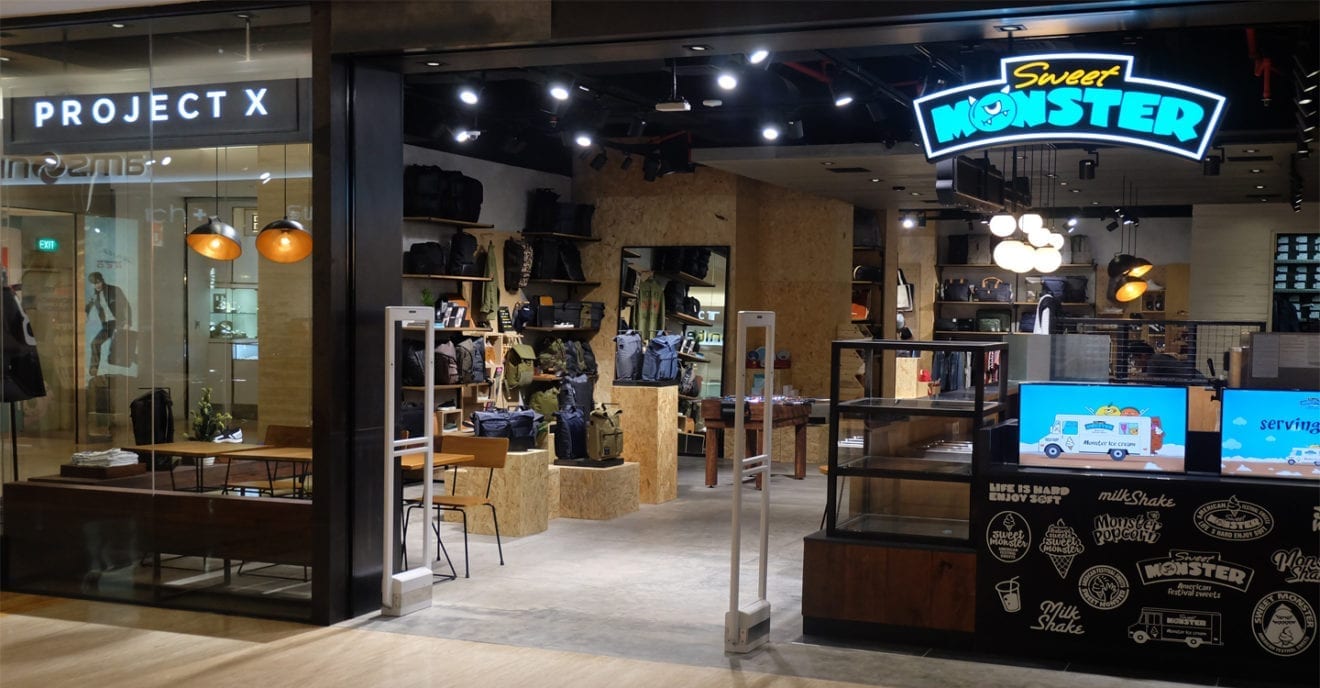
    Project X, a multi-brand boutique that caters to young creative minds, has launched at Plaza Indonesia in Jakarta.

    From Time International, Project X offers a new take on men’s and unisex casual fashion and lifestyle. Its curated retail concept introduces 22 international brands and includes innovative designs in apparel, bags, shoes and accessories such as sunglasses and watches.

    project-x


    From Australia, Japan, South Korea and the US, the products are displayed in fun and creative surroundings, including a dessert stall, Sweet Monster, which features popcorn soft ice cream.

    The store has a palette of white and grey with wooden accents.

    “People like to shop and discover edgy pieces, and they like to hang out. It is a lifestyle,” says Time International president director/CEO Irwan Danny Mussry. “We see an opportunity here.”

    A second Project X is planned for Pondok Indah Mall 2.

    Featured brands at the boutique are Andersson Bell (South Korea), Beyond Closet (South Korea), Blankof (South Korea), BLC & BLC Gray (South Korea), Buddy Happy (Japan), Kapten & Son (Australia), Kiruna (Japan), Lapiz+ (South Korea), Luccica (South Korea), Mascolanza (South Korea), Miel Homme (South Korea), Monofold (South Korea), National Publicity (South Korea), PKG (Canada), Rawrow (South Korea), Riokairyu (South Korea), Salad Bowls (South Korea), Supercomma B (South Korea), Thank You Studios (South Korea), Thread Etiquette (US) and Ul: Kin (South Korea), United by Blue (US).

    Founded in the 1960s, Time International manages and runs both multi-brand retail stores – including @Time, InTime, The Time Place and Urban Icon – as well as mono-brand boutiques for such brands as Cartier, Chanel, Chopard, Diesel, Fendi, Fossil, Liebeskind, Poney, Rolex, Tag Heuer and Tory Burch.

  • Taiwan seeks more business opportunities with Indonesia

    Taiwan seeks more business opportunities with Indonesia

    Taiwan expects to boost its bilateral trade with Indonesia through the introduction of the so-called “New Southbound Policy” by its new government.

    The policy, adopted under the leadership of President Tsai Ing-wen, who was inaugurated in May, aims to strengthen Taiwan’s cooperation with nations in South and Southeast Asia, as well as Australia and New Zealand, in multiple sectors.

    During his maiden visit to Indonesia this week, Taiwan’s Deputy Minister of Economic Affairs Yang Wei-fuu brought along executives from Taiwanese state-owned enterprises representing various industries, including sugar, salt, aerospace, steel, oil and gas.

    “We’re looking for cooperation opportunities, to examine the needs in Indonesia and how we can help with our expertise and technology,” he said in Jakarta on the sidelines of an Indonesia-Taiwan business forum on Thursday evening.

    Experts from Taiwan, for example, can train sugar companies here to produce better and more sugar using its machines and methods, so Indonesia can import machines afterward, Yang said.

    The minister and his entourage will conclude their four-day visit on Saturday.

    Trade between Indonesia and Taiwan has seen a decline in recent years as a result of the global economic crisis as well as a lack of trade cooperation agreements.

    Indonesia’s exports to Taiwan consist mainly of natural gas, coal, copper and gold, timber and rubber and other raw materials. Imports consist largely of oil products, iron and steel products, textile raw materials, machinery parts, chemicals and other products.

    Indonesian Chamber of Commerce and Industry (Kadin) Taiwan Committee chairman SD Darmono said that to effectively boost trade between the two parties, Indonesia needed to have another logistics hub in the country’s eastern part, nearer to Taiwan.

    “All this time, they [Taiwan’s businesses] need to stop by in Singapore before entering Jakarta. That’s an extra 1,000 kilometers by sea,” he said.

    Darmono suggested Morotai Island in North Maluku province as a potential new hub, however, progress in building the island’s infrastructure has been slow. The island located near the Philippines also has potential for marine tourism. It has a population of only 60,000 although its size is three times that of Singapore.

    “Businesspeople in Taiwan and Indonesia signed commitments to invest in the island two years ago but progress has been too slow while we cannot also depend on the limited state budget to build it,” he said.

    He added that the hub could improve Indonesia’s trade with Taiwan, especially in value-added products, like food and clothing.

    Besides trade, Taiwan is also eyeing investing in Indonesia’s ambitious infrastructure boost, especially in solar and biomass-fueled power plants.

    “Both governments have been discussing [which power plant] projects we can invest in and how sustainable the project is once it’s done,” Deputy Minister Yang said.

  • Renault launches two new cars in Indonesia

    Renault launches two new cars in Indonesia

    Despite a bleak forecast for the automotive market in Indonesia, French carmaker Renault and its local partner PT Auto Euro Indonesia launched two new products in Jakarta on Wednesday: the KOLEOS and KWID.

    Serge Yoccoz, Renault ASEAN director of operations, said Indonesia was one of only a few countries to see the launch of the KOLEOS, a medium sport utility vehicle (SUV), ahead of Europe.

    “The new KOLEOS will be [Renault’s] flagship for the Indonesian market,” he said. “It has been redesigned to have unique features and has the ability of an SUV.”

    As for the KWID, Yoccoz added, the mini crossover would be offered for consumers eyeing high fuel efficiency and low maintenance costs. “The KWID will be able to address Indonesian customers’ [demand] for a stylish car,” he said.

    The KOLEOS is offered at Rp 460 million for its standard version and Rp 495 million for the panoramic sunroof version. Meanwhile, the KWID is tagged at Rp 117.7 million and is expected to be able to compete in the compact car segment, which accounts for 16.3 percent of the whole automotive market, according to 2015 data from the Association of Indonesian Automotive Manufacturers (Gaikindo).

    Bambang Subijanto, director of Indomobil Sukses International–an umbrella company of Auto Euro Indonesia, said the Renault-Nissan and Indomobil partnership would create good business synergy and respond to customers’ demands, especially in after-sales services.

    The sales target for both models is set at 1,000 units, until 2017.

  • UOB Indonesia offers Rp 1.1 trillion in bonds to strengthen lending

    UOB Indonesia offers Rp 1.1 trillion in bonds to strengthen lending

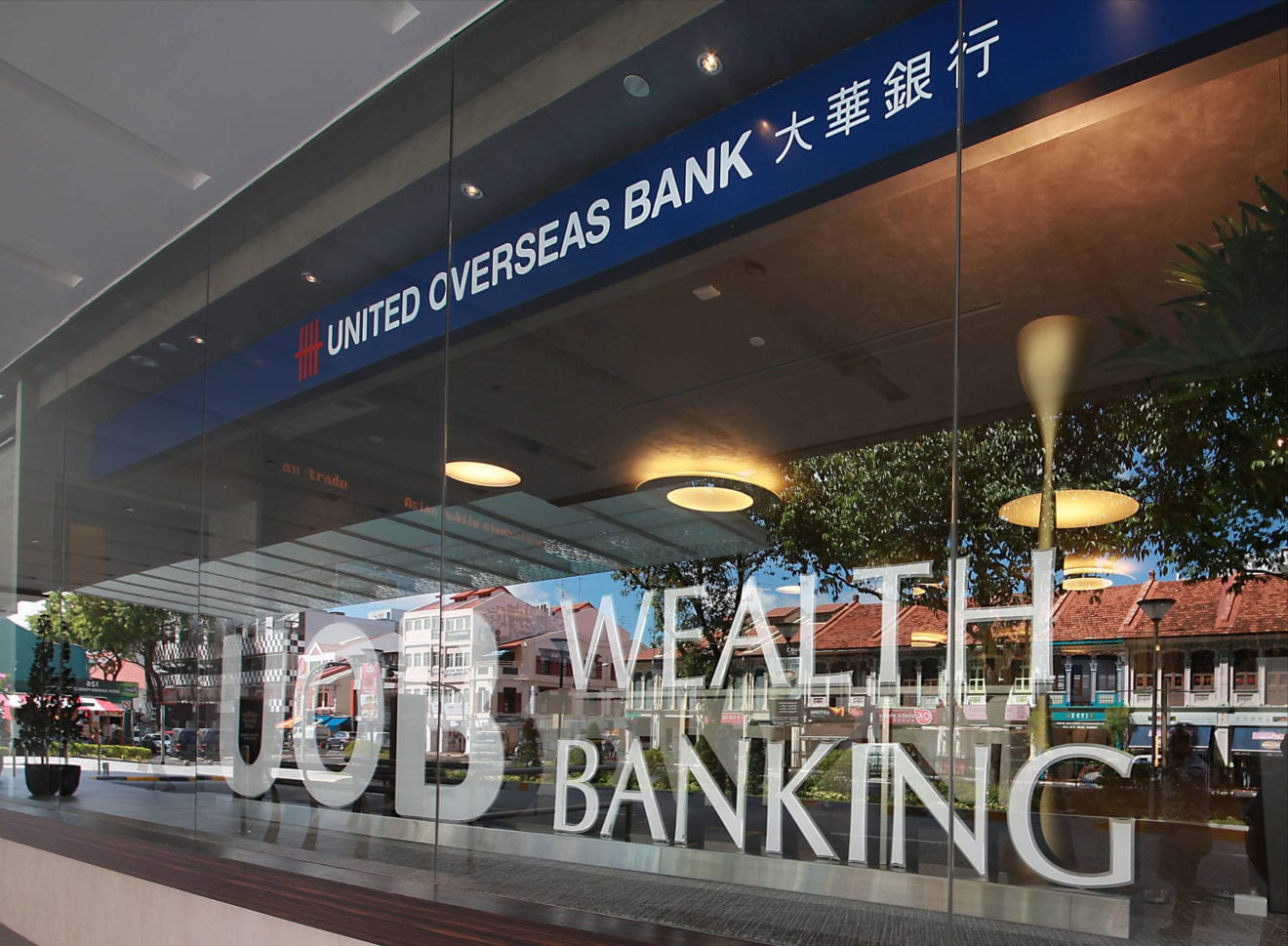
    United Overseas Bank (UOB) Indonesia plans to issue Rp 1.1 trillion (US$84.5 million) in bonds in November. The issuance hopes to raise cash to support the bank’s lending capacity next year.

    UOB Indonesia president director Kevin Lam said Rp 1 trillion in proceeds would come from the senior bond while the remaining Rp 100 billion would come from the subordinated bond. Both will be offered from Nov. 17 until Nov. 22.

    “The bond will enable us to maintain solid funding as we help our customers seize business opportunities arising from increased infrastructure development and consumer demand,” he said during a public expose in Jakarta on Wednesday.

    The senior bond is divided into three series with a buy-back option, he further explained.

    Series A is offered with 370 days of maturity and a 7.4 percent coupon rate per annum. Series B will mature in 3 years with an 8.25 percent coupon rate. Series C will have a 5-year tenor with a coupon rate of 8.5 percent.

    Meanwhile, the subordinated bond has a 7-year tenor with a 10 percent coupon rate. All the coupons will be paid every three months.

    In the first half of 2016, UOB Indonesia saw its interest income increase by 22.32 percent year-on-year (yoy) to Rp 1.73 trillion.

    Net profits rose by 86.81 percent yoy to Rp 281.69 billion.

  • Rudiantara to Not Give Up on Google Tax

    Rudiantara to Not Give Up on Google Tax

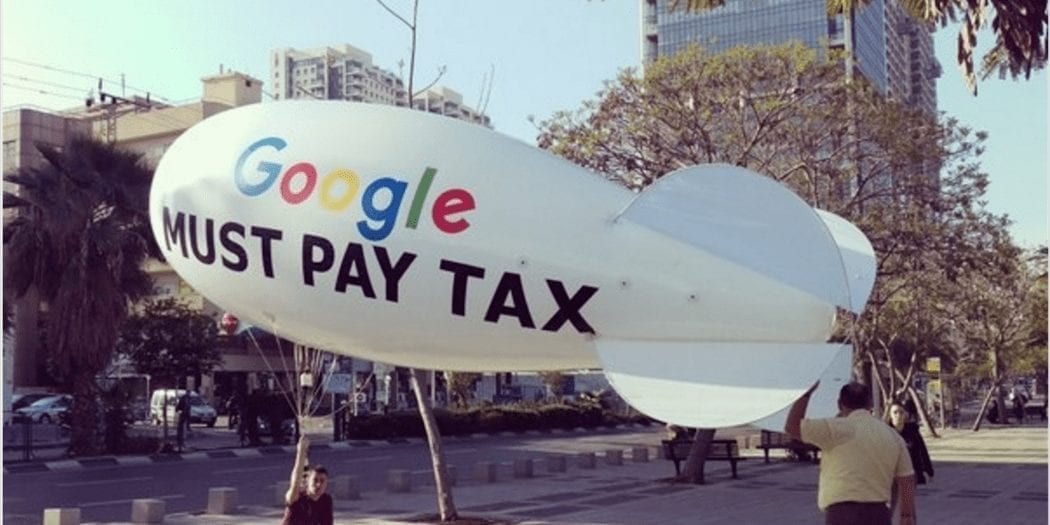
    The Communication and Informatics Minister Rudiantara said that his office and the finance ministry are working to collect tax search engine, Google. “I support the effort. We will not give up,” he told Tempo in Pontianak, West Kalimantan on Tuesday, October 18, 2016.

    Rudiantara said he has no idea why Google tends to avoid paying taxes. “I do not know why. They choose not to pay their duties,” he said

    The minister added that Indonesia has sent a letter to Google, stating that all businesses in Indonesia are subject to taxes.

    “I told Google, if they plan to reach a settlement, we can talk this out,” said Rudiantara.

    Google has not registered as a corporate in Indonesia, although it reaps profit in Indonesia. It has also refused to pay taxes in the past five years worth Rp5.5 trillion.

  • Lojel Indonesia flagship opened

    Lojel Indonesia flagship opened

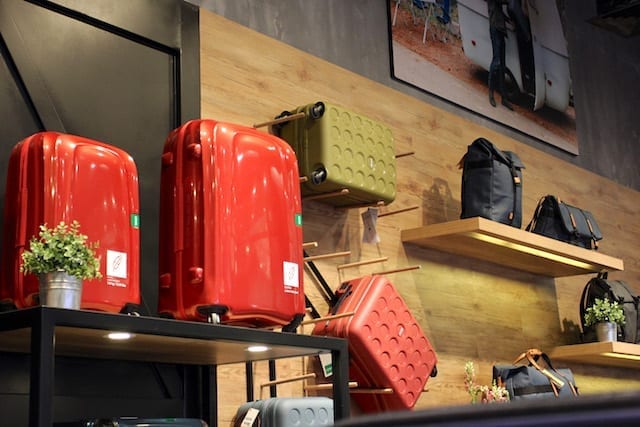
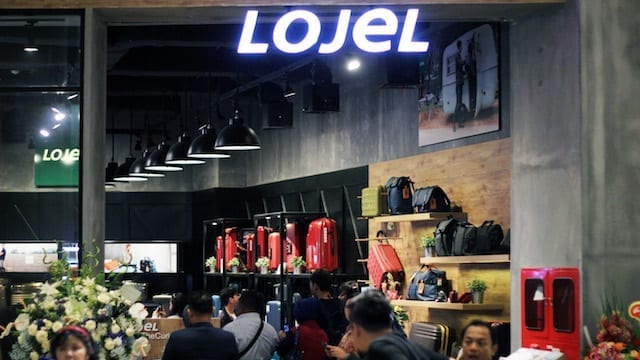
    Lojel has opened a flagship store in Jakarta.

    The first Lojel Indonesia store, it is located on the ground floor of the Lotte Shopping Avenue.

    Founded in 1989, Lojel is now an international brand producing high-quality luggage and travel accessories. It is sold in 30 countries across five continents.

    Lojel Flagship Store 7

    The Lojel Indonesia flagship opened with an exhibition of photography by Jacky Soeharto, to help reinforce the brand’s affiliation with travel.

    “Lojel put its space with a hint of industrial style interior and a warm light display of its colorful products,” observed local blog Neighbourlist.

    lojel-front

    “Lojel has always connected to every modern travelers and adventurers with a young spirit and Indonesia seems to have taken its grasp.”

    See more photos of the new store and its Indonesian range at Neighbourlist.

  • Jakarta-Surabaya rapid train to use existing track

    Jakarta-Surabaya rapid train to use existing track

    Coordinating Minister for Maritime Affairs and Acting Minister of Energy and Mineral Resources Luhut Binsar Panjaitan has said the development of the Jakarta-Surabaya rapid train will use the existing track.

    “For the rapid train, we will use the existing network. We will strengthen the bearing pads and make the crossings run over or under, so there will not be any gates that can harm anyone,” stated the minister at the State Palace complex in Jakarta, Tuesday.

    He mentioned that there are a thousand crossing points on the Jakarta-Surabaya railway network.

    The minister hoped the project survey, due to be conducted in partnership with Japanese representatives, could be done in the first quarter of 2017.

    “The Jakarta-Surabaya rapid train, which runs up to 200 kilometers per hour, will have an immense impact on the nations economy,” he remarked.

    The projects investment value is considerably large, reaching US$2.5 to 3 million.

    Minister Panjaitan explained that the agenda of his meeting with President Joko Widodo today includes reporting the results of his trip to Japan, which was a follow-up to the presidents agreement with Japans Prime Minister Shinzo Abe.

    “I met the prime minister along with his ministers and other officials,” he reiterated.

    He pointed out that the notions agreed upon by both country leaders included the Maritime Economic Cooperation, which was initiated last year.

    “We are now pursuing cooperation in a number of locations, including oil explorations in Natuna, economic development in Sabang, Patimbang harbor development in West Java, and farming advances in Merauke, Papua,” he remarked.

    He also mentioned cooperation in the education sector, where Japan will help with vocational training, while sending their professors to a number of technology corporations in Indonesia.

    “Partnerships in strategic industries are also included, which covers the rapid train project to be discussed with the minister of state-owned enterprises,” he continued.

    He added that from the string of agreements, those that will potentially be carried out during the first quarter of 2017 include the development of Patimbang Harbor.

    “Then, we will proceed with a joint survey for the Jakarta-Surabaya rapid train,” he concluded.

  • IDX Suspends Bumi Citra Permai

    IDX Suspends Bumi Citra Permai

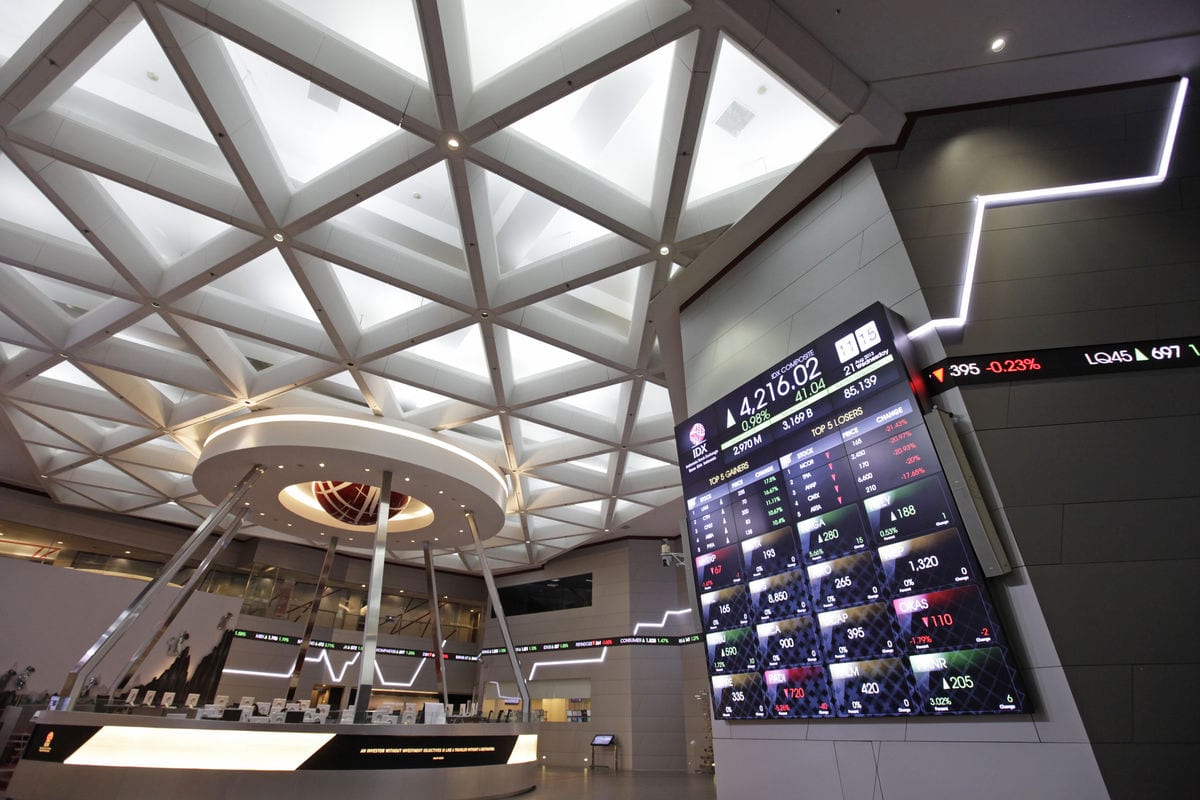
    The Indonesia Stock Exchange (IDX) has suspended the Bumi Citra Permai (BCIP) from trading because of significant, cumulative stock price declines.

    BCIP opened at Rp478 per share before plunging 46 bps (9.62%) to Rp432.

    “With regards to BCIP’s significant, cumulative price drops, the IDX deems it necessary to suspend the stock from being traded,” IDX head for transaction supervision Irvan Susandy said in an exposure on Friday, October 7.

    BCIP is not only suspended from trading in the regular market but also in the secondary market, starting today, October 7. The suspension is aimed at giving investors enough time to make thoughtful considerations in deciding what to do with their BCIP stocks.

    BCIP is an issuer engaged in the field of real estate, construction, trading, mining, services, transportation, publishing, and agriculture. The company’s main businesses are real-estate and water management, operated by subsidiary Milwater Pratama Mandiri.

    BCIP also has two real estate subsidiaries Millenium Power and Citra Permai Pesona.

  • No Solution yet to Google Tax Issues

    No Solution yet to Google Tax Issues

    The Communications and Informatics Ministry said that it has not come up with the best solution in relation to the endeavor of collecting taxes from giant tech company Google, as the regulation on foreign app companies (over the top or OTT) has not been realized yet.

    “No solution yet, and I’m still coordinating with the Finance Ministry. But I keep on pushing to have a playing field level between the national OTT and the International OTT,” Communications and Informatics Minister Rudiantara said in Jakarta on Friday, October 7, 2016.

    Earlier, Rudiantara said that Google Indonesia was not running an advertising business. In addition, Google has not set up a permanent local entity (BUT) in Indonesia, making it difficult for the government to collect taxes from Google.

    Rudiantara called on Google to show its good will to discuss the issue.

    “However, the amount of taxes to be paid by Google remains Finance Ministry’s jurisdiction,” he said.

    Rudiantara had also set a target to finalize regulations on OTT companies in the third quarter of 2016. However, the realization remains sluggish since the Ministry cannot issue a regulation that is not applicable and enforceable.

    Google Singapore, as Google Indonesia’s holding company, refused to be audited by the Tax Directorate General, following a finding that Google gains income from Indonesia, although it has not yet established a permanent local entity in the country. The Tax DG found an indication of criminal offenses and conducted investigation into the company.

    Finance Minister Sri Mulyani has not provided details about steps to be taken to collect taxes from Google. However, Sri said that the government would continue to demand Google to fulfill its tax obligations.

  • Governement expects food self-sufficiency in 2018

    Governement expects food self-sufficiency in 2018

    Food self-sufficiency is expected to be realized in 2018, and there will be no imports in 2016, Vice President Jusuf Kalla asserted.

    “Food-sufficiency is expected to be realized within three years for which the efforts have started a year ago,” Kalla said here Friday.

    In order to reach the target several steps have been implemented, including improvement of irrigation methods, and seedling and fertilizer preparation, he added.

    Food security and resilience have been an issue for Indonesia for some time now. It was once a major rice exporter in Asia but is now relying quite heavily on rice imports to meet peoples staple food requirements.

    Food security is also an important social objective.

    Therefore, relying on food markets outside the country in order to meet the needs of Indonesias growing population is critical.

  • Susi Promises Banking Access for Fishermen

    Susi Promises Banking Access for Fishermen

    Marine and Fisheries Affairs Minister Susi Pudjiastuti will facilitate fishermen or ship owners who owns ships with a capacity of less than 10 gross tonnage to have access to banking services. Minister Susi said that ship owners would only need came to the Marine and Fisheries Affairs Ministry office.

    “I will establish an outpost at the Ministry’s licensing office. We will meet [fishermen] with banking institutions,” Susi said on Wednesday, October 5, 2016.

    Susi promised to help fishermen to be able to access credit facilities to get funds to replace their trawls. Susi targeted fishermen to be able to get at least Rp 200 million loan. The Minister also offered to provide a debt restructuring program for fishermen.

    Susi hoped that ship owners will take the opportunity to replace their trawls and fish with more environmentally friendly method. The Minister added that she had recently managed to help a fisherman to get a fresh loan from the bank.

    Susi said that she had contacted two state-owned banks, Bank Rakyat Indonesia, and Bank BNI, to help with the program. The Minister also expected other banks to take part in the program, which is supported by the Financial Services Authority.

    In addition, the Marine and Fisheries Affairs Ministry had asked fishermen to re-measure their ships, while Minister Susi guaranteed that there will be no illegal levy in the process.