Tag: Japan

  • Half of FamilyMart owners want shorter hours

    Half of FamilyMart owners want shorter hours

    FamilyMart Japan says almost half of its franchisees want to drop its signature 24-hour trading hours.

    The firm conducted a recent survey among its around 14,000 franchises in Japan, of which 48.3 percent said they want to operate shorter hours, citing the cost of late-night operations and labor shortages. Of those, 73.3 percent wanted reduced hours every day, while 26.3 percent said that reduced hours one day a week would be sufficient.

    The remaining stores indicated a wish to retain 24-hour operations to avoid a drop in sales.

    Given the unexpectedly high interest in reducing store hours, FamilyMart Japan president Takashi Sawada announced: “We’ll build a system to ensure profits at franchisees.”

    FamilyMart Japan currently has 24 stores experimenting with shorter daily operational hours and will increase that number to 700 from October. It will review its 24-hour policy next year.

  • Singapore Telcom Debuts Mobile Payment in Japan

    Singapore Telcom Debuts Mobile Payment in Japan

    Singtel launches its cross-border mobile payment capabilities in Japan, joining a handful of sectors outside of finance making a run at market share in the payments business.

    Singtel’s VIA, cross-border mobile payment alliance in Asia, debuts first in Tokyo’s Haneda Airport before expanding to the rest of the city and beyond in popular tourist locations such as Osaka, Kyoto, and Hokkaido. NETTERS is the participating network enabling payments.

    The VIA network enables tourists from Singapore (mobile wallet: Dash) and Thailand (mobile wallet: AIS Global Pay) to make payments in Japan using QR code in the local currency at a «competitive rate», the release said.

    In Southeast Asia, digital payments are gaining widespread acceptance and fast replacing cash as the preferred transaction mode,» said Arthur Lang, CEO of Singtel’s International Group, adding that announcements of more wallets joining would be made in the coming months.

    This is a big step in further bridging the digital economies of Japan and Southeast Asia, facilitating travel for our customers and connecting Japanese merchants to more consumers, he added.

  • Citi Asia Execution Services Head Joins From JPMAM

    Citi Asia Execution Services Head Joins From JPMAM

    Citi hires J.P. Morgan Asset Management’s former Americas head of trading to run its Asia Pacific execution business. Curt Engler has been named as Citi’s Asia Pacific (APAC) Head of Execution Services. A key focus under his leadership will be to ensure Citi’s franchise continues to embrace the latest technology to meet the changing needs of clients.

    Curt’s market knowledge of operating in the world’s largest equity market and the market infrastructure changes he has worked through will be invaluable for Citi and our clients as Asian markets continue to evolve rapidly, said Richard Heyes, Head of Equities, Asia Pacific, in a media statement on Thursday.

    Curt, who has worked in financial markets for over 20 years – joins from J.P. Morgan Asset Management (JPAM) in New York, where he was Head of Trading for the Americas. Prior to JP Morgan Asset Management Curt was a trader and analyst at Blackrock, in the Quantitative Equity Group.

    At J.P. Morgan Asset Management since 2010, Curt was responsible for the daily activity of the trading desk and oversaw the trading operations of over $250 billion in assets under management. He also led the build-out of trading technology to support significantly increased levels of automation and the usage of analytics to improve execution performance.

    Based in Hong Kong, Curt will be responsible for Citi’s regional execution business. where he will be responsible for Citi’s cash execution business that spans 12 markets across the region.

    «Asia-Pacific is a key market for our global equities business and I am confident this addition to the strong bench will support further growth with clients across the region,» said Dan Keegan, Global co-head of Equities.

  • Japanese retailer Daiso Launching in New Jersey

    Japanese retailer Daiso Launching in New Jersey

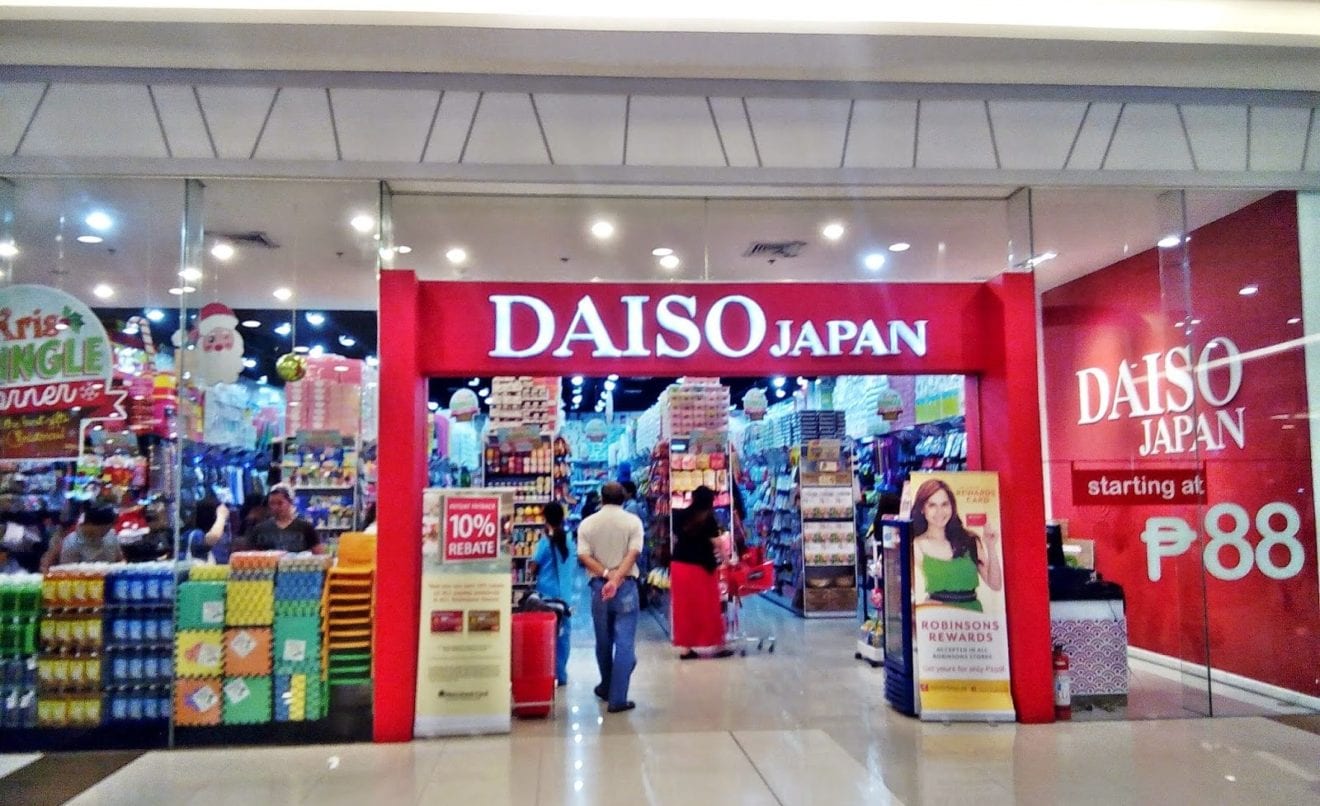
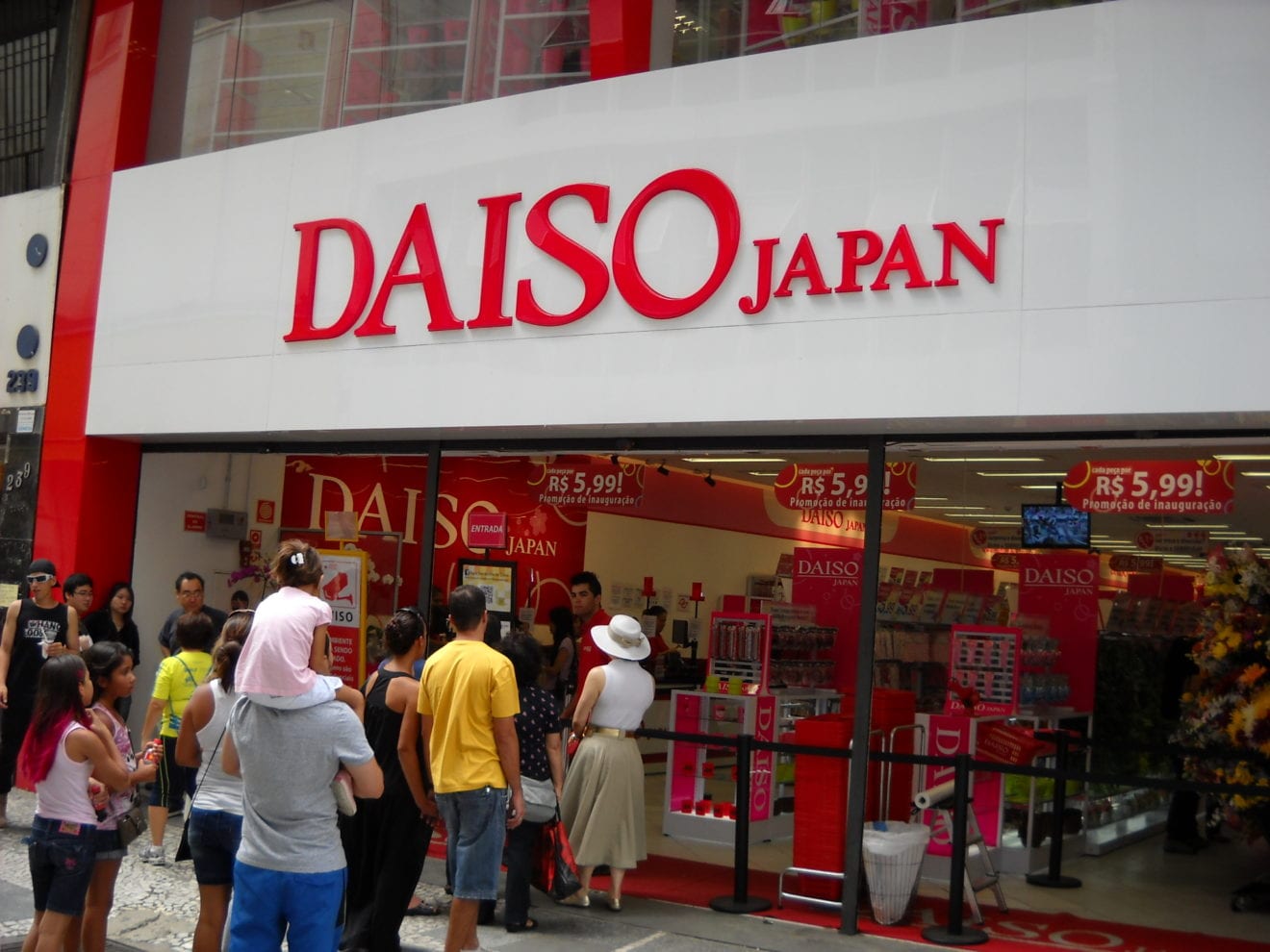
    Budget Japanese retailer Daiso will launch its first New Jersey store in Edgewater.

    The store will open on August 3 as the second Daiso store in the Tri-State area. Daiso is quickly expanding its presence on the East Coast, with this location opening within just five months of the very first store in Flushing, New York last March. Three more Daiso stores are scheduled to open in the area this year.

    The 7000sqft Daiso New Jersey store will feature products and styles including back-to-school, entertaining and organising supplies, and thousands of products including kitchenware, beauty supplies, stationery, gift wrap, greeting cards, electronics accessories, unique gift items, snacks, and party goods.

    Daiso Japan averages 10 to 20 new store openings globally every month.

  • East Creative expands further into APAC with investment

    East Creative expands further into APAC with investment

    Australia-based Fusion Group has taken a majority stake in the Tokyo and Hong Kong based brand and communications Agency, Eat Creative.

    The Tokyo-based agency will become part of the Fusion group expanding its capabilities and reach across the APAC region.

    Founded in Tokyo 2000 by Alison Jambert, Ayako Chujo and Steve Martin, Eat provides consultation and creative strategy for global companies looking to engage in the Japanese and broader Asian markets, as well as Japanese brands looking to communicate more effectively on the International stage.

    “The growth of Asian economies is phenomenal, and there has never been a greater need for brands to communicate their stories creatively and intelligently cross market and cross culture. We’re excited about our relationship with Fusion, which will allow us to expand the range of services we can provide our clients, wherever they are based in the region.” said founder and ECD Steve Martin.

    Fusion group has enjoyed 14 years of solid growth and today combines 10 leading agencies with global reach and procurement capabilities. With its ambition to transform the retail experience, the group’s services range from strategic intelligence, brand consultation and creative strategy to localised marketing solutions and execution. Today’s announcement brings Fusion another step closer to providing a consolidated service offering for businesses across the APAC region. “We’re excited to have Eat join the Fusion family. Broadening our international reach ensures we are always at the forefront of global retail trends and that our clients receive the benefits of an exceptionally diverse and innovative team who can think locally, yet scale across the region” said Simon Norman, CEO and founder of Fusion.

    The Eat directors will maintain their current roles within Eat as well as taking on leadership positions within the group, reporting directly to CEO Simon Norman, and contribute to the Fusion’s regional expansion. Eat Creative retained Hong Kong based SI Partners as advisors on the transaction.

  • South Koreans boycott Japanese products

    South Koreans boycott Japanese products

    A boycott campaign against Japanese products and services is becoming a nationwide movement and extending into travel.

    The boycott started after Japan imposed trade restrictions against South Korea. Amid the boycott, a series of statistics show that the number of reservations for trips to Japan has dropped significantly.

    Hana Tour, the nation’s leading travel agency, reports that the number of new reservations for three-day trips to Japan from July 8 to 10 dropped to an average of 400 per day.

    The figure is down one-third, considering the average number of people booking a new trip to Japan through the company is around 1200 per day.

    However, Hana Tour reported that the number of cancellations, where customers retrack their reservation, remained the same.

    “Up until last week, the number of customers making reservations to Japan was similar, but this week the number declined sharply,” a Hana Tour official said.

    Another travel agency, which requested anonymity, also said that reservations for trips to Japan had been declining compared to typical levels since late last week.

    Those who considered travelling to Japan for the summer vacation season are changing their destinations to other countries. The decision is part of the aftermath of the boycott, a travel industry source said.

    “However, those who had booked trips to Japan in advance seem to be reluctant to cancel because of the huge burden of cancellation fees,” added the source.

  • World-first Homme Plisse Issey Miyake flagship opens in Tokyo

    World-first Homme Plisse Issey Miyake flagship opens in Tokyo

    The world’s first flagship store dedicated to the Homme Plisse Issey Miyake label has opened in the Tokyo suburb of Aoyama.

    The 225sqm space was designed by Tokujin Yoshioka in a distinctly minimalist Japanese style heavily dominated by bare concrete.

    Space at the rear of the shop houses a pleating machine, press and sewing machines, as found in the factory. Here, visitors can see the Japanese fashion label’s unique production method called seihin pleats (product pleats), in which pleats are made in fabric which is cut and sewn to 1.5 times the normal size.

    Stock on display includes a limited-edition long-sleeve t-shirt range under the Colors label, sold in 10 shades. The clothes are made using the pleating machine located in the store and complement the full Homme Plisse collection.

    The bold and bare concrete floors and pillars and exposed utilities in the space help create a factory feel and helps the brightly coloured apparel stand out. Stock is hung from steel racks and matching display counters.

    “We hope that this shop not only delights customers but also brings a sense of the joys of the “monozukuri no gemba (workshop)” to the public for the first time,” said a Homme Plisse Issey Miyake spokesperson.

  • Daiso launches its first Threeppy shop in Singapore

    Daiso launches its first Threeppy shop in Singapore

    Japanese discount retailer Daiso will launch its Threeppy store at Funan mall on Sunday.

    Japanese discount retailer Daiso will launch its Threeppy retail store at Funan mall on Sunday (July 14).

    Known as the ‘premium’ version of Daiso, the first Threeppy outlet in Singapore and Southeast Asia will offer kitchenware, household goods, and stuffed toys, among other items, with prices starting at US$5.80

    The new brand is hoping to attract family shoppers in Singapore with women in their 20s to 40s their main target.

    Daiso currently operates 22 Threeppy shops in Japan, and plans to add 30 stores every year.

  • E-commerce, international sales help boost Uniqlo parent’s Q3 results

    E-commerce, international sales help boost Uniqlo parent’s Q3 results

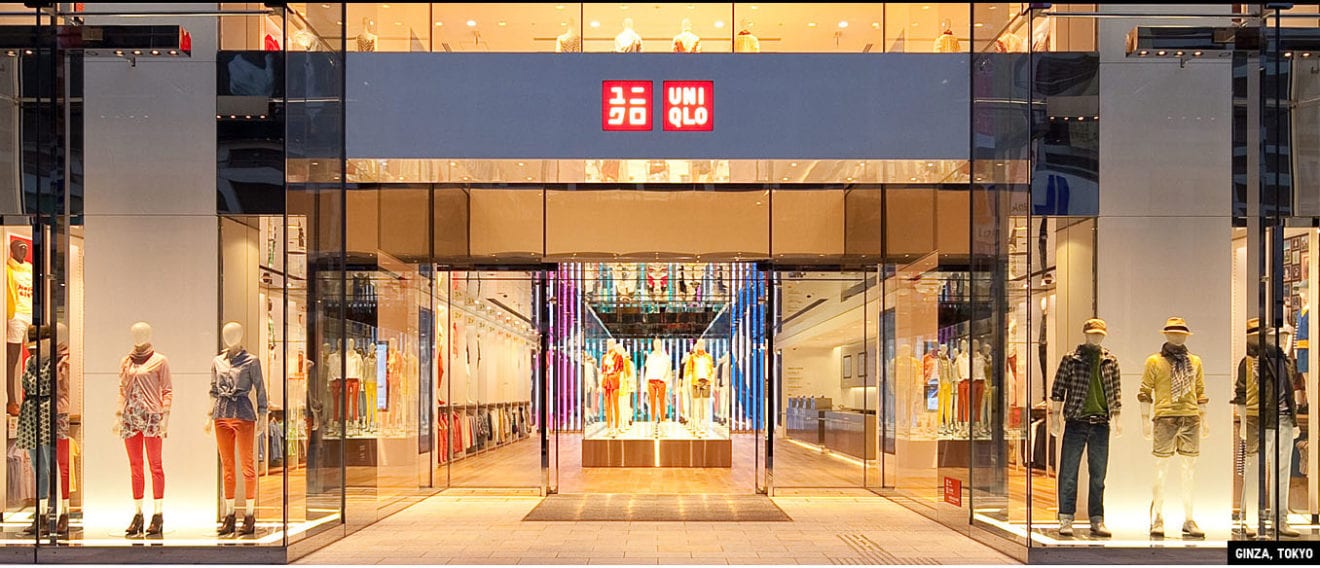
    Uniqlo owner Fast Retailing’s healthy online sales and strong performance in overseas markets, particularly in China, have helped boost its third quarter results.

    The Japanese retailer said its online sales saw a 16.1 per cent year-on-year increase in the three months to May 31 to ¥19.0 billion ($176.1 million), increasing their proportion of total sales from 7.8 per cent to 9.1 per cent.

    For the three months from March to May 2019, Uniqlo’s international segment reported strong results, with revenue expanding 15.3 per cent year-on-year and operating profit expanding 14.9 per cent year-on-year over that period.

    Uniqlo continued to achieve significant year-on-year growth in both revenue and profit in Mainland China, and achieved double-digit growth in both revenue and profit in Southeast Asia and Oceania on the back of strong sales of its summer range.

    But Fast Retailing’s less-than-stellar domestic sales have overshadowed the company’s strong performance in its e-commerce and international segments, indicating that Japan’s market still has a huge influence on the retailer’s results.

    The company’s domestic sales saw a 0.5 per cent decline brought about by shifting a sales event to June.

    On the profit front, the retailer’s operating profit declined by 7.5 per cent year-on-year on the back of a higher selling, general and administrative expense ratio, and a lower gross profit margin, which was dampened by its decision to bring forward discounting of leftover Spring Summer inventory.

    China continues to be one of the main engines driving overseas expansion, with sales in the country rising in the double digits.

    The retailer said Uniqlo so far hasn’t been hurt by the trade war between the US and China, and sales there were strong even in the face of a weaker yuan.

    Uniqlo Europe reported a decline in profit caused by unseasonal weather patterns and political uncertainty. However, within that region, Russia continued to perform strongly and report expanding revenue and profit.

    In terms of new-store activity, Uniqlo opened its first store in the Netherlands in Amsterdam in September 2018, as well as its biggest Southeast Asian global flagship store in Manila, Philippines in October 2018, and its first store in Denmark in Copenhagen in April 2019.

    Fast Retailing said it is planning to focus its efforts on expanding its global e-commerce operation and its Uniqlo international and GU casual fashion brands to meet its medium-term vision to become the world’s number one apparel retailer.


  • Emma dessert opens in Singapore

    Emma dessert opens in Singapore

    Japan’s Emma dessert has opened its first overseas outlet, at Singapore’s Plaza Singapura.

    Located on basement level 2 of the shopping mall, the outlet offers two exclusive products to Singapore – the Boba Taco Softie, and Charcoal Cheese-flavoured Soft Serve – along with its original menu.

    Signature items include Soft Serve with Okinawa Brown Sugar Bubble in Wafer Shell, Soft Serve in Cup with Okinawa Brown Sugar Bubble, Soft Serve in Charcoal Cone.

    Emma opened its first shop in Japan in May 2018, and now has seven outlets in Japan.

  • Suzuki, Mazda, Subaru Join Toyota-Softbank Self-Drive Venture

    Suzuki, Mazda, Subaru Join Toyota-Softbank Self-Drive Venture

    Five Japanese automakers including Suzuki Motor Corp and Mazda Motor Corp said they would each invest 2 percent in the on-demand, self-driving car service venture set up by SoftBank Corp and Toyota Motor Corp. Suzuki, Mazda, Subaru Corp, Isuzu Motors Ltd and Toyota’s compact car unit Daihatsu will each invest 57.1 million yen ($530,620) in the venture – dubbed Monet – in return for a 2 percent stake, the companies said in a statement.

    SoftBank and Toyota will each retain their 35% stakes in the company, which is now capitalized at $26.6 million. The latest investors join Honda Motor Co Ltd and Hino Motors Ltd, Toyota’s truck-making operations, which each own 10 percent stakes. Launched in October, the venture plans to roll out on-demand bus and car services in Japan in the next year, and a services platform for electric vehicles in the country as early as 2023 based on Toyota’s boxy “e-palette” multi-purpose vehicle.

    Monet is building up members as it joins the ride-sharing sphere which is dominated by startups such as Uber Technologies Inc, Didi Chuxing and Lyft Inc, as traditional automakers band together to compete in an industry which is placing a growing emphasis on offering vehicle services rather than selling cars to individual drivers.

    Automakers are increasingly joining forces with technology companies as well as each other as they grapple with the massive investment and software expertise required to develop these new services for which demand has yet to be tested. The new investment will see Suzuki, Mazda and Subaru deepen their partnership with Toyota, as they have already agreed to tap the R&D firepower of Japan’s biggest automaker for electric cars and other future vehicle technologies.

  • Muji Launching new Store in Denmark

    Muji Launching new Store in Denmark

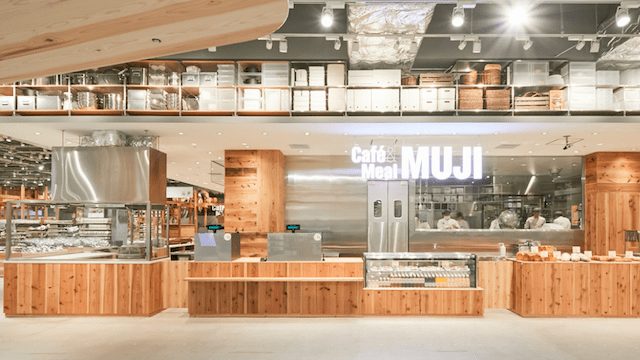
    Ryohin Keikaku Japan’s board of directors has resolved the establishment of a subsidiary in Denmark by Muji Europe Holdings – its regional headquarters in Europe – for further business development.

    Regarding the territory as a growing market in one of the most developed countries in the world – with the tenth highest GDP per capita and an estimated real GDP growth of 1.7 per cent this year – RKJ and MEH have decided to enter the Danish playing field with the expectation that their experience and know-how in the European market will help in running stores.

    Denmark geographically connects the European continent and Nordic countries and has a population of 5.83 million in a land area comparable to Japan’s third largest island, Kyushu. The country ranked second in the World Happiness Report according to the United Nations this year.

  • Pirata Group to launch new Japanese concept Honjo

    Pirata Group to launch new Japanese concept Honjo

    Hong Kong dining concepts business Pirata Group is opening Honjo, a modern Japanese restaurant, in Sheung Wan district late next month.

    As Pirata’s second Japanese concept, Honjo will be a 120-seat venue independent from its cosy street-inspired neighbour, TMK, set to launch a few days prior. Realised by interior designer Ben McCarthy of Charlie & Rose, Honjo is designed to remind diners of a modern restaurant set in the 1950s with a retro futuristic vibe, vibrant colours and intricate details from stained glass windows to hanging light fixtures.

    “The interior of Honjo will be demurely and appropriately extravagant, a dream eclectic and quirky home complete with an expansive collection of New and Old World wines,” read press material put out by the firm. “It will be the imaginary backdrop of a typical Japanese person’s dream world, a communal aspiration shared by many. A short reprieve from reality, one enters a fantastical world where he or she lives lavishly in a home resembling a British manor from the 1950’s. Finding joy in traveling the world and being influenced by each vibrant culture visited, the dreamer will craft Honjo’s interior, philosophy and cuisine based on his or her fantasies.”

    The restaurant celebrates the ability of Japanese cuisine to absorb inspiration and concepts from other countries, with a menu that will pay homage to a combination of Japanese people’s passion for exploring new flavours as well as their Japanese origin.

    Pirata Group’s existing restaurants include The Optimist, Pici, Tokyo Lima, Meats, Chifa, Madame Ching, Chaiwala, The Loft and Hugger Mugger.

  • Japanese tax-free store operator Laox Expanding in China

    Japanese tax-free store operator Laox Expanding in China

    Japanese tax-free store operator Laox plans to raise US$94 million to expand its activities in China and boost its e-commerce footprint.

    The company will issue shares to Granda Galaxy (a wholly-owned subsidiary of Suning Appliance Group), and Global Worker (a wholly-owned subsidiary of Chuben Sangyo).

    Once the funds are in the bank, Laox will further increase its investment in the Chinese market and expand its e-commerce business worldwide. Since entering the Chinese market in 2011, Laox has introduced high-quality Japanese goods and services to China through Suning’s online and offline platforms and its Tmall flagship store. In the future, Laox aims to become one of the largest suppliers of “Made-in-Japan” goods to better serve more Chinese local consumers, and plans to promote more quality products and consumption experience to other countries and regions through the Belt and Road Initiative.

    Suning believes Laox will further strengthen its close cooperation with the company in overseas purchase, commodity procurement, marketing and logistics services, thus increasing the Suning’s international influence and attracting more customers who are looking for better-quality goods.

    By the end of last year, Laox had 38 retail stores in the Japanese market, which had attracted nearly 2.5 million shop visitors in the year and achieved annual sales of about $1.12 billion.

  • Rakuten Japan Testing autonomous delivery robots

    Rakuten Japan Testing autonomous delivery robots

    A Japanese collective including Yamato Transport and Rakuten will partner with the Japanese government in a road test of autonomous delivery robots.

    A government-appointed team will monitor the testing to identify potential issues, with a special focus on safety concerns, as well as considering new operating rules for inclusion in the Road Traffic Act. The team includes representatives from Mitsubishi Estate, Japan Post, Panasonic and self-driving tech firm ZMP, as well as officials from the National Police Agency, Ministry of Land, Infrastructure, Transport and Tourism, Ministry of Economy, Trade and Industry and local governments.

    Japan’s logistics sector, under pressure from burgeoning online sales, is currently experiencing a shortage in labour that could be answered with robot delivery units equipped with cameras and GPS capabilities, giving rise to industrial opportunities for robotic systems developers.

    The tests are expected to be wound up by March next year.