Tag: Japan

  • Naver’s Latest Move and the Rise of New Payment Methods in Japan

    Naver’s Latest Move and the Rise of New Payment Methods in Japan

    Trends come and go in the retail world, but one which undoubtedly appears to be here to stay is the shift in how consumers now choose to pay for goods and services.

    Physical cash has played an important part in retail for decades, but a recent announcement involving South Korean internet firm Naver has put a spotlight on how new payment methods are becoming increasingly common in Japan.

    Mobile payments system

    Earlier this month it was confirmed that the company has launched a mobile payments system which can be used in Japanese stores. According to the Korea Herald, the Naver Pay service now features a tool known as Cross-Border, which allows people to make payments via a QR code on their smartphone or tablet.

    Naver Pay chief Choi Jin-woo told the media outlet that the move was the company’s “first step” into Japan and was based around providing a “convenient service” to customers wherever they are.

    While it is thought that the move will help Koreans travelling to the country, the announcement is also arguably another sign of the major changes being seen in how people pay for different items across the world.

    Going cashless

    A huge number of countries have embraced the idea of going cashless by using new payment methods, with the likes of Canada, Sweden and the UK thought to be among those leading the way.

    The types of services which have made the move possible include Google Pay, Apple Pay and, of course, the likes of PayPal. The latter is thought to have a total user base of 277 million accounts, with 255 million of those being consumers.

    Many businesses have worked hard to keep up with the consumer appetite for new payment options, and evidence of this can be seen in a range of sectors. For example, Amazon Pay allows people to use payment methods linked to their Amazon account to pay for services on other sites. In addition, this site offering Japanese NetBet casino games gives users a chance to make deposits via a range of means including Neteller, Skrill, Entropay and Trustly. Companies like Subway and Expedia have even flirted with cryptocurrency in the past too.

    Set for growth

    According to payment technology provider InComm, it is thought that around 20 per cent of all payments in Japan are currently made with methods other than cash, and it is thought that the government is keen to boost this further in the next six years. When did the organization reveal this? In an announcement that it had partnered with DFS to launch barcode payment solutions in the country.

    The world of payments is undoubtedly changing, and it will be fascinating to see whether all of the innovations emerging in Japan will ultimately mean the country rises up the rankings when it comes to going cashless. In addition, it will be vital that retailers can stay on top of these trends to ensure they can continue to meet consumer demand.
  • Japanese-born Pronto Caffe & Bar is opening in Singapore

    Japanese-born Pronto Caffe & Bar is opening in Singapore

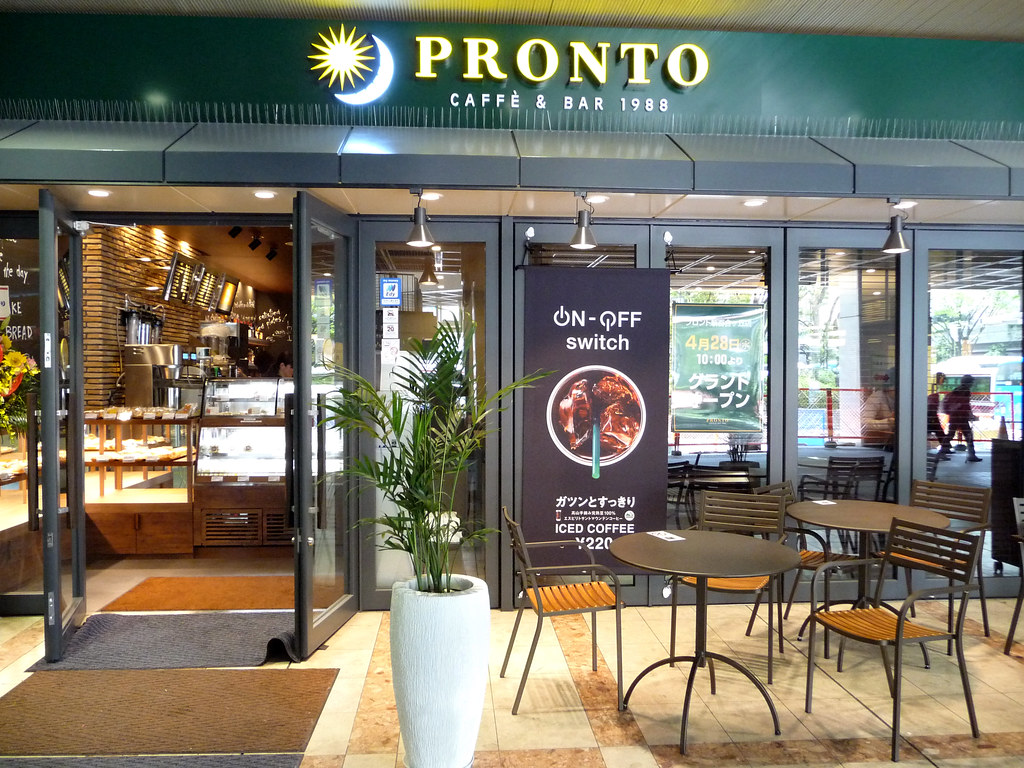
    Japanese-Italian cafe chain Pronto Caffe & Bar is opening in Singapore this week.

    Set to open on Thursday (June 13) at Capital Square, the outlet will serve breakfast sets, pastas, pizzas, desserts and coffee by day; and alcohol and bar food by night.

    The menu features a mixture of Japanese-influenced dishes, including Japanese Style of Pork and Spicy Greens, along with more traditional western fare, such as Eggplant with Bacon in Tomato Sauce pasta.

    Green tea beverages are available as well as coffee.

    First opened in 1988, and jointly owned by Suntory and UCC, Pronto now has more than 260 outlets in Japan.

    There are plans to open more outlets in Singapore next year.

  • Nok Air launched direct flights to Hiroshima, Japan

    Nok Air launched direct flights to Hiroshima, Japan

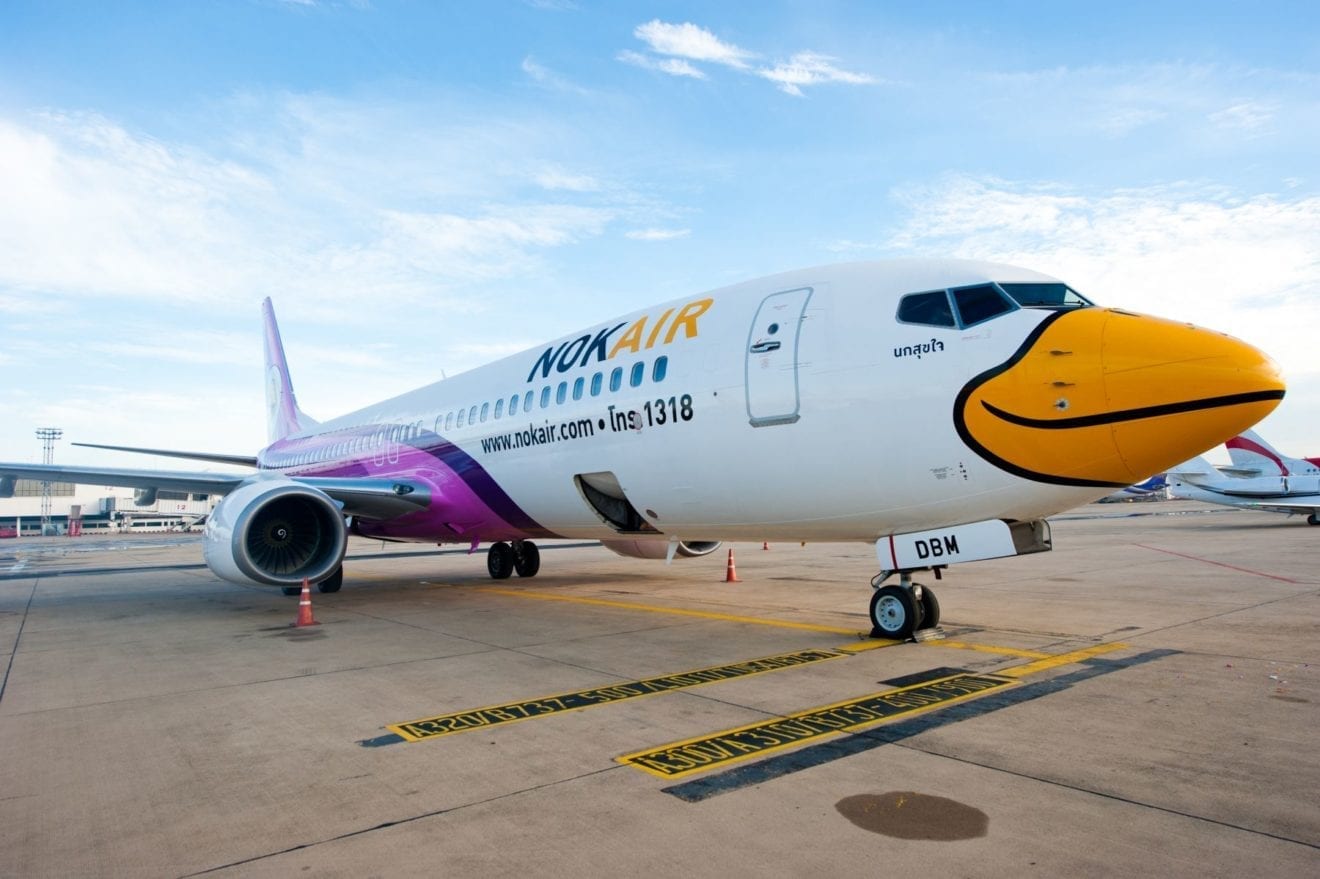
    The first phase is charter flights which have begun on 1st and 5th May 2019. This route is one of the many of the Nok Air’s turnaround plan by looking for the potential routes. Now, Nok Air is available and intend to create an impressive experience for the passengers.

  • Lush Tokyo store marks beauty brand’s largest In South East Asia

    Lush Tokyo store marks beauty brand’s largest In South East Asia

    The new Lush Tokyo store opened on Saturday is its largest yet in Asia, a three-storey, 1240sqm flagship. Billed as “a global destination, with a curation of the best of Lush as you know it,” the Lush Shinjuku store is housed in the southeast wing of Shinjuku Station, the world’s busiest railway hub. From the outside, it is hard to miss: a towering four-storey 1024cm x 352cm LED screen dominates the street frontage (the building’s fourth floor will house back-office functions for now).

    Inside, Lush Tokyo promises an “experiential, imaginative retail space showcasing Lush’s innovation in technology, with exclusive product drops, and new ways to shop”.

    Digital screens feature throughout the retail space, as well as projection installations, positioned to communicate key messages through visual content and designed to overcome language barriers.

    Coinciding with the store’s opening is the release of an upgraded Lush Labs app for Android and iOS featuring English, Korean, Japanese and Simplified Chinese. Visitors can use the app’s scan function to browse product information while in store, at home and even in the store’s digital ‘shoppable window’ which will be active 24 hours a day for customers and passers-by to scan and shop curated collections and product drops.

    Lush says using lens technology, via the app, to demonstrate products and product information is a step towards minimising packaging and reducing water wastage by showcasing products through videos.

    The content placed in windows and on the giant screen “will reflect the mood of Shinjuku at that time and aims to capture the attention of passers-by and commuters”. It will showcase Lush’s values, campaigns and creativity.

    Lush says the ambience of the new store aims to change the customer’s mood, whether it is a skin consultation, spa treatment or something sensory to speed you up or slow you down.

    “Products, treatments and experiences with benefits beyond the body exist here and build in intensity as customers move through the floors. Each floor offers an uplifting, interactive and playful space that promotes exploration and creativity with benefits beyond the body through different materials, lighting, products, content and merchandising to set the tone and spark joy.”

    The second floor offers what Lush describes as “a surreal sensory experience using colour therapy and generative art inspired by bath art to create an interactive digital mood”.

    “Innovative use of technology heightens the senses and plays with mood, data from sensors that map customer position and movement will be used to activate sounds from within the displays. This is just one way the shop can respond to individual customers, creating targeted experiences filled with surreal moments.”

    The new Lush Tokyo store opened its doors on Saturday, June 1. A spa planned for the third floor will open within the next few months and the company says it is evaluating using some of the fourth-floor space for customer engagement as well.

  • UNIQLO’s Latest MANGA UT Collection Celebrates Japan’s World-famous Manga and Anime

    UNIQLO’s Latest MANGA UT Collection Celebrates Japan’s World-famous Manga and Anime

    UNIQLO’s graphic T-shirt brand, UT, launches the latest MANGA UT collection, with themes from globally popular manga and anime series. The collection is available at all UNIQLO stores through UNIQLO.com, with specific titles launching on May 27 and June 10. This year’s lineup includes a women’s range, allowing a broader range of customers to enjoy wearing their favourite manga and anime titles. Selected items from the Kids’ UT line up will only be available online and at Orchard Central Global Flagship store.

    New series appearing for the first time in this collection include Detective Conan and Boruto: Naruto Next Generations. The lineup comprises styles from a total of 14 masterpieces of manga and anime, including anime based on Weekly Shonen Jump’s Naruto: Shippuden and Gin Tama, legendary works Yu Yu Hakusho and Hunter × Hunter, and popular Weekly Shonen Sunday titles Urusei Yatsura, Ranma ½, and Inuyasha.

  • Amazon Starts to sell fresh produce online in Japan

    Amazon Starts to sell fresh produce online in Japan

    Amazon Japan is partnering with local supermarket operator Life Corp to sell fresh foods online.

    The project will commence in parts of Tokyo later this year and provide a range of produce to Amazon’s Prime Now subscribers in Japan, offering order times as prompt as two hours for delivery. It is the first time the internet giant’s Japanese unit has partnered with a supermarket chain.

    Amazon Japan will handle all deliveries and process payments under the new venture, which targets those who face challenges leaving home to go shopping, such as the elderly or busy working professionals. The firm is hoping to use the service to meet a broader demographic for its Prime Now subscriptions.

    The arrangement is an opportunity for Life to extend its current online reach, which currently covers just over half of the Tokyo metropolitan zone. Profitability remains a limiting factor for supermarkets investing in online order infrastructure in Japan.

  • Japanese, Taiwanese cellcos suspend Huawei device sales

    Japanese, Taiwanese cellcos suspend Huawei device sales

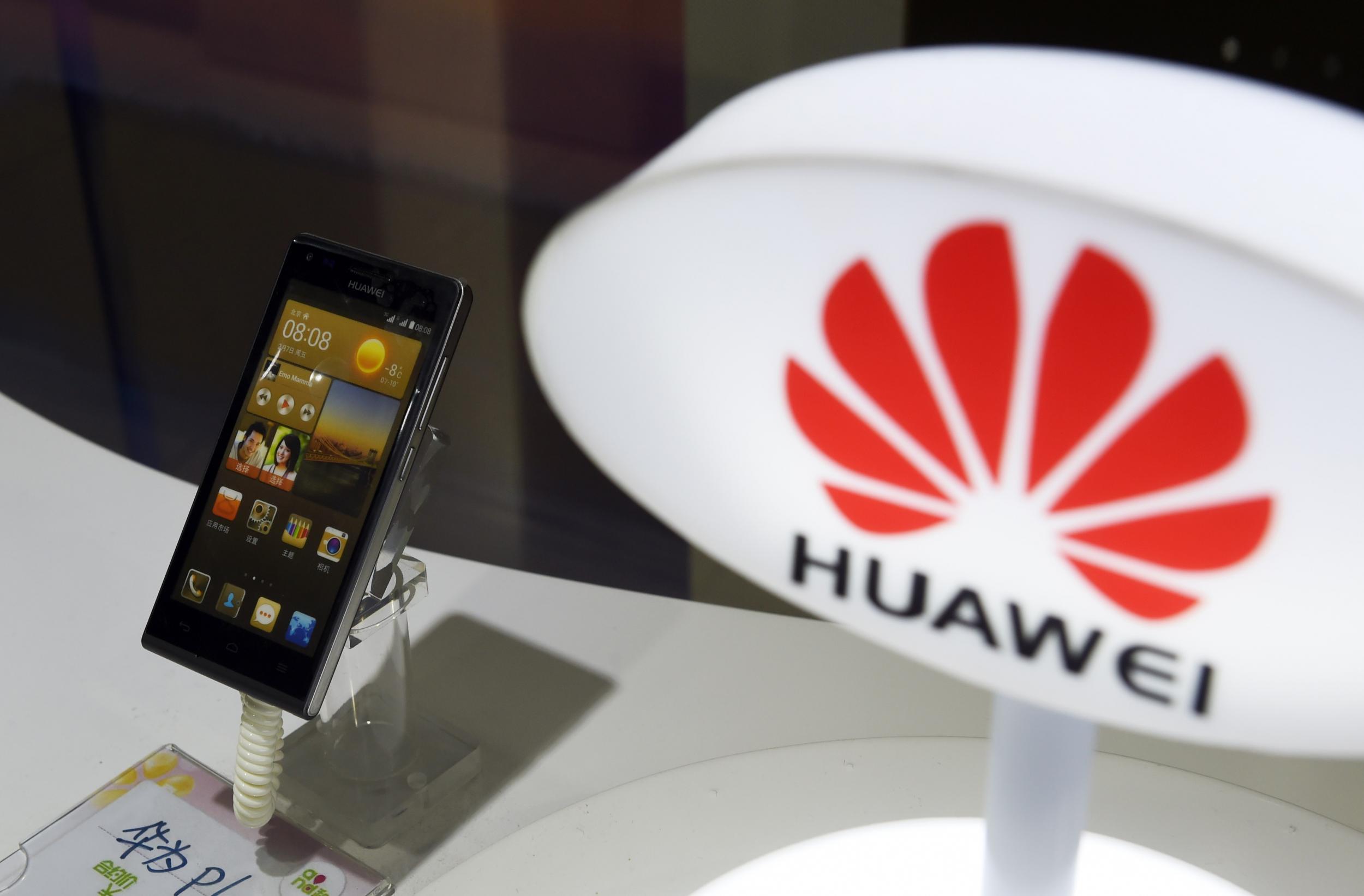
    The first crop of Asian operators have responded to the US trade ban on Huawei and its implication for Huawei’s access to the Android OS by freezing sales of new Huawei devices.

    Japan’s KDDI and SoftBank have both revealed plans to postpone the planned launch of Huawei’s new range of smartphones, which had initially been scheduled to launch this month.

    Meanwhile NTT Docomo has announced it will stop taking orders for the new devices, but has not yet announced plans to suspend the scheduled launch of a new high-end Huawei handset.

    But Huawei has insisted it will continue offering services and support for its existing products in Japan without disruption despite the decision.

    Meanwhile, in Taiwan, Chunghwa Telecom and Taiwan Mobile have both revealed they plan to stop selling Huawei devices after their current stocks sell out. The operators no longer intend to launch the latest crop of Huawei devices.

    The US Commerce Department last week officially added Huawei to the list of companies covered by president Donald Trump’s executive order declaring a state of emergency. The presidential declaration gave the government powers to regulate commerce by prohibiting US companies from trading with foreign companies deemed to present a national security threat.

    This decision has prompted a number of key Huawei suppliers to announce they will stop trading with the vendor – including Google, which said it will comply with the order and cut off Huawei’s access to Android.

    The Commerce Department has subsequently issued a 90-day reprieve allowing companies to continue trading with Huawei, but only to provide products and services required to maintain existing solutions.

    But Huawei will still be prohibited from using all but the open source version of Android in new devices and risks losing access to Google’s suite of services for even its existing devices after the 90-day window.

    Huawei has contingency plans in place such as its own operating system, which it has been developing for some time and promises at least some compatibility with Android apps, as well as its own app store.

    The Chinese vendor has repeatedly denied any suggestion that the Chinese government could use its equipment to spy on foreign nationals.

  • Japan to create 10b 14-digit mobile numbers by 2021

    Japan to create 10b 14-digit mobile numbers by 2021

    Japan’s communications ministry plans to create around 10 billion 14-digit phone numbers in anticipation of the 5G era.

    The 14-digit numbers starting with the code 020 will be introduced by 2021 at the latest.

    The current stock of 11 digit mobile numbers is expected to run out as early as the 2022 financial year.

    In response, a panel of experts has proposed to introduce the new numbers once the necessary preparations are complete, and Japan’s big three mobile operators NTT Docomo, KDDI and SoftBank have agreed to the proposal.

    Now the ministry has announced it will draft a report on the matter as early as June and aims to complete a ministerial ordinance by the end of the year.

    New numbers will be allocated to the operators early if they complete the necessary upgrades ahead of schedule, the report states.

    Japan currently uses 11 digit numbers starting with 090, 080 and 070 for mobile phones, and with 020 for IoT devices.

  • The Loft heads to China with new store Opening

    The Loft heads to China with new store Opening

    Japanese household goods store The Loft is preparing to open a new store in China’s Chengdu with local superstore business Chengdu Ito-Yokado.

    The Loft holds a 90 percent stake in the new joint venture, which has registered capital of RMB45 million (US$6.54 million).

    Chengdu Ito-Yokado is a subsidiary of fellow Japanese general merchandise retailer Ito-Yokado, which has 14 stores in Chengdu and Beijing. The Loft entered discussions with the company to form a partnership while it was evaluating opportunities for a long-term corporate strategy in Mainland China. The new joint venture now paves the way for The Loft to prepare to open its directly managed stores in Chengdu and elsewhere in China.

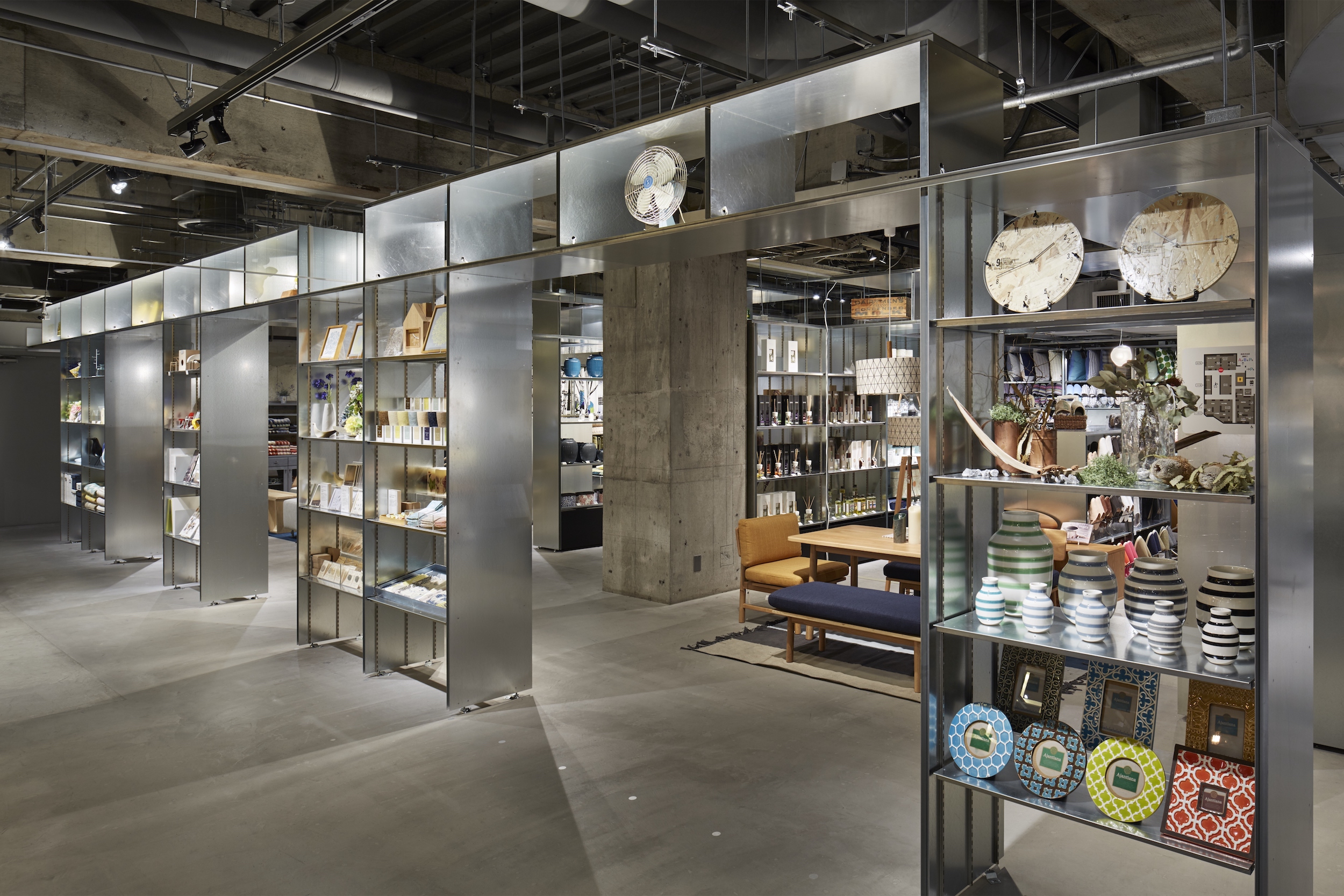
    The Loft, which specializes in display and layout arrangements for household accessories, cosmetics, and stationery, is one of Japan’s largest retailers of household goods with more than 100 stores in Japan. It also has a presence in Thailand. As many Chinese tourists have been visiting Loft stores, particularly Shibuya Loft in the Tokyo metropolitan area, the firm believes its stores in China will be able to attract new local customers.

    The new store is expected to launch in spring next year.

  • Yamaha Crosses 10 Million Production Landmark In India

    Yamaha Crosses 10 Million Production Landmark In India

    Japanese two-wheeler giant, Yamaha Motor has announced a production milestone of 10 million units in India. The company achieved the landmark production figure in 34 years of its presence in the country, having begun operations in 1985. The production number is a result of Yamaha’s three manufacturing facilities located in Surajpur, Faridabad, and Chennai that have contributed to the achievement. The 10 millionth vehicle to roll-out at the ceremony was the Yamaha FZS-FI V3.0 at the Chennai plant. The production volumes have not only catered to the domestic demand but for exports as well.

    Speaking on the significant milestone, Motofumi Shitara, Chairman, Yamaha Motor India Group of Companies said, “The journey for Yamaha has been quite exciting all these years. We have received a phenomenal response from our customers from across the country. This landmark achievement is a testimony of our growing popularity and demand for our products which are exciting, stylish and sporty. This would not have been possible without the support of our employees, dealer partners, suppliers, and vendors. They have played a key role and have extended their support throughout in line with the company’s business direction to achieve this important milestone. Going forward, we will continue to excite our customers and empower their lives through world-class products and services.”

    Yamaha’s popularity has soared in recent years with more mass-market offerings, which helped catapult the production numbers. The occasion also marked another accomplishment of five million units being produced in just seven years between 2012 and 2019. Scooter sales helped the manufacturer during this period, contributing 44 percent to the overall production with the Fascino being a popular seller. Out of the 10 million vehicles produced, about 80 percent units were rolled out from the Surajpur and Faridabad facilities while 20 percent of units were contributed by the new Chennai plant. Motorcycles remained larger contributors to Yamaha Motor India’s overall production. The company manufactured over 77.88 lakh motorcycles overall, while 22.12 lakh scooters were produced.

    Yamaha achieved its first such milestone in 1999, 14 years after commencing operations in India when the Surajpur plant hit the one million production run. In 2012, the company’s production increased to five million. The firm also introduced its first scooter – Yamaha Ray – the same year, which further helped build volumes. Yamaha had achieved a production run of one million for its scooters by 2016 with the offerings being manufactured at the then newly built Chennai plant that was begun operations in 2015.

    The Chennai factory has played a key role in Yamaha’s production strategy for India, according to the company. The plant has increased its capacity from 4.5 lakh units in 2015 to the current nine lakh units. In the last 5 years, the Chennai factory along with Surajpur & Faridabad factory have together met their production targets from 7.40 lakh units in 2014 to 10.2 lakh units in 2018.

    While Yamaha did shift its focus towards commuter motorcycles in the past years, the two-wheeler maker is now focussing back on sporty bikes and has introduced a slew of offerings in the past year including the YZF-R15 V3.0, FZ V3.0 and more recently the Yamaha MT-15. The bike maker is expected to also bring the updated YZF-R3 in India later this year or by early 2020 and possibly its naked sibling – Yamaha MT-03 – sometime in the future. There have also been rumors of the company entering the 125 cc scooter segment, but there has been confirmation on the same from the company.

  • SK-II brings Future X Smart Store to Singapore

    SK-II brings Future X Smart Store to Singapore

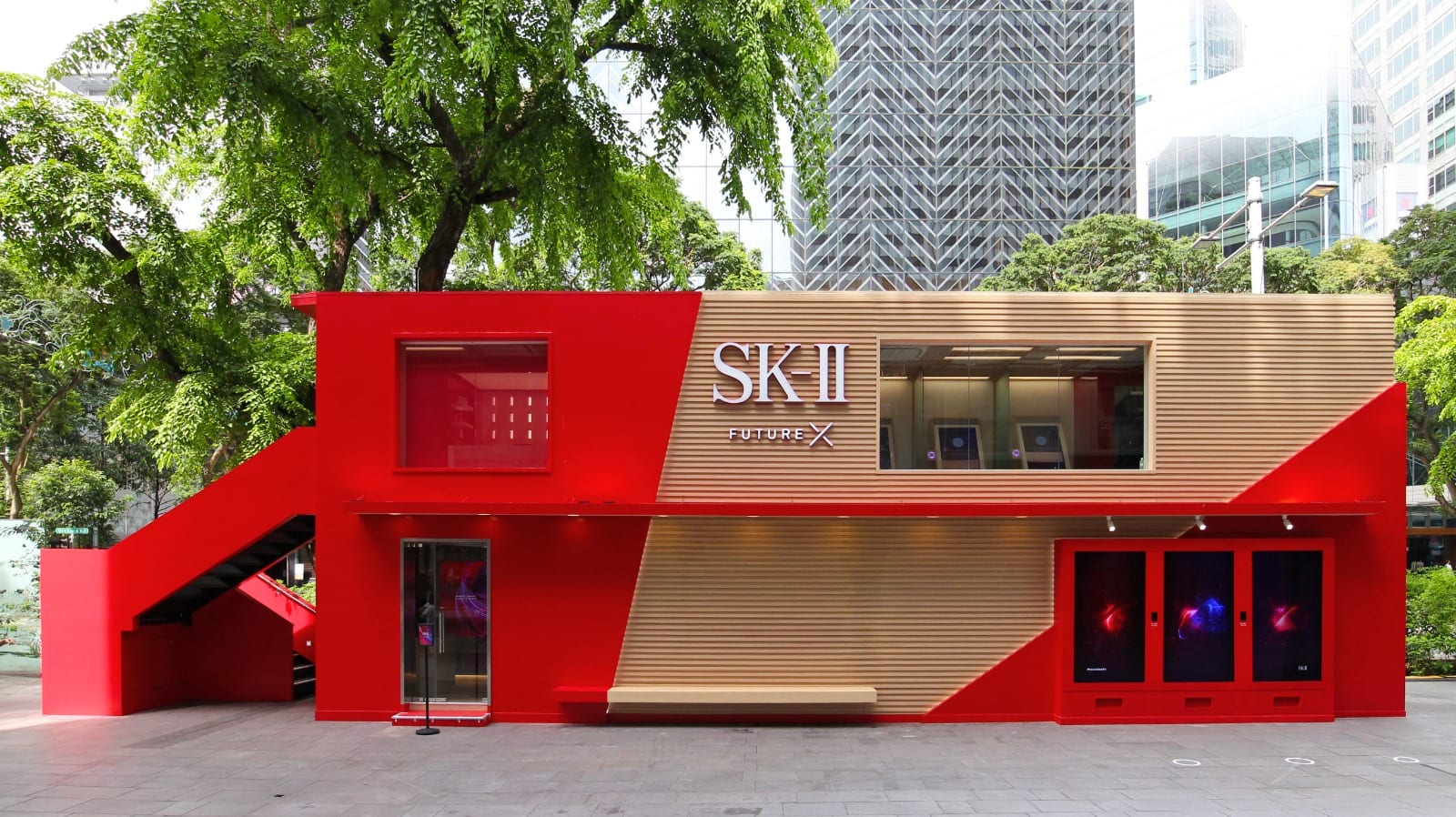
    Japanese beauty brand SK-II has partnered with The Shilla Duty-Free to bring Future X Smart Store to Changi airport. According to SK-II, the smart store merges the latest digital technology with in-store experience to deliver “a convenient and pressure-free shopping experience”.

    “Travellers from all over the world now have the chance to experience the brand’s unique physical retail concept, merging the latest digital technologies with in-store elements to provide travelers with a convenient and pressure-free way to shop for skincare,” the brand said in a statement.

    The store consists of physical features such as the Discovery Bar, smart product scan and ‘Skincare GPS’ that help time-conscious travelers locate, learn about and buy SK-II products in the shortest time possible.

    At the Discovery Bar, consumers will learn more about SK-II’s range of skincare products at the touch of a button.

    The smart product scan tool uses advanced image-recognition technology to help customers locate products quickly. By scanning the SK-II product images they download to their mobile devices, travelers will be directed to the location of their desired product.

    The Skincare GPS facility lights up the location of the product on the store shelf to make it quicker and easier for shoppers to find items.

    The smart store is a part of SK-II’s foray into retail innovation “and the start of a global transformation to connect with a new generation of consumers who are yearning for more meaningful experiences with the brands”, the company said.

    SK-II has launched Future X Smart Stores in Tokyo, Shanghai, and Singapore.

  • Japan bans handset-mobile service bundles

    Japan bans handset-mobile service bundles

    The Japanese government has passed a new bill aimed at reducing mobile prices for consumers and stimulating competition in the mobile market. The new bill includes provisions banning operators from offering bundled device and mobile plans under a single price package.

    The new law, which is due to take effect as early as the third quarter, is aimed at addressing a practice that consumers and lawmakers have complained make it difficult to compare prices between operators.

    Incumbent operators NTT Docomo, SoftBank and KDDI have been under pressure to reduce their mobile charges to help alleviate the financial pressure on consumers. As part of its efforts, the government has been seeking to address the issue of mobile operators offering device subsidies in exchange for relatively high prices for mobile services.

    Responding to this pressure, Docomo last month introduced a simplified fee structure that it says will have the effect of reducing mobile rates by up to 40%, and its rivals are considering following suit.

    The amended legislation also introduces new penalties for companies using misleading sales tactics, as well as a new registration requirement for handset retailers for regulatory purposes.

  • Takashimaya After Opportunities in South East Asia

    Takashimaya After Opportunities in South East Asia

    Three Southeast Asian countries are on Japanese department store operator’s radar. Takashimaya says it is evaluating opportunities to open department stores in the Philippines, Malaysia and Indonesia.

    However, in an interview, Takashimaya’s president Yoshio Murata said while new stores in those markets could be an option, the company’s priority now is to focus on “raising the profitability of the four stores” it already has in Southeast Asia and China.

    Takashimaya opened a store in the IconSiam development in Bangkok late last year, adding to stores it already had in Shanghai, Singapore and Ho Chi Minh City.

    In May last year, it was reported that just one of its overseas stores was then trading at a profit – the Singapore flagship on Orchard Road. But the company said it believed it could make them all profitable by 2023, including the Bangkok one.

    This week, Murata said the company plans to strengthen its overseas operations and sees an opportunity for growth in Southeast Asia, in particular.

    Additional locations “are entirely possible,” he said, so long as there were good locations available.

    The company is facing problems in its home market where an aging population and declining birth rate are making business growth a challenge.

  • APJxC to produce 33.8 zettabytes of data by 2025

    APJxC to produce 33.8 zettabytes of data by 2025

    Seagate Technology recently released a white paper with IDC on the growing datasphere in Asia Pacific including Japan, but excluding China (APJxC).

    This is following the launch of IDC’s global White Paper, The Digitization of the World – From Edge to Core, sponsored by Seagate Technology, which examines how much new data is created and replicated each year and the impending shifts to the global data model by 2025.

    Top findings from the regional paper include:

    • Data created in the APJxC regions will increase from 5.9ZB in 2018 to 33.8ZB in 2025.
    • The APJxC Datasphere is one of the fastest growing Datasphere regions, growing at a 2018–2025 CAGR of 28.3% compared with a gloabl rate of 27.2% and a U.S. growth rate of 23.6% over the same time period.
    • Entertainment-related data is growing at a faster pace than most other regions, expanding at a rate of 23% compared with a global average of 20% for 2018–2025.
    • The number of online users in the region participating in entertainment-related activities is growing faster than the global rate — 7.2% compared with 4.6% for 2017–2022, which will increasingly happen on the go on mobile devices.
    • Storage utilization in APJxC will grow from 0.5ZB in 2018 to 2.3ZB in 2025, even though not all data created will require permanent storage.
    • By 2025, 58% of data storage will take place in the public cloud compared with 22% in 2018 – largely driven by the growing number of internet users in the region, which drives use of the cloud not only by users but also by enterprises as they race to keep up with user demands.

    As such, the percentage of data in the APJxC Datasphere emanating from or replicated in the edge will increase from 12% to 20% of the region’s total Datasphere — as data is delivered to endpoints and as IoT devices increasingly drive processing and analytics closer to the point of origin of the data itself.

    This unprecedented data growth combined with the pressures of deriving value from data for digital transformation will create imperatives for IT and business organizations across all regions over the next decade. Enterprises must develop a fitting data storage and management and capitalization strategy and drive a new level of engagement with consumers using data-informed services and products.

  • Belstaff Japan Winding Down

    Belstaff Japan Winding Down

    The British luxury fashion retailer has six stores trading in the market, which it entered back in 2015 via a wholly owned subsidiary, opening its first store in March 2016.

    While the brand is making its direct exit, Belstaff Japan customers will still be able to buy its goods from authorized retailers, supplied from the UK head office.

    Belstaff has previously announced it is shifting its focus to selling online in the US and developing a wholesale distribution channel in Italy. The returns from the Belstaff Japan business were insufficient to continue to operate there.