Tag: Japan

  • Acne Studios re-opens Tokyo Store

    Acne Studios re-opens Tokyo Store

    Fashion brand Acne Studios has reopened its Shibuya concept store in Tokyo to coincide with the launch of a new collection.

    The company, part-owned by Hong Kong fashion retail operator I.T Group, has released a new range of leather accessories at the Shibuya store in Tokyo, which since 2017 has been used to showcase new collections.

    The 68sqm “project store” was redesigned by Kasthall. Centrestage is a capsule collection which includes new versions of the brand’s two most popular bags, Musubi and Baker, as well as small leather goods, card holders, keychains and wallets.

    The collection will be on sale at the store for the next year.

    The majority shareholding of Acne Studios recently changed, with Oresund, Creades and Pan Capital funds stakes acquired by IDG Capital and I.T Group, reflecting a deliberate strategy to shift focus towards Asia.

    Hong Kong, South Korea and Japan each host a series of Acne Studio stores and there are shops in Beijing, China, with another scheduled to open in Chengdu this month.

  • Cineleisure Unveils Fresh New Look With Stylishly Modern Interiors And New Concepts

    Cineleisure Unveils Fresh New Look With Stylishly Modern Interiors And New Concepts

    Cineleisure, the destination mall managed by Cathay Organisation, is proud to unveil its refreshed look, while welcoming three new and exciting concepts.

    Forming a striking visual interplay of colours and textures, the revamped Cineleisure reveals interiors fitted with concrete juxtaposed against rustic wood timber.  The playful balance between gritty accents and polished design, with a purposeful blend of warm earthy hues and cool steel palettes,  add a distinctively dynamic element to the popular youth-oriented mall.

    The pairing of fun and playful elements also extends to its eclectic mix of food, fashion, and entertainment tenants. This April, Cineleisure welcomes the addition of three new and hotly anticipated concepts—Tenkaichi Japanese BBQ and Shabu Shabu, The Alley Luxe, and Amazing Castle, of which the latter two are making its debut in Singapore.

    NEW TENANTS

    The Alley Luxe (#02-06A/B)

    Opening its very first flagship store in Singapore at Cineleisure, famed Taiwanese bubble tea chain—The Alley, is set to cause ripples in the local food and beverage scene with its iconic artisanal tea. With more than 300 outlets globally, The Alley has taken the world by storm with its signature and highly “Instagrammable” Brown Sugar Deerioca beverage packed with Deerioca tapioca pearls that are made from scratch.

    The flagship store in Cineleisure will also feature the first-ever premium lifestyle café concept for The Alley – The Alley Luxe, which showcases the brand’s finest collections of beverages alongside an array of exquisite European-inspired treats such as croissants and cruffins.

    Tenkaichi Japanese BBQ & Shabu Shabu (#02-11)

    Tenkaichi promises both authenticity and affordability for a gourmet Japanese Yakiniku experience. Hungry shoppers can expect a premium buffet at just S$59.90, which includes a free flow of Tenkaichi’s signature grilled Wagyu Beef that are hand sliced and freshly served on order. Alternatively, for a limited time only, shoppers can opt for its value-for-money and irresistible S$10 Donburi sets, ranging from Chirashi Don, Wagyu Beef Yakiniku Don, Hotate Mentai Mayo Don and Cheesy Chicken Teriyaki Don.

    Amazing Castle (#02-04A/05)

    The first of its kind in Singapore and in Asia, Amazing Castle is a massive kingdom-themed entertainment play centre consisting of nine different activity stages. Based on the legend of a fairy kingdom being attacked by invaders, each activity stage features a physically-interactive game for participants to confront challenges and fight off invaders. This innovative play centre guarantees a whole load of fun as participants unleash their inner child and turn their battle mode on as they progress through stages as a team.

    NEW CATHAY LIFESTYLE MALL REDEMPTION MOBILE APP

    Offering a rewarding shopping experience, Cineleisure introduces the Cathay Lifestyle Mall Redemption Mobile App, which allows savvy shoppers to make redemptions seamlessly anywhere, anytime. Shoppers who spend a minimum amount at the mall simply have to take and submit a photo of their spending receipt through the app. Upon verification, they can redeem e-vouchers to be used at participating shops to enjoy a discount.

  • Vietnam’s exports to Japan increase rapidly in Q1

    Vietnam’s exports to Japan increase rapidly in Q1

    Elimination of many tariff lines for goods under the CPTPP has helped Vietnam’s exports to Japan increase sharply in the first quarter of this year, according to the General Department of Customs.

    Vietnam’s export value to Japan in the first quarter surged 6.7 per cent year on year to US$4.6 billion, the general department said. Việt Nam became one of three markets gaining an export value in the billions of US dollars to Japan, after the US and China.

    In March 2019 alone, the export value to Japan reached $1.7 billion, a sharp increase of 62.3 per cent month on month and a surge of 2.7 per cent year on year.

    The strong growth in Vietnam’s export value to Japan was attributed to the Comprehensive and Progressive Agreement for Trans-Pacific Partnership (CPTPP). According to this agreement, Japan for the first time has pledged to completely eliminate tariffs for the majority of Việt Nam’s agricultural and seafood products exported to this market.

    That meant Japan immediately abolished 86 per cent of tariff lines, equivalent to 93.6 per cent of Việt Nam’s export value to Japan, and then this figure will increase to 90 per cent of tariff lines within five years.

    On the other hand, the Việt Nam-Japan and ASEAN-Japan free trade agreements have created advantages in tariffs for some of Việt Nam’s seafood products exported to Japan.

    About 62.5 per cent of Vietnam’s total goods items exported to Japan in the first quarter gained strong growth compared to the same period last year, according to the general department.

    The major export products to Japan included textiles (export value of about $900 million), means of transport and spare parts ($630 million), machinery and equipment ($450 million) and seafood products ($306 million).

    Especially, the fertiliser exports to this market had a sudden growth in the first quarter of 2019 to 8,126 tonnes, earning $3.7 million. The exports rose up by five times in volume and about 11 times in value year on year.

    In addition, Vietnam saw strong growth in exports of some goods to Japan in the first quarter, including chemical products (up 70 per cent), animal feed and raw materials (up 56.8 per cent), ore and minerals (up 52 per cent), all kinds of steel (up 49 per cent) and plastic materials (up 43 per cent).

    Meanwhile, Japan sharply reduced imports of cassava and cassava products from Vietnam, with a reduction of 99.6 per cent in volume and 98.5 per cent in value over the same period, despite the average export price of cassava surging by 3.3 times to $886 per tonne.

    In 2018, Vietnam’s goods export value to Japan reached more than $18.8 billion. Textiles and garments accounted for the largest proportion with over 20 per cent of the total export value. Meanwhile, seafood, furniture and footwear respectively hold 7.4 per cent, 6.1 per cent and 4.5 per cent.

  • Docomo to cut mobile rates by up to 40%

    Docomo to cut mobile rates by up to 40%

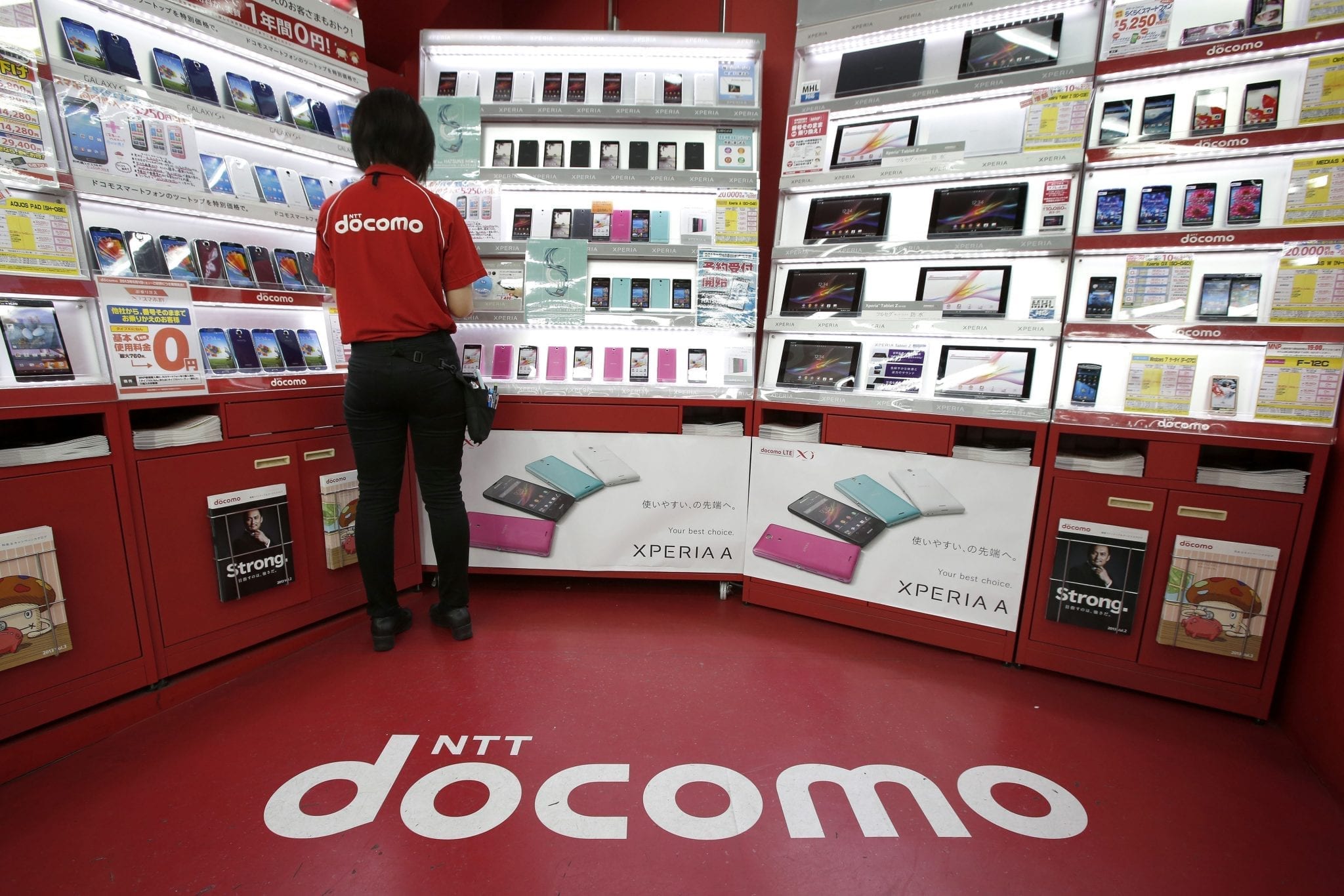
    Japan’s NTT Docomo has announced a new simplified mobile service fee structure that the operator says will reduce mobile charges by between 20% and 40%.

    The operator plans to completely separate handset and service fees and unify voice, SMS and data charges in response to criticism that its existing plans have been too complicated and hard to understand.

    The new plans are divided into two categories – a “Gigalight” plan which will charge based on data consumed, and a flat rate “Gigaho” plan for heavy data users.

    Docomo also plans to start offering family discounts of 500 yen ($4.46) per month for contracts covering two family members, and 1,000 yen per month for contracts with three or more members.

    Docomo’s new fee structure is also a response to pressure from the Japanese government on operators to reduce mobile service fees to bring them in line with prices in comparable markets.

    The operator expects that the new fee structure could reduce its income by as much as 400 billion yen ($3.6 billion) per year.

  • UOB Lends For Largest Logistics Parks In Japan

    UOB Lends For Largest Logistics Parks In Japan

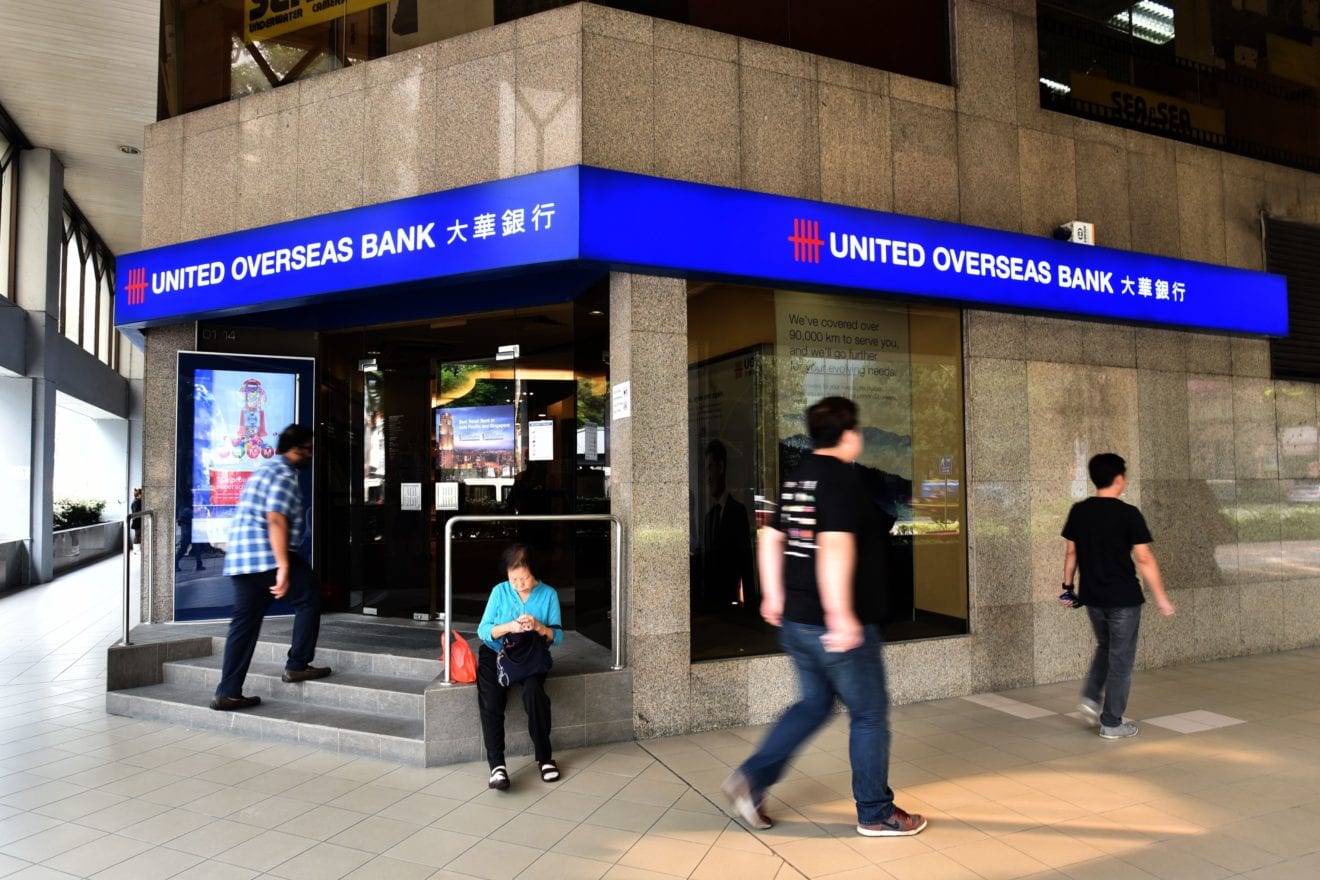
    United Overseas Bank has provided a financing facility for a real estate platform to acquire prime Tokyo Bay land with the purpose of building one of the largest master-planned logistics parks in the country.

    The Singapore bank on Tuesday announced that its Tokyo branch has signed an agreement to provide a non-recourse $179 million (20 billion yen) financing facility to ESR’s entities so that the real estate developer can acquire land in Yokohama, Kanagawa Prefecture, Japan. Last month, ESR announced that it has bought land in Yokohama for the purpose of building one of the largest master-planned logistics parks in Japan.

    «Through harnessing our product expertise and the strengths of our established regional network, we are committed to helping ESR expand its presence in the Asia Pacific. We look forward to extending our support to include cash and risk management solutions to assist ESR in optimizing its cross-border business operations and cash flow,» said Lim Lay Wah, Head of Global Financial Institutions Group, UOB, in a media statement.

    The transaction marks the first collaboration between UOB and real estate platform ESR in Japan, both companies said. ESR Sachiura TMKs are the onshore entities incorporated in Japan for the purpose of developing the ESR Yokohama Distribution Centre (ESR Yokohama DC) project, one of the largest master-planned logistics parks in the country.

    «With the support of UOB and other leading institutional investors, we are set to build ESR Yokohama DC as a flagship development not only for ESR’s growing network of best-in-class facilities but also for the burgeoning Japanese logistics property market,» said Stuart Gibson, co-CEO of ESR.

    Located within the Greater Tokyo Bay area with swift access to Tokyo’s central business district and major logistics infrastructure, ESR Yokohama DC will initially comprise two modern, four-story logistics facilities incorporating ESR’s human-centric design and state-of-the-art building specifications.

    With a total gross floor area of 393,226 sqm out of a total buildable area of over 700,000 sqm on site, the project is expected to be one of the largest multi-phased logistics parks currently under development in Japan in both size and value. The total investment for the first phase development is estimated to be more than $1 billion.

    In addition to the loan from UOB, ESR will use the equity investments from its capital partners, including Equity International and a major US pension fund, to fund the land acquisition. ESR is the largest Asia-Pacific focused logistics real estate platform by gross floor area (GFA) and by the value of the assets owned directly and by the funds and investment vehicles it manages.

    Cofounded by its senior management team and Warburg Pincus, ESR and the funds and investment vehicles it manages are backed by preeminent investors including APG, SK Holdings, JD.com, CLSA, Goldman Sachs, CPPIB, Ping An and Allianz Real Estate.

  • Cebu Pacific to launch flights Between Clark, Philippines and Narita

    Cebu Pacific to launch flights Between Clark, Philippines and Narita

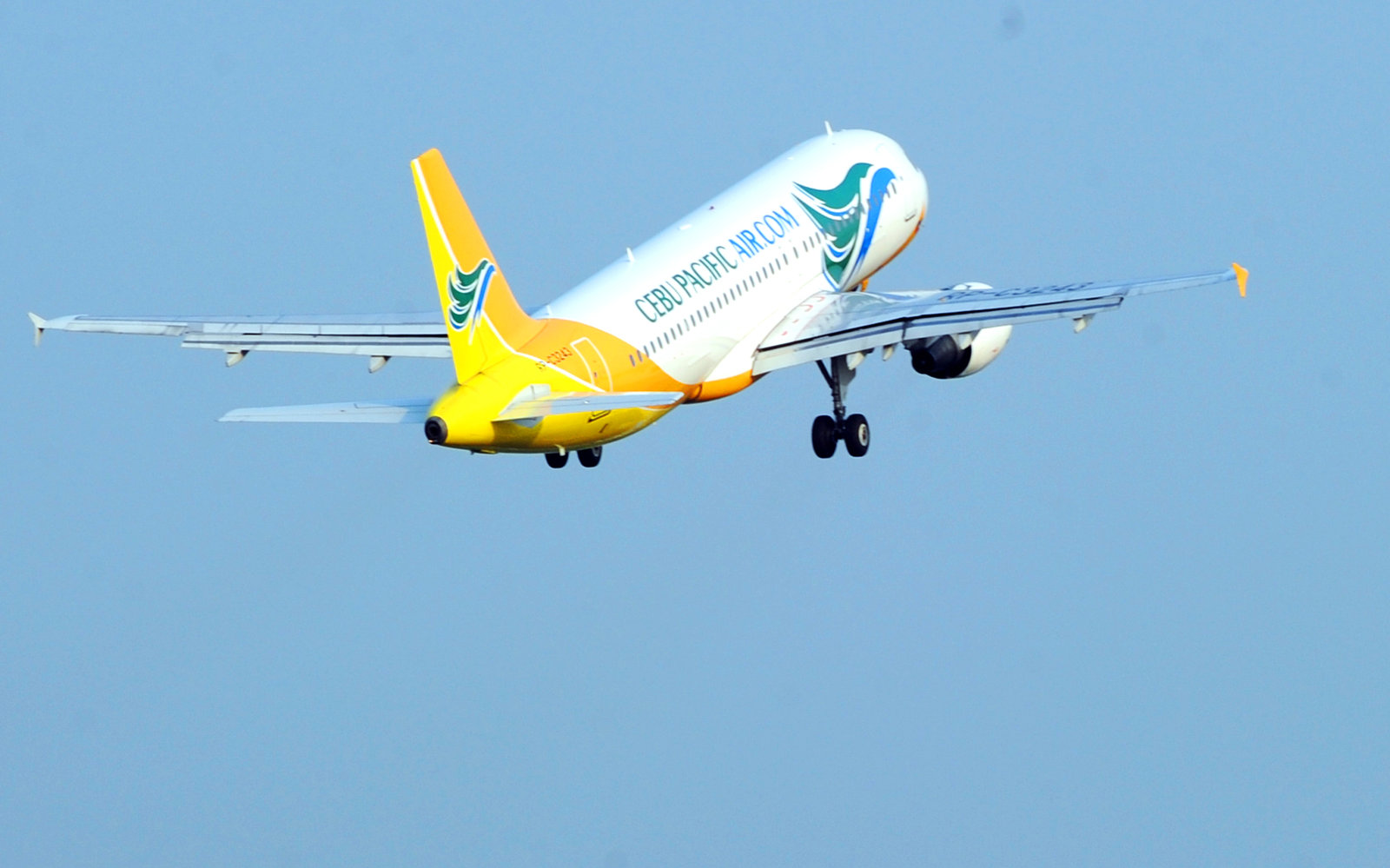
    Cebu Pacific has unveiled plans to launch flights from its rapidly growing hub in Clark, Philippines to Narita Airport.

    The airline will operate four flights per week between Clark and Narita on Mondays, Wednesdays, Fridays and Sundays, beginning Aug 9.

    Cebu Pacific will also begin direct flights between its hubs in Clark and Iloilo; as well as between Clark and Bacolod on Aug 9; as well as daily flights between Clark and Puerto Princesa in Palawan by Oct 9 October 2019.

    The four new routes will boost Cebu Pacific’s total capacity in Clark by 40% in 2019 alone, following a 75% increase in 2018 with the launch of direct flights to and from Davao and Panglao (Bohol); as well as additional frequency for the Clark-Macau route.

    “There is so much untapped potential in Clark, and we are committed to expanding our Clark hub to expand tourism, trade and investment opportunities. This will open up the areas around Clark to more investors and entrepreneurs,” said Candice Iyog, Vice President for Marketing and Distribution of Cebu Pacific.

    With a population of over 23 million in its catchment area, Clark International Airport is one of Asia’s fastest-growing airports, with passenger volume reaching about 2.5 Million in 2018.

    Cebu Pacific has been operating flights in and out of Clark since 2006 and today has direct flights to Cebu, Caticlan, Tagbilaran, Davao, Singapore, Macau and Hong Kong.

    “With direct air service between Clark and Narita, it will be easier for Japanese tourists to access destinations in Pampanga, Pangasinan, Baguio, La Union and the rest of Luzon. Conversely, it will also be easier for residents in these areas to enjoy Tokyo, with a direct flight from Clark,” added Candice Iyog.

    Japan is one of the Philippines’ top sources of inbound tourists, with 631,801 Japanese visiting the country in 2018.

    In 2018, Cebu Pacific flew 20.3 million passengers on over 2,130 weekly flights across 37 domestic and 26 international destinations.

  • Uniqlo Parent Cuts Financial Outlook

    Uniqlo Parent Cuts Financial Outlook

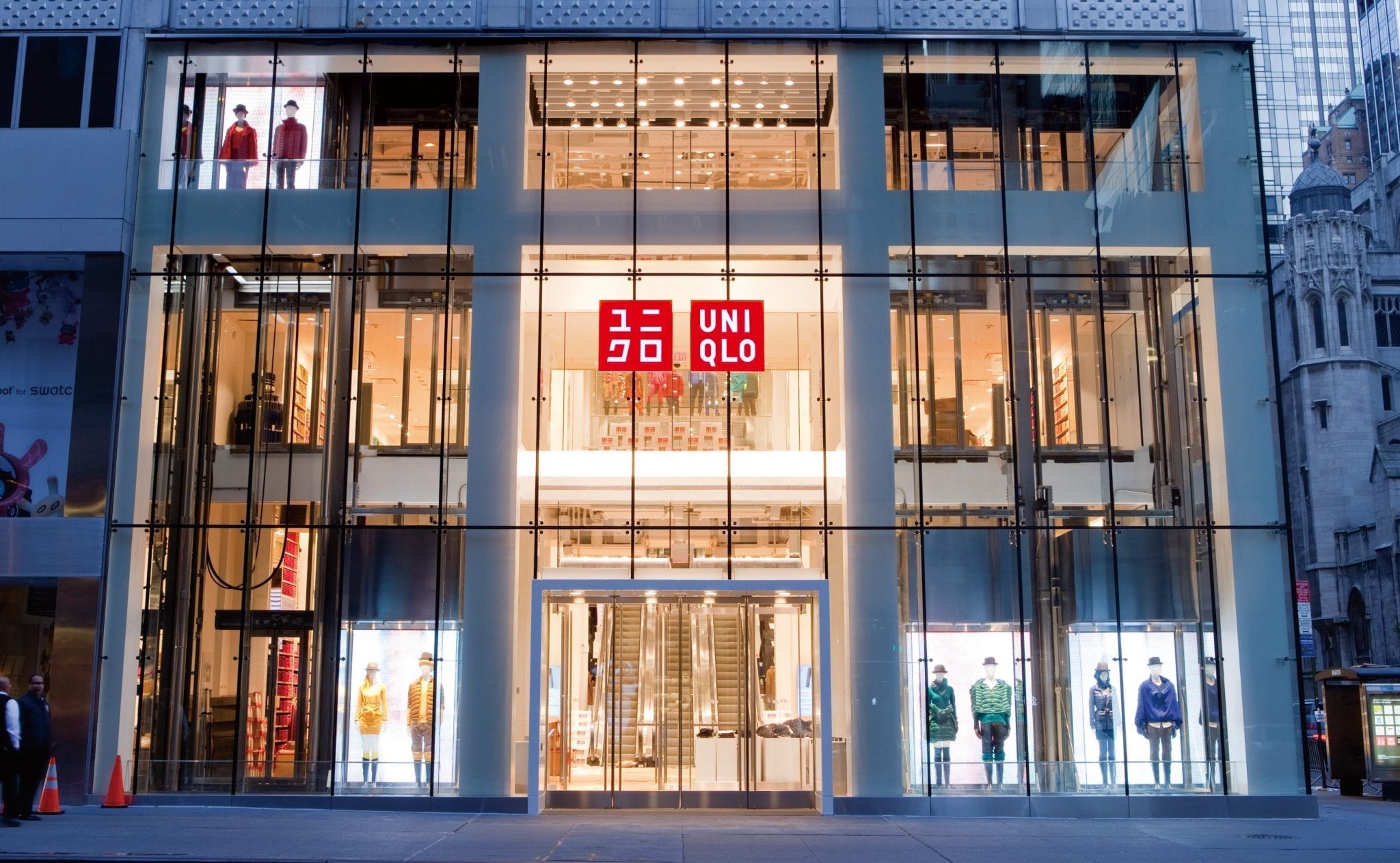
    Uniqlo parent Fast Retailing has cut its annual operating forecast amid heavy discounting to offload winter clothes.

    The apparel company has struggled with a shortage of popular winter items in the past, and overcompensated last winter by ordering too much inventory.

    The unseasonably warm weather hit sales of winter clothes which led to the decline of Fast Retailing’s first quarter profit.

    The company is undergoing the biggest revamp of its logistics and supply chain network to resolve the challenge it faced over winter.

    The Japanese retailer said it now expects an operating profit of  ¥260 billion (A$3.2 billion) for the financial year through August, compared to its previous forecast of  ¥270 billion in January. The revised outlook would still be a record high and represent a 10 per cent year-on-year rise.

    For the quarter ending February, Fast Retailing posted a double-digit increase in sales and profit in China, which has helped the brand turn in a better-than-expected rise in operating profit to ¥68 billion.

    The company reported declines in both revenue and profit in the first half of fiscal 2019, with revenue totaling ¥491.3 billion yen, down 5 per cent from the previous corresponding period, and operating profit totaling ¥67.7 billion yen, down 23.7 per cent from the previous year.

    First-half same-store sales, including online sales, declined 9 per cent.

    Online sales, which now account for 9.9 per cent of Uniqlo sales in Japan and 20 per cent in China, rose 30.3 per cent in the first half.

  • Greater China and South Korea drive Massive Uniqlo sales

    Greater China and South Korea drive Massive Uniqlo sales

    Heavy discounting necessary to offload winter stock has hit Uniqlo sales. Parent Fast Retailing has struggled with a shortage of popular winter items in the past, and overcompensated last winter by ordering too much inventory ahead of what proved to be an unusually warm season.

    As a result, the Japanese retailer’s first-quarter profit took a hit which in turn impacted of first-half results issued yesterday.

    The company reported declines in both revenue and profit in the first half of the current financial year, with revenue totaling ¥491.3 billion, (US$4.397 billion) down 5 per cent from the previous corresponding period, and operating profit totaling ¥67.7 billion ($606 million), down 23.7 per cent from the previous year. Same-store sales fell 9 per cent, however online sales, which now account for 9.9 per cent of Uniqlo sales in Japan and 20 per cent in China, rose 30.3 per cent.

    The weak first quarter for Uniqlo sales was in part compensated for by a double-digit increase in sales and profit in China, which helped the brand turn in a better-than-expected rise in operating profit to ¥68 billion ($609 million) for the three months to February.

    The company said it now expects an operating profit of ¥260 billion for the financial year through August, compared to its previous forecast of  ¥270 billion in January. The revised outlook would still be a record high and represent a 10 per cent year-on-year rise.

    Uniqlo re-stated its medium-term vision of becoming the world’s number one apparel retailer.

    “In pursuit of this aim, we are focusing our efforts on expanding Uniqlo International and our GU casual fashion brand,” said Tadashi Yanai, chairman, president and CEO of Uniqlo. “We continue to increase Uniqlo store numbers in each country in which we operate, and open global flagship stores and large-format stores in major cities around the world to further develop Uniqlo as a global brand.”

    He said that within the company’s international division, Greater China and Southeast Asia are entering “a new stage of growth as key drivers of operational expansion”.

    Uniqlo Greater China generated double-digit growth in both revenue and profit in the first half of the year despite the dampening effect of the mild winter weather.

    “Within that region, our operation in Mainland China continued to report strong growth in revenue and profit of approximately 20 per cent year on year. Uniqlo South Korea also reported increases in both revenue and profit. Uniqlo Southeast Asia & Oceania generated significant rises in both revenue and profit thanks to strong increases in same-store sales in every single one of the region’s markets.

    Meanwhile, the company plans to open more GU stores in Japan, while expanding the brand’s international presence, primarily in Greater China and South Korea.

  • Japanese telcos assigned 5G spectrum

    Japanese telcos assigned 5G spectrum

    Japan’s telecom ministry has allocated 5G mobile spectrum to incumbent operators NTT Docomo, KDDI, and Softbank, as well as local e-commerce giant Rakuten.

    The Ministry of Internal Affairs and Communications has approved the allocation of spectrum after determining that the companies’ applications met the conditions of the allocation.

    The four companies plan to invest heavily in 5G, spending a combined 1.6 trillion yen ($14.4 billion) over the next five years. Docomo is planning the largest spend, with goals to invest at least 795 billion yen in 5G over this time.

    The four plan to commence commercial 5G services in 2020, with KDDI and SoftBank planning to commence advertising for its services in March.

    Rakuten Mobile, Japan’s upcoming newest market entrant, meanwhile plans to commence 4G services in October 2019 and 5G services in June 2020.

    The conditions for the allocation of spectrum included commitments to commence services in every prefecture of the nation within two years, and set up 5G base stations in at least half the country within five years.

    According to the report, Docomo and KDDI are each targeting more than 90% 5G population coverage by the end of the five years, while SoftBank is targeting 64% coverage while Rakuten is aiming for 56%.

  • Uniqlo Opening New Store in New South Wales

    Uniqlo Opening New Store in New South Wales

    Japanese global apparel retailer Uniqlo will open its sixth store in New South Wales tomorrow at Westfield Hornsby.

    The new store, Uniqlo’s 17th in Australia, will feature a full line-up of the retailer’s LifeWear apparel for men, women, kids and babies.

    Uniqlo said the new store underlines the brand’s commitment to growing Australia as a key market in the Asia Pacific region.

    “The opening of our sixth site in New South Wales at Westfield Hornsby demonstrates our commitment to extending our LifeWear message to all Australians by offering exemplary customer service and high quality products at an affordable price,” said Kensuke Suwa, chief operating officer for Uniqlo Australia.

    The doors to the new store will open to consumers at 10am after an official ribbon cutting ceremony and Japanese drumming celebration.

  • Tokyu Hands Singapore to open at Jewel Changi

    Tokyu Hands Singapore to open at Jewel Changi

    Tokyu Hands Singapore will open its fourth store – at Jewel Changi – next week.

    Set to open on the 17th, the Japanese homewares retailer’s newest store in the city will feature new corners offering a selection of products based upon the trading patterns of Tokyu Hands Singapore’s existing stores.

    Each corner will feature a mix of Japanese designs considered “cool” in Singapore.

    A new section Straight up Health will feature pelvis-correction products, with actual devices available for customers to try on.

    “Travel’s Best” is a new corner which provides a collection of products aimed at travellers, along with outdoor accessories. The area offers products designed to make travelling more enjoyable.

    The Tokyu Hands Singapore store opening will feature a Japanese calligraphy performance and workshop by Malik Bin Mazlan, and a Kokuyo Exhibition, introducing Kokuyo products for a limited time.

    The retailer’s already popular Love Writing corner is being expanded with a collection of writing instruments, notebooks with superior-quality paper, and a curated range of other stationery items.

    The Tokyu Hands Singapore Jewel Changi store’s design focuses on the Japanese concept of Kodawaru, which the company says is used to “express careful pursuit, cultivation, approaches, and sensitivity to things one likes”.

    Tokyu Hands Singapore has three other stores: in Jurong East, on Orchard Road and at Suntec City.

  • Uniqlo hunts personnel for first Vietnam store

    Uniqlo hunts personnel for first Vietnam store

    According to advertisements on Jobstreet.com, a recruitment website, the Japanese corporation is looking for managerial and store level candidates urgently for its first store in Ho Chi Minh City.

    The plan to open its first outlet this fall had also been mentioned in the annual report of Fast Retailing, Uniqlo’s parent company.

    Accordingly, Uniqlo registered a domestic company, under the form of a two-member limited company, in Vietnam last October. Fast Retailing owns 75 percent of the joint venture, while diversified conglomerate Mitsubishi holds the remaining stake.

    The company has a charter capital of $8.8 million, with all of its registered legal representatives: chairman, general director and chief executives being Japanese individuals.

    This is part of Uniqlo’s plan to expand its brand globally. Apart from Vietnam, Uniqlo also expects to open its first stores in Denmark, Italy and India this year. Uniqlo’s arrival will intensify competition between foreign brands like Zara and H&M in Vietnam.

    According to German research firm Statista, Vietnam’s fashion revenue will grow 22.5 percent a year in the 2017-2022 period, reaching $988 million yearly by 2022.

    Vietnam’s revenue from the fashion segment amounted to $486 million in 2017 and $557 million in 2018, and is projected to reach $661 million this year.

    Uniqlo aims to have around 400 outlets in Southeast Asia and Oceania by 2022, generating $2.71 billion in revenue. The brand currently has 827 stores in Japan and 1,241 international stores.

  • Mos Thailand Found Investor, Securing Further Expansion

    Mos Thailand Found Investor, Securing Further Expansion

    Japanese hamburger-restaurant chain Mos is selling a 74.3 per cent stake in its Thailand operations to bolster its local presence.

    The Mos Thailand shares are being acquired by former Thai skincare entrepreneur Pitharn Ongkosit, who will undertake to expand the business within the territory and increase the number of outlets within the region.

    The Japanese brand will retain all remaining shares in the business.

    The brand’s original partnership failed after local operators kept just six outlets running since the firm’s 2007 launch in Thailand. The partners now aim to have 45 shops in operation within five years.

    The firm has 1321 outlets in Japan and 265 in its second-largest market, Taiwan.

  • Japan revokes Vietnamese chili sauce for Safety Reasons

    Japan revokes Vietnamese chili sauce for Safety Reasons

    The Osaka Information Portal reported Tuesday that the bottles were imported from Vietnam to Japan by the Osaka-based Javis Co., Ltd last December, and sold to the Kobe-based ISC Industrial Co., Ltd. Javis Co., Ltd never mentioned that the imported chili sauce contained benzoic acid, which is banned from all chili sauce in Japan, before selling it to ISC Industrial Co., Ltd, the portal said.

    Japanese authorities determined that the bottles contained between 0.41 to 0.45 grams of benzoic acid per kilogram of chilli sauce, after suspicions arose that ISC Industrial Co., Ltd was violating the country’s laws on food safety and food labeling.

    The Masan Group, which produced the chili sauce under the brand name of Chin-su, said it never exported the chili sauce to either Javis Co,. Ltd or ISC Industrial Co. Ltd. It said it only exported the product to the United States, Australia, Russia, the Czech Republic, China and Taiwan.

    “As we have no chili sauce sample in hand right now, we have no official conclusion on the origins of the bottles. However, it is likely that they are either exclusive for the Vietnamese market, or their origins are unknown,” the group stated in a press release.

    Vietnam’s Ministry of Health has yet to receive any official statements from Japan about the Chin-su case, Tran Viet Nga, deputy head of the Food Safety Department, said Saturday. But it is taking steps to clarify the matter, she added.

    “Benzoic acid is allowed as a food preservative according to the Codex Alimentarius Commission (CAC), in which both Vietnam and Japan are members. In accordance to standards from the CAC, the levels of benzoic acid found in the chili sauce revoked by Japan were still within international standards,” she said.

    “Maybe Japan just has tougher requirements.”

    Japan bans benzoic acid in its chili sauce, but allows its presence in certain food products like syrup, margarine or soft drinks. Vietnam allows a maximum amount of one gram of benzoic acid per kilogram of chili sauce.

    The World Health Organization says a person can consume five milligrams of benzoic acid per kilogram of body weight daily without adverse health effects.

  • Shiseido and Alibaba Collaborating to Please Chinese Customers

    Shiseido and Alibaba Collaborating to Please Chinese Customers

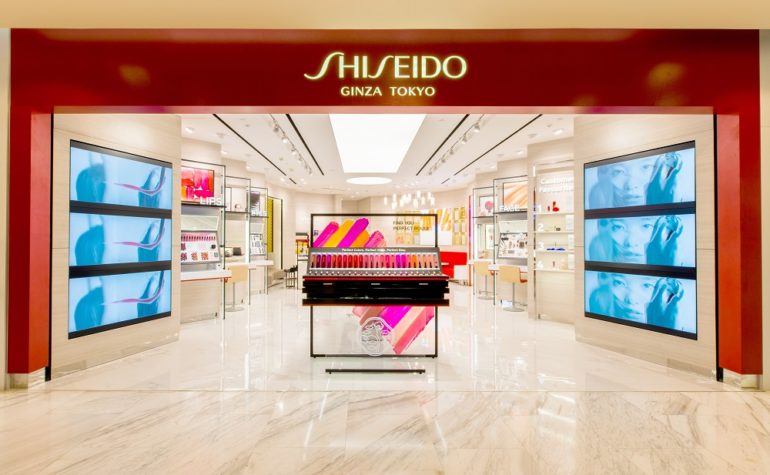
    Japanese cosmetics giant Shiseido on Sunday become the world’s first multinational cosmetic company to open a dedicated office in Hangzhou to work with Alibaba Group and co-create products specifically tailored for Chinese consumers.

    The Shiseido and Alibaba office, within walking distance of the Alibaba Xixi headquarters, will house a team of around 20 Shiseido employees by next year. The purpose is to tighten collaboration with Tmall, Alibaba’s B2C marketplace and better position Shiseido in China, said the makeup company’s China region CEO Kentaro Fujiwara.

    “China is Shiseido’s biggest and most-important market [outside of Japan]. By combining Alibaba’s strengths in digitisation and consumer engagement with Shiseido’s world-class standards in research and development, we can create products that can precisely capture the appetite of the Chinese consumer,” he said. “I hope this unprecedented collaboration will pave the way for further innovations for the entire [Shiseido] group.”

    According to Shiseido, its China business saw the fastest acceleration in 2018 with sales growth of 32.3 per cent year-on-year to RMB 11.6 billion (US$1.73 billion). China accounted for 17.4 per cent of Shiseido’s total net sales last year, making it the profitable country market, following its home market Japan. Shiseido said it expects e-commerce to generate 40 per cent of its China sales by next year.

    “Without a doubt, whether it be e-commerce or digital innovation, Alibaba is the leader. Alibaba is one of the most important strategic partners for Shiseido China as well as for the entire group,” said Fujiwara.

    Mike Hu, president of Tmall’s fast-moving consumer goods division, said Shiseido’s leadership position in the industry and its quick adaptation to digital transformation is a common value shared by Alibaba.

    “Our primary mission is to enable others, and we are always eager to work with the world’s leading companies to help them bring their best products into the China market in the most effective and efficient way. This definitely includes Shiseido, a reputable brand that is synonymous with high standard and high quality,” he added.

    “The opening of the Shiseido and Alibaba office represents an important and historical milestone of our long-term collaboration,” Hu said.

    One of Shiseido’s cosmetics brands, Za, opened a Tmall flagship store in September 2011. Since then, 12 flagship shops and 15 major brands also launched on the platform. Fujiwara said there is a plan to bring Shiseido’s mother-and-baby product brand into China later this year via Tmall.