Tag: Japan

  • Mitsui Sumitomo Insurance sets up Global Digital Hubs in Singapore &Tokyo

    Mitsui Sumitomo Insurance sets up Global Digital Hubs in Singapore &Tokyo

    Mitsui Sumitomo Insurance Co., Ltd. (President: Noriyuki Hara, “MSI”), a member of MS&AD Insurance Group, sets up two Global Digital Hubs (“GDH”) in Singapore and Tokyo as bases to support global digitalization.

    In April 2018, MSI established a Digital Strategy Department to promote digitalization focused on enhancing customer experience and business productivity. In order to further accelerate its digital activities, MSI launched the Singapore GDH in February this year to support the ASEAN markets, and will launch a GDH in Tokyo to promote the adoption of digital technology by employees and agents.

    Through the two GDHs and other advanced initiatives, MSI will continue its commitment to promote digitalization and help address societal challenges.

    GDH Singapore will contribute to the development of digital initiatives in the ASEAN region, leveraging on MSI’s broad network in all ten ASEAN member countries. It will support the Asia regional office in developing digital strategies to drive continued growth of the business in this region.

    GDH Singapore aims to enhance customer experience in the ASEAN markets to cater to the rapid rise of digitalization. It will help facilitate the development of innovative insurance products and services through collaboration with business partners and open innovation with startups.

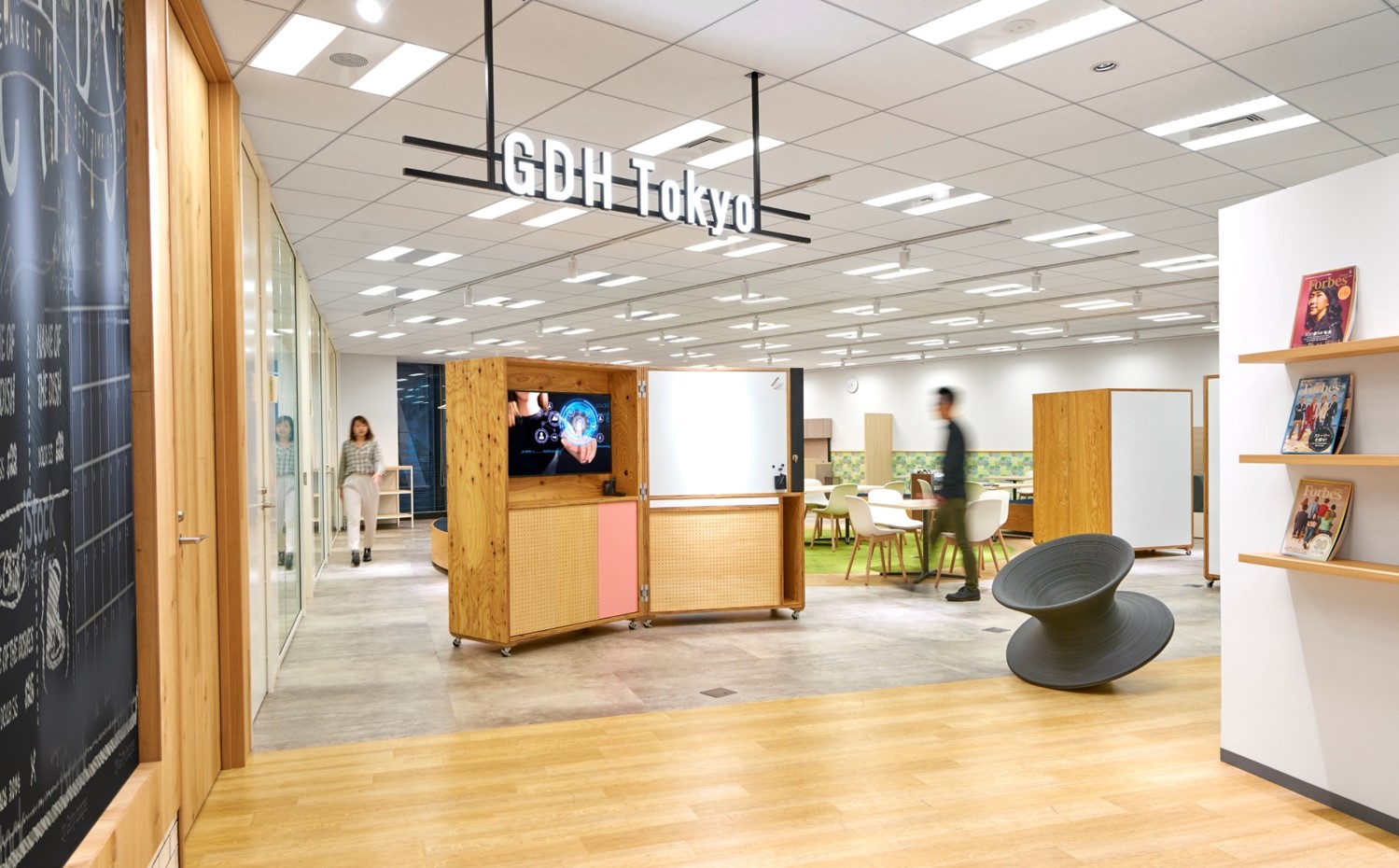
    GDH Tokyo will be the innovation epicenter of MSI to find new ways of adding value to our
    clients through the use of digital technology and big data. By way of collaborating with startups,
    MSI aims to develop innovative products and services that will help address social issues and
    contribute to society as per the UN’s Sustainable Development Goals (SDGs).

  • Ex-Nissan Chief Ghosn Rearrested In Tokyo

    Ex-Nissan Chief Ghosn Rearrested In Tokyo

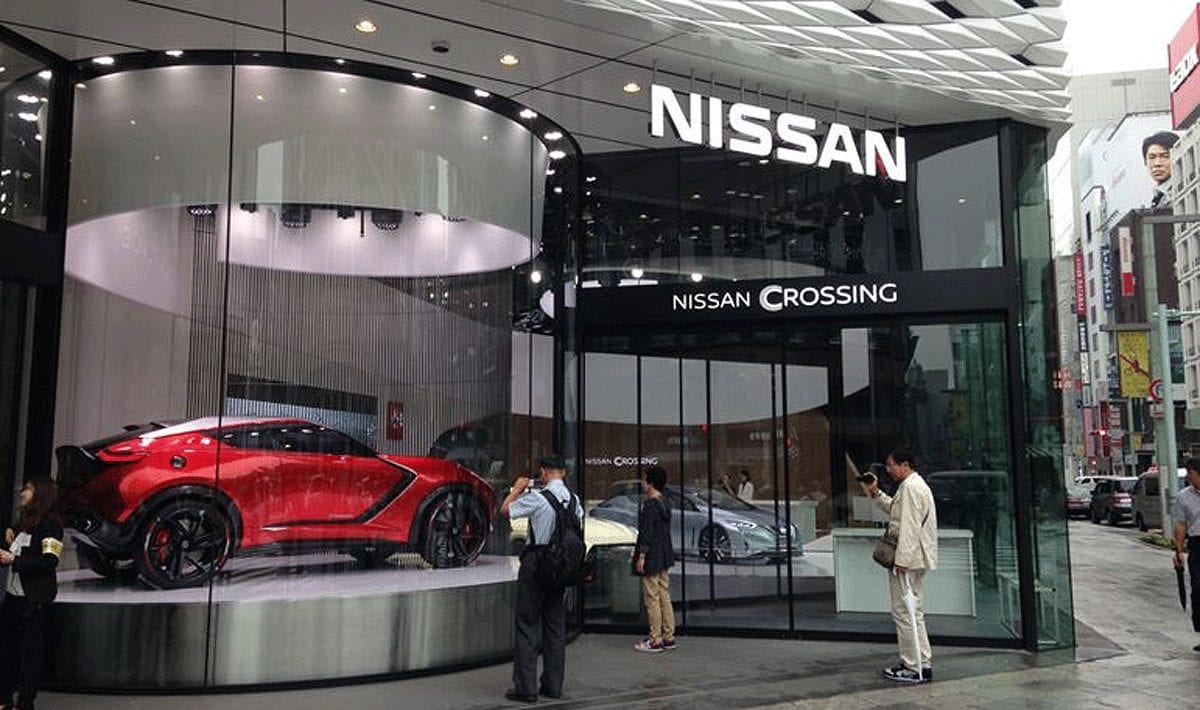
    Former Nissan chief Carlos Ghosn was rearrested early Thursday in Tokyo on fresh financial misconduct allegations, with the auto tycoon slamming his detention as “outrageous and arbitrary”.

    Authorities arrested the 65-year-old less than a month after he was dramatically freed on bail following more than 100 days in detention. Local media said prosecutors had entered Ghosn’s temporary accommodation in central Tokyo early Thursday morning and that he left with them by car shortly afterwards.

    An AFP reporter outside the home saw three men in dark suits guarding the entrance to the building’s car park and a police officer patrolling, as dozens of journalists gathered. Ghosn issued a statement through his representatives after the arrest calling it as “outrageous and arbitrary”.

    “It is part of another attempt by some individuals at Nissan to silence me by misleading the prosecutors. Why arrest me except to try to break me? I will not be broken,” he said, insisting that he is innocent of the claims against him. Reports emerged Wednesday that prosecutors were weighing rearresting Ghosn as they investigate claims related to at least $32 million in Nissan funds transferred to a distributor in Oman.

    According to a source familiar with the matter, some of this money is believed to have been used to buy a luxury boat for Ghosn and his family. The former high-flying executive already faces three charges of financial misconduct related to allegations he under-reported his compensation and sought to transfer losses to Nissan’s books.

    He has denied any wrongdoing and took to Twitter for the first time Wednesday, using a newly created account that his spokespeople confirmed was authentic, to announce plans for a press conference.

    “I’m getting ready to tell the truth about what’s happening. Press conference on Thursday, April 11,” said the tweet, sent in English and then Japanese.

    The ‘Razor’

    Ghosn currently faces two separate charges of deferring his salary to the tune of nine billion yen ($81 million) and not revealing this in official documents to shareholders. The Brazil-born auto sector pioneer, widely credited with saving Nissan from the brink of bankruptcy, also faces a charge of seeking to shift personal investment losses onto Nissan’s books and then using company funds to pay a Saudi associate who stumped up collateral for him.

    The case has been a rollercoaster ride of unexpected twists and turns from the moment Ghosn was first arrested at a Tokyo airport out of the blue on November 19.

    He has since been re-arrested on multiple occasions over a series of allegations, employed a little-used article of Japanese law to force a day in court and emerged on bail dressed in a workman’s uniform and cap in a bizarre attempt to avoid the media.

    Since his release on bail on March 6, he has kept scrupulously quiet despite daily attempts by local and international media to interview him. His lawyer Junichiro Hironaka, known as the “razor” for his mental sharpness, has done the talking for him, appearing twice in front of the foreign media to plead his client’s innocence.

    In his latest appearance on Tuesday, Hironaka announced he had filed a petition with the Tokyo District Court so that Ghosn’s case would be heard separately from that of Nissan and his former right-hand man Greg Kelly. Nissan has been indicted alongside Ghosn, as they filed the shareholders’ documents that allegedly mis-stated the then chairman’s income.

    Hironaka said this would not be a fair trial as Nissan has effectively sided with the prosecutors by providing them with documents they say show further malpractice.

    – ‘Trap’, ‘plot’ –

    Under Ghosn’s management, Nissan recovered and formed a three-way alliance with Renault and Mitsubishi Motors that has become one of the world’s top-selling auto groups.

    In an interview with AFP from his detention centre in January, Ghosn denounced a “trap” and a “plot” by Nissan prompted by opposition to his plans to bring the companies closer together.

    He was removed as chairman by Nissan and Mitsubishi Motors almost immediately after his arrest. Renault was slower to react but Ghosn eventually himself resigned from the head of the French firm.

    Ghosn’s arrest and a string of alleged financial misconduct has sparked questions over Nissan’s own corporate governance and the company established an independent body to propose changes to prevent a recurrence.

    The advisory group suggested doing away with the vacant role of chairman and laid the blame for the lapse in governance at the feet of Ghosn.

    The main cause of the misconduct was “the concentration of authority in Ghosn”, the group concluded.

    “He created a situation in which it would be difficult to detect his pursuit of personal gain.”
  • Japanese lingerie brand Wacoal Expanding in India

    Japanese lingerie brand Wacoal Expanding in India

    Premium Japanese lingerie brand Wacoal will invest around ₹100 crore (US$14.5 million) over three years to boost its presence in India.

    A statement released by the firm revealed it will build on its current 11 outlets in the territory to reach 70 exclusive stores and 80 shop in shops across 30 cities.

    The brand will advance sales in India via its partnership with several e-commerce platforms accompanied by an intensive cross-platform marketing and a PR campaign.

    “We have seen an exponential growth seen in the Indian market since Wacoal’s entry in 2015,” said WacoalCorp representative director, president and corporate officer Tomoyasu Ito.

    “With this expansion, we aim to explore its full potential, and further solidify our position as a leading entity in the country’s luxury lingerie market. Our presence in additional metros will introduce a wider audience to the fit and comfort of our innerwear, crucial elements in the life of the modern woman.

    “Our stellar success since launch has rapidly established Wacoal as an indispensable part of India’s inner-wear scene, showcasing India as a mature market with a desire for Wacoal’s innovative, timeless collections.”

  • Bolloré Logistics’ Osaka Office Certified CEIV Pharma by IATA at Kansai Int’l Airport

    Bolloré Logistics’ Osaka Office Certified CEIV Pharma by IATA at Kansai Int’l Airport

    On March 31st, 2019, Bolloré Logistics Japan was successfully certified by the International Air Transport Association (IATA) as Center of Excellence for Independent Validators in Pharmaceutical Logistics (CEIV Pharma) at its platform located in the Kansai International Airport (KIX), in Osaka. The certification is a globally recognized and standardized certification for healthcare airfreight shipments. Bolloré Logistics Japan began the certification process according to the IATA CEIV Pharma standards in the second quarter of 2017. The CEIV Pharma certification will allow Bolloré Logistics Japan to have a strategic advantage in the healthcare logistics market with a stronger, more competitive and enhanced air cargo service.

    “Earning the CEIV Pharma certification demonstrates our ability to successfully build and deploy a team of experts who are fully capable to offer end-to-end logistics solution for the pharmaceutical related temperature sensitive products through the Kansai International Airport (KIX). In the near future, we are also keen to acquire the same certification in Haneda Airport (Tokyo) in order for us to expand the expertise nationwide,” said Goro UMEZAWA, Sales Manager at Bolloré Logistics Japan.

    This new success shows our commitment to achieve the highest international quality standard in the global pharmaceutical supply chain for its customers, by continually improving our processes and infrastructures to be compliant with IATA CEIV Pharma standards. With Australia, Singapore, South Korea, China and now Japan certified, the aim of Bolloré Logistics is to deploy this action throughout its global network with on-going certifications on other sites in the Asia-Pacific region
    such as China Hong Kong.

    In Europe, Bolloré Logistics has already received the IATA CEIV Pharma certification for its Paris Roissy CDG platform (France) as well as its sites in Brussels (Belgium), Frankfurt (Germany) and Lisbon (Portugal). The International Air Transport Association (IATA) created Center of Excellence for Independent Validators in Pharmaceutical Logistics (CEIV Pharma) in 2014. It aims to set the industrial standard for air cargo supply chain in pharmaceutical handling excellence. It addresses industry’s need for more safety, security, compliance and efficiency, by the creation of a globally consistent and recognized pharmaceutical product handling certification. CEIV Pharma encompasses, or even supersedes, many of the existing pharmaceutical standards and guidelines, such as IATA Temperature Control Regulations (TCR), European Union Good Distribution Practices (EU GDP), World Health Organization Annex 5, United States Pharmacopeia Standards.

  • AirAsia prepares to fly to Japan starting in July

    AirAsia prepares to fly to Japan starting in July

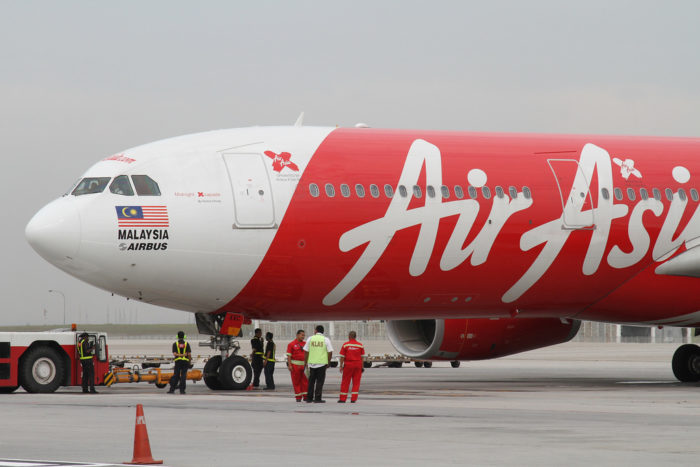
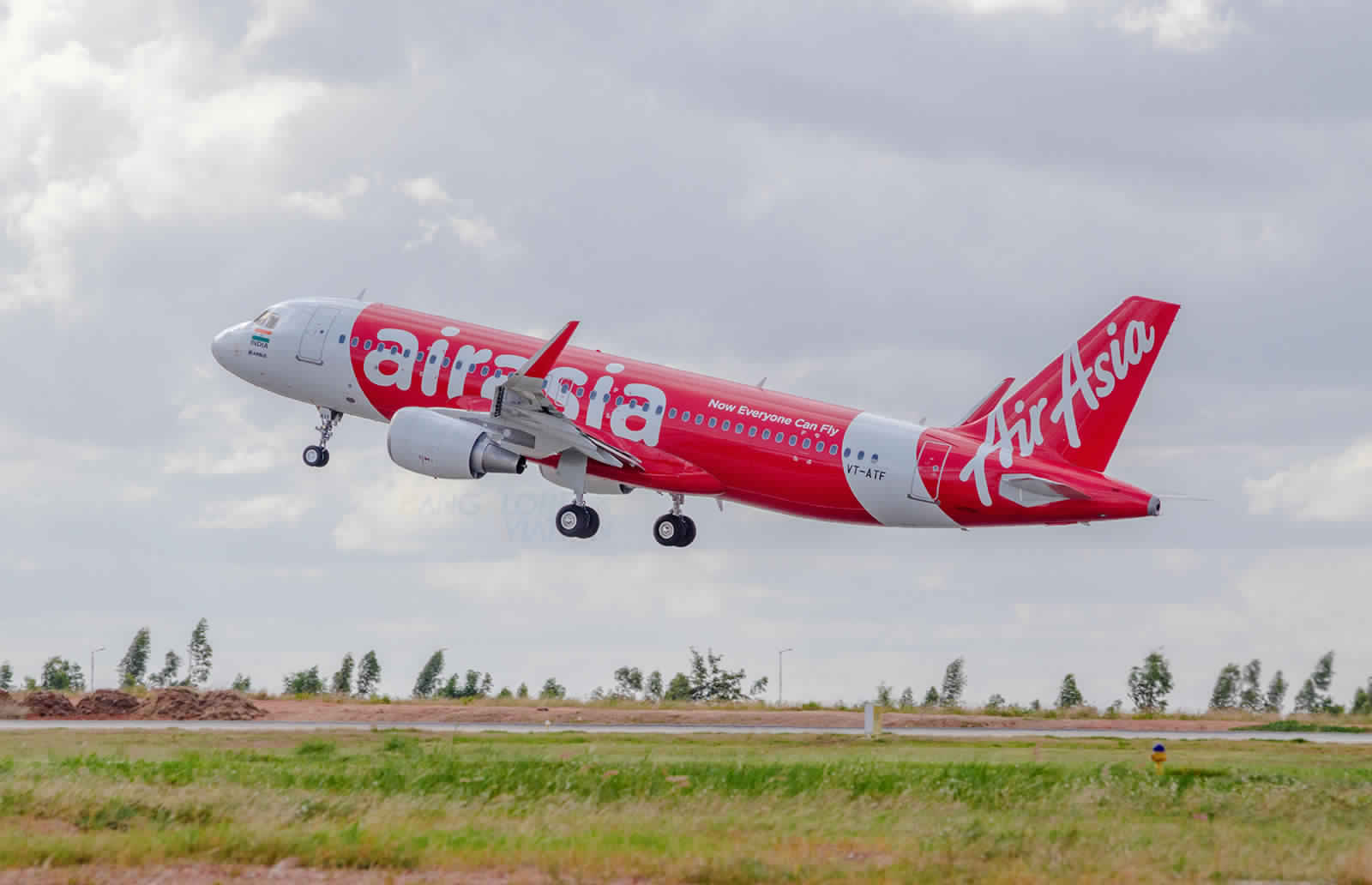
    Budget carrier AirAsia Philippines is launching its first flights to Japan on July 1 this year. The carrier, a unit of Malaysia’s AirAsia Berhad, said in a statement over the weekend that it would link its Manila hub to Osaka, paving the way for direct flights to Japan.

    “The launch of direct flights between the Philippines and Japan is a milestone occasion, and we’re excited to connect our capital, Manila, with Osaka,” said AirAsia Philippines President and CEO Dexter Comendador.

    “We are also excited to welcome guests from Osaka and its neighboring regions to the Philippines. This international route will contribute to the government’s target of 8.2 million visitors this year,” he added.

    Similar to the launch of other new routes, the budget airline said it would offer promotional fares at P1,990 for a one way ticket.

    For the whole of 2018, AirAsia Philippines carried 6.87 million passengers, a gain of 30 percent.

    Capacity for the year also rose 34 percent as it increased its fleet of Airbus A320s to 22 planes in 2018 versus 17 aircraft the previous year.

    AirAsia Philippines was established in 2012 with a fleet of two A320s operating out of Clark International Airport.

    Since then, it has opened new hubs, including Manila’s Ninoy Aquino International Airport and Mactan Cebu International Airport.

    At present, it flies to 13 international destinations from Manila in the Philippines, including Kuala Lumpur, Kota Kinabalu, Bangkok, Bali, Seoul, Taipei, Kaohsiung, Shanghai, Guangzhou, Shenzhen, Hong Kong, Macau and Ho Chi Minh City.


  • AirAsia to fly Manila-Osaka route starting July 2019

    AirAsia to fly Manila-Osaka route starting July 2019

    Budget airline AirAsia announced it will operate flights between Manila and Osaka, Japan for the first time in July 2019.

    In a statement, AirAsia said its daily services for the Manila-Osaka route will begin on July 1.

    AirAsia Philippines president and CEO Dexter Comendador called the launch of the new route a “milestone occasion.”

    “Being able to travel directly and affordably to Osaka is fantastic news for Filipinos and we’re confident this new route will serve as a gateway for guests to connect to other popular destinations in Japan such as Kyoto and Nara,” said Comendador.

    “We are also excited to welcome guests from Osaka and its neighboring regions to the Philippines. This international route will contribute to the government’s target of 8.2 million visitors this year.”

    Along with the launch of this new route, AirAsia also announced an all-in, one-way promo fare starting at P1,990 for its BIG loyaty program members. The airline said bookings for this promo should be made from March 29 to April 7, for travels from July 1 to October 26.

  • HTHKH to buy full control of mobile business

    HTHKH to buy full control of mobile business

    Hutchison Telecommunications Hong Kong Holdings (HTHKH) has arranged to buy out Japan’s NTT Docomo‘s share of its mobile businesses for $60 million.

    Under the agreement, HTHKH will acquire Docomo’s 24.1% interest in Hutchison Telephone Company Limited (HTCL) and its 24.1% stake in Hutchison 3G Hong Kong Holdings (H3GHK), making both companies wholly-owned subsidiaries.

    In an announcement, HTHKH said acquiring full control of its mobile business will increase the value of HTHKH shares, enhance operational efficiency and save costs by eliminating resources expended on shareholder communications.

    The transaction is expected to close on May 31. HTHKH plans to use the proceeds from the disposal of its fixed line business in 2017 to pay for the purchase.

    HTHKH and Docomo have agreed to discuss potential ways of extending their mutually beneficial relationship despite no longer being tied through a shareholder relationship.

    The companies have agreed to enter a consultation and cooperation agreement upon the closing of the transaction to explore the feasibility of collaboration in the field of mobile telecommunications products and services.

  • Japanese firm eyes stake in ailing Vietnamese bank

    Japanese firm eyes stake in ailing Vietnamese bank

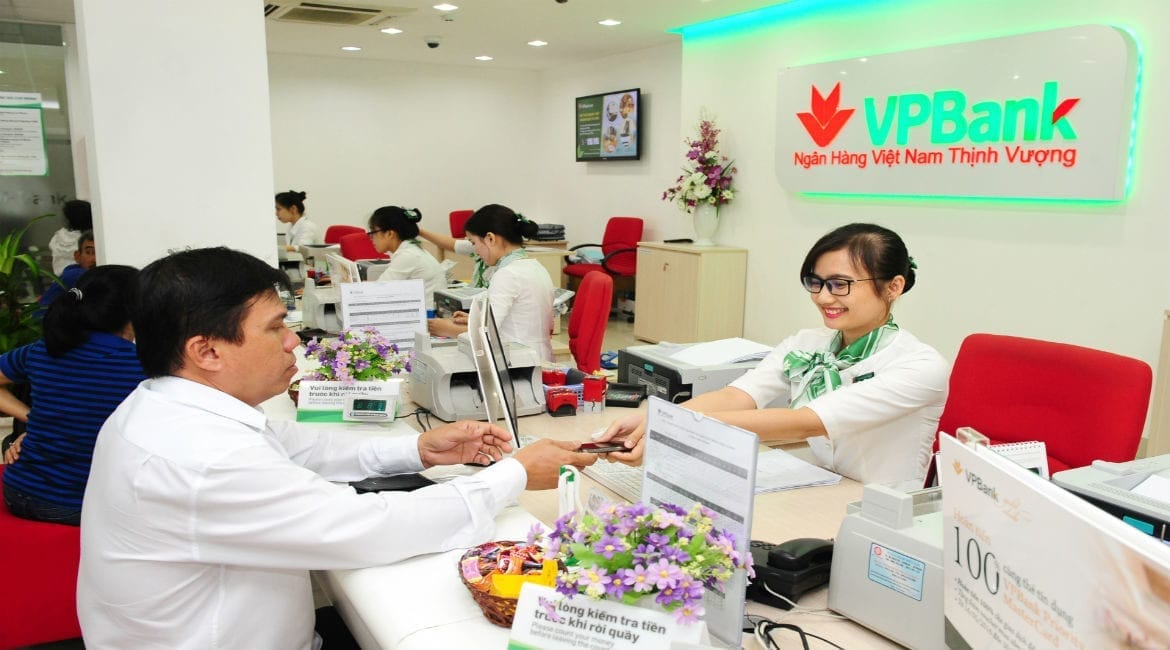
    Japan’s J Trust has expressed interest in acquiring a stake in Vietnam Construction Bank, one of three weakest state-owned banks in the country. Nobiru Adachi, senior managing director and executive officer of finance firm J Trust, told Deputy Prime Minister Vuong Dinh Hue Friday that he wanted to restructure the Vietnam Construction Bank (CB).

    J Trust will also support CB in terms of technology and financial operations, he added.

    Hue responded that J Trust’s proposal was in line with the government’s wish for local or foreign investors to buy weak banks. The government wants to sell CB to an investor to restructure it, he added.

    J Trust should discuss its proposal with the State Bank of Vietnam so that the deal could be presented to the Prime Minister for consideration, he added.

    Hue said last year that the government would allow foreign investors to fully acquire weak banks that it had bought for zero dong. These banks are CB, Oceanbank and Global Petro Commercial Jsc Bank.

    CB, formerly Trust Bank, was acquired by the government in 2015 and was given the new name. By 2017, it managed to recover over VND5.7 trillion ($245.73 million) of its bad debt.

    J Trust engages in commercial banking services, retail financial services and debt collection services throughout Asia. It has experience in assisting struggling financial institutions and has successfully restructured weak banks in South Korea and Indonesia.

    Vietnam has nine wholly-owned foreign banks, four state-owned banks and 31 joint-stock banks.

  • Japan’s small retailers gain global e-commerce platform presence

    Japan’s small retailers gain global e-commerce platform presence

    The Japan External Trade Organisation is offering free international e-commerce site access to small-scale domestic retailers to help them sell products in 18 markets abroad.

    The initiative is expected to bolster exports for small and medium-sized businesses, taking advantage of the global popularity of Japanese products as international online trade remains on course to reach US$994 billion next year – up from $530 billion two years ago.

    Twenty four e-commerce sites, including Japan’s Rakuten; China’s Alibaba, Red and JD; and Singapore’s Redmart are signed up to participate in the program, featuring selected Japanese products on their platform without charging listing fees.

    Walmart’s Seiyu and British retailer Ocado will bring Japanese products into markets outside of Asia.

  • Docomo trials drone-based tower inspection in Indonesia

    Docomo trials drone-based tower inspection in Indonesia

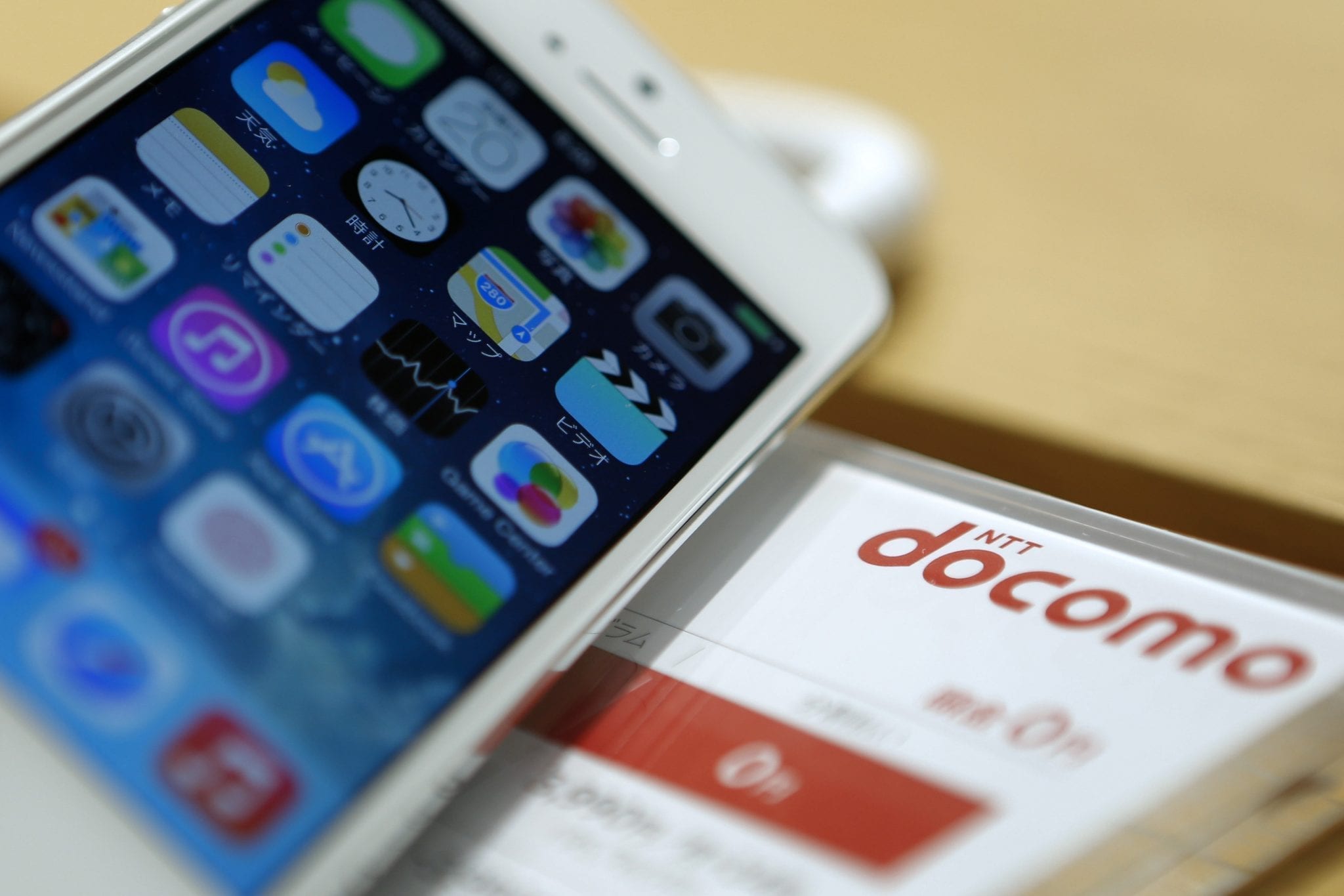
    Japan’s NTT Docomo and Indonesian tower provider PT Solusi Tunas Pratama (STP) have commenced a trial in Indonesia involving the use of drones to inspect telecom towers.

    During the pilot of the Docomo sky for Tower Inspection service, the companies will use drones to photograph base stations and telecom towers and transmit the information to a command center in real time.

    The system is based on an operational drone-based tower inspection system developed by Docomo for use in its own network across Japan. It is designed to support the Docomo sky ground control station app for assistance in inspection tasks and remotely piloting the drones.

    For the trial, Docomo will provide its cloud-based platform for operational support and data analysis for faster and more accurate tower inspections.

    According to the companies, the trial service is well suited to markets including Indonesia, where rapid urban development is resulting in the construction of tall buildings and transport infrastructure that can interfere with radio propagation from telecom towers.

    The two companies hope to test the technology in other locations and facilities before launching a full-scale commercial service later in the first half of the year.

  • Docomo to expand overseas 5G trials

    Docomo to expand overseas 5G trials

    Japan’s NTT Docomo has arranged with partners in the US, Israel and Japan to collaborate on 5G trials in Guam, with the aim of verifying 5G-compatible systems and equipment for business solutions.

    Under the collaboration, NTT Docomo will provide the 5G test network, while solution partners will provide 5G-based products and services for use by testing by local field partners.

    These field partners comprise the electricity utility Guam Power Authority, the University of Guam, local wedding services provider ARLUIS Wedding Guam and United Airlines Guam.

    The Guam Power Authority will test 5G VR training solutions provided by Israel’s Humaneyes Technologies, as well as 5G monitoring with AI technology developed by Aegis Systems.

    The University of Guam office of IT will test a 5G AI-based robot system for identifying examinees from PLEN Robotic, and 5G monitoring with AI technology from US-based Smart Home Sentry.

    ARLUIS Wedding Guam will test a 5G multi-screen video live streaming solution from AMATELUS, while the United Airlines Guam Marathon Organizer will test a series of 5G drones, tourism, sports photo upload and 5G robotics solutions.

    Docomo also announced that it has opened a new 5G Open Lab in Guam, its first center outside of Japan for testing and verifying 5G technologies.

    A number of Japanese and overseas companies have already announced an intention use the facility to collaborate on cross-border 5G testing in partnership with Docomo.

  • Tower Records Tokyo chooses vinyl

    Tower Records Tokyo chooses vinyl

    The Tower Records Tokyo store in Shinjuku is cashing in on the Japanese market’s resurgence of interest in vinyl records.

    While Tower has sold records for a long time, the Tower Vinyl brand is seizing on the global vinyl revival that has seen consumers worldwide take a preference to the physical discs, with all the nostalgia they represent, over the more ephemeral and invisible distribution of digital music. The store now holds 70,000 records in stock – the majority of which are second hand.

    The vinyl revival is blossoming just as streaming technology hits a new peak in the territory.

    When the Recording Industry Association of Japan announced that streaming platforms overtook digital downloads last year, however, the association’s conclusions were criticised for failing to take into account any information regarding physical sales of music media and presenting an incomplete picture of Japanese music consumption.

    Vinyl records have been making a major comeback in Japan for some time, with HMV also launching a vinyl-album store in Shibuya in 2014 – having been absent for the district for several years, and now having expanded its operations since that time. Japanese artists have recently been releasing their music on vinyl, and – rather anachronistically – some 90s-era CDs have been reissued on vinyl record.

  • Second UNIQLO and alexander wang Collaboration Collection to Feature New AIRism Fabric

    Second UNIQLO and alexander wang Collaboration Collection to Feature New AIRism Fabric

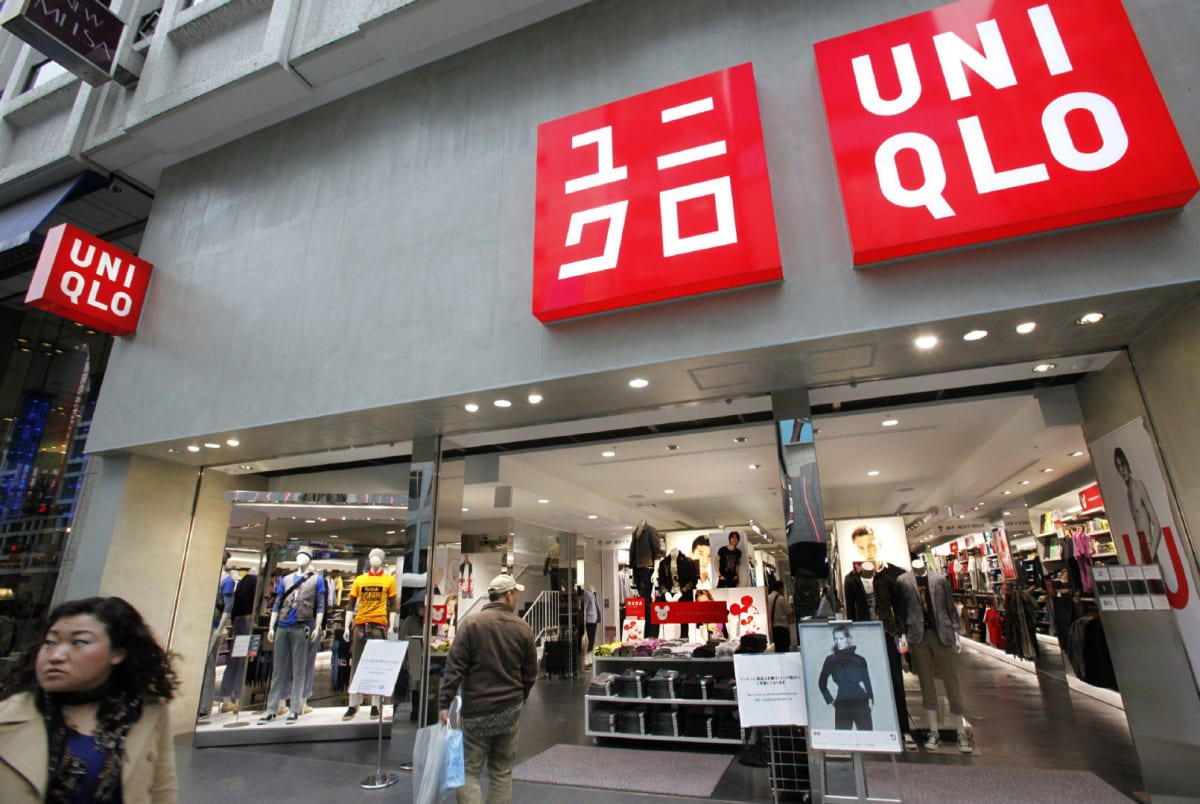
    UNIQLO, the Japanese global apparel retailer, announces that it will begin rolling out a Spring/Summer 2019 collaboration collection with alexanderwang from Friday, April 12. The full collection will be available online and at Orchard Central Global Flagship Store, while selected items will be available in all stores. This second partnership with alexanderwang builds on the LifeWear commitment to making life better, bringing together the exceptional functionality of UNIQLO’s innovative AIRism fabric with alexanderwang’s sleek styling.

    Speaking ahead of the launch, Alexander Wang said, “Working with UNIQLO on the second season of the collaboration felt like there was a mutual understanding of not only aesthetics but of each other’s work ethic. It was easier coming together this time round to accomplish a similar goal from various touch-points. Innovation has always been at the forefront of our design and creative process, and functionality serves a huge purpose in the way our customers and I dress. Therefore, through the influence of innovation, technology and functionality, this special AIRism collection was born.”

    Keeping women comfortably stylish

    The collection adds new value to LifeWear by combining the year-round comfort of functional AIRism apparel with the signature alexanderwang look. Five of the 11 women’s items employ the sheerest-ever AIRism fabric, developed to feel like a “second skin.” During summer, women can enjoy camisoles and slips featuring a fabric so smooth, light and comfortable that they almost forget they are wearing them. Another fabric used in the women’s collection is a proprietary, new, seamless type of AIRism that is designed for both indoor and outdoor use. This new AIRism fabric is supportive but not constrictive, and is a perfect material for bras and even shorts to maintain comfort.

    First-ever cotton blend AIRism for men

    Men’s items include T-shirts and tank tops that incorporate a new fabric comprising a premium cotton finish and an AIRism interior. The fabric feels smooth and comfortable and is sufficiently thick so these innerwear items can also serve as regular outerwear. The men’s boxer briefs also use this fabric to enhance comfort on hot summer days. As seen in the previous season, the waistband is also adorned with the collaboration logo that wearers could casually show.

  • Tealive parent Loob Holding eyes on IPO

    Tealive parent Loob Holding eyes on IPO

    Tealive parent Loob Holding, is planning an IPO to fund ‘aggressive expansion’. The company is looking to open 1000 Tealive stores in 15 countries by the end of next year.

    Along with another 150 new outlets in India by 2024.

    China is still its focus market, with 500 more outlets to come after first outlet opened last November.

    Tealive has more than 200 outlets in its home market, seven in Vietnam, two in China, and one in Australia. About one third of these are operated by franchisees.

    Loob Holding CEO Bryan Loo said the company is building relationships with potential business partners in Japan, Indonesia, Myanmar, Mongolia, and the UAE, while Singapore is also in its expansion plan.

    Apart from Tealive, Loob also runs F&B franchises in Malaysia, including Gindaco, Croissant Taiyaki, Define:food, Define:burgers and Ko Ko Kai.

  • AI-controlled on demand bus services planned in Japan

    AI-controlled on demand bus services planned in Japan

    Japan’s Mitsubishi Corporation and Nishi-Nippon Railroad Co. have established a new joint venture to provide commercial on-demand-bus (ODB) transit services controlled by artificial intelligence.

    The joint venture, Next Mobility, will commence operations in April 2019 (as planned) in Island City, which is located in Fukuoka City’s Higashi-ward.

    Lacking profitability and drivers, many of Japan’s public passenger road transportation (PPRT) providers are struggling to develop efficient and sustainable services. Island City is undergoing a wave of development, and with more residential, commercial and port facilities going up, traffic is getting heavier. There are concerns in the area about parking shortages, worsening traffic congestion and a lack of public transportation.

    To help address these concerns, the AI-controlled ODB services provided by Next Mobility JV are being rolled out in Island City on a one-year, trial basis. The purpose of the trial will be to verify these services’ effectiveness and commercial feasibility. By improving public transit and making it more readily available to citizens, the trial hopes to encourage people to leave their cars at home and help to build more efficient and sustainable transportation networks

    AI-controlled ODB is a new concept of public bus transit services. The AI generates routes automatically and in real time based on passenger requests submitted through smartphone apps. It uses deep learning to accumulate operational data on rider destinations and traffic conditions, enabling the buses to run more efficiently the more they are used. Passengers can also use their smartphones to book rides and can even pay with their credit cards. The booking and dispatching system has been developed by Spare Labs Inc., a Canadian Company.

    Nissan Motors has agreed to sponsor the project and provide its ten-passenger Nissan Caravans for the trial. They will be driven by taxi drivers dispatched from Fukuoka Nishitetsu Taxi Fukuoka City and companies located in Island City will also be supporting the project by promoting its use throughout the area.

    MC and NNR hope that this ODB service will ultimately help to realize a model for sustainable, efficient and seamless public transit, servicing both Island City and other areas throughout Japan.