Tag: Japan

  • Economic Boost Paying Dividends for J-League and Japanese Soccer

    Economic Boost Paying Dividends for J-League and Japanese Soccer

    Enjoying something of a revival in recent years, Japanese soccer and the J-League once again appear to be the leading light in Asia. However, it’s not only in Asia where the competition is hitting the headlines, with high-profile signings at Vissel Kobe capturing the imagination of soccer fans in Europe and beyond over the last year.

    Since being taken over by e-commerce giant Rakuten in 2014, Japanese side Vissel Kobe has commenced a campaign of star-studded international signings. First to arrive was German star Lukas Podolski, who currently captains the side. Rakuten’s sponsorship deal with Spanish giants, FC Barcelona, has also helped the club sign two more previous World Cup winners. Andres Iniesta arrived last season and David Villa joined for the start of the 2019 campaign, accompanied by former Spain Under-21 international, Sergi Samper.

    Having such star players in their team often makes Vissel Kobe amongst the most popular sides to back in the J-League betting at William Hill, although much improvement in performances and consistency will be needed if they’re going push for silverware this season. Despite the high-profile signings, the team disappointingly finished the 2018 campaign in tenth position; closer on points to the relegation zone than those who finished in the top three and qualified for continental competitions.

    Vissel Kobe haven’t finished higher than 7th in the J-League since the Rakuten takeover, a position achieved in 2016. However, rather than being regarded as a failure of their own, it is perhaps a reflection of the growing competitive strength of the J-League as a whole, given the success other teams have achieved during the same period. It’s also no coincidence that such success has come since the competition itself received a crucial financial boost in 2016.

    During the summer of 2016 the J-League sold domestic online broadcasting rights to UK-based media company, Perform Group, in a deal estimated to be worth $2 billion according to the Asian Times, for a package set to last for ten years. Such an important economic investment in the J-League has inevitably filtered amongst the clubs, with all of them likewise making investments of their own, improving the quality of their playing rosters and club infrastructures.

    Of notable importance since that deal was struck, the competitive profile of the J-League and demand for increased coverage to international audiences, have both raised significantly. Having previously fallen behind leagues in South Korea, China, the Middle East and Australia, both economically and competitively, Japanese side Urawa Red Diamonds won the 2017 AFC Champions League. Last season in 2018, Kashima Antlers achieved the same feat.

    Renewed success on the pitch, combined with the arrival of high-profile soccer stars from around the world, has genuinely revitalized the J-League on and off the pitch. Significantly, and having been on the decline previously, fans are once again packing stadiums. Attendances have continued to rise over the last couple of years, which is also proving to be a boon for club merchandising efforts and local businesses alike.

    Now that Japanese soccer appears to be firmly back on the map once again, further growth and further investment is expected as star-named players increasingly opt to play in the J-League, as opposed to the MLS in the United States, the Australian A-League, or the Chinese Super League. There’s still some catching up to do in terms of the financial wealth of the Chinese game, although the improved strength and attractiveness the Japanese competition now seems to boast once again, is undoubtedly proving itself to be hugely appealing.


  • Suzuki Patents Reveal Radar-Based Anti-Collision System

    Suzuki Patents Reveal Radar-Based Anti-Collision System

    Suzuki may be the next two-wheeler manufacturer which is likely working on advanced rider assist systems (ARAS) which could be based on radar technology. Images filed in a recent patent in Japan indicates that Suzuki is looking to install radar reflectors at strategic points on their motorcycles to make them more visible to other vehicles – vehicles which already have collision sensors installed on them. Collision sensors and advanced driver assist systems (ADAS) are the latest technologies to have been introduced in building safer cars, warning drivers of potential collisions and even triggering evasive measures like braking and deceleration.

    Motorcycles, and indeed, any two-wheeler on the road isn’t always visible to other motorists, and being in the blind spot of a car driver is not always a good sensation, when you realise that the car may suddenly change lanes or brake without noticing a motorcycle in the vicinity. And if sensors can warn other motorists about the presence of a motorcycle, then it’s only good news, because it increases a motorcycle’s visibility on the road to other motorists. That is precisely what the new Suzuki patents seem to be doing. The radar reflectors in the patent images will work in tandem with advanced automobiles, like self-driven cars, who can sense the presence of a motorcycle. Now, these don’t seem to be designed to make the motorcycle brake or take any evasive action sensing a potential collision, but even if it’s just warning other cars of the motorcycle’s presence, it may seem like a good idea to have such technology installed.

    Radar-based safety technology isn’t all-new. Bosch has been known to be working on such ARAS for some time now, and motorcycle brands like KTM and BMW Motorrad have been testing such technology, and possibly radar-based motorcycle technology will debut sometime later this year, possibly at the EICMA show in Milan. While the Suzuki patents may not be hi-tech radar-based systems which trigger the motorcycle’s electronic safety systems, like braking, cruise control and deceleration, these do go a long way in making motorcycles more visible on the road. And that’s a better thing to have than relying entirely on the rider’s reflexes when a car does not sense the presence of a motorcycle in its vicinity.

    The radar reflectors seem to be still in concept stage, but the images seem to imply that these reflectors may be available as a bolt on system; so as more and more cars come equipped with advanced driver assist systems, it may be an easy retrofit, even on older or current motorcycles. And yes, these reflectors can be a good pre-emptive safety measure even for human error on the part of car drivers – who may be distracted by a passenger, or even a cellphone.

  • Softbank, Chunghwa Telecom partner on AI, IoT

    Softbank, Chunghwa Telecom partner on AI, IoT

    Taiwanese incumbent carrier Chunghwa Telecom has signed an MoU with Japan’s Softbank for collaboration on artificial intelligence (AI) and IoT.

    In a statement, the companies said the technological and commercial cooperation aims to develop use cases for future smart cities in Taiwan.

    It will also involve ST Solutions Taiwan Co. Ltd., a wholly owned subsidiary of SoftBank Corp.

    The pair said they plan to leverage their insights and experiences from the collaboration in AI, IoT and related fields.

    The collaboration will initially focus on such areas as global IoT platforms, smart infrastructure, smart agriculture as well as utilization of high-accuracy location data and big data.

    The partnership with Softbank is Chunghwa Telecom’s latest push in IoT.

    In February, the Taiwanese operator inked a deal with Ericsson to use the Swedish vendor’s IoT Accelerator platform to develop IoT services for its enterprise customers.

    Max Chen, president of mobile business group, at Chunghwa Telecom, was quoted as saying in the statement that the partnership with Ericsson will boost its capabilities in machine learning and IoT operations.

    “As Taiwan’s industry is mainly export-driven, Chunghwa Telecom’s IoT innovation drive will help local industries to expand their international IoT business horizon,” Chen said.

  • Japan’s NETSTARS joins Singtel’s VIA alliance

    Japan’s NETSTARS joins Singtel’s VIA alliance

    Singtel‘s cross-border mobile payments alliance VIA has expanded into Japan through a partnership with Tokyo-bassed mobile payment technology NETSTARS.

    The addition of NETSTARS to the alliance will add 100,000 stores to the network’s current 1.6 million merchant partners in Asia.

    With the agreement, users of mobile wallets supported by VIA, including Singtel’s Dash and AIS Global Pay, will be able to use their respective wallets at merchants including airports, shopping malls, transportation modes and food and beverage outlets.

    Users will be able to pay instantly in their local currency with competitive foreign exchange rates in Japan.

    NETSTARS aims to grow its merchant base to 1 million stores throughout Japan by the end of next year

    As well as Dash and AIS Global Pay, Thailand’s Kasikornbank and Malaysia’s Boost will soon be adding their mobile wallets to the VIA alliance.

    Singtel Group plans to expand the VIA alliance to include other mobile regional associates including Airtel in India, Globe in the Philippines and Telkomsel in Indonesia, as well as more non-telco partners.

  • Samsung Galaxy flagship store to open in Tokyo

    Samsung Galaxy flagship store to open in Tokyo

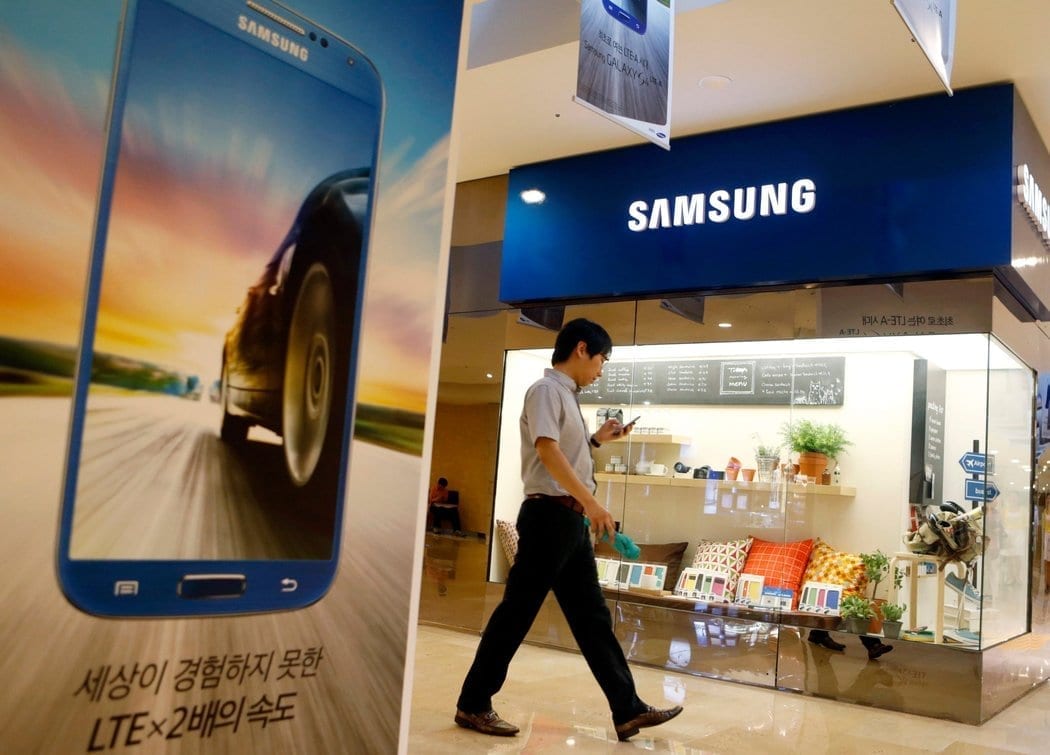
    Smartphone brand Samsung has opened a new Galaxy flagship in Tokyo.

    The six-level location is the largest Galaxy showcase store worldwide, and features a front facade decorated with more than 1000 smartphones, celebrating the 10th anniversary of the product line.

    The store will offer a range of phones and wearable devices, as well as offer repair services.

    The opening coincides with Japan’s 500-day countdown to the 2020 Olympic Games. Samsung is an Olympic Partner in wireless communications equipment. The firm is seeking a stronger market share in anticipation of impending 5G network rollout across the country.

  • Zoff Hong Kong eyewear chain boosting Convenience

    Zoff Hong Kong eyewear chain boosting Convenience

    Zoff Hong Kong may have only six stores for now, but the Japanese eyewear brand is proving a standout for local licensee Convenience Retail Asia.

    Victor Fung, chairman of the listed Fung Group affiliate, says Zoff Hong Kong has enjoyed “remarkable success” since CRA opened the first store in November 2017 at Cityplaza in Taikoo Shing. The five stores opened since are all in high-traffic locations popular with trendy young clientele, including one at Langham Place.

    Zoff’s business model is to offer customers a constantly refreshed range of frames to suit all styles, high quality frames at affordable prices and made onsite within a fast turnaround time. Fung says this is ideal for the new generation of consumers, always on the go.

    Zoff stores carry more than 2500 different frames and new items are introduced biweekly.

    The chain has also launched themed promotions, including a selection with popular actress and model Kiko Mizuhara and collections themed on Disney, Star Wars and Andy Warhol.

    CRA has invested heavily in brand advertising for the new chain, including outdoor advertising, prize promotions and joint marketing initiatives with other brands within the Fung Group.

    While CRA did not detail the chain’s financial performance, the company noted in its annual results that Zoff had contributed to both revenue and profit growth.

    “The group is proud to be the only licensee for the Zoff franchise in the world,” said Fung. “This fast-fashion eyewear chain, with its eye-catching blue-and-white branding, is highly regarded among Hong Kong’s young generation. Under the group’s guidance, Zoff has truly energised the Hong Kong eyewear market since entering in late 2017.”

    More Zoff stores are scheduled to open this calendar year.

    “The group remains bullish about the prospects for Zoff. Despite a number of competitors entering the market, our first-mover status and Hong Kongers’ affinity for the famous Zoff brand continue to drive healthy growth,” he said.

  • Hypebeast Japan to launch with on-boarding of Akihiro Wajima, former Director of Farfetch Japan

    Hypebeast Japan to launch with on-boarding of Akihiro Wajima, former Director of Farfetch Japan

    Hypebeast Ltd. is pleased to announce the official launch of Hypebeast Japan Ltd., grounding its cultural influence in the region and marking another step in furthering expansion in Asia. The Company is also pleased to announce the appointment of Mr. Akihiro Wajima, former director of Farfetch Japan, as the new Managing Director of Hypebeast Japan Ltd., who will play an instrumental role in leading the Hypebeast Japan team to success and continue to push forward its market share. Japan is known for its impressive lens and unique take on expressing local and global culture. Hypebeast Japan, being one of Hypebeast’s flagship language sites, has been steadily building a distinctive editorial voice for its streetwear, music and lifestyle space in the country.

    “Japan is one of my favorite places in the world – it’s one of the top places globally for cultural opportunities, and possesses an inquisitive, progressive and ready audience to the types of activations, content curation, e-commerce services, and creative production which are indigenous to Hypebeast,” said Kevin Ma, CEO of Hypebeast Ltd. “We are ready to take our business in Japan to the next level. As a first step, we will focus on expanding local editorial coverage and content in Japan, which will help to connect its unique cultural voice to the rest of the world through our Hypebeast platform.”

    “I am pleased to lead Hypebeast Japan Ltd. and help the team to achieve a new level. Along with Kevin Ma and the team, I am sure we will achieve something exciting together and build a strong presence in Japan,” said Akihiro Wajima.

  • Retail company Yo-ren eyes Thailand and Malaysia

    Retail company Yo-ren eyes Thailand and Malaysia

    Hong Kong-headquartered retail technology company Yo-ren has secured US$11 million in a funding round it plans to use to expand into Thailand and Malaysia.

    Yo-ren designs, develops, and operates smart phone-based customer management programs and provides retailers with social network services, e-commerce website planning and operations, collects user data and performs data analysis, as well as developing market strategies based on user characteristics.

    The company’s current clients include Japanese convenience store chain Lawson.

    Yo-ren is also investing in AI technology as part of an agenda to merge digital and physical store spaces, possibly extending as far as allowing consumers to buy clothing in unstaffed stores, in similar fashion to Amazon Go.

    “We foresee the optimal use of digital environments as a service, and big data gathered from increasingly connected networks as critical up-and-coming managerial problems,” Yo-ren wrote in a statement.

    Investors in the latest Yo-ren funding round included Lawson and T-Gaia Corporation.

  • UNIQLO to Launch UTs Celebrating Megahit Capcom Game Series  Monster Hunter and Street Fighter

    UNIQLO to Launch UTs Celebrating Megahit Capcom Game Series Monster Hunter and Street Fighter

    UNIQLO, Japanese global apparel retailer, announces that it will launch a special UT (UNIQLO graphic T-shirts) collaboration collection that celebrates the megahit game series Monster Hunter™ and Street Fighter® from Capcom, a leading worldwide developer and publisher of video games. The Game by Street Fighter UT collection will begin rolling out at UNIQLO stores and through UNIQLO.com starting Monday, April 15. The Game by Monster Hunter UT collection will be available in Mid-June.

    Making its arcade debut in 1987, the Street Fighter game series is considered the progenitor of the fighting game boom that began in the 1990s. A new collection of unique UT designs celebrating the Street Fighter franchise highlights world warriors such as Ryu and Ken in various designs. Street Fighter®UTs include designs with controller button commands, as well as a pixel art rendition of a rare double K.O. from the game. Artwork from the latest Street Fighter title popular in the international esports scene, Street Fighter® V: Arcade Edition, features dramatic illustrations of the games’ iconic characters.

  • UNIQLO to Open its Second Largest Store in Singapore  at Jewel Changi Airport

    UNIQLO to Open its Second Largest Store in Singapore at Jewel Changi Airport

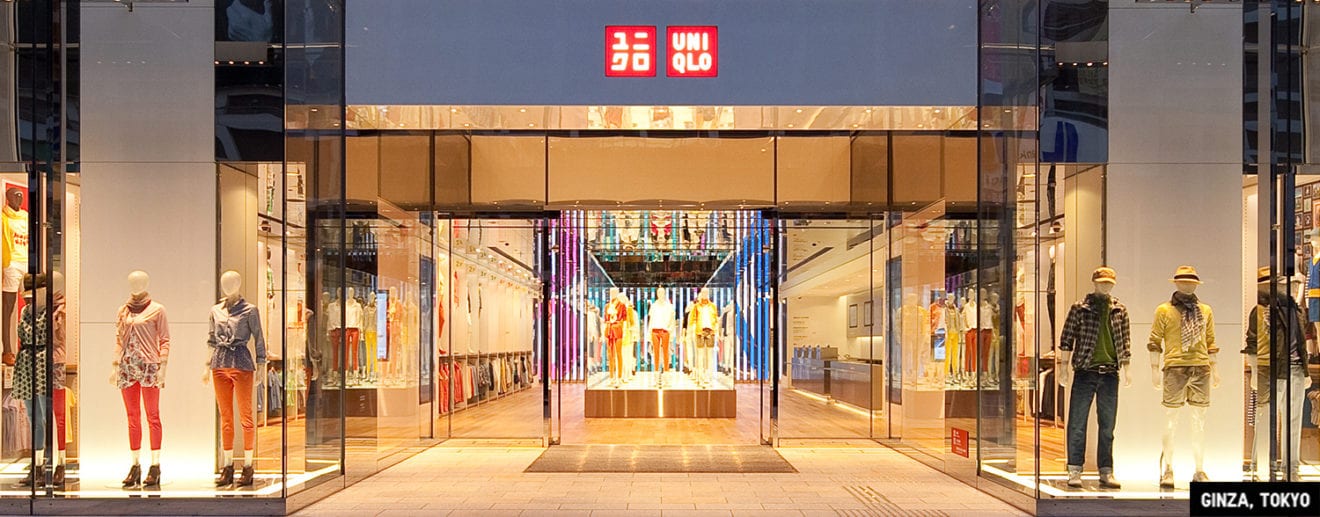
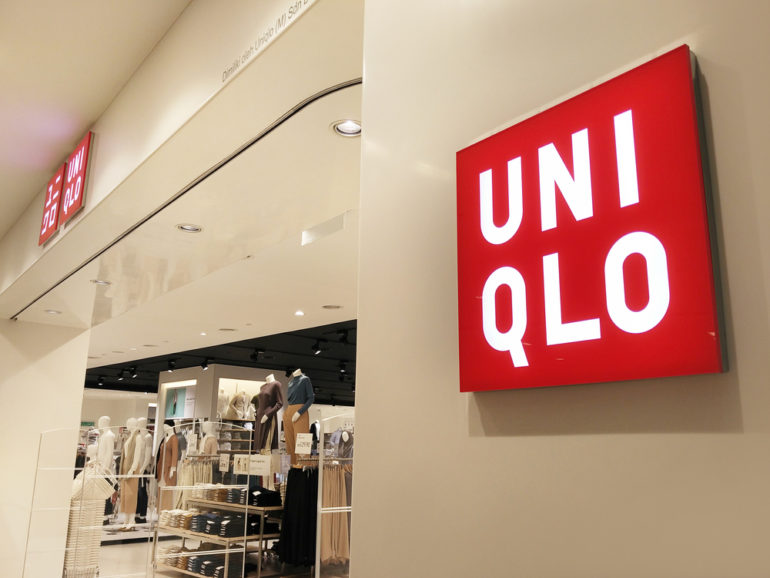
    After opening its Global Flagship Store at Orchard Central in 2016, UNIQLO will welcome its second largest store in Singapore on 11 April 2019, as it sets foot in the iconic Jewel Changi Airport. Aspiring to showcase its LifeWear ethos to the world, UNIQLO aims to leverage Jewel – a choice lifestyle destination that will draw in both locals and visitors globally – to share its brand experience that champions Simple Made Better through constant innovation.

  • Starbucks Reserve Roastery in Tokyo opens

    Starbucks Reserve Roastery in Tokyo opens

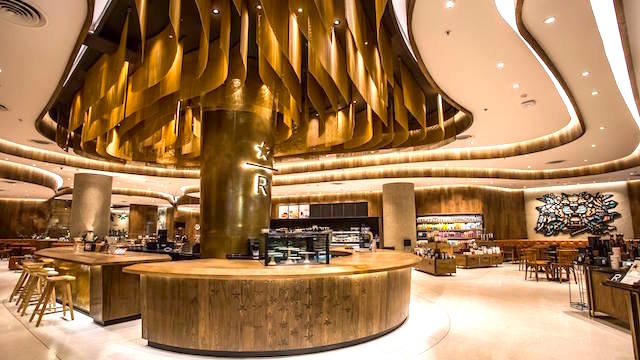
    Starbucks opens a four-story fully-immersive Starbucks Reserve Roastery in Tokyo today.

    Located in the Nakameguro neighborhood, the new venue offers more than 100 unique coffee and tea beverages and merchandise exclusively available in store. It will be the fifth Roastery globally, home to the largest Teavana Bar in the world and Japan’s first Princi Italian bakery.

    It also introduces Starbuck’s first Amu Inspiration Lounge, a full floor dedicated to community gathering – and is planned as Starbucks’ first Specialty Coffee Association certified training location in Japan in the near future.

    “As the first international market outside of North America, Starbucks Japan has contributed 23 years of innovation for the company globally,” said Starbucks CEO Kevin Johnson. “The opening of the Tokyo Roastery will further amplify what Starbucks Japan has done across all stores in the market for more than two decades – innovating and delivering the finest quality coffee one person, one cup and one neighbourhood at a time.”

    “The Roastery will amplify and inspire coffee passion across all Starbucks stores, and will serve as a catalyst for a new wave of growth centered on the customer experience and passion for coffee and service,” added Starbucks Japan CEO Takafumi Minaguchi. “Beginning with the ‘Make it Yours’ campaign that will commence at every store in Japan upon the opening of the Roastery, customers will be invited to experience the first Starbucks coffee roasted exclusively in Tokyo, for Japan, and available in a variety of coffee beverage styles.

    “The Roastery signifies our commitment to fostering moments of human connection over a cup of coffee and using these moments to create positive social impact in the communities we serve.”

    The Starbucks Reserve Roastery in Tokyo  is the only one designed in collaboration with a local architect from the ground up. Inspired by the famous cherry-blossom trees lining the Meguro River, the building’s glass walls and terraced floors fold into the fabric of the neighbourhood, bringing visitors eye-level with the cherry blossoms and the four seasons of the river to reflect the natural beauty and sense of harmony found across Japan.

    The coffee journey at the Starbucks Reserve Roastery in Tokyo is an immersive experience and education in coffee, and its process – from green bean to cup – which begins at the Main Bar on the first floor. The open floor plan draws customers into the immersive experience, introducing them to the art of roasting, brewing and hand-crafting beverages. The terraced third floor features Starbucks Japan’s first cocktail bar, Arriviamo.

    Japan is the fourth largest market in terms of store count for Starbucks globally – behind the US and China – and today has more than 1400 Starbucks stores.

  • Uniqlo Japan sales down

    Uniqlo Japan sales down

    Fast Retailing Group has reported a decline in revenues for Uniqlo Japan against broader successes internationally in its first quarter.

    A sharp profit decline on sluggish sales of seasonal ranges during a warm winter in Japan has given rise to disappointing results in the Uniqlo brand’s home territory. Uniqlo Japan posted revenues of ¥246.1 billion (US$2.27 billion), a decrease of 4.3 per cent year on year, with first-quarter profit before taxes of ¥111 billion ($1.03 billion), down 5.7 per cent; and profit attributable to owners of the parent firm of ¥73.4 billion ($678.4 million), down 6.4 per cent. Online sales expanded favourably in the market, however, showing an increase of 30.9 per cent.

    Uniqlo International saw an operating profit far exceeding that of Uniqlo Japan, with revenues at ¥291.3 billion (2.69 billion) up 12.8 per cent.

    Uniqlo Greater China and Uniqlo South Korea both reported higher sales and profits despite the dampening effect of the warm winter. Uniqlo Southeast Asia & Oceania continued to report significant revenue and profit gains.

    The report said Fast Retailing’s consolidated business estimates for the financial year ending August 31 remain unchanged from the initial forecasts released last October, predicting an 8 per cent expansion in revenue and 14.3 per cent increase in operating profits.

  • Japanese eatery Botejyu opens in Manila

    Japanese eatery Botejyu opens in Manila

    Japanese eatery Botejyu, a restaurant chain specialising in okosoba and okonomiyaki dishes, has opened a flagship at One Bonifacio High Street in Taguig City.

    The new branch is the largest of 12 Botejyu locations in the Philippines, with more outlets expected to open later this year. All branches feature an open kitchen and a private meeting room at the back of the venue.

    The brand is the second concept imported by Viva International Food & Restaurants.

    “Most Japanese restaurants only specialise in one item like ramen, or just tempura,” said Viva International senior VP Vicente Raphael “VR” del Rosario IV. “But for Botejyu, though we specialise in okosoba and okonomiyaki, the main selling point is that technically, we carry the best of each place in Japan.”

    Botejyu is a legacy brand in Japan, credited as the first to use mayonnaise as a dressing on okonomiyaki pancakes, as well as inventing the okosoba by wrapping traditional stir-fried noodles in the okonomiyaki batter.

  • Muji sues Singaporean retailer Luiga

    Muji sues Singaporean retailer Luiga

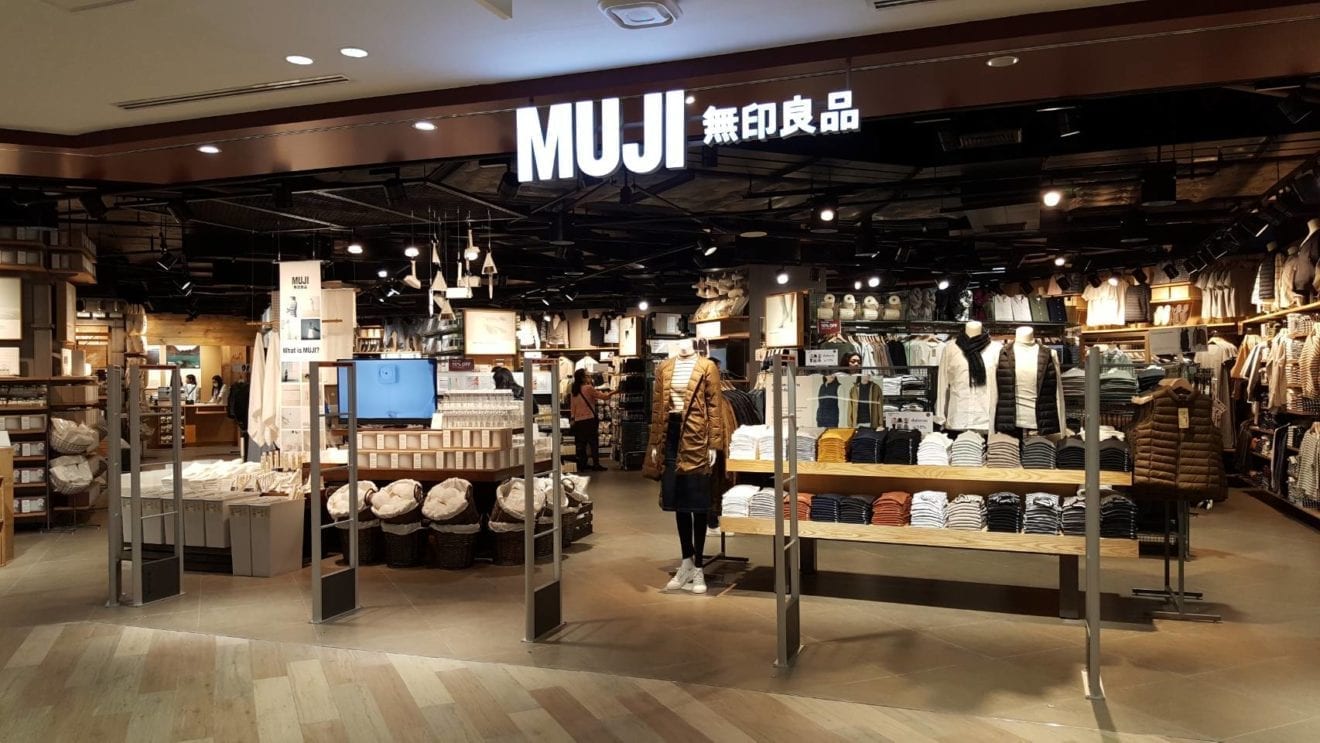
    Muji parent Ryohin Keikaku has filed a lawsuit against Singaporean retailer Iuiga alleging trademark infringement. During an interview Muji president Satoru Matsuzaki said the lawsuit was filed against Iuiga in Singapore courts in late January for “trademark infringement and passing-off under Singapore law”.

    The Japanese retail giant is seeking a court order to stop the use of the Muji trademark in Iuiga’s statements, as well as compensation for damages and losses.

    According to the report, the Singapore firm has used statements such as “Muji same manufacturer” and “direct from Muji manufacturer” on its e-commerce website and in its physical store.

    “We requested Iuiga to disclose information on their manufacturing factories to verify their statements. However, we did not receive any response,” a Muji spokesperson said.

    The Japanese firm added that its manufacturing contractors have denied manufacturing or supplying products to Iuiga.

    Iuiga’s chief growth officer Jaslyn Chan said the company has “done nothing wrong”, adding that the information on its website is factually accurate and its “manufacturing processes are legal”.

    She added that Iuiga works with “original design manufacturers”, and that there “is no direct ownership of the product by any single brand entity, allowing the original design manufacturers to produce for more than one brand”.

  • Most Japanese firms want to expand Vietnam operations

    Most Japanese firms want to expand Vietnam operations

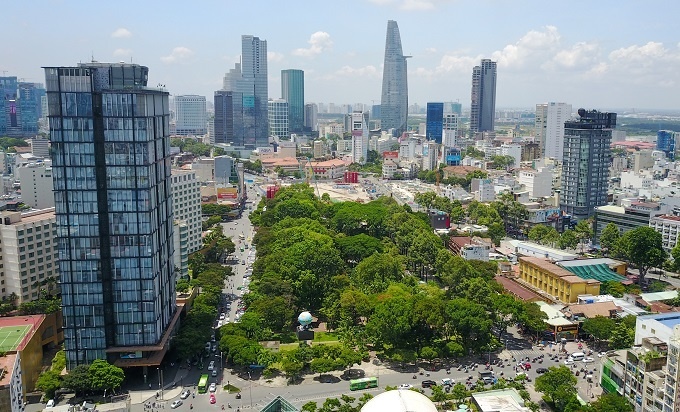
    Higher revenues have motivated almost 70 percent of Japanese firms in Vietnam to consider expanding their business here. Higher revenue was cited as the reason for expansion plans by 65 percent of Japanese businesses. Another 43 percent saw greater potential and high growth as encouraging factors. The majority of respondents also said that Vietnam has advantages in market scale and high growth, political-social stability and low labor costs.

    65.3 percent of Japanese companies in Vietnam reported profit last year, up 0.2 percentage points from 2017. The ratio of businesses reporting loss went down 2.8 percentage points to 12.7 percent last year. Japanese businesses in Vietnam seem to be most confident in their prospects this year among the Asia countries JETRO surveyed. 58.7 percent of businesses in Vietnam expect their profit to increase this year, while this figure is only 47 percent in Thailand, 44.7 percent in Malaysia and 39.5 percent in China.

    However, the ratio of businesses reporting profit last year is lower than other countries in Asia, including Indonesia at 65.5 percent, Thailand 67.2 percent, and Malaysia 68.9 percent. Japanese businesses also said that the top risks in the country were increasing labor costs, an incomplete legal system, lack of transparency in law enforcement and complicated tax and administrative procedures.

    They said that Vietnam has a high rate of employee turnover, with 36.2 percent of respondents mentioning this as a problem, higher than in Thailand at 33.2 percent and India at 32.5 percent.

    Labor costs account for 20 percent of total costs in Vietnam, higher than the Philippines at 16.8 percent and Indonesia at 16.5 percent.

    The localization rate in Vietnam remains low, the Japanese respondents said. Only 14.4 percent of Japanese businesses said they bought material and parts from local businesses last year, lower than in Indonesia at 19.5 percent, Malaysia 20.4 percent, and China 41.6 percent.

    This is the 32nd year that JETRO has surveyed business conditions of Japanese firms in Asia and Oceania.

    The survey polled 787 Japanese businesses operating in Vietnam in October and November last year.

    Japan was the largest foreign direct investor in Vietnam last year, with a total registered investment of $8.59 billion, accounting for 24.2 percent of the total, according to the Ministry of Planning and Investment.