Tag: Japan

  • Yamaha Crosses 10 Million Production Landmark In India

    Yamaha Crosses 10 Million Production Landmark In India

    Japanese two-wheeler giant, Yamaha Motor has announced a production milestone of 10 million units in India. The company achieved the landmark production figure in 34 years of its presence in the country, having begun operations in 1985. The production number is a result of Yamaha’s three manufacturing facilities located in Surajpur, Faridabad, and Chennai that have contributed to the achievement. The 10 millionth vehicle to roll-out at the ceremony was the Yamaha FZS-FI V3.0 at the Chennai plant. The production volumes have not only catered to the domestic demand but for exports as well.

    Speaking on the significant milestone, Motofumi Shitara, Chairman, Yamaha Motor India Group of Companies said, “The journey for Yamaha has been quite exciting all these years. We have received a phenomenal response from our customers from across the country. This landmark achievement is a testimony of our growing popularity and demand for our products which are exciting, stylish and sporty. This would not have been possible without the support of our employees, dealer partners, suppliers, and vendors. They have played a key role and have extended their support throughout in line with the company’s business direction to achieve this important milestone. Going forward, we will continue to excite our customers and empower their lives through world-class products and services.”

    Yamaha’s popularity has soared in recent years with more mass-market offerings, which helped catapult the production numbers. The occasion also marked another accomplishment of five million units being produced in just seven years between 2012 and 2019. Scooter sales helped the manufacturer during this period, contributing 44 percent to the overall production with the Fascino being a popular seller. Out of the 10 million vehicles produced, about 80 percent units were rolled out from the Surajpur and Faridabad facilities while 20 percent of units were contributed by the new Chennai plant. Motorcycles remained larger contributors to Yamaha Motor India’s overall production. The company manufactured over 77.88 lakh motorcycles overall, while 22.12 lakh scooters were produced.

    Yamaha achieved its first such milestone in 1999, 14 years after commencing operations in India when the Surajpur plant hit the one million production run. In 2012, the company’s production increased to five million. The firm also introduced its first scooter – Yamaha Ray – the same year, which further helped build volumes. Yamaha had achieved a production run of one million for its scooters by 2016 with the offerings being manufactured at the then newly built Chennai plant that was begun operations in 2015.

    The Chennai factory has played a key role in Yamaha’s production strategy for India, according to the company. The plant has increased its capacity from 4.5 lakh units in 2015 to the current nine lakh units. In the last 5 years, the Chennai factory along with Surajpur & Faridabad factory have together met their production targets from 7.40 lakh units in 2014 to 10.2 lakh units in 2018.

    While Yamaha did shift its focus towards commuter motorcycles in the past years, the two-wheeler maker is now focussing back on sporty bikes and has introduced a slew of offerings in the past year including the YZF-R15 V3.0, FZ V3.0 and more recently the Yamaha MT-15. The bike maker is expected to also bring the updated YZF-R3 in India later this year or by early 2020 and possibly its naked sibling – Yamaha MT-03 – sometime in the future. There have also been rumors of the company entering the 125 cc scooter segment, but there has been confirmation on the same from the company.
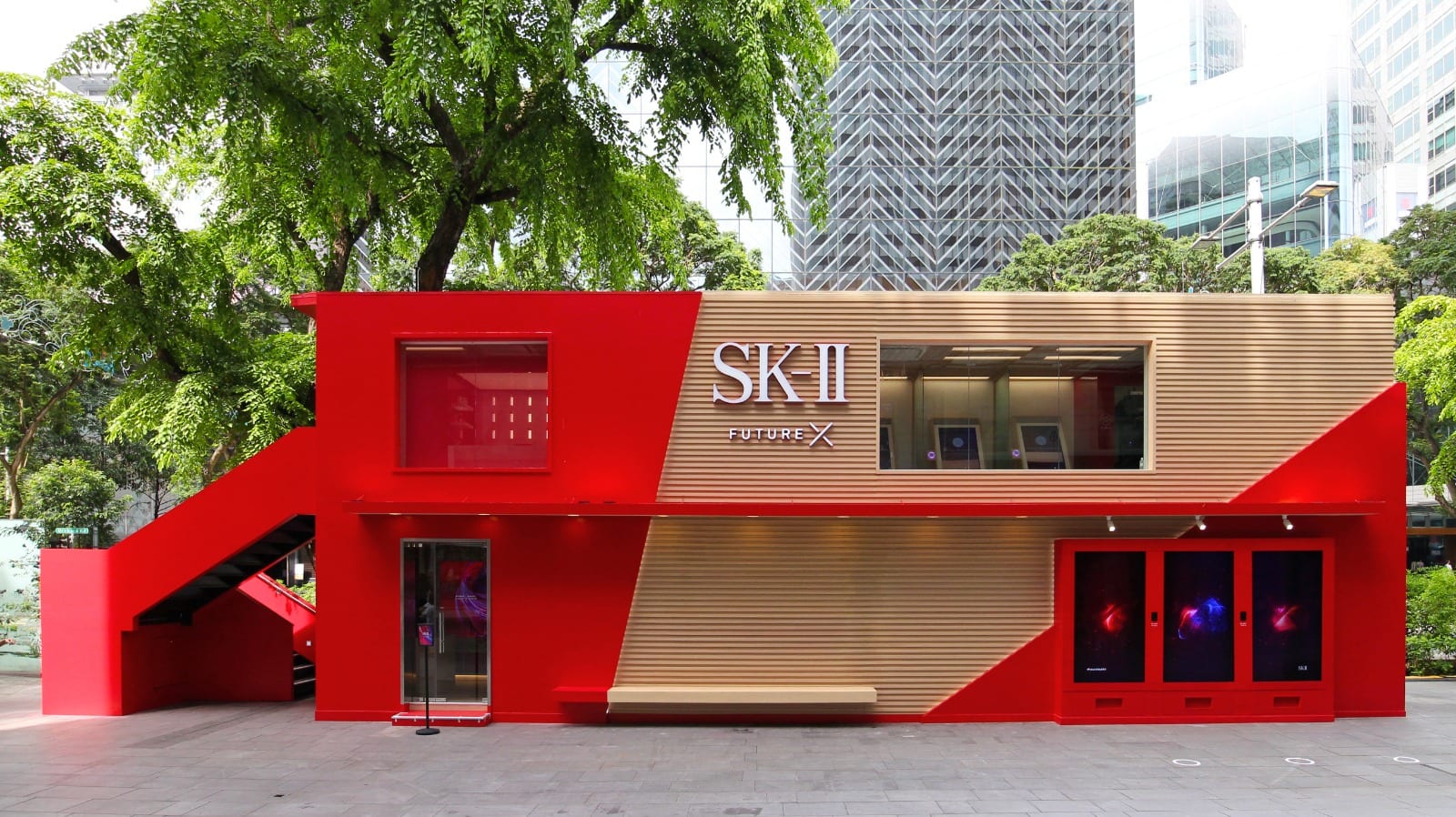

  • SK-II brings Future X Smart Store to Singapore

    SK-II brings Future X Smart Store to Singapore

    Japanese beauty brand SK-II has partnered with The Shilla Duty-Free to bring Future X Smart Store to Changi airport. According to SK-II, the smart store merges the latest digital technology with in-store experience to deliver “a convenient and pressure-free shopping experience”.

    “Travellers from all over the world now have the chance to experience the brand’s unique physical retail concept, merging the latest digital technologies with in-store elements to provide travelers with a convenient and pressure-free way to shop for skincare,” the brand said in a statement.

    The store consists of physical features such as the Discovery Bar, smart product scan and ‘Skincare GPS’ that help time-conscious travelers locate, learn about and buy SK-II products in the shortest time possible.

    At the Discovery Bar, consumers will learn more about SK-II’s range of skincare products at the touch of a button.

    The smart product scan tool uses advanced image-recognition technology to help customers locate products quickly. By scanning the SK-II product images they download to their mobile devices, travelers will be directed to the location of their desired product.

    The Skincare GPS facility lights up the location of the product on the store shelf to make it quicker and easier for shoppers to find items.

    The smart store is a part of SK-II’s foray into retail innovation “and the start of a global transformation to connect with a new generation of consumers who are yearning for more meaningful experiences with the brands”, the company said.

    SK-II has launched Future X Smart Stores in Tokyo, Shanghai, and Singapore.

  • Japan bans handset-mobile service bundles

    Japan bans handset-mobile service bundles

    The Japanese government has passed a new bill aimed at reducing mobile prices for consumers and stimulating competition in the mobile market. The new bill includes provisions banning operators from offering bundled device and mobile plans under a single price package.

    The new law, which is due to take effect as early as the third quarter, is aimed at addressing a practice that consumers and lawmakers have complained make it difficult to compare prices between operators.

    Incumbent operators NTT Docomo, SoftBank and KDDI have been under pressure to reduce their mobile charges to help alleviate the financial pressure on consumers. As part of its efforts, the government has been seeking to address the issue of mobile operators offering device subsidies in exchange for relatively high prices for mobile services.

    Responding to this pressure, Docomo last month introduced a simplified fee structure that it says will have the effect of reducing mobile rates by up to 40%, and its rivals are considering following suit.

    The amended legislation also introduces new penalties for companies using misleading sales tactics, as well as a new registration requirement for handset retailers for regulatory purposes.

  • Takashimaya After Opportunities in South East Asia

    Takashimaya After Opportunities in South East Asia

    Three Southeast Asian countries are on Japanese department store operator’s radar. Takashimaya says it is evaluating opportunities to open department stores in the Philippines, Malaysia and Indonesia.

    However, in an interview, Takashimaya’s president Yoshio Murata said while new stores in those markets could be an option, the company’s priority now is to focus on “raising the profitability of the four stores” it already has in Southeast Asia and China.

    Takashimaya opened a store in the IconSiam development in Bangkok late last year, adding to stores it already had in Shanghai, Singapore and Ho Chi Minh City.

    In May last year, it was reported that just one of its overseas stores was then trading at a profit – the Singapore flagship on Orchard Road. But the company said it believed it could make them all profitable by 2023, including the Bangkok one.

    This week, Murata said the company plans to strengthen its overseas operations and sees an opportunity for growth in Southeast Asia, in particular.

    Additional locations “are entirely possible,” he said, so long as there were good locations available.

    The company is facing problems in its home market where an aging population and declining birth rate are making business growth a challenge.

  • APJxC to produce 33.8 zettabytes of data by 2025

    APJxC to produce 33.8 zettabytes of data by 2025

    Seagate Technology recently released a white paper with IDC on the growing datasphere in Asia Pacific including Japan, but excluding China (APJxC).

    This is following the launch of IDC’s global White Paper, The Digitization of the World – From Edge to Core, sponsored by Seagate Technology, which examines how much new data is created and replicated each year and the impending shifts to the global data model by 2025.

    Top findings from the regional paper include:

    • Data created in the APJxC regions will increase from 5.9ZB in 2018 to 33.8ZB in 2025.
    • The APJxC Datasphere is one of the fastest growing Datasphere regions, growing at a 2018–2025 CAGR of 28.3% compared with a gloabl rate of 27.2% and a U.S. growth rate of 23.6% over the same time period.
    • Entertainment-related data is growing at a faster pace than most other regions, expanding at a rate of 23% compared with a global average of 20% for 2018–2025.
    • The number of online users in the region participating in entertainment-related activities is growing faster than the global rate — 7.2% compared with 4.6% for 2017–2022, which will increasingly happen on the go on mobile devices.
    • Storage utilization in APJxC will grow from 0.5ZB in 2018 to 2.3ZB in 2025, even though not all data created will require permanent storage.
    • By 2025, 58% of data storage will take place in the public cloud compared with 22% in 2018 – largely driven by the growing number of internet users in the region, which drives use of the cloud not only by users but also by enterprises as they race to keep up with user demands.

    As such, the percentage of data in the APJxC Datasphere emanating from or replicated in the edge will increase from 12% to 20% of the region’s total Datasphere — as data is delivered to endpoints and as IoT devices increasingly drive processing and analytics closer to the point of origin of the data itself.

    This unprecedented data growth combined with the pressures of deriving value from data for digital transformation will create imperatives for IT and business organizations across all regions over the next decade. Enterprises must develop a fitting data storage and management and capitalization strategy and drive a new level of engagement with consumers using data-informed services and products.

  • Belstaff Japan Winding Down

    Belstaff Japan Winding Down

    The British luxury fashion retailer has six stores trading in the market, which it entered back in 2015 via a wholly owned subsidiary, opening its first store in March 2016.

    While the brand is making its direct exit, Belstaff Japan customers will still be able to buy its goods from authorized retailers, supplied from the UK head office.

    Belstaff has previously announced it is shifting its focus to selling online in the US and developing a wholesale distribution channel in Italy. The returns from the Belstaff Japan business were insufficient to continue to operate there.

  • Vietnamese good to be displayed at Japanese supermarket chain

    Vietnamese good to be displayed at Japanese supermarket chain

    A week for Vietnamese goods this year will be held at the Aeon supermarket chain in Saitama prefecture and Kanto region in Japan from June 5-12, according to organizers.

    During the week, Vietnamese goods will be highlighted at 40 outlets in the Aeon distribution system, along with many activities such as plant tours, product assessment, and consultations.

    Business-to-business contacts between Vietnam and Aeon importers, the introduction of Vietnamese products and capacity, popularisation of standards for imports, and agreement signing, along with food shows, tourism promotion, and art performances will be held within the framework of the week.

    After the week, enterprises will be supported to connect with Aeon so as to supply their products to the supermarket chain. AEON committed to raising Vietnam’s export turnover through the group’s system to US$500 million in 2020 and $1 billion in 2025, following a memorandum of understanding (MoU) inked between the Japanese group and the Ministry of Industry and Trade.

    In order to help Vietnamese businesses to join the AEON supply chain and become a supplier for the over 1,000 AEON supermarkets around the globe, the group has built a plan including a number of activities to increase the presence of made-in-Việt Nam goods, Yuichiro Shiotani, General Director of AEON Topvalu Vietnam, said at a recent conference in HCM City.

    AEON has also provided technical support to improve the production capability of Vietnamese suppliers and help them access Japanese customers, as well as boost the purchase of Vietnamese goods to sell at its stores in Japan and other countries, he said

  • Vietnamese real estate market attracts Japanese firms

    Vietnamese real estate market attracts Japanese firms

    In an interview with correspondents from the Vietnam News Agency on the sidelines of the TMS Group’s investment promotion workshop in Osaka on April 9, Nakata said that it is not just Vietnam’s real estate market, but those in some Asian countries like Cambodia, Indonesia also have good prospects.

    However, he believed that Vietnam is the most attractive due to its safe and stable investment environment. According to Nakata, the real estate industry in Vietnam has been developing to become the number one investment channel.

    Kako Sasai, head of the business information division of the Japan External Trade Organisation (JETRO), said foreign investment in Vietnam’s real estate could increase in the time ahead.

    She noted that Japan’s investment in Vietnam went up rapidly from 2016 to 2018. The number of Japanese firms investing in the Southeast Asian country has surged, resulting in the increasing demand for offices and houses.

    Most Japanese investors in Vietnam evaluated that the country has lots of potentials and brings stable profits, she said.

    The Vietnamese Government and enterprises have been focusing on attracting more overseas firms to invest in Vietnam beyond the field of real estate, she added.

    According to the latest survey of JETRO, Japan’s direct investment in Vietnam has increased in terms of the number of businesses and the amount of capital. As many as 70 percents of Japanese businesses plan to expand operations in Vietnam, while 88 percent expect their revenues in the market will increase in the future.

    Toru Tomita, director general at the Osaka-based O.M.NET cooperative business association, described Vietnam as a young nation with abundant labor supplies.

    In the future, more Japanese businesses will come to invest in Vietnam, he said.

    The investment promotion workshop in Osaka is part of activities of the TMS Group to introduce the investment environment in Vietnam and seek potential partners in real estate projects that the group is implementing in Vietnam.

    Vietnamese Consul General in Osaka Vu Tuan Hai affirmed that the Vietnamese Government will create an open and equal business environment for Japanese investors.

    The Vietnamese Consulate General will continue supporting and accompanying Japanese businesses in studying, preparing and implementing business investment plans in Vietnam, he said.

    TMS Group has been cooperating with Japanese partners over the past 15 years and it has been serving as a bridge to connect Vietnamese businesses with Japanese partners in the fields of their strengths such as real estate, human resources supply, education-training, trade, services, healthcare, and high-tech agriculture.

  • Kyoto Ichinoden chooses Hong Kong

    Kyoto Ichinoden chooses Hong Kong

    Japanese restaurant chain Kyoto Ichinoden has opened its first overseas restaurant in Hong Kong.

    The launch celebrates the brand’s 100th anniversary while also tapping into the city’s unique role in the region and its close ties with the Mainland market for future expansion.

    Kyoto Ichinoden’s debut local restaurant has opened at Ocean Terminal, Harbour City, in Tsim Sha Tsui. It serves traditional Japanese cuisine including Kyoto kaiseki (multi-course dinner) and traditional Kyoto dish saikyozuke (seasonal meat or fish fillet pickled in Saikyo miso).

    “Hong Kong is a vibrant city situated in the heart of the region,” said Kyoto Ichinoden HK president Jumpei Tanaka.

    “Strategically, Hong Kong is our first choice for expansion because of its geographical and economic advantages. Moreover, there is a strong passion for Japanese food, so this gives Japanese restaurants a very good head start to set up a presence here. The city is also very strong in terms of logistics and transportation, ensuring efficient supplies of fresh ingredients – essential for the operation of high-grade Japanese restaurants like ours.

    “We expect that soon we may reach out to the Mainland market and other places in East Asia from Hong Kong, given that the city is close to the Mainland market and a major business hub in Asia.

    “As the Greater Bay Area (Guangdong-Hong Kong-Macao Greater Bay Area) has become an important development and that Hong Kong plays a key role within it, having a first overseas base in Hong Kong will also help our brand build solid customer confidence and spread quickly to the Greater Bay Area in the near future.”

    InvestHK helped Kyoto Inchinoden launch in Hong Kong.

  • Tricker’s Tokyo Opens British footwear brand’s first Store

    Tricker’s Tokyo Opens British footwear brand’s first Store

    British footwear brand Tricker’s has opened its first shop outside the UK, choosing Japan.

    Tricker’s Tokyo store opened last Thursday, an exact replica of its London Jermyn Street shop.

    “Japan has been our biggest export market for more than 30 years,” read a notice on the brand’s Twitter account. “This is a bold development for a small business such as ours.”

    The opening celebrates the heritage brand’s 190th anniversary. It is known for its quality heavy brogue shoes and boots, and counts Prince Charles among its patrons.

  • Klasse14 Store opens in Japan

    Klasse14 Store opens in Japan

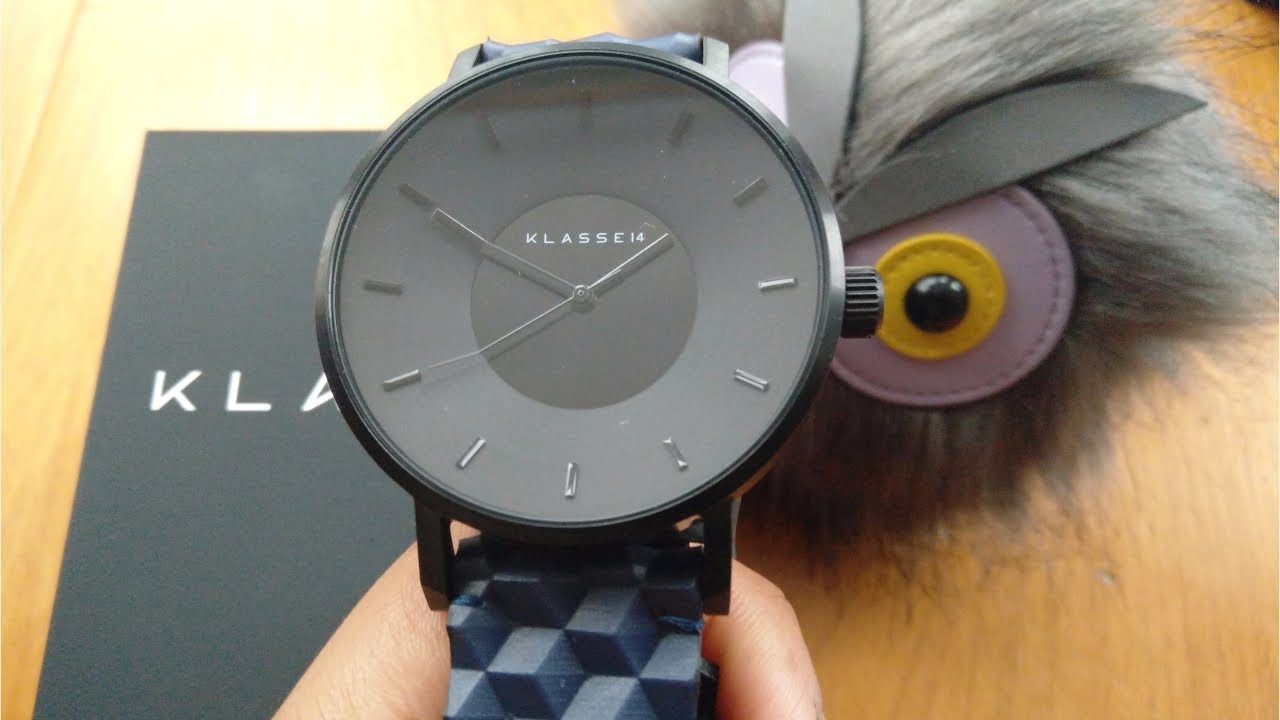
    Timepiece maker Klasse14 has opened a flagship store in Shibuya, Tokyo.

    The new flagship joins the brand’s more than 350 points of sale in Tokyo, with a design representing the brand’s new minimalist, urbanised creative direction with black, white and wooden motifs.

    The brand has established markets throughout Asia, Australia, and the US via e-commerce sales and hundreds of points of sale and kiosks with its retail partners. Its momentum is largely driven by millennial fans spreading information about the brand online.

    Admirers of the brand are expecting a number of brand activation events to be held later this year.

  • Sagara launches online Store Concept

    Sagara launches online Store Concept

    Tableware firm Sagara Inc has opened a global website after setting up a retail store in New York to market its environmentally conscious tableware for children.

    The firm’s Reale brand, made from a new bioplastic raw material blended with native Japanese bamboo, is being made available for the first time across North America, including the US and Canada.

    The company is scheduled to launch business-to-business and business-to-customer online sales in the territory next month, starting with sales through major department stores as well as retail outlets, online shops and other venues across North America dealing in baby and kid goods, interior products, gifts and other items.

    Sagara embarked on developing Reale in 2014 and started selling the tableware in Japan in November 2016. As of March this year, the brand is on sale in Taiwan, Mainland China and Australia.

    More than 20,000 Reale sets in total have been shipped up to this month. Its designs are inspired by traditional silverware in Europe and the US.

  • FamilyMart Japan investing in New Labour Technology

    FamilyMart Japan investing in New Labour Technology

    Japanese convenience store FamilyMart Holdings is preparing to invest ¥25 billion (US$223 million) on labour-saving technologies.

    The firm will partner with tech firm Panasonic to introduce self check-out, digital displays and other similar devices which automate procedures traditionally undertaken by staff.

    The investment is intended to serve the brand’s franchisees who have been burdened with high labour costs in order to keep stores open around the clock.

    Both FamilyMart and its larger competitor 7-Eleven have felt pressured to let go of their 24-hour store policies in the face of a tightening labour market.

    They are also looking at other ways to ease the financial burden on franchisees.

  • Mario Kart Tour beta registrations open for Android users

    Mario Kart Tour beta registrations open for Android users

    Nintendo plans to bring yet another game to Android and iOS device this summer – Mario Kart Tour. Officially revealed two months ago, the next Mario game for mobile won’t be released until at least June.

    However, Nintendo fans will have a chance to take a peek at what’s to come thanks to the closed beta program the Japanese company has just announced. Assuming you’re living in the United States or Japan, you can now register for the Mario Kart Tour closed beta on the game’s dedicated page.

    Unfortunately, it’s only Android users that are allowed to register for the closed beta, and there’s little chance the iPhone owners will be given the chance to test Mario Kart Tour before the official release.

    Obviously, the number of Android users who may participate in the closed beta is limited. According to Nintendo, if the number of applications exceeds the number of possible participants, the company will randomly select the participants.

    Android users can register for the closed beta between April 23 and May 7, while the beta test is scheduled for May 22-June 4, but these dates can be changed prior notice.

  • SoftBank JV to invest $125m in Project Loon

    SoftBank JV to invest $125m in Project Loon

    Japan’s SoftBank has announced that its joint venture HAPSMobile will invest $125 million in Google’s Project Loon to advance the use of high-altitude vehicles to carry mobile base stations.

    HAPSMobile, the joint venture between SoftBank and US-based unmanned aerial vehicle systems company AeroVironment, was established in 2017 to conduct network equipment research and development for the high-altitude platform station (HAPS) business.

    Under the agreement with Google, Loon has been given the right to invest the same sum in HAPSMobile at a later date.

    The two companies have also agreed to actively explore commercial collaborations to accelerate the development of high altitude network connectivity solutions, such as the network of stratospheric balloons that Loon is trialling to deliver internet access to unserved areas of the world.

    Potential areas of collaboration being negotiated include enabling flight vehicles from each party to connect and share the same network connectivity in the air, as well as the establishment of a wholesale business that would allow HAPSMobile to utilize Loon’s vehicle and technology, and allow Loon to utilize HAPSMobile’s in-development unmanned aircraft.

    Other possibilities include a jointly developed communications payload that is adaptable to multiple flight vehicles, a common gateway or ground station that could be deployed globally and used by both companies to provide connectivity over their platforms, and adapting Loon’s fleet management system and temporospatial SDN for use by HAPSMobile.

    “Building a telecommunications network in the stratosphere, which has not been utilized by humankind so far, is uncharted territory and a major challenge for SoftBank,” SoftBank CTO Junichi Miyakawa said.

    “Working with Alphabet’s subsidiary Loon, I’m confident we can accelerate the path toward the realization of utilizing the stratosphere for global networks by pooling our technologies, insights and experience. Even in this current era of coming 5G services, we cannot ignore the reality that roughly half of the world’s population is without Internet access. Through HAPS, we aim to eliminate the digital divide and provide people around the world with the innovative network services that they need.”

    “We see joining forces as an opportunity to develop an entire industry, one which holds the promise to bring connectivity to parts of the world no one thought possible,” Loon CEO Alastair Westgarth added.

    “This is the beginning of a long-term relationship based on a shared vision for expanding connectivity to those who need it. We look forward to what the future holds.”