Tag: Japan

  • Japanese department stores Takashimaya and Mitsukoshi upgrading

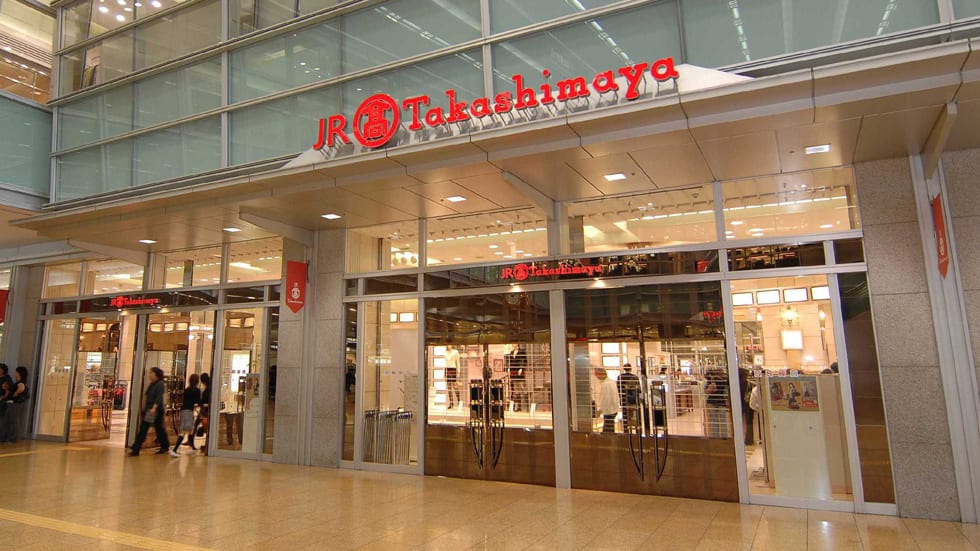
    Japanese department stores Takashimaya and Mitsukoshi upgrading

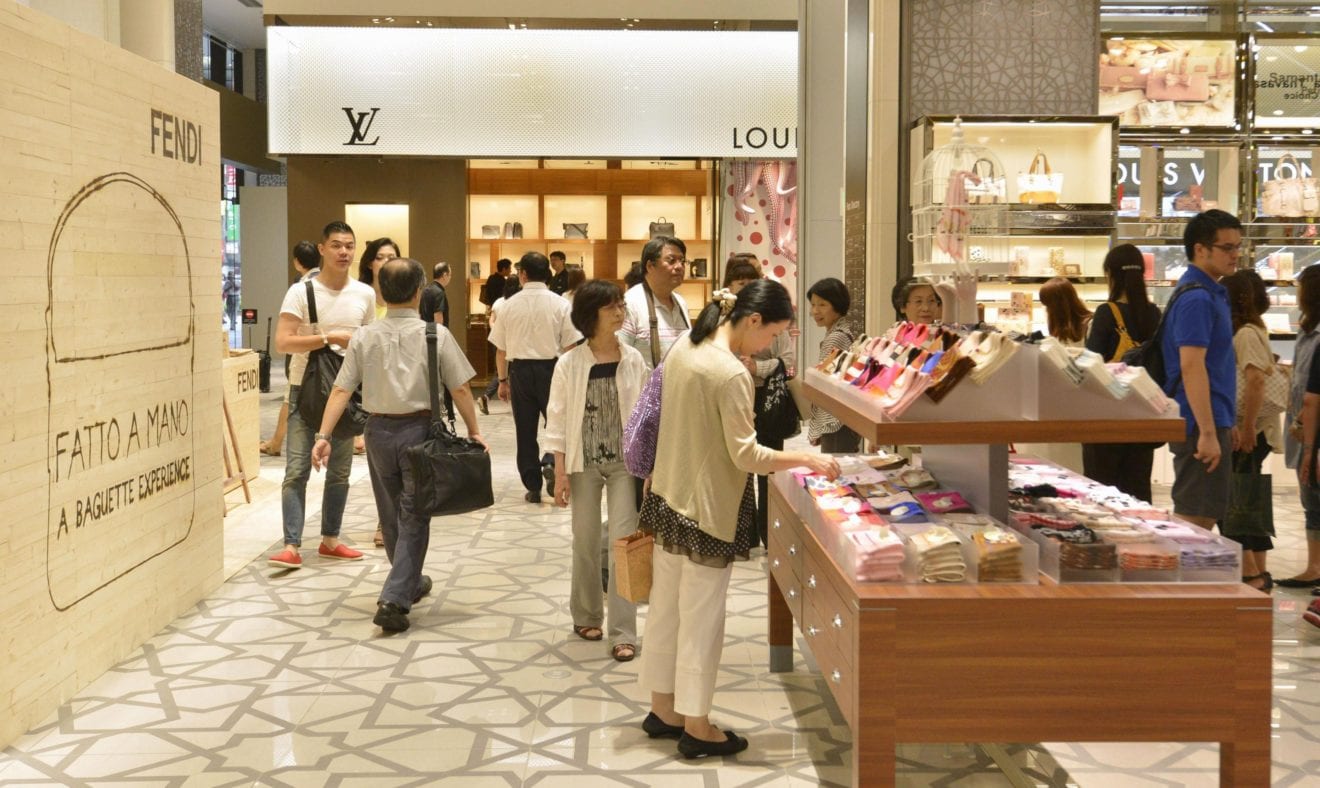
    Major Japanese department stores Takashimaya and Isetan are opening new developments in Tokyo.

    Both newly-refurbished stores will launch in Tokyo’s Nihonbashi district to attract a wider customer base. The move occurs against a backdrop of declining department store sales in Japan.

    Today’s Takashimaya launch opens a seven-storey annex with one underground level next to its existing store, accommodating a high proportion of F&B tenants as well as clothing and variety stores, amongst others. The development targets nearby company employees in their 30s and 40s and families, many of whom visit the store to eat.

    Takashimaya President Shigeru Kimoto said: “We integrated a department store with specialty stores. It’s the culmination of meeting the needs of today’s customer.”

    The Isetan renovation to its Mitsukoshi main store in Nihonbashi will open in late October. Among its new features will be a new concierge service.

    The store will share data on the tastes and purchasing histories of key customers with concierge staff and other employees, leading them to use suggestion selling techniques so as to meet customer preferences. Customers will be able to designate a specific concierge before visiting the store via smartphone app.

  • Daiso to limit its stationery sales

    Daiso to limit its stationery sales

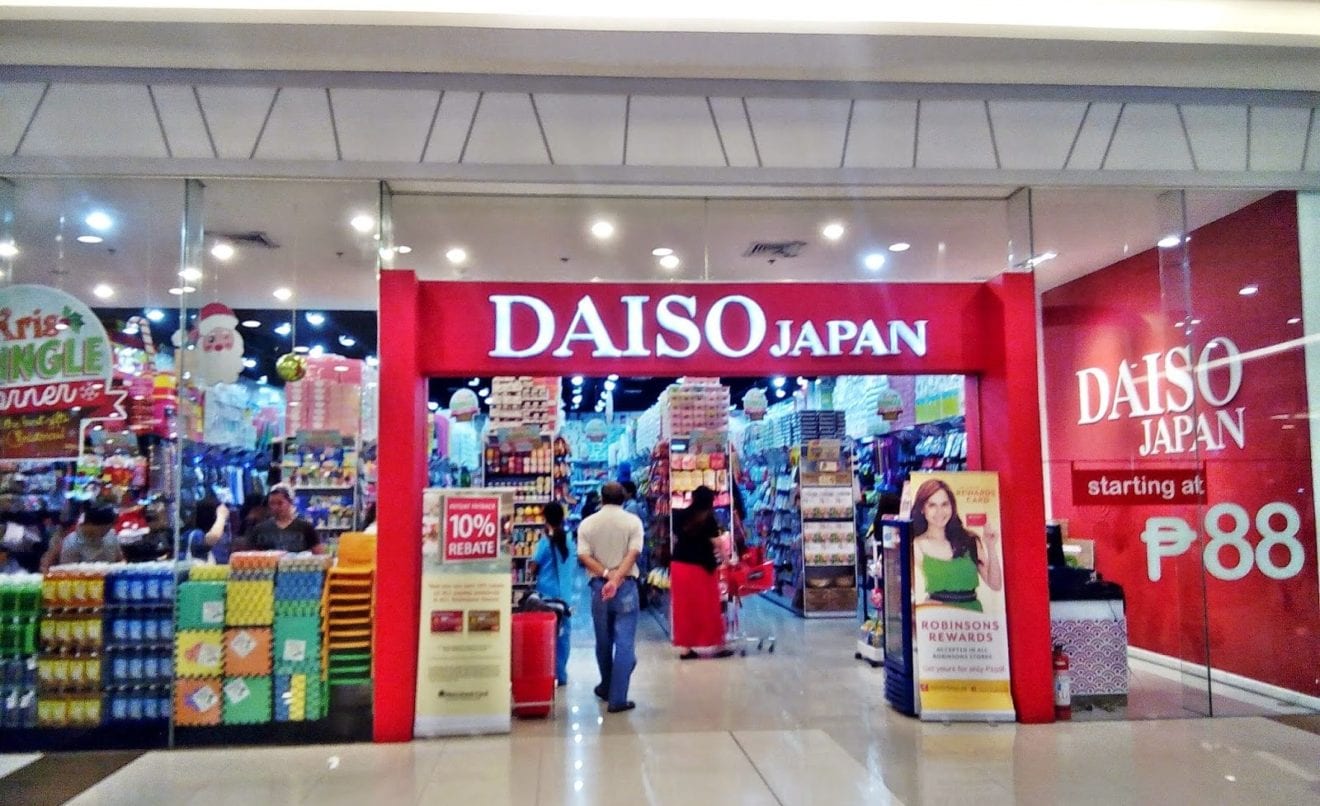
    Daiso stores will be forced to stop selling individual items of stationery in a bid to try and help struggling small and medium enterprises, Korea Commission for Corporate Partnership (KCCP) said Thursday.

    The KCCP is set to hold a final vote on Oct. 10 on adding the franchise to the list of major companies that are restricted in conducting businesses closely linked to the fortunes of small companies.

    A KCCP spokesman said Thursday that the process is an administrative one and that the agenda is likely to be passed as Daiso and the organization have already reached an agreement.

    Daiso, which now has over 1,200 stores in Korea, has faced criticism in recent years from local stationery store owners, who complain that the store is threatening their business. Last month, the franchise decided to voluntarily join the ranks of major companies that have restrictions on stationery sales.

    Starting from mid-October, Daiso stores will sell 18 types of stationery in bundles, including pencils, erasers, sketch books and crayons. As the franchise’s products are priced at 5,000 won ($4.46) or under, the stationery bundles will also stay within that range. During the early days, both bundles and individual products will be placed on the shelves until the latter sells out, a company spokesman said.

    The rule, however, will not apply to every Daiso store in the country. Only branches directly run by the company’s headquarters will have to follow such restrictions, which account for 60 percent of Daiso’s entire 1,200 or so stores nationwide. The 450 stores operated by franchisees will be recognized as small businesses, allowing them to continue selling individual items of stationery.

    A private commission that mediates conflicts between large and small-sized businesses, the KCCP designates industries and product categories, from food to daily necessities, that should be reserved for small enterprises and local merchants. It also lists major companies that should be restricted from conducting business in such fields in order to prevent them from threatening the revenue of smaller enterprises.

    Stationery stores were designated as a protected sector in 2015. That year, Emart, Lotte Mart and Homeplus stopped selling 18 types of stationery as individual items.

    At the time, Daiso wasn’t big enough to be a threat. But the company grew rapidly over the last few years, leading to an increase in complaints from local stationery store owners.

  • Lumine revealed Indonesia expansion

    Lumine revealed Indonesia expansion

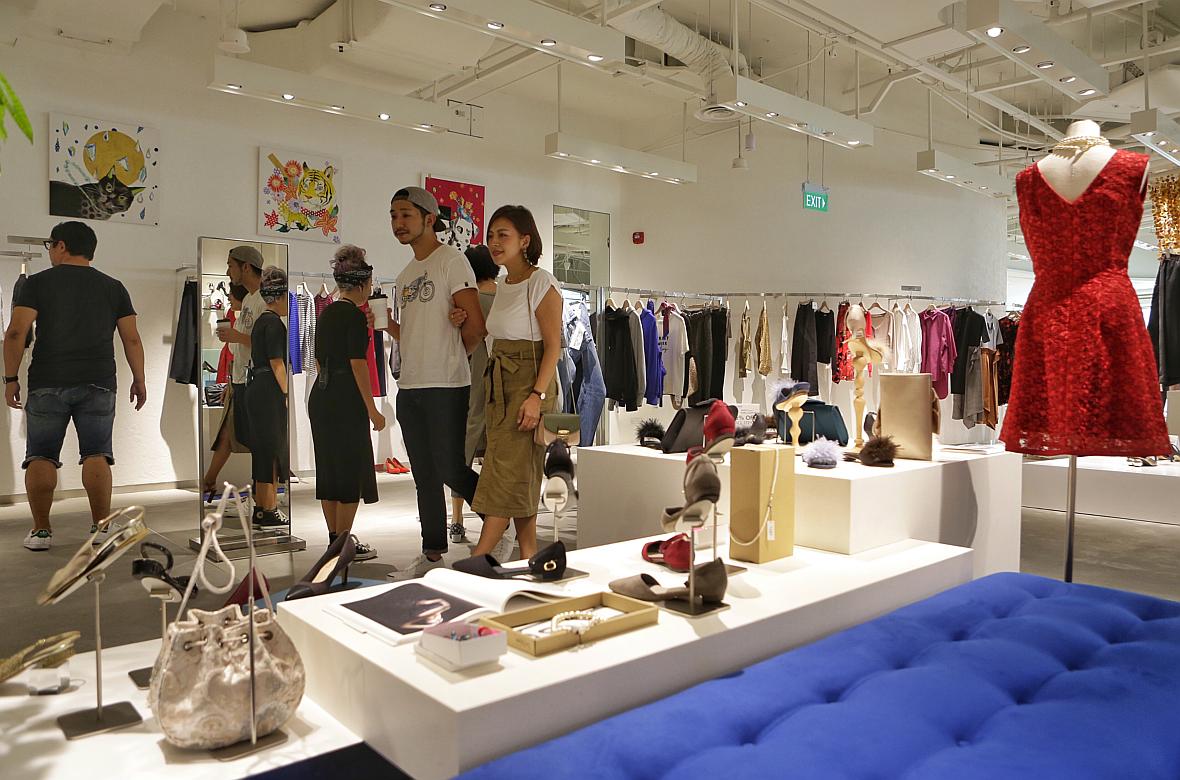
    Japanese urban retail concept Lumine is set to open its first store in Jakarta in December.

    Opened in partnership with local retailer Time International, the store at the Plaza Indonesia mall will be Lumine’s second overseas location. The launch is timed to commemorate the 60th anniversary of the establishment of diplomatic relations between Indonesia and Japan.

    President and CEO of Lumine Yuji Morimoto said: “We are very excited to launch our second overseas store, to collaborate with a leading retailer Time International, in Plaza Indonesia. For both Indonesia and Japan, this year is a meaningful anniversary. We hope to become a place that stimulates the sensibilities of our customers, not just a place where they can purchase products.”

    The approximately 1200sqm specialty store offers chic Japanese lifestyle and fashion brands.

    Offerings include womenswear, menswear, miscellaneous lifestyle goods, and a café. Its main target customers are independent women with a global outlook who are sensitive to trends and possess unique and distinctive styles.

    Lumine operates 15 branches in Japan and one in Singapore, which opened last November.

  • Kit Kat Bar opens in Tokyo, serves new Japanese Umeshu Plum Sake Kit Kats

    Kit Kat Bar opens in Tokyo, serves new Japanese Umeshu Plum Sake Kit Kats

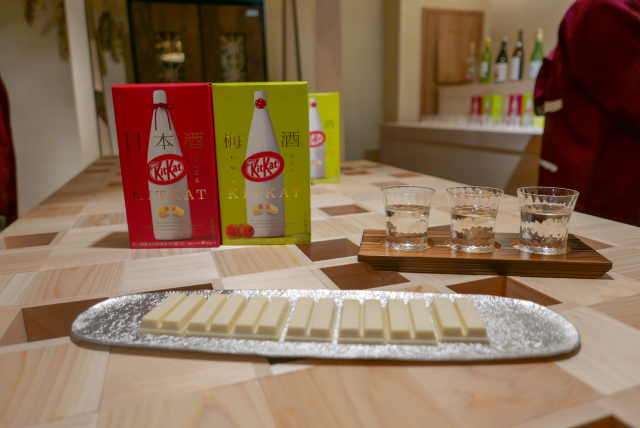
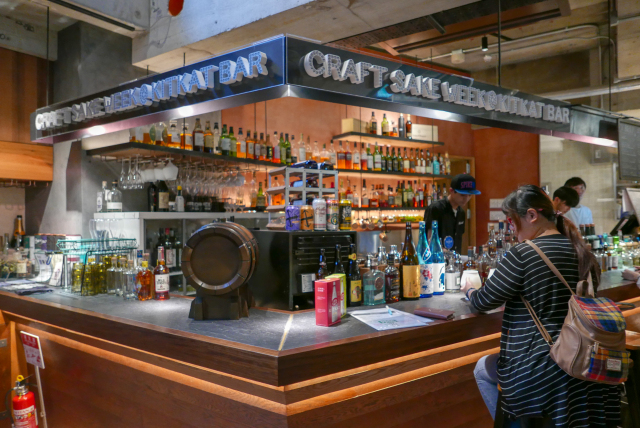
    Nestle has opened a pop-up bar in Tokyo to mark today’s release of its new sake-flavoured Kit Kat bar.

    “Craft Sake Week @Kit Kat Bar” has been offering visitors a preview of the new Umeshu Plum Sake-flavoured chocolate bar paired with cocktails. The space is overseen by former soccer star Hidetoshi Nakata, now known for his work with more than 350 local sake breweries designing products to promote their rice wines both nationally and globally.

    Two Ume Sake Kit Kat and cocktail pairings served in Milano glasses are the highlight of the pop-up. The cocktails, created by noted craft cocktail designers to complement the flavours of the new Kit Kat, are exclusive to the bar.

    The pop-up, which runs to September 24, features other products both collaborated on and curated by Nakata to convey the beauty of traditional Japanese sake crafts, as well as a sake-tasting area.

    Nestle released it first premium sake flavoured Kit Kat last year.

  • Dunhill Ginza flagship store opens in Tokyo

    Dunhill Ginza flagship store opens in Tokyo

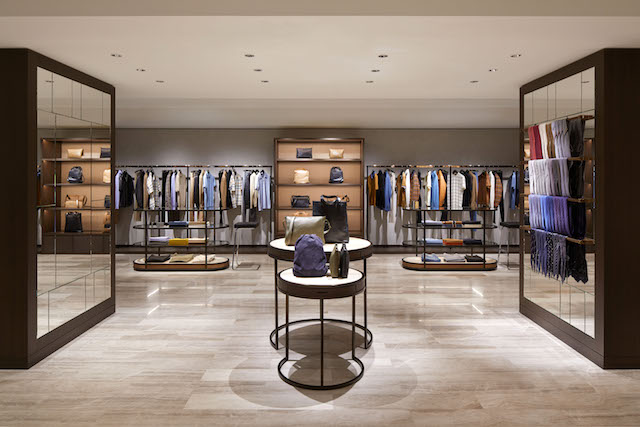
    Men’s clothing designer Dunhill London has opened a new flagship store in Ginza, Tokyo.

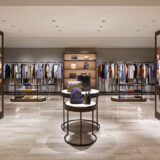
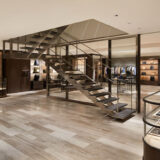
    The Dunhill Ginza store blends bar and barbershop environments to create “a masculine and contemporary space” alongside the latest collections by creative director Mark Weston. It also features a new tailoring room for bespoke and made-to-measure services.

    CEO Andrew Maag said the new Dunhill Ginza store brings a complete elevated brand experience to the brand’s most important market and further cements its position as the leader of British luxury menswea

    A bar on the first and second floors serves Japanese contemporary fusion food with a British twist, while on the first floor the Dunhill barber service offers tailored men’s grooming, shaving and treatments in partnership with The Barba Tokyo.

    The store’s design features bronzed brass and wood, together with signature black leather and black metal details, all recognisable codes of the brand’s stores.

    A metal-and-glass facade leads to an open and clean space that showcases apparel in what Dunhill describes as “a subtle and approachable way”.

    A shoe lounge features marble and metal displays, highlighting Dunhill’s newly launched sneakers and handmade English shoes, alongside a tailoring room for Bespoke and Made-to-Measure services.

    View the pictures in the gallery below :

  • Cartier pop up opened Tokyo convenience store

    Cartier pop up opened Tokyo convenience store

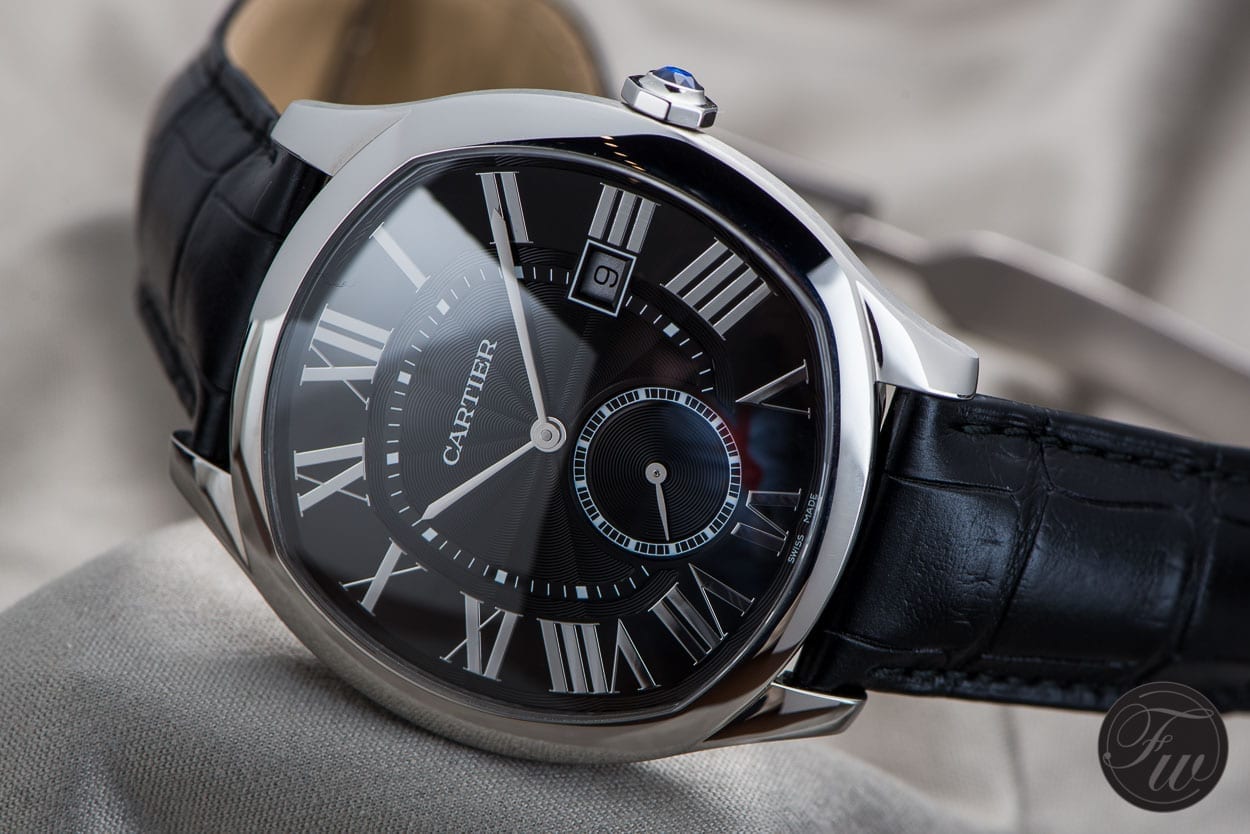
    A Cartier pop up is set to be hosted in a Tokyo convenience store.

    In a stark contrast of venue for the distinguished luxury heritage brand, the store-in-store will exhibit the brand’s latest jewellery collection Juste en Clou, designed to resemble the iron nail, elevating the unremarkable object to a premium status.

    The convenience store on Jingu-mae will be open from September 21–30, operating from 12–8 pm daily.

    The line is currently already featuring in a gallery setting in Roppongi Hills, which will also run through to September 30.

  • Record profitability for Hermes after China-driven boom

    Record profitability for Hermes after China-driven boom

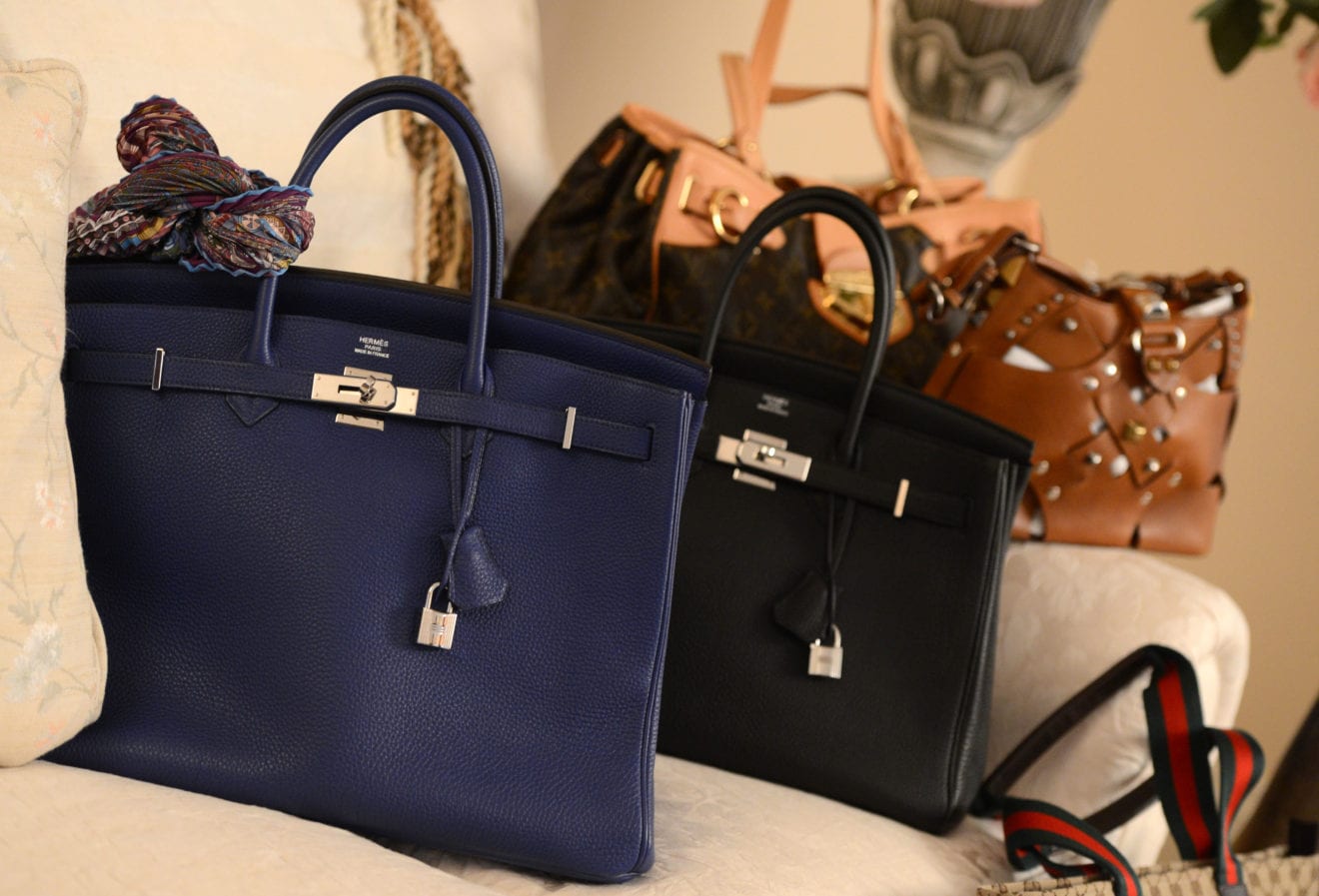
    A Hong Kong property windfall and the Hermes Asia business helped the luxury label set a record profit margin during the first half of this year.

    Hermes says recurring operating profitability reached 34.5 per cent of sales, with net profit rising 17 per cent to €708 million (US$824 million).

    And after including a capital gain of €53 million from the sale of the former Galleria store in Hong Kong, operating income reached €1.037 billion, up 11 per cent to reach 36.3 of sales.

    Hermes Asia sales – excluding Japan – rose 15 per cent, the strongest performing market internationally, continuing what the company described in a statement as “an outstanding performance, with positive momentum in continental China and the whole region”.

    During the half year, Hermes Asia benefitted from the opening of the Landmark Prince’s store in Hong Kong in January. Another new store opened in Changsha in May.

    Sales in Japan rose by 7 per cent.

    The Hermes Asia performance better that of the Americas (up 12 per cent), Europe excluding France (up 7 per cent), and France (up 8 per cent).

    Hermes global sales reached €2.853 billion, up 11 per cent at constant exchange rates and by 5 per cent at current exchange rates.

    “Hermes achieved an exceptional performance in the first half of the year,” said Axel Dumas, executive chairman. “Our commitment to the quality of know-how, the spirit of innovation as well as the creativity, always renewed, and the dedication of the women and men of Hermes, base the singularity and the integrity of our economic model; a strong model in a worldwide context that remains uncertain and unstable.”

    By product category, ready-to-wear led the way rising 17 per cent, thanks to broad acceptance of its “pertinent and bold” designs, the company said. Fragrance sales rose 15 per cent, watches by 9 per cent, leather goods and saddlery sales rose 8 per cent and silk and textile sales by 7 per cent.

    Other Hermes business lines, which include jewellery, art of living and Hermes Table Arts, grew by 24 per cent.

  • Good Goods Issey Miyake concept opens in Tokyo

    Good Goods Issey Miyake concept opens in Tokyo

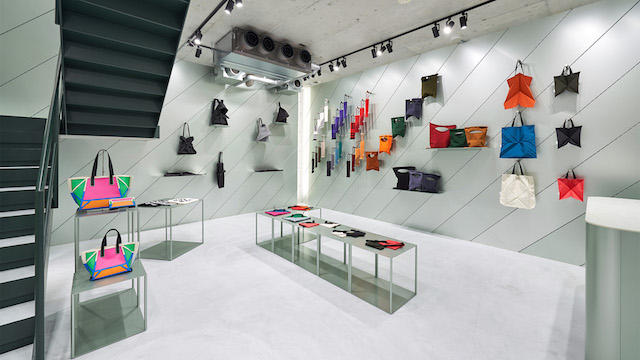
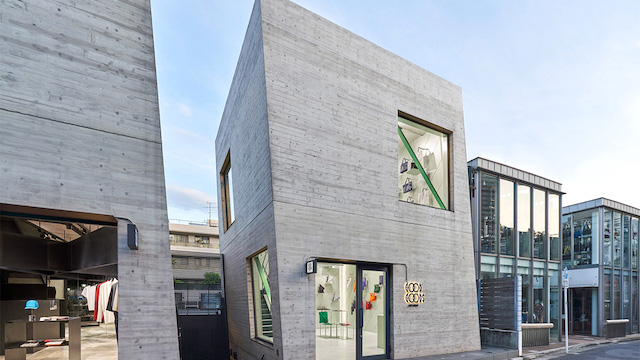
    Japanese fashion designer Issey Miyake has opened a new “Good Goods Issey Miyake” concept store in Daikanyama, Tokyo.

    The two-level 94sqm store, which opened next to label mate “Homme Plisse Issey Miyake”, stocks a curated selection of Issey Miyake pieces as well as some exclusive products. It sports a futuristic interior design by Tokujin Yoshioka.

    In a press release, Yoshioka said: “The space, which features aluminum dyed light green, is designed with the futuristic contrast of texture between concrete and aluminium. Diagonal slits extended throughout the space not only show futuristic expression, but also transform to function as shelves. Issey Miyake’s innovative spirit of making things is reflected in the space.”

    In future, the store will experiment with a seasonal rotation of brands and products.

  • Ikea eyes new stores in Tokyo, Osaka

    Ikea eyes new stores in Tokyo, Osaka

    Ikea Japan says it plans to expand its store network into city centres after the success of its  large-format stores in outskirt locations.

    Ikea Japan K.K. president Helene von Reis said in an interview that the company will open “many shops in Tokyo” given the city’s size.

    “Then we will move into Osaka. We have to start first and understand how this works in Tokyo.”

    She had earlier said during a press briefing that Ikea Japan was working hard to find the right sites in Tokyo. “Hopefully I will be able to give you some good news before this year is over.”

    Ikea Japan’s strategy to head downtown is a contrast to its European experience where it has decided to close smaller city stores after an unsuccessful trial.

    Von Reis said the company recognised customer preferences are changing.

    “Consumers are demanding accessibility and the value of time. It is also a fact that young people don’t have cars. That’s also a global [phenomenon].”

    She said the company believes there is a lot of growth potential for the home furnishings market in Japan.

  • Ganko oyaji furniture maker to open first store in Hong Kong

    Ganko oyaji furniture maker to open first store in Hong Kong

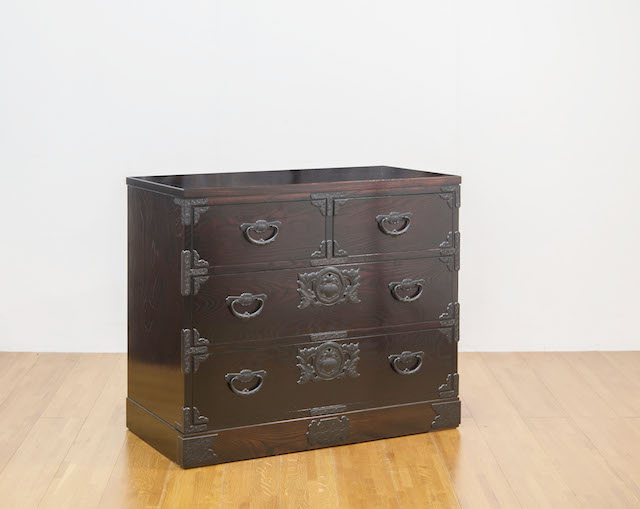
    Japanese handmade furniture brand Gankooyaji has opened a store in Kowloon, Hong Kong.

    Gankooyaji was founded in 1971 by Yasuhiro Ohara. The name translates to “a stubborn father”, which offers a hint to the brand’s mission of using only old-growth wood from century-old trees and making furniture by hand.

    The new Hong Kong store, located on the 8th floor of the Kam Hon Industrial Building, on Wang Chiu Road, is divided into eight themed zones displaying furniture sorted according to the use of materials and production techniques.

    Ohara believes that in a modern city like Hong Kong, with an emphasis on mechanisation and quick results, the quality of life and the beauty of tradition are easily sacrificed in a fast-paced lifestyle.

    “Extraordinary traditional craftsmanship of furniture making will eventually phase out due to mechanisation,” he says.

    “The traditional skills of woodworking is at risk of dying out despite its high value of preservation. My mission is to safeguard the heritage of woodworking and create high-quality furniture that last for generations, and at the same time introduce the beauty of Japanese traditional craftsmanship to Hong Kong people.”

    Ohara worked in a chain department store for mass-produced furniture before he started his own business.

    Gankooyaji insists on following the spirit of traditional Japanese craftsmanship, from the selection and processing of wood, to the connection techniques and paint lacquer. Ohara travelled all over Japan searching for talented traditional craftsmen, inviting them to produce high-quality furniture for the brand.

    Gankooyaji has branches in Mito City and Tsukuba City of Ibaraki Prefecture, Japan. It is also sold in Singapore.


  • Japan top investor in Vietnam, has interests in multiple sectors

    Japan top investor in Vietnam, has interests in multiple sectors

    Japan is the biggest foreign investor in Vietnam in terms of pledged investment capital in January-August.

    In the first eight months of this year, pledged investment from Japanese companies reached $7 billion, nearly 29 percent of the total foreign investment that came from 97 countries and territories, according to the Ministry of Planning and Investment.

    Japanese investors back multiple projects across sectors, including agriculture, consumer goods, finance, and real estate. Their investments range from millions to billions of dollars.

    For instance, Japan’s Sumitomo and Vietnam’s private firm BRG signed a deal earlier this year to develop a $4.14 billion smart city project in Hanoi’s Dong Anh District.

    They hope to commence work on the first phase of the 272-hectares project late this year.

    Up to 70 percent of Japanese firms in Vietnam plan to expand their business in the country, as most of them believe that revenue will continue to increase, according to a recent survey by the Japan External Trade Organization (JETRO).

    Over 65 percent of surveyed firms said they have been profitable in Vietnam.

    Japan was the fourth largest trading partner of Vietnam last year, with a total turnover of almost $34 billion, up 13.8 percent from 2016, according to Vietnam Customs.

  • Smart vending machine sells a lot in China, Japan

    Smart vending machine sells a lot in China, Japan

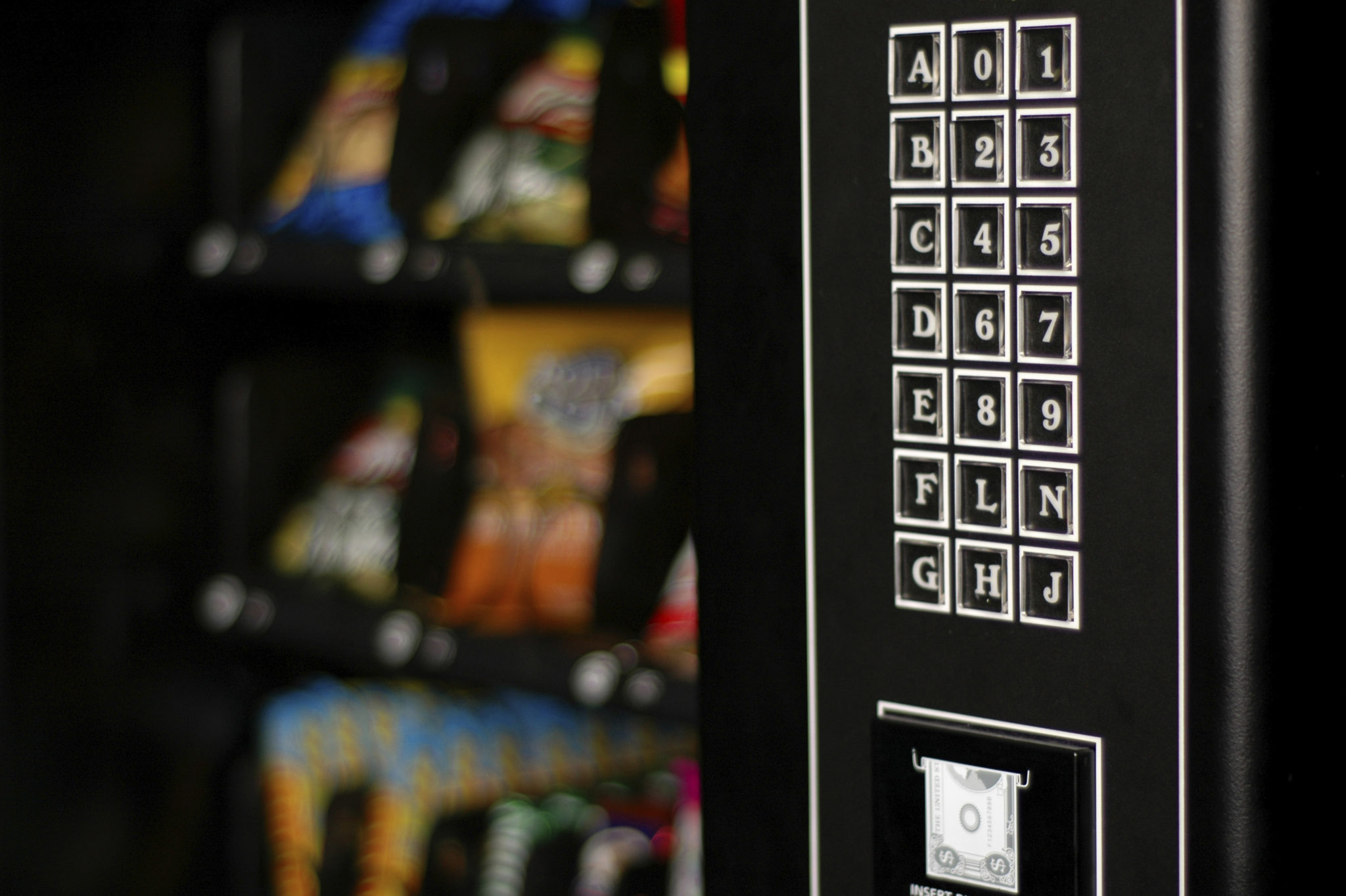
    The deployment of smart vending technologies will surge in the Asia-Pacific as high-tech unmanned retail continues to attract major investment.

    The demand for technology-driven frictionless retail experiences, combined with cheap production costs and limited data privacy barriers, is driving rapid adoption in China, Japan, and South Korea, leaving the rest of the world behind, according to a report by ABI Research.

    By 2023, the Asia-Pacific will be home to more than 1 million automated retail units and 4.5 million smart vending machines, the market-foresight advisory firm concludes.

    “The initial growth rate of automated retail units in the Asia-Pacific market, driven primarily by China, has already been astonishing and will continue to grow exponentially over the next five years,” said Nick Finill, senior analyst at ABI Research.

    “This will create a vast regional disparity in adoption figures, largely a result of technological and societal factors. Ultimately it signals a strong future for smart retail in East Asia,” he said.

    But the unprecedented growth of automated retail units in Asia is just half of the smart vending story. Intelligent vending machine trends also indicate how the wider smart vending market is gravitating eastwards. While North America is currently home to 76 per cent of total smart vending machines, by 2023 China will become the primary market for intelligent vending machines.

    Smart vending is emerging as an additional retail channel offering unique benefits versus traditional brick and mortar retail and e-commerce. Intelligent vending machines and automated retail units, equipped with advanced customer and operational analytical capabilities, offer immediate convenience to the customer while enabling additional revenue streams to be exploited by operators and partners.

    “Successfully entering new markets, attracting new customer segments, monetising data, and cutting operating costs can all be achieved simultaneously in addition to profiting from direct product sales,” said Finill.

    “Smart vending is therefore not just a powerful retail channel for the customer, but also potentially a valuable marketing tool for retailers and brands.”

    The combination of mobility and smart vending is also suggesting that further innovation is around the corner for the unattended retail market. Several proofs of concept have emerged which enable autonomous vehicles to act as mobile vending machines, opening up new opportunities for customer-focused operators to better adapt to consumer needs.

    The traditional smart vending market is being transformed by established market leaders such as Intel, Swyft, Nayax, and Sierra Wireless; in addition to emerging players such as Invenda, DeepMagic, and DeepBlue Technology.

    The findings are from ABI Research’s report Smart Vending Trends and Market Opportunities.
  • Uniqlo Canada network will double

    Uniqlo Canada network will double

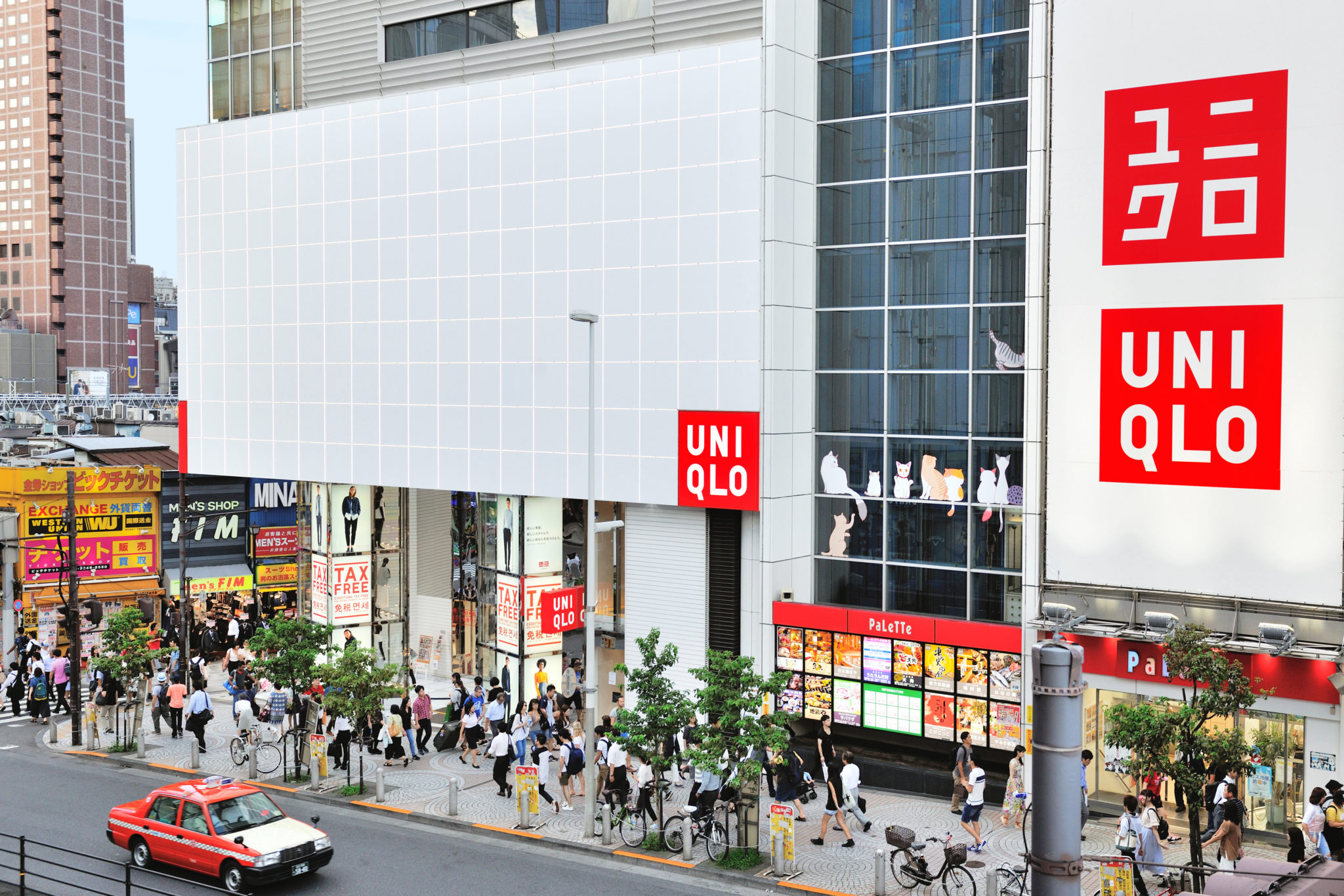
    Uniqlo Canada has announced four new stores, almost doubling its retail footprint within the country.

    COO of Uniqlo Canada Yasuhiro Hayashi said the company was encouraged by the warm welcome the Japanese fast-fashion chain has received to date.

    “We are thrilled to be opening three new stores in the Greater Toronto Area and a fourth new store in Greater Vancouver.”

    The British Columbia location will open at Coquitlam Centre on September 14, while the rest will open in Ontario at Vaughan Mills on September 28; CF Markville on October 12; and Square One Shopping Centre on November 2.

    Consumers outside Toronto and Vancouver can now shop Uniqlo Canada via a newly launched mobile e-commerce platform.

    All Uniqlo Canada stores participate in a recycling initiative in which customers can drop off gently used Uniqlo clothing as donations for those in need.

  • Japan retail sales continues positive result

    Japan retail sales continues positive result

    Retail sales in Japan have reportedly risen for the ninth straight month year on year, reflecting the importance of private consumption to the world’s third largest economy.

    However while the news has prompted enthusiasm in the Japanese central bank, claiming it reflects improved consumer confidence, other commentators suggest the pace of gains is slowing.

    A senior economist at BNP Paribas Securities Azusa Kato said employment and household incomes are not so robust as the Bank of Japan thinks.

    “As such, private consumption is likely to pull back from a rebound seen in the April-June quarter.”

    Senior Japan economist at Capital Economics Marcel Thieliant said the upshot is that private consumption started Q3 on a soft note.

    “However, the fundamentals for a continued improvement in spending remain in place. Both employment and wages are growing strongly, so household incomes are expanding rapidly.”

    Wages are on the increase in Japan with the gradual aging of the working population.

  • Revampad Marimekko flagship store opens in Tokyo

    Revampad Marimekko flagship store opens in Tokyo

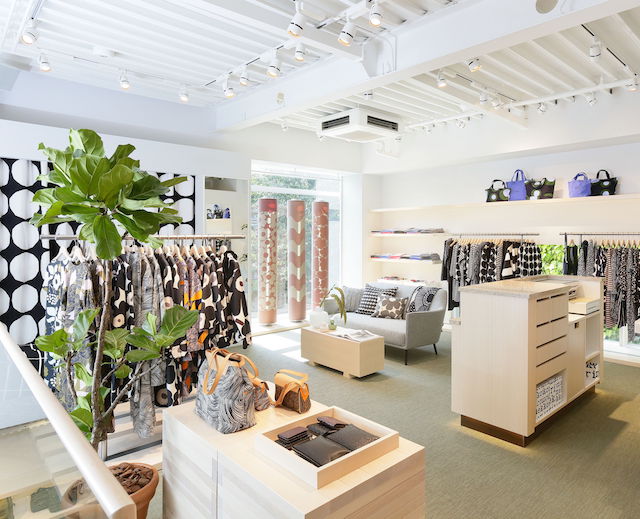
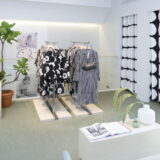
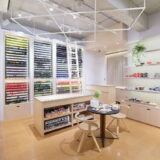
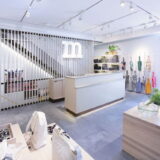
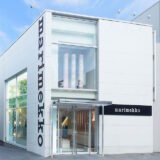
    Marimekko Japan has relaunched its popular flagship store in Tokyo.

    The Finnish design and fashion retailer’s revamped store, located in a standalone building in the fashionable Omotesando district, is one of the most important Marimekko stores globally given Japan’s status as the company’s second-largest single market after Finland.

    Marimekko products have been sold in Japan since the early 1970s, and the past decade has seen the company make significant efforts to develop the brand with its local partner Look Inc.

    President and CEO of Marimekko Tiina Alahuhta-Kasko said the flagship, “as the embodiment of our brand,” plays a significant role in the company’s Asia-Pacific growth strategy.

    “We believe that our home-inspired store concept reflecting genuine, sustainable and cheerful values will offer an even more fascinating holistic customer experience to both existing and new friends of Marimekko.

    “Emotional and experiential stores alongside the availability provided by e-commerce are important factors in building strong brands. Consumers’ loyalty is increasingly based on the values a brand represents. In the fashion and design sector, genuineness, sustainability and timelessness are gaining prominence as consumers’ decision-making criteria in addition to personal self-expression. At Marimekko, we see these trends in consumer behaviour as a natural opportunity to stand out,” she said.

    A new store opening scheduled for the end of this month will take the total Marimekko store network in Greater Tokyo to 18. There are currently 37 Marimekko Japan stores, including an online shop.

    Check full gallery below (5 images) :