Tag: Japan

  • Japan’s pancake Chibo to plan Asian expansion

    Japan’s pancake Chibo to plan Asian expansion

    Japanese pancake-restaurant chain Chibo is expanding to new locations in Asia to attract previous visitors to Japan who may be familiar with their brand.

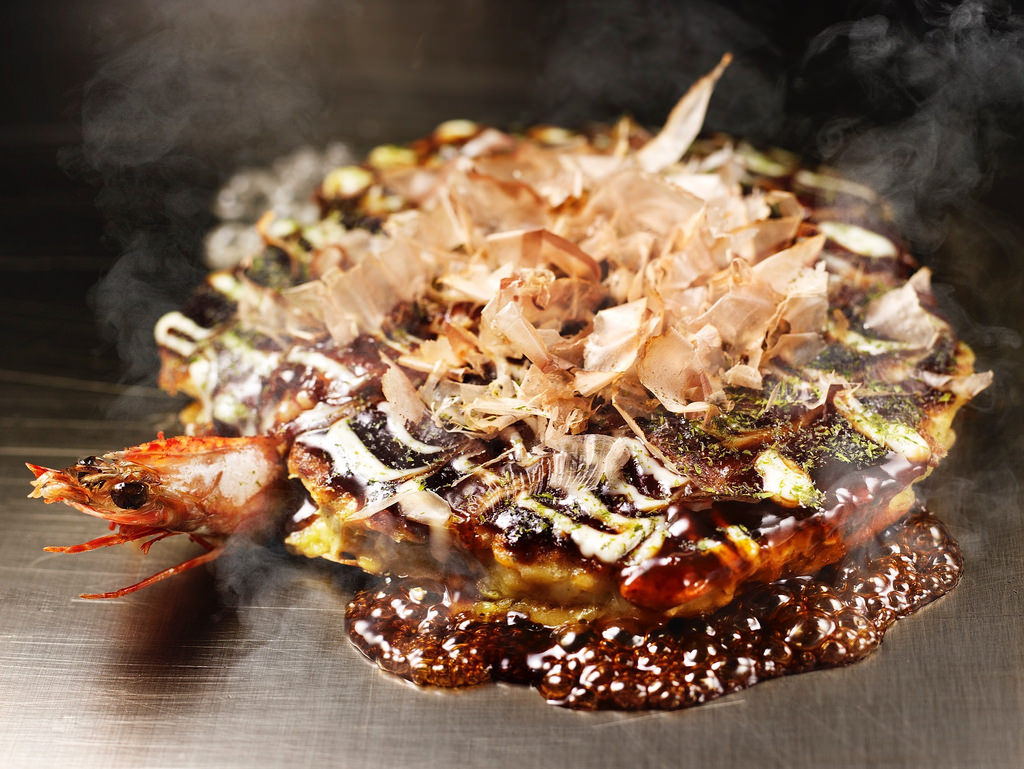
    Chibo serves an Osakan specialty pancake called okonomiyaki, a seasoned dish that contains vegetables, meat and seafood. Increasing numbers of tourists from neighbouring Asian countries have been visiting Osaka, according to data from the local prefectural government.

    The chain’s expansion began in May with a new location in Chinese Fuzhou. It plans to open in Taiwan and Vietnam in the coming months, hoping to reach 20 overseas venues opened by 2020.

    The company is also targeting Muslim tourists by adding halal dining options to their domestic outlets, making the restaurant among the few that serve food that complies with Islamic practice.

  • Moncler sales up on China, Japan

    Moncler sales up on China, Japan

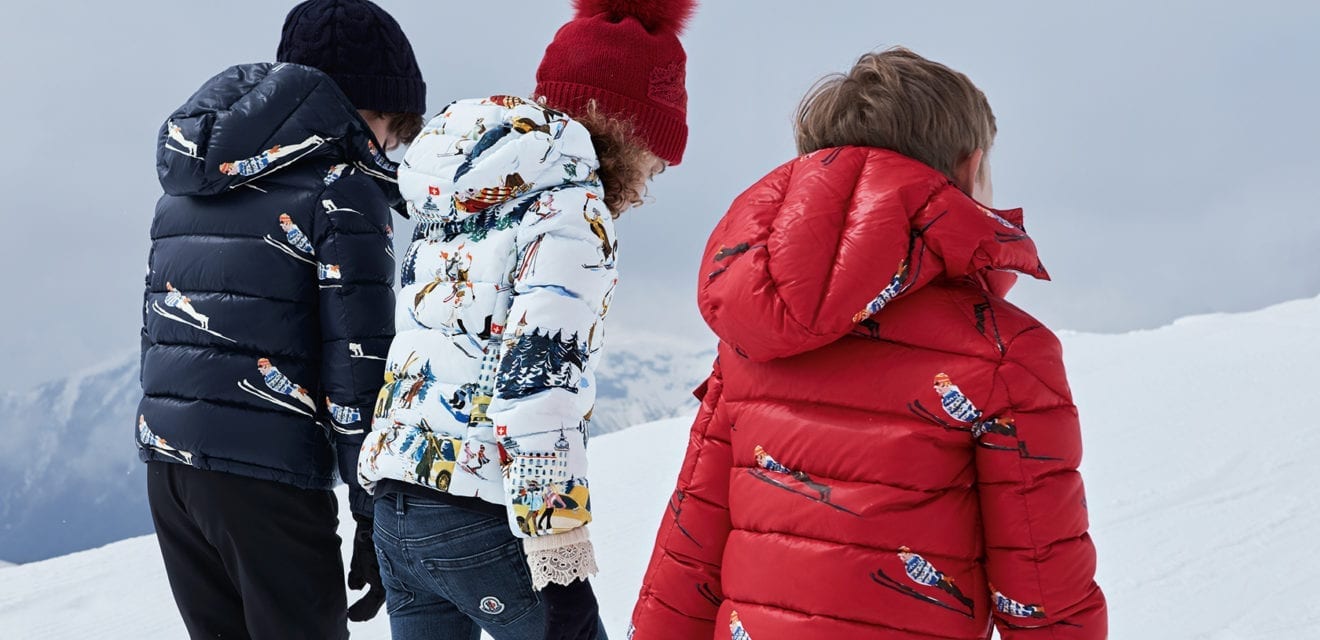
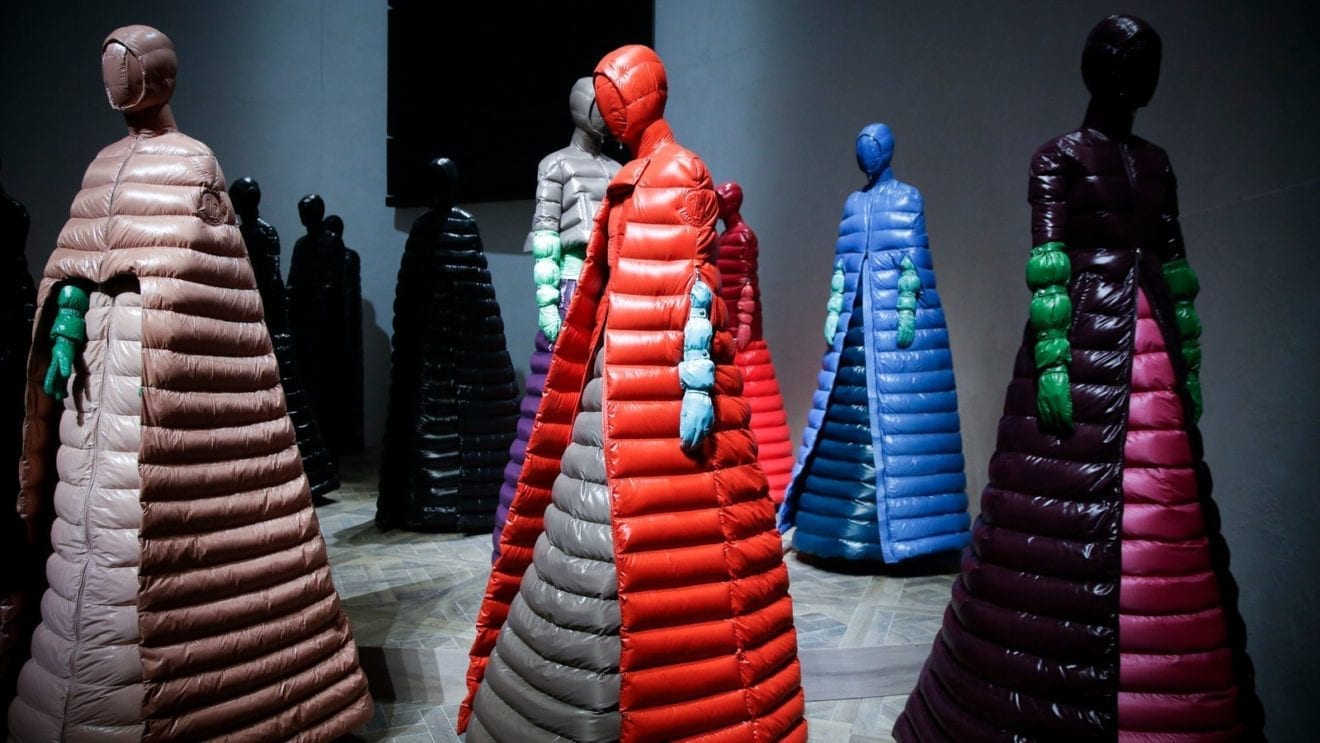
    Luxury down jacket brand Moncler reported strong double-digit sales growth in the first half of 2018, on the back of solid revenue gains in China and Japan.

    The Milan, Italy-based brand said consolidated revenues reached 493.5 million euros for the six months ended June 30, an increase of 27% (at constant exchange rates), compared to 2017.

    In outlining the results, Moncler’s CEO, Remi Ruffini, hailed “major growth across all distribution channels—retail, wholesale and digital—and across all markets.”

    The group’s retail distribution channel increased to 376.8 million euros, up 33%, while comparable sales jumped 27%. Wholesale saw a 12% uptick.

    For the six months, net income climbed 47% to 61.6 million euros for a margin of 12.5%, while operating profit increased 35% to 85.7 million euros.

    In Italy, revenues rose 9%, mainly driven by the strong growth of the retail channel, while in Asia and ROTW, revenues leaped 42, helped by Japan, which significantly accelerated in the second quarter, thanks to the launch of ‘7 Moncler Fragment Hiroshi Fujiwara’.

    Moncler said it continued to register “very good performances” in China, which saw double-digit organic growth, following the Chinese government decision to reduce import duties.

    From the beginning of July, Moncler reduced its prices in China by 3.5% on average, it added.

    Revenues in Korea recorded a solid increase, with a sales acceleration in the second quarter, “mainly due to the organic growth of the existing stores’ network.”

    In the EMEA marker, Moncler’s revenues grew 17%, while the Americas grew 29%, said the company.

    Moncler currently operates 209 retail directly operated stores globally, with 65 shop-in-shops.

    It operates some 84 points-of-sales in Asia alone.

  • Uniqlo to use Google voice recognition technology in its mobile assistant

    Uniqlo to use Google voice recognition technology in its mobile assistant

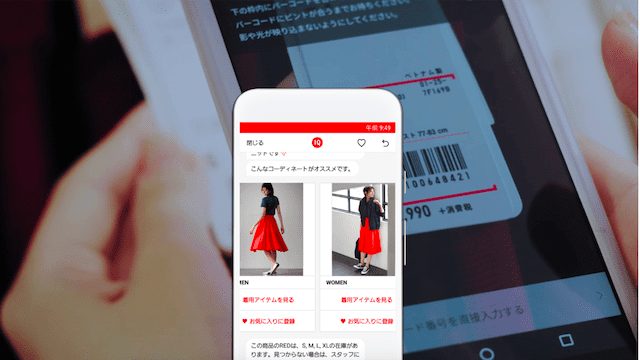
    Japanese retailer Uniqlo has launched a mobile assistant using Google voice recognition technology to personalise recommendations for customers.

    The Uniqlo mobile assistant has already undergone significant testing with development partners in Japan, and is already live there. It is intended to streamline internet garment shopping to make the experience fresher and more inspiring.

    Shoppers throughout Japan can now access the tool via Line, Google Assistant, or the proprietary Uniqlo app. It features product rankings updated hourly, search by occasion type, finding items featured in magazines, and even garment matching according to astrological findings. Shoppers can purchase their selections online or at the nearest physical store if they prefer.

    Cofounder of development partner Inamoto & Co Rei Inamoto said, “As retail moves deeper into the digital realm, shopping needs to be not just portable and perpetual but personal as well. There has been a lot of talk about AI in the last few years but most use cases have been toys, not tools.

    “Available through chat, search and even voice activation, this iteration of Uniqlo IQ is the foundation of how Uniqlo will provide customer service on a personal level not just reactively but also proactively.”

    A spokesperson for Uniqlo said the assistant tool is the first instance of Google working so closely on a partnering brand-specific solution.

  • Bluebell opens two stores in one day to kick-off OWNDAYS’ expansion plan in HK

    Bluebell opens two stores in one day to kick-off OWNDAYS’ expansion plan in HK

    Bluebell officially announces the joint venture with the Japanese Eyewear retail concept OWNDAYS, expanding its activities in the lifestyle segment to attract millennials.

    Bluebell and Owndays are joining forces to execute an aggressive roll-out plan with privilege access to various shopping malls thanks to Bluebell’s years of experience and strong network.

    OWNDAYS is an international optical retail concept founded in Tokyo, Japan. It currently has more than 120 stores in Japan and has successfully established stores in 10 overseas countries in Asia-Pacific.

    This year, OWNDAYS will be expanding its network to its 11th overseas market – Hong Kong, starting with 2 shops on 31st July located at East Point City, the first large-scale multi-function shopping mall in Tseung Kwan O, and Tuen Mun Town Plaza, which has been acknowledged as the largest shopping mall in the Northwest New Territories in HK.

    Following similar geo-marketing strategies, Zoff and Jins, two Japanese fast fashion eyewear retail concepts, have also been expanding into HK this year, increasing the number of Japanese companies targeting overseas markets.

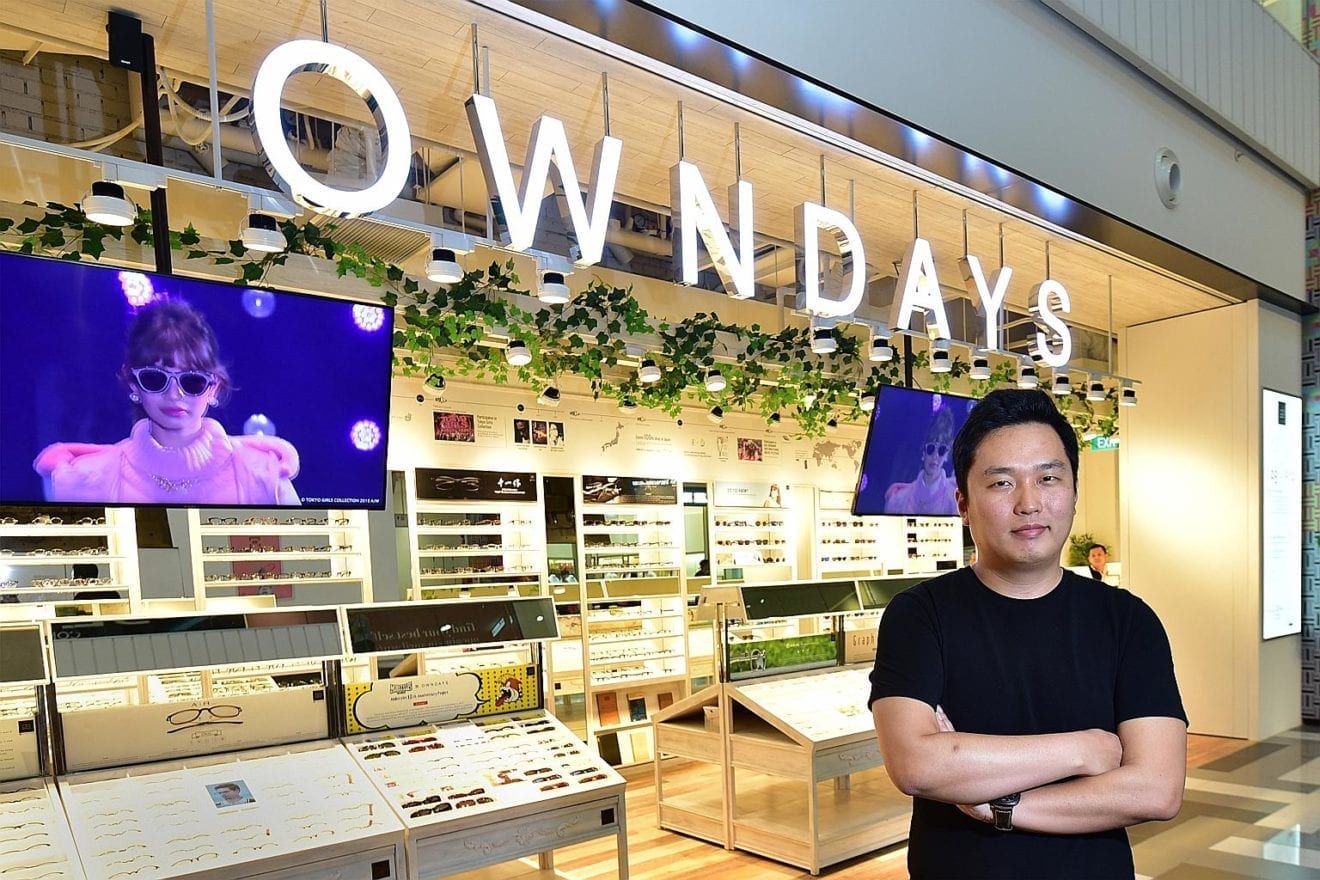
    In consistency with the brand image, the retail concept is by an open shop front and extensive use of wooden panels aimed to create a sense of harmony. Display racks with mirrors are designed to accommodate the different collections of glasses and give customers the freedom to try them on in a relaxed shopping environment.

    OWNDAYS is characterized by a solid knowledge and professional skills. All staff is trained to process quality glasses within 20 minutes from optometry to delivery to ensure the best service. OWNDAYS lenses are manufactured by leading international lens makers and high index aspheric lenses come with UV protection and dust-resistant coating.

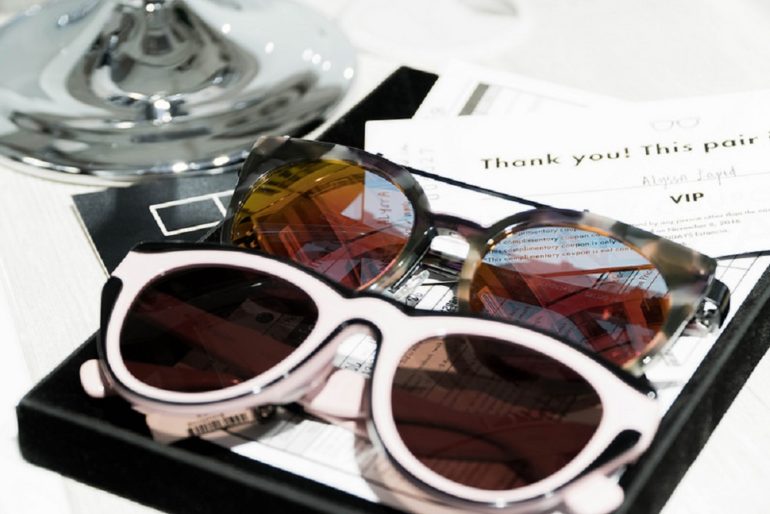
    OWNDAYS has a wide portfolio of products which include: Progressive Lenses, Polarised Lenses, Transitions Lenses, Colour Lenses, and PC Lenses. All glasses displayed in shop are original brands designed and manufactured by OWNDAYS. OWNDAYS’ brands range from stylish and fashionable to functional and are able to satisfy different customer profiles.

    Among the brands available in HK lies:

    Graph Belle
    Graph Belle is a brand for sophisticated ladies. With charming and feminine frames, the portfolio includes a rich selection from modern-designed frames to classic designed frames. They are simple but full of playful spirit, catered to ladies willing to make eyewear a distinctive trait of their outfit.

    John Dillinger
    In the early 1930s, John Dillinger was highly supported by the citizens as a benevolent thief in the Midwestern United States. The brand, borrowing his name, revisits his period and history and it blends it to the present by creating a neo-classic collection. From the standard to the unique designs, each frame has its own name with motifs from 1960’s famous people.

    JUNNI
    This brand is for modern kids with fashionable sense. Characterized by a playful mix of colours and cool designs, the original KIDS frames are named “Junni”. This collection has also enchanted adults as those ones with small faces could enjoy the design.

    In the occasion of the launch of OWNDAYS in HK, the current President & CEO Shuji Tanaka will meet press and fans. Shuji Tanaka took over OWNDAYS in 2008 and has transformed it into a retail chain operation that sells over 2 million pairs of glasses annually.

    He redefined OWNDAYS’s philosophy, adding a closer personal touch to the design and tailoring it to customers’ needs. He follows operations from product design, production, sales to after-sales making sure that OWNDAYS stays up-to-date with changes in the market and sets trends for upcoming generations.

    OWNDAYS is keen on working with different platforms from different industries, including participation in one of the largest fashion shows in Japan – ‘Tokyo Girls Collection’ in 2010, and as one of the official sponsors of the world’s first large scale fashion tournament for top stylists – ‘World Runway Premiere’ in 2011. OWNDAYS also sponsored the 4th Okinawa International Movie Festival in 2012.

    Shuji Tanaka is also aware of the importance of contributing to society and in 2015 has launched OWNDAYS Eye Camp Project, a project to start vision correction support activities in Tamil Nadu, India, through the distribution of glasses.

    The OWNDAYS Eye camp is conducted every 3 months in partnership with Voice Trust, a non-governmental organization based in South India, where volunteer doctors conduct eye checks for people in rural parts of India for eye health evaluations. OWNDAYS hopes to help and make a difference to their quality of lives through the project.
  • Food and fuel boost japanese retail sales rise

    Food and fuel boost japanese retail sales rise

    Japanese retail sales increased by 1.8 per cent in June thanks to strong food sales and rising petrol prices.

    According to the Ministry of Economy, Trade and Industry, Japanese retail sales reached ¥11.8 trillion (US$106.25 billion) during the month. It was the eighth consecutive monthly rise.

    Rising crude oil prices flowed through to petrol pump prices, which surged 16.7 per cent year on year. Sales of cosmetics and pharmacy products rose 3.9 per cent, largely due to demand from overseas visitors.

    Food and beverage sales rose 1.5 per cent, with prepared meals and meat fuelling growth.

    Supermarket sales rose 1.9 per cent, while department store sales rose 2.6 per cent, which the ministry said was due to there being one more Saturday in June this year than last year.

  • Japan’s Utena debuts in Singapore

    Japan’s Utena debuts in Singapore

    Japanese beauty brand Utena has launched in Singapore.

    The 91-year-old heritage brand, which is currently distributed throughout Greater China and Thailand, is now available at selected Watsons stores, Yue Hwa, Welcia-BHG, Tokyu Hands, Don Don Donki, Metro Singapore, and online via Shopee, Lazada, Redmart and Qoo10.

    Its key products are a high-level beauty serum mask called the Premium Puresa Golden Jelly Series, now selling in Singapore, and the Matomage Hair Styling series fortified with natural ingredients, arriving in stores next month.

  • Japan to Help Build Fish-Processing Centers in Indonesia

    Japan to Help Build Fish-Processing Centers in Indonesia

    The government will use a grant from the Japan International Cooperation Agency to build integrated marine and fishery centers on islands in Indonesia’s six outermost regions to boost exports.

    The agency, known as JICA, granted total funding of 2.5 billion yen ($22 million) for the construction of processing centers on Sabang in Aceh, Natuna in the Riau Islands, Biak in Papua and Morotai Moa and Saumlaki in Maluku.

    “Once the program is completed, small fishermen will be able to use the upgraded fishing ports … and have access to various facilities, such as fish storage,” Shinichi Yamanaka, JICA’s Indonesian representative, said in a statement on Wednesday (01/08).

    “Hopefully, this cooperation initiative will stimulate local fisheries and coastal citizens’ standard of living, especially those on Indonesia’s farthest islands,” Yamanaka said.

    Nilanto Perbowo, secretary general of the Ministry of Maritime Affairs and Fisheries, said the government expects the facilities to be operational by 2020.

    The facilities are part of President Joko “Jokowi” Widodo’s program to develop Indonesia’s remote areas, which includes the establishment of 20 integrated marine and fisheries centers.

    The Indonesian fishing industry has seen rising production over the past three years, since the government started to crack down on illegal fishing activities. But the industry lacks the capability to process bigger catches, limiting local fishermen from reaching a broader market.

    The country’s fishermen caught 7.7 million metric tons of fish last year, up 18 percent since 2014, when the crackdown began, according to Maritime Affairs and Fisheries Ministry data.

    Still, it missed the government’s target of 8.8 million tons. Destructive Fishing Watch, a fisheries watchdog, said slow progress in mechanizing the fishing industry is one of the factors behind the failure. The government has set a target of 9.5 million tons of fish for this year.

    Maritime Affairs and Fisheries Minister Susi Pudjiastuti met with Japanese Foreign Minister Taro Kono in Tokyo in May to request assistance with the construction of the facilities, arguing that the East Asian nation also stood to benefit from the increased availability of Indonesian products. The Banda Sea near Maluku for example, is a known source of yellowfin and bluefin tuna, which are in high demand in Japan.

    Susi also asked Japan to exempt Indonesia from its 7 percent import tariff on fishery products, noting the archipelago’s successful crackdown on illegal fishing in its waters. Thailand and Vietnam are also exempt from the import tariff.

    Indonesia has managed to reduce illegal fishing by foreign vessels by 90 percent and decreased illegal fishing by 25 percent overall, according to a study published on Nature Ecology & Evolution in March. The country took various steps to achieve this, including the sinking of hundreds of foreign vessels caught fishing illegally.

  • Mitsui Fudosan plan to open more store

    Mitsui Fudosan plan to open more store

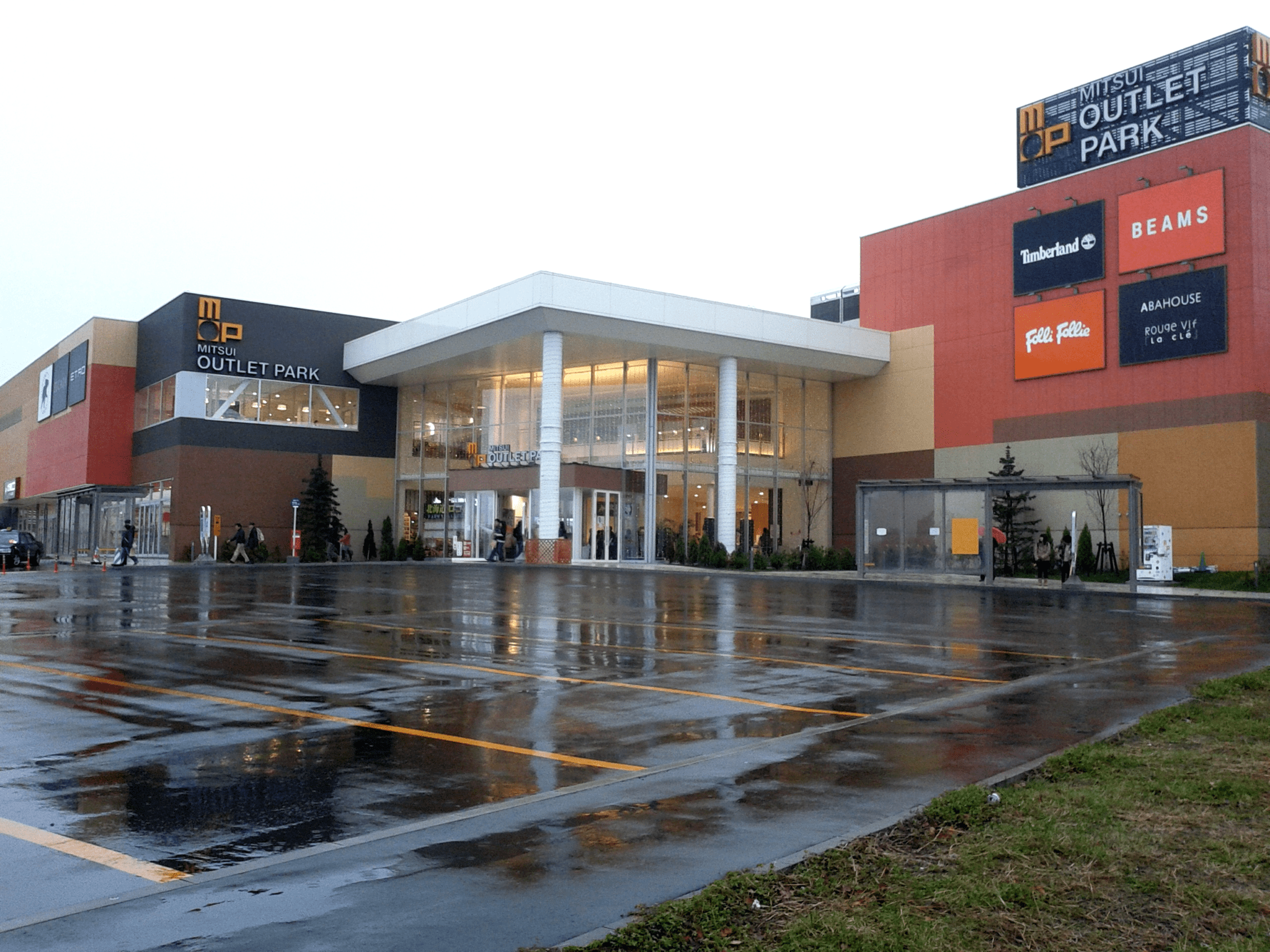
    Japan’s largest factory outlet operator is considering opening a similar park in Thailand.

    The firm, Mitsui Fudosan Retail Management, is the developer of Mitsui Outlet Park, which attracts increasing numbers of Thai visitors each year. 120,000 Thai nationals are expected to visit the park this year, compared to 80,000 last year and 60,000 in 2016.

    Kazuo Iida, the GM for the firm’s tourism sales promotion department, said, “We’re interested in opening the Mitsui Outlet Park in Thailand, but the plan is just in the consideration process.

    “The number of Thais who visit Mitsui Outlet Park ranks fourth after China, Hong Kong and Taiwan,” he explained. “The number of Thais who visit Mitsui Outlet Park will outpace Taiwanese visitors for third place in the near future.”

    With the outlet park set to open a third-stage expansion at the end of October, it is moving towards becoming the outlet mall with the most stores in Japan, according to Iida.

    The group operates 13 outlet malls in Japan and two branches in Taiwan and Malaysia.

  • Nike x Top Dawg Launches Official Capsule Collection

    Nike x Top Dawg Launches Official Capsule Collection

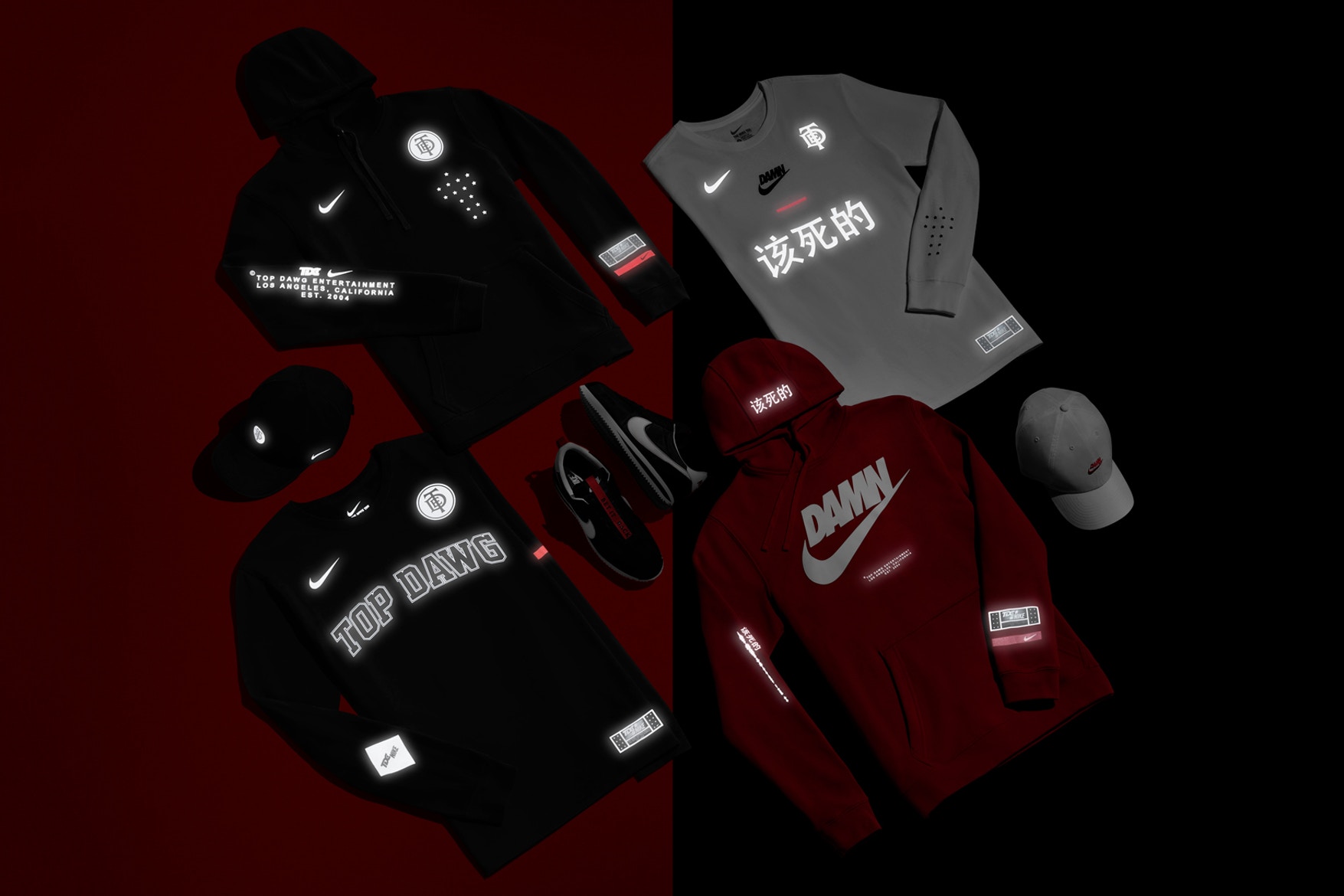
    Nike and Top Dawg Entertainment are hosting a pop-up shop in Tokyo this weekend ahead of Kendrick Lamar’s Fuji Rock Festival performance.

    To mark the occasion, Japanese clothing brand Undercover has partnered with rapper “DNA” for the release of an exclusive special collaboration capsule.

    The Damn. pop-up shop will feature a number of garments and accessories themed after K. Dot’s latest release.

    One of the capsule’s items has been previewed on Instagram, which unveiled a black T-shirt with “Damn.” written across the front chest.

    The Damn pop-up shop is set to take place at NikeLab’s MA5 location in Tokyo.

  • Owndays and Bluebell Group to open HK store in partnership

    Owndays and Bluebell Group to open HK store in partnership

    Japanese fast-fashion eyewear retailer Owndays is to launch in Hong Kong with local partner Bluebell.

    The first two Owndays Hong Kong stores will open at the end of this month in East Point City in Tseung Kwan O, and Tuen Mun Town Plaza in the Northwest New Territories.

    Hong Kong marks the 11th international market for the company. In Asia-Pacific it has already launched in Singapore, Taiwan, Thailand, Vietnam, the Philippines, Australia, Malaysia and Indonesia. It has more than 120 stores in Japan and sells more than 2 million pairs of glasses annually.

    Owndays’ business model is based on fixed pricing, fast service, a fast-fashion approach to frame design and a complete process from design to after-sales service. In each market, customers are promised that all frames are sold between upper and lower price-points – including an eye test and lenses – and that the glasses will be ready within 20 minutes (with a limited number of exceptions).

    The only part of the process Owndays does not control itself is the lenses, which are sourced from third-party suppliers. The retailer offers progressive, polarised, transitional, coloured and PC lenses.

    More Owndays Hong Kong stores are planned.

  • Japan’s Inagora inks agreement with Thailand’s CP

    Japan’s Inagora inks agreement with Thailand’s CP

    Japan-based e-commerce platform Inagora is teaming with Thailand’s CP (Charoen Pokphand) Group to boost its China business.

    The joint venture is also researching expansion into Southeast Asia.

    Inagora targets Chinese shoppers seeking Japanese goods. It boasts 4 million registered users and an inventory of about 40,000 SKUs, ranging from food and household goods through to more luxury items. Last year, its turnover totalled about US$98 million.

    Inagora opened a brick-and-mortar store in Zhengzhou this month as it broadens its market reach and eyes new markets. Japanese trading house Itochu and others invested about $68 million into the business last year to help fund expansion.

    By teaming with CP, whose operations include the 10,500-strong 7-Eleven convenience-store network in Thailand, Inagora hopes to start offering Chinese shoppers products from other markets. It may also look to sell Japanese and other Asian products to people living in Southeast Asia.

  • Beauty Garage launches in Singapore

    Beauty Garage launches in Singapore

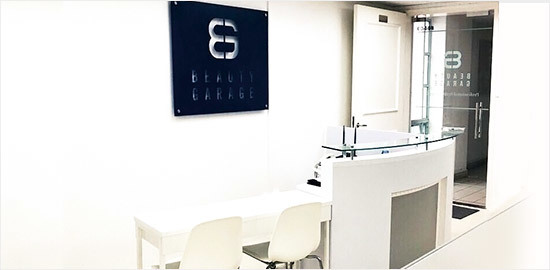
    Japanese beauty product mail order service Beauty Garage has opened e-commerce sites and showrooms in Singapore and Malaysia.

    Beauty Garage Online Shop Singapore, the company’s first overseas base, opened mid July as an e-commerce platform and a showroom store selling wholesale merchandise. The Singapore service was established by partnering with beauty merchandise wholesale/seminar business Haru Singapore into a group company through third party allotment of capital increase. Haru’s roadside shop has been renovated to house the new showroom.

    A spokesperson for the company said “In the future, we will use the experience and expertise that Beauty Garage has cultivated in the Japanese market [over] a long time, not only to aggressively develop new customers and expand our handling products, but also [to] establish logistic bases in the Southeast Asian market. We will develop the strength of ‘IT × logistics’ as a trading company globally.”

    Beauty Garage Malaysia plans to open e-commerce sites and showroom stores in August.

  • Profit dive leads Ministop to uncertainty

    Profit dive leads Ministop to uncertainty

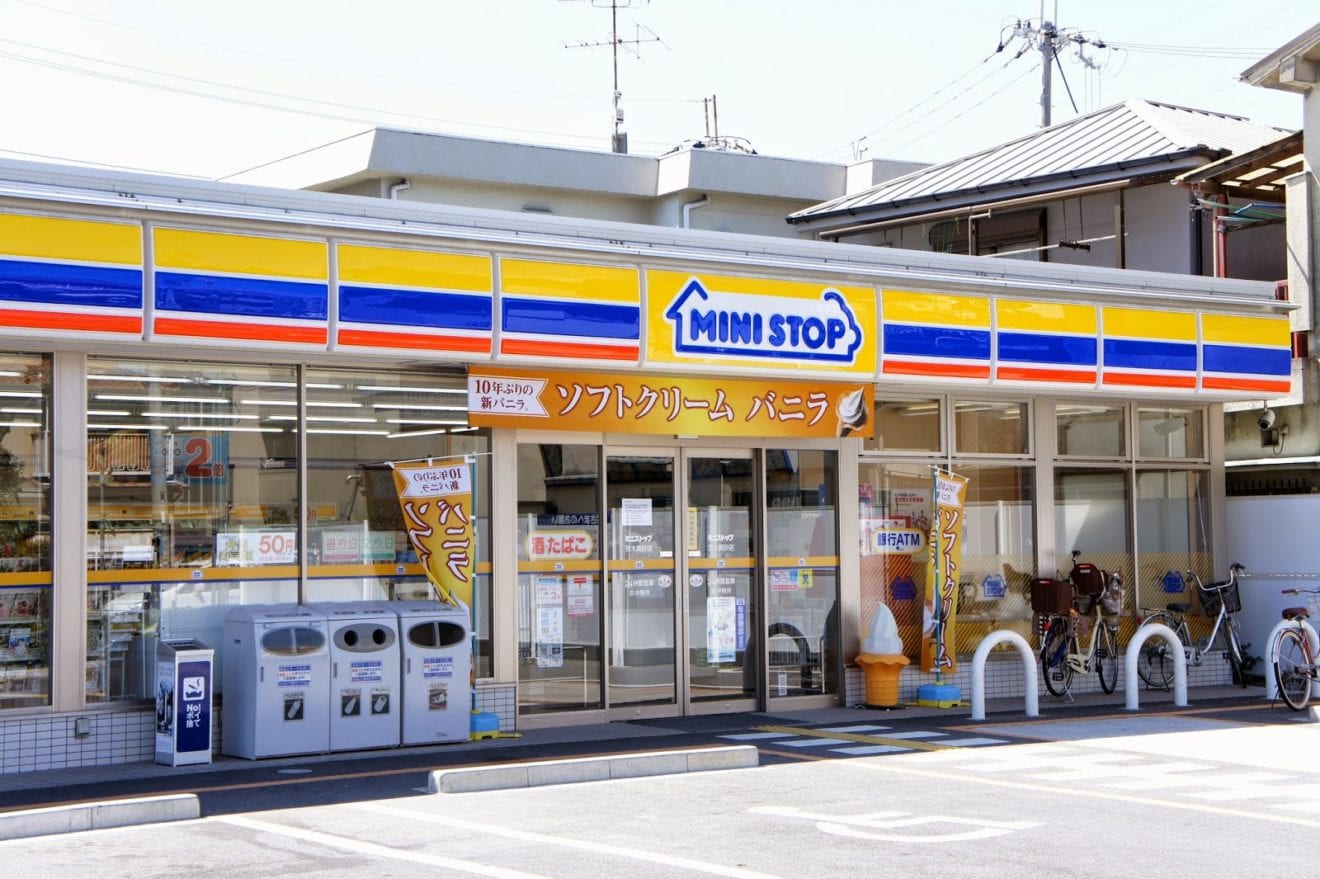
    The future ownership of South Korea’s fourth-largest convenience store chain, MiniStop Korea, is uncertain with options under review.

    Parent Aeon Group of Japan is apparently tiring of falling profits from the chain and has appointed Nomura Securities to explore sale options, including a clean sale of its stake or attracting a strategic investor.

    With more than 2500 stores spread across South Korea, MiniStop’s sales reached 1.18 trillion won (US$1 billion) last year.

    In a statement issued this week, Aeon said: “Even though we are considering business tie-ups with other companies to improve corporate value, there are no concrete plans on selling off MiniStop Korea yet.”

    Aeon currently owns 76.06 per cent of MiniStop Korea with local Daesang Group holding 20 per cent and Japan’s Mitsubishi the remaining 3.94 per cent.

    Intense local competition is behind the decline in MiniStop Korea’s profitability, according to local industry sources. Profit plunged 23 per cent last year to 2.6 billion won (US$2.3 million). In 2015 the company achieved an operating profit of 13.2 billion won.

  • The Asian side of Moncler’s Genius Project

    The Asian side of Moncler’s Genius Project

    Debuted at Milan Fashion Week during February of this year, French-Italian outerwear brand opened up eight spaces in the Moncler Genius building to exhibit their eight collaborations with makers across multiple disciplines.

    Collections that would be released from June to October 2018 were showcased from Pierpaolo Piccioli, Moncler 1952, Grenoble, Simone Rocha, Craig Green, Noir Kei Ninomiya, Fragment Hiroshi Fujiwara, and Palm Angels, and aptly referred to in totality as “a republic of imagination.”

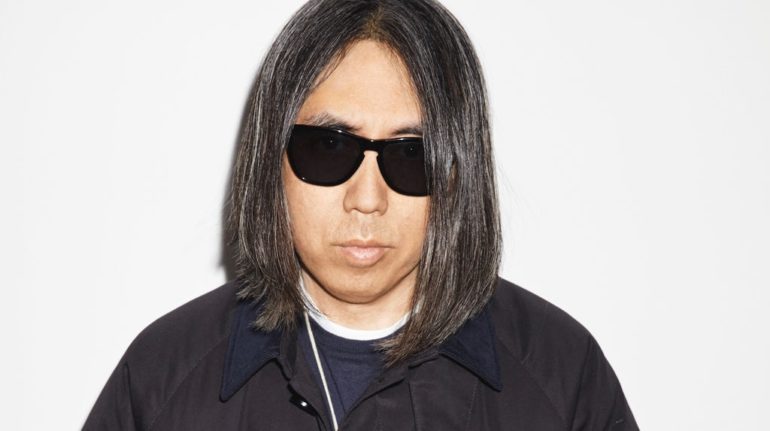
    Months later, we’re finally seeing the first release from Moncler’s Genius Project and it comes from modern renaissance man Hiroshi Fujiwara. Best known as a Japanese streetwear designer, he is responsible for Nike’s HTM designs and his own label and agency known as Fragment as well as being the first DJ to bring hip-hop to Japan and his work with brands like Supreme, Levis, Stussy, and Beats by Dre.

    For his partnership with Moncler, the once-DJ/producer and always disruptive multi-hyphenate presented the 7 Moncler Fragment Hiroshi Fujiwara collection, and with its release Fujiwara selected six individuals (plus himself) with similar interests across seven cities. With him kicking off the release in Florence, Italy, DJ Kitty Cash represented New York, a friend of Cash and equally as fashionable DJ Siobhan Bell held down London, French singer-songwriter Eddy de Pretto launched Paris, entrepreneur, singer-songwriter Chau Pak Ho was in Tokyo, singer Crush represented Seoul, and the rapper-singer Vava launched Beijing.

    Each city and individual kicked off the first of two releases of Moncler and Fujiwara’s (one now with a second in December). New York’s representative Kitty Cash put together a playlist that included “Praise The Lord” from A$AP Rocky and Skepta, “Come Over” from The Internet, and “Hater” from Key!.

    “I wanted to keep the song collection current and youthful; a mix of underground and mainstream Hip-Hop and R&B tracks. Underground was important to focus on because it kept with the tradition of introducing new artistic movements that Moncler has become known for,” Cash says.

  • Japan urges caution over Trump’s complaint on strong dollar

    Japan urges caution over Trump’s complaint on strong dollar

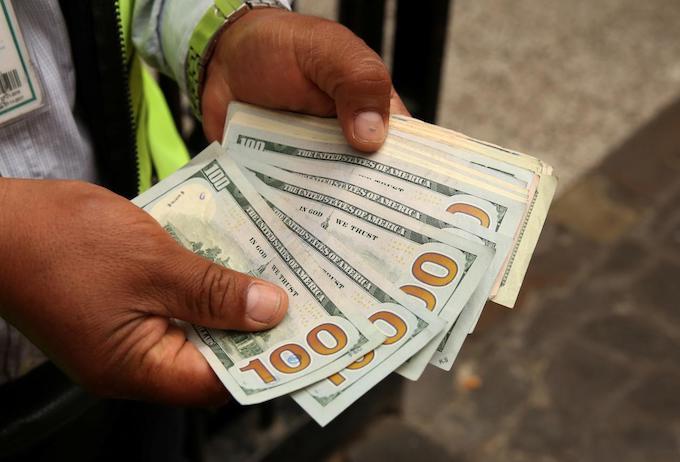
    Japan should be careful about recent remarks by US President Donald Trump on currencies and might need to convince Washington its monetary easing is not aimed at weakening the yen but beating deflation, a finance ministry official said on Saturday.

    The US dollar fell the most in three weeks on Friday against a basket of six major currencies after Trump complained again about the greenback’s strength and about Federal Reserve interest rate rises.

    The US president also lamented the strength of the dollar and accused the European Union and China of manipulating their currencies.

    Trump is not trying to influence currency markets, Treasury Secretary Steven Mnuchin has said, reiterating that a strong US dollar reflects a strong US economy and is in the United States’ long-term interest.

    “This time, the targets are China and the European Central Bank. But the content of criticism is the same so we need to be careful,” the Japanese official said in the Argentine capital.

    The Bank of Japan has pursued an aggressive monetary stimulus to achieve its elusive 2% inflation target.

    Despite five years of massive money printing, inflation has struggled to accelerate but the yen has steadily weakened.

    China is the primary target, however, as Beijing accounts for the “bulk of the US trade deficit”, Japanese Finance Minister Taro Aso said.