Tag: Japan

  • Japan’s Ryohin Keikaku opens second Muji Hotel in Beijing

    Japan’s Ryohin Keikaku opens second Muji Hotel in Beijing

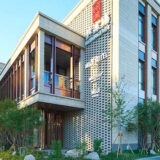
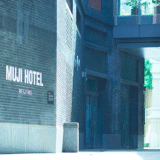
    Japan’s Muji hotel & store has just opened in Beijing in a key location overlooking Tiananmen Square.

    The hotel’s first basement-level retail store sells travel essentials and everyday items, many of which feature in the guest room amenities.

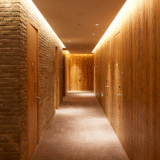
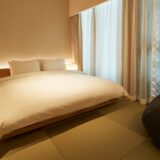
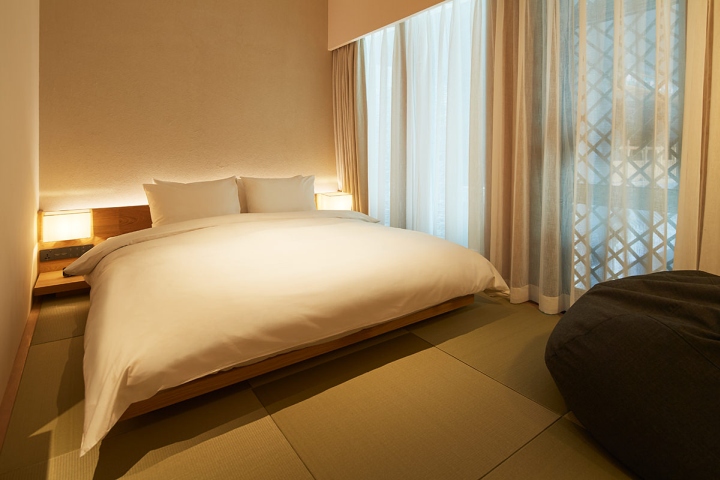
    Designed as an antidote to the brute gorgeousness of boutique and luxury properties and the cheapness of budget accommodation, the hotel’s understated zen-like interior grounded in undisturbed sleep is intended to stand in keeping with the world heritage sites in the hotel’s immediate surrounding district.

    The property also features a Muji Café&Meal venue serving simple, health-conscious food offerings, and a diner featuring classic East Asian cuisine.

    Another Muji hotel opened in Shenzhen last January.

    Check how Muji Hotel Beijing looks in the gallery below (10 images) :

  • Lotte Japan votes to keep imprisoned Shin on board

    Lotte Japan votes to keep imprisoned Shin on board

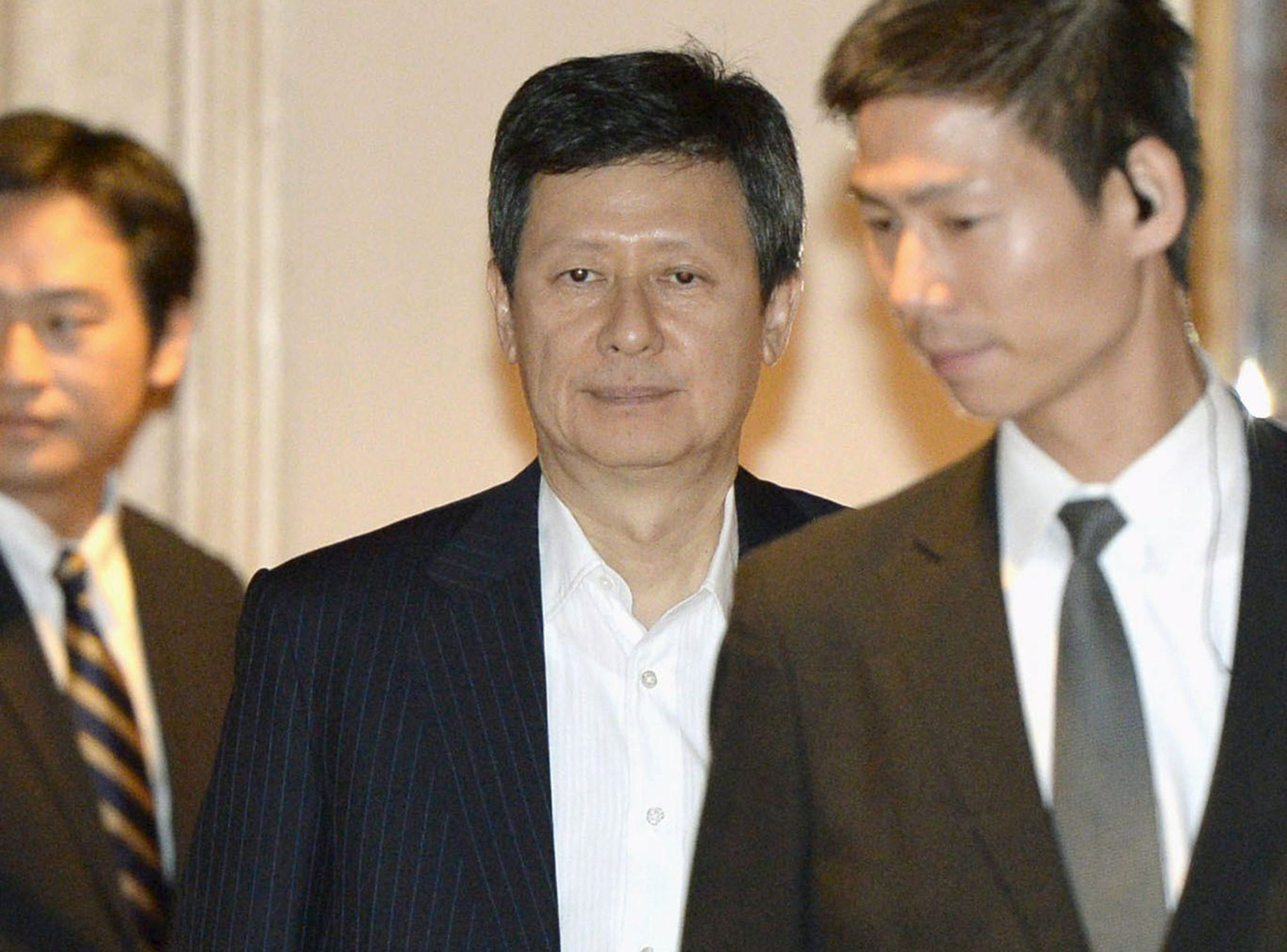
    Shareholders of Lotte’s Japanese holding company voted to retain imprisoned Lotte Group Chairman Shin Dong-bin as director, dashing his estranged older brother Shin Dong-joo’s hopes to take over the position.

    At the meeting held at Lotte Holdings’ headquarters in Tokyo, shareholders voted against ousting Shin Dong-bin from the board and replacing him with his older brother. Shin Dong-joo has been trying to overthrow his brother since all of his titles, including vice chairman of Lotte Japan, were stripped from him in 2015. This was his fifth unsuccessful attempt to win over Lotte Holdings’ shareholders.

    His younger brother Shin Dong-bin, who has been in jail since February on charges of bribery related to President Park Geun-hye’s abuse of power scandal, requested bail earlier this month in order to make his case to the shareholders in the latest meeting. However, his request went unanswered until late Thursday. A team of Lotte Group executives in Korea, including Vice Chairman Hwang Gak-gyu, had to deliver Shin’s letter to Lotte Holdings’ top management.

    “We’re relieved that the shareholders of Lotte’s Japanese unit expressed their support for Chairman Shin despite his vacancy,” said Lotte Corporation, Lotte’s Korean holding company, in a statement issued immediately after the results came out.

    The statement also condemned Shin Dong-joo. It requested that he “stop evoking needless controversies that create an uneasy sentiment among [Lotte] employees and degrade the company’s value.”

    Shin Dong-joo issued a statement through his SDJ Corporation that the older Shin will “continue pushing efforts to normalize Lotte Group,” implying that he may continue to campaign to take over his younger brother’s position at the retail conglomerate.

    A few days after his imprisonment, Shin resigned as co-CEO of Lotte Holdings. The chairman’s detainment raised concerns at the group’s Korean unit, as Shin Dong-joo reignited his efforts to regain control over Lotte.

    Friday’s vote, however, indicates that Lotte’s Japanese unit still has faith in Shin Dong-bin’s leadership, despite a tendency for Japanese shareholders to be harsher on top brass accused of bribery charges.

    Lotte Holdings and its other Japanese affiliates currently own a large stake in the group’s core Korean businesses, like Hotel Lotte and Lotte Property & Development. Their approval is crucial for Lotte Group’s Korean affiliates’ plan to reduce the stakes that Japanese affiliates hold in them.

    “The restructuring is not a one-shot deal – we’re doing what we can, like acquiring shares little by little,” said a Lotte Group spokesman.

  • Korean Brands Increasing Popularity Among Hong Kong Consumers Over Japanese Brands

    Korean Brands Increasing Popularity Among Hong Kong Consumers Over Japanese Brands

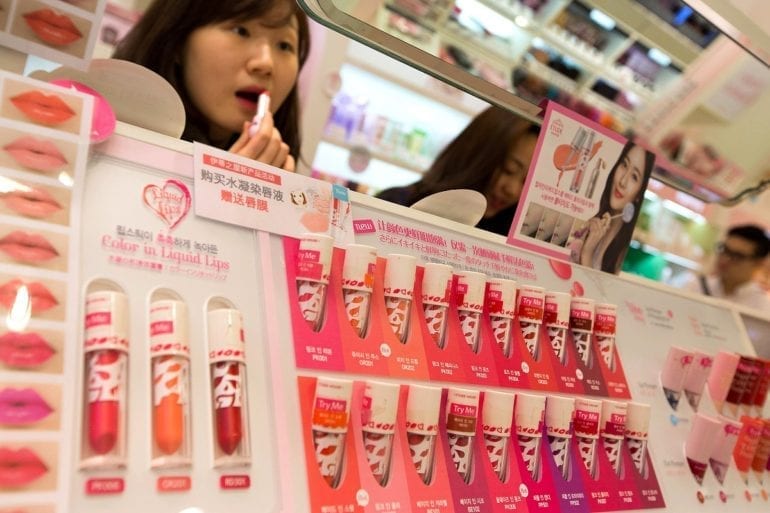
    A Nielsen report shows Korean products have usurped the popularity of Japanese products among young Hong Kong consumers.

    The report traces the local market’s perception of Japanese and Korean trends to assess which is perceived as being more popular. It shows that for the first time, more than half of respondents aged 18 to 54 are confident in the longevity of Korean pop-culture influences in the near future.

    Some 80 per cent of millennials, in a response pattern that skewed towards women, preferred Korean trends. And 88 per cent of higher-income respondents were shown to have strong brand recognition for Korean products and to have visited Korea twice within the last year.

    Key drivers behind Korean trends are shown to be entertainment, fashion, and personal care targeted at millennial buyers. Korean food products are also increasingly popular in Hong Kong.

    A third of all respondents indicated an intention to increase spending on Korean products in future.

    Nielsen Hong Kong & Macau’s MD Michael Lee said: “With the Korean market slowly emerging in Hong Kong, Korean brands can succeed and win Hong Kong customers’ buy in by being more customer focused, showing emphasis on product quality and charging a premium with innovation. This will certainly open up a new market for opportunities to come”.

    The Nielsen report’s release coincides with an announcement by Chinese online marketing platform iClick Interactive Asia Group that it will form a strategic partnership with MezzoMedia, a Korean digital marketing solutions firm. The move is intended to further open the large Chinese consumer base up to Korean brands.

    MezzoMedia senior VP Kim Jin-Kyu said: “As one of Korea’s largest agencies, we work with brands that have significant appeal to the Chinese consumer… [iClick] will allow targeting into the largest internet audience in the world. In addition, their strategic relations with Tencent, Baidu and Ctrip give access to premium inventory.”

  • Japan’s Go! Go! Curry lands in Houston

    Japan’s Go! Go! Curry lands in Houston

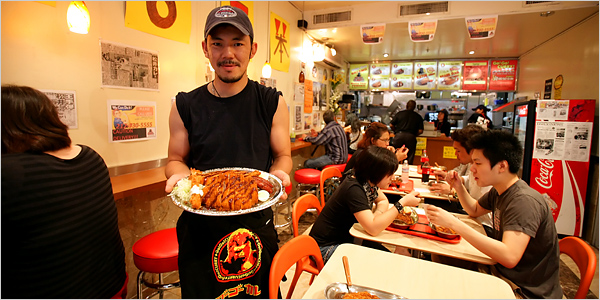
    Japanese franchise Go! Go! Curry plans to open in Houston this August.

    The restaurant’s new Chinatown location will serve traditional Japanese curries under the operation of franchisee Daxin.

    Originally from Japan’s Kanazawa, the franchise first opened in the US more than a decade ago in New York’s Times Square, and has already established seven locations on the East Coast and beyond. It is named after the number 55 jersey worn Kanazawa native Hideki Matsui, who played for the New York Yankees. “Go” is the Japanese number five.

    Daxin founder Shishen Li said that while Asian food is gaining rising popularity in the US, Japanese comfort food is an untapped subgenre.

    “We are thrilled to bring the new curry craze to the Houston community before it becomes a saturated market like the ramen or sushi trends before it.”

    In a nod to its name, the chain plans to open 55 franchises throughout North America by 2022.

  • Fully automated restaurant boom in China

    Fully automated restaurant boom in China

    A Japanese Twitter user has sparked an online debate over video footage of a fully-automated Chinese restaurant.

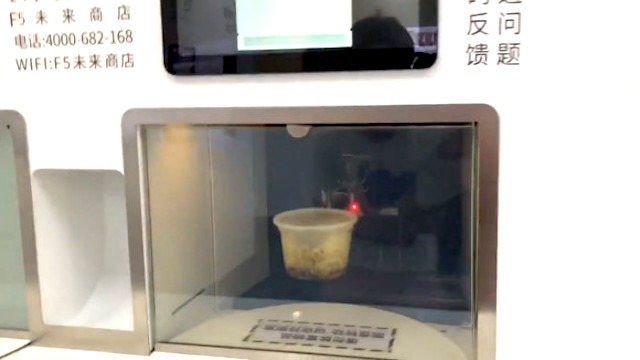
    The coverage of the unnamed (and apparently unstaffed) venue in Chinese Shenzhen showed a diner choosing a noodle dish from a touch-screen menu, paying for the meal electronically, receiving it from a robot arm, and dining on a table that automatically retracts to receive waste.

    Japanese netizens were quick to express concerns at the concept of dining over a hidden trash can – not only in terms of hygiene and smell, but also for the potential of losing keys or a mobile phone, and as to whether the trash would be properly separated for recycling.

    A report called the restaurant a sign of the impending robot apocalypse, and wondered if the restaurant bill was a contribution to an electronic uprising to usurp humanity.

  • Japan leads foreign investors in Vietnam in year’s first half

    Japan leads foreign investors in Vietnam in year’s first half

    Foreign investors invested a total of over 20 billion USD in 1,366 new projects and 507 existing ones as well as in contributing capital and buying shares in domestic company in the reviewed period.

    With 5.06 billion USD, the Republic of Korea was Vietnam’s second biggest investor, followed by Singapore with 2.39 billion USD.

    During January-June, foreign investors poured their capital into 55 provinces and cities, in which Hanoi ranked first with 5.87 billion USD. The capital city was followed by Ho Chi Minh City (3.68 billion USD), and Ba Ria-Vung Tau province (1.93 billion USD).

    Manufacturing-processing industry continued to attract the most foreign direct investment (FDI) in Vietnam in the first half of 2018, with 7.91 billion USD, accounting for 38.9 percent of the total registered capital.

    It was followed by real estate, with 5.54 billion USD, and the wholesale and retail sector with 1.5 billion USD, making up 27.3 percent and 7.4 percent of the total, respectively.

    To date, Vietnam has attracted nearly 26,000 projects with a registered capital of 326 billion USD. Disbursement is estimated at 180 billion USD.

    Foreign investment accounts for 25 percent of the country’s total investments and contributes 20 percent of GDP. Last year, the sector contributed nearly 8 billion USD to the State budget, 14.4 percent of total revenue.

    At present, 58 percent of foreign investments focus on processing and manufacturing, generating half of industrial production value.

  • Uniqlo Philippines global flagship launch is happening

    Uniqlo Philippines global flagship launch is happening

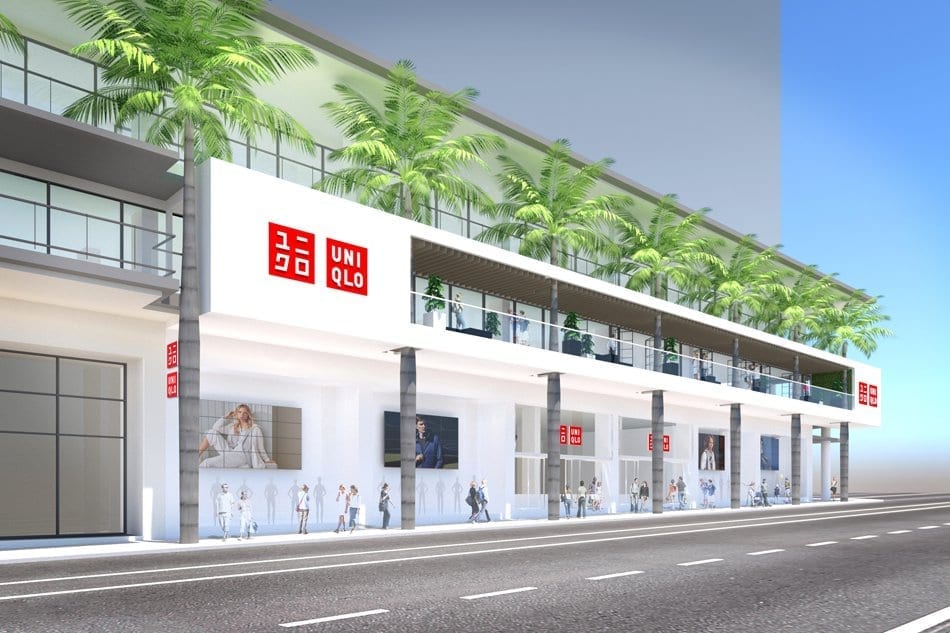
    Uniqlo Philippines has set the opening date for what will be the Japanese brand’s largest store in Southeast Asia.

    The new store will open on October 5 in Glorietta 5 at Makati City, in Metro Manila.

    Uniqlo says the store will have a sales area of 4000sqm and is designated a “global flagship”.

    “The new store will offer local and international customers a huge shopping area and a world-class immersive shopping experience featuring large visual displays and state-of-the-art design concepts,” Uniqlo said in a statement. “As with other global flagship stores, it will also showcase the full lineup of LifeWear for men, women, kids and babies.”

    Uniqlo has launched a nationwide campaign as a lead-up to the store’s launch, called ‘Our Future Is Here’. The fast-fashion retailer is inviting customers to nominate Filipinos who they believe are leaders in sports, film, music, culture, design, and other disciplines, influencing the nation’s future.

    “The great success of Uniqlo Philippines is thanks to our customers here. The Our Future Is Here campaign is an exciting opportunity to deepen our connection with the city of Manila through our global flagship store, to engage communities and celebrate the innovators who will shape its future,” said John Jay, president for global creative at Uniqlo’s parent, Fast Retailing.

    Denmark foray

    Meanwhile, Uniqlo has announced plans to launch in Denmark, opening its first store in Copenhagen in the second quarter of next year.

    The 1400sqm store will be located on the Stroget, one of Europe’s longest pedestrian streets, in Louises Hus, a historical building dating back to the mid-1700s.

  • China, Japan and Korea enter 5G alliance

    China, Japan and Korea enter 5G alliance

    The ICT ministers of South Korea, Japan and China have jointly agreed to collaborate on the standardization of 5G technology.

    Korean minister for science and ICT Yoo Young-min, Chinese minister for industry and information technology Miao Wei and Japanese minister for internal affairs and communications Yoo Young-min convened last week to discuss ways to promote cooperation in communications policies and regulations.

    The meeting marked the first ministerial meeting between the three countries in seven years, and the sixth overall.

    The ministers agreed to collaborate on accelerating the commercialization of 5G technology, reducing roaming fees between the three countries and facilitating the deployment of 5G and other advanced technologies for the 2020 Summer Olympics in Tokyo and the 2022 Winter Olympics in Beijing.

    At the summit, more than 200 government and business leaders from the three countries also agreed to cooperate on the development of emerging technologies including 5G, IoT and AI.

    Meanwhile Korea’s ICT ministry has set today as the deadline for applications to participate in South Korea’s first 5G auction.

    The nation’s three mobile operators SK Telecom, KT and LG Uplus are expected to all apply to participate in the auction, which is scheduled to commence next Friday. Spectrum in both the 3.5-GHz and 28-GHz bands will be put on the block.

  • Tse Sui Luen Jewellery to open 100 new stores in China

    Tse Sui Luen Jewellery to open 100 new stores in China

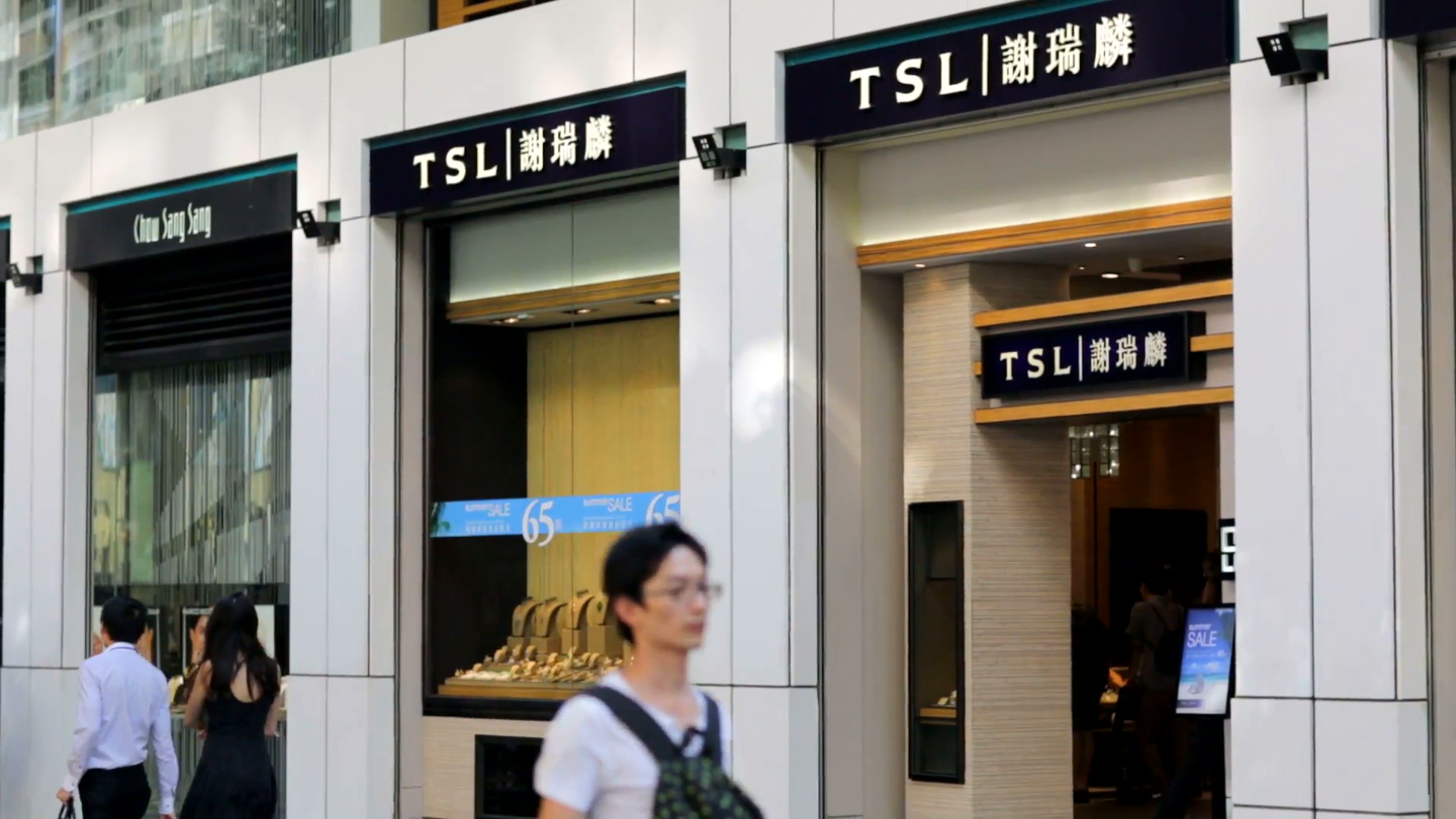
    Hong Kong jewellery retailer Tse Sui Luen (TSL) plans to open 100 stores in China over the next two years after solid growth in its existing store network.

    It currently has 380 stores on the mainland, including 193 self-operated stores and 187 franchised shops. As well as planning new sites, TSL says it is focusing less on department stores there and more on malls in line with consumer shopping patterns.

    Announcing a 21.3 per cent increase in sales group-wide for the last 13 months, and a 113.2 per cent increase in profit attributable to shareholders, TSL said it was also open to expanding its store network in Hong Kong as suitable opportunities presented themselves.

    “Continued expansion of our retail network in all our operating regions is one of our key objectives both now and going forward,” the company said in its results announcement.

    “With a cautious approach to monitoring the rental level and identifying appropriate business partners for our franchising business, we were delighted by the healthy growth in our store network in Hong Kong and Mainland China.”

    Total sales for the 13 months (the group changed its financial year-end date from February 28 to March 31 this year) were HK$14.137 billion. Profit was $49 million.

    In its home market of Hong Kong and Macau, TSL achieved a 19.5 per cent overall increase in same-store sales as tourists from the mainland returned to the territories.

    Thanks to gold product promotions and enrichment of the brand’s product assortments, the average amount per sale increased by 20.3 per cent. TSL opened two new stores in Hong Kong, in New Town Plaza in Sha Tin and Yoho Mall in Yuen Long.

    Mainland China

    TSL says a growing demand for “daily jewellery products” and the continuing emergence of the middle class creates an opportunity to continue to develop its Mainland China business.

    “Our self-operated stores continue to play a significant role as the group’s growth engine accounting for 39.3 per cent of the group’s turnover. However, … due to the shift of consumers away from department stores to shopping malls, we are undergoing a transition in the repositioning of our retail network to focus more on shopping malls and less on department stores.”

    Despite the change, the company managed to maintain its sales at similar levels to last year and same-store sales growth was 10.4 per cent, (including the effect of an extra month in the figures).

    Malaysia

    The company also operates four stores in Malaysia, where sales grew 48 per cent. “We remain positive about this business and will continue to expand further in appropriate locations when opportunities present themselves,” the company said.

  • Japan’s ‘LB’ targets Korean market

    Japan’s ‘LB’ targets Korean market

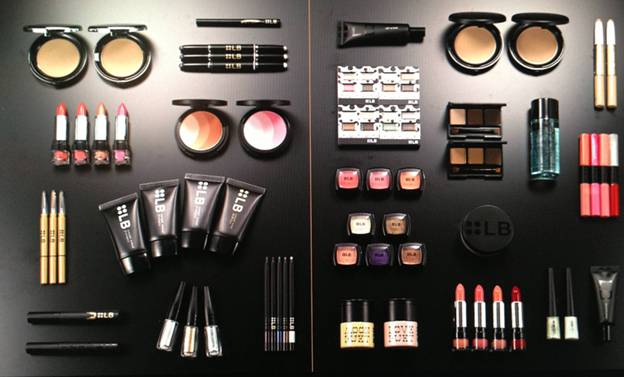
    Japanese makeup brand ‘LB’, known as Japan’s No. 1 eyeliner brand, entered Korean Market.

    LB was launched in the health and beauty store ‘LOHB’s’ in March 2018 and became immediately popular among Koreans.

    LB is sold in 14 countries including Japan, Taiwan, Hong Kong, Thailand, Vietnam, Singapore, Philippines, Australia, USA and China.

    LB is an abbreviation of LadyBird. It comes from an ancient European story about a LadyBird considered lucky. The brand name was chosen to suggest that luck will come when all women in the world use LB products.

    LB has already been recognized as a well-received brand from many beauty creators, including domestic and foreign influencers.

    It features a variety of trendy colors and a wide range of products that are easy to use for beginners. It mainlyprovides eyeliner, eyeshadow, blush, and lipsticks; all supplied at reasonable prices to target urban millennials.

    LB plans its full expansion in Korea by March 2019. The brand is also planning to open duty-free shops in Korea. In addition, through the make-up school run by Sosan Pacific, it will propose “LB style” and raise awareness.

    Representative of Soosan Pacific said: “we will actively promote the brand awareness of LB to consumers through diverse on-line and off line distribution.”

  • Australia’s IAG to sell Thai, Indonesia units to Tokio Marine for $390 million

    Australia’s IAG to sell Thai, Indonesia units to Tokio Marine for $390 million

    Insurance Australia Group (IAG) said on Tuesday it will sell its Thai and Indonesian operations to Japanese insurer Tokio Marine Holdings or A$525 million ($390 million).

    The Japanese company’s unit, Tokio Marine & Nichido Fire Insurance, will buy IAG’s 98.6 percent stake in Thailand’s Safety Insurance and 80 percent of PT Asuransi Parolamas in Indonesia.

    “We believe Tokio Marine is an ideal owner given its experience in the region, and that this is a good outcome for the associated employees, customers and other stakeholders,” IAG Chief Executive Peter Harmer said in a statement.

    IAG said in February it was reviewing its Asian operations as it faced a lack of buying opportunities to boost growth in a competitive region attractive for its low penetration rates.

    Separate to the Tokio Marine deal, IAG said it has also agreed to sell its 73.07 percent stake in Vietnam-based AAA Assurance Corp. It did not give more details on the deal.

    IAG said it would record an after-tax profit of at least A$200 million in its fiscal 2019 results from the combined transactions, after certain deductions.

  • Most Southeast Asian markets fall as trade tensions escalate

    Most Southeast Asian markets fall as trade tensions escalate

    Most Southeast Asian stock markets declined on Tuesday, in line with broader Asia, as U.S. President Donald Trump threatened new tariffs on Chinese goods in an escalating trade war between the world’s top two economies.

    Trump warned on Monday that Washington would impose a further 10 percent tariff on $200 billion of Chinese goods after Beijing’s decision to raise tariffs on $50 billion in U.S. goods, which was in retaliation for U.S. tariffs announced on Friday.

    Trump said if China increases its tariffs again in response to the latest U.S. move, “we will meet that action by pursuing additional tariffs on another $200 billion of goods.”

    “This is causing a little bit of uncertainty in the market. It is very worrisome for investors and they are staying on the sidelines and avoiding risky assets such as equities,” said Lexter Azurin, a senior equity analyst at Manila-based AB Capital Securities.

    MSCI’s broadest index of Asia-Pacific shares outside Japan hit its lowest since February as safe-haven assets such as gold and the Japanese yen gained.

    Philippine shares fell as much as 2.2 percent to their lowest since March 27, 2017, weighed down by industrials and financials. SM Investments Corp declined 3.2 percent, while BDO Unibank Inc shed 2.9 percent.

    A slim majority of economists believe the Philippine central bank will raise interest rates on Wednesday, but opinions are sharply divided, with the weak peso likely to be the factor that will tilt the scale.

    Thai shares fell nearly 1 percent to their lowest since Sept. 28, 2017 and were on track for a fifth straight session of decline.

    On Wednesday, the central bank is expected to leave its policy interest rate near a record low to encourage more broadly-based economic growth at a time when inflation remains low, according to all 21 economists surveyed in a Reuters Poll.

    Vietnam shares fell 2.8 percent to their lowest in nearly three weeks, with Petrovietnam Gas Joint Stock Corp declining to its lowest in six months, while Vietnam Technological and Commercial Joint Stock Bank dropped 6.8 percent.

    Malaysian shares were down for a seventh straight session, while Singapore shares rose on the back of gains in financials.

    Indonesian financial markets are closed through Tuesday for Eid Al-Fitr.
  • Jins Philippines opens first store

    Jins Philippines opens first store

    Japanese eyewear retailer Jins has opened its first store in the Philippines.

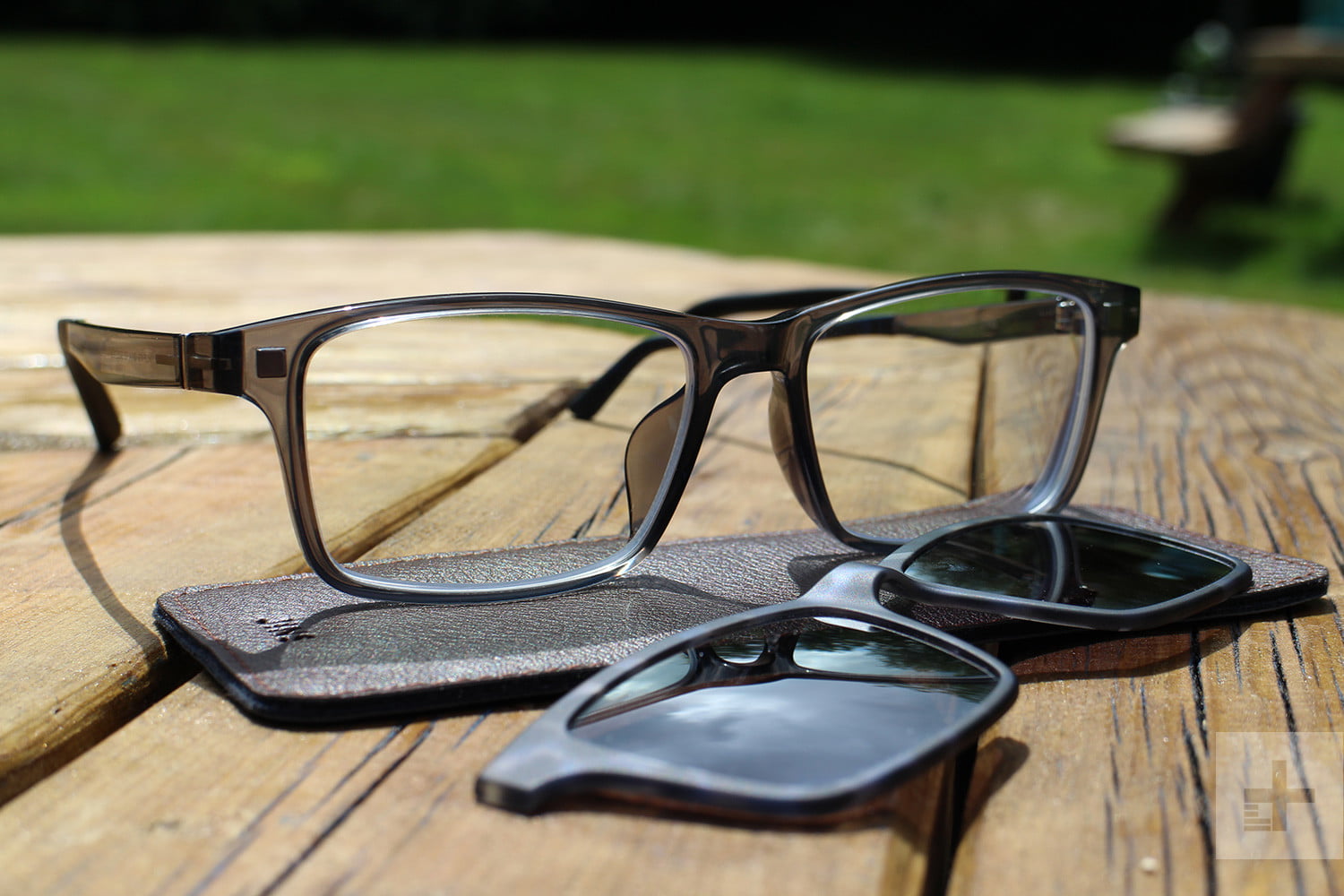
    Located at SM Aura Premier in Taguig, the Jins Philippines store will offer up to 1000 styles of frames and match them with lenses within about 30 minutes.

    Jins has about 350 stores in Japan and has recently started to expand into Greater China and the US.

    The company pioneered the use of a new, lightweight material for glasses in its patented ‘Airframe line,’ as well as functional eyewear such as blue-light cut glasses, popularly known as Jins Screen.

    The brand has been brought to the Philippines by Suyen Group, the parent of fashion brand Bench.

    At a formal launch ceremony this month, a traditional sake barrel-breaking ceremony was led by Suyen Corp’s chairman Ben Chan, Taguig City mayor Lani Cayetano, Carol Sy of SM Supermalls, Dr Takeo Okada, first secretary of the Japanese embassy in Manila, Steven Tan, senior VP of SM Supermalls, Hitoshi Tanaka, CEO and president of Jins and Virgilio Lim, president of Suyen Corp.

    “The breaking and partaking of sake from the sake barrel symbolizes prosperity and fruitful partnership between parties,” said Lim.

    Jins Philippines offers a visual experience with stores designed like a pop-art gallery, collaborating with graphic artists and architects from Japan and other countries in designing both the eyewear line and their stores.

    Recent collaborators include British product and furniture designer, Jasper Morrison, and Japanese graphic artists and architects Teruhiro Yanagihara and Sou Fujimoto.

    View the gallery below (3 images) :

  • Costco Japan Launched new E-commerce Website

    Costco Japan Launched new E-commerce Website

    Costco Japan says it plans to launch an online store next year.

    The wholesale club-style retailer is still finalising plans for the site, in particular the exact launch date and the product range it will offer online. But it says it is committed to the e-commerce business given how Japanese consumers are increasingly buying goods over the internet.

    As with its physical stores, customers of the online store will have to pay an annual membership fee before they can purchase goods. That fee is currently ¥4752 (US$43).

    Meanwhile, Costco Japan plans to expand its network of hypermarkets from 26 to 50 by 2030. It is also building new distribution bases in the Chiba and Hyogo prefectures to prepare to service online customers and new stores.

  • Don Don Donki Shop Targets Singapore office workers

    Don Don Donki Shop Targets Singapore office workers

    Don Don Donki Singapore’s second store has begun trading at 100AM Mall on Tras Street in the CBD.

    The 1186sqm store will trade from 8am to midnight seven days a week, selling a wide range of fresh and packaged foods, liquor, cosmetics, stationery and other non-food items at prices ranging from $1 to $5.90. It opens just six months after the retailer’s debut on Orchard Road.

    Don Don Donki, which trades as Don Quijote Group in its Japan home market, will also sell its private label brand, Jonetsu Kakaku. One feature of the downtown store new to Singapore is a ‘Japan Mobile Foods’ corner dedicated to food items that cater to the busy office crowd in the CBD. The company says it hopes to establish itself as the “go-to convenience store for customers who live or work in the area”.

    The Don Quijote Group plans to continue expanding within Singapore and other parts of Southeast Asia.

    “By using scalability, such as reducing the cost of shipping products, the group aims to offer products to customers at even lower price” said Hideki Okada, director, Pan Pacific International Holdings, the Japanese parent’s local subsidiary.

    “With each Don Don Donki store that we open, we aim to retain the essence of the Donki shopping experience while also adapting the store’s offerings to the unique needs of the customers in the area.

    Business results from our first store have revealed that our food offering has done exceptionally well here, so that will continue to be a focus for the 100AM outlet,” he said.