Tag: Japan

  • Japan studies regular mandatory closings in the Retail Industry

    Japan studies regular mandatory closings in the Retail Industry

    Large-scale specialty stores such as Daiso and Ikea may be subject to mandatory closings every two weeks as the South Korean government studies the validity of such a regulation.

    Research on the appropriateness of the regulation on large-scale specialty stores will start this month, says the Korea Small Business Institute. It will examine whether the big retailers are hurting small shops, and whether the regular closures are necessary. Requested by the Ministry of SMEs and Startups, the study will determine if the regulation is necessary.

    The restriction on such large-scale specialty stores has become the thorniest issue in the retail industry. Large retail outlets such as E-mart, Home Plus and Lotte Mart are subject to restrictions on working hours following a revision of the Distribution Industry Development Act in 2012, aimed at protecting small shops. Local governments adopted ordinances based on the Act, forcing large retail outlets to close on the second and fourth Sunday of each month.

    However, critics say it is unfair as only retail outlets are subject to the regulation while shopping malls such as Shinsegae Group’s Starfield and specialty shops like Ikea were exempted.

  • More Japanese renting clothes and bags

    More Japanese renting clothes and bags

    • Millennials do not care much for car or home ownership, but for smaller purchases like fashion they have tended to follow the habits of generations past.
    • With mobile technology making sharing so much easier and the practice more familiar, more are turning to fashion rental services, and now major retailers like Marui and Aoki are adding their weight to the trend.
    • With one site claiming 70% of customers are new to the brand, renting offers clear marketing benefits to brands too.

    Fashion rental services are proliferating in Japan. For a fixed fee, they offer consumers the chance to rent a set number of clothes and accessories over a month or longer. The new services emulate those in the West, such as Rent the Runway in the US, which claims 6 million users and sales of US$100 million, and there are numerous start ups in this area.

    There are two main types of fashion subscription: one where customers choose the items themselves, and the other where the rental service selects product based on preferences.

    Start Today’s Omakase Teikibin, which launched last month, uses the latter model, with stylists selecting new items based on customer profiles that are sent automatically to subscribers on a regular basis.

    Customers can then choose to buy or return the items they receive. Whatever the type, almost all services offer customers the chance to keep renting an item in their possession.

    Fashion rental services offer brands a great way to attract new customers who might be afraid to invest in a purchase, particularly if it is a high ticket item, or just because it is a new type of style they are not used to.

    For true fashion lovers on a limited budget, renting means being able to wear many more brands than would be possible by purchasing, and, for busy mums/working women, renting via online services is quick and almost risk free, obviating time spent in shop changing rooms.

    In Japan, there are also many other categories of product being offered for rent. Recent new services include Flect from Dinos-Cecile, which rents furniture for periods of up to three years, and Rentio, which specialises in rentals of high end cameras and scanners, with pick up and returns via convenience stores.

    Stripe International has been offering fashion rentals through its Mechakari service since September 2015. Its claim that, since starting, 70% of customers are new to Stripe brands shows just how beneficial fashion subscriptions can be as a marketing tool for a retailer or brand – a marketing tool that consumers pay for to boot. There have been 600,000 downloads of the Mechakari app to date although only around 10,000 users pay for the ¥5,800 a month subscription.

    Stripe can even rent items that are hard to sell, such as pure white coats and jackets which customers would normally baulk at buying for fear of getting dirty. Since rental services include cleaning fees, this doesn’t seem to be a problem. Unlike other services, Mechakari only rents out new clothes – returned items are cleaned and then sold on Stripe’s website as used clothing.

    Laxus and Karitoke are two of the most well-known fashion rental services, with Laxus specialising in high end bags and Karitoke in watches. Although the core customers are in their 30s, both firms see a significant number of younger subscribers on lower incomes signing up for the chance to own a slice of luxury even if only for a month – thereby also creating potential customers for luxury brands in the future.

    Both services claim they are able to rent the much gaudier items that luxury brands say sell in much smaller quantities, and often the gaudier the better – i.e. the lack of long-term commitment makes consumers much bolder.

    Laxus’ app was downloaded 400,000 times in 2017, and garnered gross transaction values of ¥15 billion. For a flat monthly fee of ¥6,800 it now rents 25,000 products from 54 brands ranging from Louis Vuitton to Jimmy Choo, and claims a bag can be rented in 20 seconds using its mobile app. A new idea is to encourage users to send in their own luxury bags to rent out to others; Laxus cleans them up and then gives owners ¥2,000 a month for each bag rental.

    Air Closet, which launched in February 2015, offers a styling service like Omakase Teikibin, each month sending a package of items selected from 100,000 SKUs covering 300 brands. 70% of its customers are women in their 20s to 40s, and 40% have an average income of more than ¥7 million a year.

    Most are typical select shop customers, but Air Closet’s surveys of its customers suggest around 80% like items or brands sent to them that they wouldn’t normally consider if they were purchasing.

    Air Closet now claims 150,000 members, but does not reveal paid subscribers – although to encourage more subscriptions, from February it offered a money-back guarantee to customers who are not satisfied after one month.

    Edist.Closet is similar to Mechakari, but with the added benefit of having professional stylists in place to select the merchandise offered, although customers retain control of what they rent. It has 10,000 members, mostly non-paying subscribers, of which 50% are mothers. While not revealing how many paid subscribers it has, Edist claims 90% of those who do subscribe remain after three months.

    Businesswear retailer Aoki Holdings launched its own take on the rental market In April. Called Suitsbox, the service offers subscribers Aoki suits along with shirts and ties, with a minimum monthly fee of ¥7,800, but rising to ¥15,800 and ¥24,800 – not a bad return given the top priced suit on Aoki’s online store is only ¥79,000.

    The basic service includes one suit, shirt and tie, while the most expensive service delivers three suits, four shirts and two neckties a month. As with other services, cleaning is included in the price.

    As rental services have increased in scale, they are becoming a fund of useful data. Air Closet for example makes it easy for customers to give feedback on items rented, sometimes encouraging them with points, helping Air Closet build a database of consumer opinion on brands and items. Stripe International does the same with Mechakari, passing the customer comments back to its product planners.

    SC developers and major retailers are also interested. As reported recently, Marui is a firm believer in the sharing economy and wants to see 5-10% of its sales from such services longer term. It also wants a slice of the fashion rental market, and has started opening up corners in its stores for rental services like Laxus and Karitoke. SC developers are also offering tenancies to Laxus and Air Closet – the latter has created a styling store in Harajuku where customers can get advice from shop stylists, which it intends to roll out to SCs .

    All of which is very positive, but with many services still reluctant to reveal the number of paid subscriptions they have, it is hard to gauge the sustainability of these businesses longer term. Even Stripe International admits much more growth is needed to make services offer a decent return.

    Even so, with the likes of Marui and Aoki on board, fashion rental subscriptions look like they are here to stay. They are particularly suited to those millennials with a lower propensity and desire to own stuff, and are another sign of the increasing assimilation of the sharing economy in mainstream society.

  • Daiso Taiwan to face second import ban

    Daiso Taiwan to face second import ban

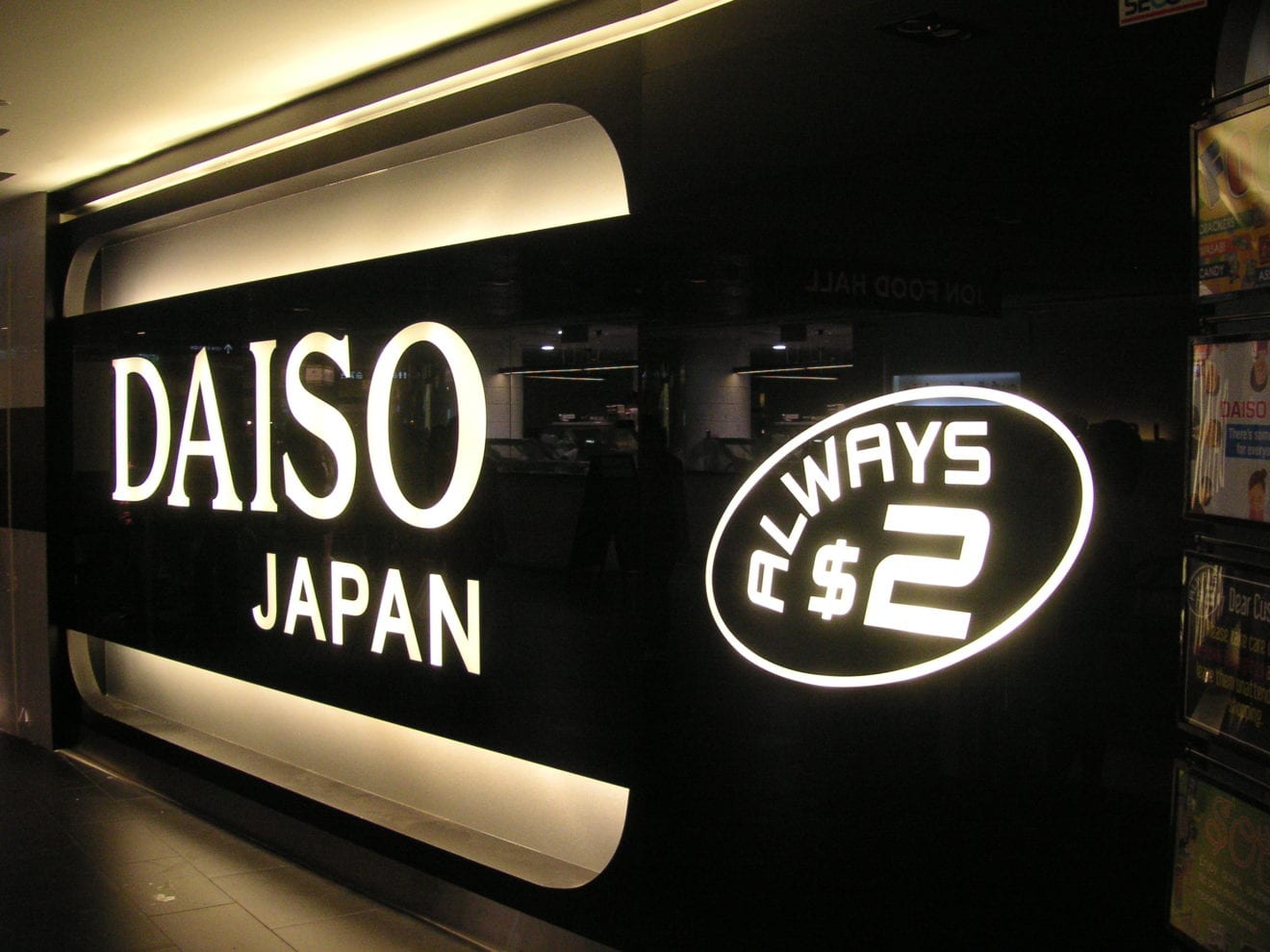
    Japanese retail chain Daiso Taiwan is expecting to face a second import ban.

    It was earlier slapped with a six-month ban for illegally importing food products from areas affected by the 2011 Fukushima nuclear disaster and selling them with falsified labels of origin in Taiwan in 2015.

    Known for selling food and discounted consumer products, Daiso was also fined NT$41.64 million (US$1.39 million) for falsifying transaction dates to obtain import permits, says Taiwan’s Ministry of Economic Affairs. A total of 694 import application documents were found to be fraudulent.

    Daiso Taiwan may also close its retail branch in Penghu, leaving it with 59 outlets.

    Regarding the new import ban, Daiso Taiwan said on its website it had improved its import procedures since the lapse in 2015.

  • Rakuten to buy mobile commerce startup Curbside

    Rakuten to buy mobile commerce startup Curbside

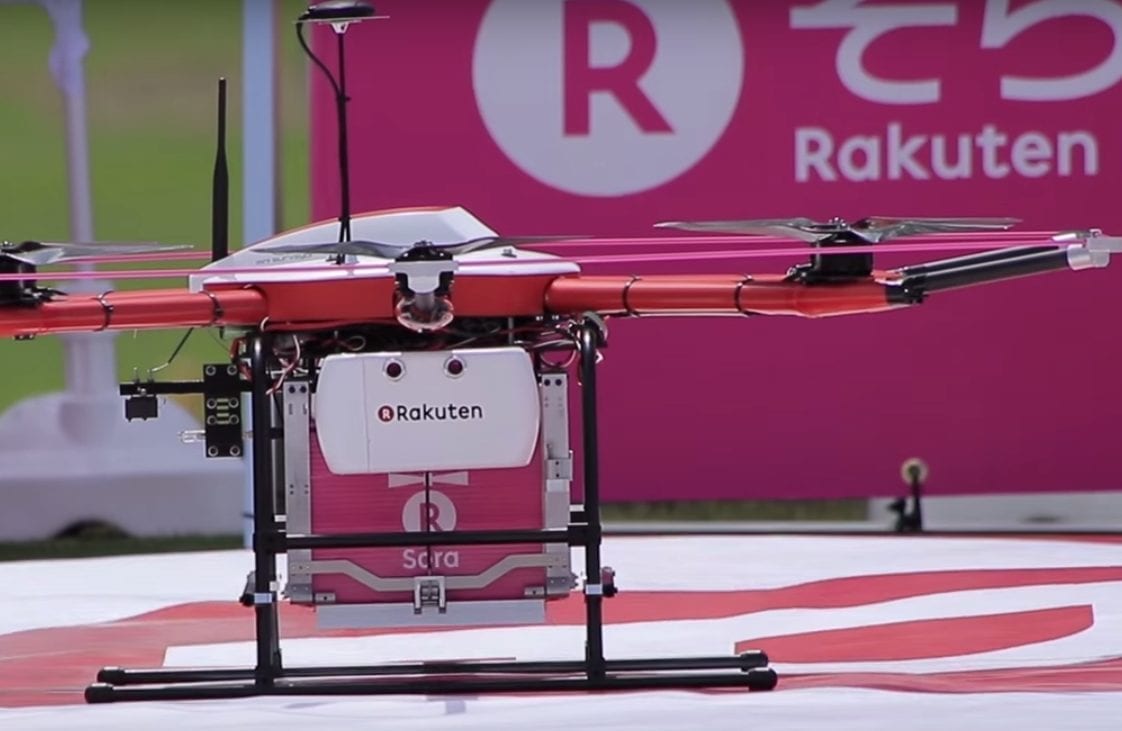
    Japanese e-commerce company Rakuten is to buy Curbside, an app which offers shoppers mobile ordering from brick-and-mortar stores for outside pickup.

    Curbside says after the acquisition it will continue to operate as an independent company, with its products, services and team unchanged.

    Rakuten’s investment heralds a shared “common vision around connecting consumers to easy, convenient mobile commerce at stores in the communities where they work and live,” said Curbside’s announcement.

    The purchase of Curbside is Rakuten’s 36th acquisition in 11 years, but its first for two years.

    Curbside, founded in 2013, was an early pioneer of mobile technology that can help brick-and-mortar retailers and restaurants provide an additional way to compete with e-commerce companies and food delivery services. They take the in-store pickup concept a step further by delivering purchases to shoppers without them having to get out of their cars.

    Website Mobile Marketer says the deal comes at a time that mobile ordering and pick up are gaining steam. But that means the company faces more competition than it did several years ago.

    “Having a big corporate parent like Rakuten is likely to provide Curbside with an opportunity to work with a wider group of retailers worldwide. At the same time, the deal suggests that, as mobile ordering and pickup become more popular, the supporting technology is becoming a must-have for digital retail platforms like Rakuten while underscoring the importance of location data for digital marketing services.”

  • As plastic sector booms, Vietnamese firms are easy prey

    As plastic sector booms, Vietnamese firms are easy prey

    Major Vietnamese plastics firms are being taken over in a big way by foreign firms from Thailand, Japan and South Korea.

    In April, Thai business conglomerate Siam Cement Group (SCG) acquired over 50 percent of shares in Binh Minh Plastics (BMP), a big player in Vietnam’s plastics industry. Previously, SCG had already poured in $121 million to acquire seven other Vietnamese plastics firms, according to a report.

    Japan is also gearing up to conquer Vietnam’s plastics sector. Japan-based Sekisui Chemical has become a strategic partner in Tien Phong Plastics, acquiring 25 percent of the company’s shares last year, and Japan’s Meiwa Pax Group has paid $16.5 million to buy HCMC-based packaging firm Sapaco.

    South Korea firms have also jumped into the fray, with packaging firm Dongwon Systems acquiring over 97 percent of Tan Tien Plastics in 2016. Tan Tien is a frontrunner in Vietnam’s packaging industry, and a major partner for several big companies operating in Vietnam, such as Unilever, Ajinomoto, Trung Nguyen or Vinamilk.

    Vietnam has become a ripe destination for foreign firms because the plastics industry has been booming. For the last 3 years, it has grown by 15-17 percent each year.

    In 2016, Vietnam housed over 2,000 firms in the country. The annual per capita consumption of plastics in Vietnam is around 41 kilograms, according to Vietnamese securities firm Vietcombank Securities. That number is projected to increase to 45 kilograms per person in 2020, according to the Vietnam Plastics Association.

    “Vietnam’s plastics sector has great potential to grow,” said Kubo Hajime, a management board member of Sekisui Chemicals.

    Vietnam’s cheap labor and material costs is also an advantage, economist Dinh The Hien said. He said the fact that Vietnam is part of several trade agreements, most notably the Comprehensive and Progressive Agreement for Trans-Pacific Partnership, helps.

    Vietnamese plastics firms lack the necessary capital, technology and high-skilled labor required to compete in an increasingly tougher market, said Ho Duc Lam, President of Vietnam Plastics Association.

    “Another problem for Vietnamese plastics firms would be high production costs, which leads to high prices,” he said.

    Vietnam needs to focus more on targeting the right customers with the right products to compete, an unnamed representative of a Vietnamese plastics firm said.

    “We would also need to invest more in technology and machinery to upgrade our assembly chains, thus increase our product quality and reduce production costs,” he said.

    Last year, the plastic sector recorded an export value of over $3 billion, a year-on-year increase of 17.6 percent.

  • The Outnet starts selling in Japan

    The Outnet starts selling in Japan

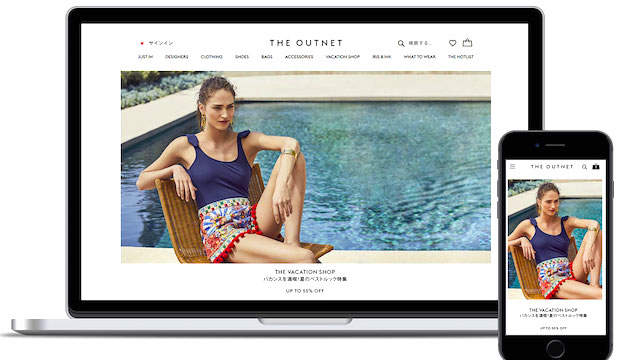
    The Outnet, the discount sister brand to Net-a-Porter, has launched in Japan. It lets customers shop and read fashion content in their own language. They can also pay for purchases in yen or pay in cash upon the delivery of their order.

    Yoox Net-a-Porter (YNAP), the company that owns The Outnet, says it aims to hire more customer-care consultants in the region and add a live-chat option to the Japanese website.

    Items ordered in Japan will be shipped from Italy using both international and domestic shipping services. YNAP says orders will be received within four to six business days by express delivery.

    Launched in 2009, The Outnet is a clearance website featuring items from more than 350 luxury brands and with discounts of up to 75 per cent off.

  • @Cosme arrives in Hong Kong

    @Cosme arrives in Hong Kong


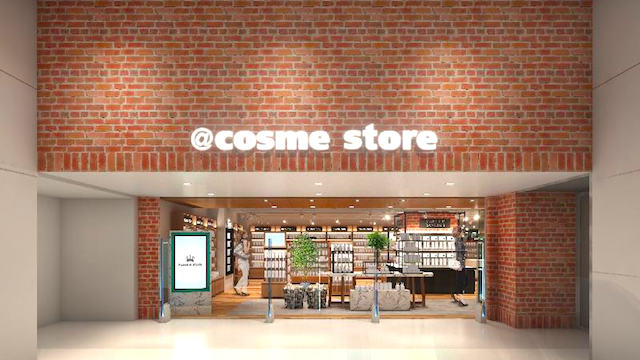
    Japan-listed cosmetics review media and retail company Istyle Inc today opened its first cosmetics @cosme Store in Hong Kong.

    In Tsim Sha Tsui, the outlet offers Japanese cosmetic brands with rankings and testers for almost all products.

    Istyle executive officer Hajime Endo, who is also president of Istyle Retail (Hong Kong), says the Hong Kong store follows the model of Japanese stores with event and salon space allowing for makeup demonstrations and the opportunity for customers to meet with the brand owners.

    Founded in 1999, Istyle Inc owns the @cosme beauty portal sites and cosmetic stores. The first @cosme Store opened in Shinjuku, Tokyo, in 2007. Istyle Inc has 25 outlets in Japan and four outlets offshore. Its move into Hong Kong was made possible through Invest Hong Kong.

  • FamilyMart Uny and Don Quijote agree to capital tie-up

    FamilyMart Uny and Don Quijote agree to capital tie-up

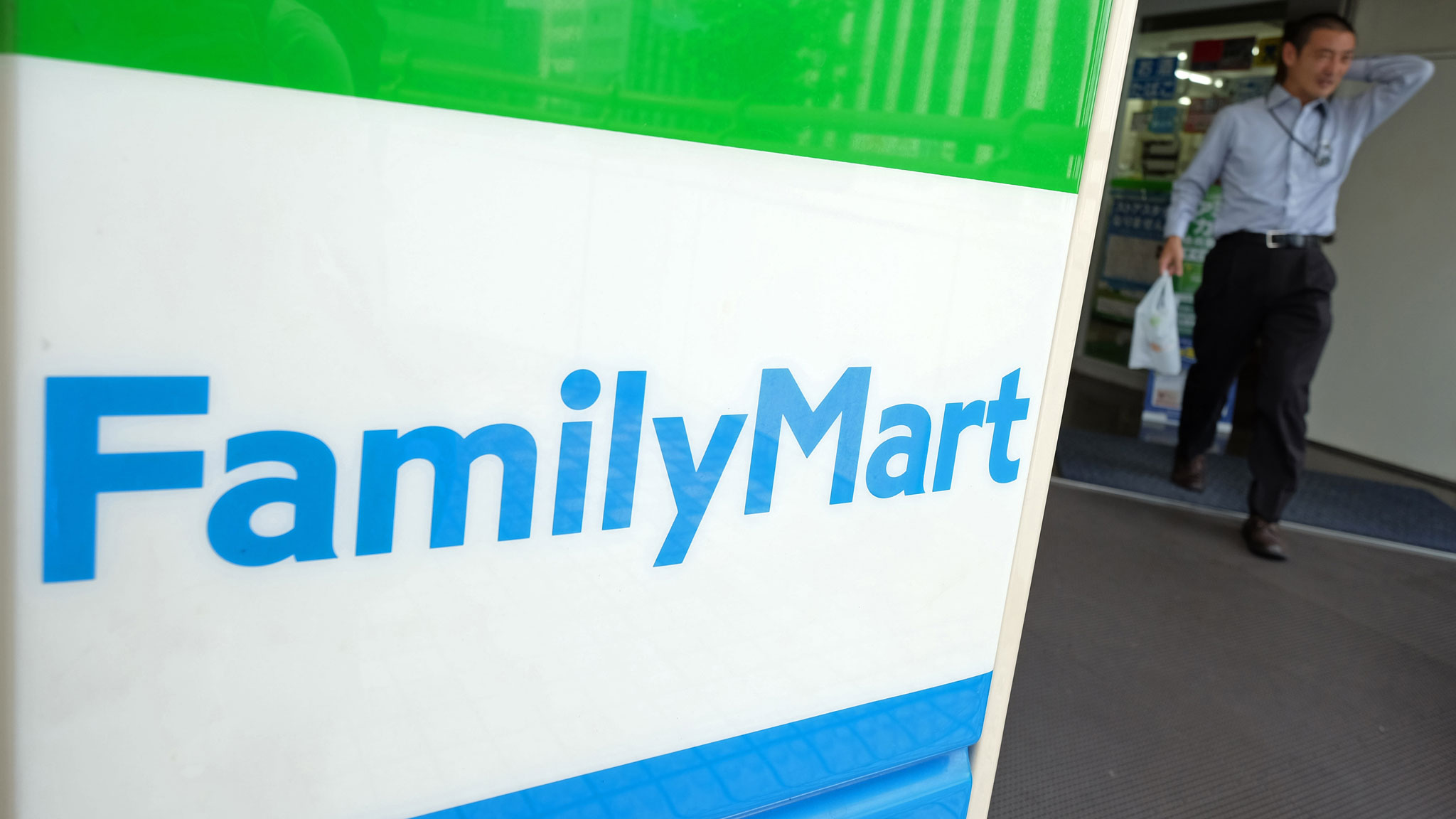
    Convenience store group FamilyMart Uny Holdings has stepped up co-operation with Japan’s largest discounter, Don Quijote Holdings, to open a joint store.

    Like other Japanese convenience stores, which are open 24 hours and sell everything from underwear to freshly brewed coffee, FamilyMart has struggled with falling customer numbers in the past two years amid competition from discount drugstores and problems with labour shortages.

    It merged with Uny in 2016, and last year sold a 40 per cent stake in its general merchandise unit to Don Quijote. The company is hoping the joint convenience store, which has opened in Tachikawa, Tokyo, will help rekindle consumer interest. Two other stores are also opening this month.

    Don Quijote, also open around the clock, is known for stocking its stores floor-to-ceiling with an eclectic mix of products such as leopard-print rugs to designer goods. Popularly known as Donki, it has delivered 28 years of unbroken sales growth.

  • Seven-Eleven to use Toyota fuel cell trucks for deliveries next year

    Seven-Eleven to use Toyota fuel cell trucks for deliveries next year

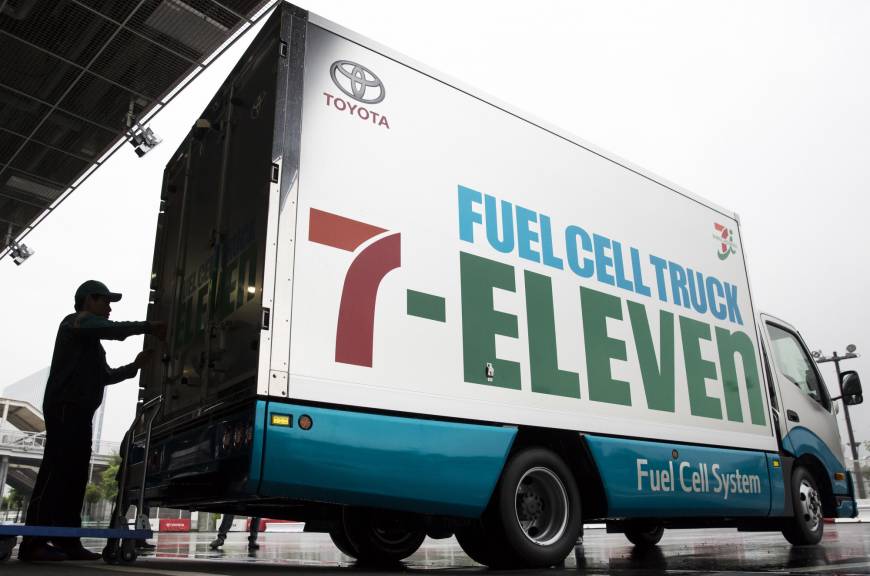
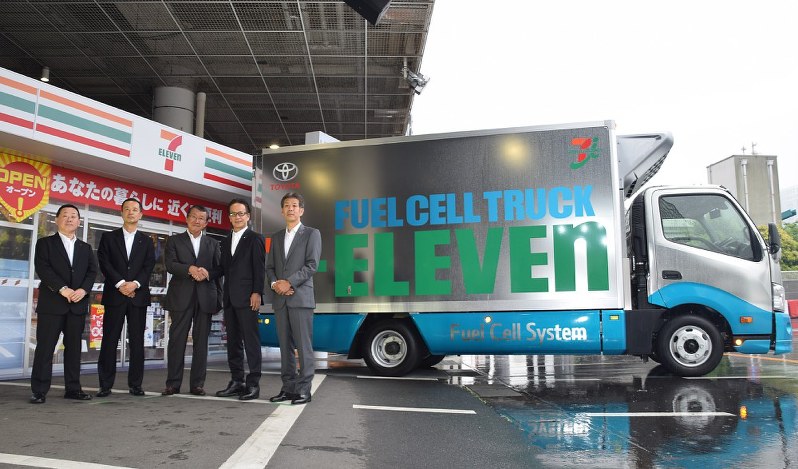
    7-Eleven Japan and Toyota Motor Corporation have agreed on a joint project to reduce CO2 emissions.

    The idea is to conserve energy and reduce carbon dioxide emissions in the store’s distribution and business activities.

    Toyota has been investigating the use of newly developed fuel-cell trucks and fuel-cell generators, and the project will be implemented in stages starting next year. It aims to introduce technologies and systems developed by Toyota for 7-Eleven store activities. Stationary fuel-cell generators (FC generators) and rechargeable batteries will be introduced at stores, managed centrally by building energy-management systems (BEMS), raising the proportion of renewable energy and electric power derived from hydrogen used. A newly developed small-fuel-cell truck will join the distribution process, aiming to achieve zero emissions of substances of concern, including CO2.

    The Seven & I Group is addressing five key issues: Regarding non-wasteful use of products, ingredients and energy, the group seeks to expand renewable energy use in line with the objectives of the Sustainable Development Goals (SDGs) adopted by the UN in 2015. Specifically, the group plans to increase renewable energy use in stores to 20 per cent and reduce CO2 emissions by 27 per cent. 7-Eleven is taking measures to reduce CO2 emissions throughout its entire supply chain to meet its goals, focusing on renewable energy.

    In December, 7-Eleven opened the environmentally, user-friendly 7-Eleven Chiyoda Nibancho store as a flagship of these initiatives. The second such store, the 7-Eleven Sagamihara Hashimotodai Itchome, opened last month with renewable energy accounting for 46 per cent of its electric power use.

    Toyota technologies and systems that use hydrogen will be introduced in stores and distribution sites, with next-generation stores further using renewable energy. Two small-fuel-cell trucks are intended to be introduced in Tokyo next year.

  • Don Don Donki opening second outlet in Singapore on June 14

    Don Don Donki opening second outlet in Singapore on June 14

    Japanese discount retailer Don Don Donki will open its second Singapore store next week at Tanjong Pagar’s 100AM mall.

    Don Don Donki’s product range of about 30,000 items was curated for Singapore and spans fresh and processed foods, vegetables, meat, sushi, groceries, beverages, costumes, clothing, cosmetics, novelty goods and household items. A third of the product selection is from Hokkaido.

    The first store opened in the Orchard Central shopping centre last December and the company plans at least 10 stores in Singapore within five years.

    The new store is spread over two levels of the 100AM mall.

    Better known by its nickname Donki, the retailer was founded by Japanese businessman Takao Yasuda in 1978 and is owned by the Don Quijote Group. Its stores in Singapore are run by Pan Pacific International Holdings, its holding company for overseas business.

    While the stores in Japan are called Don Quijote, its Singapore branch name has been changed to avoid confusion with a local Spanish restaurant of the same name. The term “Don Don Donki” was taken from the store’s theme song.

    “The idea to have Don Don Donki in Singapore was suggested by Hokkaido Marche,” said Yasuda, 68, who “semi-retired” a couple of years ago and moved to Singapore. “When I came here, I realised products in Singapore are very expensive, and in Japan I’m known as the king of discounts.

    “What costs one dollar in Japan is sometimes two or three dollars here.”

    So when he was approached by Hokkaido Marche to partner and open its concepts in Singapore, he agreed immediately.

    With 368 stores in Japan, Hawaii and the US, the brand achieved nearly ¥828.8 billion (US$7.3 billion) in sales last fiscal year.

  • MINISO looks to expand in Vietnam market

    MINISO looks to expand in Vietnam market

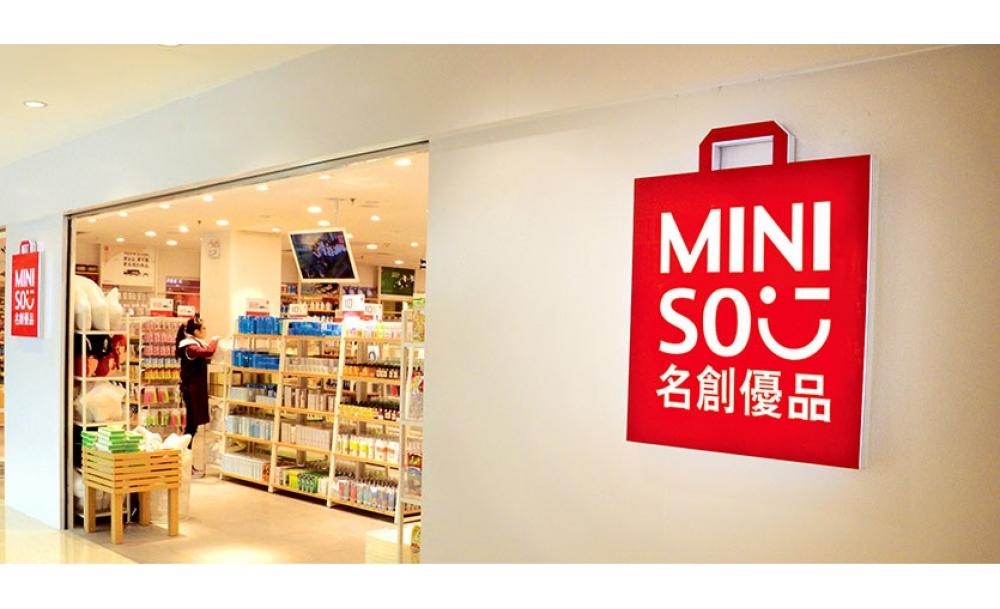
    Miniso Vietnam plans to open 50 more stores by the end of this year and reach 400 by 2022.

    The discount retail chain plans to enhance its distribution system in Vietnam with a 10,000 sqm warehouse in Ho Chi Minh City which will open within a few months. That will provide strong support for stores and a planned online operation.

    Miniso Vietnam also has boosted its brand-name awareness among young consumers by having local singer Son Tung M-TP as its first brand ambassador.

    The company entered Vietnam in September 2016 and has already opened 40 stores there – 17 in Ho Chi Minh, 19 stores in Hanoi, and four elsewhere. It is rapidly rolling out stores to cash in on Vietnam’s current 10.9 per cent annual retail sales growth, which makes the country one of the fastest-growing retail markets in the world.

    The company says it recognises Vietnamese shoppers are moving from high-street shops to shopping centres and so it is adjusting its expansion strategy to include more malls.

    It has reached an agreement with Vincom to open stores in the mall operator’s future developments in major commercial and shopping centres.

    Products are priced between VND43,000 (US$2) and VND500,000, predominantly targeting consumers aged 18 to 35.

    The brand has been accused of misleading consumers by describing itself as a Japanese brand when it is a Chinese company, owned by Chinese and selling products made in China with no apparent Japanese connection.

    But that has not stopped it from opening more than 2600 stores worldwide, covering more than 62 countries and regions. Last year, its sales topped US$1.8 billion.

    The company plans to open 10,000 stores throughout the world by 2022.

  • SK-II experiential concept store features AI and face authentication

    SK-II experiential concept store features AI and face authentication

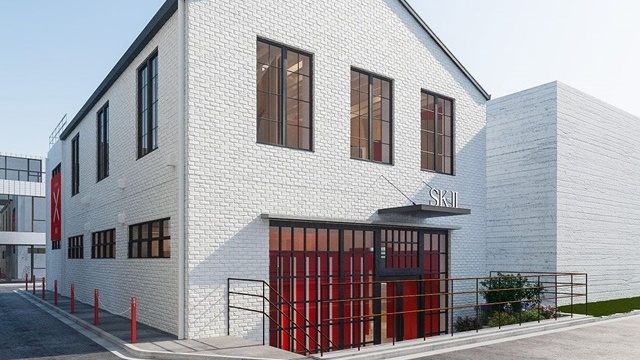
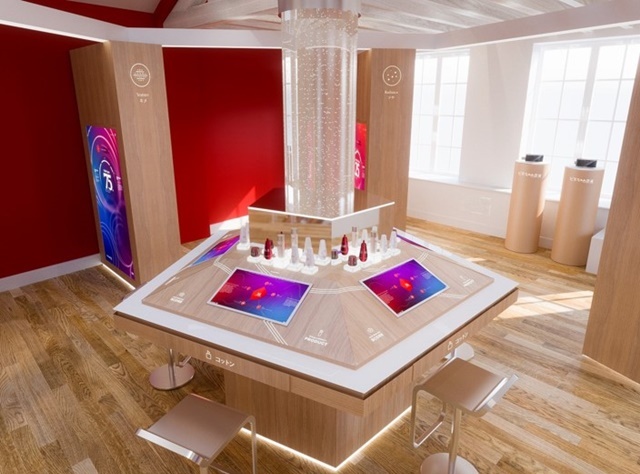
    An experiential concept store opened by beauty brand SK-II in Tokyo incorporates face authentication technology and AI.

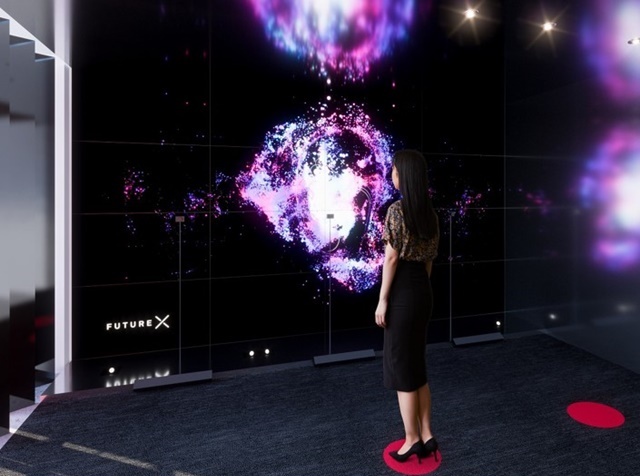
    The Future X Smart Store by SK-II will trade in the trendy Harajuku district until June 28. (Scroll down for a video of the store from BuzzFeed).

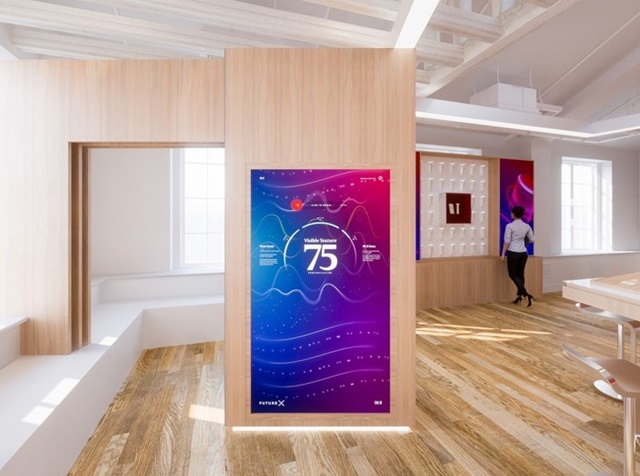
    According to SK-II, customers can look into and touch digital screens which recognise them and help recommend beauty treatments based on their specific skin tones and types.

    “We aim to offer comprehensive skincare experiences that connect customers and SK-II in a bi-directional manner at the time of customer’s choosing,” said an SK-II executive in a Japanese press release.

    SK-II believes the technology and AI can create “a unique dialogue” between store and customer.

    At the pop-up’s entrance, customers are welcomed by digital art that changes according to the facial expressions and body movements of the customer.

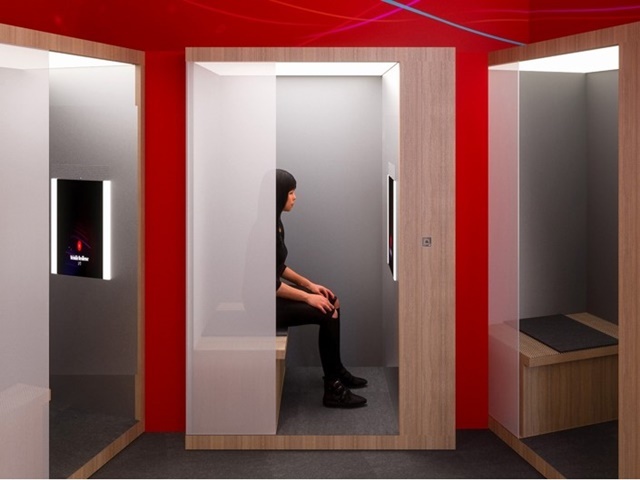
    They can then move into a cubicle where they sit before a mirror which analyses their skin condition in an instant. But unlike ordinary skin analysis machines, the machine does not touch the skin directly – it simple scans the skin and uses AI to calculate treatments.

    On the store’s second floor, a Smart Beauty Wall with a digital touch screen automatically recognises the customer from the earlier scanning process below. It displays the results of the skin analysis and provides skin care advice.


    And a Smart Beauty Counter in the centre of the floor reacts to the customer, automatically displaying suggested products according to the analysis result. Customers can then try as many products as they wish while watching product information on screen.

  • Play for your makeup at Chanel’s Coco Game Center

    Play for your makeup at Chanel’s Coco Game Center

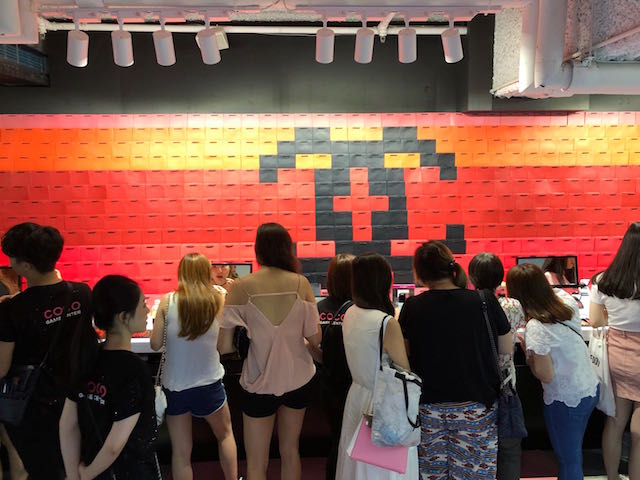
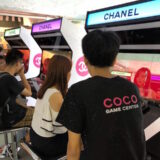
    Retro games such as Pacman and Pong take on a new twist at the Coco Game Center in Pacific House until June 18.

    After last year’s hit Coco Cafe, Chanel Beauty has followed up with another fun beauty concept.

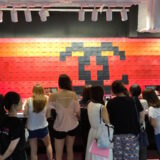
    With previous stops in Seoul, Tokyo, Shanghai and Singapore, the Coco Game Center has arrived in Hong Kong. Inspired by Japanese arcades, the pop-up features games that highlight Chanel Beauty collections.

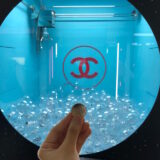
    The Bubble Game features the Hydra skincare line, while Beauty Ride features the latest range from Rouge Coco. The Beauty Lounge offers six new shades of Rouge Allure Ink.

    Visitors can also find out what happens when they put moisturiser on Mario or lip rouge on Pac-Man.

    Check the gallery of the event below (6 images) :

  • KAWS x Uniqlo UT ‘Sesame Street’ Collection Has an Official Release Date

    KAWS x Uniqlo UT ‘Sesame Street’ Collection Has an Official Release Date

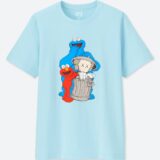
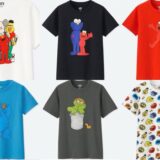
    UNIQLO last week announced that it will begin rolling out the special KAWS x SESAME STREET UT (UNIQLO T-shirt) collection on Friday, June 29. Items will be available at all UNIQLO stores and UNIQLO.com. The collection showcases contemporary artist KAWS’s uniquely whimsical take on characters from the internationally beloved children’s television series. The UT range features carefully selected examples of celebrated pop culture graphics from around the world, transforming T-shirts into canvases of art expressing the individuality and tastes of wearers.

    KAWS initiated the idea of this special collection, which features graphics of iconic Sesame Street characters such as Big Bird, Elmo, and Cookie Monster. The range will be available in 23 colours and patterns for people of all ages. Unisex items for adults will be in sizes XS through 2XL at $19.90. The 2XL size will be available only through the online store. Kids’ items will be sold in sizes 100 through 150 at $14.90.

    Check the gallery below (4 images) :

  • Guess narrows losses in first quarter, revenues lift 14% on Asia earning

    Guess narrows losses in first quarter, revenues lift 14% on Asia earning

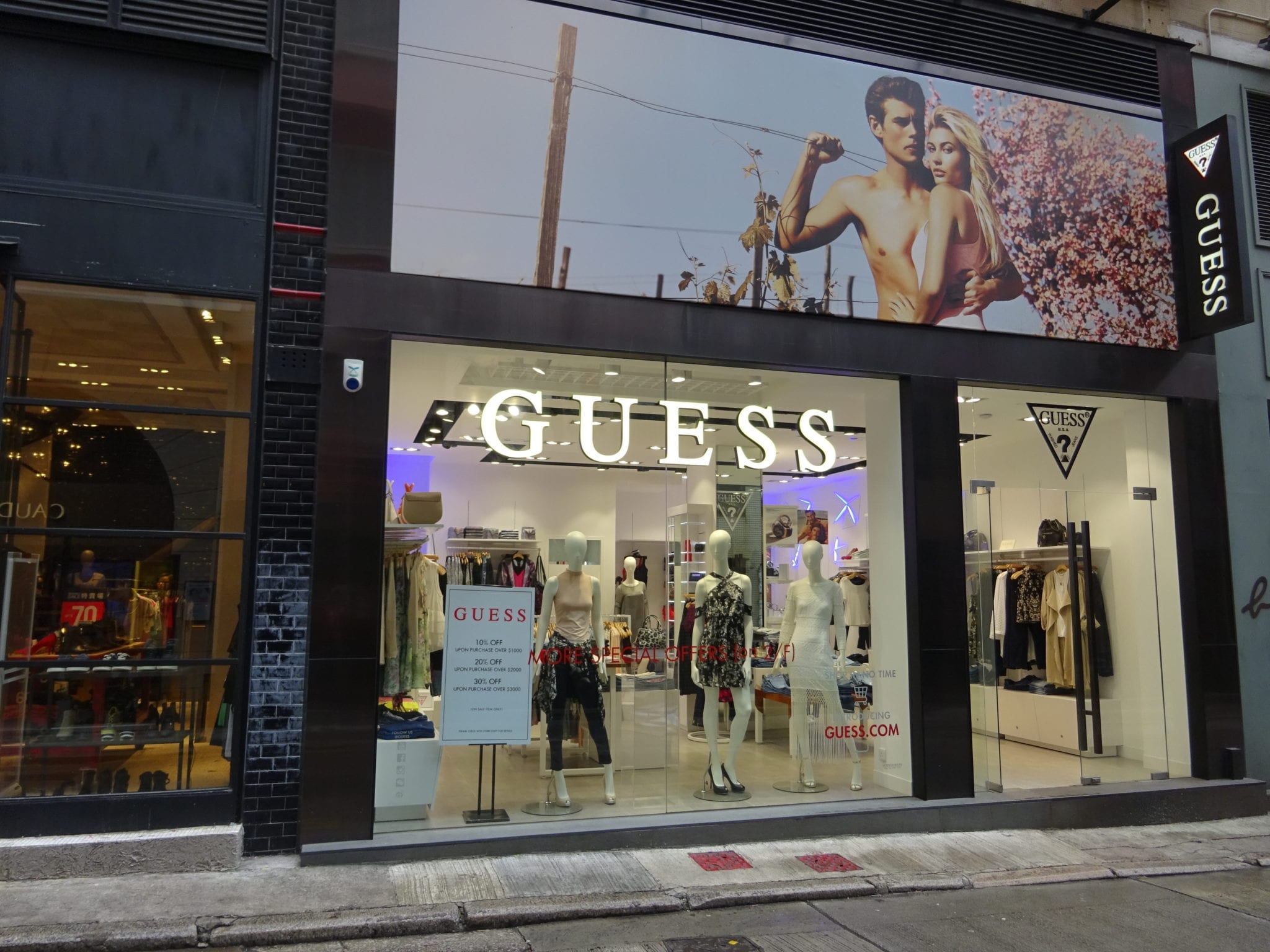
    Continued momentum in Asia has helped boost revenues for US clothing brand Guess Inc for its first quarter, to May 5.

    As the company continued to take advantage of its infrastructure investments in China and Japan, its operating margin in Asia improved by 430 basis points.

    Asia revenues increased 32.6 per cent in US dollars and 25.1 per cent in constant currency.

    Operating margin for the company’s Asia segment increased 430 basis points to 4.8 per cent in the quarter, compared to 0.5 per cent. This was driven mainly by higher gross margins.

    CEO Victor Herrero says company revenues overall grew 15 per cent in US dollars and 8 per cent in constant currency. “We were also able to expand the company’s operating margin, despite cost pressures related to our transition to our new distribution centre in Europe.”

    At the same time, the company had a GAAP net loss of $21.2 million, a 0.3 per cent improvement on the first quarter a year earlier. An adjusted net loss of $17.8 million was 7.9 per cent better than the same period 12 months ago.