Tag: Japan

  • Maki-san sushi chain to take a bow in Japan

    Maki-san sushi chain to take a bow in Japan

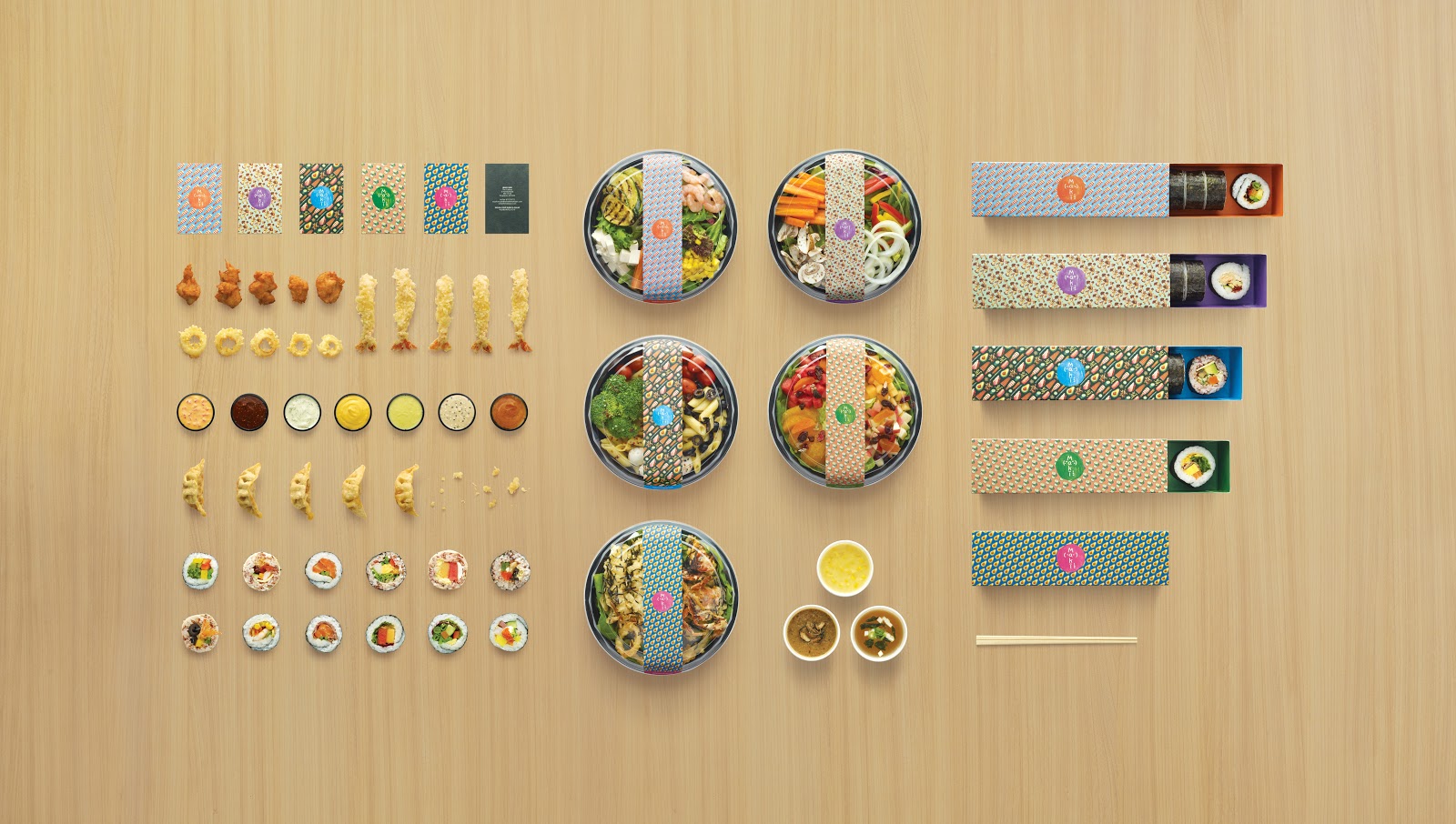
    Maki-san (“Mr/Ms Roll”), a Singaporean fast-food makizushi (rolled sushi) chain with 17 locations in its home country, is set to debut in Japan with an outlet in Osaka’s Shinsaibashi district in July.

    Maki-san has its own special take on the Japanese delicacy, saying it offers customisable sushi rolls and salad bowls including “a 60 per cent original Singaporean menu, 20 per cent original Japanese menu, and 20 per cent limited seasonal menu”. House specials are available for customers opting not to design their own sushi.

    Maki-san is also known for its cute posters and illustrations on social media.

  • 7-Eleven delivers in 2 hours in Japan

    7-Eleven delivers in 2 hours in Japan

    A two-hour delivery service for smartphone orders is about to be launched by 7-Eleven Japan, the country’s biggest convenience-store chain.

    “Net Konbini” (using the commonly shortened form of “convenience store” in Japanese) plans to cover 7-Eleven’s entire Japanese network of around 20,000 stores, following a soft launch at 25 stores in Hokkaido in October. It plans to expand the network to 1000 stores in Hokkaido by August next year.

    Users will be able to place orders 24 hours a day, nominating a delivery address and store. A range of 2800 products will be available including Japanese convenience-store staples such as rice balls and bento lunch boxes.

    “Using 20,000 stores to immediately deliver any of 2800 products is a service only 7-Eleven can provide,” says company president Kazuki Furuya.

    Delivery trucks en route through 7-Eleven outlet areas will pick up orders and drop off purchases to customers, in a tie-up between 7-Eleven and a subsidiary of logistics company Seino Holdings finalised last year.

  • Lion Air opens new Surabaya-Haikou charter route

    Lion Air opens new Surabaya-Haikou charter route

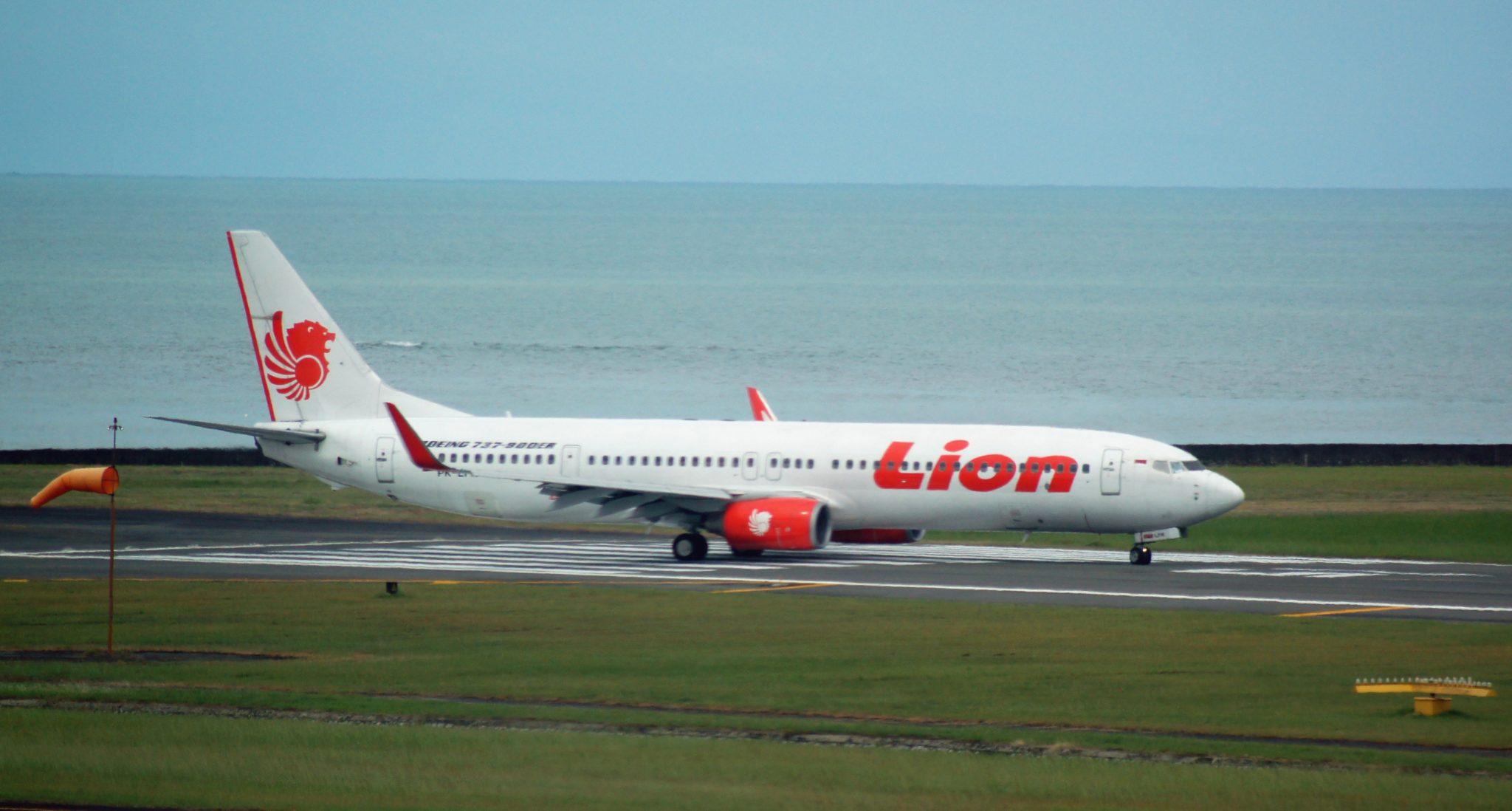
    The country’s largest private low-cost carrier, the Lion Air Group, has opened a new charter route from the East Java capital of Surabaya to Haikou, the capital of the Chinese island province of Hainan.

    Flying once a week, the fleet’s Boeing 737-900 ER aircraft will serve the new route, accommodating up to 215 passengers starting Friday.

    “We are very proud to be able to expand our international connectivity by opening a charter flight to China from Indonesia’s second biggest city, Surabaya. The new route will increase our service to customers and provide more options for those traveling from China to Indonesia,” said Lion Air Group CEO Edward Sirai in a statement?

    In collaboration with Hainan United Airlines Travel Group Co., the JT 2661 flight will depart on Fridays at 5:40 p.m. local time from Surabaya’s Juanda International Airport  and arrive at 11:45 p.m. at Haikou Meilan International Airport. The Indonesia-bound flight JT 2660 will fly Saturdays at 12:55 a.m. from Haikou and land in Surabaya at 5 a.m.

  • NTT Docomo trials 5G at 305km/hr

    NTT Docomo trials 5G at 305km/hr

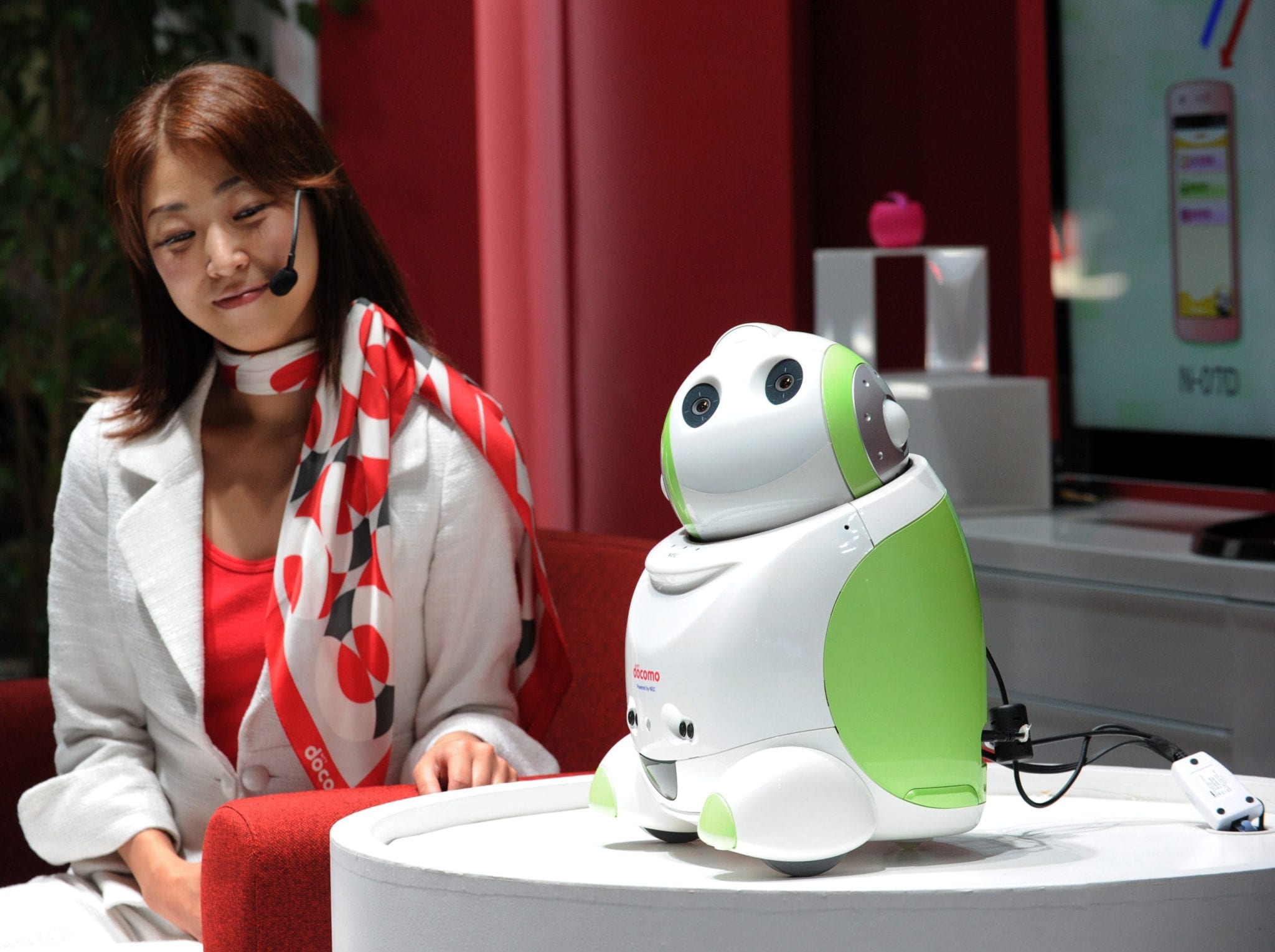
    Japan’s NTT Docomo, parent company NTT and vendor NEC have jointly achieved the first 5G transmission between a 28-GHz base station and a 5G mobile station in a car moving at 305km/hr.

    The trial also achieved a 1.1Gbps high-speed data transmission to a 5G mobile station moving at 293km/hr as well as fast handover between 5G  base stations and a 5G mobile station moving at 290km/hr.

    During the trial at the Japan Automobile Research Institute, a test environment was created using a car traveling at speeds similar to that of Japan’s bullet train high-speed railways.

    To overcome the challenges associated with long-range transmission of 28-GHz radio waves, the base and mobile stations were both equipped with beamforming and beam tracking technology.

    The 5G base station also used massive MIMO antennas with 96 elements and supporting up to two beams, and two antenna units per base station.

    Docomo also succeeded in a wireless live transmission of 4K, 120 frame per second video from a car moving at speeds of 200km/hr using NTT’s real-time 4K high frame rate HEVC codec.

    Sony Business Solutions Corporation provided the 4K camera for the trial, while Docomo Team Dandelion Racing manager Dandelion Limited tuned the trial car for an ultra-high-mobility environment and operated the car on the test course.

  • Japan Foods profits still depend on Ramen

    Japan Foods profits still depend on Ramen

    Japan Foods Holding’s fourth-quarter net profit rose 67.8 per cent to S$938,000 (US$699,000) amid better sales from its Menya Musashi ramen restaurants and new brands.

    For the full year to the end of March, net profit grew 24 per cent to $5.8 million while revenue increased 6.5 per cent to $16.2 million for the final quarter. That increase was partly attributable to improved returns from the Menya Musashi brand as Japan Foods converted two restaurants under other brands to Menya Musashi outlets, and opened a new restaurant at the Northpoint City mall in Singapore. One Menya Musashi restaurant was, however, converted to an Ajisen Ramen outlet in Bedok Mall in March 2017.

    Japan Foods also recorded $1.6 million of extra revenue for the fourth quarter from new restaurants under the Curry is Drink and Shitamachi Tendon Akimitsu brands. However, restaurants under the Boteyju, Dutch Baby Cafe, Fruit Paradise, Hanamidori Kazokutei and New ManLee Bak Kut Teh brands saw revenue fall by $0.9 million during the period with closures and lower same-store sales.

    Japan Foods says it is “cautiously optimistic” despite challenging conditions expected in the next 12 months. The group will continue to seek to expand in Southeast Asia and Japan through JVs, acquisitions and sub-franchising.

  • Tumi Opens a New Travel and Lifestyle Shop

    Tumi Opens a New Travel and Lifestyle Shop

    TUMI, purveyors of premium luggage and travel, business and lifestyle essentials, has opened its third London boutique

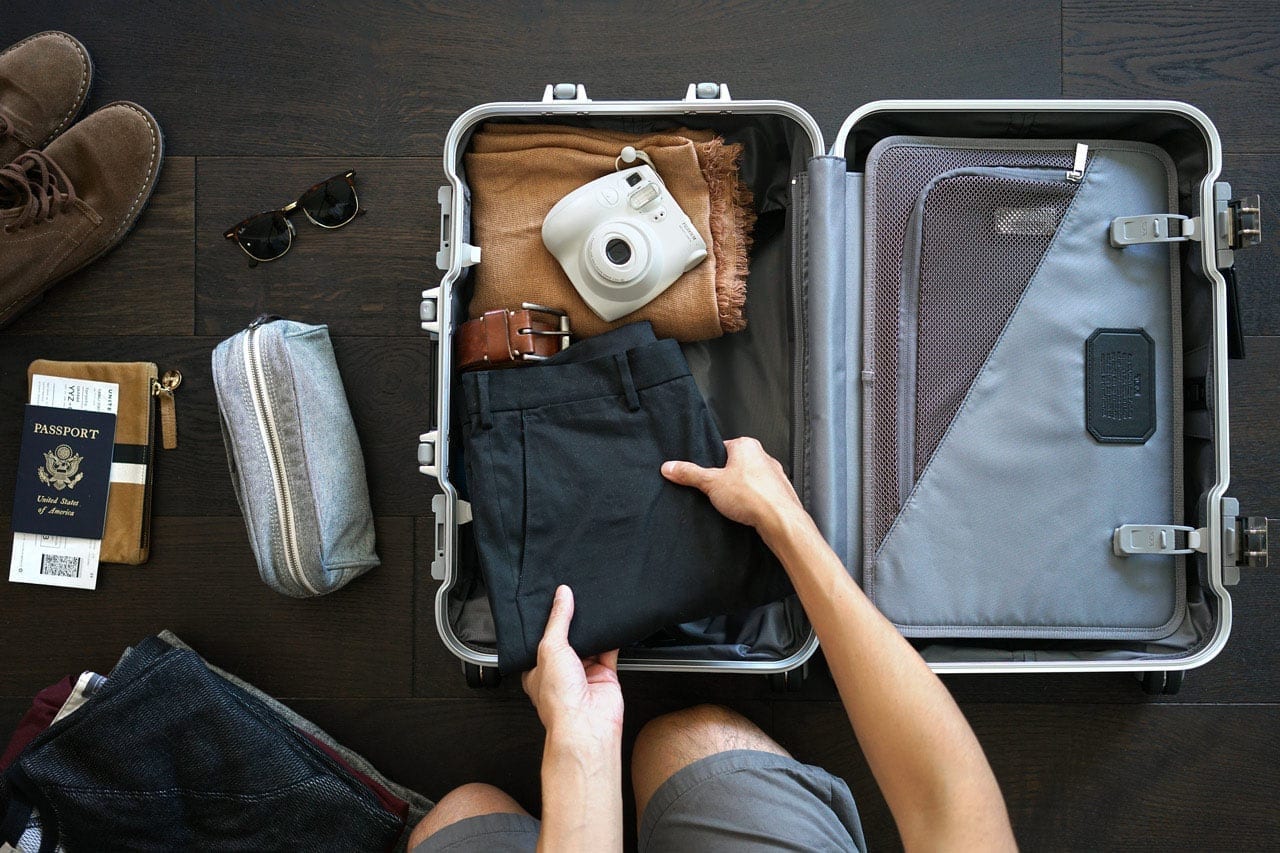
    Calling all fans of luxury travel, TUMI has opened a new boutique in London’s Covent Garden. Visit the store to browse the range of high-end bags, luggage, travel, business and lifestyle essentials.

    The stylish, 103sqm store showcases the latest TUMI products, including the new Latitude range of premium luggage.

    The design of the premier retail space is line with the chic aesthetic that TUMI is famous for.

    Sophie Ellis Bexter performed in-store at an event to celebrate TUMI’s third London opening – and fourth standalone store in the UK.

    Damien Mignot, TUMI’s General Manager Europe, hosted the party, during which guests enjoyed a menu inspired by first-class travel.

    Guests on the night included Lorraine Pascale, Pietro Boselli, Oliver Proudlock, AJ Pritchard, Neil Jones and Annaliese Dayes.

  • Japan’s KDDI sets sights on extended reality

    Japan’s KDDI sets sights on extended reality

    KDDI is branching out into the emerging world of extended reality (XR) – which includes virtual reality, augmented reality and mixed reality – by forging partnership with US-based Osterhout Design Group (ODG) to jointly plan and develop XR-based smartglasses for the Japanese market.

    The Japanese operator is also teaming with various partners to conduct business trials and create XR services as the company moves toward developing new business operations using virtual characters and other XR technologies to create new business models for the coming era of widespread 5G use.

    The partnership with ODG, announced last week, will see KDDI help with the development of domestic Japanese products using the R-9 smartglasses developed by ODG. The operator will help optimize the potential of smartglasses for the Japanese domestic market through practical testing.

    According to KDDI, the R-9 smartglasses to be used in future verification tests are equipped with the Qualcomm’s Snapdragon 835 chipset and compatible with an AR/VR app that enables stand-alone position tracking for users.

    The R-9 smartglasses will feature a wide 50° viewing angle, and will be compatible with wide-screen displays using 22:9 and 16:9 aspect ratios. The R-9 smartglasses will also include dual stereo cameras; front camera with 13-megapixel resolution; and simultaneous Localization and Mapping (SLAM) compatibility.

    KDDI and ODG also plan to work with Qualcomm toward equipping future models with a modem function to bring cellular communications capability to smartglasses in addition to existing Wi-Fi functionality.

    KDDI and various partner companies, such as Japan Airlines, plan to begin practical testing of smartglasses in Japan in June.

    Collaborating with partners to create virtual characters and XR services

    In a separate announcement, KDDI said it is planning to start conducting business trials on the XR technologies with various partner companies beginning this month.

    Through business trials with various partner firms and applications of this technology, KDDI aims to create worlds in which people and virtual characters can communicate interactively.

    So far KDDI has worked with Crypton Future Media for the development of the Miku☆Sampo AR application. Moving forward, the operator plans to expand the AR presentation developed through Miku☆Sampo to enable users to communicate more naturally with the character.

    This will be accomplished through virtual character development capabilities unique to AI, which enable the character to recognize and understand objects and sounds, etc., in the surrounding environment, KDDI said.

    In addition, this project will include a real-time image recognition engine provided by Couger. Couger will also cooperate with virtual character AI-related technology.

    KDDI’s announcements signal the increased interests from telecoms operators in VR/AR. According to GlobalData, telecoms operators – who have a key role in enabling VR/AR services as providers of broadband and mobile network services – are exploring  revenue opportunities in VR/AR that are beyond 5G data and connectivity.

  • Shiseido opens first IPSA TR counter outside Japan

    Shiseido opens first IPSA TR counter outside Japan

    Shiseido Travel Retail has opened a new travel retail counter for its IPSA skincare range at King Power International Group’s Rangnam Complex in downtown Bangkok.

    This is Shiseido’s first such installation for IPSA outside of Japan, and comes just four months after its inaugural store opening at Narita International airport.

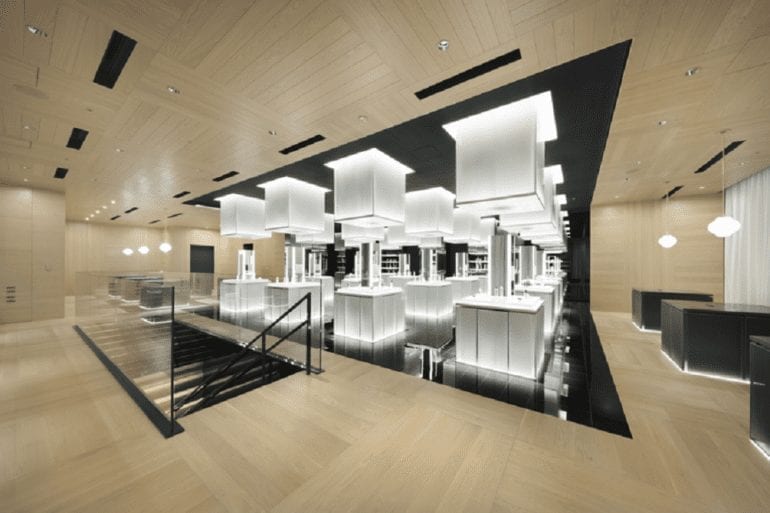
    Shiseido said that the counter has been designed with the concept of “Comfortable Living Space”, using the brand’s signature colours (beige, white and black) and materials such as decorative plastering finishes and sliced natural wood veneer.

    The installation also features a seven-metre curved back wall and a spacious consultation area.

    Whelan looking to “work closely” with Shiseido

    Of the new IPSA counter, Shiseido Travel Retail Asia Pacific general manager Kenji Calméjanesaid: “The brand, with its 30-year history, is already well established in Japan and China – but there is ample opportunity for growth and to open the brand’s first travel-retail counter outside of Japan is a fantastic achievement for the team.

    “IPSA has global appeal, particularly with millennials, thanks to its personalisation, minimalist packaging and simple, natural ethos on skincare and we have no doubt the brand’s momentum in the travel-retail market will continue.”

    King Power International Group senior executive vice president Susan Whelan added: “It is with much pleasure that we welcome IPSA onboard. As a brand that is fast gaining popularity with the Chinese, who form one of our biggest customer bases, we look forward to working closely with Shiseido Travel Retail to bring more quality experiences and products from IPSA to our travellers.”

  • Fatburger Buffalo’s Express opens Tokyo burger restaurant

    Fatburger Buffalo’s Express opens Tokyo burger restaurant

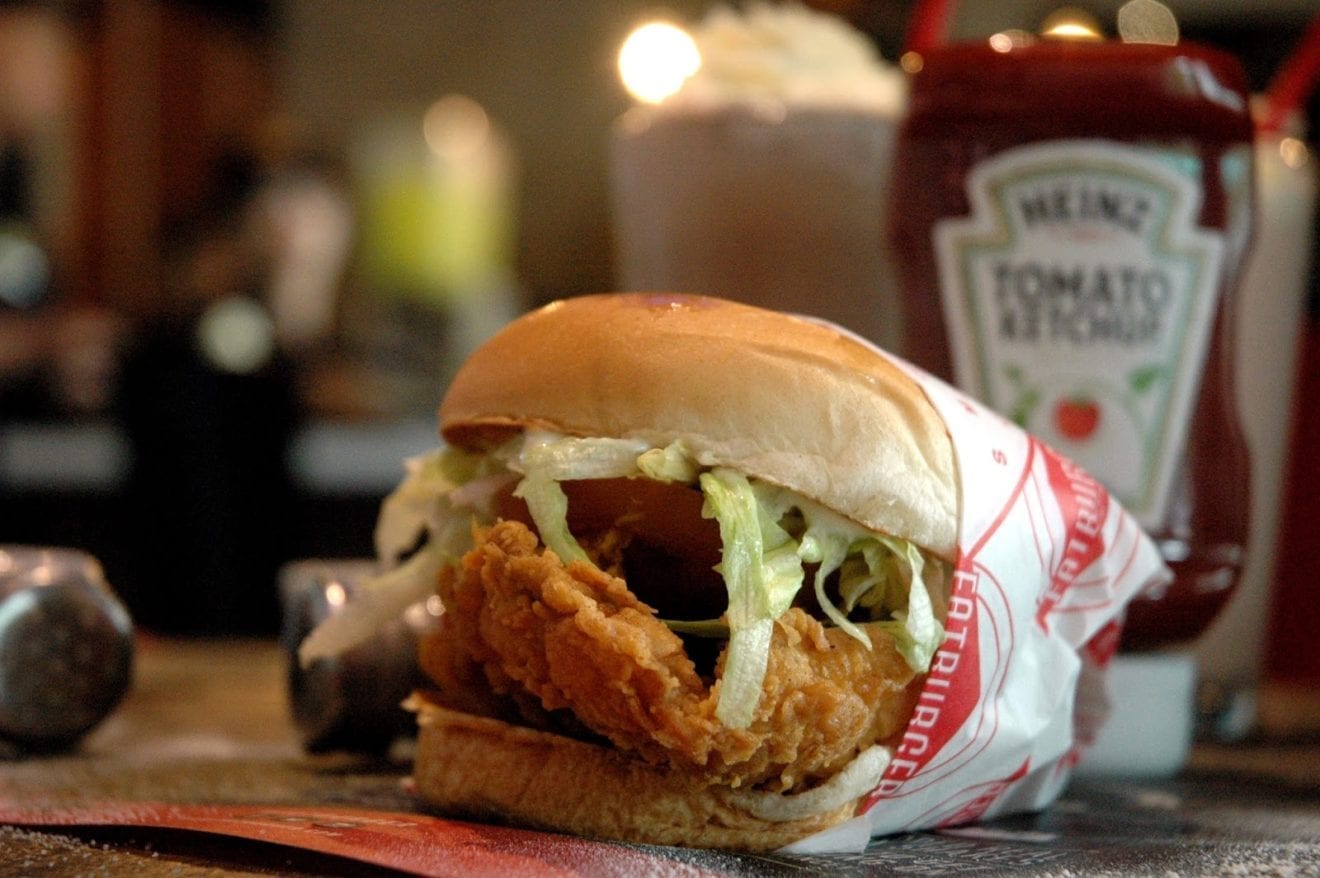
    A co-branded Fatburger Buffalo’s Express is opening its first Tokyo location tomorrow. Located at the Magnet by Shibuya109 building in Shibuya Crossing, the US fast-food brands’ outlet will feature all-American fare from Buffalo’s Express and Fatburger, as well as alcoholic offerings from bar concept, FatBar.

    “We’ve been waiting for the perfect opportunity to enter Japan and it’s finally here. As a team, we couldn’t be more pleased with how this flagship location has developed,” said Andy Wiederhorn, CEO of Fat Brands.

    “Our recipes, ambiance and service have exceeded expectations in other locations across Asia and I expect nothing less in Tokyo.”

    The Japanese outlet is operated by Green Micro Factory, subsidiary of G Three Holdings.

    Fatburger parent company Fat Brands has recently announced openings and development deals in Canada, the Philippines, Scotland, Singapore and Southern California.

  • Sofina Beaute continues its growth

    Sofina Beaute continues its growth

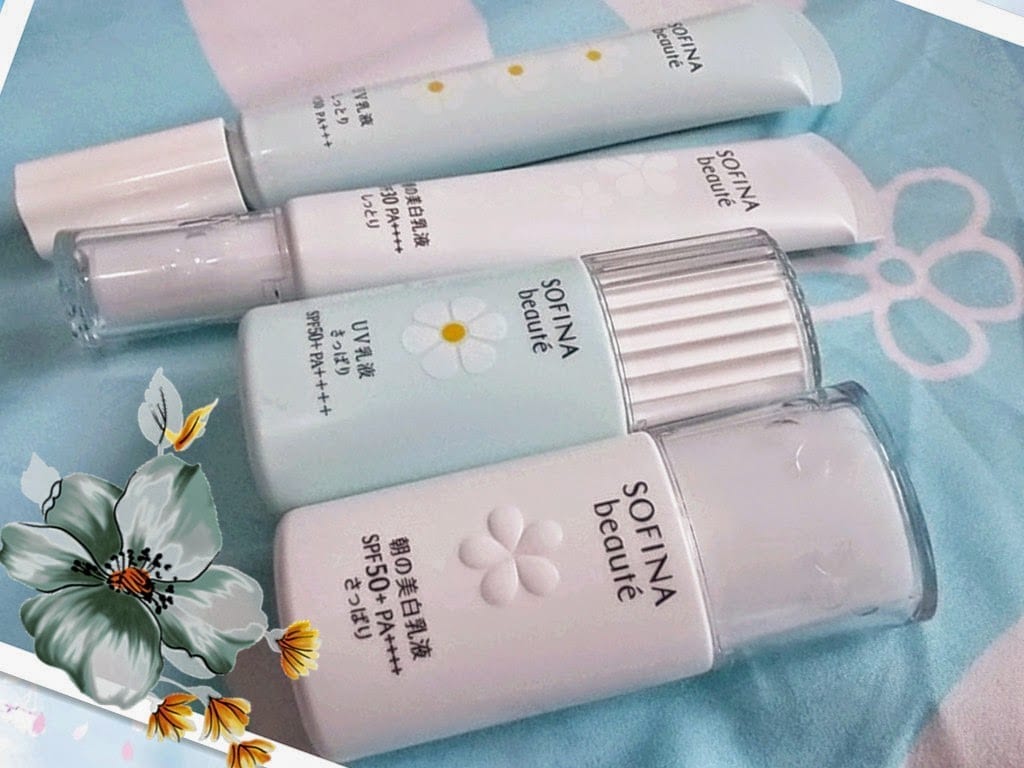
    Japanese brand Sofina Beaute has arrived in Singapore as part of its rollout in Asean countries.

    Under the wing of cosmetics group Kao Corporation, the brand’s offshore expansion has already included Taiwan, Hong Kong and Mainland China.

    Its Singapore counters will offer skin-analysis technology with consultants available for beauty advice.

  • Uji-En brings you to Japan

    Uji-En brings you to Japan

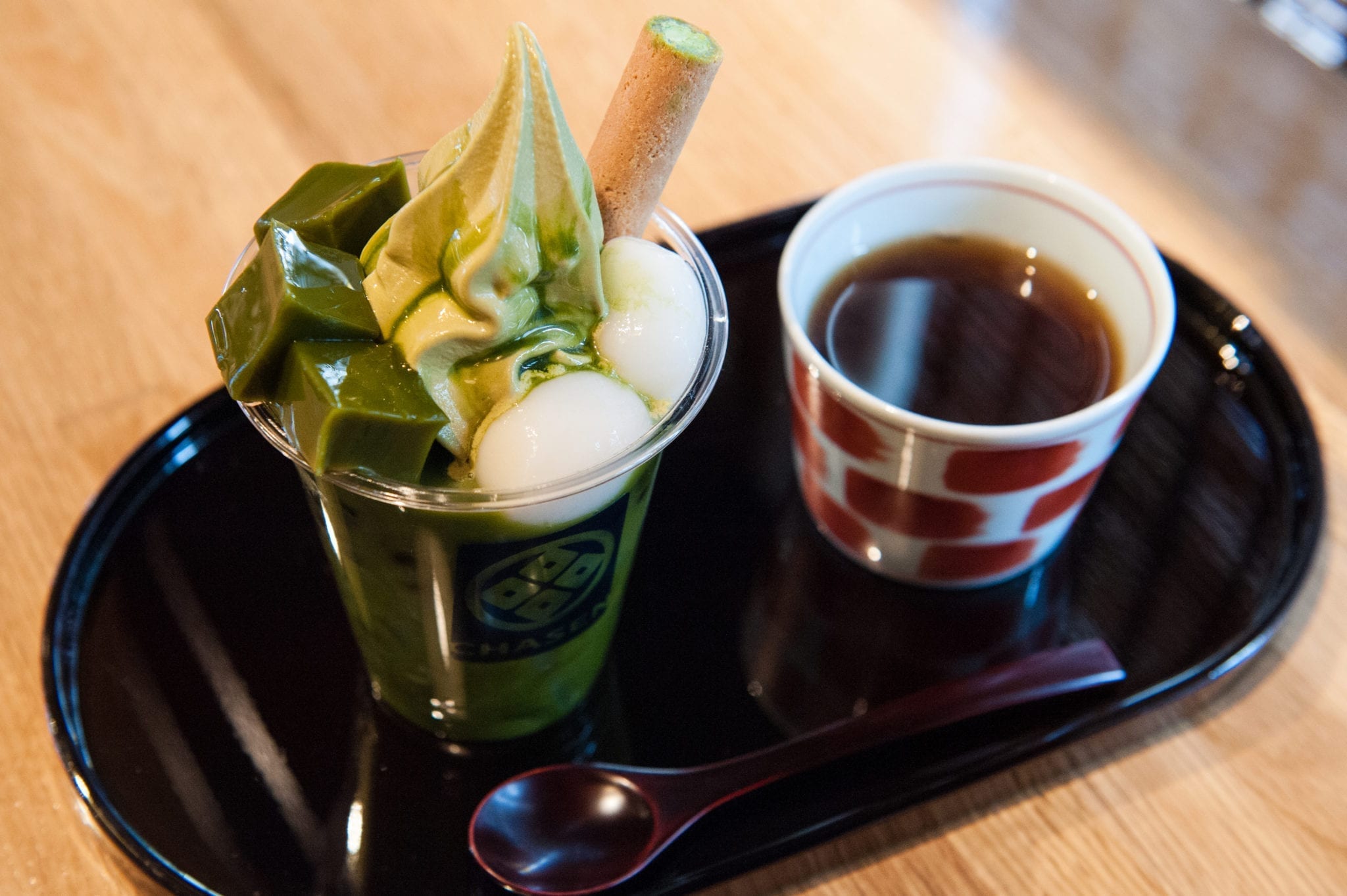
    Harbour City is home to the first international flagship of a Kyoto-founded tea brand that has set its eyes on international expansion. Uji-En is a Japanese green-tea brand with a history dating back nearly 150 years. It decided in the late 1990s to expand its packaged-tea business by opening cafes in its home market.

    More than 20 stores have been opened, including two in Mainland China. As they are trading well, the company decided last year to expand into Hong Kong as the next stepping stone in a grander global plan.

    Head Architecture and Design Limited was appointed by the Shigemura family, founders of Uji-En and their Hong Kong partner to create a younger feel for the brand’s first cafe in Hong Kong, which would also provide a template for further stores to be rolled out across greater China. That design has just won a Silver Award in the new retail concepts category of the ICSC China Shopping Centre and Retail Awards announced in Shanghai last week.

    The Kowloon retail space would merge a cafe, a takeaway area and a retail space stocked with teapots, cups, bowls and accessories along with brightly coloured packages of teas and snack foods for home use or gifting.

    “The brief was to evolve a typically traditional, conservative Japanese brand into something more youthful that would appeal to millennials and engage with people who enjoy green-tea and matcha products, but might not know of the Uji-En brand and its history,” says Head Architecture and Design co-founder Mike Atkin, who was lead designer on the project.

    Austerity and trust

    “So the finished design had to convey a sense of austerity and trust, yet appeal to a younger demographic seeking a modern, trendy destination for relaxing and dining.”

    Uji-En was founded in Kyoto in 1869, so it has a rich heritage and high brand recall in Japan. But abroad it is something of a hidden gem. Atkin’s challenge was to create a modern, appealing destination while still acknowledging the brand’s rich heritage.

    Members of the Head Architecture and Design team visited traditional Japanese tea houses in Osaka and Kyoto, and spent time observing tea-focused cafes closer to home.

    “We looked at cafes in Hong Kong shopping centres, looking to see which venues were typically busier than others, and which were the most successful in drawing shopper dwell-time. We knew the product was a strong offer, especially given the brand’s long success; our role was to create an environment that made that product hero and placed it firmly on the radar of contemporary consumers,” says Atkin

    “Our design was inspired by a traditional wood-framed Japanese tea house, using a mixture of light and dark timbers and liberal doses of matcha green. The resulting design is a bright, open, engaging retail space unlike anything in its category.”

    Footprint challenge

    Another challenge for Atkin was the store’s footprint – an L-shaped 1200sqft space bordering three sides of an atrium in the Harbour City shopping centre, bisected by an escalator well and with a partially open plan. The answer was to provide a Grab & Go counter and product display in the smaller space, with a 24-seat cafe and retail space occupying the rest of the area. This has the spinoff advantage of splitting the takeaway customers buying ice cream or drinks from those dining in, creating a more relaxed dining setting

    Built around an open void under a transparent glass ceiling, the space is filled with natural light during the daytime. A mixture of coloured and opaque glass separates the cafe interior from the mall corridor to provide a sense of privacy for diners, yet ensure natural light continues to flow through both spaces.

    Given the green-tea focus of the cafe concept, it is not surprising the design incorporates a lot of green.

    Emotional connection

    “The shades of green are designed to create an emotional connection between customer and the core green-tea product,” says Atkin. “And the contrast of the green with natural timber reflects the natural, clean properties of the brand and the teas.”

    To evoke the varied shades of drying tea and fields with gardens of trees and bamboo, Atkin’s team introduced vertical panels of mixed green glass, mimicking the zen Japanese model. Tea chests and matcha-green textured paint hark back to the history and core product of the company.

    “One strong element of the existing Japanese branding is the graphics, developed by Hirosuke Watanuki in the early 1990s. These are beautifully crafted, playful elements we wanted to integrate and build on in the new design. Tea, the core product of Uji-En, is represented by the female figure of Okame for matcha tea and Hyotokko (the fire man) for Hoji Cha tea.”

    While Uji-En does not reveal its trading figures, queues are often been seen outside the store at weekends. But the biggest testimony to the success of the store’s design is that many elements will feature in upcoming stores as they open in Hong Kong and on the mainland.
  • Docomo, Nokia testing 5G NR in 90-GHz band

    Docomo, Nokia testing 5G NR in 90-GHz band

    Japan’s NTT Docomo and Nokia are performing joint 5G technology trials using extremely high frequency 90-GHz millimeter wave (mmWave) spectrum.

    At the Brooklyn 5G Summit in New York this week, the companies are demonstrating the use of a Nokia Bell Labs-developed compact mmWave phased-array antenna system using an integrated circuit solution in the 90-GHz frequency band.

    The demonstration aims to show how using 5G new radio enhancements at higher mmWave bands can manage radio complexity while enabling greater bandwidth.

    Meanwhile using a larger number of antenna elements at higher frequency bands can minimize path loss to enable coverage similar to that found in lower mmWave bands, Nokia said.

    The companies also conducted a joint demonstration to show how dynamic offloading relocation in a 5G core will enable the low-latency networks required to support time critical mobile broadband applications such as automation and augmented reality.

    Nokia and Docomo have pledged to continue to test these technologies at Docomo’s research lab at the Yokosuka Research Park in Japan.

    “These demonstrations at the Brooklyn 5G Summit build on a long collaboration with Nokia,” Docomo CTO Hiroshi Nakamura said.

    “Working together, we want to accelerate the evolution of 5G technologies especially towards pioneering higher frequency bands such as 90 GHz.”

  • LG bought Avon Products Japan

    LG bought Avon Products Japan

    South Korean cosmetics and household goods maker LG Household & Healthcare says an affiliate will buy a Japanese cosmetics firm for ¥10.5 billion (US$97.6 million).

    Ginza Stefany Inc, based in Japan, will take a 100 per cent stake of Avon Products, founded in 1968.

    The company’s sales reached KRW100 billion ($93 million) in it latest fiscal year.

    The acquisition is the Korean cosmetics giant’s latest move to strengthen its foothold in Japan after buying Ginza Stefany in 2012 and Everlife the following year, reports Yonhap News Agency.

    “Based on Avon’s credibility in Japan and its five decades of relationships with local companies, LG Household & Healthcare would like to overcome possible obstacles in expanding business there,” says the company.

    Meanwhile, LG has had record earnings for this year’s first quarter. Its new profit of KRW196.4 billion was  8.8 per cent up from a year earlier. Sales rose 6.5 per cent to reach KRW1.7 trillion, and operating profit was up 9.2 per cent to KRW284 billion.

    On the back of the robust earnings, the company says it will invest KRW389.3 billion by March 2020 to expand its production lines and build a logistics centre in Cheongju, central South Korea.

  • SoftBank to phase out PHS services

    SoftBank to phase out PHS services

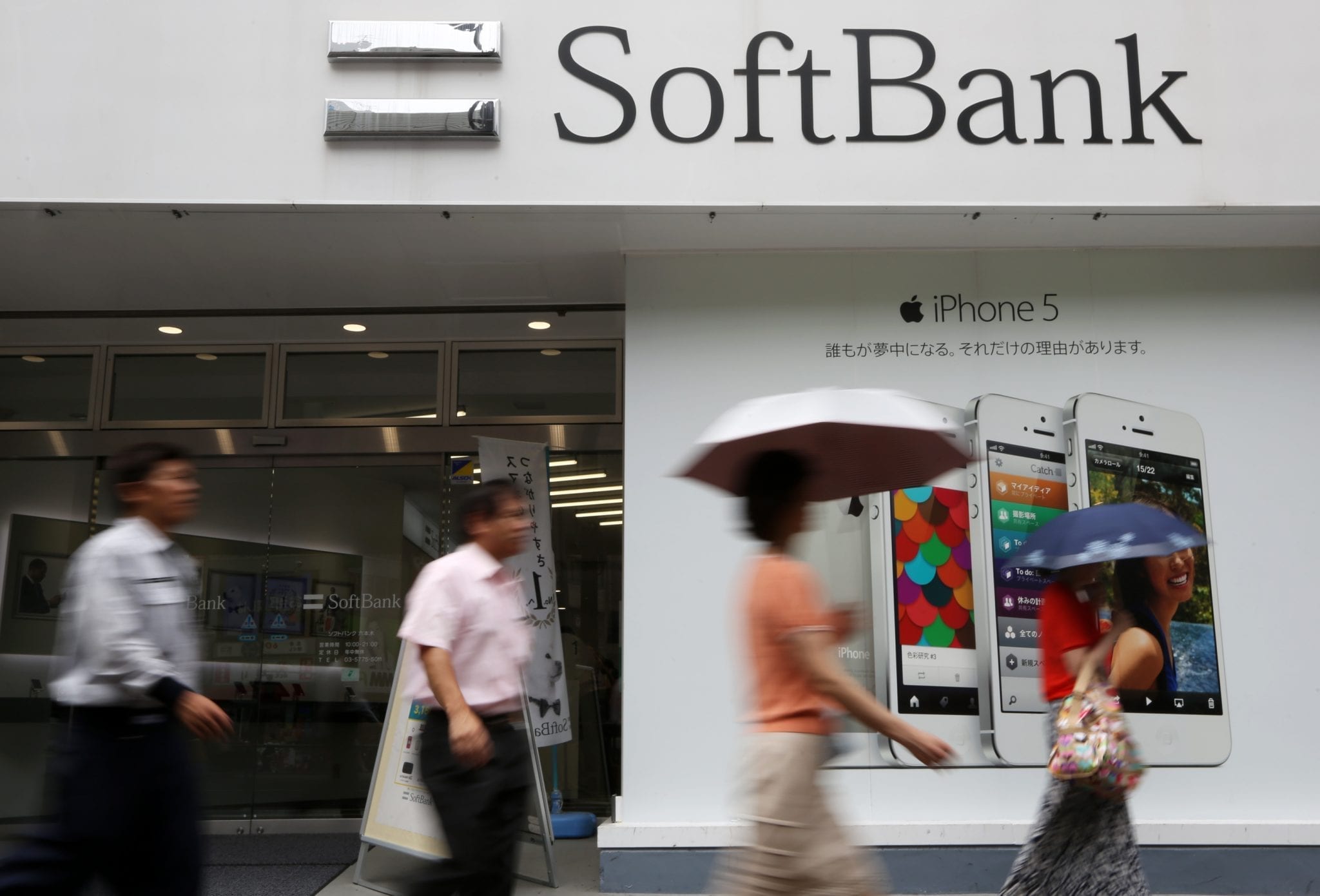
    Japan’s SoftBank has revealed plans to stop providing personal handphone services (PHS) for general users from mid-2020.

    SoftBank stopped accepting new contracts for individual PHS services in March and will phase out existing services for general users from July 2020.

    SoftBank is the only operator in Japan to still be providing services based on the Japanese-developed PHS standard.

    The company has been selling PHS handsets using its Ymobile budget brand.

    SoftBank will also stop providing new PHS contracts for inter-device communications, such as for vending machines and marking units, from March next year, but will continue services for existing users.

    The PHS standard was originally developed by NTT Laboratory in 1989, and services first launched in Japan in 1995.

  • Shiseido recently started buying up tech start-ups

    Shiseido recently started buying up tech start-ups

    Japanese personal care company Shiseido has started buying up tech companies as a gambit to cater to a younger generation of buyers.

    Shiseido last year sold ¥1 trillion (US$9.3 billion) worth of beauty products last year, mostly in traditional stores. However, CEO Masahiko Uotani says consumers in their teens and 20s often prefer to shop online, which is why the brand is seeking to invest in expertise in such technologies as artificial intelligence and augmented reality.

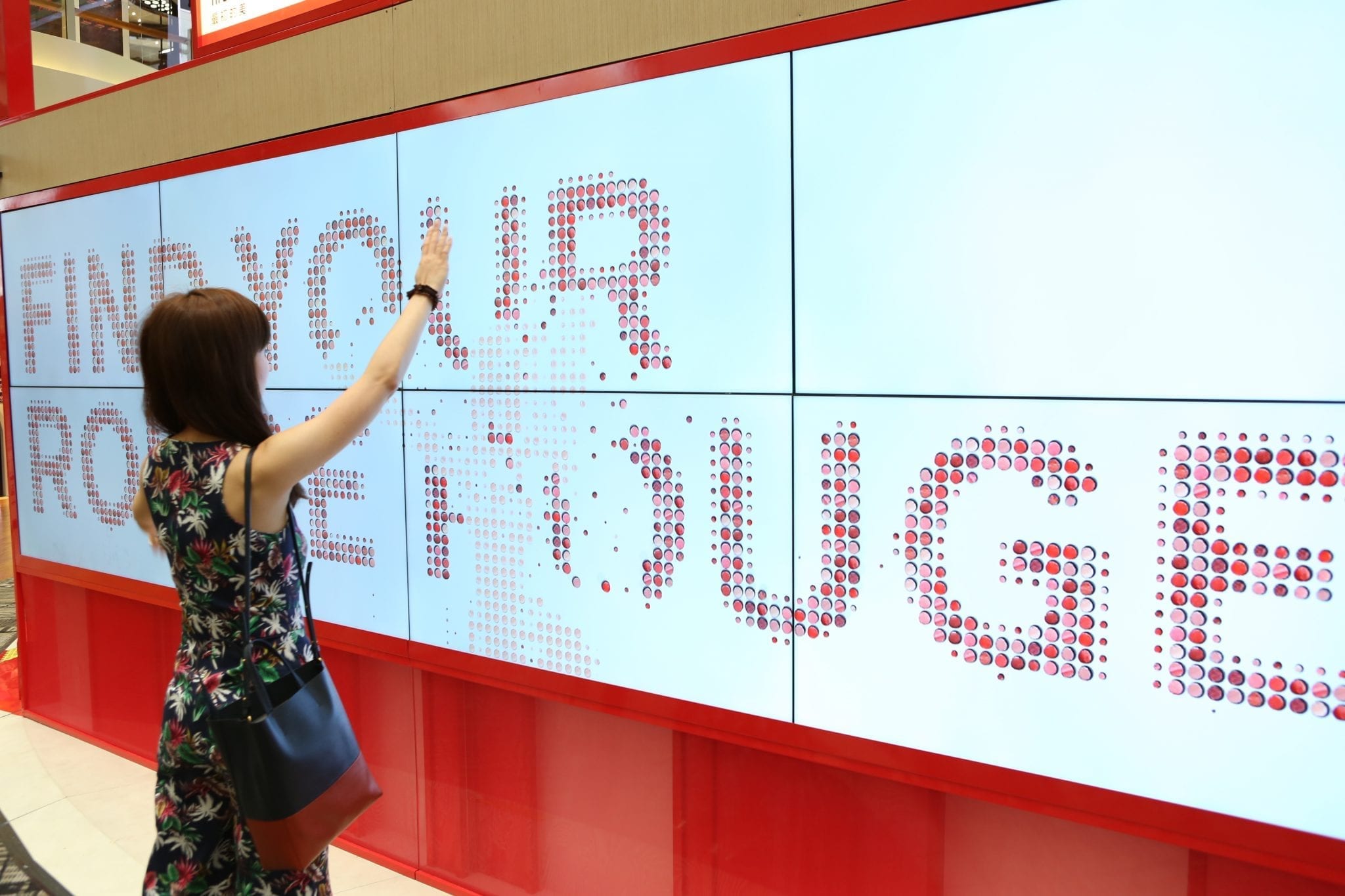
    Uotani’s ambition is to help shoppers replicate online the experience of trying on cosmetics in a store, and use data from smart devices to create personalised make-up for customers.

    He says the younger generation does not often go into stores. “The way they buy, the way they share their excitement with their friends, is completely different from older generations.”

    Shiseido has already acquired for an undisclosed sum of the R&D team and other assets of Olivo Laboratories, a US start-up specialising in artificial skin technology, and earlier bought MatchCo, a California start-up that develops software customers can use with their smartphones to create customised foundation products matching their skin tones.

    Another acquisition has been Giaran, a startup that develops AI technology.