Tag: Japan

  • Brand new Shibuya mall and hotel to open in September to welcome Olympic

    Brand new Shibuya mall and hotel to open in September to welcome Olympic

    Among changes ahead of the 2020 Tokyo Olympics, Shibuya is having a revamp that includes Shibuya Stream, on the south side of the railway station.

    It is a complex covering the point where the Shibuya River emerges from underground. The theme of the first three floors is “Shibuya Style: Custom Shibuya”, with 30 businesses recruited that target “adults who have their own style and live their life their own way”. Most of these places are new to the area, the city or the country.

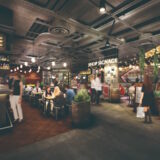
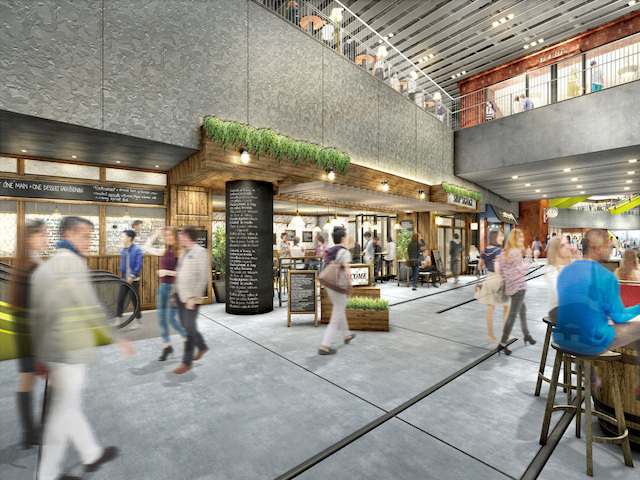
    The first floor, the Riverside Market (pictured), is intended to resemble a relaxing riverside area. It will feature a restaurant from Osaka making its Tokyo debut, Bokkoku Kaiten Tori Ryouri, which appears to have a Mexican menu. A branch of The Great Burger Stand will be among five other businesses.

    Meant to mimic the streets of Shibuya, the second floor will be called Shibuya CustomStreet and feature 15 shops, including two restaurants by bakery connoisseur Shuichiro Omura, as well as a French restaurant with an open kitchen.

    Introducing paella

    Shibuya Court, the third floor, will feature nine more restaurants with open spaces, including cuisine options like Japanese and Spanish. For the first time in Japan, guests will be able to taste Barcelona-style paella and Spanish seafood at Xiringuito Escriba.

    Two plazas will make up the ground floor of Shibuya Stream. The first will face the great stairs leading up to the first floor as well as the Inari Bridge. It will serve as Shibuya Stream’s connection to the south side while also giving guests a chance to look over the river. There are already plans for promotional events to occur here.

    The second open space will stretch along the river to Kanno Bridge with the intention of hosting markets, beer gardens, festivals and community events. The area will also be landscaped and lined with green, and the river will be given a boost to its image with new water-treatment projects.

    The shops will be open for business from September 13. Pictures of the rendering can be viewed below :


  • I.T Limited sales goes up in China and Japan, but down in HK

    I.T Limited sales goes up in China and Japan, but down in HK

    Solid growth in Japan and China compensate for subdued sales in Hong Kong for fashion retailer I.T Limited.

    While Hong Kong sales slipped 5.1 per cent to HK$3.28 billion, much of that was related to store network rationalisation, with like-for-like sales down just 0.9 per cent. Mainland China sales rose by 10.9 per cent to HK$3.837 billion and in Japan, sales soared 29.3 per cent in Hong Kong currency, or 31.6 per cent in local currency, to HK$945.8 million.

    Total group turnover was up 4.8 per cent to HK$8.383 billion and net profit by 37.1 per cent to HK$431.9 million.

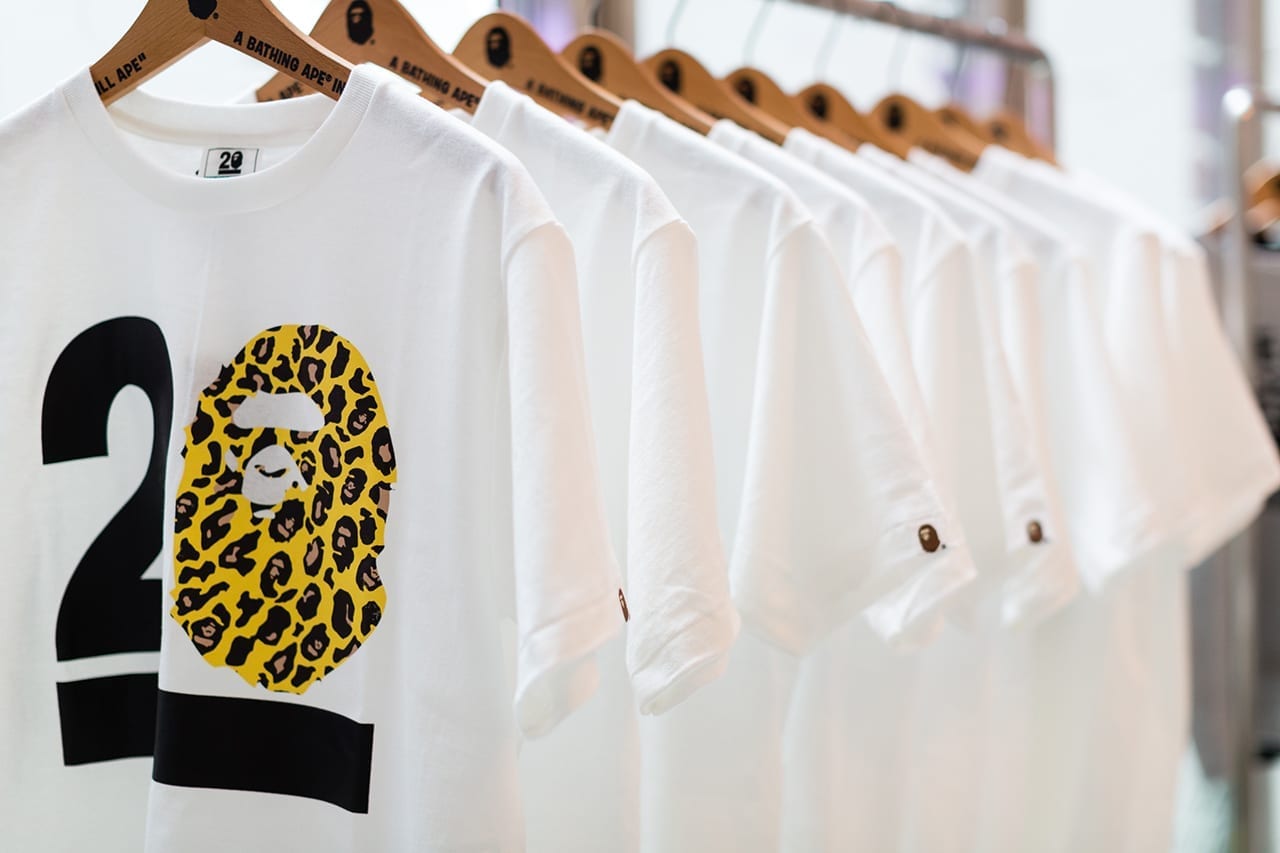
    I.T Group operates its own brands, including Chocolate and 5cm, concept stores Izzue and Double-Park; international brands it has local licences for including Kurt Geiger and Camper; and A Bathing Ape, which the company rescued from Japanese owners in 2011.

    I.T Limited’s total trading area shrunk by just 0.3 per cent in Hong Kong, reflecting the sheer size of its various brands’ network. But the company said the consolidation exercise and controlled discounting initiatives helped profitability. Same-store sales growth turned positive in the second half of the year.

    “The results in our Hong Kong and Macau segment are particularly noteworthy,” said chairman Sham Kar Wai.

    “They are not only due to the fact that Hong Kong is the home of the group and is one of the leading fashion marketplaces in Asia. They also reflected the determined efforts we made to move the business in our Hong Kong and Macau segment into positive territory in the second half of the financial year. We are also particularly encouraged by the recent relevant data showing signs of gradual recovery in the fashion retail industry in Hong Kong.”

    On the mainland, the group now has 492 stores and an online business. While same-store growth of less than 1 per cent was far lower than the previous year’s 17 per cent, it was against an unusually high base.

    I.T Limited is also experiencing solid growth in the US,m where it opened two new stores in Los Angeles.

    “Our business in Japan and the US continued to outperform, and we are particularly gratified that the responses to the two new Los Angeles shops have been overwhelmingly positive.”

  • My Melody Café Is Opening In Singapore At Suntec City

    My Melody Café Is Opening In Singapore At Suntec City

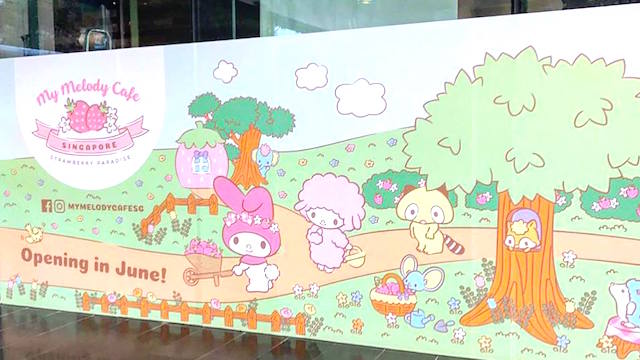
    Japan’s My Melody Cafe plans an outlet at Suntec City.

    Commonly known as My Melo, the character central to the cafe is a white rabbit from Japanese characterisation company Sanrio who is said to be a good friend of Hello Kitty.

    With an al fresco garden setting, the cafe will feature a floral arch, garden-themed mural wall and a cottage house.

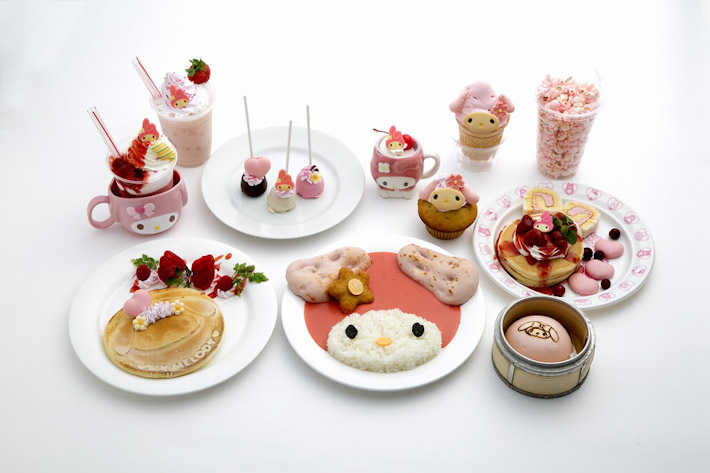
    The menu will offer five mains, six desserts and seven character-customised drinks.


  • The Outlets Hiroshima opens with great success

    The Outlets Hiroshima opens with great success

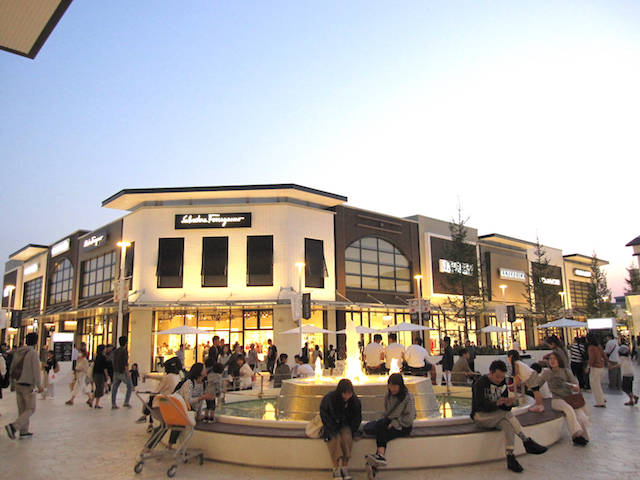
    The ribbons have been cut for the official opening of The Outlets Hiroshima, a shopping, dining and entertainment destination.

    Launching with 100 per cent occupancy, The Outlets Hiroshima offers savings of 35 to 70 per cent on luxury and fashion brands such as Armani, Bally, Coach, Ermenegildo Zegna, Kate Spade and Salvatore Ferragamo; sports brands including Adidas, Champion, New Balance, Nike, Puma and Under Armour; and Japanese brands such as Beams, United Arrows and Urban Research.

    With the open-air environment of traditional shopping villages, the shopping centre’s 125 outlet stores are set amid landscaped courtyards, water features and outdoor seating. Setting The Outlets Hiroshima apart from Japan’s typical outlet malls is an extra 25,000sqm of dining, entertainment and retail. As well as 22 restaurants and cafes offering both international and Japanese food, a 1000-seat food court offers 12 cuisines.

    Leisure activities and amusements include a cinema, ice-skating rink, bowling alley, VR centre and video arcade. There are also 85 specialty stores selling Hiroshima souvenirs, as well as an upscale supermarket offering fresh fruit, vegetables, pastries and local products.

    Developer Aeon Mall Co has seamlessly integrated outlet shopping, dining, leisure, entertainment and local culture in its collaboration with The Outlet! Company. The Outlets Hiroshima is collaborating with travel agencies to offer packaged group tours, and also provides special promotions and privileges for foreign tourists. The project is about 30 minutes’ drive from downtown Hiroshima.

    Pictures from the grand opening can be viewed in the gallery below :

  • Henderson to buy Japanese retailer FamilyMart’s Hong Kong stores for US$38 million

    Henderson to buy Japanese retailer FamilyMart’s Hong Kong stores for US$38 million

    Property developer Henderson Land plans to acquire the Hong Kong unit of FamilyMart UNY, Japan’s second-largest convenience store chain, for HK$300 million (US$38 million) through its investment subsidiary, it announced on Thursday.

    UNY (HK) owns and operates three outlets in the city – described as hybrids of merchandise stores and supermarkets – under the brand names Apita, UNY and Piago, respectively in Taikoo Shing, Lok Fu and Kowloon Bay, as well as a discount store named Watashi to Seikatsu in North Point, which is due to close when the lease runs out in September.

    The acquisition is expected to strengthen the company’s position in the local retail market, expand its store coverage to Hong Kong Island and enhance its reach to the city’s middle-class households, according to a statement from Henderson Investment, a subsidiary of Henderson Land Development. Henderson Land is the property flagship of real estate tycoon Lee Shau-kee, Hong Kong’s second richest man according to Forbes magazine.

    The companies expect to complete the transaction by May 31, after which Henderson will be granted the use of certain trademarks of UNY for 10 years.

    UNY’s Hong Kong stores have been rooted in the local retail scene for around 30 years with a focus on offering Japanese food and fresh produce. UNY HK reported a net income of HK$31 million in the fiscal year ending November 2017, down 22.5 per cent from the same period a year ago.

    Henderson Investment’s presence in Hong Kong’s retail landscape includes its operation of local department chain, Citistore, which the company acquired for HK$934.5 million from its parent company in 2014. Citistore currently has six department stores, in Tsuen Wan, Yuen Long, Ma On Shan, Tuen Mun, Tseung Kwan O and Tai Kok Tsui.

    Listed in Hong Kong, Henderson Investment halted its trading in the local bourse on Thursday morning with its shares at 68 HK cents, and expected to resume trading on Friday.

  • Aeon adopts wait-and-see approach over GST

    Aeon adopts wait-and-see approach over GST

    Japanese retailer AEON Co (M) Bhd is adopting a wait-and-see approach when it comes to the upcoming abolishment of the Goods and Services Tax (GST) on June 1.

    Executive director Poh Ying Loo said Aeon was still seeking greater clarity from the Pakatan Harapan government.

    “The GST question was something that was also posed by shareholders earlier and our stand right now is that it is too early to decide right now,” Poh said at a press briefing after the group’s 33rd annual general meeting here today.

    “We understand that other policies and tax regime such as the Sales and Services Tax (SST) will be reintroduced. We can’t really comment on whether of not our pricing would be cheaper until those things are made more clear,” he added.

    The group has allocated between RM300 million and RM500 million in capital expenditures (capex) this year.

    According to Poh, this was slightly lower than last year’s capex of some RM500 million.

    “The capex is inclusive of our newest mall in Kuching, Sarawak which we have already opened in April this year,” said Poh.

    With three levels of retail floors and four levels of car park, the Kuching mall is AEON’s debut presence in East Malaysia.

    The remaining capex will be for the expansion of Taman Maluri Shopping Centre and the refurbishment of Tebrau City, Bandar Utama and Bandar Sunway.

    As of the end of 2017, AEON has 26 malls across the country.

    A big part of AEON’s drive this year is to further strengthen its omni-channel strategy that will leverage onto its physical stores for offline experiences, logistics and convenience.

    “We had partnered with online concierge and delivery service Honestbee in January, and the response has been encouraging. We expect this business will grow with time,” said managing director Shinobu Washizawa.

    The firm is also set to roll out a “groceries drive-thru” service in Bukit Indah, Johor whereby customers can order groceries online from Aeon and pick them up themselves through a drive-thru window, starting next month.

    Aeon posted a net profit of RM105 million on the back of RM4 billion revenue for the year ended 31 December 2017.

  • Bic Camera Inc.’s profits come from Chinese tourists

    Bic Camera Inc.’s profits come from Chinese tourists

    Japanese retail tycoon Ryuji Arai can thank a growing flock of Chinese spenders for his swelling fortune.

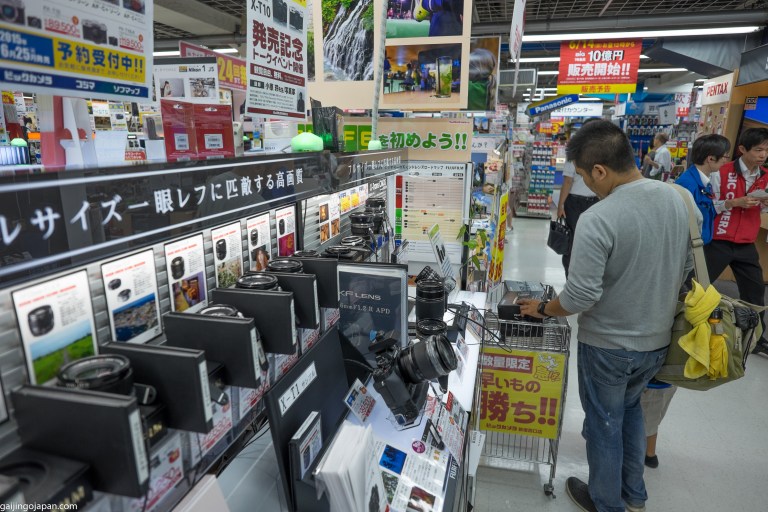
    Bic Camera Inc., the Tokyo-based consumer electronics retailer that sells everything from cosmetics to liquor at discounted prices, has become a sought-after destination for tourists shopping in Japan. Profit has jumped to a record, sending its shares up by more than 50 percent over the past year.

    The surge has given 71-year-old Arai a $1.8 billion fortune. Arai, who founded the retailer four decades ago and steered the company to its initial public offering in 2006, is now chairman at the company. He owns a 43 percent stake in the shares through a set of trusts and his asset management company La Holdings.

    Bic Camera has won tourists over with bargain prices offered in its stores along with duty-free desks, and by giving overseas shoppers the option to make online reservations for products they wish to purchase. The company is also trying to woo Chinese shoppers by accepting payment methods such as Alipay, Wechat and even Bitcoin — which is helping boost sales, said Bloomberg Intelligence Consumer Analyst Thomas Jastrzab.

    “Bic Camera’s early adoption of new payment options could give it an edge over more cautious rivals,” said Jastrzab.

    Not much is known about the reclusive businessman. Bic Camera declined to make him available for comment for this story. He started his first company in his early twenties and later spun out the camera sales division into its own company, according to local media reports. He then went on to form Bic Camera in his early thirties with the opening of a store in Tokyo’s Ikebukuro shopping district.

    Arai is an anti-nuclear advocate, and Bic Camera displayed huge banners in 1995 to protest France’s plan at the time to resume nuclear tests in the South Pacific.

    In 2009, Arai stepped down as chairman of Bic Camera after the company became embroiled in a scandal over false earnings reports. After the shares lost almost half their value in January that year, they rallied when the company was allowed to retain its listing on the Tokyo Stock Exchange and it restated earnings for the fiscal years 2006 to 2008. The company was fined $1.3 million. He retook the role of chairman, without any directors role, several years later. Since then, Bic Camera shares have climbed eight-fold.

    After relinquishing the chairman role, Arai remained the largest shareholder of Bic Camera.

    Bic Camera has teamed up with Haneda Airport’s terminal operator, Japan Airport Terminal Co., to launch stores in airport terminals as well as Tokyo’s Odaiba shopping and entertainment district, according to Masanari Matsumoto, a spokesman for the company. Those stores are stocked with goods popular with inbound tourists to let them quickly find what they want, Matsumoto said. Inbound tourists shoppers to the electronics retailer have more than tripled in three years, according to the company.

    In recent years, the company has also ramped up sales through its own website and stores on e-commerce sites such as Rakuten and Amazon.com. Online sales accounted for about 10 percent of overall revenue in the six-month period ended Feb. 28, according to company filings.

    Bic Camera’s net income jumps more than five-fold over past four years.

    The company’s net income climbed fivefold to a record 13.5 billion yen ($122.6 million) in the financial year ended Aug. 31, according to figures from the company. Bic Camera predicts profit will increase to 16.4 billion yen this fiscal year.

    That strategy has helped Bic Camera become Japan’s third-biggest electronics and appliance retailer while offsetting the impact of a declining population at home. Bic Camera will benefit more than other big-box electronics retailers such as its competitors Yamada Denki Co. and Edion Corp. from the recovery in demand for digital consumer electronics, according to a Nomura Holdings Inc. research note last month.

    Online sales, with an increase in the weighting of sales on the company’s own website, will drive growth over the longer term, according to Nomura. While customers using Bitcoin have yet to account for a significant portion of sales, the option could help attract more foreign customers, especially during the 2020 Tokyo Olympics.

    ‘‘Quickly adding additional payment options is a good way to achieve differentiation,’’ said Bloomberg Intelligence’s Jastrzab. ‘‘It also helps to boost brand equity by creating a buzz with potential customers.’’

  • Asia Pacific drives Tiffany & Co global growth

    Asia Pacific drives Tiffany & Co global growth

    Tiffany & Co Asia-Pacific sales soared 28 per cent in the first three months of this year helping the New York-headquartered jewellery retailer achieve a 53 per cent lift in profit.

    The company’s worldwide net sales increased 15 per cent to $1 billion, with comp sales up 10 per cent. Net earnings increased from $93 million to $142 million.

    Asia-Pacific sales reached $329 million – one third of Tiffany’s global sales – driven by China “and most other markets,” and higher wholesale sales in Korea. Management attributed the growth to higher spending by both local customers and foreign tourists. On a constant exchange-rate basis, total sales and comparable sales increased 23 per cent.

    In Japan, total net sales rose 17 per cent to $151 million and comparable sales rose 14 per cent.

    Neil Saunders, MD of GlobalData Retail, says the results showed that despite being up against some soft prior year figures, the group has “pulled itself out of its previous funk” and its various initiatives are delivering solid results.

    “Among the steps taken, the renewal of the offer is the most critical. Here, Tiffany’s focus on producing more innovative and contemporary collections has paid dividends in both stimulating consumer interest and driving sales. Collections like Tiffany HardWear have been well received and has enabled a brand that was seen as old to reconnect with younger demographics.”

    Saunders says the pace of product innovation was especially encouraging. “New ranges like Paper Flowers show that the company is full of ideas and that it will continue to launch new collections throughout the year. This approach means that the company is once again treating jewellery as an item of fashion and is putting itself at the forefront of trends and modern design. In our view, this is the breath of fresh air that will clear away Tiffany’s traditionally fusty image.

    “It is also encouraging that, while cohesive, new collections are accessible to many consumers. The luxury Paper Flowers range, for example, features items that span the price spectrum from $2500 to $75,000. Meanwhile, the more everyday HardWear range spans $150 to $13,500. Certainly, products are not cheap, but neither should they be as Tiffany is an unashamedly luxury brand that wants to create an aspirational feel.”

    He says strong marketing has helped to amplify the changes made to products. “In our view, campaigns like Believe in Dreams are wonderfully playful and go right to the heart of the issue: that Tiffany might be seen as old-fashioned, but actually, it has something of relevance to the modern shopper. Featuring Elle Fanning in a Tiffany Blue colored hoodie sets the tone perfectly and really helps connect the brand with younger consumers with whom it has traditionally had little resonance.”

    GlobalData’ research shows that Tiffany is gaining ground in both awareness and appeal to millennial shoppers and this is one of the key factors helping performance.

    “Notably, this shift in attitude and message has not harmed the appeal or affection older customers have for the brand. Indeed, many are very engaged with the new styles and marketing. Tiffany, it seems, finally realises that most consumers of all ages no longer want old-world luxury; they want modern, fresh thinking that excites and inspires them.”

    But he cautions Tiffany still has work to do on its store environments. “Although steps are being taken to address this, many stores still do not reflect the brand image of the new Tiffany. However, we appreciate that this change will take time to deliver and are now confident that Tiffany will address the issues. Away from stores, we applaud the website which is easy, engaging and interesting to shop; this is no doubt helping Tiffany’s e-commerce numbers.

    “Overall, we believe that Tiffany has done a great job in turning around its brand. The company feels more energetic and younger than it has for a long time, and that can only be a good thing.”

  • Tokyo’s Brand Off launched in Siam Square Bangkok

    Tokyo’s Brand Off launched in Siam Square Bangkok

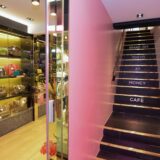
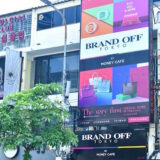
    Second-hand branded designer products retailer Brand Off Tokyo is about to open its first flagship store for Thailand.

    It will be run by Money Cafe Company, which owns Money Pinkoo Pawn Shop.

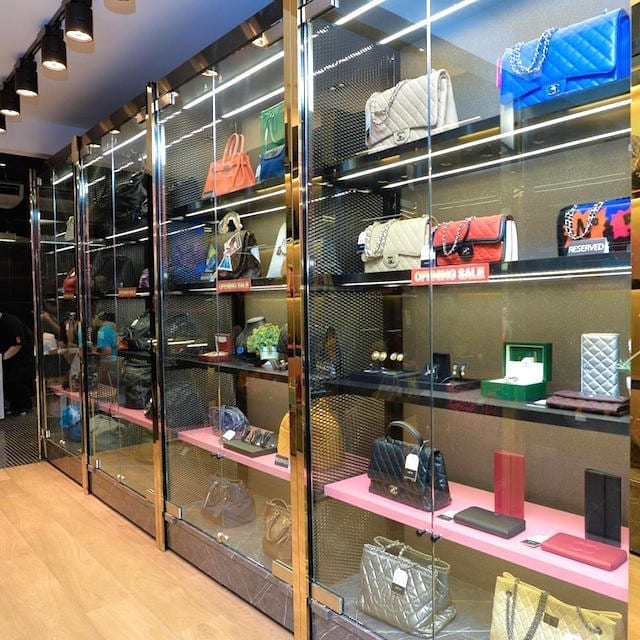
    Brand Off Tokyo has more than 60 branches (50 in Japan, eight in Hong Kong and four in Taiwan), with its Thailand outlet offering more than 300 designer bags, watches and jewellery items that are all 100 per cent guaranteed authentic. The 200sqm store is in Siam Square Soi 3.

    To expand its family business, Money Cafe looked into buying and selling used designer and branded goods, so it contacted Brand Off Tokyo, says CEO Shusak Tanglertsamphan.

    Gallery of the store can be viewed below :

    “We feel that using second-hand products and resources is a social responsibility that leads to waste reduction. Sharing high-value products and product satisfaction at lower costs is not only good for our customers, but also for our society and environment.” says Tanglertsamphan.

    Brand Off Tokyo is one of three original second-hand trading stores in Japan but the only one to have expanded overseas. It has product specialists on staff and is a member of the Association Against Counterfeit Product Distribution (AACD).

  • Takashimaya is more losing money than profit

    Takashimaya is more losing money than profit

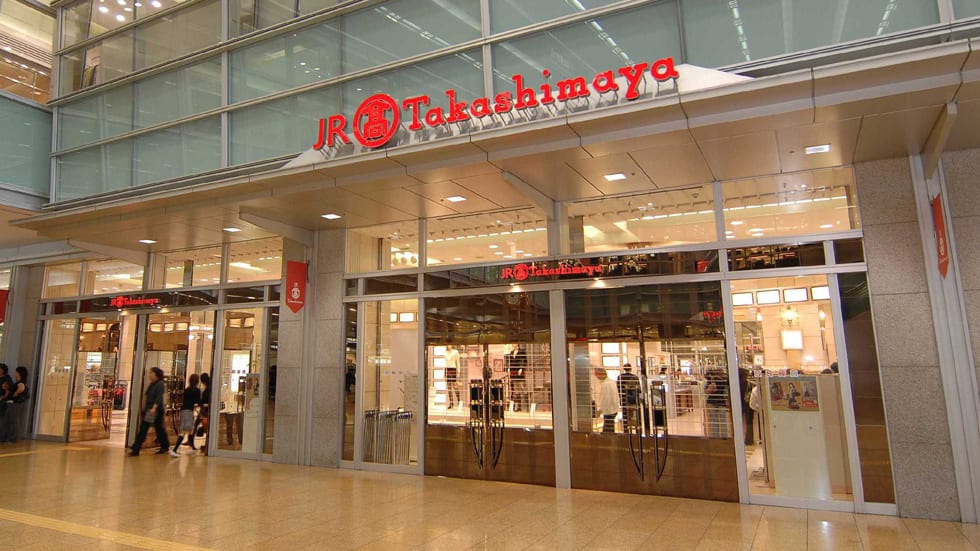
    Just one of Japanese department store chain Takashimaya’s three overseas stores is currently trading at a profit.

    But the company says it believes it can make them all profitable by 2023, including a fourth store set to open in Bangkok late this year.

    The successful store is on Singapore’s Orchard Road, which opened in 1993 and is reportedly earning more than 3 billion yen (US$27.2 million) annually.

    The chain’s Shanghai store, which opened in 2012, has been hampered by delays in the completion of neighbouring projects which would have drawn higher visitor numbers, along with administration costs running over budget. According to a report published by Nikkei, the store is expected to post its seventh consecutive loss in the 12 months to February next year, but should make money in 2020.

    The Ho Chi Minh City store in Vietnam, which opened in 2016, has “struggled from the start” according to Nikkei, its offer apparently too expensive for middle-class Vietnamese consumers. The company plans to boost sales by “broadening offerings of everyday items for families” which it hopes will lead it into profit in the 2022 year.

    The planned Siam Takashimaya store will be one of the anchors of Siam Piwat’s IconSiam, currently under construction and scheduled to open late this year – possibly in October.

    Takashimaya anticipates the Bangkok store to be profitable in its first year, thanks to rent concessions.

    The company’s president, Shigeru Kimoto, said it plans to continue Southeast Asian expansion, despite the challenges to date because it sees potential in the region.

    “In the long term, we seek to capitalise on Asia’s growth,” he said.

  • UNIQLO hits Hawaii with Ala Moana Center store

    UNIQLO hits Hawaii with Ala Moana Center store

    Japanese clothing retailer Uniqlo will open a 2500sqft pop-up store at Ala Moana Center on June 1, ahead of the grand opening of its first Hawaii store at the same mall.

    With the concept “A Little Pop From Tokyo”, the pop-up will feature 200 men’s, women’s and children’s t-shirts depicting Tokyo pop culture.

    In March, the company announced it would occupy a retail space of about 17,300sqm across two levels at the centre, the country’s largest outdoor shopping mall.

    Uniqlo has more than 1900 stores in 19 markets worldwide including Japan, China, Hong Kong, Indonesia, Malaysia, Philippines, Singapore, South Korea, Taiwan and Thailand.

  • Lippo, Itochu Explore Expanding Cooperation in Asia

    Lippo, Itochu Explore Expanding Cooperation in Asia

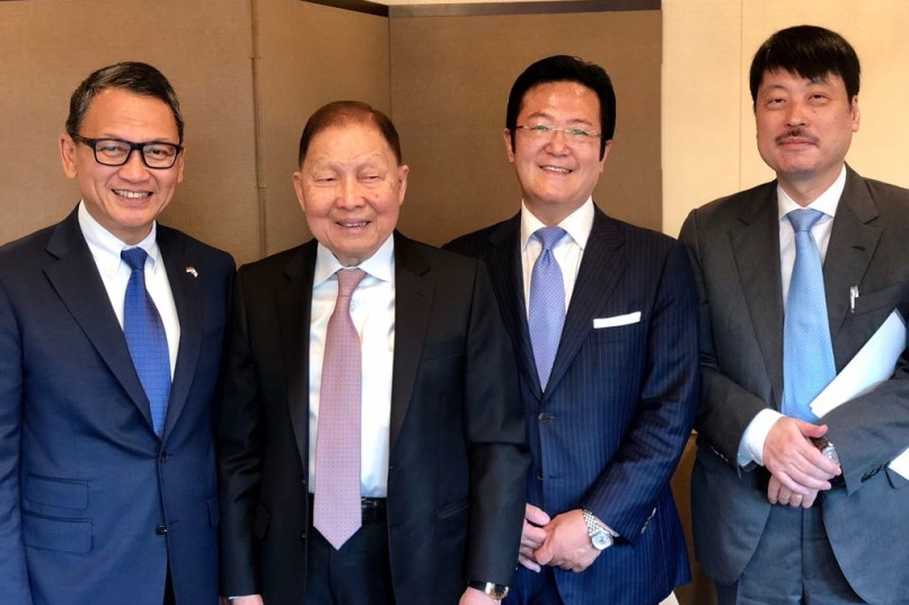
    James Riady, the chief executive officer of Lippo Group, one of Indonesia’s largest property conglomerates, met with Itochu chairman and chief executive Masahiro Okafuji in Tokyo on Monday to discuss ways to boost the companies’ cooperation in the regional healthcare sector.

    Lippo and Itochu are strategic joint venture partners in Lippo’s Healthcare operations outside Indonesia, covering 106 medical clinics serving 1.4 million Singaporeans, a hospital in China and 12 elderly medical facilities in Japan.

    The two business leaders discussed how to intensify their joint healthcare exposure across Asia and Indonesia, according to a statement from Lippo Group.

    Itochu is one of Japan’s largest and most profitable “sogo shosha” general trading groups with global operations and over $43 billion annual revenue in 2017 fiscal year.

    Lippo is Indonesia’s leading integrated services groups with operations in nine countries, including in Singapore, Hong Kong, China and the United States.

    Lippo’s 115,000 staff and employees serve over sixty million customers in various asset categories, including department stores, hypermarkets, malls, housing developments, hospitals, broadband and internet, technology and digital services, media, hotels, banking and financial services and township developments.

  • Lippo Urges Deeper Indonesia-Japan Business Ties

    Lippo Urges Deeper Indonesia-Japan Business Ties

    The Lippo Group, one of Indonesia’s largest conglomerates, has called for deeper ties between the Japanese and Indonesian business communities to help realize the Southeast Asian country’s high investment potential over the next decade.

    Japan has long been a major source for foreign direct investment in Indonesia, influencing a wide range of sectors, from mining and basic industries to automotive and public transportation.

    “Japan has been critical to Indonesia’s modern development. Today, as Indonesia continues to be a go-to market for textile, automotive, chemical and technology manufacturing, and more, Indonesia continues to be an attractive, high-potential business opportunity,” Lippo Group chief executive James Riady said on the sidelines of the Nikkei Asia300 Forum in Tokyo on Monday.

    “We began our relationship with the Japanese business community over 30 years ago. It began with investment projects with various reputable Japanese banks,” James said.

    “Today, we are proud to have partners in a wide range of industries, from telecommunications to data centers, property to health care, financial technology to e-commerce. We are excited about deepening and widening this range of partnerships,” he added.

    Among the Lippo Group’s Japanese partners is Itochu Corporation, which is involved in the group’s health care business outside Indonesia. Lippo has worked with Mitsui & Co. since 2014 to expand mobile broadband services in Indonesia.

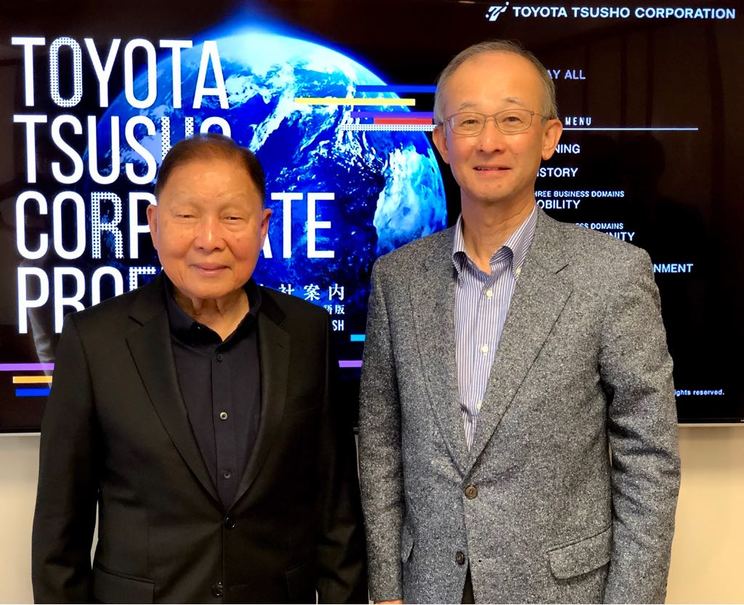
    Lippo opened the way for the Toyota Tsusho Corporation, the trading arm of the Toyota Group, in the Indonesian property market for the first time in 2013 with a hotel-style apartment tower project in Bekasi, West Java.

    Mochtar Riady, Lippo Group founder and chairman, used the Nikkei Asia300 Forum as an opportunity to thank Japanese partners and friends for putting their trust in the Lippo Group and the Indonesian economy. The Lippo Group believes in growing with partners and working together to achieve long-term results, he said in a statement.


  • Sumitomo to increase its stake in Simple Mart

    Sumitomo to increase its stake in Simple Mart

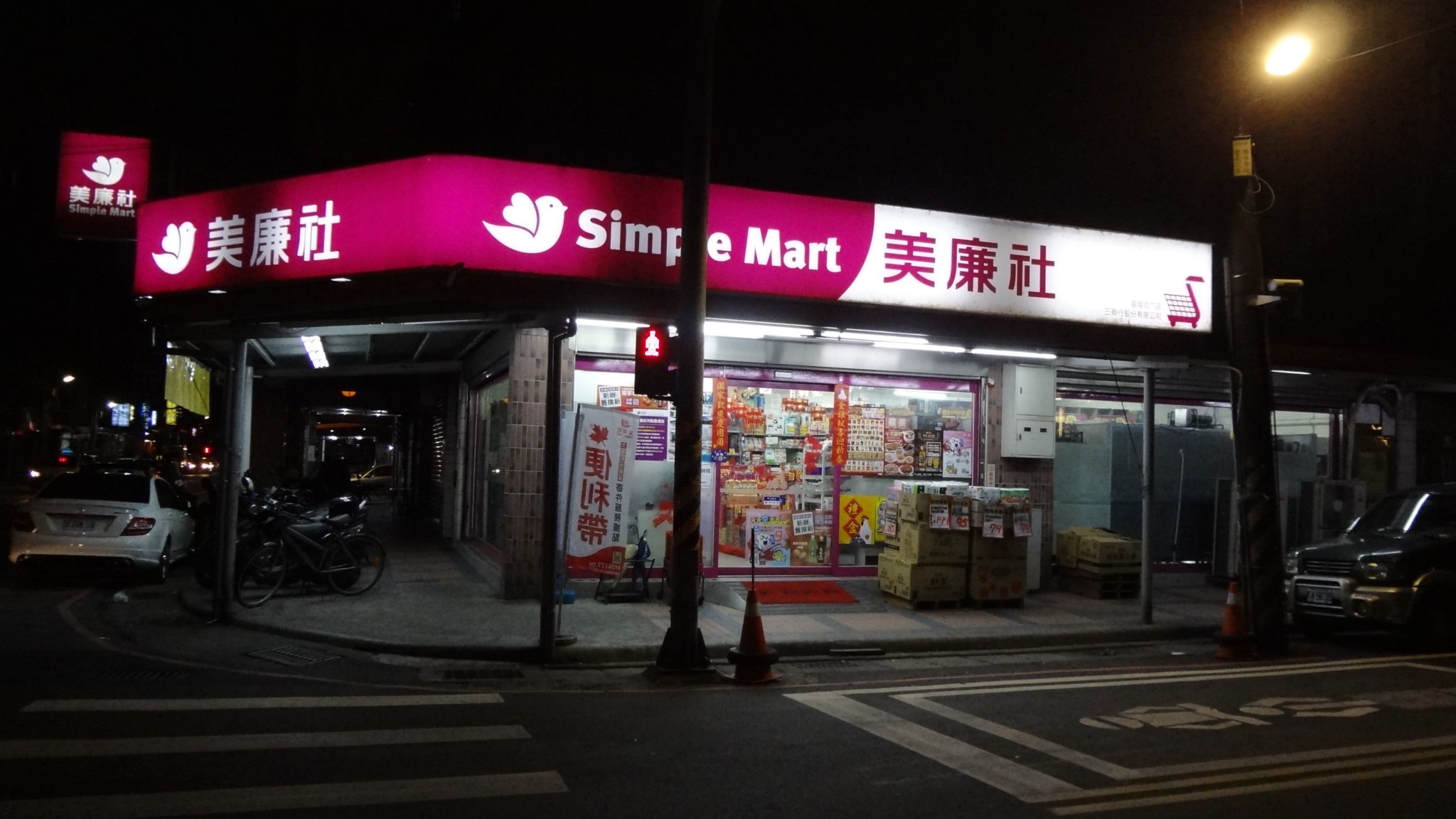
    Japan’s Sumitomo Corporation will buy a 22 per cent stake of Simple Mart, the second-largest supermarket company in Taiwan.

    The trading company will pay around ¥4.5 billion yen (US$41.1 million) for the stake in a transaction set for August, the two sides have agreed.

    Sumitomo has a partnership with Simple Mart’s parent, Taipei-based insurance and retail group Mercuries & Associates, in drugstore businesses in Taiwan. The Japanese investment will help Simple Mart double its store count by 2023.

    Founded in 2006, Simple Mart has more than 600 stores across Taiwan.

    Sumitomo will analyse data from Simple Mart’s online sales and rewards program to identify shopper favourites and improve store systems.

  • Giordano International sales boost by online sales

    Giordano International sales boost by online sales

    E-commerce has helped boost the first-quarter bottom line for Hong Kong-based clothing retailer Giordano International, particularly in China.

    Unaudited figures for the three months to the end of March show Giordano’s overall e-business generated HK$81 million (US$10.3 million) in revenue, representing a year-on-year increase of 44.6 per cent. Of this, Mainland China accounted for 87.9 per cent, with sales growth of 28.9 per cent.

    Giordano says growth momentum continued for the mainland. “The development of the two strategic channels of e-commerce and franchising were on track and will continue to be our growth drivers in the medium term.”

    Same-store sales (CSS) rose by 16.7 per cent despite 30 non-performing stores being closed in the past 12 months.

    A decline in gross margin by 1.3 points can be attributed to greater sales contribution from e-business, says the company.

    In Hong Kong and Macau, sales for the first quarter increased by 3.8 per cent, resulting from same-store sales growth of 9 per cent partly offset by the closure of a major non-performing store. Gross margin was down by 0.9 points as a result of a longer promotion period for the late Chinese New Year.

    In a rebound since last year’s second quarter, Taiwan grew same-store sales by 19.6 per cent and comparable store gross profit (CSGP) by 25.1 per cent.

    In the rest of Asia Pacific, sales increases mainly came from store expansion in Indonesia and the acquisition of its Vietnam business since July, which contributed to 5.9 per cent of the region’s sales.

    Despite a tough macro environment, other Southeast Asia markets delivered stable sales growth. Excluding the Vietnam acquisition, gross margin would have dropped by one point.

    South Korea – a 48.5 per cent JV under an independent management team – continued to deliver positive CSGP growth.

    “Inventory rationalisation and lower product costs through shared sourcing have contributed to a substantial gross margin improvement.”

    Overall, group sales for the quarter rose by 13.4 per cent to $1.4 billion while group gross profit grew by 12.5 per cent. Same-store sales and CSGP for the quarter grew by 9.5 and 8.7 per cent respectively.

    As at the end of March, the group had a network of 2414 outlets, of which 1271 were standalone stores – an increase of 40.