Tag: Japan

  • Adam Scott to Play at 2018 Masters Tournament in the Latest Apparel Co-Developed with UNIQLO

    Adam Scott to Play at 2018 Masters Tournament in the Latest Apparel Co-Developed with UNIQLO

    The concept for UNIQLO’s highly functional KANDO Pants, co-developed with Adam Scott to leverage his insight as a world-class athlete, is to deliver the ultimate in lightness, stretch, and dryness. The 100% polyester fabric, jointly developed with Toray Industries, features a cotton-like natural texture, with exceptional moisture absorption and quick-drying properties, greatly reducing discomfort from perspiration to ensure comfort all day. They are also wrinkle-resistant after washing, and easy-iron.

    Ultra Light Wool-Like pants feature a texture like high-quality wool, appropriate for more formal occasions. The Ultra Light Cotton-Like version is ideal for sports, work and leisure settings, with a feel resembling napped cotton material, despite being 100% polyester. With two styles on offer, customers can select one to fit their needs.

    Special pocket backing material

    The pocket backing uses “Airdots” (jointly developed with Toray) with holes made using a special process. This material improves breathability and ensures quick drying, while making the pants more lightweight.

    ■ Washable Knitted Short Sleeve Polo Shirt offers the softness and comfort of knit

    These items based on UNIQLO’s LifeWear concept combine style with comfort. The knit material is comfortable and extremely soft, featuring a simple design appropriate as both dressy and casual. They are also machine-washable, making care simple. These clean-looking shirts pair well with a jacket and are perfect for a smart casual business look.

  • Creyate eyes Singapore after Japanese success

    Creyate eyes Singapore after Japanese success

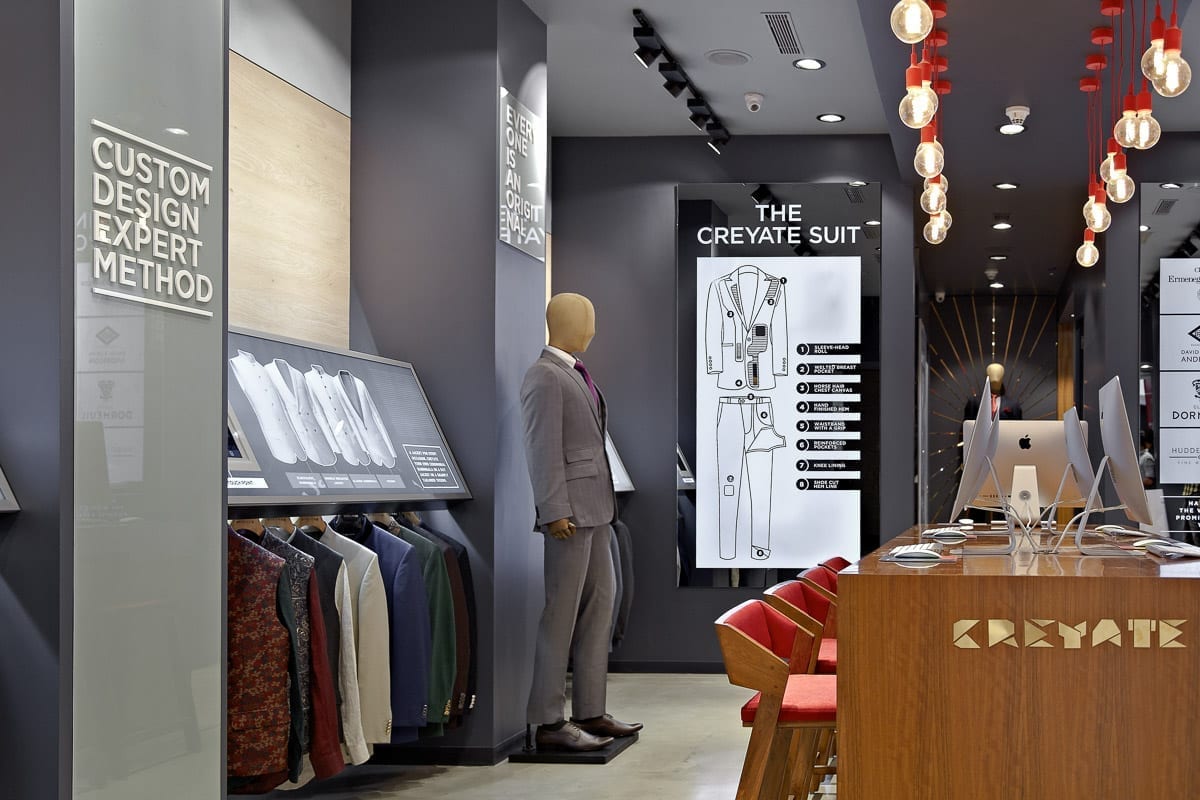
    Indian custom-clothing brand Creyate plans to open stores in Singapore, the US, UK and Dubai after a successful foray into Japan.

    Owned by Arvind Internet, the company recently opened its first luxury store in the Indian city of Bengaluru and is considering ramping up its expansion through a franchise model. It has 13 stores operating in its home market already.

    Described as an emerging brand, Creyate customises apparel products to people who buy online or in-store. Online, they can submit measurements and select designs in advance of picking up the products in store – or having them delivered.

    In Japan,Creyate already has 50 stores-in-stores specialising in denim.

    Arvind Internet COO Tejinder Singh told reporters the company wants to double its retail network within 18 months.

    “With our omni-channel approach, we may cap it at two stores per city, so we are looking to explore Tier-II cities, as well. It is an inventory-light model, which suits the all stakeholders at a macro level,” said Singh.

  • Massive Muji fresh store opens in Osaka

    Massive Muji fresh store opens in Osaka

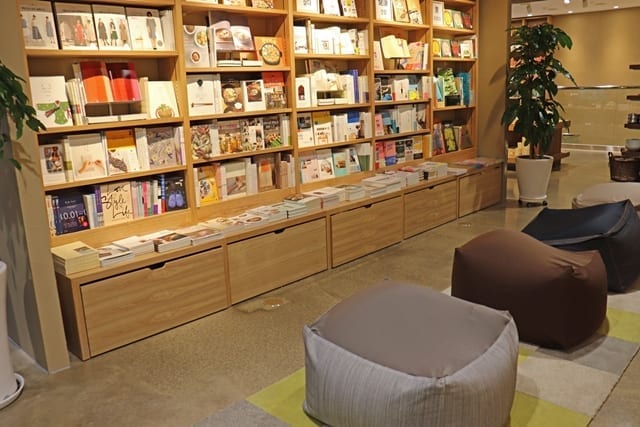
    Japanese anti-brand retailer Muji has opened a massive 4300sqm store in Osaka featuring its first dedicated fresh department.

    While the company has offered dried foods, snacks and other foods since it was founded in 1980, and even shelf-stable vegetables in some stores, this is the first time it has ventured into chilled, fresh meat and produce.

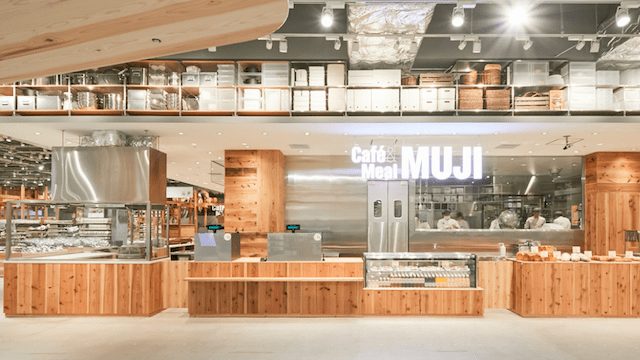
    The Muji fresh store is the brand’s largest globally and five times the typical Japanese footprint. About 50 per cent of it is dedicated to food and it also features a Cafe & Meal Muji eating place.

    Kei Suzuki, director and executive officer of Muji parent Ryohin Keikaku, told Inside Retail Asia that once refined the company will look to roll out the concept in other markets.

    “At first we have to see what is going to happen in Japan, but I believe the Muji customer … is keen to have a good fresh product,” said Suzuki, who was one of the leading speakers at yesterday’s MarketingPulse conference, organised by the Hong Kong Trade Development Council.

    Suzuki said Muji customers are in tune with freshness, sustainability, supporting local farmers and suppliers – and they want quality. He is confident the Osaka concept store will win over customers.

    “Once we see that we are successful then … I also want to try it here in the future. But it has not been decided yet.”

    Photos released by Muji show fresh meats, fish, vegetables and perishable goods on display in a bright, airy retail space. Minimalist design and displays made from natural materials are in keeping with the company’s market positioning.

    Meanwhile, in Japan, Ryohin Keikaku chairman Masaaki Kanai told local media Muji was committed to expanding its selection of local food products.

    “We want to become a part of the community.”

    One of the reported rationales behind Muji fresh is to entice customers to visit more often. Food is a more frequent purchase than stationery or household items, for example.

  • Shoe store chain ABC-Mart seen beating profit forecast

    Shoe store chain ABC-Mart seen beating profit forecast

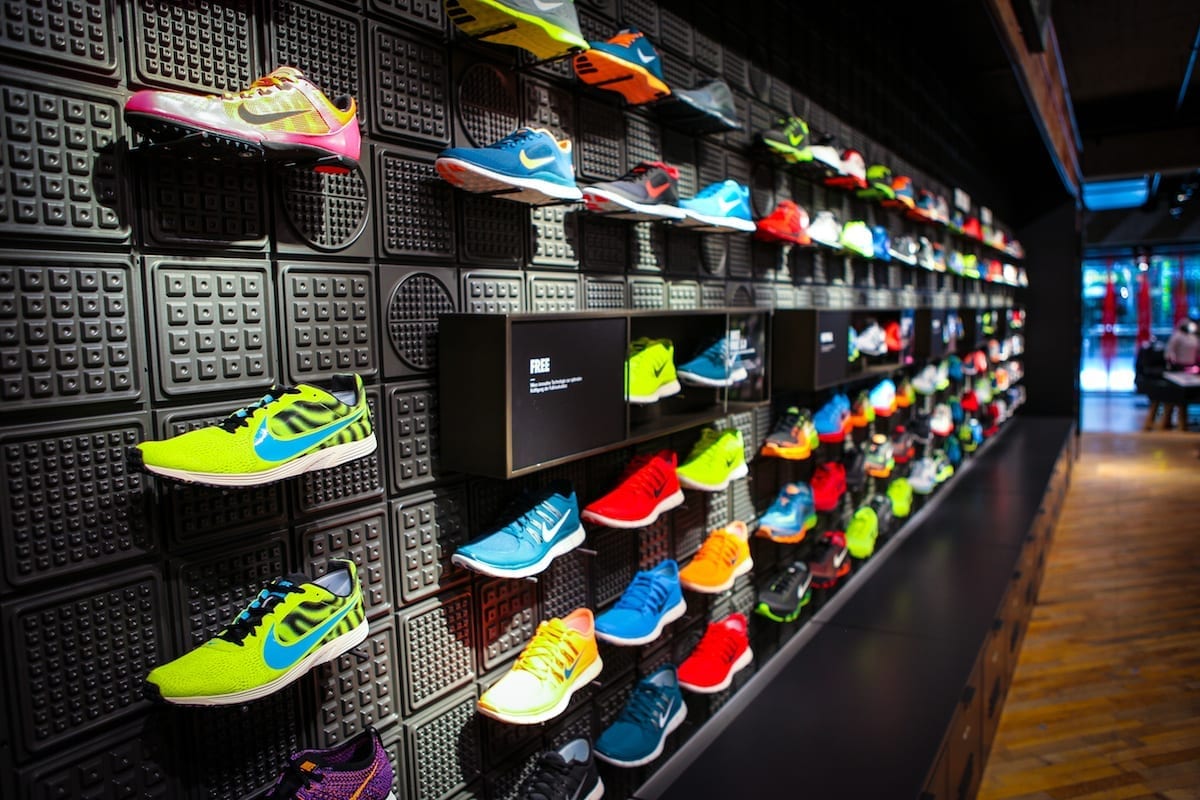
    A larger line-up of foreign brands for the end-of-year holiday season helped Japanese footwear retailer ABC-Mart grow its operating profit by a better-than-expected 3 per cent to about ¥43 billion (US$406 million) for its year to the end of February.

    It is the 15th straight year of growth for the company, which had forecast a 2 per cent lift in profit, as reported

    Sales rose 6 per cent to nearly ¥255 billion, boosted by such brands as Adidas and Nike. An unusually snowy winter created extra demand for boots and other winter footwear.

    Sales of women’s shoes, which were sluggish in fiscal 2016, seem to have bottomed out, thanks partly to television advertisements, says the company.

    ABC-Mart attracted more customers as it opened about 60 stores in downtown areas and in malls, and added locations of chains that cater to women and children. The retailer also refurbished about 30 stores in order to expand floor space and improve the look of its displays.

    In addition, ABC-Mart saw more Chinese and other foreign visitors shopping at its stores. Online sales also grew.

    In South Korea, where ABC-Mart has about 200 locations, sales grew but probably fell short of its forecast. Business appears to have taken a hit from Chinese restrictions on group tours to South Korea following Seoul’s decision to deploy a US missile defense system.

  • Singapore will be next destination for Creyate

    Singapore will be next destination for Creyate

    Indian custom-clothing brand Creyate plans to open stores in Singapore, the US, UK and Dubai after a successful foray into Japan.

    Owned by Arvind Internet, the company recently opened its first luxury store in the Indian city of Bengaluru and is considering ramping up its expansion through a franchise model. It has 13 stores operating in its home market already.

    Described as an emerging brand, Creyate customises apparel products to people who buy online or in-store. Online, they can submit measurements and select designs in advance of picking up the products in store – or having them delivered.

    In Japan,Creyate already has 50 stores-in-stores specialising in denim.

    Arvind Internet COO Tejinder Singh said that the company wants to double its retail network within 18 months.

    “With our omni-channel approach, we may cap it at two stores per city, so we are looking to explore Tier-II cities, as well. It is an inventory-light model, which suits the all stakeholders at a macro level,” said Singh.

  • Goodbaby is opening Japan store

    Goodbaby is opening Japan store

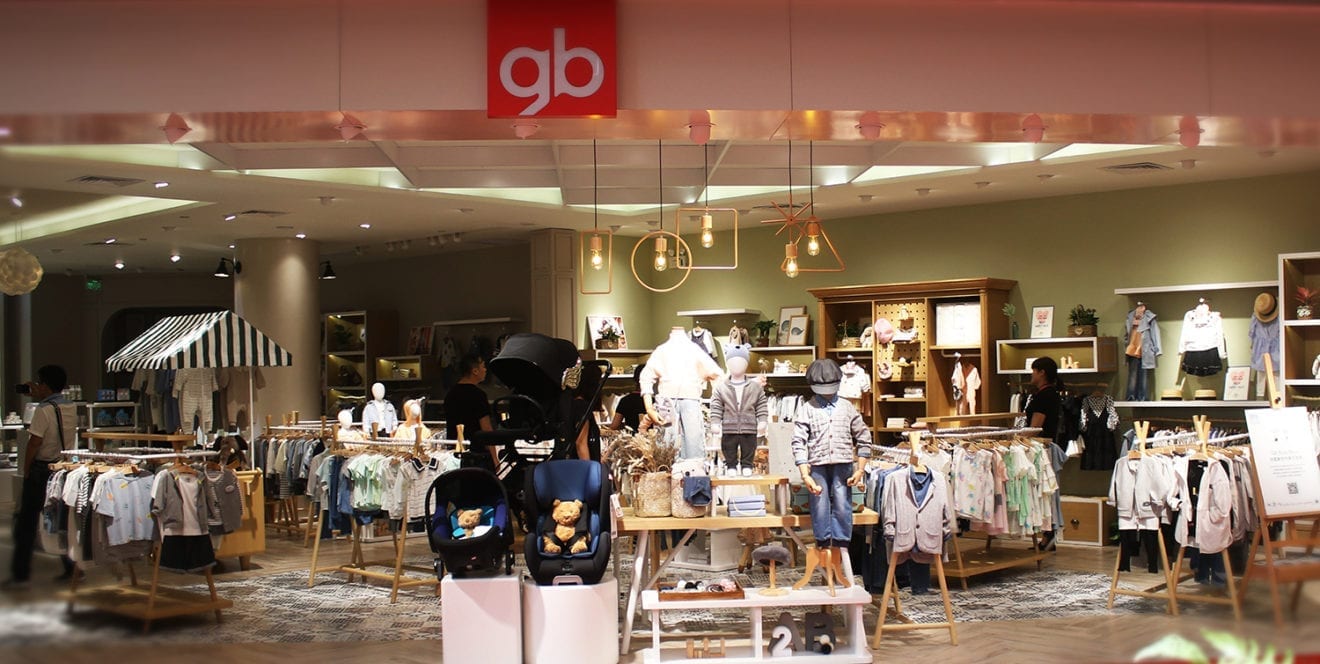
    Goodbaby International has established its own direct-distribution platform in Japan as it tries to replicate its success in China in other parts of Asia.

    The parenting-products company, which has seven research and development centres in the US, Europe and Asia, operates 1000 self-managed offline retail stores in China alongside an omnichannel retail platform.

    A new subsidiary company in Japan, in partnership with a minority local investor, will primarily retail its Cybex and GB-branded juvenile products throughout Japan.

    Johannes Schlamminger, CEO of Cybex and GB, said the company has recorded “very good progress” developing a profile in Japan, and now it was time to expand.

    “Our intent is to rapidly expand the Cybex and GB business by designing, developing, marketing and distributing products specifically for Japanese consumers. We will also provide the necessary customer services and consumer engagement activities to firmly establish Cybex and GB as leading juvenile brands in Japan.”

    CEO of Goodbaby International Martin Pos, said Japan is the company’s second largest strategic market in Asia.

    “Formation of our own direct-distribution platform is a strategic step for the group to grow its business in Japan market to capture its great potential.”

    Goodbaby International designs, researches, develops, manufactures and markets products including children’s car safety seats, strollers, apparel, home textile goods, feeding, nursing and personal care products, cribs, bicycles and tricycles.

  • Isetan Mitsukoshi Opens Supermarket in Chengdu, China

    Isetan Mitsukoshi Opens Supermarket in Chengdu, China

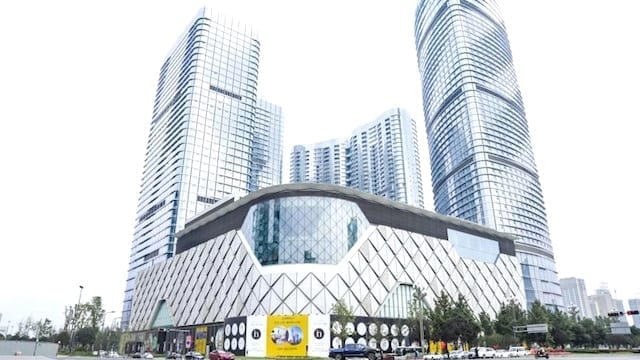
    An Isetan Chengdu/Isetan Supermarket will be opened in the In99 shopping complex in Chengdu Financial City, Gaoxin, next month.

    It will be opened by Chengdu Isetan, a retail subsidiary of Japan’s Isetan Mitsukoshi Holdings. In99 is part of the Chengdu Yintai Centre and is about 6.5km south of Isetan Chengdu department store.

    Isetan Chengdu/Isetan Supermarket will occupy the first basement floor of the shopping complex, offering food and daily goods in a 2650sqm space. The lineup will include fresh and chilled grocery foods, household goods and daily necessities. It will also offer specialty shops from Japan, including meat store Sugimoto, greengrocer Korokuya and Tomizawa Shoten (Tomiz), which sells candy – and bread-making ingredients and equipment.

    Slide to view the gallery below :

    A food-court zone will feature eight shops, including the bakery Johan, making its debut in Chengdu, and Tonkatsu Wako, which specialises in pork cutlets.

    The supermarket’s main corridor will be known as “Sunny Alley”, while the store will focus on the brand’s “food safety, security, reliability” credo. Areas will be provided for customers to experience food culture, such as a juice bar, a steak bar and a Chinese tea corner.

    The opening of the Isetan Chengdu/Isetan Supermarket coincides with the first anniversary of the launch of In99.

  • Yahoo Japan mulls move into virtual currencies

    Yahoo Japan mulls move into virtual currencies

    Yahoo Japan Corp. is considering entry into the virtual currency exchange business, according to sources. Via a subsidiary, the company is planning to buy a stake in bitARG Exchange Tokyo, a Tokyo-based exchange operator registered with the Financial Services Agency.

    Blockchain technology, which is the basis of virtual currencies, is expected to be applied across various business fields. Yahoo Japan is apparently aiming to enter the virtual currency exchange business as soon as possible by forming a capital tie-up with a registered exchange operator.

    The subsidiary is YJFX Inc., a financial futures trading company wholly owned by Yahoo Japan. The investment could be decided as early as in April.

  • Positive trend for Swiss watch in Hong Kong

    Positive trend for Swiss watch in Hong Kong

    Exports of Swiss watches to Hong Kong rose 35.7 per cent last month, their strongest advance for six years, according to the Federation of the Swiss Watch Industry.

    After 44.3 per cent growth in January, China also exceeded the global average with a 21.7 per cent rise.

    Japan (up 7.1 per cent) and Singapore (up 7 per cent) posted significant growth.

    Following stronger January exports, February was even better, says the federation. The total value of watch exports reached SF1.7 billion francs (US$1.7 billion), up 12.9 per cent.

    Watches made of precious metals and steel set the pace. While overall volumes were less sustained, there was still significant growth, says the federation, driven by timepieces in steel. The result was nevertheless held back by the “other materials” category.

    Growth extended to all price segments, led by watches priced at between SF500 and SF3000 (export price) where the value of exports rose 19.3 per cent.

    Timepieces priced at more than SF3000 francs, up 12.9 per cent, fell within the average range. Products costing less than SF200 achieved 7.8 per cent growth after falling sharply for more than one year, says the federation.

  • Indonesia sees maiden shipment of chicken nuggets to Japan

    Indonesia sees maiden shipment of chicken nuggets to Japan

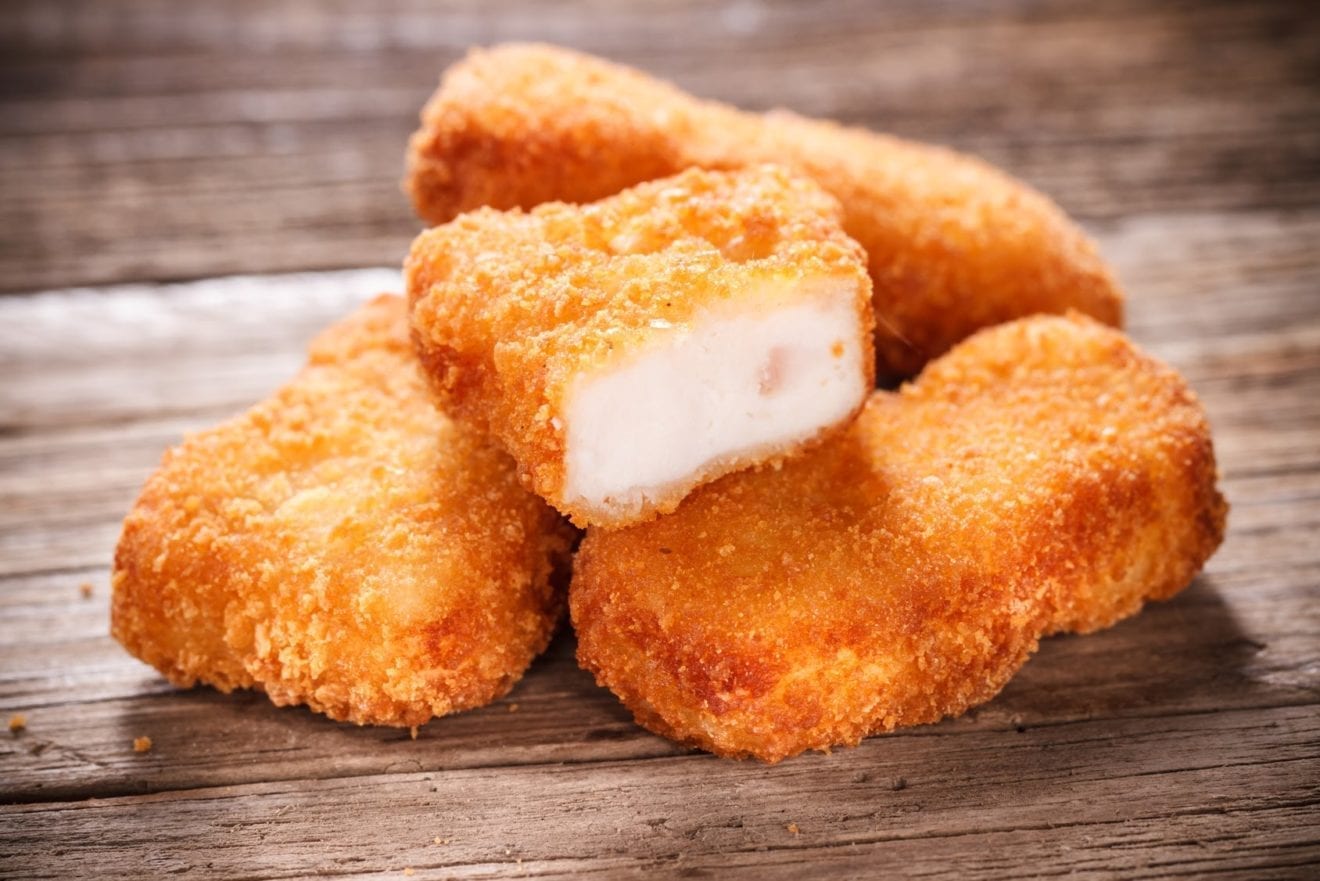
    The Trade Ministry has seen the first export of 6 tons of chicken nuggets to Japan on last Wednesday. The nuggets were produced by PT Belfoods Indonesia, the subsidiary of publicly listed PT Sierad Produce.

    “I congratulate Belfoods for being the first company to export chicken nuggets to Japan and for its contribution to Indonesian national exports,” said Trade Minister Enggartiasto Lukita in a statement.

    Enggartiasto said the shipment was a milestone for Indonesia given that the Japanese market was long known as hard to penetrate for Indonesian producers owing to its strict quality standards.

    “We expect that this is a good start to develop the Indonesian processed chicken industry for the international market. If Indonesian chicken nuggets can enter Japan, then it will be easier for it to access other countries,” he said.

    The trade minister also said he expected Indonesian chicken exporters to train local chicken farmers because exports should also increase the livelihoods of local stock farmers while increasing the country’s foreign currency savings.

    The consumption of poultry-based processed foods in Japan reached US$2 billion a year, making Japan a potential choice for exports. China and Thailand are known as the major exporters for Japan.

    Meanwhile, PT Sierad Produce CEO Tommy Wattimena said Belfoods products’ taste had become accepted by the Japanese because the subsidiary had done some market research in the country.

    “Belfoods will still focus on the domestic market while keeping the quality of our products up to export standards to help export development,” he said.

  • Hong Kong retail rents prepare to move into ‘early upswing’

    Hong Kong retail rents prepare to move into ‘early upswing’

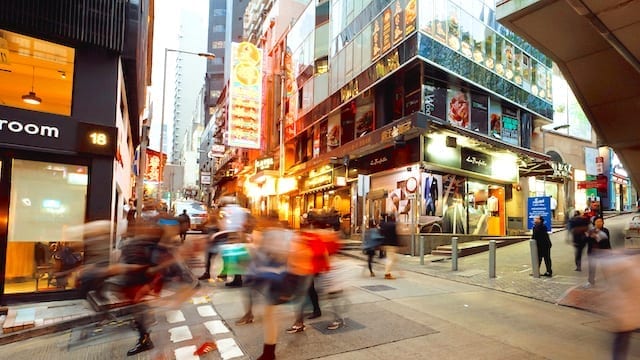
    Hong Kong retail rents are expected to move into an “early upswing cycle” this year according to a regional real estate market briefing prepared by Savills.

    The report details commercial and residential property leasing trends across major Asian markets and as the accompanying tables show, compares occupancy costs of space as well.

    It groups major cities by upswing and downswing, late and early, showing that Hong Kong is at the end of its downswing in retail rental rates. Cities currently in early upswing are Manila, Guangzhou, Jakarta and Singapore. Hong Kong is grouped with Taipei, Hanoi, Ho Chi Minh City and Seoul, suggesting all those markets are about to turn.

    Savills says regional prime retail rents moved by between a decline of 1.8 per cent in Beijing and an increase of 5.9 per cent in Guangzhou last year.

    “Strong local retail consumption growth of 9.5 per cent year on year in the second half of the year following 10.5 per cent in the first half of the year supported the Guangzhou leasing market, while prime shopping malls began to re-position and upgrade, focusing more on entertainment and food & beverage,” said Savills in a brief commentary.

    “Again, Hong Kong’s prime shopping mall rents are considerably ahead of all other Asia-Pacific markets and are expected to move into an ‘early upswing’ cycle this year.”

    Savills says economic growth across Asia-Pacific continued to picked-up moderately in the second half of last year and the International Monetary Fund estimates that the “Emerging and Developing Asia” economies grew by 6.5 per cent over the year as a whole while China grew by 6.8 per cent and Japan’s economy grew by 1.8 per cent last year, from 0.9 per cent in 2016.

    “The improving global economic outlook and an accommodative monetary policy created momentum for business expansion,” said Savills.

  • H&M opened on Tmall

    H&M opened on Tmall

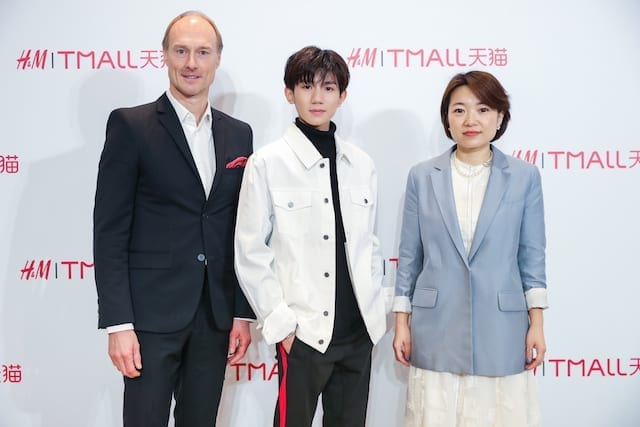
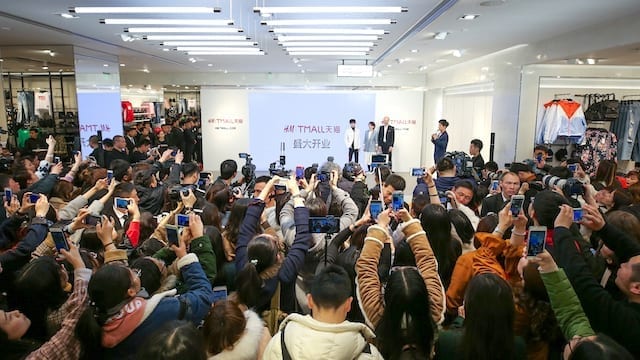
    H&M China launched on Chinese e-commerce platform Tmall, complementing the Swedish clothing retailer’s 400-plus physical stores and HM.com Shop Online.

    “We are very happy to extend our collaboration with Alibaba by launching H&M and H&M Home on Tmall,” says H&M Greater China country manager Magnus Olsson.

    H&M opened its first store in Mainland China in 2007 and launched its online shop in 2014. The H&M group brand Monki has had strong development in China since its launch on Tmall, and this collaboration between the two groups, touted in December, is being extended to include both the H&M brand and H&M Home.

    During the launch period, H&M’s Tmall shop is offering more than 10,000 styles of fashion items including women’s, men’s, teens’ and children’s styles, plus H&M Home. As well as special opening offers, Tmall and H&M is offering exclusive pieces featured by TF Boys singer Wang Yuan, one of the stars in a H&M/Tmall campaign film.

    “With H&M’s experience in online and offline fashion retail, this collaboration signifies an important milestone for Tmall’s expansion, allowing more customers to enjoy the pleasure of interactive shopping,” says Alibaba VP for Tmall fashion and luxury Lv Jianmei.

    Procurement centres

    Meanwhile, Tmall Global plans to open six procurement centres across the world to help overseas vendors capture Chinese consumers’ booming appetite for newer and better imported goods, says Tmall president Jet Jing. They will be established in Japan, South Korea and Hong Kong, as well as regions of North America, Europe and Oceania.

    Jing’s announcement, at the annual Tmall Global 2018 Global Partners Summit in Hangzhou, did not disclose a time frame.

    Launched in 2014, Tmall Global is Tmall’s channel for cross-border e-commerce. The platform controls nearly a quarter of the market. With Alibaba’s expansive consumer analytics, Tmall Global provides overseas vendors insights into Chinese consumers’ shopping behaviour and preferences.
    China is the world’s second-largest consumer market following the US, according to Boston Consulting Group. The research consultancy notes China will see nearly $2 trillion in new consumption by 2021, and also projects China’s e-commerce cross-border trade to more than double to RMB620 billion (US$98 billion) in gross merchandise volume by next year from RMB305.5 billion in 2016.

    Global commitment

    Tmall Global, which already offers more than 18,000 brands from 74 countries and regions, is committed to attract even more international brands and vendors to sell their goods into China in the coming year, says Tmall Global GM Alvin Liu.

    New Retail, which harnesses new technologies to unify online and offline shopping, will serve as an important driver to power such growth by allowing vendors to engage with their customers in both spheres, Liu says.

    “Our goal is to give Chinese consumers the best shopping experience, so we select only the best quality for China,” says Liu.“We must discover new categories and find new products so Chinese consumers can find items that are best suited to their needs.”

    To achieve these goals, Tmall Global has pledged to boost the traceability of items sold on the platform. By using blockchain technology, consumers will be able to track their orders throughout every stage of the delivery process, starting from the factory at the country of origin.
    Secondly, the platform seeks to expedite the expansion of overseas fulfillment centres so smaller foreign brands can introduce their products to the Chinese market more quickly.

    The platform will also increase the use of bonded warehouses, where imported goods can be stored securely without import duties until the items are sent.
  • Muji fresh store launched in Osaka

    Muji fresh store launched in Osaka

    Japanese anti-brand retailer Muji has opened a massive 4300sqm store in Osaka featuring its first dedicated fresh department.

    While the company has offered dried foods, snacks and other foods since it was founded in 1980, and even shelf-stable vegetables in some stores, this is the first time it has ventured into chilled, fresh meat and produce.

    The Muji fresh store is the brand’s largest globally and five times the typical Japanese footprint. About 50 per cent of it is dedicated to food and it also features a Cafe & Meal Muji eating place.

    Kei Suzuki, director and executive officer of Muji parent Ryohin Keikaku, said that once refined the company will look to roll out the concept in other markets.

    “At first we have to see what is going to happen in Japan, but I believe the Muji customer … is keen to have a good fresh product,” said Suzuki, who was one of the leading speakers at yesterday’s MarketingPulse conference, organised by the Hong Kong Trade Development Council.

    Suzuki said Muji customers are in tune with freshness, sustainability, supporting local farmers and suppliers – and they want quality. He is confident the Osaka concept store will win over customers.

    “Once we see that we are successful then … I also want to try it here in the future. But it has not been decided yet.”

    Photos released by Muji show fresh meats, fish, vegetables and perishable goods on display in a bright, airy retail space. Minimalist design and displays made from natural materials are in keeping with the company’s market positioning.

    Meanwhile, in Japan, Ryohin Keikaku chairman Masaaki Kanai said Muji was committed to expanding its selection of local food products.

    “We want to become a part of the community.”

    One of the reported rationales behind Muji fresh is to entice customers to visit more often. Food is a more frequent purchase than stationery or household items, for example.

  • Strong sales growth posted by Hermès Asia

    Strong sales growth posted by Hermès Asia

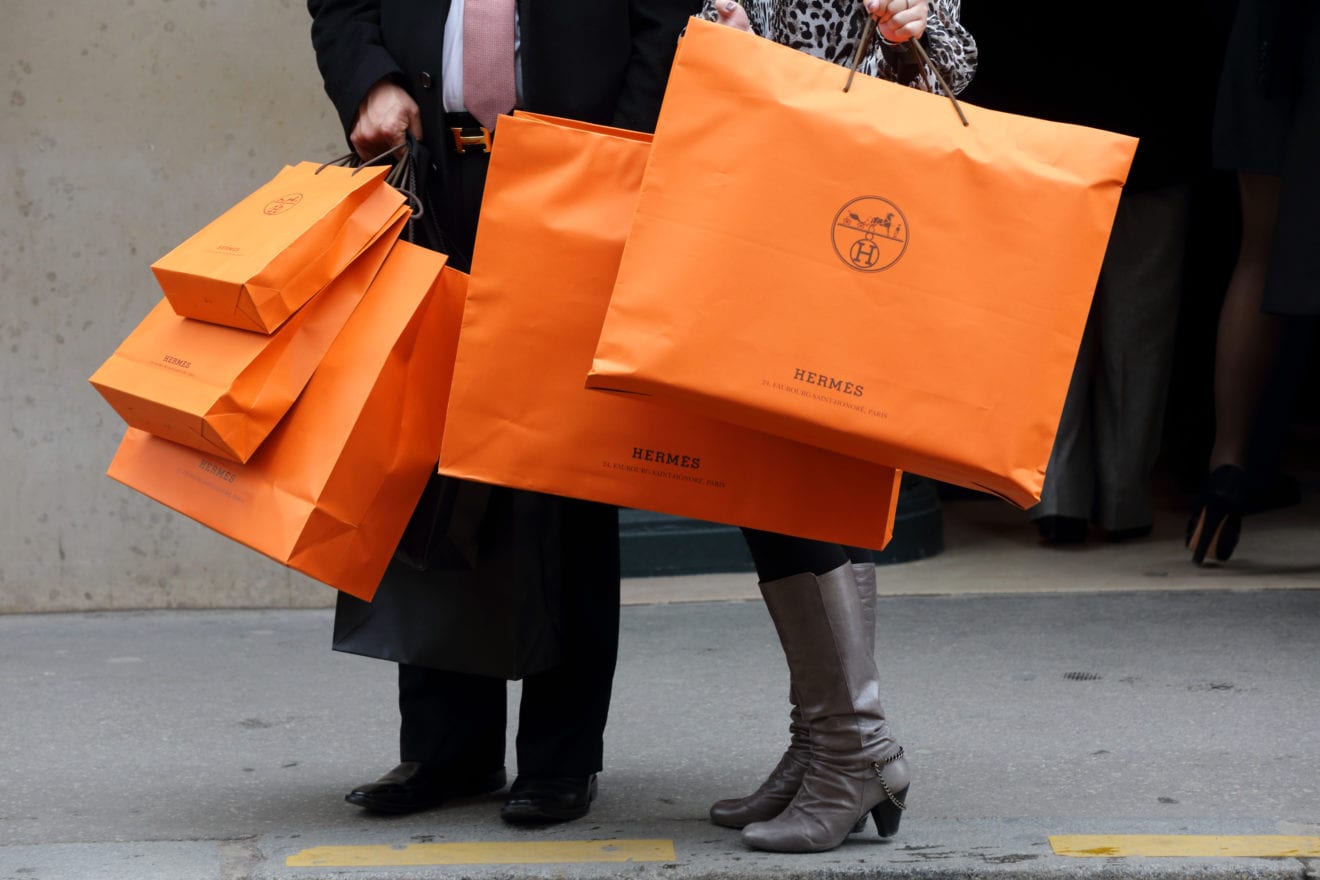
    Hermes Asia sales grew 11.3 per cent last year to €1.946 billion (US$2.4 billion) as the luxury retailer set a new record for gross retail margin.

    The company said the retail market was improving in Hong Kong and Macau, with the Asian market “pursuing its upward curve” and positive outlooks in Mainland China and South Asian countries.

    Growth was aided by store revamps at Sogo Fuxing in Taiwan, Elements mall in Hong Kong and at Kuala Lumpur.

    Sales in Japan (separated from Asia results) rose 4 per cent to €724.1 million, despite a high comparison figure from last year, which the company described as “a sustained increase” in what is a mature market, citing a selective distribution network.

    Group sales totalled €5.549 billion (US$6.863 billion), up 9 per cent at constant exchange rates. Operating income rose 13 per cent, to €1.922 billion, representing a record 34.6 per cent gross margin, while net profit rose 11 per cent to €1.221 billion.

    “Hermes achieved a new year of historic results, thanks to the quality of our know-how, the success of our creations and especially the incredible commitment of the women and men of Hermes,” said executive chairman Axel Dumas.

    Hermes will ramp up its online offer in the region this year, with a new website scheduled to go live in China at the end of this year.

    Meanwhile, the company said the sale of the Galleria building in Hong Kong’s Central district, which previously housed its flagship store, would likely generate a net capital gain of €50 million this year.

    Leather drives growth

    By category, Hermes’ leather goods proved the strongest performer last year, sales rising 10 per cent globally, reflecting increased production capacity as demand rose for its handbags.

    The ready-to-wear and accessories division grew 9 per cent, driven by the success of new collections, fashion accessories and particularly shoes.

    Sales of silk and textile products grew 6 per cent and of perfumes by 10 per cent, largely due to the successful launch of Twilly d’Hermes.

    Watch sales grew just 1 per cent with what Hermes described as “good sales” in company-owned stores. Other Hermes business lines- jewellery, Art of Living and Hermes Table Arts, grew sales by 11 per cent.

  • FILA launches Pokémon-inspired sneakers

    FILA launches Pokémon-inspired sneakers

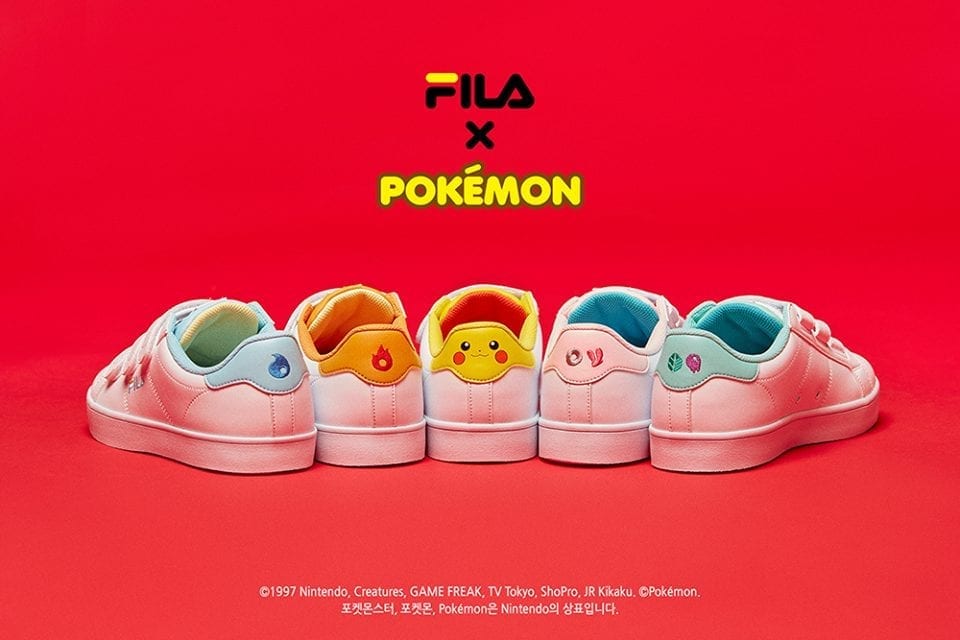
    Fila Korea has collaborated with Japanese VR game franchise Pokemon on a range of colourful sneakers.

    Available via Fila South Korea, the limited-edition shoes feature Pokemon characters including Bulbasaur, Charmander, Jigglypuff, Pikachu and Squirtle. The shoes are wrapped in a Pokeball-themed box with a badge and sticker of the corresponding Pokemon.

    There are just two models: the Fila Court Deluxe and Classic Kicks.

    Orders for Hong Kong, Japan, Malaysia, Philippines Singapore, Taiwan and other Asian countries as well as the US can be placed through Harum.io.