Tag: Japan

  • Floodgates could open as Honda imports cars

    Floodgates could open as Honda imports cars

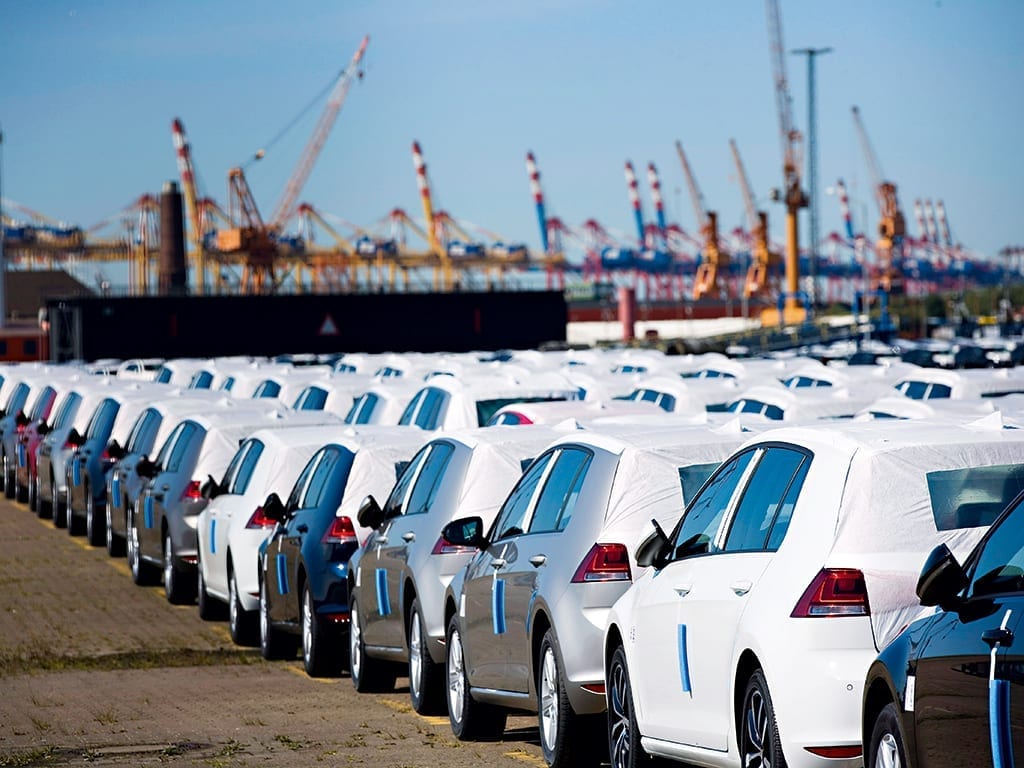
    After stopping car exports to Việt Nam for more than a month, Japanese auto giant Honda Motor suddenly decided to import around 2,000 vehicles from Thailand in early March.

    This is the first batch of automobiles exempt from import tax under the ASEAN Trade in Goods Agreement (ATIGA) to be imported into Việt Nam.

    ASEAN groups Brunei, Cambodia, Indonesia, Laos, Malaysia, Myanmar, the Philippines, Singapore, Thailand and Việt Nam.

    Lý Thanh Bình, head of customs at HCM City’s Hiệp Phước Port, confirmed that Honda cars including Jazz, Accord, CR-V and Civic were unloaded at the port on March 1. The vehicles will be sold in one or two months after they undergo several mandatory tests as part of the customs clearance process.

    In January, Toyota Motor and Honda decided to suspend exports to Việt Nam saying they are unable to meet Việt Nam’s stringent checks of imported vehicles under the new Decree 116.

    The decree on the production, assembly, import and warranty of automobiles was issued just as Việt Nam eliminated tariffs on automobiles imported from ASEAN members.

    It requires all models of imported vehicles to obtain a Vehicle Type Approval certificate from authorities in the exporting countries.

    The new rule also requires emission and safety tests to be done on every batch of automobiles imported. In the past, only the first shipment of a model was tested.

    Many auto giants from Japan and the US have expressed concern, saying it would be difficult to meet the requirements.

    Some also said the new requirements would cause a huge waste of time and money for importers since one emission test could take two months and cost up to US$10,000.

    The decree is aimed at strengthening quality checks and protecting the local industry.

    The fact that Honda resumed exports to Việt Nam proves that car importers can remove the biggest obstacles like the above-said things that they were facing as they want to import the vehicles under the new regulations.

    Honda had Vehicle Type Approval certificates granted by Thailand where the cars were produced.

    Analysts said Honda’s decision to resume exports to Việt Nam should be considered a big factor for the Vietnamese auto market. This was because after Honda, other companies would also be able to receive similar certificates like Honda to bring their cars back to Việt Nam.

    Because of this, car imports from other countries such as Indonesia and Malaysia are also expected to soon come to Việt Nam.

    The return of Honda and other companies including Ford and Toyota in the near future is expected to drag prices significantly lower, thus fulfilling Vietnamese consumers’ dream of buying cars at lower prices.

    According to an official announcement from Honda Vietnam, its compact SUV Honda CR-V is now listed at VNĐ958 million ($42,076) to VNĐ1.068 billion ($46,907), depending on the model and specifications.

    Compared to their earlier prices, when a 30 per cent tax was in place, the 1.5E and 1.5G models are cheaper by VNĐ178 million ($7,818) and VNĐ188 million ($8,257).

    However, market observers said though tariffs on automobiles imported from ASEAN were eliminated over two months ago, car prices have shown no signs of coming down.

    Some have even seen their prices rise.

    They blamed this on not only a shortage of vehicles on the market but also the increasing cost of importing cars under the new rules.

    The shortage is understandable since only Honda of those that do not assemble in the country have gone through the new import rigmarole. Meanwhile, the number of assembled cars has also decreased because of lack of components imported from abroad, meaning supply has been unable to meet demand.

    Trường Hải Auto Joint Stock Company has hiked the prices of many models after making some cuts before Tết (Vietnam Lunar New Year) in mid-February.

    Consequently, the prices of its Mazda cars are up by VNĐ30-50 million. The Nissan Navara saw its prices cut by VNĐ10-20 million before Tết, but is now back to its earlier rates.

    Housing allure remains for overseas Vietnamese

    According to statistics from the World Bank, overseas remittances to the country last year were worth at $13.8 billion, up 20 per cent from 2016.

    This year, they are expected to go up by 5-7 per cent.

    Analysts said overseas remittances would continue to provide a vital impetus to the economy, especially to the property sector.

    The State Bank of Việt Nam said around 71 per cent of remittances went into business, and 21-22 per cent into the real estate sector.

    This means that on average every year, the sector gets an infusion of around $2.5 billion.

    Experts said the remittances are a reliable and steady source of foreign currency, and help keep foreign reserves buoyant.

    An executive at Savills Vietnam’s international residential sales department pointed out that by nature remittances are a “one-way” source of funding and could match or exceed foreign direct investment and foreign portfolio investment.

    Now they play an important role in economic growth. There are millions of Vietnamese living in the US, Europe and Asia, and a growing number of them are finding their way home to work, invest or retire.

    A thriving economy, constantly improving business environment and laws that allow overseas Vietnamese to own houses in Việt Nam are the reasons why they are investing in the housing sector.

    Experts said the housing market now offers favourable conditions for overseas Vietnamese to make profits.

    It has a wide range of products of high quality and reasonable prices, meeting overseas Vietnamese investors’ every demand, whether investment, settling down in the country or working.

    According to Savills Vietnam, safety, security and after-sales services are also factors that overseas Vietnamese and other foreign customers consider when buying a house in addition to location, price, convenience, architecture and design.

    It is undeniable that the attractiveness of the housing market has contributed to increasing remittances to Việt Nam in the last few years.

    According to the State Bank of Việt Nam’s HCM City branch, around 50 per cent of remittances to Việt Nam are to the southern metropolis.

    Around 22 per cent of the remittances to the city of $5.2 billion went into the housing market.

    Experts said to stabilise the flow of remittances into the country and into the real estate sector, the Government should offer incentives like low fees.

    They also stressed the need to make the housing market more transparent and efficiently provide market information to overseas Vietnamese.

    They wanted the Government to have tough measures to prevent the frequent occurrence of price “fever” in the housing market.

    They also called on real estate developers to carefully study overseas Vietnamese and foreigners’ housing needs and improve the quality of their products and services.

     

  • Japan invests big in Vietnamese real estate

    Japan invests big in Vietnamese real estate

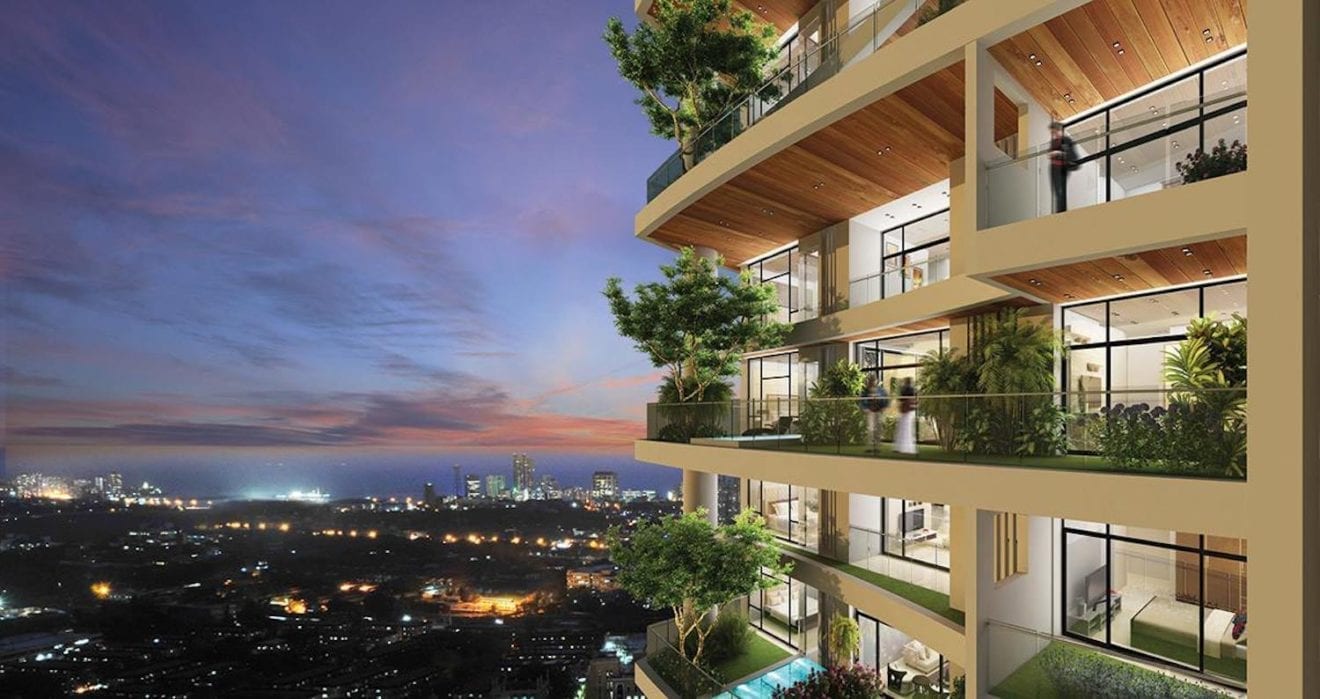
    Việt Nam’s real estate sector has witnessed significant participation from Japanese investors through cooperation with Vietnamese businesses recently, promising to bring benefits to the real estate market.

    According to real estate company Savills Việt Nam, over the past years, Asian investors, including Japanese ones, were only involved in commercial real estate like commercial centres, serviced apartments or office buildings. However, at present, these investors are increasing their activity in the residential segment due to the country’s young population and an increasing middle class, presenting an extremely attractive opportunity.

    Presence of big investors

    Shinichi Sakaki, deputy general director of the City Bureau, at Japan’s Ministry of Land, Infrastructure, Transport and Tourism, said the Japanese Government now has policies to support real estate developers promoting investment abroad. In addition, Japan has the experience of developing large-scale satellite towns, so it is trying to ‘export’ that technology abroad.

    One of the projects attracting not only investors but also the governments of Việt Nam and Japan is the cooperation agreement for the development of Nhật Tân – Nội Bài, aiming to build a smart city north of the Red River.

    The project was signed between Việt Nam’s BRG Group Joint Stock Company, Japan’s Sumitomo Corporation Asia and Oceania Group and the People’s Committee of Hà Nội.

    With total investment of nearly US$4.2 billion, this project is considered Japan’s largest foreign investment.

    Prior to that, another large Japanese investor, Mitsubishi Corporation, had co-operated with Vietnamese property developer Bitexco, to develop 240 low-rise housing units and two high-rise condominiums among a total of more than 1,000 low-rise and 17 high-rise condominiums at Hà Nội’s The Manor Central Park project.

    Bitexco and Mitsubishi established a joint venture company, of which Bitexco holds a 55 per cent stake and Mitsubishi holds the remaining 45 per cent.

    Recently, Nidec Group, one of the world’s leading hi-tech corporations and the second largest Japanese corporation on the Tokyo stock exchange (2017), joined forces with escalator firm Alpec to conquer the Vietnamese elevator market.

    With many years of experience in the field of high technology as well as research and development of lifts, Nidec will send foreign experts to support Alpec in quality management, labour safety, as well as the research and development of elevator equipment. The cooperation between the two sides promises to launch modern and environmentally-friendly elevator products, in accordance with the aesthetics and economic conditions of the Vietnamese people.

    Regarding potential cooperation between the two countries, Lê Hoàng Châu, president of the HCM City Real Estate Association (HoREA), said, in 2017, Japan replaced the Republic of Korea as the largest foreign investor in Việt Nam in general, and in the real estate market in particular. Many Japanese enterprises have participated in the implementation of major urban infrastructure projects funded by the Japanese Government, such as Obayashi, Shimizu, Hitachi, Sumimoto Construction, Mitsui and Maeda.

    In addition, there are enterprises that have invested in developing big projects such as Nomura Hải Phòng Industrial Zone, or Idemitsu Kosan Company Limited’s investment in Nghi Sơn Refinery and Petrochemical. Especially, in the past five years, some Japanese investment funds and enterprises have cooperated with real estate companies in Việt Nam in the form of buying shares, contributing to investment or lending for developing real estate projects in accordance with Japanese standards and suitable to consumers’ needs.

    The potential for investment and business cooperation among real estate companies in Japan and Việt Nam is very large, with 1,200 real estate development projects of Vietnamese enterprises in need of cooperation, joint ventures or teaming up with domestic and foreign businesses, especially Japanese ones.

    Potential cooperation

    The cooperation between Việt Nam and Japan will bring benefits to both sides, especially in creating opportunities for Vietnamese consumers to access high quality Japanese housing products, according to Châu.

    Meanwhile, regarding cooperation with Japanese units in the field of building management, Nguyễn Quang Huy, deputy general director of Property and Management Company (PMC), said cooperation with Japanese businesses brought benefits such as giving motivation to develop service standards and customer service strategies in a Japanese style, improving the prestige and company’s brand name, and being able to improve the foundations of implementing management, training or improving the quality of human resources.

    “However, we also face many challenges; the most fundamental difficulty is the different approaches between the two sides. Vietnamese people tend to focus on a short-term approach, expecting to see results quickly. Japanese people, on the other hand, appreciate the importance of long-term planning, so they start with the smallest things,” Huy said.

    “For example, in the field of building management, they teach staff how to cut nails, wash toilets, walk and serve customers. Therefore, Vietnamese businesses intending to cooperate with Japan should also pay attention to differences in the approach and find ways to create a workforce that loves the job, accepting career development on a long-term basis rather than short-term,” he said.

    According to the HoREA chairman, there is enormous opportunity for co-operation between HCM City and Japanese property developers and construction companies since the city now has some 1,200 projects, including infrastructure upgrades and beautifying works,

    Speaking at a meeting with a delegation of executives from 40 Japanese companies, Châu said the projects had been undertaken by local firms who want to tie up with foreign partners.

    Additionally, from 2018, the city was set to implement the National Assembly’s resolution No54 on special mechanisms and policies, which would give it almost complete autonomy in deciding and awarding projects.

    The city had already planned 21 programmes including removing houses along canals and giving itself a facelift.

    He cited the examples of Tokyu investing in Hưng Thịnh Corporation and Becamex’s projects and Hankyu and Nishi Nippon Railways tying up with Nam Long, Misubishi Corporation with Phúc Khang Corporation, and ACA with Sơn Kim Land.

    Concurring, Lê Trần Kiên, deputy director of the city’s Department of Construction, said the city aimed to relocate 20,000 people living along canals and in old apartments by 2020.

    “Some 21,850 houses are located along canals and need to be moved, mostly in Districts 8, 4 and Bình Thạnh,” he said.

    The city was considering ways to attract more foreign investment in public-private partnership projects (PPP), he said, adding that six PPP projects were underway to upgrade the city.

    HCM City is now soliciting Japanese investment in a project to upgrade the Cầu Dừa Canal in District 4.

    Speaking about the potential of co-operating with city-based companies, Keiji Kimura, chairman of J-CODE, said Việt Nam was set for rapid modernisation like Japan achieved 50 years ago.

    So Japanese companies would like to share their experience with HCM City partners in handling problems like traffic jams and pollution, he said.

    They were committed to apply modern technologies to develop HCM City’s infrastructure, he assured.


  • Longreach to acquire Japanese coffee shop Kohikan

    Longreach to acquire Japanese coffee shop Kohikan

    Asian private equity firm The Longreach Group has agreed to totally acquire Japanese coffee shop chain Kohikan Corporation from UCC Foodservice Systems (UFS) for an undisclosed amount.

    In a statement on its website, Longreach says it has reached an agreement with UFS to buy 100 per cent of its subsidiary Kohikan. The deal is expected to close on May 1.

    Longreach says the investment would be an opportunity with a clear business growth path in the premium coffee business in Japan “with a potential to expand into high-growth Asian markets”.

    Established in 1970, the chain has 277 stores throughout Japan under the brand names Cafe di Espresso Kohikan, Karakuan, Kakura and Kohikan.

    “Longreach will accelerate Kohikan’s growth through enhancing the stores’ format and via expansion,” says the firm. Set up in 2003 by former UBS Securities Japan CEO Mark Chiba and former Morgan Stanley executive Masamichi Yoshizawa, Longreach has experience in restaurant chains and owns Wendy’s First Kitchen.

  • Japan regulator to punish several cryptocurrency exchanges, suspend some others

    Japan regulator to punish several cryptocurrency exchanges, suspend some others

    Japan’s financial regulator will this week slap several cryptocurrency exchanges with administrative punishment notices and is considering forcing some to suspend their business.

    The Financial Services Agency may also tell Coincheck Inc – the exchange targeted by hackers in a US$530 million (RM1.96 billion) theft of digital money in January – to raise its standards, in what would be the second such order to the exchange.

    The FSA will mete out the punishments after uncovering flaws in customer protection and anti-money laundering measures during on-site checks at the exchanges.

    It did not specify which exchanges would be targeted.

    The FSA was not available for comment outside business hours. Coincheck did not immediately respond to an emailed request for comment.

    The Coincheck heist, one of the largest of digital money ever, underscored the risks of trading an asset with which policymakers across the globe are grappling, and drew focus on Japan’s system of regulating the exchanges.

    Last year, Japan became the world’s first country to regulate cryptocurrency exchanges at the national level. Some 16 exchanges are registered with the authorities, while a further 16 – including Coincheck – were allowed to continue operating while regulators assessed their applications.

    The regulator will order some of the unregistered exchanges to suspend their business, and is looking closely at the sustainability of their operations.

    The FSA said after the Coincheck heist it would investigate all Japan’s cryptocurrency exchanges for security gaps, ordering them to submit reports on their system risk management and storage of cryptocurrencies. After the cyber heist the FSA ordered Coincheck to bolster its security systems.

    The second improvement order will focus on customer protection, with the FSA monitoring progress of compensating investors affected by the hack.

    The exchange has promised to repay about ¥46.3 billion (RM1.71 billion) of the cryptocurrency it lost in the theft. Last month it said it has sufficient funds to make the repayments, but declined to specify when it would repay investors affected. It has also declined to comment on whether the FSA had verified that Coincheck has enough funds for the repayments.

  • Kobe Steel, Toyota hit with U.S. lawsuit over vehicle metal quality

    Kobe Steel, Toyota hit with U.S. lawsuit over vehicle metal quality

    U.S. consumers have filed a lawsuit against Kobe Steel Ltd (5406.T) and Toyota Motor Corp (7203.T) accusing the companies of violating consumer protection laws and engaging in fraud by concealing the use of substandard metal components in vehicles.

    The proposed class-action lawsuit represents the first U.S. consumer complaint filed against Kobe Steel over data fraud, and highlights the legal risks the company faces even after Chief Executive Officer Hiroya Kawasaki announced on Tuesday he would quit to draw a line under the scandal.

    The 112-year-old company, which supplies steel and aluminum parts to manufacturers of cars, planes and trains around the world, admitted last year to supplying products with falsified specifications to around 500 customers, throwing global supply chains into turmoil.

    Kobe, Japan’s third-largest steelmaker, said on Tuesday that the data fraud had gone on for nearly five decades, and that it found new cases of impropriety, widening the number of affected clients to 605, including 222 overseas. The company said Kawasaki would quit on April 1.

    The U.S. lawsuit, filed on Monday in federal court in San Francisco, was brought by two California residents who seek to represent a nationwide class of consumers who bought allegedly defective Toyota vehicles.

    According to the complaint, Toyota’s Prius, Camry, Land Cruiser and Lexus vehicles have all been manufactured with “sub-standard” steel, aluminum and copper.

    The plaintiffs allege that Toyota and Kobe Steel both violated federal and state consumer protection laws by claiming that the vehicles complied with U.S. quality standards.

    “We have not grasped the whole content of the case and we are now looking into the matter,” a Kobe Steel spokesman said on Wednesday.

    Toyota declined to comment on the lawsuit.

    In a special order in November, the U.S. National Highway Traffic Safety Administration asked 29 automakers, including Toyota, to disclose any safety issues for any of their vehicles or engines containing products supplied by Kobe Steel.

    The regulator did not immediately respond to a request for comment on what data it had received in response and whether there was any evidence of faulty materials in Toyota cars.

    Monday’s 40-page lawsuit outlines the ways in which the companies allegedly concealed poor metal quality. It demands compensatory and punitive damages of an unspecified amount.

    According to the complaint, at least six Toyota car models sold or leased to U.S. consumers were manufactured with substandard metal from Kobe Steel. Plaintiffs said the metal could impact vehicle safety and performance.

    Toyota had the duty to disclose any defective vehicle components because it has consistently marketed its automobiles as safe, functional and reliable, the lawsuit says.

    Kobe and Toyota had superior knowledge and access to the facts, the lawsuit alleged, giving rise to fraud by concealment claims.

    Four individuals in Canada who bought cars that use Kobe’s products have already brought class-action lawsuits seeking unspecified damages against Kobe and it subsidiaries.

    Kobe is also undergoing a separate U.S. Justice Department probe.

    A company executive said on Tuesday that it is fully cooperating with the U.S. probe, but it was hard to predict how it would develop.

  • Denso to invest $190 million in Tennessee plant, creating 320 jobs

    Denso to invest $190 million in Tennessee plant, creating 320 jobs

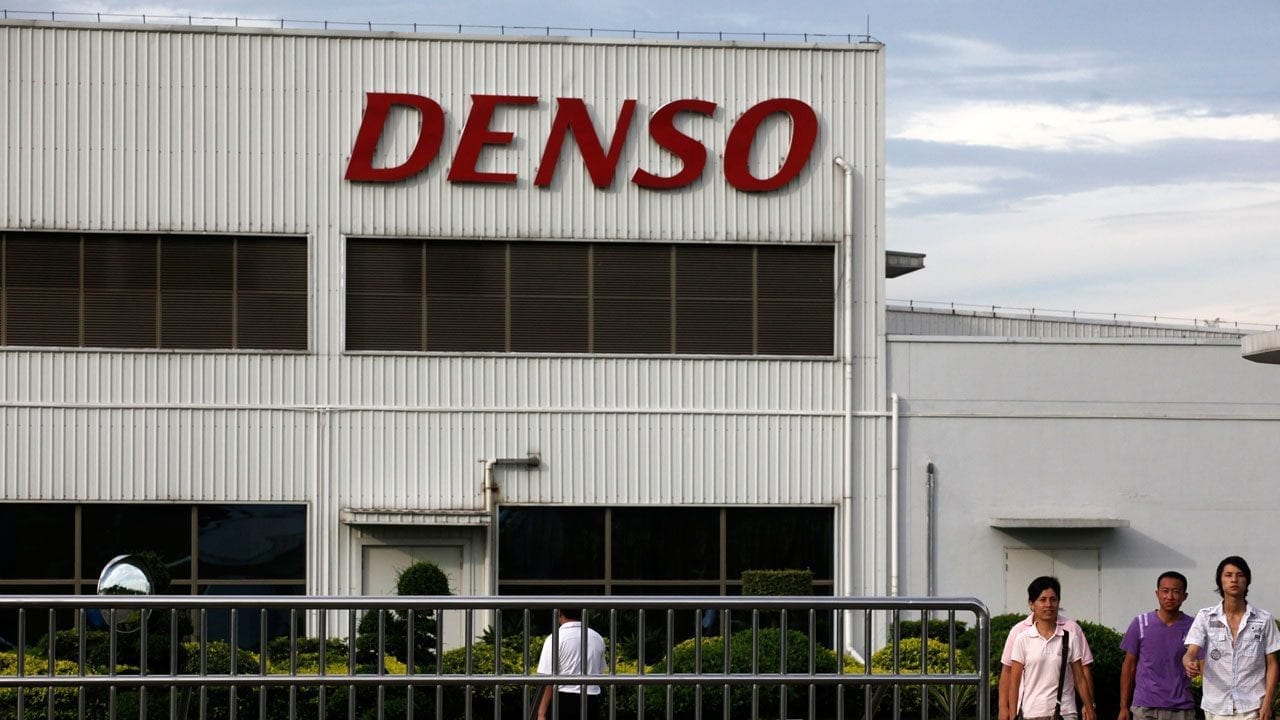
    Japanese auto parts supplier Denso Corp (6902.T) said on Wednesday it will invest $190 million in an existing Athens, Tennessee, plant to produce components for fuel delivery, ignition and exhaust gas systems for automakers in North America.

    The investment will add four production lines and create 320 jobs, the company said in a statement.

    Denso said the plant will have one new production line devoted to gasoline direct injectors and the other three for fuel pumps.

    In October Denso, Toyota Motor Corp’s (7203.T) largest supplier, said it would invest $1 billion in its Maryville, Tennessee, plant to develop vehicle electrification and safety systems, creating around 1,000 jobs.

    Last month, Toyota and Mazda Motor Corp (7261.T) announced a $1.6 billion joint venture assembly plant in Alabama that will employ up to 4,000 workers and produce 300,000 vehicles a year.

  • Japanese confectionery brand Morozoff enters Dubai

    Japanese confectionery brand Morozoff enters Dubai

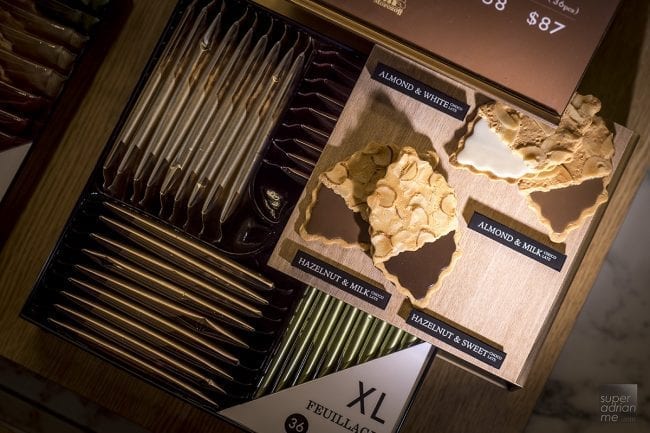
    Japanese confectionery and chocolatier chain Morozoff has opened its first Dubai store, at Wafi Mall.

    Launched by the Emerald Star Group, Morozoff Dubai offers not only cookies and cakes but also a gift collection to suit a range of celebrations and events.

    Morozoff president Shinji Yamaguchi says the Dubai launch is a significant development for the group, with plans already in place for expansion.

    Emerald Star, which specialises in distributing Japanese products, plans to take Morozoff to other territories in the region as well as India.

    The chain returned to Singapore in November after an absence of 14 years.

  • Vietnam’s fruits getting popular in Japan

    Vietnam’s fruits getting popular in Japan

    Vietnamese fruit is making its presence felt in the Japanese market, with the country registering a turnover of US$170 million in 2017 through the export of fruits and vegetables, a year-on-year increase of 70 per cent.

    This was revealed by Tạ Đức Minh, Vietnamese trade counsellor to Japan, during Japan’s largest international food and beverage exhibition, Foodex Japan 2018, which opened on Tuesday in Chiba city.

    Up to 20 Vietnamese enterprises from various cities and provinces, such as HCM City, Hà Nội, Nghệ An, Bắc Giang, Ninh Bình, Đồng Tháp, Bến Tre, Cần Thơ, Kiên Giang, Lâm Đồng and Cà Mau, which are active in the field of agro-fisheries and food export, took part in the event.

    The event offers Vietnamese businesses opportunities to promote their exports in the Japanese and other Asian markets. Besides this, it is an opportunity for Việt Nam’s firms to develop new export items, sign valuable export contracts, and promote a wide range of Vietnamese food and agricultural products.

    At the expo, Vietnamese firms displayed products such as fruits and vegetables, seafood, cod-liver oil, organic pepper, seedless lemons, rice products, Phú Quốc sauce, various biscuits and juices.

    Earlier, Vietnamese products were exported to Japan in the form of semi-finished products; however, recently, Vietnamese enterprises have focused on investment and technology cooperation with Japanese enterprises, helping Vietnamese products meet the quality standards of the Japanese market, Minh added.

    The four-day exhibition attracts 3,350 firms from 80 countries and territories worldwide, and is expected to welcome some 85,000 visitors.


  • The luxury mobile shopper emerges in Asia, says Worldpay

    The luxury mobile shopper emerges in Asia, says Worldpay

    Shoppers in emerging economies such as China and India are seeking a more luxury, personalised shopping service on their mobile, and many Asia Pacific shoppers are even willing to pay more for a product or service if the mobile shopping experience is better. This is according to new research from Worldpay, a global leader in payments.

    Worldpay’s research examined the viewpoints of 16,000 consumers across 10 global markets, including China, India, Japan and Australia in Asia Pacific. Questioning consumers about their last mobile shopping experience and what makes them hit the “pay” button, the research found that mobile payment apps are on track to become the luxury shopping experience of the future.

    Key findings in Asia Pacific include:

     62% of Chinese consumers and 64% of Indian consumers are happy to pay more for an item, trip or service if the mobile user experience is better; far ahead of the global average of 41%

     56% of consumers in India and 54% in China are more likely to shop on a mobile phone if sent a personalised push notification from a nearby store; far outweighing the global average of 35%

     As the mobile shopping experience improves, more Australians are purchasing higher-end goods on their smartphones, with 36% spending over $85 AUD (US$67) on their last purchase

     In Japan, 38% of mobile shoppers spent over ¥7410 (US$69) on their last purchase

     India and China prefer purchasing via apps over mobile browsers more than any other markets in the world, at 82% vs. 18% and 80% vs. 20% respectively. This is compared to the global average of 71% vs. 29%.

    Phil Pomford, General Manager for Asia Pacific, Global Enterprise eCommerce at Worldpay, said: “Shoppers in Asia’s emerging economies are active mobile users who have leapfrogged past traditional modes of online shopping and now demand a personalised, luxury, on-the-go experience in the palm of their hand. Online merchants that can deliver the right experience have much to gain, as Asian shoppers are making bigger, more valuable purchases via their smartphones and are even happy to spend more with merchants that deliver a better experience. At the same time, to capitalise on the mobile shopping opportunity, merchants must consider how to help smartphone shoppers feel secure.”

    Indeed, despite exciting growth in mobile shopping in Asia Pacific, security concerns continue to hinder the full potential of mobile commerce. Australia is behind Asia in terms of mobile app adoption, with significant issues remaining around security and usability – 73% of Australian consumers say they only download apps from brands they trust. The number one reason for smartphone basket abandonment in Australia is concerns that the website wasn’t secure. In Japan, meanwhile, security is also a concern, with just 37% of consumers saying they would be happy for apps to store their payment details, against a global average of 57%.

    Pomford added: “Merchants can help to mitigate shoppers’ security fears by providing a mobile payment experience that’s quick, seamless and familiar. This might mean storing consumers’ payment details so they don’t need to enter them every time, or simply providing a range of payment options so that consumers can always use their preferred method. In China, for example, lack of preferred payment options is the top reason for smartphone basket abandonment – an important reminder that capturing this emerging class of luxury mobile shoppers depends upon providing a comfortable and convenient mobile payment journey.”


  • Three Twins Ice Cream opens first Japan store

    Three Twins Ice Cream opens first Japan store

    US organic brand Three Twins Ice Cream has opened its first store in Japan.

    In a partnership with Mash Holdings, which runs several lifestyle and eco brand stores as well as organic cafes and kitchens, the outlet is outside the train station in the Daikanyama area of Tokyo.

    Three Twins Ice Cream founder/CEO Neal Gottlieb says Mash has put “a huge amount of work” into setting up the shop.

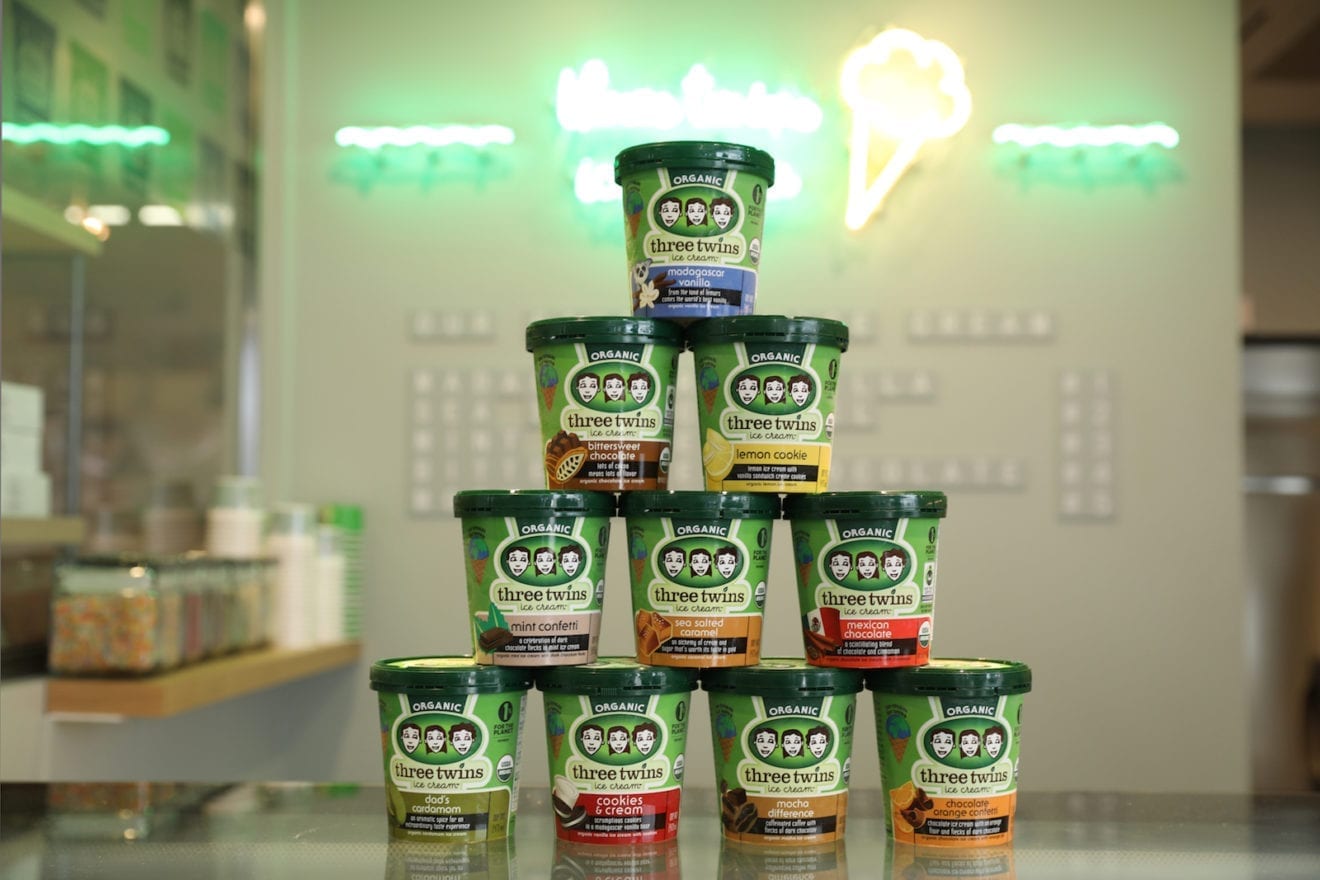
    Gottlieb founded Three Twins in California in 2005 with his twin brother Carl, whose wife Liz is also a twin. On its home turf, Three Twins sells more than 20 brands. In Japan, the initial offering will be 11 – Madagascar Vanilla, Bittersweet Chocolate, Lemon Cookie, Mint Confetti, Cookies & Cream, Mexican Chocolate, Chocolate Orange Confetti, Dad’s Cardamom, Sea-Salted Caramel, Strawberry and Mocha Difference. All the ice cream is made in the US.

    Gottlieb says the next step will be to make some flavours especially for Japan. “We will work with the team here and source local ingredients, make the ice cream in the US and send it back to Japan.”

    One of brand’s key selling points is that its products are organic. “Every single ingredient – milk, cream, sugar, eggs, vanilla – is organically produced,” Gottlieb says. “No chemicals are toadded, and no fertilisers, pesticides or herbicides involved. The cows are never given antibiotics; they are raised on organic feed. And none of our products are genetically modified.”

    Beyond the initial store, Gottlieb says he would like to sell cups of the ice cream to natural-food stores “and ultimately I’d love to see it in 7-Eleven and eventually in every retail channel”.

  • Aeon Mall to open sprawling new facility at former Space World site

    Aeon Mall to open sprawling new facility at former Space World site

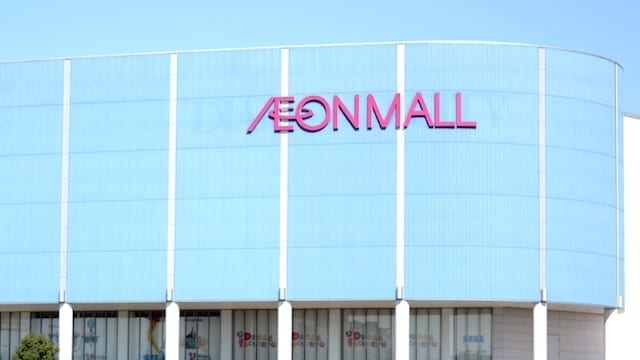
    A Space World amusement park in Kitakyushu city, on Kyushu Island, will be the site of a commercial complex to be developed by Aeon Mall.

    Landowner Nippon Steel & Sumitomo Metal Corp has been discussing development of the Fukuoka Prefecture site with Aeon, with the target of launching a commercial complex by 2021. It will encompass retail, entertainment, culture and dining.

    According to the city government, the two companies have signed a provisional lease contract for the 270,000 sqm lot, with a formal deal expected to be struck after the Space World lease expires at the end of June.

  • Aeon, SoftBank, Yahoo Japan team up

    Aeon, SoftBank, Yahoo Japan team up

    Aeon and Yahoo Japan have not had tremendous success with their own e-commerce ventures, according to the report.

    Softbank’s IT prowess is seen as key to enabling Aeon to make the most of its brick-and-mortar assets in a retail sector quickly evolving as customer data and technologies such as artificial intelligence are leveraged to create better, more personalized shopping experiences.

    A teaming of these companies could also help Aeon keep up with the trend toward rolling out cashierless or unmanned stores, while helping Yahoo Japan become a more formidable, competitive e-commerce player.

    As with many strategic alignments between brick-and-mortar and e-commerce retailers, this potential partnership is being seen as an attempt to build an alliance worthy of challenging the international Goliath Amazon, which has set its sights on expanding in Japan.

    Physical retailers and e-commerce companies in other countries are becoming especially sensitive to Amazon’s threat as it continues to expand e-commerce interests internationally while also building up a brick-and-mortar presence through efforts like physical bookstores, Amazon Go and Whole Foods.

    As the largest retailers in many countries prepare for inevitable war with Amazon, as well as one another in some cases, there are two priorities. One is to become even larger and broader through partnership, acquisition or strategic investment. The other is to have solid footholds in both e-commerce and brick-and-mortar.

    Aeon, Softbank and Yahoo Japan are not the only ones evolving with these priorities in mind. We already have seen significant efforts from some of the world’s largest retailers and e-commerce players to do the same. For example, Walmart recently aligned with Japan’s Rakuten. China’s JD.com has been looking to expand into the U.S. and Europe, and fellow Chinese e-commerce giant Alibaba is aggressively investing in brick-and-mortar retail firms.

    By getting together in one way or another, Aeon and Yahoo Japan in particular may be looking to strengthen what have been weaknesses in their respective retail and e-commerce strategies, but they also would be positioned to play the game at a whole new level — that of a retail superpower fit to tackle new opportunities at home and abroad.

  • Moncler Sales Climb 14% in Nine Months

    Moncler Sales Climb 14% in Nine Months

    Clothing retailer Moncler international had double-digit growth in all key financial indicators last year, with soaring Asian sales playing their part.

    Its revenues for the year reached €1.1 billion (US$1.3 billion), an increase of 17 per cent at constant exchange and 15 per cent at current exchange rates. In the fourth quarter, revenues rose 17 per cent at constant exchange and 14 per cent at current exchange rates.

    Moncler chairman/CEO Remo Ruffini says the growth plus a net sales growth of about €200 million confirm the group’s strength and validated its strategy.

    In Asia, revenues grew 20 per cent at constant exchange rates with double-digit sales growth for Japan in the fourth quarter.

    Robust performances continued in China, says Moncler, driven by a double-digit organic growth in the fourth quarter, and in Hong Kong, where it opened a flagship store in Canton Road.

    Revenues from the retail distribution channel last year reached €892.4 million, up 19 per cent at constant exchange rates. The group also achieved comparable store sales growth of 14 per cent.

    At the end of December, Moncler’s mono-brand distribution network comprised 201 directly run retail stores, 11 more than the previous year, and 59 wholesale shop-in-shops, up 17. In the fourth quarter, Moncler opened six retail outlets and 11 shop-in-shops.

    For the full year, the consolidated gross margin was €917.5 million, 76.9 per cent of revenues compared to 75.7 per cent the previous year. This is attributed to retail channel growth and higher production efficiency.

    Adjusted EBITDA rose to €411.6 million from €355.1 million, resulting in an EBITDA margin of 34.5 per cent compared to 34.1 per cent.

    Net income was €133.3 million, up 63 per cent.

  • Singapore’s Orchard Road gets its own Korean-style store opened

    Singapore’s Orchard Road gets its own Korean-style store opened

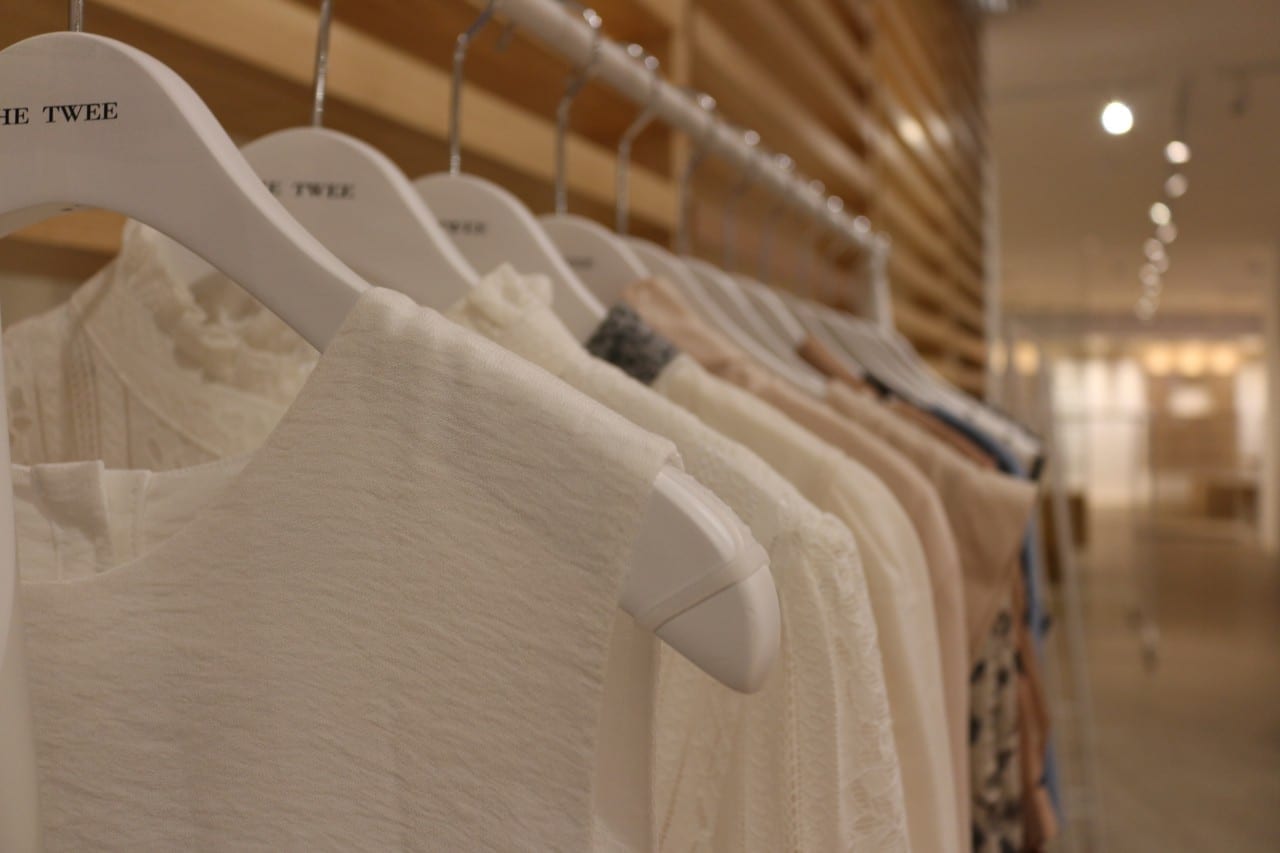
    South Korean fashion brand Twee has opened a flagship store at 313@Somerset on Orchard Road.

    The  4030sqft (374sqm) Twee Singapore store offers an exclusive collection of party dresses as well as Superface beauty products. The store promises to bring in more than 400 new styles for women and men every month.

    Twee has more than 40 stores in South Korea and 11 overseas, including nine in China and one in Malaysia. The brand plans to launch stores in Tokyo and Shanghai this year.

  • Mr. Ruffini’s Moncler Genius Building unveiled

    Mr. Ruffini’s Moncler Genius Building unveiled

    Moncler Genius Building is finally unveiled.

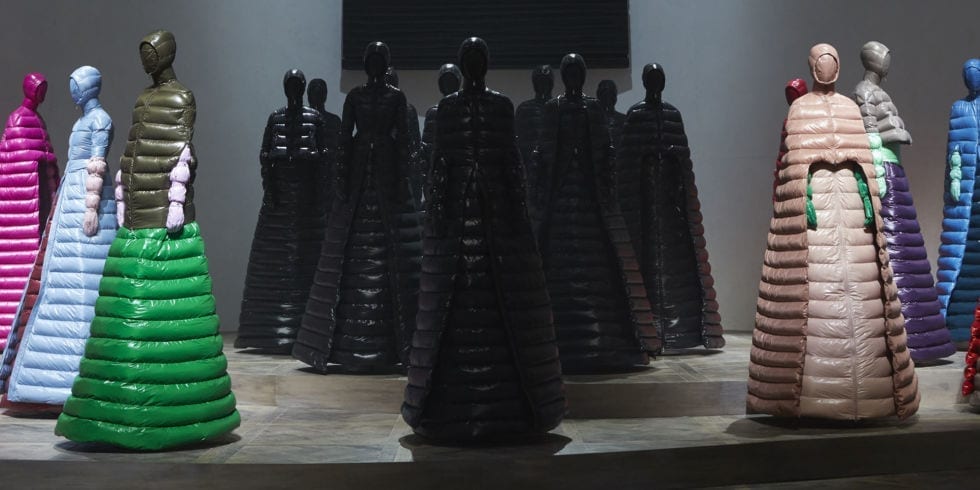
    During the opening of Milan Fashion Week, Moncler finally revealed the highly anticipated Moncler Genius Building—a conceptual space that housing the Moncler Genius collections designed in collaboration with Hiroshi Fujiwara, Francesco Ragazzi of Palm Angels, Craig Green, and other well-known names.

    Moncler packed out the Palazzo Delle Scintille—a 15,500 square meter exhibition space—with an international crowd excited to finally discover what Moncler had been hiding and shrouding with mystery for weeks.

    Upon entering the Palazzo Delle Scintille, the mystery continued. The space was filled with large tent-like shapes of all sizes shrouded with silver fabric, surrounded by smoke and glittering under bright spotlights.

    It looked like the silver shrouds would at once fall away for a big reveal but instead, following a long wait and a sudden countdown, curtains within the silver fabric opened and guests were invited inside the designers’ minds one at a time.

    None of the spaces featured a traditional runway presentation. Instead, the capsule collections were displayed on mannequins in a humid jungle; in an eerily dark room; hung from the ceiling; and on models performing a snow angel dance routine reflect in an enormous mirror.

    Francesco Ragazzi of Palm Angels took the most unorthodox approach, hosting two booths advertised by the slogans “Make It Rain” and “I’m So High.” Ragazzi and his team simply handed out free t-shirts periodically to keen attendees throughout the two-hour event.

    In the build-up, Moncler explained that with this new project it would “let creativity run wild,” and it certainly backed up its claim. Pierpaolo Piccioli of Valentino put together a monastic collection disturbingly reminiscent of the women’s uniforms in The Handmaid’s Tale and surrounded by the work of artist and monk Sidival Fila.

    Craig Greens’ collection was typically conceptual and utilitarian, denoting inflatable life jackets. Hiroshi Fujiwara of Fragment brought preppy, and in places grungy, vibes to the table with a sense Americana and mountaineering.

    Moncler did not stop at human clothes either. Happy pooches clad in tiny Moncler outfits ran joyfully around a doggy obstacle course as the brand showcased its animal jackets.

    The Moncler Genius Building acts as the project’s central hub. Within the space, each designer’s individualized cell represents a different facet of the brand’s identity and alludes to its unique vision for the future of fashion and design. The result is a grand composite of extraordinary minds united by the desire to innovate and create the new.

    Moncler’s President and Creative Director Remo Ruffini hopes these monthly capsule collections will disrupt the traditional, biannual fashion schedule. They will release in a similar fashion to the routine “drops” employed by some streetwear brand and provide consumers with newness far more regularly.

    Moncler will launch a collection once a month starting June. Clothes and accessories from its collaborative lines will be available in cities around the world at boutiques, selected stores and pop-ups.