Tag: Japan

  • Nestlé goes pink for Valentine’s Day

    Nestlé goes pink for Valentine’s Day

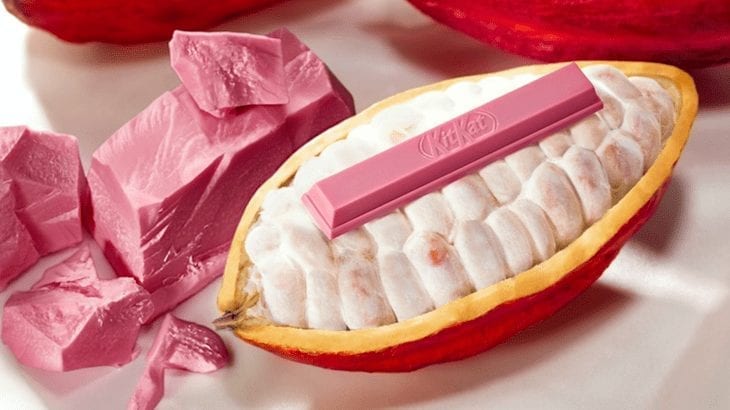
    Nestlé may have struck gold with the release of a new type of Kit Kat made using special “ruby” cacao beans. The new flavor, Kit Kat Chocolatory Sublime Ruby, was launched in select stories in Japan and South Korea on 19 January 19 2018 and shows signs of being a hit.

    The first limited run of 5,000 bars in Japan has sold out and there is even a small black market–or pink market if you prefer–of people reselling the chocolates at a slightly marked up price online.

    In September 2017, the Swiss chocolatier Barry Callebaut announced that they had developed a brand new type of chocolate, using ruby cacoa beans.

    Historically, there have only been three other types of chocolates in existence, according to the company: dark, milk and white. Ruby chocolate is “the fourth chocolate.” The beans have a pinkish red tint and unique taste; they are cultivated in Brazil and the Ivory Coast, among other countries. Chocolate aficionados have eagerly awaited the first ruby chocolates to be released since last summer.

    Nestlé claims to be the first the company to turn the beans into a product. In Japan, the Sublime Ruby Kit Kats were first sold individually at 400 yen ($3.60) for a single package from January 19-25, either at Kit Kat boutique stores or online. From February 1, you can purchase five or seven-piece assorted flavor Valentine’s Day boxes, each including two Ruby Chocolate Kit Kats, that will sell for about $16 and $21 respectively. The main retail shop in Tokyo’s Ginza area will also be offering a Ruby Hot Chocolate set in their cafe, that includes one Ruby Kit Kat, for 1000 yen ($9).

    Kit Kat has been a tremendous success in Japan, partly because the name when pronounced in Japanese, sounds like “Kitto Katsu (きっと勝つ)” which translates as “you (he, she) will surely win.” The company, through clever marketing, convinced Japanese consumers that Kit Kats were auspicious gifts to give to those applying for college or seeking jobs.

    Nestlé has launched over 350 different Kit Kat flavors over the years, including the highly successful green tea version, as well as wasabi, cherry blossoms, beni imo (vermillion potato) and even azuki bean sandwich versions. The firm never has all the flavors available at the same time, but many kinds can be purchased at airports as souvenirs or at boutique Kit Kat stores. It should be noted that some variations have been less successful than others. Last year, Throat Candy (のど飴味) flavored Kit Kats did not appear to do well. These whitish Kit Kats were poorly rated on a website devoted to appraising chocolate snacks, although you might like them, if you like medicinal mint chocolate-chip ice cream, and some ended up on the discount racks of convenience stores.

    The Sublime Ruby edition was designed by a top Japanese pastry chef, Yasuma Takagi, who has spearheaded many Kit Kat creations. Of course, I tried these pinkish delights before writing this. They had a distinct flavor and pleasant sourness that was slightly like a tart berry, but also with a mild sweetness that was reminiscent of milk chocolate.

    Chef Takagi, is quite proud of his work, commenting in press materials: “I am extremely honored to be part of this landmark moment in the history of chocolate, with which I have worked intimately for over thirty years. I have created an especially simple Kit Kat that allows you to enjoy the characteristic fruity fragrance and subtle acidity of Ruby cacao to the fullest. Enjoy wonderful flavors that have never been experienced before.”

    Nestlé suggests that since their new Kit Kat is such a rare and precious chocolate, you should want to give some to that “special person” in your life on Valentine’s Day. It is not a bad sales pitch.
  • Citiesocial to expand in Asia after the funding boost

    Citiesocial to expand in Asia after the funding boost

    Following series-A funding of US$2.75 million, Taiwan online retail platform Citiesocial seeks to expand into other parts of Asia.

    Its funding round was led by the Taiwan fund of Alibaba Group Holding.

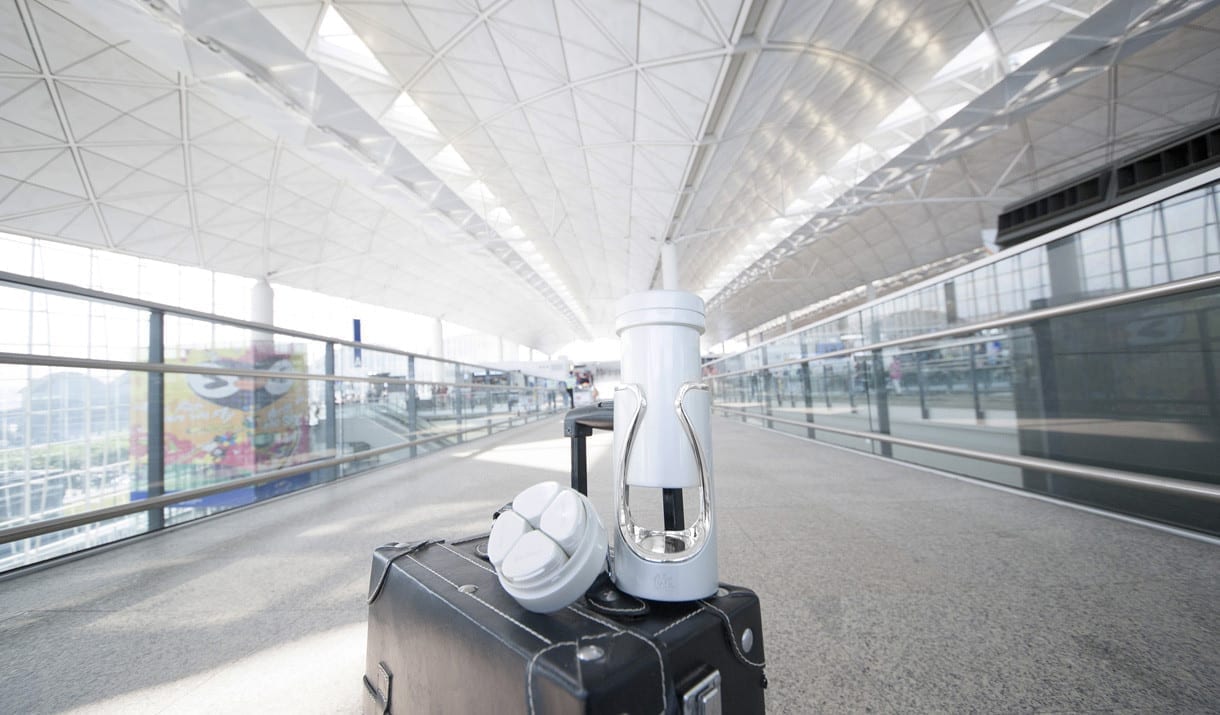
    Citiesocial, which sells items such as water bottles and kitchenware from emerging brands, plans to use the funds to bolster services and technology to help rising designers grow their presence in Asia, says founder Eric Wang. This will start in the next few months with strategic partnerships with e-commerce channels in China, Japan and Korea, he says.

    Citiesocial curates branded goods as a point of difference from other platforms that offer mainstream brands. It revenue last year reached $20 million, with monthly sales valued 130 times more than at the beginning of 2014. It has 600,000 customers and a staff of 42, including Wang, who describes his customer demographic as “leaning slightly” toward a more mature, well-educated male consumer.

    “We curate goods globally to sell at least in Taiwan and Hong Kong,” he says. “A third of our revenue comes from goods that no-one else sells in Taiwan and Hong Kong.”

    One of Citiesocial’s top performing brands is British men’s accessories maker Vanacci, while it has just sold more than 1000 travel jackets from Kickstarter graduate Baubax.

    Taiwan’s fragmented e-commerce market allowed Citiesocial to be able to pivot many times in its seven and half years with only $700,000. Elsewhere he would have burned that money within the first six months, says Wang, who worked in the US for 18 years.

  • Seven-Eleven becomes first retailer to hit 20,000 stores in Japan

    Seven-Eleven becomes first retailer to hit 20,000 stores in Japan

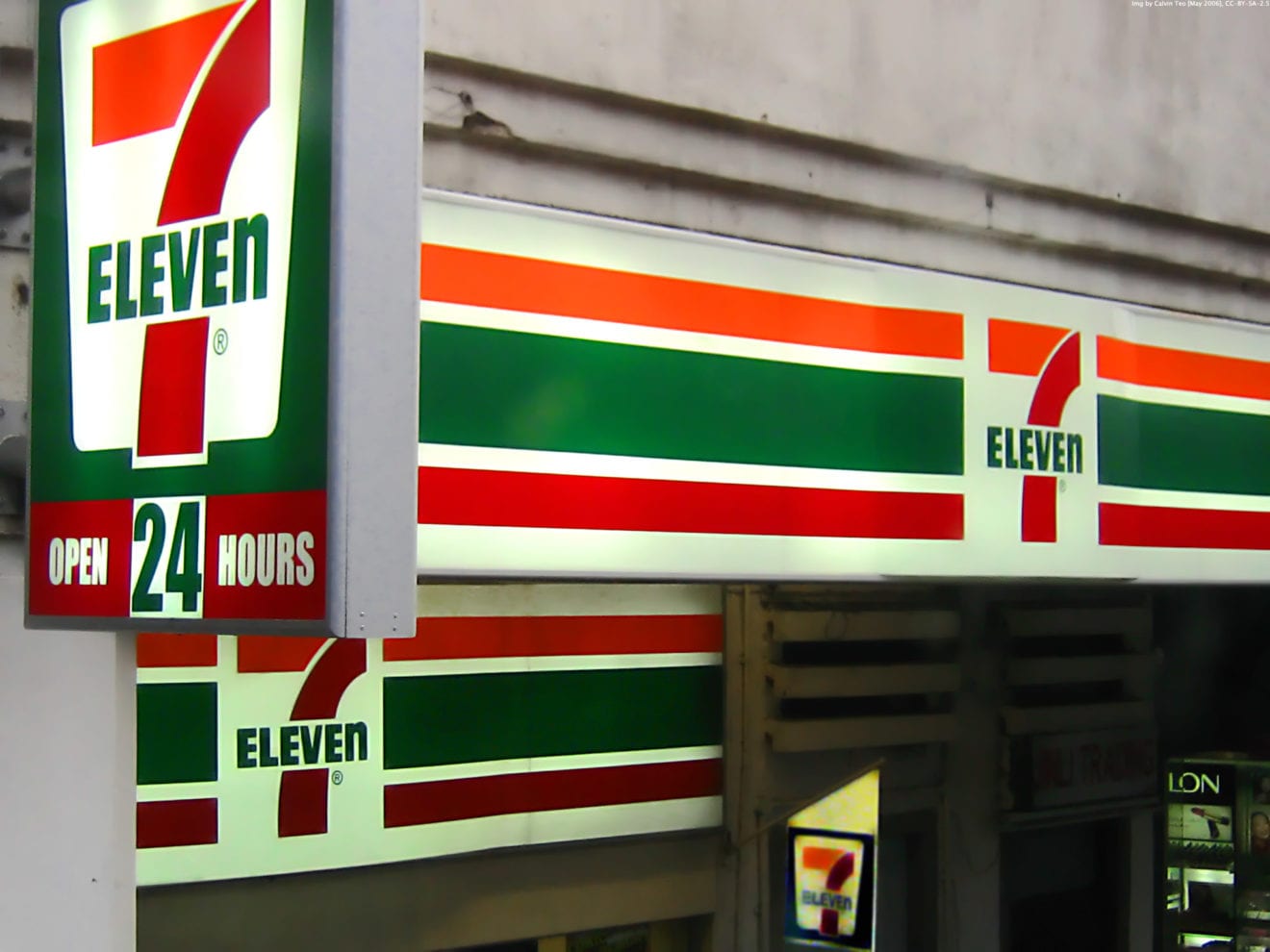
    7-Eleven Japan has become the country’s first retailer to open more than 20,000 stores.

    The Seven & I Holdings unit reported a store count of 20,033 at the end of last month, up by 54 from the end of December. By comparison, Japan has about 24,000 post offices.

    Making its debut in Tokyo’s Toyosu district in May 1974, 7-Eleven grew to 10,000 stores by August 2003. It reached 15,000 outlets in February 2013.

    The convenience stores can be found in all but one of Japan’s 47 prefectures, the holdout being Okinawa, where locations will open next year.

    Revenue for the chain for the year ended February last year totalled ¥4.51 trillion (US$41 billion), nearly double the sales in the year ended February 2004, when it crossed the 10,000-store mark. Average daily sales per store reached ¥657,000 last fiscal year, a 2 per cent gain.

    An increase in female customers has become an important driver of sales. Males made up 65 per cent of visitors during the year ended February 2004, but now men and women visit in roughly equal numbers.

    More women have been attracted as 7-Eleven has expanded its offerings of ready-made packaged dishes and frozen foods, positioning itself as an alternative to supermarkets.

    A Nikkei survey shows 7-Eleven Japan leading the convenience-store sector with a 40.4 per cent share of sales in fiscal 2016, followed by Lawson and FamilyMart Uny Holdings. Together, the trio accounts for about 90 per cent of the market.

  • Tokyu Hands goes to global GIA Awards finale

    Tokyu Hands goes to global GIA Awards finale

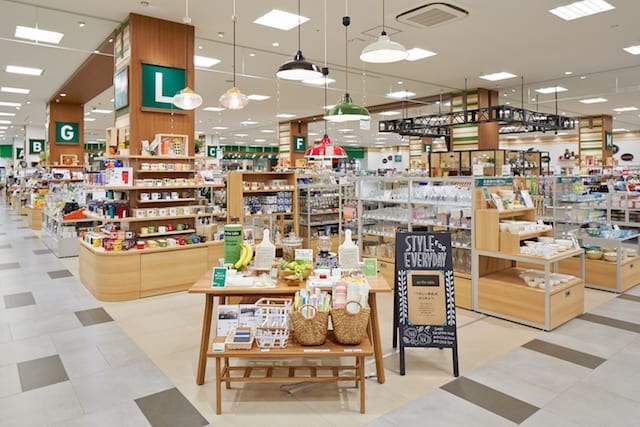
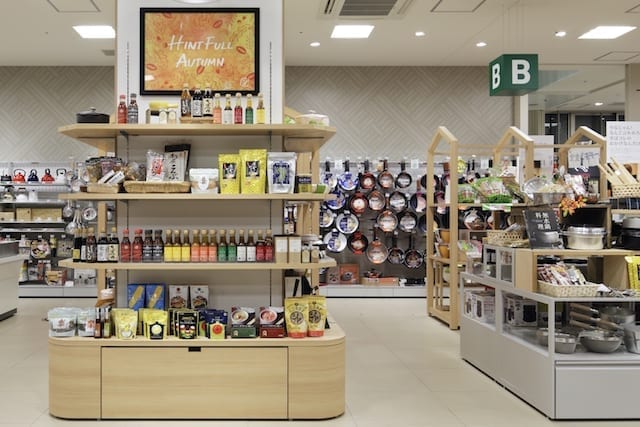
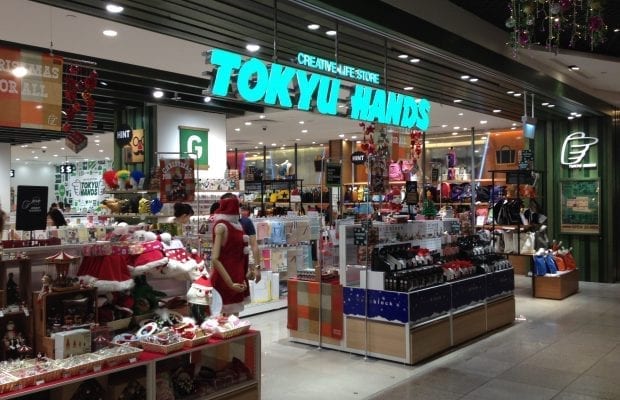
    Eclectic Japanese department store Tokyu Hands has been named one of the global finalists in this year’s GIA Awards in Chicago.

    Tokyu Hands has 75 stores in Japan and three in Singapore, selling items including fashion and interior goods, but with kitchenwares and other household items as its core. Customers range from teens to seniors.

    “Japanese consumers are said to have the harshest eye in the world for quality and design,” observed a spokesperson for the GIA (Global Innovation Awards). “Tokyu Hands’ buyers think deeply about what their customer wants before selecting products. The sales staff are highly skilled and very knowledgeable to meet the demands of customers with severe eyes. That’s a big reason for why many people visit the store.”

    Another Japanese homewares chain, The Loft, won a GIA Award last year.

    Other finalists from Asia in this year’s awards are Cuccina, a small homewares store in China, and Maissone in Singapore which sells offline and online.

    Each national GIA winner is invited to the International Home + Housewares Show in Chicago where the global GIA jury, consisting of four experts representing Asia, Europe and the Americas, plus a rotating group of co-sponsoring trade publication editors from around the world, will select up to five GIA Global Honorees, the winners of the Martin M Pegler Award for Excellence in Visual Merchandising and the GIA Digital Commerce Award for Excellence in Online Retailing.

    The winners from each region will be honored at a festive awards dinner on Saturday, March 10, during the 2018 International Home + Housewares Show in Chicago.

  • Singapore lags Japan and China with e-commerce use

    Singapore lags Japan and China with e-commerce use

    In contrast with data about digital transformation and government’s engagement in promoting digital solutions for retail, Singaporeans have not fully embraced e-commerce.

    Credit Suisse data show that Singapore falls behind China, US, and Japan in terms of e-commerce usage.

    In 2017, Singapore e-commerce comprised 5% of the country’s total retail.

    Meanwhile, e-commerce comprised 23% of total retail in China and 8% of retail in the US.

    Singapore still beat other ASEAN countries, however. The proportion of e-commerce in total retail in Indonesia is at 3%, nearly 2% in Malaysia and Thailand, and 1% in Vietnam and the Philippines.

    Those data also do not match with marketers’ opinions that frame those markets as a huge opportunity given the slow development of retail physical infrastructure. The fact that most brands are present in the main cities only, and cannot reach the remote areas yet, places e-commerce  as a complementary service to compensate the offline retail.

    However, those data show that there is still a long way to go. Definitely, millennials in those areas are tech-savvy, but the lack of sophisticated infrastructure slow down the process.

    Credit Suisse said with 158 million middle class consumers, ASEAN is often seen as the next frontier for the e-commerce market, but e-tailing — online retailing — is still at China’s levels in 2010.

    The firm said the entry of Chinese tech giants could change the ASEAN e-commerce scene significantly.

  • Who’s travelling to Japan?

    Who’s travelling to Japan?

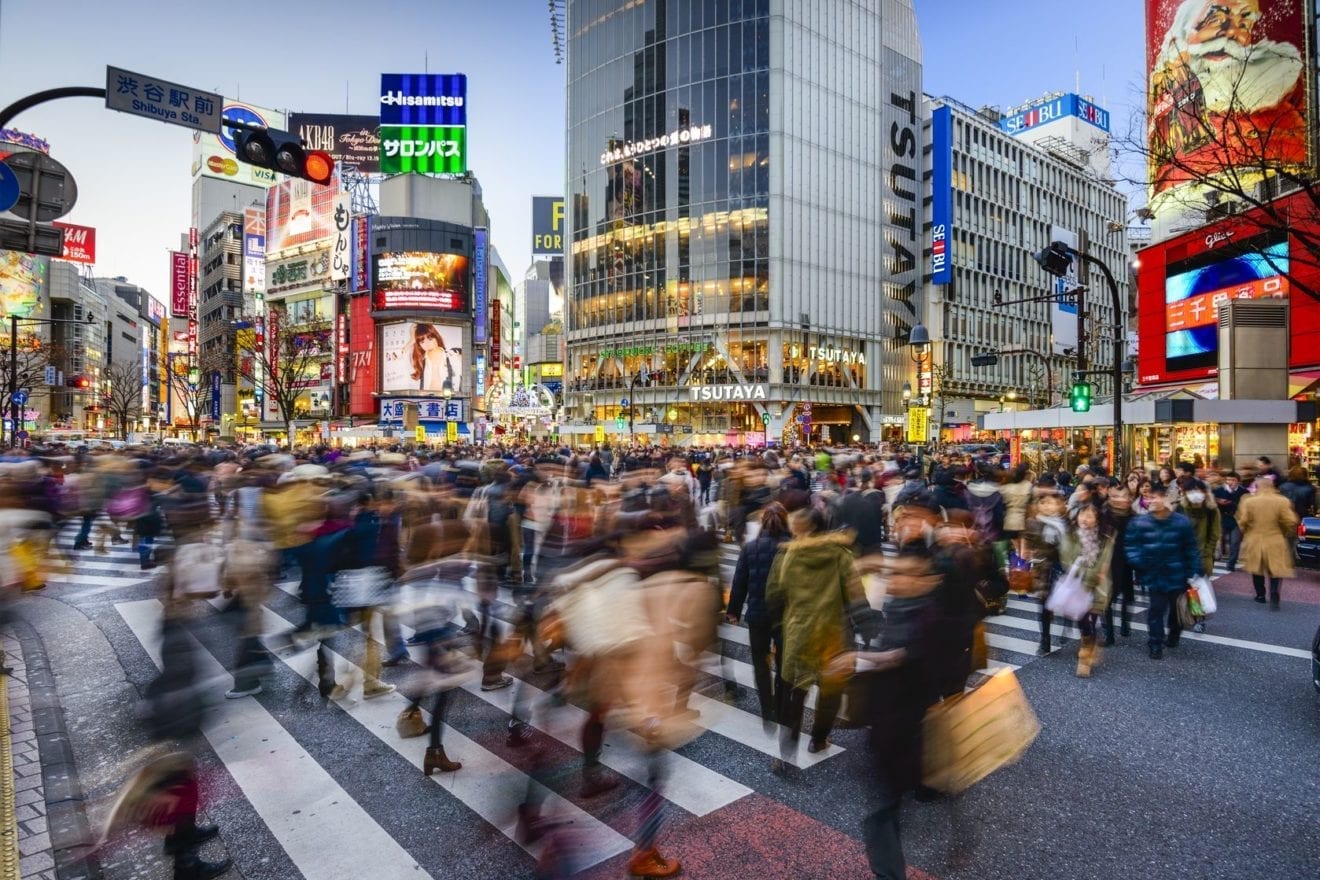
    Japan’s tourism bonanza shows no signs of abating. The country welcomed a record 28.6 million visitors from abroad in 2017, an increase of 19.3% on the year. Travelers also spent significantly more: 4.4 trillion yen ($39.68 billion), up 17.8%.

    So, where are all of these people coming from? Where are they going? And what are they spending their money on?

    The numbers clearly show geographical proximity is a major factor. Mainland China was the No. 1 source of visitors to Japan last year, accounting for 7.35 million, or 25.6% of the total. South Koreans were close behind at 7.14 million, or 24.8%.

    Back in 2007, only 942,439 Chinese tourists came to Japan. But over the next decade, the figure soared by 680.5%.

    Traffic from Taiwan and Hong Kong was also brisk in 2017: the former accounted for 4.56 million visitors, or 15.9%, while the tally from the latter came to 2.23 million, or 7.7%.

    Although China has played a big role in the tourism boom, it is only part of the story.

    Japan has seen exponential growth in the number of tourists from South East Asia. In terms of sheer growth rate from 2007 to 2017, Vietnam actually led the pack, with an 868% increase over 10 years. Arrivals from Thailand surged 489.3%, while those from Indonesia jumped 448.7%.

    What is interesting is also to see where do they go. As for where international travelers stayed in 2017, the usual destinations came out on top: Tokyo, Osaka, Hokkaido and Kyoto. But in terms of growth from the previous year, Tokyo ranked only 33rd out of the country’s 47 prefectures, with Osaka placing 22nd, Hokkaido 26th and Kyoto 19th.

    Oita Prefecture, in the Kyushu region, logged the biggest rise in overseas visitors. Known for its popular hot springs, Beppu Onsen and Yufuin, the prefecture appears to be capitalizing on tourists’ growing tendency to favor uniquely Japanese experiences over shopping.

    Next up was Saga Prefecture, which is now served by more direct, budget flights from Asian cities. Saga is adjacent to another popular destination, Fukuoka Prefecture, making the area a convenient option with ample accommodations.

    At No. 3 was Aomori Prefecture, in the northeastern Tohoku region. This was partly thanks to international carriers: China’s Okay Airways opened a direct flight from Tianjin to Aomori in May, and Korean Air also increased its flights. “Overseas tourists are going to places like open air hot springs by the seaside or hotels with no electricity for visitors — destinations even Japanese people don’t visit that much,” said Akihiko Tamura, commissioner of the Japan Tourism Agency.

    Few will be surprised to find that Chinese tourists topped the spending ranking, forking out an average of 230,382 yen per person in 2017. The bulk of that money went toward shopping.

    Visitors from the U.K. and Australia, meanwhile, spent the most on food and drinks as well as hotels. Visitors from Spain, France and Italy shelled out the most on transportation.

    South Koreans, on the other hand, placed at the bottom of the rankings for hotels, food and drinks, transport and shopping — and, naturally, overall spending. Yet this does not mean they are frugal travelers: since Japan is only a brief flight away, they tend to stay for shorter periods than tourists from other countries, limiting their spending.

  • Fujifilm to cut 10,000 jobs at subsidiary amid Xerox takeover

    Fujifilm to cut 10,000 jobs at subsidiary amid Xerox takeover

    Japanese technology firm Fujifilm on Wednesday announced 10,000 job cuts by March 2020 at its Fuji Xerox subsidiary, which it said was facing an “increasingly severe” market environment.

    In a major shake-up, Fujifilm also announced it would be combining Fuji Xerox with US giant Xerox, bringing both companies under its umbrella to create what it said was the world’s largest “document solutions company” by revenue.

    As part of a cost-cutting package that it hopes will save 50 billion yen (RM1.793 billion), Fujifilm announced “personnel reductions of 10,000 people domestically and overseas” at Fuji Xerox.

    Founded in 1934, Fujifilm became synonymous with the photography business but has since expanded into cosmetics and medical equipment.

    Fuji Xerox, which manufactures printers and copiers for offices mainly in Asia and the Oceania regions, employs around 46,000 people in total.

    “It is expected that this combination will generate a large number of synergies,” said Fujifilm in a statement, with Fuji Xerox mainly doing business in Japan and Asia and Xerox in the US and Europe.

    Xerox had faced a revolt from two major shareholders, Carl Icahn and Darwin Deason, who between them control 15 percent of the company.

    They recently published a joint letter urging the company to consider selling itself and calling for the immediate replacement of its CEO.

    The restructuring will have an impact on Fujifilm’s operating income, the firm said, revising down its forecasts for the current fiscal year to 130 million yen from 185 million yen.

    Net profit however was forecast to rise to 140 million yen from 125 million yen due to one-off gains from sales of investment securities.

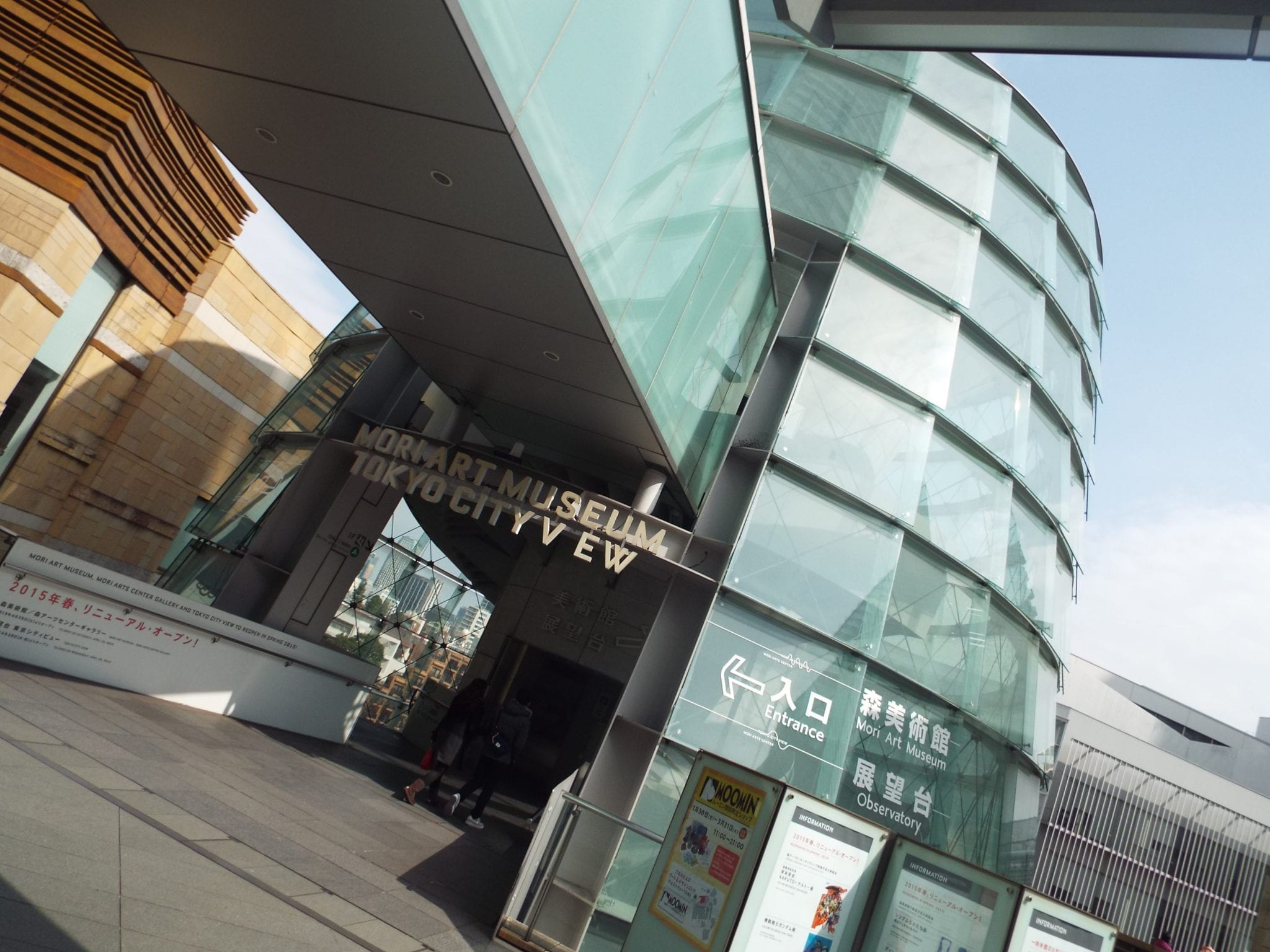
  • Mori Building and teamLab to launch “MORI Building DIGITAL ART MUSEUM teamLab Borderless” in Odaiba, Tokyo this summer

    Mori Building and teamLab to launch “MORI Building DIGITAL ART MUSEUM teamLab Borderless” in Odaiba, Tokyo this summer

    Mori Building, a leading urban developer in Tokyo, and the art collective teamLab today announced that they will jointly open “MORI Building DIGITAL ART MUSEUM teamLab Borderless,” a full-scale digital art museum in the Palette Town complex of Odaiba, Tokyo in the summer of 2018. The all-new museum concept is a collaborative initiative between Mori Building, a noted supporter of culture and art, and teamLab, an interdisciplinary creative group that utilizes the digital technologies to express art.

    The museum, teamLab’s first permanent exhibition and flagship facility in Tokyo, will boast a massive 10,000 square meters of labyrinthine floor space. The word “Borderless” expresses the museum’s aim to tear down the borders between “one art and another,” “art and visitors” and “oneself and others” by allowing visitors to melt into the art and become part of it. Mori Building and teamLab hope that their groundbreaking museum will inspire people to create enlightened new values and innovative new social frameworks.

    Mori Building actively works to integrate art in cities, including by staging important cultural activities. In the view of the company, cities vitally need culture and art to expand their magnetic power to attract creative people and enterprises from throughout the world.

    teamLab aims to explore a new relationship between humans and the world through art. The collective’s collaborative practice seeks to liberate art from physical constrictions and transcend boundaries in contemporary society, where the border between technologies and creativity is coming fuzzy.

    Through their collaboration, Mori Building and teamLab aim to create a unique destination that enhances the magnetic power of Tokyo toward 2020 and beyond.

  • Uniqlo Collaborates with Ines de la Fressange for a Spring/Summer 2018

    Uniqlo Collaborates with Ines de la Fressange for a Spring/Summer 2018

    UNIQLO today announces it will launch the INES DE LA FRESSANGE Spring/Summer 2018 Collection, starting from Friday, March 16. In its ninth season, the full 82-item collection will be available at UNIQLO Orchard Central (Global Flagship Store), Suntec City and online, while dresses will be available at all stores. Prices will range from $19.90 for a Women’s Waffle Crew Neck Short Sleeve T-Shirt to $199.90 for a Women’s Soutien Collar Coat.

    The collection is the fruit of a collaboration between Parisian chic icon, Ines de la Fressange, and UNIQLO Special Project Design Director, Naoki Takizawa. The range brings together Ines’ belief in designing clothes that all women wear with comfort to reveal their beauty, and the LifeWear philosophy of providing innovative, high-quality clothing that is universal in design and comfort.

    Celebrating Ines’ recollections of boating scenes and vibrant architecture during holidays in port towns around Europe, the range builds on her desire to offer wardrobe essentials that are also fashionable, newly including pyjamas.

    Key Colours & Prints

    The collection features cobalt blue, red and a variety of prints such as borders, checks, dots, flowers, and star patterns. Ines’ signature navy blue and indigo are also showcased in new ways.

    Key Items

    Key items include gingham check cotton parkas, soft easy pants in delightful spring patterns, and 1960s-style cache-coeur dresses with ruffles. Ines’ effortless style extends to the elegantly relaxing pyjamas with prints that are identical to those used in the collection’s tops, pants, and dresses.

  • Daiso stores to penetrate Israeli retail market

    Daiso stores to penetrate Israeli retail market

    Japanese “dollar store” chain Daiso is about to enter the Israeli retail market, to be run by the Union Group, the franchise holder for Cos and H&M in Israel and the official importer for Toyota and Lexus.

    Founded in 1977, Daiso will be competing in Israel with chains such as Hastock and Max Stock. It is expected to offer 100,000 products at a fixed low price, including designer products and accessories for the home, toys, design aids, work tools, gardening tools, electronic products, auto products, sewing tools and animal accessories. Most are made exclusively for the Japanese chain’s private label.

    Daiso has 4900 stores in 26 markets, 3000 of them in Japan. The company’s revenue totalled $4 billion in 2015.

    Daiso’s most popular items are batteries and small products for the home.

  • Shiseido launches new teen brand Posme

    Shiseido launches new teen brand Posme

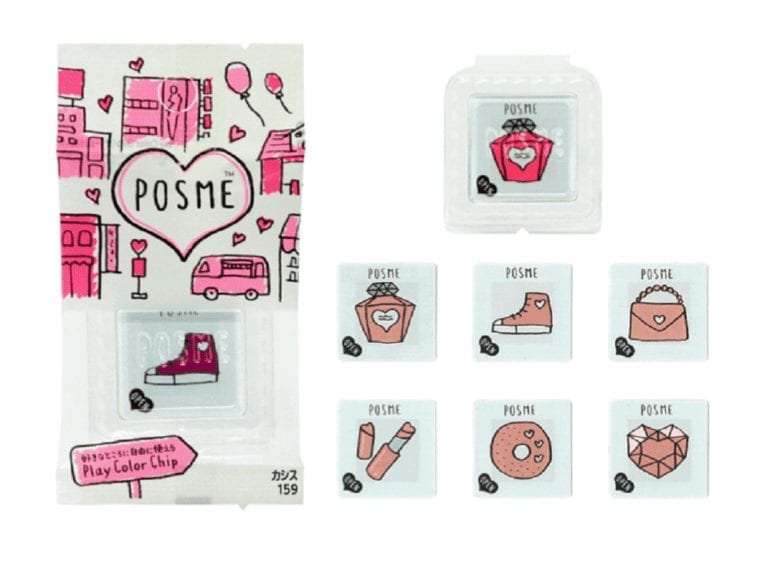
    Shiseido looks to increase teen beauty sales with the launch of its open innovation project, Posme Me.

    Posme will consist of a variety of cosmetic and non-cosmetic products and services, which are collectively created by high school girls.

    According to the Japanese cosmetics giant, high school girls are becoming a major source of a new pop culture, following the “Millennials movement in Japan.”

    For the project, Shiseido has gathered an array of high school students and formed a team called Posme & Co. The team currently consists of 40 members who live mainly in Tokyo.

    The influencer-group have been partnered with several companies to develop beauty products and services, as well as items beyond cosmetics, to fall under a new Posme brand, targeted at their peers.

    New products will include items favoured by high school girls such as sweets, stationery and fashionable accessories.

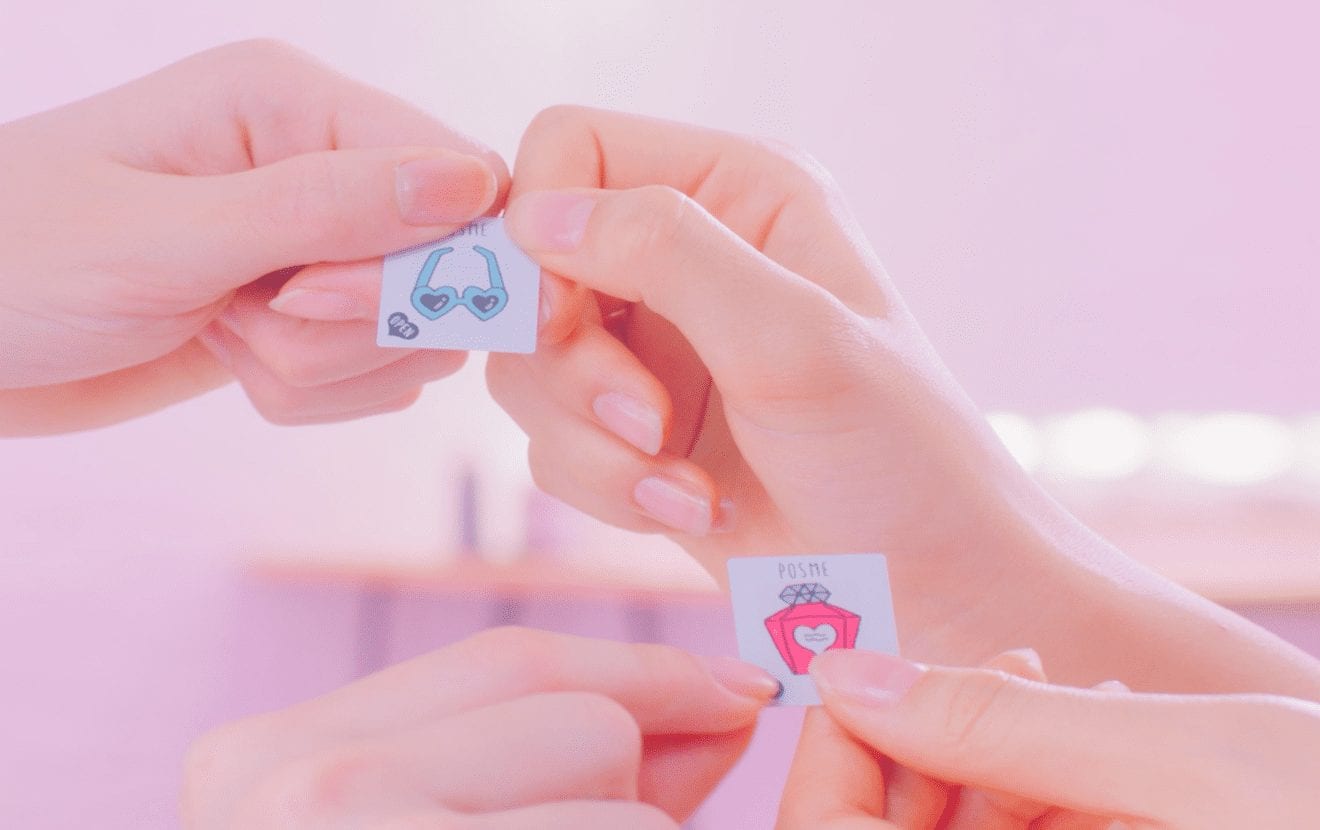
    The first product to launch will be a multi-use colour item, Play Colour Chip. It can be used in a variety of ways; be it, an eye colour or blush.

    “This product was developed through communication with more than 150 high school girls and will be sold in a set of six disposable chips of the same colour,” explained Shiseido in a press statement.

    “Play Colour Chip marks a change in cosmetics, transforming an item to be used individually into something that can be ‘shared or swapped’, creating a new form of enjoyment. The new chips offer more freedom in makeup, allowing users to coordinate colours with friends, try a new colour more easily, or enjoy a special colour for a special occasion.”

    A recent survey conducted by Shiseido revealed that 93% of female school girls perceived the novelty of the items because they can be swapped with friends, are easy to carry around, are good for a gift, and are perfect to try a new colour.

    Going forward, Shiseido plans to gather hundreds of Posme members throughout Japan with more products expecting to be released.

    The company is also launching a new shop, Posme Lab Shibuya, on 26 January, which will serve as a communication space for Posme members.

     The teen beauty initiative is the first project to form part of Shiseido’s Innovation Design Lab, a division first established by the company in January 2017.

    The Innovation Design Lab comes under Shiseido’s ‘Vision 2020’, and aims to “foster innovation”, a major goal of the firm’s mid-to long-term strategy.

  • Kit Kat Flagship Store to Open Its First Location in Korea

    Kit Kat Flagship Store to Open Its First Location in Korea

    A KitKat flagship store has been launched in Shinsegae’s Gangnam department store in South Korea.

    It has been opened by Swiss food giant Nestle’s Japanese unit, which has developed special flavours for the chocolate wafer snack in collaboration with chef Yasumasa Takagi, who has just rolled out a special ruby version. As well as the original KitKats, the new Seoul store offers such exotic variations as cherry blossom and wasabi.

    “Nestle decided to open the first flagship store to reflect Korean customers’ needs for new and trendy premium chocolate,” says Nestle Korea CEO Erwan Vilfeu.

    Nestle Japan is looking into taking its special flavours to other Asian countries with similar flagship stores.

  • Japanese firms mull over expansion plans in Vietnam

    Japanese firms mull over expansion plans in Vietnam

    Việt Nam maintained its position as an important investment destination for Japanese companies, with some 70 per cent of operational Japanese-invested firms making plans for business expansion here.

    This information was revealed by Hironobu Kitagawa, chief representative of Japanese External Trade Organisation (JETRO), in Hà Nội, at a meeting with the Ministry of Industry and Trade on January 29.

    According to the latest survey conducted by JETRO on the operation of Japanese firms in Asia and Oceania, 65.1 per cent of Japanese businesses operating in Việt Nam reported profits, up 2.3 points over the 2016 survey.

    Some 70 per cent of Japanese firms have mulled over expansion schemes in Việt Nam given the country’s market size, growth, stable political and social state of affairs, and cheap labour cost.

    This was a high rate in comparison with other countries where JETRO conducted the annual survey, Kitagawa said. “Việt Nam continues to be an important investment destination for Japanese businesses.”

    However, the head of JETRO in Hà Nội also pointed out the risks in the investment climate, concerns and obstacles that Japanese enterprises are facing during the investment process in Việt Nam.

    The latest survey was conducted with nearly 12,000 Japanese enterprises in 20 countries and territories in Asia and Oceania from October 10 to November 10, 2017. In Việt Nam, 1,345 Japanese firms participated in the survey.

    The full report will be made available next week.

    According to Deputy Minister of Industry and Trade Đỗ Thắng Hải, the survey provides comprehensive and objective information to help the Vietnamese Government and ministries to make effective and practical policies.


  • Walmart and Rakuten Announced New Strategic Alliance

    Walmart and Rakuten Announced New Strategic Alliance

    In Tokyo today, Walmart president/CEO Doug McMillon and Rakuten chairman/president/CEO Hiroshi “Mickey” Mikitani announced a strategic alliance aimed at expanding consumer reach and enhancing customer service.

    Included in the collaboration is the launch of an online grocery delivery service in Japan as well as an exclusive retail alliance between the US retail giant and e-reading service Rakuten Kobo. This will enable Walmart to sell e-books and audiobooks, as well as offer Rakuten Kobo e-readers in stores and online in the US.

    “We’re excited to collaborate with the top online shopping destination in Japan,” says McMillon.

    “We look forward to expanding our grocery footprint in Japan and launching eBooks and audiobooks for our customers in the US.”

    Rakuten and Seiyu GK, a Walmart subsidiary, have reached a basic agreement to establish a JV to launch a delivery service for online grocery shoppers in Japan, to be known as Rakuten Seiyu Netsuper and planned to start late this year. With the aim of increasing fulfillment capacity, enriching the merchandise offering and improving customer convenience, the service will establish a fulfilment centre this year as well as offering deliveries from Seiyu stores.

    The service’s merchandise offering will showcase Seiyu’s twin strengths of “quality” and
    “low prices”. It will include not only fresh produce and daily consumables, but also convenience items such as cut vegetables, partially prepared foods and ready-meal kits, as well as local gourmet products from Rakuten Ichiba marketplace merchants.

    An optimised user experience will be offered, with more personalisation enabled by big data and AI. Customers will be able to earn and use Rakuten Super Points on more than 70 services.

    Meanwhile, Walmart will become Rakuten Kobo’s exclusive mass retail partner in the US, offering nearly 6 million titles from thousands of publishers and hundreds of thousands of authors. Walmart will also sell digital book cards in more than 4000 stores.

    All e-book content will be accessible through a Walmart/Kobo co-branded app for Android and iOS devices, a desktop app and Kobo e-Readers, which will also be sold at
    Walmart.

  • Honda, Forever 21 to Collaborate on Vintage Collection

    Honda, Forever 21 to Collaborate on Vintage Collection

    Forever 21 has launched a collection featuring classic Honda racing motifs.

    The brainchild of Honda’s brand management agency Earthbound, the F21xHonda racing capsule collection consists of iconic Honda designs from the early 1980s and action sportswear of the 1990s.

    “Pairing nostalgic Honda racing iconography with updated silhouettes and fabrics to create a modern yet timeless aesthetic, the latest collection includes a variety of men’s and women’s apparel,”said the two companies in a statement.

    The women’s collection offers vintage inspired styles from long and short sleeved crop-tops, long sleeve t-shirts and skirts, including items in the Plus size range. The men’s collection features street-wear ready pieces including t-shirts, pull-over sweaters and racing jackets.

    “We are always looking for new and unexpected partnerships,” said Linda Chang, VP of marketing for Forever 21. “This collaboration with Honda racing is especially relevant now with the popularity of racing and motorsport designs. We hope that fans of both Honda racing and our customers will celebrate with us through this collection.”

    Honda Powersports Marketing’s senior manager Mike Snyder said collaborating with a brand like Forever 21 allows Honda motorcycles to access a completely new audience.

    “We are very happy with the collection they have developed. It does a great job of blending Honda’s Racing history with Forever 21’s fashion sense.”

    The F21 x Honda racing collection launched in stores throughout North America and on Forever21.com this week.