Tag: Japan

  • DFS Group Announces Exclusive New Bvlgari Collection

    DFS Group Announces Exclusive New Bvlgari Collection

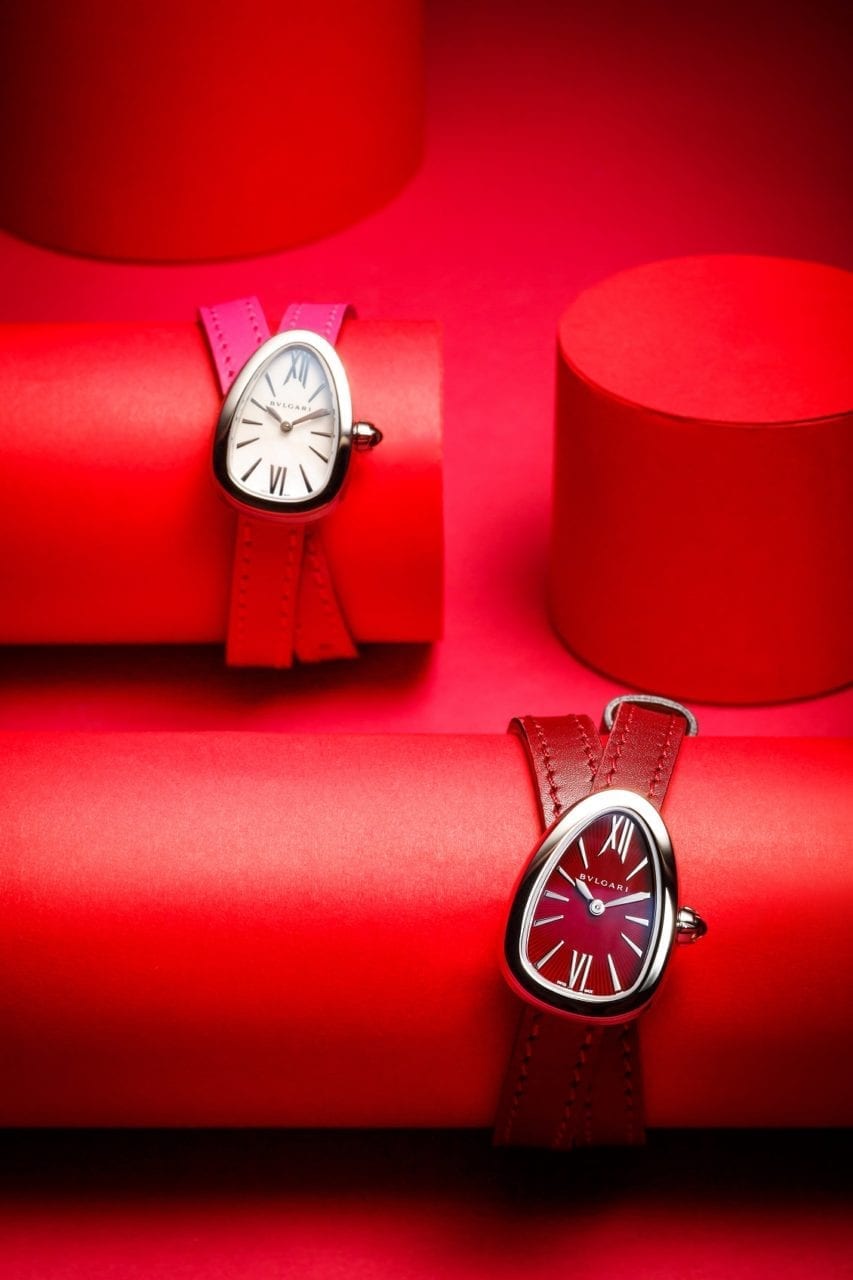
    DFS Group, the world’s leading luxury travel retailer and the magnificent Italian High Jeweler, BVLGARI, are delighted to introduce the new Serpenti Passion Red collection, available exclusively at DFS airport stores and T Gallerias from January 1, 2018.

    This exclusive collection introduces four new brilliant BVLGARI pieces, immediately recognizable by their
    unmistakable Italian design reflecting 2,700 years of Roman history, and embracing stylistic audacity and a
    penchant for rich, vibrant colour.

    The collection features two Serpenti Twist Your Time watches with interchangeable straps crafted in calf and
    Karung leather in pink and red or burgundy and black, a Serpenti Seduttori pendant with a ruby eye, and a
    Serpenti Forever ruby red handbag in brushed metallic calf leather with a red and white Serpenti head and onyx
    eyes.
    Christophe Chaix, DFS Group Senior Vice President Fashion, Watches, Jewelry and Accessories said the introduction of the new collection symbolizes DFS Group’s appreciation of BVLGARI’s unrivalled commitment to high-end quality.

    “We are delighted to continue our unique partnership with BVLGARI, whose name is synonymous with a luxurious lifestyle,” said Christophe. “These stunning new designs are a perfect complement to DFS’ belief that
    life should be lived beautifully. We are sure our discerning traveling customers will be thrilled to find Serpenti
    and Seduttori in our collection of fine watches and jewelry.”

    Lelio Gavazza, Executive Vice President Sales and Retail BVLGARI, said the new collection signifies what
    BVLGARI is and has always been about; homage to legacy, and the grace of uniquely designed jewelry,
    watches and bags.

    “BVLGARI is pleased to present this exclusive capsule collection to DFS. This premium network represents the
    ultimate luxury retail shopping experience in travel retail channel. With BVLGARI‘s unique products combined
    with DFS expertise in delivering customized customer experience, we are certain to satisfy various travelers’
    needs, especially during the coming Chinese New Year holiday. ”

    DFS brings BVLGARI’S new Serpenti Passion Red range to global travelers, luxury shoppers and particularly
    to customers in Hong Kong, China, Macau and Japan who value high-quality luxury fashion and jewelry.
    BVLGARI’sSerpenti Passion Red will be available for purchase at T Galleria by DFS stores worldwide until 31
    December 2018.

    Details of the new BVLGARI Serpenti and Seduttori range:

    • BVLGARI Serpenti Twist Your Time 27mm Watch with Pink and Red Interchangeable Straps in calf and Karung leather: Watch size 27 mm in steel case, Mother of Pearl dial sourced from Australia and Indonesia, pink bracelet calf with two loops, hour/minute display, quartz stones, waterproof up to 30 metres and Crown with Rubellite

    • BVLGARI Serpenti Twist Your Time 27mm Watch with Burgundy Red and Black Interchangeable Straps in calf and Karung leather: Watch size 27 mm in steel case, red dial, bordeaux bracelet calf with two loops, hour/minute display, quartz stones, waterproof up to 30 metres and Crown with Rubellite

    • BVLGARI Seduttori Pink Gold Pendant with Ruby: Pink gold necklace with .24 ct pear ruby in a round mounted setting

    • BVLGARI Serpenti Forever Nappa Handbag Ruby Red Limited Edition: Flap Cover, Serpenti Forever
    Accessories, brushed metallic calf leather in ruby red and light gold with 100% Nappa Ruby Red lining.
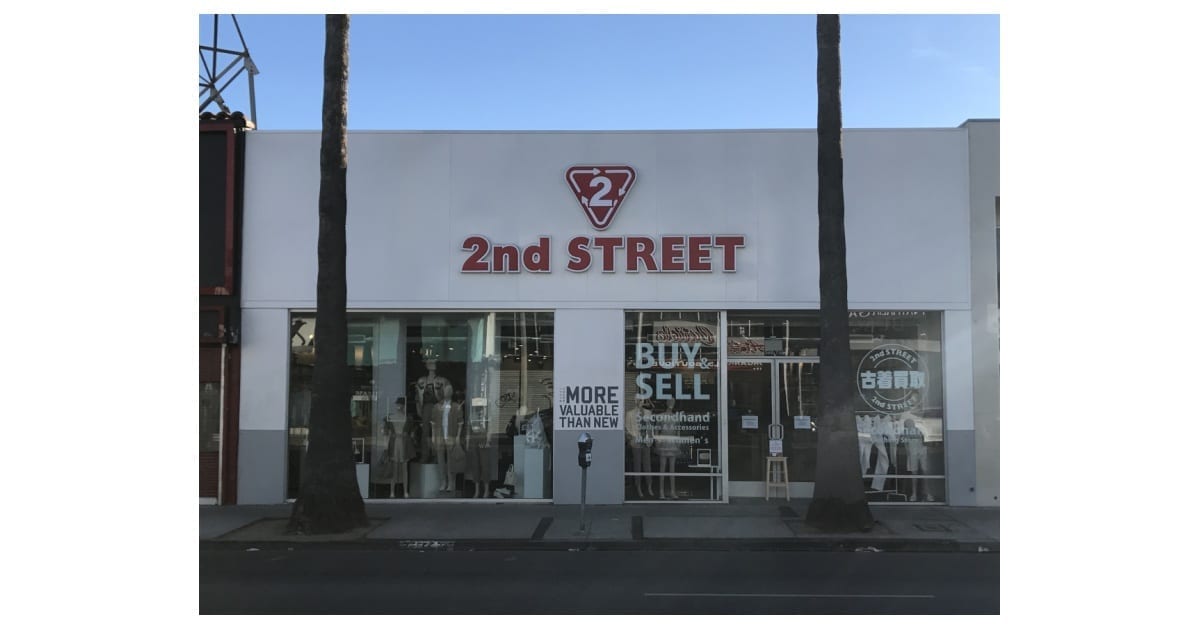

  • 2nd STREET USA to Launch Its First US Store

    2nd STREET USA to Launch Its First US Store

    Japanese used-clothing market 2nd Street USA has set up shop in the US.

    A subsidiary of Tokyo-based GEO Holdings, 2nd Street USA has opened on Melrose Avenue in Los Angeles. Selling and buying goods, it offers men’s and women’s clothing as well as accessories.

    Among the assortment are designer labels like Burberry, MCM and Supreme, along with “big-in-Japan” brands A Bathing Ape, Comme des Garçons and Porter. There is also Kurofine, a clothing line produced by Kyoto Montsuki which recycles used clothing items with a special dyeing process.

    It is 2nd Street’s first venture outside of Japan, where it has 578 stores. The company plans two more stores for California by March next year, and aims to expand to 10 stores in the US by 2020.

    CEO Masahiro Kikuchi says all goods are carefully chosen for quality, and the store offers attentive service.

  • China leads for L’Occitane International

    China leads for L’Occitane International

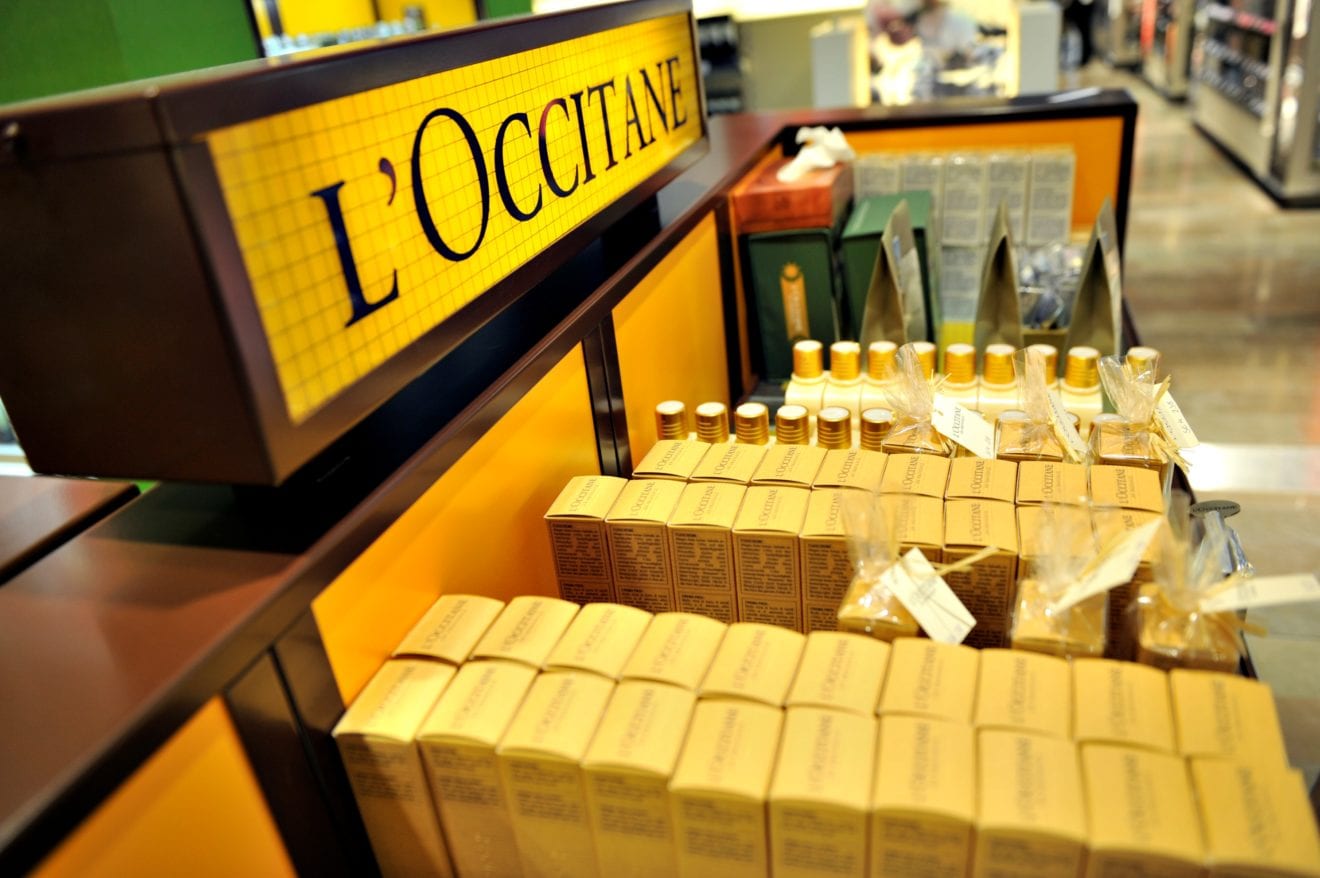
    China and Hong Kong, along with Brazil, had the highest sales growth in local currencies for French cosmetics company L’Occitane International for the nine months to the end of December.

    China sales grew 23.4 per cent in local currency, with same-store sales up 17.4 per cent.

    Hong Kong had 9.7 per cent growth at constant exchange rates, thanks to strong travel-retail sales in Asia, particularly Greater China, Korea and Japan.

    The group’s net sales reached €1 billion (US$1.2 billion), or 3 per cent growth at constant rates for the period. Unfavourable foreign-exchange rates knocked down sales at reported rates by 0.6 per cent.

    Same-store sales growth for the nine months further improved to 1.4 per cent from a 0.1 per cent drop for the six months to September 30. The improvement was mainly contributed by holiday offerings in the third quarter that fueled same-store sales growth in China, Hong Kong, Taiwan, Russia and other key markets.

    Sell-out sales accounted for 74.1 per cent of net sales, amounting to €741.9 million, down 1.4 per cent at reported rates but up 2.5 per cent at constant rates. This growth was primarily from positive same-store growth as well as non-comparable stores and other sales, including new and renovated stores, marketplaces and spa businesses.

    Web sell-out channels (own e-commerce and marketplaces) delivered encouraging growth of 21.2 per cent to reach 14.3 per cent of total sell-out sales.

    Sell-in sales accounted for 25.9 per cent of the group’s total sales, amounting to €259 million and an increase of 4.4 per cent at constant exchange rates. Like-for-like growth was 8.2 per cent.

    The increase was primarily driven by travel retail, distribution, B2B and web-partner channels of the L’Occitane en Provence brand. The emerging brands Erborian and Melvita continued double-digit growth.

    The group opened 16 stores and renovated 118 during the nine months, compared to 56 store openings and 79 renovations for the same period a year earlier.

  • Lat Phrao to have newest Le Tao cafe

    Lat Phrao to have newest Le Tao cafe

    Thailand’s latest Le Tao cafe has officially opened at Central Plaza Lat Phrao, with celebrities cooking for charity at its launch event.

    The Japanese cheesecake and bakery concept arrived in Thailand two years ago, courtesy of DB Group managing directors Dolnapa Tumwattana and Kwanchai Ongkamongkol.

    Actors Varodom “Kimmon” Khemmonta and Suradet “Bas” Piniwat from Deun Kiaw Deun helped make pancakes at the store’s launch. A strawberry pancake by Kimmon and chocolate pancake by Bas were auctioned, raising THB50,000 (US$1570) for Siriraj Hospital.

    From Otaru city on Hokkaido Island, Le Tao spread throughout Japan with its combination of the culture of Japanese dessert-making with Western baking. Pancakes take up to 15 minutes to bake, and are topped with maple syrup, chocolate or strawberry sauce plus fruit on request, and served with fresh cream and vanilla ice cream. The Le Tao Pancake offers a cheese flavour.

    Other popular desserts include cheesecake, milk roll, cheese served in a cup, and cookies stuffed with cheese.

    Le Tao also has branches at Siam Paragon, The EmQuartier and Central Bang Na in Bangkok.

  • Louis Vuitton Ginzato move to new location

    Louis Vuitton Ginzato move to new location

    The Louis Vuitton Ginza Namikidōri Store has a new design and a new home, moving to the new Tokyo Ginza Asahi Building.

    The move is a result of its former location being closed for rebuilding.

    Now covering two storeys, the store features a modern façade inspired by pieces from its Objets Nomades collection, incorporating ideas from in-house artisans and famous designers. The interior is immersed in soft, natural light.

    On offer are the brand’s latest women’s and men’s collections including Capucines handbags (exclusive here for Japan), suitcases, leather accessories, ready-to-wear, shoes, watches and fine jewellery.


  • Nokia wins 5G supply deal with NTT DoCoMo

    Nokia wins 5G supply deal with NTT DoCoMo

    Japan’s NTT DoCoMo has contracted Nokia to supply 5G baseband products to support the operator’s goal of commercially deploying a 5G network by 2020.

    Under the deal, Nokia will integrate its 5G new radio based AirScale hardware into Nokia’s network and further enhancing existing baseband units.

    DoCoMo and Nokia have been collaborating closely on 5G trials and have now agreed on supply of Nokia 5G baseband units to support centralized management for 5G remote radio heads, supporting the evolution of the DoCoMo network from LTE to 5G.

    “We have been collaborating with partners such as Nokia on various 5G technology and use case trials since 2014. With this agreement with Nokia, we are now proceeding to the next step to launch 5G mobile services by 2020, and accelerate co-creation of new services and businesses with vertical industry partners,” DoCoMo CTO Hiroshi Nakamura said.

    Nokia is currently focused on applying the 3GPP-compliant 5G new radio standard in customer trials ahead of expected commercial launches between 2019 and 2020. The first stage of the 5G new radio standard was published in late 2017.

  • World’s first Ruby KitKat drops in Japan for Valentine’s Day

    World’s first Ruby KitKat drops in Japan for Valentine’s Day

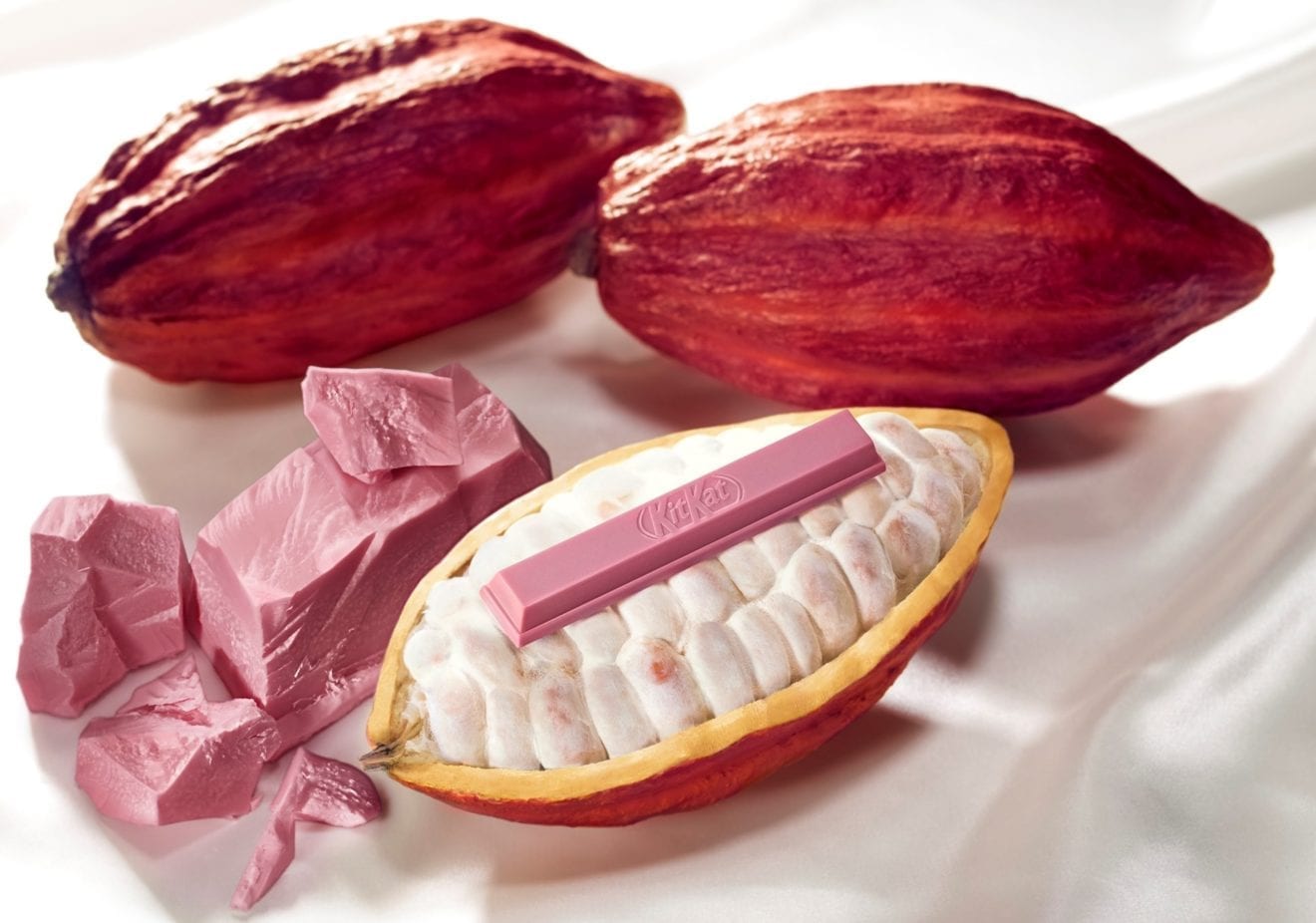
    Forget a diamond ring for Valentine’s Day – this has been trumped by a ruby KitKat chocolate snack by Nestle Japan.

    Its Sublime Ruby KitKat has been unveiled with due ceremony in Tokyo, and has been rolled out in KitKat Chocolatory boutiques across Japan, a further addition to Nestle’s “Made-In-Japan” luxury flavours for the snack.

    It is made from the new Ruby chocolate, which differs in flavour from traditional bitter, milk and white chocolate. Swiss chocolate maker Barry Callebaut spent more than 10 years developing its masterpiece, released in Shanghai in September.

    Made from the ruby cocoa bean, it is described as a new experience with an intense taste and characteristic reddish colour. It is not bitter, milky or sweet, but has a balance between berry fruitiness and smoothness. No berries, flavours or colours are added.

    Chef/patissier Yasumasa Takagi, who has been supervising new KitKat products since 2003, managed to encompass the new chocolate in KitKat form in time for the product to be ready in Japan ahead of Valentine’s Day.

    Units of Sublime Ruby KitKat will be available in limited numbers, with an assortment box to follow including the new product.i

  • ChikuChiku Cafe Hong Kong to feature hedgehog

    ChikuChiku Cafe Hong Kong to feature hedgehog

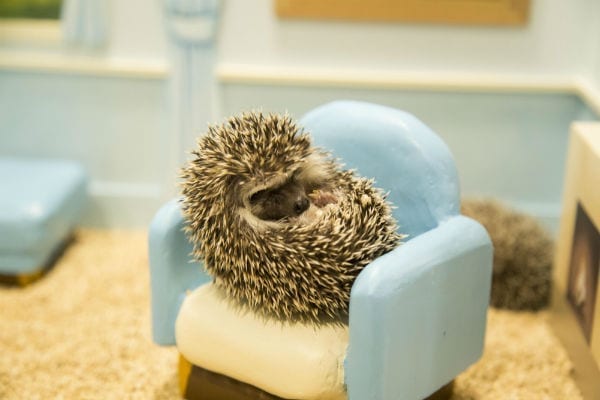
    Hedgehogs in dollhouses are central to the new first-for-Japan concept ChikuChiku Cafe, which translates as “prickly cafe”.

    Set up in Shibuya by the Shiikugakari company, ChikuChiku (also known as the Hedgehog Home and Cafe) allows patrons to feed, touch and take photos with its cute inmates.

    There are 10 different abodes for the hedgehogs including dining rooms, bedrooms, bathrooms, a garden, a Japanese-style room and a classroom, plus a large “cityscape” in the centre of the cafe where the hedgehogs take a walk.


    There are plans for ongoing updates for the hedgehog houses.

    Children 12 years and younger need to be accompanied by adults at the cafe, while children six years and younger are not allowed to touch the animals.

    Other terms of service as listed on the cafe’s website include:

    • ● We charge for the table by the hour. If you have a reservation, your ticket is valid for one hour only. Even when you are late for the reservation time, please leave us on schedule. If you visit without a reservation, you can stay for one hour starting from the time on your receipt.Drinks are available at a self-service vending machine. Please sterilise your hands each time before you have drinks after having touched the hedgehogs.
      ● Hedgehogs may bite your fingers, etc, if in a bad mood. The tip to keep the hedgehogs in a good mood is to pet them gently.
      ● Hedgehogs hate strong lights. Please refrain from flash photography.
      ● Hedgehogs are very timid.
      ● Hedgehogs may bristle their spines when they hear sounds or voices above them, or when they are in the shade of your hands or face.
      ● Please do not look into the hedgehogs suddenly, and pet them gently.
      ● Hedgehogs have a great attachment to their house. We recommend you pet the hedgehogs in their house without lifting or carrying them.
      ● Hedgehogs may get surprised by sounds or lights, and get upset by unfamiliar smells.
      ● Hedgehogs may get injured severely when they fall from high places.
  • Nissan’s ePower tech coming to U.S. vehicle

    Nissan’s ePower tech coming to U.S. vehicle

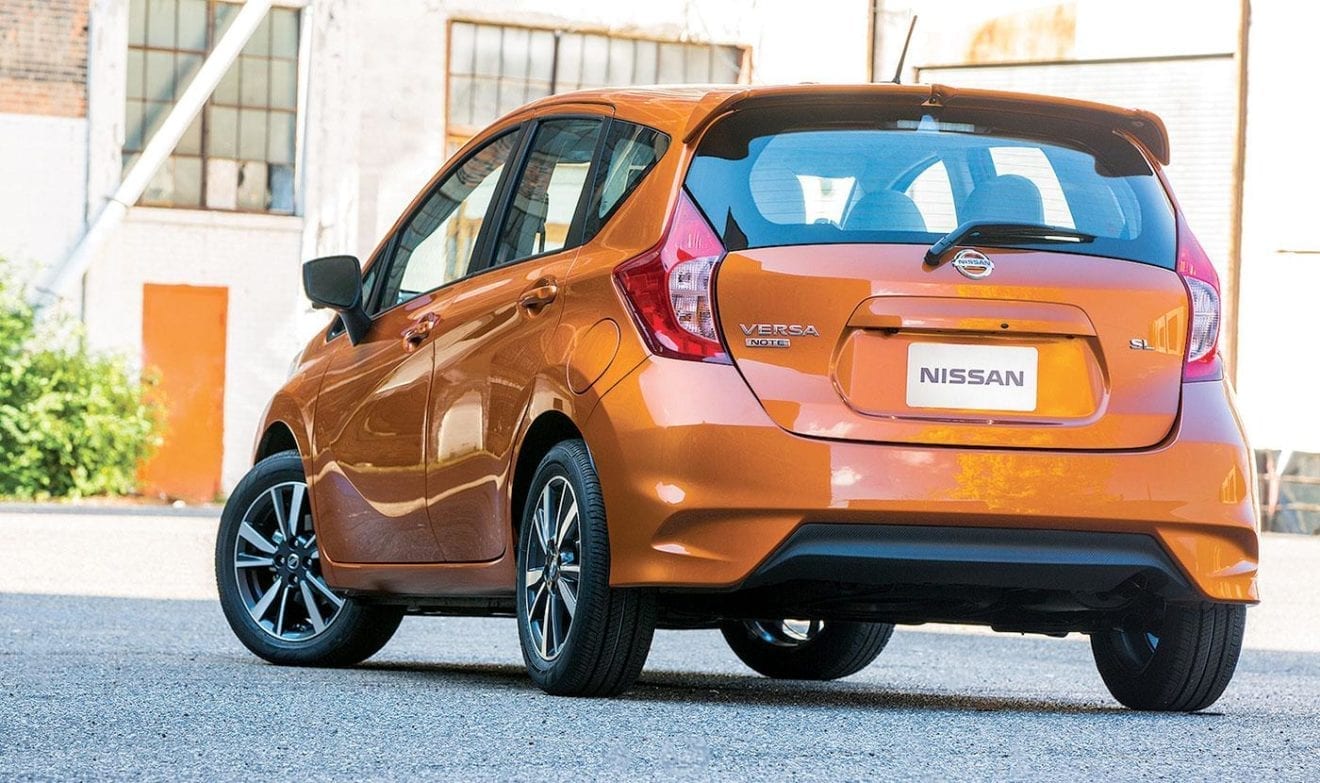
    Startled by enthusiastic consumer demand for ePower in Japan last year, Nissan Motor Co. now plans to introduce the electric motor-powered technology to its vehicles in the U.S.

    But unlike its Japanese application in the humble subcompact Note, Nissan will more likely use ePower here as an option on higher-end vehicles, said Philippe Klein, the automaker’s chief planning officer said last week.

    Klein did not say which Nissan brand products might receive ePower but suggested it will begin with higher-priced nameplates that can absorb the added cost of the powertrain.

    Meanwhile, Klein’s boss, Nissan CEO Hiroto Saikawa said that Infiniti will begin offering ePower in the near future. Saikawa said ePower will play a key role in Infiniti’s move to almost completely electrify its lineup starting in 2021.

    The technology, essentially a range extender, appears on the Note in Japan.

    Saikawa said that every Infiniti that appears in or after 2021 will either be a full electric vehicle or have an ePower powertrain.

    The technology reached the market in Japan as a powertrain option on the Note in late 2016. But in 2017, its first full year of availability, it had a 65 percent take rate on the car, Klein said.

    “Our strategy is to expand to other vehicles and to other markets,” Klein said. “It’s not only for small vehicles. We’re going to go to bigger vehicles.”

    The system is essentially a range extender in which an electric motor propels the vehicle at all times. A battery provides the power for the motor. A gasoline engine is used to charge the battery when necessary.

    The system delivers a fuel economy rating of about 77 mpg under Japan’s testing protocol, which is not comparable to U.S. testing methods.

    But Klein said fuel economy is only half the attraction to consumers. A second appeal is the powertrain’s exhilarating acceleration, he said, which is something that will appeal to buyers of any vehicle.

    “One part of it is the rational — lower gas costs. The other issue is emotional,” he said. “The driving experience is very close to that of an electric vehicle. Contrary to a conventional hybrid, you have the smooth acceleration of an electric vehicle.”

    Klein said that ePower has helped Nissan increase the revenue generated by the Note, and also has allowed Nissan to reposition the Note in Japan as a more upscale model.

    He added that Nissan believes the technology also provides an alternative to diesel powertrains in Europe.

    The company is considering offering ePower there as regulations make it harder to sell diesel vehicles.

    Its immediate benefit as a new source of fuel economy is not so clear for the U.S. market, he said. “But the benefits of being emotional and fun to drive might apply in the U.S. for some categories of vehicles,” he said. “So it’s part of the strategy.”

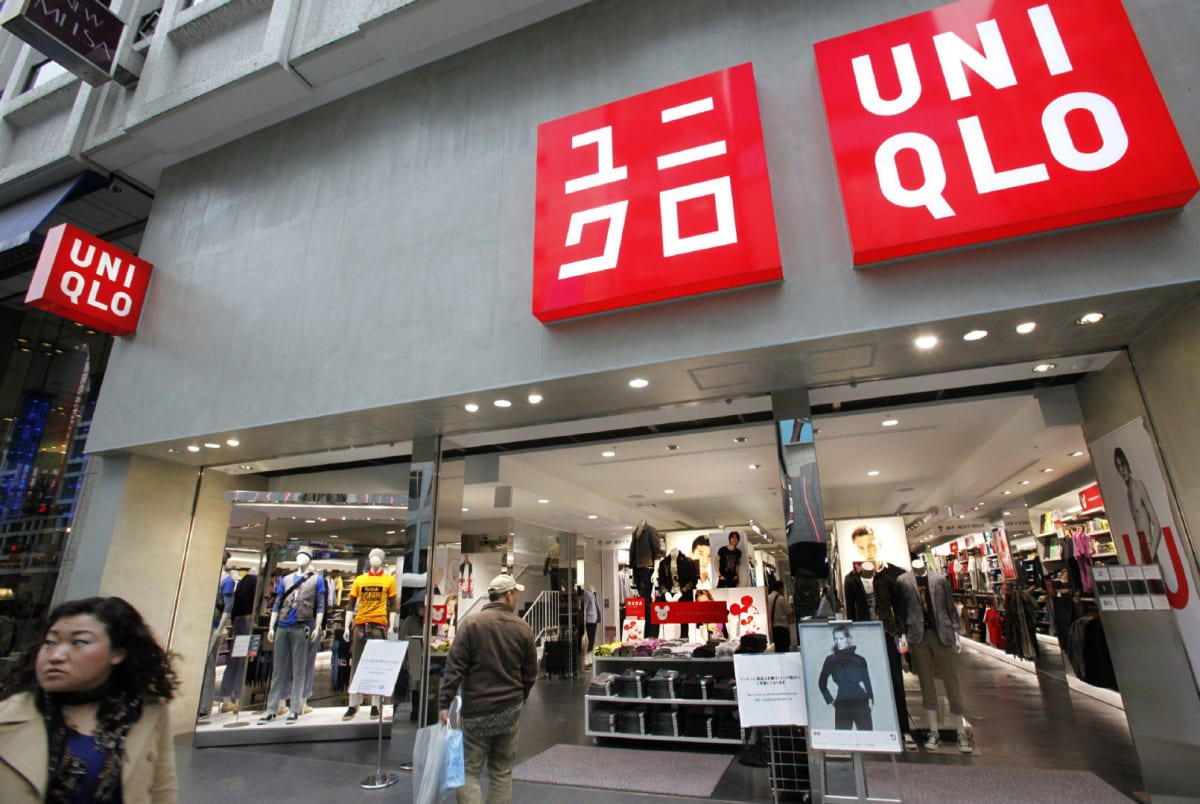
  • Uniqlo to expand to Sweden

    Uniqlo to expand to Sweden

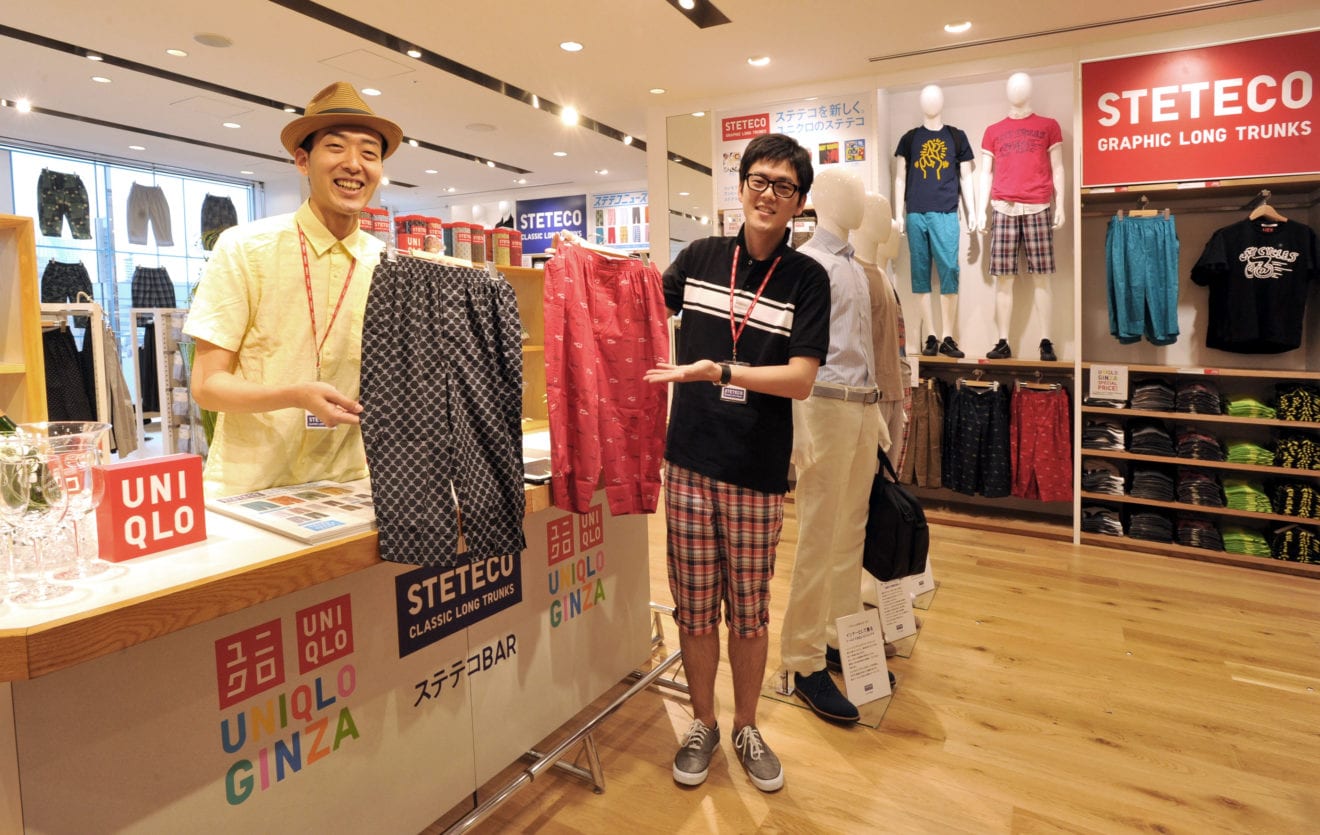
    Japan’s Fast Retailing plans to launch its Uniqlo clothing brand in Sweden with an initial store in Stockholm this year.

    Taking on its rival H&M in its home market, it marks the cut-price brand’s debut in the Nordic region.

    Uniqlo has fewer than 70 stores in all of Europe, and Fast Retailing CEO Tadashi Yanai says he wants to overtake H&M and Zara parent Inditex of Spain as the world’s top apparel retailer.

  • Wakanui Grill Dining to open at Marina One

    Wakanui Grill Dining to open at Marina One

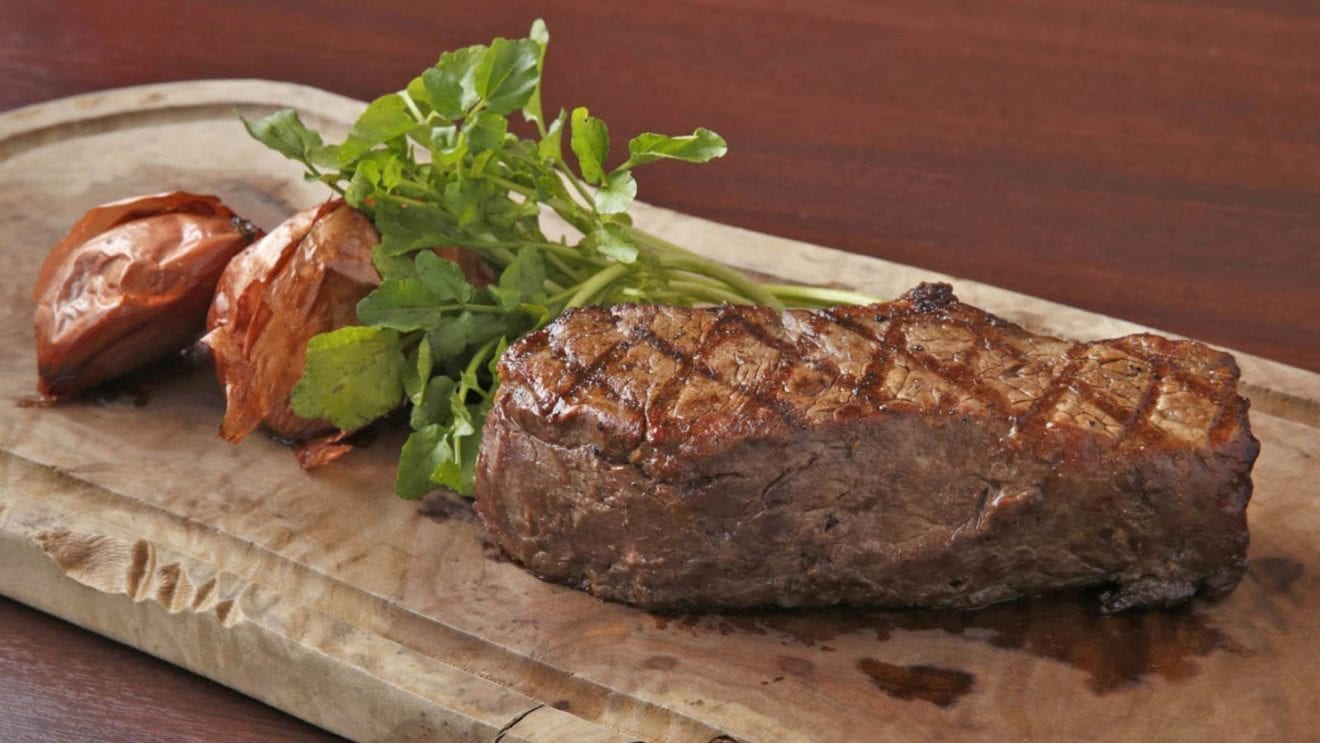
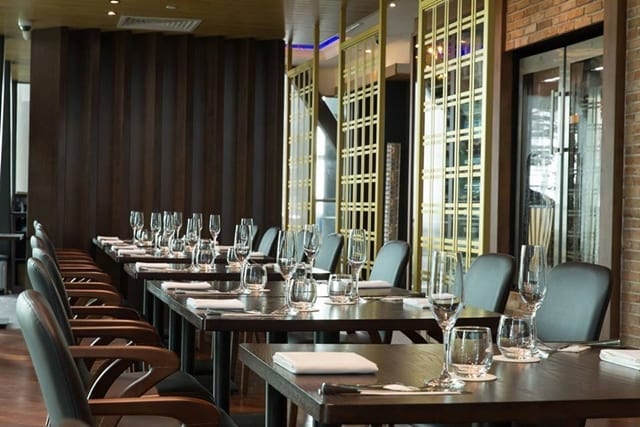
    New Zealand-themed restaurant Wakanui Grill Dining has opened its third international outlet – an 86-seat restaurant in a glass capsule on the fourth level of Marina One.

    Singapore is the second territory for Wakanui following the concept’s launch in Tokyo by ANZCO Foods Japan in 2011 (it now has two restaurants there). Its feature dishes are New Zealand Ocean Beef and Wakanui Spring Lamb, both grilled over Japanese Binchotan charcoal in a central open kitchen.

    Starters included clam soup, steamed green-lip New Zealand mussels, hot-smoked salmon, Kikorangi blue-cheese Caesar salad and Wakanui spring lamb chop. The company raises its lambs for about six months on lush pastures, with the mean being aged for around four weeks.

    Other menu features include the Ito Wagyu Chef Creation, plus – a favourite with New Zealanders – Hokey Pokey ice cream with its crunchy confectionery pieces.

    “Wakanui”, which is Maori for big canoe, is a rural centre in Canterbury, in New Zealand’s South Island.

  • Nissan’s Infiniti vehicles to go electric

    Nissan’s Infiniti vehicles to go electric

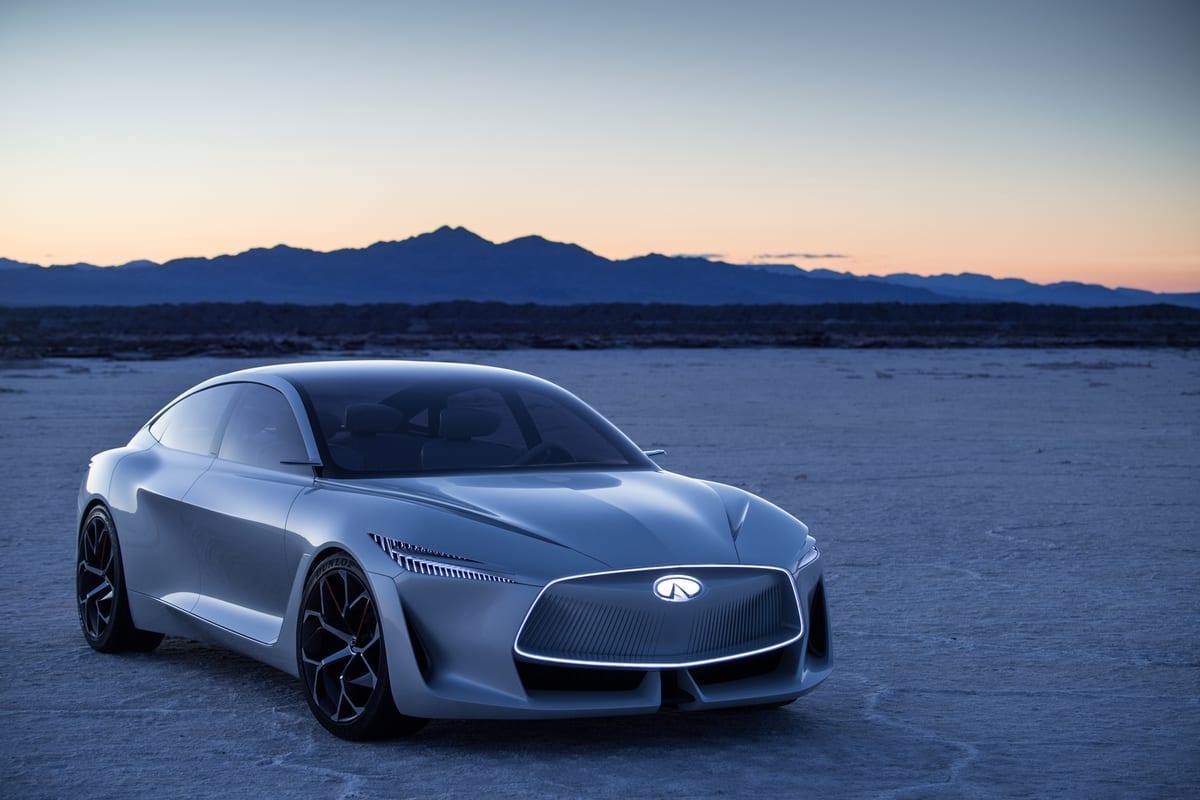
    Japanese carmaker Nissan Motor Co. plans to transform its upscale Infiniti brand of vehicles into a primarily electrified offering, Chief Executive Hiroto Saikawa said on Tuesday.

    All new Infiniti models launched from 2021 will be either electric or so-called “e-Power” hybrids, Saikawa told the Automotive News World Congress in Detroit.

    The announcement revives plans for a luxury electric offering that Nissan first touted with a 2012 Infiniti show car, but later scrapped over profitability concerns. That left the road clear for Tesla’s (TSLA.O) Model S, introduced the same year.

    “We are going to make Infiniti the premium and highly electrified brand,” Saikawa said on Tuesday.

    Nissan and alliance partner Renault (RENA.PA) took an early lead in battery-powered cars with models such as the 2011 Leaf, still the world’s top-selling electric vehicle.

    However, Tesla has hogged the limelight in recent years, while German carmakers are leading a $90 billion wave of investment in electric and plug-in hybrid cars.

    Nissan dropped the earlier electric Infiniti program in mid-2014 over concerns it would threaten the financial goals in its “Power 88” mid-term plan, according to people involved in those discussions. The company ended up missing its 8 percent margin target anyway, in fiscal 2017.

    Nissan is one of a number of Japanese carmakers seeking to jump-start a higher-end brand. Toyota (7203.T) is launching a revamped Lexus LS flagship, while Honda (7267.T) has been redesigning its Acura line in the hope of boosting sales.

    In the United States, Infiniti’s sales rose 11.3 percent last year in a light vehicle market that was down 1.5 percent overall, while Acura deliveries fell by 3.9 percent and Lexus by 7.6 percent.

  • Japan sees investors flock to AI, big data funds

    Japan sees investors flock to AI, big data funds

    Funds that are oriented towards artificial intelligence (AI) and big data are attracting Japanese investors, according to the latest data compiled by QUICK Asset Management Research Center. This happens as popular monthly-distribution trusts are registering a net outflow of funds.

    The latest data on fund flows for investment trust management companies shows that individual investors are being lured to trusts that focus on AI and other cutting-edge technologies.

    Daiwa Asset Management, for example, registered a net inflow of JPY 370.1 billion in 2017, the largest among investment trust management companies. A fund for investment in robotics-related stocks, introduced by Daiwa at the end of 2015, continues to lure investors. Goldman Sachs Asset Management also recorded strong sales of a fund for global stock investments utilizing big data.

    Let’s recall that the latest Monex Global Retail Investor Survey conducted from November 27 to December 1, 2017, shows that “Technology” ranked at the top of the most attractive sectors among retail investors in Japan, U.S. and China (Hong Kong). There was no major change in the other sectors. However, while “Finance” was ranked high by retail investors in U.S and China (Hong Kong), “Banks” ranked low in Japan, and a difference in bias was apparent.

    This is in line with the results from the preceding investor survey, which also showed that technology was the most attractive sector for investors in all three regions covered by the survey. Monex explained back then that this interest is largely fueled by almost daily media coverage about advancements in AI and that expectations of technology companies among retail investors are extremely high.

    There has been, indeed, a plethora of news regarding investment into AI, especially in Japan. In November 2017, Xenodata Lab, a Tokyo-based firm that leverages the power of artificial intelligence to provide finance data analytics products to financial services companies, announced that it had secured JPY 250 million in funding from Japanese financial majors, such as Mitsubishi UFJ Financial Group Inc, SMBC, Mizuho, and Okasan Securities.

    And in December last year, Mitsui & Co Ltd (TYO:8031) announced an investment into Preferred Networks, Inc (PFN), a company that specializes in AI technology development and provision, with the focus being on deep learning.

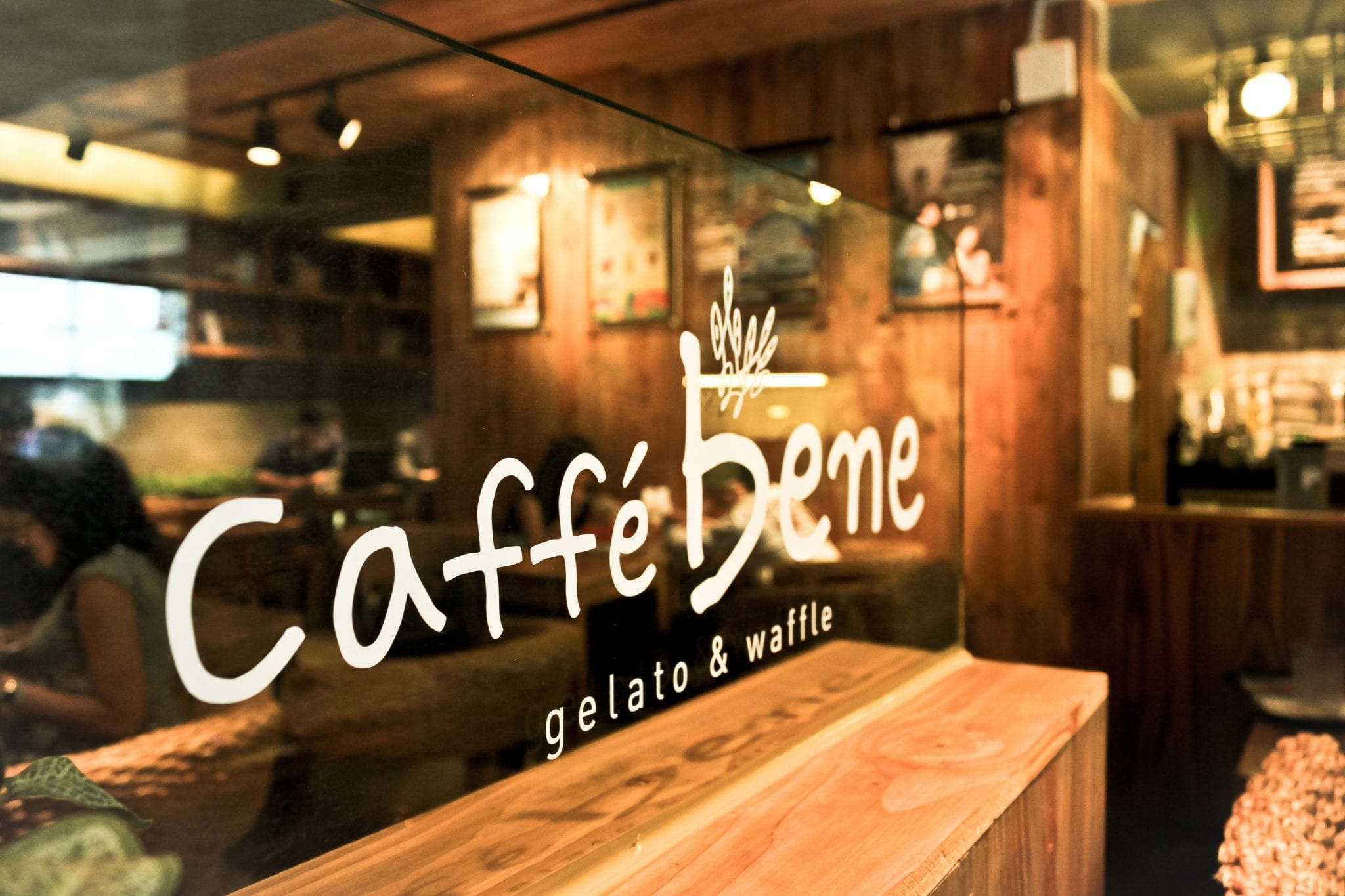
  • Korea’s Caffe Bene sees the end

    Korea’s Caffe Bene sees the end

    Korean coffee chain Caffe Bene has collapsed, filing for a court-led restructuring scheme on Friday.

    Yonhap news service reports the court will soon decide whether to put the ailing coffee chain under its receivership or commence liquidation.

    The legal move follows a protracted slump and mounting losses, the company said. In 2016, the company lost about US$32 million on sales of $73 million, down 32 per cent on the previous year. At that time it operated 800 stores in Korea, a figure it said would shrink as it restructured, and about 50 in the US.

    Launched in 2008, Caffe Bene expanded to become one of South Korea’s largest coffee franchises, opening more than 1000 stores in five years, but lost ground in the saturated coffee market. While its US website claims it has opened 1600 stores worldwide, the exact number still trading is difficult to ascertain. It has opened in Vietnam, the US, China, Canada, Brunei, Singapore, Japan, Indonesia, the Philippines, Saudi Arabia, Malaysia, Cambodia and Mongolia.

    But the international foray has met with mixed success. The Cambodian store has already closed and the last Facebook post by the Singapore cafe is dated February last year. In Vietnam several stores have opened and closed, including its downtown flagship which drew huge queues when it opened in 2014. Three outlets remain trading there, but it is not clear if they are franchised or company-owned.

    The company also appears to have exited the Canadian market.

    While rapid growth in the consumption of brewed coffee drove up the Korean coffee industry’s overall expansion, Caffe Bene was unable to match the growth rate at home.

  • Asia boosts Fast Retailing sales and profit

    Asia boosts Fast Retailing sales and profit

    Uniqlo parent Fast Retailing has reported a record first quarter profit as international sales eclipsed its domestic revenue for the first time.

    While Fast Retailing sales in Japan rose 8 per cent to 257 billion yen (US$2.31 billion) for the first quarter ended November, overseas sales surged 31 per cent to 258.2 billion yen.

    “Southeast Asia & Oceania contributed to the rise in Uniqlo international revenue thanks to strong sales of summer items designed for year-round hot weather and buoyant demand for winter items from overseas travelers,” the company said in a statement.

    In China, Uniqlo is closing in on its target of 1000 stores by 2021 by venturing into second- and third-tier cities, surpassing 600 at the end of last year. India is the next major market on its radar.

    As for the home market, Fast Retailing CFO Takeshi Okazaki said while the economy was improving, “we cannot be optimistic that demand is returning to the apparel sector”.

    “We aim to make Japan one country in a global business,” he said during an earnings briefing.

    Operating profit for the quarter rose 28.6 per cent to US$1 billion in the quarter.