Tag: Japan

  • Japanese and Korean bank to test RippleNet for cross-border funds transfers

    Japanese and Korean bank to test RippleNet for cross-border funds transfers

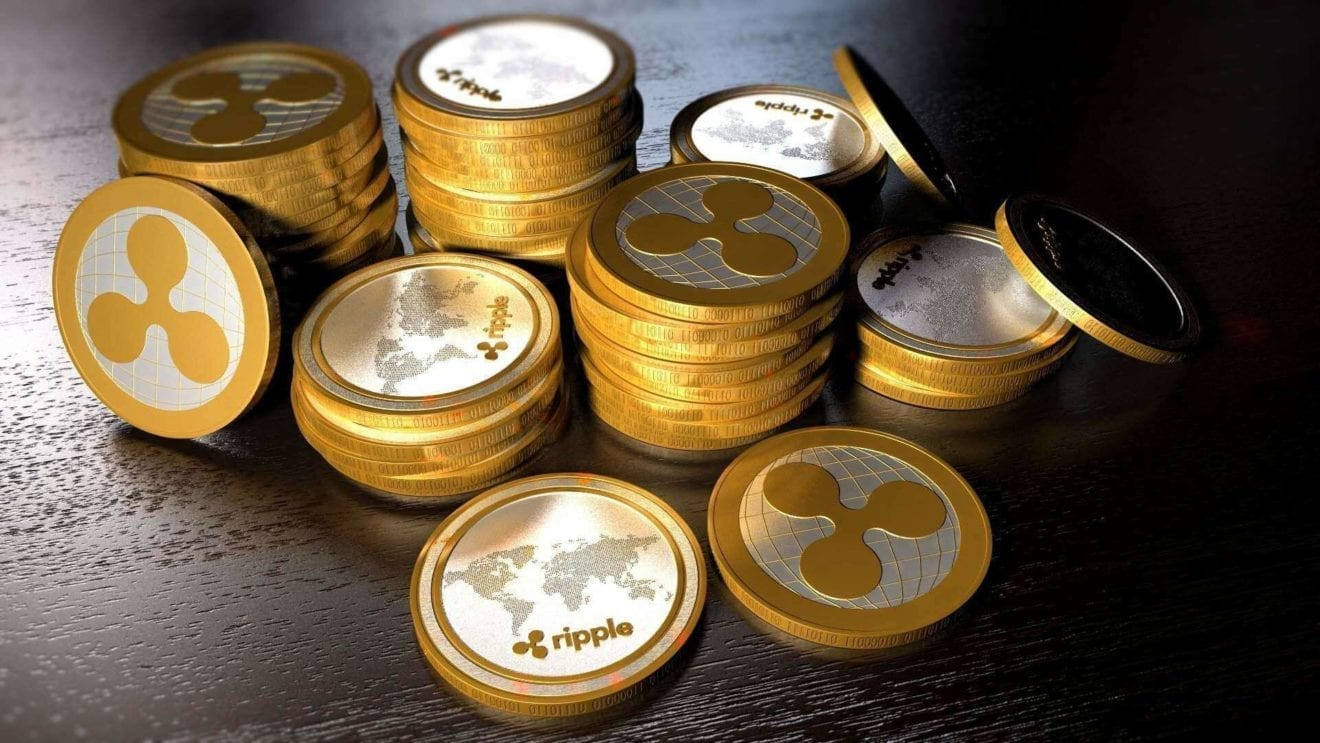
    Japanese and Korean banks are to run pilot trials of real-time cross-border funds transfers over the Ripple network. The Japan Bank Consortium — a coalition of 61 banks in Japan, organised by SBI Ripple Asia — has announced the launch of a new Ripple pilot with Woori Bank and Shinhan Bank, two of South Korea’s largest banks.

    It follows the formation in September of of a partnership agreement with Dayli Intelligence, a subsidiary of Dayli Financial Group, which has previously acted with South Korea’s first blockchain consortium as well as the Ministry of Science and ICT.

    Under the terms of the trial, the Japan Bank Consortium will use Ripple’s settlement technology, xCurrent, to settle transactions between participating Japanese banks and Woori Bank or Shinhan Bank.

    The pilot solidifies the Japan Bank Consortium’s commitment to modernise payment systems — specifically in the Japan/Korea corridor where Korea is Japan’s third largest trade partner.

    “The Japan Bank Consortium’s pilot with Woori Bank and Shinhan Bank brings us closer to sending money in an important corridor,” says Emi Yoshikawa, director of partnerships at Ripple. “The use of RippleNet to send cross-border payments reinforces that financial institutions are ready to provide a modern payments experience and enable to the Internet of Value.”

    With interest in cryptocurrencies surging, the Japanese consortium has additionally created a virtual currency and blockchain working group to explore the institutional use case of alternative assets, such as Ripple’s own XRP, to source on-demand liquidity for these cross-border payments.

  • Japanese, Thai goods reach every corner of Vietnamese market

    Japanese, Thai goods reach every corner of Vietnamese market

    Several years ago, fans of Thai and Japanese goods had only several choices – either buying the products carried across border gates, or going to a few select shops. But now, they can freely choose products at many specialized stores. Specialized shops are mushrooming

    A report from MOIT (Ministry of Industry and Trade) shows that the deficit in trade with Thailand in the first eight months of the year reached $3.5 billion.

    Thai products are available at 9,000 traditional markets, supermarkets and home appliance distribution centers. In large cities, Thai goods account for 30-50 percent of the market share.

    The others are run by world giants such as Lotte, Aeon and Emart. Metro alone has 19 retail points, while Big C has 32.There are about 100 retail points belonging to foreign invested supermarkets in Vietnam, half of which belong to Thai investors.

    Meanwhile, Japanese have been penetrating deep into Vietnam through big retail chains such as Aeon, Ministop, Family Mart, Tokyo Deli, Gyu Kaku, Oshaka Ohsho and 7-Eleven.

    The Sakura chain has opened 10 shops after six years in Vietnam, while Tokyo Life has 18 shops in Hanoi, two in HCMC and 35 in other provinces.

    Pham Chi Lan, a renowned economist, said Thai firms had been following a strategy to enter the Vietnamese market for a long time.

    Thai businesses understand that Vietnam, with high economic growth rate, young population and increasingly high consumption, will be a vast market once tariff barriers are removed.

    They have spent time studying Vietnamese consumer psychology and followed professional methods to win over customers.

    Vietnam imports a wide range of products from Thailand, from household electrical appliances to vegetable and fruits, and CBU cars and cosmetics.

    Vietnam also imports products which are locally made, such as household-use products, computers and plastics.

    Minister of Industry and Trade Tran Tuan Anh once asked why Thais could bring their products to the Vietnamese market but do not do this with other ASEAN countries, including Indonesia and the Philippines.

    Analysts believe the most important reason is the large distribution networks that Thais have set up in Vietnam.

    Thai corporations like Central Group and TCC Group have spent big money to take over the largest distribution chains in Vietnam, paving the way for Thai products to enter Vietnam.

    Meanwhile, a branding expert commented that Thai and Japanese goods can thrive in Vietnam because manufacturers receive support from their government agencies.

    “Japanese agencies have set up dedicated divisions to support small and medium enterprises in their country,” he said.


  • End of 47-year Japan rice program seen boosting ramen wheat output

    End of 47-year Japan rice program seen boosting ramen wheat output

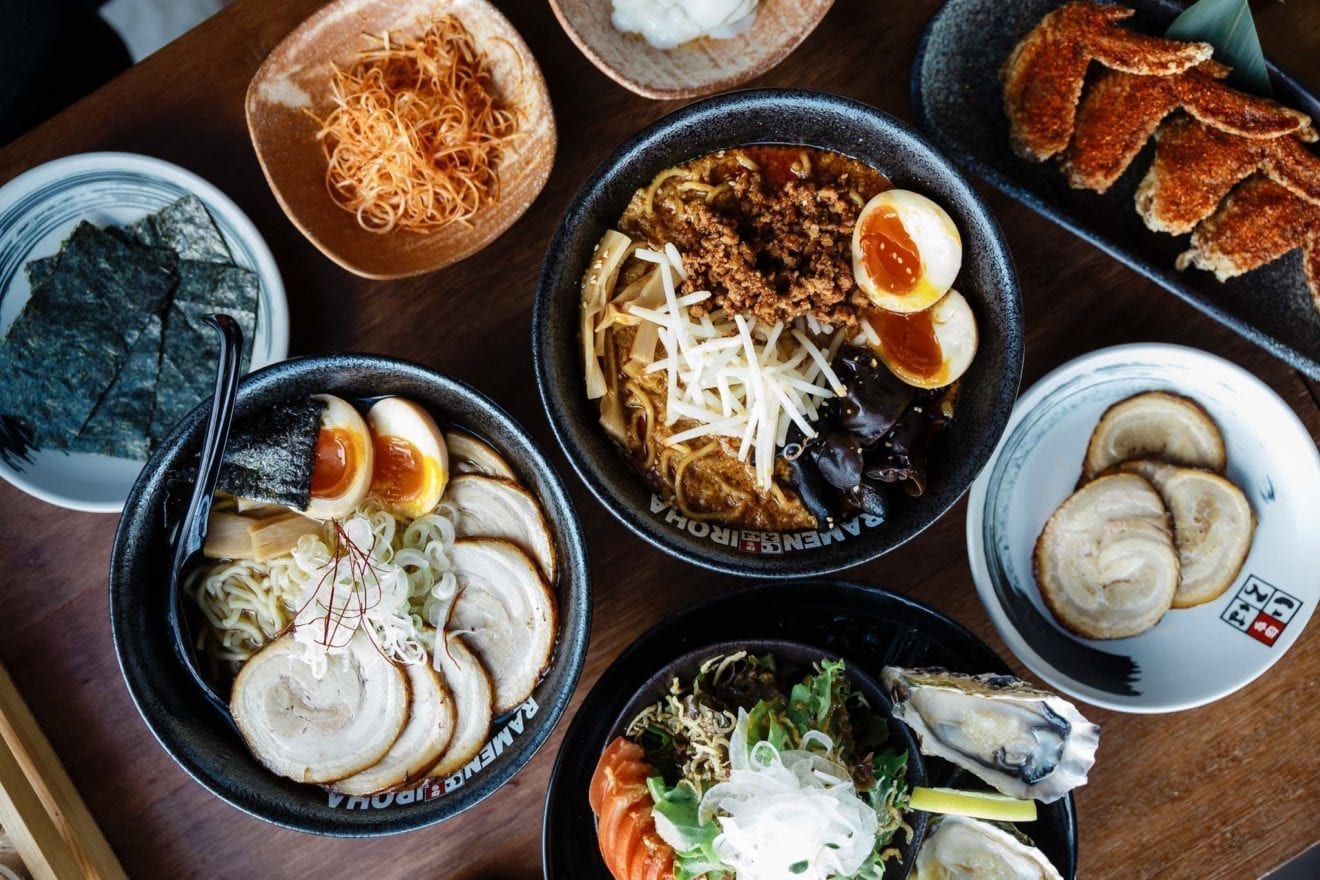
    The end of Japan’s four decades of rice-market control could be good news for noodle lovers. That’s because rice farmers may plant alternative crops like wheat once government control ends by March 31 and look to tap into rising demand for ramen. Fukuoka, on Japan’s southern island of Kyushu, is expanding production of a locally developed variety of grain, known as Ra-Mugi, that’s designed to be perfect for tonkotsu ramen: a dish of cloudy white pork broth, with noodles and slices of pork that originates in the region.

    Ramen demand has climbed in recent years with restaurants opening from London to Sydney, challenging the ubiquity of Japan’s other well-known food export sushi. The number of shops outside the country more than doubled to over 2,000 in the two years to early 2015, Shin-Yokohama Raumen Museum says, with the expansion supported by the government-backed Cool Japan Fund. Asia’s second-biggest wheat importer relies on grain from the United States, Canada and Australia to produce ramen noodles domestically.

    “What is ideal for our ramen noodle is a chewy, sticky one that can preserve its texture in a soup,” said Yuji Yamaguchi, counselor at Tofuku Flour Mills Co., which developed the wheat jointly with the Fukuoka prefectural laboratory. “Ra-Mugi is designed to meet our requests.”

    Foreign tourists

    Tonkotsu ramen was invented in 1937 by noodle-shop operator Tokio Miyamoto and was initially eaten by fish-market workers in Fukuoka as fast food. Two decades later Momofuku Ando invented the instant ramen noodles beloved by college students. The global retail value of instant noodles rose 11 percent since 2012 to $33 billion this year, Euromonitor International estimates.

    In Japan tourists are also driving demand and ramen now ranks alongside sushi and Wagyu steak as one of their top menu choices, according to Motoo Kawabata, a professor for global marketing at Kwansei Gakuin University in Nishinomiya. The number of foreign tourists visiting Fukuoka City rose 24 percent in 2016 to 2.57 million, a fifth straight record. Korean tourists accounted for about 40 percent, according to the city government.

    “After seeing photographs and videos of our outlets via social media, they come here to have a real one,” said Yukari Shibayama, a spokesman at Ichiran’s flagship shop in Fukuoka City. “We have seen a surge in foreign customers to our shop, mainly from Taiwan, Korea and Hong Kong, in the past three years.”

    “Tonkotsu ramen is the best Japanese food for me, along with sushi,” said Jeon Byeong Hyun, a 34-year-old office worker visiting Fukuoka from Busan, South Korea. “I came here to introduce my favorite shop to my friends.”

    Returns

    Farmers may also be encouraged to grow Ra-Mugi wheat as it offers higher returns.

    Yukio Endo, 49, who grows rice, wheat and barley in Fukuoka, must spray crops with fertilizer for a fourth time, with a heavy machine on his back about a month before harvesting Ra-Mugi on his 8-hectare (20 acres) paddy. That compares with three times for other wheat, but is necessary to maintain a high level of protein. Millers request at least 12 percent. “It requires us to work harder, but rewards us better,” he said in an interview. Farmers producing Ra-Mugi can get premium of ¥2,300 ($20) per 60-kilogram bag compared with conventional wheat. Growers are also eligible for a ¥35,000 subsidy for every 0.1 hectare of wheat planted, as the government seeks to curb its reliance on imports.

    Producers are unable to keep up with local demand. Fukuoka, Japan’s second-biggest wheat grower, wants to raise Ra-Mugi production by more than 30 percent to 8,000 tons in the near future, which would be enough to supply about half the ramen shops in the prefecture, said Tadayuki Matsumoto, director at the local government’s agricultural department.

    Hakata-Sanki, the biggest user of Ra-Mugi wheat, uses the variety even though it’s 20 percent more expensive than flour made from imported grain because it helps attracts customers, according to Akira Nakano, the manager of the company’s noodle-making plant in Dazaifu. Sales of Ra-Mugi noodles are set to increase to 300,000 units a month by March from about 230,000 in November and will double by 2019 as it moves to supply more than just its own 14 stores, Nakano said.
  • Chateraise plans to open 200 shops in Thailand

    Chateraise plans to open 200 shops in Thailand

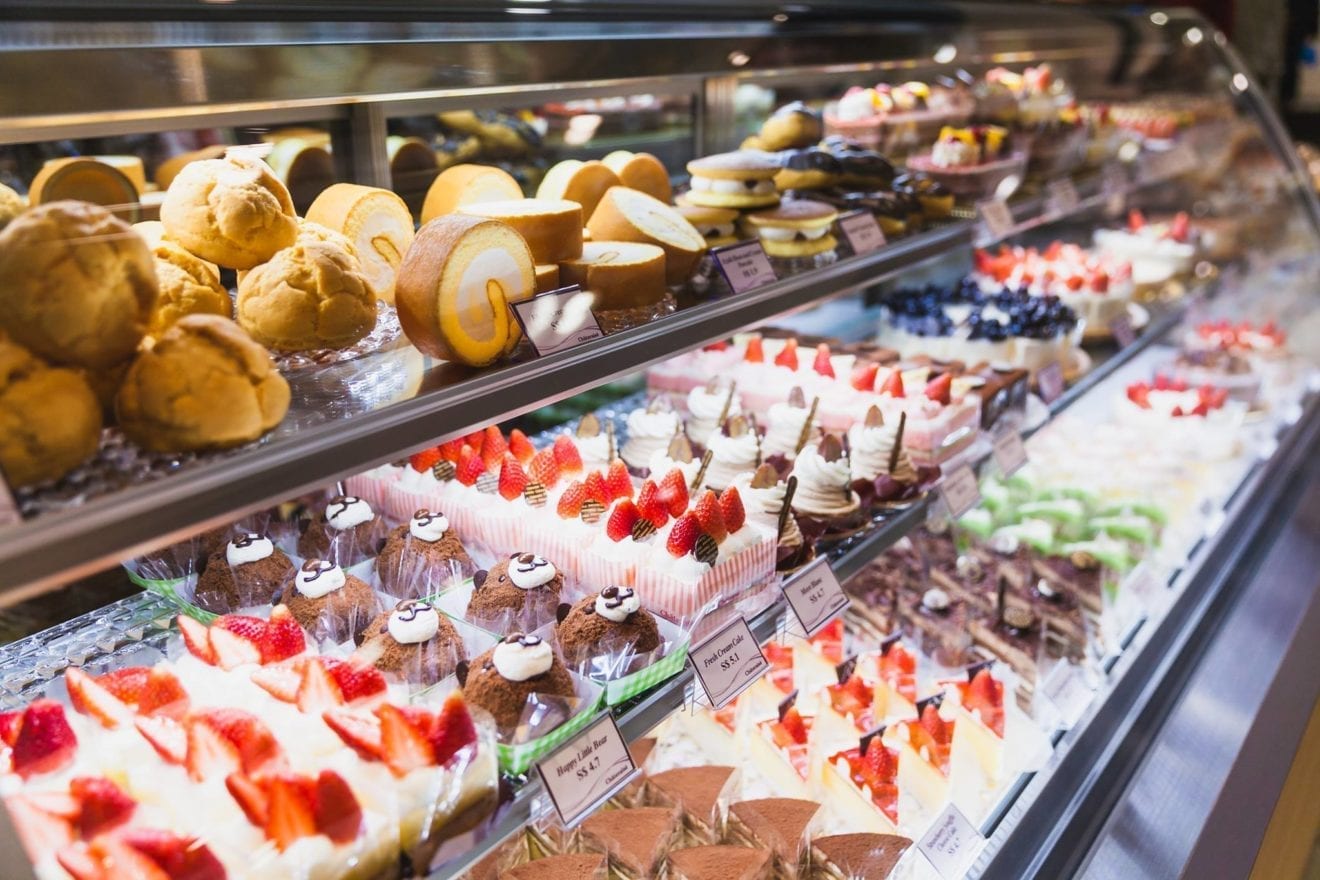
    Japanese patisserie Chateraise, which is known for having its main factory in the middle of a forest, plans to open 200 shops in Thailand and boost overseas sales to 50 per cent of its total revenue in the next 10 years.

    With more than 500 outlets mainly in Japan, it has just opened its second shop in Bangkok, at Gateway Ekamai Shopping Mall, and is seeking franchisees to accelerate store expansion in Southeast Asia’s second-largest economy.

    Its debut shop for Thailand opened in Isetan Bangkok department store in July. Both Bangkok outlets are under franchise.

    In the past two years, Chateraise has moved into eight markets across Asia, opening more than 30 shops. The company sees Thailand as a promising market where sweets consumption is expected to be driven by economic growth coupled with a youthful population, says senior managing director Takako Saito of parent company Chateraise Holdings.

    Based in Yamanashi prefecture, the company produces cakes, pastry, confectionery and beverages at six factories across Japan. It procures raw materials directly from contracted farmers and sells through branded shops.

    Almost all products for Thailand are shipped from Japan, with plans to add ice cream to the lineup. Chateraise plans a third Bangkok shop for next year

    The brand’s first overseas expansion was to Singapore in 2015, and it has since opened stores in Dubai, Hong Kong, Indonesia, Malaysia, South Korea and Taiwan, and plans to head to Hanoi and Manila next year.

  • Bic Camera, Rakuten looking at JV

    Bic Camera, Rakuten looking at JV

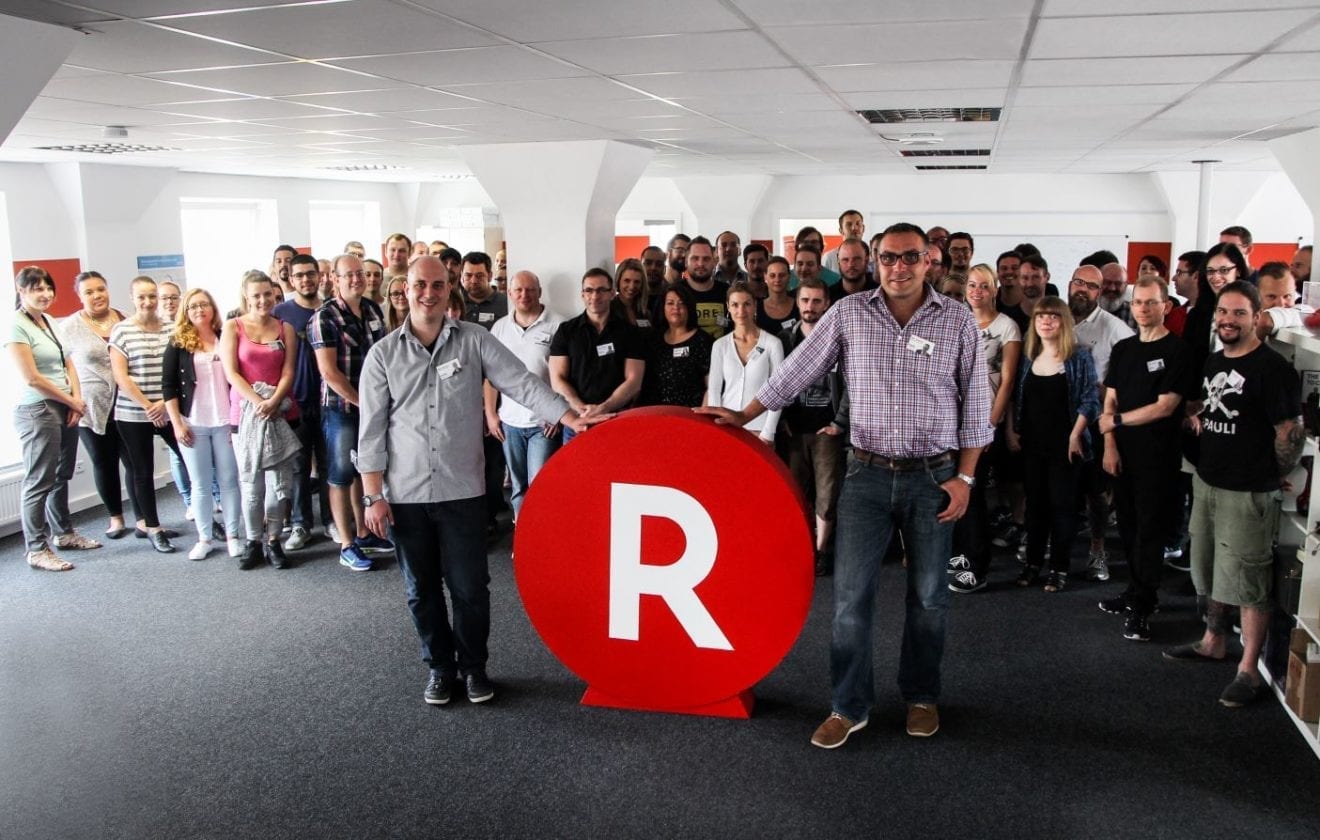
    Japanese e-commerce site Rakuten and consumer electronics retailer Bic Camera are considering a JV that will marry virtual and real stores.

    They expect to sign a basic agreement soon with a view to setting up their partnership early next year to work toward launching their e-commerce site in April.

    Bic Camera already has an online store on Rakuten Ichiba virtual mall. Through integrating their systems, Bic Camera will upgrade its online store into a joint site that will offer improved services, such as easy booking for delivery and installation.

    Buyers will also be able to search for brick-and-mortar Bic Camera locations that carry the product that interests them. Eventually, the scope of their cooperation will be expanded to cover in-store pickups of online orders, common shopping points and joint delivery services.

    While online sales account for nearly 30 per cent of consumer electronics  and appliance sales in Japan, shoppers say they want to touch and see products before buying. They also criticise the lack of attentive delivery and installation services they can find at physical stores.

    For Bic Camera, 9.2 per cent of its sales, at ¥72.9 billion (US$643 million), were online for the year to the end of August. While the company has its own e-commerce site, it does not anticipate much negative impact from launching the store with Rakuten.

    “Most of the Rakuten Ichiba shoppers will be new customers for us, because people who buy in the ‘Rakuten economic zone’ are different from those who buy from our website,” says a Bic Camera official.

  • Japanese kidult toy brands to open Korean stores

    Japanese kidult toy brands to open Korean stores

    Several popular Japanese kidult toy brands catering to adult consumers are set to open their first stores in South Korea.

    According to Hyundai I-Park Mall, the renovated kidult select shop Toys & Hobby at its Yongsan location will reopen tomorrow with some of the most representative Japanese toy brands including Tamashii Nations, Animate, Nintendo, and Good Smile Company.

    Tamashii Nations is a high-end line from famous toy brand Bandai, which produces action figures modeled after well-known characters from anime series such as Gundam, Dragon Ball, and Doraemon.

    Most of the items sold by Tamashii Nations are known for being limited editions, and many of the high-end models including super alloy collectible action figures have been sold out in the past, signaling noteworthy support from a devoted anime fan base in South Korea.

    In the past, South Korean fans were only able to get ahold of a narrow range of items at Gundam Base stores. However, with the introduction of Tamashii Nations, fans will now have access to a much wider range of action figures without having to travel to Japan.

    Animate, which is Japan’s biggest anime products retailer with over 150 stores across the country, will open its very store in South Korea.

    Animate stores have been hailed as must-visit places in Japan for South Korea anime fans, and the first South Korea store will hope to live up to expectations by offering products inspired by a variety of both game and anime characters.

    Hyundai I-Park Mall has also said that other ‘kidult’ Japanese brands such as Nintendo, Good Smile Company, and King Kong Studio will open boutiques at the renovated Toys & Hobby store, which will host a total of 18 brands in its spacious 1650sqm.

    In addition, K-pop brand WithDrama, German toy brand Playmobil, drone shop Helsel, and popup store Dotorisup, which specialises in Studio Ghibli characters like My Neighbor Totoro, will welcome fans of all stripes and cultures.

    “Despite having a market nearly 10 times larger, it seems Japan still couldn’t overlook the potential and the growth of the South Korean kidult market in recent years,” said Han Hee-kwon, an official at Hyundai I-Park Mall, commenting on the Japanese companies’ foray into South Korea.

    “With the rise of single-person households and the strong purchasing power of consumers in their 30s and 40s, the kidult market is expected to continue its growth for some time,” Han added.

  • Aeon Group to invest into digital space

    Aeon Group to invest into digital space

    Major Japanese retailer Aeon Group plans to invest ¥500 billion (US$4.4 billion) in online retail over the next three years.

    Representing a 150 per cent spike in its online investments, the plan has been revealed in a new midterm business plan.

    Openings of tenant stores in Japanese shopping malls have shrunk by 30 per cent in the past year, a Nikkei survey shows. Stores are also closing faster than they are opening, and malls are struggling to find replacements.

    Aeon has spent 18 months mapping out its new strategy, which is intended to ensure its long-term survival. The midterm plan will be in effect until fiscal 2020.

    “We will spend more on things other than brick-and-mortar stores,” Aeon president Motoya Okada said after unveiling the plan in Tokyo.

    Aeon’s massive investment in technologies and services to raise its online retailing profile reflects the challenges it faces along with other traditional merchants.

    Okada said the company also plans to double its investment for boosting its online business beginning in fiscal 2021.

    He also said “old-fashioned” retailers have learned much from Amazon.

  • NBA Teams for Online Stores in APAC

    NBA Teams for Online Stores in APAC

    In partnership with the US National Basketball Association (NBA), sports merchandise e-commerce company Fanatics has launched official NBA online stores across Asia Pacific.

    Fanatics already runs the flagship NBA Store in New York City, the league’s global e-commerce site and its official online store for Europe.

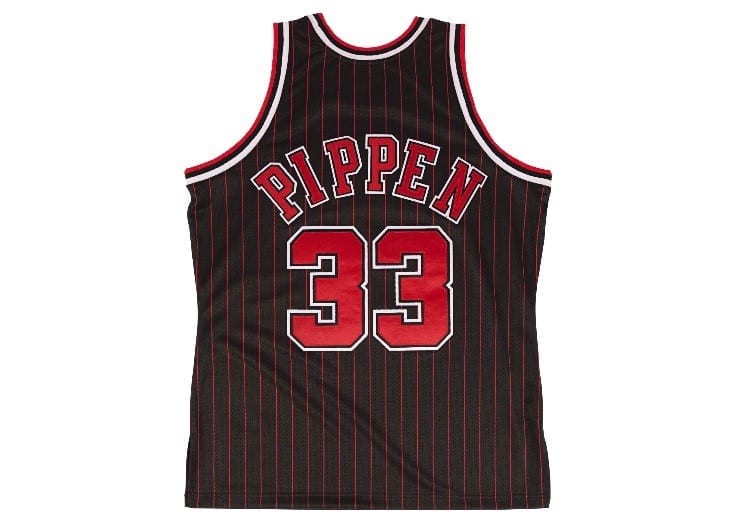
    It has now opened official online stores in Cambodia, Japan, Laos, Malaysia, Singapore, Thailand and Vietnam, as well as Australia and New Zealand. These offer a range of men’s, women’s and youth products from all 30 NBA teams, including oncourt apparel from official outfitter Nike and products from a range of NBA merchandise partners including Mitchell & Ness and New Era.

    There are also exclusive products, including personalised team jerseys.

    As well as paying in local currency, online shoppers will benefit from quicker deliveries and cheaper shipping thanks to Fanatics’ centralised distribution point in Asia.

    “The NBA is becoming an increasingly global league, and we’ve seen a significant uptick in fandom across several regions throughout Asia,” says Fanatics International president Steve Davis.

    With the launch of the new online stores, the league now has 20 international e-commerce sites.

  • Yohji Yamamoto receives Asia’s Lifetime Achievement Award

    Yohji Yamamoto receives Asia’s Lifetime Achievement Award

    Japanese fashion designer Yohji Yamamoto is this year’s recipient of the Lifetime Achievement Award, awarded last Friday at the Design for Asia gala dinner in Hong Kong.

    The 74-year-old design giant — known for his avant-garde tailoring featuring Japanese design aesthetics featuring over-sized silhouettes and a restricted, dark palette — was celebrated for his contribution to luxury fashion. Today, his two main lines Yohji Yamamoto and Y’s are stocked in high-end department stores around the world.

    Moreover, the designer has been hailed for his pioneering of the fusion between athletic wear and luxury fashion. He began hid collaboration with Adidas in 2003, forming the now very popular athleisure brand, Y-3.

    “Let me say, I think I’m a good dressmaker, but I am not a very good talker,” said Yohji Yamomoto, when he received the award.

    “In my long career, in design, architecture, [I’ve been to] so many parties, this is the very first time that I have such a warm feeling, I really appreciate this. Please let me become your family,” said the designer, who spends most his time between Tokyo and Paris. The latter is where he shows his seasonal collections each year.

    The designer has stores in Japan, France and the UK.

    Yamamoto has received several other accolades in previous years, including the Commander of the Order of Arts and Letters back in 2011 — the highest honour in arts and culture in France.

    The Design for Asia gala dinner also paid homage to hotelier Adrian Zecha, founder of the Aman resorts, and a new affordable luxury hotel concept, called Azerai, for design leadership.

    During the same night, organisers also awarded scholarships to 17 young designers of up to 500,000 Hong Kong dollars (US$640,000).

  • Don Quijote eyes more Asia stores

    Don Quijote eyes more Asia stores

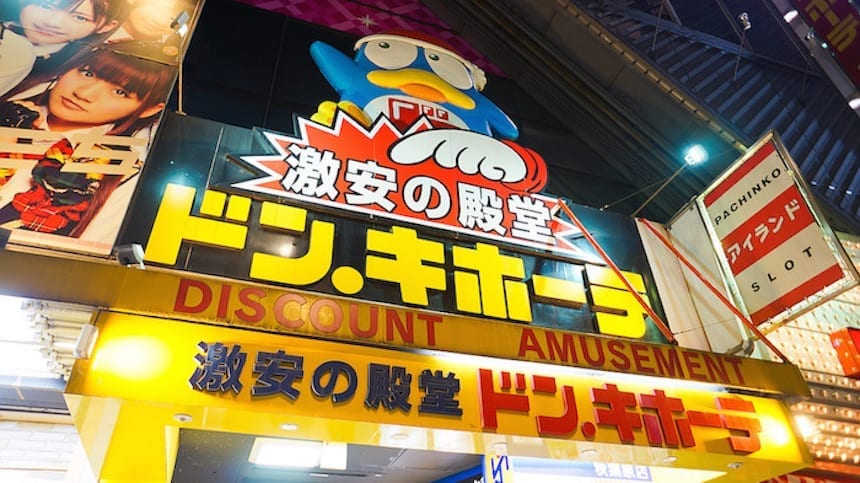
    After opening its first outlet in Singapore (called Don Don Donki) this month, Japanese discount retailer Don Quijote plans to expand with even more outlets in Asia.

    Founding chairman Takao Yasuda sas the group is looking to open stores in Hong Kong, Malaysia, Taiwan and Thailand.

    When moving to Singapore to retire two years ago, Yasuda was surprised at the price of food ingredients and other products imported from Japan. “I realised my new mission was to lower the prices to affordable levels.”

    He says the Singapore store has been so popular it has had to limit customer numbers at weekends. “We’ll increase to around 10 stores in Singapore in two to three years so customers can enjoy shopping at leisure.”

  • ItalianCreationGroup Plans Expansion Drive Along The Silk Road

    ItalianCreationGroup Plans Expansion Drive Along The Silk Road

    Milan-based ItalianCreationGroup, which owns Italian luxury furniture brands, plans to open 12 stores along the Silk Road over the next year.

    Co-founder/CEO Stefano Core says the aim of the company’s new retail strategy is to expand its global presence, especially in Asia.

    “We are opening stores from China to Iran, following the paths of the ancient Silk Road trading routes.”

    ItalianCreationGroup has just opened stores in Hong Kong and Mumbai, with Tokyo scheduled this week. Next years stores will open in Shanghai, Foshan and Shenzen in Mainland China, Ho Chi Minh City, Manila, Jakarta and Ahmedabad in India.

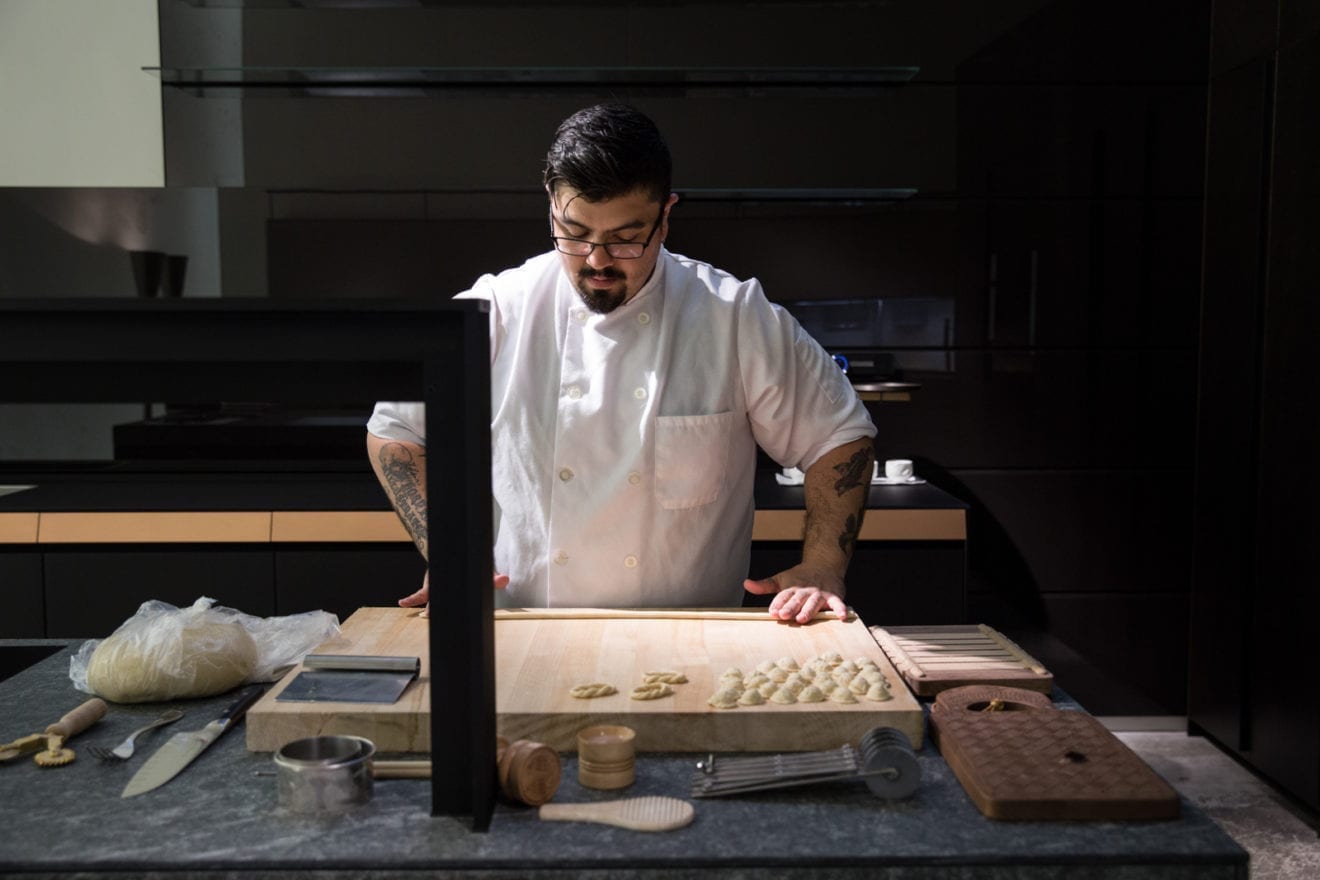
    “We believe in a new Italian renaissance,” says Core, whose company has over the past few years acquired Italian furniture brands including legendary Driade and FontanaArte, as well as boutique bathroom design firm Toscoquattro and luxury kitchen maker Valcucine (pictured).

    He says that bringing together design firms under one roof for the first time will allow ItalianCreationGroup to offer a range of Italian high-end products to the world.

    Already the company has opened flagship stores in London and New York.

  • Japan firm says it will pay part of salaries in Bitcoin

    Japan firm says it will pay part of salaries in Bitcoin

    A Japanese company will start paying part of its employees’ salaries in Bitcoin, as it aims to get better understanding of the virtual currency, a spokeswoman said on Friday.

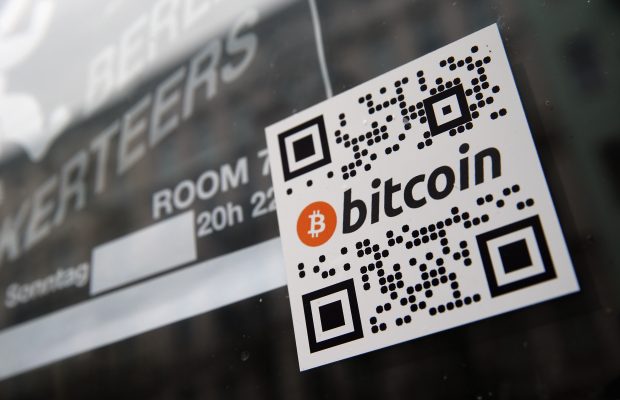
    GMO Internet, which operates a range of web-related businesses including finance, online advertising and internet infrastructure, will start paying up to 100,000 yen ($890) monthly by Bitcoin to its employees in Japan from February next year.

    “Employees can receive salaries by Bitcoin if they want to,” company spokeswoman Harumi Ishii said.

    “We hope to improve our own literacy of virtual currency by actually using it,” she said.

    The offer will be open to around 4,000 employees of the GMO group in Japan, she said.

    The company started a Bitcoin trading and exchange business in May.

    And next month, it will join the so-called “Bitcoin mining” business — gaining the right to receive new Bitcoins as a reward for helping keep the network secure by approving transactions.

    World Bitcoin prices have surged globally this year, soaring from less than $1,000 in January to $17,000 this week.

  • Rakuten Opens “Rakuten SPORTS ZONE” with NBA Merchandise

    Rakuten Opens “Rakuten SPORTS ZONE” with NBA Merchandise

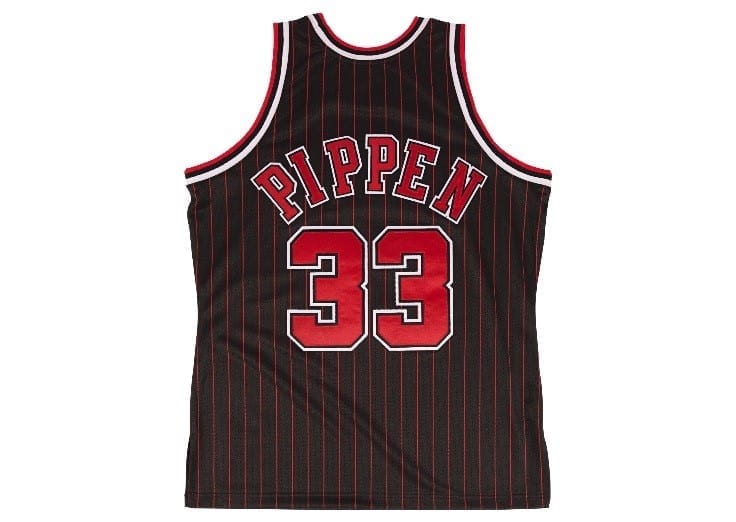
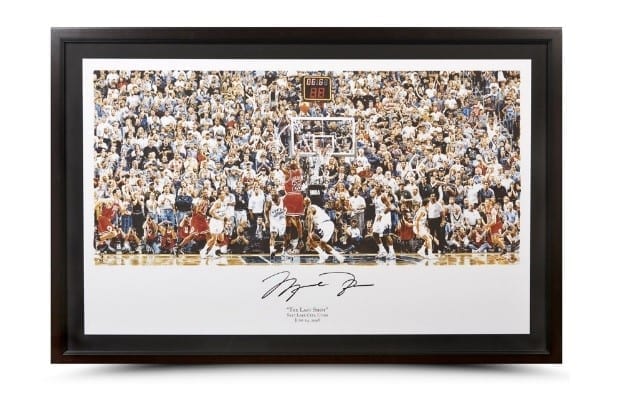
    Rakuten, Inc., a global marketing partner of the National Basketball Association (NBA), today opened its pro sports merchandise store Rakuten SPORTS ZONE to further build excitement around the NBA in Japan. The store is launching with sales of limited-edition items including autographed items from NBA Legends.

    In October 2017, Rakuten launched a multiyear partnership with the NBA, making it a global marketing partner of the organization. With this partnership, Rakuten is now operating the “NBA ZONE” in its internet shopping mall Rakuten Ichiba as a special page gathering NBA merchandise from Rakuten Ichiba stores. With the opening of the new Rakuten SPORTS ZONE, offering products that can rarely be obtained in Japan such as premium goods of former NBA stars, we will be able to further expand the product lineup offered in the NBA ZONE.

    Offerings include limited-edition autographed memorabilia (with serial number) offered by the Upper Deck Company, and reproductions of the jerseys of 80s and 90s NBA stars offered by the American sports apparel-maker Mitchell & Ness Nostalgia Co. New products will be added going forward.

    Rakuten will leverage its diverse range of services to further promote the NBA and basketball in Japan, and contribute to the further development of sports and culture.

  • McDonald’s Japan to bring some French home

    McDonald’s Japan to bring some French home

    For a short time only, McDonald’s Japan has added limited-edition French macarons to its menu.

    Imported from France, the macarons are in four flavours and have special takeout boxes.

    Available at McCafe by Barista outlets, the new treats come in lemon, raspberry, vanilla and chocolate variants. The takeout “box set” contains the customer’s choice of three macarons and is available only in limited quantities.

  • Blue Bottle Cafe opens latest Tokyo flagship store

    Blue Bottle Cafe opens latest Tokyo flagship store

    Blue Bottle Coffee has opened its latest flagship café in Tokyo, the sixth one to open in the Japanese capital, as the American coffee outfit expands its retail footprint in Japan.

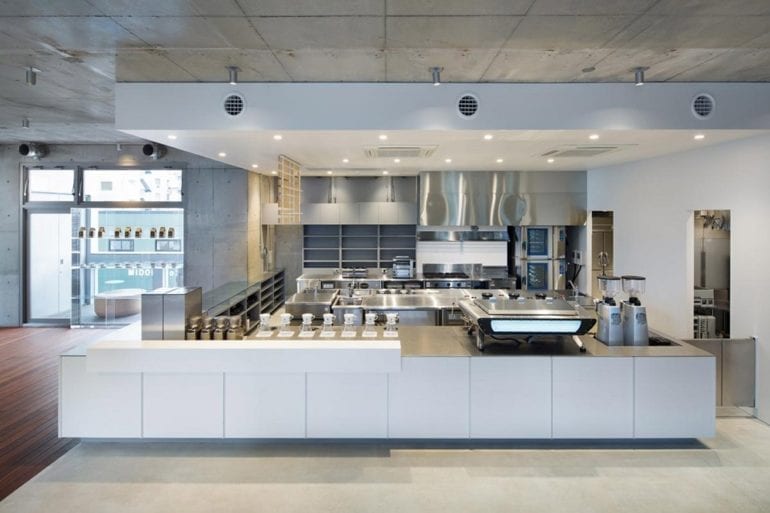
    Located in Sangenjaya, the San Francisco-based café is situated in a 50-year old low-rise building, which stands at the end of a no-through road between two buildings; located just a 3-minute walking distance from Sangenjaya station.

    Blue Bottle Café enlisted Schemata Architects once again to design the complete space layout. Working with the building’s current fittings, Schemata – the firm behind stores for 3.1 Phillip Lim and Loewe – took inspiration from the designs used with the previous space ownership, resulting in industrial concrete texture mixed with Japanese cedar wood.

    However, the 100-square-metre space does reflect Blue Bottle’s bright and open feel, an aesthetic witnessed in the other five Tokyo outlets. There is specific area for workshops and barista training, along with a “soulful public space” for the local community, in a bid to give the company a strong connection to its most recent Japanese locale.

    Offering more than just coffee and related products, customers can go to the register at the far end of the dead-end road, or stop by the drip-bar and walk around the seating area, before venturing outside to the garden in the backyard area. Walking along the building guest will find an entrance to a gallery also.

    “This building is designed in such a way that customers will experience the continuation of this deep spatial sequence,” said Schemata Architects’ Jo Nagasaka, who is the architect in charge of the store.

    James Freeman founded Blue Bottle Coffee Company in San Francisco in 2002. Still headquartered in Oakland, California, consumer goods giant Nestle acquired a majority stake in the new wave coffee firm earlier this year.

    In 2017, Nestlé acquired a 68 percent stake in the company for some $500 million. The firm has plans to have 55 locations by the end of the year. Blue Bottle stores are located in the Bay Area, Los Angeles, New York City, Washington, DC, and Tokyo.