Tag: Japan

  • South Korea’s Hyundai says faces headwinds from weaker yen next year

    South Korea’s Hyundai says faces headwinds from weaker yen next year

    South Korean automakers face a major headwind from a weakening Japanese yen, which will boost rivals like Toyota Motor Corp. next year, a Hyundai Motor think tank said.

    The fall in the yen will intensify competition in major markets, such as China and the United States, where overall demand is expected to shrink in 2018, the think tank said.

    It projected that the Korean won would fetch 978 per 100 yen next year, compared with 1,018 this year.

    The re-election in November of Japan’s Prime Minister Shinzo Abe, who favors massive monetary and fiscal stimulus policies, should point to further yen weakness, the think tank said.

    Toyota Motor in November raised its forecast for full-year operating profit, in part due to expectations of a weaker yen, which can make goods exported from Japan cheaper and can boost the value of overseas profits when they are repatriated.

    “The currency environment is expected to deteriorate next year,” Lee Bo-sung, a director of the think tank, the Global Business Intelligence Center, said at a press briefing on Friday. The contents of the briefing were embargoed until 9 am Sunday Seoul time.

    “The weaker yen is expected to be the biggest challenge for South Korean automakers next year, as they are competing against Japanese,” Lee said.

    He said the price gap between Korean and Japanese cars had already narrowed due to the yen’s decline. For example, Hyundai’s Sonata sedan was 10 percent cheaper than Honda’s Accord in the United States in 2011 and the gap is only 2 percent this year, he said.

    A weaker yen and higher profit have also allowed Japanese carmakers to boost investment and gain market share in China and other emerging markets, Hyundai’s stronghold, he said.

    Hyundai Motor has seen its net profit tumble by nearly one-third so far this year, and is on track to miss its annual vehicle sales target by a large margin, having failed to position for a consumer swing to sport utility vehicles (SUVs) and a diplomatic row with Beijing that hit Korean-made products.

    Hyundai Motor said on Friday it plans to roll out three SUVs next year in the United States – the redesigned Santa Fe, the Kona, and the tweaked Tucson, to revive its sales momentum. In China next year, Hyundai and Kia plan to release three China-targeted small SUVs next year.

  • Line Friends to open Pop-Up stores in Seoul City

    Line Friends to open Pop-Up stores in Seoul City

    A Line Friends pop-up will open at luxury speciality store BoonTheShop in Seoul on Saturday.

    Running until January 14, the Korean character brand’s outlet will introduce its latest merchandise, BT21. The range includes dolls, cushions, fashion items, limited-edition postcards, posters and bag charms – all based on a set of characters created by K-pop boyband BTS and the Line Friends team.

    LINE FRIENDS

    The same line will also start selling at Line Friends’ New York flagship on the same day via a “BT21 Zone”, and at other stores in Hong Kong, Japan, Taiwan and Thailand, as well as online early next year.

    BT21 was initially launched as stickers on Line App with more than 17 million downloads and 200 million Twitter exposures. The first Line Friends’ collaboration with artists, the BT21 range joins signature characters such as Brown, Choco and Cony.

    LINE FRIENDS Unveils BT21 Merchandise at Its Flagship Store in New York (PRNewsfoto/LINE FRIENDS)

    Line Friends has 91 stores in 11 international markets.

  • Shiru Cafe will be launched in the US

    Shiru Cafe will be launched in the US

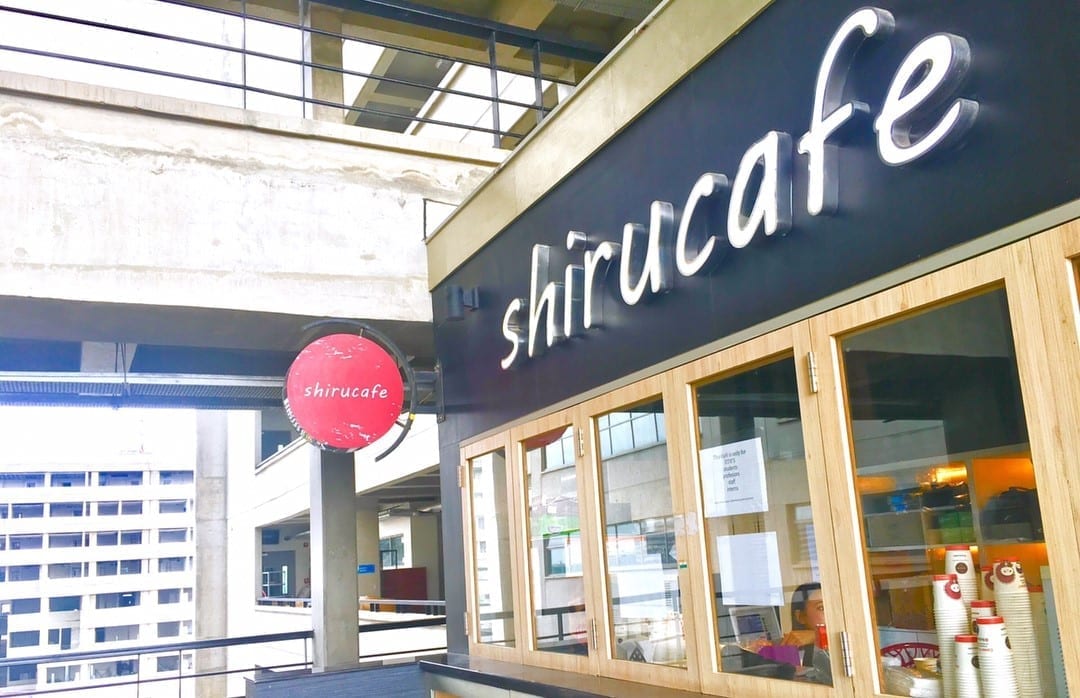
    Japan’s Shiru Cafe concept is about to launch in the US, on a university campus in Providence.

    It is being introduced by Enrission America, a cafe company that specialises in free coffee for university students.

    Following the opening on the Brown campus, other branches will be launched at Harvard University, Yale University, Princeton University and Amherst College.

    Especially for university students, Shiru Cafes are financed primarily through the sponsorship of companies that aim to improve student life. Students and staff members all receive free coffee, tea and juice while being provided with sponsors’ promotional materials. The cafes provide study spaces equipped with electrical outlets and free Wi-Fi internet access.

    Sponsorship allows companies to advertise on paper coffee cups, on digital displays in the cafes and on the cafe’s website. Company representatives can also meet and interact with students in the cafes, as well as run recruitment activities.

    Enrission America has opened more than 20 Shiru Cafes around the world. “It is an essential part of our vision,” says CEO Yusuke Kakimoto.

    Enrission, based in Kyoto, was founded in 2013 and is firmly established in India and Japan with support from 130 companies including Microsoft JP and PWC JP.

  • PTT earmarks P500 million for coffee-fuel expansion mix

    PTT earmarks P500 million for coffee-fuel expansion mix

    PTT Philippines expects to spend PHP500 million (US$9.9 million) on beefing up its retail network, including a foray into the Japanese market.

    President/CEO Sukanya Seriyothin says that while the bulk of the expansion for the Thai oil and gas giant PTT subsidiary will be gasoline stations, it includes about 12 Cafe Amazon outlets, mainly in Luzon.

    Following its diversification into the coffee business, PTT has started investing in the Philippines to complement its more than 1850 stores in Thailand and other parts of Asia, including one in Japan, says the company.

    With a “notable landscape change” in its investment plan, the company aims to open 100 cafes in the near term, with six to be up and running by year end.

  • Japanese making $62m with an instant-second hand website

    Japanese making $62m with an instant-second hand website

    What if you paid people instantly for their used goods over the internet, with no guarantee that they would hand them over?

    The 36 year-old e-commerce entrepreneur, Yusuke Mitsumoto, launched an app in June 2017 to test the idea. It worked better than he imagined; after 16 hours, he was stunned to discover he was on the hook for 3.6 billion yen (£23m) and shut the service down.

    A day later, truckloads of clothes and electronics gadgets started to arrive, with his startup’s employees forming a bucket line to move packages into his company’s tiny office in Tokyo.

    All told, less than 1 in 10 second-hand-goods sellers didn’t deliver as promised. That was good enough for Mitsumoto, who relaunched the service, called Cash, in August 2017 as a new way to gather inventory for an online flea market.

    Total daily purchases are capped at 10 million yen, and are limited to smartphones, luxury handbags, watches, clothing and other specific items from a list of several thousand. Customers take a photo and are given a non-negotiable offer. Prices are set automatically based on data gleaned from other second-hand marketplaces and Cash makes money by reselling the goods.

    “It was a social experiment,” said Mitsumoto, who started selling goods on the web in 1996. He later launched Stores.jp, Japan’s version of Shopify, which he sold and then bought back. “Of course, I believed that good people would outnumber the bad, but the question was by how much. That’s not something you can find out without trying.”

    Second-hand sales are a big business in Japan and a market worth 1.6 trillion yen, according to the Reuse Business Journal. Bookoff has hundreds of stores that buy and sell everything from used books to video games and electronics. Yahoo Japan operates the country’s biggest online auction site. Mercari became Japan’s first startup to be valued at more than $1bn with a smartphone app that made it easy for people to sell unwanted things to each other.

    What Mitsumoto discovered was a way to remove the last bit of friction for sellers to get rid of stuff, unlocking value wasting away in people’s closets. He tapped into a market of people who lacked either the time or the patience to take nice pictures, write product descriptions and haggle with buyers.

    He also knew that it was only a matter of time before bigger rivals followed with similar offerings. So when Mitsumoto got a Facebook message on 4 October 2017 at 1:58 am, “Hi! This is Kameyama~! Sell Cash to me~! No?” he saw a way to stay ahead of the competition.

    Keishi Kameyama is one of Japan’s richest people and the founder of DMM.com, a media and technology empire with $1.6bn in revenue. Kameyama started with pornography but has grown his company into a vast collection of enterprises that spans a currency trading platform, video games, an online English school and solar farms. Mitsumoto agreed to sell Cash to DMM for 7 billion yen and continue running the business.

    “For people doing internet businesses in Japan, DMM is a scary presence,” Mitsumoto said. “You never know when they may launch their own business and become a tough rival. I figured it’s best to at least meet.”

    Indeed, a week after the deal was announced, Mercari launched an identical offering.

    Kameyama said his team recognized the potential of the market uncovered by Mitsumoto, but admits that the eye-popping valuation for a company of six people that’s not even one year old was also partly an “acquihire” —an acquisition based on hiring.

    “Doing business on the internet is not all capital and equipment, you need a certain intuition, a design sense and ability to get a service going,” Kameyama, 56, said in an interview. “I can also appreciate a bold play. There aren’t that many audacious people in this world.”

  • Indonesian Pizza Hut Operator Plans $150 Million IPO

    Indonesian Pizza Hut Operator Plans $150 Million IPO

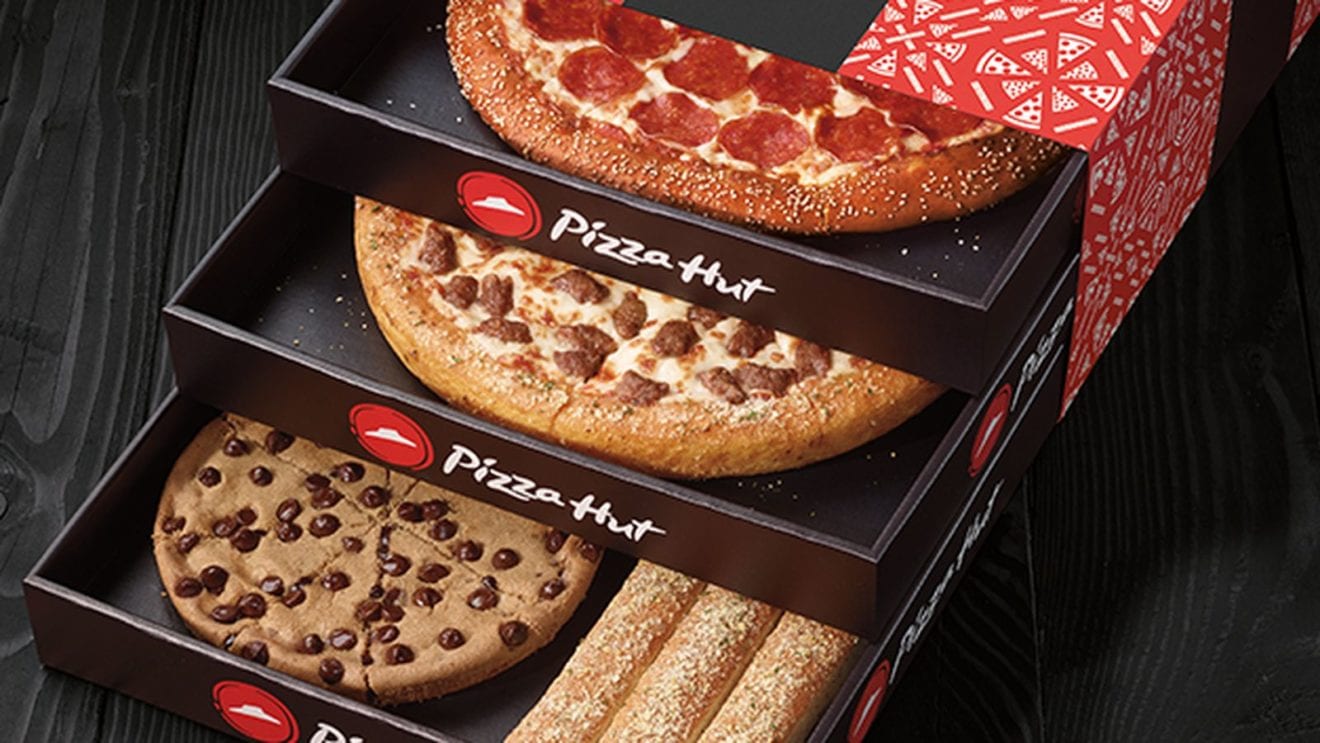
    The company that runs Pizza Hut Indonesia plans an IPO that could raise as much as US$150 million.

    Sriboga Raturaya has taken on advisers for a listing of its foodservice and restaurant franchising unit, which also runs the Japanese noodle chain Marugame Udon.

    Shares could go on sale in Jakarta in the first half of next year, insiders say.

    Indonesia’s pizza market is forecast to expand to IDR8.81 trillion ($650 million) by 2021, up from IDR5.76 trillion last year, according to Euromonitor International. Pizza Hut had more than 70 per cent of the market last year, followed by Domino’s with 6.1 per cent.

    First-time stock sales in Southeast Asia’s largest economy raised $683 million this year, down from $1.03 billion for the same period last year, according to Bloomberg.

    Sriboga Raturaya, which started as a producer of wheat flour in 1995, also has interests in education, logistics and making food ingredients.

  • Mulberry Group first store to launch in Hong Kong

    Mulberry Group first store to launch in Hong Kong

    UK-headquartered luxury fashion retailer Mulberry Group plans to launch in Hong Kong.

    Announcing its first half-year results, the brand revealed plans – but no details – to expand in both Hong Kong and Mainland China through an omnichannel strategy. Other, unidentified global markets are on its radar as well.

    The news follows the success of its recent expansion into Japan which helped strengthen the international performance in the six months to September 30.

    In Japan, Mulberry Group signed a 50-50 joint venture agreement in July with licensing partner Onward Global Fashion (OGF). An initial presence of four stores in key locations, including Ginza, has already been expanded with a fifth store opening.

    Total first-half revenue for the company was virtually flat at £74.6 million (US$99.8 million) compared to £74.5 million a year ago. Sales through its retail channel were up 2 per cent to £56.6 million, but comparable sales eased 1 per cent. Gross margin increased 248 points (up £1.9 million).

    While UK sales were flat, international sales grew 8 per cent to £11.3 million. Global digital sales rose 3 per cent to £10.7 million, accounting for 14 per cent of group revenue.

    “We are delivering on our strategy to grow Mulberry as a global luxury brand,” says CEO Thierry Andretta.

  • Japan’s Q3 growth twice as fast as first estimated, outlook brightens

    Japan’s Q3 growth twice as fast as first estimated, outlook brightens

    Japan’s economy grew twice as fast as originally estimated in the third quarter thanks to big gains in capital expenditure, revised data showed on Friday, with expansion seen to continue thanks to buoyant exports.

    The capital expenditure component of gross domestic product was revised to a rise of 1.1 percent from the previous quarter, well over the forecast 0.4 percent growth, and soaring above the preliminary 0.2 percent reading.

    The economy grew an annualized 2.5 percent in July-September, more than the median estimate for 1.5 percent annualised growth and more than the preliminary reading of a 1.4 percent annualised expansion.

    Real wages rose in October for the first time in almost a year, offering some hope that consumer spending will pick up, separate data showed.

    The revised figures showed that Japan is in its longest uninterrupted period of growth since comparable data became available in 1994.

    This is a boon to the government as it is expected to agree later on Friday a spending package to subsidise education and encourage more corporate investment.

    “The economy is doing well, but annualised growth above 2 percent seems a little too quick,” said Norio Miyagawa, senior economist at Mizuho Securities.

    “I expect that exports and capital expenditure will lead growth next year, but the pace will moderate to around 1 percent.”

    The figure translates into quarter-on-quarter growth of 0.6 percent, versus a preliminary reading of 0.3 percent growth and the median estimate for 0.4 percent growth.

    Steady economic expansion also offers hope to the Bank of Japan that inflationary pressure will build up next year and nudge consumer prices closer to its 2 percent inflation target.

    Capital expenditure was revised up because wholesale companies and retailers are increasing investment to deal with increased inbound tourism, a Cabinet Office official told reporters.

    Inventories contributed 0.4 percentage point in the third quarter, which was revised up from a preliminary 0.2 percentage point contribution, due to a build up of chemicals and plastics used in manufacturing, the official said.

    Net exports contributed 0.5 percentage point in the third quarter, unchanged from the preliminary reading.

    Private consumption fell 0.5 percent in July-September, also unchanged from the preliminary reading.

    Real wages rose 0.2 percent in October marking their first rise since December 2016 in a sign a tight job market may finally be leading to higher salaries.

    Japan’s economy has expanded for seven consecutive quarters, and many economists expect growth to continue as consumer spending gains strength and export growth is seen on track to continue.

  • GreyOrange released GreyMatter for robotics warehouse automation

    GreyOrange released GreyMatter for robotics warehouse automation

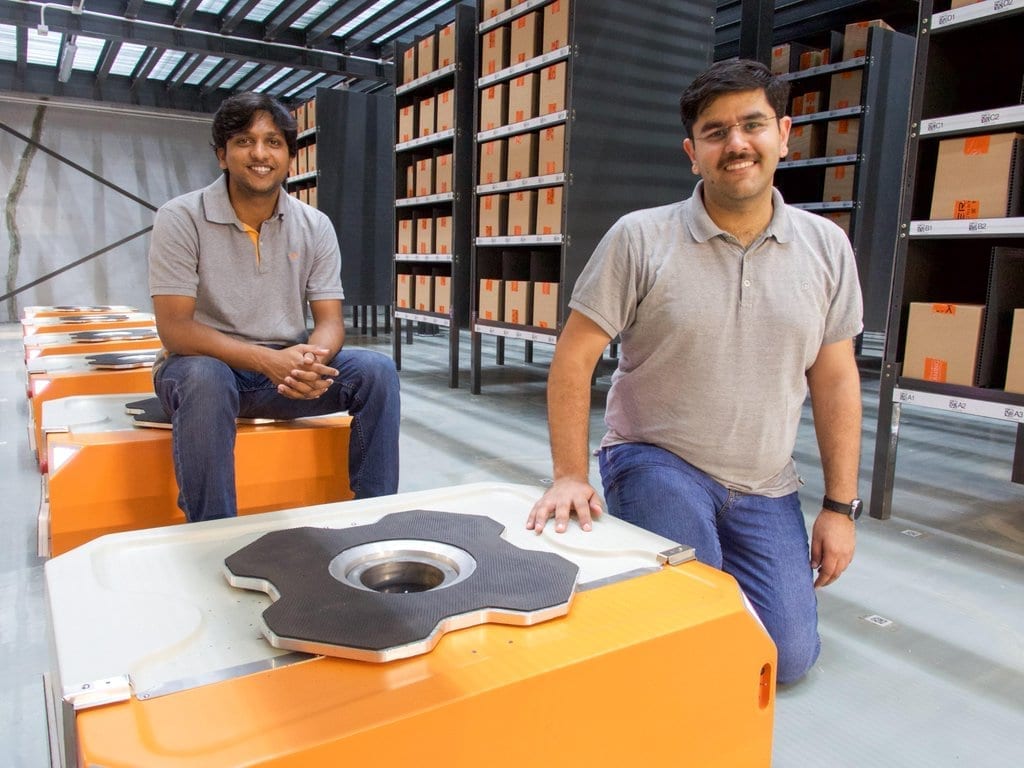
    Leading robotics and automation company, GreyOrange, announced the release of its next-generation software platform, GreyMatterTM, at the launch of the latest warehouse of the Nitori Holdings Group, Japan’s largest furniture and home furnishing chain with over 400 stores. The ButlerTM robotics system from GreyOrange is deployed at the Osaka centre of Home Logistics, a logistics subsidiary of Nitori Holdings which operates 34 distribution bases and a logistics network for product delivery to stores and e-commerce customers across Japan.

    In the Butler system, GreyMatterTM is an end-to-end Intelligent Order Fulfilment software solution from GreyOrange that controls and manages automation in a warehouse via collaboration among devices comprising Butler robots, storage racks, pick-put stations, charging stations, among others. Central to the GreyMatter software is its Artificial Intelligence (AI) which operates at several levels to drive autonomous collaboration to automate warehouse functions and processes.

    Its always-on AI algorithms learns from large amounts of data and identifies patterns quickly to perform in real-time to make super-smart decisions. It adapts to changing inventory profiles and order fulfilment requirements to optimise path planning and navigation of the robots and racks. This enables the team of robots to work together to maximise storage, streamline zoning, improve space utilisation and accelerate order fulfilment. This is particularly important for operations handling same and next day deliveries that require faster efficiency and accuracy, and a higher throughput in a volatile multi-SKU environment. The GreyMatter software is applicable across industries such as Ecommerce, Store Retail and Factory Warehouses.

    Manabu Matsuura, CEO of Home Logistics said, “For a start we stocked over the most popular items capable of fulfilling thousands of online orders a day. The Butler robotics and advanced software collaborate among the devices to take efficiency to new heights. The most number of items are brought from the racks to be picked in the shortest time, which is a very productive process. Over time as the system is continuously learning about our products, we expect to see increasingly higher levels of efficiency. Our staff appreciate working with these new processes as it is easy and they are seeing good results in their output. ”

    Nalin Advani, CEO – APAC, GreyOrange commented, “GreyOrange and GROUND Inc. our distributor in Japan, are honoured to work with the Nitori Group to deploy our Butler robotics solution and launch our next-generation Artificial Intelligence, GreyMatter, at the Home Logistics centre. E-commerce growth in Japan is forecasted to grow to US$200 billion within the next three years, and will accelerate annually in the lead up to the 2020 Olympics in Tokyo. We are excited to play our part in this exhilarating journey.”

    He added, “On top of Nitori’s industry-leading warehouse operations, we worked together to layer the AI-powered software to create a revolutionary process for order fulfilment. Within the AI of GreyMatter, the Industry Engine we have designed for E-Commerce provides control at even more granular levels than before.  Using machine learning and analytics, it is able to predict product popularity and seasonal trends, and more, to magnify the efficiencies for real-time order management.”

  • K11 art mall to open Pokemon Hub soon

    K11 art mall to open Pokemon Hub soon

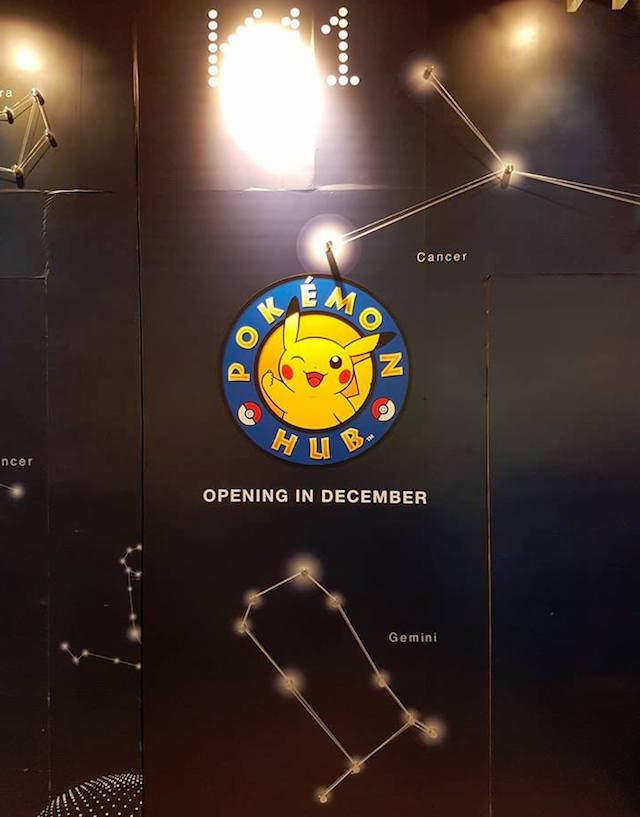
    A Pokemon Hub will open in Tsim Sha Tsui’s K11 art mall in time for Christmas.

    Few details have been released, including the opening date, but the official Facebook page has been publishing images of items on their way from Tokyo.

    Pokemon stores in Japan offer themed sweets, tableware, trading cards and plush toys.

    Pokemon Hub is the first official and permanent Pokemon store outside of Japan licensed by The Pokemon Company.

  • FamilyMart Japan to sell its Interests

    FamilyMart Japan to sell its Interests

    Japanese convenience store company FamilyMart Uny Holdings may sell its Hong Kong retail interests.

    Working with a financial adviser, the company is seeking about US$100 million for its three stores, insiders say.

    In Hong Kong, FamilyMart Uny runs department stores under the Apita, Piago and Uny brand names. They sell stationery, clothing and food ranging from local produce to imported chocolate, wine and wagyu beef.

    Government statistics show that sales in Hong Kong’s supermarket industry fell 0.1 per cent in the first 10 months of this year, compared with overall retail industry sales rising 1.2 per cent.

    A spokesman told the company had no plans to sell the stores at the moment.

  • Hansa Heavy Lift Develops Tailored Solutions For Floating Unit Customers Globally

    Hansa Heavy Lift Develops Tailored Solutions For Floating Unit Customers Globally

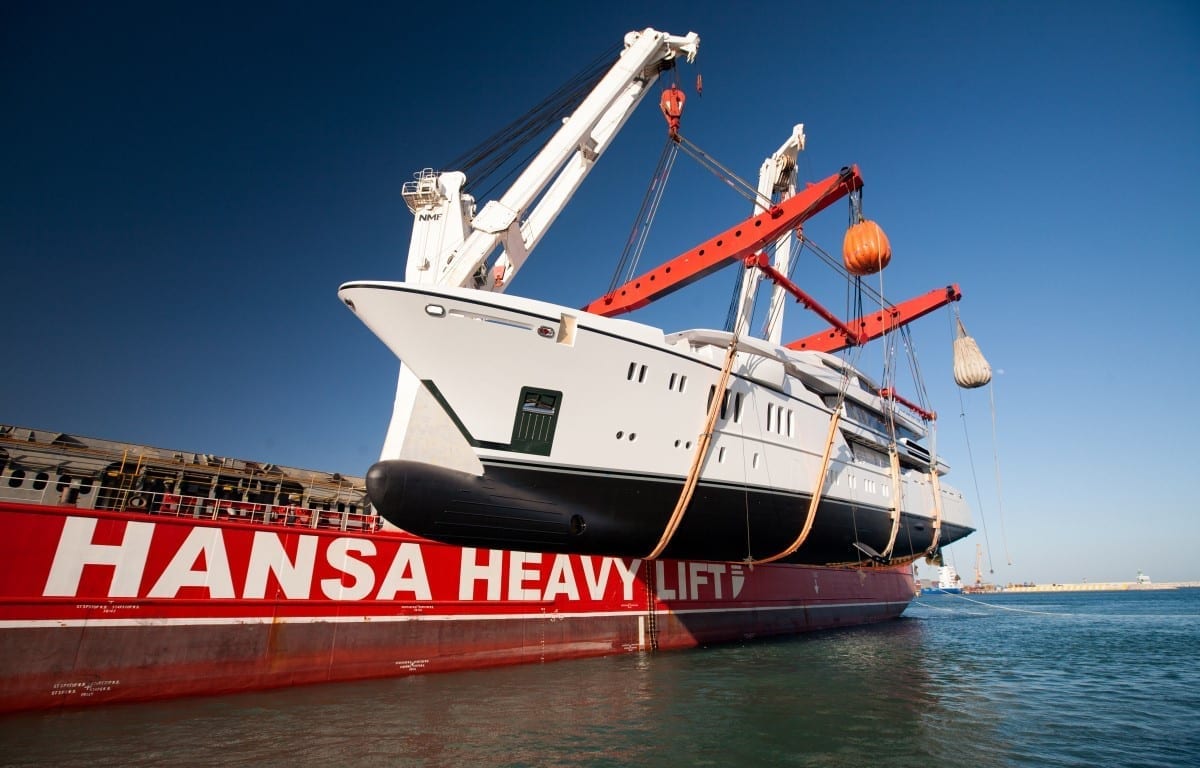
    HANSA HEAVY LIFT has strengthened its position in the floating unit market after successfully completing a series of projects in the Americas, Europe, Asia, and Africa.


    The moves included the transportation of 45 yachts in one consignment, as well as the safe delivery of two oversized barges and three tugs.


    “We see much potential in the floating unit market. Our very adaptable heavy lift ships and engineering know-how ensures we are able to meet our customers’ bespoke requirements globally, no matter the challenges,” said Emek Ersin Takmaz, Head of Projects, Engineering Department, HANSA HEAVY LIFT.


    The consignment of 45 yachts was recorded as the largest number of yachts shipped on a single vessel for Peters & May, and took place aboard HHL New York, with the journeys originating in the USA and the Caribbean and concluding in the UK and Germany, coordinated by bespoke logistics provider Peters & May.


    HANSA HEAVY LIFT crews worked with Peters & May’s expert loadmasters to load the yachts with their masts up at Port Everglades in Florida, USA, St Thomas, and Antigua, and delivered them to the ports of Southampton, UK, and Bremerhaven, Germany.


    “Working with a trusted partner, such as HANSA HEAVY LIFT on key projects such as this, means all stages of the operation – from planning to execution – are flawlessly executed. Both teams’ high attention to detail allowed us to provide the optimum service our clients expect. We look forward to working with HANSA HEAVY LIFT on exciting projects in the future,” said Simon Judson, Global Operations Director, Peters & May Group.


    HANSA HEAVY LIFT also transported a bunker barge from Sydney, Nova Scotia, Canada, to Mazatlán, Mexico, and a petroleum barge from Antwerp, Belgium to Banana, Democratic Republic of Congo.


    HHL Tokyo delivered the bunker barge, which measured 53.37m long by 12.49m wide by 14m high, and weighed 516 metric tonnes, whilst HHL Venice transported the petroleum barge, measuring 71.65m long by 12.30m wide by 6.90m high, and weighed 410 metric tonnes.


    The heavy lift specialist also transported three tugs from Singapore to Russia on board HHL New York. The heaviest tug measured 33.7m long by 10.6m wide by 22.3m high and weighed 467 metric tonnes.


    “This project was a race against time, which required us to find an efficient and cost-effective solution to be able to lift the tugs and transport them safely on our vessel,” said Takmaz.


    “Tailor-made steel structures were designed and suitable lifting solutions developed for each tug by our in-house engineers.”

  • Kanebo Cosmetics President plan to depart

    Kanebo Cosmetics President plan to depart

    Kanebo Cosmetics announced that Masumi Natsusaka, the company’s President, is scheduled to leave his post at the end of the year.

    Natsusaka has served in the role of the president of Kanebo since 2012, and is credited for orchestrating the brand’s recall of 50 products due to white splotches reported on the skin of customers, caused by Rhododenol. Following this, Natsusaka also made improvements to the company’s customer response bureau.

    In addition, Kanebo said Natsusaka’s successor, Yoshihiro Murakam, is planned to start in the head role, effective January 1, 2018.

    Natsusaka joined Kao Corp. in 1986, the owner of Kanebo since 2006, and previously served as president of its global skincare business. He is a graduate of Tokyto’s Rikkyo University.

    Kanebo has been strengthening its global reach and product portfolio in recent seasons. In 2016, the Japanese brand launched a namesake luxury skincare line and high-end cosmetic collection in its domestic market.

    More recently, Kanebo brought the same line to the European market in September 2017. In addition to the new brand, it also revealed its prestige line Sensai in Europe, the Middle East and South Africa.

    Looking ahead, Kanebo Cosmetics aims to bring its new line of skincare products to China in 2020. Kanebo hopes its namesake brand will become a pillar of global operations and is aiming for 30 billion yen ($264 million) in annual sales by 2020.

    In China, the brand already offers midrange products under its Kate, freeplus and other brands, priced at around 1,000 yen to 3,500 yen per item. Kanebo-branded products will be priced higher than those brands, and sales are said to begin in major cities such as Shanghai before being expanded across the country.

    For the year ending December 31, Kao Corp.’s net profit grew 20.3 percent to 126.55 billion yen ($1.17 billion). Net sales for the same period declined 1.1 percent to 1.46 trillion yen. Hindered by currency exchanges, yearly sales would have increased by 3.2 percent.

  • New face for Chanel Japan Flagship store

    New face for Chanel Japan Flagship store

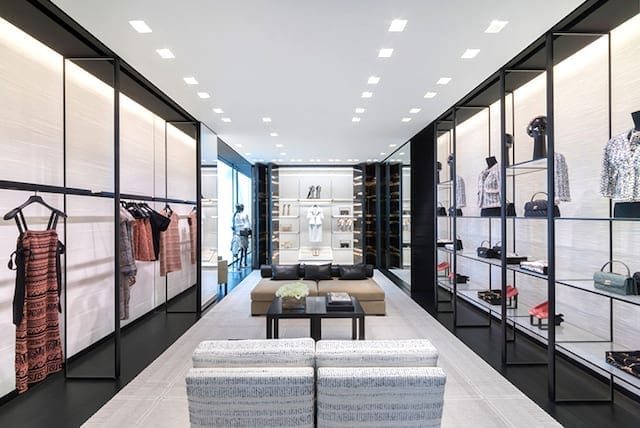
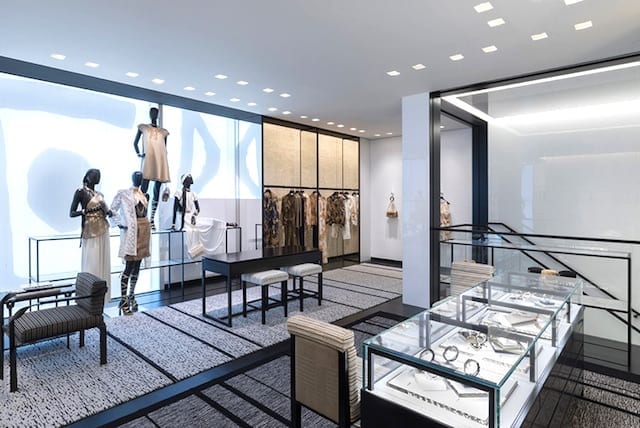
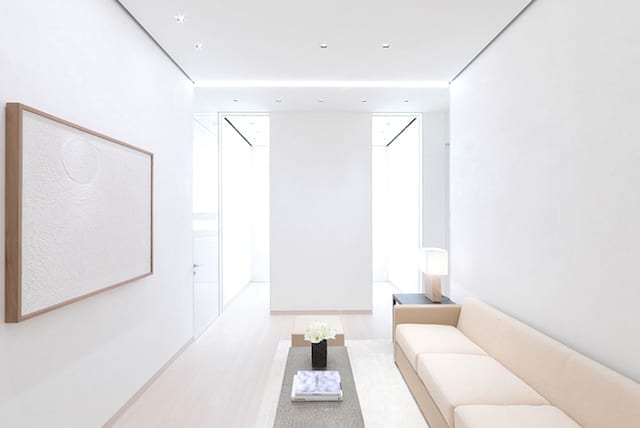
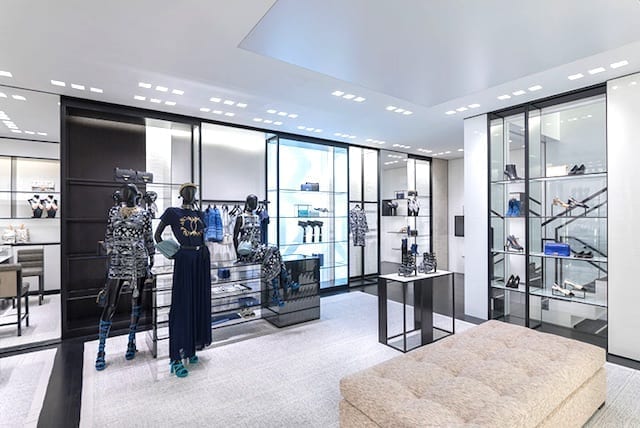
    Following a three-year renovation, Chanel Japan has re-opened its flagship store on Namiki Dori in Ginza.

    Initially opening in 1994, the store was the brand’s first Japanese standalone boutique. As well as new interiors, architect Peter Marino has given the nine-storey building a fresh facade with matte black and white panels alluding to Chanel’s iconic colour palette. For the first two months, the building will feature an artwork by Shuji Mukai.

    Inside, the store features curated works from international contemporary artists, including an ink painting by Heinz Mack, a bronze relief by Anthony Pearson and a painting by Gregor Hildebrandt.

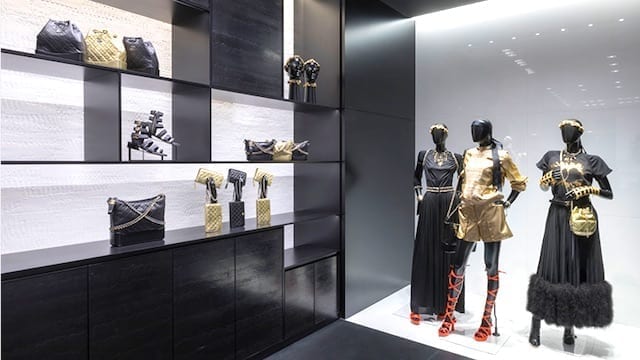
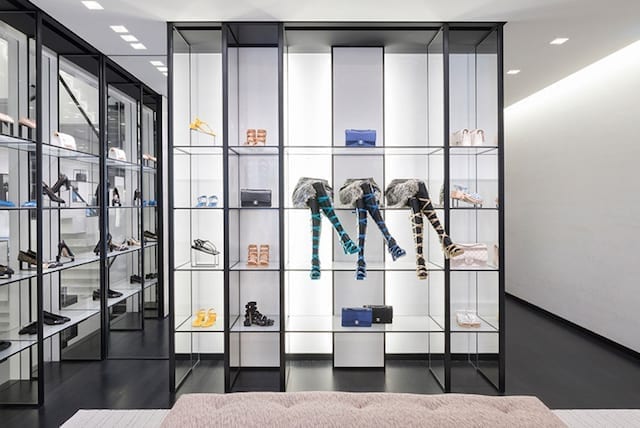
    On the ground floor, bags and accessories are displayed on sleek shelving and custom-made cabinets. On the second floor, the palette is softer with beige carpeting and matching furnishings to background shoes and more accessories.

    More bags feature on the third floor alongside the ready-to-wear collection, repeated on the next floor in a setting defined by gold and black accents.

    On the eighth floor is Le Salon Beaute, which offers a fusion of western and oriental face and body treatments, while the top floor is home to Le Salon Prive, an exclusive event space.

  • UNIQLO to Launch UNIQLO and JW ANDERSON Spring/Summer 2018 Collection

    UNIQLO to Launch UNIQLO and JW ANDERSON Spring/Summer 2018 Collection

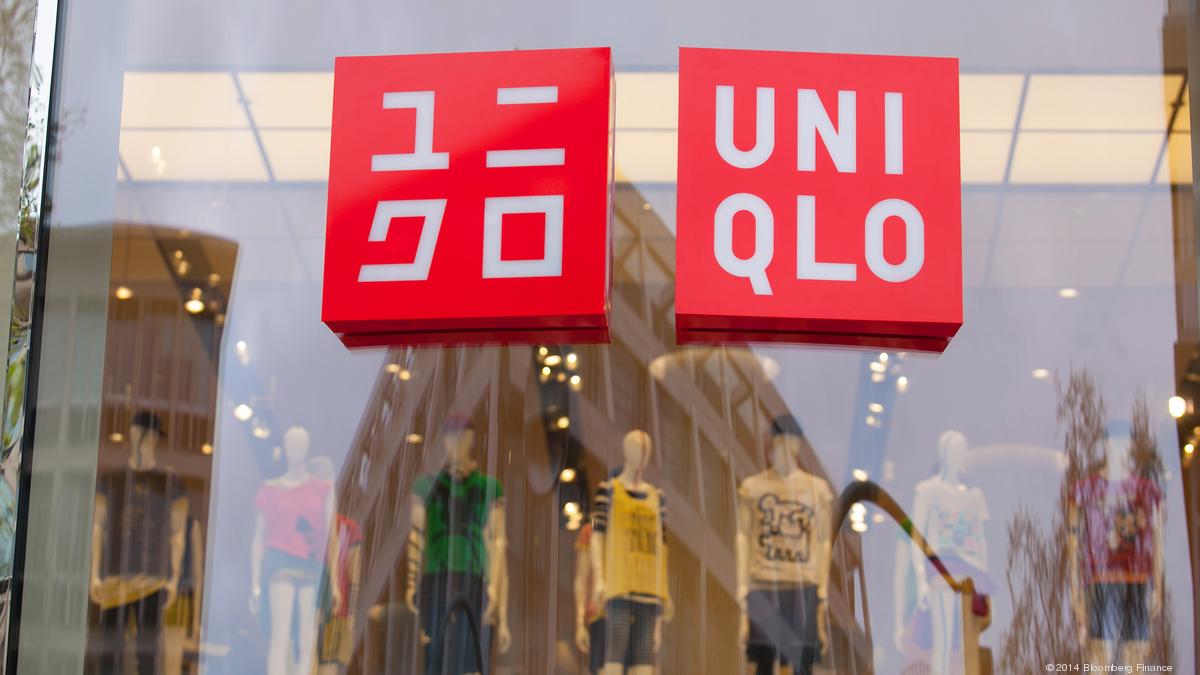
    Uniqlo announces plans to launch a Spring/Summer 2018 UNIQLO and JW ANDERSON collection, following the positive response worldwide for its Fall/Winter2017 line. The new collection, created once again in collaboration with London-based fashion brand JW ANDERSON, will include items for men and women, and will be available in the upcoming Spring/Summer 2018 season at selected UNIQLO stores and online at www.uniqlo.com/sg.

    Commenting on the announcement, Jonathan Anderson said, “The first UNIQLO and JW ANDERSON collaboration was super exciting for me, and I am very happy with the results. I am proud of it and I think the pieces are incredibly well made. The line was also a good bridge between the ideal of British classicism and my own brand.”He added,“The Spring/Summer 2018 collection is about items that interlink with each other. It’s about layering this time. The idea is to mix and match things together, and I truly hope you will enjoy it.”