Tag: Japan

  • Tokyo Milk Cheese Factory says Hello to Bangkok

    Tokyo Milk Cheese Factory says Hello to Bangkok

    Japanese bakery chain Tokyo Milk Cheese Factory is about to take a bow in Thailand with a store at Siam Paragon in Bangkok.

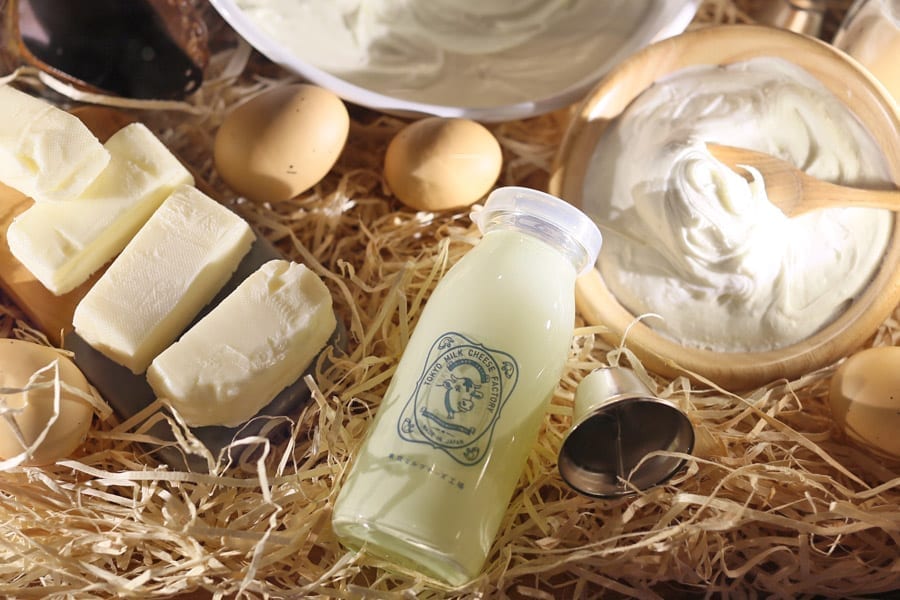
    Famed for its soft milk cheesecake made from French cream cheese and Hokkaido cream, the brand also offers cheese and milk mousses wrapped in crepes, Salt & Camembert Cookies Camembert Cheesecake with a chocolate filling. There is also a Honey and Gorgonzola Cookie flavoured with Spanish rosemary and featuring a chocolate filling.

    Its arrival in Thailand is thanks to Dolnapa Thammawatana and Khanchai Ongkamongkol, who were impressed by the brand’s flavours when visiting Japan.

    Thammawatana says their shop will also introduce Cow Cow Ice, a soft ice cream in a cheesy cone, as found in the brand’s shop in Shinjuku, Tokyo.

  • Fast Retailing to launch in India

    Fast Retailing to launch in India

    Uniqlo parent Fast Retailing has applied to open stores in India.

    The Japanese fast-fashion giant has filed an application with India’s Department of Industrial Policy & Promotion to do business in the country under the Uniqlo brand.

    “India is a market with great potential,” says Fast Retailing spokeswoman Pei-Chi Tung. The company has long been interested in entering India, but has been beaten by H&M and Zara which are already established in the apparel market Euromonitor International has predicted will grow 29 per cent to INR3.76 trillion (US$58 billion) by 2021.

    Zara owner Inditex opened a flagship in Mumbai in May, which CEO Pablo Isla says has had a strong reception. It has just started online sales as well in India.

    Fast Retailing last month reported its biggest jump in annual earnings in more than a decade, driven by a near doubling of operating profit at Uniqlo stores outside of Japan. Operating profit for the brand in China jumped 37 per cent for the year ended August 31, compared with a 6.4 per cent slump in Japan.

  • Trading house Itochu taking on Alibaba and JD.com

    Trading house Itochu taking on Alibaba and JD.com

    Itochu and two partners are investing roughly 7.6 billion yen ($67.6 million) in an e-commerce venture selling Japanese goods to the Chinese market in hope to enhance its own forays into China’s internet sector.

    The Japanese trading house is investing around 4 billion yen into the Tokyo-based startup Inagora, with telecom KDDI and financial services company SBI Holdings providing the rest.

    Itochu previously invested around 100 million yen in the company and will now hold a roughly 20% stake, making it the second-largest shareholder behind founder and CEO Weng Yongbiao.

    Founded in 2014, Inagora operates Wandou, a Chinese-language e-tailer with some 3 million users.

    The site boasts around 40,000 offerings, with a focus on cosmetics, clothing and foods from brands including Japanese fashion label Samantha Thavasa, Swiss lingerie maker Triumph International and Japanese food producer Ajinomoto.

    China’s cross-border e-commerce market is growing rapidly. The market for goods from Japan is seen nearing 2 trillion yen in 2020. The country’s overall e-commerce leaders currently have a strong grip on the cross-border segment: Top player Alibaba Group Holding commands a roughly 40% share, while second-place JD.com and major internet player NetEase control shares in the 10-20% range.

    Itochu has already taken its first step into the cross-border market, launching a high-end site in spring 2017 with Chinese state-owned conglomerate Citic, a major partner.

    But the trading house has realized breaking Chinese heavyweights’ grip will require savvy marketing that can respond nimbly to consumer tastes — hence its turn to Inagora, which excels at creating videos highlighting the appeal of Japanese products for local consumers.

    The trading house will supply products for Inagora’s site through units including food wholesaling arm Nippon Access and Edwin, Japan’s largest maker of jeans. In addition, Itochu will have the site carry local specialty items from across Japan stocked by convenience store chain FamilyMart, another member of the Itochu group.

    Itochu Logistics, with over 100 locations in China, will also cooperate with Inagora, which plans to add warehouses to its own distribution network using money from the latest round of investment.

    The startup will also hire more sales staff to encourage companies to list their products. Forays elsewhere in Asia are on the agenda as well: The company plans to bring its business to Taiwan, Malaysia and elsewhere in 2018.

    Inagora anticipates around 15 billion yen in transactions this year, six times the 2016 level. With help from Itochu and others, the startup targets 100 billion yen in transactions in 2019 and 176 billion yen a year later.

  • Asia to dominate global grocery market by 2022

    Asia to dominate global grocery market by 2022

    The region is expected to enjoy a CAGR of 6.6%.

    Asia is expected to dominate the global grocery retail market as it is projected to add $1.2t in sales which is more than Africa, Europe and Latin America combined, according to Institute of Grocery Distribution (IGD).

    IGD forecasts that Asia will enjoy a compound annual growth rate (CAGR) of 6.6%.

    Levels of consumer spending from Asia account for nearly half of additional sales generated until 2022 as the region’s grocery retail market is significantly boosted by its continuously rising population.

    Six countries from Asia secured a spot in the top 20 largest grocery markets by 2022, led by China at second place with a projected value of $1.67b.

    India follows at third place with an expected $812b value by 2022.

    Japan is at fifth place with a projected value of $455b; Indonesia notched seventh with $313b; Philippines at $153b and South Korea at $141b.

    “With China, India and Japan all in the top five, Asia’s grocery market continues to be in rude health thanks to growing populations and shoppers with more disposable income. Innovations in this market also continue apace, especially in China, where retailers are experimenting to drive the online and convenience channels,” said John Wright of IGD.

  • Kit Kat Japan and Tokyo Banana launch banana chocolate

    Kit Kat Japan and Tokyo Banana launch banana chocolate

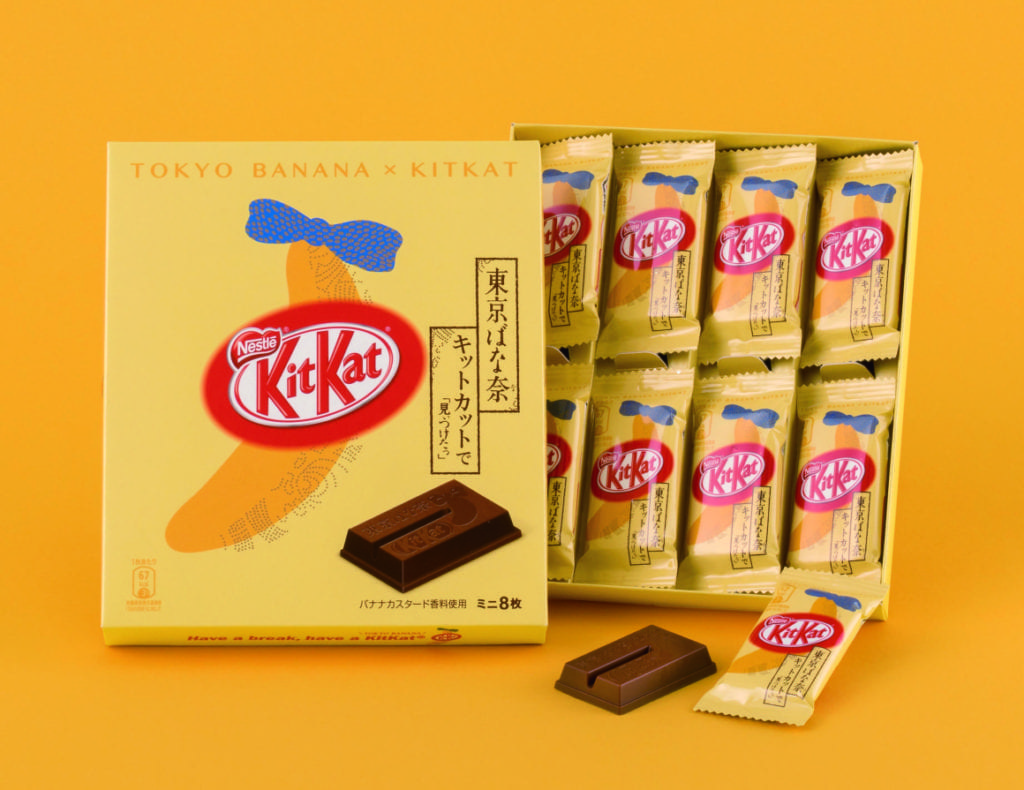
    Kit Kat and Tokyo Banana have released a limited-edition chocolate wafer only at Tokyo Okashi Land, Tokyo Station.

    The products combine milk chocolate and banana cream, recreating the flavour of Tokyo Banana. Chocolate boxes are also stamped with the distinctive Tokyo Banana bow logo.

    The local market-only release saw customers queuing outside the store to buy a box of the confectionery.

    The kiosk houses large screens showing the product and multi-lingual signage explaining the story behind it.

    Despite being limited edition, Nestle assures fans the Tokyo Banana Kit Kat is supplied in sufficient quantity to meet the huge demand.

    The product comes in two sizes, with packs of eight sold at ¥702 (US$6.24), and packs of 15 at ¥1296. The wrapped package includes a pair of chocolate wafer bars with a tiny banana mark, the words “Tokyo Banana” and bow logo on top.

    The product will be Introduced later at stores including airports, train stations and highway rest areas around the Kanto region.

  • Honda recalling 900,000 minivans because seats may tip forward

    Honda recalling 900,000 minivans because seats may tip forward

    Honda Motor Co said on Saturday that it was recalling about 900,000 minivans because second-row seats may tip forward if not properly latched after being adjusted.

    The Japanese automaker said the recall covered 2011-2017 Honda Odyssey minivans, all but 2,000 of which are in North America, and that it had 46 reports of minor injuries related to the issue. Honda said it was working on a recall fix to help ensure proper latching and, in the interim, had posted a detailed instruction sheet on how to ensure seats are properly latched.

  • Hello Cycling now can be found in 7-eleven

    Hello Cycling now can be found in 7-eleven

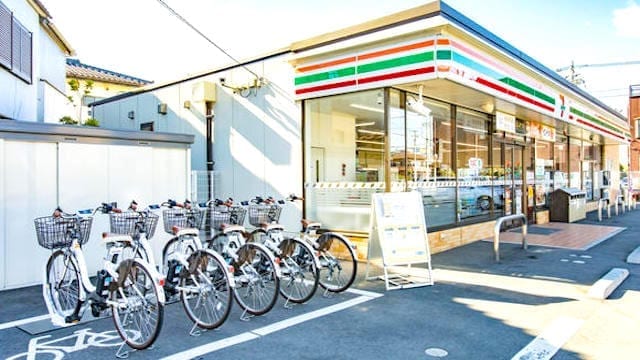
    Bicycle hubs are being rolled out at 7-Eleven Japan outlets in a partnership with the Hello Cycling bike-sharing business.

    The convenience store parent Seven & I Holdings has partnered with Hello Cycling, launched last year by tech company SoftBank Group and its subsidiary OpenStreet. Customers can rent and return bikes at the special 7-Eleven parking lots.

    So far the service is available at nine 7-Eleven locations in Saitama, north of Tokyo, with plans to have 5000 bicycles available at 1000 stores in the Tokyo metropolitan area and other cities by the end next year. There are about 20,000 7-Eleven stores throughout Japan.

    Hello Cycling members can search for bike-share stations and reserve bicycles via smartphone. If they register a transportation smart card, they can pick up bikes on the spot without a reservation. Payment can be made by credit card without entering the store, and bikes can be returned at any participating location.

    In February, 7-Eleven partnered with the Docomo Bike Share service, run by wireless carrier NTT Docomo, making about 150 bicycles available at 32 stores in Tokyo and elsewhere. The partnership will continue alongside the SoftBank service, which follows the Japanese debut of China’s Beijing Mobike Technology in August, with rival Ofo preparing to follow suit.

    Mercari, a Tokyo-based flea-market app company, also plans to break into bike-sharing early next year.

  • L’Occitane growth and China’s contribution

    L’Occitane growth and China’s contribution

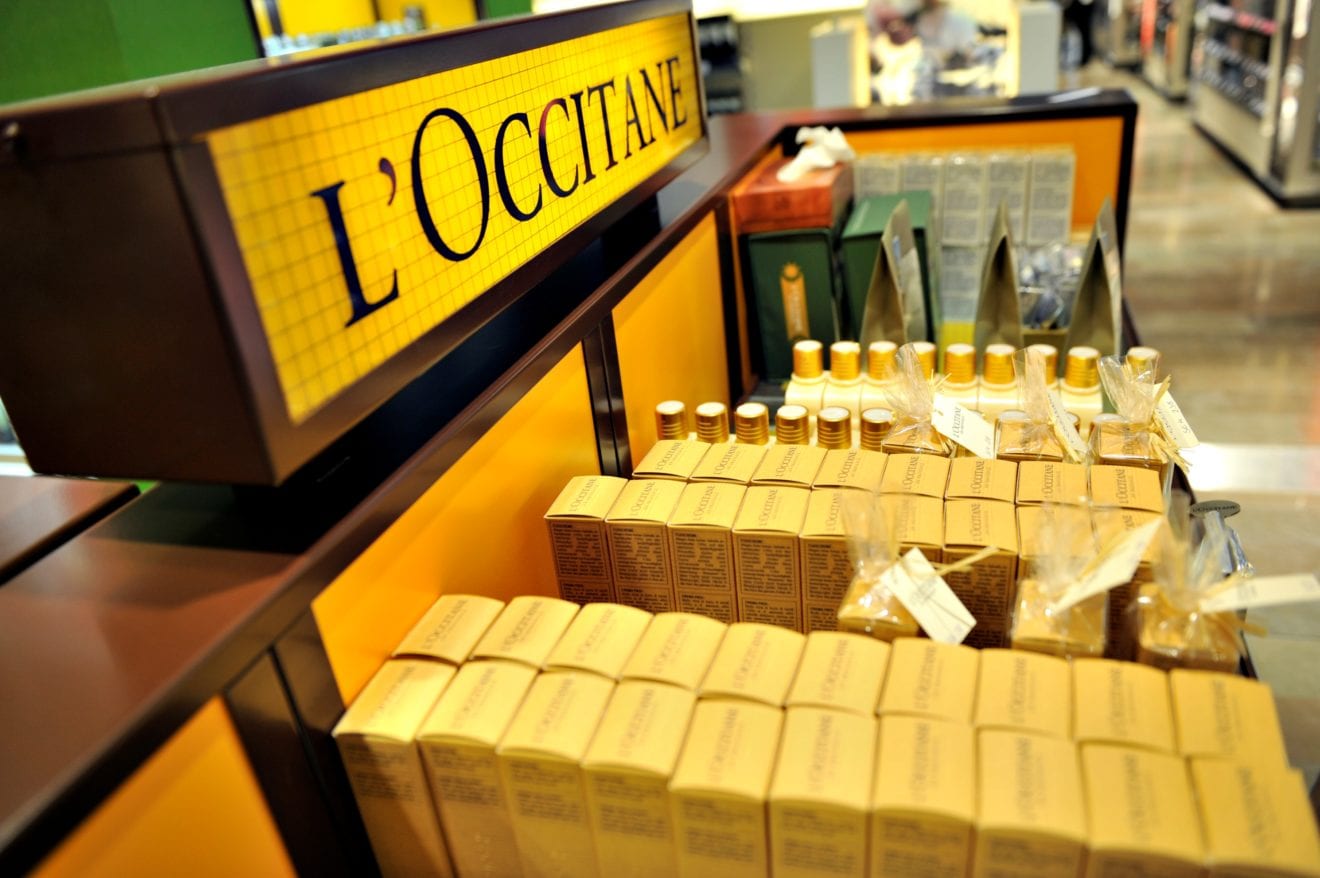
    China was among the fastest-growing markets for cosmetics and wellbeing products group L’Occitane International for the six months to September 30.

    Along with Japan and Hong Kong, it was among the key contributing countries to overall growth.

    China’s net sales rose 18.2 per cent year on year to €60 million (US$70 million), the group’s interim results show. At constant exchange rates, the growth was 22.7 per cent, driven mainly by same-store sales growth of 15.8 per cent. As well as the recovery of China’s retail market, the company says a marketing campaign featuring Chinese artist Lu Han continued to draw traffic both online and offline.

    T-mall sales continued to grow at triple digits and were ahead of plan, and B2B also delivered an excellent performance thanks to growing orders from independent hotels and the Shangri-La chain, says L’Occitane.

    In Hong Kong, net sales edged up 0.4 per cent to €51.1 million (2.6 per cent at constant exchange rates), growth being driven mainly by the travel retail channel. As well as duty free, this included airlines in China and Japan.

    The retail market was still sluggish, and two underperforming stores were closed. There were also some temporary closures for renovations.

    Hit by typhoons

    Typhoons forced store closures in Japan, where net sales fell 4.8 per cent (1.8 per cent at constant exchange rates) to €99.4 million. Same-store sales growth was 1.4 per cent. However, e-commerce showed low double-digit growth. Melvita remained the growth engine in Japan with new stores. At the end of September, Japan had 30 Melvita outlets.

    Same-store sales deteriorated by 7.9 per cent from the first quarter for Taiwan, where net sales for the six months dropped 3.6 per cent (71 per cent at constant exchange rates) to €15.3 million.

    “Retail sales were hindered by the less-generous summer promotion offered by department stores, a couple of mediocre launches and the timing difference in anniversary sales in department stores,” says L’Occitane.

    Nonetheless, sales of skincare products stayed strong, in particular the Immortelle and Reine Blanche ranges.

    Overall, despite a challenging retail backdrop, group net sales were €548.2 million, down 0.6 per cent (up 1.1 per cent at constant exchange rates), with like-for-like sales growth 2.3 per cent.

    Gross profit margin reached 82.8 per cent, 0.6 points higher, while operating margin fell by one point, mainly because of currency exchange headwinds. Profit for the period ended at €10.7 million.

    During the year the company disposed of Le Couvent des Minimes, and excluding this and a one-off deal for L’Occitane au Brésil in September last year, the group’s sales grew by 2.3 per cent at constant rates and 0.5 per cent at reported rates.

    Retail locations increased from 3037 at the end of March to 3104 as at September 30, while the group increased its own retail stores from 1514 to 1519.
  • Kendrick Lamar’s ‘DAMN.’ pop-up travels to Asia

    Kendrick Lamar’s ‘DAMN.’ pop-up travels to Asia

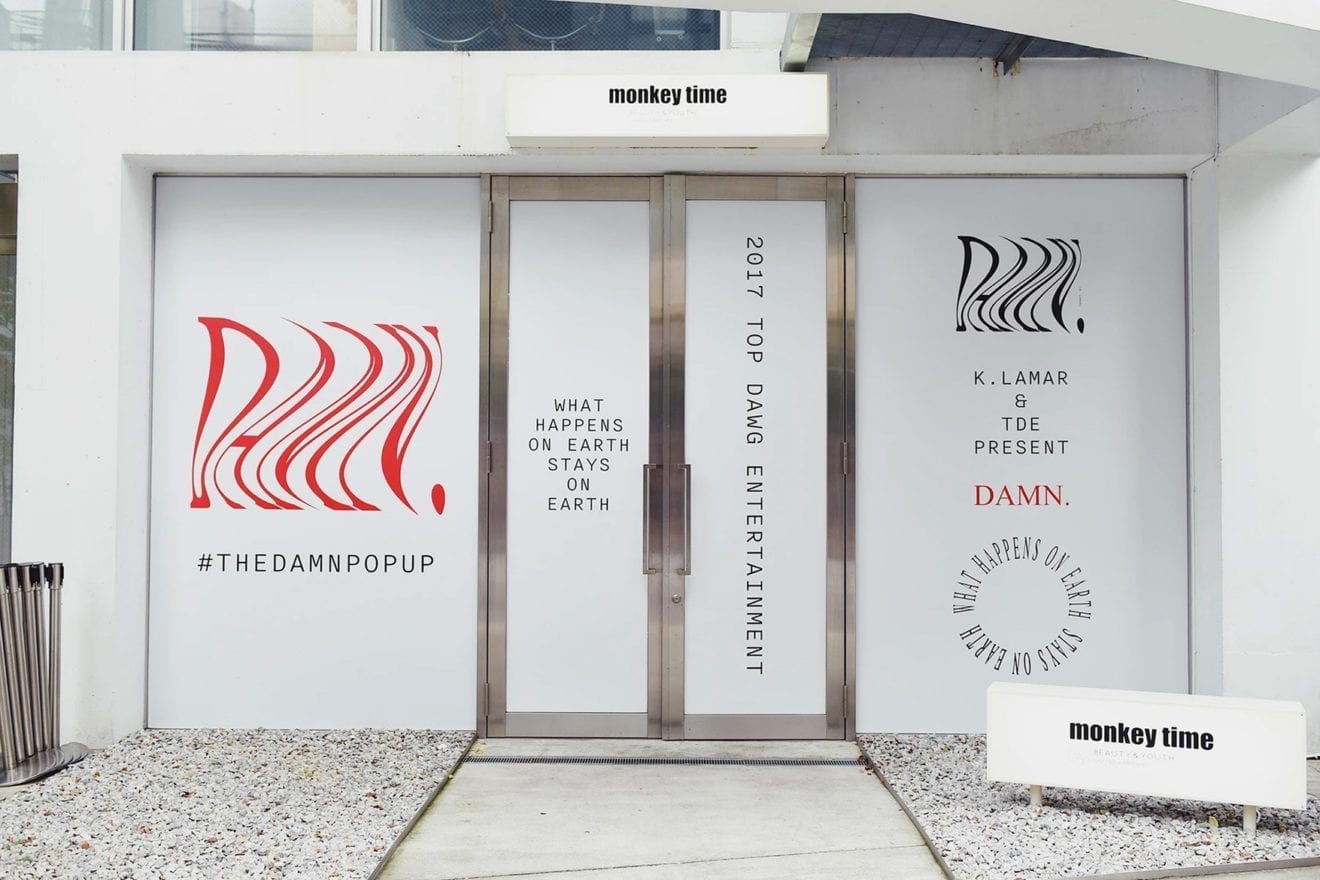
    After hitting 17 cities across North America, Kendrick Lamar‘s DAMN. pop-up tour heads to Asia. First stop: Tokyo, Japan, at monkey time‘s flagship store in Harajuku.

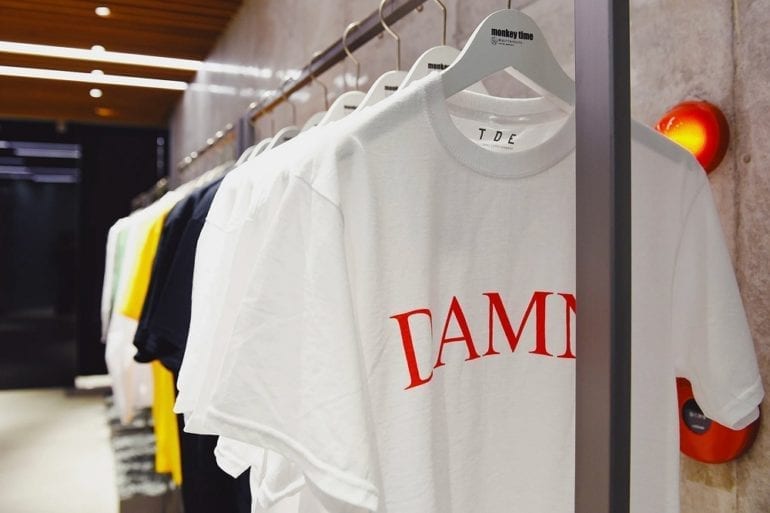
    Monkey time’s clean neutral interior was filled with vibrantly-hued DAMN. merch pieces such as lime green and yellow T-shirts, burgundy hoodies, and a range of streetwear staples in essential black, white and grey colorways.

    The product designer Jide Osifeso joined the opening of the pop-up  and shared bit more about the DAMN. collection.

    The DAMN. Tokyo pop-up took place at monkey time’s Harajuku location from 18 TO 19 November 2017, and it will travel to monkey time’s Osaka store on 26 November  2017.

    The product designer explained how this pop-up is aimed to bring the damn stuff to the fans who were not able to see the shows, especially people in Asia with the first one being in Tokyo. The pop-up will travel to Korea next and China afterwards.

    The graphics are all inspired by the music. The album has so many layers and textures.

    It is easy to draw inspiration from Kendrick and there is so much depth to everything he does.  What the merch was going to look like and how it would be represented is the result of a close collaboration. It is an easy process when you have the kind of music that Kendrick makes.

    Jide Osifeso’s favourite piece is the “Pray For Me” t-shirt, more specifically,  the “Nobody Pray For Me” verbiage throughout the album and how it was done.

    “At the live show”, Jide explains, “it really translates because there’s this echo of different people saying “Nobody Pray For Me” between two songs in the set. That’s just really gripping and amazing”.

  • Japan’s FamilyMart to go to Outer Space

    Japan’s FamilyMart to go to Outer Space

    Japan’s FamilyMart is going to great heights for promotion – in fact, as far as space.

    The Japanese convenience store franchise is joining airline JAL as a sponsor for an artificial “shooting star” project that involves a satellite dropping pellets that will make a display as they burn up on re-entering the atmosphere.

    It will be a world first produced by Ale, a company founded and run by former investment banker and mother-of-two Lena Okajima, who has a PhD in astronomy. A trial run of its satellite will likely be held in 2019 over the Setouchi (Seto Inland Sea) area of Hiroshima prefecture.

    Its pellets will be designed to burn brighter and longer than natural shooting stars in a colour of the client’s choosing. The display, lasting between five and 10 seconds, will be visible within a 100km radius.

    For its “Shooting Star Challenge”, a satellite will be placed in orbit about 500km above Australia. From there it will release pellets toward Japan. These will take about 15 minutes to fall to a height of 60km above Setouchi and begin to burn. This part of Hiroshima was chosen as the test site for its popularity, scenery and clear skies.

    A single 60cm satellite is expected to hold up to 400 pellets, which it is hoped will last until the end of the craft’s year in orbit. As well as providing a pyrotechnic display, the project will also gather data on upper-atmosphere physics.

  • Owndays Philippines opens flagship store in Manila

    Owndays Philippines opens flagship store in Manila

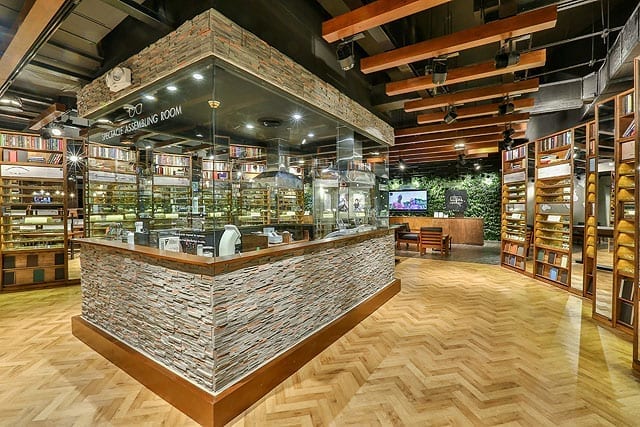
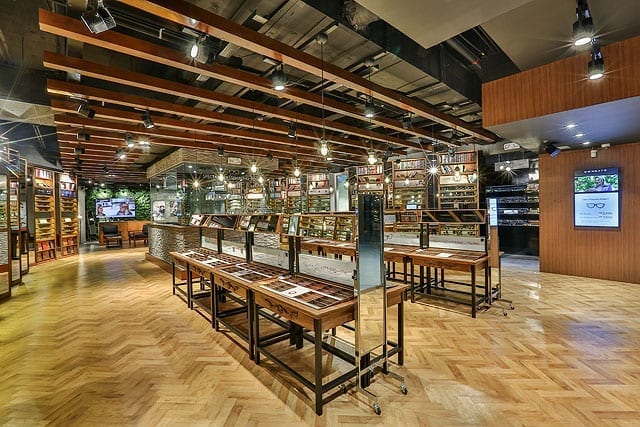
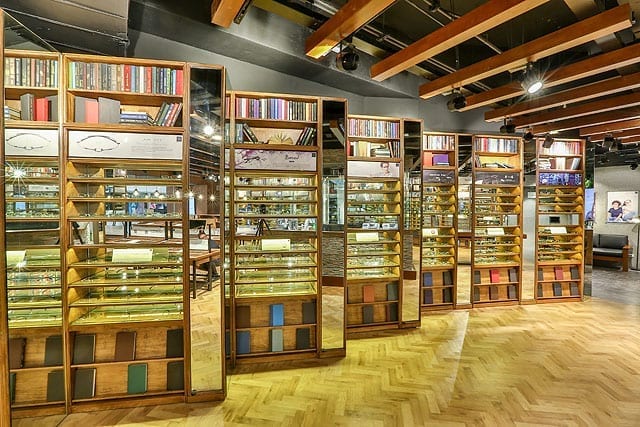
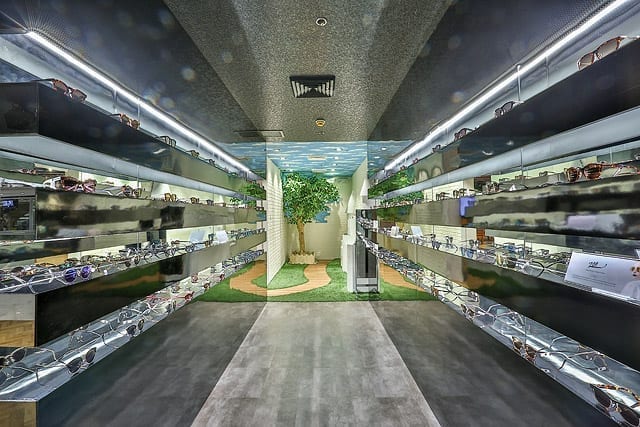
    Owndays Philippines has opened its largest optical shop yet, at SM Megamall in Manila.

    With 1500 frames to choose from, the Japanese eyewear retailer can provide prescription glasses in 20 minutes.

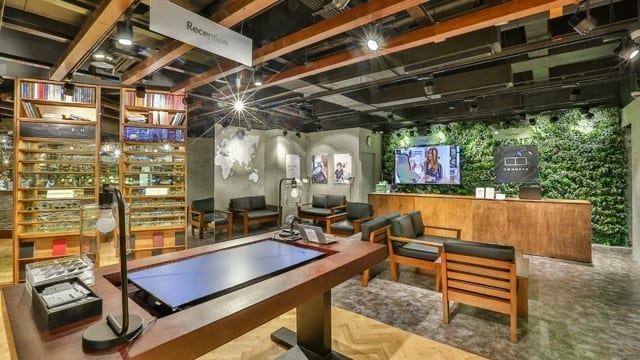
    Its 280sqm flagship has a children’s department featuring the Junni brand. With its open module system, it is easier to try on glasses. Its pricing model is simplified, being inclusive of frames, ultra-thin multi-coated lenses and the eye examination. All products come with a warranty and lifetime cleaning and maintenance services.

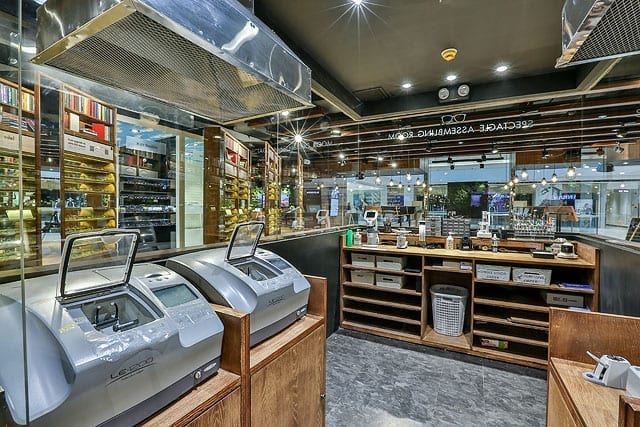
    Owndays SM Megamall also has three refraction rooms for eye tests (there are usually two), and as well as the spacious shopping area offers a lounge. At the shop’s centre is the space where spectacles are assembled.

    Owndays has 21 outlets in the Philippines, with six scheduled to open soon.

  • Shiseido Group brand role for Felicity Jones

    Shiseido Group brand role for Felicity Jones

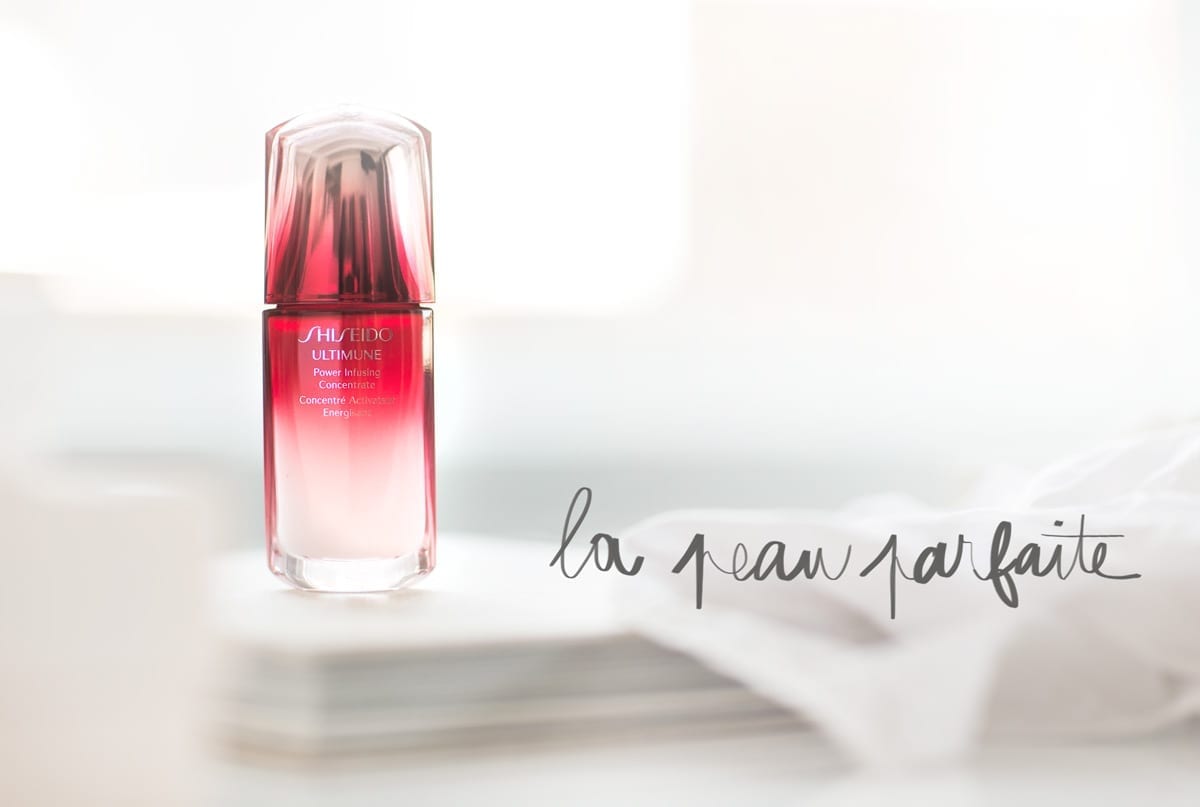
    Academy Award-nominated English actress Felicity Jones has been appointed the new face of the Shiseido Group’s luxury skincare and cosmetics brand Cle de Peau Beaute.

    Her debut will be in a campaign to launch in January shot by British photographer David Sims.
    “Felicity is aspirational, yet highly relatable, which makes her the ideal face of Cle de Peau Beaute,” says brand director Yukari Suzuki. “She embodies the brand’s DNA: intelligent, uncompromising and exquisite.”

    Jones is best known for her role opposite Eddie Redmayne in James Marsh’s The Theory of Everything, which saw her nominated for four awards. Most recently, she led the cast of Rogue One: A Star Wars Story. The Oxford-educated actress stars next in the title role of a Ruth Bader Ginsburg biopic, On the Basis of Sex, focusing on the Supreme Court justice’s career struggles fighting for equal rights.

    “It’s important to me that my values align with any brand I’m affiliated with,” says Jones. “Cle de Peau Beaute made it clear they approached me because of my principles and dedication.”

    Her spring/summer campaign was shot over two days in London and will be featured globally in print and online, and Jones will attend exclusive launch events internationally.

    Cle de Peau Beaute means “the key to skin’s beauty”, and the Japanese brand is available in 13 countries including China, Hong Kong, Indonesia, Malaysia, Singapore, South Korea, Taiwan, Thailand and Vietnam.

  • A new multi-concept Japanese gourmet hall opens at Changi Airport Terminal 2

    A new multi-concept Japanese gourmet hall opens at Changi Airport Terminal 2

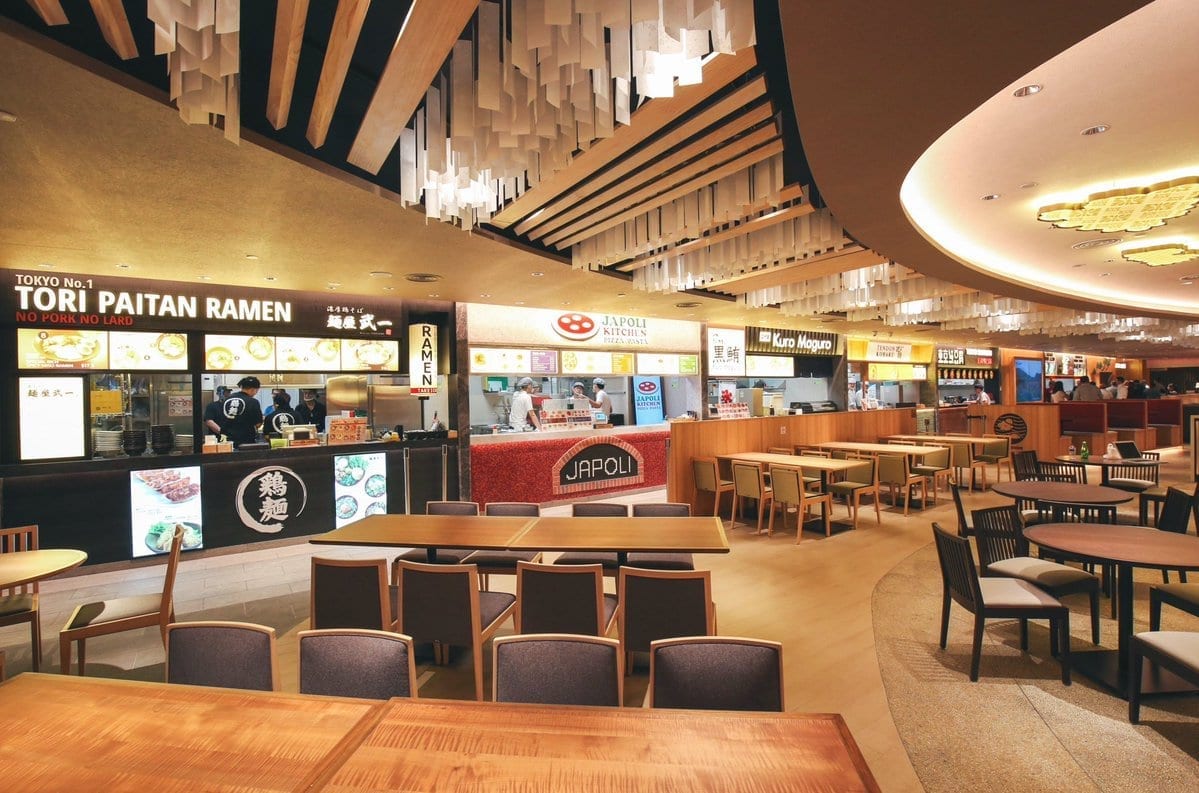
    Modelled after airline lounges, the Sora Japanese gourmet food hall opens at Changi Airport’s Terminal 2 today.

    Combining two concessions, the 7760sqft (720sqm) space seats about 300 diners and is the largest restaurant across the four terminals at the airport.

    At the public area on Level 3, the dining enclave houses six Japanese restaurant brands that serve up ramen, sashimi, okonomiyaki and Nippon-inspired desserts and beverages.

    Tendon Kohaku_Kohaku Tendon (Original)

    Sora, which is Japanese for “sky”, marks the first time that ANA Trading, a subsidiary of Japanese airline All Nippon Airways, has opened a food hall outside of Japan.

    “This is part of the company’s strategy to expand in Southeast Asia region,” says ANA Trading project director Kazuhiro Nakao, who is also director of SG Retail Partners, which is running the food hall in a JV with ANA Trading and Komars Group.

    Of the six restaurants in Sora, two are new-to-market brands: Japoli Kitchen and Tsuruhashi
    Fugetsu. From Osaka, Tsuruhashi Fugetsu is an okonomiyaki chain while Japoli Kitchen offers Italian/Japanese fusion cuisine.

    Tsuruhashi Fugetsu_Mix Yakisoba

    The other four restaurants are Tokyo chicken ramen chain Menya Takeichi, Kuro Maguro, which features fish flown in daily from Japan, tempura outlet Tendon Kohaku, and Tokyo Sundubu, which serves Korean stew.

    Sora Bar offers desserts and beverages including Hokkaido milk ice cream, sake and cocktails.
    Diners can order from any of the restaurants and bar to eat at the shared seating area.

    Sora offers both booth and tatami seating, and tables are fitted with charging points for mobile devices. There is also an interactive Kids’ Corner complete with a playground and television screen.

  • Richemont’s half-year is good in APAC

    Richemont’s half-year is good in APAC

    Asia Pacific sales accounted for 39 per cent of group sales for Swiss luxury-goods holding company Richemont for its half-year to September 30.

    Sales in Asia Pacific rose by by 25 per cent, with double-digit growth in most markets led by Mainland China, Hong Kong, Korea and Macau. While all product categories saw growth, the unaudited figures show jewellery and watch sales were particularly strong year on year, with watches benefiting as no inventory buy-backs were needed as in the previous year.

    For Japan, the 7 per cent rise in sales was driven by higher domestic and tourist spending, which benefited from a weaker yen. Jewellery and watches led sales growth, partly supported by the reopening of the Cartier flagship store in September last year and new flagships for Piaget (November) and Van Cleef & Arpels (April), all in Ginza.

    Overall, group sales rose by 10 per cent at actual exchange rates to €5.6 billion (US$6.5 billion) and by 12 per cent  at constant exchange rates. Excluding the previous year’s inventory buy-backs, sales increased by 8 per cent at constant exchange rates.

    Operating profit expanded by 46 per cent to €1.1 billion, with profit for the period up 80 per cent to €974 million.

    Gross profit increased by 13 per cent, representing 65.4 per cent of sales. The 190-point margin increase was mainly because of the non-recurrence of inventory buy-backs and improved manufacturing capacity absorption, says Richemont.

    Profit grew by 80 per cent to €974 million, mainly reflecting the higher operating profit and a €181 million reversal in net finance income.

  • Longchamp opens the biggest store in Asia

    Longchamp opens the biggest store in Asia

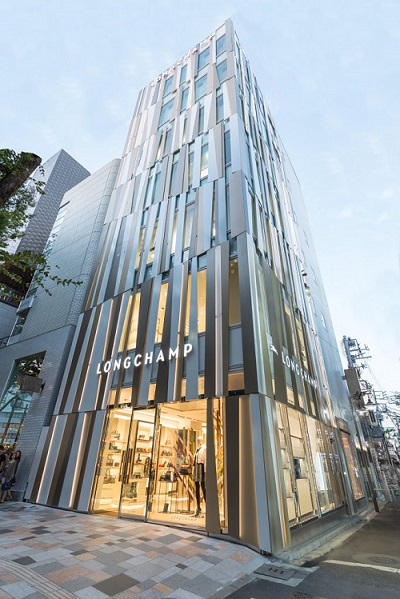
    French leather goods brand Longchamp officially opened its biggest Asian store in Tokyo in October 2017. The move signals a move to attract more Japanese clientele to the Parisian brand, as well as tourist shoppers visiting Japan.

    Dubbed ‘La Maison Omotesando’, the Japanese flagship store is located on Tokyo’s prestigious Omotesando Avenue. Standing 35 metres high and covering 500 square metres of retail floor space, the Asian flagship opened to much fanfare 19 October 2017, with the attendance of French actress – and Longchamp fan — Audrey Tatou.

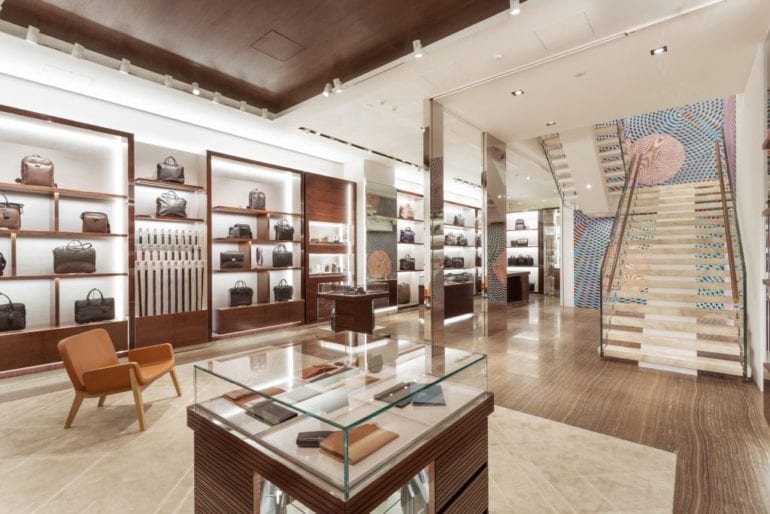
    Inside, the Tokyo store sells Longchamp’s complete range of leather goods and handbags, as well as footwear, women’s fashion and menswear, the latter a collection-first for the Japanese market, which is located on the basement level of the multi-level store.

    Longchamp opens in ‘Maison Omotesando’ in Tokyo, biggest Asia store yet 2
    Source : prestigeonline.com

    In time for the new store launch, the luxury leather goods company unveiled its ‘Intempor’elle’ collection too. The autumn 2017 collection is composed of ready-to-wear pieces, handbags and boots. Key items include an updated two-tone Pénélope bag, studded and panther-print calf fur versions of the iconic “Mademoiselle Longchamp” messenger, and a clutch sporting a winged-horse motif.

    Speaking at the opening, Jean Cassegrain, Longchamp managing director, said the store will serve as a showcase of the brand’s way of life and collections.

    “This strategic and attractive store, which will serve as a showcase for our brand and our craftsmanship, allows us to welcome more Japanese clientele, but also tourists from across the globe, with whom we will have the pleasure of sharing the French way of life, and the creativity and quality of our collections,” said Cassegrain.

    With 210 sales points in Asia, the Asia market represented 28 percent of Longchamp’s total revenues in 2016.

    Founded in 1948, the Paris brand is sold in 80 countries across 1,500 sales points globally. This includes namesake stores and franchises, department store counters, leathergood retailers, airport concessions and online stores. The firm directly operates 300 stores worldwide.