Tag: Japan

  • Nissan’s October passenger car sales in Japan likely halved amid scandal

    Nissan’s October passenger car sales in Japan likely halved amid scandal

    Nissan Motor said Japan sales of new passenger vehicles probably fell by half in October from a year ago after the discovery of improper final inspection procedures at its domestic plants caused it to suspend some production.

    The Japanese automaker found last month that uncertified technicians had been carrying out final inspections of vehicles for decades. That has prompted it to recall 1.2 million vehicles, including all passenger cars it produced for sale in Japan over the past three years.

    The plants will resume production once the final inspection procedures have been brought in line with transport ministry requirements and the ministry has approved the measures, a spokesman for the automaker said.

    Nissan has completed those measures at one of its assembly plants and expects to have made similar changes at five other plants by the end of the week, he said.

    Tightened procedures will mean only certified inspectors will be allowed into the final inspection area, and there will be regular checks that inspections are carried out properly.

  • DJI Arena about to take off in Japan

    DJI Arena about to take off in Japan

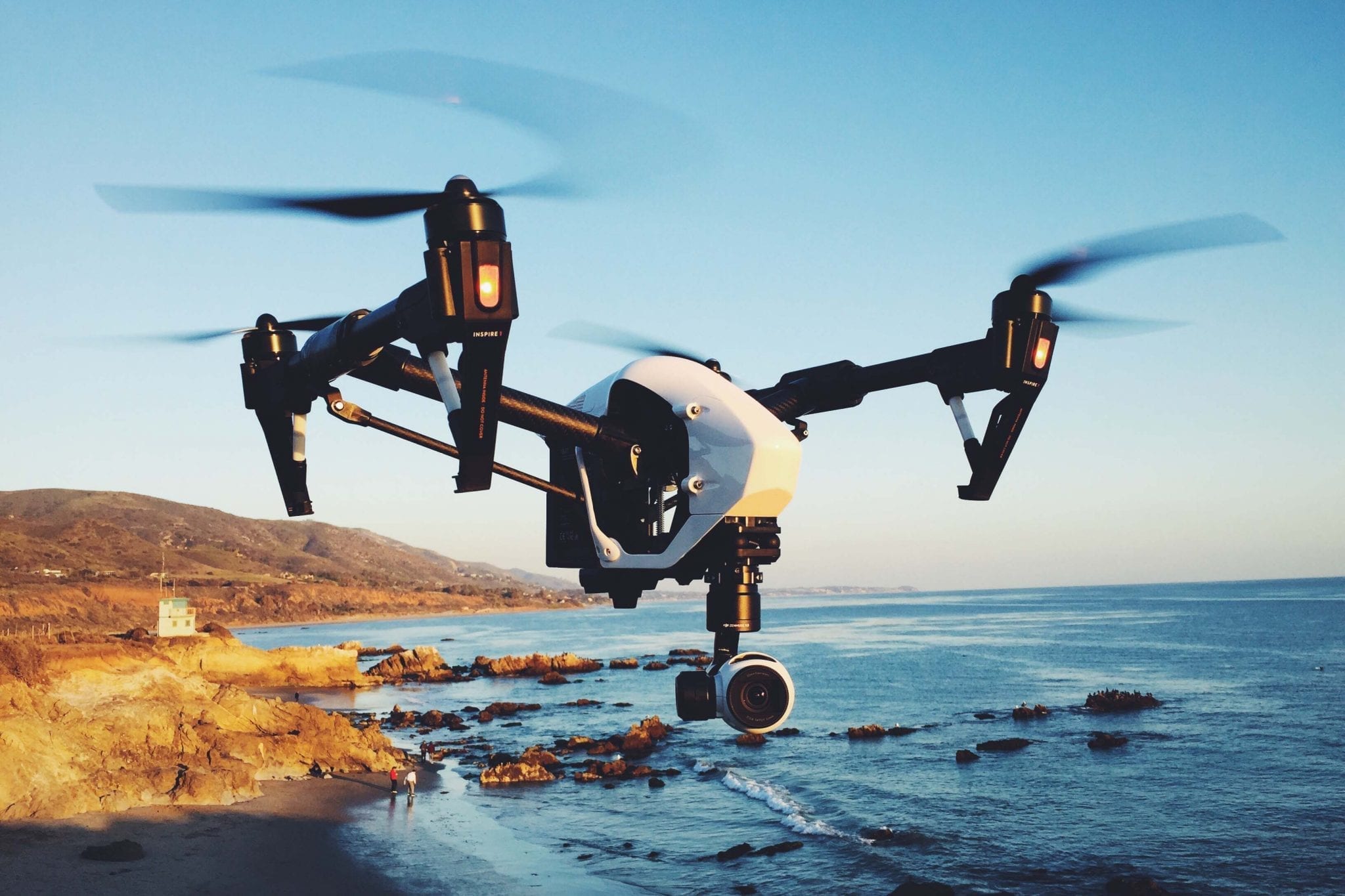
    DJI Arena by JDrone Tokyo will launch on Saturday, introducing the Chinese retailer of civilian drones and aerial imaging technology.

    It is not only a store, but also offers technical support and even a flying area in its 535sqm arena, to be managed by authorised dealer Japan Circuit in partnership with DJI Japan.

    For customers who want to test their skills, the flying area has safety nets and an adjustable circuit, while the retail space will showcase DJI’s full range of consumer, professional and enterprise products.

    “As interest around our aerial technology continues to grow, the DJI Arena concept is a new way for us to engage not just hobbyists but also those considering this technology for their work,” says DJI director of brand management and operations Moon Tae-Hyun.

    “Having the opportunity to use the remote controller and try out the technology first hand can enrich the customer experience. When people understand how it works or how easy it is to fly, they will discover what the technology can do for them.”

    As well as individual and group bookings, the DJI Arena will be available for corporate events, serve as a venue for DJI’s New Pilot Experience Program and host workshops.

    Since opening last year, DJI’s first arena, in Yongin, South Korea, has been attracting hobbyists and drone enthusiasts from around the world.

    The Tokyo arena is in Katsushika-ku, Hosoda.

  • Why Bitcoin Traders are Moving From China to Japan; Better Regulations

    Why Bitcoin Traders are Moving From China to Japan; Better Regulations

    This article was posted on Thursday, 21:10, UTC.

    It has been less than two weeks since the nationwide ban on Chinese bitcoin exchange ban was finalized and already, bitcoin traders in the Chinese market are already moving to Japan.

    OKCoin and Huobi, two of the largest bitcoin exchanges in China that have been responsible for around 75 percent of bitcoin trades in the Chinese market, were given leeway by local financial regulators to operate until the end of October. That means, Chinese traders have at least a month to close their accounts, move their funds and search for other ways to trade bitcoin.

    But, almost immediately after leading bitcoin exchanges in China announced their plans to halt their operations in the upcoming weeks, Chinese traders migrated to neighboring markets in Asia: Japan and South Korea.

    Prior to the imposition of a nationwide ban on Chinese exchanges, the Chinese bitcoin exchange market accounted for around 10 to 13 percent of global bitcoin trades. At the time of reporting, South Korea has overtaken the Chinese market in terms of bitcoin trading volume, becoming the third largest bitcoin exchange market in the world and evolving into a powerhouse within the global cryptocurrency sector.


    Today, the Chinese bitcoin exchange market accounts for less than 5 percent of global bitcoin trades and in four weeks time, China’s bitcoin exchange market will have no trading activity at all.

    Despite the short-term impact of China’s crackdown on bitcoin exchanges, many experts including billionaire early-stage investor Tim Draper have viewed the exit of the Chinese market from the global bitcoin exchange market as a positive event, mostly because the Chinese government does not have any leverage to work with to potentially manipulate the bitcoin market or lower the value and the market cap of bitcoin.

    Essentially, the Chinese government has used the last card in the deck in imposing a nationwide ban on bitcoin trading platforms and it has finally run out of leverage against the global bitcoin market. That provides a positive precedent and future for bitcoin price development and long-term health of the bitcoin market. In months ahead, the bitcoin market will demonstrate increased stability and distribution. As Draper noted:

    “The deadwood of the Bitcoin ecosystem is leaving now. Our faith in the crypto economy will be well rewarded.”

    More importantly, it is beneficial for the long-term health of the global bitcoin market that trading volumes from China are moving to Japan and South Korea, two countries that have the most practical and efficient regulatory frameworks for both bitcoin investors and businesses. Earlier this year, the Japanese government fully eliminated double taxation on bitcoin and legalized bitcoin as a payment method. Deloitte’s annual tax report read:

    “The supply of virtual currency will be exempt from Japanese Consumption Tax (“JCT”). Currently, virtual currencies such as Bitcoin do not fall under the category of exempt sales, and as a result, the sale of virtual currencies in Japan have been treated as taxable for JCT purposes. Following the enactment of the amended Fund Settlement Law in May 2016, which newly defined “virtual currency” as a means of settlement, the sale of virtual currency as defined under the new Fund Settlement Law will be exempt from JCT. This change will apply to sales/purchase transactions performed in Japan on or after 1 July 2017.”

    Consequently, large-scale multi-billion dollar technology and financial conglomerates have emerged in the Japanese bitcoin exchange market and industry. GMO, a major Japanese technology company, has already launched a trading platform for institutional investor and established a manufacturing line to create bitcoin ASIC miners and other mining equipment.

    In the upcoming months, an increasing number of institutional investors and retail traders in Japan and South Korea will drive the price of bitcoin to all-time highs. Bitcoin trading volumes and market cap will likely be high than ever before, all due to the swift recovery of the global bitcoin market and the exit of an unstable bitcoin exchange market.

  • Lotte sells Burger King Japan to Affinity Equity

    Lotte sells Burger King Japan to Affinity Equity

    Affinity Equity Partners of Hong Kong has bought Burger King’s Japanese business from South Korea’s Lotte Group for an undisclosed sum.

    A new entity set up by Affinity, Burger King Japan Holdings, is expected to take over the roughly 100 fast-food outlets next month, reports Nikkei Asian Review.

    The US burger chain had pulled out of Japan in 2001 following poor earnings, but re-entered the market in 2007 when Lotte and Japan-based Revamp bought the franchise and ran it as Burger King Japan. Three years later the business was transferred to Lotte subsidiary Lotteria.

    Meanwhile, rival McDonald’s has maintained leadership in the market despite a slowdown and store closures in the past few years, pushing Burger King to seek a new approach.

    Affinity bought the Burger King South Korean franchise last year from VIG Partners for US$170 million. Meanwhile, Affinity is raising $5 billion for its fifth fund, which exceeds its $3.8 billion fund in 2013.

  • Mattress retailer launches in Japan

    Mattress retailer launches in Japan

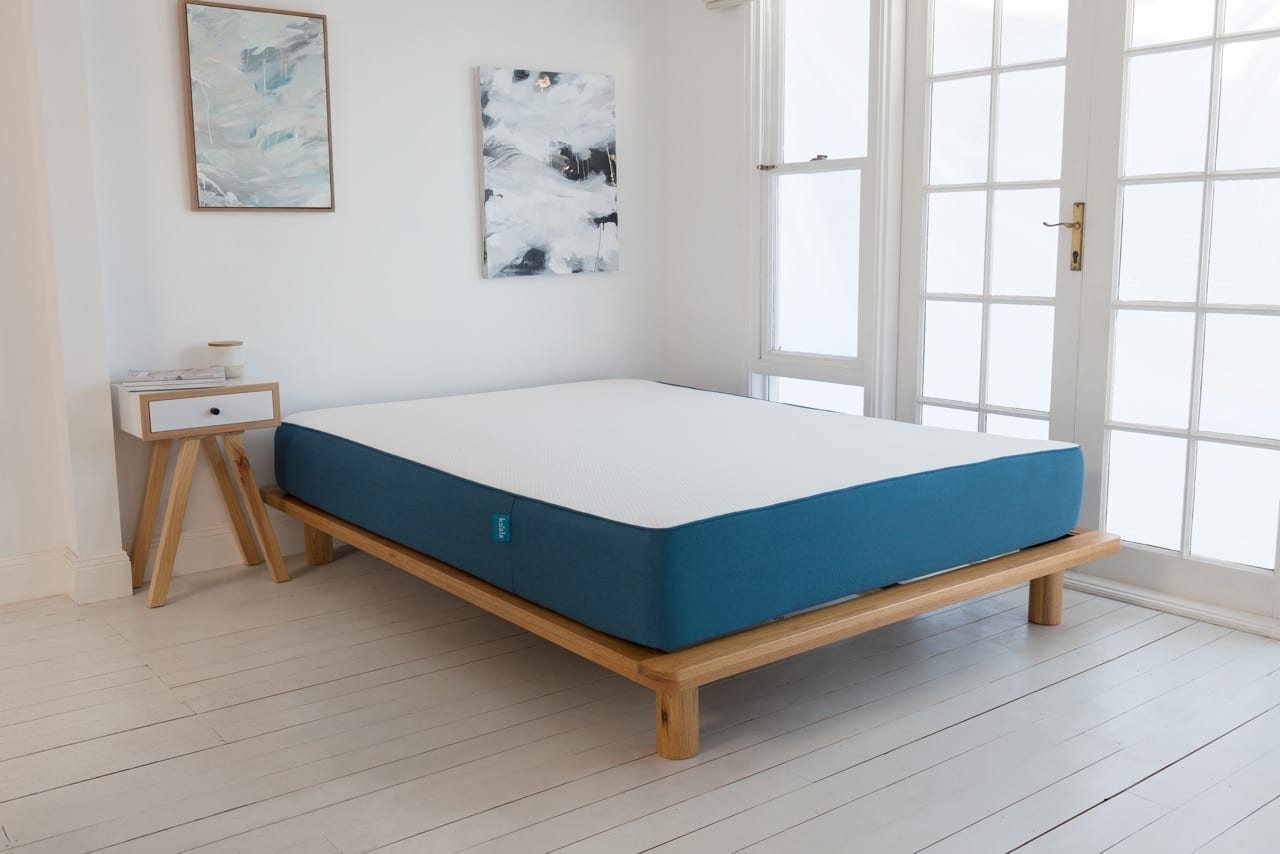
    Online-only mattress company, Koala, is making headway in Asia, with the company recently launching in Japan.

    This brings Koala’s global footprint up to three international markets, following the company’s launch in Hong Kong in February and New Zealand last year.

    Operations in Japan have been “up-and-running” for at least two weeks, according to Koala’s head of communications, Matthew Overington.

    “We launched the website, we’re making sales and fulfilling orders. The response has been positive so far,” he told.

    Overington said the Japanese site has almost the same volume of traffic – but not sales – as Koala’s other markets, including Australia.

    “It’s early days, so we’re ramping up,” he said.

    The company, which is led by a local country manager, currently offers next-day delivery to customers across Japan and is actively working to make faster delivery possible.

    Koala’s signature four-hour delivery service will likely launch in Tokyo to start, with expansion into other major cities later this year, according to Overington.

    The move was funded by a recent $10 million investment from Silicon Valley-based debt financier Partners for Growth.

    This marks the first outside investment in Koala, since Australia cricket captain Steve Smith provided an undisclosed amount of seed money in 2015.

    Besides growing the business in Japan, Koala plans to use the $10 million Series A funding round to enter new markets and expand the range of products it offers beyond mattresses and pillows, to include linens and furniture, such as bed bases.

    “Basically we’re looking for the next stage of growth for the business,” Overington said of the investment.

    “We solicit funding to accomplish the next round of business goals and it’s tested against our performance and vision for the future…[Funding] is off the back of strong confidence that we’re on the right track.”

    This is largely thanks to Koala’s data- and research-driven approach, according to Overington. For instance, the company didn’t just take the same mattress it sells in Australia to the Japanese market. It designed a new, slightly firmer mattress specifically to appeal to Japanese consumers’ sleep preferences.

    “Everything we do is research-led. We think very carefully about the nuances of each market,” he said.

    Some nuances, however, are hard to predict. Overington noted that consumers in Japan have made far fewer customer service calls than consumers in Australia did at launch.

    Perhaps it’s a cultural difference, or representative of the fact that we have all the information they’re looking for on the site,” he suggested.

  • SoftBank goes live with eSIM management platform

    SoftBank goes live with eSIM management platform

    Japan’s SoftBank has gone live with Gemalto’s On Demand Subscription (ODC) remote subscription management platform to allow customers to directly connect their eSIM-enabled secondary devices to the operator’s mobile network.

    SoftBank users will be able to take advantage of direct internet connectivity for eSIM-enabled smart watches, wearables and other secondary devices without the need to tether them to a smartphone.

    SoftBank arranged in April to adopt the Gemalto platform for both consumer and industrial IoT devices.

    Gemalto said it expects eSIM to become the default identification module for all cellular IoT devices. The vendor has to date delivered more than 50 eSIM subscription management servers for both consumer and M2M applications to mobile operators in Asia, Europe and North America.

    In the consumer space, the company has partnerships with OEMs including Samsung, Limmex, Microsoft and Lenovo. The vendor is currently the only fully GSMA security accreditation scheme-subscription management (SAS-SM) certified supplier.

  • Travel focus in Uniqlo’s Wherever You Go campaign

    Travel focus in Uniqlo’s Wherever You Go campaign

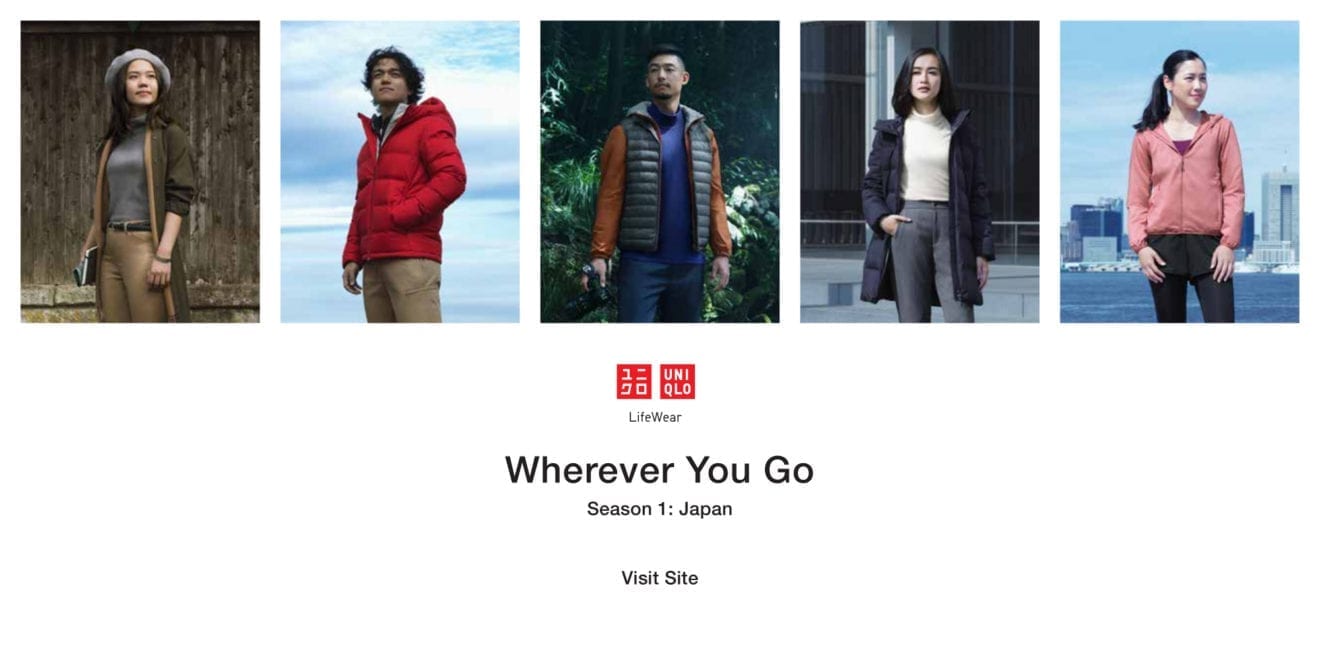
    Recognising the growing interest in travel in Southeast Asia, Japanese fashion brand Uniqlo has introduced a Wherever You Go campaign featuring short films of ordinary people having extraordinary travel experiences around Japan.

    Featuring key pieces from its latest collection, the films aim to inspire people to immerse themselves in new cultures and novel experiences, and highlight how Uniqlo LifeWear suits travel and adventure in varied climates and destinations.

    “The campaign tells the story of what LifeWear is about – apparel that never stops evolving because life never stops changing,” says Uniqlo Asean marketing director Masahiro Endo.

    Starting today, season one of the campaign features five travellers from Southeast Asia who share their experiences and inspirations around the cities of Japan.

    For the campaign’s second season, Uniqlo is running a contest to find people to feature in the movie. Entry is by sharing travel photos, stories or inspirations on Instagram. The prize is an all-expenses-paid, four days/three nights’ trip to Tokyo for two worth US$5000. The contest runs until November 30.

  • AirAsia Japan to launch operations on 29 October

    AirAsia Japan to launch operations on 29 October

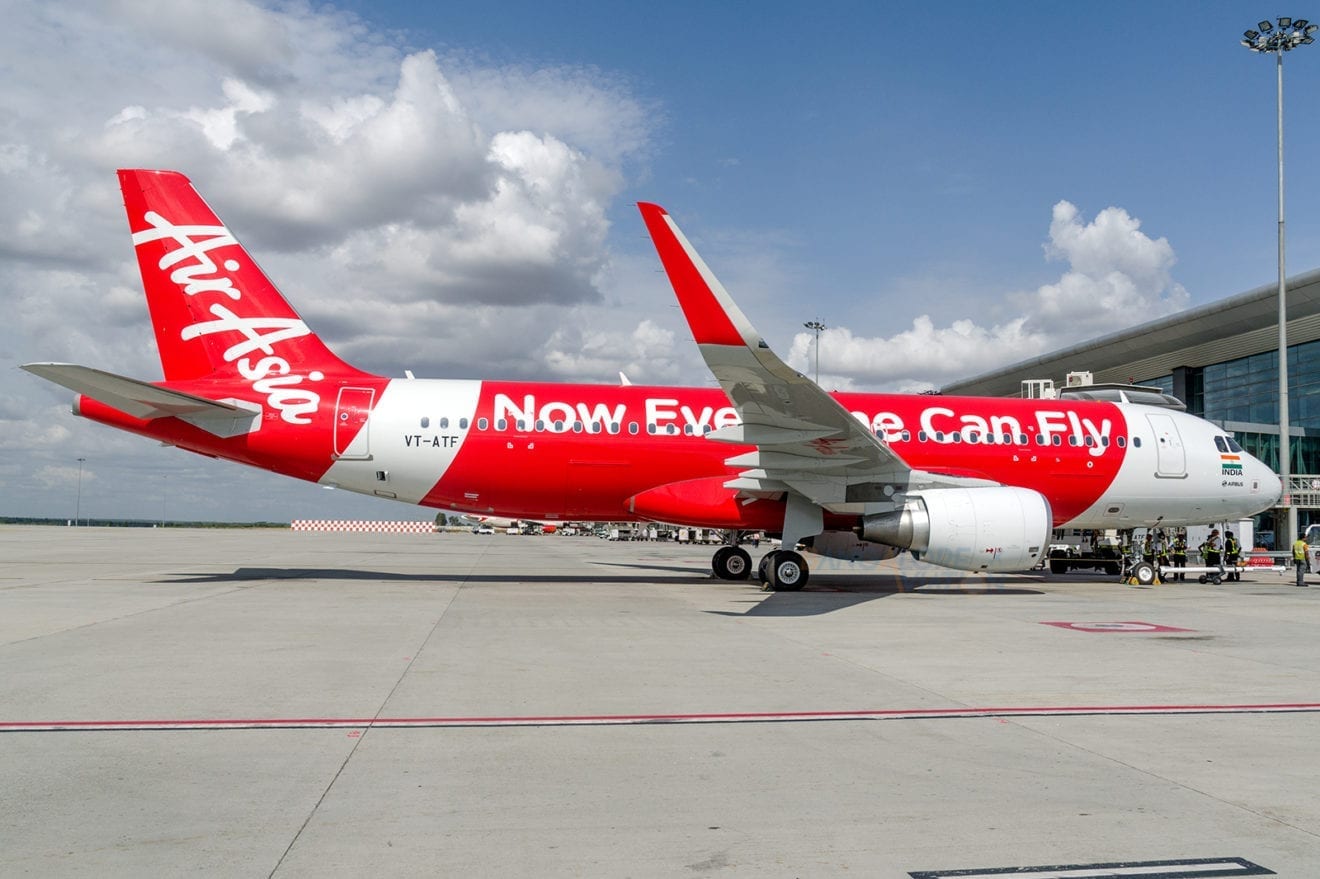
    The reborn AirAsia Japan will commence services on 29 October with a service from its Nagoya hub to Sapporo, two years after receiving its air operator’s certificate.

    The carrier says in a statement that it will operate twice-daily on the route, which FlightGlobal schedules data shows it will compete against five other carriers, including Jetstar Japan, All Nippon Airways and Skymark Airlines.

    “We are honoured to be the first airline to be based in Nagoya’s Chubu Centrair International airport and we are committed to connecting as many guests as possible at low fares to AirAsia’s extensive network, as well as bridging communities and cultures for the benefit of the local economy,” says chief executive Osamu Hata.

    AirAsia holds a 49% stake in AirAsia Japan, while shareholders Rakuten, Octave Japan Infrastructure Fund, Noevir Holdings and Alpen hold the other 51%.

    This is the Malaysian budget carrier’s second attempt into the Japanese market, following the October 2013 breakdown of its joint venture with ANA Holdings. The shell of that first carrier was used to launch Vanilla Air shortly after.

    The new carrier was granted its AOC in October 2015, and had planned to launch services during the northern spring of 2016. The launch was however repeatedly delayed, and Jetstar Japan has in the meantime announced plans to start a base at Nagoya in 2018.

    Flight Fleets Analyzer shows that AirAsia Japan has two Airbus A320s in its fleet.

  • Diesel Ginza re-opens after top-level redesign

    Diesel Ginza re-opens after top-level redesign

    Launched in 2008, the Diesel Ginza store in Tokyo has re-opened after being restyled by the brand’s own design team.

    A showcase for the Italian brand, the store covers three floors at the 12-storey Ginza Glasse shopping mall. The ground floor, which features a gate-shaped LED screen, matches contemporary elements with rustic-inspired props, such as steel fixtures paired with rugs, concrete flooring with wooden ceilings, and antique furniture.

    This floor and the second level offer the full range of men’s and women’s collections of denim, apparel, bags, shoes and accessories.

    On the third floor are areas dedicated to the Diesel Black Gold and Diesel Living collections, set against industrial furnishings and concrete flooring. The Black Gold section has wallpaper as a backdrop, while the Diesel Living features a boombox and wooden planks.

    The store features exclusive pieces such as leather jackets and denim.

  • Toyota plans to halve Japan car models by 2025

    Toyota plans to halve Japan car models by 2025

    Toyota is planning to halve the number of car models it sells in Japan to about 30 by 2025 to focus on more popular models in a shrinking market, a person briefed on the matter told Reuters on Thursday.

    The automaker currently offers about 62 car models in Japan, including the Prius gasoline hybrid and the Aqua compact hatchback, along with less popular ones including the Premio sedan.

    Auto sales in Japan have been falling as the population rapidly ages, while young people are losing interest in car ownership.

    The plans will allow Toyota to make better use of its resources, the person said, who was not authorized to comment on the matter and declined to be identified.

    Toyota spokeswoman Akiko Kita said the company was pursuing a number of strategies to maintain sales at least 1.5 million vehicles annually in a shrinking market. It currently sells around 1.6 million a year.

    Toyota and other global carmakers are concentrating their efforts on developing lower emissions vehicles, including electric cars while also focusing on expanding market share in emerging markets.

  • AirAsia X eyes expansion in China, Japan and South Korea

    AirAsia X eyes expansion in China, Japan and South Korea

    AirAsia X considers North Asia, namely, China, Japan, and South Korea, as its new market for growth, said AirAsia. Due to the scarcity of resources, the long haul budget airline will also be rationalising its routes by reallocating some of the current Australian capacity to its other destinations next year.

    “We have to be very selective of our routes, seeing that our aircraft is limited and we will only get more aircraft next year.

    “Demand is starting to pick up from Thailand and Indonesia, and we believe that the next market of growth will be in North Asia. Kamarudin was speaking after the launch of AirAsia X’s launch of four times weekly direct flights from Kuala Lumpur to Jeju, South Korea.

    AirAsia X CEO Benyamin Ismail targets to achieve a passenger load factor of 80% in 12 months’ time, for the Kuala Lumpur-Jeju route.

    AirAsia is the only airline to operate direct flights to Jeju, from Kuala Lumpur, connecting the island with Malaysia, the rest of Asia, and beyond.

    “South Korea is an important market and we have seen tremendous growth from our existing routes to Seoul and Busan, which will now be complemented by our new service to Jeju, saving our guests the hassle of domestic transit to the island province.

    “This new route will provide additional annual capacity of over 150,000 and will be a significant boost to strengthen business and tourism ties between Malaysia and South Korea,” said Benyamin.

    He added that Malaysia was the second largest tourist market in South Korea, after China.

    An estimated two million passengers travel between South Korea and Malaysia each year.

    The group has plans to increase flight frequencies to Seoul from 14 times weekly to 18 times weekly, beginning December.

    Meanwhile, AirAsia X flight frequencies to Busan shall also be increased from four times a day to five times a day, beginning November.

    The Kuala Lumpur-Jeju route shall commence on December 12, 2017, with promotional all-in fares from RM199 one-way.

    The special promo of all-in fares from RM199 one way on standard seat and RM899 one-way on award winning Premium Flatbed will run from October 10 to October 15, for travel between December 12, 2017 and March 25, 2018, available for booking on airasia.com.

    Jeju Island, also known as the “island of the gods”, is a beautiful volcanic island located 64 kilometres south of the Korean peninsular.

    It is the country’s most popular holiday island, with more than 70% of visitors being domestic travellers seeking out what has become known as the “Hawaii of South Korea”.

  • Wines and spirits contribution to LVMH luxury business

    Wines and spirits contribution to LVMH luxury business

    It has been a bubbly nine months for the LVMH luxury business – with the exception of its wines and spirits division, which was hampered by supply constraints.

    Revenue grew by 14 per cent for the period to reach €30.1 billion (US$35.4 billion).

    With organic revenue growth of 12 per cent, the third quarter continues the trend for the year, says the group. The revenue increase was despite a negative currency impact of 5 per cent and a positive structural impact of 7 per cent, reflecting the integration of Christian Dior Couture.

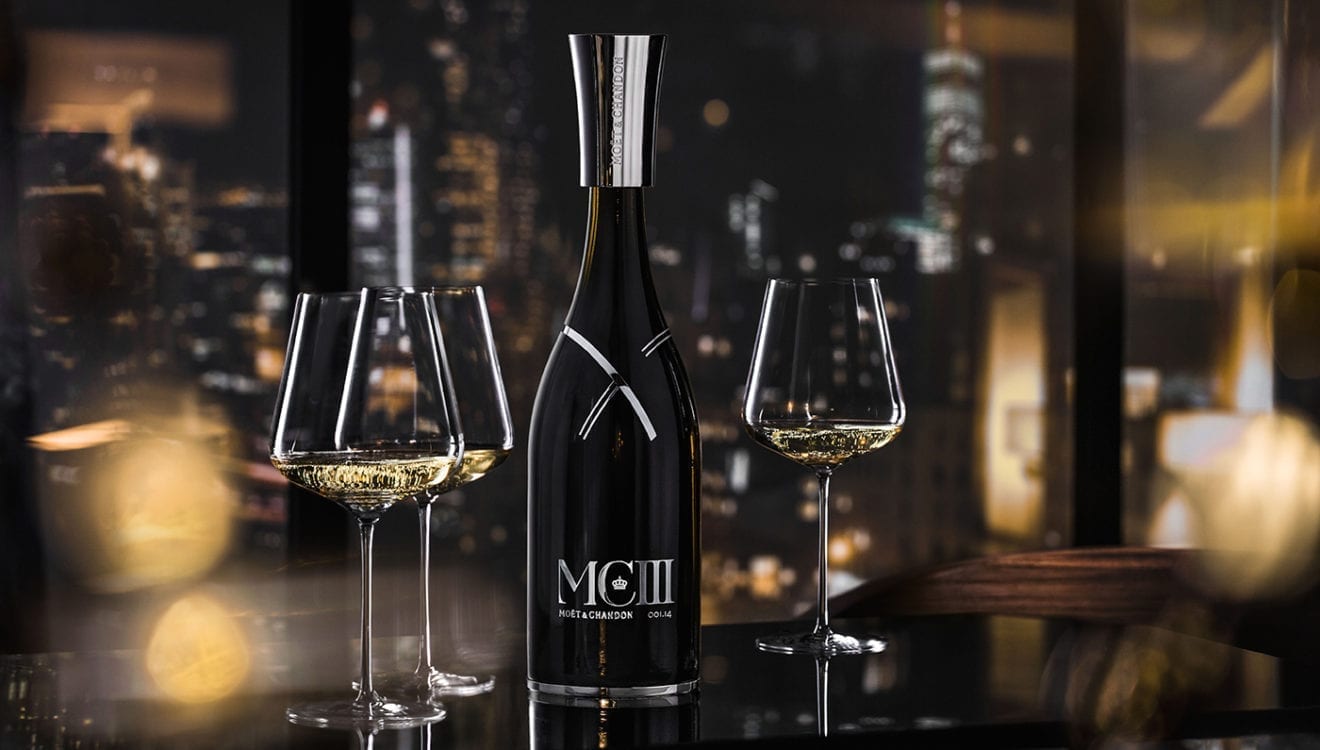
    All business groups recorded double-digit organic growth, with the exception of wines and spirits where growth was 8 per cent. Champagne volumes were up 4 per cent, with particularly strong demand in Europe and Japan. Hennessy cognac had a volume increase of 9 per cent despite a third-quarter decline related to limited supply.

    LVMH’s selective retailing business group had organic revenue growth of 12 per cent. Online sales grew at a steady pace, and DFS had sustained growth, particularly in Hong Kong and Macau. The T Galleria store in Cambodia has also developed well, says the group.

    Organic growth of 14 per cent was recorded by the fashion and leather goods business group. It attributes this to innovation, such as the launch of Louis Vuitton’s first smartwatch.

    “The qualitative development of the distribution network continues, as illustrated by the opening of the Maison Louis Vuitton Vendome in Paris, which brings together under one roof all the savoir-faire of the maison,” says the group.

    Highlights during the period included Fendi opening stores in the US and Rimowa being consolidated. Donna Karan was sold at the end of last year.

    There was also 14 per organic growth in perfumes and cosmetics. Perfumes benefitted from the launch of the eau de parfum Miss Dior. Guerlain rolled out Mon Guerlain fragrance internationally, and Fenty Beauty by Rihanna had an “exceptional” start.

    Watches and jewellery had 13 per cent organic revenue growth, with Bulgari achieving “a remarkable performance” with the rapid growth of its signature jewellery collections Serpenti, Diva and B.Zero1.

  • FamilyMart Philippines chain up for auction

    FamilyMart Philippines chain up for auction

    FamilyMart Philippines convenience-store chain, partly owned by the Ayala and Tantoco groups, is up for auction.

    With about 70 stores, the Japanese chain has been offered to prospective investors in the past few months.

    Ayala Land and the Rustan’s group, via their equally owned JV firm Sial CVS Retailers, in 2012 signed a deal with FamilyMart and Itochu Corporation to develop and run FamilyMart convenience stores in the Philippines.
    FamilyMart has been closing unprofitable stores over the past 12 months.

    In the convenience store market in past six years, new brands have been challenging 7-Eleven and MiniStop, respectively run by Philippine Seven Corporation (PSC) and Robinsons Retail Holdings.

    Aside from FamilyMart, the Puregold group also brought Japan’s Lawson into the market while the SM group introduced Indonesian brand Alfamart. Meanwhile, real-estate magnate Manuel Villar has also built his own convenience-store network, All Day.

    To date, the two original brands still lead the market, with 7-Eleven surpassing 2000 outlets while Mini-Stop has at least 500 stores.

  • Cool Japan Fund to raise cuisine awareness abroad

    Cool Japan Fund to raise cuisine awareness abroad

    State-affiliated Cool Japan Fund says it will launch comprehensive Japanese food outlets overseas featuring restaurants, shops and cultural experiences.

    Its first such outlet will be in London early next year through a JV, Ichiba UK, with Japan Centre Group, a Japanese-run company based in the British capital. Cool Japan Fund will invest up to £3 million (US$3.9 million) for the establishment of the outlet.

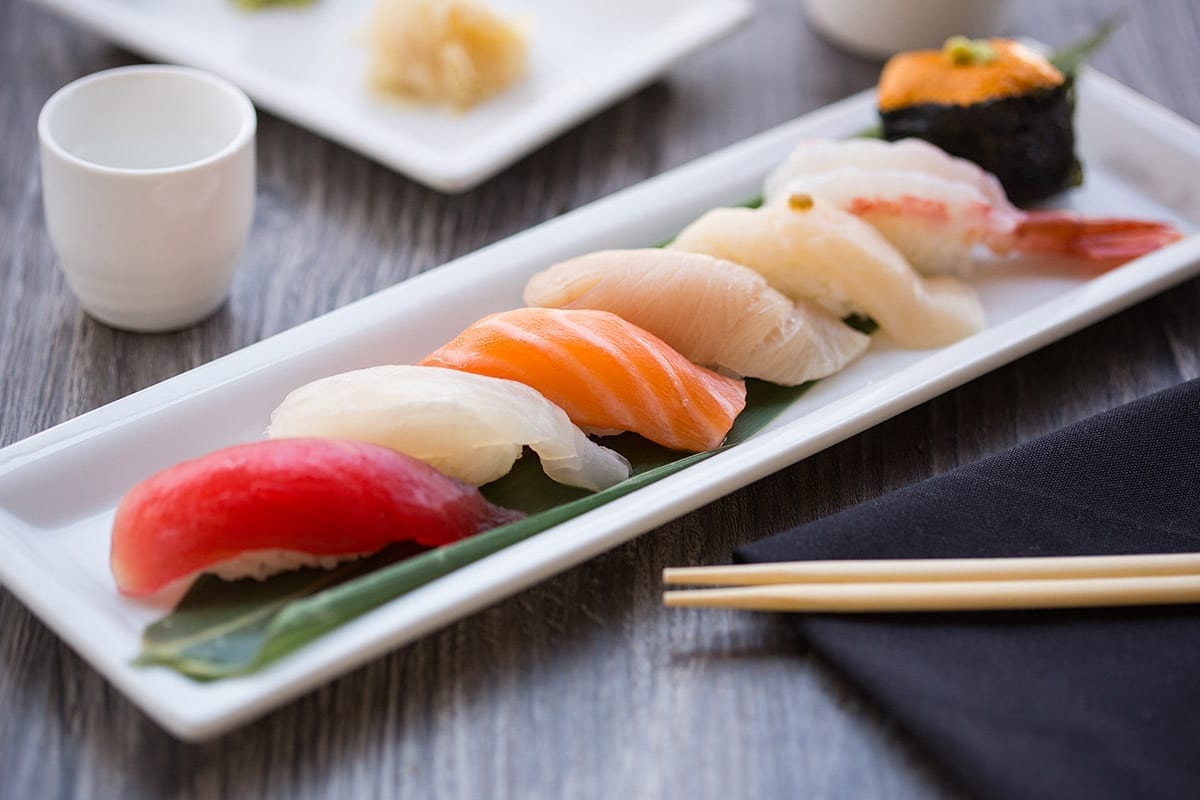
    It will be called Ichiba, modelled after Italian food marketplace Eataly, and will include a food zone offering Japanese cuisines, a retail zone for groceries and other products from all over Japan, and Japanese cooking demonstrations.

    Japan Centre Group, established in 1976, runs two Japanese grocery stores and 11 restaurants.

    Similar outlets are planned for other major European cities, including Milan and Paris, says Cool Japan Fund.

    Japan’s government hopes to boost agricultural exports by releasing information about Japanese food culture abroad and supporting moves to sell Japanese specialties in overseas markets.

  • Amazon Japan launching pop-up bar

    Amazon Japan launching pop-up bar

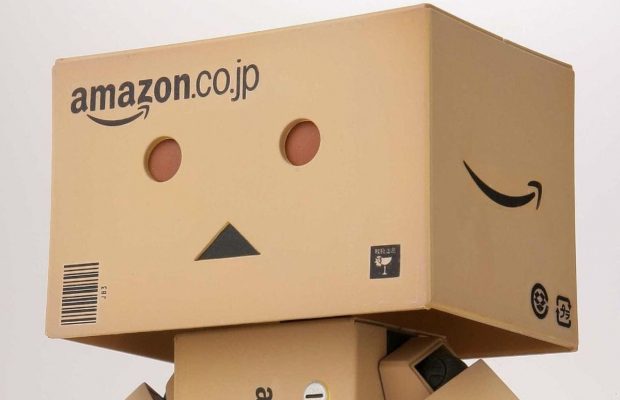
    To promote the alcoholic drinks being sold on its platform, Amazon Japan will launch a promotional pop-up bar in Tokyo.

    In Ginza, the 78-seat Amazon Bar will run for 10 days from October 20, serving cocktails, sake and wine.

    The online retail giant says some products will be exclusive, and the bar will not have a menu but recommend drinks to customers. It is the company’s first such venture, its previous foray into brick and mortar being bookstores.

    Japan is one of Amazon’s four largest markets and is among the world’s biggest alcohol markets. Beer drinking is fading there, with wine showing the biggest increase in popularity over the past decade, followed by whiskey. The number of drinkers has risen by more than 55 and 34 per cent respectively, according to Japan’s National Tax Agency.