Tag: Japan

  • Valentino Is Opening Sport-Themed Pop-Up Shops Around The World

    Valentino Is Opening Sport-Themed Pop-Up Shops Around The World

    Athleisure cannot stop, will not stop, and probably will never, ever stop, the proof is on the runway.

    More specifically the Valentino Resort 2018 runway, which saw a parade of athletic-inspired looks featuring everything from silk tracksuits to fuzzy slides to cheerleader-inspired midiskirts.

    Pierpaolo Piccioli’s Resort 2018 collection puts a luxurious spin on streetwear and the combination does not feel forced.

    The show, which took place in New York’s Bond Street, drew inspiration from one of the best American exports – hip hop.

    Sporty zip-up hoodies and tracksuits were given a Valentino touch, with the brand’s signature midi-dress silhouette with pleated details.

    Embroidered varsity jackets were paired with feminine calf-length skirts.

    Piccioli worked with graphic designer Zandra Rhodes again on special prints for dresses and jackets in the resort collection.

    Models carried micro versions of Valentino’s iconic “Matelasse” bags as clutches. We also love the heart-shaped novelty bags with iconic Rockstud straps.

    The collection also elevated flip-flops to runway chic, applying duo-tone fur trims on the thongs of the flip flops for a luxury touch.

    The show was attended by celebrities the likes of Olivia Palermo, Maggie Gyllenhaal and Marisa Tomei.

    Needless to say, the collection was a must-see. And now, lucky for us, here’s our chance to finally buy.

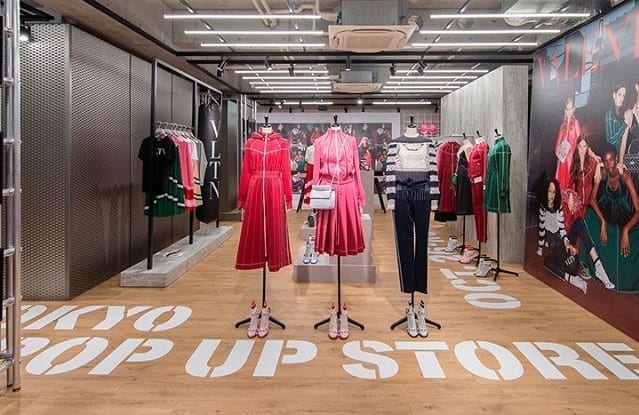
    In a series of pop-up shops in Tokyo, New York, and Hong Kong, Valentino fans will be able to shop the resort 2018 collection  in retail spaces designed to resemble gyms. But, like, chic gyms.

    A release for the new pop-ups even mentions “imaginary metropolitan basketball nets.”

    Aside from the gymnasium aesthetics, expect to be able to shop the resort collection plus more.

    Limited-edition items such as basketballs, yoga mats, and sneakers round out the sport-themed aesthetic.
  • Hermes grows in China

    Hermes grows in China

    Sales momentum in Mainland China helped boost growth for French luxury retailer Hermes in its third quarter.

    Overall sales grew 11 per cent at constant exchange rates, and at the end of September revenues were up 10 per cent to €4 billion (US$4.6 billion).

    Despite a strong comparison basis, sales in Asia (excluding Japan) rose 14 per cent, while Japan achieved a solid performance with a 5 per cent increase in the face of a strengthening yen.

    Hermes says all sectors recorded growth, with a “remarkable” 11 per cent performance by ready-to-wear and accessories.

    The 11 per cent growth in leather goods and saddlery was in line with the annual target of around 10 per cent, says the company, thanks to the success of its collections and diversity of models, particularly the Constance, Halzan, Lindy and Verrou bags, alongside Birkin and Kelly.

    With 9 per cent growth, the silk and textiles business line benefited from sustained demand, the diversity of the collections and the wealth of the creations, says Hermes.

    Strong growth of 13 per cent was posted by the perfumes division, driven notably by the launch of Twilly d’Hermes.

    There was a slight 1 per cent improvement for watches, while other lines grew by 11 per cent, including jewellery, art of living, and table arts.

  • Uniqlo operator to use IC tags at all outlets worldwide

    Uniqlo operator to use IC tags at all outlets worldwide

    Fast Retailing, operator of casual clothing chain Uniqlo, will introduce IC tags at all its outlets worldwide within a year, President and Chairman Tadashi Yanai said.

    The retailer will be Japan’s first to use the tags on a global basis.

    IC tags will save time for payment and inventory control, allowing the company to swiftly increase production of hot-selling products. The tags will also lessen checkout times, ensure that items are in stock, and provide other benefits.

    Fast Retailing will introduce the tags at all of its approximately 3,000 stores, including Uniqlo’s 2,000 outlets, both at home and overseas. Initial investment is estimated at several tens of billions of yen.

    The move is aimed at better coping with the demands of Amazon.com and other e-tailers, which have boosted their presence in the apparel industry.

    Becuase IC tags read information automatically and wirelessly, they can save more on labor and inventory costs compared to bar codes, which require manual operation. The tags can instantly and accurately gather detailed information on volume, size and color.

    In addition, IC tags take only one-tenth the time to inspect products as some systems currently in use.

    The company will use the tags to obtain detailed sales information analyze consumer behavior, such as when products are handled by consumers and returned to shelves, as well as when and where products are sold.

  • Mitsubishi Motors swings to operating profit in second quarter

    Mitsubishi Motors swings to operating profit in second quarter

    Mitsubishi Motors Corp said on Tuesday it swung to an operating profit for the second quarter, beating expectations as it rebounded from a mileage-cheating scandal a year earlier helped by cost cuts and favorable exchange rates.

    Healthy demand in Southeast Asia, Mitsubishi’s top market also lifted earnings with the automaker saying it was seeing strong orders for its new Xpander seven-seater multipurpose vehicles in Indonesia.

    Operating profit came in at 23.6 billion yen ($207.3 million) for the quarter, compared with a loss of 36.2 billion yen a year earlier when it was forced to stop sales of some domestic models due to the scandal.

    That exceeded forecasts for 20.14 billion yen from four analysts polled by Thomson Reuters I/B/E/S.

    During the first-half, retail vehicle sales at home climbed 48 percent while those in southeast Asia rose 15 percent.

    Mitsubishi kept its forecast for operating profit to surge 14-fold to 70.0 billion yen in the year to March. That reflects the rebound from the scandal as well as expectations of further growth in Asia and cost savings from its alliance with Nissan Motor Co (7201.T).

    The car maker has set ambitious goals for growth in Southeast Asia, China and the United States as well as for a comeback in Japan. Last month, it said it planned to boost global sales by 30 percent over three years.

    Under its new three-year strategy plan – Mitsubishi’s first since Nissan bought a controlling stake in 2016 following the scandal – the Japanese automaker will also ramp up R&D investment and capital spending.

    The company has reorganized the engineering division involved in the mileage manipulation scandal and has improved testing processes and compliance procedures.

    It expects the yen to trade around 105 yen to the U.S. dollar in the year to March.

  • Blue Bottle Coffee heading for Korea

    Blue Bottle Coffee heading for Korea

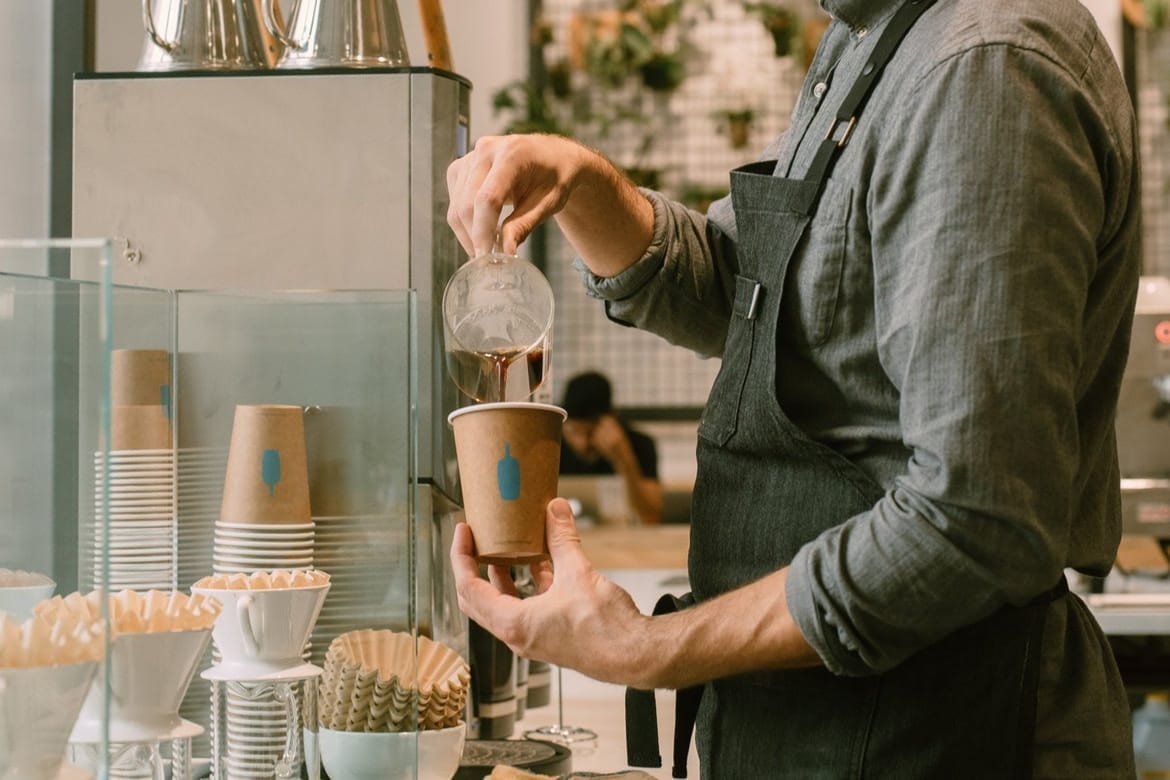
    US brand Blue Bottle Coffee is expected to open in South Korea soon, followed by other Asian countries including China, Hong Kong and Taiwan.

    “We’re developing our contact here,” CEO Bryan Meehan said while attending the World Coffee Leaders Forum at the Seoul Cafe Show.

    He said Blue Bottle was researching the market and looking for a GM in Korea, with no specific set yet for a launch.

    Meehan said the company headquarters would directly manage its stores in Korea, as it does in other countries.

    “Actually, we had a lot of pressure for a joint venture in Japan. A lot of companies wanted licensed approaches,” he said. “We are very passionate about controlling the quality of Blue Bottle, so we like to do things ourselves. We have never franchised.”

    While local coffee chains in Korea have been hit by losses over the past few years, Starbucks Coffee has alone seen rapid growth, reports The Korea Times.

    “Blue Bottle has grown along with Starbucks in the US. We think we can survive side-by-side,” said Meehan.

    Known for its innovation, Blue Bottle has 44 stores in the US and Japan. Nestle acquired the chain for US$425 million in September.

    “Nestle CEO Mark Schneider has a wonderful vision of where specialty coffee should be in five years’ time, and he sees the value of Blue Bottle,” said Meehan. “Nestle is allowing Blue Bottle to remain a standalone company. I don’t report to anybody at Nestle.”

    Founded in Oakland, California, by musician James Freeman in 2002, Blue Bottle has expanded around San Francisco. Because of Freeman’s interest in Japan, the chain has expanded there and will open its eighth outlet next year in Kyoto.

  • Microsoft supports Mitsubishi in digital transformation of trucks, logistics operations

    Microsoft supports Mitsubishi in digital transformation of trucks, logistics operations

    Microsoft Japan Co., Ltd. is leveraging its AI, mixed reality and other cutting-edge technologies to support Mitsubishi Fuso Truck and Bus Corporation (MFTBC) in an initiative to enhance its customer relations, boost employee productivity and drive the digital transformation of its business through digitalising its truck and logistics operations.

    MFTBC is pursuing digital transformation based on its Connected X concept. Connected X seeks to boost productivity and offer further added value through seamlessly connecting employees, customers, devices, trucks and factories. MFTBC launched its Connected X project in July 2017, and is pursuing a wide range of digitalisation initiatives with the goal of becoming a 100 per cent digital manufacturing company by June 2019. At present, the following three key components are in progress.

    1    AI chatbot

    MFTBC plans to streamline its operations by deploying an Azure-based internal helpdesk chatbot to respond appropriately and promptly to frequently asked questions. The chatbot will enable queries to be answered more uniformly in less time. MFTBC aims to enhance customer services, productivity, and maintenance quality by deploying the chatbot across the whole company and enabling it to also handle customer inquiries and converse with drivers and mechanics.

    2    Truckonnect operation management system

    MFTBC is using Microsoft Azure IoT Hub for its Truckonnect operation management system that connects trucks and buses to the cloud so as to enable vehicle location and remaining fuel to be monitored in real time, thereby preventing problems before they occur and enabling more efficient transport and smooth vehicle maintenance by sharing information with vehicle dispatch centres.

    3    Utilisation of Microsoft HoloLens to transform development and maintenance

    MFTBC and Microsoft Japan will make concrete preparations for deploying Microsoft HoloLens, a self-contained Windows 10-powered holographic computer, by the end of this year to revolutionise conventional vehicle design and development, preventive maintenance and other processes by enabling users, engineers, and designers to simultaneously share visualised 3-D data. HoloLens will unlock new possibilities in digital experiences, collaboration and workstyle by leveraging Mixed Reality (MR) technology that combines real and virtual worlds to utilise the best of both worlds by overlaying holograms (3-D virtual objects) on the real world in front of the viewer’s eyes.

    Microsoft Japan’s Enterprise Services will provide full backup for this project. Digital advisors belonging to a special unit dedicated to supporting the digital transformation of Microsoft Japan’s customers will assist with all aspects of the project up to deployment, including identifying issues and suggesting solutions that leverage the latest technology.

  • Muji expansion in Thailand at Siam Discovery in Bangkok

    Muji expansion in Thailand at Siam Discovery in Bangkok

    Muji Thailand has opened another store in Bangkok, its second in little more than a month.

    On Wednesday, Muji opened its doors in the Siam Discovery shopping centre.

    MUJI at Siam Discovery_3

    Yuki Yamamoto, director and GM of Muji’s parent Ryohin Keikaku Co and Naratipe Ruttapradid, senior executive VP operations division with Siam Discovery’s parent Siam Piwat (pictured) performed the opening honours.

    Mr. Yuki Yamamoto, Director and General Manager, Ryohin Keikaku Co., Ltd.  along with Miss Naratipe Ruttapradid, Senior Executive Vice President Operations Division at Siam Piwat Co., Ltd. opened the new ‘MUJI’ store at 2 nd Floor, Siam Discovery. Customers will get special offer and can buy the special exclusive tote bags at Bath of 99 only at MUJI, Siam Discovery branch.

    Muji Thailand reopened its store inside the Zen department store at Bangkok’s CentralWorld shopping centre in September. That store, which originally opened on the fifth floor of Zen in 2012, has been relocated to the fourth floor.

    It is the largest of all Muji outlets in Thailand with a floor area of 878sqm.

  • Estee Lauder Companies sales rises

    Estee Lauder Companies sales rises

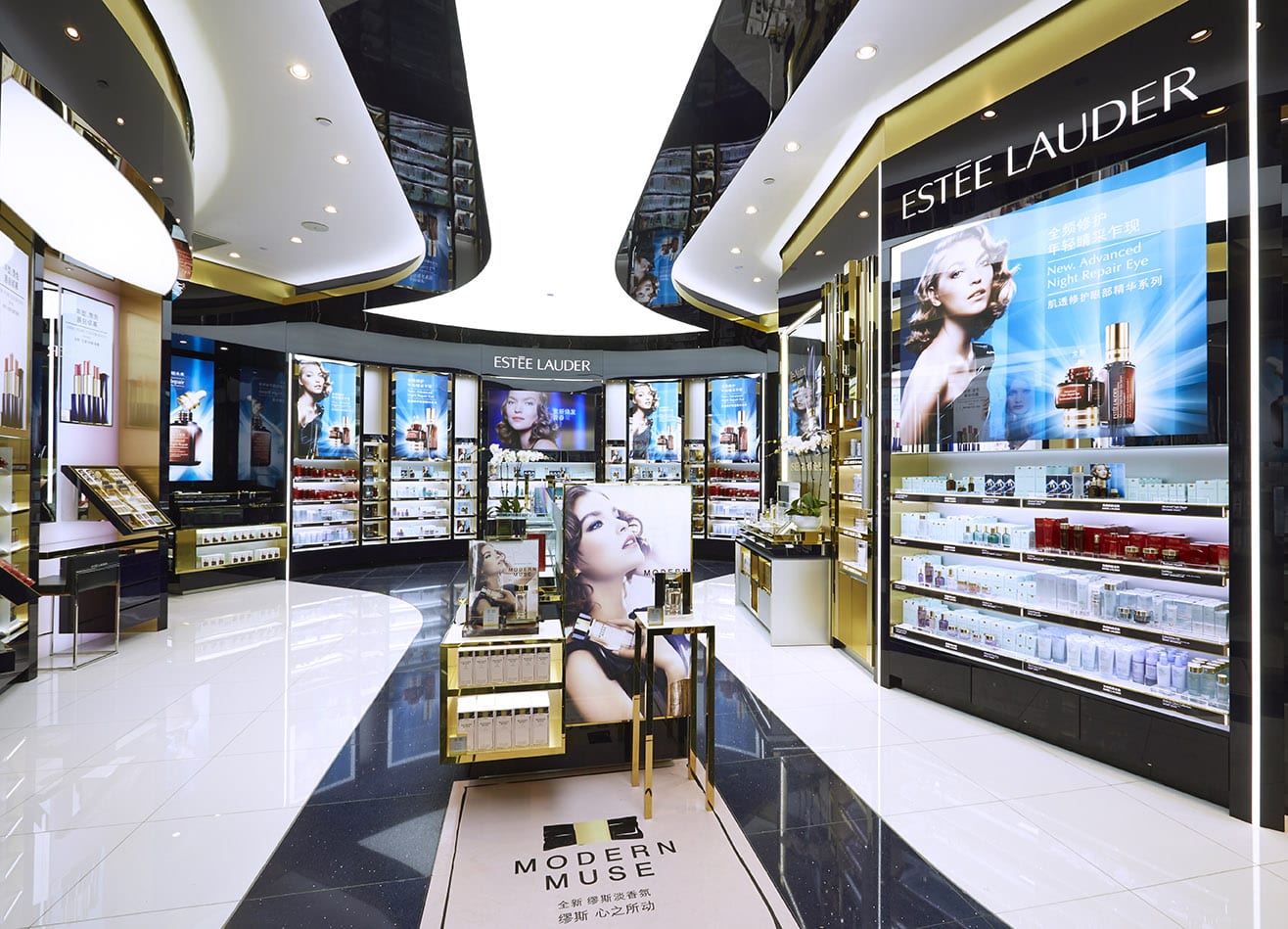
    Led by double-digit growth in China and Hong Kong, Asia/Pacific sales increased sharply for Estee Lauder Companies for its first quarter to the end of September.

    It says the higher sales in China reflected strong gains for every brand except designer fragrances. Estee Lauder, Mac, La Mer, Tom Ford and Jo Malone led the sales growth.

    Sales benefitted, in part, from continued demand for makeup products, an acceleration in skincare sales and targeted expansion of consumer reach.

    Hong Kong’s increased sales reflected solid domestic growth and a rise in tourism. Growth was primarily driven by Estée Lauder, La Mer and Mac.

    Operating performance was lower in Japan.

    Overall, the company achieved net sales of $3.27 billion, up 14 per cent on the same period last year.

    Incremental sales from the company’s acquisitions of Becca and Too Faced contributed about four points of reported sales growth. Net earnings rose 45 per cent to $427 million.

    “Building on the global momentum of the past fiscal year, we benefitted from continued acceleration in China, Hong Kong, travel retail and global online, strength in several developed and emerging markets in Europe, and incremental sales from Becca and Too Faced,” says president/CEO Fabrizio Freda.

    “Our online and travel-retail channels and most luxury and mid-sized brands posted double-digit sales gains.”

  • Longchamp Japan opens largest store in Asia

    Longchamp Japan opens largest store in Asia

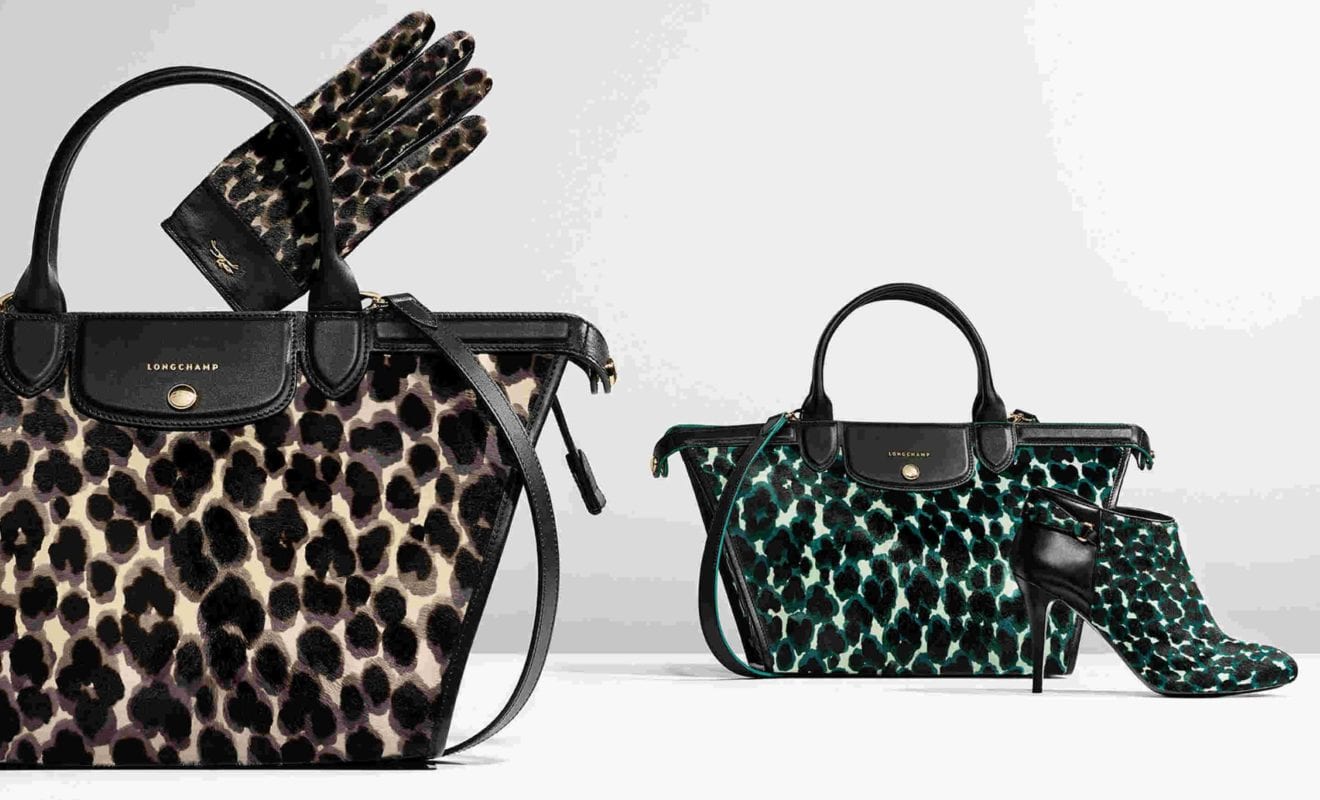
    Longchamp Japan has launched its largest store for Asia with a flagship in Tokyo’s fashion mecca Shibuya.

    French actress Audrey Tautou attended the inauguration of La Maison Omotesando, which has a 35m-high facade and offers 500sqm of retail space.

    It features all the French brand’s collections – leather goods, footwear, women’s ready-to-wear and, occupying the basement, men’s lines.

  • DoCoMo trials 4K video streaming for cars over 5G

    DoCoMo trials 4K video streaming for cars over 5G

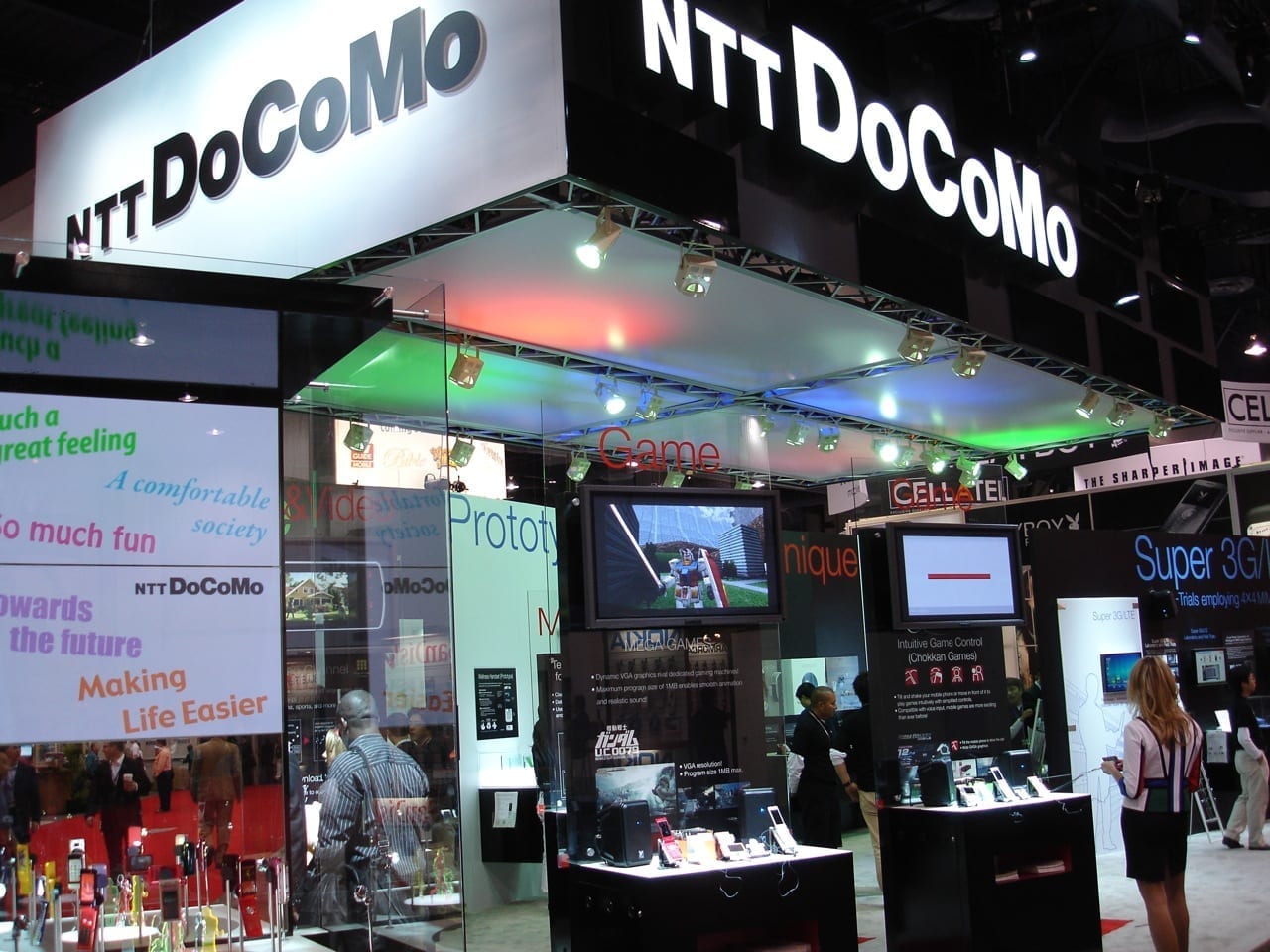
    NTT DoCoMo joined forces with Toyota, Ericsson and Intel on a trial of 5G technologies for automobiles, achieving data speeds of up to 1Gbps in a vehicle traveling at 30km/h.

    The trial of 4K video communications was conducted along Tokyo’s Odaiba waterfront. It involved a moving vehicle mounted with an Intel GO 5G automotive platform terminal equipped with an on-board antenna head.

    The trial environment was constructed by DoCoMo using multiple Ericsson base stations and the Cloud RAN platform. Live 4K video was streamed at data speeds of up to 1Gbps downlink and 600Mbps uplink.

    Further trials will be conducted by the four companies to test the practicality of advanced services for 5G connected cars and other applications.

    The technology will also be demonstrated at the National Museum of Emerging Science and Innovation in Tokyo from November 9 to 11 as part of the DoCoMo R&D Open House 2017.

    NTT DoCoMo parent company NTT Group and Toyota have meanwhile agreed to collaborate on the research and development of an ICT platform for 5G connected cars.

  • More Tokyo snack brands in Singapore

    More Tokyo snack brands in Singapore

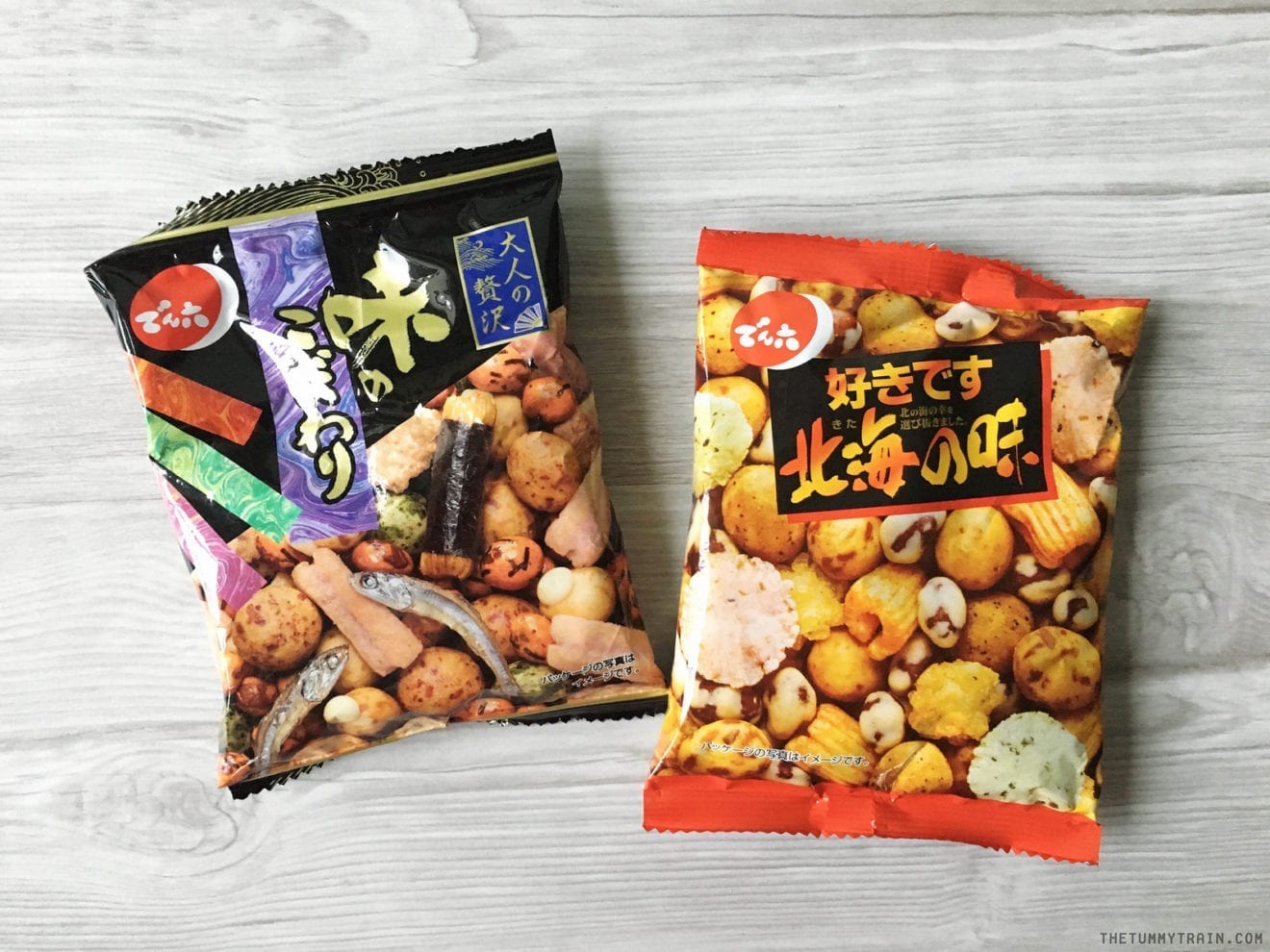
    Two Tokyo snack brands are setting up shop in Singapore, one opening today and the other in eight days’ time.

    Established in 2013, The Maple Mania is ready to roll out the red carpet at Ion Orchard. It is known for its maple butter cookies, maple baumkuchen with a caramelised top, and maple financiers.

    With its iconic cow logo, Tokyo Milk Cheese Factory will follow with an outlet at Raffles City. The six-year-old brand is known for its cheese cookies – salt and camembert, honey and gorgonzola, and porcini and gouda. It also offers milk cheesecake, a strawberry milk roll plus its own Cow Cow Ice ice cream in two flavours and a sundae option.

    During the festive season, The Maple Mania will sell cookies from Tokyo Milk Cheese Factory as well. Both are sister brands of LeTao, which was brought to Ion Orchard last year by Alvin Ng, the founder of The Rosti Farm and Once Upon a Milkshake, both at Waterway Point in Punggol.

    From Hokkaido, LeTao is known for its double fromage, a two-layer cheesecake.

  • Welcia drugstore offers new instore brands

    Welcia drugstore offers new instore brands

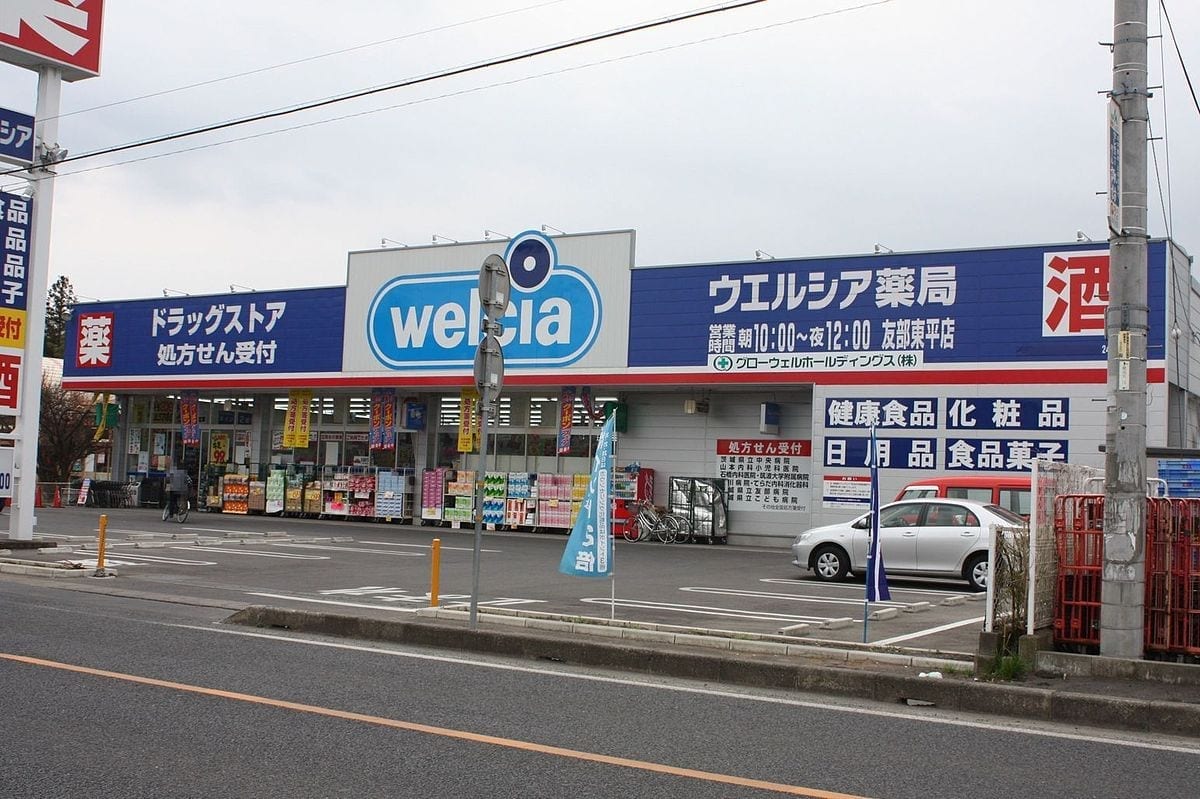
    A new Japanese drugstore, Welcia-BHG, offers brands previously not available in Singapore. It is a JV between Japanese pharmacy and drugstore chain Welcia and BHG Holdings, a department store chain that has seven outlets in Singapore.

    On level one of the BHG department store in Bugis Junction, the 2700sqft (250sqm) store has two zones, health and beauty, and offers more than 7000 products. There is also a pharmacy.

    Of the roughly 700 Japanese products offered, 100 are new to Singapore. They include Kanebo’s cult skincare line Suisai, Q&P Kowa Gold vitamins, Vantelin topical analgesics, Vegie slimming products and nailcare serum Dr Nail.

    More products will be added over time, says Welcia-BHG MD Tadahisa Matsumoto, including over-the-counter Japanese drugs.

    Japan has 1695 Welcia stores averaging 8000sqft, some of which are open 24 hours.

    Matsumoto says Singapore consumers will particularly appreciate the store’s skincare offerings formulated for Asian skin as well as sensitive skin. “Like Japan, Singapore is experiencing an ageing population, so healthcare needs are growing,” he says.

    The store also offers services such as simple health checks, skin analysis and product recommendations. The sales staff will receive regular training by experts from Japan instead of representatives from individual brands.

    Plans are also in place for a second outlet at Northpoint City mall. “We hope to have about 20 stores in Singapore in five years,” says Matsumoto, who sees Singapore as the main starting point for expanding the concept into Southeast Asia.

  • DoCoMo achieves URLLC with outdoor 5G trial

    DoCoMo achieves URLLC with outdoor 5G trial

    Japan’s NTT DoCoMo has claimed two new world first with recent 5G trials, including the first successful outdoor trial of 5G technologies for ultra-reliable low latency communications (URLLC).

    The trial, conducted with Huawei in the 4.5-GHz bands, involved a stationary mobile terminal receiving signals at distances of up to 1km from the base station.

    DoCoMo said the trial achieved an over-the-air latency of less than 1ms with a packet transmission success rate of more than 99.999% – both prerequisites for URLLC under 3GPP and ITU-R standards.

    These standards were achieved at distances of 0.3km to 0.6km from the base station when the terminal was moving at around 25km/h. Both tests achieved actual over-the-air latency of around 0.65ms downlink and 0.57ms uplink.

    Separately, DoCoMo conducted a joint trial with MediaTek involves using a self-developed non-orthogonal multiple access (NOMA) chipset designed to increase the spectral efficiency of mobile devices by up to 2.3 times compared to existing LTE technology.

    This marked the first 5G trial using a smartphone-sized NOMA chipset embedded device to increase spectral efficiency, DoCoMo said. The chipset also used MediaTek’s multi-user interference cancellation technology, a prerequisite for NOMA.

    Finally, DoCoMo also announced it has teamed up with Sony to conduct a joint trial involving real-time transition of HD video over 5G to Sony’s experimental New Concept Cart high-tech vehicle (see the picture below).

  • McDonald’s Singapore is turning Japanese

    McDonald’s Singapore is turning Japanese

    McDonald’s Singapore is turning Japanese, launching a Ninja Burger and reviving its Samurai Burger. To promote the two offerings, it has launched an “Honour Your Appetite” marketing campaign.

    Senior director of marketing, menu and digital innovation Agatha Yap says the Ninja Burger expands the brand’s variety of Japan-inspired promotional flavours, which kicked off with the Samurai Burger for a short while only in the late 1990s.

    To promote the return of the Samurai Burger, McDonald’s released a commercial featuring a fight between two samurais in a forest.

    Meanwhile, McDonald’s Singapore has started using UberEats so customers can order home delivery, which MD Kenneth Chan says will complement the fast-food chain’s 24-hour McDelivery platform.

  • DoCoMo finally exits Tata Teleservices

    DoCoMo finally exits Tata Teleservices

    Japan’s NTT DoCoMo has finally completed its exit from Indian joint venture Tata Teleservices, following the acquisition of Tata Teleservices’ consumer mobile business by Bharti Airtel.

    DoCoMo disclosed it has received the payment awarded by the Delhi High Court in the legal dispute with the Reserve Bank of India over DoCoMo’s planned exit from the venture. The company has received 144.9 billion yen ($1.27 billion).

    The dispute was related to DoCoMo’s original agreement when it first invested in Tata Teleservices back in 2008. The investment had the condition that DoCoMo was entitled to sell its stake in the venture at a predetermined sum if it chose to.

    DoCoMo first attempted to exercise the option in 2014 after being unsatisfied with the performance of the venture, but the RBI blocked the transaction on the grounds that it violates Indian regulations restricting the sale of shares at a price higher than market value.

    DoCoMo entered international arbitration with Tata Sons and Tata Teleservices over the dispute, and the court awarded DoCoMo with $1.17 billion in damages. But the RBI again objected to the transaction, prompting DoCoMo to file a case with the Delhi High Court.

    With the court finding in DoCoMo’s favor and Tata Group having now sold off Tata Teleservices’ consumer mobile business to Airtel, DoCoMo was finally able to collect on the settlement.

    The 144.9 billion yen payment included the original damages awarded as well as interests earned and other cots awarded. DoCoMo has now transferred all its shares in Tata Teleservices to Tata Sons and companies designated by Tata Sons.

    Due to the payout DoCoMo has adjusted its forecast for the financial year ending in March 2018 to predict net income of 740 billion yen, up from the initial forecast of 655 billion yen.