Tag: Japan

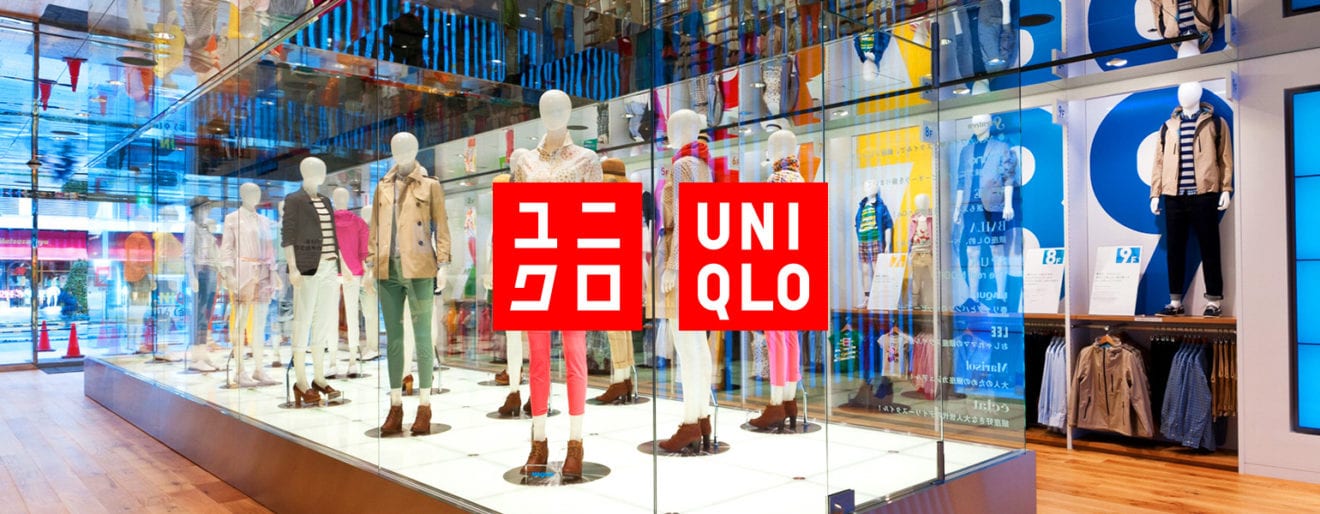
  • Uniqlo plans denim concept shop for LA

    Uniqlo plans denim concept shop for LA

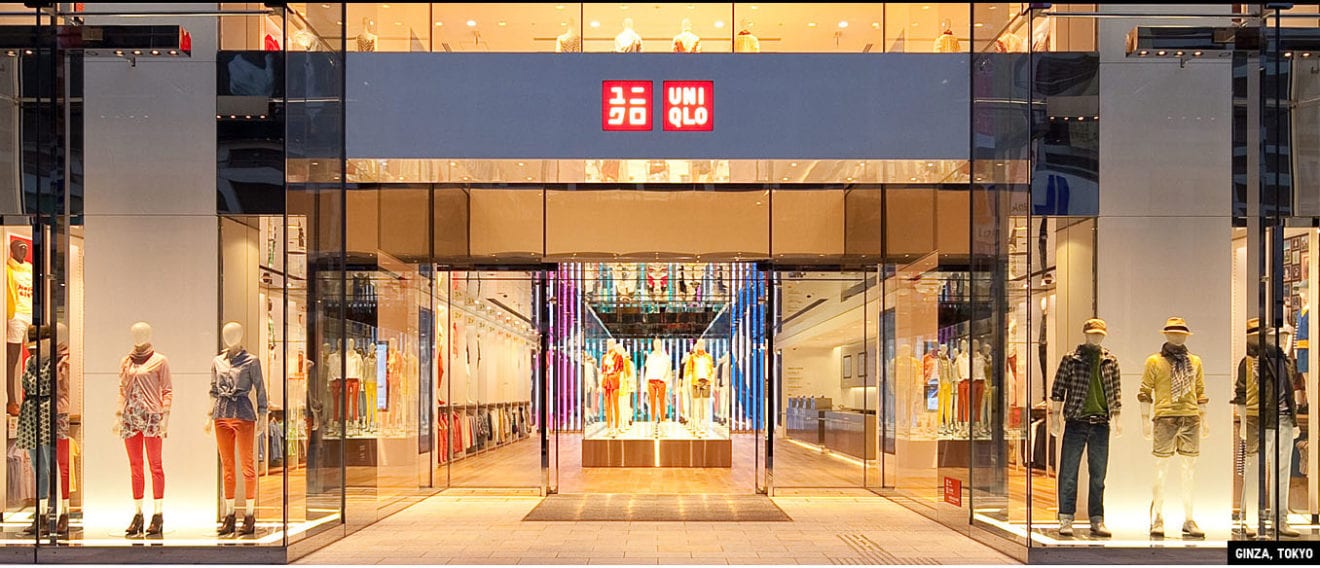
    Fast Retailing’s Uniqlo says it plans to open a “denim concept shop” in Los Angeles soon.

    “We take so much inspiration from Los Angeles,” says Uniqlo head of US marketing Marisol Tamaro.

    The brand has been increasing its commitment to LA and its latest autumn denim campaign gained its inspiration from LA style. Its Denim Innovation Center opened in the city in November last year as a hub for both Uniqlo and J Brand denim creation and manufacturing. There are also innovation centres in Paris, Shanghai, New York and Tokyo.

    Tamaro says the concept shop will mostly stock denim but also feature complementary clothes. The shop will also carry J Brand as well as collaborations from local artists and designers.

    The denim concept shop will be Uniqlo’s eighth store in Los Angeles and the 47th in the US.

  • Lawson Japan expecting profit turnaround

    Lawson Japan expecting profit turnaround

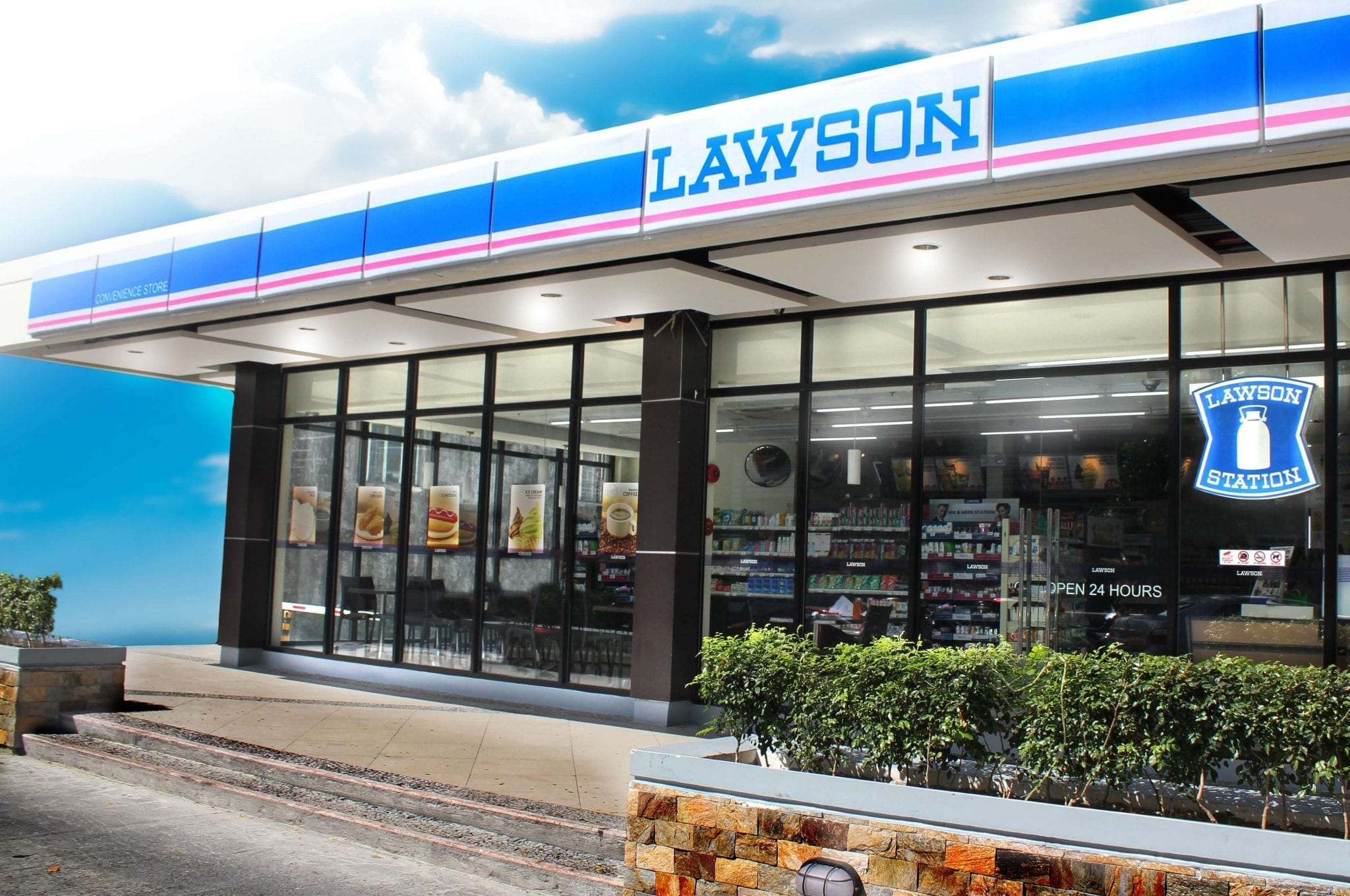
    Japanese convenience store chain Lawson is expecting a 4 per cent growth in net profit for its half-year to August, defying a projected 7 per cent decline.

    Lawson Japan attributes the swing to strong sales of salads and other private-label items. Lower costs for store closings also appear to have helped.

    The Tokyo-based retailer says it expects to report a group net profit of around ¥23.5 billion (US$208 million) instead of the ¥21 billion it forecast in July.

    Gross operating revenue is likely to rise 7 per cent to nearly ¥330 billion. The operating profit is predicted to ease 3 per cent at nearly ¥39 billion. Lawson had projected a 6 per cent drop.

    In-house products, which have higher profit margins, have helped boost revenue. Lawson sold out all 2.5 million servings of a cream roll cake in just two weeks, part of a new line of sweets introduced in June.

    The chain also found success with its salad offerings, which it increased from 16 to 26 in response to consumer health consciousness.

    Same-store sales rose 1 per cent on the year during the half. Meanwhile, the chain closed about 150 locations, a third fewer than in the year-earlier period.

  • Honda to cut Japanese production by a quarter as domestic sales stagnate

    Honda to cut Japanese production by a quarter as domestic sales stagnate

    Honda Motor plans to end production at its Sayama plant in Japan by 2022, cutting domestic capacity by around 24 percent as it shifts focus to electric cars (EVs) and other new technologies.

    The automaker has seen stagnant domestic sales and said on Wednesday it was streamlining its Japanese operations as it takes a more nimble approach to development and manufacturing in the face of fierce competition from carmakers and technology companies to make EVs and self-driving cars.

    “As we focus more on adopting electrification and other new technologies, we want to hone our vehicle manufacturing expertise in Japan and expand it globally,” CEO Takahiro Hachigo told a press conference.

    Hachigo has been trying to revive a culture of innovation at Japan’s No. 3 automaker, after a number of major product recalls in recent years as well as lackluster product offerings, partly because it focused so much on increasing volumes and profit.

    Honda said it would end production at the ageing Sayama plant in Saitama Prefecture north of Tokyo, consolidating output at its Yorii plant in the same prefecture by the end of the 2022 financial year. Most workers currently at Sayama would be transferred to the Yorii facility, it said.

    The move would cut overall domestic annual production capacity to around 810,000 units, the same as Honda’s current output levels, which are around 76 percent of its current production capacity of 1.06 million vehicles.

    “Domestic sales haven’t increased as much as we were expecting and it has become difficult to boost exports,” Hachigo said.

    Following consolidation, Honda said the Yorii plant will produce EVs and serve as a major center for developing manufacturing technology for electric cars. It will also produce other vehicles including larger-sized global models.

    While the automaker cuts capacity at home, it plans to open a new plant by 2019 in China, where it has seen explosive growth. Overall, global annual production would remain largely unchanged at around 5.06 million units, it said.

    Honda has struggled to expand sales at home in the past few years, facing stiff competition from popular offerings including Toyota Motor Corp’s (7203.T) Prius gasoline hybrid and Nissan Motor Co.’s (7201.T), Note compact hatchback.

    In the year ended March, it sold 668,000 units domestically, almost the same as in the previous year.

    With an annual production capacity of 250,000 units, the Sayama plant opened in 1964 and is one of Honda’s oldest plants, producing the Accord sedan, the CR-V SUV crossover and other models.

    The Yorii plant began production in 2013 and also has an annual production capacity of 250,000 units. Its output includes the Fit compact hatchback and the Civic sedan.

    Hachigo also said he was confident Honda was following proper procedures for final vehicle inspection for the Japanese market.

    He said the company was complying with a request from Japan’s transport ministry for inspection records after Nissan said on Monday it would recall 1.2 million vehicles due to procedural irregularities with its final inspection processes.

  • Sales heat up for Uniqlo Japan

    Sales heat up for Uniqlo Japan

    Cool weather and strong advertising campaigns helped boost sales for Uniqlo Japan last month.

    It says same-store sales, including online sales, increased by 6.3 per cent year on year, while sales at its own stores grew by 5.5 per cent. Total sales increased by 6.9 per cent, says the Fast Retailing Group subsidiary.

    During the month, Uniqlo Japan opened four stores and closed two. It also opened its first store in Spain, Uniqlo Passeig de Gracia Store in Barcelona.

  • Uniqlo’s Hana Tajima collection displayed at Museum of Modern Art

    Uniqlo’s Hana Tajima collection displayed at Museum of Modern Art

    Japanese fashion retailer Uniqlo’s Hana Tajima range is being exhibited at the Museum of Modern Art (MoMA) in New York.

    The exhibit, “Items: Is Fashion Modern?”, is the first that MoMA has  dedicated solely to fashion design since 1944, and highlights 111 influential garments and accessories that have had a profound effect on the world over the last century.

    The items that were chosen by the Museum include the Hana Tajima for Uniqlo AIRism Printed Stole and Hana Tajima for Uniqlo AIRism Inner Hijab. Both were selected for the exhibition’s modesty-themed section  entitled “Emancipation/Modesty/Rebellion”.

    The hijab items employ AIRism – a unique, smooth texture, breathable fabric with cooling properties to enhance comfort.

    The partnership between Uniqlo and New York-based, British-born designer Tajima first appeared in the company’s Fall/Winter 2015 line in Malaysia, Singapore, Thailand, and Indonesia. Following its success, the collection later appeared in the US, the UK, and Philippines for Spring/Summer 2016 and now in 15 countries.

    According to the retailer, the purpose of the partnership is reflective of Uniqlo’s commitment to offer apparel that complements diverse lifestyles and cultural settings.

    It added the collection is intended for women who seek comfortable clothing that is not too tight and versatile enough to appeal to all women of all backgrounds, regardless of age, race or religious belief.

    “Hana was a clear choice of partners when we set out to create this collection, as we have a shared aesthetic and a similar approach to design,” stated Shu Hung, Global creative director, Brand Experience and Special Projects at Uniqlo. “With Hana, we have achieved distinctive collections that combine her creativity with our commitment to high-quality, advanced materials that provide the best experience for our customers who seek modest wear.”

    The exhibit is open to the public from October 1, 2017 to January 28, 2018.

  • Genki Sushi owner buying into rival

    Genki Sushi owner buying into rival

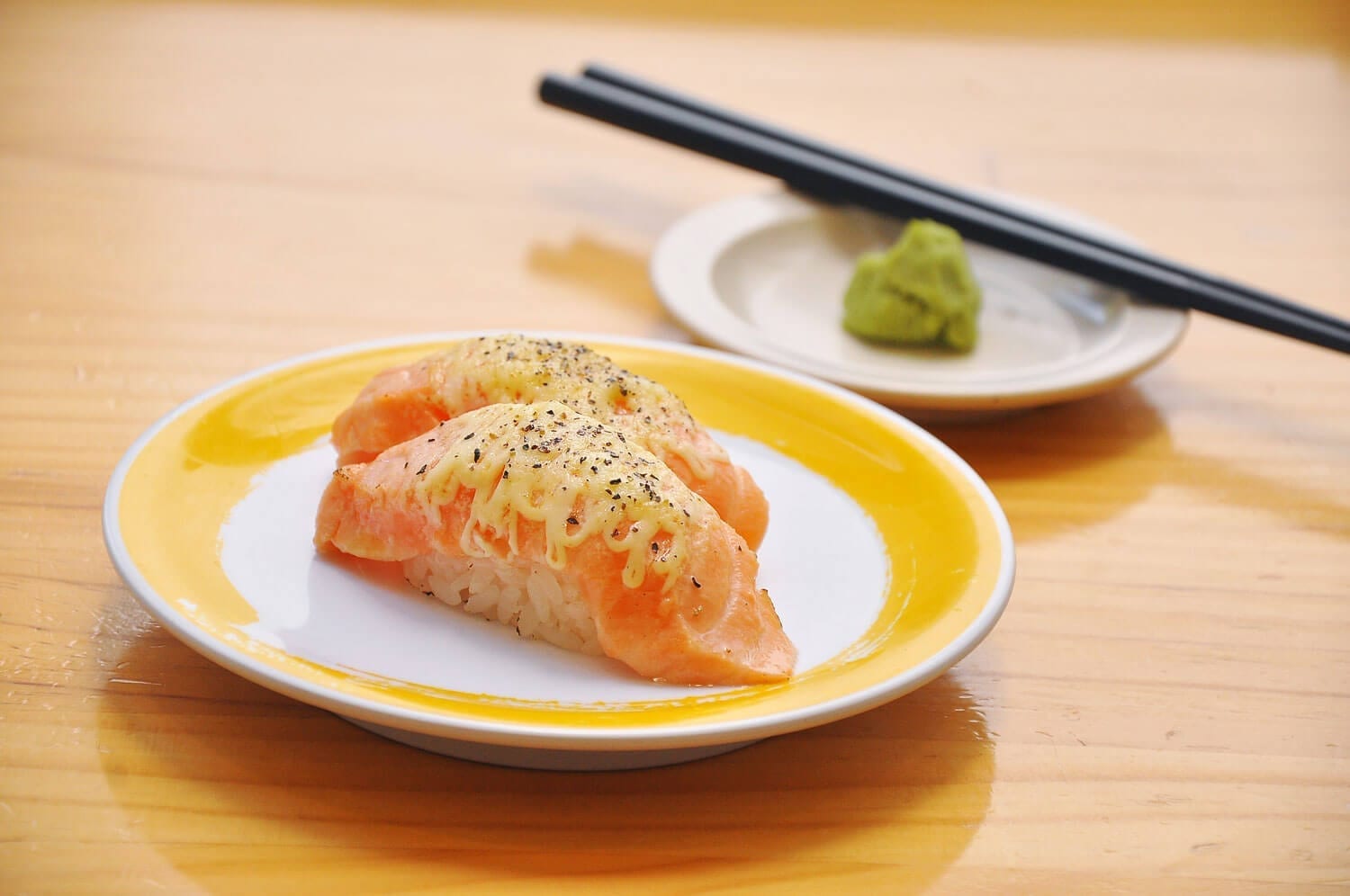
    hinmei, which owns Japanese restaurant chain Genki Sushi, will buy a one-third stake in bigger rival Sushiro Global Holdings from European private equity firm Permira.

    Permira has agreed to sell its stake in Sushiro Global, which it bought from Japanese private equity firm Unison Capital in 2012, to Shinmei.

    Permira, which paid about ¥80 billion (US$708.5 million) for Sushiro, boosted the value of the company by cutting costs on fish ingredients by using its global network.

    The market for Japan’s conveyor-belt sushi market is expected to grow by about 25 per cent to ¥625 billion this year from ¥500 billion in 2012, according to research firm Fuji Keizai.

  • Panasonic to launch new auto battery line at ex-TV screen plant in Japan

    Panasonic to launch new auto battery line at ex-TV screen plant in Japan

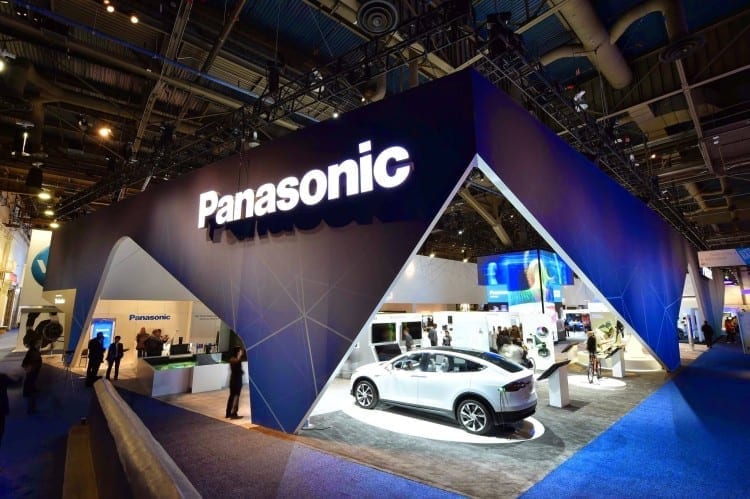
    Japan’s Panasonic said on Friday it will start producing automotive batteries at its former television screen plant in Japan, accelerating its battery drive to meet anticipated demand for electric vehicles.

    Panasonic, the exclusive battery cell supplier for Tesla’s mass-market Model 3, is reinventing itself as a provider of advanced auto parts to escape the price competition of smartphones and other lower-margin consumer products.

    The new battery production will start at its LCD plant in Himeji, western Japan, in the financial year from April 2019, using space left vacant after it closed its unprofitable TV screen manufacturing business last year.

    The company declined to comment on the size of new investment or the production capacity of the new line.

    The Himeji plant currently produces screens for vehicle dashboards and medical equipment, but output has dropped significantly after it exited TV screen production.

    Panasonic sees batteries as a key driver for its plan to nearly double its automotive business revenue to 2.5 trillion yen ($22 billion) in the year through March 2022.

    Already one of the leading suppliers of automotive lithium ion batteries, it currently has five production sites in Japan.

    It started mass production of battery cells at Tesla’s Gigafactory in Nevada earlier this year and plans to follow suit at a new plant in Dalian, China.

  • SoftBank, ZTE trial TDD Massive MIMO

    SoftBank, ZTE trial TDD Massive MIMO

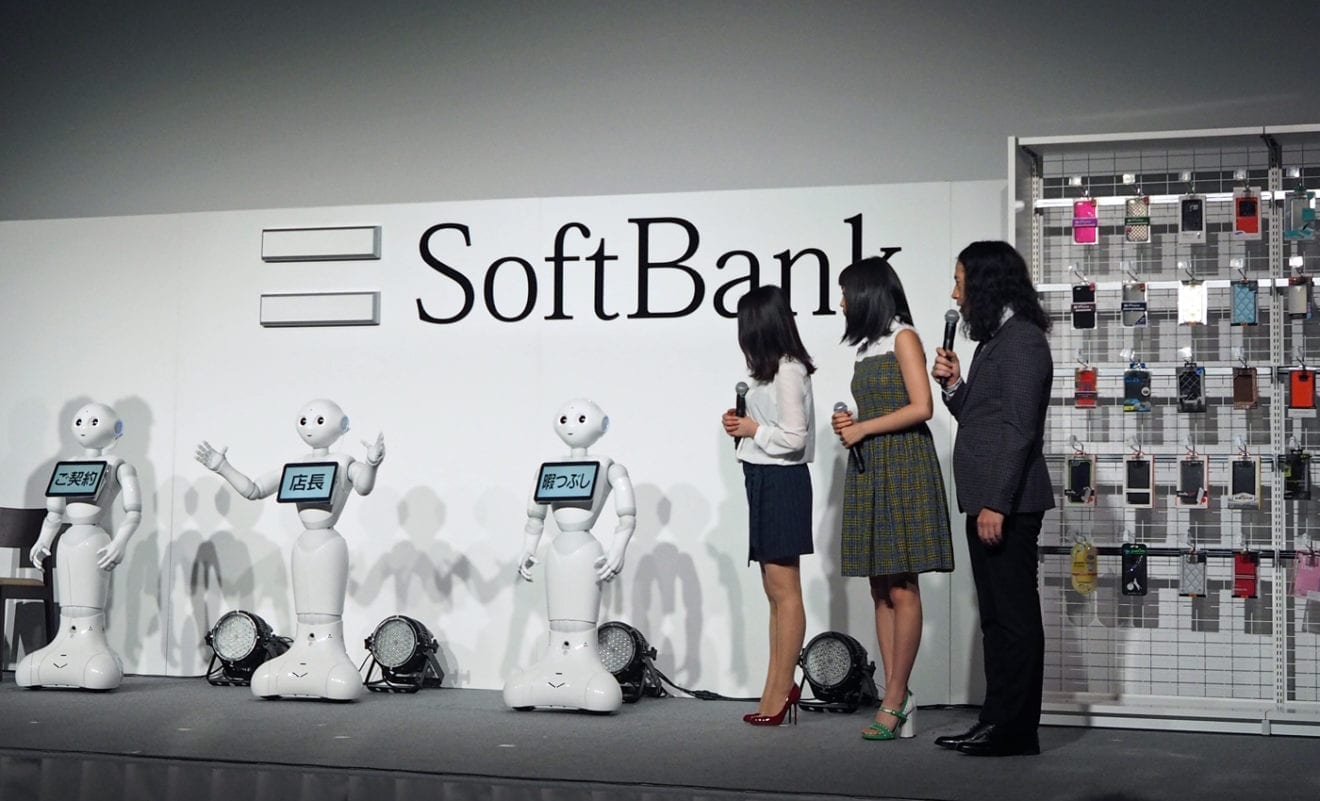
    Japan’s SoftBank and ZTE have achieved a peak data rate of 956Mbps during a trial of TDD Massive MIMO (multiple-input multiple-output) technology on a commercial network.

    The trial in Nagasaki involved 24 terminals simultaneously downloading FTP data at the 956Mbps rate over 20MHz of bandwidth.

    ZTE’s core space division multiplexing technology means that each user on a pre5G TDD Massive MIMO network exclusively occupies 20MHz spectrum resources on a single carrier.

    In commercial networks the average user data rate reaches 40Mbps or above, and the cell spectrum efficiency is improved by 7.7 times compared with that of traditional LTE cells, ZTE said.

    The trial marked the first practical test for ZTE’s Pre5G TDD Massive MIMO technology on a commercial network, and follows verification tests in China achieving a data rate of 1.1Gbps in a 24-stream field test.

    SoftBank is ZTE’s first pilot partner for the Smart Life project, which involves planning product solutions for pre5G and early 5G networks. The companies have been conducting R&D on improvement of spectrum efficiency, 4G/5G network integration mobile bandwidth, IoT and Internet of Vehicles technologies.

    “ZTE is the first partner to support Massive MIMO 24 streams in the commercial network at a throughput of close to 956Mbps on a single carrier,” SoftBank network department director Takeshi Noda said.

    “We will work together to build a network that makes the future life of SoftBank’s users smarter and more intelligent.”

  • Sake Central to celebrate Japanese culture

    Sake Central to celebrate Japanese culture

    Described as a multifunctional retail and education space, Sake Central has taken over a chunk of Soho’s PMQ to celebrate Japanese culture through food and drink. The Central project is being led by a trio of F&B entities versed in Japanese culture, Elliot Faber, Ken Nagai and Takashi Endo.

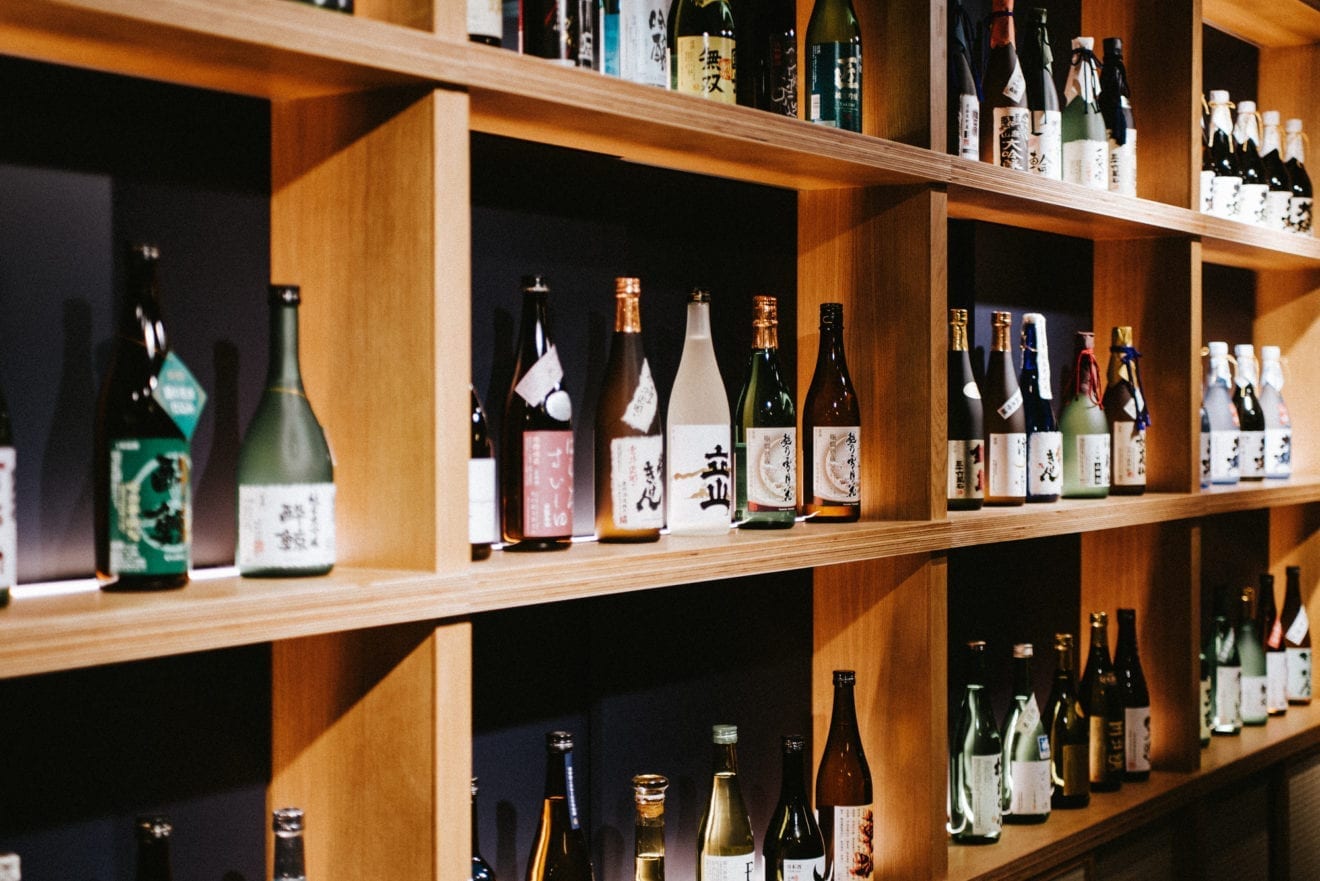
    Sake Central comprises a labyrinth of rooms designed to tap into all aspects of eating, drinking and learning about Japanese food and culture. The rooms include a Cultural Pavilion, which serves as a promotional platform for Japan’s 47 prefectures; a Brand Showcase section, featuring eight different sake breweries at a time; and a Curated Collection room highlighting Japanese culture, from literature to glassware and ceramics.

    Finally, Bar Sake Central is a 16-seat bar and retail space where customers can buy any of the 200 bottles on show at any one time. However, its main purpose is allow guests to sample the diverse range of sake on offer, matched with a seasonal menu of otsumami (small snacks designed to be eaten with alcohol).

    The space has temperature control settings and special LED lighting to protect the integrity of the bottled sake.

  • Toshiba is being sold ?

    Toshiba is being sold ?

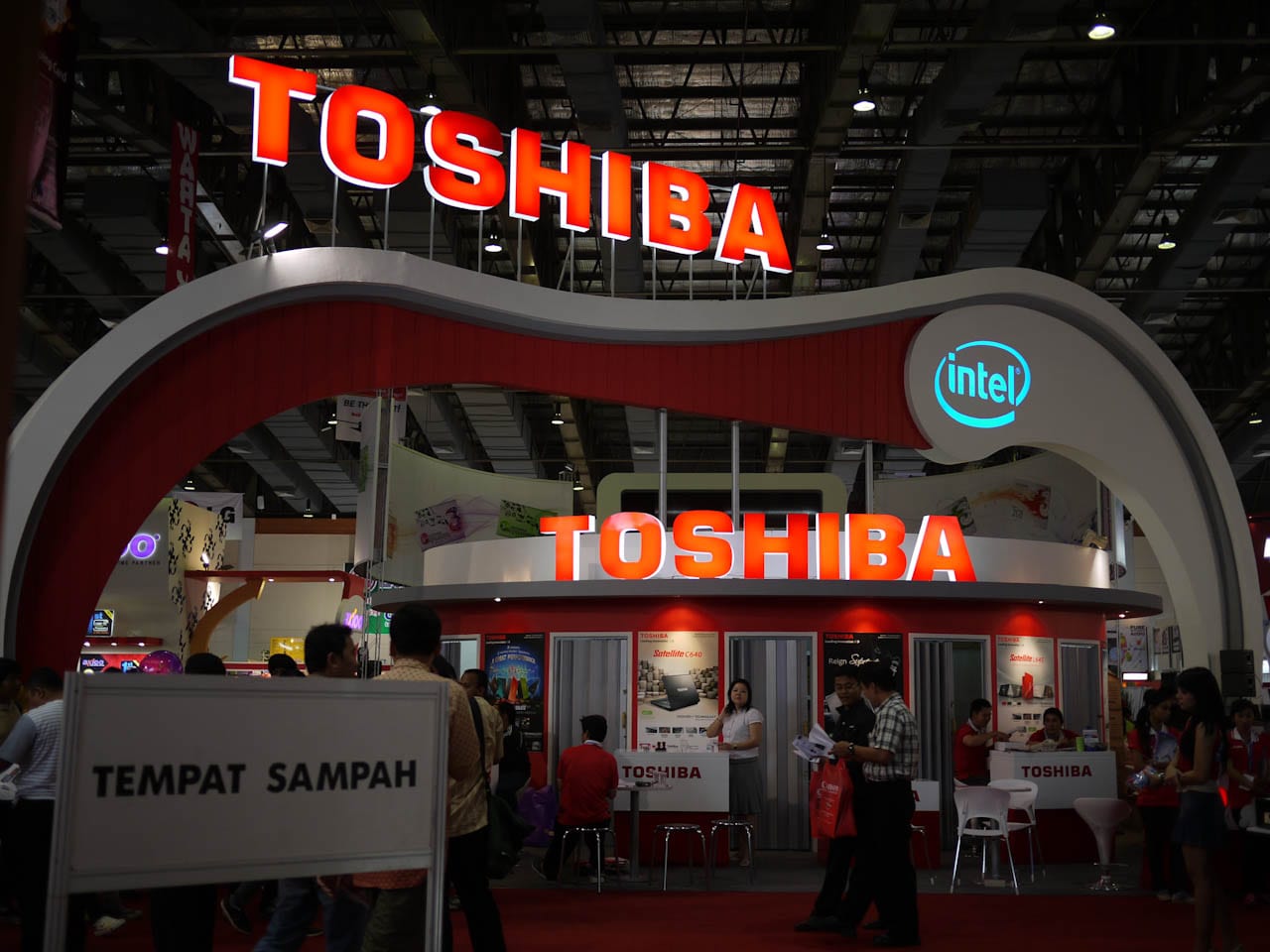
    Toshiba has been stuck in tortuous negotiations over selling the segment, which could raise as much as $20 billion.

    At a train station used by hundreds of workers at struggling Japanese electronics giant Toshiba, an advert is apparently trying to poach staff worried by their employer’s precarious financial position.

    “Do you work for ‘that’ electronics company? If so, come and work for us!” screamed the ad for Toyota.

    The mere fact Toshiba staff are apparently being urged to jump ship by rivals underscores the difficulties suffered by the former industrial titan.

    Strapped for cash, the firm is soon expected to be forced to sell off part of the family silver — its key memory chip business, which accounts for around a quarter of its total annual revenue.

    Toshiba has been stuck in tortuous negotiations over selling the segment, which could raise as much as $20 billion.

    Three parties have been vying for the prize: a US-South Korean consortium led by investment fund Bain Capital, Toshiba’s US chip factory partner Western Digital and Taiwan’s Hon Hai Precision, better known as Foxconn.

    On Wednesday, Toshiba said it had signed a memorandum of understanding with the Bain consortium but this did not prevent them still talking to others.

    Selling the profitable chip division is seen as key to Toshiba’s survival, as one of Japan’s best-known firms battles to recover from multi-billion-dollar losses at its US nuclear operations.

    It could also face the humiliating prospect of being delisted from Japan’s stock exchange if the sale does not raise the sufficient funds.

    Fall from grace

    The move to sell represents something of a fall from grace for Toshiba, which can trace its history back as far as 1875 when the company set up a telegraph factory in the now swanky area of Ginza in Tokyo.

    In the 1930s, the firm manufactured the first Japanese vacuum cleaner, the first fridge and the first washing machine, which still works today — albeit with an almighty racket.

    It has been involved in the manufacture of an astonishing array of items from tiny electronic chips to nuclear reactors, with everything from televisions, computers and highway toll gates in between.

    But Toshiba is not the only once-mighty Japanese conglomerate to feel the pain from ferocious foreign competition.

    Household names Panasonic and NEC have been forced into major restructuring, and Sharp was acquired by Foxconn.

    Toshiba’s problems stem in large part from what Yasuyuki Onishi, a specialist in the sector, described as its “reckless” purchase of US nuclear unit Westinghouse, which racked up billions of dollars in losses before being placed in bankruptcy protection.

    This is the “main cause of the crisis that the group is suffering”, Onishi told AFP.

    Those huge losses came to light as the group was still recovering from revelations that top company executives had pressured underlings to cover up weak results for years after the 2008 global financial meltdown.

    Its most recent results published in August revealed a loss of $8.8 billion in the last fiscal year, although it predicted it would be back in the black this year.

    ‘Pothole in the road’

    But most analysts believe Toshiba is too important to fail.

    Tokyo is believed to be unwilling to lose sensitive technology, with security questions swirling over systems already using Toshiba’s memory chips, which are widely used in data centers.

    The government also needs the company to take care of the painstaking task of decommissioning reactors at the Fukushima plant crippled by the 2011 tsunami.

    Toshiba could end up becoming “just a company that dismantles Japanese nuclear plants”, mused Onishi.

    “Toshiba will avoid bankruptcy for now but it will shrink and end up disappearing,” said the expert.

    Masahiko Ishino, an analyst at Tokai Tokyo Research Center, said the sale was designed to help Toshiba meet temporary funding difficulties.

    It will “fill in a pot-hole in the road”, he said, arguing also that the speculated price tag is too cheap.

    “The business is a magic hat out of which comes 500 billion yen (of operating profit) every year,” he said.

    “It’s like a huge property is being bequeathed. Everyone is trying to get a bigger share.”
  • Concept store 10 Corso Como returns to Tokyo

    Concept store 10 Corso Como returns to Tokyo

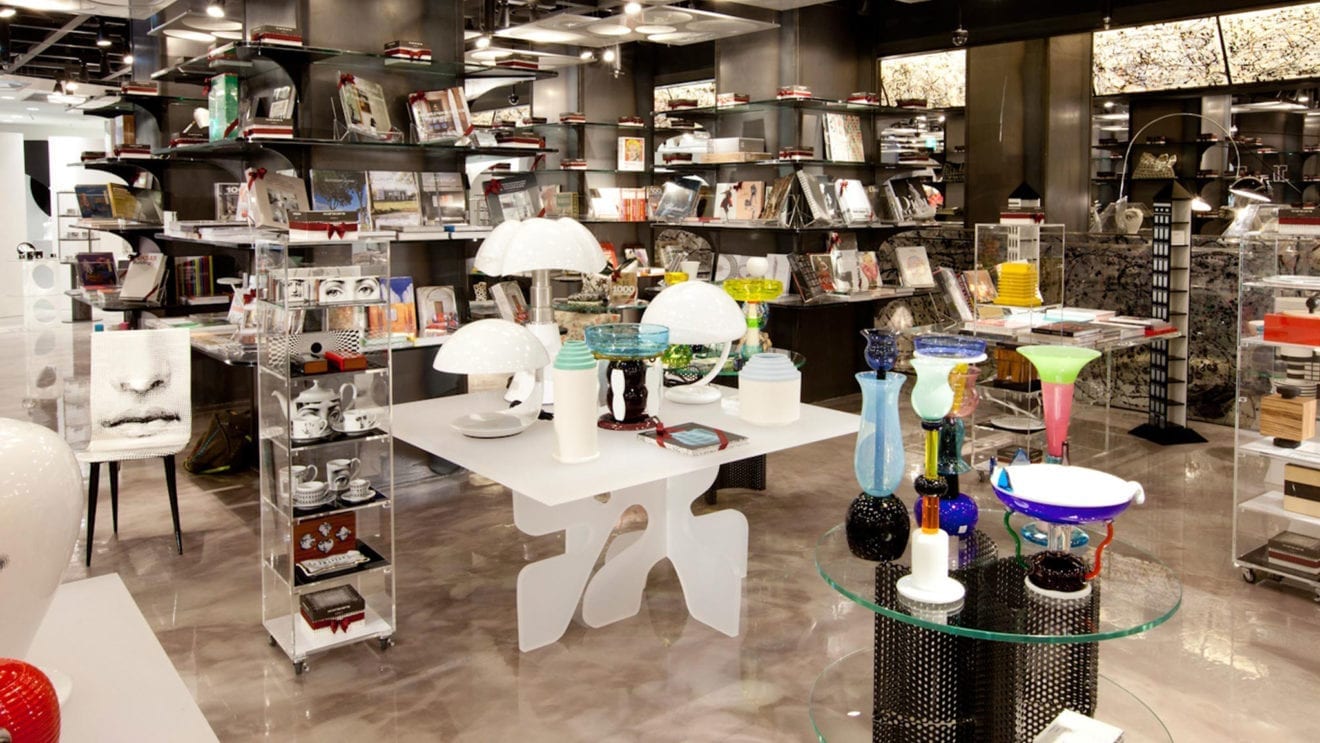
    Milanese concept store 10 Corso Como is returning to Japan tomorrow, with two outlets.

    The two new retail outlets, 30 sqm each, will be located inside Seibu Ikebukuro and Seibu Shibuya department stores, and will each display 10 Corso Como-branded products.

    10 Corso Como also opens two pop-up stores this month at Seibu Shibuya from 12 to 18, and Seibu Yokohama from 26 to October 10.

    10 Corso Como was founded in 1990 in Milan by Carla Sozzani, and made a first foray into Japan in 2002 under the name of 10 Corso Como/Comme des Garçons.

    In foreign markets, the brand has two stores in Seoul and one in Shanghai, plus a cafe-restaurant in Beijing.

    The brand’s next new store will be opened in New York.

  • Second Jalan Jalan Japan for Kuala Lumpur

    Second Jalan Jalan Japan for Kuala Lumpur

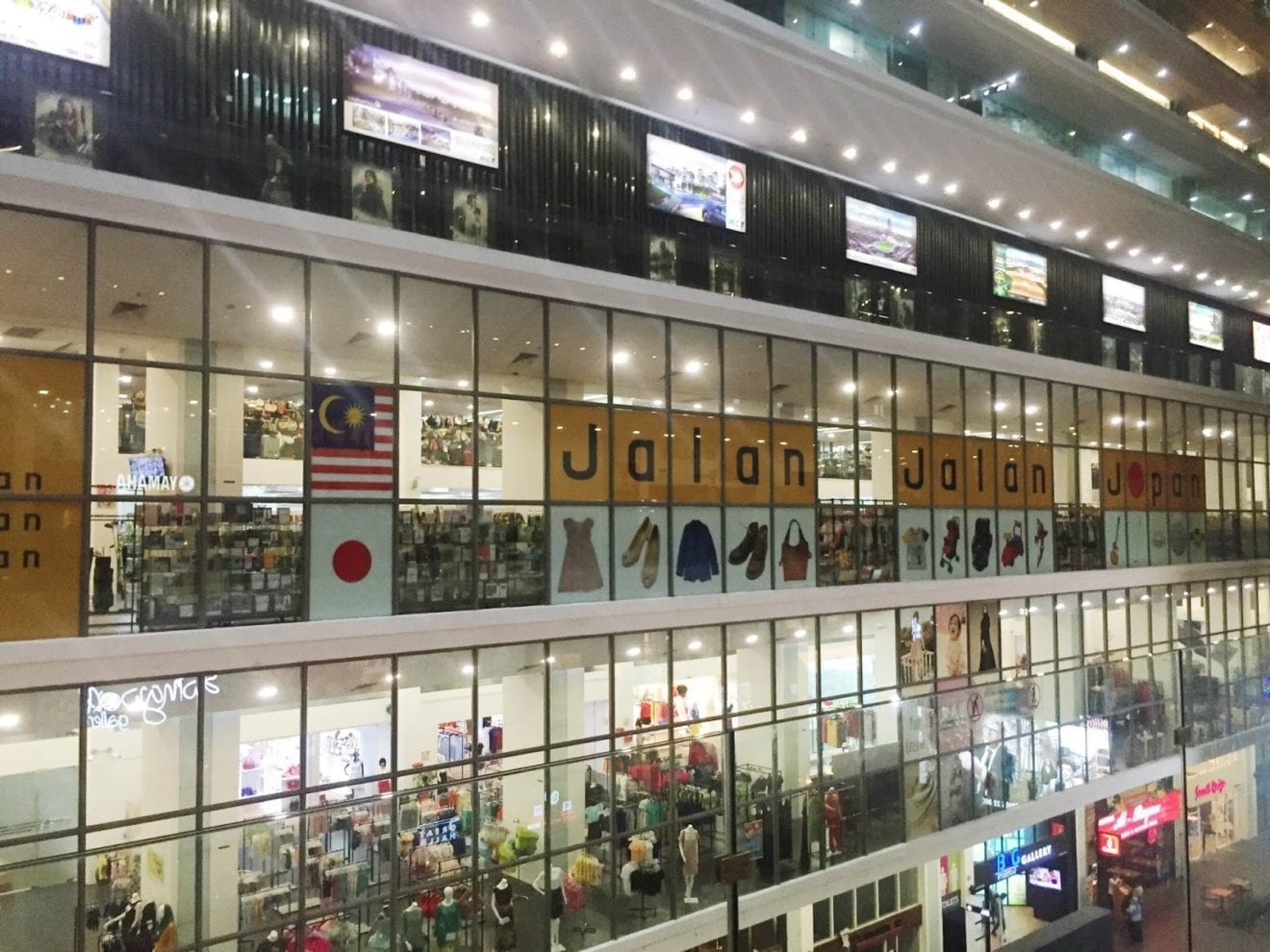
    Japanese used-book retailer Bookoff Corporation, through its subsidiary Bok Marketing, will open a second Jalan Jalan Japan outlet in Kuala Lumpur.

    Opening at 1 Shamelin Mall on September 30, it is the brand’s second Southeast Asia store.

    Also known as “JJJ”, the first Jalan Jalan Japan store opened at Skypark One City in Subang Jaya in November. It offers not only books, but also clothes, bags, shoes, household items, baby goods, toys, hobby items, sporting goods, instruments, furniture and accessories.

    Bookoff has more than 800 shops in Japan, buying more than 400 million items and selling more than 300 million pieces  annually. All JJJ goods are imported from Japan.

    Another two or three stores are planned for around Kuala Lumpur over the next few years.

  • Hublot opens Kyoto store

    Hublot opens Kyoto store

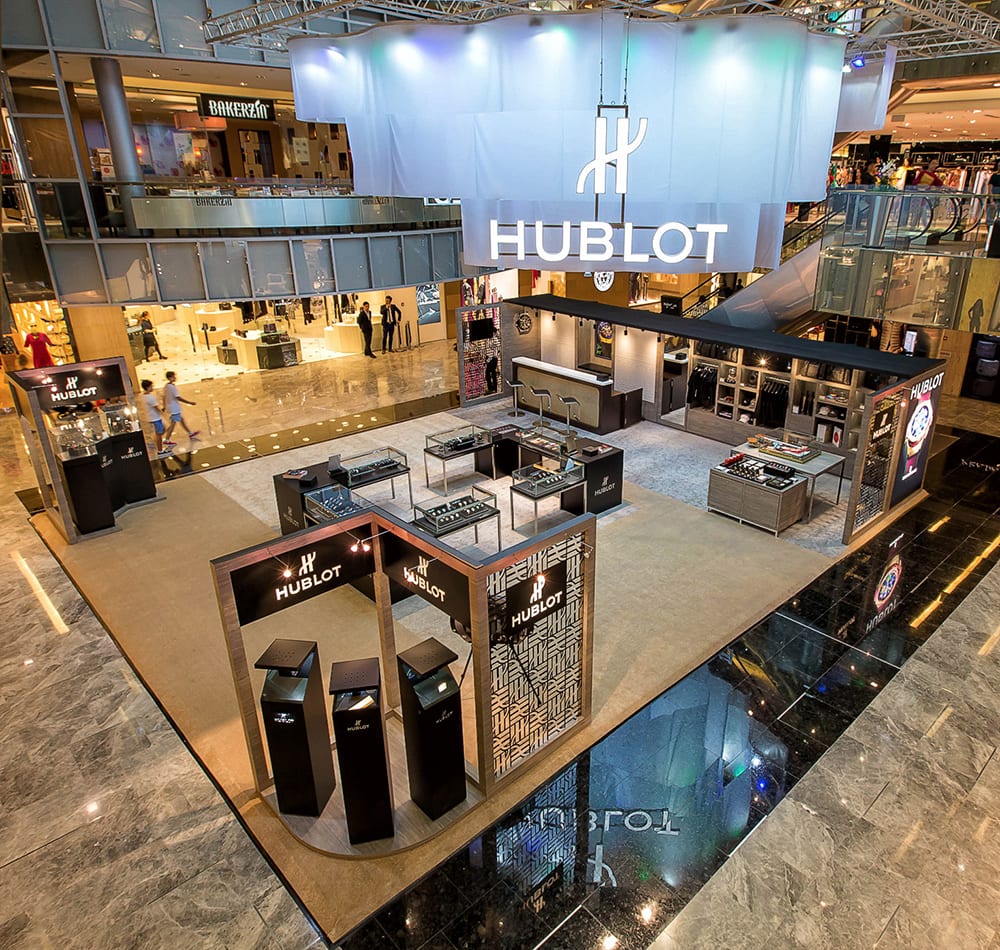
    Swiss watch brand Hublot has opened a boutique in Kyoto on 26 August 2017, taking up residence in the former space occupied by Hermès.

    Located in an old machiya-style townhouse in Kyoto’s famous Gion district, the shop features custom Japanese ‘washi’ paper and wickerwork reiterating the watchmaker’s logo.

    Shopping the latest timepieces and watch accessories from the Swiss luxury horologist, customers will also receive Japanese-style folding fans as gifts with each purchase. The Kyoto shop will primarily carry timepieces priced at around 1 million yen to 2 million yen ($9,081 to $18,162).

    The 212-square-metre boutique forms part of Kyoto’s Daimaru Matsuzakaya Department Store. In 2016, the mall retailer spent 100 million yen refurbishing the two-story wooden former teahouse. It fronts onto Hanamikoji-dori Street, which is Gion’s main street.

    French luxury brand Hermes was chosen as the first tenant, opening up a pop-up shop for a limited time from November 2016 through to July 2017.

    The history of the machiya is unknown, with records of extensions being added in 1938, according to Japan Property Central. In 2001, the overhead power lines along this street were buried underground and the road was refinished with stone paving.

    Hublot, founded in 1980 in Switzerland, targets mainly men in their late 30s and early 40s.

    The shop is the company’s third directly operated outlet in Japan after one in Tokyo’s Ginza district and another in Osaka.

  • Jimmy Choo Japan steps to the fore

    Jimmy Choo Japan steps to the fore

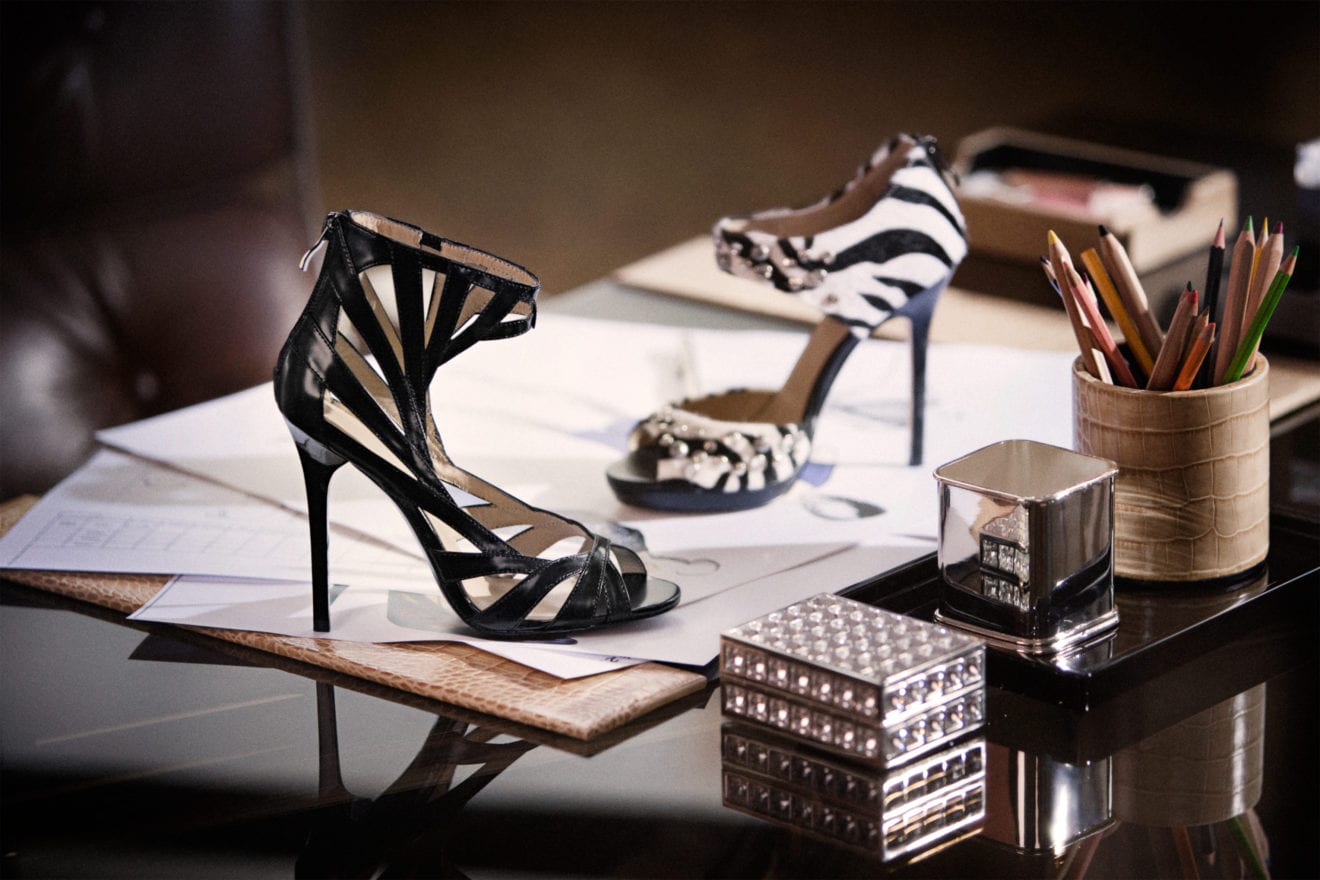
    Jimmy Choo Japan delivered the strongest performance internationally for the luxury shoe brand’s first half.

    While there was strong growth across Asia, Japan shone with an 11 per cent rise in revenue on a constant currency basis.

    Growth was underpinned by the men’s category, says the company. It continues to be the fastest-growing category, and in Japan it represented 28 per cent of revenue for the six months, up from 26 per cent year on year.

    Excluding Japan, Asia had 8.2 per cent revenue growth with all territories delivering strong like-for-like growth.

    “Mainland China continues to experience double-digit like-for-like growth, driven by increased brand awareness and greater demand for the seasonal fashion offerings,” says Jimmy Choo.

    “We have also seen strong results in Malaysia and Singapore following the conversion of franchise stores to retail in 2015, driven by improved merchandising and store performance.” Within wholesale, the company continued to expand its travel-retail footprint with the opening of two franchise doors.

    Overall revenue for the brand grew by 4.5 per cent on a constant currency basis (16.5 per cent on a reported basis), with growth driven by retail rather than wholesale. Retail revenue was up 6.7 per cent to £127.1 million (US$164.5 million) while reported revenue was 18.5 per cent  ahead of last year.

    Good performance continued from the company’s new concept stores despite disruption from its store development program. Eight store were renovated or relocated during the period. As at the end of June, more than half the company’s outlets, including the seven flagships, had the new concept.

    Meanwhile, Jimmy Choo says its online business, at 6.3 per cent of total revenue, performed particularly well with sales growth of 3.5 per cent.

  • Nissan targets new Leaf global sales of more than 90,000 a year

    Nissan targets new Leaf global sales of more than 90,000 a year

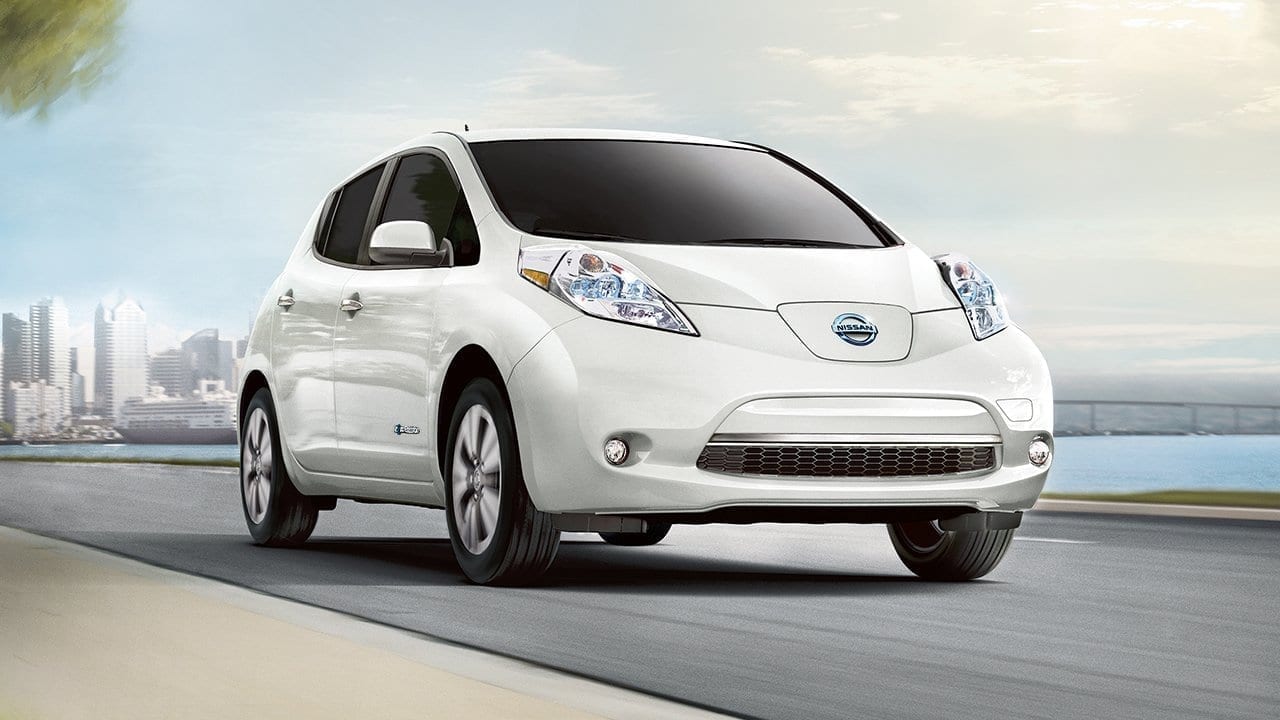
    Nissan Motor is targeting annual global sales of more than 90,000 units for its new Leaf electric vehicle, the company said on Wednesday.

    The battery supplier for the revamped Leaf is Automotive Energy Supply, the same as for the previous Leaf.

    The new Leaf, launched on Wednesday, goes on sale in Japan from Oct. 2 and elsewhere early next year.