Tag: Japan

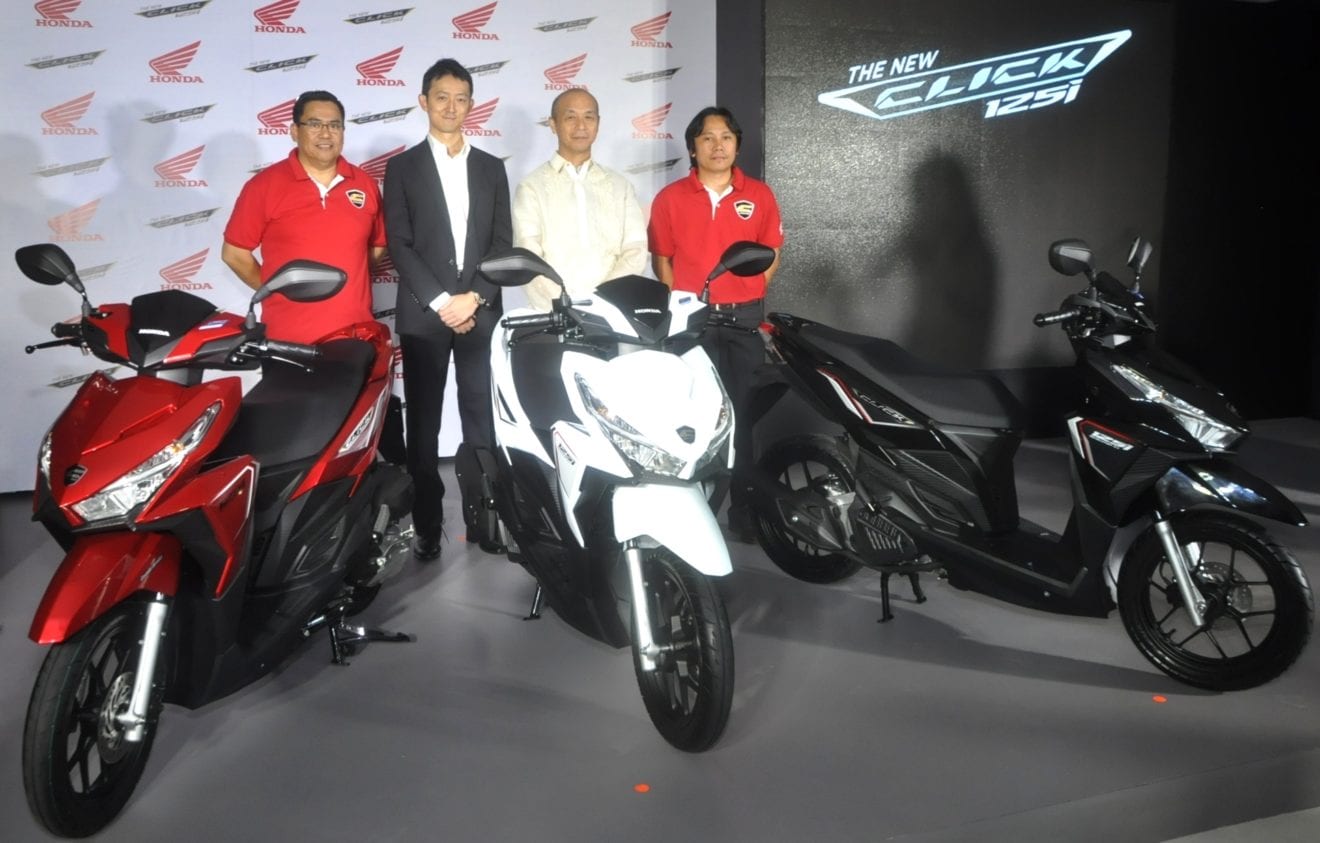
  • Honda motorcycle sales boost quarterly net profit

    Honda motorcycle sales boost quarterly net profit

    Motorcycle sales volume grew in India and Vietnam. Japanese vehicle maker Honda on Tuesday said net profit for the second quarter rose by double digits boosted by strong motorcycle sales, revising up its full-year forecast.

    The Tokyo-based company said “solid sales of two-wheel vehicles in Asia and cost reduction efforts” contributed to increased profits.

    Motorcycle sales volume grew in India and Vietnam, Honda said, while four-wheel vehicle sales volume increased in Japan and China but declined in North America.

    Japan’s number-three automaker booked net profit of 207.3 billion yen ($1.88 billion) in the April-June period, up 18.7 percent from the previous year.

    Sales grew 7.0 percent to 3.71 trillion yen, while operating profit rose 0.9 percent to 269.2 billion yen.

    Honda boosted its net profit forecast to 545 billion yen from an earlier figure of 530 billion yen for the fiscal year ending March 2018.

    It also lifted its fiscal year operating profit and revenue outlooks.

    “Honda’s profit pales compared to figures last year when it booked a one-time gain in a pension accounting change,” Satoru Takada, an analyst at TIW, a Tokyo-based research and consulting institute, said ahead of the earnings release.

    “But it displayed a good performance in China and Indonesia while showing steady sales in North America,” he said.

    While North American vehicle sales declined in the quarter year on year to 481,000 from 510,000, revenue rose slightly to 2.13 trillion yen from 2.06 trillion yen.

    Takada added that the foreign exchange situation is “a key factor” for automakers.

    “Current levels are relatively positive for the Japanese auto industry,” he said.

    Although the yen has strengthened slightly in past days, it remains weak against the dollar over recent years.

    A stronger Japanese yen can hurt carmakers by eroding the value of overseas profits when repatriated.

    On Thursday, Nissan reported a drop in quarterly net profit, hit by higher costs and weak sales in key markets, although it left its annual forecasts unchanged.

    Toyota will release earnings on Friday.

  • Japan’s Subaru posts higher profit as car sales jump

    Japan’s Subaru posts higher profit as car sales jump

    Subaru on Thursday posted a better-than-expected rise in its quarterly operating profit, buoyed by higher sales in the United States, its biggest market, where other Japanese automakers are struggling with slower demand.

    Operating profit at Japan’s No.6 automaker came in at 119.3 billion yen ($1.08 billion) in the first quarter ended June, up 17.5 percent from a year ago and exceeding the average forecast for 114.8 billion yen from seven analysts polled by Thomson Reuters I/B/E/S.

    Most Japanese automakers have been hit by both an overall slowdown in the U.S. market and a growing preference for bigger car models, versus the sedan.

    Subaru has, however, managed to buck this trend, reporting a 12.3 percent jump in sales in the world’s No.2 auto market after China, with models such a revamped version of its Impreza sedan, along with the Forester SUV and Outback SUV crossover.

    Subaru raised production capacity last year at its plant in Indiana and was able to deliver more units over the quarter in the United States, which accounts for around 60 percent of its global sales volume.

    The automaker’s U.S. marketing strategy has focused mainly on affluent and liberal-minded consumers, with advertisements featuring slogans such as love and inclusion.

    It has won over consumers living largely on the west and east coasts – a concentration that has allowed it to leverage its production capabilities, which are a fraction of those of Toyota Motor and other bigger rivals like Nissan Motor Co.

    Toyota is expected to announce a 16 percent drop in its quarterly operating profit, according to analysts surveyed by Thomson Reuters I/B/E/S, while Nissan last week posted an almost 13 percent slide in profit, dragged by rising incentives to sell its cars in the United States.

  • SoftBank taps Cisco to optimize mobile IP core

    SoftBank taps Cisco to optimize mobile IP core

    Japan’s SoftBank has contracted Cisco to optimize network operations in its next-generation mobile IP core network.

    SoftBank will adopt Cisco high-density 100GE routing and segment routing technology to help meet demand for greater mobile traffic capacity and enable faster and more flexible provisioning of new services.

    Traffic demand is forecast to increase at a rate of 50% per year, prompting SoftBank to upgrade its core routers to a Cisco solution capable of housing 576 100GE ports.

    New capabilities in the system will also allow SoftBank to reduce fault recovery time and improve functions for ensuring service continuity in the event of a fault.

    Segment routing is aimed at simplifying network architectures and enabling the provision of advanced network services without increasing the burden on operations. The architecture has been designed to seek the balance between distributed intelligence and centralized optimization.

    “SoftBank keeps focusing on improving service quality and enhancing the reliability and agility of network while reducing costs,” SoftBank SVP Keiichi Makizono said.

    “Cisco’s advanced network technologies and support have allowed us to establish the next-generation mobile IP core network platform that meets the bandwidth demand. We expect Cisco’s continued support and cooperation for providing services that lead the Japanese market.”

  • AEON and Thai Airways Offer Business Class of travel to Japan

    AEON and Thai Airways Offer Business Class of travel to Japan

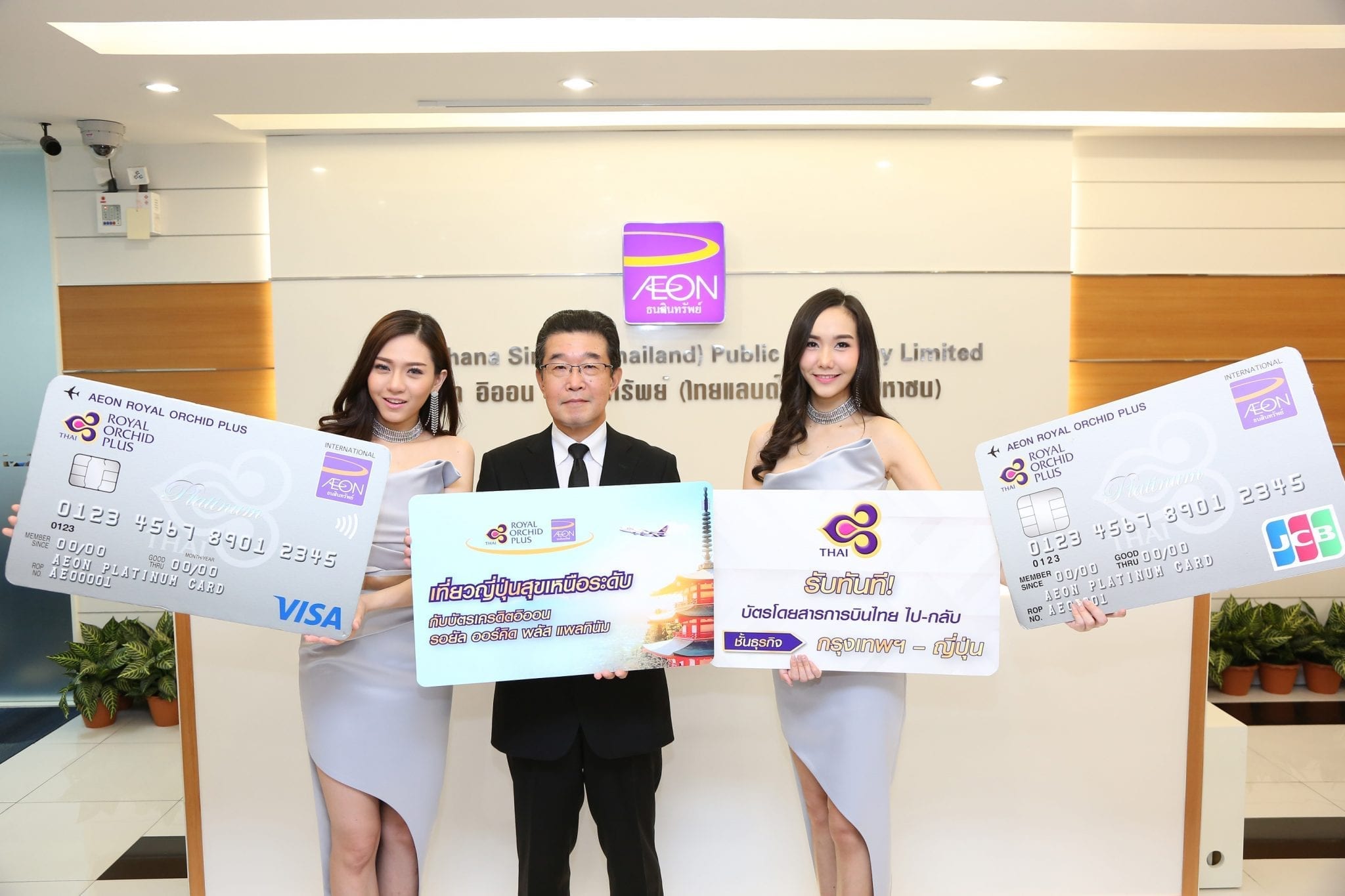
    Mr. Kiyoyasu Asanuma (Centre), Managing Director of AEON Thana Sinsap (Thailand) Public Company Limited has coorporated with Thai Airways International Public Company Limited to provide special offers to AEON Royal Orchid Plus Platinum Cardmembers (VISA payWave and JCB) under the campaign “Ultimate Happiness in Japan with AEON Royal Orchid Plus Platinum Card”.

    Card members will be exploring their ultimate travel experience from luxurious Business Class travel to Japan with Thai Airways. AEON customers will get Thai Airways round-trip Business Class ticket from BKK – Japan value 65,000 baht when spend 3,500,000 baht or more or earn up to 5,000 bonus miles when spend 500,000 baht or more at any participating stores worldwide. The campaign runs from now until September 30, 2017.


  • Delayed launch for Pablo Singapore

    Delayed launch for Pablo Singapore

    After a delayed launch, cheese-tart chain Pablo Singapore is set to open in Wisma Atria in the next couple of weeks.

    The Japanese brand had originally been scheduled to open this month.

    On sale will be the chain’s signature 15cm-wide tarts, plus two other flavours – the matcha cheese tart with shiratama mochi and azuki or red beans, and the chocolate cheese tart.

    As in other overseas outlets of Pablo, the “medium” version of the tart will be offered (in Japan, diners can also order a “rare” version that oozes molten cheese filling when sliced).

    There will also be a crustless premium cheese tart with a caramel glaze topping, inspired by creme brulee. Later this year mini-tarts will be added to the menu.

    With 78 seats, the cafe will occupy a 1400 sqft (130 sqm) space on the first level of Wisma Atria, formerly occupied by Omakase Burger.

    Pablo is being brought in by Caerus Holdings, which runs New York confectionery chain Lady M in Orchard Central, Westgate mall and South Beach Avenue.

  • KFC Japan to launch new healthy dining retail concept

    KFC Japan to launch new healthy dining retail concept

    KFC Japan is to open a new healthy food retail concept called The Table by KFC in Sendai City on August 5.

    The Table by KFC aims to offer deli-style foods, including salads, along with versions of its traditional favourites – like a full-size KFC chicken – targeting commuters passing through railway stations and shopping precincts.

    The first store will be located in the S-Pal Sendai shopping center in Sendai City, Miyagi Prefecture, which is located in the northern part of Honshu.

    News of the concept was revealed in English on the Sorai News 24 website, which has published a number of photos of the dishes one can expect, following a local announcement by KFC Japan.

    Sorai News 24 says the store is “designed to have a natural look, using plenty of wood-grain material for a ‘home kitchen’ feel”.

    “The foods will be displayed in bowls and dishes of different designs, so that the setup is enjoyable to look at too.”

    New dishes to join the menu include Spanish-style Garlic Chicken Gizzard and Oriental Smoked Chicken Caesar Salad.

  • AirAsia to take wing in Japan after long layover

    AirAsia to take wing in Japan after long layover

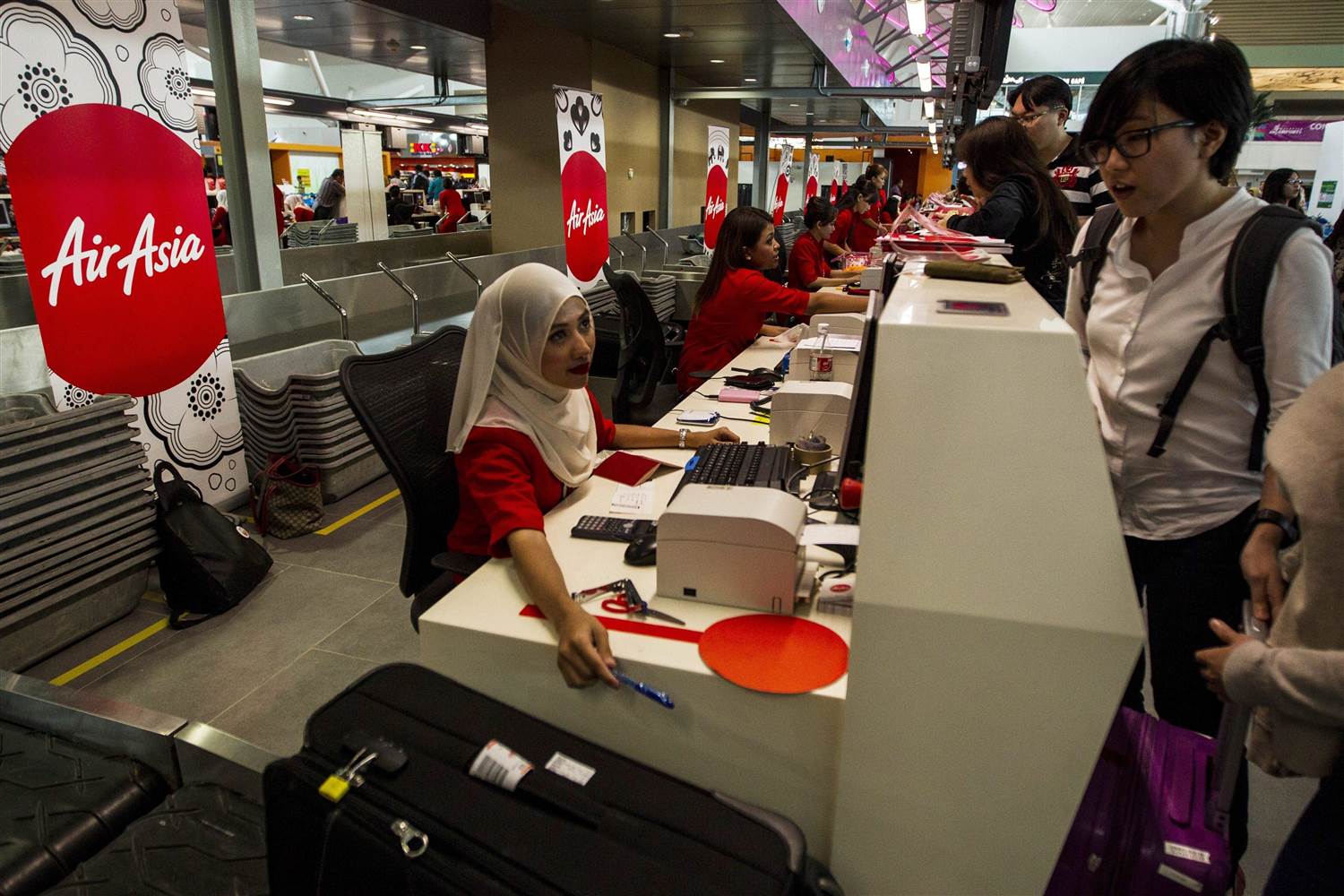
    Low-cost carrier AirAsia Japan will ply this country’s skies again as early as September, flying a domestic route from its home base of Chubu Airport near Nagoya, in a move likely to shake up the budget air travel market here.

    The unit of Malaysia-based AirAsia, Southeast Asia’s biggest low-cost carrier, will fly between Chubu and the city of Sapporo on Japan’s northern island of Hokkaido. It plans to later offer flights from Chubu to Taipei as well, it had told affiliates by Friday.

    Chubu Airport aims to open a terminal dedicated to low-cost carriers in the first half of fiscal 2019 in response to a spike in activity. A number of budget carriers operate through the airport, but AirAsia Japan will be the first to make it a base where planes are parked overnight and maintained.

    Five airlines currently offer flights between Chubu and Sapporo, including Japan Airlines and low-cost carrier affiliate Jetstar Japan. Adding AirAsia to the mix may froth up price competition.

    Low-cost carriers offer lower fares than traditional carriers by cutting costs and onboard services.

    A turbulent history

    AirAsia previously offered domestic Japanese flights via an earlier incarnation of its Japan arm, set up in 2011 through a joint investment with All Nippon Airways, which has since become a unit of ANA Holdings. But it withdrew from those routes in 2013 amid a disagreement with its partner. The joint venture became a fully owned unit of ANA Holdings that took to the clouds again under the moniker Vanilla Air.

    Aiming to re-enter Japan’s skyways, AirAsia partnered in 2014 with companies including e-commerce powerhouse Rakuten and sporting goods retailer Alpen to form the new AirAsia Japan, taking a 49% stake including nonvoting shares.

    In 2015, that company moved its headquarters to Chubu Airport. At first, the carrier intended to start offering flights that year, but such issues as shortcomings in its safety management system forced a series of delays. A planned route between Chubu and the northeastern city of Sendai was nixed as well. A fourth, indefinite delay was announced in January.

    AirAsia Japan’s management also shifted during the delays. The company’s first CEO, All Nippon Airways alum Yoshinori Odagiri, stepped down at the end of 2015. Thereafter, the unit courted Takashi Ide — former chairman of low-cost carrier Skymark — for a top management position, while Odagiri’s seat was filled by Osamu Hata.

  • Muji opens its 423rd store in Singapore

    Muji opens its 423rd store in Singapore

    Muji has just opened its 423rd store outside of Japan, officially beating the number of stores it has in its domestic market.
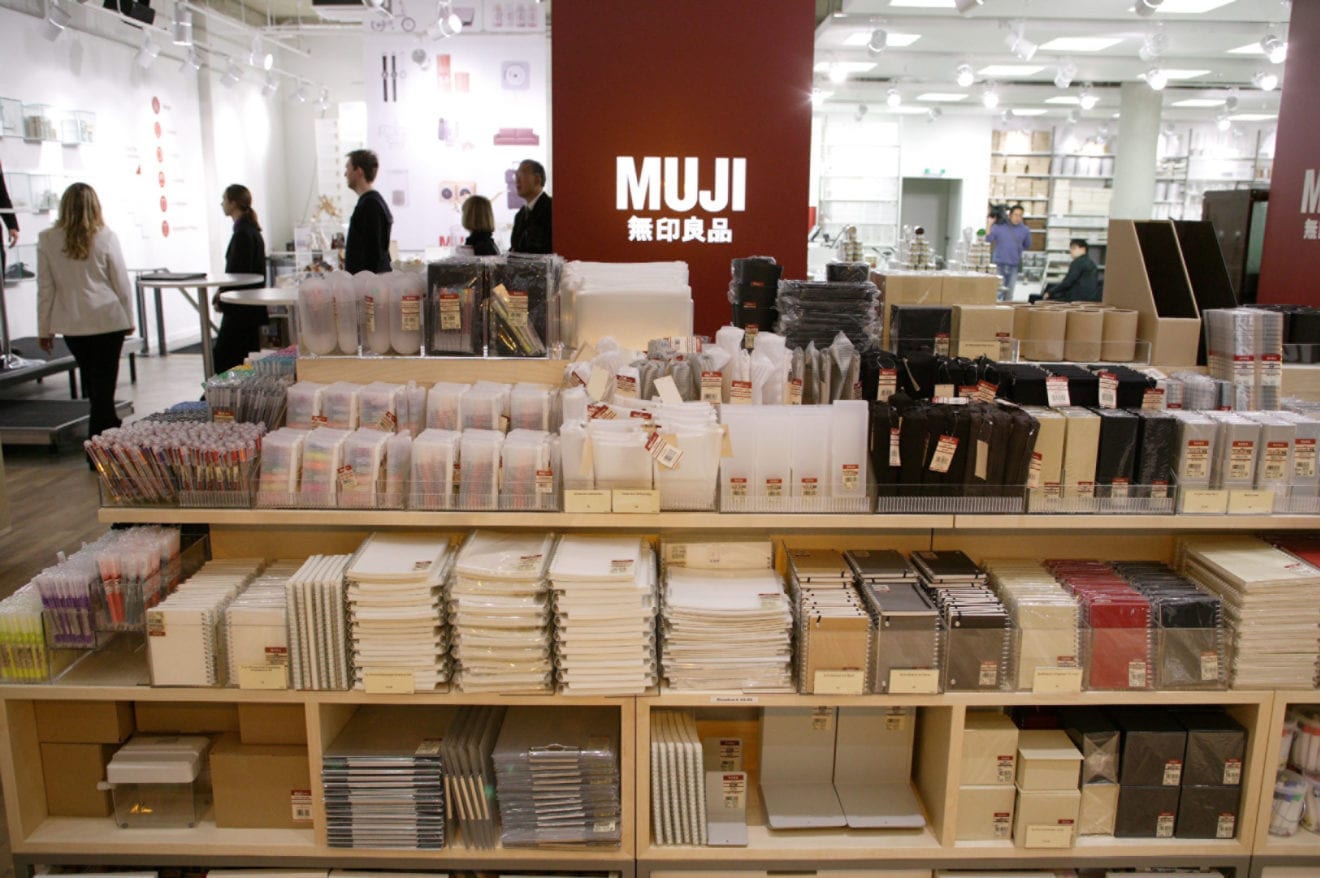
    The milestone was reached as it cut the ribbon on its Southeast Asia regional flagship, in Singapore’s Plaza Singapura mall on key shopping street Orchard Road.

    The new store, its largest in Southeast Asia, carries a wider product offer than any of the other 10 Muji stores in Singapore, including the Labo clothing line, the Found Muji label (which features home items from around the world) and Idée.

    It also has the firm’s third the third Café&Meal dining café and covers 1,640 sq m.

    Parent company Ryohin Keikaku’s President Satoru Matsuzaki told the Nikkei Asian Review that the company aims to accelerate its expansion in South and Southeast Asia after some time spent focusing on the east of the continent (China, Hong Kong, Taiwan and South Korea).

    That acceleration will see it entering Vietnam next year as well as expanding in the Philippines after its debut there earlier this year in a joint venture deal.

    The company will also focus on driving overseas revenue higher because, while store numbers abroad now exceed those in Japan, at ¥32.4 billion, revenue from those foreign stores is roughly half of that in its domestic market.

    Much of that figure came from China where it has 200 stores.

    Singapore is key to this strategy as it’s a regional hub and Matsuzaki said it will also help the company get experience it can apply in India and the Middle East.

    The company’s customers outside of Japan tend to be much younger than the Japanese shoppers it sees in its stores.

    But while these shoppers often have lower income levels than those older consumers in Japan, they also represent a chance to win customers at a young age and build brand loyalty that could last for years, analysts said.

  • Japan’s department stores see June uplift

    Japan’s department stores see June uplift

    Japan department stores saw higher sales in June, which was welcome news after they had fallen in the previous month, the sector’s industry body has said.

    Japanese department stores saw a welcome sales rise last month.

    Sales rose 1.4% year-on-year on a comparable basis at the 229 stores operated by the 80 companies that are part of The Japan Department Stores Association.

    Those 80 firms accounted for turnover of ¥472 billion last month.

    Department stores have faced major challenges in recent years but June’s figures offered some cause for hope, especially as sales had fallen 0.4% in May after rising 0.7% in April. April’s increase  had been the first for 14 months.

    The June rise also helped the three-month average to a 0.7% increase, the first growth in 18 straight quarters.

    The Japan Department Stores Association cited a number of reasons for the increase, from the start of the summer clearance sales (which had been switched from July to June) to high-spending foreign tourists and a return of confidence among more affluent local shoppers.

    In fact, sales to foreign visitors rose a massive 41.4% to ¥18.4 billion.

    It was the second consecutive month that such sales rose more than 40%.

    The Association said cosmetics was one of the key categories to benefit and Chinese tourists were out in force.

    However, there was bad news for the fashion sector as clothing sales fell year-on-year, despite the added impetus of lower prices.

    That said, the clothing that did do well was warm weather fashion as high temperatures and a relatively dry rainy season boosted demand and expensive items such as watches and jewellery were popular too.

  • Thailand, China tie-up for Japan’s FamilyMart UNY?

    Thailand, China tie-up for Japan’s FamilyMart UNY?

    FamilyMart UNY Holdings, Japan’s second-largest convenience store chain, is considering partnering with China’s Citic and Thailand’s Charoen Pokphand Group.

    The companies are looking at opportunities beyond convenience stores, says FamilyMart UNY president Koji Takayanagi.

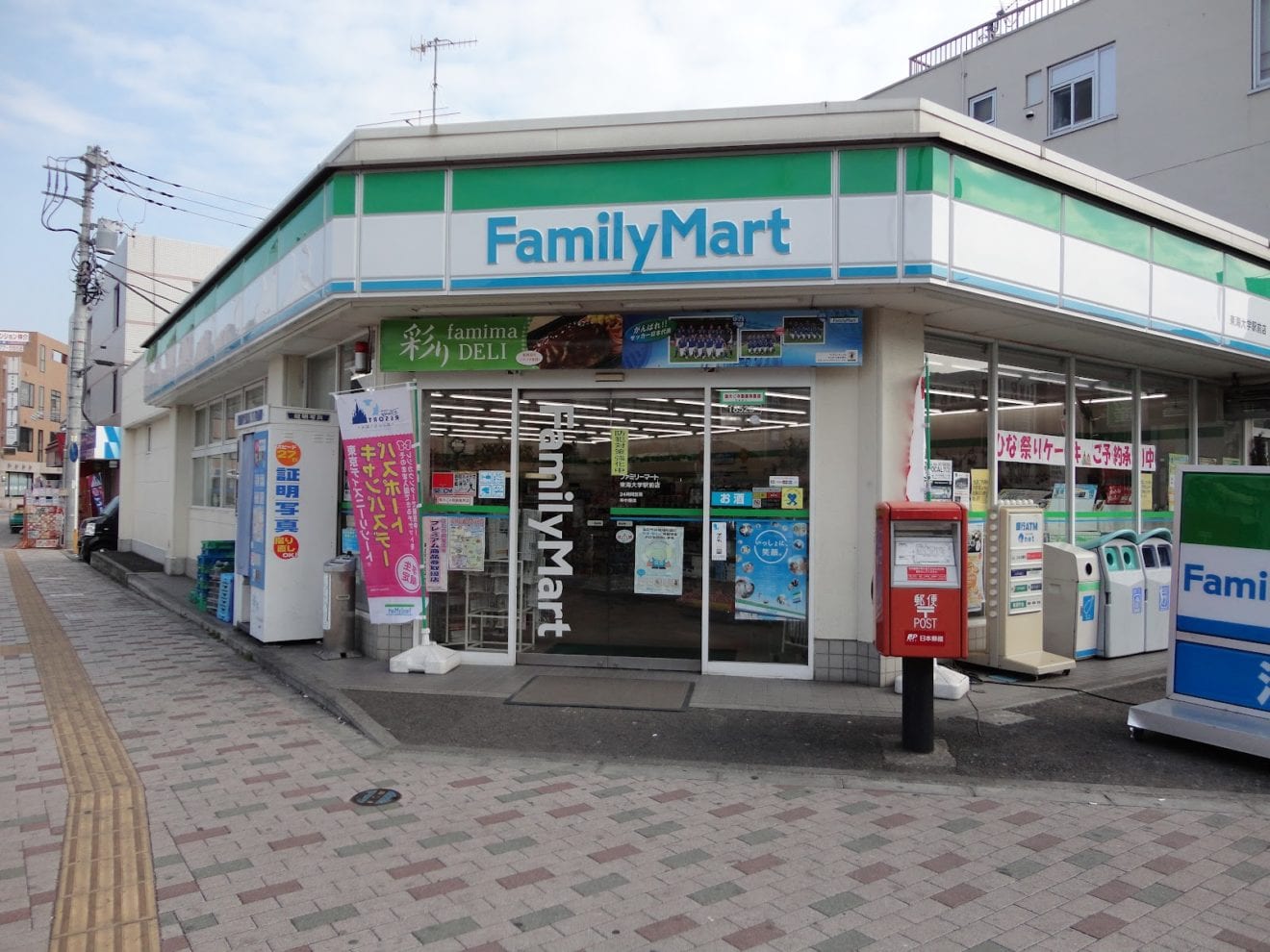
    FamilyMart UNY has forecast it will more than double its profit to ¥100 billion (US$901 million) in four years from ¥41.2 billion in the current fiscal year. This will be driven by converting its Circle K and Sunkus stores into more profitable FamilyMart outlets, says Takayanagi.

    “There is plenty of room for growth,” he says of the company, which also runs supermarkets and general stores. While FamilyMart is profitable in China and Taiwan, it is reviewing its loss-making businesses in Indonesia, Thailand and Vietnam. “If we can get them to rally we will, but we cannot continue to pour in resources,” Takayanagi says.

    While rival Seven & I Holdings, which owns Japan’s largest convenience store chain 7-Eleven, expands overseas, FamilyMart will stay focussed on the domestic market. “It is easier to achieve results domestically and we know what we need to do,” says Takayanagi.

    Japan’s worsening labour shortage, which is leaving convenience stores scrambling to find workers, will force companies to adapt and innovate, he says. Even the country’s declining birthrate and aging population does not phase him. “Even if the amount an individual eats declines, if we offer items with added value people will buy them.”

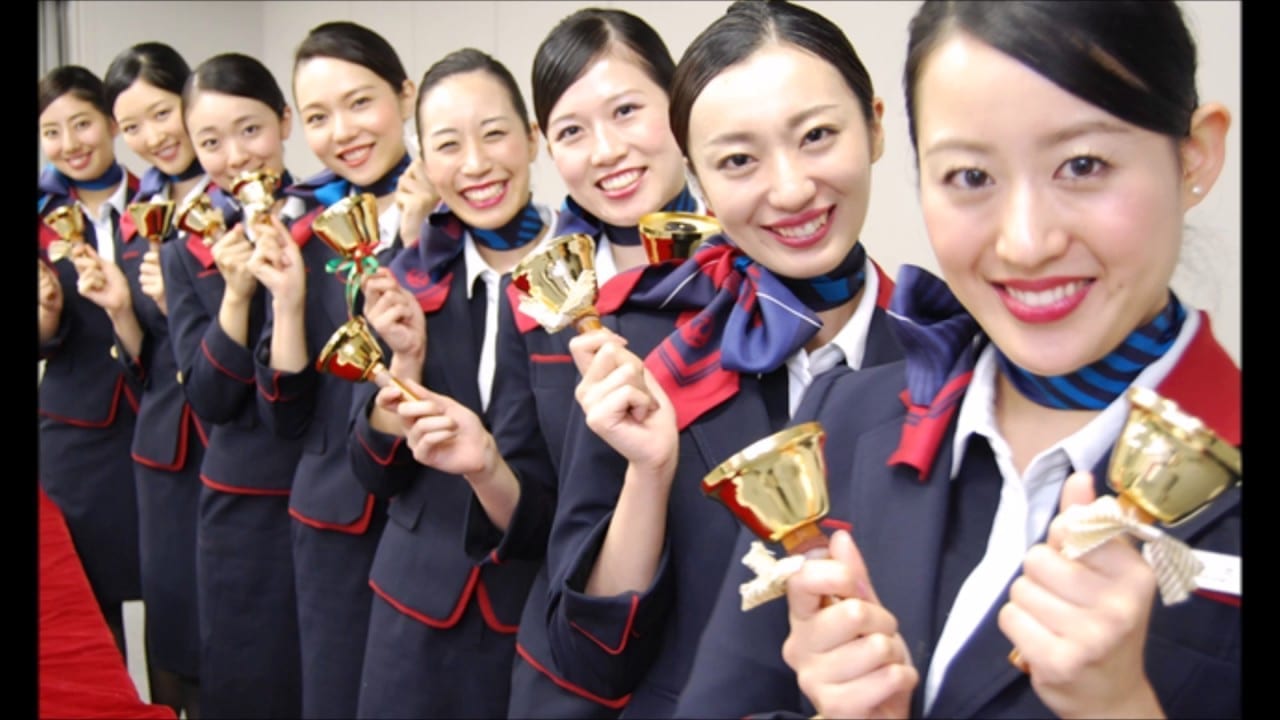
  • Japan Airlines and Vietjet Launch Comprehensive Partnership

    Japan Airlines and Vietjet Launch Comprehensive Partnership

    Japan Airlines (JAL) and Vietjet today reached a formal partnership agreement that offers greater customer convenience and better quality of operations and services while enhancing the corporate value of both companies.

    The two airlines have held a series of discussions on expanding their networks in response to the travel needs of people in neighboring Asian countries next to Vietnam, in addition to meeting the growing demand for air travel between Japan and destinations in Vietnam. With the rapid economic growth in Vietnam, demand for air travel between the two countries has been growing strongly. JAL is already operating daily non-stop services between Tokyo (Narita) and Ho Chi Minh City and Hanoi respectively, as well as between Tokyo (Haneda) and Ho Chi Minh City.

    Vietjet, the first privately owned airline in Vietnam, began its flight services in 2011. It now operates an expanding network that covers all Vietnam and most parts of Asia. Offering convenient and friendly services with reasonable fares, Vietjet has succeeded in creating new travel demands in Vietnam. And as a new-age carrier, it has evolved to offer higher-class service “SkyBoss”, which has been very well received among passengers expecting quality service.

    As a first step, JAL and Vietjet have agreed to start a code-share cooperation for all flight services between Japan and Vietnam as well as the domestic flights of both airlines. Vietjet’s domestic flights, as well as flights between Vietnam and the other Asian countries will also be included. These   add-ons are expected to create more customer convenience. The two airlines will further explore opportunities to develop partnerships in various areas, including a frequent flyer partnership, aircraft operations and maintenance as well as ground handling services and training.

    “The launch of this partnership with Vietjet represents a significant milestone for the two airlines to provide customers with better access to destinations between Japan and Vietnam and beyond, and we believe it will contribute to generate more passenger and cargo traffic between the two countries and open up commercial opportunities on the two airlines’ international networks,” said Tadashi Fujita, JAL Executive Vice President.

    Luu Duc Khanh, Managing Director of Vietjet, said: “Through the agreement signed with JAL today, Vietjet once again affirms the airline’s commitment to innovation, leading market trends, and offering new services following the global integration and international standards. Japan is our key market as we expand the airline’s flight network in the Asia-Pacific region. The partnership between Vietjet and JAL will diversify our air transportation products and the market segment while stimulating the movement of people between the two countries as well as developing the two airlines’ relationship in line with our international commercial operation capabilities in the coming time.”

    More details will be announced at a later date on both airlines’ websites.

    Together with Vietjet, JAL will be striving to deliver greater conveniences and variety of choices to customers with a more comprehensive network in Asia.

  • NTT Com launches MVNO eSIM pilot in Japan

    NTT Com launches MVNO eSIM pilot in Japan

    Japan’s NTT Communications has launched the nation’s first pilot of embedded SIMs (eSIMs) for connection and remote provisioning for MVNOs.

    The operator said it has built an environment for remote SIM provisioning on its MVNO platform in Hong Kong supporting both M2M and consumer devices.

    NTT Com will now launch verification tests in Japan in light of the GSMA’s efforts to promote the standardization of eSIMs for M2M and consumer models.

    Embedded SIMs can be remotely rewritten or changed for specific purposes without needing to replace the card. This can support providing customers with access to preferred mobile networks while traveling overseas and reduce the influence of overseas communication restrictions such as permanent roaming prohibitions.

    Updates or overwrites can be sent over the air through an operator’s subscription manager server (the M2M model), or can be set up to download a profile on receiving a request from the consumer, such as after selecting a mobile service and plan (the consumer model).

    The trial will involve verification of both methods of remote provisioning, as well as the evaluation of embedded technologies that could be combined with eSIMs to enable functionalities including secure communications, NTT Com said.

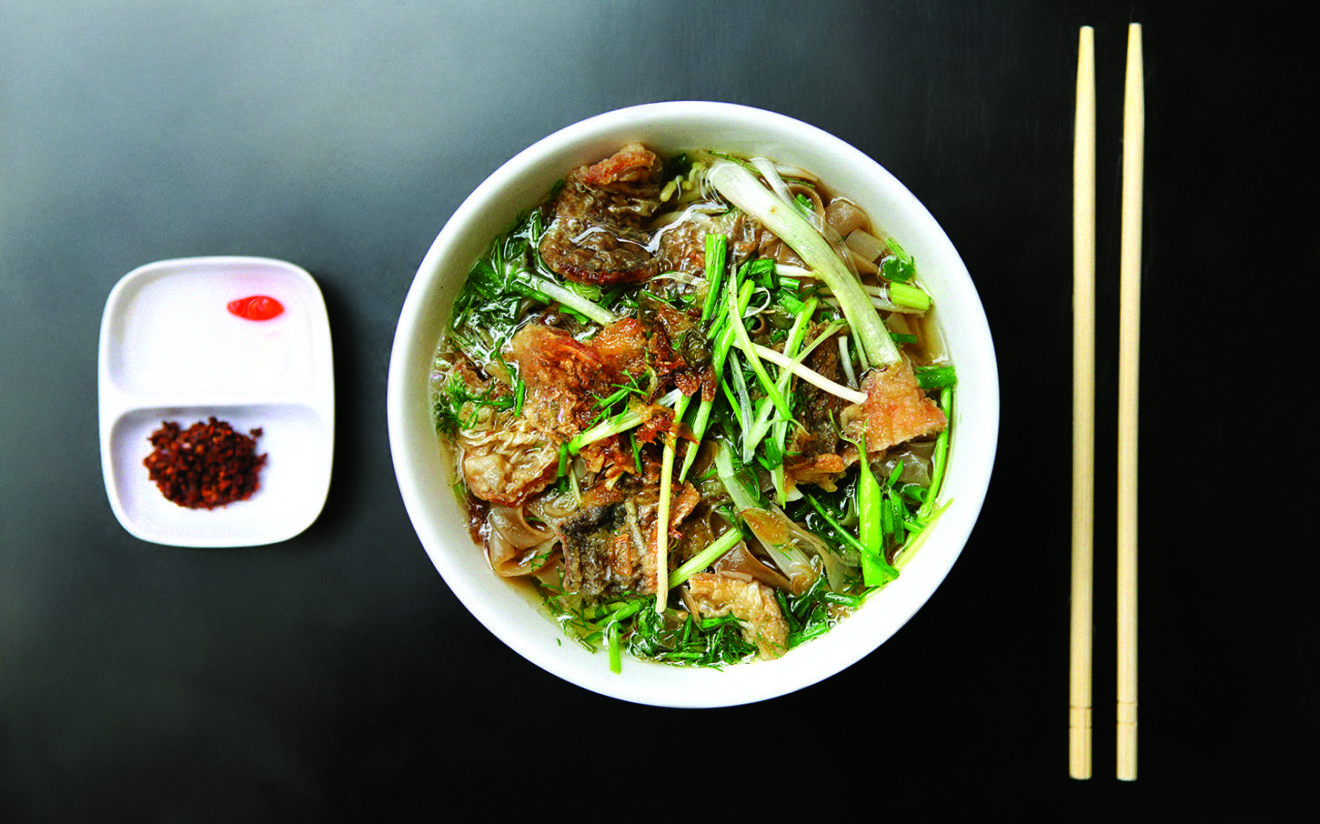
  • Japanese restaurants mushroom in Vietnam

    Japanese restaurants mushroom in Vietnam

    There are more than 1,000 restaurants serving Japanese cuisine in Vietnam, the majority of which are in HCM City. HCM City has about 660 restaurants serving Japanese cuisine, twice as many as there were three years ago, according to the Consulate General of Japan in HCM City.

    Outside of HCM City, there are about 110 Japanese restaurants across provinces and cities in southern Vietnam, such as Binh Duong, Dong Nai, Khanh Hoa, and Ba Ria – Vung Tau provinces.

    The Japan Consulate official said approximately half of the restaurants serving Japanese food in Vietnam are run by Japanese owners and the remaining are owned and run by Vietnamese franchisees and entrepreneurs.

    The increase in Japanese restaurants has also led to a growing number of Japanese food and ingredients sold.

    In 2016, Vietnam was the fifth-largest importer of Japan’s agricultural produce and food in the world.

    Japan exports about US$180 million worth of forestry and seafood to Vietnam every year.

    Japan is currently Vietnam’s second-largest foreign investor, having developed about 3,450 projects, with a total registered capital of over $46 billion.

    South Korea is the largest foreign investor with 6,130 projects, with a total registered capital of over $54.5 billion.

  • Owndays Singapore targets 30 stores

    Owndays Singapore targets 30 stores

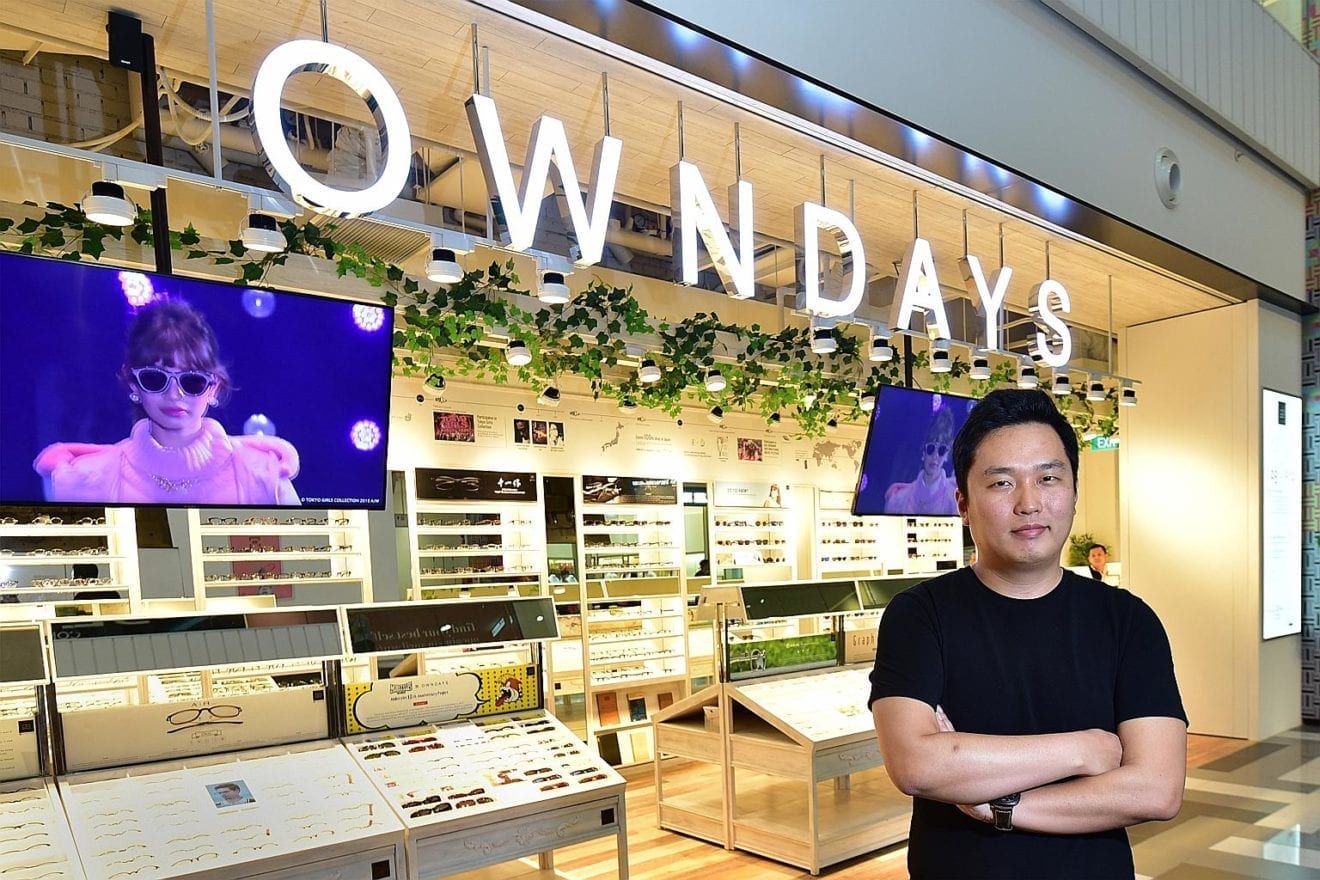
    Owndays Singapore is continuing its expansion and says it believes the city can sustain 30 of its stores. The Japanese eyewear retailer recently opened its 23rd Singapore store, inside Clementi Mall. The 1173 sqft store features a new element – a counter with high chairs where customers can evaluate frames.

    Owndays has shaken up the eyewear sector with a simplified pricing system and a 20-minute turnaround time for making most types of prescription glasses. Open shelves allow people to browse without waiting for an assistant to unlock glass cabinets.

    The photos show the Clementi Mall store’s interior.

  • SoftBank forms joint venture with WeWork

    SoftBank forms joint venture with WeWork

    Japan’s SoftBank has forged a joint venture with WeWork Companies to bring WeWork’s novel workspace as a service offering to Japan.

    The two companies will each own 50% of the joint venture, which will operate under the name of WeWork Japan.

    By entering Japan, WeWork will expand its global community and connect its more than 130,000 members to the innovative and growing Japanese market.

    “WeWork is disrupting preconceived notions of work styles and opening up myriad opportunities for the next generation of creators around the world by taking a scientific approach that fully utilizes the latest technologies,” said Masayoshi Son, chairman and CEO of SoftBank Group.

    WeWork, a platform for creators, has created an extensive global network of shared workspaces. The company provides an entirely new way to work by offering flexible space, services, and a connected community network to creators, entrepreneurs, small and medium businesses, and multinational companies.

    WeWork’s “space as a service” solution enables companies of all sizes to enter and exit markets opportunistically, grow and shrink office footprints according to their needs, and pursue new business lines and ideas in a way that best suits their particular needs.

    In offering its services in Japan, WeWork hopes to build connections between non-Japanese members of WeWork’s global network and the creators and businesses that drive the world’s third largest economy.

    WeWork has diversified its product offering to better accommodate the needs of enterprise companies, and more than 10% of Fortune 500 companies are members with WeWork.

    WeWork plans to launch its first location in Tokyo in early 2018. To oversee this launch and scale its Japanese operations, WeWork has appointed Chris Hill to serve as the CEO of WeWork Japan.