Tag: Japan

  • DoCoMo to deploy Ericsson’s UDN

    DoCoMo to deploy Ericsson’s UDN

    Japan’s NTT DoCoMo has contracted Ericsson to provide the vendor’s Unified Delivery Network (UDN) global content delivery network solution for the DoCoMo mobile network.

    The contract marks Ericsson’s first deployment of its UDN in Japan. DoCoMo will initially use the platform to roll out content distribution services, and will follow this up by introducing future value added services including toll-free data for certain content.

    Ericsson’s UDN is designed to connect content providers worldwide with the last mile reach network operators can offer.

    It is designed to aggregate network capabilities to allow services to be optimized and monetized in new ways, while offering operators the ability to efficiently scale the delivery of OTT services and high-quality video content.

    “For future services, NTT DoCoMo foresees that consumption of 4K video, virtual reality and augmented reality content will increase and believes a platform like a UDN adds value in the high-speed 5G era,” the operator’s GM of service design Takaaki Sato said.

    Ericsson head of UDN service provider partnerships Cillilan Maher said its UDN ecosystem now encompasses 55 content providers and 40 operators worldwide.

    “As part of [this ecosystem], DoCoMo will be able to significantly advance the traditional content delivery network model,” he said.

    “As a service provider partner, they will be able to garner incremental revenue and can participate as a content provider, driving traffic through both their own network and the UDN ecosystem.”

  • Fendi to open a pop-up store in Tokyo

    Fendi to open a pop-up store in Tokyo

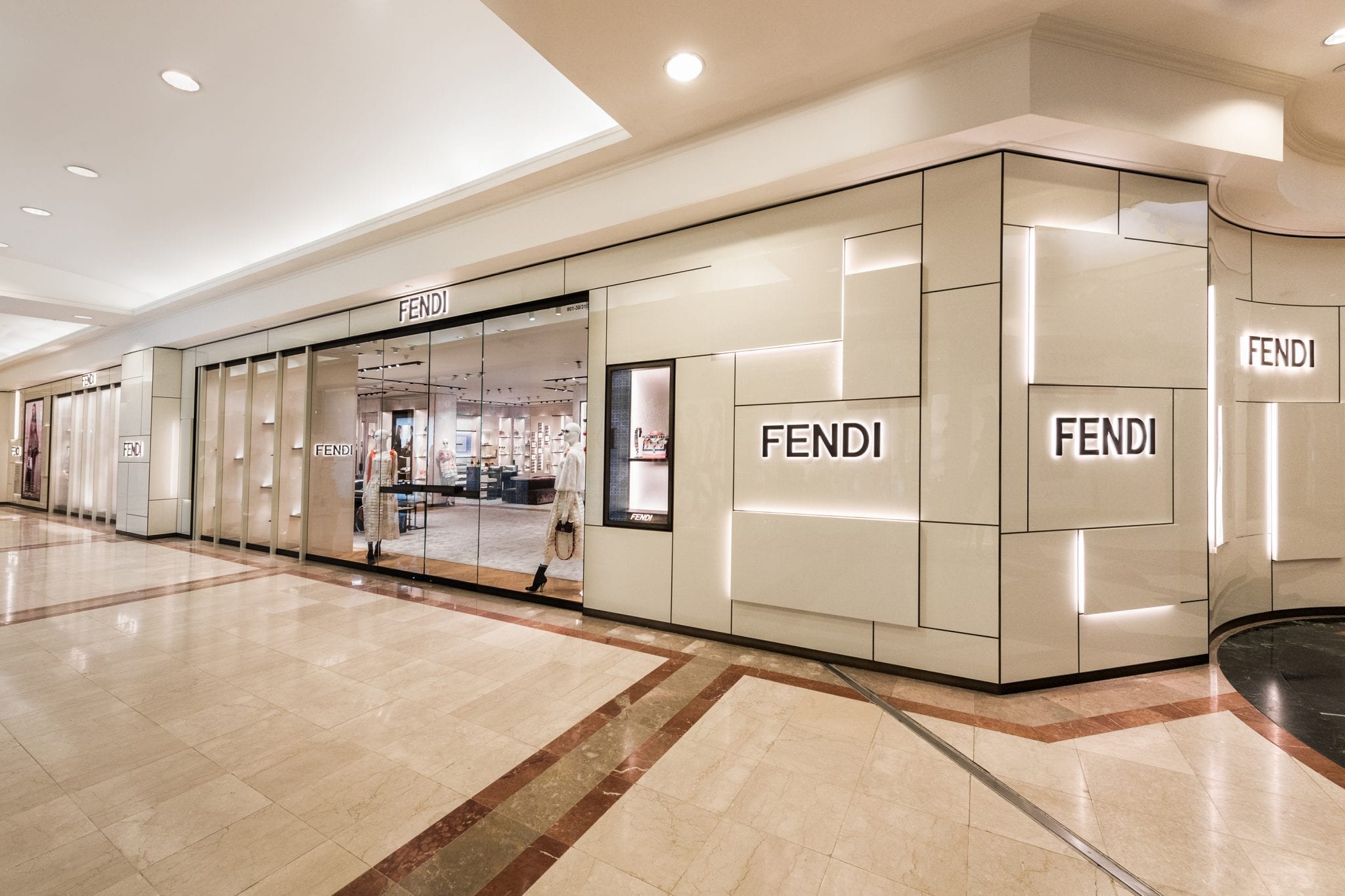
    Fendi is opening a pop-up store in Tokyo at Dover Street Market, as it rolls out a capsule collection that is specific to the Japanese retailer.

    As well as landing in Dover Street’s London and New York store, the Elephant Room pop-up in Ginza will highlight products of the “Fendi Vocabulary”, the key theme of the men’s fall/winter 2017-18 collection designed by Silvia Venturini Fendi.

    The essential words of this vocabulary including Yes, Love, Fantastic, Trust, Hope, Think, were inspired by Ernest Hemingway, according to the house.

    In an interview with WWD, Venturini Fendi said that the collection vocabulary includes “very simple and common words that yet in their simplicity have a very important meaning that is going to be forever and that can help us in difficult moments. There are so many changes going on and things are moving faster and faster in the world, that is why I think that we have to evolve and look at the future with an optimistic attitude that can help us facing all these changes and challenges. Yet, we have to look forward without forgetting the fundamental values of the past. That is why I have chosen to use and print these universal key words on clothes, bags and accessories.”

    Exclusive products from the Italian luxury brand will be featured within each pop-up, and will be unique to each pop-up location. The capsule collection includes a t-shirt, a hat and a scarf emblazoned with Fendi, Love and DSM and London, New York or Tokyo, depending on the boutique. Each location also has a site-specific limited-edition collection with dedicated colours: pink for London, grey for Tokyo and blue for New York.

    The items will be available in-store at Dover Street Market and at fendi.com.

  • Christine Edman named Givenchy Japan CEO

    Christine Edman named Givenchy Japan CEO

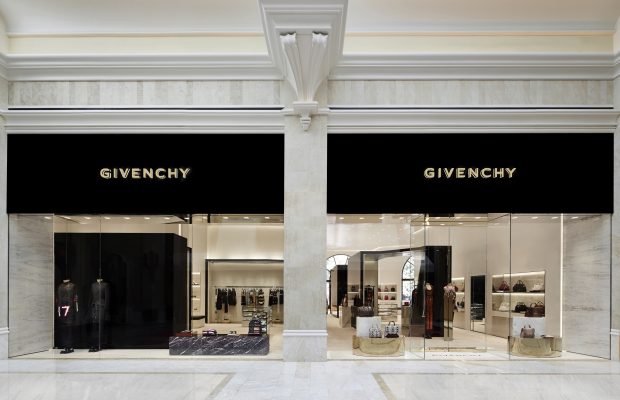
    Luxury fashion brand Givenchy has recruited Christine Edman to head up its Japan operations on behalf of the French maison.

    Effective June 16, Edman has taken of the role of Givenchy Japan president and CEO, under the helm of the Paris-based parent firm LVMH Group. She replaces Seiko Masuda, former president and CEO of Givenchy Japan. It has not been disclosed where Masuda will be heading to.

    Most recently, Edman served as president of H&M Japan, in which she managed the Swedish retailer’s operations and expansion across Japan, before retiring form H&M last year. She took up the Japanese chief role in 2008, after serving for one year as H&M area manager for Hong Kong.

    Prior to that, Edman served as business development manager, and then a marketing consultant, for Aunt Stella in Japan, after serving as an assistant brand manager for Mattel Japan for two years, after graduating.

    Edman is an MBA graduate from the Stockholm School of Economics and received her undergraduate degree from Lafayette College in Pennsylvania, USA.

  • SK-II launches exclusively at Changi Airport

    SK-II launches exclusively at Changi Airport

    Japanese beauty brand SK-II will launch new Magnetic Booster, part of its Radical New Age Power (R.N.A) line, exclusively with The Shilla Duty Free at Changi Airport on 1 July.

    The Magnetic Booster will be sold in sets with the R.N.A Power Cream (80g) in the R.N.A Power Magnetic Kit (S$200/US$145) or with the R.N.A Power Essence (50ml) in the R.N.A Power Essence Magnetic Kit (S$187/US$136). Magnetic Booster will be available at all Singapore SK-II counters from September.

    Magnetic Booster features Magnetic Micropulse Technology which is claimed to deliver consistent yet gentle pulsations at 7,000 magnetic vibrations per minute with magnetism. According to SK-II, the product is three times better at improving penetration than finger application.

    To support the launch, top Chinese celebrity make-up artist Wu Miao will host sessions on 7 July for beauty media, influencers and selected customers at the SK-II PITERA Lounge at The Shilla Duty Free. Miao, who contributes to Marie Claire, SELF and OnlyLady magazines, was named as one of the top ten beauty bloggers by Weibo. SK-II Associate Director Travel Retail Global Shweta Sharma, The Shilla Duty Free Head of Global Merchandise Division Raelene Johnson and Changi Airport Group Senior Vice President Airside Concession Division Teo Chew Hoon will also attend the event.

    The SK-II PITERA Lounge, which launched in October 2015, is the brand’s first and only lounge facility in an airport and offers facial and massage services. Miao will share his tips for using the Magnetic Booster along with the R.N.A Power Cream and will provide insight on his inflight and travel skincare regimen by curating his own inflight beauty essentials. Guests will then be invited to experience the new Magnetic Booster and curate their own inflight beauty essentials followed by a shopping tour at The Shilla Duty Free.

    SK-II Associate Director Travel Retail Global Shweta Sharma said: “We are again honoured to be celebrating our ninth year of solid partnership with Changi Airport Group, and our fourth with The Shilla Duty Free with the first-in-the-world launch. We are excited to delight travellers with this exclusive access to our latest skincare innovation and for them to experience the power of the award-winning SK-II R.N.A Power anti-ageing range.”

  • Blackstone targets Japanese retail through privatisation of Croesus

    Blackstone targets Japanese retail through privatisation of Croesus

    Blackstone has offered to buy a listed owner of retail assets in Asia-Pacific, valuing the Singapore-based Croesus Retail Trust at SGD901m (€572m).

    Blackstone has agreed to pay SGD1.17 per unit for all of the company’s issued units and intends to privatise it through a scheme of arrangement to be approved by unitholders.

    In 2013, Croesus Trust Retail became the first Asia-Pacific retail business trust with assets in Japan to be floated on the Singapore Stock Exchange (SGX).

    The trust owns a diversified portfolio located predominantly in Japan and has strategic relationships with large Japanese groups Marubeni and Daiwa House.

    Market sources told IPE Real Estate that several Singapore real estate investment trusts, including Croesus, have been trading at discounts to their net asset value, and have consequently attracted interest from investors keen to acquire sizeable portfolios in Asia-Pacific.

    The offer, announced to the SGX on Wednesday, confirmed market speculation of a potential takeover of the trust. Since speculation surfaced in April this year, the Croesus unit price has risen 25%.

    Blackstone will pay unitholders of Croesus a distribution income of up to SDG31.1m, subject to the deal closing by the end of October.

    A simple majority of more than 50% of unitholders, representing at least 75% in value of the units held by unitholders present and voting at the scheme meeting, is needed to approve the scheme.

    In a joint statement to the Singapore Stock Exchange, Croesus and Blackstone said the scheme represents an opportunity for unitholders to realise their investment at an attractive valuation.

    It said unitholders will receive significant premiums to the historical trading price of the units, the net asset value per unit and the net tangible asset per unit.

    CRT and Blackstone said the offer carries a premium of about 38% to the 12-month volume-weighted average price per unit, and that the offer price exceeds the highest closing price of the units since the initial public offering in May 2013.

    The trust has almost 770m units on issue, and, at the end of March 2017 the net asset value of the units was SGD0.95.

    At the end of March, the company reported an occupancy rate of 97.7% and a weighted average lease expiry of 6.5 years.

    Croesus has doubled its portfolio in Japan to 11 retail assets from just four when it listed in 2013. Its market cap has doubled to SGD759.9m since then.

  • DoCoMo launches prepaid SIM for foreign visitors

    DoCoMo launches prepaid SIM for foreign visitors

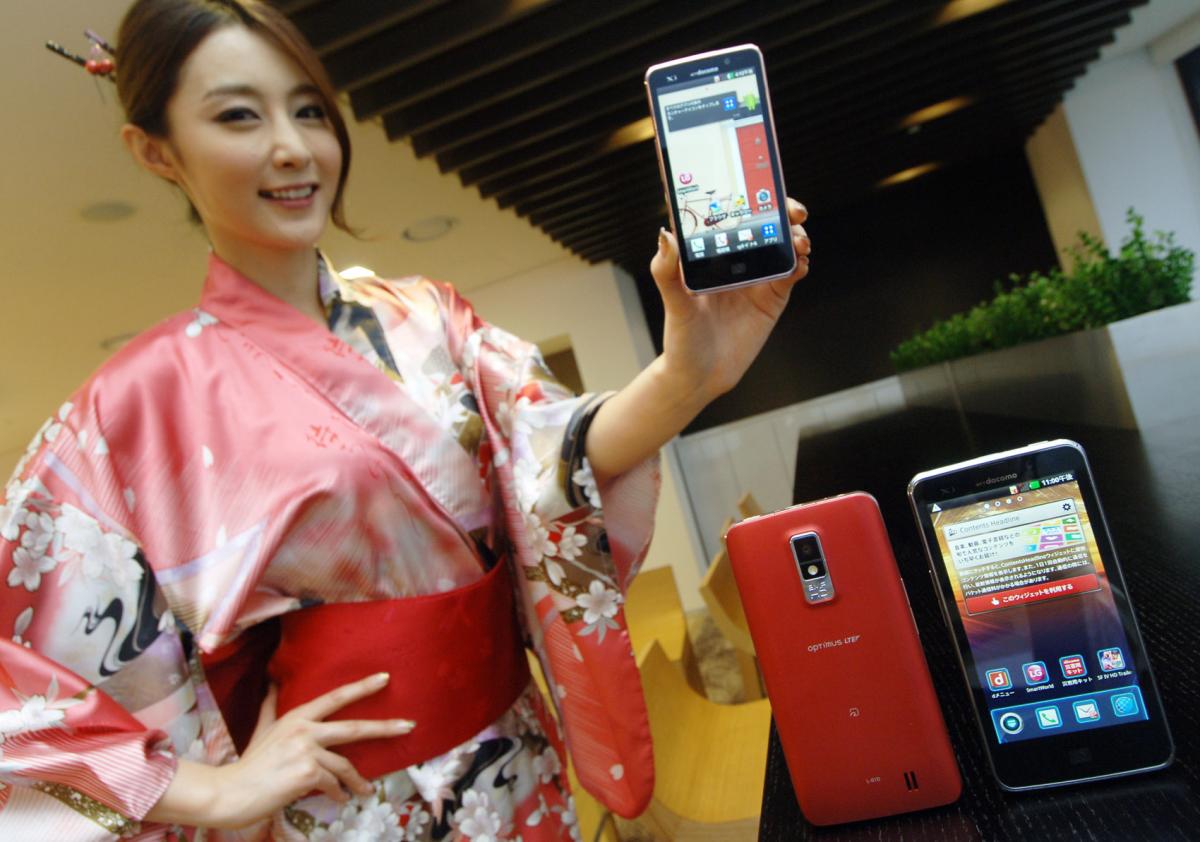
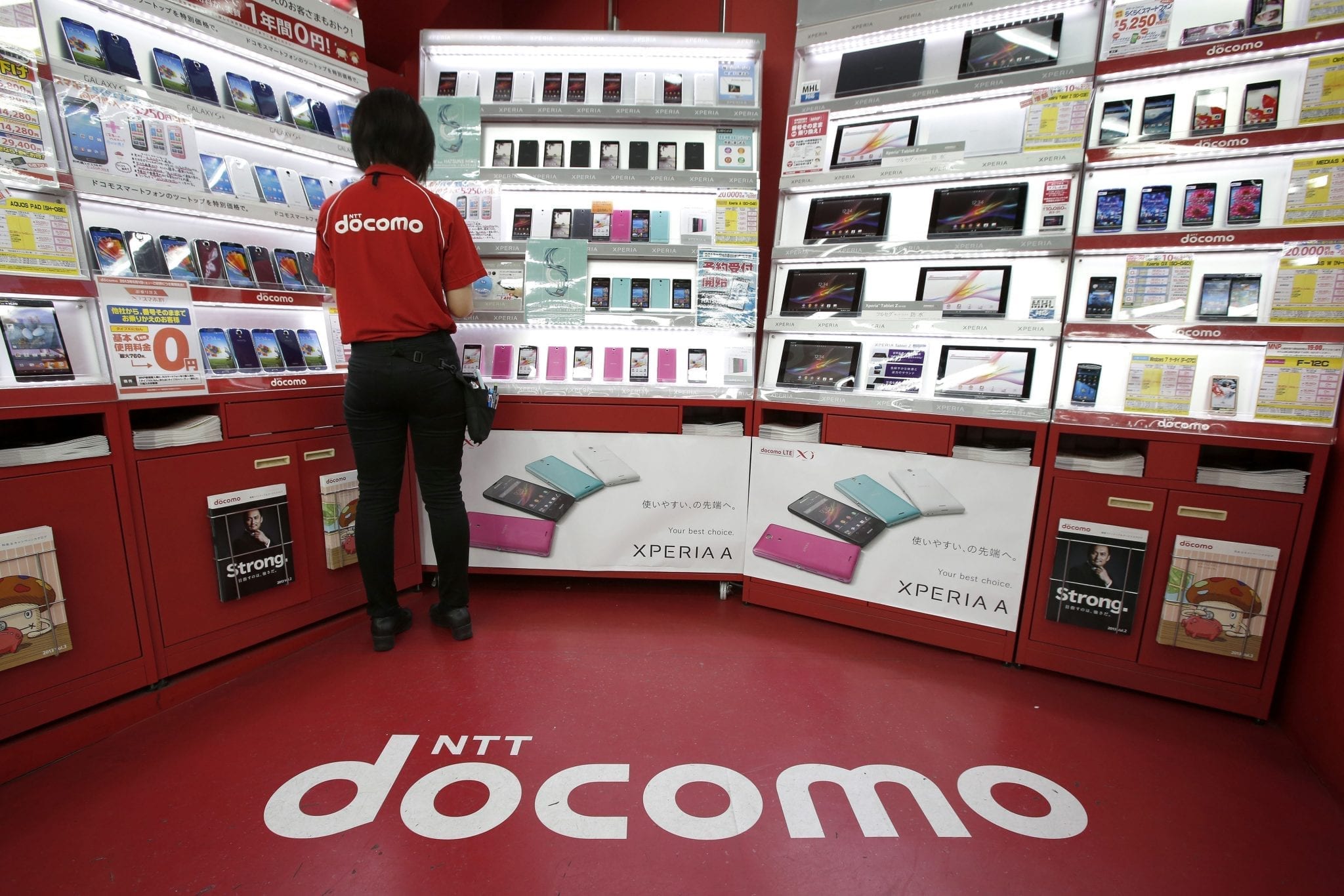
    Japan’s NTT DoCoMo will this week launch a new prepaid SIM service for foreign visitors to Japan providing access to its network for 15 days.

    The Japan Welcome SIM offering will launch on July 1. It will allow travelers to apply for the service online prior to leaving their home country and pick up their SIMs in locations such as international airports upon their arrival in Japan.

    Visitors will be able to subscribe to one of three 15-day plans, including a 1,000 yen ($8.90) plan providing unlimited 128kbps internet access and a 1,700 yen plan providing download speeds of up to 682Mbps for the first 500MB used. Additional high-speed access can be purchased for 200 yen per 100MB of 700 yen per 500MB.

    From October, DoCoMo will also launch a plan providing free internet access in exchange for viewing a certain number of video ads and filling out a survey prior to their arrival.

    DoCoMo partners will also be able to bundle access to the Japan Welcome SIM service with their own services. Initially Tokyu Hotels and Booking.com will be providing the service. This will include the ability for reselling businesses to offer unmetered access to their own web services.

  • Takata decides to file for bankruptcy

    Takata decides to file for bankruptcy

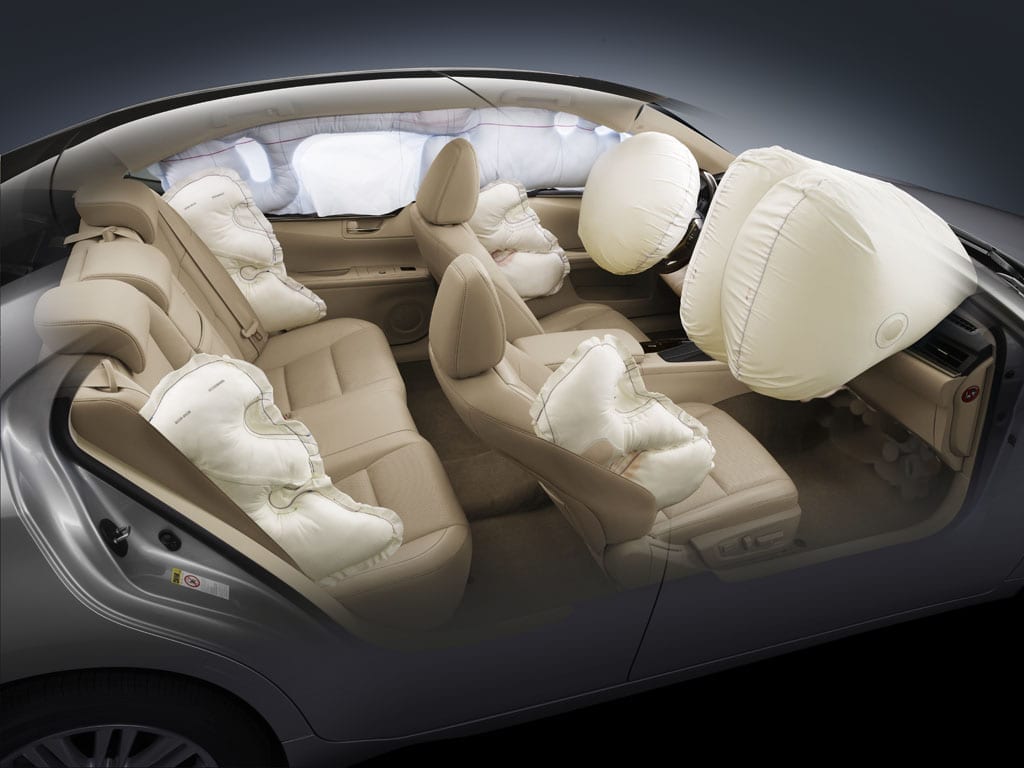
    Japan’s Takata Corp decided on Monday to file for bankruptcy protection in Japan with liabilities of more than 1 trillion yen (US$9 billion), Japanese media reported, as the auto parts supplier has struggled due to its defective air bag inflators at the center of the auto industry’s biggest ever product recall.

    The decision came at a special board meeting, public broadcaster NHK said.

    Takata is expected to file for a U.S. Chapter 11-style bankruptcy protection procedure, along with a similar filing in the United States, sources have told Reuters. This would open the door for a financial rescue from U.S. auto parts supplier Key Safety Systems, which Takata has tapped as its preferred financial sponsor.

    Faulty air bag inflators made by Takata have been linked to at least 17 deaths in the United States and other countries, prompting a massive global recall which began nearly a decade ago.

  • Starbucks Caffeinates Plans for New Stores in Japan

    Starbucks Caffeinates Plans for New Stores in Japan

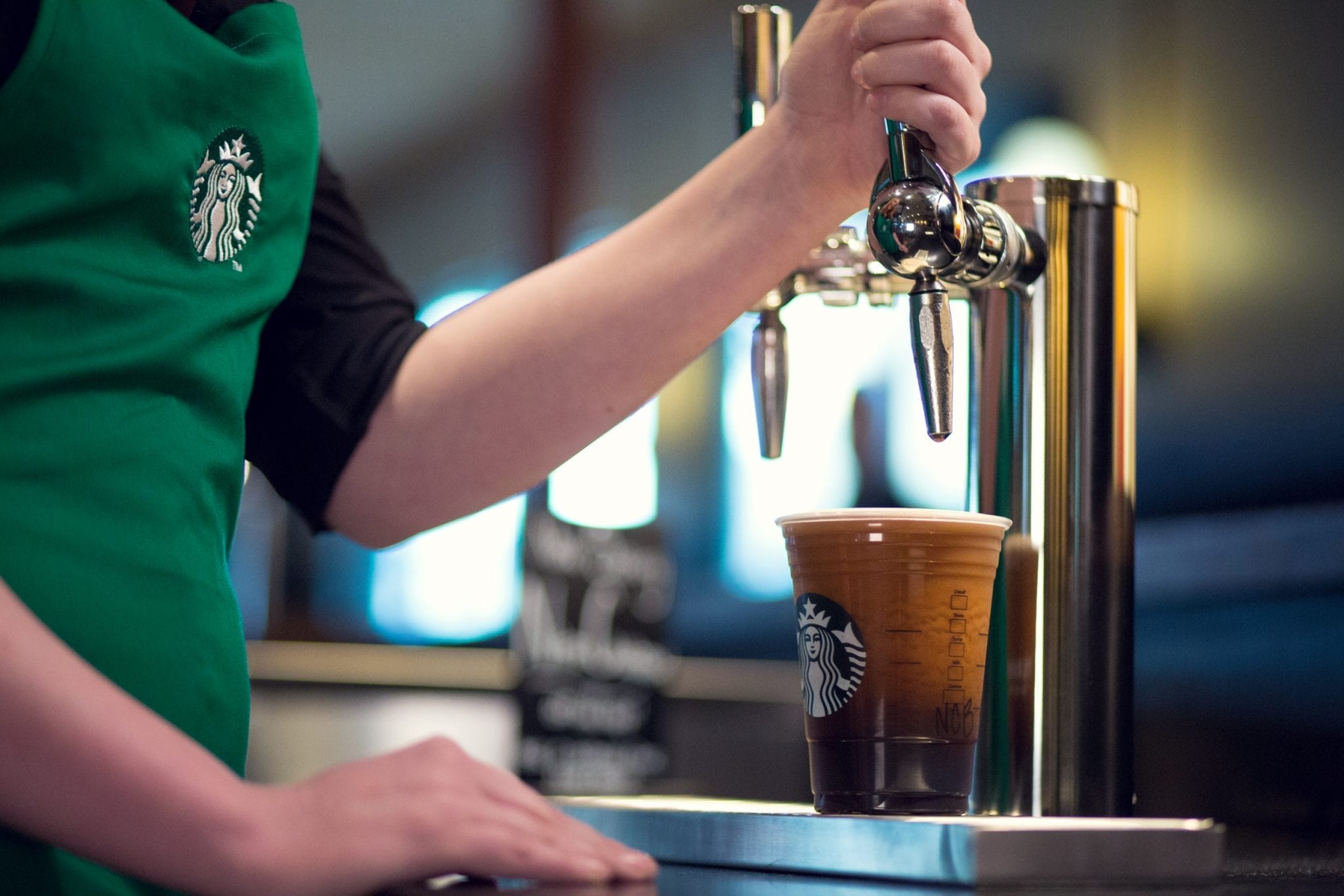
    Starbucks Coffee Japan plans to open new outlets at an accelerated pace while shifting its focus from urban centers to suburban areas. Over the next three years, the company will spend roughly 15 billion yen ($146 million) to open 260 new coffee shops, which is 60% more than were opened during the last three years. Starbucks now operates some 1,000 stores in Japan, of which around 10% are located in suburban areas along main streets.
    Now that the urban market has become saturated, and even convenience stores have become rivals offering quality coffee, the company is looking to expand outside cities. The plan is to open 75 new outlets in fiscal 2014, 85 in fiscal 2015 and 100 in fiscal 2016. These will be located mainly along arterial streets in suburban areas and near residential districts.

    The stores will offer both seating and drive-thru windows, and they will be open longer hours than the urban stores, which close at 11 p.m. Some of Starbucks’ existing suburban outlets are open until 2 a.m. and remain busy until closing.

    In a typical day, the stores capture business from people on their way to work in the morning, seniors at lunchtime, housewives in the afternoon, as well as from workers and students returning home at night. Rents are cheaper than in the city, and sales tend to be 30-40% higher, with the average suburban store generating annual revenue of 150 million yen.

    But Starbucks is not alone among companies making the push outward to suburban markets, where coffee shops are filling the gap left by the demise of roadside family restaurants. For example, Hoshino Coffee, owned by Doutor-Nichires Holdings, is opening more coffee shops with sit-down service, hand-dripped coffee, and sweet and savory foods. Thirty-five new branches are planned for the current fiscal year. And Komeda is opening coffee shops with brick walls, wooden tables and other cozy touches.
  • Nars comes to Vietnam

    Nars comes to Vietnam

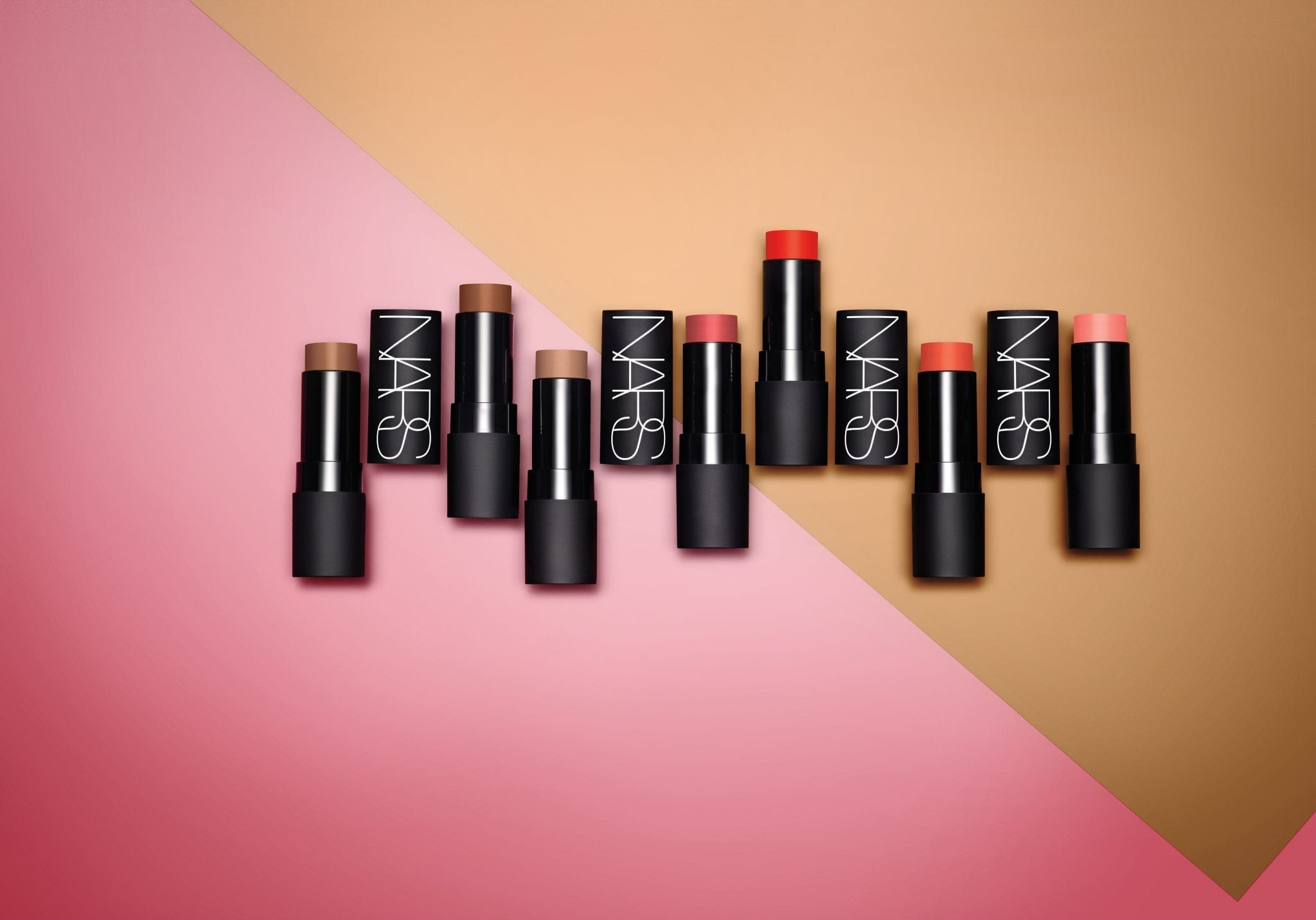
    Japanese cosmetic brand Nars has landed in Vietnam, opening a brand new store in Ho Chi Minh City. Located on Dong Khoi Street inside Vincom Center mall, Nars’ debut store offers Vietnamese customers all of the makeup brand’s newest and most popular items.

    According to Nars’ brand president, Barbara Calcagni, the new store signals the local market’s growth, and therefore, readiness for a fresh cosmetics entrant such as Nars.
    “Vietnam is a potential market for growth thanks to the rapid development of the country,” Calcagni said.

    With more than 250 shops, Vincom Center is Ho Chi Minh City’s biggest shopping mall. It is split into two separate buildings, Vincom Center A and Center B, as houses the largest array of international luxury brands and retailers.

    Nars is on an Asian retail rollout. The latest Vietnam store succeeds a new retail venture for Nars in Malaysia. Earlier this month, Shiseido Travel Retail partnered with Colours & Fragrances to open a Nars cosmetics stand-alone boutique at Kuala Lumpur International Airport (KLIA).

    The boutique is Nars’ first travel retail location in Malaysia.

    Founded in 1994 by French make-up artist and photographer Francois Nars, Nars was acquired by Japanese cosmetics giant Shiseido in 2000.

  • Japanese banks plan 90% cut on transfer fees to South Korea

    Japanese banks plan 90% cut on transfer fees to South Korea

    Japanese banks will lower the fees on money transfers to South Korea by 90% as early as 2018 in an effort to remain competitive and prevent customers from switching to foreign rivals.

    The plan was revealed Wednesday by the Japanese Bankers Association at a panel hosted by Japan’s Financial Services Agency. Currently, each transfer is processed individually between the sending and receiving banks, often with the involvement of intermediary banks. Fees range from about 4,000 yen to 5,000 yen ($35.80 to $44.80) per transaction for companies, and are slightly higher for retail customers.

    The dramatically lower fees will be achieved by consolidating all transfers from Japanese banks to a country into one bundle. A single lead bank then will send the entire amount to the destination country once a day, sharply reducing fees paid to intermediary banks.

    Japan’s three megabanks — Mitsubishi UFJ Financial Group, Sumitomo Mitsui Financial Group and Mizuho Financial Group — will be the first to adopt the new framework. Major regional banks are expected to follow suit.

    New financial technology has let some American and European banks reduce international money transfer fees to just several dollars. The planned cut will squeeze the income of these Japanese institutions, but the move is seen as necessary to keep up with foreign rivals.

    Japanese banks will consider reducing fees on transfers to Thailand, Malaysia and other Southeast Asian nations as well.

  • MCM offers made-to-order designs at Tokyo pop-up

    MCM offers made-to-order designs at Tokyo pop-up

    Global fashion brand MCM said that it offered made-to-order designs of its most popular products for the first time at its pop-up store in Isetan department store in Tokyo.

    The store, located in the luxury Isetan Shinjuku department store in Tokyo, Japan, allowed customers to pick up customized items they had designed through the brand‘s mobile app. Customizations included being able to change the color of the leather, handle or studs on MCM’s most popular products, as well as monogramming.

    The digital MTO service is expected to attract great interest in the twenties and thirties with a strong desire to express their individuality in fashion.
    Sungjoo Group, which holds global accessories brand MCM, has gone through a hard time. Since the Korean firm acquired the German brand in 2005, MCM’s sales revenue increased from 61.4 billion won in 2005 to 121.9 billion won in 2007. It posted 370 billion won in 2012, 450 billion won in 2013 and 589.9 billion won in 2014.
    However, the trend began to move downward after 2014. MCM posted 579.1 billion won in sales last year. The luxury brand has gone through a hard time in Japan as well. Its two subsidiaries there have suffered net losses for four consecutive years, recording 17.6 billion won in cumulative losses.

    “The result is because of our initial investment in the country. We do not worry about the result, as we are positive of successfully entering the fiercely competitive Japanese market,” a Sungjoo official said.

    Recently, MCM is strengthening its global business in order to make a second leap.

    Starting in July, the MTO service will be available at the brand‘s two stores in Ginza in Tokyo. The service will be expanded globally to cover MCM’s 35 markets in the second half of 2017.

  • DoCoMo adopts SAP HANA to boost customer service

    DoCoMo adopts SAP HANA to boost customer service

    Japan’s NTT DoCoMo will adopt the SAP HANA platform as the foundation of its data needs to improve customer service.

    Large volumes of data, as large as 18TB, will be collected from various touch points, including nationwide DoCoMo Shops, for processing and analysis.

    The new platform will initiate better customer services by helping to identify areas of operational improvement at the storefronts and uncover best practices for applying insights and lessons from other stores.

    The implementation took eight months to complete and officially went live in March 2017.

    DoCoMo needed a new IT platform system to meet three key objectives – strengthen its competitive edge, propose and deliver services that meet customer needs, and enhance data utilization efficacy and operational efficiency of the sales team.

    “Before we implemented the new system, we lacked the capability to deliver information to the sales force. It took the backend office at least a week or two to generate and deliver information” stated Taku Hasegawa, GM of DoCoMo’s Information Systems Department.

    “Now with SAP HANA, users can pull out the latest data whenever they need to. An increase in performance has also helped individual storefronts to monitor status of sales promotions. Moving forward, we expect to see an improvement in service at docomo Shops.”

  • New KBank JCB Credit Card for Japan Enthusiasts and Travelers

    New KBank JCB Credit Card for Japan Enthusiasts and Travelers

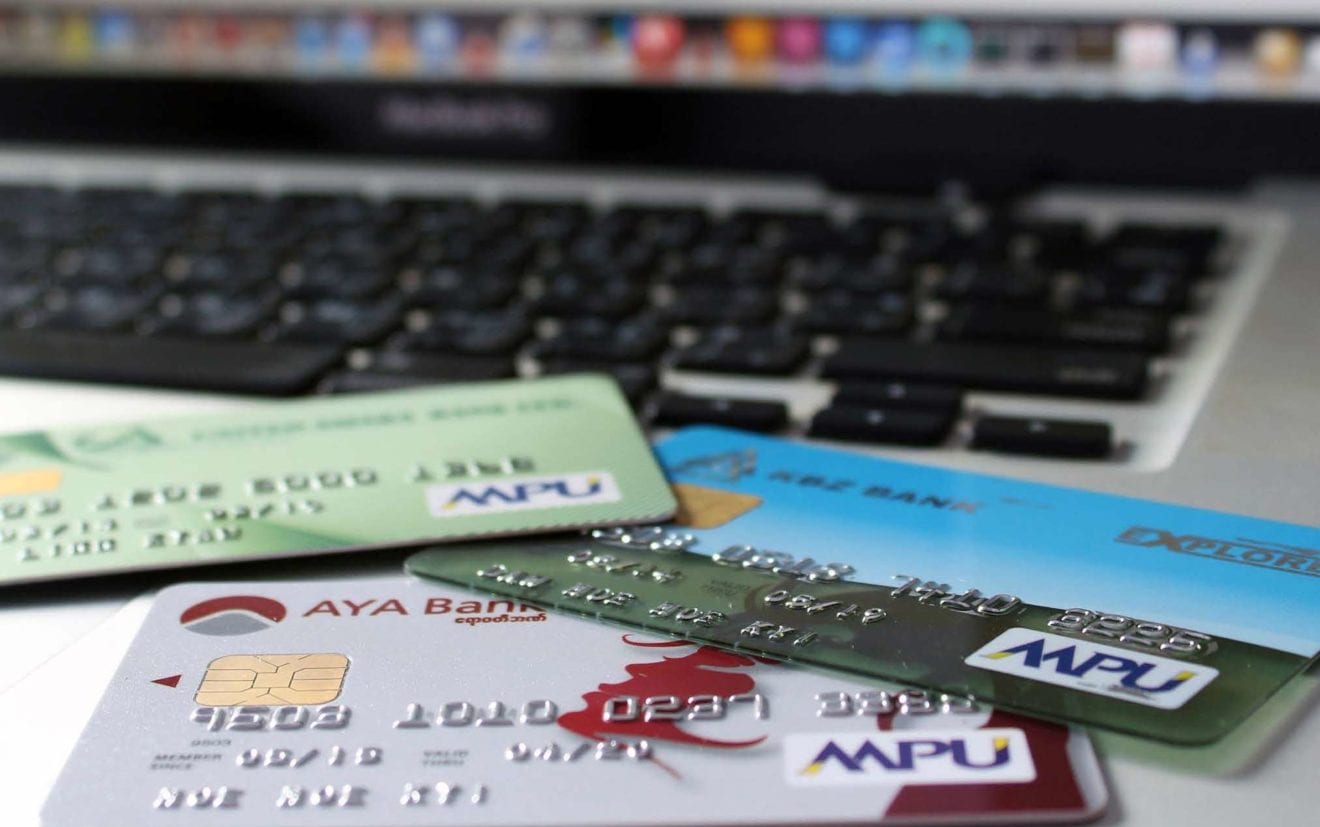
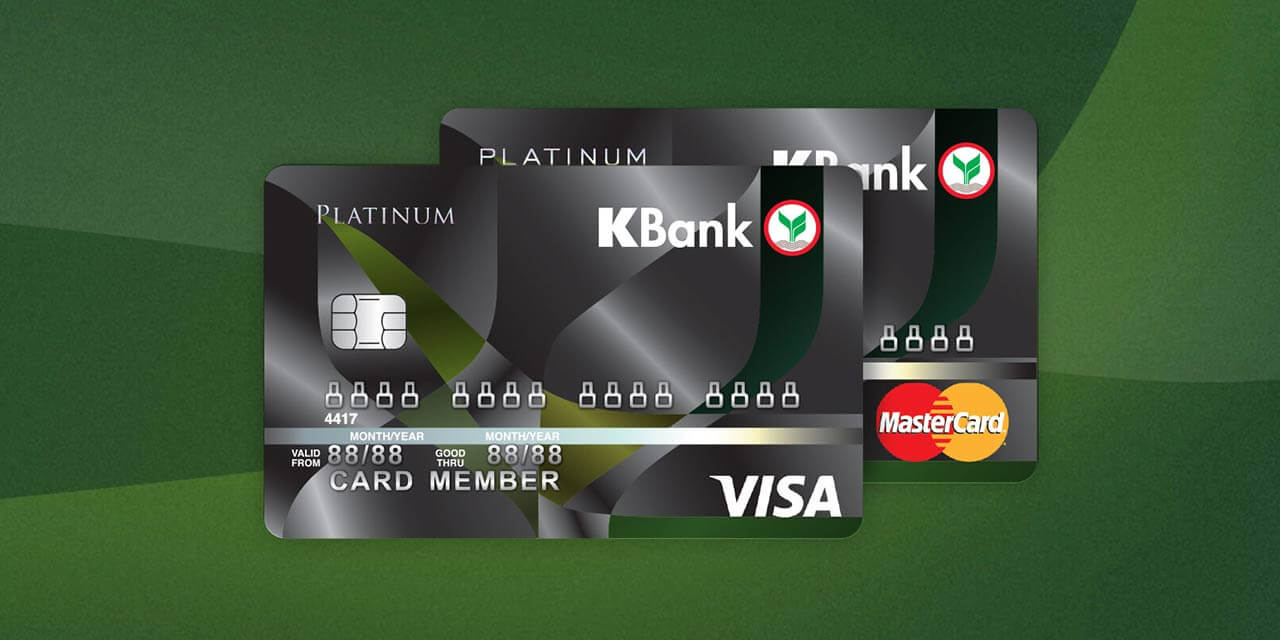
    KBank and JCB International (JCBI), the international operations subsidiary of JCB Co., Ltd., have introduced the “KBank JCB Credit Card” to accommodate Japanese culture and lifestyles. A wide range of attractive privileges are offered, with first-year targets of 100,000 cards and spending of 2 billion Baht.

    Mr. Pipit Aneaknithi, KBank President, said the popularity of Japan has continued to flourish in Thailand. Being among the most-visited destinations of Thai travelers, Japan welcomed 900,000 tourists from Thailand in 2016, generating the sixth-highest tourism receipts of worldwide visitors. In addition to their charming shopping venues and unique cultural tourism sites, appealing marketing activities and promotional campaigns have been added as attractions for Thai customers. Last year, spending in Japan via K-Credit Card amounted to approximately 3.3 billion Baht, with accommodations, apparel and retail merchandise ranked as the top three spending categories. Japan is therefore an interesting market.

    On account of all this, KBank has partnered with JCBI to launch the KBank JCB Credit Card under the concept, “Superb Deals! for Japan Lovers”. There are Platinum, Gold and Classic cards, beautifully designed in a modern Japanese style. More fun is found with card envelopes in a Moire’ pattern that is animated when the card is pulled out of the envelope, unique among credit cards in Thailand. A target of 100,000 new cards has been set for the card’s initial year, with total card spending of 2 billion Baht.

    The KBank JCB Credit Card offers multiple exclusive privileges selected for Japan lovers to enjoy their experiences both in Thailand and Japan. Cardholders, especially career people, who prefer Japanese food or shopping for Japanese brands, will get many more discounts and special offers from airlines, hotels and leading stores, which can be divided into three categories as follows.

    – J-Highlighto: Scores of unique privileges are offered, such as 2x KBank Reward Points for any spending in Japan without minimum amount, zero-percent installment payment up to 10 months for purchase of air tickets and package tours to Japan with Majestic Travel, a discount of 0.15 Baht for every 100 Yen purchased with Thai Baht using the KBank JCB Credit Card at any KBank branch or Foreign Exchange Booth (excluding Suvarnabhumi and Don Mueang International Airport branches), as well as the use of airport lounge services worldwide.

    – J-Discounto: Japan enthusiasts in Thailand can enjoy numerous discounts when spending with the KBank JCB Credit Card in dining, shopping and travel categories. For instance, they may get up to a 20-percent discount on foods at participating Japanese restaurants or with leading Japanese brands, specially-priced packaged foods, mobile Wi-Fi rental at a special rate, and cheaper Cathay Pacific air tickets, or they may redeem their accumulated points for extra discounts at leading department stores.

    – J-Benefito: These include discounts, special reward points and other privileges at well-known shopping malls, retail and drug stores, such as Matsuya, Takeya, Big Camera, Marui, Matsumoto Kiyoshi, Sundrug, Sapporo Drug Store, Tsuruha Drug Store, Kirindo, and Big Drug, as well as personal accident insurance coverage of up to 8 million Baht.

    Mr. Kimihisa Imada, President and Chief Operating Officer (COO) of JCB International Co., Ltd., said that Thailand is one of JCB’s top destinations for business expansion and service provision to JCB credit cardholders, because of the growing popularity of Japanese culture in Thailand. The present cooperation with KBank is an important step for JCB’s business strategy in Thailand, given that KBank is the market leader in the merchant business and credit card spending, as well as being JCB’s strong business partner. This cooperation will offer KBank JCB credit cardholders greater convenience in spending and traveling in both Thailand and Japan, as well.

    Currently, as JCB’s paying agent, JCB cards are issued in 23 countries and territories, with a combined total of 105 million cards. Cooperating with business partners is one of JCB’s strategies to bolster business growth. As a provider of payment solutions, JCB is committed to offering superior products and services to its customers globally. The company has formed partnerships with hundreds of leading banks and financial institutions worldwide to expand its credit card and merchant bases.
  • Sébastien Béal on helping out retailers with Locarise in Japan

    Sébastien Béal on helping out retailers with Locarise in Japan

    We interviewed exclusively Sébastien Béal, French founder & CEO of Locarise, company based in Tokyo, Japan that offers solutions for retailers.

    1. Could you briefly introduce your business?

    Locarise’s mission is to make physical spaces intelligent to raise the satisfaction level of those whom visit them and increase their values for those who operate them.

    By connecting different sources of existing and new data into one AI based platform we present unique insights to the space managers that traditionally took a lot of effort to survey, collect and analyze. One type of space where we have a huge impact is retail store where we quantify the user journey from before it enters the store to the POS. One other is shopping malls where we bring new data based approach to tenant mix, rent optimization and customer engagement.

    2. How and why did you start your business?

    I started Locarise 4 years ago after working 4 years in a Robotics Research Laboratory in Japan. Some of our research there have been the technical building blocks to the business problem we wanted to solve: how to make retail stores have the same data available to them than the e-commerce websites?

    3. How is it to be an entrepreneur in Japan?

    In one way, it is very similar, I imagine, than everywhere else: there are a lot of obstacles to overcome at the beginning to find a good team, product-market fit, first customers etc…

    Compared to the country where I am from, France, there are certainly less government support and investor money available to entrepreneurs. However, we believe in the Japanese market, the infrastructure for doing business, appart for Banking, is really good and a less dynamic startup environment means more opportunities for risk takers.

    4. Who is your typical client? How do you attract new clients?

    Our typical client in the retail sector is a multi-stores brand or mall operator who is looking into making better decisions in a difficult and competitive environment.

    5. How did you finance your business? How much capital was needed at the start?

    As “newcomers” in the Japan startup ecosystem, we decided to join a local incubator called Open Network Lab to support us at the beginning. After our first successes, we raised additional capital to accelerate our growth from angels and later Venture Capitalists.

    6. Do you plan to develop your business outside of Tokyo/Japan (other Asian countries)?

    We currently have operations in France for 1 year and customers are using our solution all across Asia.

    7. What are the challenges you have faced or are still facing in your business?

    With the help of our investors we decided to enter Europe very early, one challenge that we faced at the beginning was to grow both geographies together.

    8. Did you require special set of skills as an entrepreneur in this industry?

    Having a mix of knowledge between retail and technology is a good thing to have in our industry where the digital transformation is happening very fast.

    9. What would be your best piece of advice for aspiring entrepreneurs that want to set up a business in Japan?

    First, if you really want to do it, just go now and be ready to change your idea or model on the way! Don’t wait for the ideal timing because it doesn’t exist. Then once you started, give yourself the time to succeed: things can take longer to happen but if you always spend time with your customers and understand them, you will succeed.en but if you always spend time with your customers and understand them, you will succeed.

  • Takata would stop making air-bag inflators under new plan

    Takata would stop making air-bag inflators under new plan

    Japan’s Takata, facing bankruptcy over the biggest recall in automotive history, would stop making air-bag inflators after completing a global recall, under a restructuring plan under consideration by its steering committee, sources told Reuters on Friday.

    The committee is discussing plans with rival Key Safety Systems Inc (KSS) which is negotiating to take control of the company. Any plan would require final approval from Takata’s board before the air bag maker submits them as part of expected bankruptcy filings in the United States and Japan.

    Takata declined to comment on the plans.

    Takata is still building replacements required under a recall of around 100 million inflators that could detonate with excessive force after prolonged exposure to heat.

    Exploding Takata airbag inflators have been blamed for at least 16 deaths and more than 150 injuries worldwide.

    Takata would stop producing airbag inflators after it completes production of replacement parts and fulfills existing supply contracts for them with automaker clients, the sources said.

    One source said existing contracts would likely end around 2020.

    Job cuts are also on the table, the sources said, including upper-level managers involved in manipulating inflator test results to conceal possible defects. Many plant managers would likely remain to ensure that production continues during the transition period.

    The plan is critical for a bankruptcy restructuring that could be launched as early as next week. Takata is hoping to erase billions in liabilities and resolve the recall of air-bag inflators.

    Any bankruptcy would pose limited risk to Takata’s ability to supply the roughly 100 million replacement inflators required to complete the global recall, one of the sources familiar with the company’s plans said. U.S. vehicle safety regulators are putting pressure on Takata and automakers to speed up the replacement of defective inflators in the United States.

    The plan would also have Takata air bags and seatbelts rebranded as KSS products after Takata emerges from bankruptcy. Michigan-based KSS, owned by Chinese supplier Ningbo Joyson Electronic, currently is a smaller competitor to Takata in airbags and seatbelts.