Tag: Japan

  • Japan’s 7-Eleven set to clock in for Vietnam debut in June

    Japan’s 7-Eleven set to clock in for Vietnam debut in June

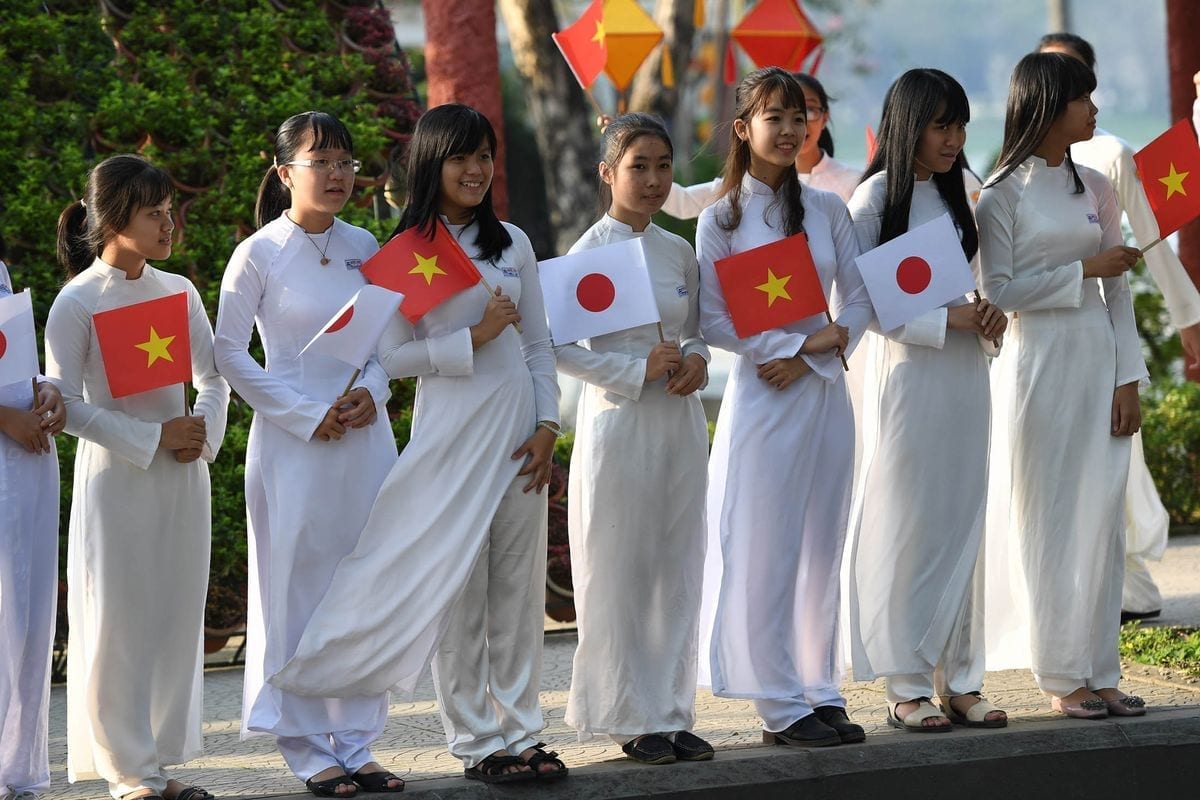
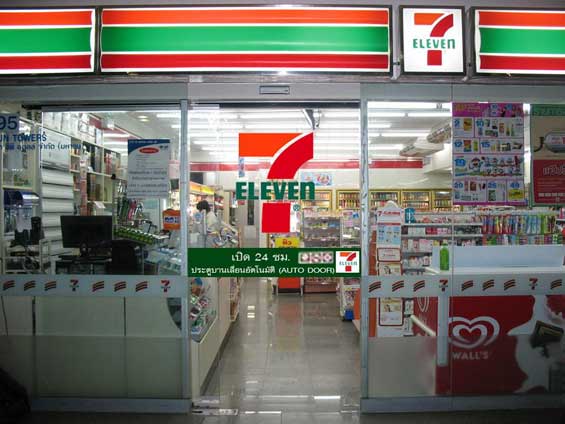
    The convenience store chain reportedly plans to open 100 stores in Vietnam in the next three years. Seven & i Holdings, which operates Japan’s biggest convenience store chain 7-Eleven, will open its first outlet in Ho Chi Minh City this month, according to information on the company’s official Facebook page.

    A recent post said the first 7-Eleven store in Vietnam could be opened in downtown District 1, District 3 or Binh Thanh. District 2, a popular neighborhood among foreigners and expats, is also a possible location, it said.

    The company has been hiring staff for its Vietnamese entry since early this year, around a year after its U.S. subsidiary signed a license agreement with Seven System Vietnam, a new firm founded by a Vietnamese restaurant chain.

    Seven & i Holdings plans to apply its home business model in Vietnam, and Japanese employees will be dispatched to help local staff develop products like ready meals, and to choose store locations and develop a distribution network.

    The company, which operates more than 61,500 7-Eleven outlets including more than half outside Japan, has opened stores in Indonesia, Malaysia, the Philippines, Singapore and Thailand.

    The chain’s expansion comes as its rival FamilyMart, Japan’s second largest convenience store chain, said last month that it plans to stay focused on the domestic market after reporting losses in Vietnam and other Southeast Asian markets, including Indonesia and Thailand.

    “We cannot continue to pour in more resources,” company president Koji Takayanagi told. FamilyMart first arrived in Vietnam in 2010 but was forced to withdraw before returning in July 2013. It had 150 stores at the end of last year.

    7-Eleven’s launch is expected to add heat to Vietnam’s retail market, which is listed in the top five in Southeast Asia and ranked 11th globally in terms of growth rate, according to the A.T. Kearny 2016 Global Retail Development Index.

    Vietnam’s trade ministry has projected the market to hit $179 billion by 2020, a jump of 52 percent from last year, with foreign convenience store operators already holding a 70-percent market share.

    The sector has a lot room to grow in Vietnam, where more than half of a population of nearly 92 million are young and the annual average income is expected to increase rapidly, the ministry said.
  • Toyota sells all shares in Tesla as their tie-up ends

    Toyota sells all shares in Tesla as their tie-up ends

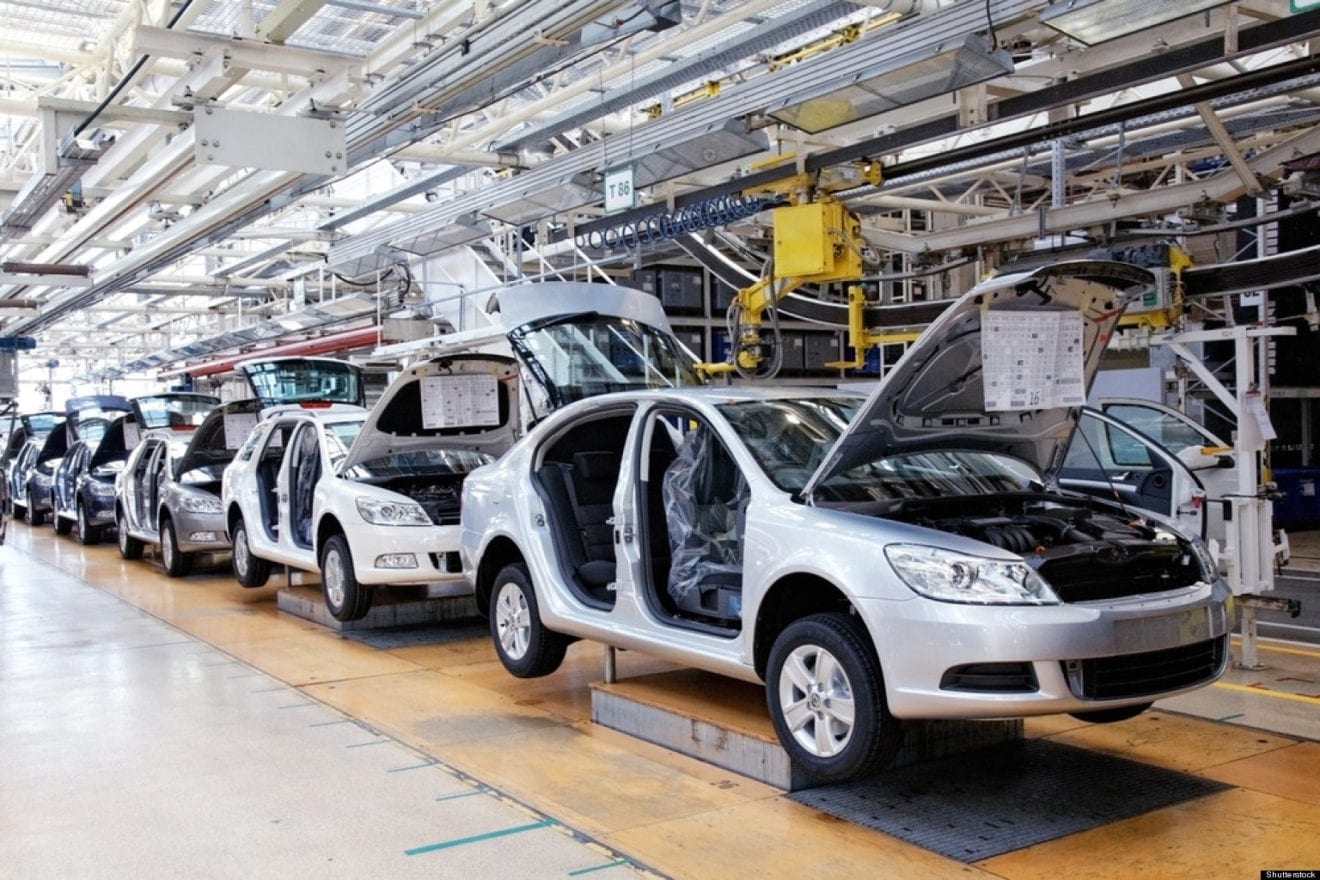
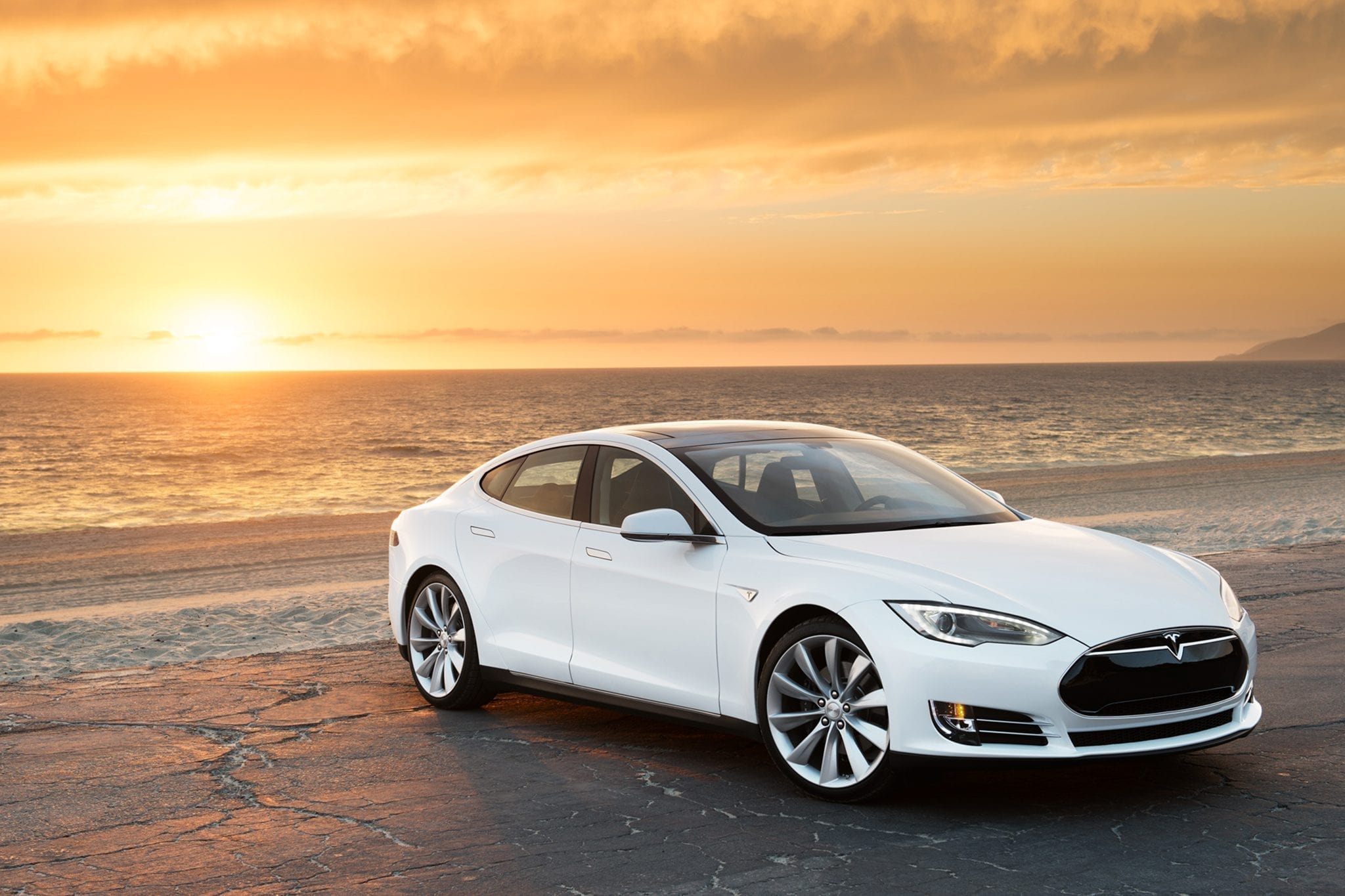
    Toyota Motor Corp said on Saturday it had sold all shares in Tesla Inc by the end of 2016, having canceled its tie-up with the U.S. luxury automaker to jointly develop electric vehicles.

    Japan’s biggest automaker had bought around a 3 percent stake in the Palo Alto-based automaker for $50 million.

    Toyota spokesman Ryo Sakai said the company had sold all of its shares in Tesla as of the end of 2016, part of a regular, periodic review of its investments, after it had initially sold down a portion in 2014.

    “Our development partnership with Tesla ended a while ago, and since there has not been any new developments on that front, we decided it was time to sell the remaining stake,” he said.

    In November, the Japanese automaker appointed its president to lead their newly-formed electric car division, flagging its commitment to develop a technology that it has been slow to embrace.

    The department comprises a new in-house unit to plan Toyota’s strategy to develop and market electric cars as part of the company’s efforts to keep pace with tightening global emissions regulations.

  • $14b Intelsat-OneWeb merger falls through

    $14b Intelsat-OneWeb merger falls through

    Satellite operator Intelsat has warned it expects its planned $14 billion merger with SoftBank-backed OneWeb to fall through.

    Debt-land Intelsat disclosed it has failed to get enough of its creditors to accept the deal, which would have required debt investors to accept less than the value of their holdings.

    The terms of the deal were worth approximately $2.85 billion less than the total face value of the debt investments.

    SoftBank CEO Masayoshi Son had planned to combine the two satellite operators to create a global network of satellites capable of providing internet access worldwide. SoftBank had intended to take a 39.9% share in the combined company for around $1.7 billion.

    With the deal likely to fail, Intelsat has terminated a series of debt swap offers associated with the planned merger.

    According to the report, Softbank has had negotiations with other satellite operators on potential replacement deals.

    The company said in a statement that it remains enthusiastic about OneWeb’s prospects as a standalone entity and plans to continue to work with the OneWeb management teams on alternative paths to growth.

  • Japan-Based Gecom Expands Production

    Japan-Based Gecom Expands Production

    GECOM, a manufacturer of automotive door locking components, plans to expand its operations in Greensburg, Indiana. The company plans to create up to 30 new jobs by 2019.

    The company, which is a subsidiary of Japan-based Mitsui Kinzoku ACT, will invest $26.29 million into its only U.S. production facility, launching three new manufacturing lines at its 403,550-square-foot plant at 1025 Barachel Lane in Greensburg.

    “Greensburg, Indiana, was selected as a manufacturing location in 1987 based on the proximity to most of our customers. The point remains true today,” said Jeff Wright, vice president and chief compliance officer at GECOM. “Our customers appreciate seeing GECOM’s commitment to stay in Indiana and the benefits it provides them. Additionally, the local Hoosier workforce is dedicated to GECOM’s success and work hard to maintain our reputation of quality automotive products at a competitive price. We look forward to this new business opportunity as we continue to support our local community.”

    With construction currently underway, the company plans for the first of its new lines to be operational later this year, with the remaining two lines starting production in 2019. With its new capacity, the company will boost production of slide door locks for Honda and Chrysler and hood latches for Nissan, Toyota and Subaru.

    As an incentive, the Indiana Economic Development Corporation offered GECOM Corporation up to $280,000 in conditional tax credits based on the company’s job creation plans. These incentives are performance-based, meaning until Hoosiers are hired, the company is not eligible to claim incentives. The city of Greensburg approved additional incentives at the request of the Greensburg-Decatur County Economic Development Corporation.

    GECOM currently employs 900 associates in Greensburg as part of its global network of more than 6,300 employees. The company is currently hiring, and plans to add 10 new research and development positions and 20 new production positions as part of its growth.

    “With companies like Japan-based GECOM continuing to expand in our state, there’s a reason why Indiana is adding manufacturing jobs at the second-fastest rate in the nation,” said Jim Schellinger, Indiana Secretary of Commerce. “Indiana’s automotive suppliers are operating in the center of a global economy. We have companies choosing to come to Indiana from around the world, locating here because of our state’s business-friendly environment, low taxes and outstanding workforce.”

    “We are excited for GECOM in this expansion,” said Greensburg Mayor Dan Manus. “GECOM has been in Greensburg now for 30 years and to have a company continue to grow and expand after that amount of time is a very positive thing for our community. We truly appreciate our GECOM family and what they do for our community and we will continue to support them in this expansion and any future expansions.”

  • Los Angeles’ Dita opens second store in Tokyo

    Los Angeles’ Dita opens second store in Tokyo

    Los Angeles eyewear brand Dita has opened its latest Tokyo store this week, marking its second Japanese and global location.

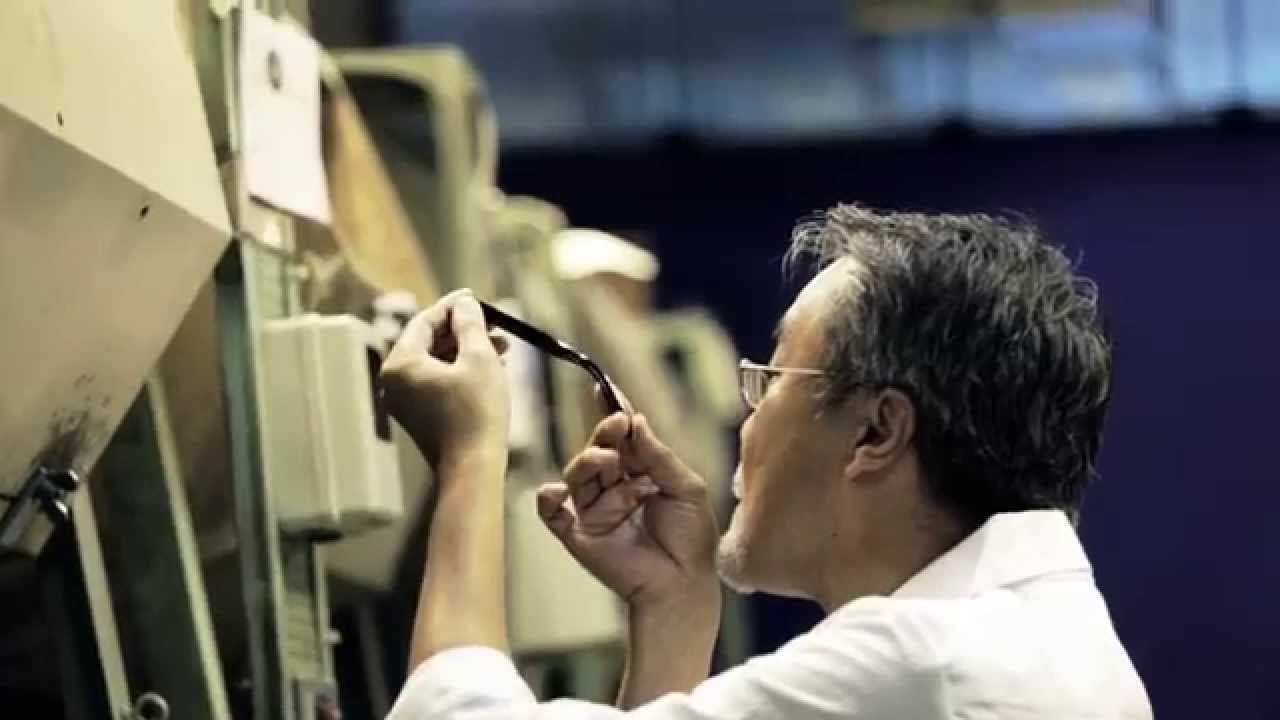
    Located in the capital’s Minami Aoyama 5-chome, the Dita store covers 69 square metres andrepresents Dita’s latest retail concept, combining “the focus of a design showroom with the attentive service of an optical laboratory,” according to the company.

    Dita stores have been conceptualised by Mandi and Mehdi Rafaty of West Hollywood’s Tag Front. Italian stone mingles with plated aluminium, for a contemporary simplicity known to the America design dup. The Aoyama store also boasts a window on the south-facing facade extending from the floor to the ceiling.

    “We focused on materials and techniques that combine the warmth of turn-of-the-century design movements, like the Vienna Secession, rendered with contemporary technology and materials,” Dustin Edward Arnold, creative director of Dita Group, said in a statement.

    As well as Dita’s premium sunglasses, the store offers a range of technical services as part of its specialised ‘Dita Lab,’ including the provision of lens and frame prescriptions. Collections from Thom Browne Eyewear and Christian Roth, which Dita acquired last year, will also be on sale.

    Dita first entered the international retail space with a store opening in Daikanyama, Tokyo, in 2003.

  • Vietnam’s demand for cool air attracts Japanese investors

    Vietnam’s demand for cool air attracts Japanese investors

    Japanese air conditioner manufacturers are set to expand in Vietnam, touting their high-quality products and appeal to the country’s growing urban middle class.

    Leading Japanese electronics corporation Panasonic is ready to manufacture air conditioners in Vietnam, where it already has a consumer electronics factory. Panasonic’s plans to ramp up its air conditioner business in Southeast Asia, where rising incomes are fuelling demand.

    Panasonic Vietnam said in a statement that its investment scale and timing schedule are not finalised at the moment, but will be completed soon.

    Panasonic looks to earn $6 billion from global air conditioning sales by March 2019. The Japanese market will account for 40 per cent of this however.

    Vietnam is the second biggest market for air conditioners in Asia, after Indonesia.

    Another big name in air conditioning, Daikin, received an investment certificate last year for the $100 million project in Thang Long II Industrial Park.

    Ly Thi Phuong Trang, a representative from Daikin Air Conditioning Vietnam JSC, said the project is on track and expected to see operation in April 2018, with a capacity of 500,000 units per year.

    Japanese firms like Daikin and Mitsubishi chose Vietnam for their new plants because nearly all Daikin and Mitsubishi air conditioners in Vietnam are currently imported from Thailand, where their production facilities have been operating at full capacity.

    Vietnam’s infrastructure development coupled with increasing investment in the industrial and commercial sectors are responsible for the higher demand for air conditioners in the country. The development of major cities, growing construction activities in the hospitality and tourism sectors, and growing government investment are expected to propel demand for air conditioners in Vietnam to even greater heights.

    In residential areas, split system air conditioners are popular, as one unit can service multiple residences.

    A report released by the Japan Refrigeration and Air Conditioning Industry Association (JRAIA) on the demand for air conditioners in major countries around the world also said that the demand for both residential and commercial air conditioners is rising sharply in Vietnam.

    Some of the leading air conditioner manufacturers operating in Vietnam include LG Electronics, Gree, Samsung, Midea, Hitachi, Toshiba, Nagakawa, Mitsubishi, and Carrier.

    Last year, Samsung Vina Electronics Co., Ltd. said “Fifty percent of air conditioners sold globally are split system air conditioners. The total value of the segment is worth $74 billion. Vietnam is a very promising market for this segment, which has seen many advanced technological developments recently.”

    Seven years ago, Mitsubishi Electric Corporation established a Vietnamese company to co-ordinate sales of air conditioning systems, home appliances, and automated products.

    The Japanese company has primarily conducted sales in Vietnam indirectly through distributors, and has only recently shifted to direct sales.

    “Due to Vietnam’s remarkable growth prospects, Mitsubishi Electric is now classifying the country as a priority market, and has decided to establish a local company to co-ordinate sales,” the manufacturer said in its announcement.

    While competition for greater market share is stiff, some countries in the region are moving to tighten environmental regulations. Vietnam has also raised awareness of energy consumption standards for air conditioners. The move could be a boon for Japanese air conditioner manufactures who already have competitive energy-saving technologies on the shelves.

  • The flagship of LG will go on OLED screens

    The flagship of LG will go on OLED screens

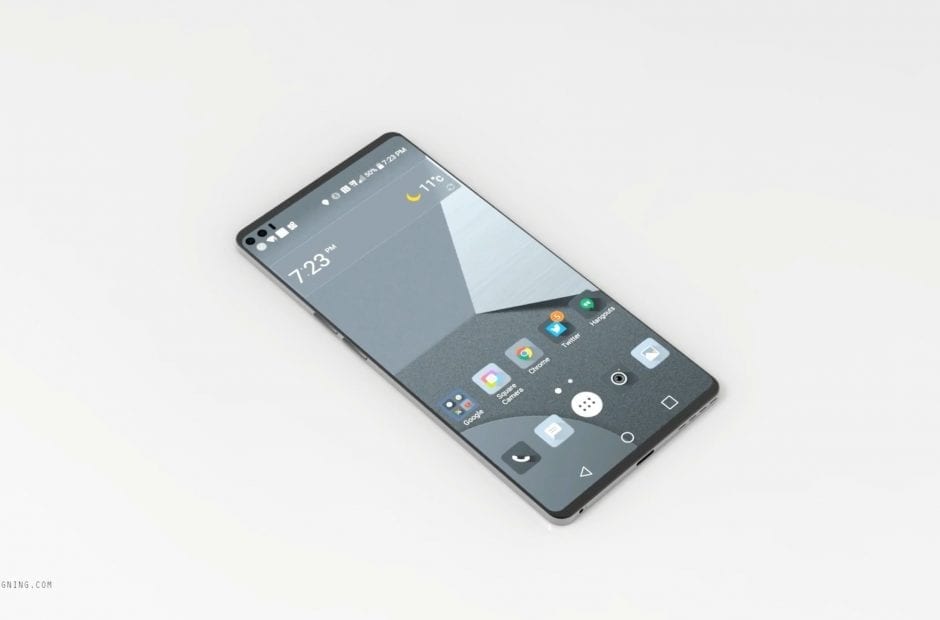
    LG has decided to equip all its top smartphones screens based on the matrix OLED, which will provide the best color reproduction compared to IPS and a reduced level of energy consumption.

    The first devices with such displays will go on sale just in the second half of this year. Reportedly, the first smartphone from LG with OLED screen your own production will be the new V30, a descendant depicted in the rendering V20. Here it should be noted that the display on this particular unit is just two is already the specifics of the series, an open model V10 a couple years ago. The goal of LG is understandable: it is necessary not just to keep up with Apple and Samsung, not only to nip at their heels, and to keep pace with them or, better yet, to overtake them at every turn.

    It should be noted that LG already has experience in the production of smartphones with OLED screen — in 2013, when only-only began to emerge in the segment of mobile phones with curved screens, the world was shown a very stylish LG G Flex the shape of a letter “C”. Alas, the model was not accepted due to high prices and the inertia of users, but after four years, screens of irregular shape, began to interest consumers, and LG intends to be a trend.

  • Colt optimizes routes between Tokyo, Chicago exchanges

    Colt optimizes routes between Tokyo, Chicago exchanges

    Colt Technology Services has launched newly optimized low-latency network routes linking stock exchanges in Tokyo and the Chicago Mercantile Exchange.

    The enhancements aim to benefit traders in Chicago who require fast connectivity to Tokyo, or exchange venues in Tokyo that require low-latency connectivity to Chicago.

    Connectivity will be provided through the company’s private Ethernet-based Colt IQ Network. Latency between Tokyo and Chicago is expected to reach a mere 121.07ms between each endpoint after network optimization.

    Exchange venues across the globe will be able to utilize Colt’s ultra-low-latency network that links financial markets in Japan and America. Enterprises in other industries that require leased bandwidth, advanced security, and low-latency Ethernet services are also expected to benefit from these optimizations.

    Bandwidth is selectable from a range of 1Mbps to 10Gbps, and offers optional protection and redundancy.

    Colt has also commenced optimization of other key routes in the Asia-Pacific region.

    The company said its network is configured to be fully redundant, from the infrastructure and backbone to the local loop. Point-to-Point, Point-to-Multipoint, and Multipoint-to-Multipoint topology options are available. Colt’s services are based on MEF9 and MEF14.

  • Vietnamese students turn to Japan in hope of getting good jobs

    Vietnamese students turn to Japan in hope of getting good jobs

    It seems like a win-win situation for Japanese companies looking for skilled employees in Vietnam. The number of Vietnamese studying in Japan grew more than 12-fold from 2010-2016 to around 54,000.

    They now account for nearly a quarter of international students in Japan, behind only Chinese students, who make up 41 percent but whose numbers have leveled off in recent year, citing the Japan Student Services Organization (JASSO) as saying in a Thursday report.

    The growing presence of Japanese companies in Vietnam has students and their parents thinking about studying in Japan in the hope of landing a well-paid job with a Japanese company, Itsuro Tsutsumi, director at JASSO’s student-exchange department.

    “I chose Japan for my children because it costs less than other countries and has a good education system, instilling good discipline in students,” the newswire quoted Tran Thi Quynh My, an official at the State Bank of Vietnam, as saying.

    “After studying in Japan my children will have a better chance of finding a good job when they get back to work in Vietnam since there are more and more Japanese companies investing in our country,” she said.

    Vietnam’s economy expanded by more than 6 percent for a second consecutive year in 2016, making it one of the world’s fastest-growing economies. Japanese companies are increasingly looking to Southeast Asia where incomes and consumption are likely to keep growing for years, quoting Shinobu Kikuchi, senior economist at Mizuho Research Institute in Tokyo, as saying.

    Japan is aggressively recruiting students from the region in the hope they will help enhance economic ties with their home countries in the future.

  • Japanese department store sales recover but fashion falls

    Japanese department store sales recover but fashion falls

    It may only have been a 0.7% rise but an uplift in Japanese department store comparable sales during April was welcome nonetheless. It was the first increase in 14 months and reflected data from 229 stores based on ¥452.7bn worth of sales.

    The Japan Department Stores Association said the growth was boosted by foreign tourists as sales to international shoppers surged 22.9% to a record level of ¥22.1bn.

    And cosmetics were strong with their 25th consecutive monthly jump as they rose an impressive 15.2%. Jewellery and other luxury goods grew only 1.1% and that was on the back of higher prices. But as they hadn’t risen for at least the previous year, it was good news.

    Yet there had to be bad news too and that came on the fashion front. Clothing sales fell 1.2% for their 18th drop in a row, although steady demand for spring collections helped temper the drop after March had seen a 4.6% decline.

    Meanwhile, the Japan Chain Stores Association said supermarket sales rose 0.6% last month, aided by a slight recovery in clothing sales through those outlets. They may have only risen 0.2% but that was the first rise for nine months.

  • Japan April exports rise for fifth straight month

    Japan April exports rise for fifth straight month

    Japan‘s exports rose in April to mark the fifth straight month of gains, an encouraging sign that more robust overseas demand could underpin a steady economic recovery.

    Exports rose 7.5 percent in April from a year ago, below the median estimate of 7.8 percent annual growth, finance ministry data showed on Monday. It followed a 12.0 percent rise in March.

    The data also showed Japan’s trade surplus with the United States narrowed.
    Japan’s exports are expected to continue rising as global economic growth gains momentum, but concerns about U.S. President Donald Trump’s pledges to adopt protectionist trade policies cloud the outlook for export-reliant Japan.

    The drop in Japan’s trade surplus with the United States, however, could take some pressure off Japan as it makes it more difficult for Trump to justify criticising Japan for its trade practices.

    Exports to the United States increased 2.6 percent in April from a year ago, rising for the third straight month. But Japan’s trade surplus with the United States fell 4.2 percent in April from a year ago to 586.7 billion yen ($5.27 billion).

    Imports surged 15.1 percent versus the median estimate for a 14.8 percent increase.

  • Sompo Japan to Release in Indonesia Weather Index Insurance for Farmers

    Sompo Japan to Release in Indonesia Weather Index Insurance for Farmers

    Sompo Japan Nipponkoa Insurance will start selling insurance products that compensate farmers hit by drought in Indonesia as early as this autumn.

    Earlier this month, Sompo Japan signed a memorandum to partner with BMKG, Indonesia’s meteorological bureau, to gather weather data. The Japanese insurer will provide weather index products that pay a certain amount to contract farmers when rainfalls drop below the forecast amount of the past three months.

    Such technologies and services provided by companies in disaster-prone Japan are likely to become promising exports to Southeast Asia. With an insurance premium of 50,000 rupiah ($3.76), contract farmers will be entitled to recuperate up to 500,000 rupiah if a drought occurs.

    Sompo Japan is narrowing down potential insurance agencies to partner with, such as local financial institutions. The company plans to test-run products in some areas as early as this autumn and go full swing in 2018.

    Sompo Japan started selling weather index insurance products for banana producers in Thailand in 2010 and in the Philippines in 2014. The company plans to release policies in Myanmar as soon as it gets government approvals.

    The company plans to boost its lineups of countries of sale and products to increase contracts fivefold to 30,000 in Southeast Asia by 2025.

    In the wake of increasing damage due to drought caused by unusual weather patterns, governments in Southeast Asia are taking measures to improve infrastructure, such as building irrigation facilities and providing financial coverage for damage claims.

    There are two major strategies for dealing with climate change. One is climate change mitigation, which is any action taken to reduce greenhouse gases such as carbon dioxide. The other is adaptation, which is the ability of a system to adjust to climate change to moderate any potential damage.

    The Paris Agreement, an international framework implemented to slow global warming, requires countries to set a goal of cutting greenhouse gases and taking adaptation measures. Emerging and developing countries — which are often hit by drought and heavy rains — are showing interest in the adaptation route.

    The United Nations Environment Programme, or UNEP, estimates the costs of adaptation could range from $140 billion to $300 billion a year by 2030, and between $280 billion and $500 billion a year by 2050.

    The market for adaptation solutions is expected to spread globally with the help of multinational funds and local governments. Some companies have started offering products and services catering to these demands.

    Japanese companies are well-positioned to help developing countries adapt to climate change, such as by contributing to better infrastructure, developing cultivation technologies so crops can withstand warmer temperatures, and increasing preparedness for power outages.

    However, Mari Yoshitaka, chief consultant of Mitsubishi UFJ Morgan Stanley Securities, said many Japanese companies have not shown much interest in the global adaptation business. But focusing on environmental measures needed to cope with the situation presents business opportunities.

  • Eat-in supermarkets catching on in Japan

    Eat-in supermarkets catching on in Japan

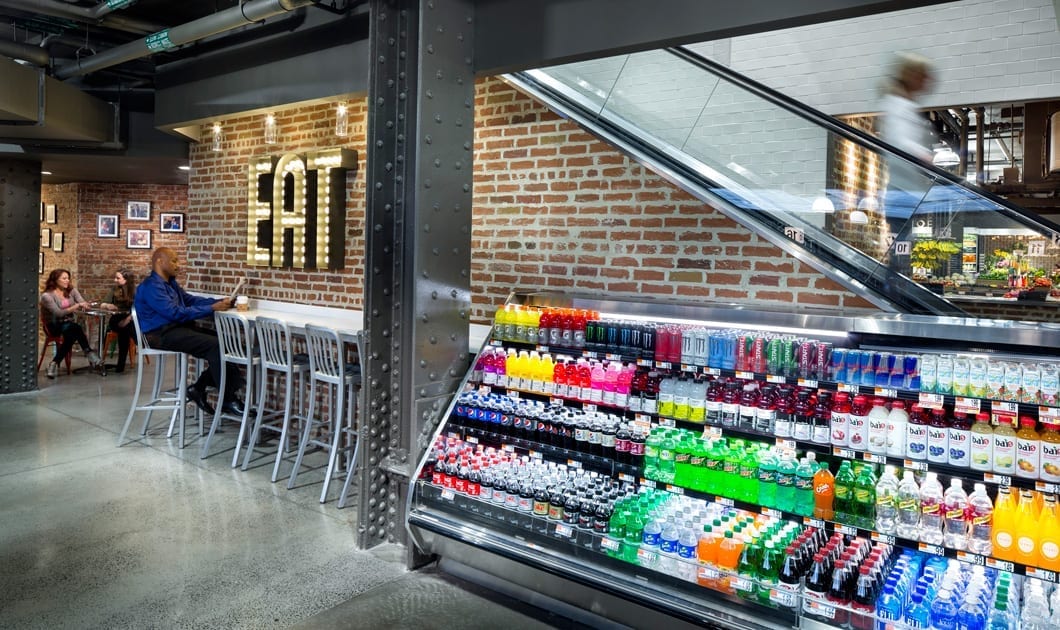
    Japanese retail group Aeon will expand dining areas at its domestic stores, aiming to capture demand from the growing ranks of seniors and dual-income families wanting to spend as little time as possible on household chores.

    Within three years, group unit Aeon Retail plans to double to around 150 its stores with spaces seating at least 50. Most of its 360 locations stores already have dining spaces, but only for 20 to 30 people.

    The plan is to create the roomy spaces at 30 or so locations each year as stores undergo renovation. Dedicated registers may be set up so that customers need not wait in the same lines as grocery shoppers. Such new items as pizzas baked to order and make-your-own salads will be gradually introduced.

    Yaoko, a supermarket operator in the greater Tokyo area, has renovated a flagship store in Kawagoe, northwest of the Japanese capital. It serves freshly made meals there for eating in-store, such as a 680 yen ($6) bowl of seafood over rice with eight toppings.

    Yokohama-based discount retailer OK runs a food court at one of its stores that serves dishes made from such supermarket-section ingredients as rice, eggs and beef.

    Supermarkets sell prepared foods at lower prices than convenience stores and restaurants. Eating on the premises spares customers from dealing with the resulting trash at home. Retailers hope to leverage these benefits to pull in more shoppers. Since foods prepared on-site carry higher margins than processed foods from manufacturers, in-store eating is seen buoying earnings as well.

    In the U.S., such major retailers as Whole Foods Market have “grocerant” — a portmanteau of “grocery” and “restaurant” — dining areas offering prepared foods for purchase by weight. These are drawing attention as a new way to lure customers. The market for prepared foods from grocers has been estimated at $10 billion a year.

  • New Balance opens Tokyo concept store

    New Balance opens Tokyo concept store

    Located in Roppongi in Tokyo’s Midtown area, the store is named after the area it is situated – Roppongi, and the year 1906, when New Balance was born. Written as ‘19: 06’, the motif is meant to look like a digital clock to express the American footwear firm’s 111-year history and how it has modernised.

    Inside, the store features warm wood panelling to create a ‘stadium’ atmosphere, and industrial concrete material construction to reflect the ‘coexistence of sports and lifestyle,’ according to the brand in a press release.

    The Roppongi 19:06 store will also offer state-of-the-art apparel and footwear, with a range of limited-edition and collaborative items.

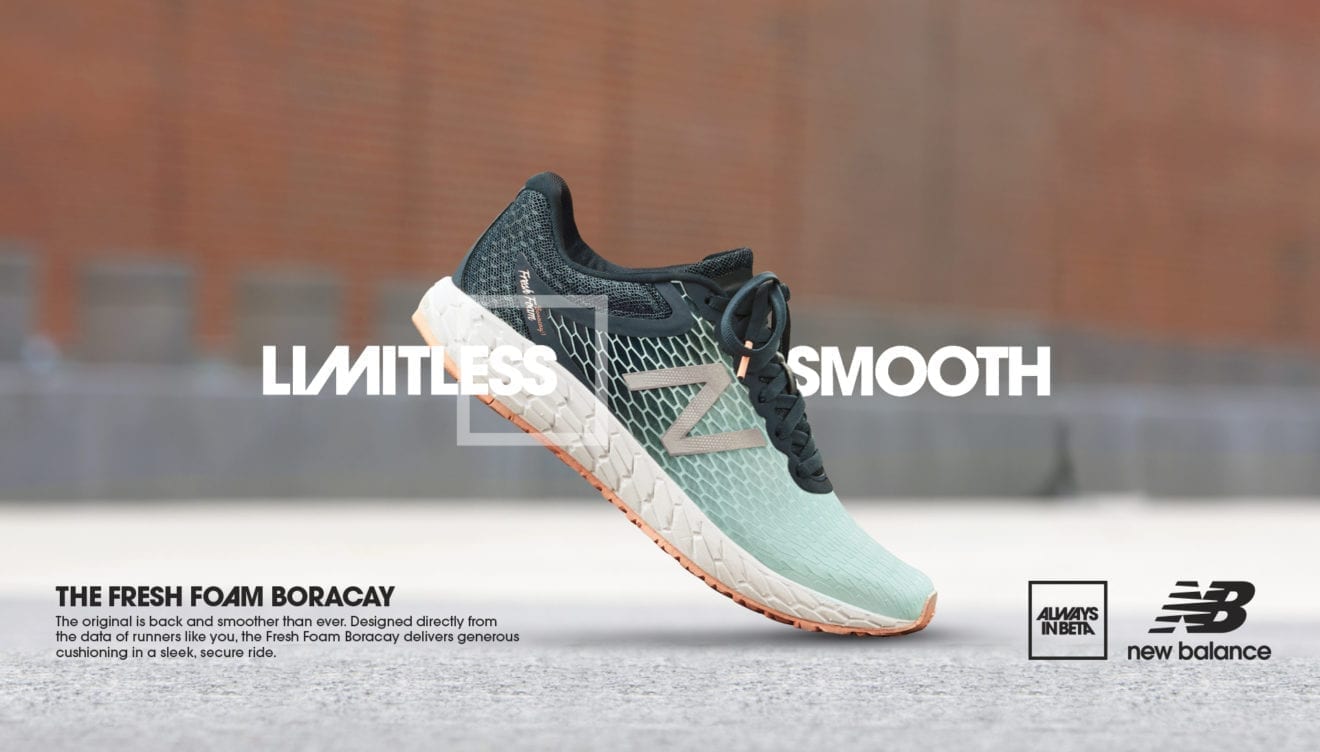
    This includes 44 pairs of the limited edition 3D-printed MS066 shoes will be available to purchase for ¥38,000 JPY (US$335 USD). Dubbed the “Zante Generate”, the running shoes were sold ahead of the Boston marathon last year and boast a shoe upper made of a high-quality Japanese-manufactured knit, with a portion of the sole 3D-printed.

    A men’s and women’s Japanese Wholegarment apparel collection, made of an innovative seamless knit technology, will also be available at the store at a price range of ¥14,000 JPY to ¥20,000 JPY (US$123 to US$176).

    According to New Balance, the brand manufactures 4 million U.S.-made pairs of sneakers per year. Since it was founded in Boston in 1906, New Balance has made it a priority to make a certain portion of its sneakers in the U.S., giving it a point of difference of American rival Nike.

  • Asics Tiger opens in Seoul

    Asics Tiger opens in Seoul

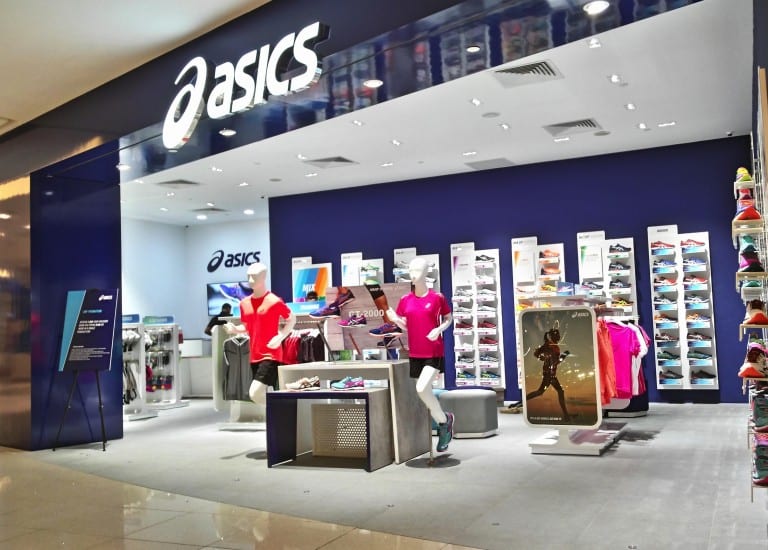
    Japan’s Asics has taken its Asics Tiger lifestyle concept to South Korea, opening its first standalone store for the sub-brand in Seoul.

    This is the second Asics Tiger concept store to open worldwide for Asics, following the debut of the Asics Tiger Osaka Shinsaibashi store, which opened in Japan in September last year.

    Located on Garosugil Road in Seoul’s Sinsa-dong, the latest Korean store boasts Asics Tiger’s chic aesthetic via marble shoe walls and white centre tables. Being a trendy sneaker outlet, there are clear street elements too, such as mortar walls and guardrails. Other features include a graphic wall and a straight yellow accent line on the ceiling.

    The Asics Tiger brand was revived as the third Asics pillar brand back in January 2015, to target the global sports lifestyle market.

    At the time of the launch, a brand new logo was developed to appease the street-ier, youth-ier market. Complementing the original 1977 logo used when Asics was founded, the new brand logo added the word ‘Tiger’ in similar typography, and was developed together with graphic designer Alan Peckolick.

    “The new logo expresses the universal dynamism of our sports brand and the strengths that colour active lifestyles,” the company said, at the opening of their Asics Tiger Japan store in 2016.

    Essentially, Asics Tiger looks to mesh modern designs that integrate technology and fashion, with throwback designs from the 1980s and 1990s. The move hopes to shake-up dwindling revenues for Asics.

    In early May, Asics Corp. said during its first quarter ended March 31, consolidated net sales fell 4% or 1.3% using the previous fiscal year’s foreign exchange rate to 113,052 million yen ($993 million).

    Domestic net sales decreased 3.6% to 30,804 million yen ($270 million) due to weak sales of sportswear, said Asics. However, Asics’ Oceania, Southeast and South Asian regions sales increased 11.3% to 8,068 million yen ($70 million), due to continuing steady sales of running shoes and the strong sales of Onitsuka Tiger shoes.