Tag: Japan

  • DoCoMo plans major leadership shake-up

    DoCoMo plans major leadership shake-up

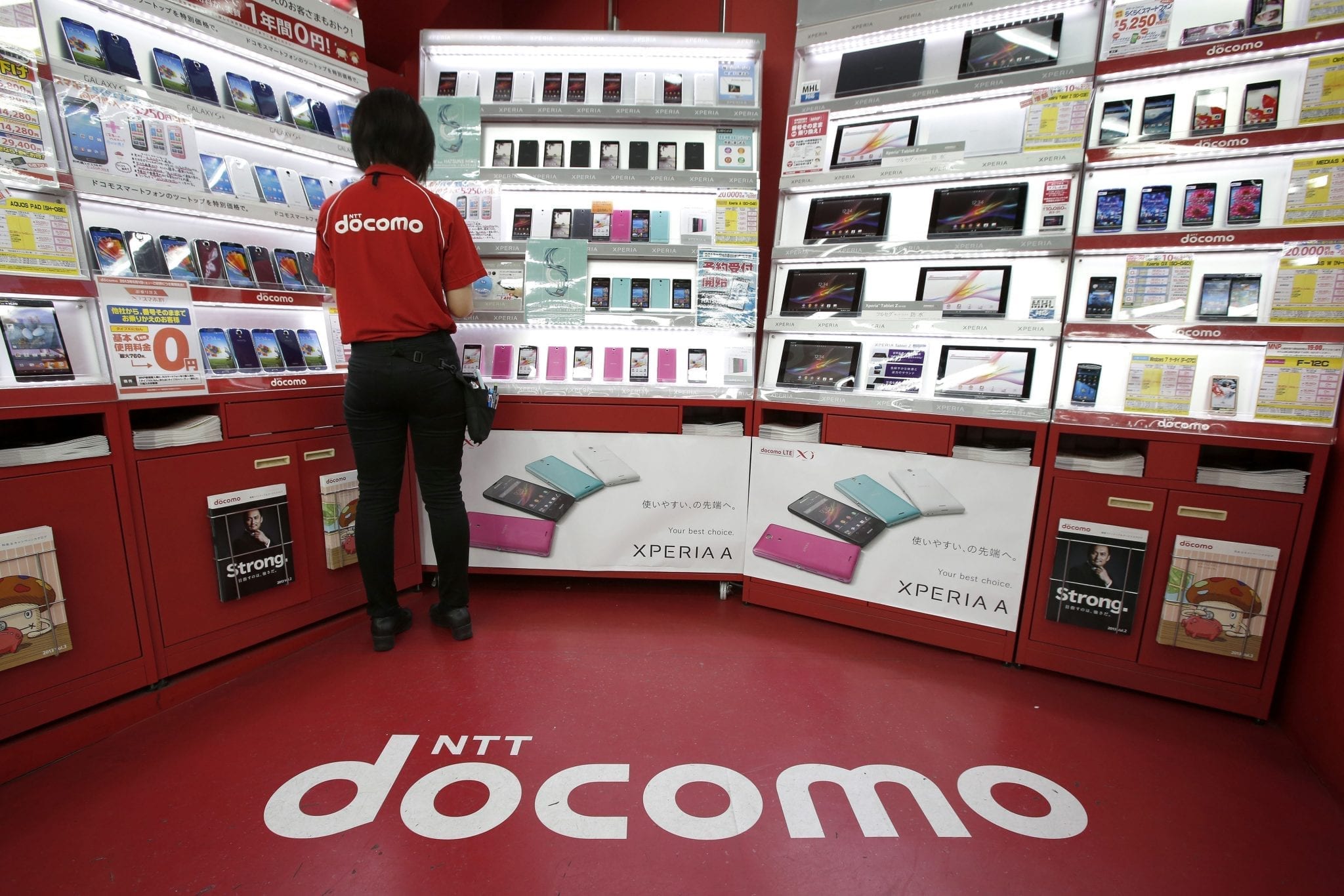
    Japan’s NTT DoCoMo has announced significant proposed changes to its management team as part of efforts to “further grow and develop the company.”

    The operator revealed that one executive director, one director, two audit and supervisory board members and four senior vice presidents are planning to resign, mostly to take up new positions at DoCoMo subsidiaries or affiliate companies.

    In their places there are two new candidates for the board of directors, two new candidates for the audit and supervisory board and seven new senior vice president candidates.

    The changes to the executive positions will be put up for approval at the shareholders meeting, the board of directors meeting and the audit & supervisory board meeting scheduled on June 20, 2017.

    If the changes are approved, DoCoMo’s new board will include executive vice presidents Hirotaka Sato, Kiyohiro Omatsuzawa, Hiroshi Tsujigami, Kouji Furukawa and Kyoji Murakami, as well as senior vice presidents Hiroshi Nakamura and Hozumi Tamura.

    The top leadership team will consist of president, CEO and board member Kazuhiro Yoshizawa, senior executive vice president, CIO, CISO, chief privacy officer and board member Hiroyasu Asami, and senior executive vice president for global business, corporate and CSR and board member Toshiki Nakayama.
  • Rakuten first-quarter profits surge on sales promotions, new tech investments

    Rakuten first-quarter profits surge on sales promotions, new tech investments

    Japanese e-commerce giant Rakuten said net income for the first-quarter of fiscal 2017 more than doubled for the three months ending March 31, on the back of a positive customer response to sales promotions and new technologies.

    Japan’s largest e-tailer said total quarterly net income reached 25.06 billion yen (US$220.3 million), up from 12.09 billion yen (US$104.7 million) for the same period a year earlier.

    The Tokyo-based company said its operating income rose 73.2% to 40.4 billion yen (US$355.3 million), while first-quarter sales jumped 17.6%, for a total of 212.08 billion yen (US$1.86 billion).

    The e-tailer currently offers customers up to seven times the typical rewards points, a bid to poach business from rivals Amazon.com and Yahoo.

    According to a press release, Rakuten said it has “cultivated loyal customers and conducted sales activities in order to win new users, as well as initiatives targeting greater customer satisfaction, strengthening services for smart devices and opening up the Rakuten ecosystem,” the company said.

    This incentive has increased membership in Rakuten-brand credit cards and the use of revolving balances, boosting the company’s financial business.

    “Results are on track for improvement in overseas internet services, due to contributions from the steady growth in U.S. subsidiary Ebates Inc. and other factors,” it added.

    In February, Rakuten invested $26 million in AirMap, a company working on a global airspace management platform for drones. Meanwhile, in September 2016, the company acquired Fablic, provider of the C2C marketplace app Fril.

    In the past year, it has also invested in American bot developer Run Dexter, digital content provider getAbstract AG, cross-border payment platform Currencycloud, and Japanese fintech company Folio – investments, which look to boost revenues further in the coming fiscal year.

    The firm said that for the twelve months ended December 31 it is targeting double-digit growth over the previous year.

    According to a recent report produced by JapanConsuming, e-commerce will be Japan’s largest single retail channel by 2022. In 2015, Japan generated roughly $80 billion in e-commerce sales. This compares to some $350 billion of e-commerce sales in the U.S. and China’s whopping e-commerce sales result, which exceeded $650 billion in 2015.

  • Shilla duty free opens mobile app, online mall for Japanese clients

    Shilla duty free opens mobile app, online mall for Japanese clients

    Shilla Duty Free has launched a mobile app and an Internet website mall targeting Japanese clients to offset the decline in Chinese tourists triggered by the missile defense system row between Seoul and Beijing.

    It is Shilla Duty Free’s second mobile shopping mall for foreigners after one opened for Chinese customers in 2014.
    Chinese travel agencies have in recent months suspended sales of tour packages to South Korea as part of the Beijing government’s retaliation against Seoul’s decision to station the US Terminal High Altitude Area Defense system on its soil. China believes the missile system undermines its security interest. South Korea has maintained that THAAD’s sole aim is to counter North Korea’s evolving nuclear and missile threats.

    Shilla’s mobile app store and Internet shopping mall allow Japanese customers to use Naver Corp.’s flagship LINE messenger to carry out transactions.
    LINE has become a major mobile messenger platform with more than 200 million users around the world. It has a strong presence in Japan.

    The duty-free shop will also invite 1,000 Japanese clients to a fan meeting of popular K-pop boy group SHINee, the shop’s commercial model, in Seoul on May 13. The number of Japanese tourists rose 25 percent last year from the previous year, according to the Korea Tourism Organization. The figure also surged 13 percent and 28 percent in January and February of this year from the same period in 2016.

  • ZTE completes 3D-MIMO test in Jiaxing

    ZTE completes 3D-MIMO test in Jiaxing

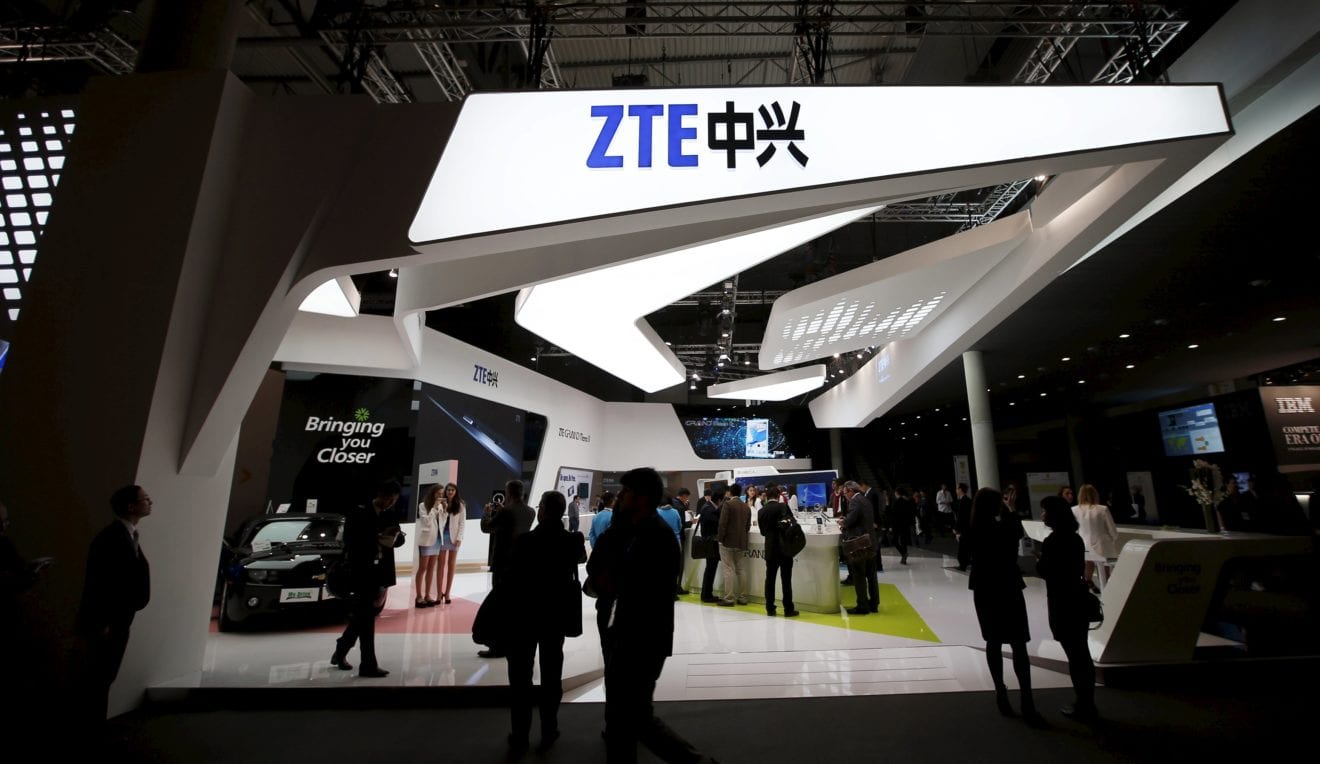
    China Mobile and ZTE announced they have completed the deployment and pre-test verification of Pre5G Massive MIMO technology 3D-MIMO in Jiaxing, a prefectural city in northern Zhejiang province in China.

    The testing, conducted in collaboration with China Mobile Zhejiang and the China Mobile Jiaxing Branch, included verification tests in scenarios including large-traffic scenarios in universities or 3D  in-depth coverage in high-rise residential buildings.

    It builds on the completion of the world’s first 3D-MIMO field verification conducted by the two companies in 2015.

    The 3D-MIMO technology increases downlink capacity by 3-5 times and uplink capacity by 4-6 times over traditional 4G networks, helping to address issues caused by the exponential growth in demand for traffic and growing 4G user base in dense areas such as universities.

    Using three carriers on a 3D-MIMO site downlink rates reached 1Gbps while uplink rates reached a peak of 237Mbps.

    Testing showed that 3D-MIMO increased uplink and downlink spectrum efficiency of small-packet services by 2-3 times on average compared to co-frequency eight-transmit macro base stations. The test involved up to 800 concurrent commercial users.

    The 3D beamforming technology also helped to suppress interference, enhance connections on cell edges and increases user traffic in the coverage area.

    Last year, China Mobile and ZTE completed 3D-MIMO pre-commercial verification in 29 provinces and 50 cities as part of their collaboration on the technology.

  • Japan’s FamilyMart may limit investment in Vietnam following losses

    Japan’s FamilyMart may limit investment in Vietnam following losses

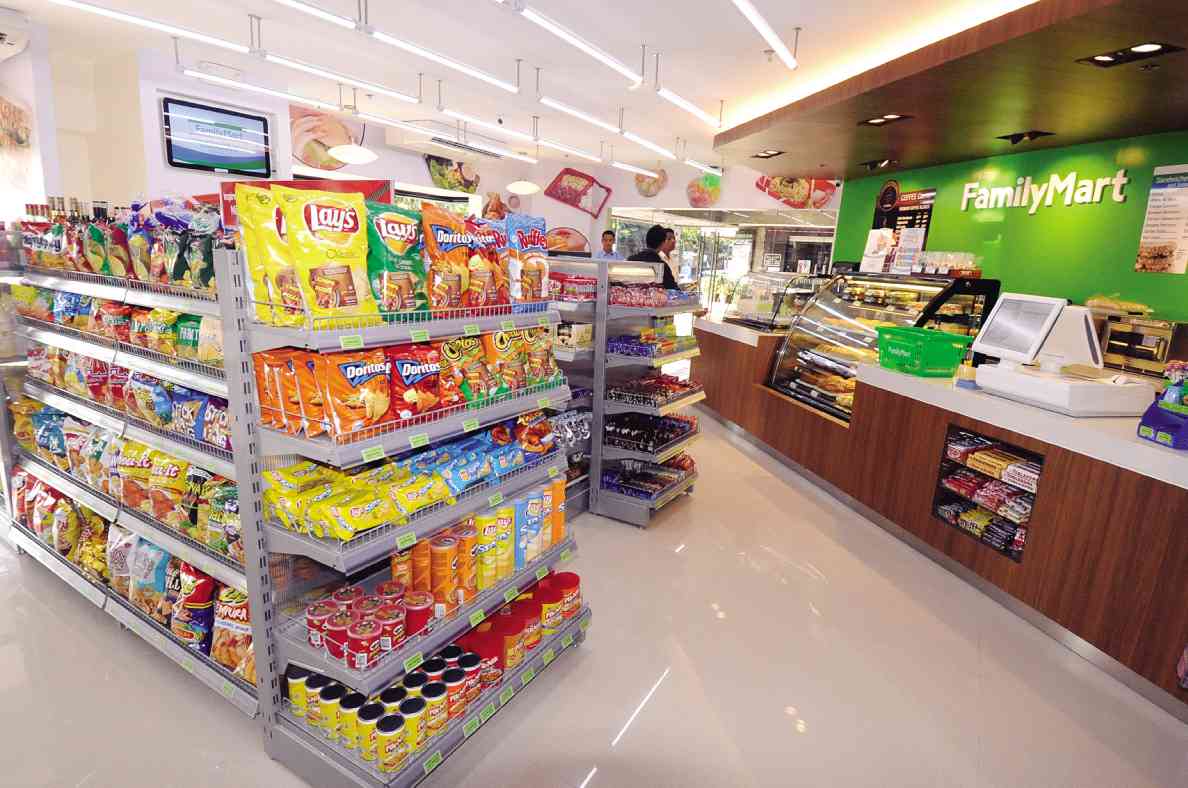
    ‘We cannot continue to pour in resources,’ its president says of business in the Southeast Asian market. Japan’s second largest convenience store chain FamilyMart plans to stay focused on domestic market as it reported losses in several Southeast Asian economies including Vietnam.

    Koji Takayanagi, the chain president, said the firm is reviewing loss-making businesses in Indonesia, Thailand and Vietnam. “If we can get them to rally we will, but we cannot continue to pour in resources,” as saying Tuesday.

    The Japanese franchise has forecast operating profit to grow by more than twice to 1,000 billion yen ($8.79 billion) in four years from 412 billion yen in the current fiscal year. But as the business is profitable in China and Taiwan, it is not doing well elsewhere.

    FamilyMart came to Vietnam in 2010 and had expected to open 300 stores in collaboration with local distributor Phu Thai Group.

    But the partnership ended in 2013, with the distributor taking over 42 FamilyMart stores and turning them into B’s Mart in collaboration with Thailand’s Beri Jucker Plc.

    The brand made a comeback in July 2013 and is now operating 130 stores in Ho Chi Minh City, the nearby resort town of Vung Tau and in Binh Duong Province, aiming to expand to 150 by the end of this year.

    Takayanagi said he finds it easier to achieve results at home, where worsening labor shortage is leaving convenience stores scrambling to find workers. “We know what to do,” he told, adding that the chain is ready to offer items with added value to serve its aging population.

    He also said his company is considering starting a new business with Hong Kong-based investment holding company CITIC Ltd. and Thailand’s largest private conglomerate Charoen Pokphand.

    Details are not revealed, but he said the companies are looking at a range of opportunities beyond convenience stores.

    The chain’s diversion comes as its rival Seven & i Holdings, which owns Japan’s largest convenience store chain 7-Eleven, keeps expanding overseas, most recently in the U.S.

    The first 7-Eleven store will open in Vietnam in February 2018, adding heat to the convenience store boom with entry and expansion from many local and foreign retailers in recent years.

    Vietnam’s retail market is listed in the top five in Southeast Asia and ranked 11th globally in terms of growth rate, based on the A.T. Kearny 2016 Global Retail Development Index.

    Vietnam’s trade ministry has projected the country’s retail market to hit $179 billion by 2020, a jump of 52 percent from last year, with foreign convenience store operators already holding a 70-percent market share.

    The sector has a lot room to grow in Vietnam, where more than half of a population of nearly 92 million are young and the annual average income expected to increase very fast, the ministry said.

  • Softbank Q4 profit surges on Sprint turnaround

    Softbank Q4 profit surges on Sprint turnaround

    Japan’s Softbank has reported a twelvefold increase in net profit for the March quarter as a result of a recovery at US mobile unit Sprint.

    Profit increased to 580.5 billion yen ($5.08 billion), on the back of a nearly 2% increase in revenue to 2.32 trillion yen.

    For the full year, profit grew to a record 1.4 trillion yen, up from 474 billion in the prior financial year, as the result of the divestment of part of the operator’s stake in Alibaba and cost reductions at Sprint.

    Total revenue increased from 8.88 trillion yen to 8.9 trillion yen over the same period, partly due to the addition of revenue from recent acquisition ARM.

    Sprint’s operating income increased to $1.8 billion for the year, from just $300 million in the prior year, while total costs were reduced to $15.9 billion, representing a $3.4 billion reduction over the past two years.

    Revenue from domestic telco operations meanwhile grew to 3.19 trillion yen from 3.14 trillion yen a year earlier. The company added 360,000 mobile subs during the year to take its total to 32.4 million, with FTTH subscribers roughly doubling to 3.59 million.

    SoftBank separately announced plans to collaborate with Qualcomm and Sprint to jointly develop technologies for 5G in the 2.5-GHz band, including developing the 3GPP new radio standard for the band.

    The companies plan to provide commercial services and devices based on the development activities in late 2019.

  • Toyota’s new SUV C-HR becomes best-selling model in Japan

    Toyota’s new SUV C-HR becomes best-selling model in Japan

    Toyota Motor’s newly launched C-HR crossover sports utility vehicle grabbed the top spot in monthly domestic sales in April, becoming the first SUV to top the list in Japan since at least 2007, data from industry bodies showed on Tuesday.

    The country’s largest carmaker by volume sold 13,168 units of the C-HR subcompact crossover in the reporting month. The Japan Automobile Dealers Association and the Japan Light Motor Vehicle and Motorcycle Association said the model rolled out last December is the first SUV to become the best-selling model since they began compiling data in 1968 and 2007 respectively.

    The C-HR, which uses the same platform as its popular gasoline-electric hybrid car Prius, attracts fuel-cost sensitive customers with its fuel-efficiency. Its hybrid model runs 30.2 kilometres per liter of gasoline, among the best in the segment. Toyota plans to market the model in over 100 countries on the back of growing demand for compact SUVs worldwide.

    Honda Motor’s minicar N-Box came in second with 12,265, up 4.9% from the same month last year, ceding the crown to the C-HR after maintaining the No. l position for four consecutive months through March. The Move minicar of Daihatsu Motor  — Toyota’s subsidiary — was third, as sales of the minicar model more than doubled to 12,004 units in the month.

    Five minivehicle models with engines no larger than 660 cc made it into the top 10 ranking, according to the two associations, as they continue to entice customers with a relatively low tax levied on them and their fuel-economy.

    Daihatsu’s Tanto minivehicle ranked fourth with 11,926 units, up 8.5%, followed by Toyota’s Prius hybrid, the best seller in 2016, with 9,920 units, down 52.2%.

  • Uniqlo wants to double EU store count by 2020

    Uniqlo wants to double EU store count by 2020

    Uniqlo said it plans to take its European store count to 100 outlets over the next three years, in a bid to strengthen its retail presence outside of Asia.

    In doubling its current store number from 50 to 100, the fast-fashion chain will make its first foray into Spain and Italy, according to local media.

    A planned Barcelona location will mark Uniqlo’s entry into Spain this autumn, while a Milan store will open in Italy, according to a report by the Nikkei Review.

    The Fast Retailing-owned brand already operates some 50 stores in France, Russia, Germany, the UK and Belgium.

    The firm said it would be opening new locations in regional cities in some European countries too, those it is already selling in. This includes regional stores in smaller French cities such as Bordeaux and Toulouse.

    With the store openings in the EU, Uniqlo will be facing stiff competition from two global fast-fashion moguls. Namely Zara, which is operated by Spain’s Inditex, and Sweden’s H&M, both of which have a solid history on the continent and a loyal consumer following.

    The Japanese chain told the Nikkei Review that demand for its highly functional basic apparel, however, is strong enough to warrant such fast-paced and vast expansion. This is particularly apparent now, given the Japanese firm’s domestic sales growth has plateaued.

    “Overseas operations are what our growth hinges on,” said Fast Retailing CEO Tadashi Yanai.

    However, Uniqlo is heavily reliant on Asia.

    Overseas sales came to 655 billion yen in 2016, with China accounting for half of the firm’s fiscal 2016 revenues made in foreign markets.

    Yanai said Uniqlo is eyeing global sales of 3 trillion yen ($26.6 billion) by the fiscal year ending August 2020. Japanese sales lifted just 3% to around 800 billion yen in fiscal 2016. Meanwhile, the number of stores in Japan has remained steady at around 840 for several years.

  • Manolo Blahnik opens Tokyo Ginza Six store

    Manolo Blahnik opens Tokyo Ginza Six store

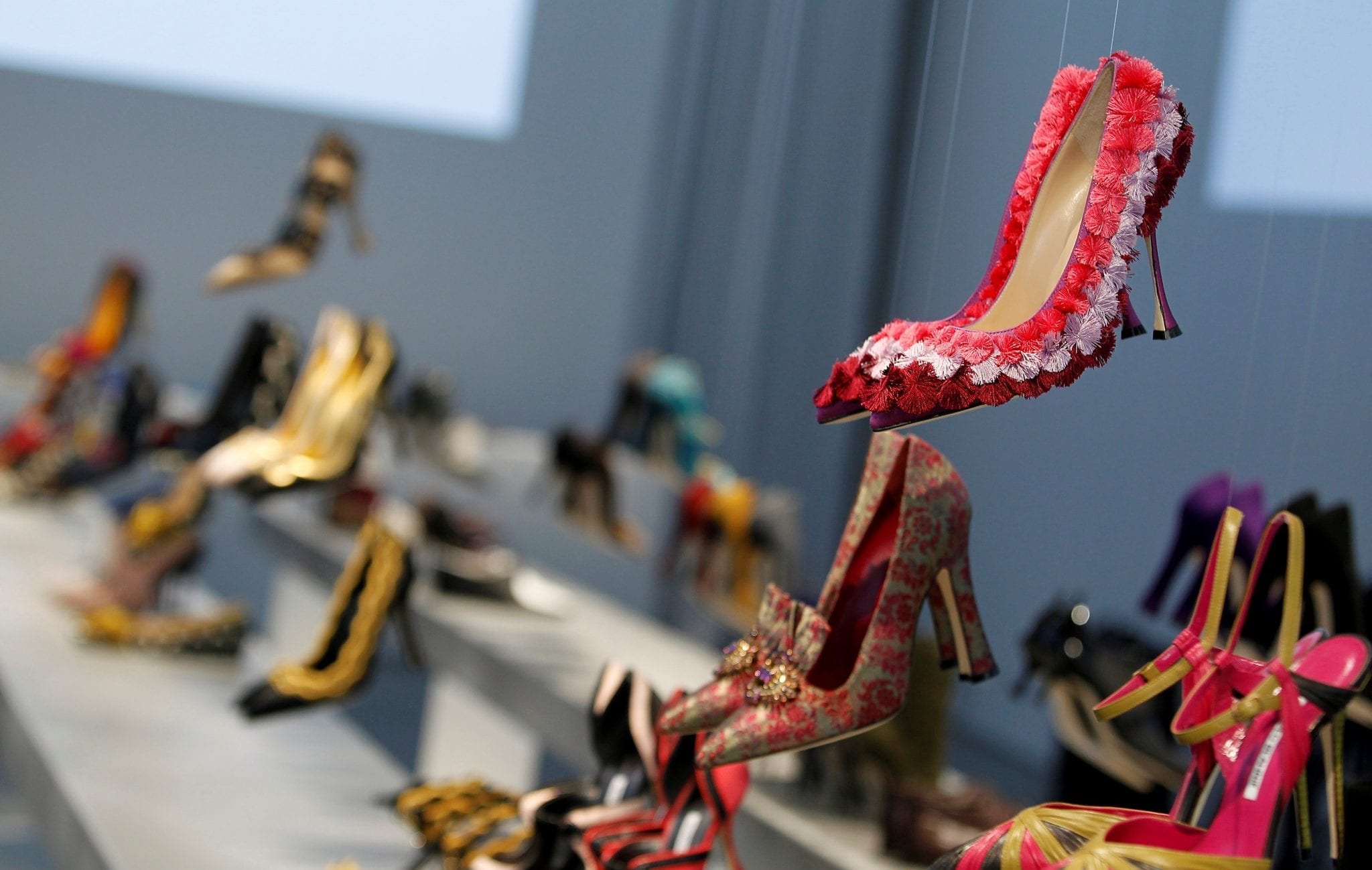
    Luxury footwear brand Manolo Blahnik has opened a new store in Tokyo at the new Ginza Six luxury shopping mall.

    Artfully designed by architect Nick Leith-Smith, and covering 60 square metres, the retail boutique’s interior design emulates that of Japanese tradition and culture, but in a modern form.

    The focal element is the wall installation. Reflective of timber and bamboo scaffold structures, the new Ginza Six store boasts contemporary crisscrossed and folded wooden slats, which interlace and connect the walls and
    ceilings, acting as shelves and hanging places for shoes and accessories.

    Fusing the industrial with the elegant, opposing walls are cast concrete reliefs with a curve pattern inspired by the gingko leaf. The back wall is painted in a striking blue, inspired by the traditional Japanese indigo plant dye.

    The complete Manolo Blahnik collections and products will be available at the new Tokyo flagship.

    Manolo Blahnik has seen recent success in Asia. The Spain-born, UK-based designer has launched three new retail spaces in Japan in the last 12 months in partnership with local luxury specialist Bluebell Group.

    The Ginza Six store is the third Japan location to open for Manolo Blahnik. It follows the opening of a store in the Matsuya Ginza department store in Tokyo and a second space in Umeda Hankyu department store in Osaka, late last year.

    In November, Bluebell Group also partnered with Manolo Blahnik to bring the brand to Malaysia, opening a new 1,022 square foot store in Pavilion Kuala Lumpur in Malaysia.

  • Timex opens first worldwide monobrand store in Tokyo

    Timex opens first worldwide monobrand store in Tokyo

    “Timex Tokyo” is set to open in Jingumae 6th street, near the Jingumae intersection. The store will be located on the 2nd floor of the building. The store will also feature a ‘strap bar’ for leather maintenance and engraving, and will also feature exhibition pieces.

    Timex was established by the Waterbury Clock Company in Connecticut in 1854. In the 1890s it launched the first edition of the pocket watch, Yankee, which sold 4 million units in 20 years. The label’s timepieces were also said to have been worn by the writer Mark Twain.

    The brand later released its first military-issue watch, dubbed ‘Midget.’ By the 1960s the company occupied a 50% share of the US watch market as the nation’s most popular brand, and is perhaps best known for the appearance of the ‘Ironman’ model on the wrist of Bill Clinton at his 1993 inaugural speech.

    The brand has gained visibility in Japan of late due to Timex’s Japan-exclusive collaborations, including a partnership between Engineered Garments and Japanese retailer Beams. Relaunches of classic models such as the Camper, updated last year by Timex Japan in stainless steel and limited to 1500 pieces, have also been a hit.

  • Tata Communications posts $32.5m Q4 loss

    Tata Communications posts $32.5m Q4 loss

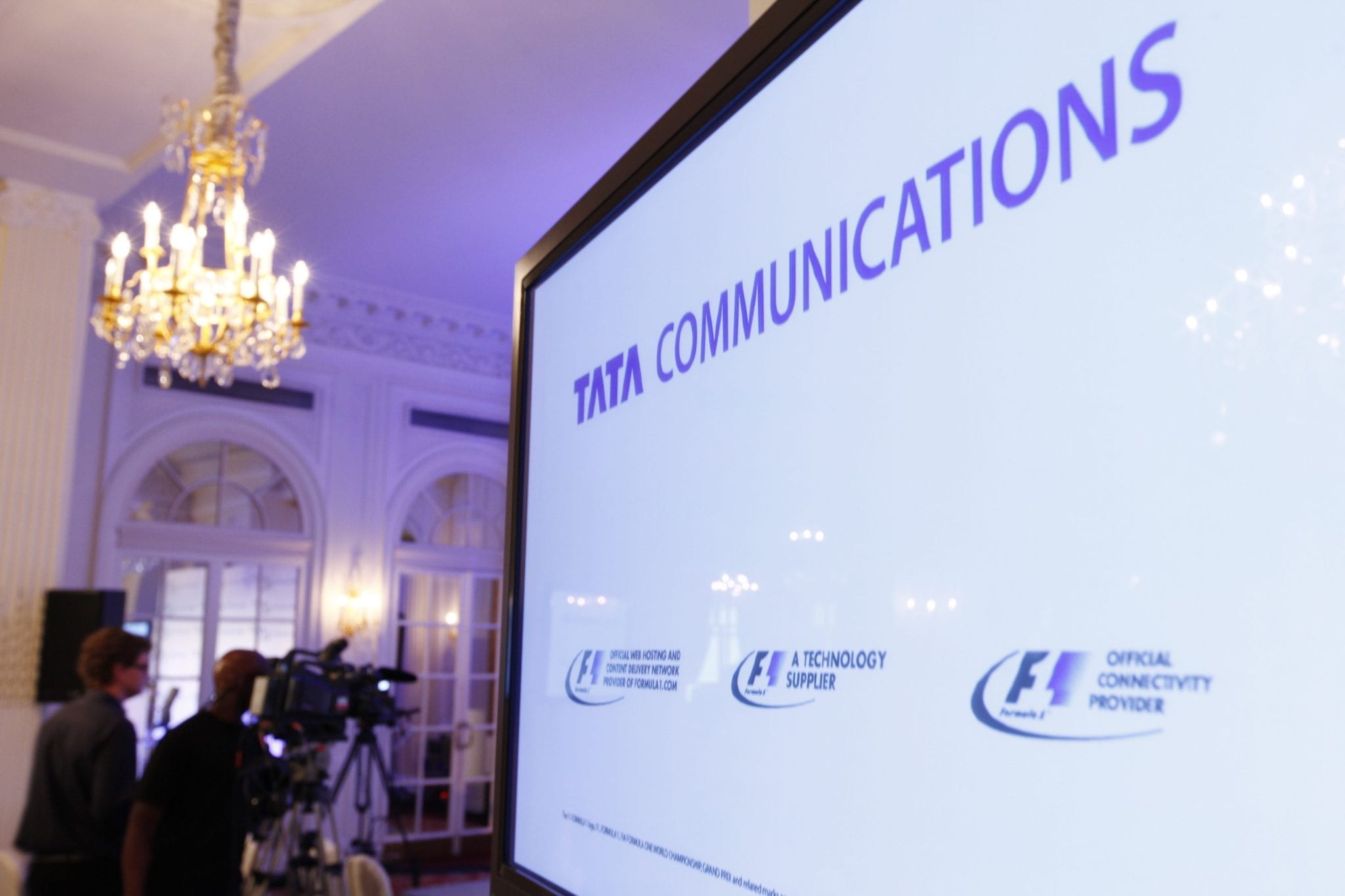
    Tata Communications has reported a 2.09 billion rupee ($32.5 million) net loss for the fourth quarter, with earnings impacted by issues including the impact of the demonetization of India’s 500 and 1000 rupee banknotes.

    Gross revenue fell 10% year-on-year to 43 billion rupees, with ebitda down 35.9% over the same period to 5.03 billion rupees.

    Besides the effect of demonetization, revenue was negatively impacted by the loss of revenue arising from the sale of 17 data centers in India and Singapore for $663 million in May last year.

    Cable repair costs, employee-related expenses and legal fees associated with the court battle over NTT DoCoMo’s stake in the Tata DoCoMo joint venture also contributed to the decline.

    With the Delhi High Court recently declaring the validity of the settlement agreement between Tata Teleservices, holding company Tata Sons and DoCoMo, entitling the Japanese operator to collect the $1.18 billion award reached in an earlier settlement agreement, Tata Communications said it has made a provision of 8.72 billion rupees for the current quarter.

    For the full year, Tata Communications reported a net profit of 12.23 billion rupees, or $184 million in US dollar terms, as well as 5.2% lower gross revenue of 194.9 billion rupees.

    “Market demand for our services remain strong and we continue to increase our wallet share with large global enterprises,” Tata Communications CEO Vinod Kumar commented.

    “The conclusion of the Data Center and Neotel deals makes us stronger, more agile. This will help drive focus and momentum into our evolution from a traditional telco to a next generation digital enablement provider.”

  • Dior launched new Tokyo store

    Dior launched new Tokyo store

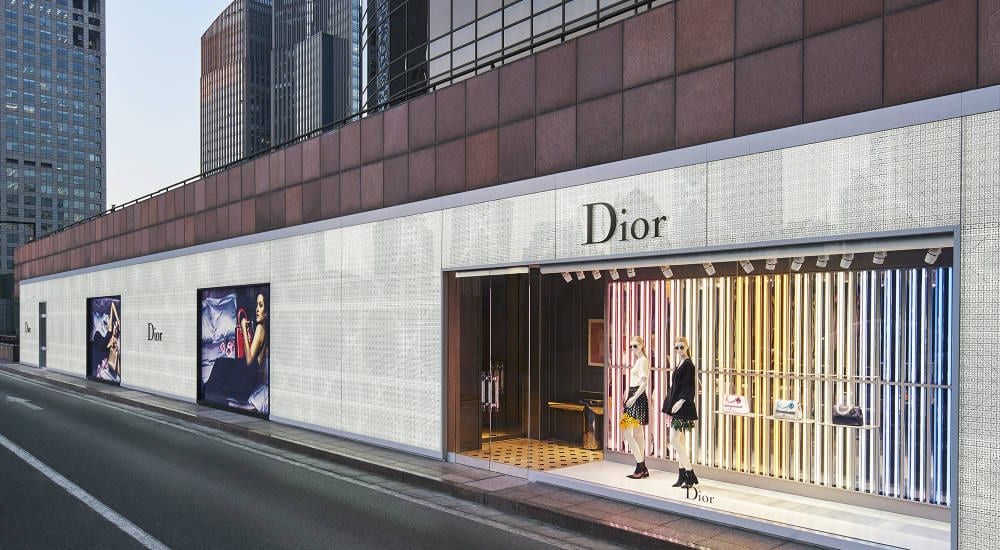
    Christian Dior launched its new Tokyo store with a fashion show in the rooftop gardens of a luxury mall, where models showed new looks from its creative director Maria Grazia Chiuri.

    Underlining Dior’s connection with Japan, which is an “important market” for the fashion brand, Chiuri drew her inspiration from cherry blossoms and Christian Dior’s 1953 “Jardin japonais” dress for her latest creations.
    Dior Ginza’s champagne-fuelled opening on Wednesday came as spending by visitors to Japan reached record levels, but growth has slowed due partly to Chinese tourists buying less.

    But Sidney Toledano, chief executive of Christian Dior Couture, said on Wednesday he was not concerned about cycles in tourism, which he has seen go through many phases during two decades running the French fashion house.

    “What we want to do in Japan is look for the local market. We look for the Japanese customers,” who have long been “super customers for luxury and high fashion,” he said.

    “Our business is not based on the tourist business … my objective always in a country is to have a very strong local plan,” said Toledano, who is also CEO of Christian Dior SE, the holding company for luxury group LVMH.

    As well as revealing the eight new lines from Chiuri, Dior used the occasion to present the autumn 2017 collection from Dior Homme for the first time.

    The new boutique occupies five floors in Ginza Six, the largest retail facility in the popular Tokyo shopping district with 241 stores, half of which are flagships. Other luxury brands’ stores include Celine, Saint Laurent and Valentino.

    Ginza Six sees tourists as a key target as the Japanese government aims to nearly double the number of overseas visitors to an annual 40 million by 2020, when Tokyo hosts the Olympics.

    Japan‘s market for personal luxury goods was worth €22 billion ($23 billion) in 2016, ranked second after the United States, with tourists accounting for 30% of revenue, according to Bain & Company.

  • Japan’s Pokka Starts Making Soft Drinks in Indonesia

    Japan’s Pokka Starts Making Soft Drinks in Indonesia

    Pokka Sapporo Food & Beverage is ramping up Indonesian operations in soft drinks, switching to local production to strengthen its market foothold and save on costs.

    The Japanese beverage maker set up a production facility through a joint venture with local distributor Dima Indonesia and began shipments in late April. Pokka aims to sell 1.4 million cases in the first year.

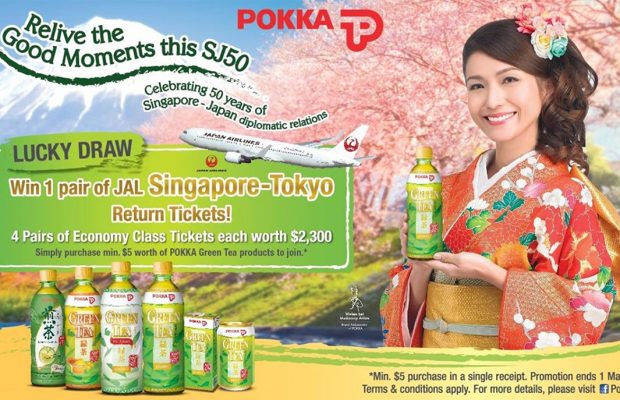
    Since predecessor Pokka Corp. set up shop in Southeast Asia back in 1977, Pokka has become well-known in the region for its green tea, mainly in Singapore. The company has also shipped drinks produced in Singapore to Indonesia for sale.

    The first products coming out of the Indonesian plant include bottled jasmine green tea and lemon black tea. Pokka’s drinks are a little pricier than rival brands, costing the equivalent of 40 yen to 70 yen (36 cents to 63 cents) more per bottle. The company plans to use sales channels of Dima and expand sales through supermarkets and other volume retailers.

  • Kao’s net income up 16% in Q1, yearly forecasts confirmed

    Kao’s net income up 16% in Q1, yearly forecasts confirmed

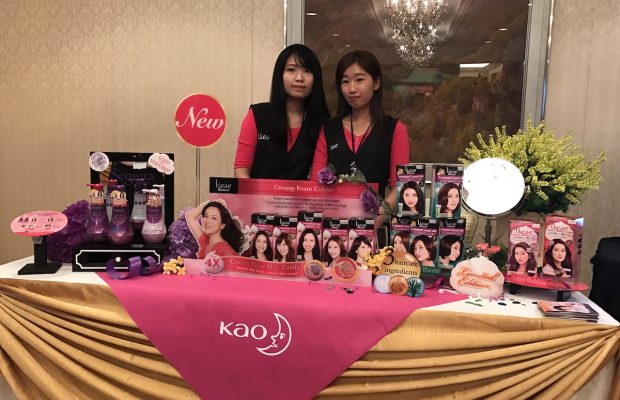
    Japanese cosmetics group Kao has posted a 16% rise in net income in the first quarter 2017, boosted by rising sales in Asia and reductions in costs, and has confirmed its prudent annual forecast.

    Between January and March, the group’s net income rose to JPY24.17 billion (nearly €200 million based on the exchange rates applied by Kao), while EBIT grew 12% reaching JPY38.6 billion.

    The profitability results come on the back of a 3% rise in revenue for Kao, up to JPY345.18 billion. Excluding exchange rate effects, revenue was actually up 8.6%, driven by solid skincare and personal care product sales in Japan and Asia.

    In Japan, where the group generates two thirds of its revenue, sales slumped slightly within a stagnating market. Demand by tourists, especially Asian ones, also recorded a shortfall, having been very strong in the last few years but being very sensitive to exchange rate fluctuations. The group is hoping to improve its performance thanks to a series of new cosmetics launches in the second part of the year.

    Elsewhere in Asia, revenue rose by 11.4%, with “solid growth in China, Indonesia and other countries.” At constant exchange rates, the increase was as high as 23.4%.

    Revenue was on the up in other regions too, growing 10.8% in the Americas and 2.2% in Europe.

    Kao’s consumer goods brands (beauty, house cleaning and diet food) were flat overall, but the chemical products division was very positive, up 14.7% as the trend of the infrastructure market improved in Japan, and Chinese automotive production was also buoyant.

    In terms of annual results, Kao has confirmed the forecasts published in February, with sales growing 0.9% to JPY1.470 trillion, a net income of JPY138 billion (+9%) and an EBIT of JPY200 billion (+7.8%), all of this within a “tough competitive environment.”

  • Bitcoins are to be accepted in more than 260,000 stores in Japan

    Bitcoins are to be accepted in more than 260,000 stores in Japan

    Major bitcoin exchanges in Japan are teaming up with retailers to start a transaction revolution that would allow stores to accept Bitcoin payments.

    Bitcoin is an example of a cryptocurrency, i.e., a digital currency that’s based on a data structure called Blockchain. A blockchain is a digital ledger that allows for recording and keeping transactions in a decentralized and cryptographically secured manner.

    Each block in a blockchain is maintain by so-called “miners” through servers spread all over the world. These miners then receive cryptocurrencies in exchange. While most markets have been slow to accept cryptocurrencies, some retailers are beginning to test the new form of payment.

    According to the Nikkei Asian Review, Japanese consumer electronics retail chain Bic Camera is going to try out a payment system using Bitcoin in two of its stores in Tokyo. To do this, it will partner with Bitflyer, which is the largest bitcoin exchange by volume in Japan. At the same time, Recruit Holdings’ retail support arm Recruit Lifestyle plans to work with Coincheck bitcoin exchange to implement a similar system: “Bitcoin will be accepted at 260,000 shops by this summer,” the company stated.

    Currently, about 4,500 stores in Japan accept Bitcoin as payments. Furthermore, in a Bitcoin.com interview this January, said Kagayaki Kawabata, Coincheck’s Business Development Lead, disclosed that there are already more than 5,000 merchants and websites in Japan that accept Bitcoin payments using the company’s system.

    The move to adapt Bitcoin isn’t an arbitrary one, of course. Aside from security, another reason for opting for cryptocurrency is the relative ease with which transactions can be conducted. Bitcoin allows tourists to make purchases in Japan without having to go through currency exchange rates. Additionally, if more outlets accepted Bitcoin, more individual consumers would likely be persuaded to get Bitcoin accounts.

    The rise of cryptocurrencies like Bitcoin may be ushering in a new way of conducting financial transactions. To date, over 20 million people worldwide now use Bitcoin. Bitcoin is no longer seen as something to be hoarded — it’s used for shopping. As Japanese stores adapt Bitcoin, this cryptocurrency is steadily making its way into mainstream financial transactions.