Tag: Japan

  • DoCoMo wins Indian court case over TTSL exit

    DoCoMo wins Indian court case over TTSL exit

    India’s Delhi High Court has found in favor of Japan’s NTT DoCoMo and local holding company Tata Sons in their dispute with the Reserve Bank of India (RBI) over an international arbitration settlement.

    With the verdict DoCoMo will be entitled to collect the $1.18 billion award reached in a settlement agreement in the London Court of International Arbitration, associated with DoCoMo’s planned exit of the Tata DoCoMo Indian telecoms joint venture.

    When DoCoMo first entered the joint venture in 2008 via an investment in Tata Teleservices, it was with the condition that the operator would be entitled to sell its stake in the venture at a predetermined sum if it chose to leave the venture.

    DoCoMo attempted to exercise this option in 2014 after the joint venture failed to perform as desired, and when Tata Sons failed to find a buyer the holding company applied to the RBI to make the acquisition.

    But the RBI blocked the transaction on the grounds that it violates Indian regulations restricting the sale of shares at a price higher than market value.

    DoCoMo entered international arbitration with Tata Sons and Tata Teleservices in an attempt to break this deadlock, and the court awarded DoCoMo with $1.17 billion in damages.

    But the RBI objected to this transaction, and DoCoMo accordingly brought the case before the Delhi High Court. DoCoMo and Tata entered a settlement agreement in February, but the RBI once again sought to block the enforcement of this agreement on the grounds that it would be circumventing Indian regulations.

    Tata Sons was required to deposit the $1.18 billion with the court while the case was being held. The settlement can now be transferred to DoCoMo in exchange for the operator’s shares in Tata Teleservices..

  • Luxury spenders defy Japan’s tight-fisted reputation

    Luxury spenders defy Japan’s tight-fisted reputation

    Tight-fisted shoppers, unsteady economic growth and a shrinking population: Japan doesn’t exactly fit the image of a spending powerhouse these days.

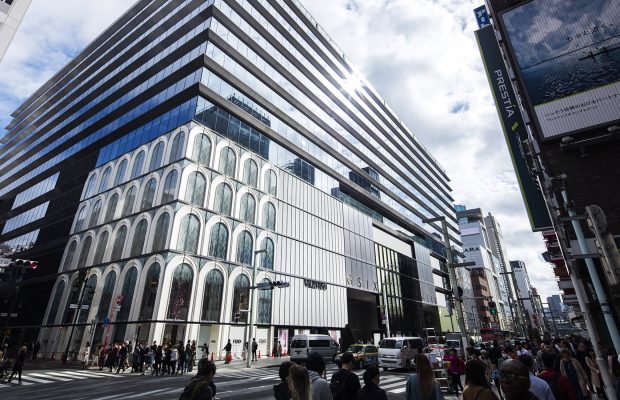
    But you would never know it in Ginza — Tokyo’s answer to the Champs-Elysees or Fifth Avenue — where a new 13-storey upscale mall is proving that Japan is still a whale in the luxury business. The country logs some $22.7 billion in annual spending on top-end goods made by brands including Chanel, Dior, and Prada, ranking it as the world’s number two luxury market behind the United States.

    “Luxury products may be more expensive, but they are very well-made,” said 79-year-old Toshiko Obu, carrying her longtime Fendi bag outside the Ginza Six building, which has been drawing big crowds since last week’s opening.

    Japan is renowned among the world’s priciest retailers for its discriminating clientele — Chanel tries to keep local customers physically separated from tourists packing more cash than class.

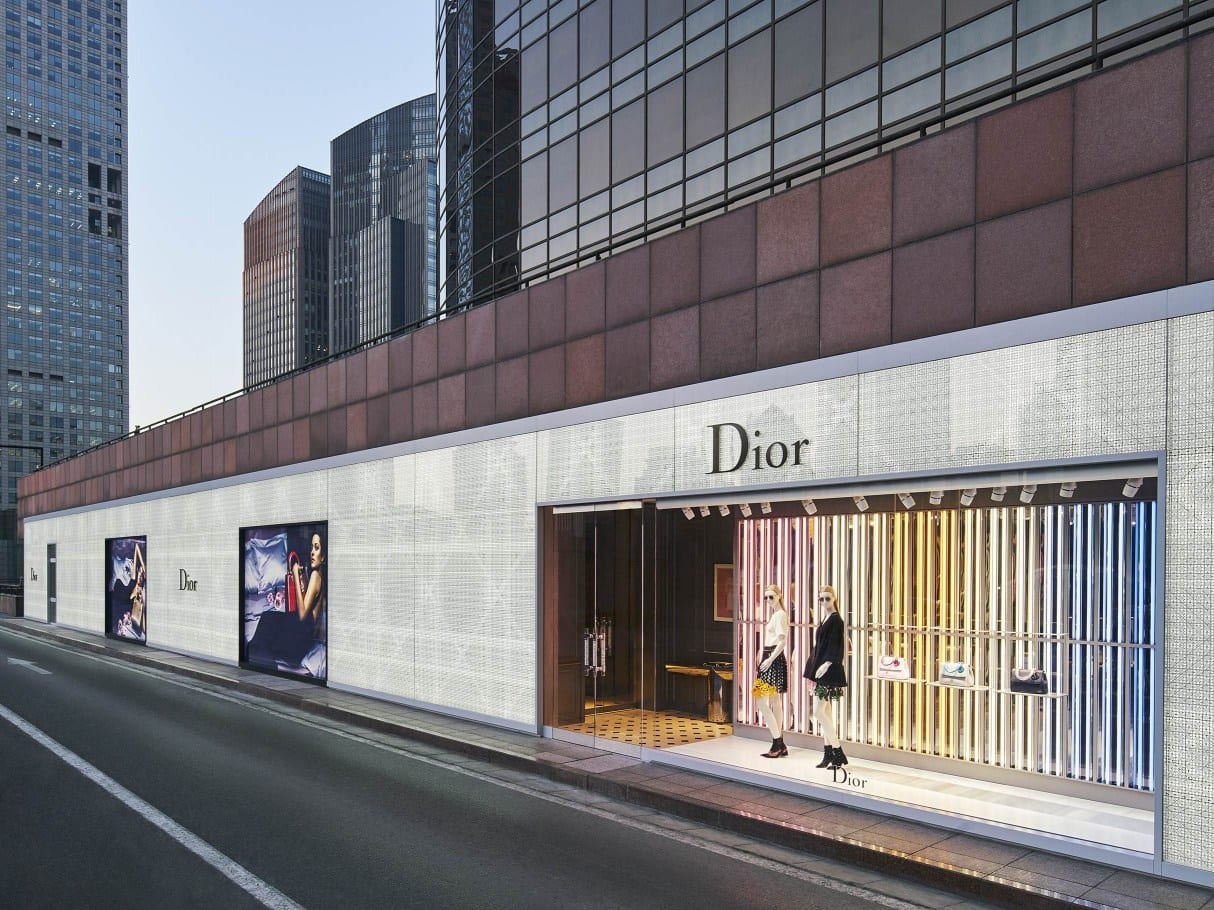
    “You shouldn’t forget that a big portion of the luxury clientele is here in Japan,” Sidney Toledano, chairman and CEO of Christian Dior Couture, told at the opening of the 241-store building.

    “It remains a strategic market for luxury and, I’d say, true luxury.”

    – ‘Biting their fingernails’ –

    Dior is counting on Japan’s luxury market to rise this year, while rival Chanel is also expecting an upbeat 2017, after global sales of personal luxury goods barely grew last year.

    “We did not lose our character,” said Richard Collasse, head of Chanel in Japan. “There are brands that are suffering — the ones that at some stage stopped investing in Japan because China was the new El Dorado. And today they are biting their fingernails.”

    Few brands predicted that deep-pocketed Chinese shoppers visiting Japan would support its luxury market — tourists account for about one-third of top-end spending.

    Japan is hoping to land 40 million visitors in 2020, the year that Tokyo hosts the Olympics. Last year, some six million Chinese visited, compared with 2.4 million in 2014.

    “Historically, (Japan has) been a very insular luxury market where 90 to 95 percent of the spending was by locals,” said Joëlle de Montgolfier, Paris-based director of consumer and luxury product research at consultancy Bain & Company.

    But now some 30 percent of sales are generated by foreign visitors owing to tourism, she added. A stronger yen dented visitors’ purchasing power last year, with luxury sales down one percent, after a 9.0 percent rise in 2015.

    Dior’s Toledano said it is an opportunity to refocus on Japanese clientele. “We don’t ignore tourists, of course, but we’re not a duty-free shop,” he added.

    – ‘Touching everything’ –

    Some other Chanel shops in Tokyo have a separate cosmetics and perfume section reserved for top Japanese customers, in a bid to keep them away from the nouveau riche crowd.

    It also tips off local clientele about the expected arrival time of tourist buses so they can avoid them.

    “The loyal Japanese clients tend to run away from customers who were not very well raised and are wearing whatever or lying all over the sofa, touching everything,” said Chanel’s Collasse.

    Dior’s haute couture show at the new mall’s opening featured Japanese-inspired dresses, underscoring a focus on the local market. But warning signs lurk behind smiling clerks and glitzy interiors at the new property on one of the world’s priciest shopping streets.

    Japan has struggled to reverse a decades-long economic slump while a falling population continues to shrink its labour force — and the pool of future luxury consumers.

    Younger people, many on tenuous work contracts, don’t have the money or the same interest in luxury brands anymore, especially since top-end goods can now be rented online instead, said Naoko Kuga, a consumer lifestyle analyst at Tokyo’s NLI Research Institute.

    “When you look at consumer purchasing behaviour, younger people put less value on luxury brand products” than previous generations, she said.
  • SoftBank working on eSIM platform for IoT

    SoftBank working on eSIM platform for IoT

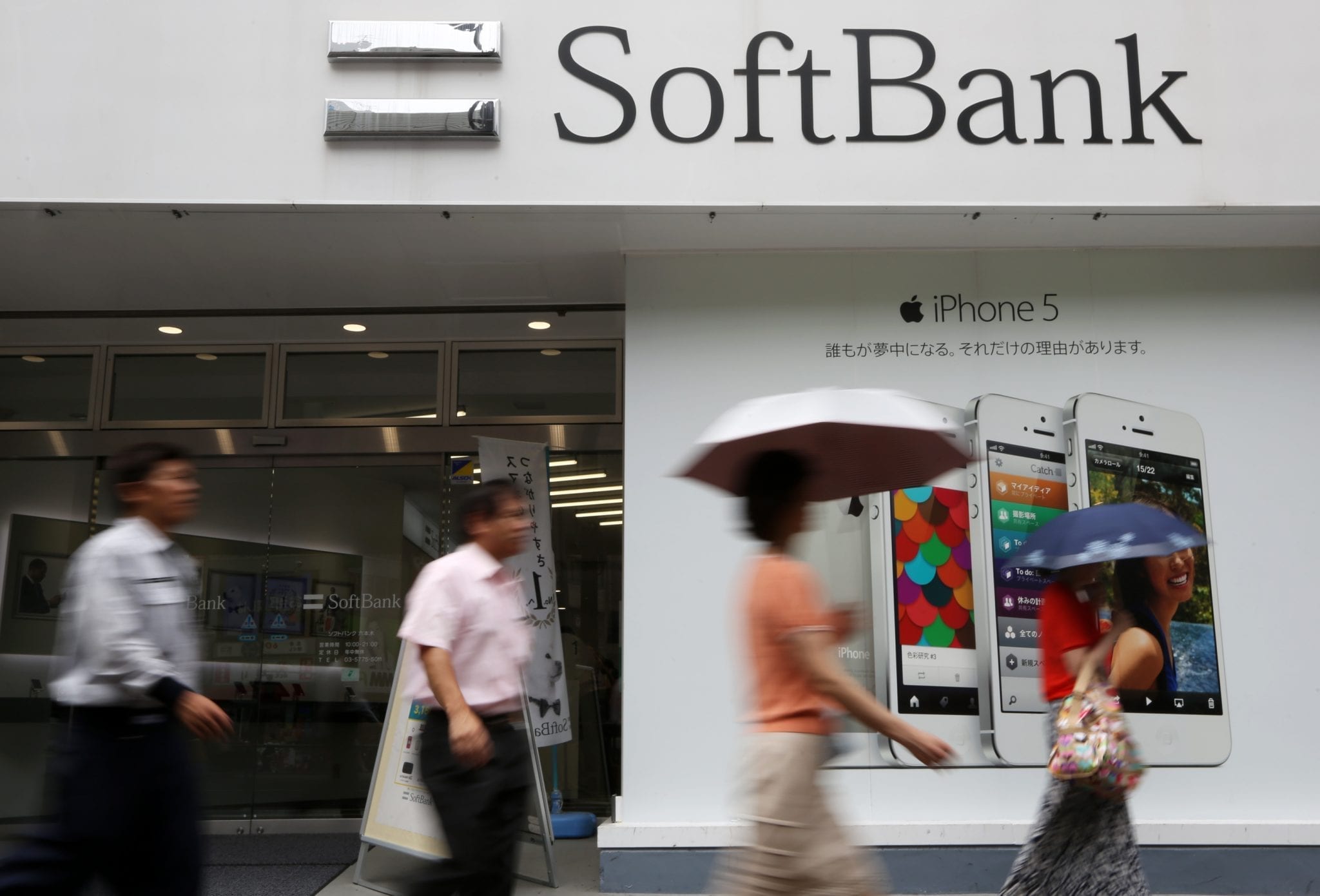
    SoftBank is developing an embedded subscriber identity module (eSIM) platform as part of its efforts to promote Internet of Things (IoT) solutions.

    The platform, which is scheduled to start operating in 2017, enables remote eSIM provisioning by connecting to carrier communication networks with the required profiles.

    When selling vehicles and other items embedded with machine-to-machine (M2M) equipment to markets abroad, until now it was necessary to prepare dedicated SIM cards with the necessary profiles to connect to the respective communication networks of overseas carriers.

    With eSIMs integrated into IoT products and M2M equipment, and by using the eSIM Platform, corporate customers will be able to remotely provision eSIMs with the profiles required for connecting to various carrier networks.

    For tablets, wearables and other consumer devices equipped with eSIMs, the eSIM Platform will also enable the remote provisioning of pre-registered contract information and other types of information, in addition to the necessary profiles for network connection.

  • Japanese automakers strengthen grip on SE Asia

    Japanese automakers strengthen grip on SE Asia

    The Japanese auto industry maintained its strong grip on the vehicle markets of southeast Asia last year, according to exclusive data provided to just-auto.

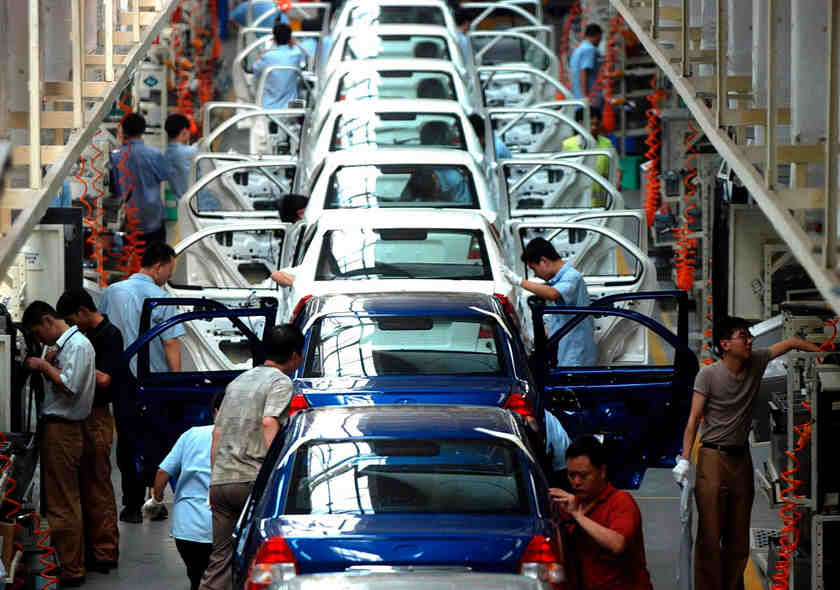
    The Japanese carmakers’ combined sales in the region’s five main markets rose by an estimated 3.3% to 2.62 million units in 2016, for a market share of 84%, according to data supplied by AsiaMotorbusiness.com.

    The highest Japanese dominance is in Indonesia, the region’s largest market, where their combined share of sales rose to a staggering 98.5% by last year. In Thailand, the Japanese accounted for 88% of sales, while in Malaysia it was 78%, including sales of Perodua – a domestic brand which depends entirely on Daihatsu for its products.

    Competitors from elsewhere have tried and failed to gain a significant foothold in this region and in key markets the Japanese have only strengthened their grip in recent years.

    European manufacturers such as Mercedes-Benz and BMW, and to a much smaller extent Jaguar Land Rover, dominate the premium segments and this is set to continue. But this success does not extend to other segments of the market.

    Ford withdrew from Indonesia at the end of last year, choosing instead to focus on markets where it has a better chance of competing. It has had better luck in some of the smaller emerging markets such as Vietnam and the Philippines.

    GM’s efforts to break into the high-volume compact MPV segment in the region were short-lived. It closed its “Spin”MPV plant in Indonesia last year and is downsizing its product range in the region to include just pickup trucks and SUVs.

    Toyota dominates the ASEAN region, with sales in the five main markets estimated at 910,263 units in 2016 – for a market share of 29%. If combined with Daihatsu, upon which it relies heavily, and with its Hino subsidiary, Toyota group’s sales in the region rose to 1.355m units last year (including Perodua) – to account for more than 43% of sales.

    Toyota has been extremely successful in maximising synergies with Daihatsu in Indonesia, which is by far its largest market in the region and where it is responsible for 56% of total sales.

    Toyota has by far the largest range of vehicles in this market and has been at the forefront of the development of new market segments across the region, including low-cost green cars and small and medium MPVs and SUVs. It enjoys the best economies of scale and strongest pricing power.

    Honda has emerged as the second-best selling brand in the region in recent years, despite the company’s lack of a presence in the commercial vehicle segment. Its share of regional sales has risen from just over 8% in 2012 to almost 14% in 2016.

    Honda’s recent growth has been underpinned by its strong and successful product range expansion, particularly in the compact MPV and SUV segments. New models such as the Mobilio, H-RV and B-RV have proved to be extremely popular in markets such as Indonesia, where its sales and market share have almost tripled in since 2012.

    Not all Japanese automakers have enjoyed growing sales in the region. Nissan and Suzuki in particular have struggled to keep pace with their more successful rivals, while Mitsubishi/Fuso has also been impacted by weak commercial vehicle demand in key markets.

    In ASEAN’s smaller markets the Japanese dominance is not so overwhelming. Japanese brands accounted for 69% of total vehicles sales in the Philippines last year, while in Vietnam their combined share was below 50%.

    South Korean brands such as Hyundai and Kia have been more successful in penetrating these markets, as have Ford and GM. Chinese brands have also targeted in the commercial vehicle segments here with a degree of success.

    But one wonders whether it’s just a matter before the Japanese tighten their grip on these markets too.

  • Mizuno Experience Center opens in US

    Mizuno Experience Center opens in US

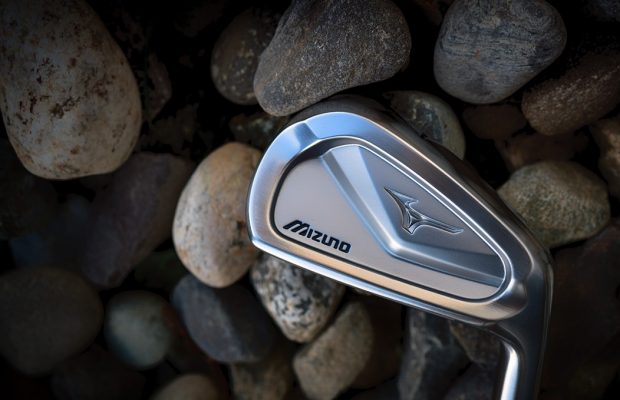
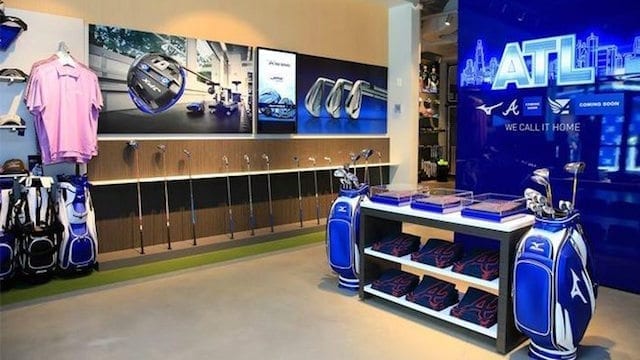
    Japanese sports brand Mizuno has launched into the US, unveiling the Mizuno Experience Center at The Battery Atlanta in Georgia.

    Designed to be an immersive environment that tells the Mizuno story through its gear, the center offers interactive displays using RFID technology with specialised labs for each sport. Customers can touch and test items, which are then customised for their fit.

    “Our goal is to provide a personalised and customised experience in a premium, one-of-a-kind environment,” says Mizuno US president Mark O’Brien.

    “The centre gives athletes the ability to find the right gear to optimise their performance and meet their personal preferences,” says O’Brien. “This is the only Mizuno centre of its kind in the western hemisphere.”

    Throughout the year, the Mizuno Experience Center will host public and private events with professional athlete appearances as well as visits by Mizuno craftsman (gloves and bats).

  • Ginza Six opening with 241 outlets

    Ginza Six opening with 241 outlets

    Ginza Six, one of the largest commercial complexes in Tokyo’s Ginza district, will open tomorrow.

    At Ginza’s 6-chome block, the retail venture was jointly developed at a cost of about ¥86 billion (US$12.4 billion) by companies including J. Front Retailing, which runs the Daimaru and Matsuzakaya department stores, and Mori Building.

    Ginza Six has about 47,000 sqm of sales space – larger than the neighbouring Ginza Mitsukoshi and Matsuya Ginza department stores. With its open ceiling structure, the complex has 241 retail outlets, mainly overseas luxury brands including Christian Dior and Fendi.

    French luxury house Saint Laurent will have its second flagship store for Tokyo across three floors at Ginza Six.

    Ginza Six inside

    Its 17m backlit black marble facade comprises 18 noren panels (traditional fabric dividers) laminated with low-reflective glass. The store will feature pret-a-porter, accessories, shoes, sunglasses and jewellery for women and men.

    Ginza Six’s owners are estimating it will draw 20 million customers and earn ¥60 billion in sales annually.

    It occupies the site that was home for 90 years to Matsuzakaya Ginza, as well as other stores. Rather than buying and selling goods like a department store, Ginza Six runs on the rent from the outlets. “The same business model used in the past can’t be applied forever,” says J. Front Retailing president Ryoichi Yamamoto.

    Other retail developments in the area also mainly house outlets, such as Tokyu Plaza Ginza and Marronnier Gate Ginza, a renovation of Printemps Ginza that opened in March.

    Ginza Six will attract foreign tourists as well as trigger consumption, says Mori Building president Shingo Tsuji. “This is one of the largest redevelopment projects in the history of Ginza. It will be a new symbol of Ginza.”

    Attractions at the development include a noh theatre and a rooftop garden.

  • Miniso US making debut in California

    Miniso US making debut in California

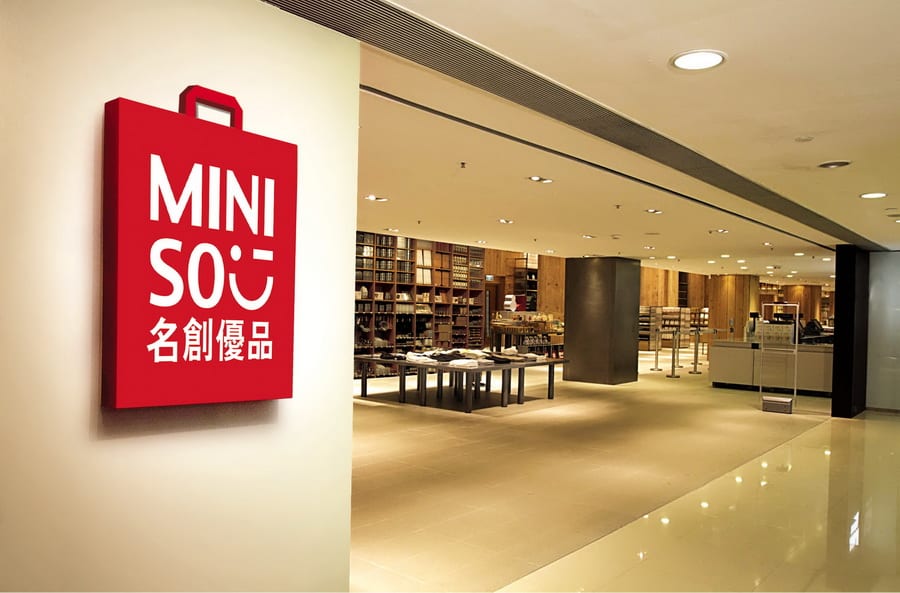
    Miniso US is opening its inaugural store on Friday, in Southern California.

    Known for launching new products every seven days, the four-year-old Chinese discount retailer, which positions itself as a “Japanese lifestyle brand” will have a weekend of celebration to mark the opening of Miniso Pasadena.

    Highlights of the opening will include a taiko drumming performance, goodie bags for the first 200 customers and Miniso headphones for the first 60 shoppers who spend at least $30.

    As an industry disruptor, Miniso combines fashion, lifestyle and low prices. On average, the retailer opens 80 to 100 stores monthly with an anticipated 6000 outlets worldwide by 2020 and global revenues of US$9 billion.

  • SoftBank taps Ericsson to improve indoor coverage

    SoftBank taps Ericsson to improve indoor coverage

    Japan’s SoftBank plans to deploy Ericsson’s Radio Dot system across Japan to improve indoor coverage for its large subscriber base.

    The operator will target medium to large buildings in high-density urban areas including Tokyo, Osaka and Nagoya with the deployment, Ericsson said. Deployment will commence in the densest areas of the three cities, in buildings including office towers, shopping malls and train stations

    SoftBank began testing Radio Dot technology in Japan in June 2015 as the company explored ways to better meet the huge demand for improved indoor coverage in urban areas. Now after extensive testing and verification, the operator is ready to enter the mass deployment stage.

    “We are always interested in adopting the latest technologies to ensure our subscribers receive the best possible network service,” SoftBank SVP Hideyuki Tsukuda said.

    “After evaluating a number of options, we concluded that the Ericsson Radio Dot System was the most cost-efficient solution for large buildings. Its deployment in crowded urban indoor environments will enable us to meet user expectations for a consistently high quality of network coverage.”

  • AEON Offers Free Thai Airways Tickets To Japan,  Along With Other Promotions

    AEON Offers Free Thai Airways Tickets To Japan, Along With Other Promotions

    AEON Thana Sinsap (Thailand) Public Company Limited is set to offer its Bangkok customers a variety of promotions at the 17th Money Expo Bangkok, on May 11-14 at Impact Muang Thong Thani, 2-3 Challenger Hall, Booth B1. Aeon will be on hand to provide products and information on a variety of financial services, including loans; Your Cash loans; cash advance via Aeon credit card; Honda motorcycle installment plans, with 0% interest rate for 6 months or 0.89% interest for 48 months; gold installment loan with 0% interest rate for 6 months, or 0.89% interest for 9, 12 months; redeem AEON Happy Rewards from accumulated points, AEON member applications; and AEON insurance service.

    In addition, AEON customers who has the financial transaction that meet AEON’s conditions will also be in for a chance to win two premium Thai Airways tickets from Bangkok to Japan (Narita), economy class valued at 50,000 baht; a 1 baht gold necklace valued at 20,770 baht; Big C gift voucher valued at 2,000 baht, and much more.

    There will also be performances from famous singers on all three days during May 12-14, including Tom Room 39 (Durian Mask), Rit Rueangrit (The Star), and Kong Saharath.

  • Honda to launch all-electric battery car in China next year

    Honda to launch all-electric battery car in China next year

    Japan’s Honda Motor will launch an all-electric battery car in China next year as demand for plug-in electric vehicles (EVs) expands in the world’s largest automobile market, a senior company executive said.

    Yasuhide Mizuno, Honda’s China chief, told reporters on the sidelines of the Shanghai auto show on Wednesday the automaker was “expediting” the development of the EV. He said he expects the car to arrive in showrooms before the end of next year.

    Mizuno added that plug-in hybrid models would likely follow, but did not say when that car might hit the market in China.

    Carmakers in China are scrambling to develop and sell so-called new energy vehicles (NEVs) in anticipation of tougher new rules expected to be implemented as early as next year.

    Those rules will likely require companies to generate as much as eight percent of their China sales with plug-in cars, either fully-electric or plug-in hybrid vehicles.

  • Uniqlo Canada expanding to British Columbia

    Uniqlo Canada expanding to British Columbia

    Uniqlo Canada has announced plans to open its third store.

    Its debut in British Columbia, the store will open late this year, 12 months after Uniqlo entered Canada with an outlet in Toronto.

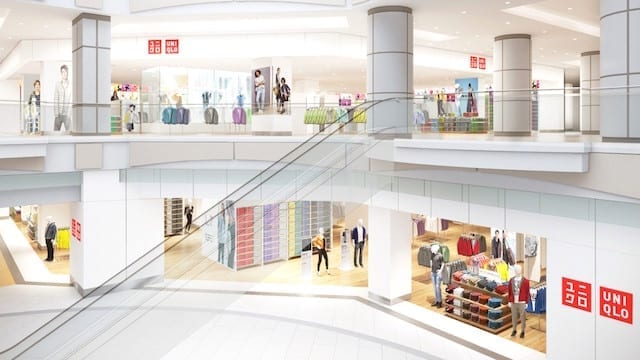
    Opening at Metropolis at Metrotown in Burnaby, British Columbia, the casual apparel retailer’s store will have 20,630 sqft (1917 sqm) of sales floor and offer its full range of core items.

    “Canada continues to be an important focus for the company globally,” says Uniqlo Canada COO Yasuhiro Hayashi. “This country’s cultural and climatic diversity represents the perfect platform for Uniqlo and our philosophy of LifeWear.”

    Product offerings at the new store will include the brand’s signature collections such as Airism, Cashmere, HeatTech and Ultra Light Down.

    Since opening its first store in Japan in 1984, Uniqlo has expanded to more than 1800 outlets worldwide. It is one of seven brands under the umbrella of Japan’s Fast Retailing.

  • Woodland India eyes Japan, South Korea

    Woodland India eyes Japan, South Korea

    Footwear and apparel firm Woodland India plans to enter the Japanese and South Korean markets in the next 12 months.

    Owned by the Aero Group, the company is also expanding at home with plans to add 120 exclusive outlets across India by the end of next year.

    Woodland India MD Harkirat Singh says the company also plans to grow its presence in multi-brand outlets.
    He says the company clocked revenue of Rs 1200 crore (US$279.9 million) in the last fiscal year and is seeking growth of 15 to 20 per cent going forward.

    Woodland, which makes most of its products in house, is also looking to add to its employee strength.
    Currently, the company has 600 exclusive outlets apart from presence in 5000 multi-brand stores in India.

  • Japanese retailers to accept bitcoin payments

    Japanese retailers to accept bitcoin payments

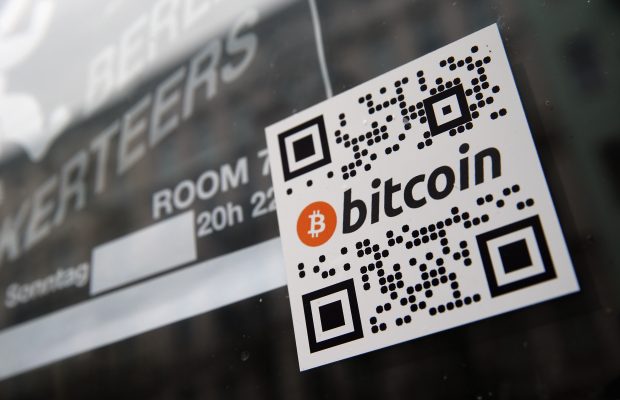
    Two Japanese retail groups are about to start accepting bitcoin payments, a move that is likely to promote wider use of the virtual currency by domestic consumers.

    Electronics chain Bic Camera has teamed up with Tokyo-based BitFlyer, which runs the largest Japanese bitcoin exchange, for a trial run of the payment system at Bic Camera’s flagship shop in Tokyo’s Yurakucho district, and at Bicqlo Bic Camera, the hybrid outlet with Uniqlo in Shinjuku.

    Customers can pay up to ¥100,000 (US$900) using the cryptocurrency, as well as earn reward points at the same rate as for cash payments. Bic Camera may roll out the payment system to other locations depending on its support.

    Meanwhile, Recruit Lifestyle, the retail support arm of human resources conglomerate Recruit Holdings, is partnering with another Tokyo bitcoin exchange company, Coincheck. The virtual currency will become a payment option at shops with the AirRegi POS app developed by Recruit Lifestyle.

    By using tablets or other devices provided by the store, or their own smartphone, customers can deduct the amount on the bill from the designated bitcoin account. Coincheck will convert the bitcoins into yen and transfer the funds to the store.

    AirRegi is used at 260,000 eateries and other retail locations throughout Japan. Businesses can choose to install the bitcoin payment system alone.

    The app is also compatible with Alipay, the payment platform developed by Alibaba Group and used by many Chinese tourists visiting Japan.

    Only about 4500 stores in Japan accept bitcoin payments. Rakuten’s Edy and Suica are leading electronic payment methods in Japan. The addition of AirRegi and Bic Camera outlets will multiply the number of bitcoin-compatible stores to around 260,000, nearing the 380,000 outlets that accept Suica and the 470,000 locations where Edy can be used.

    More than 20 million people worldwide use bitcoin, with the monthly trading volume reaching ¥12 trillion. But more than 80 per cent of users are in North America and Europe. Bitcoin has mainly been traded for investment purposes because its value fluctuates, but it is also increasingly used by overseas travellers as it saves them the need to exchange currencies.

    Japan has just started classifying virtual currency as a payment method, and cryptocurrency exchanges must register with the government. From July, purchases of virtual currency will be exempt from consumption tax.

  • Cloud Services in Indonesia Provided by Japan’s Leading Network Solutions

    Cloud Services in Indonesia Provided by Japan’s Leading Network Solutions

    FPT Telecom of Vietnam and Internet Initiative Japan on Thursday launched a cloud computing service for individual, business and enterprise customers in Vietnam.

    FPT Telecom has called the new service, FPT HI GIO Cloud, the first full-scale, full-spectrum and quality cloud computing service in Vietnam. Nguyen Van Khoa, general director of FPT Telecom, which is part of leading Vietnamese information technology group FPT, stressed the new service would provide access computing services via a stable network.

    The product enables users to quickly launch virtual machines instead of investing in physical devices.”We will lead the market in Vietnam to tap demand for cloud computing,” General Director of IIJ Global Solutions Vietnam Ryo Matsumoto told Retail News.

    FPT Telecom aims to acquire around 4,000 enterprise customers within a year. FPT Telecom and IIJ also aim to tap individual customers in a country where 70% of the more than 90 million population is expected to have access to the internet by 2020.

    IIJ, one of Japan’s leading internet and network solutions providers, has already launched similar cloud services in Singapore, Indonesia, and Thailand. FPT Telecom and IIJ are looking to launch additional joint projects related to security and network management in the coming years, according to Matsumoto.

    In Vietnam global players such as IBM, Google, Symantec, Amazon, Oracle and Microsoft have launched their own cloud and joint services by teaming up with local telecom companies and using mobile broadband infrastructure. FPT and IIJ’s partnership will further intensify competition in this area.

    Vietnam ranked 14th in the Asia-Pacific region in the Asia Cloud Computing Association’s Cloud Readiness Index 2016, coming after Singapore, Malaysia, Thailand, the Philippines and Indonesia.

  • Fred Segal opens Kobe store

    Fred Segal opens Kobe store

    American fashion retailer Fred Segal has opened its third store in Kobe, expanding its footprint in Japan.

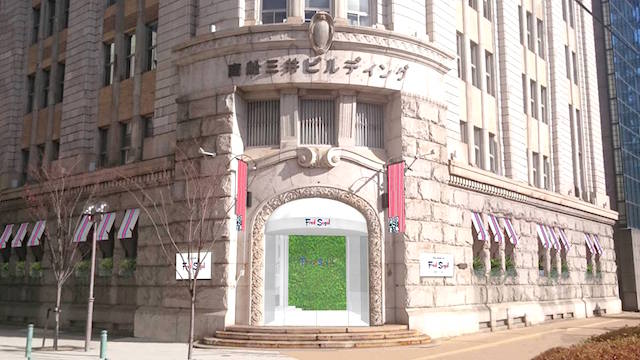
    Spread over the first and second floors of a Daimaru affiliated shop in Shosen Mitsui Building, Kyu-kyoryuchi area, the 1175 sqm store features an all-white interior.

    Fred Segal Japan Kobe 1

    Fred Segal brings exclusive lines from the US such as SMN jeans, Jaguar Design shirts, Delfina Balda skirt and tops, Thomas Wylde swimwear and scarves, and Sigerson Morrison shoes.

    Brands such as LA’s Atelier & Repairs, Buaiso are displayed in the “Sunset” showroom along with “La Cienega” VIP salon.

    Fred Segal Japan Kobe 2

    The store’s second floor offers a new dining concept called The Cellar at Fred Segal with a wine bar and restaurant featuring more than 200 varieties of California wine and cuisine.

    The Cellar mirrors the experiential retail trend with a focus on dining, and California flavours specifically, which, like its fashion, is considered an enviable novelty in Asia.