Tag: Japan

  • Amazon Japan adopts UnionPay to attract Chinese shoppers

    Amazon Japan adopts UnionPay to attract Chinese shoppers

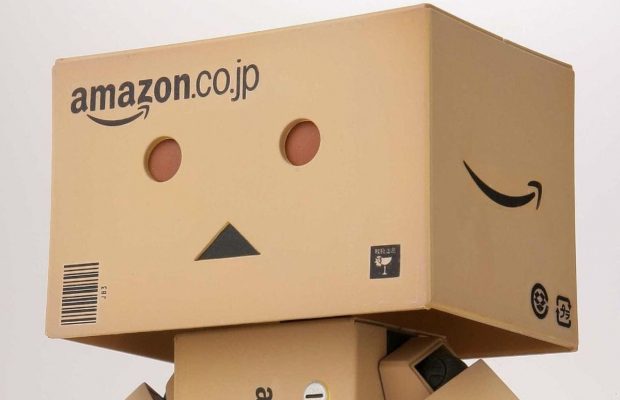
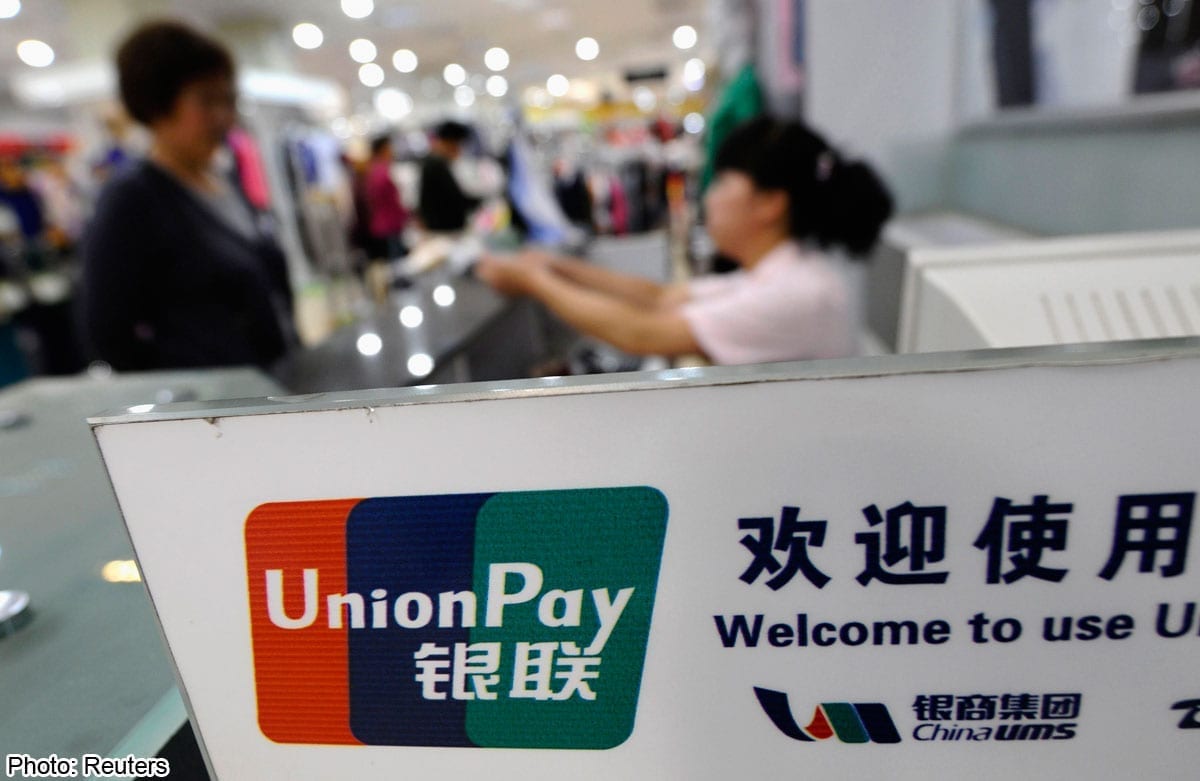
    Amazon.com Inc.’s website in Japan will start accepting UnionPay cards, as the web retailer steps up efforts to sell more merchandise to Chinese shoppers across Asia.

    China UnionPay Co., with more than 6 billion cards in circulation, is now a key rival to Visa Inc., Mastercard Inc. and other issuers and has become an important way for retailers around the globe to attract Chinese tourists and consumers. UnionPay can now be used across Amazon Japan’s website from Wednesday, the Seattle-based company said.

    Amazon, which debuted in Japan in 2000, rolled out a Simplified Chinese-language version of its website last year to cater to booming demand by shoppers seeking everything from Japanese books and music to cosmetics and baby products. The number of online customers from the mainland rose fivefold since early 2016, according to Jasper Cheung, president of Amazon Japan. Amazon’s revenue in the country rose 31 percent to $10.8 billion in 2016.

    “We continue to drive more selection available for export, and we’ve increased it by 50 percent,” Cheung said. “The biggest-selling categories have been books, health and beauty, baby products and kitchen appliances.”

    Amazon Japan is catering to an emerging class of consumers who are willing to shop online within Asia, and offers reduced shipping rates to homes and businesses in mainland China, Macau, Hong Kong, Taiwan and South Korea. E-commerce demand from China to Japan alone is projected to almost triple to 2.34 trillion yen ($22.5 billion) in 2019, according to Japan’s Ministry of Economy, Trade and Industry.

    Chinese tourists, now a constant presence in Tokyo’s stores, often stock up on authentic Made-in-Japan products during their visits to the archipelago. The number of Chinese tourists in Japan rose 28 percent last year to 6.4 million visitors.

  • Japan duty-free on arrival shops planned

    Japan duty-free on arrival shops planned

    With upcoming tax reforms, Japan duty-free on arrival stores could soon be opened.

    A Narita International Airport Corporation official says arrival channels would be permitted as part of the update of tax regulations, says Narita International Airport Corporation retail official Hiroomi Eguchi.

    He says details still need to be worked out with Customs and Immigration at the airport, and the management team is hopeful Narita will be first to open arrivals duty-free stores in Japan, which could happen “within months”.
    Liquor, tobacco and cosmetics are likely to be key categories, with inbound Japanese the main target audience.

    “It could appeal to returning Japanese who do not want to carry bottles of liquor around on their trip, and also be a convenient last-minute shopping option,” says the airport company.

    The tax change is also seen as a big boost in particular for the newly privatised Kansai and Sendai International Airports.

  • Concept store Uniqlo Move opens in Tokyo

    Concept store Uniqlo Move opens in Tokyo

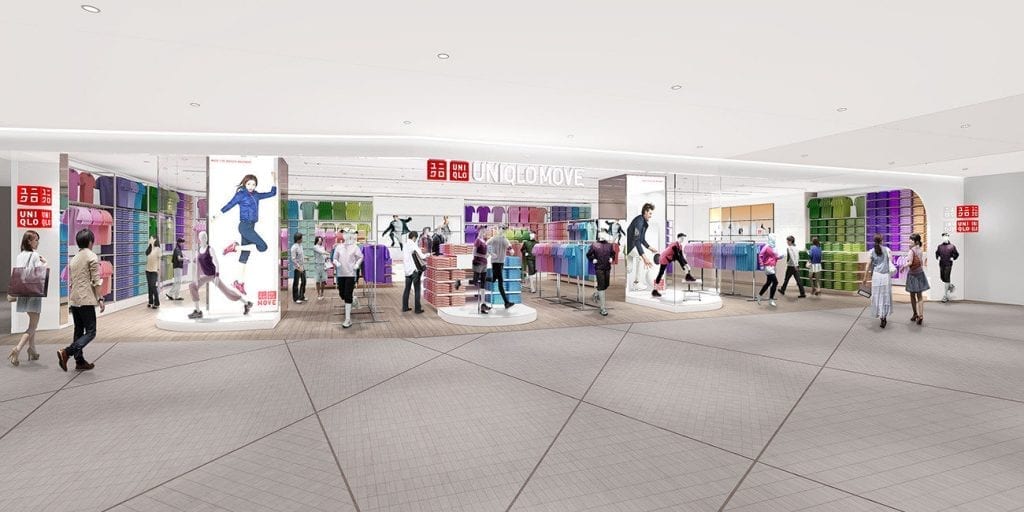
    A lifestyle-focussed concept store, Uniqlo Move, has been launched in Tokyo by the Japanese fashion basics retailer.

    It features its LifeWear range of activewear in a space on the eighth floor of Shinjuku Takashimaya department store.

    Sections of the 75 sqm store will be arranged according to movement, ranging from everyday life to exercise. Not only will the store offer products and visuals different to Uniqlo stores, but it will also act as an information hub for tips on making everyday life “more active and comfortable”, says the retailer.

    Dubbed “The Science of Lifewear” in its entirety, the brand’s first global campaign launched last year, being described by creative director John Jay at Uniqlo parent company Fast Retailing as “the ongoing innovation of simplicity”.

    As the range was developed last year, mountaineer Marin Minayama has appointed the brand’s first female ambassador.

  • Amazon Japan is second biggest foreign market after Germany

    Amazon Japan is second biggest foreign market after Germany

    Online retail giant Amazon has revealed Germany was its biggest market outside the U.S. in 2016. However, Japan, coming in second for total country sales, experienced the most percentage growth last year, up double-digits on the back of heavy investment in distribution and the increase of China-focused tactics.

    On a US dollar basis, Amazon Japan sales leapt 30% in 2016 to US$10.7 billion (¥1.16 trillion). Amazon Germany gained just under 20% and the UK by 5.6%. US sales rose 28%. As a result Japan has moved ahead of the UK to become the U.S. giant’s second biggest overseas market.

    It’s also the first time a foreign firm has surpassed ¥1 trillion in Japan, making Amazon the most successful international retailer to operate in the archipelago nation.

    While Yahoo and Rakuten serve as rival platforms in the local market, Amazon Japan’s strong investment in its own distribution centre network is paying off. Amazon Japan has 12 centres and four Prime Now centres, making it easy for the e-tailer to sell directly via its marketplace vendors.

    Amazon Japan has also managed to poach talent from other consumer goods businesses, since its debut in 2000.

    On a consumer level globally, the Amazon brand sits favourably. Some 67% of Amazon’s sales came from direct sourcing last year and 17% from third party vendors on Amazon Marketplace, according to a recent survey.

    And Amazon is winning across lifestyle and fashion categories.

    “The biggest-selling categories have been books, health and beauty, baby products and kitchen appliances,” Jasper Cheung, president of Amazon Japan, told Bloomberg.

    Cheung was speaking to media as Amazon revealed this week its website in Japan will start accepting UnionPay cards, in an effort to sell more merchandise to Chinese shoppers across Asia. In 2016, Amazon Japan launched a Simplified Chinese-language version of its website, as the volume of mainland Chinese shoppers continues to rise in Japan, up 500%, according to Cheung.

    Meanwhile, e-commerce demand from China to Japan alone is projected to almost triple to 2.34 trillion yen ($22.5 billion) in 2019, according to Japan’s Ministry of Economy, Trade and Industry.

  • China leads Nike sales growth

    China leads Nike sales growth

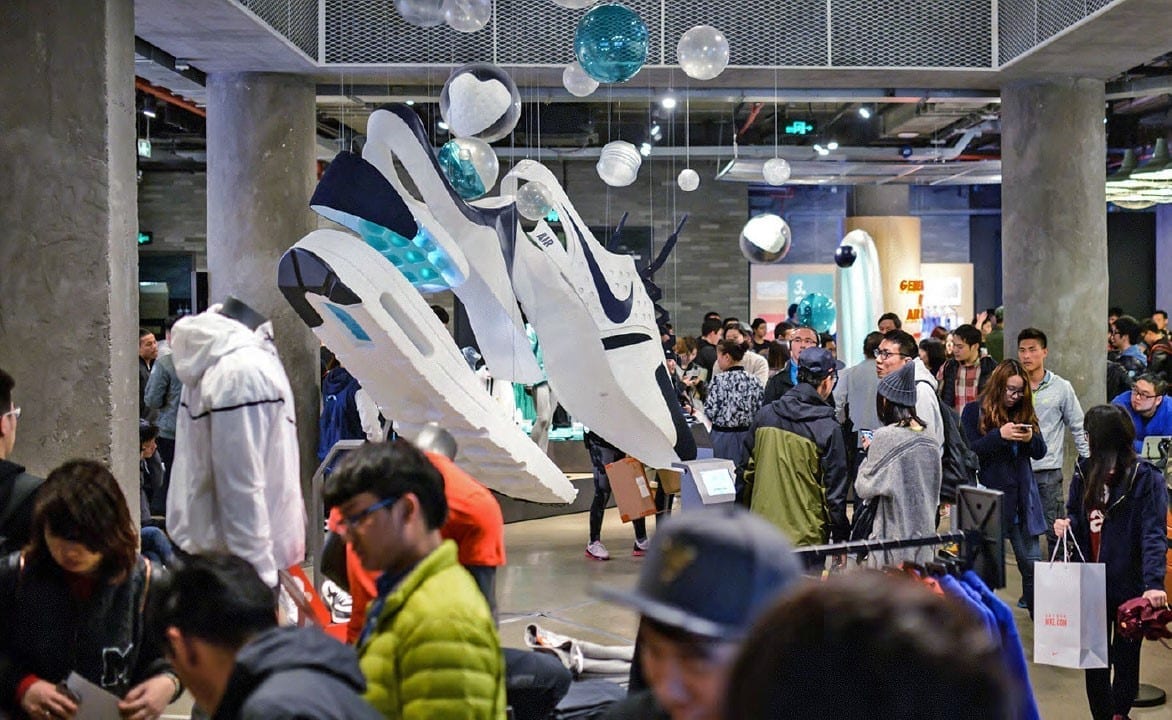
    Nike boosted earnings by 20.1 per cent in its latest quarter, on sales up a much more modest 5 per cent.

    While the bottom line was impressive – aided by a substantial reduction in costs – the top line growth trailed Adidas’ impressive 18 per cent growth achieved in 2016.

    In the three months to February 28, Nike sales totalled US$8.4 billion, up 7 per cent on a currency-neutral basis. Of that, the Nike brand accounted for $7.9 billion, driven by 15 per cent growth in Greater China, 10 per cent in Western Europe, 12 per cent in emerging markets and 8 per cent in Japan.

    Sales at Converse were up 3 per cent to $498 million.

    “The power of Nike’s diverse, global portfolio delivered another solid quarter of growth and profitability,” said Mark Parker, chairman, president and CEO of Nike.

    “To expand our leadership and ignite Nike’s next phase of growth, we’re delivering a relentless flow of innovation through performance and style, increasing speed throughout the business and creating more direct connections with consumers leveraging digital and membership.”

  • Anya Hindmarch teams with Smiley Company

    Anya Hindmarch teams with Smiley Company

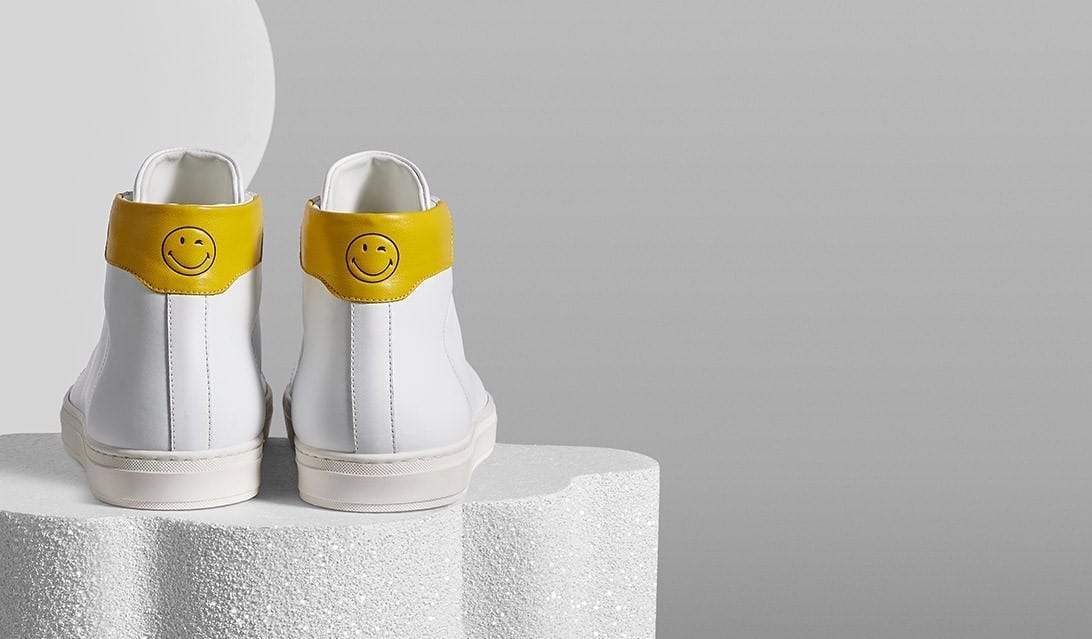
    English fashion accessories designer Anya Hindmarch has launched a marketing campaign for its partnership with the Smiley Company.

    The upscale designer’s global retail activation aims at “making the world a happier place”. It is also a social-media engagement mechanism with a call to action to “share your #smiley selfie @anyahindmarch” via a range of giant Smiley icons in window displays and on the shop floor.

    The window elements feature all-over Smiley print decals and vinyls across Hindmarch’s retail portfolio, includes stores in Aoyama in Tokyo and Lee Gardens in Hong Kong.

    “It’s great to see Anya Hindmarch spreading happiness at some of the world’s most luxurious shopping areas with her new Smiley window campaign,” says Smiley CEO Nicolas Loufrani.

    “Smiley has never been so big, so obvious, so fun and yet so chic. There is no better way to celebrate our 45th anniversary.”

  • Matsuya opens its own online store in China

    Matsuya opens its own online store in China

    Luxury Japanese department store Matsuya has opened its own online store in China.

    The company plans to use the store to lure repeat business from Chinese shoppers who have visited its Ginza flagship while on vacation, once they return home.

    Inbound Chinese travellers account for about 20 per cent of Matsuya’s store sales.

    Prior to opening its own site Matsuya had a presence on online malls, but after partnering with a local Chinese firm, the Japanese retailer is confident it can better tailor its offer and marketing to mainland Chinese.

    Stock will be shipped from Japan rather than from a local warehouse and the site will be backed by an investment in advertising and promotional marketing.

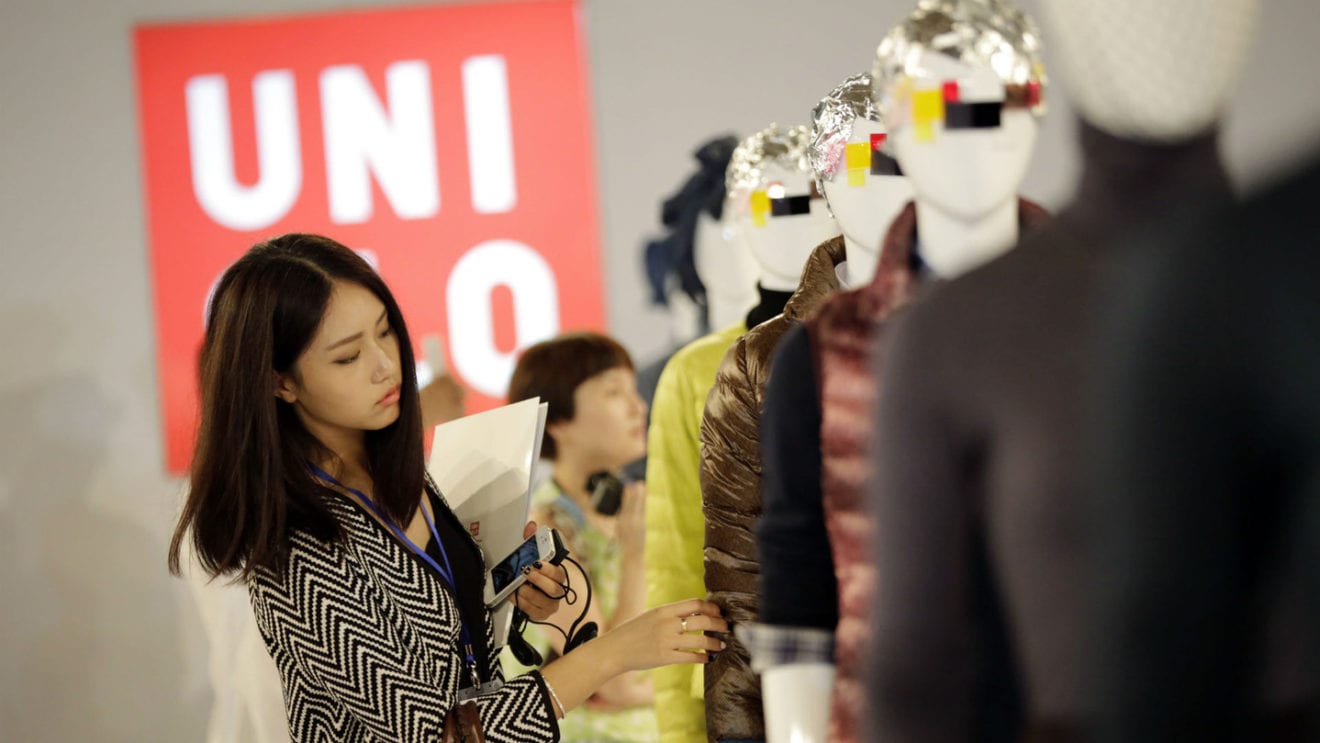
  • Uniqlo targets Zara in faster fashion move

    Uniqlo targets Zara in faster fashion move

    From fast fashion to faster fashion: speed is seen as the key by Uniqlo owner Fast Retailing in its bid to outrace apparel powerhouse Zara.

    Uniqlo founder Tadashi Yanai says Fast Retailing plans to shorten the time it takes from design to delivery to about 13 days, roughly the same as Zara, owned by clothes retailer Inditex.

    He says the company’s new design and delivery centre in Tokyo will also help Uniqlo expand direct-to-consumer, custom-clothing sales and improve the efficiency of its same-day delivery in the city.
    “We need to be fast,” he says. “We need to deliver products customers want quickly.”

    Japan’s biggest clothing retailer aims to increase total revenue by nearly 70 per cent to ¥3 trillion (US$26 billion) in the fiscal year ending August 2021. While that may still not be enough to overtake Inditex, which reported sales of $25 billion last year, Yanai says Fast Retailing’s focus on clothes that meet consumers’ daily needs will help propel its growth.

    “Zara sells fashion rather than catering to customers’ needs,” he says. “We will sell products that are rooted in people’s day-to-day lives, and we do so based on what we hear from customers.”

    Overseas markets, notably in Asia, will grow to contribute about two-thirds of Fast Retailing’s revenue in the next four years, up from about half currently. Uniqlo will open 100 stores in China and another 100 in Southeast Asia annually, says Yanai.

    Concentration for speed

    The company’s new complex, in the Ariake district along Tokyo’s waterfront, houses more than 1000 employees, including designers and marketing teams, and also has a warehouse and delivery department. Yanai says that concentrating resources into one location will help speed processes.

    “The ability to provide anybody, anywhere, anytime with the ultimate, high-quality day-to-day clothing will set us apart,” he says. “We want to deliver products that customers want quickly. That’s why it’s Fast Retailing.”

    After revenue growth of more than 20 per cent for three straight years, Uniqlo sales took a hit in the latest fiscal year. The growth rate slowed to 6 per cent after the brand raised prices because of higher raw-material costs.

    Following the slowdown, the company did a U-turn on its pricing strategy, saying it was committed to delivering the lowest price possible. However, it had to roll back its 2021 revenue target to ¥3 trillion from ¥5 trillion.

  • Tissot Japan plans to double outlets

    Tissot Japan plans to double outlets

    Tissot Japan plans to almost double its stores to 300 locations over the next few years.

    The Swiss watchmaker says its aim is to broaden its brand recognition in one of its most important markets.

    Part of the Swatch Group, Tissot has its products in about 170 stores in Japan, and intends to increase that to about 220 locations this year. As well as department stores and watch stores, it is considering sales at boutiques as well.

    In July, Tissot opened its first street-level store in Japan, in Osaka. In the medium term, it is considering opening one in Tokyo as well.

    Swatch also owns other brands, such as luxury watchmaker Omega.

  • Tokyo boosts Valentino sales

    Tokyo boosts Valentino sales

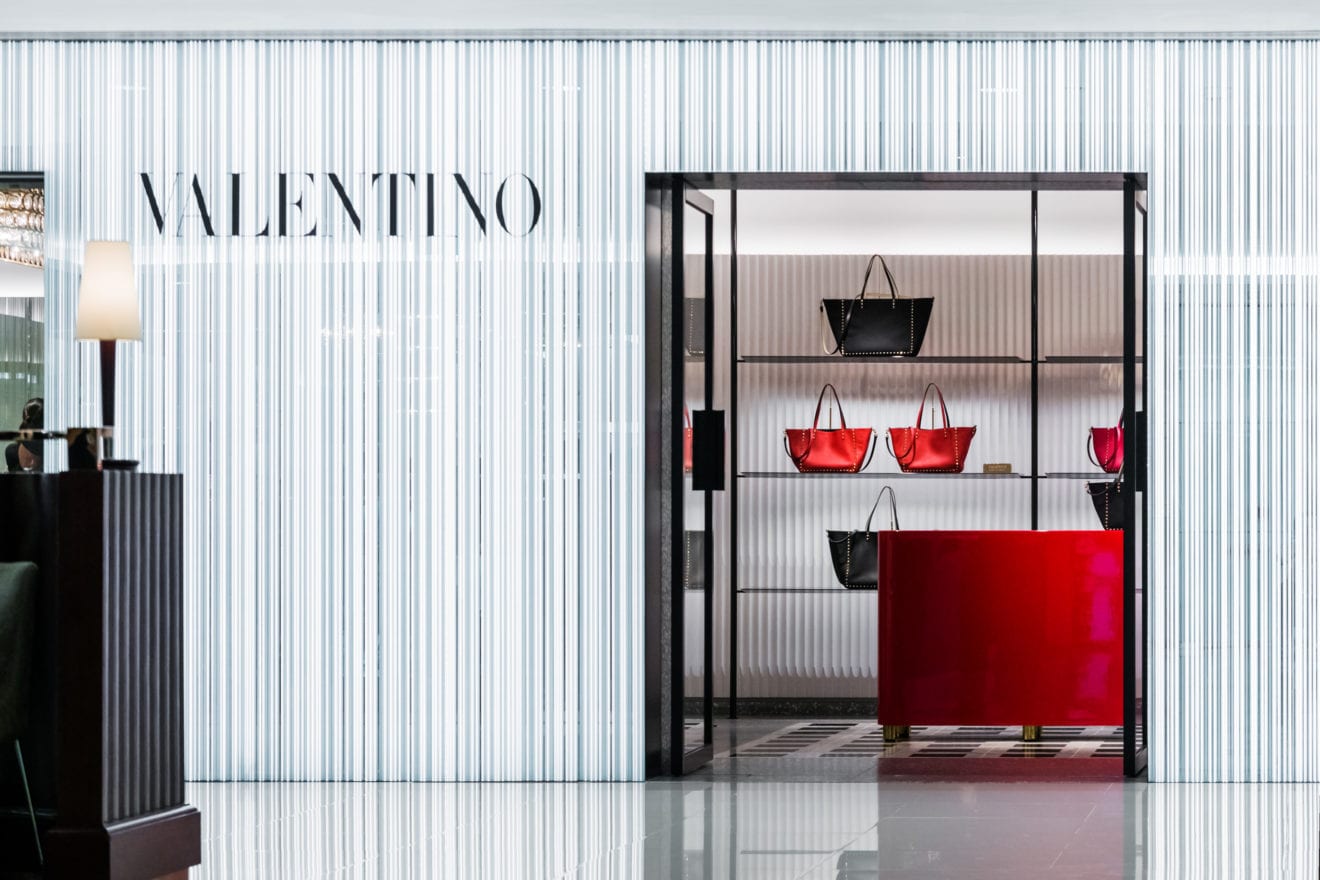
    Luxury fashion retailer Valentino boosted sales by 12.4 per cent last year, reaching €1.11 billion.

    Following a stunning 47 per cent growth in Valentino sales the previous year, the company has trebled its turnover in the four years since Qatari royal family acquired the business in 2012.

    A major factor in last year’s growth was the expansion into Japan, where it opened a new flagship in Tokyo’s Omotesando district. Two more stores are planned for the city, the first in Ginza and another in a location yet to be disclosed, but possibly Roppongi.

    The US continues to be the brand’s largest market accounting for about 20 per cent of sales.

    Valentino currently operates 175 of its own stores internationally, with retail sales accounting for 55 per cent of sales and the balance wholesaling. The company is on track to open 20 more physical stores this year, along with boosting its online presence and sales through both its own website and those of multibrand retailers.

    Profit for last year was €206 million, up 14.4 per cent on 2015.

    While privately owned Valentino sales and profit results are released due to a mid-term intention to launch an IPO. GM Stefano Sassi said in a press statement there was no decision at this time on timing for the float.

    “There is nothing planned for 2017, and the project will be re-evaluated based on the most favourable market conditions.”

  • Rakuten drone network under development

    Rakuten drone network under development

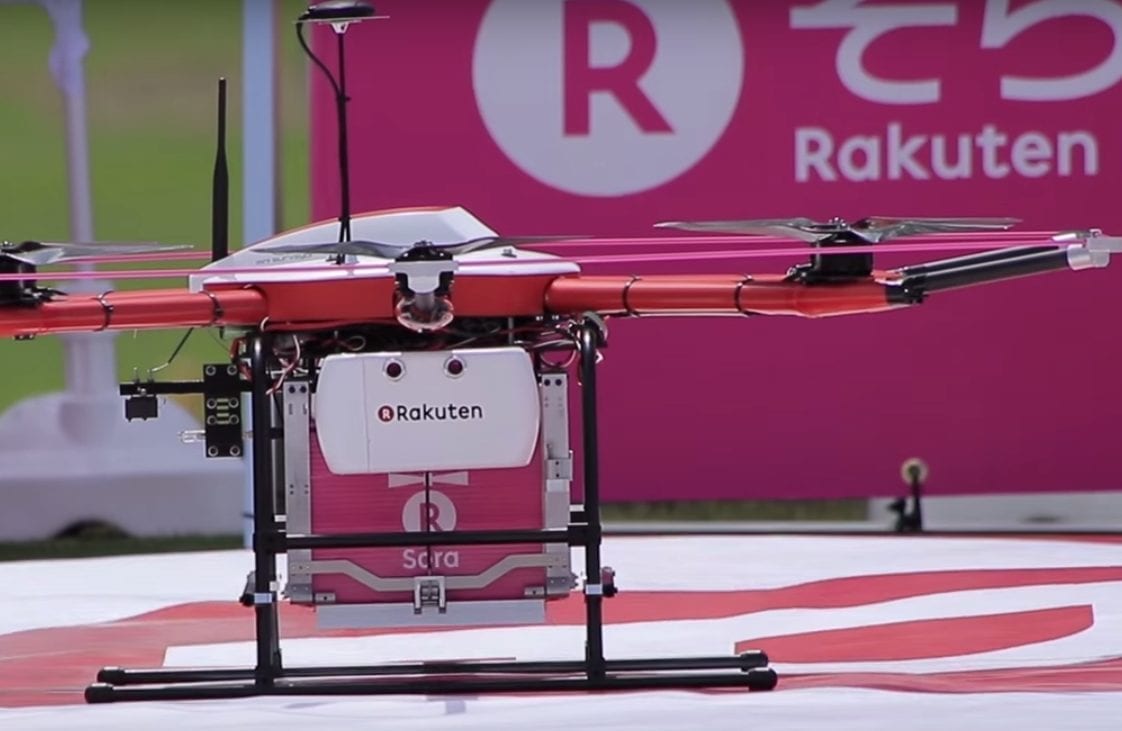
    US company AirMap is helping develop technology to manage a Rakuten drone network in Japan.

    Rakuten, Japan’s giant online retail platform, and AirMap hope drones will be allowed to be used at low altitude.

    Rakuten set a world record early this year for the longest drone delivery, flying a container of hot soup 12 km to surfers on a beach.

    CEO Hiroshi “Mickey” Mikitani expects drones to revolutionise the delivery sector. “The capacity in the skies above us is far greater than in the roads beneath our feet,” he has written in a blog post.

    Global rival Amazon is also making a push into drone deliveries.

    With more than 14,000 employees and revenue last year of more than ¥781.9 billion (US$6.8 billion), it is pushing to become a tech giant on the scale of Alibaba or Google.

    So committed is Mikitani to going global that he made English the official company language in 2010. This helped the company dispense with the honorifics and deference of Japanese, and also made it easier to hire foreigners, reports CNN Tech.

    Rakuten takes Japan’s “high-quality, really customer-oriented service mind” and mixes it “with the Silicon Valley, little bit techie, dynamic culture,” says Mikitani.

    A household name in Japan, Rakuten spent $900 million to buy messaging app Viber in 2014, and has also invested in startups such as US transportation company Lyft and Pinterest.

  • Chow Tai Fook looks to Japan for growth

    Chow Tai Fook looks to Japan for growth

    Hong Kong jeweller Chow Tai Fook is looking to Japan for growth to compensate for its challenges in greater China.

    The company is about to open a shop inside the Laox duty-free shopping centre in Tokyo’s Shinjuku district, a prime destination for Chinese tourists to the city.

    Currently, Chow Tai Fook operates just 19 of its total 2326 stores outside Hong Kong and Mainland China.

    Chow Tai Fook’s sales fell by 25.7 per cent in Hong Kong and Macau and by 20.9 per cent in Mainland China in the half year to September 30.

    In Japan, the jeweller will targeting tourists from China, rather than Japanese consumers who are unlikely to be lured by the style of its offer. Tourism numbers from China to Japan have been rising in recent years due to more relaxed visa conditions and currency fluctuations. Last year, more than 6 million Chinese visited Japan, spending an average of US$2000, more than twice that of the average tourist.

    “With an emphasis on gold and somewhat ostentatious design, Chow Tai Fook looks unlikely to appeal to the Japanese market,” commented David Blecken of Campaign Japan. “That should not be a major problem considering the continuing growth of inbound tourism to the country and relatively high spending of visitors, although Chow Tai Fook has low awareness among non-Chinese groups.”

  • Inditex Group sales rise on new stores

    Inditex Group sales rise on new stores

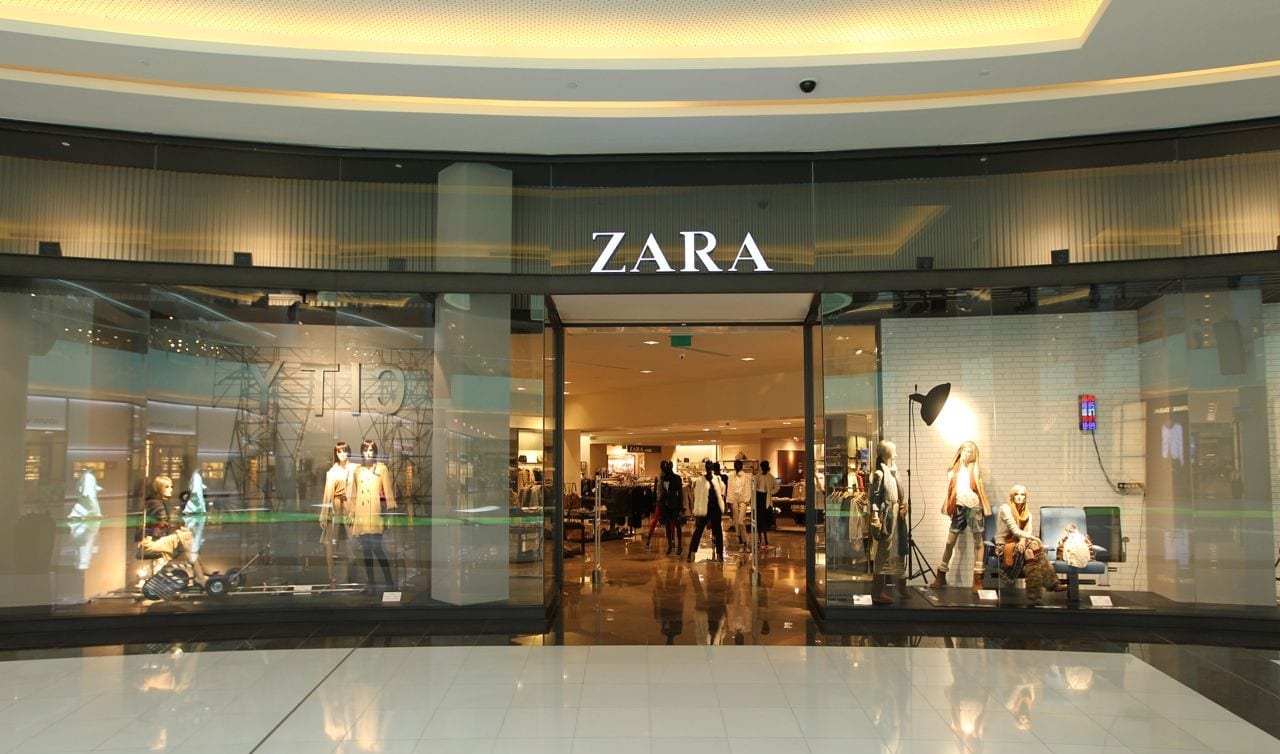
    Zara parent Inditex Group sales rose by 12 per cent in its latest trading year, to January 31, reaching €23.3 billion.

    Growth was achieved in every geographic region where the group is present, and includes contributions from debut stores in Vietnam and New Zealand.

    Same-store sales rose by 10 per cent, up from 8.5 per cent the previous year, with positive same-store sales growth in all geographies and across all brands.

    Net profit was €3.2 billion, up 10 per cent year-on-year, while earnings before interest and tax grew 8 per cent to €5.1 billion.

    Chairman and CEO Pablo described the result as positive against a backdrop of strong prior-year performance.

    Inditex opened 279 stores, net of closures, in 56 markets, across all its brands, ending the year with 7292 stores in 93 countries, a large proportion of the new ones in Asia, including its first Zara in Vietnam, in Ho Chi Minh City.  Other Zara stores opened in China, Thailand, Indonesia and Japan and it refurbished it flagship in the Shinjuku district in Tokyo, one of Japan’s most important shopping districts, which reopened to the public in November.

    A flagship Pull&Bear store opened in Windsor House in Hong Kong and new stores were opened by Massimo Dutti in India and by Oysho in Indonesia. Bershka refurbished its flagship on Nanjing Road East in Shanghai and Zara Home opened a global flagship on Garosu de Seoul in South Korea.

    Since the financial year ended, it has opened online stores in Malaysia and Singapore, taking its online platform to 43 markets.

  • Toyota aims to boost Brazil exports with locally made engines

    Toyota aims to boost Brazil exports with locally made engines

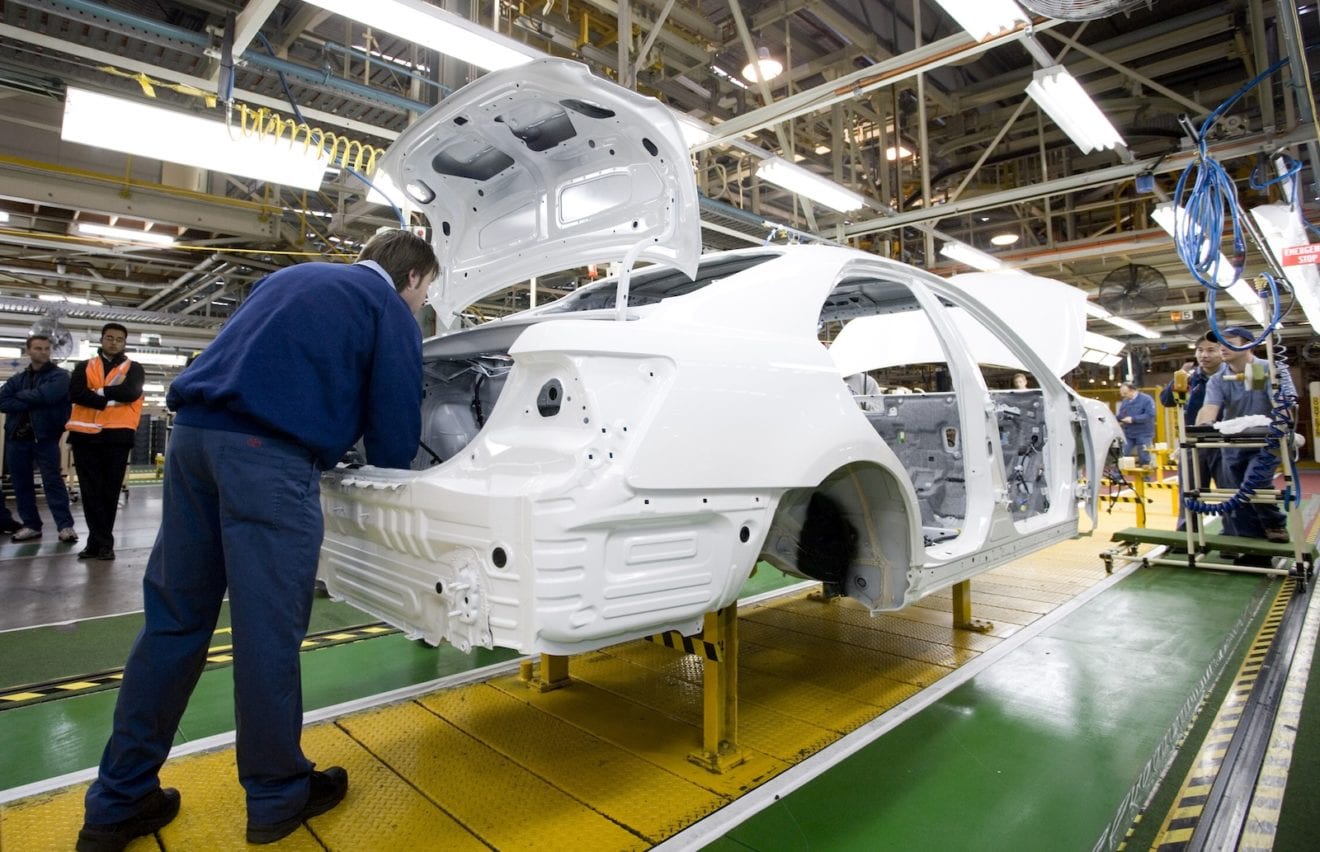
    Toyota Motor will soon begin selling Brazilian-made Corollas in Peru, executives said on Thursday, and is in advanced studies to export from Brazil to Chile and Colombia in a push to make its South American plants more competitive.

    Steve St. Angelo, Toyota’s most senior executive in the region, said the exports to Peru were part of a long-term plan to integrate Brazilian operations with the rest of Latin America, which has long imported Corollas from the United States.

    Toyota’s Brazilian factories, which exported only to Argentina when St. Angelo arrived in 2013, also send the mid-sized Corolla sedan and smaller Etios to Uruguay and Paraguay now.

    Toyota has invested in a new engine plant and engineering facilities in Brazil, which St. Angelo said would be key to lifting the domestic content of the Corolla and Etios from about 60 percent currently. As Brazilian plants import fewer parts, they should be able to export more competitively to new markets, he said.

    Rafael Chang, the company’s new chief executive in Brazil, said he hoped to have news “soon” on exports to Chile and Colombia.

    Toyota’s exports from Brazil rose nearly 10 percent in 2016 to about 43,000 cars, of some 176,000 vehicles produced in the country last year.

    “We’re trying to diversify our Brazilian operations, so we’re not so dependent on this one economy,” St. Angelo told journalists at a launch event for the new Corolla in Brazil.

    Brazil’s worst recession in more than a century has nearly halved auto sales since 2012, battering automakers’ profitability and leading them to cut some 35,000 workers.

    Auto factories in Brazil are still using less than half of installed capacity, as high unemployment and tight credit pinch demand. St. Angelo acknowledged that Toyota had struggled to turn a profit in the country during the recession.

    “We’re not going to break even this year,” he said of the Brazilian business, adding that Toyota had not finalized its projections for the fiscal year. “We’ve been doing an unbelievable amount of cost cutting. Everyone is sacrificing.”

    St. Angelo said an overhaul of Argentine operations had also diversified exports from that country beyond just Brazil to include Honduras, Guatemala, Peru, Chile and Colombia.

  • MK Restaurants plans US$11m expansion

    MK Restaurants plans US$11m expansion

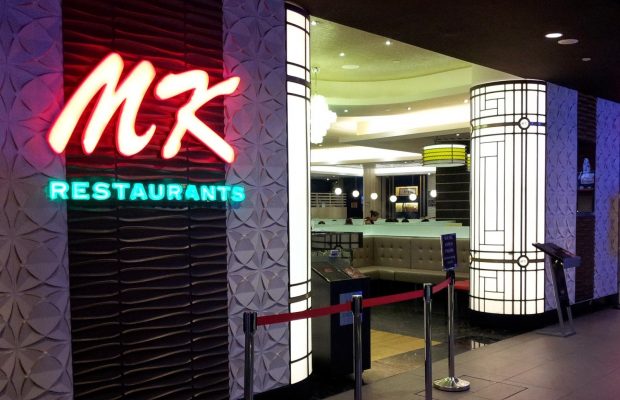
    Thailand’s MK Restaurants Group plans to invest about Bt400 million (US$11.3 million) a year over the next five years to expand in Thailand as well as its overseas markets, including Singapore.

    Chairman/CEO Rit Thirakomen says the group will open 15 MK branches in Thailand this year, together with 25 Yayoi and five Miyazaki Japanese restaurants. Three or four franchised restaurants will be added to each overseas market.
    “We are also open for acquisition deals with select companies in food, services and retailing, so they will be able to use our infrastructure and logistics,” says Thirakomen.

    MK Restaurants Group’s sales rose 4 per cent to Bt15.49 billion last year, but its profit spurted 13 per cent to Bt2.1 billion. It projects growth at 5 to 9 per cent annually for five years.

    The group’s first MK Live flagship restaurant was officially unveiled at The Emquartier shopping mall in Bangkok yesterday, targeting health-conscious and “lifestyle” consumers. It has 135 seats.

    MK’s other brands are Hakata Ramen, Le Petit coffee shop and bakery, Le Siam Thai Restaurant, Miyazaki Teppanyaki, MK Restaurants, MK Gold Restaurants, Na Siam Thai Restaurant and Yayoi Japanese Restaurant. As well as 600 outlets in Thailand, the group has 40 franchised outlets in Indonesia, Japan and Vietnam.

    It has also set up a JV in Singapore to run its restaurants there, including MK, Miyazaki and Yayoi.

    Rit says that under its third-generation management team, MK Restaurant Group has outlined a major expansion plan for this year to cash in on the burgeoning Thai food industry, predicted by Kasikorn Research Centre to grow at 2 to 4 per cent to about Bt390 billion this year.

    Assistant marketing director Tantawan Thirakomen says MK Live is a suki (hot pot) restaurant designed to attract teenagers, young adults and families.

    “The store is decorated to reflect a vegetable greenhouse, with natural decorative items – wood, trees and rocks – as well as hydroponic vegetables displayed on the walls,” she says.

    A feature is its Live Showcase open kitchen where customers can see the chefs working on their meals, including dim sum and meatballs. Also on the menu are lobsters from Canada, scallops from the US and Wagyu beef from Japan.