Tag: Japan

  • Aeon Vietnam plans second Hanoi centre

    Aeon Vietnam plans second Hanoi centre

    Aeon Vietnam is to build a second property in Hanoi, in the Ha Dong district in the city’s west.

    This follows the Japanese group launching in the Vietnamese capital two years ago, with a mall in Long Bien.

    An Aeon Vietnam representative says the project, covering 9.5 hectares, will cost VND4.500 tillion (US$200 million). The expected opening date will be in 2019.

    However, the group is yet to determine the specific location for its fifth shopping centre in Vietnam. Ha Dong is developing, and investing in extended ring-road system with a Bus Rapid Transit link with downtown Hanoi. An urban railway is planned to launch next year.

  • Japan’s Toyota to look at Saudi production as the countries seek closer ties

    Japan’s Toyota to look at Saudi production as the countries seek closer ties

    Toyota Motor signed a memorandum of understanding (MOU) on Tuesday with a Saudi Arabian government agency to conduct a feasibility study into producing vehicles and parts in the Middle Eastern nation.

    The move, if firmed up, would be a big step for the Saudi economy as the government tries to diversify beyond oil exports and create jobs as part of the kingdom’s 2030 Vision.

    So far, Saudi Arabia and other Gulf oil exporters have failed to significantly develop industries such as automaking because they lack broad industrial bases and a skilled local workforce.

    “The study would take into account the evaluation of development of a local supply base using materials produced by major Saudi companies like Sabic, Maaden, Petro Rabigh, and other major industrial companies in the kingdom,” the official Saudi state news agency reported.

    The MOU is with Saudi Arabia’s National Industrial Clusters Development Program (NICDP).

    Meanwhile, state-run Saudi Aramco has signed MOUs with five Japanese entities during a business forum that both nations hosted on Tuesday, coinciding with a visit by Saudi Arabia’s King Salman this week.

    Saudi Aramco and Japan’s biggest oil refiner JX Nippon Oil & Energy (5020.T) agreed to consider a refinery joint venture in a third country and cooperation in trading and technology of oil and petrochemical products.

    Aramco also agreed to consider a possible future cooperation in crude oil supply and downstream business with Idemitsu Kosan Co (5019.T).

    In addition, Aramco and state-run Japan Oil, Gas and Metals National Corp (JOGMEC) formally agreed to expand crude storage capacity in Japan by 300,000 kilolitres (about 1.9 million barrels) from the current 6.3 million barrels from April 1.

    Japan treats crude oil stored by Aramco as quasi-government oil reserves, counting half of the barrels stored by Aramco as national crude reserves.

    Companies and government organizations in both nations signed a total of 20 MOUs on Tuesday, including cooperation between the Saudi Arabian General Investment Authority (SAGIA) and Japan’s three megabanks – Mitsubishi UFJ Financial Group (8306.T), Sumitomo Mitsui Financial Group (8316.T) and Mizuho Financial Group (8411.T) – on increasing investments in the kingdom.

    The MOUs also included cooperation in seawater desalination.

  • Legoland Japan and its food inovation

    Legoland Japan and its food inovation

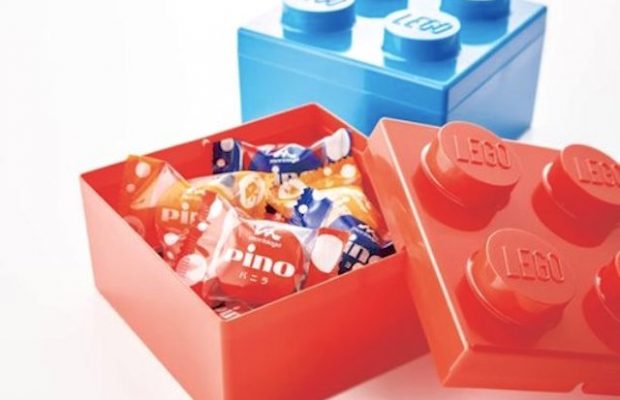
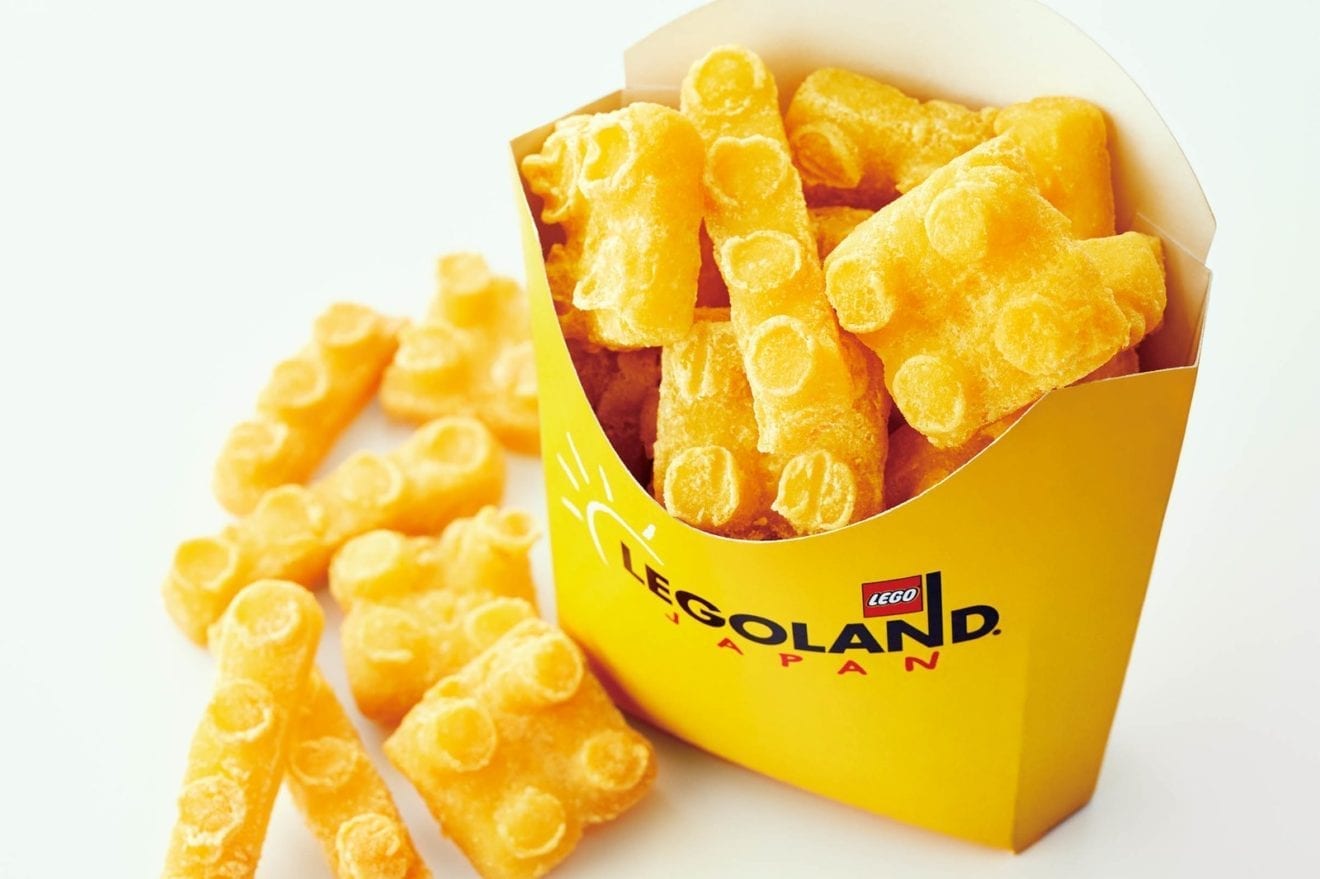
    When Legoland Japan opens in Nagoya next month, its restaurants and stalls will offer a range of themed food items.

    Its “potato bricks” have the same shape as the toy building blocks, iced treats are served in giant Lego blocks, and children can make their own multi-coloured Abominable Slush drinks in the Bricktopia zone.

    Hot-dogs from the Marina Snack Shack in the LEGO City zone


    There are seven distinct areas in the theme park, with five restaurants and eight food stands. The park opens on April 1, with the nearest train station being Kinjo Futo, about a 20-minute trip south from Nagoya station.

    Meanwhile in Tokyo, there is always the Lego Discovery Centre at Decks Tokyo Beach Island Mall, plus the Brick Burger restaurant in the Philippines.

  • Further ‘exceptional’ growth for Furla Group

    Further ‘exceptional’ growth for Furla Group

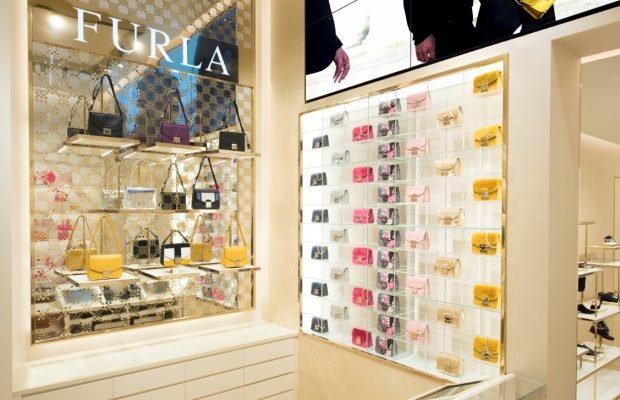
    Italian luxury company Furla Group has had another year of what it describes as “exceptional growth” in turnover and profit.

    Sales soared 31.7 per cent in Japan, its strongest market in Asia, and the company is now setting its focus on boosting sales in China and Australia in the year ahead.

    The fashion house turned over €422 million last year (US$446.7 million), up 24.5 per cent year-on-year at constant exchange rates. Pre-tax earnings rose 48 per cent and worldwide like-for-like sales were up 9 per cent.

    Furla says the key factors behind its outstanding performance across all markets and distribution channels were a growing appreciation by international consumers for the brand and its collections, the company’s significant investments in marketing, and its constantly expanding distribution network.

    Furla has a direct presence in 100 countries. Its monobrand stores total 444, compared to 415 in 2015, and these are split evenly between directly owned boutiques and franchises. The company also has wide distribution in multibrand and department stores in 1200 international locations.

    During the year, Furla opened stores on Nathan Road in Hong Kong, Nanjing Road in Shanghai and other upscale addresses in Australia, China and South Korea.

    During the year the company’s travel retail sector also grew significantly, to a total of 262 stores in 63 countries, with a 40 per cent increase in turnover.

    “We are particularly proud of the 2016 results,” says Furla Group GM Alberto Camerlengo. “The investments of the shareholders, our constant efforts in research and product innovation, all the way to distribution, have allowed us to be a leader in the top international markets.”

  • Isetan Mitsukoshi replacing CEO

    Isetan Mitsukoshi replacing CEO

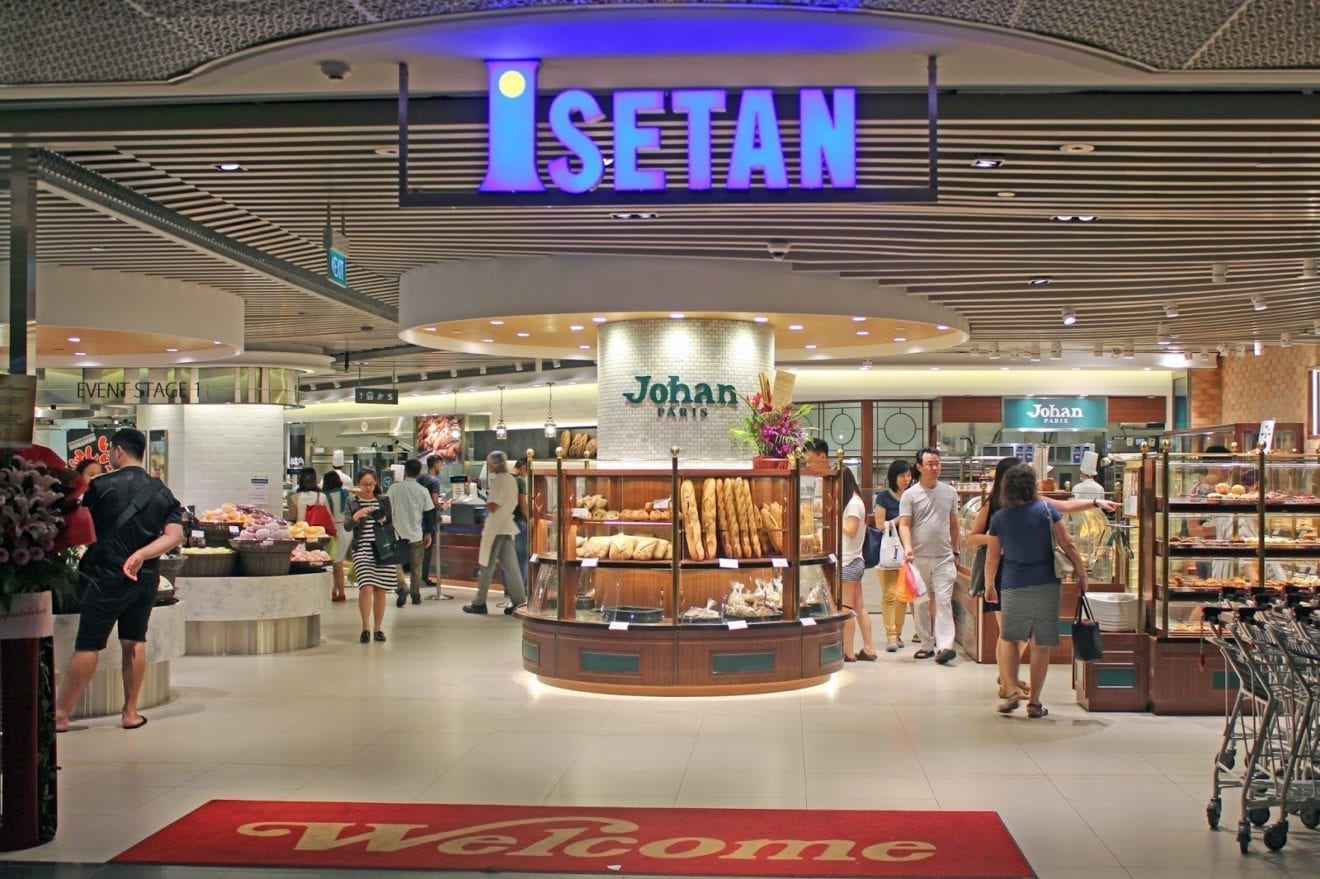
    Japanese department store chain Isetan Mitsukoshi Holdings has appointed a new CEO as retailers battle to recover from a sharp fall in shopping spend by tourists.

    In a filing with the Tokyo Stock Exchange, Isetan Mitsukoshi says senior managing executive officer Toshihiko Sugie will become CEO on April 1, replacing Hiroshi Ohnishi, who had been in the role since 2012.

    Isetan Mitsukoshi says it made the change “to further improve corporate value by installing fresh management”.

    Japanese department store sales fell to less than ¥6 trillion (US$52.70 billion) last year from a 1991 peak of ¥9.7 trillion, with retailers hit by weak economic growth, changing consumer tastes and e-commerce competition.

    There was a brief boom when tourists, especially Chinese, were buying expensive items such as jewellery and watches. This has come to an end despite tourism numbers growing by 21.8 per cent to a record 25 million last year, according to the Japan National Tourism Organization. More than 70 per cent of tourists came from China, Hong Kong, South Korea and Taiwan.

    Isetan Mitsukoshi says its duty-free sales fell 19 per cent to ¥36.7 billion over the nine months through December.

  • Line Friends says Hello to the US

    Line Friends says Hello to the US

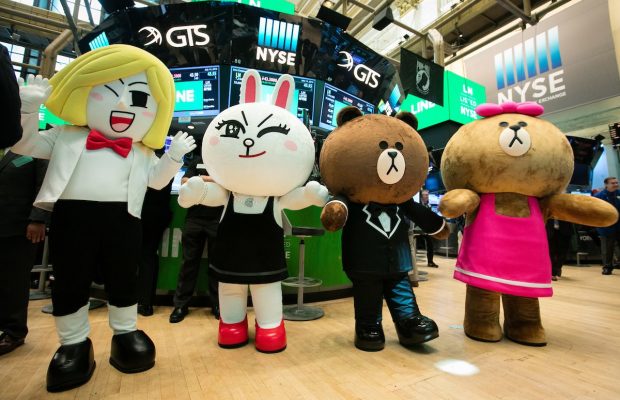
    Line Friends will become the first Asian character brand to open a large-scale official store in the US.

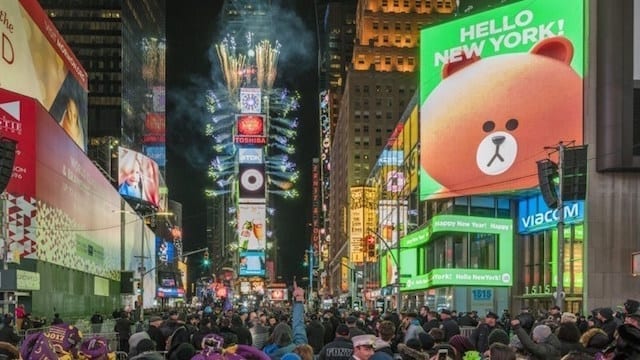
    Its store in New York City’s Times Square, opening in July, also marks the one-year anniversary of Line listing on the New York Stock Exchange.

    Line Friends has opened stores in 11 other countries and regions including China, Hong Kong, Japan and Taiwan, and had a pop-up store in New York City in 2014.

    Line New York

    In New York, the store will have about 430 sqm of retail space on Broadway, and will attract attention with LED billboards.

    There are 73 official and pop-up Line Friends stores around the world, and the brand also collaborates regularly with different brands, such as pen company Lamy and Italian stationery group Moleskine.

    Line Friends grew from sticker characters for the messenger app Line, which has 220 million users globally.

  • Adidas sales soar on reformation plan

    Adidas sales soar on reformation plan

    Adidas sales have soared 18 per cent last year as the German sportswear brand plays catch-up with America’s Nike.

    For the first time in its history, Adidas’ net income topped euro 1 billion.

    In Greater China, sales soared 28 per cent year-on-year.

    “These results are proof positive that our strategy ‘Creating the New’ is paying off,” said Adidas CEO Kasper Rorsted. “2016 was an exceptional year for Adidas. We have improved the desirability of our brands and products around the globe. Building on our 2016 performance, our momentum continues and we will again achieve strong top- and bottom-line improvements in 2017.”

    Total sales reached euro 19.3 billion with operating margins up 1.3 percentage points to 7.7 per cent. Net income soared 41 per cent to euro 1.019 billion, allowing the company to promises shareholders a two euro per share dividend.

    The company is projecting another sales increase during 2017 ranging from 11 to 13 per cent, another increase in operating margin to between 8.3 and 8.5 per cent and net income up between 18 and 20 per cent to euro 1.225 billion.

    Even the troubled Reebok brand gained ground in 2016, currency-neutral sales up 6 per cent year-on-the-year, reflecting double-digit sales increases in its Classics range as well as mid-single-digit growth in the training and running categories.

    The Adidas group achieved double-digit revenue growth in nearly all market segments. In Western Europe, sales increased by 20 per cent, in North America by 24 per cent, in Russia by 3 per cent, in Latin America by 16 per cent and in Japan by 16 per cent. Revenues in Middle East and Africa also grew 16 per cent on a currency-neutral basis, reflecting double-digit growth in almost all of the region’s countries.

  • New face of Louis Vuitton Hong Kong Landmark

    New face of Louis Vuitton Hong Kong Landmark

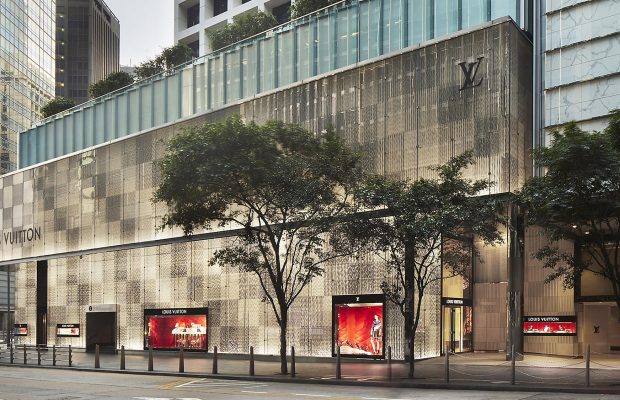
    Following a transformation, the Louis Vuitton Hong Kong Landmark has a new look.

    At one of the busiest junctions in Hong Kong, the flagship maison in Central has a new glass facade designed by Japanese architect Jun Aoki, who also designed the exterior of the brand’s store in Ginza, Tokyo.

    There is a new interior by New York architect/interior designer Peter Marino, who has designed Louis Vuitton stores in London and Los Angeles. It includes an intimate space across two floors where customers can sit on plush sofas and lounge chairs while browsing through the latest collections of ready-to-wear, leather goods, accessories, fragrance, jewellery, watches and shoes. There is also a private space by invitation only for a personalised shopping experience.

    There was a red-carpet opening in The Landmark atrium for the redesigned store, attended by special guests including Hong Kong actress/model Janice Man (Wing-San Man).

    As well as the complete revamp of the Landmark maison, Louis Vuitton is also rebuilding its flagship store in Canton Road, which opened in 2008.

    “The leader in the market believes in Hong Kong,” says LV CEO/chairman Michael Burke, who says the company needs to keep investing in Hong Kong as a “unique, iconic destination in the world that will remain important for Chinese shopping”.

    “There was a moment two years ago in Hong Kong when the day trippers were excessive,” he says. “We had what we call ‘froth’ in the market. If we have a drop in froth, there’s no problem.”

    He says the key is looking long-term, with short-term swings, temporary rises and falls, not really affecting strategy.

    “We’re coming back now to a more healthy situation. The norm is going to be the steady, uphill growth of the upper middle class in China.”

    LVMH chairman/CEO Bernard Arnault also believes Hong Kong’s downturn is just a “cyclical problem”.

    “Hong Kong will remain one of the high points in Asia and one of the drivers of our growth,” he says.

  • GreyOrange Butler robots selected for japan’s largest home furnishing chain

    GreyOrange Butler robots selected for japan’s largest home furnishing chain

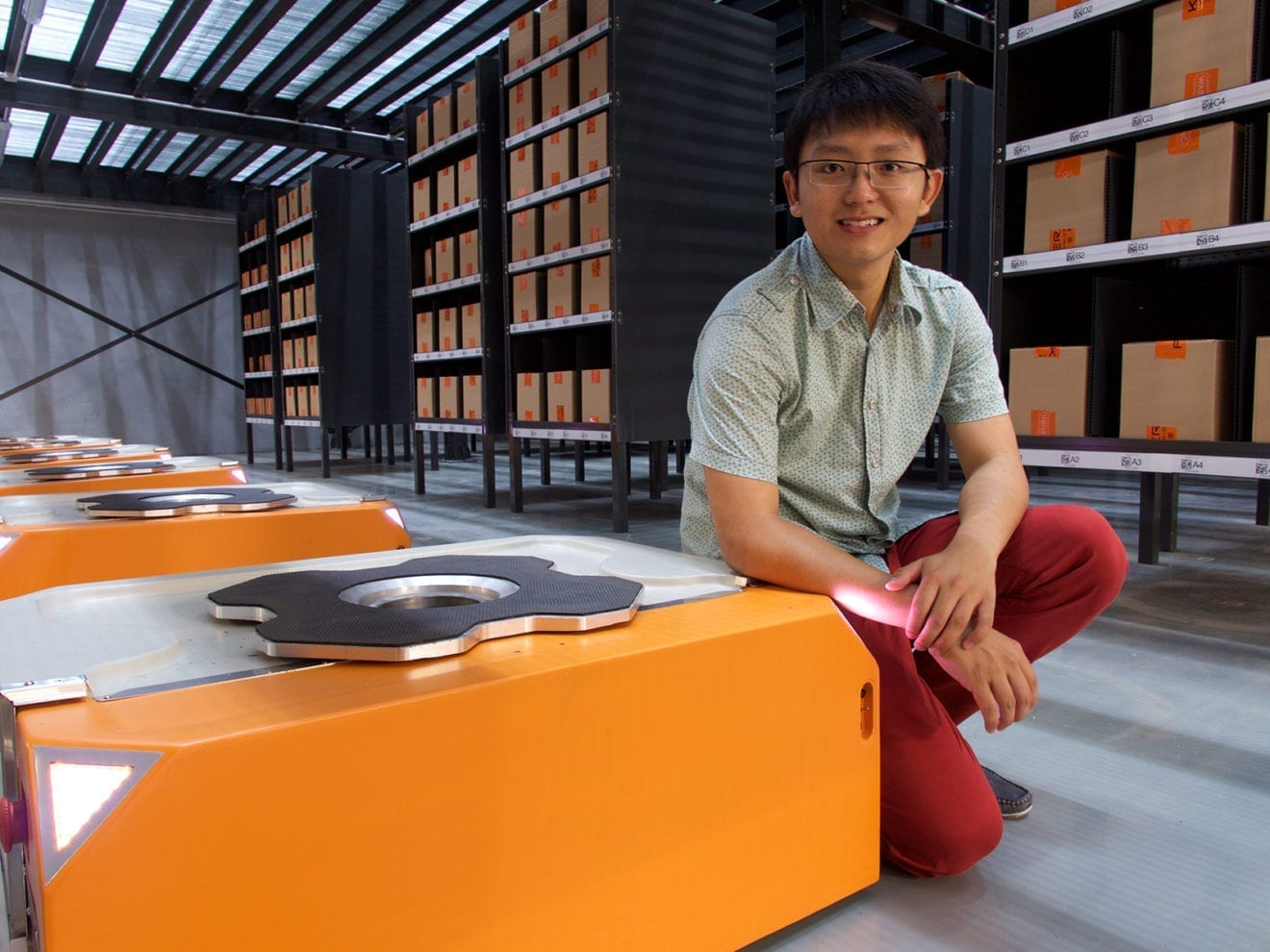
    GreyOrange and GROUND have been awarded the contract to supply robotics solutions to the Nitori Holdings Group, Japan’s largest furniture and home furnishing chain with over 400 stores. The robotics system will be deployed at Home Logistics which is a logistics subsidiary of Nitori Holdings, operating 34 distribution bases and an efficient logistics network for product delivery to stores and e-commerce customers across the country.

    GreyOrange is a multinational technology company that designs, manufactures and deploys advanced robotics systems for automation at warehouses, distribution and fulfilment centres. GreyOrange, headquartered in Singapore, specialises in the design, manufacture and deployment of advanced robotic systems for distribution and fulfilment centres.

    Manabu Matsuura , corporate officer of Nitori Holdings and CEO of Home Logistics said, “We were impressed to find that the GreyOrange Butler is an entirely new robotics concept for warehouse automation unlike automated storage and retrieval systems. Also, Butler satisfies our corporate philosophy that we always pursue ideal workplaces for everyone. For example, we have been an early adopter of technology solutions and were the first user in Japan to leverage robotic storage systems in our warehouses last year.”

    Hiratomo Miyata, CEO of GROUND, the exclusive provider of GreyOrange Butler in Japan said, “We are really happy to announce that Home Logistics has become the first user of the Butler in Japan . They have evaluated several options and are glad to use the Butler as they believe the Butler goods-to-person technology will be a driving force in their strategy to increase productivity in their warehouse operations through robotics.”

    The GreyOrange Butler system will be installed at the Home Logistics Osaka distribution centre, to handle automated inventory storage (putaway) and picking. The Butler software adapts in real-time to changing inventory profiles and order fulfilment patterns, resulting in high productivity and accuracy. This system will be capable of delivering a far higher throughput.

    Nalin Advani, CEO – APAC, GreyOrange said, ” Japan has one of the world’s most mature distribution infrastructure and it is the fourth largest e-commerce market. Over 75 percent of consumers regularly shop online and e-commerce is forecasted to grow to US$200 billion by 2020. We are honoured to work with Nitori Group , including Home Logistics, to deploy our Butlers. The Nitori Group is far-sighted in anticipating the challenges of warehouse operations and addressing it with robotics. We are also excited to be selected for the Japan market where specifications for technology are among the most demanding in the world.”

  • Japanese, Vietnamese cooperation in finance, banking a successful marriage

    Japanese, Vietnamese cooperation in finance, banking a successful marriage

    Japanese enterprises in banking and finance are now the biggest foreign shareholders in Vietnamese banks, financial and financial leasing companies, and their Vietnamese partners highly regard their expertise and support.

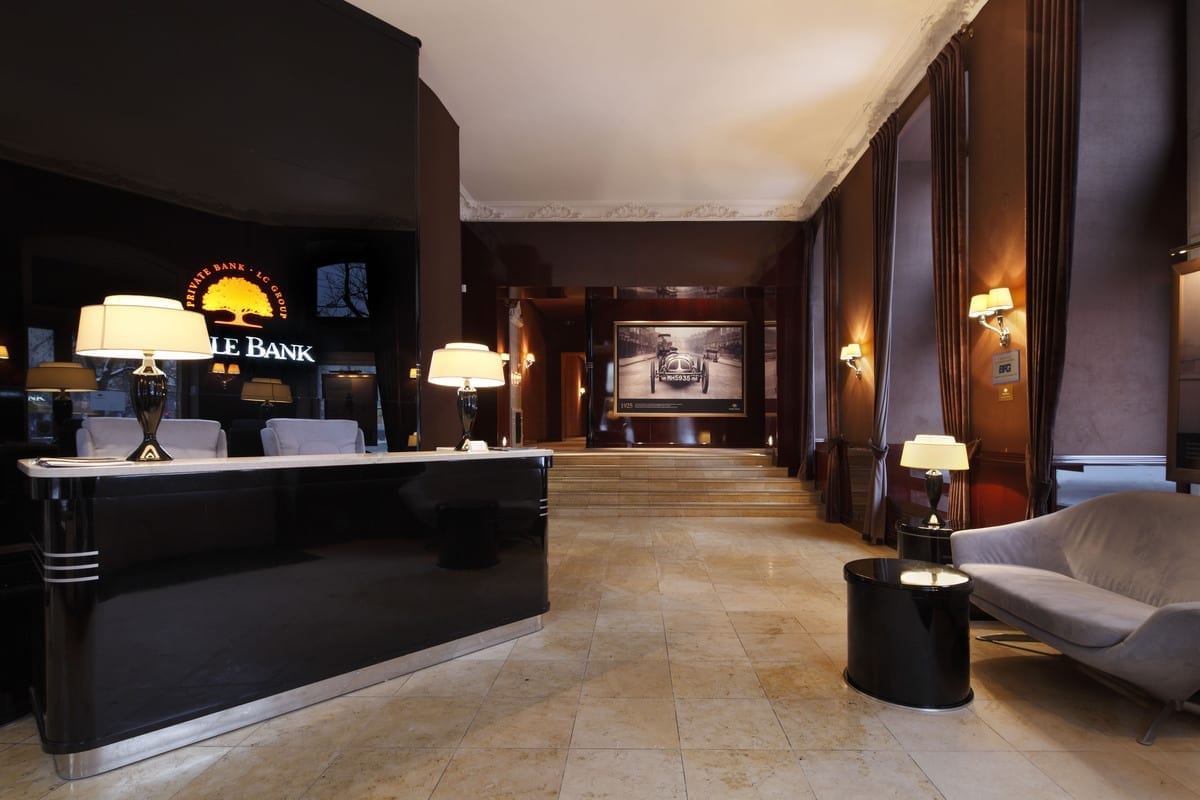
    Recently, Sumitomo Mitsui Trust Bank (SMTB)—the largest trust bank in Japan with total assets of $585.4 billion—has bought 49 per cent of BIDV Financial Leasing Company and renamed it BIDV-SuMi TRUST Leasing Limited Company. The joint venture took place as an expansion of their strategic cooperation since 2013.

    According to a VIR source, another investor from Japan is negotiating to buy 49 per cent of VPBank Finance Company Limited (FE Credit). These two examples evidence Japanese investors’ attention on the Vietnamese financial market and Vietnamese banks’ interest in cooperating with them.

    Previously, Military Bank (MB) transferred 49 per cent of Mcredit Consumer Finance Company’s shares to Shinsei Bank and HDBank transferred 49 per cent of HDFinance’s shares to Credit Saison Co., Ltd. Le Huu Duc, chairman of MB’s board of directors, said the reason for the cooperation was that Japanese investors “have the advantage of modern technology and experience in consumer finance.”

    Because of the interest from Japanese investors and their strong finances, there are more cooperation deals in the making.

    Currently, numerous banks and financial companies in Vietnam, including giants like BIDV and soon maybe Agribank, are calling for investment from strategic foreign investors.

    Increasing cooperation with Japanese investors

    Besides transferring shares, a range of big Vietnamese banks also cooperate with Japanese banks to look for business opportunities as Japanese FDI is increasing.

    At the end of February 2017, BIDV signed a memorandum of understanding (MoU) on serving Japanese customers in Vietnam with Fukuoka Bank, the 16th biggest bank in Japan.

    Similarly, VietinBank and Vietcombank also signed dozens of MoUs with Japanese partners. In particular, Vietcombank signed with approximately 60 Japanese banks.

    Following the trend, other commercial banks also seek Japanese partners and have even established a new service called Japan Desk to support clients form Japan.

    Besides VietinBank, Vietcombank, and BIDV, Sacombank, HDBank, TPBank, and others offer this service.

    “There are more and more Japanese firms entering the Vietnamese market. The two countries have similar cultures and retail banking strategies, so the cooperation can promote both parties’ strengths and often results in high efficiency,” said a leader of Sacombank.

    Japanese clients require perfect and diversified services, while capital and the range of services in Vietnam is limited.

    One can expect an increasing trend of teaming up among Japanese and Vietnamese banks in the coming time. This will be beneficial for all parties.

  • Skin Laundry to launch in Japan, Korea this year

    Skin Laundry to launch in Japan, Korea this year

    Laser clinic and skincare product retailer Skin Laundry plans to expand into Japan and Korea this year from its Hong Kong base.

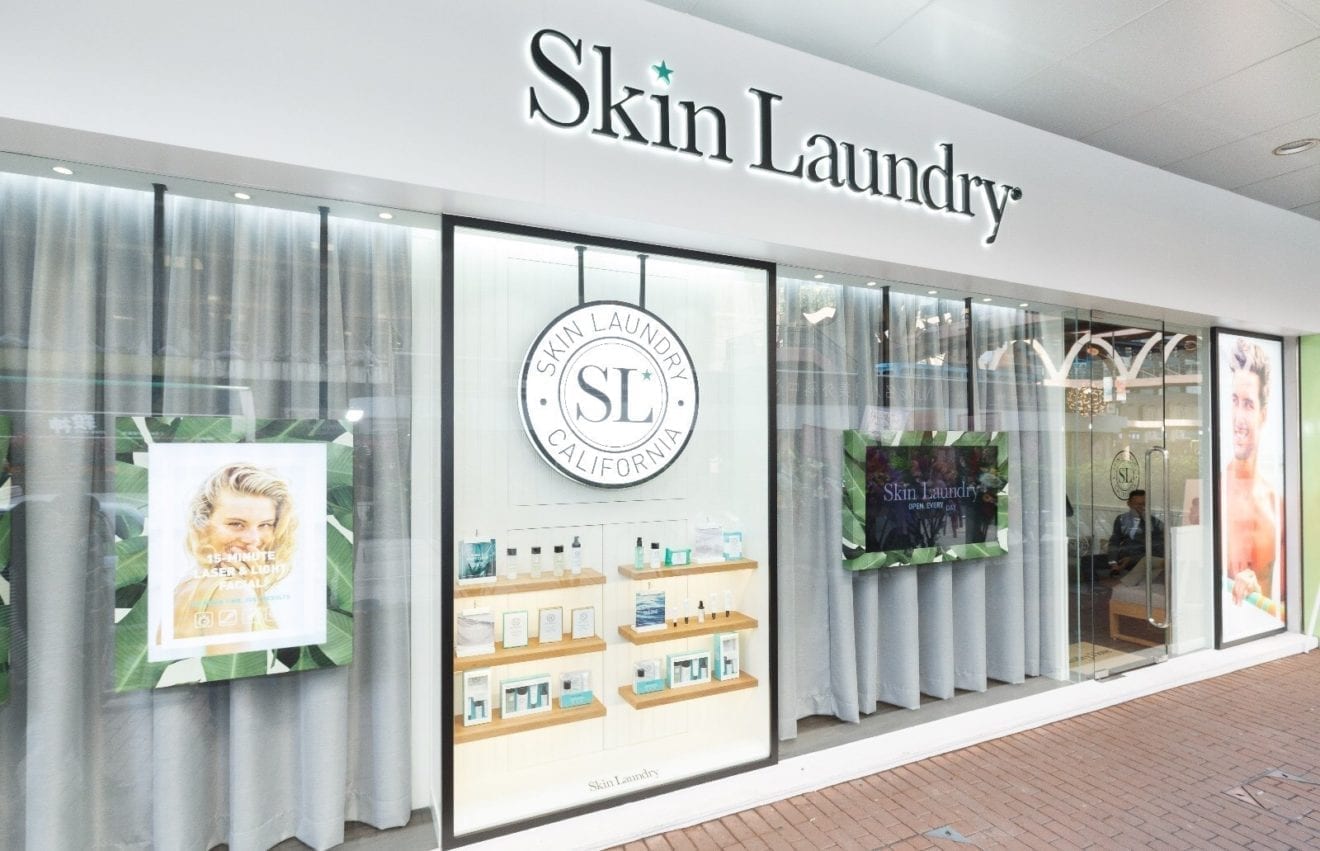
    Skin Laundry has just opened its fourth outlet in Hong Kong – at Causeway Bay. And founder Yen Reis said that at least two more will open in the city by the year’s end.

    Now four years old, Skin Laundry has 16 locations – 11 in the US, one in London’s iconic Liberty department store and now four in Hong Kong. The first two Hong Kong stores opened in Repulse Bay and Central in late 2015. A small concession with treatment room has opened in Lane Crawford at IFC Mall since. More concessions may open in other Lane Crawford stores soon.

    “We are expanding quite rapidly this year and next year. We are also looking at Japan and Korea in the third and fourth quarters of this year,” Reis said.

    Macau may follow, but it is not a focus right now given the opportunities in Hong Kong, Japan and Korea, she said.

    The smallest location is the Lane Crawford concession taking up about 215 sqft. But full size stores are typically 500 to 700 sqft with the largest around 1500 sqft.

    Reis said Skin Laundry is the first beauty brand in the world to make mild laser facials accessible and affordable to the mass market.

    “We’ve taken something usually very expensive and available only at a dermatologist’s or a laser clinic and made it available to everyone.”

    To many people, the mere mention of laser and clinic brings to mind tattoo or hair removal – services not on Skin Laundry’s menu. Its treatments are much milder.

    “Basically the idea of Skin Laundry is a beauty service. We’ve had to educate the market of the benefits of laser. Now we are hitting our four year anniversary we are starting to see traction.”

    In Asia, the whole concept is relatively new. “The idea of doing mild laser is new to the market. We believe using mild laser frequently is much better than doing something stronger once or twice a year. If you cut your hair on a regular basis, your hair looks healthier. It’s the same with mild lasers.”

    Skin Laundry Causeway Bay 1

    Skin Laundry charges US$60 on average for a treatment, substantially cheaper than traditional laser clinics or surgeries which charge up to $500.

    The brand has also developed a growing range of skincare products it retails through its stores and now through LVMH-owned Sephora online and in its US stores – products like cleansers for home use. At the moment, these products account for just 20 per cent of the turnover but with growing brand awareness, the stocking by Sephora and more stores opening, Reis believes they will account for about 40 per cent in the medium term.

    Inspired by LA’s healthy living lifestyle, Skin Laundry opened its flagship location in Santa Monica in 2013. Its clinics-come-retail-stores are designed like a California beach house, providing a contemporary and casual atmosphere for members and guests.

  • Starbucks Coffee Japan aims to blend in

    Starbucks Coffee Japan aims to blend in

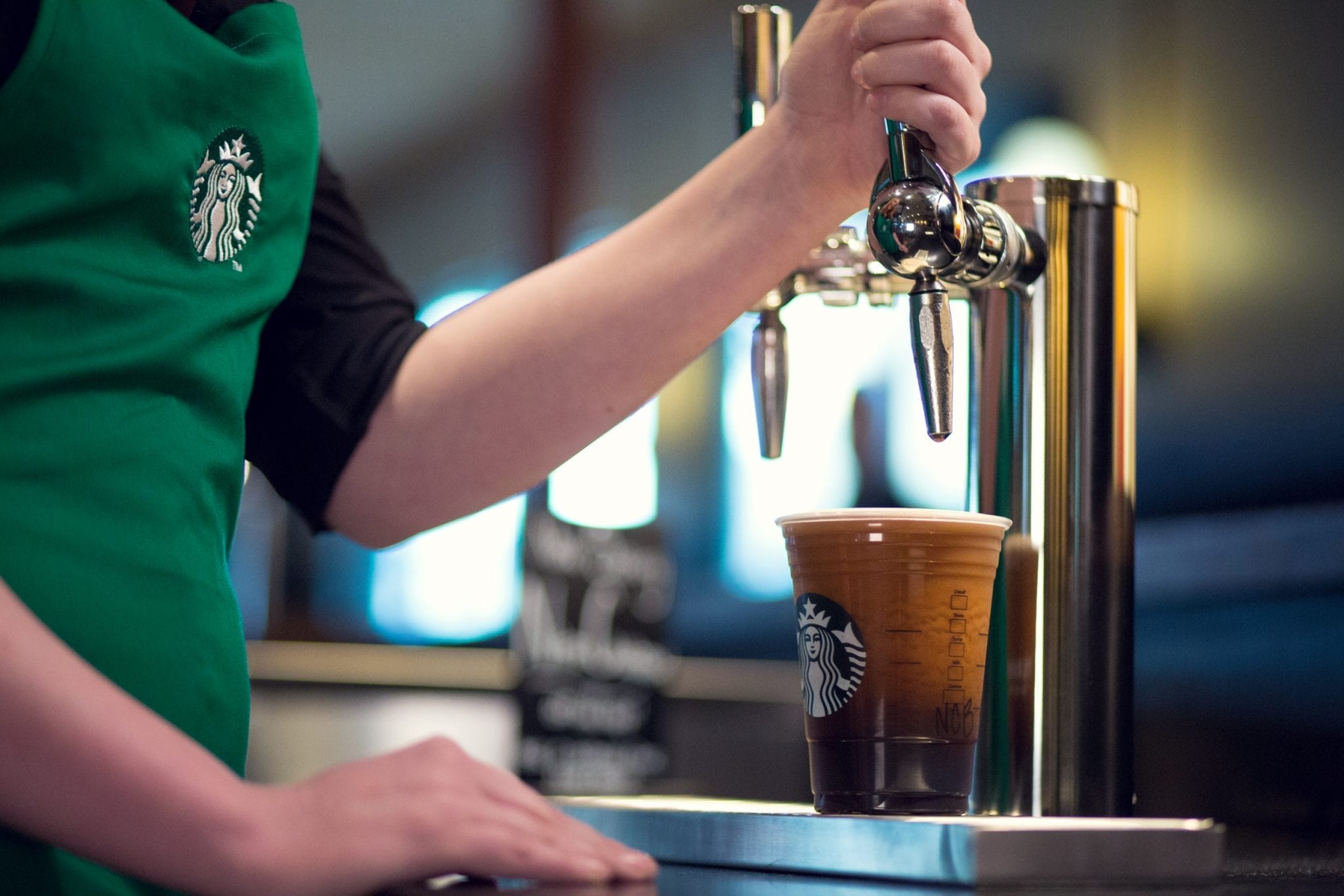
    Starbucks Coffee Japan is aiming to blend in with its first cafe in Uji, Kyoto, giving it a local tea culture theme.

    The branch of the US coffee chain will be opened by the front gate of Byodoin temple, a UNESCO World Heritage site, on March 31.

    It will occupy a space along the front approach to the temple, offering customers a view of the Ujigawa promenade. The 142 sqm outlet will have 41 seats inside and 19 outside.

    Starbucks Japan

    A gable roof will match local custom, and decor features will be related to Uji tea culture.
    Another cafe and a parking lot stood on the site until last year.

    Ten years ago, Starbucks had a 19 sqm outlet in the 587-year-old Forbidden City in Beijing, but protests led to the Seattle-based company closing it.

  • Japanese convenience store sales grow

    Japanese convenience store sales grow

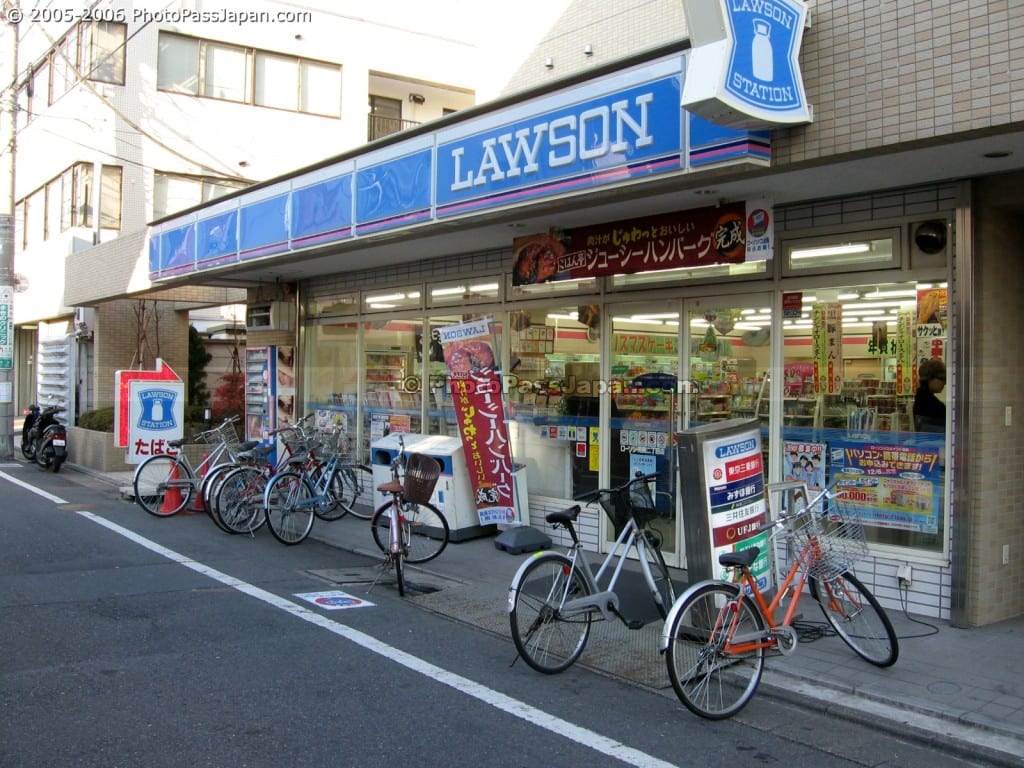
    Sales at Japanese convenience stores rose 0.1 per cent in January from a year earlier, up for the fourth consecutive month.

    Industry data shows there were brisk sales of hot food and side dishes.

    Same-store sales for eight major chains totalled ¥753.16 billion (US$6.7 billion), the Japan Franchise Association says.

    While the number of customers dropped 1.1 per cent to about 1.2 billion – declining for the 11th straight month – spending per customer rose 1.2 per cent to ¥620, up for the 22nd consecutive month, according to the association.

    The number of convenience stores increased 2.5 per cent from a year earlier to 54,496.

  • Ikea Japan launching online store

    Ikea Japan launching online store

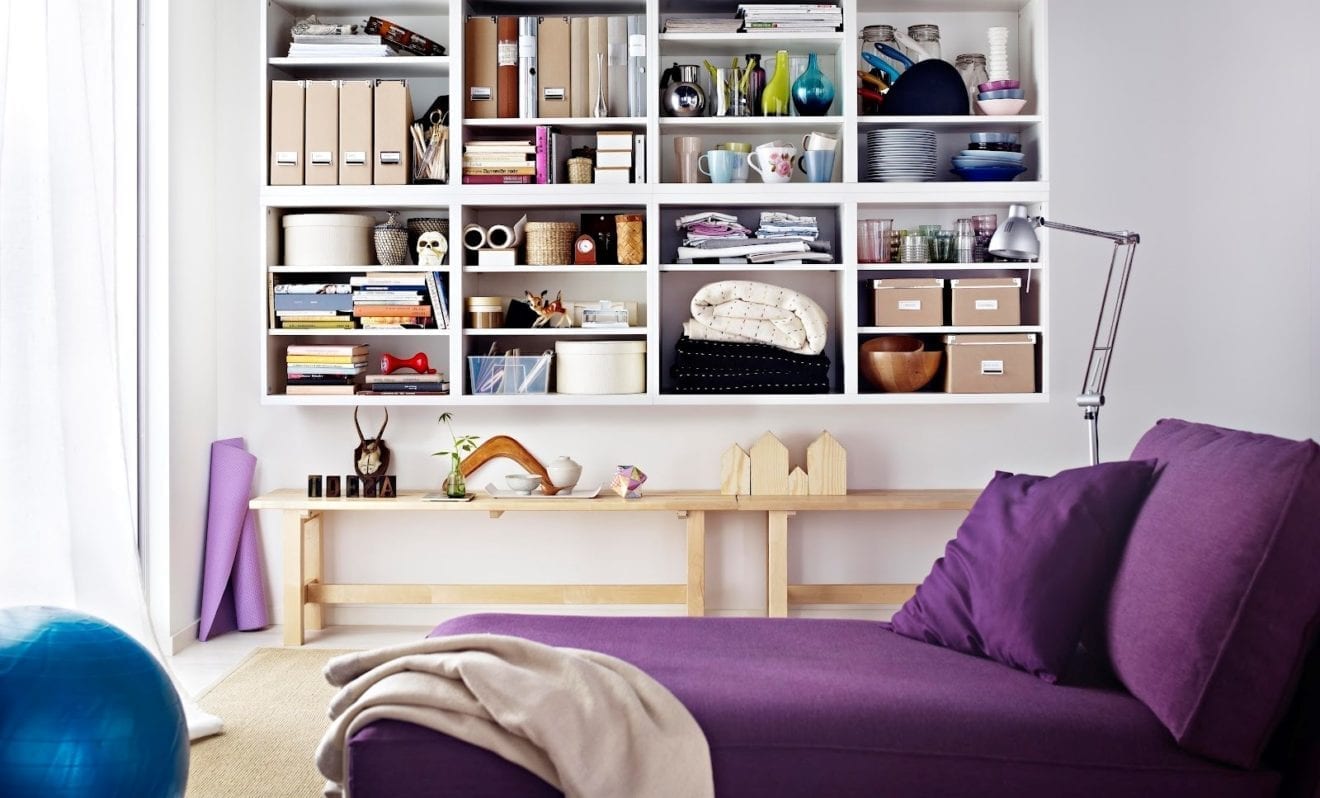
    Ikea Japan will make a full-fledged entry into internet sales, offering nearly all store items through a dedicated website to launch in late April.

    Plans call for selling 9000-odd products, excluding food and plants. They will initially be shipped from the nation’s nine Ikea stores. When coverage expands there will be direct shipping from warehouses.

    While customers in certain regions have been able to order items via e-mail, the company has not had an official online store.

    The local unit of the Swedish furniture retailer has tested the online service in southwestern Japan’s Kyushu and Yamaguchi prefectures since January, charging a minimum of ¥3990 (US$35.40) for shipping and handling. This may be reduced, depending on the delivery destination and items bought.

    Ikea Japan has a logistics centre in Yatomi, Aichi prefecture. Spanning 54,000 sqm, it opened in 2008. A 31,000 sqm section dedicated to online shopping will be added and launch next year.

    Ikea Japan aims to have online sales account for half of its revenue in 10 years. Its sales shrank 2 per cent to ¥76.7 billion for the year ended August. The company will add the online push to an ongoing initiative of increasing smaller stores to gain momentum toward a sales target of ¥140 billion in 2020.

  • Lotteria Burger Laboratory concept to open Korea-wide

    Lotteria Burger Laboratory concept to open Korea-wide

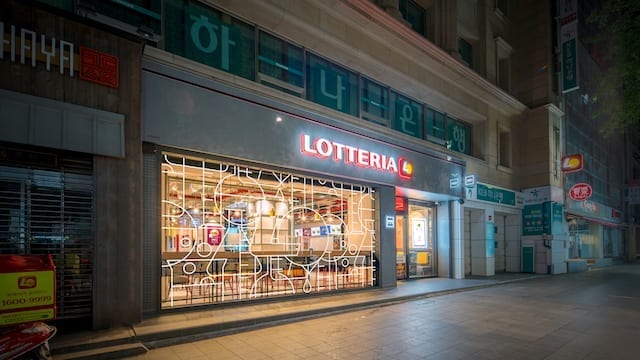
    London-based consultancy JHP Design has created a fast-dining experience for Asian fast-food restaurant group Lotteria.

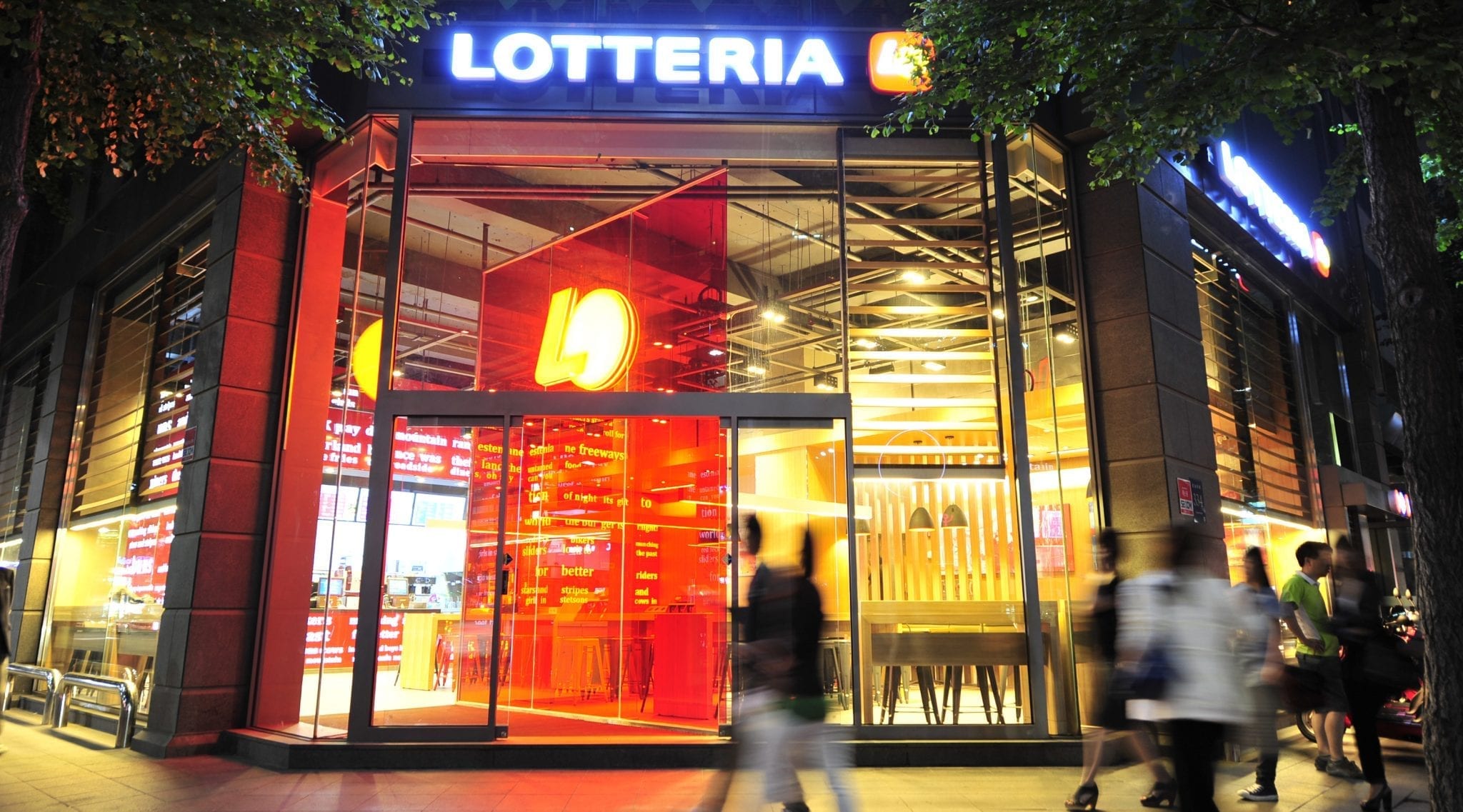
    The new concept, called the Lotteria Burger Laboratory, features an open kitchen combined with a made-to-order system, so customers can watch the “burgerista” preparing every stage of their meal.

    Customers can place orders via an app before arriving, or in store through bespoke tablets as well as at the counter.

    Lotteria Burger Laboratory Korea 6

    A science and experimental theme in the restaurant is reflected in every aspect of the customer experience. A red industrial ceiling-mounted pipe snakes from the front of the “laboratory” to the back, guiding the customer journey. The ceiling also features an illuminated digital clock indicating how long customers need to wait for their order to be ready.

    Lotteria Burger Laboratory Korea 5

    Science icons

    The walls are decorated with periodic tables, food-assembly diagrams and science-based icons. The chairs have chemical-resistant wire frames and the tables offer power plugs for charging mobile devices.

    The seating area offers individual code-writing tables, laboratory benches and breakout booths as found in high-tech start-ups.

    Lotteria Burger Laboratory Korea 4

    A stainless-steel drinks machine enables customers to mix and refill their own beakers.
    With “radioactive” yellow and black doors and frames, the restrooms have acid-resistant white glazed tiles.

    Lotteria Burger Laboratory Korea 3

    All materials used have low environmental impact. Recycled strawboard, reclaimed porcelain and salvaged waste pipes have all been combined in an environment lit entirely with low-energy LED bulbs, and the kitchen uses hyper-efficient induction cooking equipment. All packaging is recycled and biodegradable.

    Lotteria Burger Laboratory Korea 2

    The first Burger Lab opened in Seoul last November, built in just four weeks at a total cost of US$480,000. The concept is now being rolled out across the company’s 3000 outlets throughout Asia.

    Lotteria Burger Laboratory Korea 1

    The Lotteria Burger Laboratory sources its ingredients solely from Lotteria’s own vertically integrated sustainable farms. As well as beef, chicken and shrimp burgers and fries, the new outlet offers local specialties and vegetarian options.

    Lotteria is owned by Lotte, a conglomerate established in 1948 with headquarters in Japan and South Korea.