Tag: Japan

  • Cebu Pacific sees strong demand for Japan flights

    Cebu Pacific sees strong demand for Japan flights

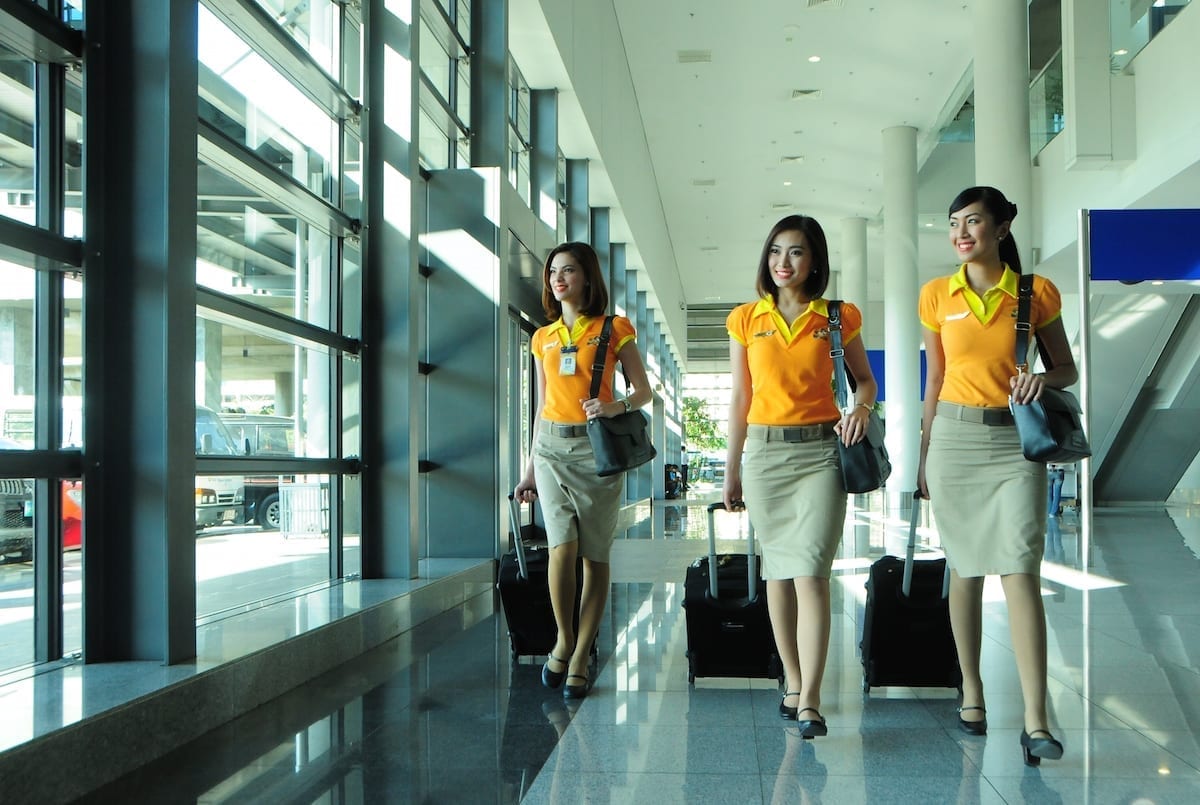
    Cebu Pacific Vice-President for Corporate Affairs Paterno S. Mantaring, Jr. said there is strong demand to operate the Manila-Haneda flight given the proximity of the airport to Tokyo, compared to Narita airport.

    “We want to expand our operations to Japan and we want to operate to Haneda but right now we can’t get any allocation entitlements from the government,” Mr. Mantaring told reporters in a recent media briefing.

    “We’re asking for holding of air talks between the Republic of the Philippines and Japan so that we can add entitlements,” he added.

    The Gokongwei-led airline has been asking for air talks between the two countries since two years ago, and recently renewed its request during the latest air panel meeting.

    “We’re waiting for the government of Japan to respond to that request… hopefully in the coming months,” Mr. Mantaring said.

    Currently, Cebu Pacific — which has 400 flight entitlements between Manila and Tokyo — offers flights to Tokyo via Narita as well as services to Fukuoka, Nagoya and Osaka in Japan.

    Among the domestic airlines, only Philippine Airlines offer direct flights to Haneda.

    “I think there is demand [for the Manila-Haneda flights]. It’s near the city so it’s easier for the traveling public, unlike Narita [Airport] which is 60-70 kilometers (kms.) away from the city,” Mr. Mantaring said.

    Haneda Airport is the closest airport to Tokyo City, with a distance of only around 15 kms.

    Last year, Japanese tourists were the top four market for the Philippines recording 535,238 arrivals, next only to Korea (1.48 million), United States (869,463) and China (675,663).

    Aside from Japan, Cebu Pacific earlier said it is also interested to increase the frequency of its Manila and Sydney flights, noting sustained demand for this route.

    Cebu Pacific offers flights to over 60 destinations including Dubai, Tokyo, Beijing, Bali and Australia, among others.

    The Gokongwei airline is targeting to ferry 20 million passengers this year. In 2016, it carried 19.1 million passengers, up 4% from the 18.4 million passengers flown in 2015. On average, Cebu Pacific flights were 86% full during the year.
  • Starbucks Japan going traditional in Kyoto

    Starbucks Japan going traditional in Kyoto

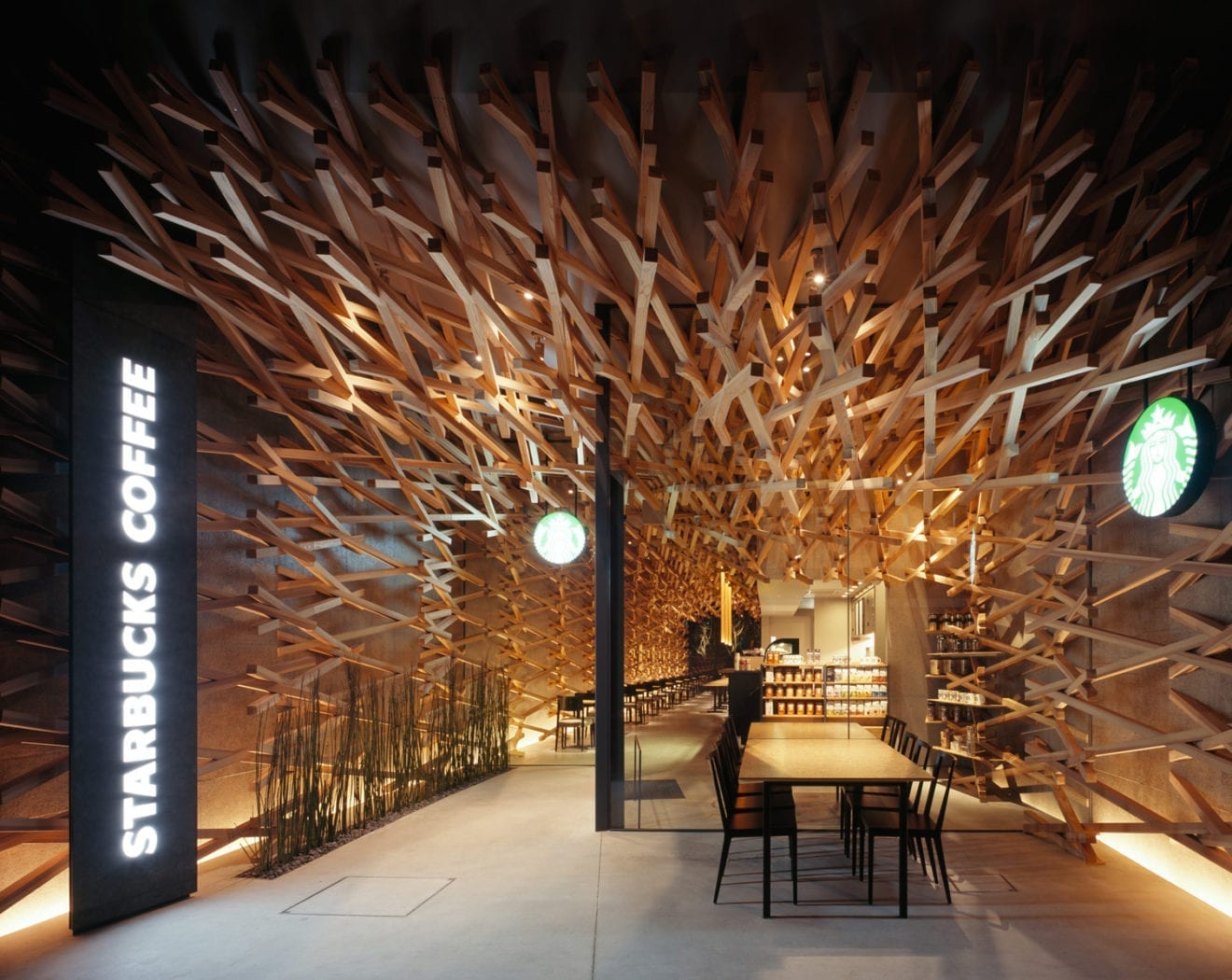
    Starbucks Japan’s new Kyoto branch will have a traditional Japanese cafe space complete with tatami mats.

    It will be in a 100-year-old, two-storey traditional Japanese townhouse, one of the only buildings in the area still in its original form.

    Starbucks Kyoto

    There will be three gardens within the wooden building, one in the front, one in the middle and one in the back. Each will have greenery, rocks and light in an attempt to recreate a traditional Japanese interior space.

    On the second floor, guests can take off their shoes to sit on tatami mats and cushions with Japanese designs.

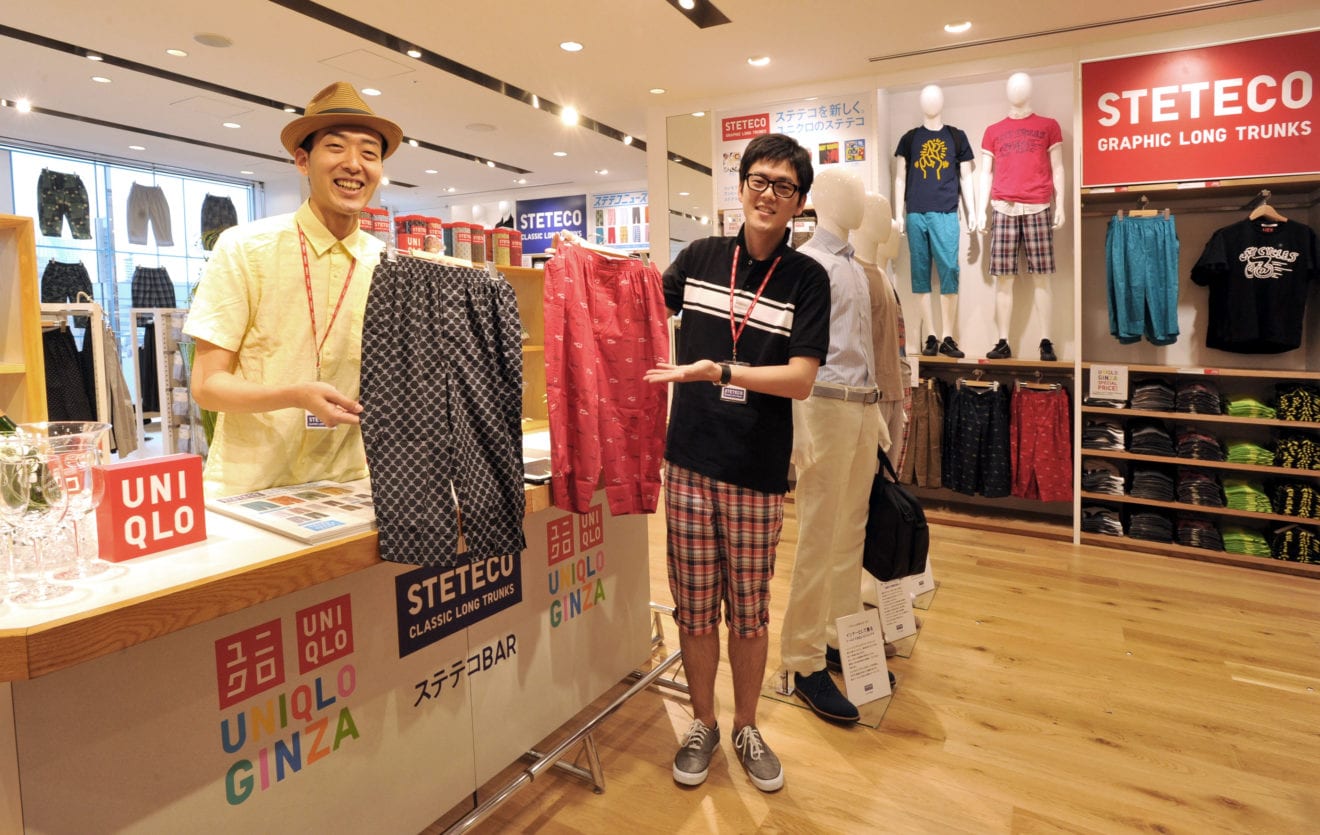
  • APAC boosts Uniqlo’s Q3

    APAC boosts Uniqlo’s Q3

    Fast Retailing, Uniqlo’s parent company, has reported consolidated revenue totaled ¥1.4779 trillion (+3.0 per cent year on year), with operating profit expanding to ¥180.6 billion (+23.9 per cent) in its latest financial results.

    In the third quarter from March to May, Uniqlo Southeast Asia and Oceania and South Korea reported a doubling in operating profit.

    The apparel chain said that its sports goods, new women’s blouses, dresses and clothes designed to “suit the Southeast Asian climate and culture sold especially well.”

    In the US, Uniqlo  reported a lower operating loss in the third quarter after same-store sales recovered, with business cost ratios improving under a new operational structure.

    In Europe, investment in 10 new store openings over three months inflated costs and knocked operating profit slightly lower.

    Uniqlo’s international network increased by 143 to 1,071 stores at the end of May.

    Japan reported a rise in revenue but a contraction in profit in the nine months to May 2017. Revenue rose 1.2 per cent year-on-year to ¥653.4 billion while operating profit dipped 0.6 per cent year-on-year to ¥92.6 billion.

    The global chain said it expects to achieve strong revenue and profit gains, “with Greater China, Southeast Asia, and South Korea acting as the key drivers of growth.”

  • Molteni&C opens Osaka store

    Molteni&C opens Osaka store

    Molteni&C has officially opened its new Japan flagship store in Osaka.

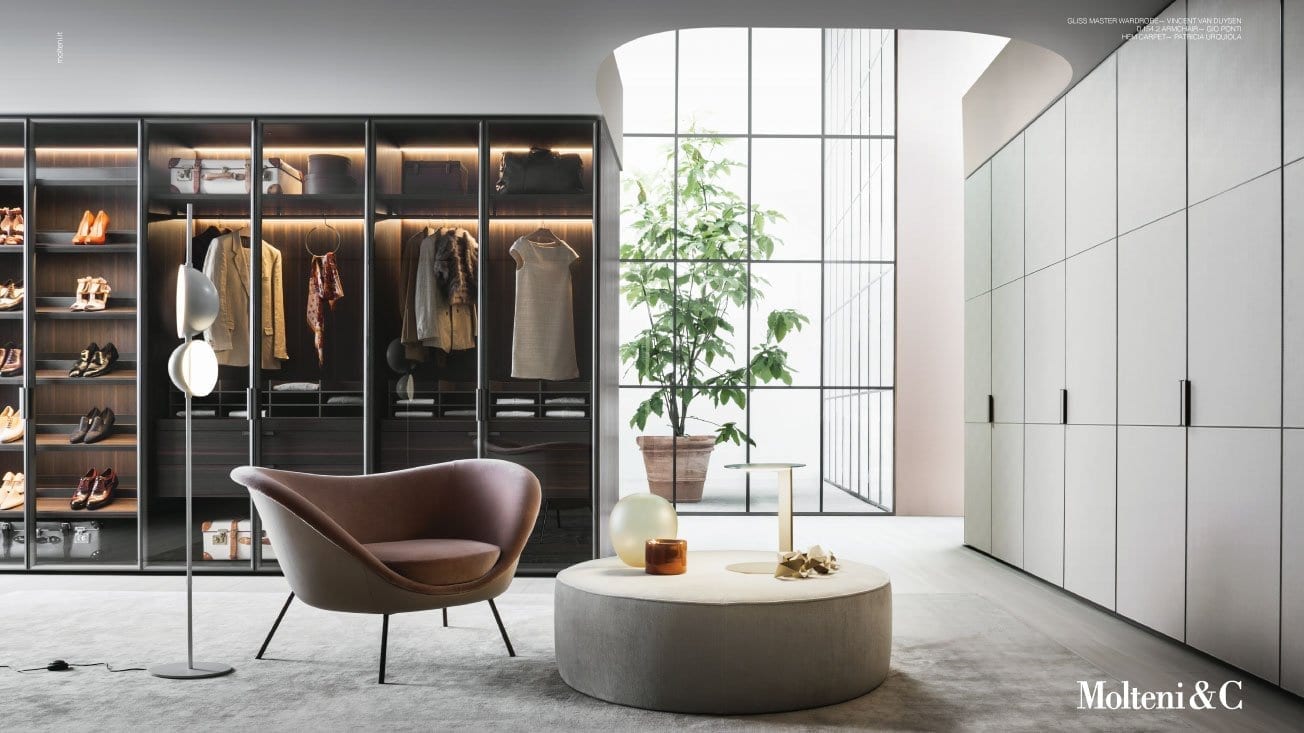
    Covering 400 square metres, the space is located in the fashionable Shinshaibashi shopping district. The high-end store comes inspired by western interior design, with an open feel, which features a broad terrace and chic lighting.

    Describing the store fit out, the Italian brand said the new boutiques boasts “sophisticated and natural materials, such as glass, oxidized wood and resin, Grès stone, the chiaroscuri of the sands and the warm greys alternate with luminous touches of colour.”

    Key elements on display are the latest Molteni&C collection and Dada’s VVD kitchen, which dominates the large terrace overlooking the main street.

    The Osaka store is the second in Japan after the first opened in Tokyo in 2016.

    The luxury Italian furniture designer continues its ten-year partnership with Arflex Japan, a well-established distribution company in the Asian nation.

  • Japanese Retail Giant Accepts Bitcoin Nationwide after Successful Trial

    Japanese Retail Giant Accepts Bitcoin Nationwide after Successful Trial

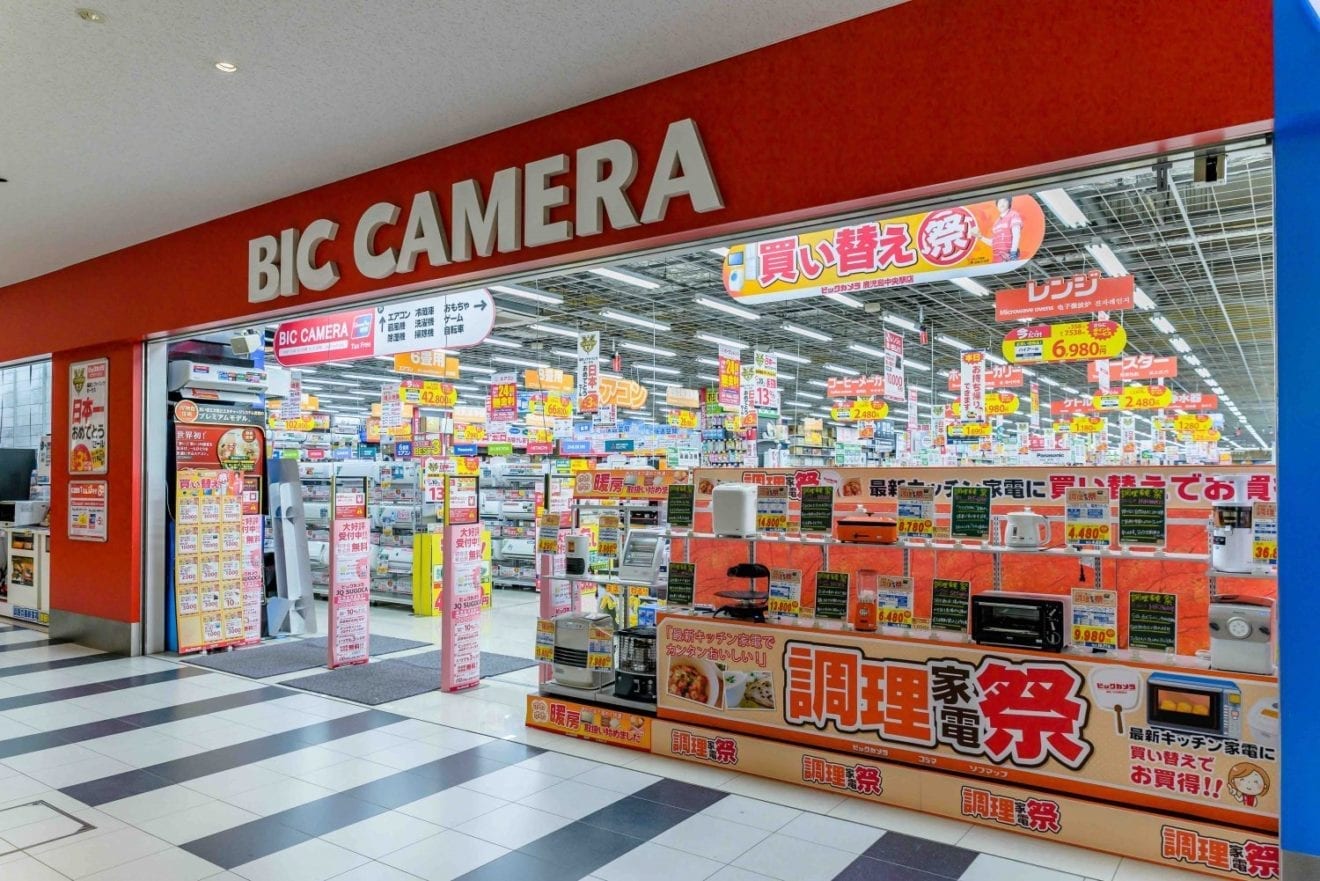
    Japanese electronics retailer Bic Camera will enable bitcoin payments across all stores in the country this month. Tokyo-based consumer electronics retail chain Bic Camera becomes the latest major retailer to accept bitcoin throughout Japan, a report confirmed today.

    The trial proved to be beyond successful.

    According to today’s report, the ‘more-than-expected’ popularity of bitcoin payments has led to Bic Camera expanding bitcoin payments at more than 40 stores domestically.

    Bic Camera first announced a trial run of accepting bitcoin payments from shoppers at the retail group’s flagship store in Tokyo and another store in the city. Customers could pay up to ¥100,000 (approx. $900) for purchases of consumer electronics such as cameras, laptops, audio equipment and more.

    The retailer partnered Tokyo-based bitFlyer, an industry startup and Japan’s largest bitcoin exchange, to install the point-of-sale (PoS) payments infrastructure. As a payments processor, bitFlyer’s gateway converts the bitcoin into fiat immediately upon payment. These fiat funds are then transferred to the retailer the following day. bitFlyer charges a 1% service fee on transactions.

    Bitcoin’s growing popularity in Japan, following recent legislation that acknowledged bitcoin as a legal method of payment, will also see Bic Camera accept bitcoin at 139 subsidiary Kojima stores in suburbs across Japan.

    Last month, bitFlyer’s chief financial officer Midori Kanemitsu revealed that the number of retail storefronts accepting bitcoin is “expected to rise to 300,000” this year. Japanese bitcoin startup BITPoint was revealed to be in discussions with a payments terminal operator that could see digital currencies accepted at hundreds of thousands of Japanese retailers.

    Japan also ended the 8% consumption tax on bitcoin purchases in July, making adoption attractive for new investors and consumers preferring cashless payments.

    All of this, at a time when the Japanese government is making marked moves toward embracing cashless payments by mandating a growth strategy to double digital payments over the next decade.

  • Japan’s Rakuten retail site bans ivory sales

    Japan’s Rakuten retail site bans ivory sales

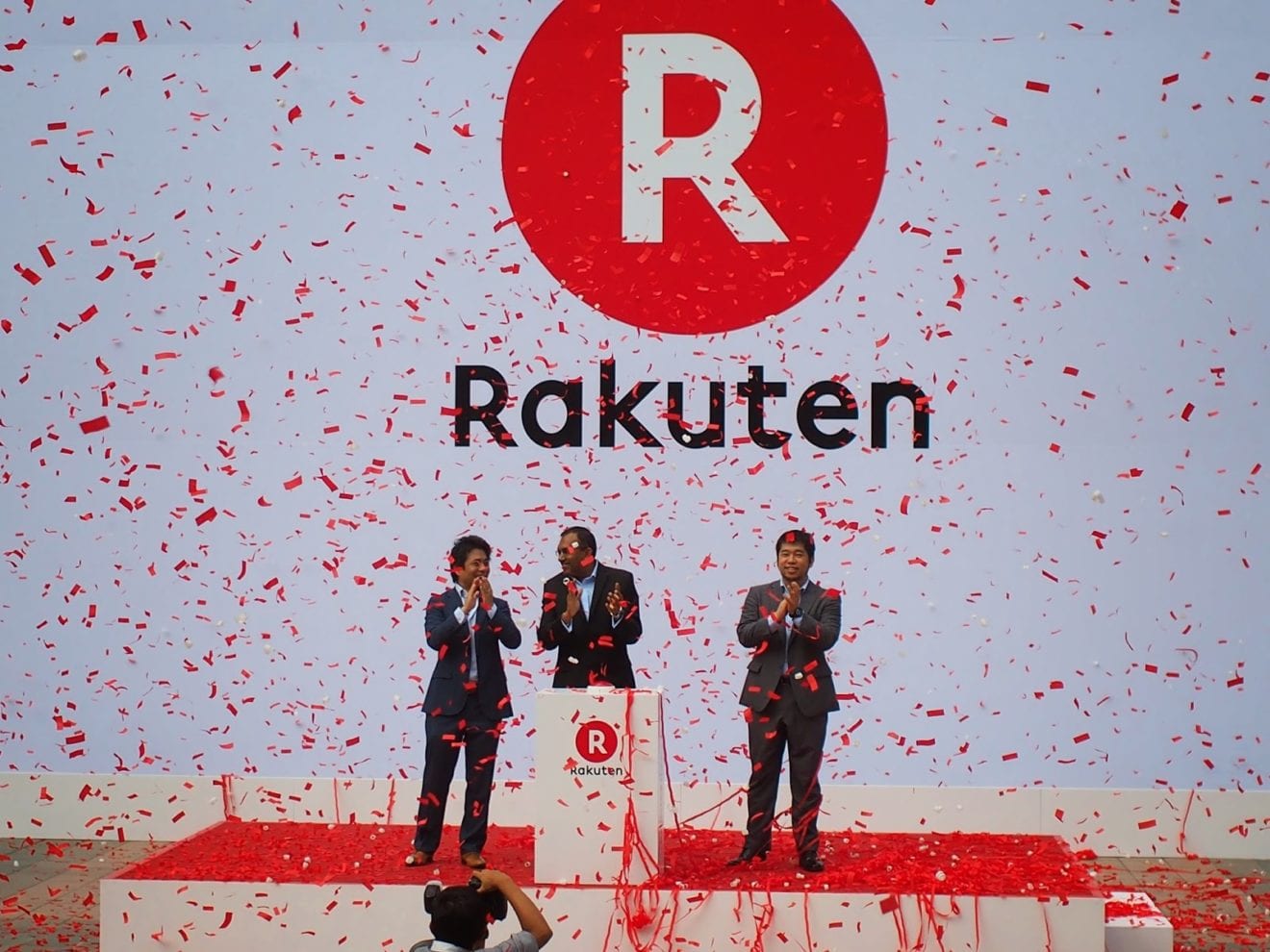
    One of Japan’s largest online retailers has banned the sale of ivory, closing a major marketplace for the controversial trade. Rakuten is accused of being the world’s largest online retailer for elephant ivory, but will now phase out its sale. The trade is legal in Japan for items imported before 1989 – but no new stock can be brought into the country. Many other countries have banned the trade outright over concerns that it contributes to elephant poaching.

    Rakuten also banned the sale of sea turtle products on its site, telling it was responding to “growing international concern”.

    “We expect it will take 1-2 months for all listings of these prohibited products to be removed,” it said.

    On the day of the announcement, a large number of ivory items were still listed for sale, including many carved personal seals known as “hanko”. Sellers of such items are expected to maintain careful records of their origin, and use only government-regulated ivory stockpiles. But activists believe the rules are often circumvented and the precious material is often smuggled across borders.

    Yahoo Japan, another site which allows the sale of ivory, has previously come under fire for the practice.

    However, a spokesman told Reuters it did not plan to halt the trade, saying: “We don’t think that the legal ivory trade in Japan has any impact on African elephant numbers.”

    “It is important to recognise there are cultural differences between different countries,” he added.

    African elephant numbers have plummeted in the last century, and there are an estimated 500,000 remaining on the continent.

    China, a traditional powerhouse in the ivory trade, announced in December that it would ban all ivory activities and trade by the end of 2017.

    Conservation groups hailed the decision as “historic” and a “game-changer” – but ivory artists have lamented the loss of a traditional craft.

  • Things to know about Bitcoin

    Things to know about Bitcoin

    Bitcoin is the world’s most widely used crypto currency. Mark Karpeles, the former CEO of collapsed Bitcoin exchange MtGox, went on trial in Tokyo on charges stemming from the disappearance of hundreds of millions of dollars worth of the virtual currency from its digital vaults.

    Here are some key facts about the world’s most widely used crypto currency:

    What is Bitcoin?

    Bitcoin is a virtual currency created from computer code. Unlike a real-world unit such as the US dollar or euro, it has no central bank and is not backed by any government.

    Instead, Bitcoin’s community of users control and regulate it. Advocates say this makes it an efficient alternative to traditional currencies because it is not subject to the whims of a state that may devalue its money to boost exports, for example.

    Just like other currencies, Bitcoins can be exchanged for goods and services — or for other currencies — provided the other party is willing to accept them.

    Where does it come from?

    Bitcoin was launched in 2009 as a bit of encrypted software written by someone using the Japanese-sounding name Satoshi Nakamoto.

    Last year secretive Australian entrepreneur Craig Wright said he was the creator of Bitcoin, but some have raised doubts over his claim.

    Hundreds of other digital currencies followed but Bitcoin is by far the most popular, with an increasing number of merchants accepting digital currencies for payments.

    Transactions happen when heavily encrypted codes are passed across a computer network. The network as a whole monitors and verifies the transaction in a process that is intended to ensure no single Bitcoin can be spent in more than one place simultaneously.

    Users can “mine” Bitcoins — bring new ones into being — by having their computers run complicated and increasingly difficult processes.

    However, the model is limited and only 21 million units will ever be created.

    What’s it worth?

    Like any other currency, it fluctuates. But unlike most real-world units, Bitcoin’s value has swung wildly in a short period.

    When it first came into existence it was worth a few US cents. Several years later Bitcoin topped $1,000. It’s now worth more than $2,300, with commentators suggesting some are buying it as an alternative bet in times of global economic uncertainty.

    The chaotic withdrawal of high-value notes in India, and Chinese controls on the purchase of foreign currency have also been cited for its meteoric rise.

    There are presently more than 16 million units in circulation. Some economists say the limited number of Bitcoins mean its price will increase over the long run, making it less useful as a currency and more a vehicle to store value, like gold.

    But detractors point to Bitcoin’s volatility, security issues and other weaknesses as flaws that will eventually undermine it.

    What’s the future?

    Some commentators say that like many technological developments, the first iteration of a product will encounter difficulties, possibly terminal ones. But the trail it blazes might smooth the way for the next crypto currency.

    Problems include an apparent vulnerability to theft when Bitcoins are stored in digital wallets.

    A major Hong Kong-based Bitcoin exchange suspended trading last year after $65 million in the virtual unit was reportedly stolen by hackers.

    The virtual currency movement also faces legitimacy issues because of the way it allows for anonymous transactions — the very thing that libertarian adopters like about it.

    Detractors say bitcoin’s use on the underground Silk Road website, where users could buy drugs and guns with it, is proof that it is a bad thing.

    If Bitcoin does become more widely accepted, experts say, it could lead to more government regulations, which would negate the very attraction of the concept.

  • Japan retailers’ profit growth slows to 0.6% in March-May

    Japan retailers’ profit growth slows to 0.6% in March-May

    Japan’s retail sector has seen earnings growth slow notably from a year earlier in the March-May quarter due to lackluster increases in sales combined with greater labor and other costs.

    The aggregate pretax profit of 61 retailers that announced their March-May results by Tuesday increased 0.6% on the year, according to a compilation. The figure, which translates to a nearly 3 percentage point drop from a year earlier, was the smallest over the past two years. About 40%, or 26 companies, booked profit increases.

    Are winners losing their grip?

    Convenience stores, which had been the winners in retail, are perhaps at a turning point. FamilyMart Uny Holdings, which was created through the merger between UNY Group Holdings and FamilyMart last September, said Tuesday its operating profit was 12.5 billion yen ($109 million), down 31% from the combined profits of its two predecessors a year before. Renovation costs were a major factor behind the profit drop, as the company turned some 750 Circle K and Sunkus convenience stores into FamilyMarts in the quarter.

    Lawson’s pretax profit declined even with a sales increase, partly due to the costs it shoulders for its store operators for the disposal of unsold packaged meals.

    Industry leader Seven-Eleven Japan was the only one among the top three players that booked profit growth. Its operating profit climbed 2% to 59.5 billion yen.

    Meanwhile, even within the same Seven & i Holdings group, general merchandise store operator Ito-Yokado struggled, with its existing-store sales shrinking 3.2%.

    “We will reform food operations by setting up a dedicated team,” said Yuji Kaneko, an executive officer of Seven & i.

    Aeon Retail, a general merchandise unit of Aeon group, sustained an operating loss for the quarter despite slashing advertising and other costs. The company cut prices of as many as 254 food and household items in April. President Soichi Okazaki says “sales would have slid even deeper were it not for the price cuts.” To spur sales, the company plans to lower prices again as early as August.

  • Bad news for Japan’s retailers as Chinese tourists cut back on buying

    Bad news for Japan’s retailers as Chinese tourists cut back on buying

    They’re still coming in droves — but no longer buying in spades. After propping up sales for overseas retailers over the past decade with a shopping-driven tourism agenda, Chinese visitors are no longer returning home with suitcases bulging like before.

    A new survey by consultancy Oliver Wyman shows Chinese tourist numbers and holiday expenditure continuing to rise last year, even as shopping during overseas travel dropped 17 percent from a year earlier.

    The average Chinese tourist spent about 6,705 yuan ($986) on shopping when traveling, down from 8,050 yuan in 2015. But overall holiday spending — including on hotels and sightseeing — rose 3.5 percent to 20,317 yuan from 19,635 yuan, according to the survey of 2,000 travelers from the mainland.

    The sea change in spending habits is dealing a blow to retailers from Parisian department stores to Japanese duty-free operators and Hong Kong jewelers, but bigger numbers of wealthier Chinese may create other opportunities for leisure and entertainment operators in popular overseas destinations.

    “Businesses globally have to adjust their strategy to think about how to capture the new Chinese tourist dollar,” said Oliver Wyman’s Shanghai-based partner, Hunter Williams. “It’s less about the outlet mall now and more about the national park.”

    One reason for the change is the easier access to foreign goods in mainland China due to a booming $60 billion cross-border e-commerce market.

    Imported items can now be ordered online and delivered in as quickly as a day, often exempt from taxes levied on goods from store shelves.

    That’s damped the practice of buying overseas for the purpose of reselling locally, and the survey showed such resales falling to 3 percent of shopping expenditures from 8 percent in 2015.

    Chinese outbound spending still ranks highest in the world. In 2016, travelers from the country spent $261 billion, a fifth of the global total, up from $249.8 billion in 2015, according to the World Tourism Organization.

    But the portion contributed by shopping has fallen to 33 percent of overall travel expenditure, from 41 percent in 2015, the Oliver Wyman survey showed.

    Chinese consumers no longer need to travel overseas to stock up on items from Playtex bras to Christian Dior lipsticks and Blue Nile diamond rings, which are now available on online portals run by firms like Alibaba Group Holding Ltd. and JD.com Inc. With foreign brands increasingly using the internet to reach Chinese buyers, foot traffic to malls and outlet stores in popular overseas destinations is slumping.

    Duty-free retailer Laox Co. reported a 33 percent fall in revenue for 2016 as Chinese tourists spent less, while U.S retailer Macy’s Inc. is shutting 14 percent of its stores to stem sales declines.

    Luxury houses like LVMH Moet Hennessy Louis Vuitton SE and Cie Financiere Richemont SA and brewer Kirin Holdings Co. have pointed to sales pressures from fewer Chinese shoppers visiting stores globally, said Bloomberg Intelligence retail analyst Catherine Lim.

    The survey also showed that more Chinese tourists are traveling with children and spouses rather than going alone or with friends. That could benefit destinations that offer unique leisure experiences or entertainment options, said Oliver Wyman’s Williams.

    “The number of Chinese tourists is still rising rapidly and at quicker pace than their overall spending,” he said. “This should give industry players some pause to think about how to make up for the loss of shopping-related spending through volume.”

  • Japan’s Nitori to open flagship store in Shanghai

    Japan’s Nitori to open flagship store in Shanghai

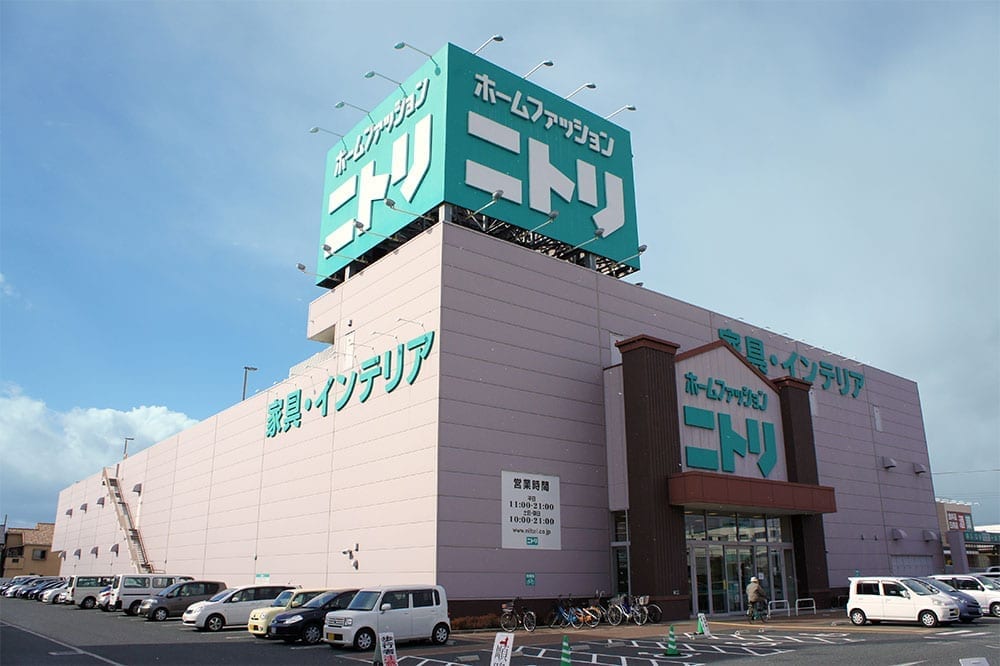
    Japanese furniture and home decoration brand Nitori will open a flagship store in Xujiahui, Shanghai.

    With an area of 8,000 square meters, this store is the old location of Best Buy. It is reportedly Nitori’s first flagship store in China after its brand re-design.

    Founded in 1967, Nitori is one of the largest home supplies chains in Japan. The company was listed on Tokyo Stock Exchange in 2002 and started fast expansion in the domestic Japanese market after that.

    In 2003, its number of stores was over 100 for the first time. At present, its main businesses include home decoration, house renovation and online shopping.

    Nitori entered China in 2004 by launching a logistics center in Shanghai and the company launched its online shopping business Nitori Net in September 2004. The company’s first Chinese physical store was opened in Wuhan, Hubei province in 2014, marking Nitori’s formal beginning of its Chinese business. So far, Nitori has over ten stores in cities like Shanghai, Hangzhou, and Ningbo.

    In regards to future expansion, Nitori plans to have 100 stores in China by 2020.

  • Muji plans world flagship and hotel in Tokyo

    Muji plans world flagship and hotel in Tokyo

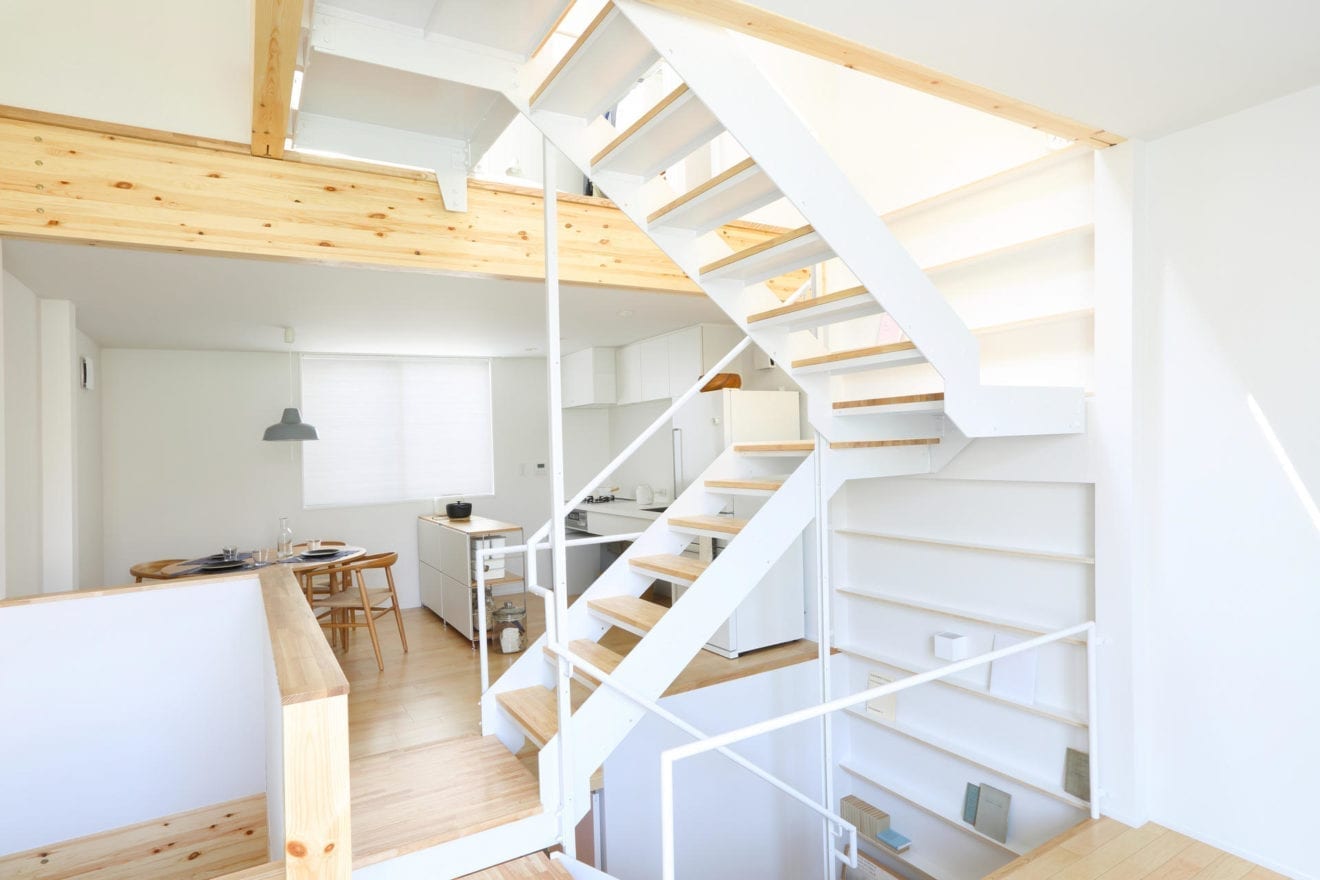
    The Japanese household goods and apparel company has announced its plans to open a hotel and world flagship in Ginza, Tokyo, in the spring of 2019.

    Developed by the Yomiuri Shimbun Tokyo headquarters and Mitsui Fudosan, a retail property developer of the Mitsui group, the 14,219 square metre, 13-floor building will feature eight floors dedicated to the Muji ‘world flagship’ store. Hotel accommodation will be spread across the top five floors of the building, and will be decorated with Muji furniture and products.

    The provisionally named ‘Muji Hotel’ will be developed as part of the “Marronnier x Namiki Yomiuri Ginza Project,” a retail complex in the upmarket area of Ginza, Tokyo, that Mitsui hopes will further revitalise footfall in the area. The building will be located close to the Marronier Gate Ginza, a commercial facility.

    The hotel is to be designed and operated by the UDS company of the Odakyu Group. Construction began in June 2017.

  • Disney’s created in Japan franchise reaches US$2 billion revenue worldwide

    Disney’s created in Japan franchise reaches US$2 billion revenue worldwide

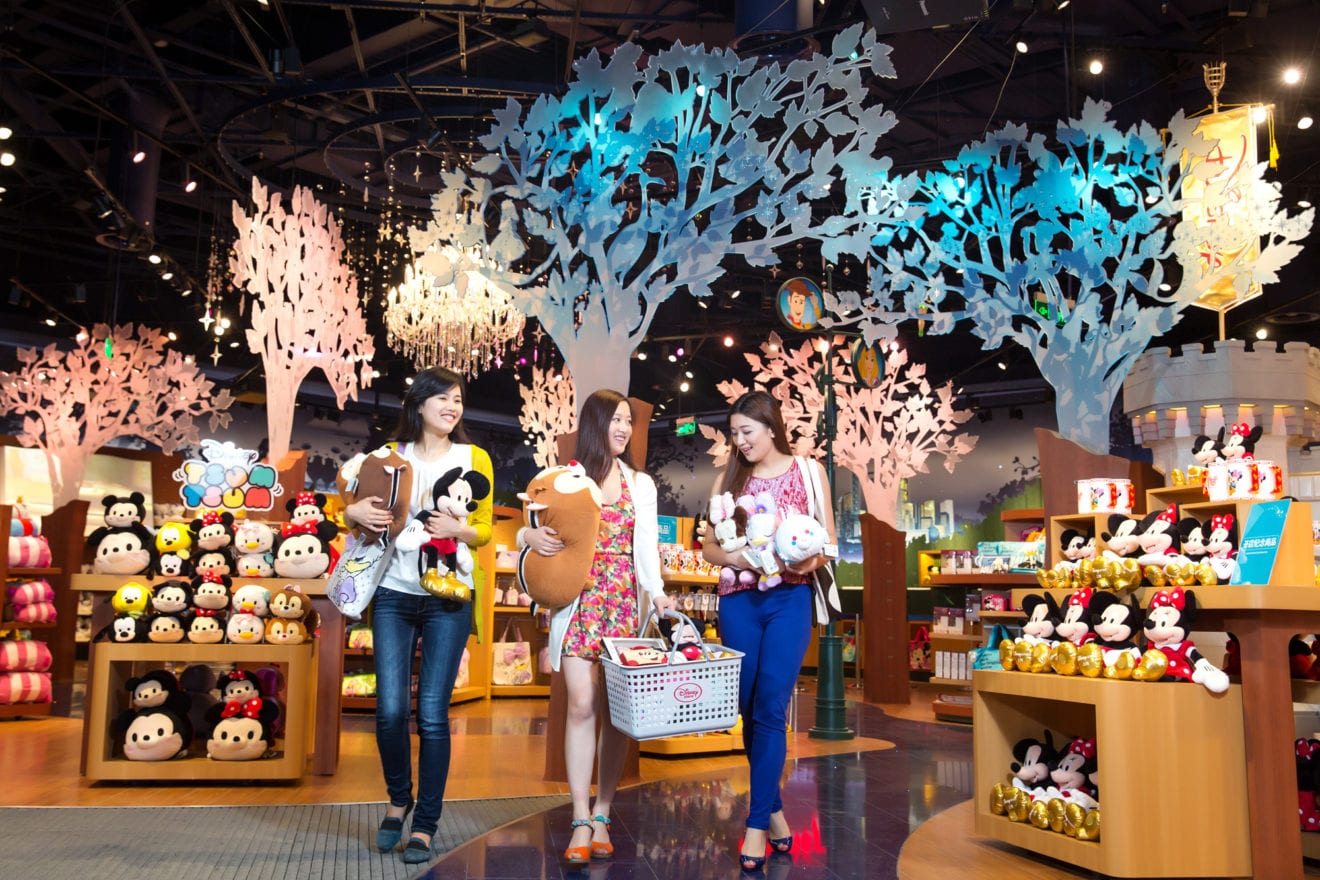
    “We couldn’t be more proud of Tsum Tsum’s Japanese-origins and its international appeal,” said Paul Candland, President, Walt Disney Asia. “Tsum Tsum connects with fans across multiple platforms and experiences and is proving to be a successful channel to introduce new intellectual property.”

    – According to LINE the game has been played over 165.4 billion times worldwide since its debut, with nearly 61.8 trillion Tsums cleared in the course of the gameplay.
    – With Tsum’s measuring an average of 7mm across (the size when played on a 4.7-inch smartphone), then 61.8 trillion Tsums would form a line 432 million kilometers long the distance from Earth to Mars and back.
    – The Tsum that players spent the most skill tickets to level up is Cinderella, followed by Beast (from “Beauty and the Beast”) and Maleficent Dragon (from “Sleeping Beauty”).

    From its humble beginnings as a popular plush toy from the Disney Store Japan, Tsum Tsum’s expanded franchise experience now spans every Disney consumer touch point including fashion, lifestyle and consumer electronics attracting a wide consumer base from boys and girls, as well as young adults. The stackable toys also have their own show with animated episodes available online and on Disney Channel as well as Tsum Tsum Tuesdays, which is now a popular subscription service in the U.S. From classic Disney characters such as Mickey Mouse and Princess to Buzz Lightyear and Darth Vader, Tsum Tsum encompasses the appeal and affinity of Disney’s key brands – Disney, Disney•Pixar, Marvel, and Star Wars.

  • Mulberry links with licensee Onward for Japan joint venture

    Mulberry links with licensee Onward for Japan joint venture

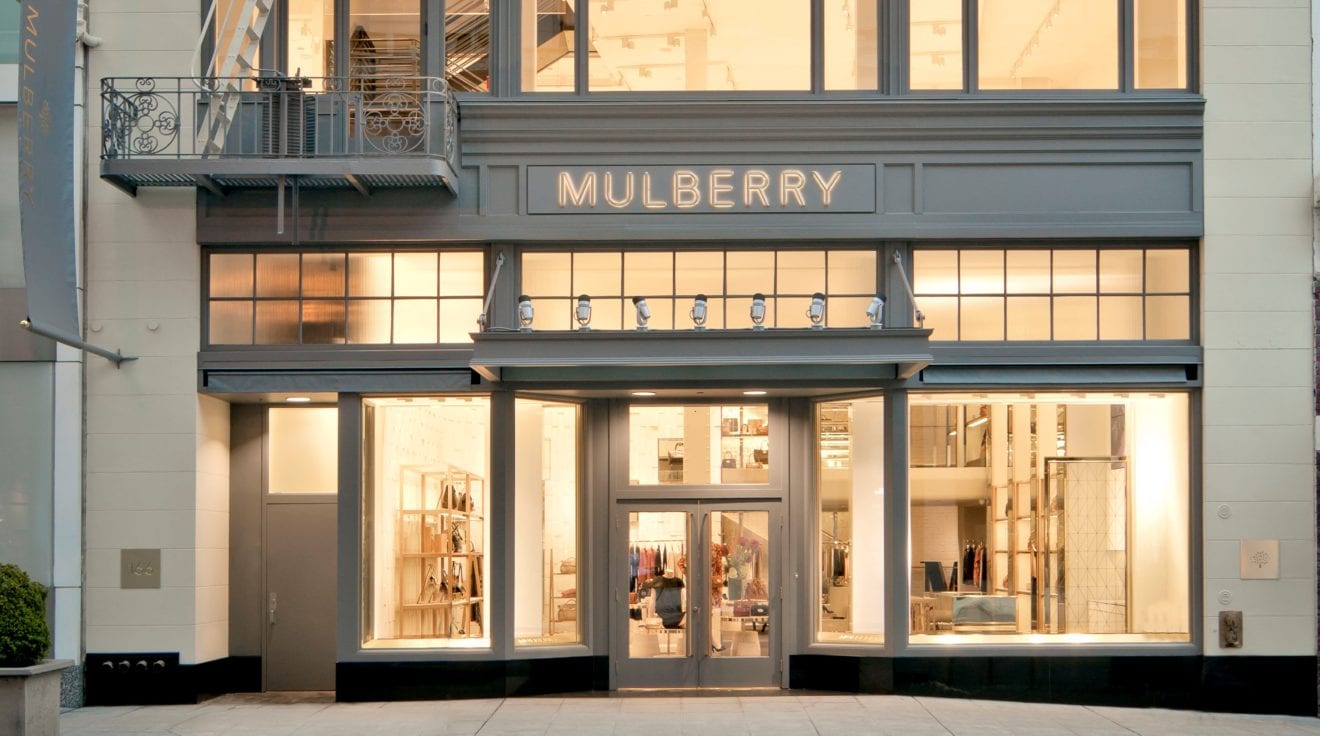
    Luxury fashion and accessories brand Mulberry has added another joint venture (JV) in Asia with news that it has signed an agreement with existing license partner Onward Global Fashion to form a 50:50 JV company to operate its business in Japan.

    UK-based Mulberry said the new company will benefit from its digital and brand building capabilities coupled with Onward’s experience in distributing luxury brands across the Japanese market.

    “The joint venture will advance the group’s strategy of directly participating in key international luxury markets while continuing to refine its positioning in the UK,” it said on Friday.

    The new company will be called Mulberry Japan Co Limited and will have its HQ in Tokyo. It will develop the Group’s retail, digital, omnichannel and wholesale business in the Japanese market and is expected to be “profit-neutral” for Mulberry during the initial two-year development phase.

    Mulberry and Onward will be equal partners, each owning 50% of the share capital of the new company. Between them they will invest ¥400 million (£2.8 million) to provide funds to develop the distribution network and build the brand’s presence in the country.

    Mulberry’s CEO Thierry Andretta said the luxury firm sees Japan as a “significant growth opportunity” and that in Onward it has “a partner which has extensive luxury goods experience and a robust infrastructure which will enable us to advance our international retail and omnichannel strategy in this key market.”

    So how will it all work?  Mulberry Japan will manage all retail, digital fulfilment and wholesale distribution for the Japanese market.  A general manager has been appointed to build a local team, based in the Tokyo head office with the firm expected to be up and running later this year.

    The distribution platform currently consists of a new Mulberry store in Tokyo Ginza G6, two concessions (one in Tokyo, one in Osaka), wholesale and the Group’s mulberry.com site.

    The Japan deal comes as Mulberry makes growth in Asia a priority. Earlier this year it set up Mulberry (Asia) Limited as a JV with Challice Limited to operate the group’s business in Hong Kong, China and Taiwan. That launch also came along with “significant” marketing investment in North Asia. In addition to local marketing initiatives, Mulberry plans to invest around £3 million in additional support over the next two years.

  • Japan’s retail sales growth slows in May, June looks more positive

    Japan’s retail sales growth slows in May, June looks more positive

    Retail sales in Japan lifted 2% for the month of May, as shopping revenue growth slowed in the archipelago nation, compared to April’s increase of 3.2%.

    The May result came in below a median forecast of 2.6% compiled by Reuters.

    The biggest contributors to the rise were sales of motor vehicles, followed by fuel, medicine and toiletries, according to the Economy Ministry.

    Offsetting the gains, sales at supermarkets and department stores dipped 0.6% in May, after growing for the first time in nine months in April at a pace of 1.1%

    Month-on-month, sales fell 1.6% from April, when they rose 1.4% on March.

    However, June looks to be more positive on the retail front for major apparel and accessories players.

    A report by WWD said big-name fashion retailers in Japan recorded a positive sales month in June, on the back of early clearance sales and an increase in shopping tourists to the nation.

    Fast Retailing said Tuesday that same-store sales at its Uniqlo stores in Japan were up 4.1% on the year last month, while Isetan Mitsukoshi Holdings, the country’s largest department store operator, said same-store sales among its Tokyo metropolitan area gained 1.1% year-over-year in June.

    After releasing a soaring first-quarter profit result last week, Takashimaya said June sales at its 17 department stores in Japan grew 4.6% compared with the same month last year, while H2O Retailing Corp, which operates the Hankyu and Hanshin chains of department stores, said sales at those stores were up 4.6% on the year last month.

    Finally, the 18 Daimaru and Matsuzakaya department stores in Japan, operated by J. Front Retailing, posted a 4.8% sales rise on the year in June.

  • Japan Airlines to outfit B787-9 Dreamliners with new Sky Suite offering

    Japan Airlines to outfit B787-9 Dreamliners with new Sky Suite offering

    Japan Airlines is introducing a new JAL Sky Suite configuration to its B787-9 Dreamliners that is set to debut on the airline’s Tokyo Narita to Kuala Lumpur route starting at the end of July this year.

    The new configuration is part of a wider plan by Japan’s national carrier to outfit its B777-300ER/-200ER, B767-300ER and B787-8/-9 with new Sky Suite layouts, which it has been introducing on select international routes. After Kuala Lumpur, the new B787-9 Dreamliner layout will be progressively introduced onto other international services.

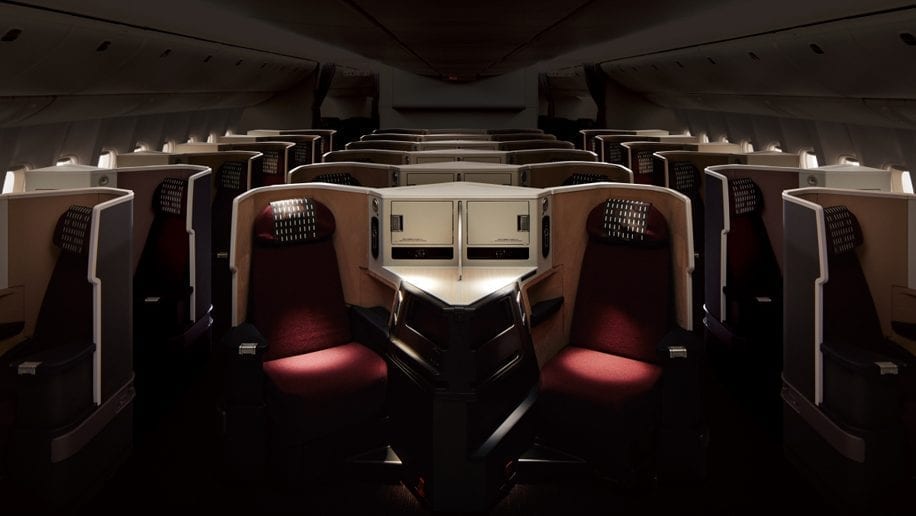
    The revised layout will notably be retrofitted with the fully flat JAL Sky Suite III business class seat – the same as its B777-200ER, which first began sporting the seat last June. Meanwhile the business class cabin itself will increase in capacity to 52 seats compared to the 44 with the aircraft’s current layout.

    The JAL Sky Suite III seats are laid out in a 1-2-1 configuration (the current layout has seats 2-2-2), providing all passengers with direct aisle access – and offer a maximum bed length of about 78 inches, a width of 21 inches (which can be increased to 29 inches with the armrest is stowed), and a width of 20 inches. Additional features include a 17-inch monitor, a retractable privacy partition, a universal power outlet and a USB port.

    Premium economy and economy class, meanwhile, won’t see a capacity change – a notable detail as it means Japan Airlines will be retaining its eight-across configuration in economy. Industry norm is for the B787-9 Dreamliner to be configured with nine-across seating, and Japan Airlines claims it is the only airline to offer eight-abreast in economy on the aircraft.

    Seating in premium economy will be the JAL Sky Premium (35 seats in a 2-3-2 layout), which offer about 42 inches of pitch and 19 inches of width. Dividers, a 12.1-inch monitor (10.6 inches for bulkhead seats), a universal power outlet and USB port also feature.

    Meanwhile economy class sports the airline’s JAL Sky Wider II seats, which have a pitch of about 33 inches and – due to the eight-across layout – a width of around 19 inches. Seats also have a universal power outlet, USB port and 10.6-inch monitor.

    The seating isn’t all that will be changing, though. A new “Magic-VI” in-flight entertainment system with some 300 films will be available, as will in-flight wifi.