Tag: Japan

  • Hublot Japan launches Kyoto townhouse outlet

    Hublot Japan launches Kyoto townhouse outlet

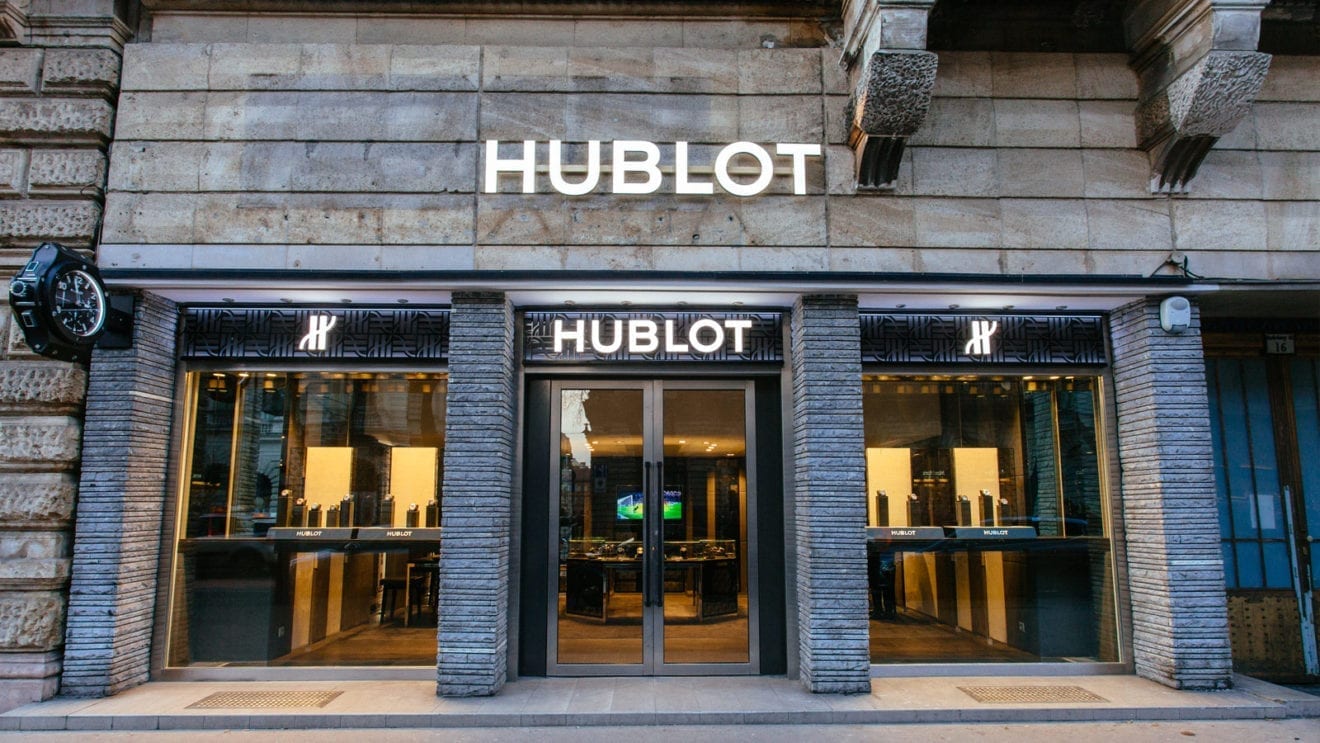
    Hublot Japan has opened a shop in Kyoto’s Gion district, its third directly run outlet.

    The Swiss luxury watchmaker has a store in Tokyo’s Ginza district and another in Osaka. The latest location is in Kyoto’s second Daimaru department store, which has just opened in a traditional Kyoto-style townhouse.

    Hublot Boutique Kyoto is on the ground floor of the two-storey townhouse store in Gion’s main street. A Japanese tearoom on the upper floor can be used for hosting events.

    Founded in Switzerland in 1980, Hublot mainly targets men in their late 30s and early 40s. The Kyoto shop will primarily carry timepieces priced at around ¥1 million (US$9080) to ¥2 million. The shop is a mixture of traditional Japan and 1970s US. A noren (traditional Japanese curtain) printed with the shop’s logo hangs at the entrance; inside, the walls are decorated with American pop art. The sofa is made from Nishijin-ori (a traditional Kyoto textile) while take-zaiku (bamboo crafts) and washi (Japanese paper) are also used in the shop.

    The shop carries some limited-edition items such as the Spirit of Big Bang All Black model.

  • A Bathing Ape launches online store

    A Bathing Ape launches online store

    Established in Tokyo in 1993, street-fashion brand A Bathing Ape has launched a global online store.

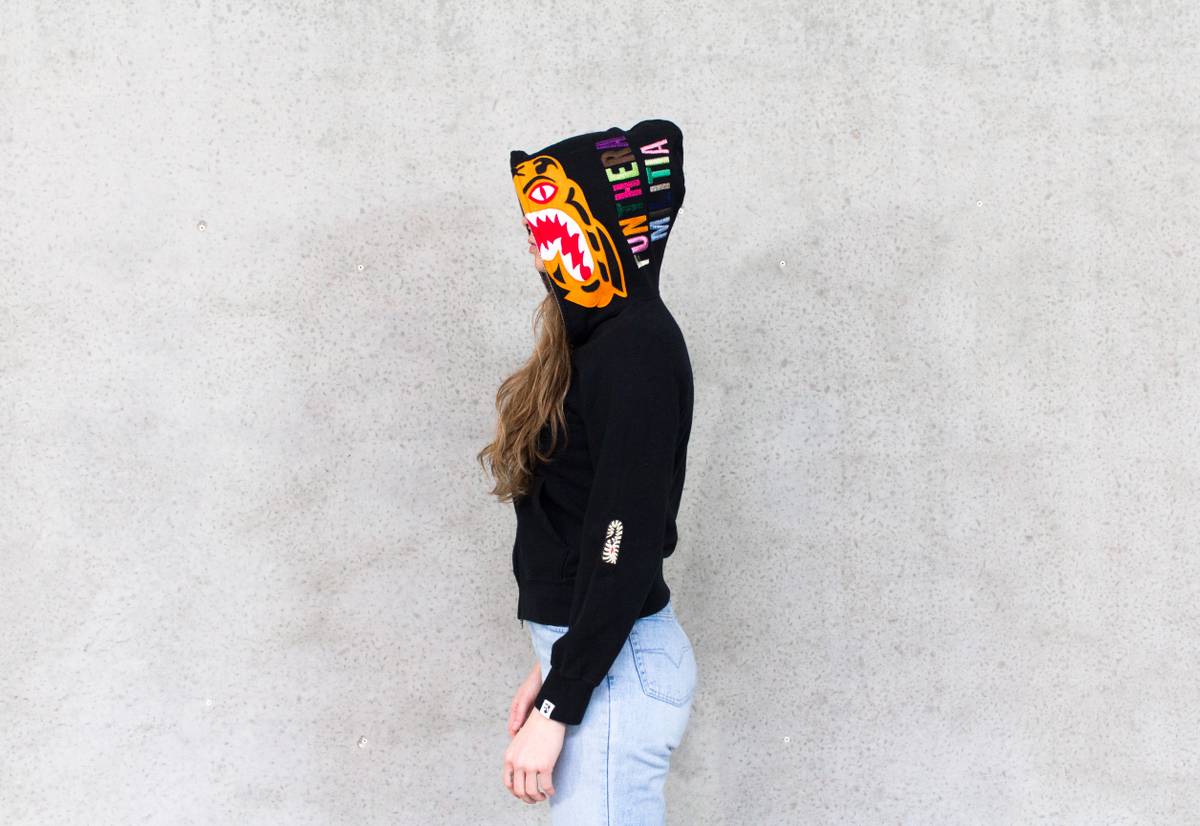
    Also known as Bape, the brand is known for its graphics, patterns and characters such as “Ape Head”, “Bape Camo”, “Bape Sta”, “Shark Hoodie” and “Baby Milo”. The  brand has expanded from being a men’s line to include women’s and children’s items.

    Bape has stores throughout Japan, in the UK and US, Hong Kong, China and other regions in Asia. BapeOnline is initially available for customers in Europe, with plans to expand to a more worldwide presence soon. To celebrate the launch, a special limited-edition t-shirt is being offered.

    A Bathing Ape was created by Nowhere Co, in the Tokyo suburb of Harajuku, and continues to expand with Bape Store, BapeExclusive, Bape Kids and A Bathing Ape Pirate Store.

  • Canada Goose wings way to Japan

    Canada Goose wings way to Japan

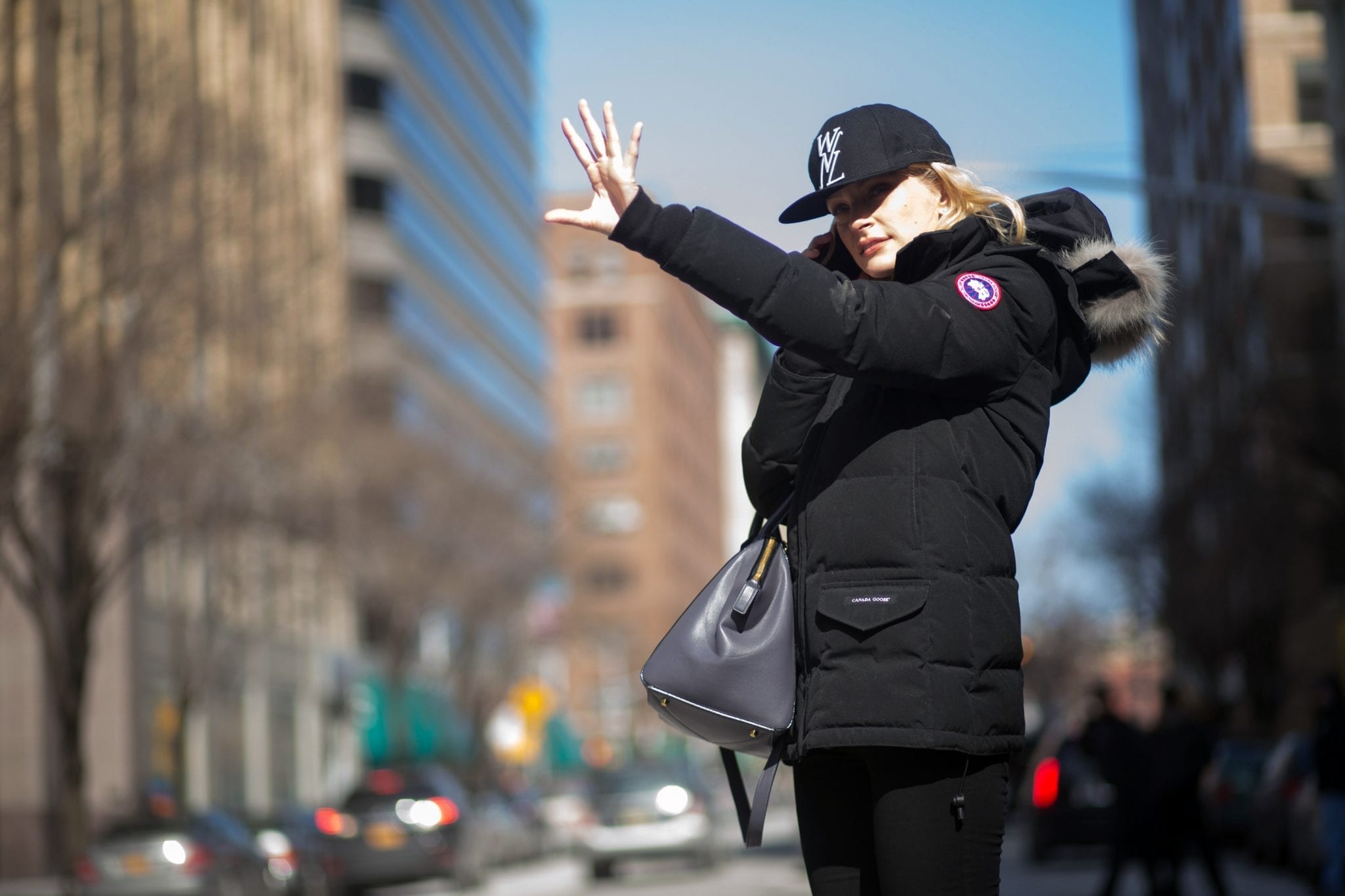
    Canadian winter-clothing brand Canada Goose, which listed last year, has already opened a store in Japan with plans also for a flagship.

    Its maiden store is for men only, opened in Tokyo’s Hankyu Department Store in Yurakucho, Chiyoda-ku, last week.

    The company says on its Facebook page that it launched Canada Goose Hankyu Men’s Tokyo because of demand created by severe cold in Japaan.

    Meanwhile, its planned 300sqm flagship, to be run by its distribution partners, will be in Tokyo’s Sendagaya district, reports Fashion Network.

    After listing last year, the brand launched in Toronto, following up with a New York store within a few months. It is also planning outlets in London and Chicago.

    Specialising in high-end down jackets and parkas, Canada Goose is also expanding at home with a store in Calgary before the end of year.

    In its first quarter, to the end of June, the label says it had strong sales growth, notably because of its monobrand stores and e-commerce. Sales grew from CAD$12.5 million (US$9.8 million) to $28.2 million, while gross margin rose 29.7 to 46.9 per cent.

    However, operating income was on the other side of the ledger with losses of nearly $15 million, the same as in the previous fiscal year.

  • Kith Treats arrives in Tokyo

    Kith Treats arrives in Tokyo

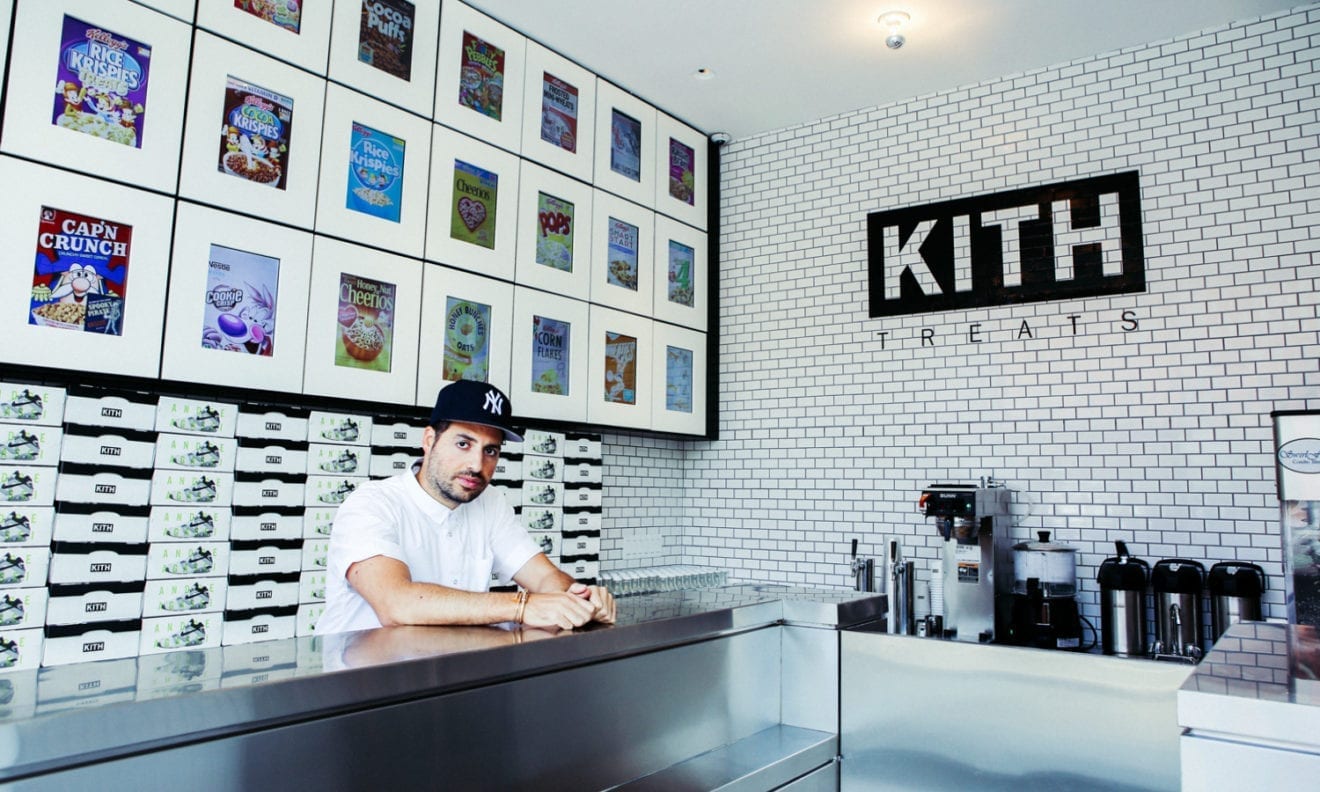
    This week, founder/designer Ronnie Fieg opened the doors to Tokyo’s very first Kith Treats located in the world-famous shopping district of Shibuya.

    Fieg teased the newest location on Instagram earlier this month by sharing a sketch of the shop’s exterior with caption, “Kith Treats Tokyo. See you soon.”

    The new space upholds the clean, monochromatic aesthetic of the original Kith Treats in Brooklyn.

    Carrara marble panels and stainless steel millwork dominate the inside, while the storefront features stainless steel tiles—a contemporary take on the classic ice cream parlor floors—and a large metal gate with a graphic of pouring milk.
    “Kith Treats is a childhood dream of mine. It’s a space where we’re able to relive our youth over again,” Fieg told Hypebeast in 2015. “[…]

    I’ve always believed that the footwear/apparel/retail business would act as a stepping stone for me. I’m looking for Kith Treats to evolve into many things in the future.

    Our Specials menu is comprised of artists and athletes that are personally close to me because I honestly just wanted to know their favorite cereal—because that’s how I judge people.

    In addition to the original Brooklyn bar, Kith Treats is also located in Manhattan and Miami. Each shop offers an extensive menu of cereal-based treats, like cereal ice cream swirls and cereal milkshakes.

    Many Fans came early to queue to get their Treats.

    Kith Treats Tokyo is open seven days a week from 11 a.m. to 8: 30 p.m. at 1-19- 14 Jinnan, Shibuya-ku, Tokyo.

  • Japan to make Olympic medals from old cellphones

    Japan to make Olympic medals from old cellphones

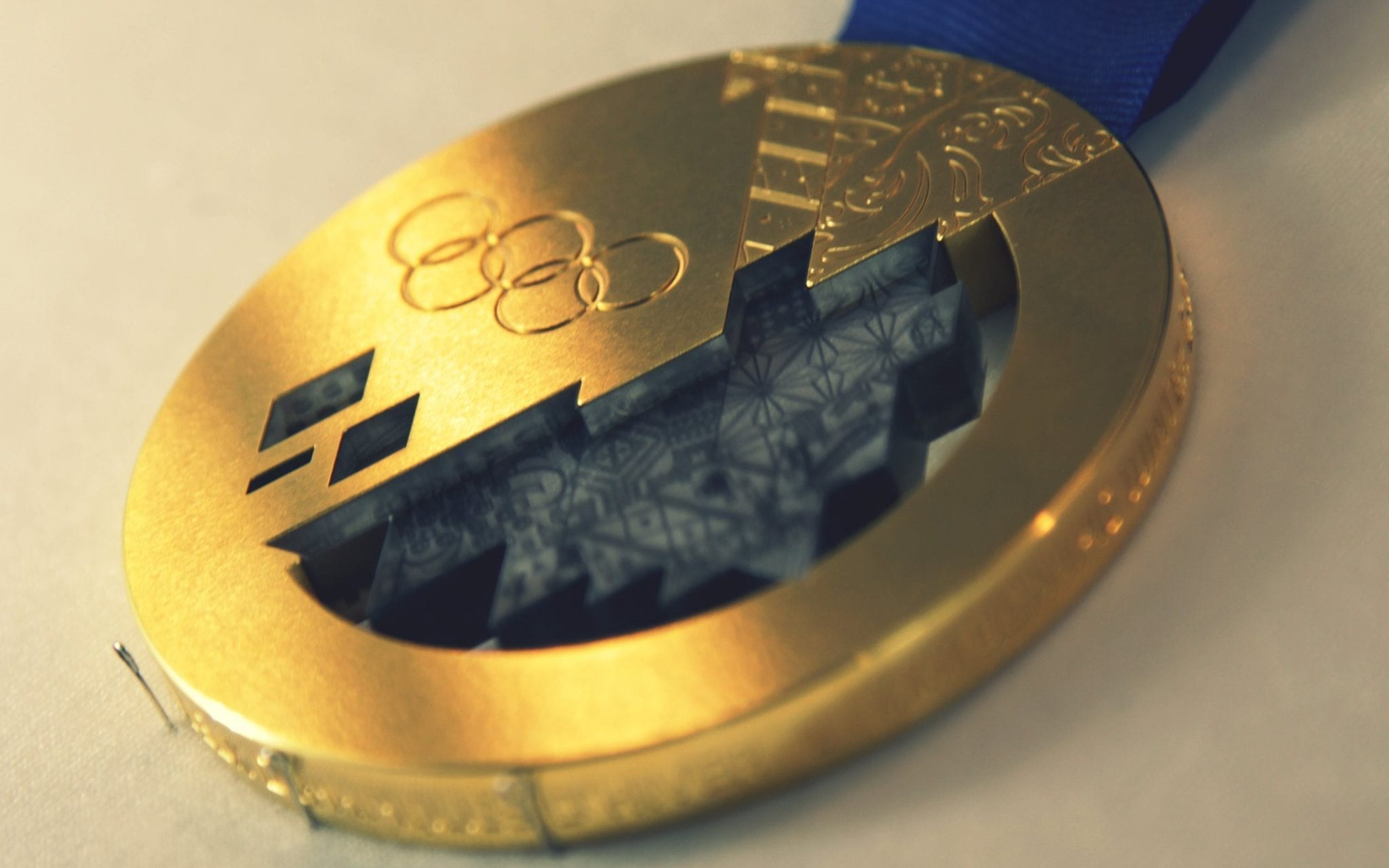
    Japan will make the medals for the 2020 Olympic Games using recycled consumer electronic devices such as cellphones and home appliances.

    “Japan is undertaking an interesting project,” Nakagawa Masaharu, Japan’s environment minister, said during an environmental ministers’ meeting for China, Japan and Korea in Suwon, south of Seoul, Friday. “This is very meaningful in that it recycles rare metals and makes people think about the environment.”

    The minister also showed interest in cooperation with Korea and China.

    “We recognize that collecting rare metals from used devices is a very important issue. In the future, we would like to think about possible cooperation between the three countries, Japan, Korea and China,” the minister said.

    Since the project was announced in February, the Japanese government set up collection boxes at local offices and retail shops across the country, according to news report. According to Japan’s environment ministry, by the end of May, it had collected 106 tons of electronic devices. In addition, 530,000 cell phones have been collected.

    Altogether, Japan needs 5,000 medals, gold, silver and bronze, and traditionally, the Olympic game host cities have purchased the metals from companies.

    Electronic devices are valuable sources of rare earth metals, including gold, silver, nickel and lithium.

    Gold and silver are found in mobile phones, tablet and laptop computers, CD players, DVD players, TV sets, microwaves and others.

    Efforts have been made to recycle recyclable electronics. Currently, some are dumped to be buried or burnt down, but also shipped to places such as China and India where the metals get separated by chemical processes and reused.

    Greenpeace, a global environmental NGO, was at the forefront of rare metal recycling campaigns, by pushing cell phone and tablet makers.

    The cooperation among China, Japan and Korea in making medals, if realized, will score a major positive point with their complex relations.

    Common history and North Korea have for long been sources of tensions among the three countries. Between Korea and Japan, the Dokdo islets and the former sex slavery of the Japanese military in WWII are thorny issues. Two Sino-Japan wars left the bilateral relations between Japan and China on the ice. Between China and Korea, the deployment of the U.S. anti-ballistic missile defense system is an unsettling problem.

    Environmentally speaking, yellow dust from Inner Mongolia and dust from fast-industrializing China has caused deep concerns for Koreans and Japanese, with some individuals and news media outlets demanding China apologize and compensate potential victims. The three ministers have met for 19 years now to discuss environmental issues and cooperation.
  • Belstaff Japan opens in Hankyu Men’s Tokyo

    Belstaff Japan opens in Hankyu Men’s Tokyo

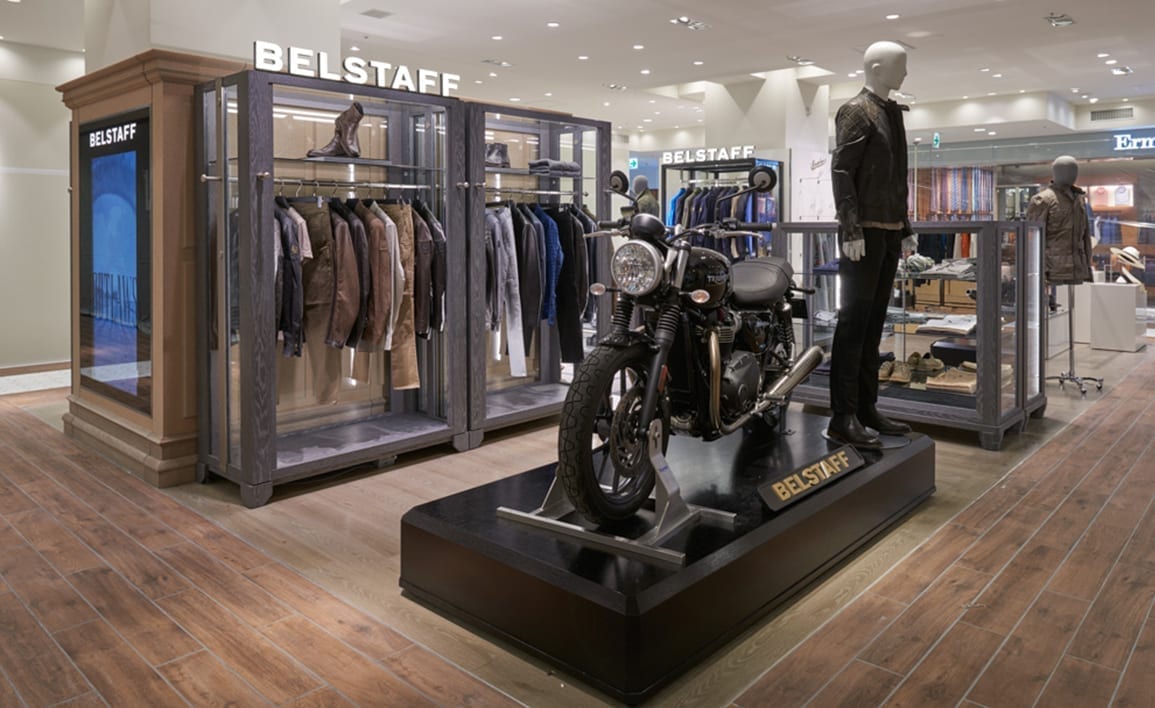
    Belstaff Japan has opened its fifth store, in Hankyu Men’s Tokyo, 18 months after the British fashion brand’s arrival in the nation.

    As well as the men’s AW 17 collection, the new outlet features a limited-edition leather jacket, and from next month will offer a limited-edition capsule collection in collaboration with Japanese street label Sophnet.

    The new store’s interior features black raw-steel rails offset by a brighter light concept that highlights products and materials.

    Belstaff will launch a men’s pop-up store in Hankyu Men’s Osaka from October to November.

  • Japan department stores see sales ease

    Japan department stores see sales ease

    Department-store sales in Japan fell 1.4 per cent last month on a same-store basis because of weak clothing and food sales, reports the Japan Department Stores Association.

    Sales at 229 stores run by 80 companies totalled ¥547 billion (US$5 billion), says the association. Sales decreased as most of the stores had moved their summer sale period to June, pushing down sales of clothes that would have sold well in July during a discount period.

    Accounting for 29.8 per cent of overall sales, the clothing category declined 5 per cent while there was a 2 per cent drop for food items, furniture and other home-use items.

    Among 10 major cities, Nagoya recorded the highest fall, 4.8 per cent, and Hiroshima a 3.4 per cent drop from July last year.

  • Beard Papa’s plans to puff up Asia presence

    Beard Papa’s plans to puff up Asia presence

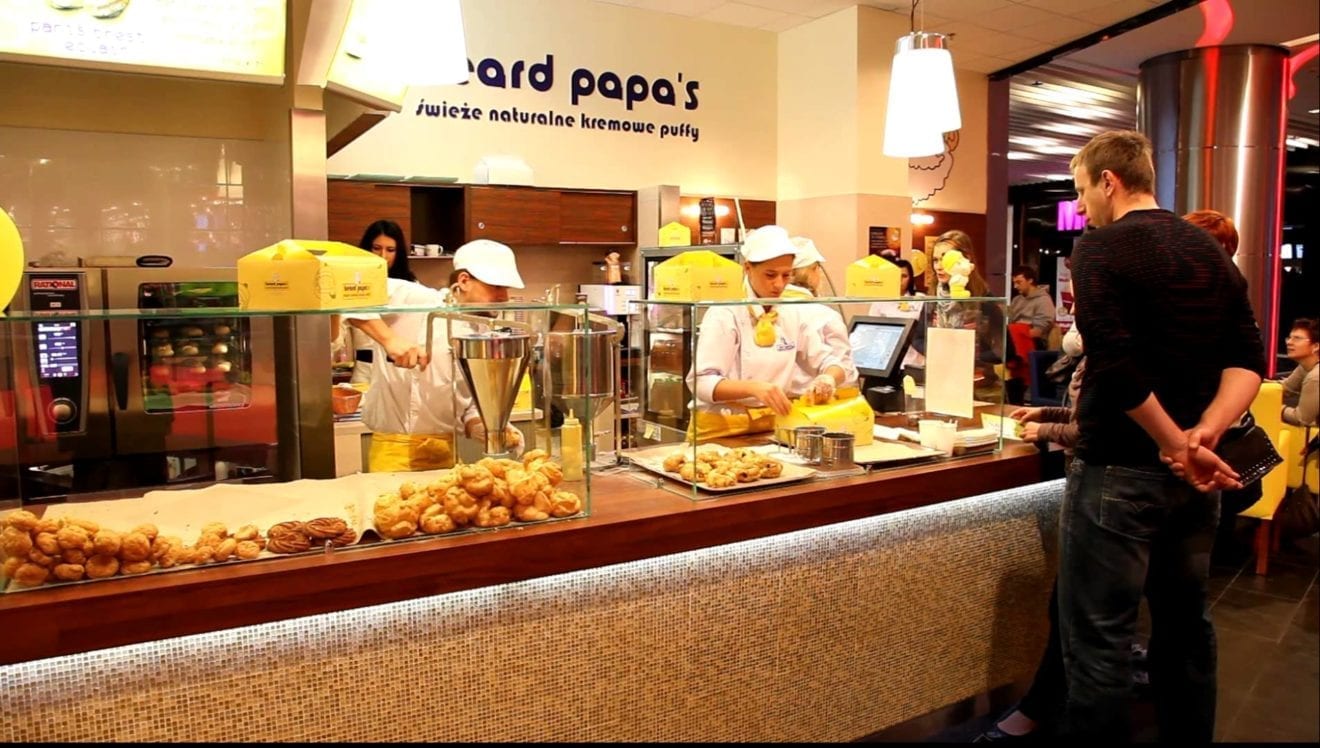
    Japan’s Beard Papa’s chain of cream-puff shops is expanding with a target of 150 outlets before year’s end in Asia beyond its home market.

    Run by Muginoho Holdings, the brand is known for adding fillings to its freshly baked choux pastries in front of customers, as well as its trademark, a bearded fellow in a woolly cap.

    Most of the planned locations will be managed as franchises, which are already proving efficient for the brand.

    One example is the Beard Papa’s inside Soekarno-Hatta International Airport in Jakarta, which has monthly sales totalling about ¥10 million (US$90,400).

    A store at Bangkok’s Don Mueang Airport has been almost matching the chain’s top performers since it opened on July 14.

    The linchpin of the regional business is a plant in Singapore set up in 2014 as Muginoho’s second production base.

  • Hansa Heavy Lift delivers six RTG cranes from Japan to Turkey

    Hansa Heavy Lift delivers six RTG cranes from Japan to Turkey

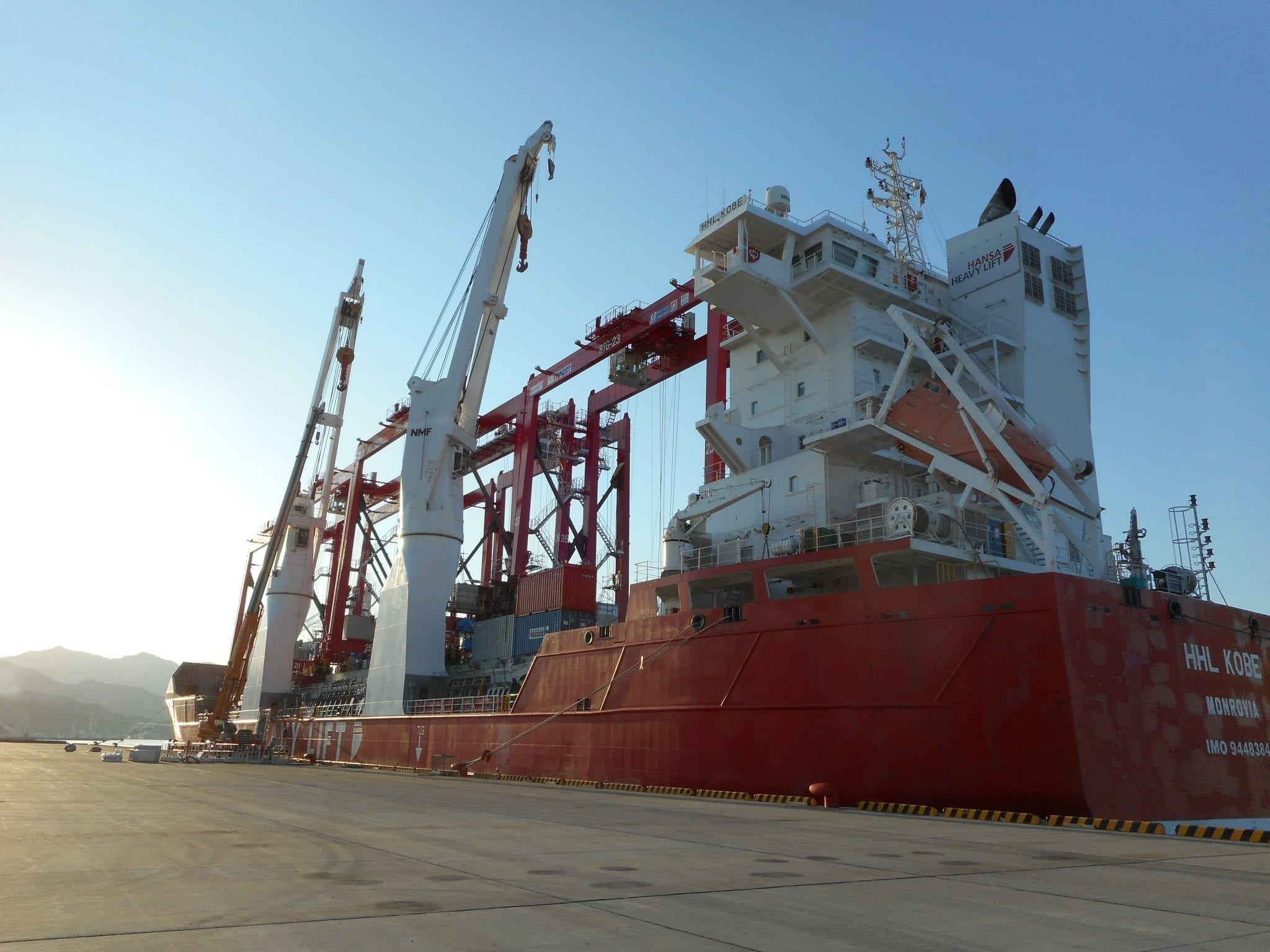
    Hansa Heavy Lift has transported six rubber tyred gantry (RTG) cranes, each weighing 135 metric tonnes and measuring 28.9 by 11.3 by 26.6 m, from Japan to Turkey.

    All units were loaded onto the vessel HHL Kobe at the port of Saiki in southern Japan, with two of the cranes being discharged at the port of Gebze and the remaining four at the harbour of Gemlik, in Turkey.

    “This was an unusually high number of RTGs being transported on a P2-800 vessel, compelling us to extend the deck as well as ensure there was sufficient space between the units, so that all cargo could be accommodated safely,” said Mohammad Abbas, project engineer, Hansa Heavy Lift.

    “Due to the sensitivity of the cargo units, additional precautions needed to be taken, including a motion response analysis to determine the effects of any accelerations on the cargo during the voyage.”

    “Strong cooperation between the crews and stevedores at the ports of loading and discharge ensured the project was executed seamlessly, within the tight timeframe that had been assigned.”

    The deck extension included six metres to the aft side and three metres to the starboard side, as well as a total of 11 tween deck pontoons being stowed on deck to accommodate all units.

    The strength of the extension tween deck panels was verified through a finite element analysis, to demonstrate that the overhung deck was sufficiently safe and durable enough to support the cargo.

    A 3D model assimilation was also created before the start of the voyage to check the clearance between the RTGs and vessels’ cranes due to the large size of the units.

    The project was carried out on behalf of Mitsui Engineering and Shipbuilding, with Yilport Konteyner Terminal Ve Liman Isletmeleri A.S. acting as the charterer.

    “By optimising the number of cranes transported on a single vessel, Hansa Heavy Lift presented us with a very cost-effective and efficient option,” said Selami Mercan, Engineering Service Director, Yilport Holding Inc.

    “The entire project, from planning to delivery, was handled with care and ease, and we would be eager to work with Hansa Heavy Lift again in the future.”

    Hansa Heavy Lift specialises in the super heavy lift 900+ metric tonnes industry, delivering best-in-class engineering solutions to customers, particularly in the subsea, oil and gas, and the offshore wind farm sectors.

  • Japan economy posts longest expansion in over a decade

    Japan economy posts longest expansion in over a decade

    Economy expansion was driven by robust domestic demand and capital spending. Japan’s economy grew 1.0 percent in the April-June period, notching up its sixth straight quarter of growth and its longest economic expansion in over a decade, government data showed Monday.

    The growth in Japan’s GDP — 4.0 percent at an annualized rate — blew past market expectations for a 0.6 percent rise, and was well up from a 0.4 percent expansion in the first quarter, according to figures from the Cabinet Office.

    The world’s number three economy has been picking up steam, mainly on the back of a surging exports including smartphones parts and memory chips, with investments linked to the Tokyo 2020 Olympics also giving growth a boost.

    But the latest GDP figures were driven by robust domestic demand and capital spending, which offset a quarterly decline in exports.

    Private consumption picked up 0.9 percent in the second quarter — individual spending accounts for more than a half of Japan’s GDP.

    The labor market is tight and business confidence is high but efforts to lift inflation have fallen flat despite years of aggressive monetary easing by Japan’s central bank.

    The latest reading nonetheless means Japan’s economy has had its best string of gains since 2006, during the tenure of popular former prime minister Junichiro Koizumi.

    Monday’s figures are good news for the current prime minister Shinzo Abe — whose brief and underwhelming first term as Japan’s premier came directly after Koizumi.

    A string of short-term leaders followed before Abe swept back to power in late 2012 on a pledge to reignite Japan’s once-booming economy with a plan dubbed Abenomics.

    The scheme — a mix of huge monetary easing, government spending and reforms to the economy — stoked a stock market rally and fattened corporate profits.

    But critics have cast doubt on the plan, as heavily-indebted Japan grapples with low birthrates and a shrinking labor force.

    Abe has seen his public support rating plummet in the past few months over an array of political troubles, including allegations of favoritism to a friend in a business deal.

    Japan has been struggling to defeat years of deflation and slow growth that followed the collapse of an equity and property market bubble in the early nineties.

    The Bank of Japan, aiming to create two-percent inflation as a key part the growth bid, now expects to reach that goal by sometime in the year to March 2020 — four years later than planned.

    Falling prices can discourage spending by consumers, who might postpone purchases until prices drop more or look to save money instead.

    That puts pressure on businesses, creating a cycle in which firms then cut back on expanding production, hiring new workers or boosting wages.

  • Sombre reflection on noticeboard of Nagasaki Starbucks

    Sombre reflection on noticeboard of Nagasaki Starbucks

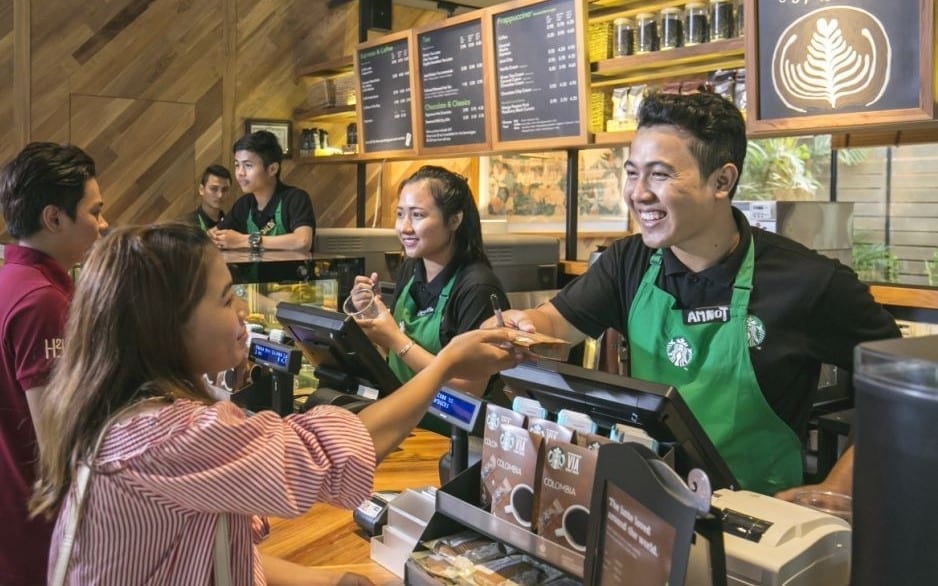
    Usually, the handwritten message of the day at Starbucks cafes are light-hearted, but to mark the anniversary of Japan’s surrender that ended World War II, a Nagasaki Starbucks outlet decided to take a more serious tone.

    Nagasaki was one of two Japanese cities destroyed by a nuclear bomb near the end of the conflict.

    “Almost all the beans for the coffee we drink are imported from Africa, the Middle East, Latin America and other regions … A year from now, that coffee might no longer be available because of civil war and other conflict,” says the message.

    It says coffee can actually come from perilous parts of the world.

    “You probably don’t think of the concepts of war and peace having such a direct connection to yourself, but now, as you’re drinking your coffee or frappuccino, knowing that you might not be able to do so in the future, is this not an opportunity to reflect on peace?” the message continues.

    “This is the 72nd summer since the end of World War II. What does ‘peace’ mean to you?”

    “Hate has no home here”

    Meanwhile, in the US, Starbucks executive chairman Howard Schultz convened a forum in Seattle entitled “Hate has no home here”.

    A small rock Schultz had brought back from the Auschwitz concentration camp 17 years ago was passed around as “a tangible reminder of unchecked hate” as the gathering addressed the recent events in the US involving white supremacists and neo-Nazis.

    “I come to you with profound, profound concern about the lack of character, morality, humanity, and what this might mean for young children and young generations,” he told the crowd of more than 500 in the room, plus 1000 in overflow areas. “We are imprinting them with levels of behaviours and conduct that are beneath the United States of America.”

    He said it was a critical juncture in American history. “The moral fibre, the values and what we as a country have stood for is literally hanging in the abyss.”

    For 90 minutes, as the rock circulated around the room, Schultz shared his thoughts, followed by Starbucks partners.

  • Muji Japan adds groceries, mini-house to flagship

    Muji Japan adds groceries, mini-house to flagship

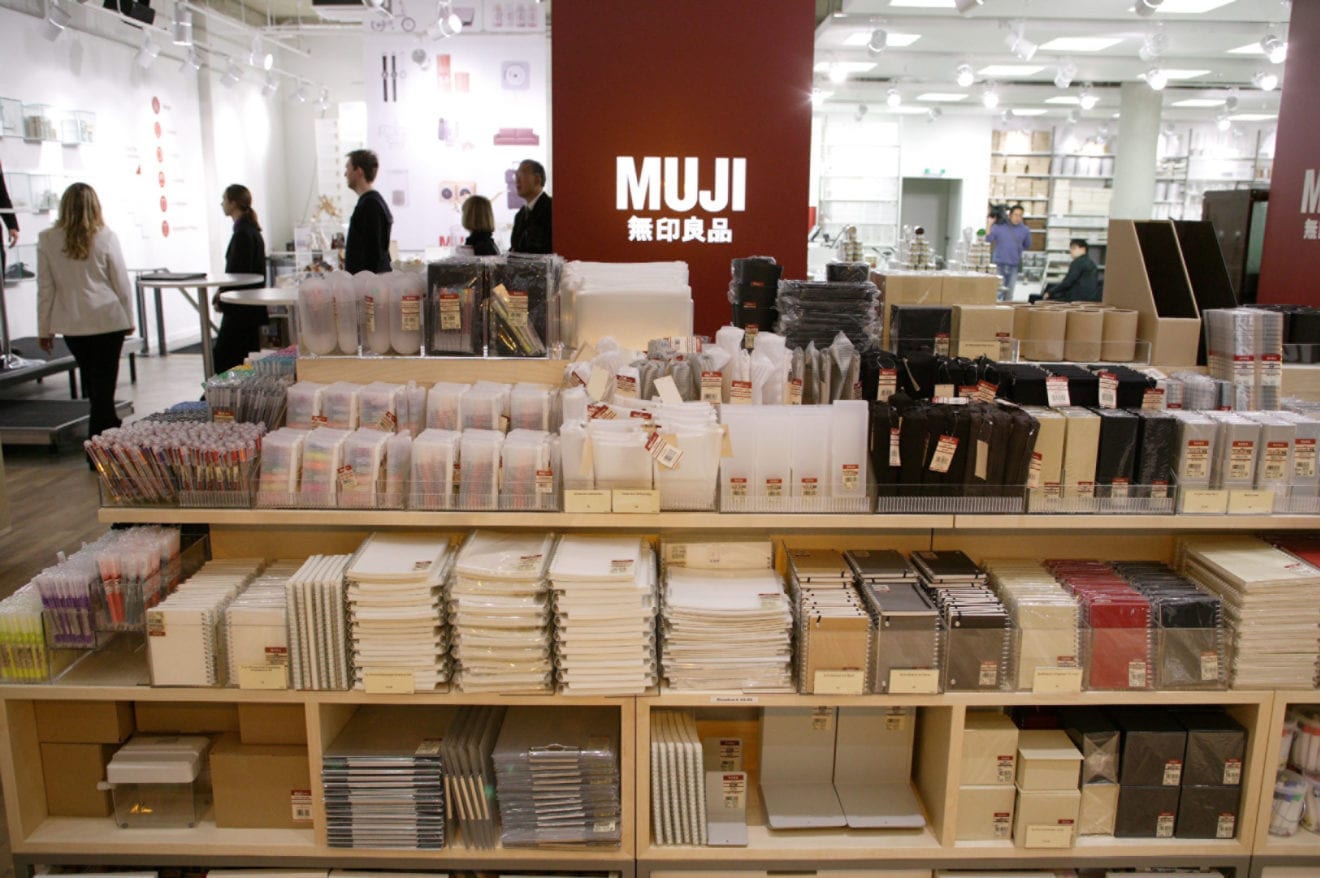
    In a redesign, housewares company Muji Japan has added groceries and even a miniature house to its global flagship store in Tokyo.

    It draws its inspiration from the core necessities of survival: food, shelter, clothing and food, reports Curbed.com.

    “Among the basic lifestyle needs, food is the most fundamental and indispensable aspect,” says the store’s opening announcement.

    This is why the flagship is the first Muji store in the world with a fruit and vegetable market. All the produce, grown with little or no fertiliser or pesticides, is sourced directly from growers who add notes to customers near their items. There are also 300 grocery items such as spices and snacks.

    A second-floor cafe serves bread and soup made from the produce available downstairs.

    On display is a simple Muji Hut – a tiny black timber house with interior designers on hand to answer questions. Its one room is fitted out as a music room and retreat.

  • Miniso Philippines opens two more outlets

    Miniso Philippines opens two more outlets

    Japanese lifestyle brand Miniso Philippines has opened two more outlets in Manila, with four to follow soon.

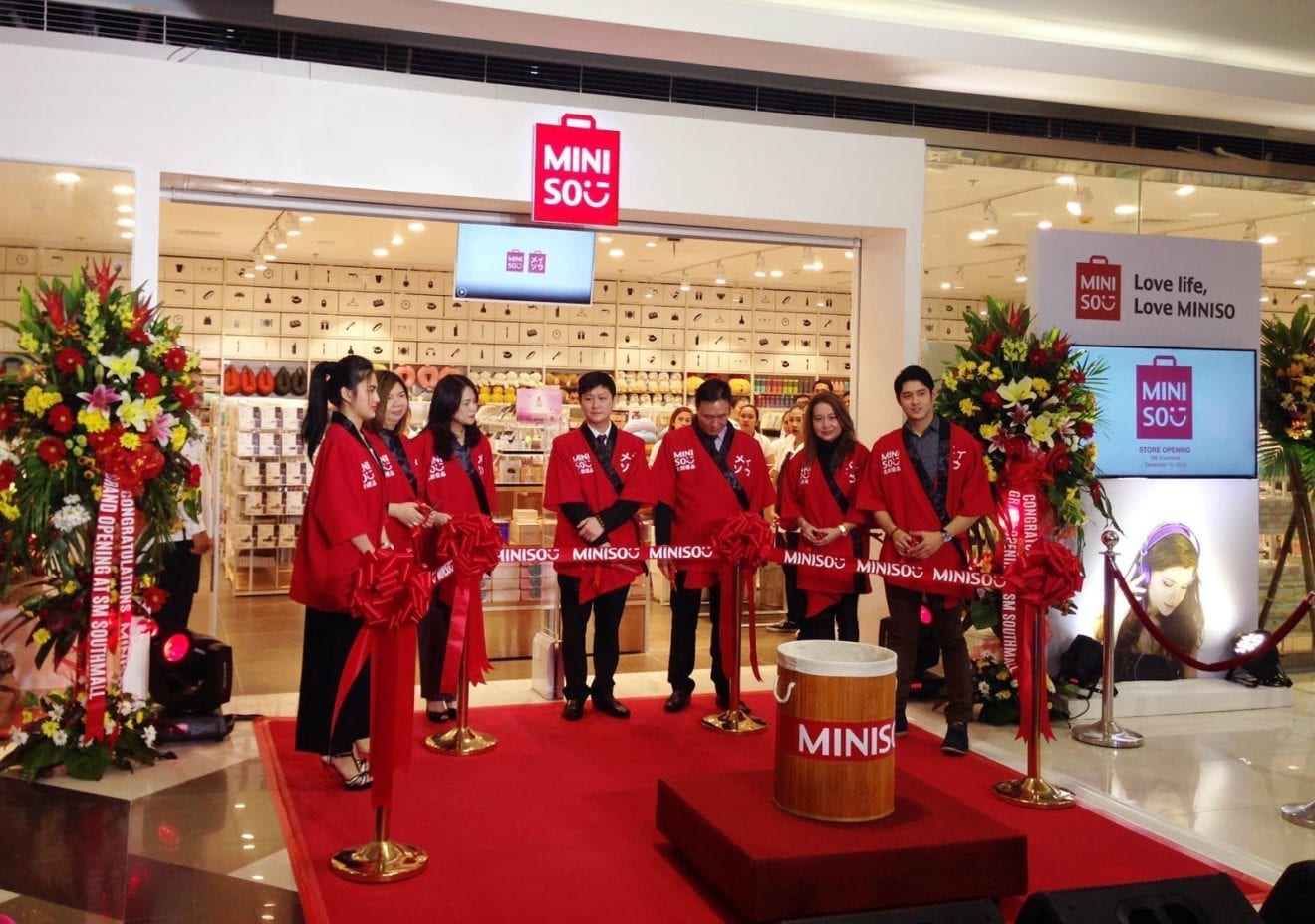
    Its first store in the Philippines, at Robinsons Place Manila, opened in June, with the latest stores in SM City San Lazaro and SM City Manila.

    Miniso has more than 1400 retail stores in more than 40 countries and regions. The grand opening of its SM City Manila outlet featured Filipino teen actor Ruru Madrid and actress Gabbi Garcia, both from GMA Network, along with City of Manila vice-mayor Honey Lacuña, Miniso partners and mall executives

    Miniso was jointly founded by designer Miyake Jyunya and Chinese entrepreneur Ye Guofu with a brand proposition of “simplicity and going back to the essence”.

    More 80 per cent of the brand’s products designs originate from China, Japan, Korea, Malaysia and Singapore. Products include home necessities, jewellery, seasonal items, digital accessories, office supplies, beauty products, stationery gifts, and food and drinks. Miniso stores can be found in Australia, China, Hong Kong, Japan, Korea, Laos, Myanmar, Nepal, Singapore, Thailand and Vietnam.

  • SoftBank invests $2.5b in Flipkart to stop Amazon

    SoftBank invests $2.5b in Flipkart to stop Amazon

    SoftBank has just announced its biggest investment in India: a whopping US$2.5 billion in Indian ecommerce company Flipkart.

    With this latest funding round, Flipkart boasts of over US$4 billion in cash on its balance sheet and SoftBank has become its largest shareholder.
    It’s the biggest ever private investment in an Indian technology company. “This is a monumental deal for Flipkart and India,” said Binny Bansal and Sachin Bansal, co-founders of Flipkart in an announcement made today.

    Neither SoftBank nor Flipkart disclosed the exact amount of funding which came from SoftBank Vision Fund, but sources said it is a little over US$2.5 billion.
    Last week, Tech in Asia reported that SoftBank was in talks with Flipkart for an investment after rival company Snapdeal, whose biggest investor is SoftBank, walked out of a distress sale to Flipkart. The deal was being negotiated for months.
    SoftBank is the largest investor in Snapdeal and Paytm, India’s two other homegrown ecommerce leaders. It made a solo investment of US$1.4 billion into Paytm earlier this year. “India is a land of vast opportunity.

    We want to support innovative companies that are clear winners in India because they are best positioned to leverage technology and help people lead better lives,” said Masayoshi Son, founder, chairman, and CEO of SoftBank.
    Last year, Jeff Bezos announced an additional investment of US$3 billion in Amazon India, on top of an initial US$2 billion back in 2014.

    The investment by SoftBank is part of the April funding round in which Flipkart had raised US$1.4 billion in capital from Tencent, Ebay, and Microsoft.

    The latest capital infusion by SoftBank – a mix of primary and secondary capital – will give Flipkart enough ammunition to fight the giant Amazon further.

    Launched in October 2007, Flipkart is India’s biggest homegrown ecommerce marketplace and has raised nearly US$5 billion in capital.

  • SoftBank developing Twin Access mobile service

    SoftBank developing Twin Access mobile service

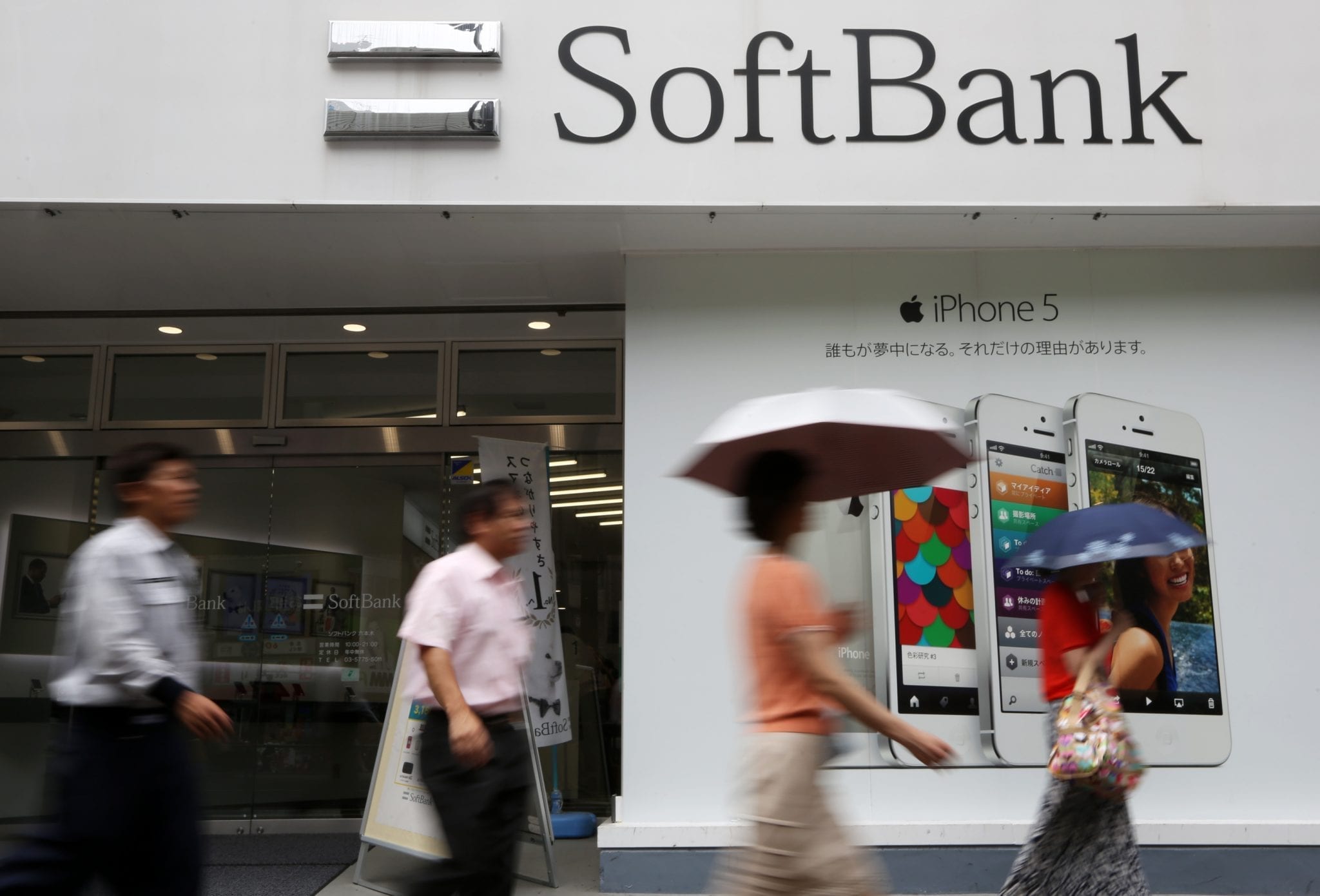
    Japan’s SoftBank is developing a new Twin Access mobile network service for enterprises using equipment from NEC.

    The Twin Access service provides two simultaneous mobile network connections to maintain a state of constant, active connectivity between NEC line terminal equipment and devices employing virtualization technology.

    It uses the packet copy capsuled (PCC) technology jointly developed by SoftBank and NEC to offer improved transmission quality with higher packet arrival rates than conventional single mobile line systems.

    SoftBank VP for networks Takenori Kobayashi said the service is designed to be used as an alternative to fixed broadband networks.

    “Because of its high quality of service, Twin Access can be used at locations where optical fiber lines are not provided, or as an alternative to metal-wired lines such as DSL or digital access,” he said.

    “In addition, by utilizing the unique features of mobile networks, such as their freedom from cable installations, Twin Access makes it possible to build flexible, economical, short-term networks; such as temporary networks for use at construction sites and event venues.”

    SoftBank and NEC plan to conduct field trials of the technology ahead of the full-scale commercial launch of Twin Access by October. SoftBank aims to deploy the new service in Japan as part of the access lineup for its Smart VPN service.