Tag: Japan

  • FamilyMart expands to 24hrs gym

    FamilyMart expands to 24hrs gym

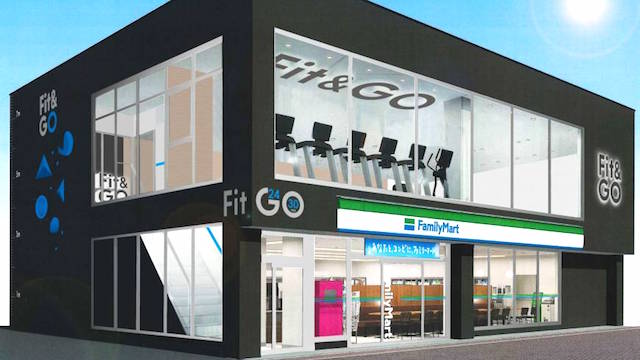
    Japan’s FamilyMart is about to launch a fitness club chain, Fit & Go.

    Like its convenience stores, the gyms will be open 24 hours a day.

    Around-the-clock gyms have been growing in popularity in Japan, mainly supported by the age range of FamilyMart’s primary customer demographic, as reported. While equipment may vary, all locations will offer treadmills and weight machines, as well as personal trainers, says FamilyMart. There will also be showers.

    A certain amount of synergy is expected by the company as customers can buy workout-related items such as towels, soap and dietary supplements in the neighbouring convenience store.

    Attached to FamilyMart in Tokyo’s Ota ward, the first Fit & Go is expected to open in February.

    “While the gyms won’t have as much floor space as larger fitness centres, the aim is to provide a convenient place for people to get in a quick 30-minute workout at the start or end of their daily commute,” says Sora News 24. “It could be a great way to stay in shape, provided you don’t make a habit of rewarding yourself with a piece of FamilyMart’s fried chicken after you’re done.”

  • Mitsui Outlet Park continue its opening phase

    Mitsui Outlet Park continue its opening phase

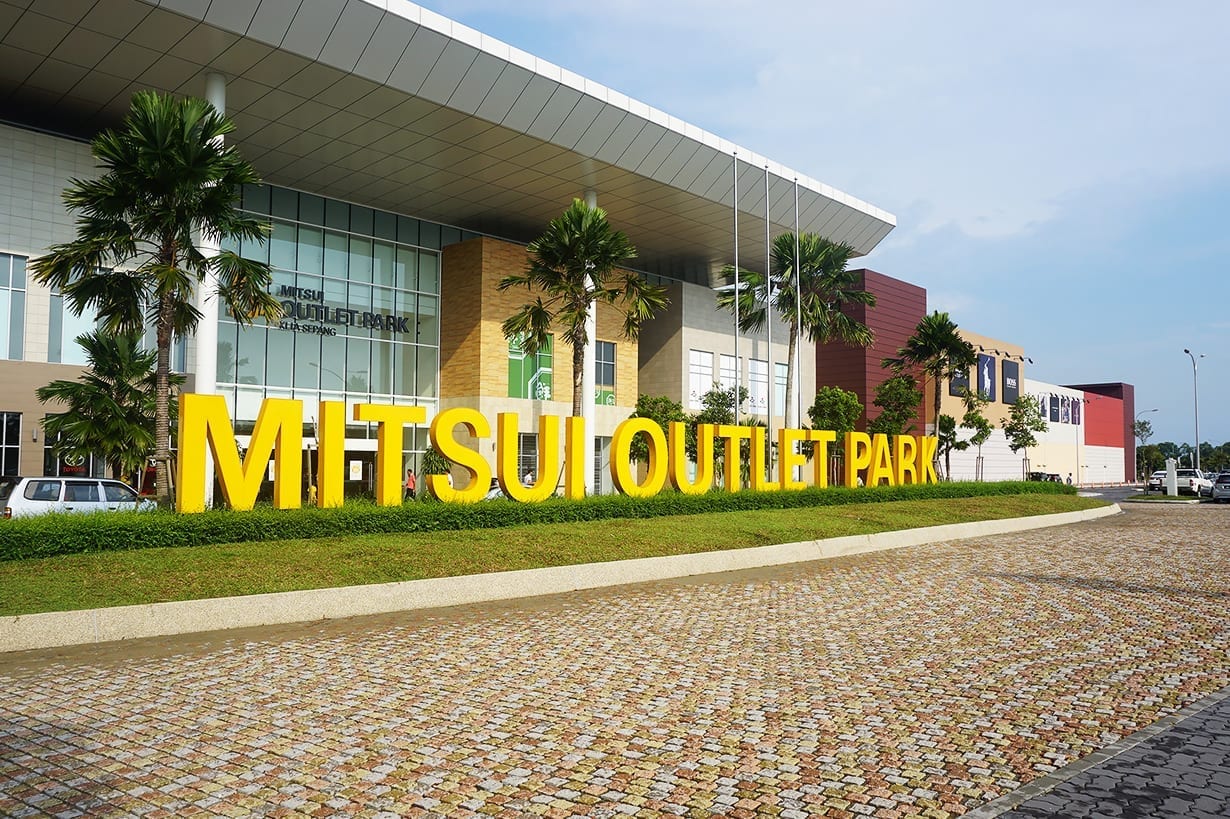
    About 35 new stores are lined up for the soft opening of phase two of Mitsui Outlet Park KLIA Sepang on December 15.

    An official launch is slated for February, says Mitsui Fudosan (Asia) Malaysia, which runs the project in a JV with Malaysia Airport Holdings, MFMA Development.

    Shops making their first appearance in Malaysia include Hummer bags store and The Beauty Laboratory by Shiseido.

    “The expansion will also introduce a good retail mix ranging from fashion apparel and accessories, sports and kidswear to cosmetics and personal care, with diversification into entertainment and amusement as well as specialty stores,” says Mitsui Fudosan.

    Phase 2’s environmental design follows the park’s “tropical resort” theme and also features the Sky Walk, River Walk and Forest Walk. The first phase opened in May 2015.

    Headquartered in Japan, Mitsui Fudosan is expanding in Asia with Shanjing Outlet Plaza Nimbo and Mitsui Outlet Park Linkou in Taiwan.

    For next year the group plans to open Mitsui Outlet Park Taichung Port in Taiwan, followed by Mitsui Shopping Park LaLaport Shanghai Jinqiao in 2020 and Mitsui Shopping Park LaLaport Kuala Lumpur in 2021.

  • Japan inflation ticks up but far from target

    Japan inflation ticks up but far from target

    Japan’s consumer prices rose for the 10th straight month in October, government data showed Friday, but inflation was still far from the target seen as crucial to revive the world’s third-largest economy.

    The core inflation rate was 0.8 percent year-on-year in October, according to data published by the internal affairs ministry, far below the two-percent target set by the Bank of Japan (BoJ).

    When the volatile prices for fresh food and energy were stripped out, prices rose by even less — 0.2 percent, the ministry said.

    Japan’s economy has battled deflation for many years and the BoJ’s ultra-loose monetary policy appears to be having limited impact.

    Other data showed that October household spending — seen as key for exiting deflation — remained flat compared to the same month a year earlier.

    However, this was better than the 0.3-percent drop market analysts were expecting.

    Household spending had fallen by 0.3 percent in September after rising by 0.6 percent in August.

    The unemployment rate remained unchanged at 2.8 percent for the fifth consecutive month, also in line with market expectations, the ministry said.

    Japan has notched up seven straight quarters of economic growth — the longest positive run for 16 years — with the upcoming 2020 Olympic Games giving the economy a shot in the arm.

    However, consumer spending has remained weak and deflation continues to stalk the economy.

    Japan’s weak inflation stands in sharp contrast to other major economies whose central bankers are looking to wind up their easing policies.

    The U.S. Federal Reserve is widely expected to hike rates for the third time this year in December and U.S. policymakers have forecast another three rate hikes in 2018.

    Meanwhile, the European Central Bank has announced it would halve its massive bond purchases from January as the eurozone recovery gathers pace, allowing the Frankfurt institution to begin winding down its crisis-era stimulus measures.

  • Nissan’s Japan car sales slide for second month after compliance scandal

    Nissan’s Japan car sales slide for second month after compliance scandal

    Nissan Motor Co’s sales of domestic passenger cars fell by almost half in November – its second straight month of slides in the wake of a compliance scandal and its first since it resumed production of cars for the home market.

    Revelations that Nissan failed to follow proper final inspection procedures for its domestic market cars have resulted in a recall of 1.2 million cars and a halt to production of vehicles it makes for the Japanese market over three weeks to early November.

    Japan’s second-biggest automaker has previously said it would take a month or so until production returns to regular levels.

    Its sales of passenger cars, excluding minivehicles, tumbled 46.8 percent in November from a year earlier to 16,888 vehicles, the Japan Automobile Dealers Association said on Friday. That follows a slide of around 53 percent in October.

    Nissan said in October that uncertified inspectors had for decades signed off on vehicle checks required by the transport ministry for cars sold in the country. It has blamed staffing shortages and said it would increase the number of trained staff to prevent a recurrence of the issue.

    The checks are not required for exported vehicles.

    The scandal at Nissan has come amidst a raft of scandals at Japanese manufacturers that have raised questions about compliance and quality control, including a data falsification scandal at Kobe Steel Ltd (5406.T).

    Subaru Corp (7270.T) has also admitted it had not been following proper inspection issues going back around 30 years. Last month, sales of its passenger cars fell 13 percent from a year ago.

  • More discount from Don Don Donki for Singaporean

    More discount from Don Don Donki for Singaporean

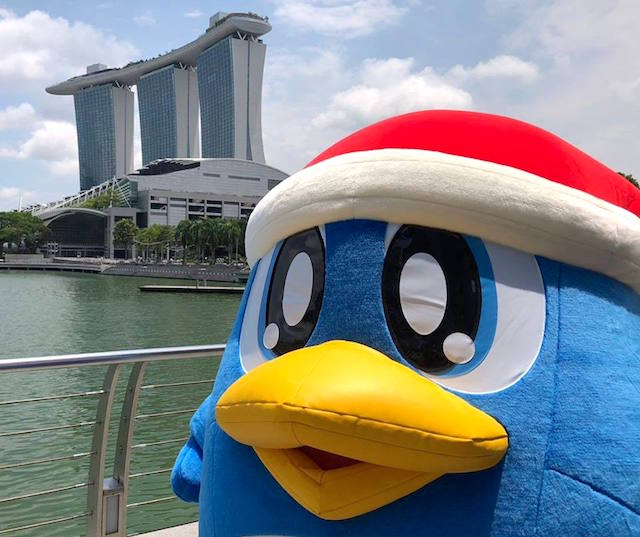
    Japanese discount store Don Don Donki opens its first Southeast Asian outlet at Orchard Central today, to be followed by a second outlet at the 100 AM mall in Tanjong Pagar in June.

    The aim is to have at least 10 stores in Singapore within the next four or five years.

    Over two storeys, the Orchard Central megastore will be open 24/7 and also feature a “night market” concept featuring eight dining outlets in partnership with food manufacturer Hokkaido Marche. This section will launch next month and be open only during dinner hours.

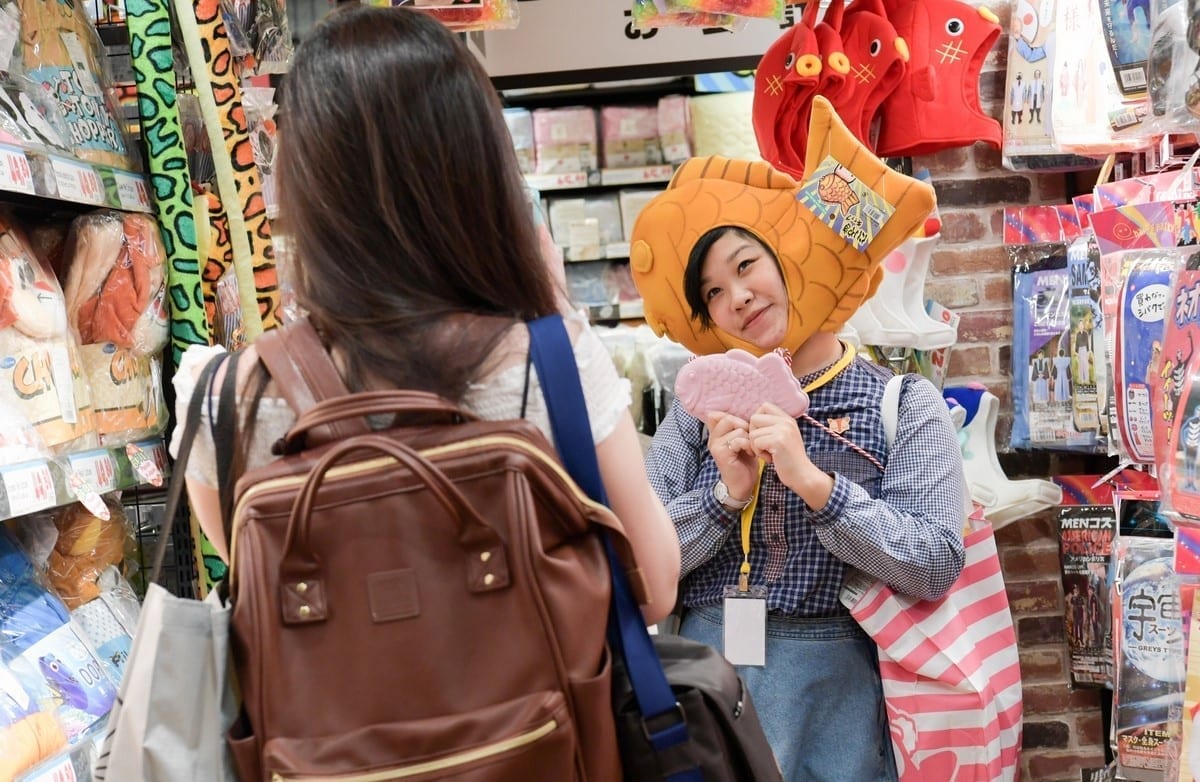
    Don Don Donki’s product range of about 30,000 items was curated for Singapore and spans fresh and processed foods, vegetables, meat, sushi, groceries, beverages, costumes, clothing, cosmetics, novelty goods and household items. A third of the product selection is from Hokkaido.

    Covering 1400sqm, Don Don Donki will also offer products from its in-house brand Jonetsu Kakaku as well as a Hokkaido-themed retail space.

    The brand is known for its wide range of made-and-designed-in-Japan products – from toilet paper to second-hand Rolex watches.

    Better known as Donki, the store was founded by Japanese businessman Takao Yasuda in 1978 and is owned by the Don Quijote Group. Its stores in Singapore will be run by Pan Pacific International Holdings, its holding company for overseas business.

    Name change

    While the stores in Japan are called Don Quijote, its Singapore branch name has been changed to avoid confusion with a local Spanish restaurant of the same name. The term “Don Don Donki” was taken from the store’s theme song.

    “The idea to have Don Don Donki in Singapore was suggested by Hokkaido Marche,” said Yasuda, 68, who “semi-retired” a couple of years ago and moved to Singapore. “When I came here, I realised products in Singapore are very expensive, and in Japan I’m known as the king of discounts.

    “What costs one dollar in Japan is sometimes two or three dollars here.”

    So when he was approached by Hokkaido Marche to partner and open its concepts in Singapore, he agreed immediately.

    Pan Pacific International Holdings director Hideki Okada says the Singapore store is a pioneer for the rest of Southeast Asia. It will be followed by a branch in Thailand next November.

    With 368 stores in Japan, Hawaii and the US, the brand earned nearly ¥828.8 billion (US$7.3 billion) in annual sales for the fiscal year to June 30.

  • Tokyo plan its permanent Pokemon cafe

    Tokyo plan its permanent Pokemon cafe

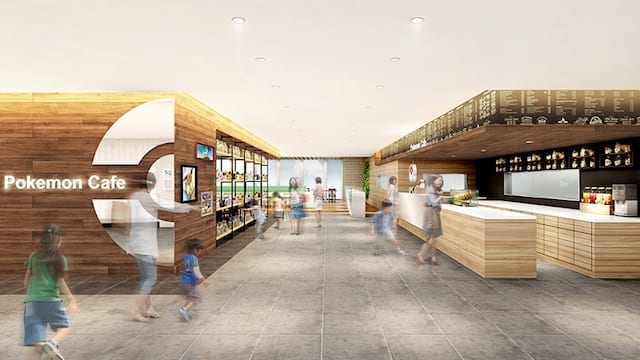
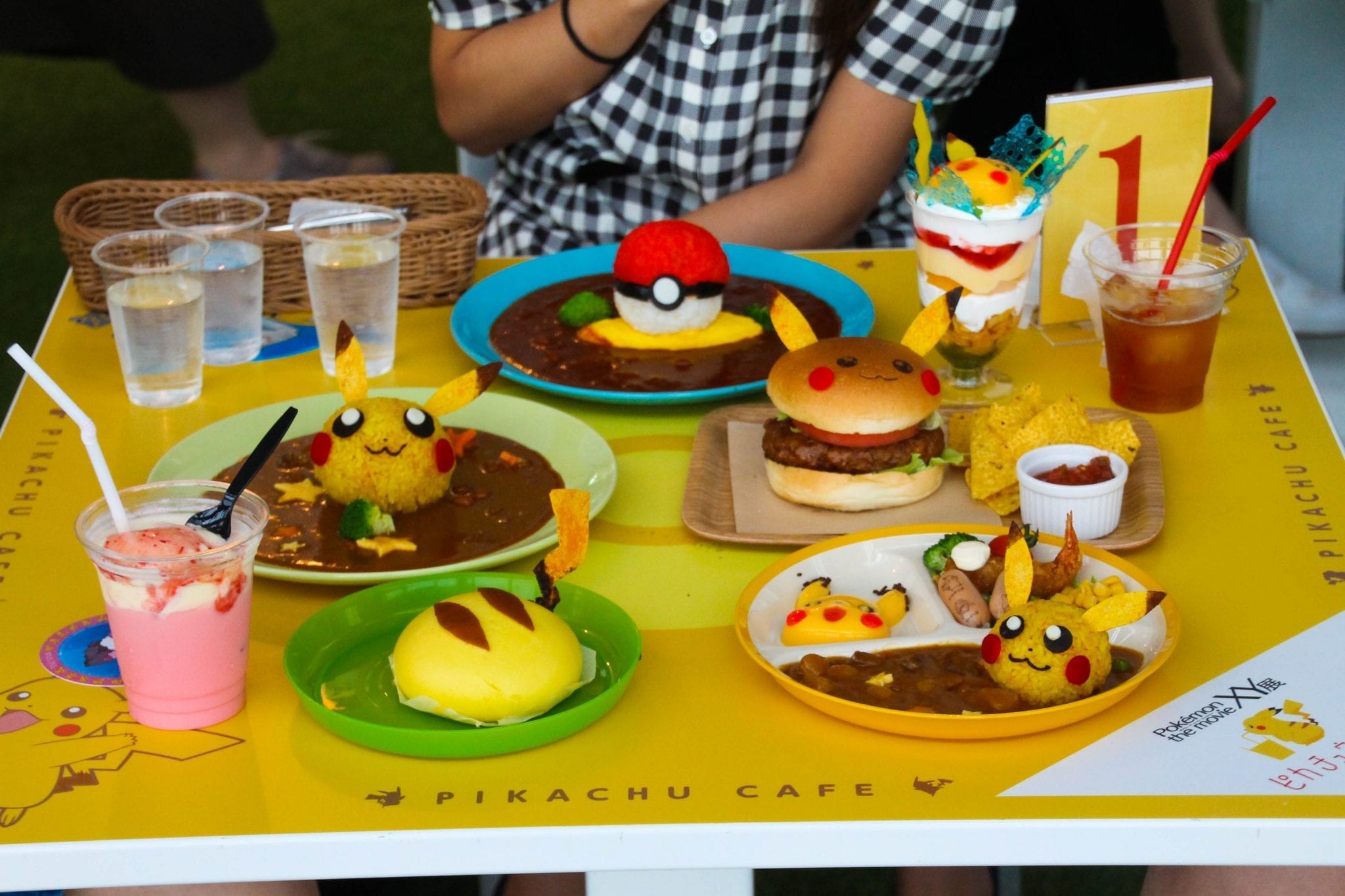
    While themed restaurants are usually temporary affairs in Japan, Tokyo is about to have its first permanent Pokemon diner.

    Opening in the Takashimaya department store in Nihonbashi, the cafe will feature food, drinks, and décor that draws on decades of Pokemon anime and videogame aesthetics.

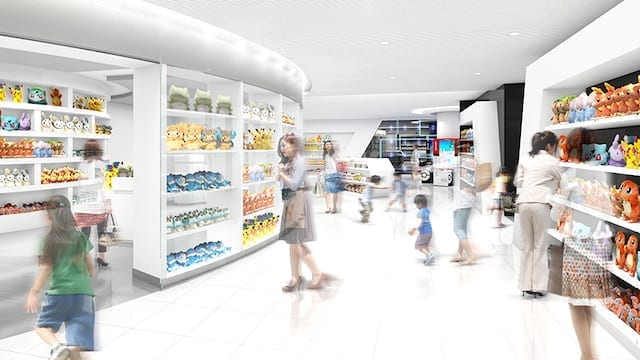
    Scheduled to arrive at Takashimaya Nihonbashi at the same time is a Pokemon specialty shop, Pokemon Center Tokyo DX. Like similar Pokemon shops, it will offer exclusive merchandise related to the game character.

  • All about tourism in Asia

    All about tourism in Asia

    Leading insurance company, AIG brought together expert panelists from leading organisations Agoda, Hong Kong Airlines and Sunflower Travel to talk about the latest travel trends, habits and risks for travellers from Hong Kong.

    All of the panelists confirmed that their data shows the top destination for all generations of Hong Kong travellers is Japan.

    Meeting these demands, Hong Kong Airlines, has increased its flight departures to Japan and is now the carrier with the most flights from Hong Kong, providing 85 per week.

    Data analysis from Agoda, showed that over the last five years, the demand for Japan has dramatically increased with up to 40% of Hong Kongers choosing this as the number one holiday destination.

    Safety of a country is the main priority for people in Hong Kong. In the last two years, Eastern Europe and Russia have become popular destinations for travellers looking for safer and visa-free long-haul destinations.” Dennis Owen, General Manager of Branding and Social Media at Hong Kong Airlines added, “The top overseas destinations are Japan, Taiwan and Thailand. In 2018, we will see other up and coming destinations including the Maldives, which we have just launched direct routes to following the demand. Other popular destinations will include long-haul travel to the USA.”

    A recent survey by MoveHub, identified Hong Kong citizens as the world’s biggest travellers, taking over 10 holidays a year. According to ESD Life, people from Hong Kong spend 70% of their annual leave travelling overseas.

    Business Monitor International research showed that outbound departures from Hong Kong increased by an estimated 4.7% year-on-year and forecasts that this will keep increasing each year.

    “Social media is playing a huge role in helping the younger generation define their travel choices. People trust people, friends and families over brands. They see their friends posting on social media and want to go to those places. There has also been a significant increase in Hong Kong travellers booking their flights using their mobiles, especially since the screens have become larger and it is easier than ever to use the booking apps. Hong Kongers are price savvy and will book their trips overseas around airline promotions to secure a good deal. In 2018, we expect to see a growing trend for in-depth travel with people focusing on one place to visit rather than multiple destinations. Interest in visiting secondary cities will also increase, especially in countries like Japan,” added Dennis Owen, from Hong Kong Airlines.

    Peter Allen, Managing Director at Agoda Outside, commented, “A large proportion of our customers booking online are Millennials, aged between 31-40 years old. We have found that people in Hong Kong are planners and book their travel up to seven weeks in advance, earlier than any other market in the region. We can also see that they are booking traditional hotels, spending an average of HKD $1,000 per night for short-haul accommodation. Travellers are choosing mid-range hotels with 3 – 3.5 stars however, when travelling to longhaul destinations, they will choose to upgrade to 4 – 4.5-star properties. We are also beginning to see a rapid increase in Hong Kongers booking non-hotel accommodation, especially when visiting Japan during the summer holidays. One reason for this is visitors are wanting to experience how locals are living and will opt for an apartment instead.”

    According to Terrence Leung at Sunflower Travel, “The group travel sector in Hong Kong is dominated by people aged 40 plus with more disposable time and income. With the emerging trend for authentic experiences, retirees are looking for extraordinary journeys, including luxury river cruises along the Amazon and fly-cruises to Antarctica with an average travelling time of 9-12 days for long-haul trips. We also work closely with primary and secondary schools in Hong Kong, arranging educational student group trips to nearby destinations including Singapore, Taiwan, Korea and Japan. The Hong Kong Government is very passionate about this and supports students visiting and learning about other countries.”

    Commenting on new travel trends in the market, Catherine Mak from AIG added, “AIG is always adapting to the way people are travelling. Over the last year, we have noticed a demand for people looking to be protected when taking part in marathon-running holidays. In response to this growing trend, we have adjusted our Travel products.”

  • Japanese property giant, Tokyu invests in Titijaya’s unit

    Japanese property giant, Tokyu invests in Titijaya’s unit

    Titijaya Land Bhd has roped in Japanese leading property giant, Tokyu Land Corp, to be the new shareholder of its wholly-owned Epoch Property Sdn Bhd in a RM47 million deal.

    Epoch Property sealed a conditional share subscription agreement with Tokyu for the subscription of 47 million Class A ordinary shares in Epoch Property worth RM47 million.

    Titijaya said both companies will jointly enhance the development of Mizu Residence which is expected to command a gross development value of RM300 million.

    Tokyu, which holds more than one trillion yen of assets and is ranked third among Japanese real estate companies, is the core company of the Tokyu Fudosan Holdings Group, a Japanese company listed in the First Section of the Tokyo Stock Exchange.

    Tokyu Fudosan is also one of the companies in the Nikkei 225 Index, which refers to the price-weighted average of the 225 top-rated Japanese listed companies.

    Titijaya group managing director Tan Sri Lim Soon Peng believes the collaboration will help establish the two companies as one of the industry leaders, pushing the frontiers of urban development and property management.

    “We are envisioning through the knowledge transfer from Tokyu’s expertise in urban development, especially its expertise in transit-oriented development, retail knowledge, property management (best property management services in Japan), it will further strengthen Titijaya’s objective to offer products that will be a half-step ahead of the times.

    “TOD and enhancing senior living experience are definitely the directions going forward for us, as TOD concept will help a country to reduce carbon footprint while becoming more productive and move livable, and on the other hand, senior living experience values the living experiences for discerning individuals who have an affinity for actively engaging all that life offers,” he said.

  • Harajuku girls expected to shop at Bic Camera

    Harajuku girls expected to shop at Bic Camera

    Japanese electronics retailer Bic Camera is targeting teenage girls in a new concept store set to open in the quirky Harajuku shopping precinct.

    Harajuku has been renowned globally as a destination for cosplay fans since way before the pastime became mainstream – and it is something of a mecca for teenagers chasing hip fashion labels and indulgent confectionery and beverages.

    Bic Camera has 41 large-format stores in Japan and counts Best Denki in its shareholder ranks. It plans to sell beauty appliances including facial treatment devices and hair dryers along with cosmetics, stationery and funky smartphone cases at the new store.

    The Harajuku shop, to open on Takeshita Street this weekend, will have two floors – one underground – with a footprint of just 330sqm, making it the company’s smallest to date.

    After refining the concept, the company plans similar stores elsewhere in Japan.

  • Japan Industrial Production On Tap For Thursday

    Japan Industrial Production On Tap For Thursday

    Japan on Thursday released preliminary October data for industrial production, setting the pace for a busy day in Asia-Pacific economic activity. Industrial output is expected to rise 1.8% on month and 7.2% on year after falling 1.0% on month and gaining 2.6% on year in September.

    Japan also will see October figures for vehicle production, housing starts and construction orders. Housing starts are expected to fall 2.8% on year to 950,000 after sliding 2.9% in September to 952,000.

    Vehicle production was up 1.7% on year in September, while construction orders plummeted 11.6%.

    China will see November numbers for its manufacturing and non-manufacturing PMIs; in October, their scores were 51.6 and 54.3, respectively.

    The central bank in South Korea will wrap up its monetary policy meeting and then announce its decision on interest rates, with the bank widely expected to keep its benchmark lending rate unchanged at 1.25%.

    South Korea also will see October numbers for industrial production and retail sales. Output is expected to add 0.6% on month and 6.1% on year after gaining 0.1% on month and 8.4% on year in September. Retail sales were up 3.1% on month and 8.3% on year in September.

    Australia will provide October numbers for private sector credit and building approvals, plus Q3 data for private capital expenditure.

    Private sector credit is expected to add 0.4% on month and 5.3% on year after gaining 0.3% on month and 5.4% on year in September.

    Building approvals are expected to sink 1.0% on month and surge 14.1% on year after adding 1.5% on month and 0.2% on year in the previous month. Capex is expected to rise 1.0% on quarter after adding 0.8% in Q2.

    New Zealand will see November results of the activity outlook and business confidence indexes from ANZ; in October, their scores were 22.2 and -10.1, respectively.

    Hong Kong will provide October figures for retail sales – which are expected to rise 6.2% on year after gaining 5.5% in September.

    Thailand will release Q3 data for current account and October trade data. In the third quarter, the current account surplus was USD8.32 billion and the financial account deficit was USD6.89 billion. In September, imports were worth USD16.47 billion and exports were at USD21.87 billion for a trade surplus of USD5.40 billion.

    Malaysia will see October numbers for producer prices; in September producer prices were up 1.1% on month and 6.0% on year.

  • Japan’s retail sales going down

    Japan’s retail sales going down

    Following a rebound in September, Japan’s retail sales have softened again.

    Despite the 2.3 per cent spike, sales figures for last month eased 0.2 per cent year on year – the first decline in 12 months.

    Sales slipped for general merchandise (a 2 per cent drop after a 1.2 per cent lift in September) and F&B (-1.5 vs 0.6 per cent). Weak spots included fabrics, apparel and accessories (0.5 vs 5.3 per cent), and medicines and toiletries (3.2 vs 5.7 per cent).

    Retail sales in Japan averaged 4.64 per cent from 1971 until this year, reaching a high of 36.5 per cent in January 1979, and a record low of -14.3 per cent in March 1998.

    Department stores had the largest decline, 1.5 per cent, while supermarket sales were flat, losing ground from 1.6 per cent growth in September. Even convenience stores, which usually lead sales, had a mere 0.6 per cent growth last month. It was their worst performance since March 2013.

    While some retail chains are blaming October’s storms for the negative performance, observers say private consumption in Japan is still fragile.

  • A Permanent Pokemon Cafe is Coming to Japan

    A Permanent Pokemon Cafe is Coming to Japan

    Tokyo is getting the first ever permanent Pokemon Cafe. The Pokemon Company International announced that a new Pokemon Center “DX” retail store was opening up in the Takashimaya Nihombashi, an upscale department store in Japan. One of the main draws for the new retail center is that it will also have a permanent Pokemon Cafe restaurant, which will serve Pokemon-themed dishes to shoppers and tourists.

    Pokemon Center stores are usually big draws in Japan, as they have just about every kind of Pokemon goodie imaginable. From specialty plushes and figures to clothes and even stationary, the Pokemon Centers are major retail attractions all around Japan.

    Typically, Pokemon Cafes are pop up restaurants that only exist for a few months at a time. Both Japan and Singapore have hosted Pokemon Cafes before, but this is the first time that a Pokemon cafe is putting down roots.

    The new Pokemon Center DX and Cafe is expected to be a major tourist attraction when it opens in Tokyo next year. Tokyo already has three Pokemon Center stores, including the massive “Mega Tokyo” location. The new Pokemon Center DX will be the twelfth Pokemon Center store in Japan, each of which has its own mascot Pokemon and specialty merchandise.

    The Pokemon Center and Cafe will open on March 14, 2018, so start planning your Tokyo vacation now.

  • Cath Kidston to change focus on expansion

    Cath Kidston to change focus on expansion

    As Cath Kidston China scales back because of diluted profits, the British handmade accessory chain is rolling out an expansion in other parts of Asia.

    It’s prime focus is Japan, where it plans to nearly double its presence over the next three years. South Korea and Thailand are the next two markets flagged for growth.

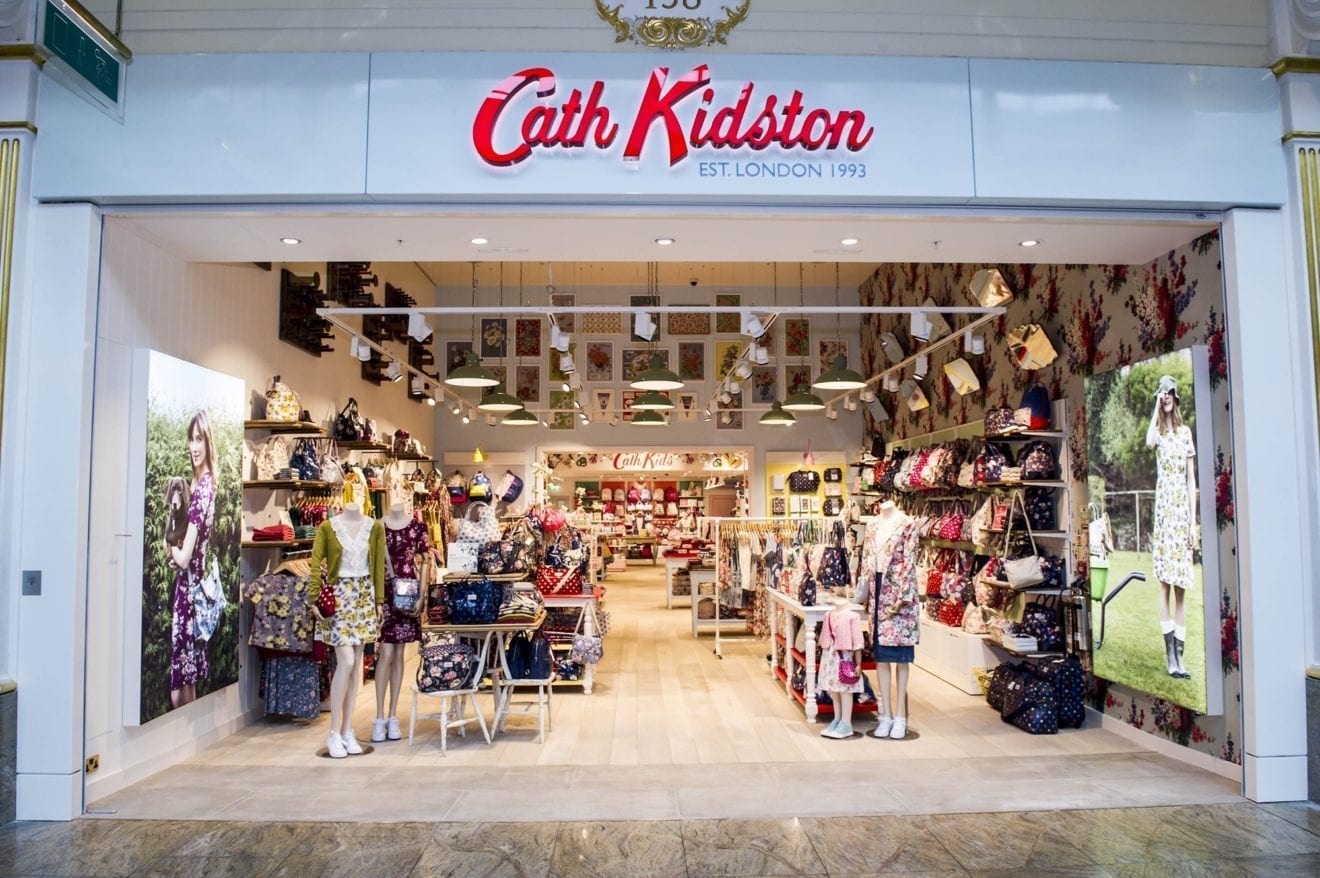
    CEO Kenny Wilson says the company plans to expand to about 55 stores in Japan, a decision based on two independent studies. Known for its flowery prints, the brand is likely to pop up soon in prime spots such as Tokyo’s Shibuya and Shinjuku shopping districts as well as cities like Chiba and Shizuoka.

    Cath Kidston also plans to bolster its online presence by creating synergy between its physical stores and e-commerce shop.

    Wilson believes the brand’s initial success in Japan comes from its “pretty, feminine, cute and colourful” products. “I think people in Japan like our business, because they love handcraft.” Each Cath Kidston print is hand drawn.

    Meanwhile, the brand has been growing about 20 per cent on average across Asia Pacific and expects the demand for design-focused accessories to increase against a backdrop of continued economic growth.

    It has upped its output of leather products, tapping into the business market, while collaborative items with Disney have also helped boost sales.

    As high rents cut into profitability, the company has shifted its strategy in China. This will see it close more shops and concentrate on e-commerce.

  • Mitsubishi Materials units falsified product data

    Mitsubishi Materials units falsified product data

    Subsidiaries of Mitsubishi Materials have falsified product data, the company said Thursday, becoming the latest major Japanese firm to admit problems with quality control.

    Affected products included rubber sealing materials used for packing and gaskets, often used to prevent leaks of liquid or gas from pipes in a wide variety of industries including aerospace and automobiles, the company said in a statement.

    The scandal also affected brass strip products for cars and other products, it said.

    Mitsubishi Materials said its subsidiaries falsified specification data before shipping some of its products to clients.

    It added the company is working with affected clients to ensure the safety of their products.

    The admission came after Japanese consumers saw a series of quality control and governance lapses at major firms including Kobe Steel, Nissan and Subaru.

    Kobe Steel has admitted falsifying strength and quality data for a string of products shipped to hundreds of clients, from automakers to plane manufacturers.

    Nissan recalled some 1.2 million vehicles after admitting in October that staff without proper authorisation had conducted final inspections on some vehicles intended for the domestic market before they were shipped to dealers.

    Subaru also recalled nearly 400,000 vehicles from its domestic market after admitting that it also allowed uncertified staff to conduct vehicle inspections.

  • Burberry Japan to close all beauty stores before 2018

    Burberry Japan to close all beauty stores before 2018

    Burberry Japan will shutter its entire beauty retail network by 2018, comprised of Burberry Beauty and Burberry Beauty Box stores.

    Following the closing of the Yokohama store in October 2017, Burberry Beauty before December 31 will have finalised mass store closures across Japan, after the British firm’s Japanese distributor Shiseido ended the contract partnership in April 2017.

    The Japanese cosmetic giant Shiseido, who recently announced a strategic shift in operations to focus more on its own prestigious brands, formed its allegiance with Burberry back in 2015, and has since held the contract granting it distribution rights Burberry’s beauty line and fragrance in Japan.

    Under the new store approach in Japan, Burberry Beauty has already closed its Lumine Yokohama store on November 13, and the Ikebukuro Seibu store is scheduled to close on 25 December 2017.

    Moreover, the Ginza Mitsukoshi store and the Umeda Hankyu store will close on 31 December 2017.

    Japanese customers are still able to buy the brand’s makeup items from the Burberry website even after the stores close. As for Burberry fragrances, the company will look for new distributors and gradually redeploy its retail presence in Japan.

    The news follows Burberry Beauty’s new partnership with American company Coty, which has obtained the licencing rights for beauty products developed by the heritage brand.

    Kicking of in October 2017, Marco Gobbetti, CEO of Burberry, said: “Following months of hard work to ensure a smooth transition, this strategic partnership, which brings together tremendous beauty experience and expertise, has begun.”

    Coty will have overall responsibility for strategic direction on the portfolio’s development, leveraging its global capabilities in beauty strategy, innovation, supply-chain and go-to-market, working in partnership with Burberry.

    Coty CEO Camillo Pane said the firm’s “world-class ability in developing and bringing to market beauty brands will help drive a new phase of development and growth for Burberry Beauty.”

    In Japan, as well as in other Asian markets, Burberry beauty products will be sold in leading luxury beauty retailers globally as well as in remaining Burberry stores and digital channels.