Tag: Japan

  • Richemont asia pacific rocket sales

    Richemont asia pacific rocket sales

    Asia Pacific has continued double-digit growth for heritage brand owner Richemont for its third quarter to the end of December.

    Total sales in the quarter increased by 7 per cent at constant exchange rates and by 1 per cent at actual rates over the same period a year earlier.

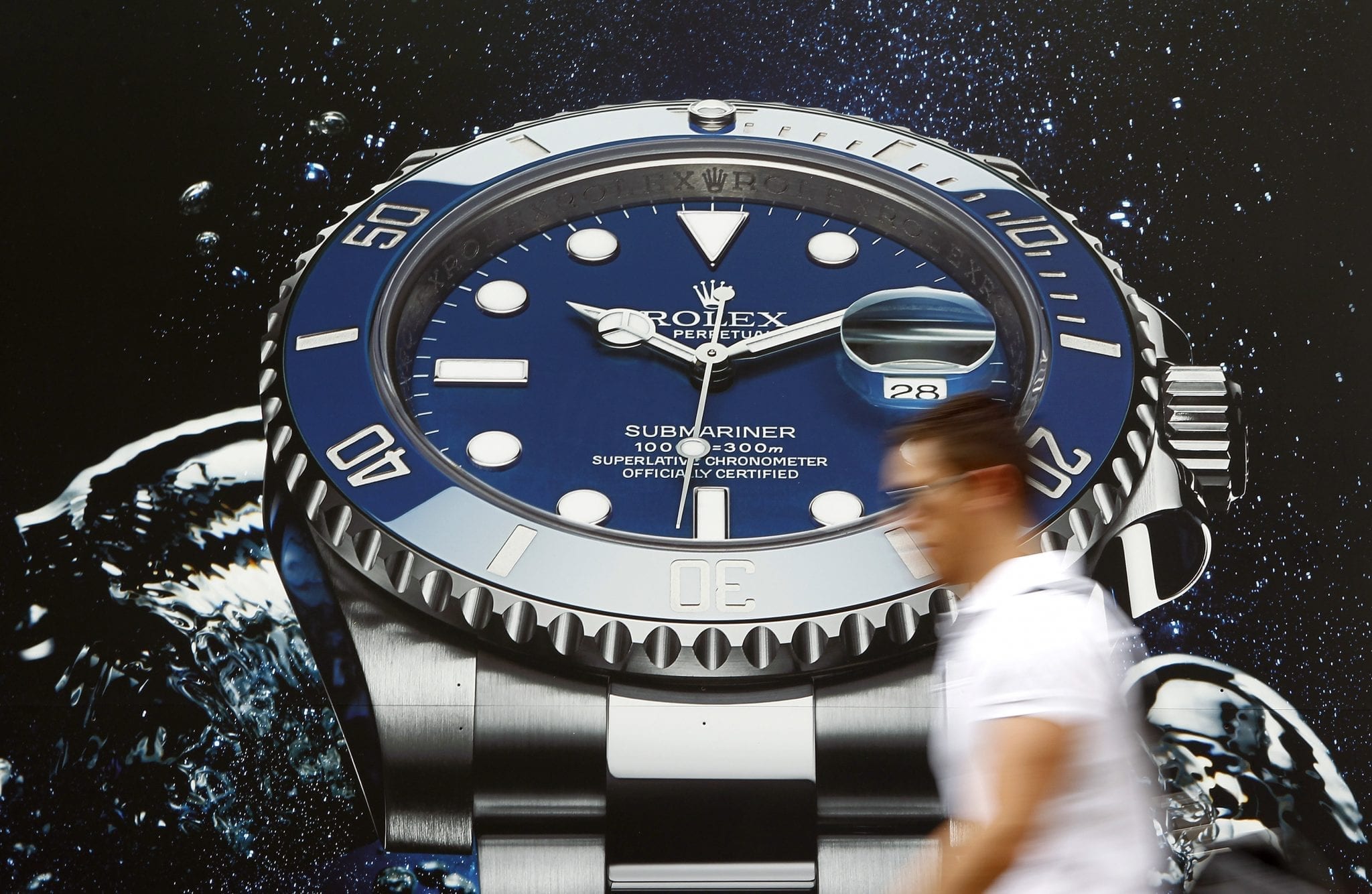
    Retail sales were mainly driven by the group’s jewellery maisons and specialist watchmakers, especially in Asia Pacific, where growth was led by Mainland China, Korea, Hong Kong and Macau.

    A rise in sales in Japan was supported by strong growth from the watchmakers and a favourable currency environment, says Richemont. Sales there reached €294 million (US$354 million), up 5 per cent at constant exchange rates but down 6 per cent at actual rates.

    Asia Pacific quarterly sales were €1.18 billion, up 11 per cent at constant exchange rates and 5 per cent at actual rates.

    Underpinned by solid performances in both jewellery and watches, overall retail sales maintained strong momentum, recording 13 per cent growth. Jewellery shone with an 11 per cent increase.

    Other businesses posted stable sales, with growth notably from Montblanc, Chloe and Lancel. Excluding the impact of the sale of Shanghai Tang, the other businesses would have had moderate growth.

    Sales over the nine months to the end of December grew by 10 per cent at constant exchange rates and by 7 per cent at actual exchange rates.

    Richemont’s portfolio of international “maisons” covers three segments: jewellery (Cartier, Van Cleef & Arpels and Giampiero Bodino), specialist watchmakers (A Lange & Sohne, Baume & Mercier, IWC Schaffhausen, Jaeger-LeCoultre, Officine Panerai, Piaget, Roger Dubuis and Vacheron Constantin, as well as the Ralph Lauren watch and jewellery JV), and other businesses (including Alfred Dunhill, Azzedine Alaia, Chloe, Lancel, Montblanc and Peter Millar).

    Richemont also holds a 49 per cent equity-accounted interest in the Yoox Net-a-Porter Group.

  • Toyota, Mazda to build $1.6 billion plant in Alabama

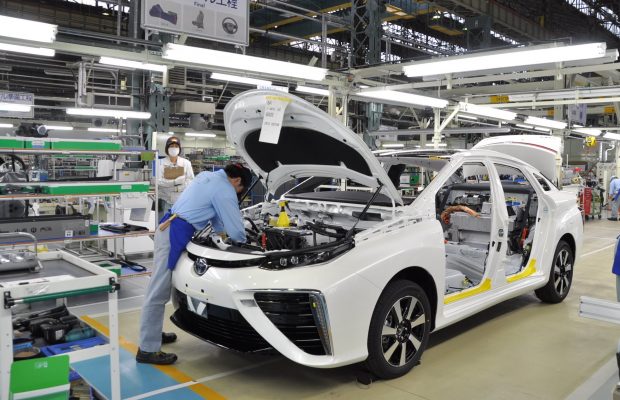
    Toyota, Mazda to build $1.6 billion plant in Alabama

    Alabama will be the site of a new $1.6 billion Toyota Motor Corp and Mazda Motor Corp auto plant, a victory for President Donald Trump who had prodded manufacturers to build new U.S. facilities and threatened tariffs on foreign production, sources said on Tuesday.

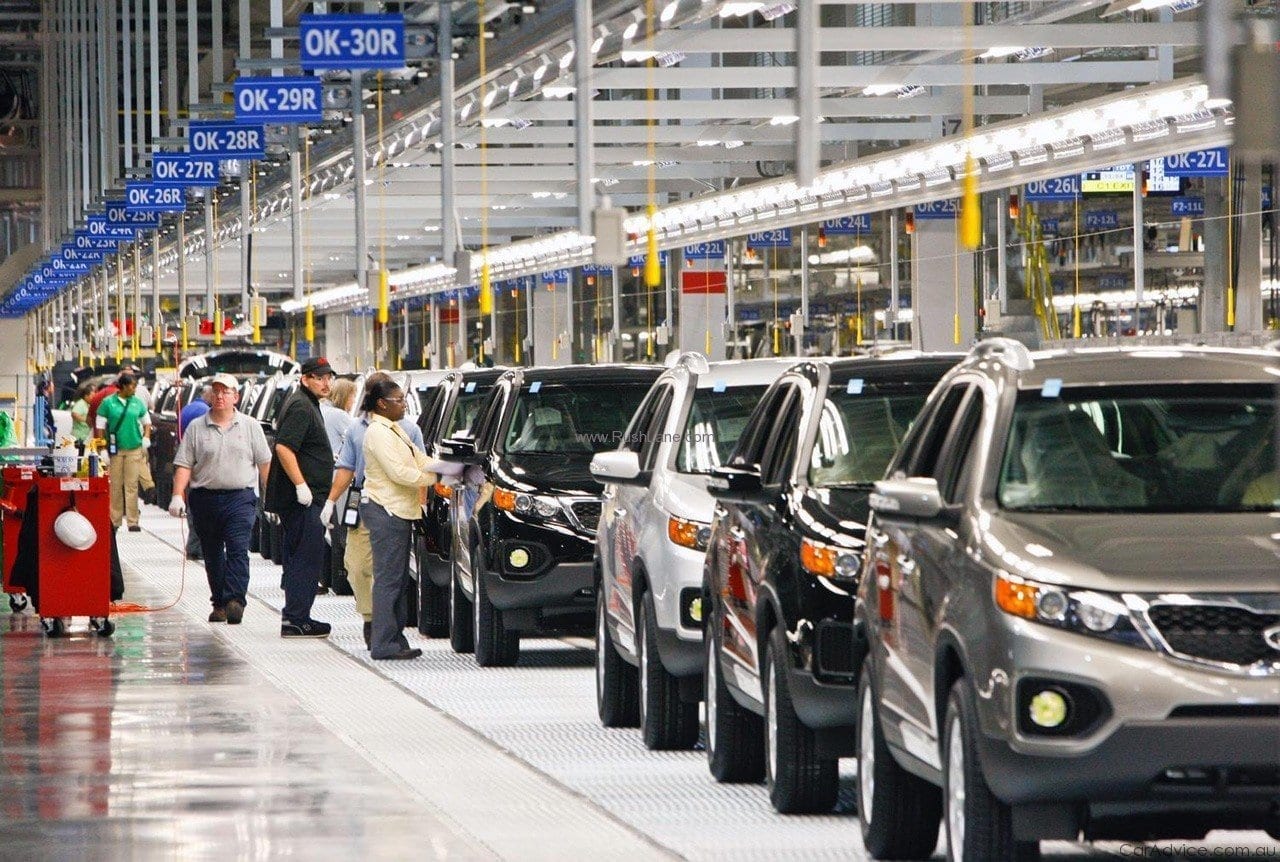
    The plant, which will employ up to 4,000 people and produce about 300,000 vehicles a year, will be located in Huntsville, Alabama, and is a boon for the state, where Toyota has a large engine plant and an existing network of automotive suppliers.

    A formal announcement by company and state officials is expected on Wednesday in Montgomery, sources briefed on the matter said.

    The new plant –in a state Trump won by 28 points in 2016 — could be a political boost to the Republican president, who has urged automakers to build plants in the United States and add jobs. The companies said they expect the plant to open in 2021.

    Trump tweeted in March he wanted “new plants to be built here for cars sold here.” The White House did not immediately comment on Tuesday.

    The announcement also comes at a time of declining U.S. auto industry sales, so it could exacerbate overcapacity and add pressure to cut prices. U.S. new vehicle sales fell 2 percent in 2017, after hitting an all-time record high in 2016, and are expected to fall further in 2018.

    Details of an anticipated tax and incentive package for the investment were not yet known. It has been reported the companies sought at least $1 billion in incentives.

    A Toyota spokesman declined to comment, except to say an announcement was expected soon. A Mazda spokeswoman also declined to comment.

    In recent months, the companies had narrowed their choices down to sites in Alabama and North Carolina.

    Local media last month said the leading site under consideration was in northern Alabama’s Limestone County, near Toyota’s large engine plant in Huntsville. In September Toyota announced a $106 million technology upgrade for the Huntsville plant.

    A Chamber of Commerce of Huntsville website for the “Huntsville Mega Site” touts the fact it has been “certified as development-ready.” The commerce chamber, local and state officials declined to comment on Tuesday on plans for the plant.

    A year ago, President-elect Trump criticized Toyota and threatened hefty tariffs against the Japanese automaker if it built its Corolla sedan for the U.S. market in Mexico.

    “Toyota Motor said will build a new plant in Baja, Mexico, to build Corolla cars for U.S. NO WAY! Build plant in U.S. or pay big border tax,” Trump posted on Twitter in early 2017.

    Toyota and Mazda announced plans for a new plant in August. Toyota said it would shift production of Corollas from Canada to the new venture rather than in Guanajuato, and would build Tacoma pickups in Mexico instead. Mazda plans to build new crossover SUVs at the plant.

    Trump praised the joint venture announcement, saying in August on Twitter: “Toyota & Mazda to build a new $1.6B plant here in the U.S.A. and create 4K new American jobs. A great investment in American manufacturing!”

    In October, Toyota said it would scale back investment in a planned plant in Mexico by 30 percent to $700 million and cut planned annual capacity in half to 100,000 vehicles as it shuffles its production plans to meet market demands.

    Toyota has 10 U.S. plants in eight states in an arc running from West Virginia through Kentucky, Indiana, Alabama, Mississippi and Texas.Toyota and Mazda announced a capital alliance in August and are exploring joint development of technologies for the basic structure of competitive electric vehicles.

    Over the last 30 years Toyota, along with German and Asian automakers, has built a second auto industry in the United States, rivaling the operations of the Detroit Three automakers in size and employment, but with newer, and fewer unionized, plants.

    States covet auto assembly plants because they typically pay above-average wages and spin off jobs at suppliers and service companies. Southern U.S. states have the advantage of good transportation infrastructure, business-friendly regulators and generally anti-union politicians.

    The Alabama Department of Commerce shows 150 of the large automotive suppliers operate in the state, providing the logistical strength that Kristin Dziczek, a researcher at the Center for Automotive Research in Michigan, said helped land the plant.

    Dziczek said that Alabama in 2017 was tied for fifth among U.S. states in auto production, at 9 percent with Tennessee. It was behind Michigan at 19 percent; Indiana at 12 percent, Kentucky at 11 percent; and Ohio at 10 percent.

    “The impact of an auto assembly plant extends beyond its immediate economic impact, and that’s why states offer robust incentives,” said Dennis Cuneo, a site-selection consultant and former Toyota executive. “It creates a halo effect that in turn helps attract other projects.”

    Alabama spent an estimated $250 million to woo Daimler AG’s Mercedes-Benz to put an auto plant in Tuscaloosa two decades ago.
  • Japanese baby products firm Ficelle makes full-scale Thai debut

    Japanese baby products firm Ficelle makes full-scale Thai debut

    Japanese baby products retailer Ficelle has launched its first outlet in Thailand.

    In partnership with distributor K-AG Kin All Gen, it has opened a store in Bangkok’s Central Embassy shopping mall. This follows a six-month trial of online sales in Thailand last year, which raked in THB5 million (US$155,000).

    Ficelle offers a range of brands, including Japan’s 10mois, with such items as baby and maternity clothes, sleeping vests, bibs and portable chairs.

    K-AG Kin All Gen executive director Lukkana Jaovisidha says the luxury goods market in Thailand, particularly babycare products, is expected to grow. The trend of having fewer children means parents are likely to spend more on infant apparel and baby accessories per child.

    Nearly a third of customers are expected to be expatriates in Thailand.

    Two more stores are planned for Bangkok this year, including a flagship in a Takashimaya department store. The partners hope to have five shops in Thailand by 2020.

    Ficelle has also just opened an outlet in Singapore following product launches in Hong Kong, South Korea and Taiwan.

  • MUJI Moves Into Hospitality With New MUJI Hotel and Restaurant

    MUJI Moves Into Hospitality With New MUJI Hotel and Restaurant

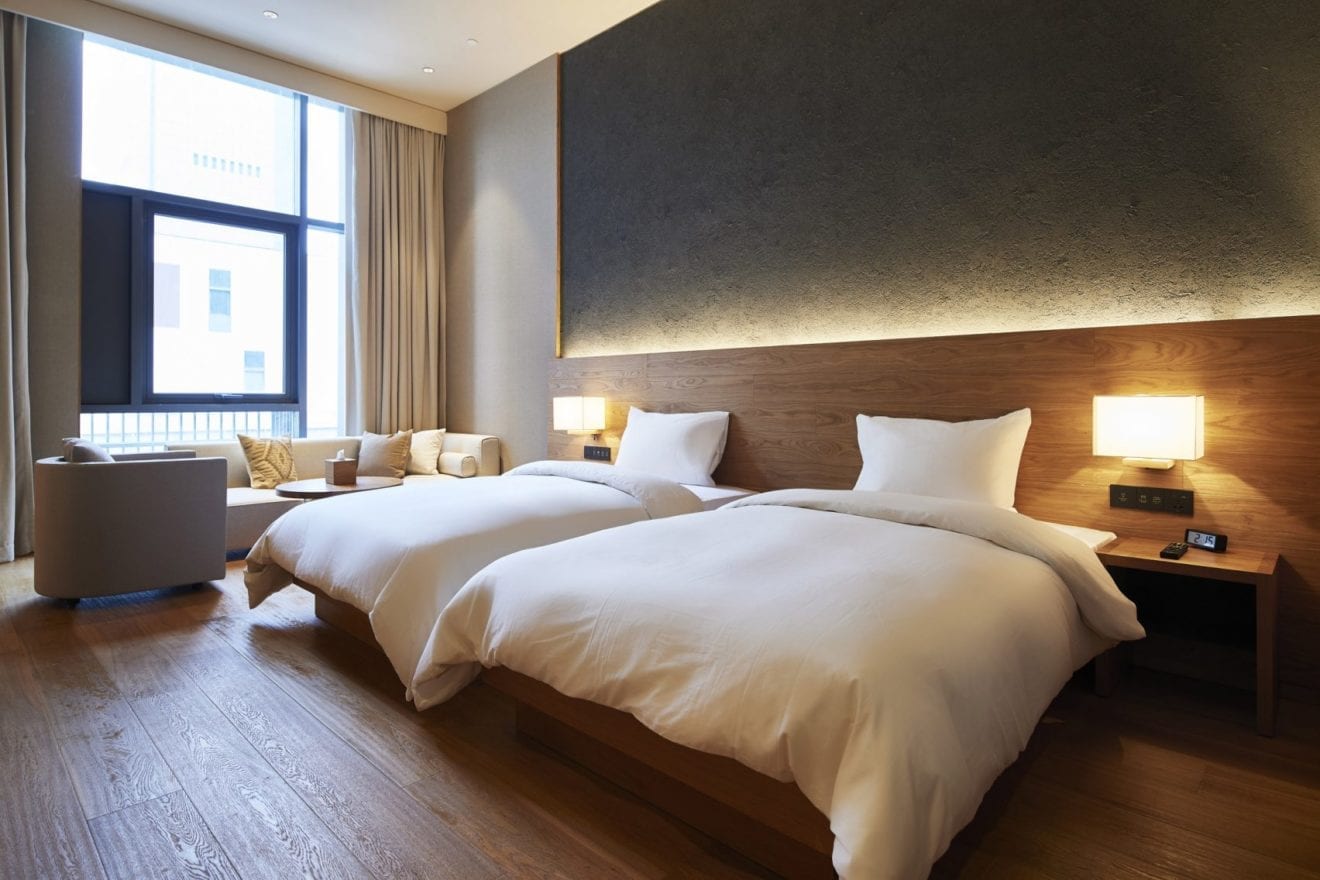
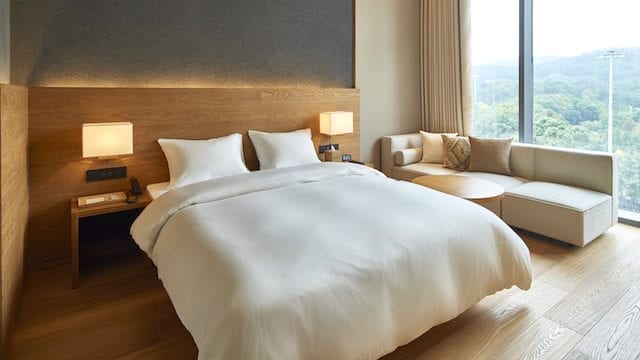
    Wood-lined bedrooms, a minimal diner, a library and a shop feature in the Muji Hotel in Shenzhen, which opens next week.

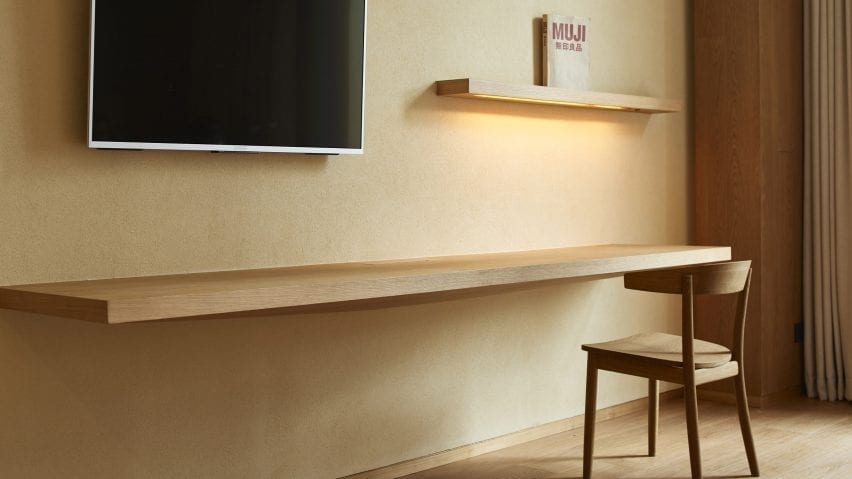
    In the Futian district, it is the first hospitality project initiated by the Japanese retailer, known for its minimalist homeware products. These feature in the hotel to reflect Muji’s simple aesthetic – described by the brand as an “anti-gorgeous, anti-cheap” concept.

    As well as 79 guest rooms, the hotel will offer a gym, a diner, three meeting rooms, a library and a shop, as reported.

    In the bedrooms, Muji products will range from toothbrushes to electric kettles and wall-mounted CD players.


    Muji Diner, the third-floor restaurant, will serve local food inspired by international home cooking, all served on Muji dinnerware.

    On the same floor and to be open 24 hours a day to the public as well as guests, the library will have a selection of more than 650 books.

    A small gym is equipped with running machines, aero-bikes and workout equipment, while a shop allows guests to buy the products they have been using inside the hotel.

    A second Muji hotel will follow in Tokyo’s Chuo City next year.

    The hotels are the latest architectural project to be initiated by the Muji, following on from a 9sqm prefabricated house and a trio of huts designed by Konstantin Grcic, Jasper Morrison and Naoto Fukasawa.

    Established in 1979, Muji is commonly referred to as a “brandless” company as its products bear no logos.

  • Japan’s new cryptocurrency crooners sing the bitcoin beats

    Japan’s new cryptocurrency crooners sing the bitcoin beats

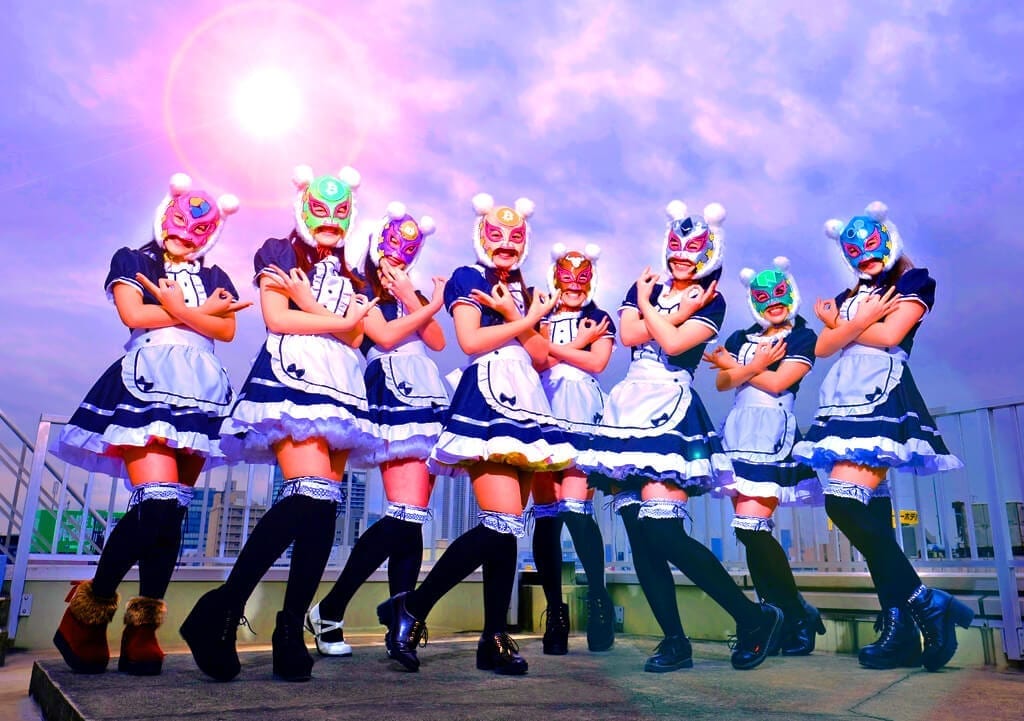
    Move over AKB48, Japan has a new all-girl “idol” band – the Virtual Currency Girls – on a mission to educate the public about bitcoin and other cryptocurrencies.

    Each of the eight girls in the band, known in Japanese as “Kasotsuka Shojo”, plays a character representing a virtual currency such as bitcoin, ethereum or ripple.

    Promotional material shows the performers wearing character masks, frilly mini-skirts and “maid” aprons complete with knee-high socks.

    The Virtual Currency Girls are due to hold their debut live concert in Tokyo on Friday (Jan 12), according to their management company Cinderella Academy.

    In keeping with the theme, payment for merchandise will be accepted only in virtual currencies.

    “We want to promote the idea through entertainment that virtual currencies are not just a tool for speculation but are a wonderful technology that will shape the future,” said the group’s leader Rara Naruse, 18, in an online statement.

    In their debut song, The Moon and Virtual Currencies and Me, they warn against fraudulent operators and urge people to make sure of their online security.

    The group is tapping into a rich seam in Japan, where bitcoin is recognised as legal tender.

    Nearly one-third of global bitcoin transactions in December were denominated in yen, according to specialised website jpbitcoin.com.

    The group’s launch comes on the heels of a recent market frenzy which boosted bitcoin up to nearly US$20,000.

  • Asia Keeps Swiss Watch Recovery on Track

    Asia Keeps Swiss Watch Recovery on Track

    China and Japan continue to grow as key markets for Swiss watches, reports the Federation of the Swiss Watch Industry.

    China had its strongest growth for 30 months at 39.8 per cent, while Japan, up 22.5 per cent, showed strong growth for the second month in succession.

    Hong Kong has confirmed its recovery with its eighth positive month, exports there rising 4.4 per cent, while exports to Singapore, Switzerland’s seventh-largest market, rose 10.6 per cent.

    Export growth has continued over the seven months to the end of November, says the federation. The total value of exports reached nearly FRF2 billion francs (US$1.9 million), equivalent to 6.3 per cent growth over the figure for the previous November.

    Electronic watch exports were down by more than 1 million units to 15.6 million, a drop of 6.3 per cent. By contrast, mechanical watch exports rose 4.6 per cent to 6.59 million pieces.

    All groups of materials shared in the value growth, in particular steel, up 7.9 per cent. While the other materials category grew 32.3 per cent, the number of pieces fell 1.1 per cent.

    Watches priced at less than FRF200 (export price) fell substantially in November, says the federation, while the other price segments advanced in terms of both value and volume. The FRF200-500 category had the best performance with growth, up 20 per cent.

  • Hyundai Motor, Kia Motors flag slow sales growth in 2018

    Hyundai Motor, Kia Motors flag slow sales growth in 2018

    South Korea’s Hyundai Motor and Kia Motors on Tuesday flagged only modest sales growth in 2018, suggesting a slow recovery from a slump linked to their lack of SUVs in the United States and diplomatic tensions with China.

    Hyundai and smaller affiliate Kia, which together make the world’s fifth-largest automaker, said demand was expected to soften in the U.S. and Chinese markets as they unveiled a combined sales target of 7.55 million vehicles this year.

    Analysts said that would be a slight increase on 2017, when the automakers are estimated to have sold about 7.3 million vehicles, their lowest in five years.

    “The target for Hyundai and Kia is lower than expected. It seems to be a conservative target, reflecting a slow recovery in China and ongoing U.S difficulties,” Kim Jin-woo, an analyst at Korea Investment & Securities said.

    The 2017 sales figures are due out later on Tuesday but analysts expect the South Korean duo to fall well short of their target of 8.25 million vehicles, marking their third consecutive annual miss.

    Hyundai Motor shares declined 2.2 percent after falling as much as 4.5 percent on Tuesday morning, and Kia Motors stocks were down more than 1.6 percent. The broader market rose 0.2 percent.

    The firms’ sales tumbled last year in China, the world’s largest auto market, amid a chill between Beijing and Seoul over South Korea’s deployment of a U.S. anti-missile system.

    Sales in China and the United States were also hurt by a failure to capitalize on surging demand for sports utility vehicles (SUVs).

    While Hyundai Motor has plans to offer more SUVs in the United States and China, analysts said new models such as the redesigned Santa Fe SUV may come too late in the year to significantly impact sales.

    The expiration of a tax cut on small-engine cars in China also would be a negative for Hyundai’s sedan-heavy line-up, they said.

    Hyundai Motor Group Chairman Chung Mon-koo said in a statement the South Korean automakers would launch 12 new or refreshed models this year.

    They would “actively venture into” new markets like Southeast Asia, as protectionism was expected to grow elsewhere, he added.

    South Korea and the United States will hold talks on a trade deal on Jan. 5 although U.S. President Donald Trump has threatened to withdraw from the pact.

    Chung, 79, skipped his annual New Year speech to employees for a second year in a row. He has not made any public appearances since December, 2016.

  • Aeon Mall’s 9-month profit seen rising 10% to record

    Aeon Mall’s 9-month profit seen rising 10% to record

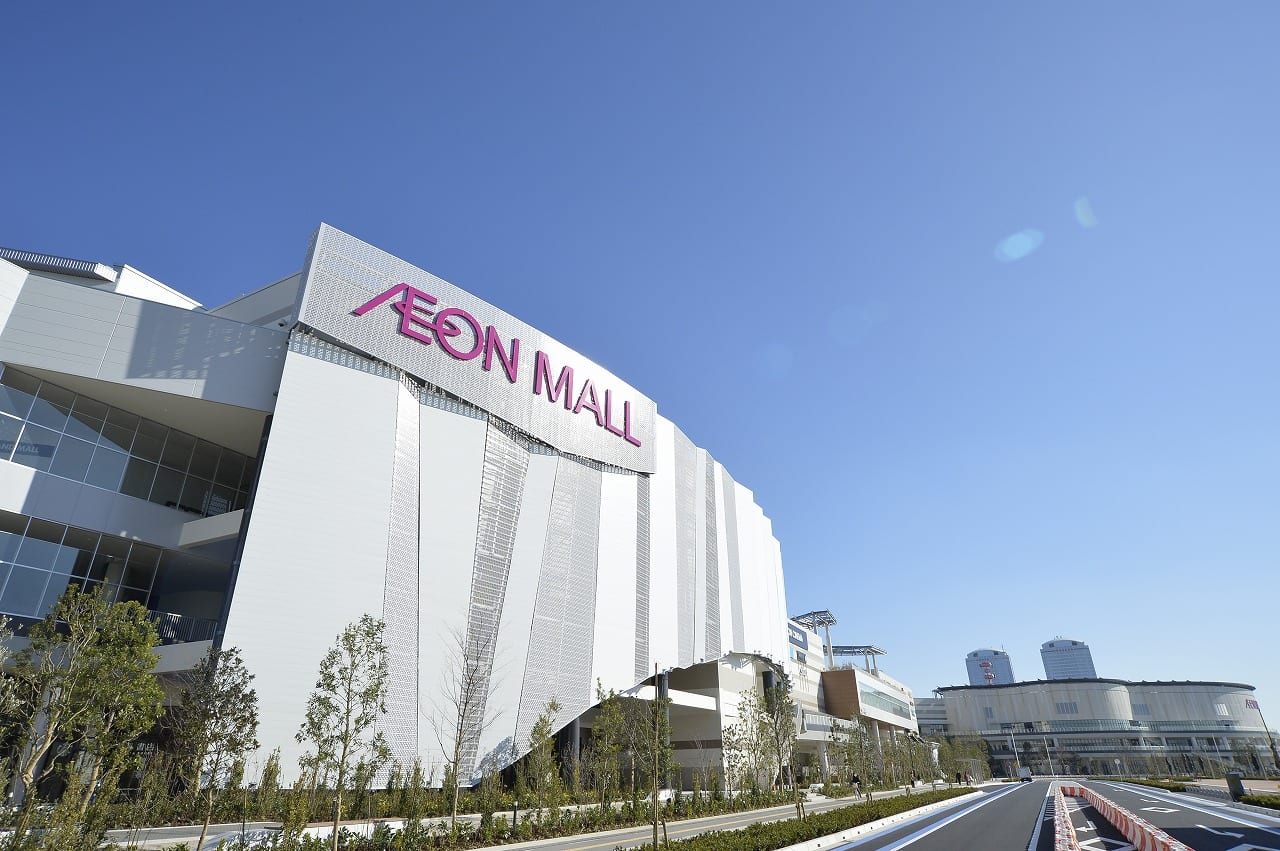
    Strong earnings in China and Southeast Asia have helped boost operating profit for Japanese developer Aeon Mall to about ¥33 billion (US$293 million) for the nine months to the end of November.

    This is up about 10 per cent on the same period a year earlier, and would be a record. Its previous high was ¥30.1 billion in 2013as reported. Operating revenue rose 7 per cent to a little more than ¥210 billion.

    Its Southeast Asian business has come out of the red, with overseas losses shrinking to nearly ¥1 billion for the period from ¥2.9 billion previously. Thirteen of the company’s 19 malls in China and Southeast Asia turned a profit, up from eight out of 17 a year before.

    In Japan, sales rose 3 per cent for specialty-store tenants in its malls offering household products, food and other items, boosting rent revenue correspondingly.

    Aeon Mall’s operating profit for the full year through February is expected to rise 11 per cent to ¥50 billion on a 9 per cent gain in operating revenue to ¥295 billion.

  • Japan’s proposed departure tax draws mixed views

    Japan’s proposed departure tax draws mixed views

    Japan’s planned introduction of a “departure tax” on international travelers has received a mixed response, with many questions yet to be answered about how the revenues will be spent.

    Hopes are high that the recent tourism boom will continue beyond the 2020 Tokyo Olympics and Paralympics, when the government aims to attract 40 million visitors to the country that year.

    But the surge in visitors is also making it imperative for debt-ridden Japan to secure enough funding to improve infrastructure and services for foreign tourists in a country that prides itself on its “omotenashi” hospitality.

    Some visiting tourists appear supportive of the move to require each passenger to pay 1,000 yen (S$11.85) every time they depart Japan by air or sea. But other travelers, including Japanese going abroad, are unconvinced how they are going to benefit from it.

    “Paying a tax does not sound good,” said Ms Wang Pei Hsien, a 47-year-old tourist concluding a six-day visit from Taiwan.

    “But if I can get better services here, I think it is OK,” she said before flying out of Tokyo’s Haneda airport.

    The ruling coalition of the Liberal Democratic Party and Komeito party included the introduction of the new tax for international travelers in their reform package approved earlier this week.

    To spur spending by foreign tourists like Ms Wang, who bought clothes, children’s toys and medicine in Japan, the ruling bloc decided to simplify the existing tax-free system.

    Currently, at least 5,000 yen needs to be spent on general goods such as home appliances or on disposable items such as cosmetics and medicine to qualify for the tax exemption.

    But the plan is to enable foreign shoppers to combine them to reach the 5,000 yen threshold.

    Japan has seen a surge in foreign visitors in recent years, with the number already hitting a new record in 2017, exceeding the previous high of over 24 million last year.

    In 2016, the number of departures from Japan stood at around 40 million, meaning that had the departure tax already been in place it would have generated revenues of some 40 billion yen.

    “It all comes down to how the money collected is going to be spent,” said Ms Yumi Hori, a 27-year-old Japanese who was at Haneda waiting for her flight to Canada. “I wish wi-fi connections were better here.”

    Her view was echoed not only by other travelers but also officials and tourism industry professionals.

    The government is seen as hurrying to seize the opportunity to step up preparations for hosting the Olympics and Paralympics, even though experts say it should also look beyond the event to boost tourism.

    Since the idea of the departure tax emerged earlier this year, a panel of experts drew up a report on how to secure funding to make Japan a “tourism-oriented” country.

    In the report to the Japan Tourism Agency, the panel said a tax of 1,000 yen or lower should be “viable,” after studying examples from other countries and weighing the potential impact on foreign travel demand.

    Australia, for instance, charges AUS$60, or about 5,200 yen, when a person leaves the country, while South Korea requires each air passenger to pay 10,000 won, or about 1,000 yen, and 1,000 won when departing by sea.

    As recent brisk travel demand from Asian countries has been supported by low-cost carriers, economists say the introduction of the departure tax may have some impact, a concern raised by the travel industry.

    Mr Takayuki Miyajima, senior economist at the Mizuho Research Institute, said it could test Japan’s seriousness about boosting inbound tourism, a must for its longer-term economic growth.

    “The tax revenue should be used to build infrastructure and enhance connectivity to regional areas for foreign tourists, which will help revitalize these areas,” Mr Miyajima said.

    “But Japan also needs to tackle its increasingly severe labor shortage, especially in the services sector, and spending money to do something about it could be an option.”

  • Miniso store chain eyes Canadian expansion in 2018

    Miniso store chain eyes Canadian expansion in 2018

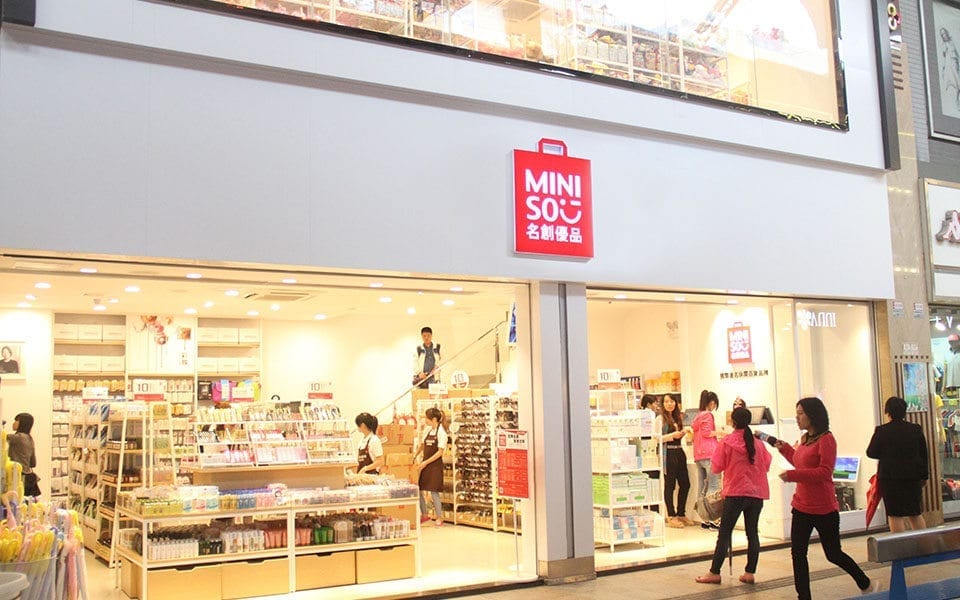
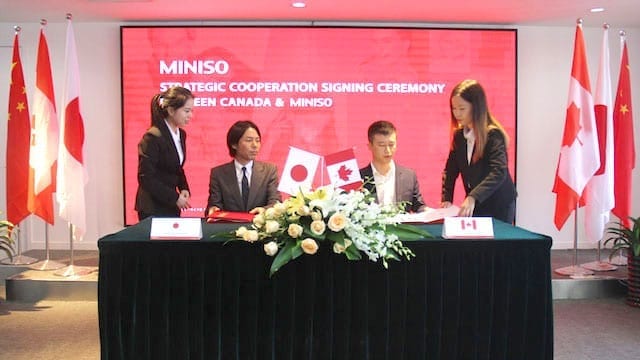
    Chinese discount retailer Miniso is playing a major assault in Canada with 100 stores targeted by year end and 500 within three years.

    Miniso is growing so fast it is difficult to keep an accurate count of its global network, but co-founder/chief designer Miyake Junya said in November he planned to have 10,000 stores trading in 100 countries by 2019, and targets global revenue of US$15 billion. It already has stores in China (1000), Vietnam, Singapore, Hong Kong, the Philippines, Australia, the UAE, Mexico, the US and Europe, among other marketins.

    The first Miniso Canada store opened in Pickering Town Centre last October in a compact 1500sqft (140sqm) space. More have opened since, including a large 4300sqft site in Bramalea City, taking the national tally to about 18.

    “Our philosophy is high-quality goods at an affordable price,” Sherman Leung, district manager, Miniso Canada Investments, said in an interview this month. “We’re a variety-retail, lifestyle store at a very reasonable price.”

    In Canada, concepts like Miniso are seen as a succession of the traditional dollar store model which specialises in cheap goods at just a few rounded-off price points – in the case of Canada’s market-leading Dollarama, which has about 1500 stores, all under C$5. Globally, dollar stores are starting to suffer from quality perceptions in the wake of Miniso’s competitively priced yet reasonable quality goods across many product categories.

  • Japanese multi-brand ‘Atmos’ to enter Korean market

    Japanese multi-brand ‘Atmos’ to enter Korean market

    Japanese’s famous multi-brand ‘Atmos’ opened its first store in Korea.

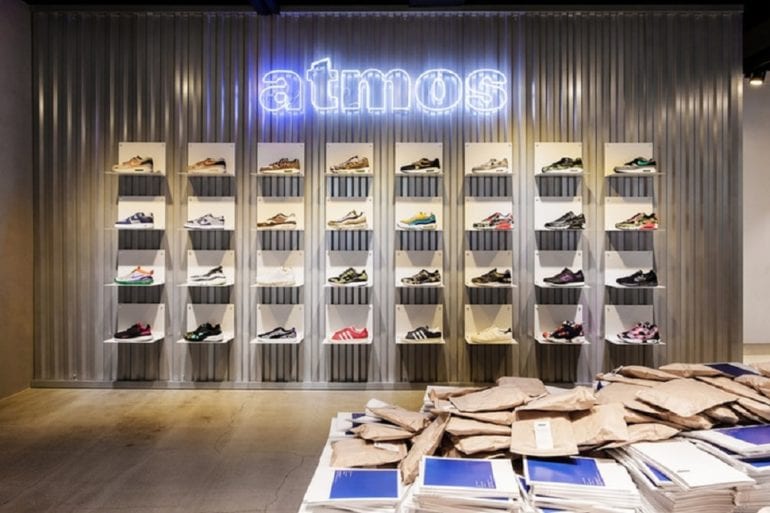
    Atmos is a fashion multi-brand store currently running 30 outlets in Japan. Seoul is its second overseas store after New York. Atmos is Tokyo’s iconic street boutique established in 2000.

    It is the first shopping destination for footwear brands because of its ability to catch the latest trends and spread them in the market. Currently, it distributes a wide range of products, however street and sportswear are its core business.

    Atmos is mainly dealing with limited edition products of famous brands such as Nike, it is mainly leading in the shoe market.

    What is unique is that Atmos employees work as designers and collaborate with brands to develop collaborative products as limited editions.

    Currently, there are more than 30 stores in Japan, one in New York and the other in Seoul. Annual sales are around 150 billion won and it is 5 billion won per store.

    Starting with the first store in Apgujeong, Seoul, Atmos plans to open stores in key areas such as Daegu, Busan, and Gwangju. It aims to build seven to eight stores more within 2 years.

    Atmos is very popular among Japanese sneaker enthusiasts, so a good response in Korea is expected as well. It will be a space where you can see products that you could not easily see in Korea.

    Meanwhile, US street sensibility lifestyle brand ASICS Tiger released ‘GREEN CAMO’ and ‘GORE-TEX’ which are collaboration products with Atmos.

    As a leading brand of youth culture, Asics Tiger’s both products are expected to kickoff a hipsterism mania which values personalities rather than fashion.

    ASICS Tiger x atmos Collaboration ‘GREEN CAMO’ and ‘GORE-TEX’ products is available at the recently opened ‘Atmos Seoul Flagship Store’.

  • Capitalizing on the perceptive abilities of AI “Odd Concepts”

    Capitalizing on the perceptive abilities of AI “Odd Concepts”

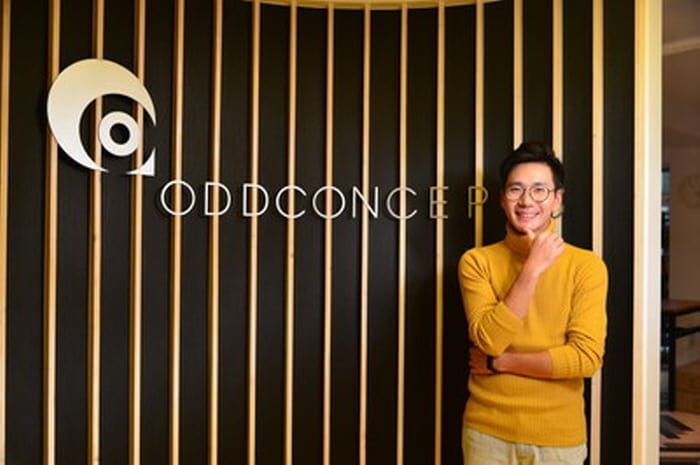
    Korean company Odd Concepts is using artificial intelligence to help consumers broaden their search for fashion items to match their tastes – even if the clothes are hanging in a store.

    Used by fashion e-commerce sites, its cloud-based image-search program works by allowing shoppers to choose clothes online that match their taste, then with its DeepLook search engine it finds similar clothing.

    Odd Concept

    A member company of the Korean government startup agency K-ICT Born2Global Centre, Odd Concepts draws on its expertise with image and video search. This enables shoppers to not only find clothing of a particular style, but also compare prices with similar items on other sites, says CEO Kim Jeongtae.

    Since its launch 11 months ago, the company has seen its monthly users rise to 4 million, he says. Of these, 15 to 20 per cent are from Japanese e-commerce sites.

    “We chose Japan as our first market because, unlike other east Asian countries, it has a unique closed-off fashion ecosystem,” says Jeongtae. “After three months of knocking on doors, traffic increased by more than 70-fold in six months, which eventually enabled us to secure an investment from a Japanese venture capital firm.”

    As well as DeepLook, the company plans to develop an extra search engine that focuses on content.

  • Kawaii fashion heading to Manila

    Kawaii fashion heading to Manila

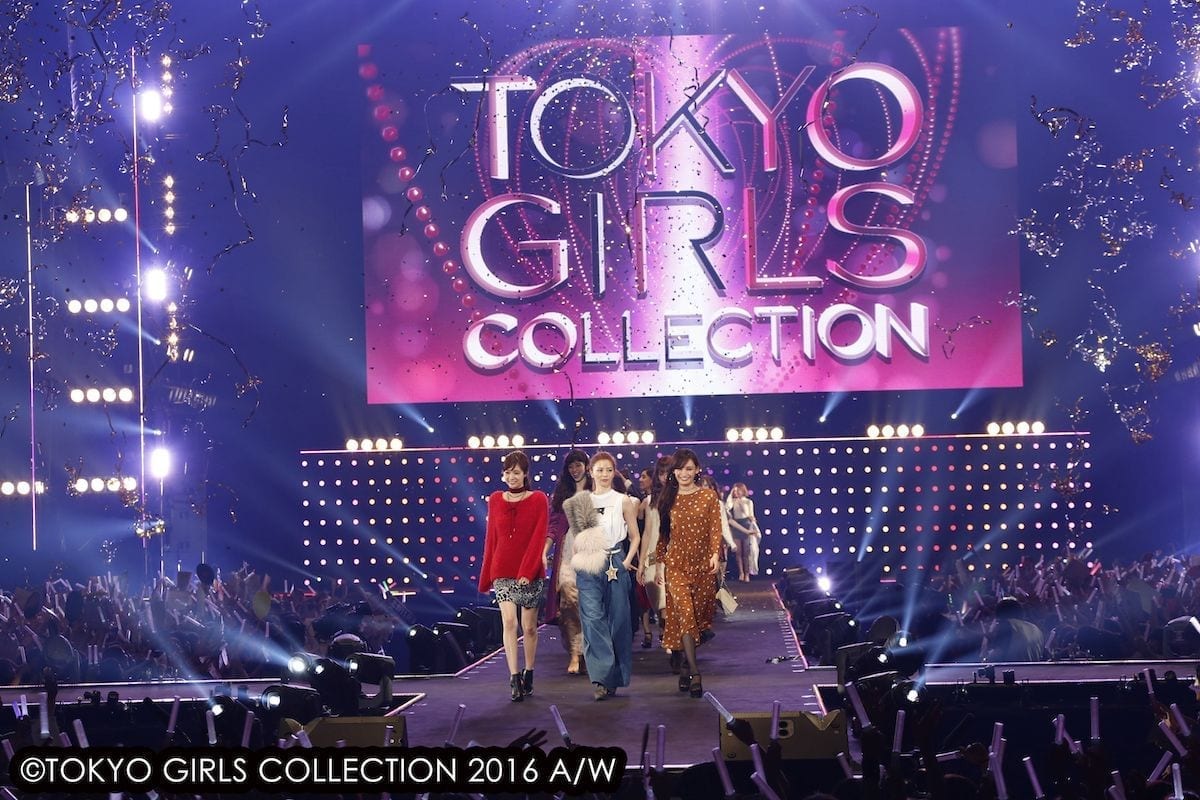
    W Tokyo is partnering with Manila online shopping company Hallohallo to open a Tokyo Girls Collection (TGC) store in the Philippines.

    Set to launch in May, the boutique will be at the Vertis North complex in Quezon City, Manila. In the mall’s Japan Town section, which features Japanese restaurants and retailers, the store will sell kawaii (cuteness) clothing, wigs and accessories targeting teenage girls and women in their 20s. The collection will be curated from up to 20 Japanese fashion brands.

    A feature of the 965sqm store will be a runway and stage for events featuring local models.

    Hallohallo will run the shop while W Tokyo will choose brands, run promotions and stage events.

    W Tokyo will also team with Japanese live-streaming service Showroom to feature events at the store and salespeople introducing products.

    “We want to implement a business model combining brick-and-mortar stores and live commerce in Japan as well,” says W Tokyo president Noriyoshi Murakami. The aim is to find success first in the Philippines before tackling Japan, where shopping malls often restrict the type of sales events stores can hold.

    Hallohallo has also partnered with Japanese trading house Mitsubishi and Philippine conglomerate Ayala Group to sell Japanese products.

  • Seven-Eleven to start selling food with English labels

    Seven-Eleven to start selling food with English labels

    Japan’s 7-Eleven stores have started labelling their prepared foods in English as well as Japanese.

    Seven-Eleven Japan president Kazuki Furuya says the measure is in response to requests from foreign tourists, whose numbers have been soaring and are expected to rise further ahead of the 2020 Tokyo Olympics and Paralympics, the Japan Times reports.

    “More foreign customers will be using convenience stores in Japan in the future,” he says, hoping that tourist visits will lead to stronger brand power for the company in China, Southeast Asia and the US, where it is opening more stores.

    The company says growing numbers of foreign visitors have been patronising its stores in big cities and tourist destinations. Some have asked the company to provide English names, especially for onigiri (rice balls), as they want to know what the fillings are.

    Also covered by the bilingual labeling will be bento (boxed lunch) products, delicatessen items and some sweets. Japan is expected to surpass 20,000 7-Eleven stores this month.

  • McDonald’s Japan adds three tasty new popcorn drinks to their menu

    McDonald’s Japan adds three tasty new popcorn drinks to their menu

    Following a limited-edition French macaron release last month, McDonald’s Japan is continuing to draw attention to its McCafe by Barista branches with a more unusual menu twist: popcorn drinks.

    Available at Japan’s 90 McCafe by Barista outlets from Friday, there are three variations of the limited-edition beverages…

    Iced Caramel Popcorn Latte: This combines the flavours of espresso with caramel syrup and popcorn syrup, plus whole popcorn pieces, whipped cream and sauce topping, as well as creamy cold milk.

    Mc Donalds pop corn latte

    Hot Caramel Popcorn Latte: This is similar to the iced version but uses hot foamed milk.

    Mc Donalds latte pop corn

    Caramel Popcorn Frappe: This features whole pieces of popcorn inside a sweet waffle cone that juts out from the beverage, which is an icy espresso and caramel/popcorn syrup blend topped with caramel-flavoured whipped cream and caramel sauce.

    Mc Donalds pop corn drink

    McDonald’s says it is aiming to add even more creative beverages to its McCafe by Barista outlets in the future, reports Sora News 24.

    The popcorn series will be available until the middle of February.