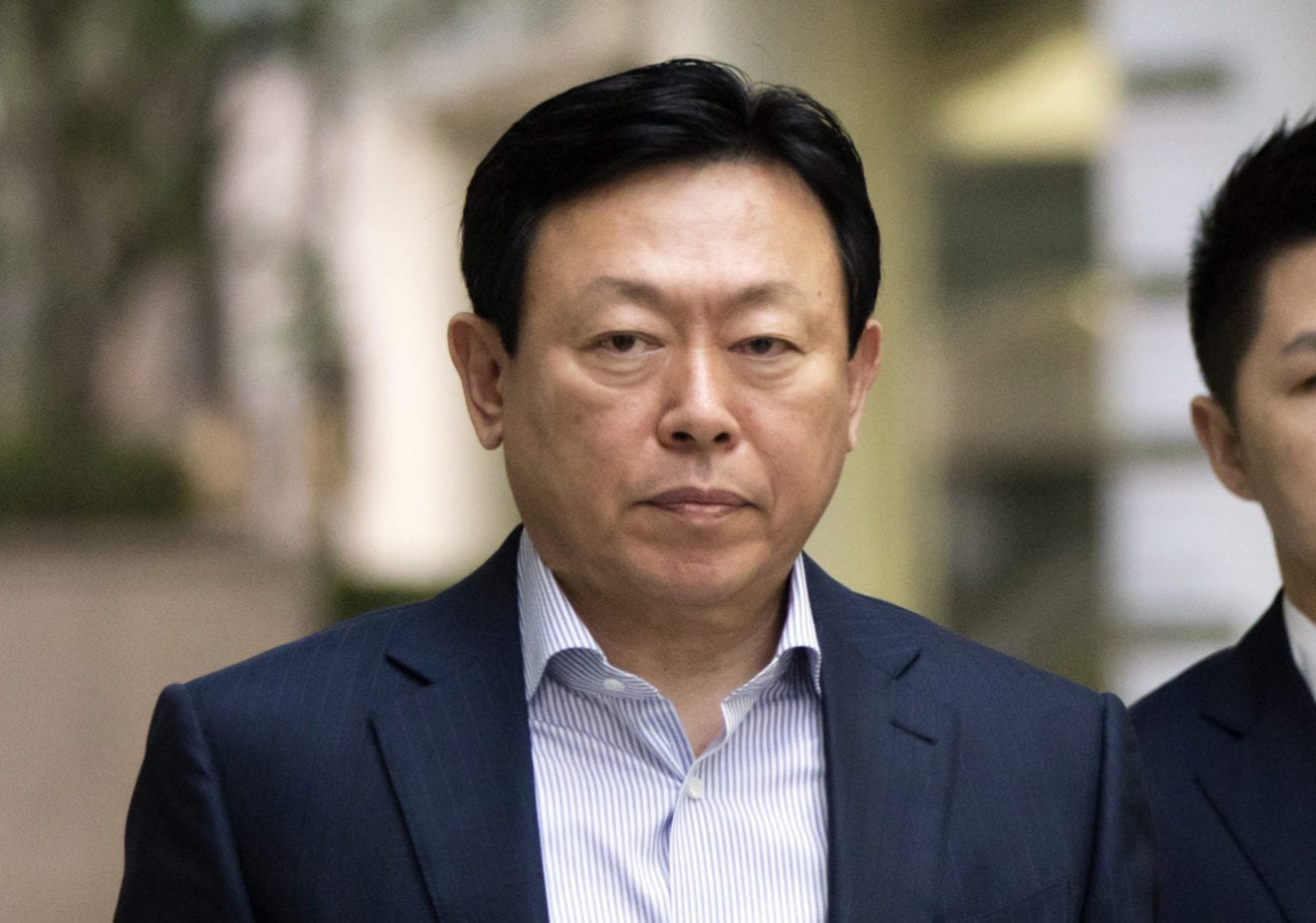
The chairman of South Korea’s Lotte Group has resigned as the chief executive of its Japan-based holding company, following his conviction for bribery charges last week.
Lotte Holdings held a board meeting on Wednesday and accepted Shin Dong-bin’s resignation, following a Japanese tradition of convicted chief executives stepping down, the group said in a statement. But Mr Shin will retain his post as vice-chairman of Lotte Holdings and the move will not affect his status in Lotte’s Korean units, the group added.
Lotte Holdings is at the heart of the retail-focused conglomerate’s complex ownership structure and indirectly controls the group’s key businesses in South Korea such as Lotte Hotel and Lotte Chemical through cross shareholdings.
Mr Shin’s resignation as chief executive of the holding company comes after a South Korean court sentenced him to two-and-a-half years in prison for bribery, in a stern warning to the country’s political and business elites. Mr Shin was found guilty of offering Won7bn in bribes to foundations of the long-time confidant of former South Korean president Park Geun-hye in return for political favours.
Lotte said Mr Shin’s resignation would likely have a negative effect on business cooperation and synergies between the group’s South Korean and Japanese operations.
Mr Shin is appealing the court case. However, his legal troubles could reignite a family dispute over management control at South Korea’s fifth-largest conglomerate and slow its group-wide restructuring efforts.
Lotte officials are also concerned that Mr Shin’s detention could undermine Lotte’s major investment plans as the group grapples with ballooning losses in China.
Japanese retailer Uniqlo has entered the Netherlands, with a debut Dutch store launching in Amsterdam.
The Fast Retailing flagship brand, after months of speculation, has confirmed it will enter the Dutch market in the autumn of 2018.
Located on Amsterdam’s busiest shopping street, Kalverstraat, the three-level, 2,040 square-metre-store has a secondary entry for shoppers to access to the store via Rokin, opposite Canadian retailer Hudson’s Bay. The building served as the home of US retailer Forever 21, until early 2018.
The Amsterdam flagship will boast collections for men, women, children and infants, as well as key collections like LifeWear.
“Amsterdam is well known for its relaxed and casual lifestyle. I believe our LifeWear, designed around core items such as Denim, Ultra Light Down outerwear, Extra Fine Merino knitwear and more, will be a perfect match for the people of Amsterdam. Our entry into the Netherlands marks the next step in our plans to grow our presence in the Benelux region,” said Taku Morikawa, Chief Executive Officer at Uniqlo Europe.
Europe has been expansion point for the Japanese retailer in the past twelve months. In May 2017, Uniqlo debuted a European distribution centre in Oud-Gastel in the Netherelands, in partnership with Ceva Logistics.
At the time, Uniqlo said it plans to take its European store count to 100 outlets over the next three years, in a bid to strengthen its retail presence outside of Asia.
With the opening of the Amsterdam store, the Netherlands serves as the eighth European market for the fashion giant.
Uniqlo is owned by Fast Retailing, which also operates Comptoir des Cotonniers, GU, Helmut Lang and J Brand. It boasts 1,900 stores, in 19 markets worldwide including Asia, Europe and the Americas.
Japanese company Sumitomo Forestry plans to build the world’s tallest wooden skyscraper to mark its 350th anniversary in 2041.
Called the W350, the 350-metre-tall tower will be made up of 10 per cent steel, said the company in a news release. The rest will comprise 185,000 cubic metres of timber.
The “braced tube structure” will have diagonal steel vibration-control braces to “prevent deformation of the building due to lateral forces such as earthquakes and wind”, according to the news release.
The 70-storey building may house offices, shops and hotels, as well as about 8,000 homes. There will also be balconies and greenery on every level.
“The interior structure is made of a pure wood, producing a calm space that exudes the warmth and gentleness of wood,” said Sumitomo.
Construction of the W350 is expected to cost 600 billion yen (S$7.4 billion) – almost double that of a conventional high-rise building.
Sumitomo said the aim of the W350 – designed in collaboration with Nikken Sekkei – is to “create environmentally friendly and timber-utilising cities that become forests through increased use of wooden architecture”.
“The devastation of domestic forests due to insufficient maintenance is becoming a problem. Increased timber demand will promote replanting and contribute to the revitalisation of forestry,” the company added.
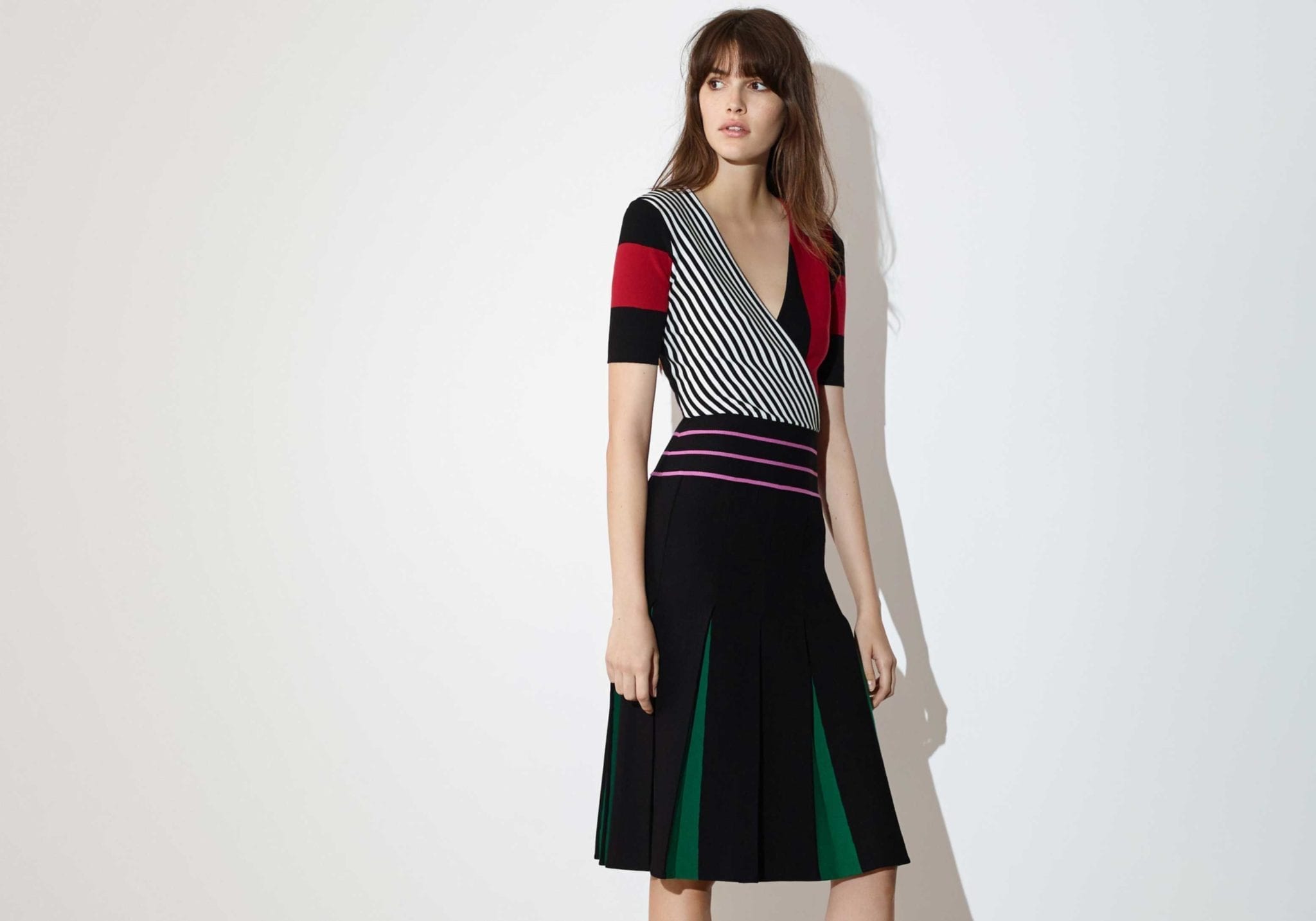
UNIQLO yesterday announced a new collaboration with the tomas maier brand, famed worldwide for its casual yet designed lifestyle concept. The new tomas maierand uniqlo collectionis for women and men, and it will be available in early summer at selected UNIQLOstores and online. The range infuses the “time off” and “escape” philosophy of the tomas maier brand into LifeWear,which embodies UNIQLO’s enduring commitment to top-quality fabrics, outstanding technology and functionality.
Commenting on the announcement, Tomas Maier said, “The concept of my brand is based on simple, yet sophisticated designs. tomas maieris all about clothes for time off -a way for people to enjoy a much-needed escape from some of the complexities of modern living. I am confident that we wereable to incorporate UNIQLO’s remarkable technologies and expertise successfully into our collaboration line, which I hope can help people to relax and get away from the hustle and bustle of daily life.”
Yuki Katsuta, Group Senior Vice President of Fast Retailing and Head of Global Research and Design at UNIQLO,commented that, “LifeWearembodies our belief that individualitycomes not from clothes, but the people wearing them. That’s why we devote our energies to creating clothes that people will enjoy and value for a long time. UNIQLO and the tomas maier brand share a long-held philosophy of including contemporary touches in casual clothes that are made fromqualityfabricsand are comfortableto wear. Our first resortwear collection marks a newstage in the evolution of LifeWear and adds a splash of summer fun to people’s lifestyles.”
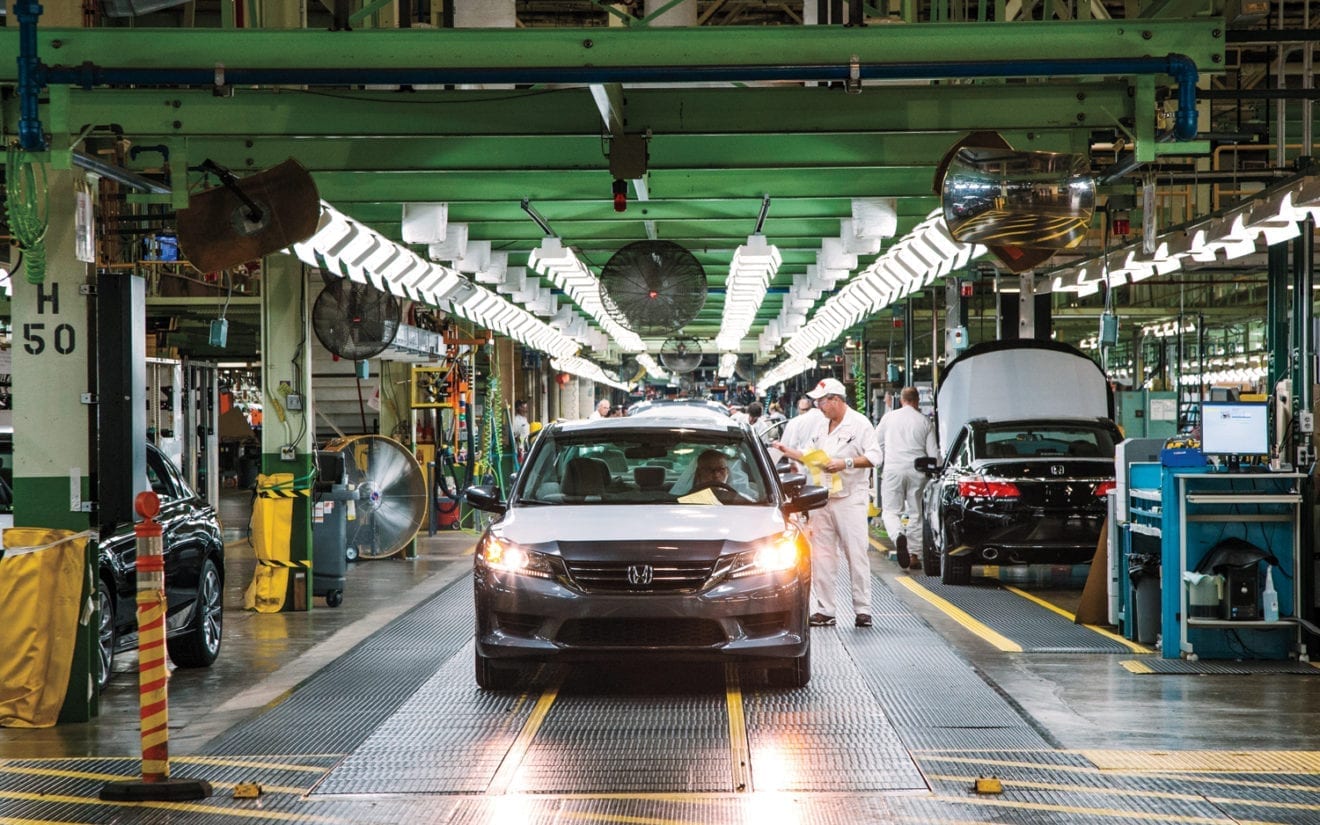
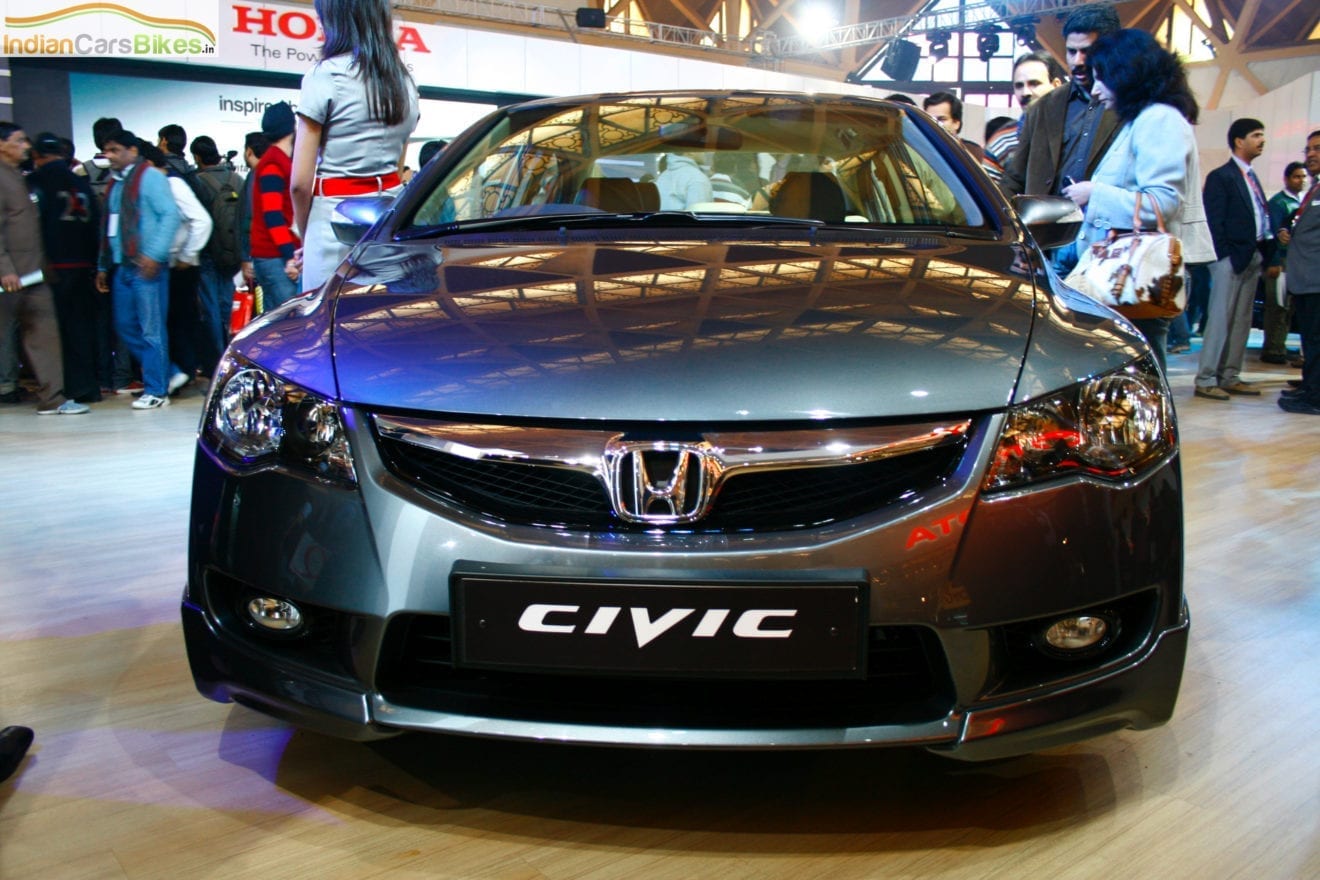
Honda Motor Co Ltd will recall roughly 350,000 vehicles in China to resolve a cold-climate engine issue and quell a barrage of customer complaints that has hit the automaker over the past month.
The recall involves the CR-V sport utility vehicle and the Civic car equipped with a 1.5-litre turbo engine, Honda’s joint venture with Dongfeng Motor Group Co Ltd (0489.HK) said in a statement on Monday.
The company is calling back those cars to resolve a problem caused by an unusual amount of un-combusted petrol collecting in the engine’s lubricant oil pan.
The issue in some cases caused a strong odor of gasoline inside the car and in other cases the car’s check-engine light came on. Honda and Dongfeng plan to resolve the issue by updating the engine’s gasoline injection control software.
Honda officials said there had been no reports of accidents. They said the engine oil issue doesn’t affect the engine or the car’s performance.
The measure comes after CR-V and Civic owners turned to the Weibo microblog – China’s Twitter equivalent – and other means to air their complaints since mid January.
The recall points to an emerging pattern in China where customer complaints spiral out of control as they are aired out on Weibo, forcing an automaker to respond.
Years ago the kind of recall Honda announced on Monday could have been dealt through a so-called customer service action, industry officials and experts say. That refers to what the auto industry calls a “quiet recall”, which is less damaging financially and image-wise, where an automaker fixes a non-safety issue, often free of charge, whenever the customer comes to the dealership.
“Without Weibo, it would have gone on for years,” said James Chao, chief automotive analyst for IHS Markit in the Asia-Pacific region. “That’s the way it was for the industry in the pre-Weibo, pre-Twitter era.”
Honda did not say the scale of the move in its statement, but a Beijing-based spokesman and other company officials said Honda and its joint venture partner are likely to call back roughly 350,000 vehicles. “We’re still trying to determine the precise number of cars affected,” the spokesman said.
Normally un-combusted petrol ends up accumulated in the lubricant oil pan but evaporates under heat from the engine. Such evaporated petrol is by design put back into the engine combustion chamber as fuel.
The issue involving the CR-V and the Civic has occurred in northern China where temperatures can dip well below the freezing point and when drivers of the affected vehicles drive short distances frequently.
On short runs, Honda engineers believe the engine doesn’t warm up enough to help un-combusted petrol accumulated in the lubricant oil pan to evaporate.
Japanese carmaker Honda Motor Co plans to double its market share in India within the next few years, the head of its local unit said, as it looks to boost its presence in the world’s fifth-largest car market.
To be a major player and have a meaningful presence, Honda needs to achieve a 10 percent market share, Yoichiro Ueno, managing director of the carmaker’s India unit, said during the country’s biennial auto show.
Honda, which sells cars such as the City sedan and CR-V sport-utility vehicle in India, has seen its market share fall to about 5 percent at the end of 2017 from 7 percent three years ago, industry data show, thanks to a slew of new launches from rivals Maruti Suzuki and Hyundai Motor.
Annual passenger vehicle sales in India crossed 3 million units last year and the country is expected to become the world’s third-largest car market by 2020, trailing only China and the United States.
One of the challenges for Honda is that lower taxes on small cars in India make them a preferred choice for buyers, and the carmaker has few small cars to offer.
“Our global line up is different so it is a bit difficult to utilise global resources,” Ueno said, adding car taxation policy in India needed to change to encourage carmakers to bring in products from their global portfolio.
The Japanese carmaker is utilising only 70 percent of its annual production capacity of 300,000 units in India and needs to ramp up output to be efficient, Ueno said.
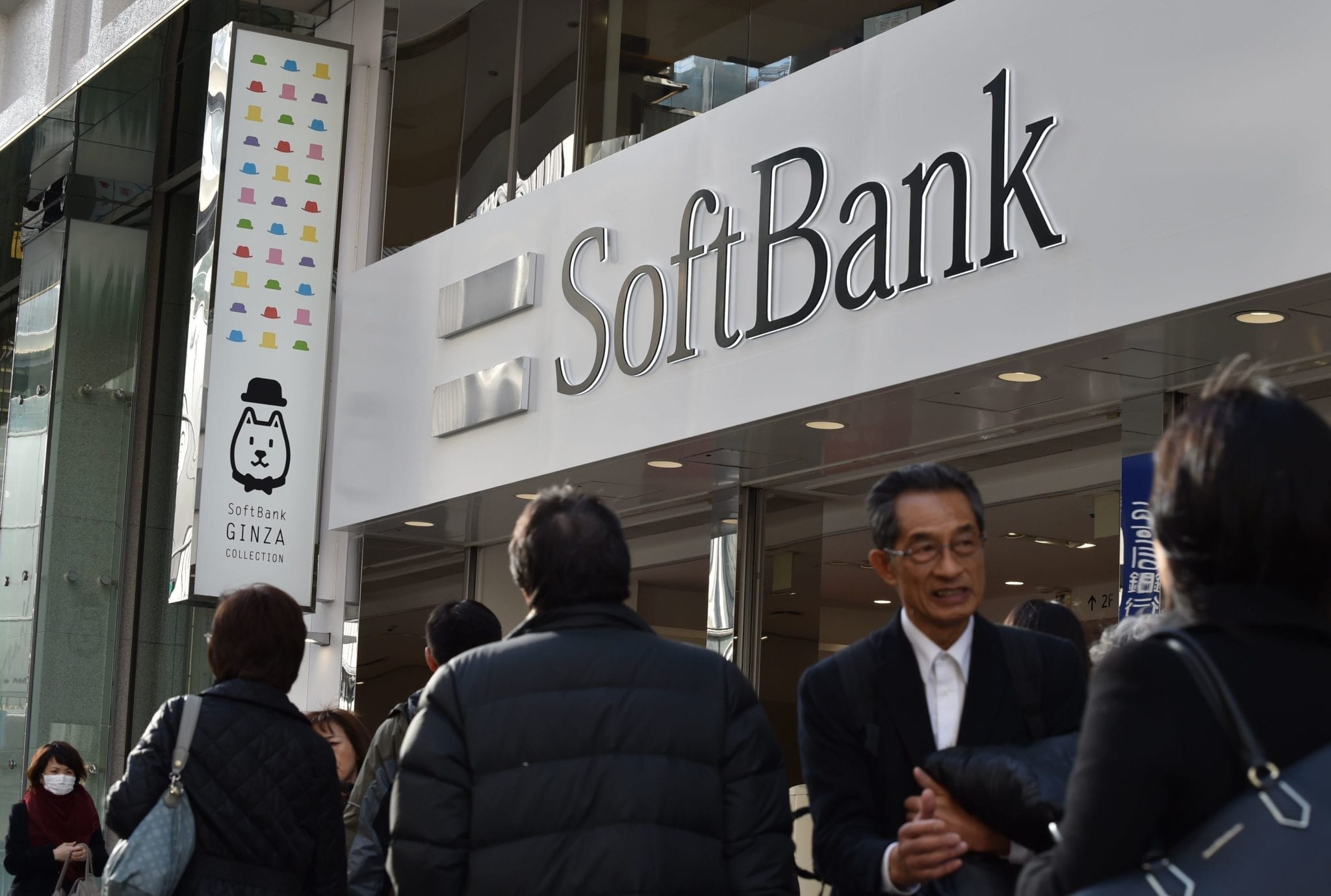
Japan’s SoftBank has reported a solid 20% increase in net profit for the nine months ending in December to 1.01 trillion yen ($9.35 billion), partly as a result of cost cutting at US subsidiary Sprint.
Net sales for the first nine months of SoftBank’s financial year grew 3.5% to 6.58 trillion yen, with revenue increasing across all the company’s market segments.
Domestic telecoms revenue grew slightly to 2.406 trillion yen despite a 1.4% decrease in telecoms service revenue to 1.8 trillion yen.
Mobile service revenue fell 5% to 1.36 trillion yen, but broadband revenue improved 23.2% to 240.02 billion yen and fixed telecommunications revenue edged up 0.5% to 200.86 billion yen.
Smartphone net additions for the nine-month period grew to 1.13 million, with the operator’s total mobile customer base growing to just under 33 million, while churn fell slightly to 0.84%.
SoftBank’s FTTH subscriber base meanwhile reached 4.67 million, up from 3.14 million as of the end of 2016.
Net sales at Sprint increased 2.6% to 2.72 trillion yen, while the unit’s adjusted ebitda grew 19.1% to 938.8 trillion won on the back of cost reduction efforts that resulted in nearly $1 billion in savings. Net sales from Yahoo Japan increased from 630.8 billion yen to 651.5 billion yen.
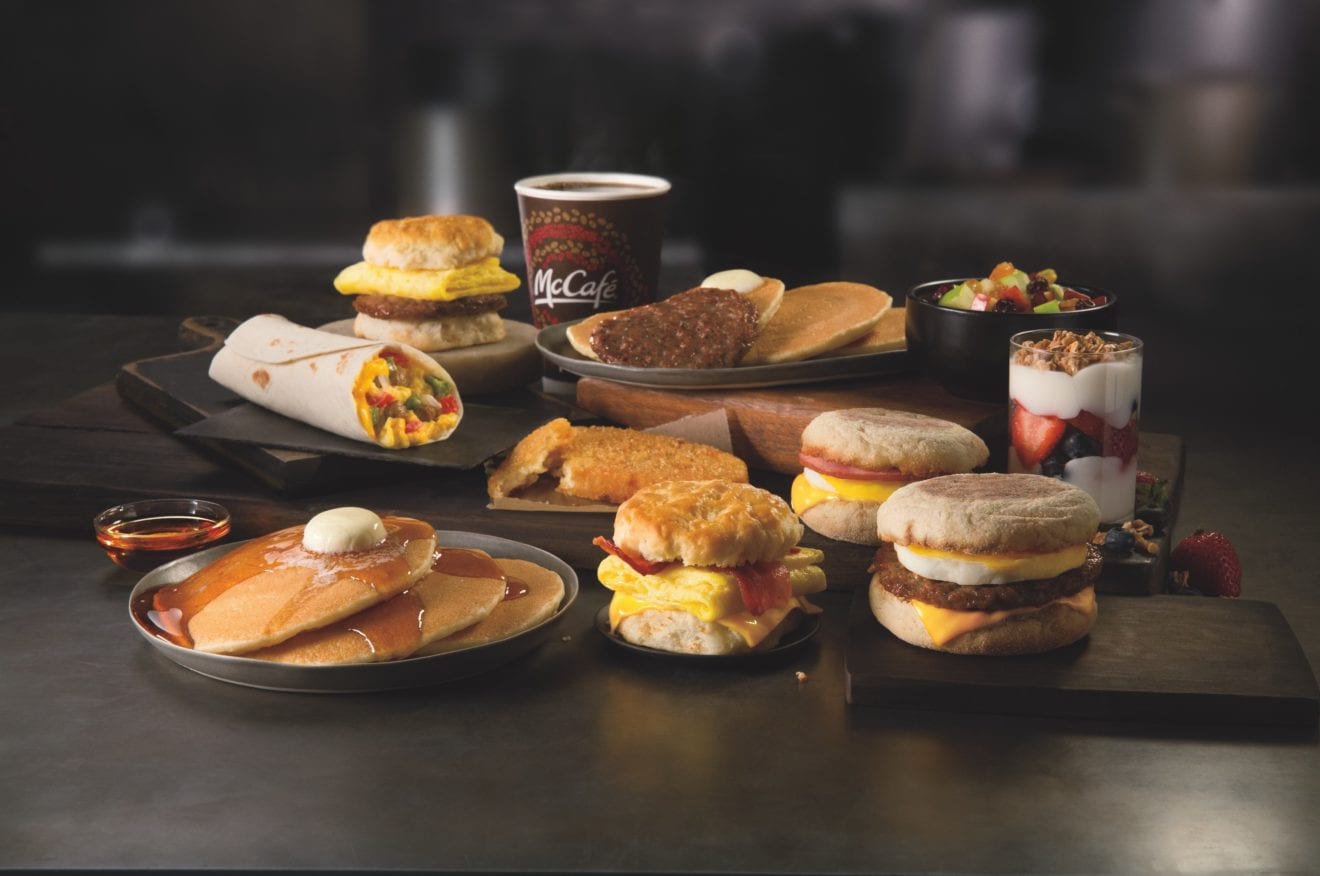
McDonald’s Japan plans to open more stores this year, its first expansion in a decade.
At the same time, rival Burger King is working on tripling its Japanese locations to 300 by 2022 at a cost of ¥5 billion (US$45.5 million).
With a 4.5-fold increase in group net profit last year, McDonald’s Holdings logged a record ¥24 billion. It aims to open 150 to 200 locations in the next three years. With closures taken into account, it expects a net increase of about 100.
“Over the past several years we were focusing on optimising our store portfolio,” says president Sarah Casanova. “Now it is time to look to opportunities to grow with new restaurants.”
Following a peak in 2002, the number of McDonald’s locations in Japan has been declining. The chain now has 2900 outlets, a drop of about 1000.
The turnaround for the burger market is mainly because of record numbers of tourists in Japan, 28.6 million last year.
Burger King Japan plans to open most of its 200 new restaurants in cities like Tokyo, Osaka and Nagoya. Target locations include shopping-centre food courts and suburban sites with room for a drive-through. A home-delivery service will be offered to counter the move last year by McDonald’s Japan to partner with Uber Eats.
After a slump, Burger King left Japan in 2001, returning in 2007. Its current expansion drive follows a Hong Kong investment fund acquiring the Japan rights from Burger King. It is also revamping its product lineup.
Shiseido Travel Retail has celebrated the relaunch of luxury brand, Clé de Peau Beauté with ‘A Radiant Day’ campaign, fronted by new global Ambassador – Academy Award-Nominated British actress, Felicity Jones.
The campaign coincides with the introduction of Clé de Peau Beauté’s beauty products to its current travel retail offering. Clé de Peau Beauté has remained a top performing brand for Shiseido Travel Retail, up +120% on FY2017 and representing around 25% of total sales globally, according to the company.
Asia Pacific and Chinese travellers a key growth driver for the brand. The re-launch will be promoted via an extensive strategic marketing campaign, with premium out-of-home advertising across Hong Kong International Airport already under way.
A new flagship counter design will also be unveiled in April at T Galleria by DFS, Macau, Shoppes at Four Seasons, providing more engaging and meaningful shopping experiences for Clé de Peau Beauté customers. The aim is to roll out the new design across all travel retail counters in the second half of 2018.
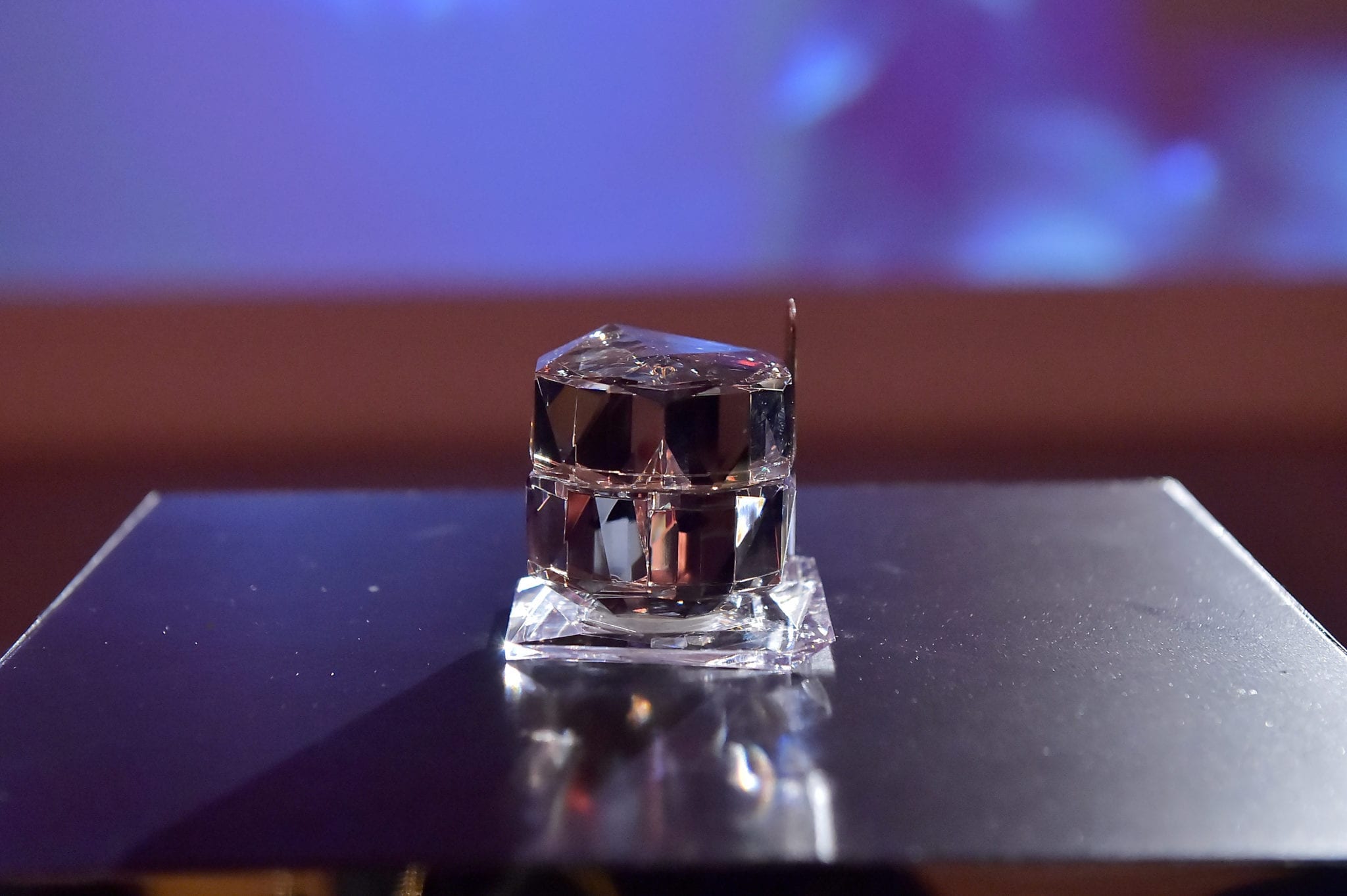
LOS ANGELES, CA – JANUARY 17: A general view of atmosphere at Cle de Peau Beaute Celebrates the Brand Relaunch with a Global Event in Los Angeles, hosted by Global Brand Face Felicity Jones at Hotel Bel-Air on January 17, 2018 in Los Angeles, California. (Photo by Stefanie Keenan/Getty Images for Shiseido)
REVITALISED DNA
With a revitalised brand DNA, “Intelligent, Uncompromising, Exquisite”, and a refreshed new tag line, “Unlock the Power of Your Radiance”, Clé de Peau Beauté has set its sights on becoming a global, luxury brand by 2020.
Establishing a suite of new universal values – integrity, balance and authenticity, the brand’s newly appointed brand ambassador, Jones, reflects these seamlessly, the company said. Clé de Peau Beauté Chief Brand Officer Yukari Suzuki indicated a crucial element of Clé de Peau Beauté was to help customers feel the brand belonged in their lives.
NEW SS18 PRODUCTS
The relaunch also introduces various new luxury SS18 products to Clé de Peau Beauté’s current travel retail offering. These include the Firming Serum Supreme, a clinically proven formula to unlock a new dimension of skin firmness, Radiant Lip Gloss (pictured left)a new and improved version of the brand’s original lip gloss; three new shades of Lipstick including Peach Stone, Crystal Star and Desert Rose; a new shade of Luminising Face Enhancer in lavender inspired by the spiral of a luminescent seashell; and a new take on its stick Concealer with new skincare ingredients for radiant skin.
There is also focus on La Créme, a product Shiseido said continued to stand at the pinnacle of Clé de Peau Beauté skincare.
‘A Radiant Day’ has already achieved success following the official event launch with Jones, last month at The Beverly Hills Hotel in LA, along with new counter openings in MGM Macau, MGM Cotai and T Galleria by DFS Singapore.
EXCITING TIME
Shiseido Travel Retail Vice-President Marketing Elisabeth Jouguelet commented: “This is an exciting time for Clé de Peau Beauté as we look to establish the brand as a true market leader in luxury beauty.
“The relaunch provides an opportunity for us to enhance the brand’s travel retail offering and solidify its position in the market as a prestigious, but accessible brand. All the elements of the relaunch, from taking on Felicity Jones as our global ambassador, to opening flagship stores in Asia Pacific, are part of a long-term strategy to draw our consumers in further; to offer them memorable, luxury experiences beyond the traditional sense of retail. We are looking forward to a new era for Clé de Peau Beauté.”
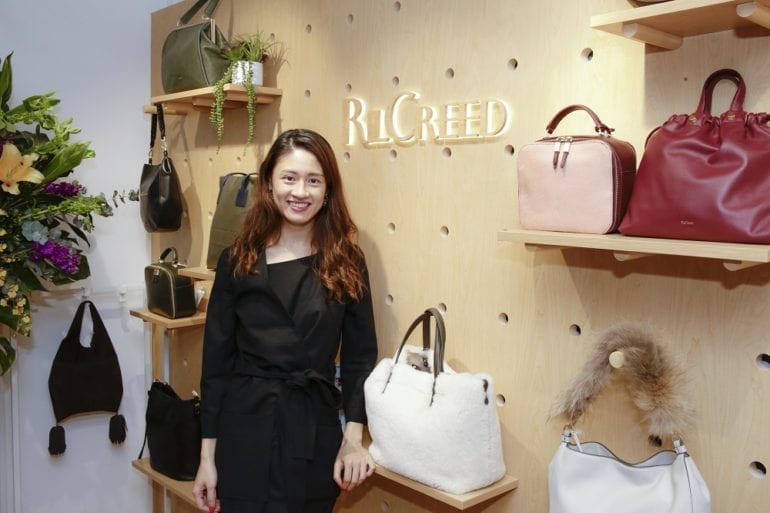
RIL CREED’s collection of sustainable and ethical Japanese handbags opens its first flagship boutique in Hong Kong.
Launched in 2012 in Japan and 2014 in Hong Kong, The Japanese handbag label RIL CREED is designed by Hanada Kazue, a seasoned designer who has been the design chief at the coveted Kitson Japan.
With over two decades of experience, Kazue’s designs are made for the modern working women on the go. Using only fine genuine leather, with on-trend colours and versatile designs, each of RIL CREED’s handbags are made for every smart-casual occasion.
Made to empower every modern women, each RIL CREED handbag is designed in Tokyo and handmade by artisans with age old craftsmanship. With a vision to revolutionize the handbag industry by using sustainable, upcycled materials and encouraging women to see beyond luxury items, RIL CREED redefines handbags as a tool to collect experiences and a companion in women’s journey to change the world.
RIL CREED’s latest collection is inspired by owls, a spirited animal that symbolizes a deep connection, intuition, and wisdom of the soul. It represents change, transformation, and clarity. The brand aims to empower women through efforts to use sustainable materials and offcuts from factories. This season, upcycled sheepskin, faux fur and suede has been transformed into clean, elegant and effortless designs.
Born in the 1970s, Hanada Kazue is Chief Designer of one of Japan’s most sought-after handbag brands, RIL CREED. Previously the design chief at Kitson Japan, Hanada has a deep understanding of what a woman needs when it comes to handbags. She has designed some of the bestsellers for the JAYRO, Kitson and Julia Parker labels, and brings to RIL CREED her renowned expertise.
A seasoned handbag designer with over 20 years of experience, Hanada has created a beautiful, smart-casual collection for RIL CREED using only the finest genuine leather and horsetail in a variety of on-season, contemporary colours.
These fashionable and practical designs from Hanada have been extremely popular amongst professional women in Japan and California, and have now set pulses racing amongst Hong Kong’s fashionistas.
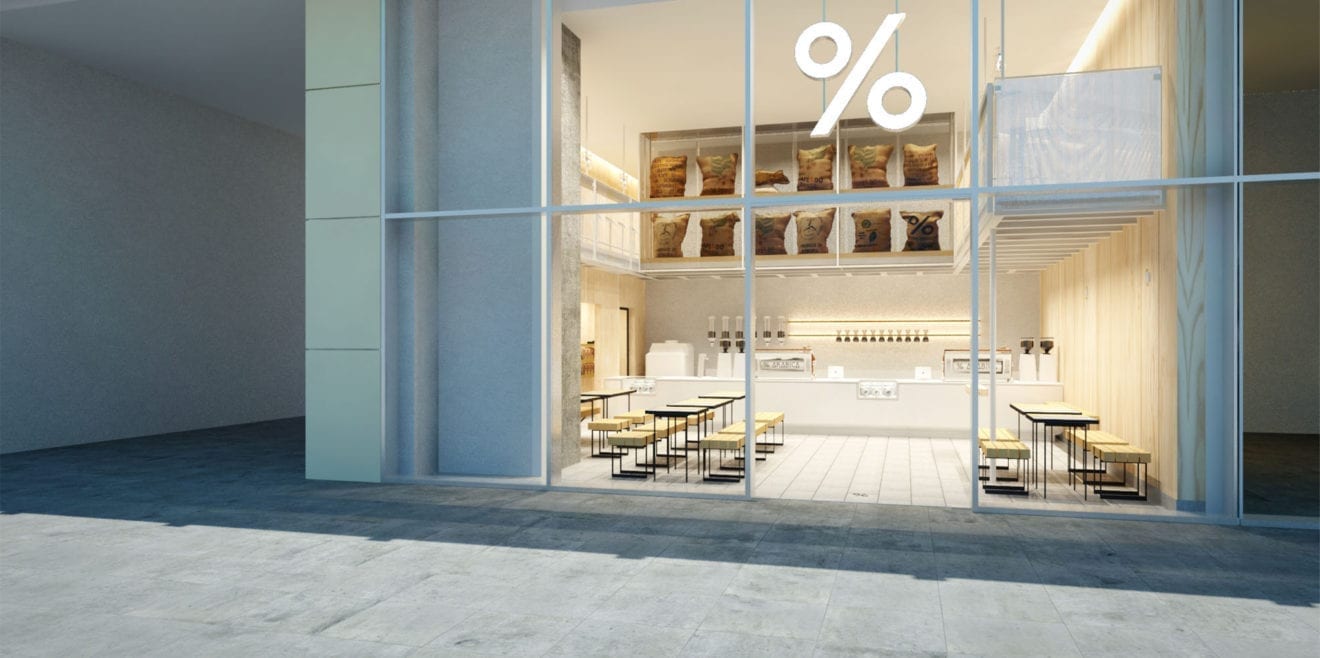
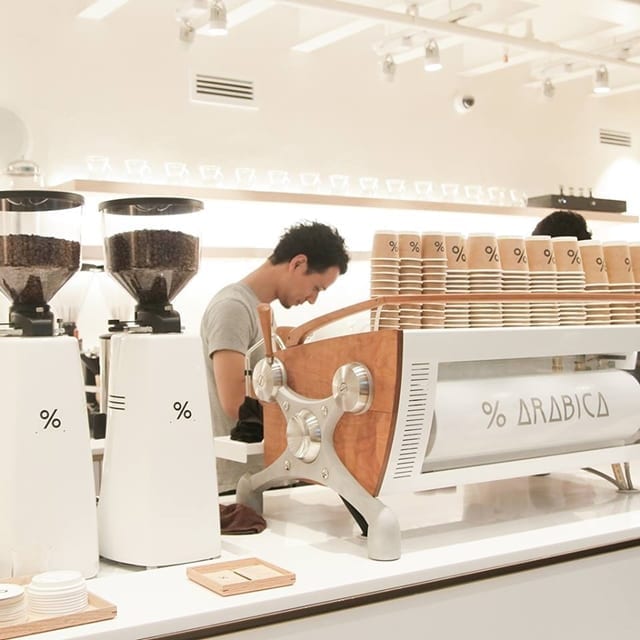
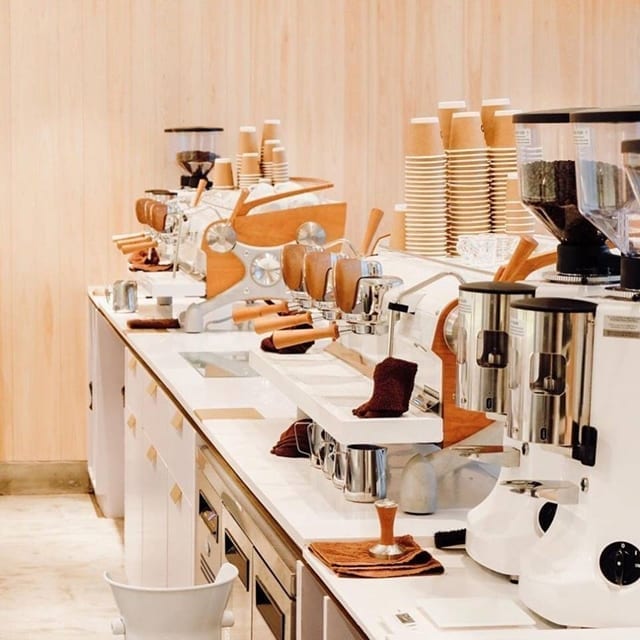
After nearly a year of planning, Kyoto’s % Arabica Coffee has opened its first store for the Philippines.
It is in Manila’s Bonifacio Global City and is the result of the efforts of a mother-and-daughter team that has been travelling around the world looking for the best coffee spots. Allue Hortazela says she and her mother could not forget the taste of % Arabica, prompting her to return to the Kyoto main branch of % Arabica to contact the owner with the hope of launching a branch in the Philippines.
Founded in 2014 by Kenneth Shoji, % Arabica uses 100 per cent Arabica coffee beans sourced internationally from countries such as Brazil, Guatemala and Japan.
To support the opening of the Manila branch, % Arabica global and Kyoto head barista Junichi Yamaguchi flew from Japan to oversee the crafting of coffee for every customer.
Physical gold demand in Asia picked up towards the end of the week, as a pullback in prices spurred purchases ahead of the Lunar New Year in China and the wedding season in India.
Spot gold has declined about 1% so far this week and was headed for a second straight weekly drop due to a recovery in the dollar.
“Retail buyers are comfortable with the current price range,” said Aditya Pethe, a director at Waman Hari Pethe Jewellers in Mumbai. Local gold prices have declined more than 2% since rising to Rs30,720 per 10 gram last week, the highest since November 9, 2016.
Dealers were charging a premium of up to $1.5 an ounce yesterday over official domestic prices, down from $2 last week. The domestic price includes a 10% import tax.
“Demand is not great but the market is still in premium due to limited supplies. Imports were lower last month,” said a Mumbai-based dealer with a private bank. India’s gold imports in January dropped 37% from a year earlier to their lowest in 17 months as buyers postponed purchases in expectation of a cut in the import tax.
Gold demand in India is likely to remain below its 10-year average for a third year in 2018 as higher taxes and new transparency rules on purchases may cap last year’s rebound in buying, the World Gold Council said on Tuesday.
In top consumer China, premiums rose to $9-$10 an ounce from $6-$8 last week as demand picked up after prices fell later in the week, traders said.
In Hong Kong, premiums remained unchanged from last week at between 60 cents and $1 an ounce. Demand in Southeast Asia remained strong ahead of the Chinese New Year that starts from February 16, as dealers stocked up in anticipation of strained supply during the festival week when gold refineries and businesses will be on holidays.
“Supply-wise, we see some issues… That’s why the market is getting squeezed a bit and premiums are a little higher now,” said Brian Lan, managing director at dealer GoldSilver Central in Singapore.
“Dealers generally try to get in more inventory during this period to at least get through the one tight week during the Chinese New Year.”
Premiums for the precious metal in Singapore were slightly higher this week at between 80 cents and $1 an ounce, compared with 60-80 cents last week.
“There’s no shortage of gold or anything, but it’s because of the festival season and the production schedule,” said Lan.
In Japan, gold was sold at par after being on discount for the past few weeks, according to a Tokyo-based trader. India’s gold imports in January dropped 37% from a year earlier to their lowest in 17 months as buyers postponed purchases in expectation of a cut in the import tax.
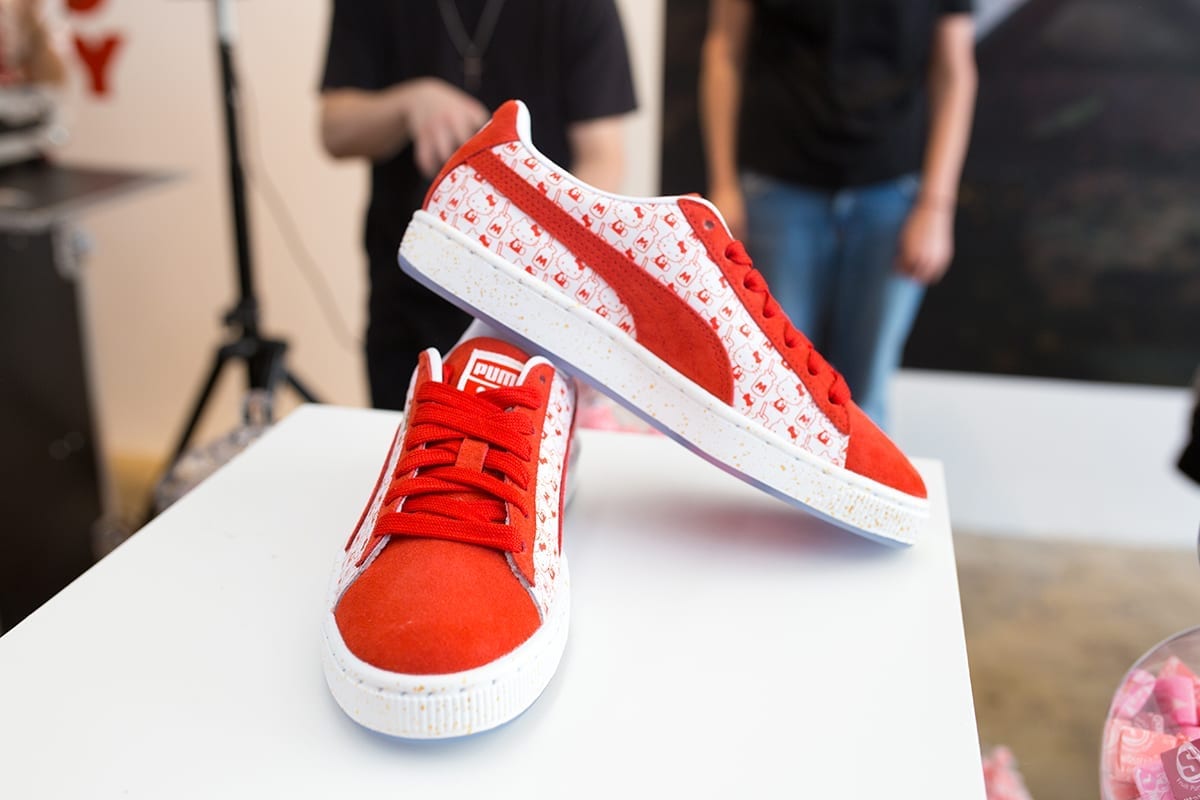
Puma Japan has launched a red-and-white themed collection that pays homage to the Hello Kitty character.
At the centre of the limited-edition collection is a pair of sneakers created to mark the 50th anniversary of Puma Suede.
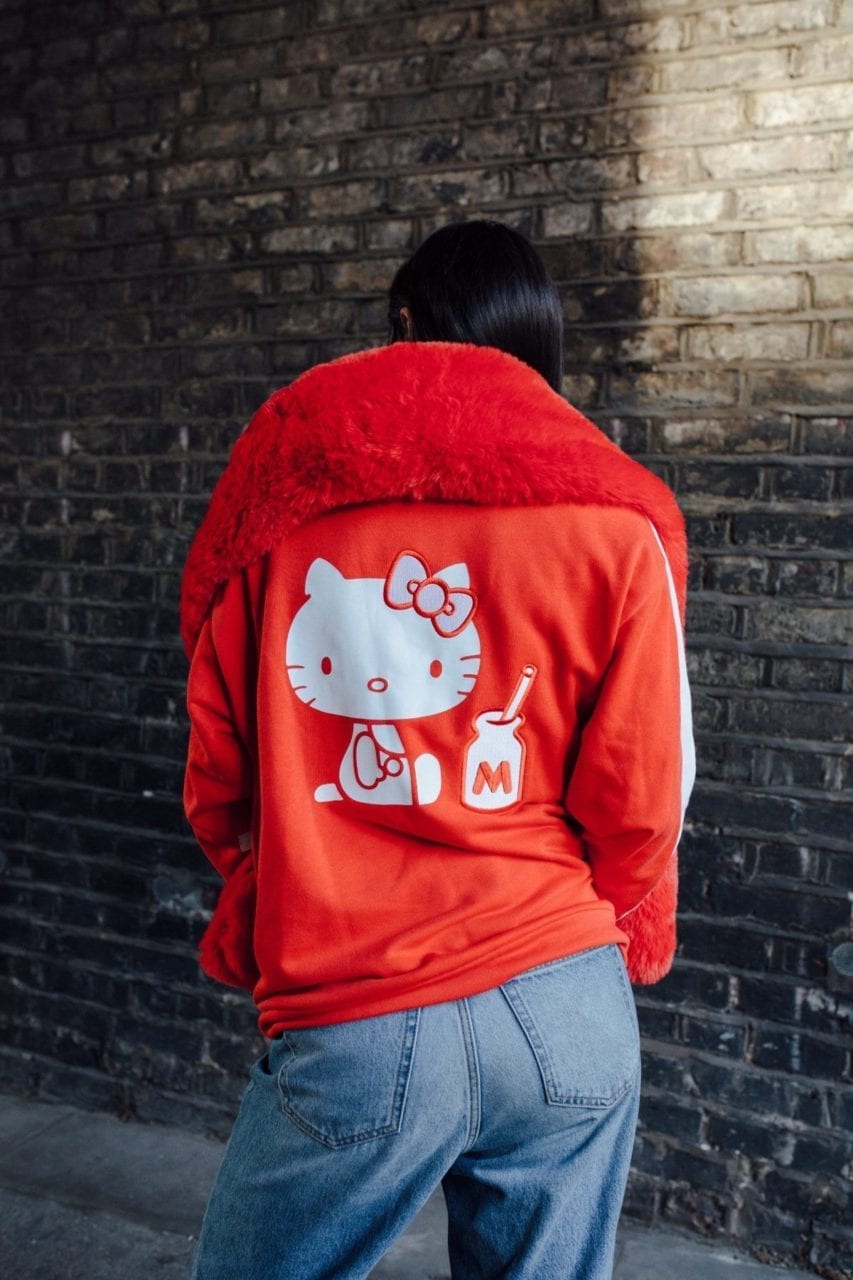
For the collection, Hello Kitty appears with her trademark bow and milk bottle.
On the shoes, the graphic is accented with red laces and red suede on the tongue, heel and sides. Hello Kitty also appears on the tongue, poking out from the laces alongside the Puma logo.
The Sanrio character can be found on several other items in the German sportswear brand’s range, including a red-and-white tracksuit and a t-shirt. A gymsack and a backpack feature the character on see-through designs.
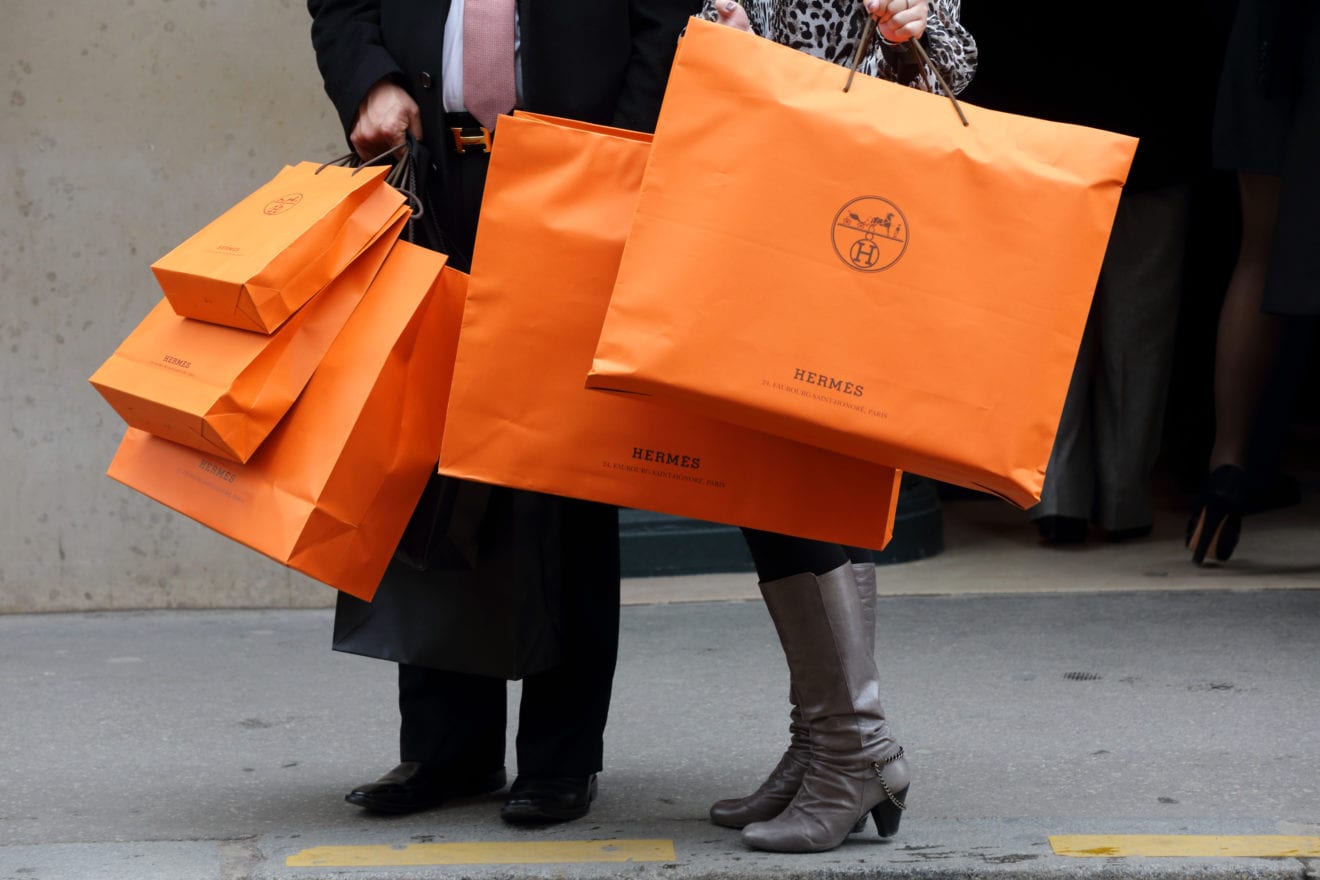
Hermes international sales showed strong growth last year, pushed by an upward curve in Asia.
Sales for the French fashion brand were up 9 per cent at constant exchange rates, with consolidated revenues reaching €5.5 billion (US$6.7 billion). After adjustment for the negative currency effect resulting from the year-end strengthening of the euro, the increase was 7 per cent.
In the final quarter growth was sustained at 5 per cent at constant exchange rates.
During the year Hermes continued to improve its distribution network, renovating and extending almost 20 stores. It launched websites in Canada and the US, to be followed by China at the end of this year.
Asia, excluding Japan, saw sales rise 11 per cent with a positive outlook in Mainland China and South Asia.
Hermes says the context is improving in Hong Kong and Macau. Regional stores were extended and renovated – the Sogo Fuxing store in Taiwan, Kowloon Elements in Hong Kong and the Kuala Lumpur store.
Despite a high comparison basis, Japan recorded a sustained increase of 4 per cent thanks to its selective distribution network.
All sectors recorded growth, with a “remarkable” performance by the ready-to-wear and accessories, perfumes and other sectors.
Leather goods and saddlery sales grew 10 per cent to meet demand for such bags as Constance, Halzan, Lindy and Verrou. Shoes particularly boosted sales in the ready-to-wear and accessories division, up 9 per cent, silk and textiles had a 6 per cent rise, while the perfumes division posted 10 per cent growth with the launch of Twilly d’Hermes.
There was a 1 per cent rise in watch sales, while other Hermes business lines ‒ encompassing jewellery, Art of Living and Hermes Table Arts ‒ rose 11 per cent.
Currency fluctuations had a negative impact of €100 million on revenues.
The company will publish its annual results next month.
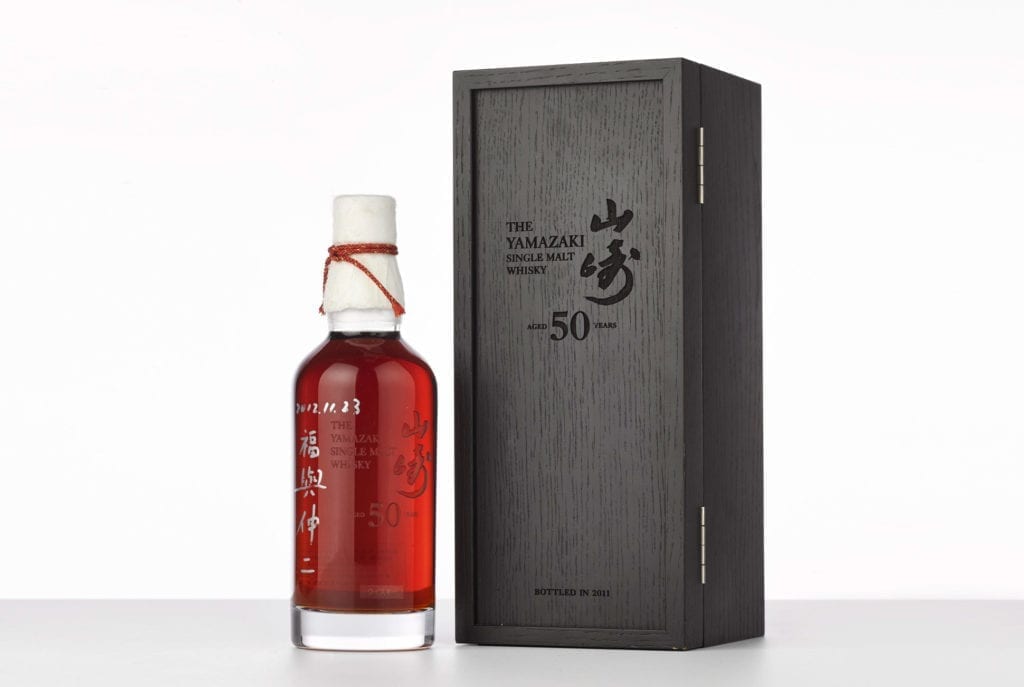
A rare Japanese whisky just became the most expensive ever sold at auction.
The Spirits Business reports that a limited edition bottle of Yamazaki 50-year-old single malt fetched $300,000 at Sotheby’s Finest and Rarest sale in Hong Kong.
That’s more than double its pre-sale price estimate of $140,000.
Paul Wong, specialist at Sotheby’s Wine, Asia, said: “We are absolutely thrilled with the new world auction record set by the Yamazaki Aged 50 Years NV, the highest price achieved for any single bottle of Japanese whisky, illustrating a whisky market in full swing.”
Assuming that the bottle contains a fifth of its ultra-rare nectar, each pour is worth around a staggering $16,500. That’s one helluva hangover.
While the Yamakazi may sound absurdly expensive, it’s a long way off from the priciest whisky ever sold. In 2014, a bottle of Macallan Imperiale M set the record with a $628,205 price tag at Sotheby’s.
Granted, the faceted crystal decanter held 6 liters of hooch and took 7 craftsmen 50 hours to complete.
For something a little more affordable but probably just as delicious, check out our boozy lists of the 10 best single malt scotches, 10 rare whiskey collections, and the absolute best whiskeys of 2017.