Tag: Japan

  • Jins, Japan’s biggest eyewear chain, to open in Manila

    Jins, Japan’s biggest eyewear chain, to open in Manila

    Japan’s largest eyewear chain Jins plans to open in Metro Manila this summer.

    Brought in by Suyen Group, the parent of fashion brand Bench, Jins will add a broad variety of eyewear design to the Philippines.

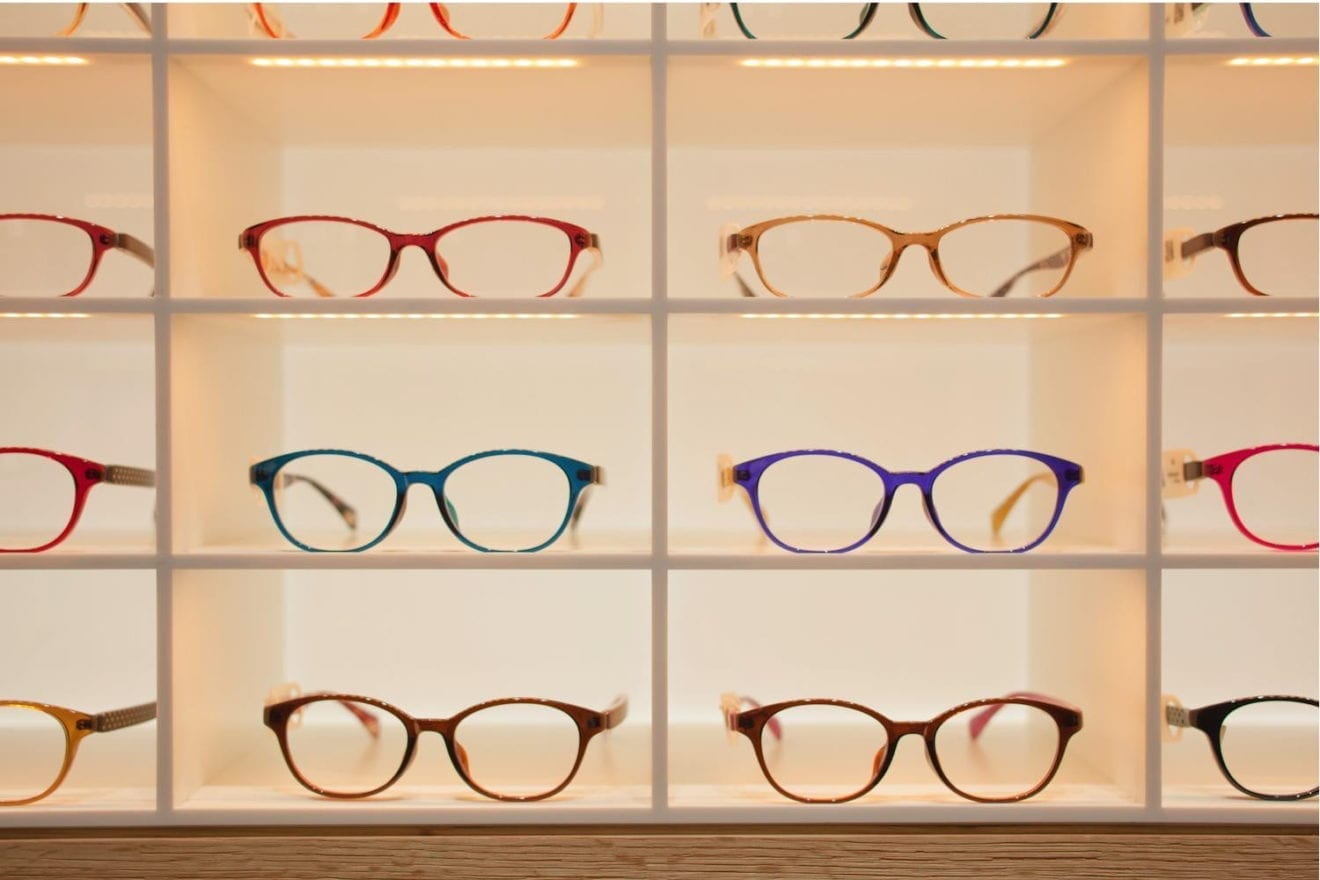
    Each Jins store regularly stocks more than 1200 frames, ranging from classical styles to fashionable.

    Jins offers a visual experience with stores designed like a pop-art gallery, collaborating with graphic artists and architects from Japan and other countries in designing both the eyewear line and their stores.

    Recent collaborators include British product and furniture designer, Jasper Morrison, and Japanese graphic artists and architects Teruhiro Yanagihara and Sou Fujimoto.

    Customers usually spend less than an hour having their eyes checked and spectacles prepared at Jins.

    Jins has around 60 stores in Tokyo, and 300 nationwide.

  • Poltrona Frau Tokyo opens door

    Poltrona Frau Tokyo opens door

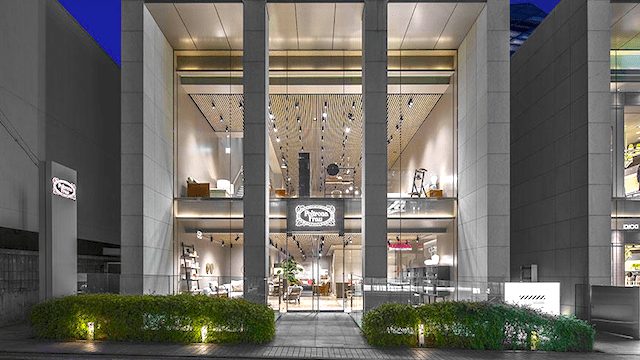
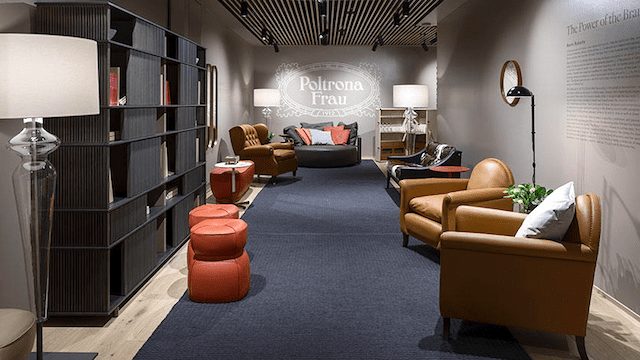
    Italian furniture brand Poltrona Frau has opened its first showroom in Tokyo.

    Covering two floors, the 366sqm store’s design is inspired by the firm’s Via Manzoni showroom in Milan.

    Its opening in the culture/fashion/design district of Aoyama represents an important step for the company’s strategy to expand in Asia. It already has a distribution presence in 350 cities.

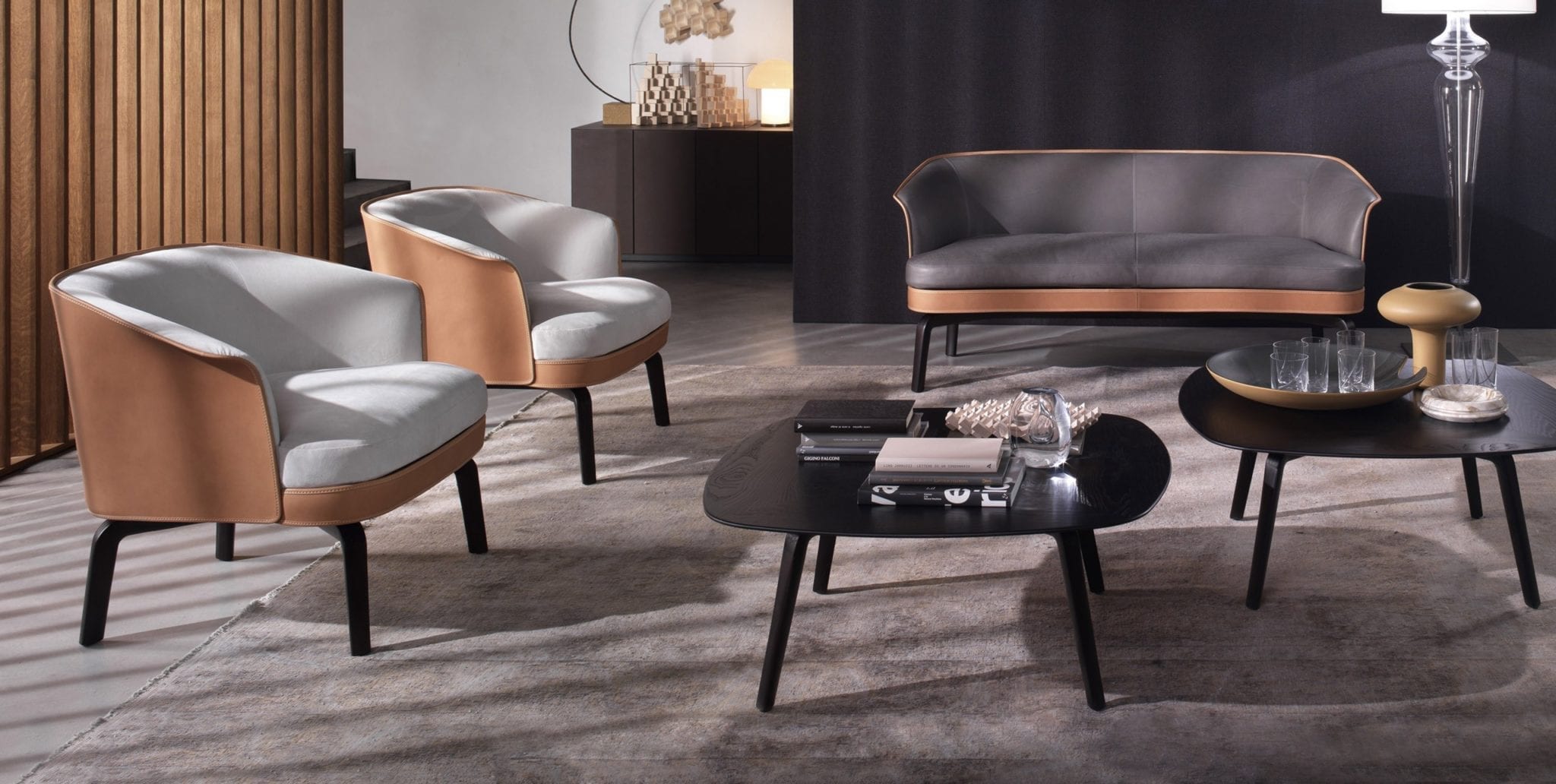
    The showroom’s layout combines historical and contemporary pieces, from the 1930s Vanity Fair armchair to the GranTorino sofa and the Archibald armchair, both designed by Jean-Marie Massaud.

    Poltrona Frau was founded in 1912 by Sardinian-born Renzo Frau in Turin.

  • Ippin meets global demand for Japanese Sake with launch of vast online collection

    Ippin meets global demand for Japanese Sake with launch of vast online collection

    Cross-border e-commerce platform Ippin Japan Mall has launched one of the internet’s largest sake collections.

    Ippin, which specialises in direct sales internationally of quality items from Japan, has made available more than 1350 varieties of sake, with direct delivery within a week from supplier warehouses.

    Ippin Japan Mall is a part of the C-Connect Corporation, which also runs a printer ink retailing store. It is active in 16 countries.

  • Issey Miyake Opens Traditional Kyoto “Machiya”

    Issey Miyake Opens Traditional Kyoto “Machiya”

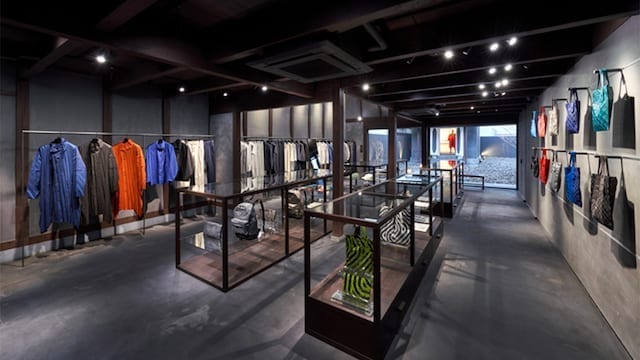
    Issey Miyake Japan has established a boutique in Kyoto, in a preserved traditional machiya (townhouse).

    Inspired by the classic japanese sumi, or ink colour, the interior has been created by designer and longtime collaborator Naoto Fukusawa. The retail setting is understated, balancing the structure’s original elements with modern interventions across two levels.

    Included in the store is a traditional kura, or storehouse, in a zen-like enclosed backyard. It will be used as a gallery space for Issey Miyake shows. The inaugural exhibition was dedicated to the third collection of Ikko Tanaka Issey Miyake, one of its many apparel lines that features the bold designs of graphic designer Ikko Tanaka (1930-2002).

    Check out the gallery below :

    The boutique stocks the men’s lines Homme Plisse Issey Miyake and Issey Miyake Men, as well as its Bao Bao Issey Miyake tote bags.

  • Apple Japan to open store in Shinjuku Tokyo

    Apple Japan to open store in Shinjuku Tokyo

    Apple will launch a new store in the Shinjuku ward of Tokyo on Saturday, April 7. It will be the company’s eighth retail outlet in the country.

    Shinjuku is a special ward that’s a major commercial and administrative centre, housing the Northern half of the busiest railway station in the world (Shinjuku Station) and the Tokyo Metropolitan Government Building, the administration centre for the government of Tokyo. As of 2015, the ward has an estimated population of 337,556.

    With the opening of its Shinjuki establishment, Apple will  have 504 retail stores in 24 countries and an online store available in 39 countries.

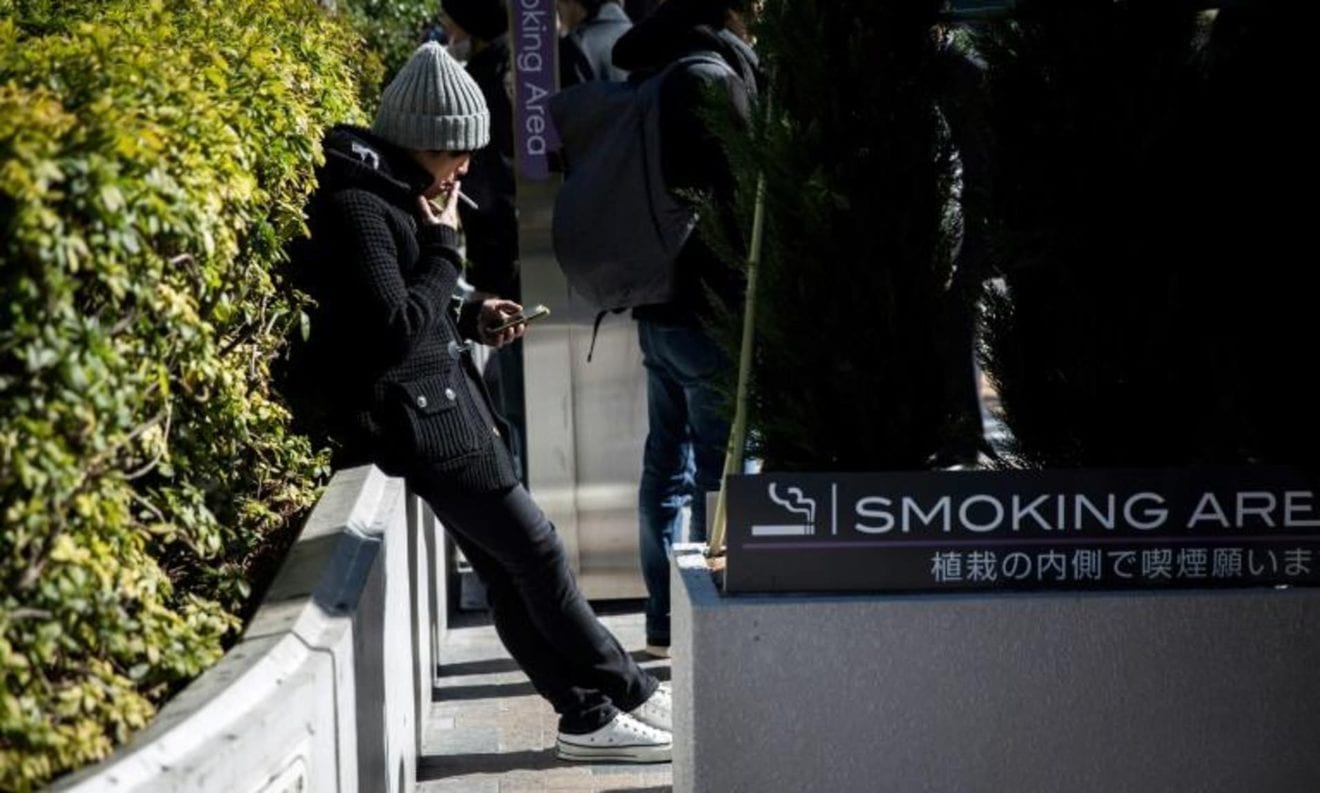
  • Japan Tobacco buys Russia’s fourth-largest cigarette maker

    Japan Tobacco buys Russia’s fourth-largest cigarette maker

    Japan Tobacco has agreed to buy Donskoy Tabak, Russia’s fourth-largest cigarette maker, for $1.6 billion in a bid to reinforce its leading position in the country.

    One of the world’s biggest tobacco companies, whose global brands include Winston and Camel, Japan Tobacco (JT) has set its sights on international markets to counter slowing sales at home and intensifying competition in the e-cigarette market.

    JT on Friday said the deal would boost its Russian market share to about 40% from the current 33%, which was already the largest in the country.

    The acquisition of Donskoy Tabak, whose brands include Donskoy Tabak, Kiss and Play, will be completed later this year, it said.

    “This acquisition demonstrates our commitment to reinforce our number one position in Russia,” JT executive vice president Mutsuo Iwai said in a statement.

    The deal will also include JT’s purchase of Greek cigarette maker SEKAP, it said, adding that it has no plan to revise its earnings forecast following the announcement.

    Last year JT spent some $2 billion on acquiring major tobacco manufacturers in Asia, including Mighty of the Philippines.

  • Vietnam tech firms to expand in Japan

    Vietnam tech firms to expand in Japan

    Japan, one of the global leaders in implementing the 4.0 industrial revolution, is witnessing strong investment from Vietnam’s information technology (IT) firms.

    Currently, there are some 20 IT companies in Vietnam with branches in Japan.

    The Japanese market holds tremendous potential for Vietnam’s information technology (IT) sector, said Trương Gia Bình, chairman of FPT Corporation.

    He said this at the inauguration ceremony of the firm’s sixth representative office in Japan’s Hamamatsu, Shizuoka Prefecture on Tuesday.

    Vietnam’s software exports turnover to Japan is expected to increase from US$300 million to $1 billion by 2020, while the number of programmers working for the Japanese market in the future may increase from 10,000 to 300,000, Bình said.

    For FPT, the Japanese market accounts for more than half of the company’s global sales.

    At present, FPT has more than 400 Japanese customers, including 50 companies on the list of the largest enterprises in the world. FPT’s annual growth rate in Japan is consistently around 30 per cent.

    The Vietnam Software and IT Services Association is encouraging the trend, which will hopefully lay the foundation for turning Vietnam into a software-export country, according to Bình.

    Regarding Vietnam’s advantages when investing in Japan, Bình said “the two countries have similar cultures and strong political and socio-economic relations”. Moreover, “Vietnam, with its young population and low-wage human resources, can help Japan rejuvenate its work force in the software industry. Vietnam is also the source for many Japanese companies in the latest technology fields, such as artificial intelligence, robotics and data analysis”.

    On November 7, 2017, the CMC Corporation opened its first office in Yokohama City, Kanagawa Prefecture. It is expected that by 2020, there will be some 1,000 Vietnamese employees working for the Japanese market.

    Smaller businesses, such as NAL Vietnam Joint Stock Company, are also planning to expand in Tokai after opening representative offices in Tokyo and Nagoya.

    “Vietnam has been the second-largest partner of Japan in software and service outsourcing since 2014”, FPT Software CEO Hoàng Nam Tiến spoke at the recent Việt Nam IT Day 2018 in Japan.

    According to statistics from the Japanese Ministry of Economy, Trade and Industry, the country lacks 100,000 technicians in the fields of information safety, cloud computing and mobile technology.

    In terms of new technology, including artificial intelligence, big data, Internet of Things and robotics, the country is estimated to be short of 600,000 information technology professionals by 2030.

    “It is a huge opportunity for Vietnamese enterprises to join hands with their Japanese counterparts to solve the problem of inadequate human resources in this field,” Tiến added.


  • Tiffany post a strong growth in 2017

    Tiffany post a strong growth in 2017

    Tiffany & Co worldwide has finished its latest year with solid sales growth, both geographically and across product categories, says CEO Alessandro Bogliolo.

    Strong sales growth in Mainland China was offset by lower sales in most other countries.

    “We are focused on six strategic priorities,” says Bogliolo, as the American luxury jewellery revealed it fourth-quarter/full-year figures to the end of January.

    He lists the priorities as:

      • Amplifying an evolved brand message
      • Renewing product offerings and enhancing in-store presentation
      • Delivering an exciting omnichannel customer experience
      • Strengthening the firm’s competitive position and lead in key markets
      • Cultivating a more efficient operating model
      • Inspiring an aligned and agile organisation.
        Total net sales in Asia-Pacific grew by 10 per cent to US$1.1 billion for the full year and 13 per cent to $320 million in the fourth quarter; comparable store sales declined 1 per cent and rose 3 per cent respectively.

    Total net sales growth reflected higher wholesale and retail sales, says the jeweller, while on a comparable store sales basis, the full-year decline reflected strong sales growth in China offset by lower sales elsewhere.

    Meanwhile, fourth-quarter sales growth benefited from performance across Greater China. On a constant-exchange-rate basis, total sales rose 8 per cent in the full year and 9 per cent in the final quarter, with comparable store sales declining 2 per cent and 1 per cent respectively.

    In Japan, total net sales of $596 million in the full year were 1 per cent below the prior year, while sales in the fourth quarter rose 2 per cent to $189 million; comparable store sales declined 1 per cent and rose 1 per cent, respectively.

    Tiffany worldwide net sales increased 4 per cent during the year to $4.2 billion, reflecting sales growth in most regions and across most jewellery categories. Net earnings of $370 million were 17 per cent below the previous year’s $446 million.

    For the fourth quarter, worldwide net sales rose 9 per cent to $1.3 billion, resulting from growth in all regions and across all product categories; comparable store sales rose 3 per cent.

  • Permanent Pokemon Center opens at Nihonbashi Takashimaya Tokyo

    Permanent Pokemon Center opens at Nihonbashi Takashimaya Tokyo

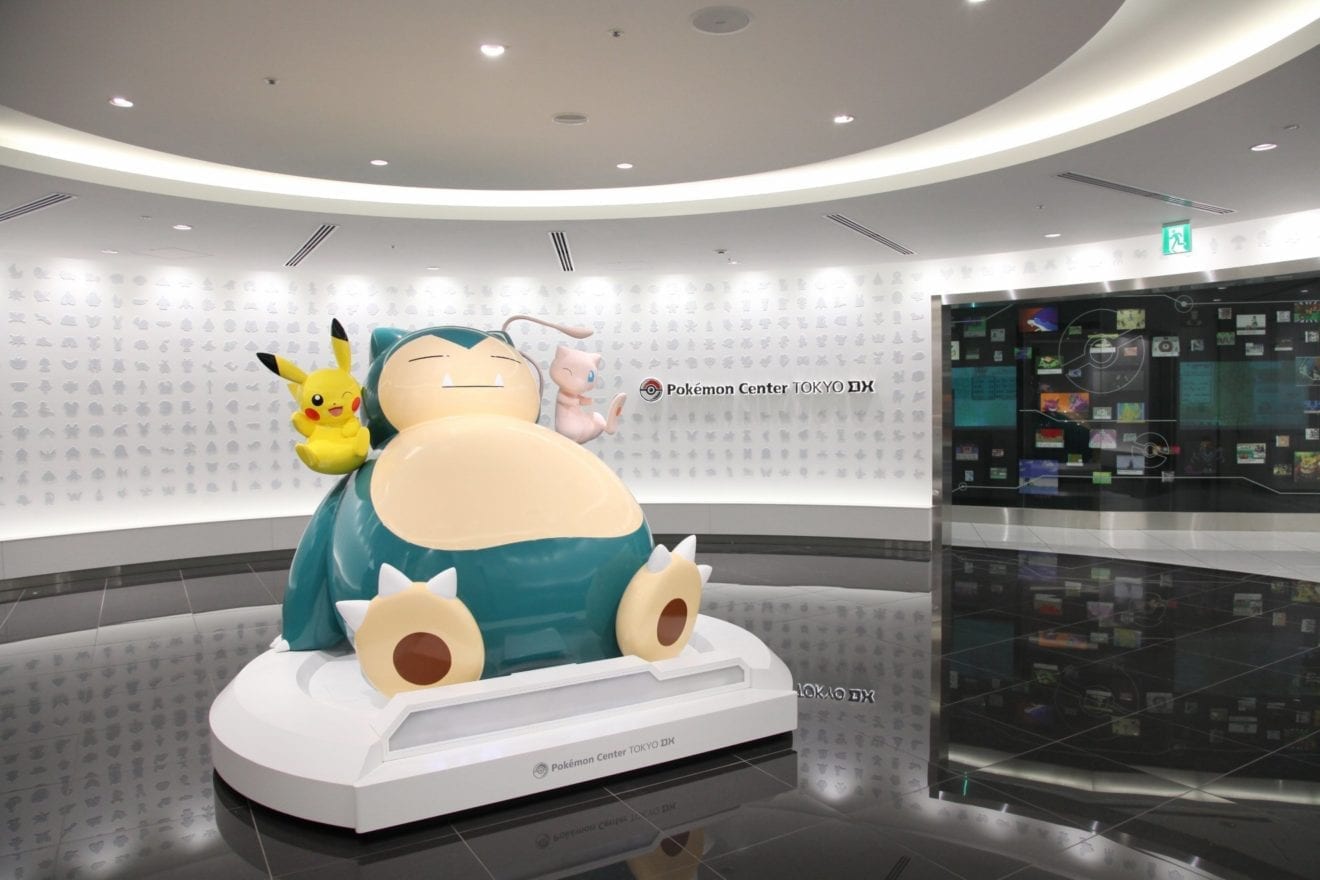
    Japanese fans can step into a whole world of Pokemon in a new experiential store in Tokyo.

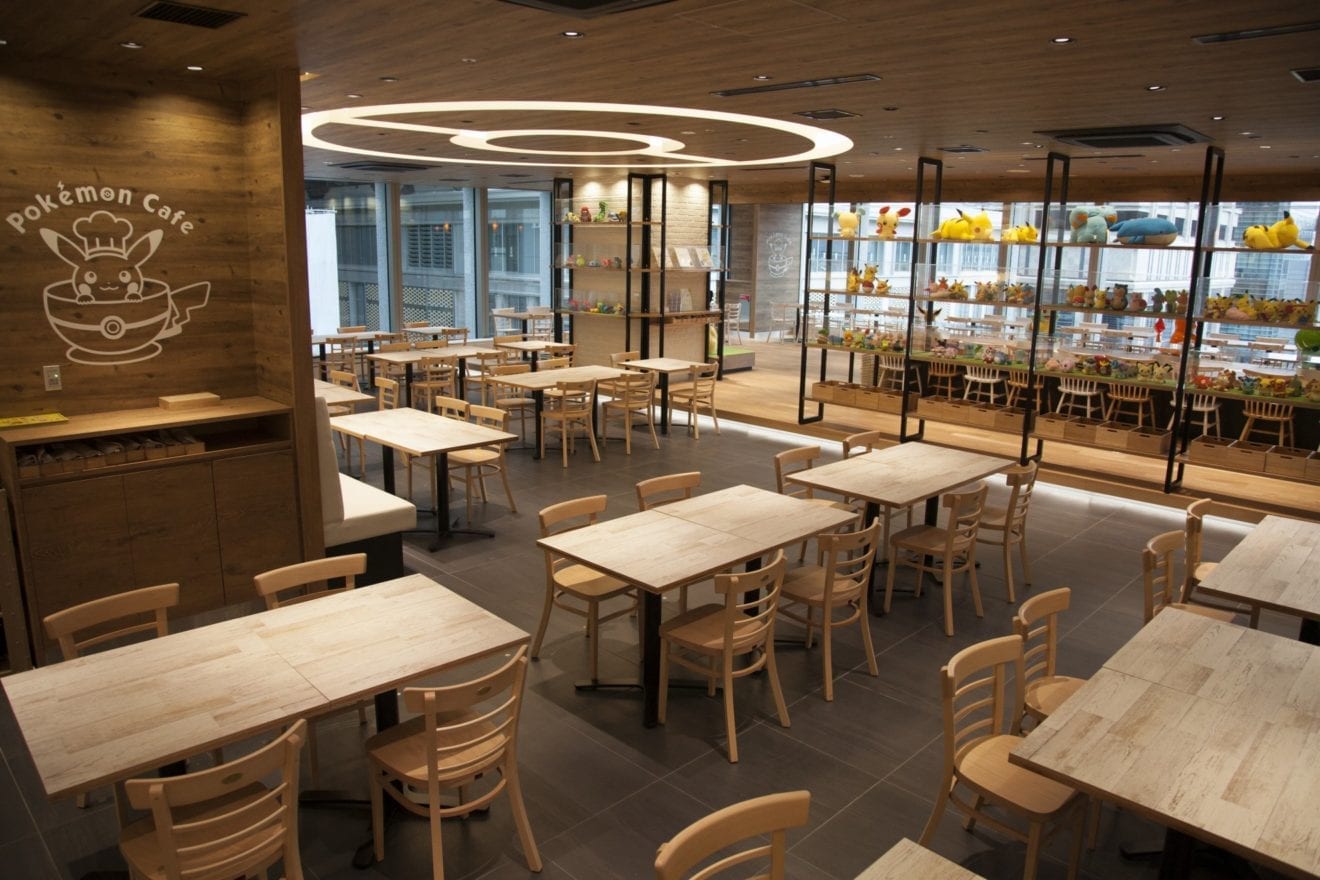
    The Pokemon Center brings the game franchise to life with a range of Pokemon merchandise on sale. This is the Japanese franchise’s third Pokemon Center, and by far its largest with 1300sqm of floor space. It is also the first to include a cafe, which offers a range of foods including themed curries and pancakes in the shape of the Pokemon character Pikachu.

    Located inside the Nihonbashi Takashimaya Department store, it serves as another example of how traditional department stores are embracing new experiential concepts to make up for declining sales in traditional categories.

    The store opened yesterday and a special promotion will run until April 22 offering shoppers giveaways, including assets to use in the smartphone-based Pokemon game.

    Merchandise on sale at the Pokemon Center include soft toys and accessories.

    Earlier stores are in Sapporo, which was recently upgraded, and at the Tokyo Skytree complex, which opened in July 2016.

  • It’s Hanbul to open It’s Skin pop-up stores in Japan

    It’s Hanbul to open It’s Skin pop-up stores in Japan

    Korea’s It’s Hanbul Cosmetics plans to expand into Japan by partnering with a local retailer.

    The company has brought its flagship brand It’s Skin to Japan via two pop-up stores inside ‘Niko and…’ stores in Tokyo and Funabashi, and plans to open eight more this year.

    About 500 items from the It’s Skin range will be sold via Niko and… stores including some developed exclusively for the Japanese market.

    Via the pop-ups, It’s Hanbul expects to boost its brand awareness in Japan before expanding into the local market through the partnership with a local lifestyle company.

    It’s Hanbul manages 53 stores in Canada, Hong Kong, Kazakhstan, Mongolia, Thailand, Russia, the US and online in China.

  • Furla Asia sales boosts its global growth

    Furla Asia sales boosts its global growth

    Furla Asia sales soared a stunning 50 per cent last year, powering the brand’s global sales to €499 million (US$618 million).

    Revenue from Asia-Pacific now accounts for 24 per cent of global sales and that share is steadily rising.

    Sales in Japan, a separate reporting division, increased by 15.4 per cent, while sales in its largest region, Europe, Middle East and Africa, were up 12.9 per cent, now representing 46 per cent of global sales.

    In Australia, where Furla purchased back the distribution rights to its brand from Luxury Retail Group (LRG) last year, sales rose 60 per cent. Earlier this year the company revealed plans to double its store presence Down Under from its 15 initial locations on the east coast.

    Globally Furla’s earnings increased by 34.1 per cent last year on sales up 20 per cent.

    “The 500 million euros goal is something to be very proud of and motivation to keep evolving,” said CEO Alberto Camerlengo. “The organic sales growth data is the most relevant, as it confirms that the company is on solid financial ground, thanks to the excellence of the brand and the quality of the product and Italian design we offer our customers. The company’s widespread growth across all markets reflects our efforts in further strengthening our distribution network and investing in research and product innovation.”

    Meanwhile, Furla continues to buy back distributorships around the world, the latest market being Singapore. Camerlengo said the brand will increase its store count in the city state, hoping to attract Chinese tourists as well as local shoppers.

  • Tumi acquisition lead Samsonite to good numbers

    Tumi acquisition lead Samsonite to good numbers

    Samsonite Asia sales lept 16 per cent last year, a rate slower than the Hong Kong-listed company’s global growth, and predominantly driven by the acquisition of Tumi.

    The world’s largest travel luggage company achieved global sales of US$3.49 billion, up 23.3 per cent, with Asia accounting for $1.19 billion of that. Samsonite Asia sales excluding the Tumi effect grew by a much more modest 4.8 per cent, while sales in Japan grew by 32 per cent, or 12 per cent excluding the Tumi business, driven by the Gregory, American Tourister and Samsonite brands.

    In the first half of last year, Samsonite assumed direct control of the wholesale and retail distribution of Tumi products in South Korea, Hong Kong, Macau, China, Indonesia and Thailand.  Net sales in China increased by 11.9 per cent year-on-year, (7.2 per cent excluding Tumi), due to increased sales of the Samsonite and American Tourister brands. Net sales in South Korea increased by 15.7 per cent, but fell 2.5 per cent excluding Tumi, due to fewer shoppers visiting from China and weak consumer sentiment.

    Net sales in Hong Kong increased by 34 per cent year-on-year, driven by the addition of Tumi, but by just 1.5 per cent excluding Tumi.

    Net sales in India increased by 4.6 per cent, despite a temporary disruption during the year due to the Indian government’s introduction of a goods and services tax that took effect in the third quarter of last year.

    Strong direct-to-consumer growth

    Samsonite showed solid progress on its move towards increasing its direct-to-consumer sales, aided by the acquisition of online luggage retailer eBags last May.

    Net sales rose 57.4 per cent overall, by 32.1 per cent excluding Tumi and by 12.2 per cent after 1 further excluding eBags.

    Dollar reported profit attributable to the equity holders increased by US$24.1 million, or 12.1 per cent.

    “We saw very satisfying growth last year, further driven by a strong performance from the Tumi and eBags businesses following their integration into the group,” said chairman Tim Parker.

    “In particular, we made solid strides in improving Tumi’s performance and as a result it was accretive to earnings in its first full year post acquisition. Now that we have strategically expanded into the highly attractive premium segment, and established a firm foothold in e-commerce, we look forward to more aggressively expanding our presence in the direct-to-consumer channel worldwide, especially direct-to-consumer e-commerce, where we see strong growth opportunities.”

    CEO Ramesh Tainwala said that while the company continued to benefit from the buoyant growth in travel and tourism worldwide, its strong performance was also driven by continued investment in brands, especially in the form of increased marketing support, as well as the expansion of direct-to-consumer e-commerce and brick-and-mortar retail operations.

    “Looking ahead, we will continue to implement our multi-brand, multi-category and multi-channel strategy, while leveraging our decentralised management structure and investment in marketing, in order to capitalise on the many exciting opportunities ahead of the group,” he said.
  • Japan bank mulls PetroVietnam plan

    Japan bank mulls PetroVietnam plan

    The Japan Bank for International Cooperation (JBIC) is considering funding the Block B&52/97 project of the Việt Nam Oil and Gas Group (PetrolVietnam) with loans without a government guarantee.

    General Director of PetroVietnam Nguyễn Vũ Trường Sơn recently worked with JBIC representatives on the financial arrangements for the project.

    According to PetroVietnam, the project, worth nearly US$10 billion, is one of the two largest gas projects in Việt Nam. The capital arrangement for the project is one of the main concerns of foreign partners involved in the project.

    The Block B&52/97 project’s oilfield development report was approved by contractors and the State appraisal council, while its environmental impact assessment report was ratified by the Ministry of Natural Resources and Environment. The quantitative risk assessment report was also submitted to the Ministry of Industry and Trade.

    As scheduled, the contract will be awarded in June 2018, and the signing of Engineering Procurement Construction and Installation (EPCI) contracts for the project will be done in July.

    The Block B&52/97 project includes two sub-projects. The first aims to develop the Block B oilfield, with PetroVietnam owning maximum capital in the project (42.896 per cent). Other investors are PetroVietnam Exploration and Production Corporation (26.788 per cent), Mitsui Oil Exploration Company (MOECO) of Japan (22.575 per cent), and Thailand’s PTT Exploration and Production Public Company Limited (PTTEP) (7.741 per cent).

    The second is to build the Block B-Ô Môn gas pipeline having a total length of 430km. PetroVietnam, PetroVietnam Gas Corporation (PV Gas), MOECO and PTTEP have invested in this project.

    The Block B&52/97 project is expected to bring ashore 5.06 billion cu.m of gas per year within 20 years, meeting the gas demand of power plants in the south.

    It is expected to contribute some $18 billion to the State budget.


  • Fast Retailing to open first Uniqlo shop on Indonesia’s Sumatra Island

    Fast Retailing to open first Uniqlo shop on Indonesia’s Sumatra Island

    Japanese casualwear manufacturer Fast Retailing will open a Uniqlo shop on Sumatra Island, its first outlet outside Indonesia’s most populous main island of Java.

    The shop will open at the Sun Plaza shopping mall in Medan this week, in the northern part of the island. It covers about 2000sqm.

    Fast Retailing Indonesia president Michiaki Tanaka says the Sumatra opening will be followed by another outlet outside Java, in Makassar on Sulawesi Island, in May.

    Two more shops are planned for Jakarta and Yogyakarta before August, taking the number of outlets in the country to 18. Tanaka says brand recognition has been boosted through the store expansions.

    Uniqlo first opened in Indonesia in 2013.

  • Resurgent McDonald’s plans 200 openings in Japan’s burger battle

    Resurgent McDonald’s plans 200 openings in Japan’s burger battle

    Fast-food chains in Japan are launching the biggest expansion wave in decades and adopting strategies that would have been unthinkable in the early 2000s, when hamburgers were a prime symbol of deflation.

    McDonald’s Holdings (Japan), the biggest player, is emerging from a prolonged slump and on Tuesday announced it is planning the first net store increase in a decade this year. Burger King, the world’s second-largest hamburger chain, aims to triple its Japanese locations to 300 by 2022, spending 5 billion yen ($45.5 million) in the process.

    McDonald’s saw a 4.5-fold increase in group net profit for the fiscal year through December, logging a record 24 billion yen. It aims to open 150 to 200 new locations in the next three years. Factoring in closings, it expects a net increase of around 100.

    “Over the last several years, we were focusing on optimizing our existing store portfolio,” President Sarah Casanova told reporters. “Now, it’s time to look to opportunities to grow with new restaurants.”

    The number of McDonald’s locations in Japan peaked in 2002 and has been decreasing since. The chain now has 2,900 restaurants after a net decrease of about 1,000.

    Opening new restaurants might seem like an odd move in a country where the birthrate is falling and consumers are holding back on dining out. The hamburger business, however, is one of the few bright spots in an otherwise bleak restaurant industry.

    It helps that chains like Burger King and McDonald’s are globally recognized. Japan is welcoming record numbers of tourists — 28.6 million last year — giving the restaurants a steady stream of fresh customers looking for familiar flavors in an unfamiliar land.

    Burger King Japan, the U.S. chain’s local operation, will open most of its 200 new restaurants in large cities like Tokyo, Osaka and Nagoya. Target locations include shopping center food courts and suburban spots with room for drive-thrus. Open-kitchen interiors will allow customers to see their Whoppers being cooked.

    Burger King also intends to offer a home delivery service, countering McDonald’s Japan’s move to expand deliveries in partnership with Uber Eats last year.

    This is Burger King’s second crack at the Japanese market. The chain left the country in 2001, after a slump. It returned in 2007 with support from such companies as Lotte, but its store count remains far behind McDonald’s Japan’s 2,900.