Tag: Japan

  • Tokyo LACOSTE’s new travel retail store opens with new concept

    Tokyo LACOSTE’s new travel retail store opens with new concept

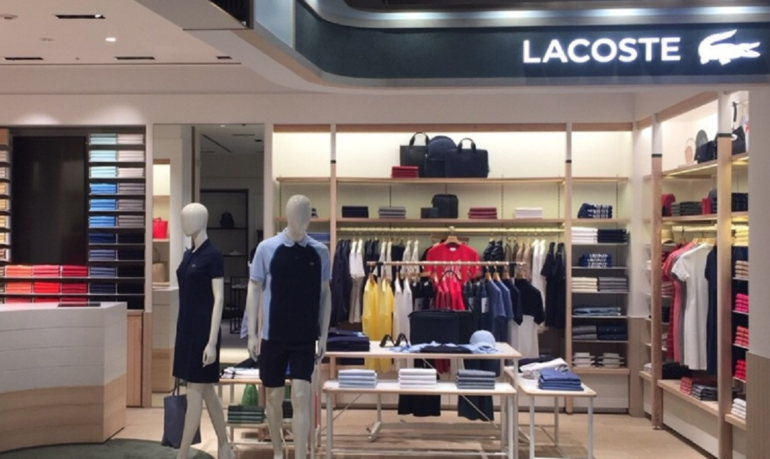
    Lacoste is pursuing its Asian expansion with the opening of a new travel-retail outlet within Lotte Duty Free Shop Ginza in Tokyo.

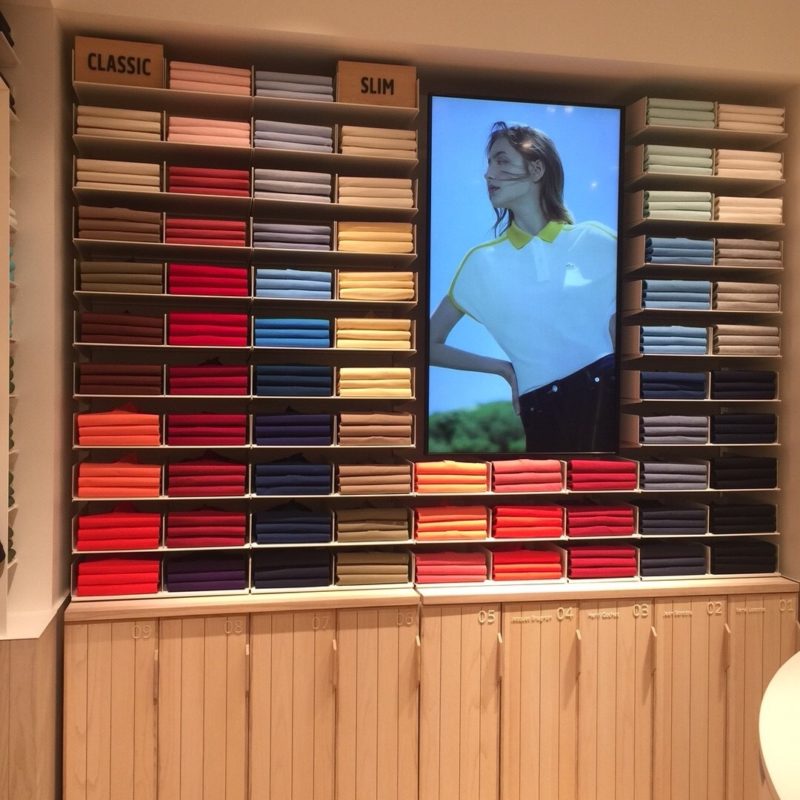
    The brand is, for the first time, introducing its new retail concept – “Le Club” – into Asia Pacific. The French word hints at the exclusivity and uniqueness of the location. With Le Club, Lacoste is biting the curiosity of both foreign visitors in Japan but also Japanese tourists traveling abroad.

    For this 50sqm store, the crocodile has played on its authentic sportive roots, merging the brand’s and its creator’s core values. With a layout reminiscent of a tennis court, the customer is invited to dive into René Lacoste’s universe, founder and early 20th century tennis champ. Open in order to let the light in, the green concrete panel is a nod to René LACOSTE’s tennis practice wall. A whole new design which creates a unique human and customer experience.

  • Hana Tajima x Uniqlo 2018 collection launched

    Hana Tajima x Uniqlo 2018 collection launched

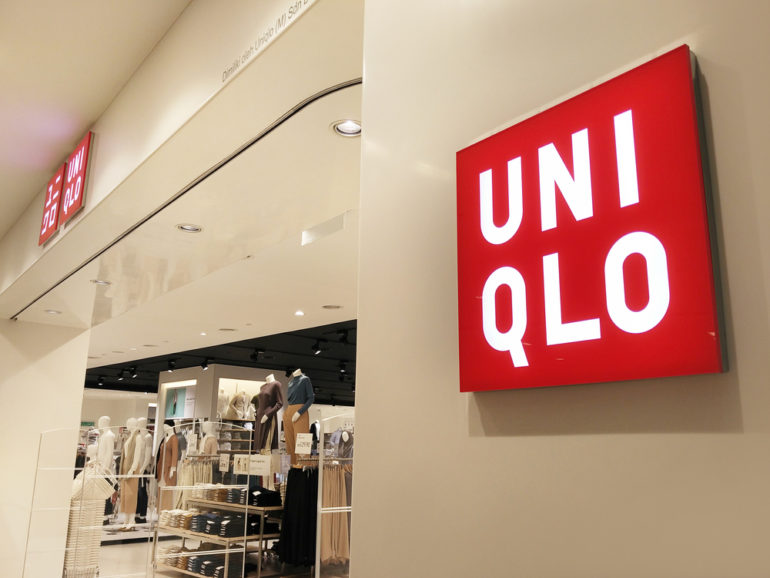
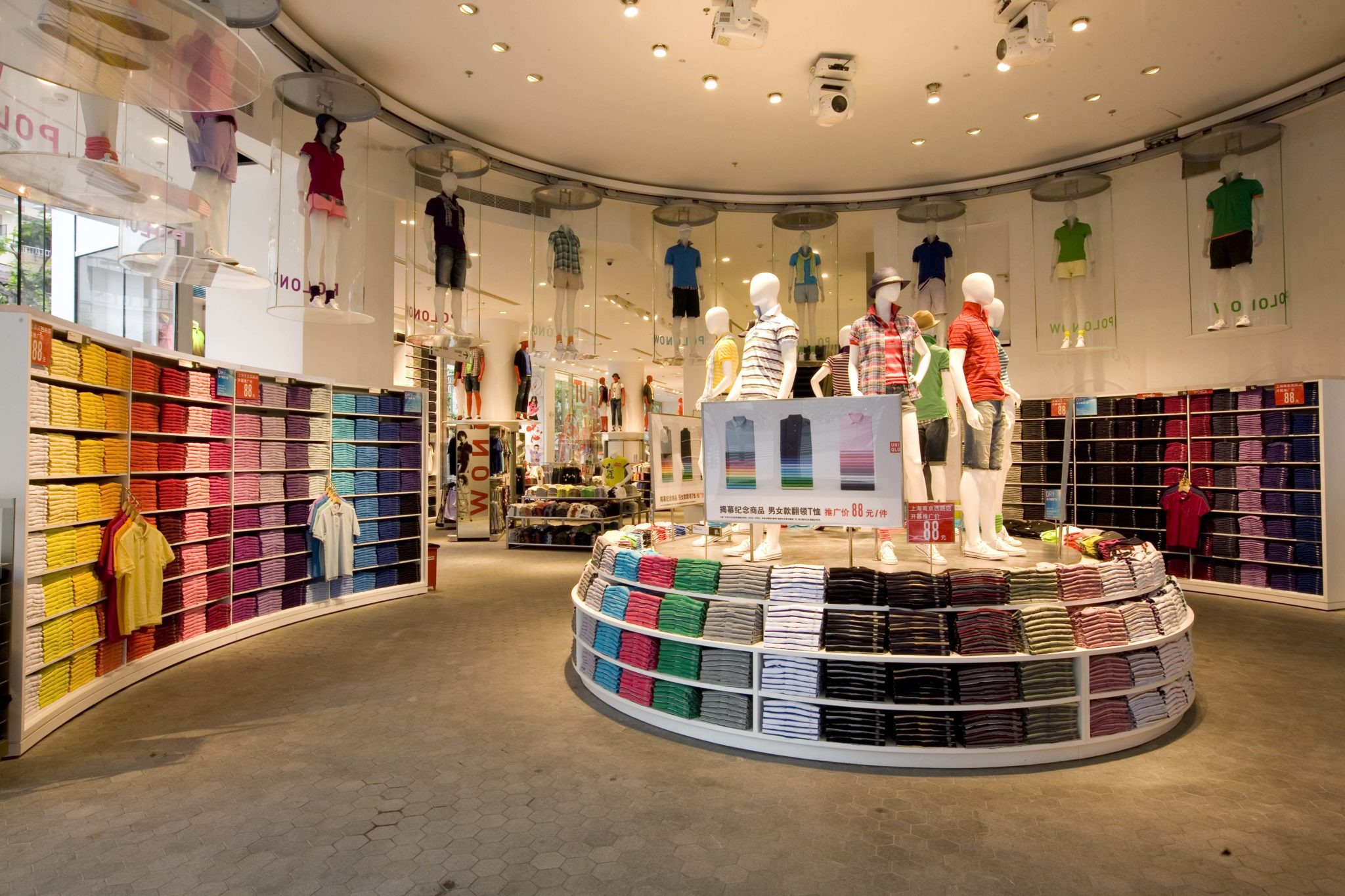
    Uniqlo has announced the rollout of its Hana Tajima for Uniqlo 2018 Fall/Winter collection, available in stores and online.

    The collection is a collaboration with New York-based, British-born fashion designer Hana Tajima, known for her contemporary, functional designs. Tajima describes her latest collection as showcasing “transitions in emotions, nature and in light”.

    “I also pursued an elegant simplicity to complement the style preferences and figures of wearers.”

    The collaboration line has been designed to embody a refined elegance and effortless comfort for women of all backgrounds, regardless of race or religion.

    Tajima is changing the way young women dress all over the world with contemporary, functional designs, which are both culturally sensitive and versatile. She has garnered considerable international attention in recent years for her unique designs, which are informed by her upbringing in diverse environments.

    Check some of the collections below :

  • Find the Perfect Piece of Pokémon Jewelry at U-TREASURE

    Find the Perfect Piece of Pokémon Jewelry at U-TREASURE

    Japanese jewellery brand U-Treasure has released a series of Pokemon-themed merchandise.

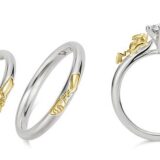
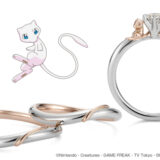
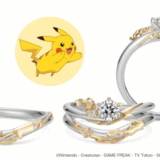
    The firm launched the “Pikachu Electric Motif” collection of rings for men and women to be available from the U-Treasure Shinjuku store in Tokyo and the K.uno Meitetsu store in Nagoya, as well as online. The rings will be available in platinum, yellow gold, and white gold as well as blends, and diamond-studded engagement and wedding rings are available. All the rings feature the Pikachu character.

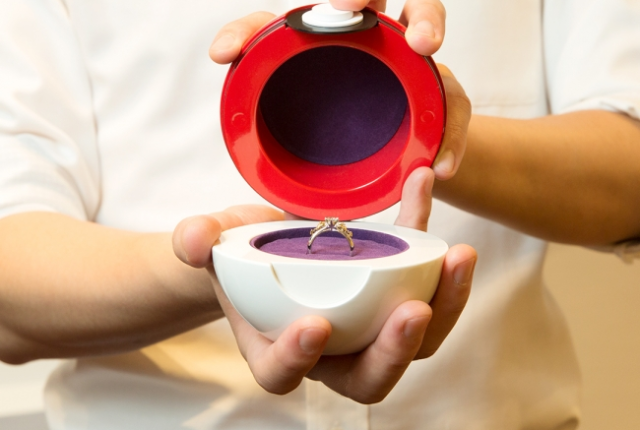
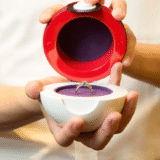
    U-Treasure has also announced the re-release of its popular “Poke Ball” accessory case.

    The accessory brand has also released branded jewellery featuring Sailor Moon, Disney, and Star Wars.

    View the gallery below (6 images) :

  • UFC Gym plans Tokyo expansion

    UFC Gym plans Tokyo expansion

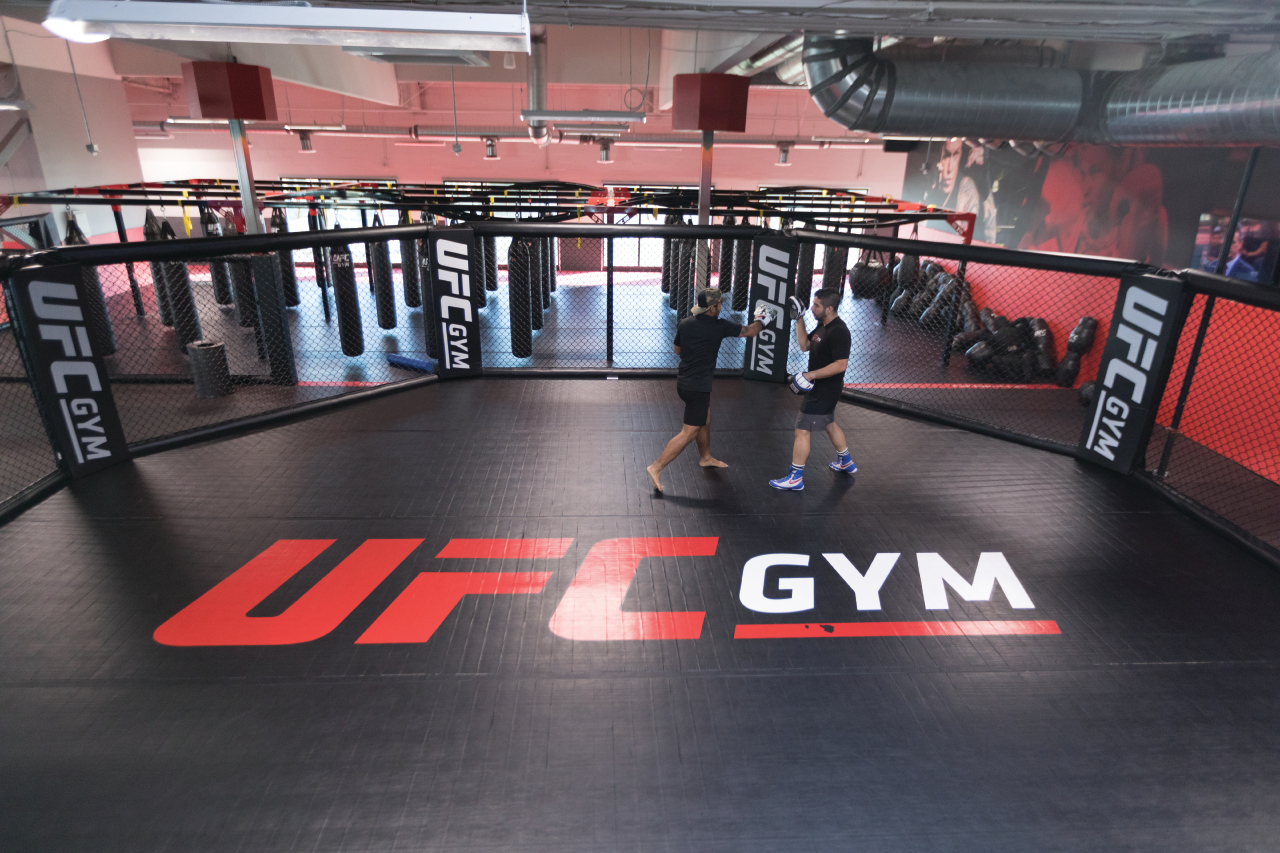
    UFC Gym has announced plans to open 20 franchise locations in Japan starting from next year.

    The gym, which creates its own training programs inspired by UFC athletes’ training regimens, has opened more than 150 locations worldwide since first opening in 2009.

    UFC Gym president Adam Sedlack said: “We are thrilled to announce the addition of Japan to the UFC Gym family. The overall passion for sports, entertainment and fitness is strong in Japan, and we believe this market will be a perfect fit for our ‘Train Different’ philosophy.”

    The gym is seeking enquiries from potential franchisees both domestically and internationally.

  • Online-payment startup Paidy bags US$55m funding

    Online-payment startup Paidy bags US$55m funding

    Japanese startup Paidy has received US$55 million to build a scheme allowing online shoppers to buys goods without a credit card.

    The series-C funding was led by Goldman Sachs and Japanese trading house Itochu Corporation

    Paidy was created because even though Japan’s credit-card penetration rate is high, their usage rate is relatively low, even for online purchases. “Instead, shoppers pay cash on delivery or at convenience stores, which function as combination logistics/payment centers in many Japanese cities.”

    While that solution is convenient for cardholders worried about fraud, it inconveniences retailers because they have to maintain a pool of cash for merchandise not paid for.

    “Paidy makes it possible for people to buy online without creating an account or using their credit cards”. Instead, if a merchant uses Paidy, its customers are able to check out by entering their mobile phone numbers and email addresses. Then Paidy authenticates them with a four-digit code sent through SMS or voice. Every month, customers settle their bills, which include all transactions they made using Paidy, at a convenience store or through bank transfers or auto-debits (installment and subscription plans are also available).


  • Meet Yoshi, the 14-year-old Japanese Instagram fashion star

    Meet Yoshi, the 14-year-old Japanese Instagram fashion star

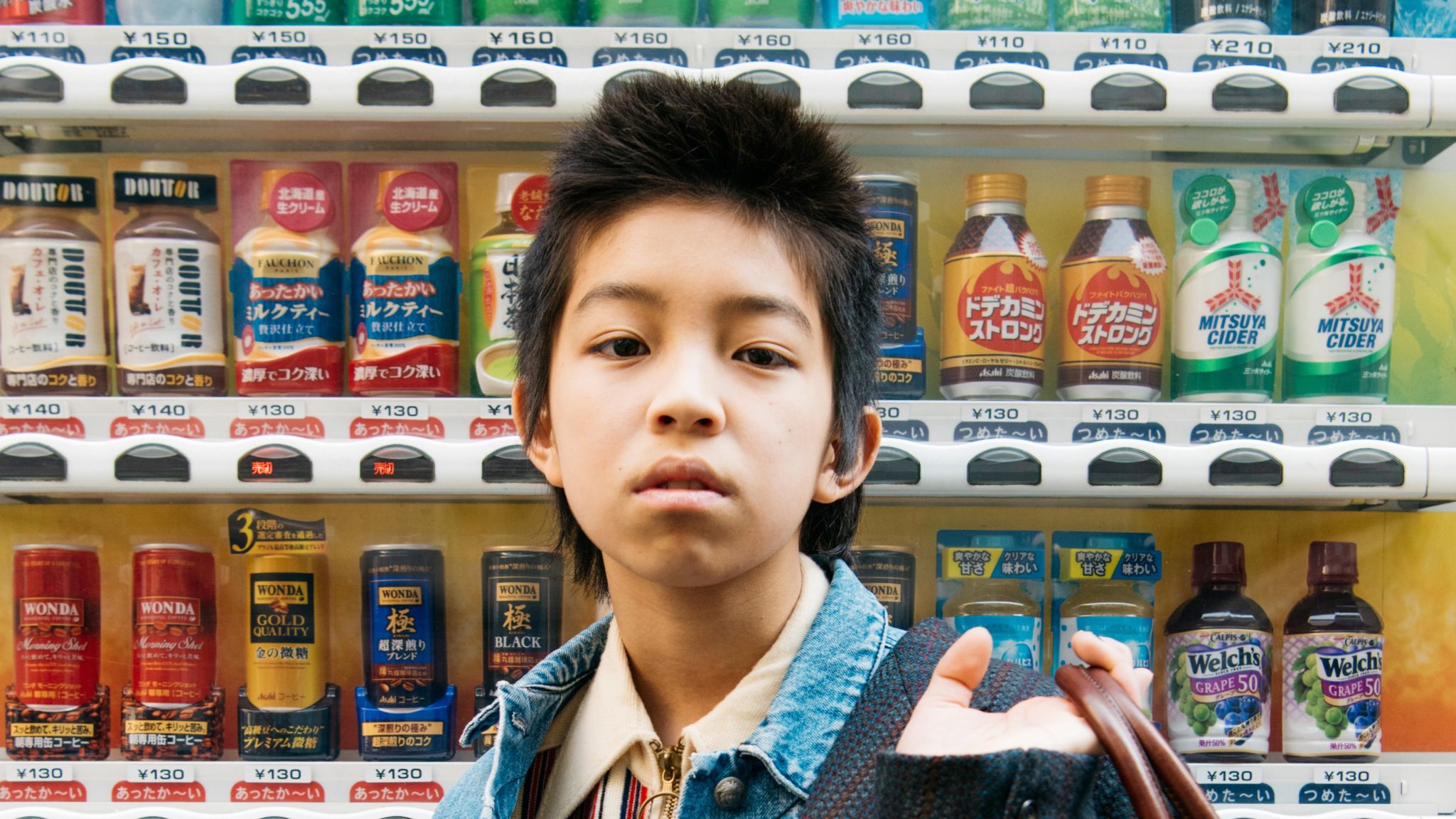
    At only 14 years old, Yoshi is an Instagram phenomenon. After getting noticed by Off-White’s Virgil Abloh, he has quickly become a style icon on the streets of Tokyo.

    Scrolling through his Instagram, there’s no doubt that Yoshi boasts an innate sense of style that stands between punk and luxury streetwear. When he is not taking lift selfies, he Is hanging out with his friends – Nicola Formichetti, Kim Jones, and LA-based artist gab3 among them.

    Now, with over 40k followers on IG, Yoshi is also a model in his own right – last year he appeared in a Helmut Lang campaign and he recently started walking on runways too.

    “The very first item I bought was at the vintage shop in (Tokyo’s district) Jujo called GBM,” Yoshi tells us in a new Dazed film. “It was a pink Marilyn Manson t-shirt. I didn’t know what it was but the owner recommended it to me and I bought it.”

    Since then, he has grown his wardrobe significantly, regularly wearing edgy looks made up of coloured biker jackets, Vetements-inspired coats and customised denim, that he finds browsing the city’s biggest vintage stores.

    Elsewhere in the video, Yoshi shops in his fave vintage stores, draws, and plays video games just a normal kid. But, unlike a normal kid, he also shoots scenes for a music video from Japanese rapper Anarchy.

    “I’m working as a model and as a designer too, so I earn money by myself,” he continues. “Right now, I don’t have an agent or manager, so I always do everything by myself – I even negotiate my fee too.” Just your regular 14-year-old model slash icon.

  • J-beauty brands to broaden their market

    J-beauty brands to broaden their market

    The flood of Chinese tourists to Japan has given a fresh uplift to the high-end beauty products market. Buoyed with success, some niche brands are now venturing beyond China.

    Nagoya-based MTG, which sells health and cosmetic tools that cost hundreds of dollars, is gearing up for further expansion abroad. The company made its stock market debut in Tokyo on Tuesday, raising 34.2 billion yen ($309 million).

    Excitement around the listing — the second largest initial public offering in Japan this year after e-commerce unicorn Mercari in June — was reflected in its share price, which ended 27% higher than the offer price of 5,800 yen, giving it a market capitalization of $2.56 billion.

    This is partly due to the stellar growth of its overseas business; revenue for its global segment more than doubled to 11.2 billion yen in the year ended September. This was driven by sales in China, mostly through Alibaba Group Holding’s Tmall shopping platform.

    “Over the next three to five years, we want to grow in Asia, centered around China,” MTG President Tsuyoshi Matsushita said at a press conference on Tuesday. The company is exploring options to enter Russia, Dubai and the Philippines, he added.

    Established in 1996, MTG designs and sells beauty and health products in collaboration with universities, medical institutions and celebrities. To stimulate interest among Chinese consumers, the company recently appointed Chinese actress Fan Bingbing as “global ambassador” for ReFa, its best-selling facial and body massage tool.

    “I have seen many Japanese brands that have great quality but lose because of branding and marketing,” said Matsushita. “Overseas sales now account for 35% of the total. We want to show that upstarts from Japan can compete globally.”

    Japan’s beauty market has benefited from a rise in foreign tourists, especially from China — with annual visitor numbers from that country tripling between 2014 and 2017. Popular products are exposed through social media to mainland Chinese consumers, who buy the products through e-commerce platforms like Tmall. This virtuous cycle enables relatively new players like MTG to succeed without having a large physical presence in a foreign country. Matsushita said that five years ago the company did not have any overseas talent.

    The eagerness to go global highlights the opportunity that MTG and its rivals see ahead: millennials willing to spend lavishly on new ideas to improve their looks. Such behavior is rare in Japan, where spending on skincare and cosmetics is already the highest in the world and led by older women.

    “The main difference [with] Japan is that users in China are very young,” said Kimiyo Yamazaki, president of high-end beauty device maker Ya-man. “In Japan our products… target seniors who want to go beyond cosmetics, but in China they are college students, or people in their 20s and 30s.”

    Ya-man makes high-end facial care devices that can cost upwards of 40,000 yen. It logged a 50% increase in net profit for the year ended March to 3.3 billion yen, driven by sales in China. The company launched its products in South Korea and Singapore last year, and recently expanded to Indonesia. It is looking to enter Vietnam before the end of this year.

    Ya-man targets 30 billion yen in annual revenue over the long term, 30% higher than its latest fiscal year. Jiro Kojima, an analyst at Daiwa Securities, estimates that half of that growth will come from East Asia and other overseas markets. “The market for products like facial rollers is continuing to expand in Asia,” he wrote in a research note to clients in June.

    Other companies are also expanding their product lines. Fancl, a smaller cosmetics rival to Shiseido and Kose, has seen overseas sales for its supplements grow faster than its core cosmetics business. The company recently unveiled plans to sell supplements in China as early as 2020, pending approval from local regulators.

    Some observers warn that the current boom in Japanese brands might cool. The growth in exports of South Korean cosmetics products to China is said to have slowed last year amid tensions over the deployment of the U.S. THAAD anti-missile system in South Korea, to which Beijing has strongly objected. Another challenge is preventing copycat products — MTG has partnered with Alibaba to protect its intellectual property.

    “We need to create a system that doesn’t rely on a single brand or product,” said MTG’s Matsushita. “We made some progress. Now we need to prove the high expectations by shareholders with numbers.”
  • Uniqlo Asia helps the parent’s sales power record quarter

    Uniqlo Asia helps the parent’s sales power record quarter

    Solid overseas growth helped Japanese apparel retailer Fast Retailing post a record quarterly profit.

    Uniqlo Asia sales proved the star of the business.

    For the three months to May, Fast Retailing’s operating profit was 68.4 billion yen (US$608 million), 37 per cent ahead of a year ago. Overseas sales exceeded domestic sales for the third consecutive quarter.

    For the first nine months trading, overseas sales rose 28 per cent year on year and overseas operating profit lept 65 per cent, driven largely by Asian sales of its largest retail brand, Uniqlo.

    In Japan, sales rose 8 per cent for the first nine months of the year, despite a static store count of just over 800. Online sales there rose 33 per cent and now account for 7.8 per cent of domestic sales.

    Fast Retailing’s relatively new value chain GU increased sales by 6 per cent in the nine months, but discounting saw operating profit fall by 20 per cent in the latest quarter.

  • Walmart looks to exit Japan

    Walmart looks to exit Japan

    U.S. retailer Walmart Inc (WMT.N) has decided to sell Japanese supermarket chain Seiyu and has already approached major retailers and private equity funds.

    If realized, the sale could amount to around 300 billion to 500 billion yen ($2.7 billion to $4.5 billion), the Nikkei said, without citing its sources.

    Walmart said it does not comment on market speculation.

    A sale would be the latest exit by Walmart from a lower-growth market as it looks to shake up its overseas business and invest in places like China and India.

    The world’s biggest retailer said last month it had sold an 80 percent stake in its Brazilian operations to private equity firm Advent International, exiting an underperforming business in its third major international deal since April.

    In addition to competition from online retailers such as Amazon.com (AMZN.O), Japan’s supermarkets are being squeezed by chains such as convenience stores and discount drugstores in a sluggish consumption environment.

    In January Walmart said it was launching an online grocery service with Rakuten Inc (4755.T), in what Rakuten CEO Hiroshi Mikitani said he hoped may be a precursor to greater global cooperation.

    Walmart has struggled to replicate the success of its low-price model with Seiyu despite the introduction of an “everyday low price” pledge and frequent discounting.

    Japanese supermarkets, with lots of workers preparing fresh food and high levels of customer service, are famous for their low margins and are proving a drag for many retailers.

    Recent industry consolidation saw the creation of FamilyMart Uny Holdings Co Ltd (8028.T) in 2016, a deal that focused on expanding the number of FamilyMart convenience stores. Such stores have increasingly become a priority for retailers as a growth driver.

    Discounter Don Quijote Holdings Co Ltd (7532.T) has taken a 40 percent stake in Uny as it looks for room to expand. Earlier this year Seven & i Holdings Co Ltd (3382.T) announced a tie-up with regional general merchandise store chain Izumi Co Ltd (8273.T).

    Japan’s supermarket industry has proved difficult for foreign retail giants, with exits by Tesco (TSCO.L) in 2011 and Carrefour (CARR.PA) in 2005.

  • Zozo unveils body measurement suit for perfect-fit clothes online

    Zozo unveils body measurement suit for perfect-fit clothes online

    Japanese online fashion retailer Zozo is expanding its offer of tailor-fitted clothing with skin-tight bodysuits that help users upload their measurements online.

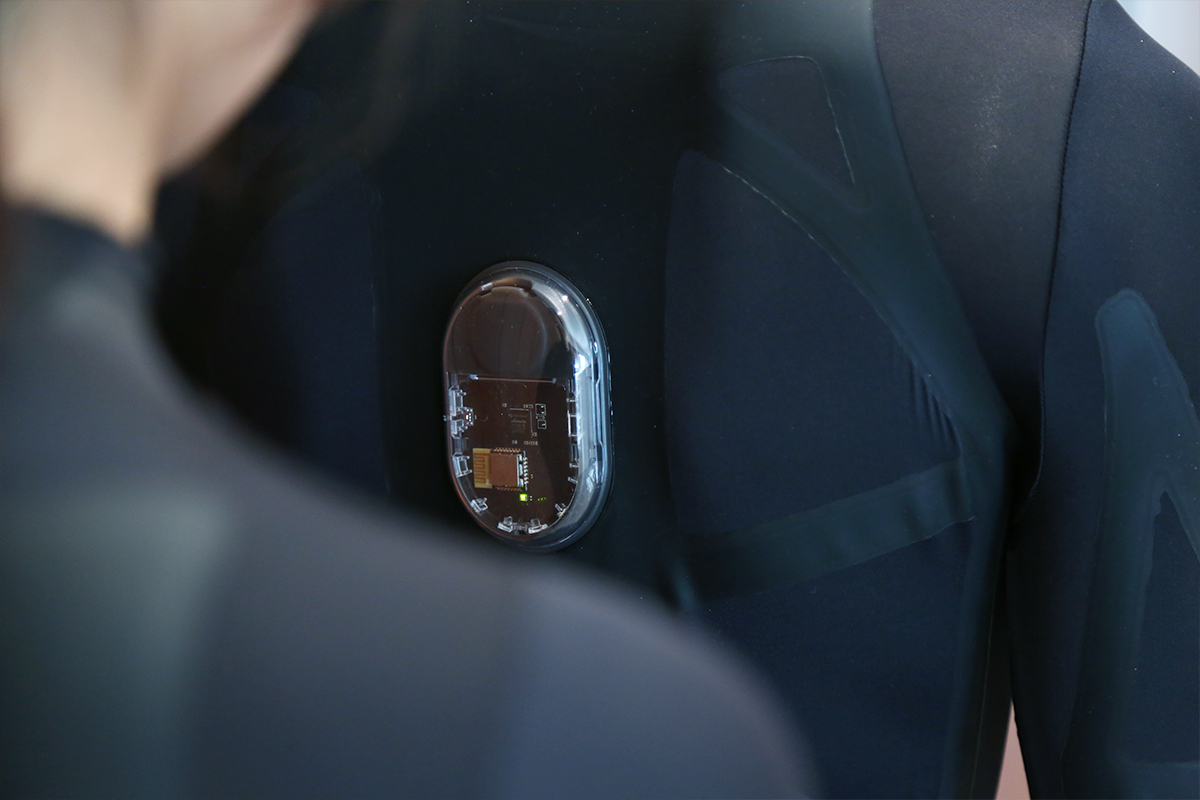
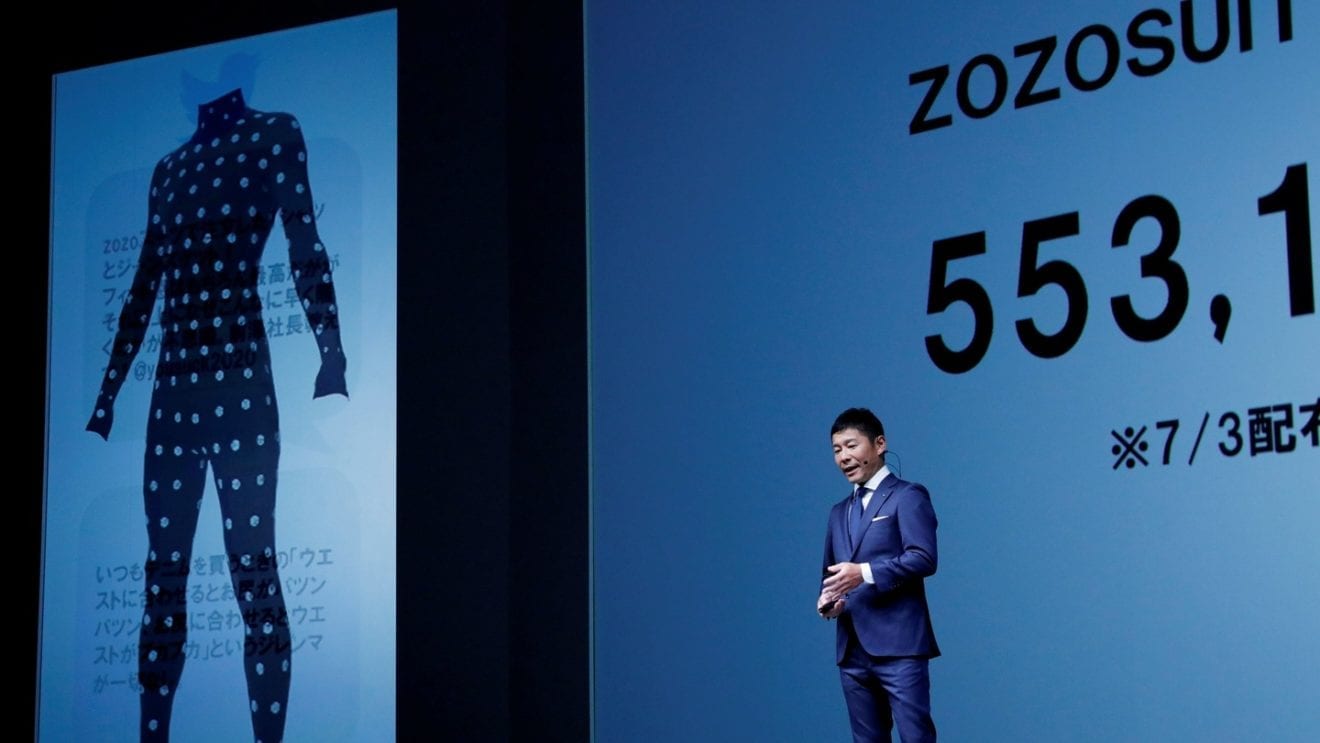
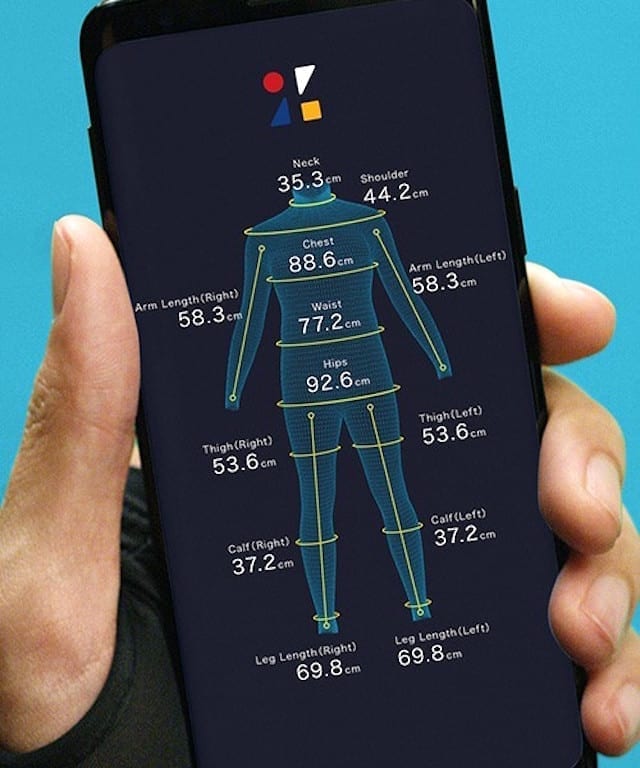
    Called the Zozosuit, the garment is covered in polka dots reminiscent of motion-capture leotards. Shoppers don the suit and photograph themselves wearing it, uploading the picture via a smartphone app for Zozo’s software to calculate their exact body shape.

    Zozo, which sells clothes from other brands, envisages bespoke items as being the way forward for online fashions. The platform has already added business suits and formal shirts to its range, which can be tailored to fit customers based on Zozosuit data.

    Zozo CEO Yusaku Maezawa said: “The time where people adapt to clothing is over. This is a new era where clothes adapt to people.”

    The move coincides with Zozo’s potential partnership with clothing manufacturer Shima Seiki, whose whole-garment knit-on-demand technologies can produce seamless items of clothing to order. The firm is also making efforts to expand its business in other countries.

    The company will ship 1 million Zozosuits to customers within the next fortnight.

  • 7-Eleven boosts parents profit growth

    7-Eleven boosts parents profit growth

    Overseas growth in the 7-Eleven convenience store business drove a modest increase in profit for Japanese retail group Seven & I Holdings in the first quarter.

    While the challenges of a shrinking population, falling household spending and corresponding lacklustre economy in its home market subdued local performance, offshore growth continues to underpin the company’s results.

    Operating profit of 86.4 billion yen (US$781.2 million) was 2.7 per cent higher year-on-year in the three months to May.

    While 7-Eleven Japan is the nation’s largest convenience store chain, with more than 20,000 stores, the c-store sector is struggling to make headway amid growing competition from drugstores, and Seven & I Holdings’ Ito-Yokado supermarket chain, and its department stores are essentially standing still.

    That makes overseas growth critical for Seven & I Holdings. While 7-Eleven Japan operating profit fell 6.9 per cent to 55.4 billion yen, overseas 7-Eleven profits surged 33 per cent. In Thailand, the chain has about 11,000 stores operated by local partner CP All. It has another 9500 stores in the US and more still under franchise agreements in markets including Malaysia, Australia and, more recently, Vietnam.

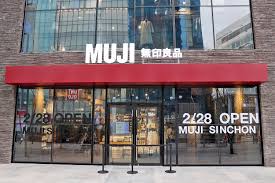
  • Muji parent posts new profit record

    Muji parent posts new profit record

    Muji parent Ryohin Keikaku has revealed another record quarter in both sales and operating profit.

    In the three months to May, Muji achieved group-wide sales of 106.5 billion yen (US$963.5 million), up 9.7 per cent year on year. Its net profit reached 9.5 billion yen, its best quarterly result ever.

    Citing strong sales in its Japan home market, and the broader Asia-Pacific region, Muji’s president Satoru Matsuzaki said the company expects even better results to come from overseas markets in the future.

    With profit in Japan, where the population is declining, up a modest 1 per cent, its East Asian surplus soared 36 per cent during the quarter.

    Looking forward, Muji expects strong growth in China. Sales there accounted for 17 per cent of the group’s sales during the quarter, making it the second-largest market for the brand behind Japan, with 65 per cent.

    Muji will start designing products in China for Chinese, after some previous missteps with items created in Japan. Matsuzaki cited water bottles as an example, which Chinese consumers shunned because they were too small.

    “We want to sell appropriate products to match China,” he said.

    Muji this week revealed plans to open an office in Switzerland which will become the headquarters for its struggling European business. Despite a loss of 273 million yen in Europe and North America during the quarter, the company is confident it can turn the business around and is planning more stores in both regions.

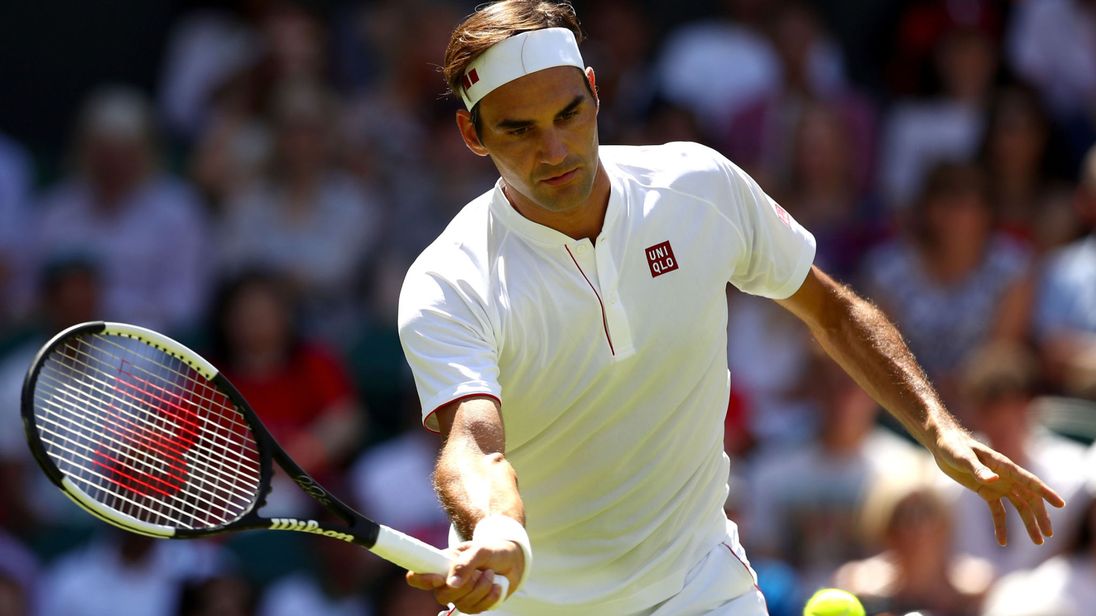
  • Federer moves to Uniqlo after leaving Nike

    Federer moves to Uniqlo after leaving Nike

    20-Grand-Slam champion Roger Federer has walked away from a decade long partnership with Nike, signing on to a new deal with Japanese fashion retailer Uniqlo.

    Federer will represent Uniqlo at all tennis tournaments throughout the year, starting with The Championships at Wimbledon 2018.

    Mr Federer is one of the greatest champions in history; my respect for him goes beyond sport,” said Tadashi Yanai, Uniqlo founder and chairman, president and CEO of fast retailing.

    “Our partnership will be about innovation on and off court. We share a goal of making positive change in the world, and I hope together we can bring the highest quality of life to the greatest number of people.

    “Uniqlo will help Mr. Federer continue taking tennis to new places, while exploring innovations in a number of areas including technology and design with him.”

    Federer noted that he was deeply committed to tennis, but also shared Uniqlo’s values.

    “We share a strong passion to have a positive impact on the world around us and look forward to combining our creative endeavors,” said Federer.

    It is interesting to note that Uniqlo is not a sports company, but describes itself as a life company that creates LifeWear, “apparel that comes from the Japanese values of simplicity, quality and longevity.”

    In addition to Federer, the Uniqlo global brand ambassadors are Kei Nishikori (tennis), Shingo Kunieda and Gordon Reid MBE (wheelchair tennis) and Adam Scott (golf).

  • Department store in Nagoya ends 400-year history

    Department store in Nagoya ends 400-year history

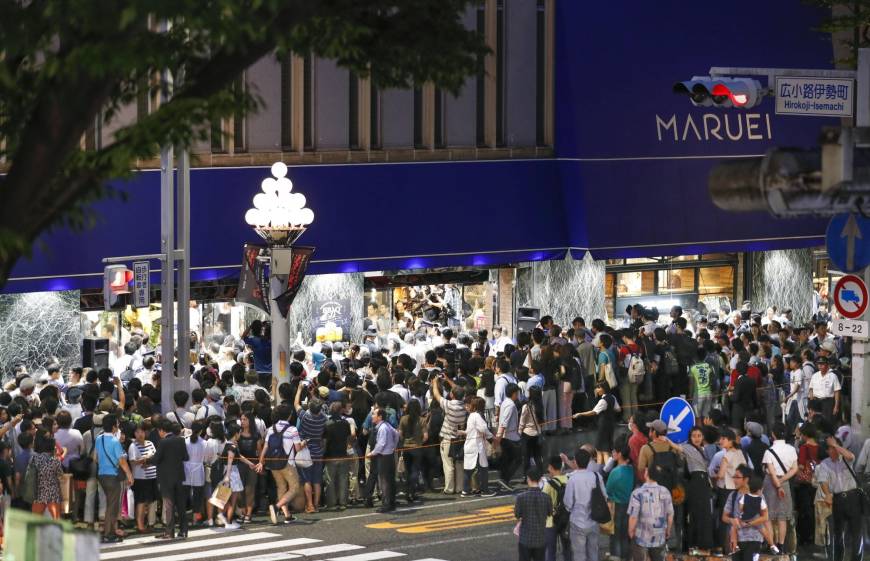
    A 400-year-old department store in Nagoya has closed.

    Maruei Department Store, which opened as Juichiya kimono shop in 1615 and was renamed in 1943 when it merged with another retailer, was once the largest stores of its kind in Western Japan. It was hit by hard economic times in the early 1990s but was kept operational until sales dropped to an all-time low last year.

    Under new ownership since being acquired by Nagoya pharmaceuticals firm Kowa in 2010, the store failed to overcome the rise of e-commerce and became obsolete, with some observers noting a base inconsistency in its various product lineups. Kowa is planning to reopen a commercial facility on the same site several years from now.

    Yoshimitsu Hamajima, the president of Maruei Department Store, thanked the crowds of well-wishers who showed up for the grand closing ceremony.

  • Uniqlo unveils plans to open in Denmark in 2019

    Uniqlo unveils plans to open in Denmark in 2019

    Uniqlo has been working hard on expanding its presence across Europe, and will arrive in Sweden and the Netherlands in fall 2018.

    The next new market for the casualwear label will be Denmark, where a new store is expected to open Strøget, one of Europe’s longest pedestrian streets, in Copenhagen in the spring of next year.

    The company has chosen a historical building dating back to the mid-1700’s, once occupied by clothier Louise Christine Rasmussen, for its first Danish store, which will occupy a space of approximately 1,400 square metres across three levels. Elements from the original classic style architecture will feature throughout the interior of the store and on the façade.

    “We are pleased to be announcing our next phase of growth in Scandinavia with the launch of our first store in Denmark next year, on the renowned Strøget in Copenhagen. We look forward to introducing the Uniqlo brand and our LifeWear concept to Danish customers, who appreciate well designed, functional and high quality clothes,” said Taku Morikawa, chief executive officer of Uniqlo Europe.

    Denmark will become Uniqlo’s 9th country in Europe, joining the UK, France, Russia, Germany, Belgium and Spain and new markets Sweden and the Netherlands.