Tag: Japan

  • Alibaba Wine & Spirits Festival planned

    Alibaba Wine & Spirits Festival planned

    An inaugural 9.9 Alibaba Global Wine & Spirits Festival will be held next week through Tmall.com.

    Alibaba Group will bring 100,000 international wines, cognacs, whiskeys and other beverages from 50 countries to Chinese consumers through Tmall.com.

    Brands such as Gallo Family Vineyards and Robert Mondavi Winery of the US, France’s Lafite and Japan’s Suntory Yamazaki will join winemakers from Australia, Italy, New Zealand and Spain in the first of what is expected to be annual shopping event on Tmall.

    Alibaba says hundreds of brands will make their China debut during the festival.

    Once a trend among China’s wealthy elite, wine has since caught on with the country’s estimated 152 million middle-class consumers. Growth is being driven by consumers in first-tier cities such as Beijing and Shanghai, as well as Chinese in their 20s, according to market researcher Wine Intelligence. The UK firm estimates that 48 million people in China bought imported wine last year, up 26 per cent from 38 million in 2014.

    Greater choice

    Wine Intelligence says eCommerce is bringing greater choice for wine buyers in a country where wine shops and other outlets are not common. Online distribution channels, as well as tariff-reducing trade deals with countries like Australia and Chile, have helped boost imported wine sales to 43.7 million nine-litre cases last year, a jump of 37 per cent over the previous year.

    Consumers are also drinking wine more frequently, says Wine Intelligence, with 35 per cent partaking on a weekly basis last year versus 23 per cent in 2014.
    Alibaba says Tmall saw the number of active buyers in the wines and spirits category climb five times to 10 million consumers between 2013 and 2015.

    Italian winemaker Gruppo Mezzacorona launched a flagship store on Tmall in June, five years after establishing brick-and-mortar sales channels in China including restaurants, hotels and supermarkets. Its country manager Nick He says that selling online via Alibaba marketplaces allows the company to reach parts of China otherwise not possible.

    Live video

    “We believe Tmall will really help us to reach every corner of China,” he says, Also, consumers who would typically have a smaller selection of wines at physical stores have access to most of the company’s wine inventories when shopping online.

    Gruppo Mezzacorona is planning to live-stream video from its wineries in Italy in the run-up to the sale, showing Chinese consumers how grapes are picked and the wine is made. There will also be tips on wine drinking as an interactive component allowing consumers to ask questions.

    Tmall has already launched marketing campaigns to generate buzz around the festival, including live auctions of rare and limited labels and live-streamed broadcasts with experts such as Château Valandraud founder Jean-Luc Thunevin and American wine critic James Suckling.

    Offline, about 5000 bars and pubs in China will support the festival with free tastings and distribution services.

  • Miniso signs up to enter US

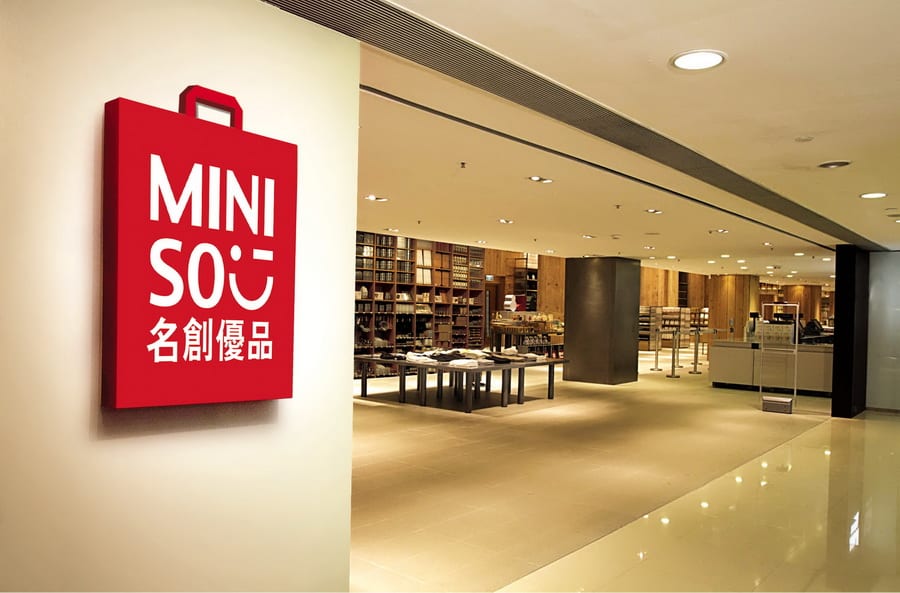
    Miniso signs up to enter US

    China’s fast-fashion designer brand Miniso has signed a comprehensive strategic co-operation agreement to enter the US.

    A signing ceremony in Guangzhou was attended by Miniso global co-founder Ye Guofu and Asia Pacific VP Li Minxin as well as a representative from Miniso’s US partner, Matthew Liang.

    Miniso has opened 1400 stores internationally in the past three years, with its global revenue hitting RMB5 billion (US$750 million) last year.

    After focusing on markets in China and Japan, Miniso has successively signed strategic co-operation agreements with 36 other countries and regions.

    Ye says Miniso and its US partner will further co-operate in areas such as product research and development, model updating and talent training.

  • CapitaLand Mall Asia inks its first third-party management contract in China

    CapitaLand Mall Asia inks its first third-party management contract in China

    The contract with Changsha Pilot Investment Holdings Group Co is for Fortune Finance Center, an integrated development in Changsha, the provincial capital of Hunan in central China, CapitaLand announced on Wednesday (Aug 31).

    It said the deal marks the beginning of an enhanced asset-light strategy to enlarge its mall network through third-party management contracts to complement its core strategy of developing, owning and managing malls.

    The scope of the contract covers asset planning, pre-opening and retail management for a total gross floor area, excluding car park, of 95,000 square metres (about 1 millio square feet) that spans seven levels – five levels above ground and two basement levels.

    Currently under construction, the mall is targeted to commence operations in end 2018. It is owned by Changsha Pilot Investment Holdings, a Chinese state-owned developer which currently has seven projects in Changsha.

    Said Mr Jason Leow, CEO of CapitaLand Mall Asia: “We continue to be on the lookout for suitable acquisition opportunities to grow our mall portfolio even as we seek to enlarge our network through third-party management contracts. By managing quality third-party malls for which we have a right of first refusal to acquire, we are also paving the way for future acquisitions.

    “Through this multi-pronged approach, we will be able to maximise opportunities to expand our mall and retailer network, increase recurring income and further strengthen our leadership in the shopping mall sector in the region.”

    With this contract, CapitaLand doubles its presence in Changsha, where it currently owns and manages CapitaMall Yuhuating, a 62,000 sqm mall, approximately 10 km) from Fortune Finance Center.

    It is also expanding its presence in China, where it has a network of 65 malls. Across Asia, CapitaLand now manages a total of 104 malls in Singapore, China, Malaysia, Japan and India.

  • More stores in Asia for Guzman y Gomez

    More stores in Asia for Guzman y Gomez

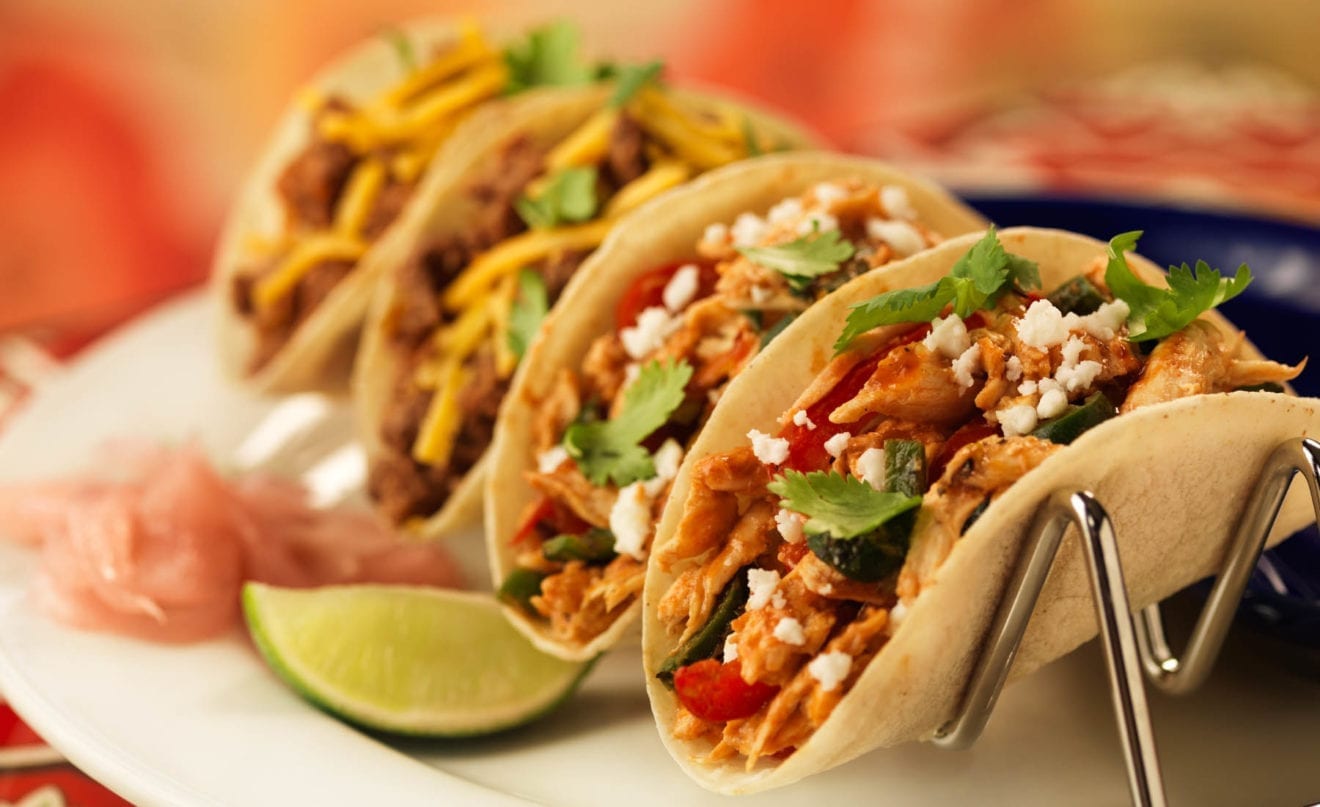
    Australia’s Mexican food chain Guzman y Gomez (GYG) has done so well in Japan and Singapore it is planning to open more outlets in both countries this year.

    It opened its first taqueria in Singapore in 2014, since adding three more, plus a second in Tokyo. It plans to open at least five more in Japan this year, plus two in Singapore.

    Guzman y Gomez Japan 1

    “We have outstanding partners in both Japan and Singapore who are incredibly experienced in introducing Australian brands into their local markets,” says CEO Mark Hawthorne. “They are executing the brand to a very high standard.”

    GYG opened its first restaurant in Sydney in 2006, and now has 73 outlets across Australia. It was named Australia’s fastest-growing fast-food brand in the latest Consumer Report on Eating Share Trends.

  • Isetan to open Japan Store Kuala Lumpur

    Isetan to open Japan Store Kuala Lumpur

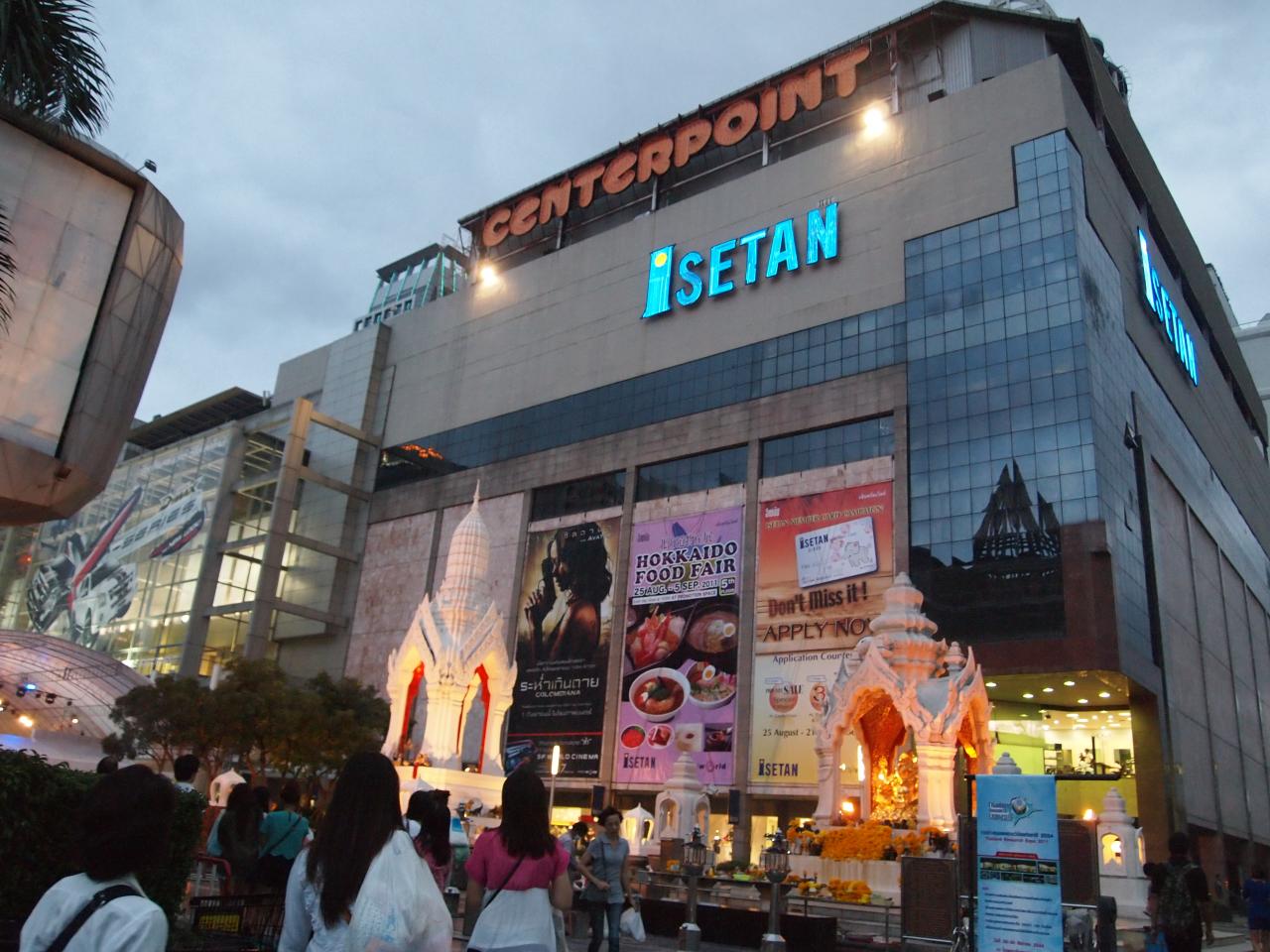
    The Isetan Mitsukoshi Group will open a new specialty store, Isetan The Japan Store Kuala Lumpur in Malaysia at the end of October.

    “As global interest in Japan continues to grow, we are pleased to introduce Japanese history, culture, technology, diversity and lifestyle designs,” the company said, announcing the initiative.

    “The new store will deliver Japanese lifestyles and aesthetics to customers. We will bring not only the best of Japan, but authentic Japanese experiences as well.”

    The venture has the support of the government-financed Cool Japan Fund Inc.

    Comprising 11,000 sqm of floor space, Japan Store Kuala Lumpur will be located in the renovated Lot 10 and have six storeys introducing high-quality products, experiences and services:

    • LGF: New dining style based on authentic Japanese tastes and technologies – groceries, sake, beer & whisky, Japanese and Western sweets and green tea, delicatessen, eat-in dining space, fresh foods, etc.

    Isetan Japan store KL - LGF

    • GF: Fashion, art, technology.

    Isetan Japan store KL - GF

    • 1F: Japan’s fashion culture, a melting pot of unique combinations.

    Isetan Japan store KL - 1F

    • 2F: A collection of products featuring unique Japanese materials and technology to “enhance beautiful, healthy lifestyles”.

    Isetan Japan store KL - 2F

    • 3F: Experience Japanese culture – bookstore, culture academy, photo lounge, etc.

    Isetan Japan store KL - 3F

    • 4F: Restaurant floor featuring authentic Japanese cuisine to open in January 2017.

    Hiroshi Ohnishi, Isetan Mitsukoshi president and CEO said the company will introduce Japan’s exceptional products, experiences and services to the world.

    “In 2011, Japan’s Ministry of Economy, Trade and Industry (METI) launched Cool Japan, a program promoting the introduction of regional products, fashion and other content to the world. In this context, the Isetan Mitsukoshi Group has promoted the Japan Senses campaign, introducing to our customers remarkable traditional crafts from all over Japan, styling them with a newborn originality. Now, to more clearly convey the spirit of Cool Japan, we are ready to show the world the exceptional craftsmanship Japan is proud to offer.”

  • Toyota to introduce new safety features in future vehicles

    Toyota to introduce new safety features in future vehicles

    Japanese auto major Toyota plans to introduce its new global architecture and latest safety technologies in future vehicles as it seeks to play a major role in bringing down fatalities in road accidents.

    The company, which has introduced its Toyota New Global Architecture (TNGA) in its 4th generation hybrid car Prius, plans to introduce it in its future models as well.

    Besides, it is also looking to introduce pre-collision system (PCS) in vehicles from next year in Japan, Europe and the US.

    “We have introduced the TNGA in the market with our 4th generation Prius. We will introduce it in vehicles following the Prius and eventually introduce it to all our products when there is a model change,” Toyota Motor Corporation Assistant Chief Safety Technology Officer Seigo Kuzumaki said here.

    Stating that TNGA has resulted in new collision safety body structure, he said in oblique frontal crash test, the new Prius has about 55 per cent decline in cabin deformation percentage compared to the previous 3rd generation.

    The test was conducted at a speed of 90 kmph as compared to 64 kmph done in the previous generation, he added.

    According to Toyota, TNGA incorporates wide reaching structural innovations that promises substantially improved basic performance and product appeal.

    Commenting on the PCS, Kuzumaki said: “The plan is to introduce this technology to our vehicles in Japan, Europe and the US in 2017. Later on, it will be rolled out country wise depending on suitability.”

    The PCS is a feature that helps prevent collisions using a camera and millimetre wave radar and engaging brake assistance system after warning when a driver fails to use brake.

    Although the company hasn’t specified a timeline for these technologies to be brought to India, it assumes significance as Indian roads account for registering the highest number of road fatalities in the world.

    Deaths due to road accidents in the country increased by around 5 per cent to 1,46,000 in 2015 from the previous year.

    As per WHO, fatalities due to road accidents globally were at 1.42 million people and is projected to increase to 1.85 million by 2030.

  • Apple said to plan iPhone for Japan that supports FeliCa

    Apple said to plan iPhone for Japan that supports FeliCa

    Apple is reportedly planning to launch an iPhone in Japan that supports FeliCa, the contactless mobile payment standard widely used in the market.

    Sources told that a future iPhone designed for the market will include a FeliCa chip to support payments using the Sony-developed standard.

    FeliCa is used in multiple public bus and train pass payment systems across Japan. The standard dominates in Japan over the NFC standard used in Apple Pay – there are an estimated 1.9 million FeliCa payment terminals in the country handling around $46 billion worth of transactions per year.

    According to the report, Apple plans to work with multiple transit card providers on the launch, and is currently planning to store virtual representations of transit passes within the iPhone’s wallet app.

    Apple is said to currently plan to introduce the FeliCa functionality into the next iPhone models bound for the market, although the introduction could be held back to next year if talks with Japanese payment networks stall.

    One hurdle that could complicate the plan is the fact that FeliCa chips are designed to process transactions in a tenth of a second to accommodate Japan’s very busy transit system, whereas transactions using Apple Pay currently go through servers and require bank approval.

  • Asia leads Tiffany sales decline

    Asia leads Tiffany sales decline

    Asia has led a decline in global sales for US jeweller Tiffany & Co in both the first half year and the second quarter periods to July 31.

    Same-store Tiffany sales plunged 13 per cent in the six months in Asia-Pacific – excluding Japan where they rose 10 per cent, but fell on a constant currency basis.

    Sales growth in China and Korea was offset by a continuation of significant declines in Hong Kong and more moderate declines in most other markets, the company reported.

    Same-store North America sales declined 9 per cent in the six months, largely due to declining spending by Chinese tourists in the US.

    “The global environment continues to reflect well known challenges that we believe have had broad effects on spending by local customers, as well as foreign tourists, especially from China,” said CEO Frederic Cumenal.

    “We are managing expenses efficiently, but also maintaining our marketing spending as a percentage of sales and continuing to invest in key strategic initiatives and opportunities to further strengthen Tiffany’s competitive position among global luxury brands.”

    In the Asia-Pacific region, total sales of US$230 million in the second quarter and US$469 million in the first half were down 6 per cent and 7 per cent, respectively, and comparable store sales declined 12 per cent and 13 per cent. On a constant-exchange-rate basis, total sales and comparable store sales declined 3 per cent and 9 per cent in the second quarter and 4 per cent and 11 per cent in the first half.

    During the second quarter, worldwide net sales declined 6 per cent to $932 million and comparable store sales declined 8 per cent. Net earnings rose 1 per cent to $106 million, in the prior year. Net earnings declined 5 per cent from the prior-year period’s $111 million, which excludes a specific charge in that period.

    In the first half, worldwide net sales of $1.8 billion were down 7 per cent and comparable store sales declined 9 per cent. On a constant-exchange-rate basis, worldwide net sales and comparable store sales declined 6 per cent and 9 per cent, respectively.

    Net earnings for the half year were $193 million.

    Gross margin increased to 61.9 per cent in the second quarter and 61.6 per cent in the first half, due to lower product input costs, changes in product sales mix and price increases taken in the past year.

  • Pizza Hut develops diet pizza range

    Pizza Hut develops diet pizza range

    Pizza Hut Japan has teamed with Rizap, a Japanese company promoting nutrition and exercise, to create a ‘diet pizza’.

    The two companies aim to make the fast-food favourite more healthy, and have released three sugar-reduced varieties with Pizza Hut Japan.

    Six stores around Tokyo’s Kanto area are offering the healthier options, including thick-cut bacon and grilled vegetables, savory bulgogi and teriyaki egg. They come baked fresh in a personal pan size.

    As well as take-out, deliveries are available, each of the pizzas costing 1000 yen (US$9.99).

    Each pizza crust has had its sugar content halved, while overall the new pies contain less than 30g of sugar (regular pizzas contain 55.2g).

    Unfortunately, the healthy-style pizzas will be offered only until October 23.

  • Prada Asia heads online as sales slip

    Prada Asia heads online as sales slip

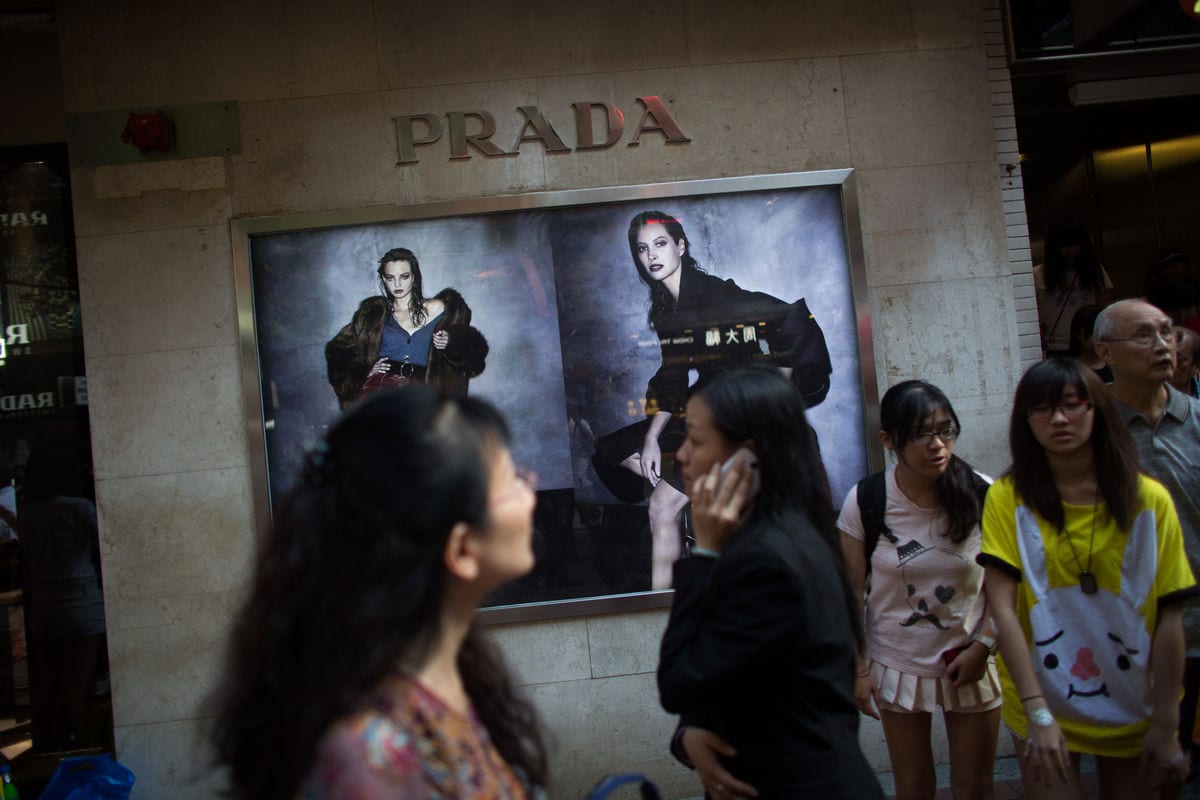
    The Italian-headquartered, Hong Kong-listed luxury brand says its Asia Pacific sales slumped  18 per cent on a constant currency basis in the first half of this year.

    “The negative economic backdrop continued to impact performance in both Hong Kong and Macau, but signs of improvement have been visible since July across Greater China,” the company noted in its results.

    And after a period of consistent growth since 2010, sales in Japan fell 9 per cent, mainly due to lower tourist flows from China caused by a less favourable exchange rate.

    CEO Patrizio Bertelli says the company will now make China, Hong Kong and Singapore its priorities in roll out its new eCommerce platform, which is expected to be global within to years.

    “At the same time there will be a constant enhancement of the online shopping experience,” he said. “Our eCommerce offer will also leverage new partnerships with international leaders in the sector.”

    Globally, Prada achieved net revenues of €1.6 billion, down 13 per cent on a constant currency basis. The decline was largely in the retail channel while Prada’s wholesale business remained stable thanks to an initial positive contribution from recent partnerships with international e-tailers and its licensing division, where good progress from royalties driven by the success of the new fragrances and eyewear.

    Net profit margin was down from 24 per cent of revenues in the first half of last year to 21 per cent. Net income amounted to €142 million, representing 9 per cent of consolidated revenues (10 per cent in 2015).

    Bertelli is upbeat about the remainder of 2016.

    “With the implementation of the first phase of rationalisation of various management and operating processes and with the launch of a series of new initiatives that will allow the group to respond quickly to the requirements of a rapidly evolving market, I see 2016 as a turning point.”

    He said the company’s retail network is subject to rigorous review including closure of non- strategic locations and selective openings in high potential markets.

    “Part of this process will also include the launch of new concepts such as the recent restyling of the Prada stores at Plaza 66 in Shanghai and GUM in Moscow, redesigned to offer a new and exclusive shopping experience for increasingly demanding clients.”

  • Uber Japan about to launch UberEats

    Uber Japan about to launch UberEats

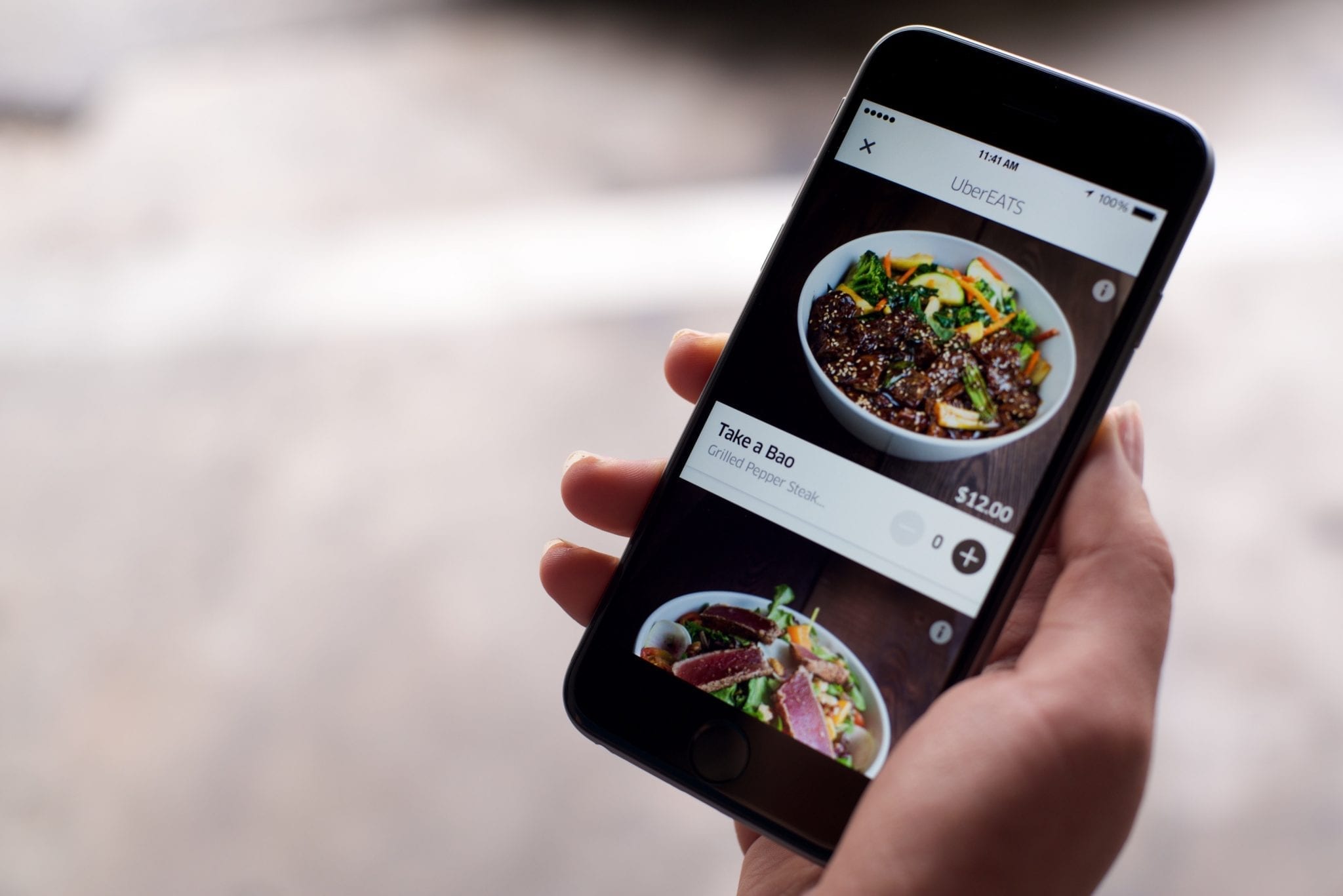
    Uber Japan is about to launch UberEats, with advertisements for bicycle and motorcycle delivery positions appearing on its Japan Facebook page last week, as well as a related video.

    An UberEats Japan website is already up, but only with a link for Tokyo restaurants to register.
    Launched in March, UberEats is available in 28 cities internationally.

    Generally, Uber has struggled in Japan, reports Tech in Asia. As regulations prevent drivers from accepting money from passengers in a private vehicle, Uber works more like a taxi. Its trial program in Fukuoka last year was shut down for paying drivers, and protests from taxi companies have prevented similar trials in other regions. There was also backlash from the taxi industry when Toyota invested in Uber this year.

    However, non-professional drivers can accept payments in areas where public transport is not available. Uber took advantage of this by launching a service with a non-profit organisation in Kyotango city.

  • Isetan Philippines in planning

    Isetan Philippines in planning

    A Japanese department store operator has set its eyes on the Philippines to build commercial-residential facilities by 2022.

    Isetan Philippines will work with Nomura Real Estate Holdings to build properties in Manila. The project is projected to reach approximately $500 million.

    The developer, a rival of Takashimaya, plans to erect four 40-story condo buildings with more than 1500 residential units on a 15,000 sqm lot.

    Isetan’s parent, Isetan Mitsukoshi, will operate a department store and other commercial facilities on the lower levels of the buildings. The retail giant plans to offer products developed in-house in addition to local favourites..

    According to reports, the Philippine project is part of Isetan Mitsukoshi’s Asia’s expansion amid Japan’s shrinking domestic market.

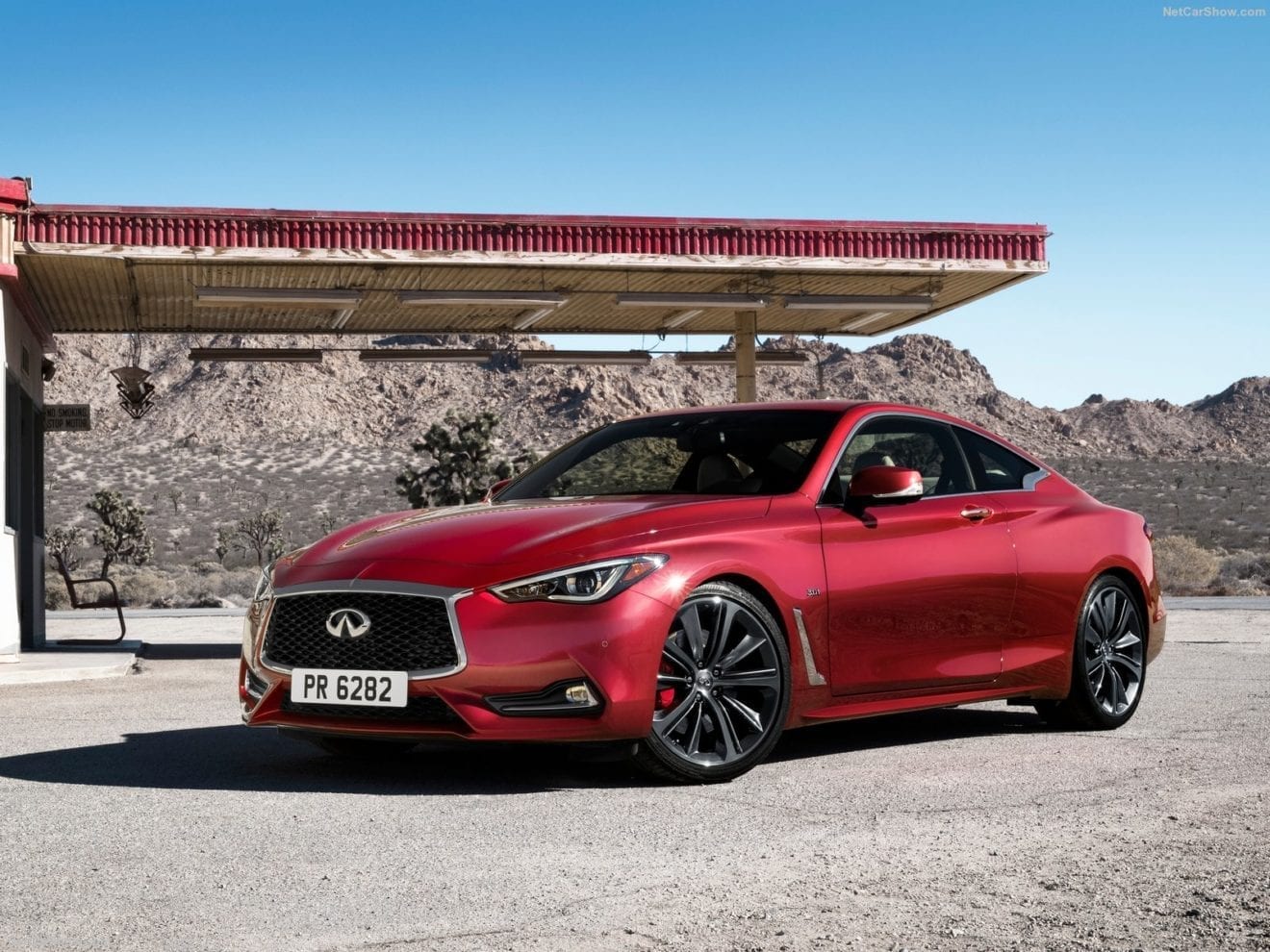
  • Nissan starts new Infiniti Q60 sports coupe production

    Nissan starts new Infiniti Q60 sports coupe production

    Japanese automobile manufacturer Nissan Motor Company has started production of the all-new Infiniti Q60 sports coupe at the company’s manufacturing facility in Tochigi, Japan.

    The Tochigi plant has been producing Infiniti vehicles since the brand was launched in 1989. To meet the requirements of the new model, a series of upgrades have been made to the production line, and innovative manufacturing processes have been introduced.

    To enhance quality control, a new lighting system for the inspection process and a camera and video system on the assembly line have been introduced. In a world’s first application, the trunk lid feature for Q60 is a hybrid combination of a resin skin on a steel frame.

    One major enhancement to the Tochigi facility is a new dedicated paint booth, which has been installed solely to allow production of Q60’s new “Dynamic Sandstone Red” paint finish. The glossy, deep red finish requires a new painting set-up, using a combination of machinery and manual processes developed by Infiniti’s most senior coating experts.

    Tochigi’s 216 highly-skilled Takumi (master craftsmen) were picked from the plant’s 4,500-strong workforce to work on the Infiniti production line. Takumi work across every section of the Q60’s production line, including stamping, body shop, paint, assembly and quality assurance.

    From the Takumi employed to work on Infiniti production, a further 6 Meister Takumi are selected – those with the highest understanding of premium car production and the desires and expectations of Infiniti’s customers.

  • ‘Super-shoppers’ dominating online retail

    ‘Super-shoppers’ dominating online retail

    A Worldpay global survey of 20,000 consumers has discovered that buying power in the internet age is concentrated within a group of high-spending, high-frequency “super-shoppers”.

    While these shoppers make up just 5 per cent of the population in China, they account for 92 per cent of all money spent buying physical goods online in China each month.

    Worldpay’s research into three Asia Pacific markets further reveals that APAC super-shoppers are most likely to shop online via a mobile device, and are demanding when it comes to payment method. The international payments company polled 2000 consumers in each of the 10 countries covered by the Why Do They Pay That Way? Study, including China and Japan.

    Key findings include…

    • Chinese super-shoppers are more likely than the average Chinese shopper to use a credit or debit card.
    • More than 60 per cent of Japan’s online shoppers will switch to another retailer if they cannot use their preferred payment option at checkout.
    • Australian super-shoppers were the world’s second-biggest buyers, spending on average more than £200 (US$260) on their latest online transaction.
    • The Chinese are the biggest mobile shoppers in the world, with 33 per cent of super-shoppers making their latest online purchase by mobile phone.

    “With eCommerce markets developing at lightning speed across the Asia Pacific region, it’s no surprise elite shoppers are taking their spending power online,” says Worldpay GM Asia Pacific Phil Ponford. “The super-shopper trend is driven by a growing middle class, high mobile penetration and advancements in consumer technology.

    “APAC super-shoppers are passionate about what they buy and sophisticated in how they shop. They do research to find the most competitive prices, and will turn elsewhere if they discover they can’t use their preferred payment method at checkout.”

    Unable to pay

    Internationally, 36 per cent of super-shoppers said they had experienced the situation of reaching checkout and being unable to pay with any of the listed options. This was particularly the case in China, where 44 per cent of Super-Shoppers said they could not use their preferred payment method.

    When faced with not being able to use their preferred payment option, super-shoppers may buy the same item from another website or abandon their purchase all together. In Japan, 61 per cent of super-shoppers said they would switch to another retailer if unable to use their preferred payment option at checkout. Worldpay estimates that for each lost sale globally, retailers are missing out on as much as £100.

    Super-shoppers in APAC overwhelmingly prefer credit cards. While 41 per cent of the general population in China prefers to pay online with Alipay, only 18 per cent of China’s super-shoppers said they were likely to use their nation’s most popular eWallet. Instead, 54 said they preferred to use a credit card.

    “Retailers should be looking at super-shoppers as a distinct group that often behaves very differently from other customers,” says Pomford. Retailers who do not support the right range of payment methods could actually lose major revenue without noticing.

    He describes super-shoppers as an audience that thinks of online shopping as a daily task, not just an occasional treat.

  • Yamada Denki profits from strategy change

    Yamada Denki profits from strategy change

    Japanese electronics retailer Yamada Denki saw its operating profit surged to 2.5 times the year-earlier level in its latest quarter.

    The company says this reflects a strategic pivot to highly profitable white goods from digital electronics, which are susceptible to price drops.

    Logging 6.4 billion yen (US$62.4 million) in operating profit for the April-June period, the company says air conditioners sold briskly, as did ultra-high-resolution 4K televisions ahead of the Olympic Games in Rio de Janeiro.

    However, sales for the quarter fell 2 per cent to 363.7 billion yen. Widespread clearance sales ahead of store closures last year account for part of the comparative drop.

    Yamada Denki’s gross margin widened 0.4 points to 28 per cent following the closure of about 60 unprofitable locations last year. It has also remodelled about 200 stores a year since 2014, allowing more space for home appliances such as refrigerators and washers at the expense of personal computers.

    Coming from a human resources background, the company’s new president appointed in April, Mitsumasa Kuwano, has spearheaded reforms to the company’s staffing strategy, such as putting more workers on the sales floor during busy periods.