Tag: Japan

  • Pokemon Go device launched in Japan

    Pokemon Go device launched in Japan

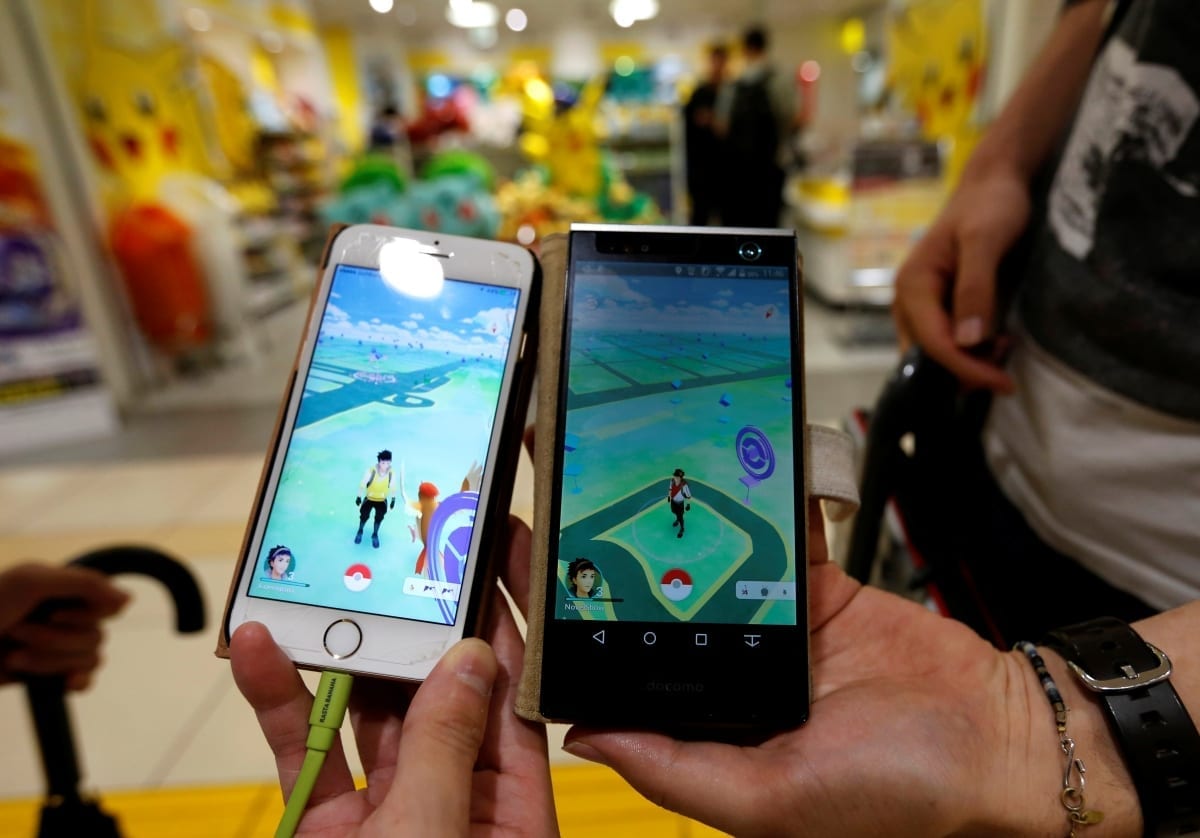
    Hundreds of people have stood in long lines outside Japanese stores to buy the Pokemon Go Plus device.

    In Osaka, around 700 people waited outside a Pokemon Centre shop to buy the device when the store opened at 0800, two hours earlier than usual.

    Pokemon Go Plus allows Pokemon Go players to interact with the mobile game without looking at the phone.

    “(Using the peripheral gear), Pokemon hunting will speed up because I don’t have to stare at the (Smartphone) screen. I want to get them (Pokemon monsters) one after another,” said Kana Sugiura, 29, who was waiting outside the store, to Japanese news agency Kyodo.

    Pokemon Go Plus is a gadget similar to a wristwatch but attached with a clip that connects to the game.

    The device, which costs around US$35 (A$47), is connected to the mobile phone via Bluetooth, and through a led light (green or blue) and vibrations notify the player when there is a ‘poke stop’ or a Pokemon nearby, which can then be captured by pressing the device button without any need for the phone.

    The peripheral add-on is available from Friday in most countries – including Australia, said game developer Niantic in a statement.

  • Aeon Mall inviting foreign firms to be tenants

    Aeon Mall inviting foreign firms to be tenants

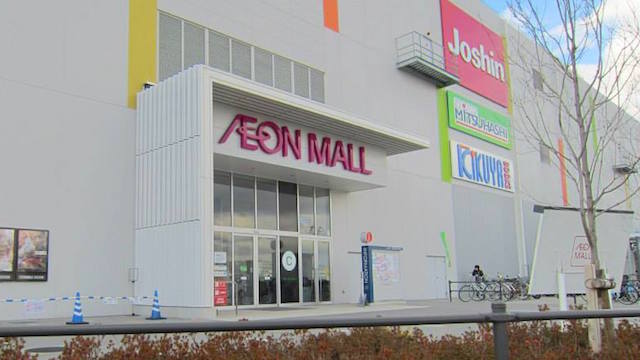
    Aiming to add variety in the face of intensifying competition, Japanese retail giant Aeon Mall is inviting foreign businesses to sign on as tenants in Japan.

    Aeon Mall, which has about 150 shopping centres across Japan, will aim to have its first new-look location open next spring. A new dedicated department includes two staff members assigned to Chinese businesses and three to businesses from members of the Association of Southeast Asian Nations (ASEAN). Tenants from other areas, such as Europe and the US, are also sought.

    A broad range of sectors is being considered, including restaurants, apparel, home products and services. As well as major chains, Aeon is interested in small businesses in the tourism sector.

    Aeon Mall is negotiating arrangements with more than 30 companies already. By inviting multiple tenants all at one time, the company seeks to recreate the feel of an Asian-style “restaurant alley”, for example.

    aeon-mall-japan

    Targeted candidates include foreign companies interested in doing business in Japan but hesitant because they lack knowledge of the market. To help deepen their understanding, Aeon will offer tours of its malls in Japan and abroad.

    Japan’s shopping centre market grew 4.5 per cent last year to 31 trillion yen (US$302 billion), according to the Japan Council of Shopping Centers, but was treading water on an existing-store basis.

    The market’s medium- to long-term outlook is also dim with the shrinking Japanese population and the rise of online shopping.

    “Mass-producing the same type of shopping mall will not lead to substantial growth going forward,” says Aeon Mall president Akio Yoshida. The company last year opened a more experience-focussed mall with an athletic track and racetrack.

  • SaladStop! raises $5m from new partners

    SaladStop! raises $5m from new partners

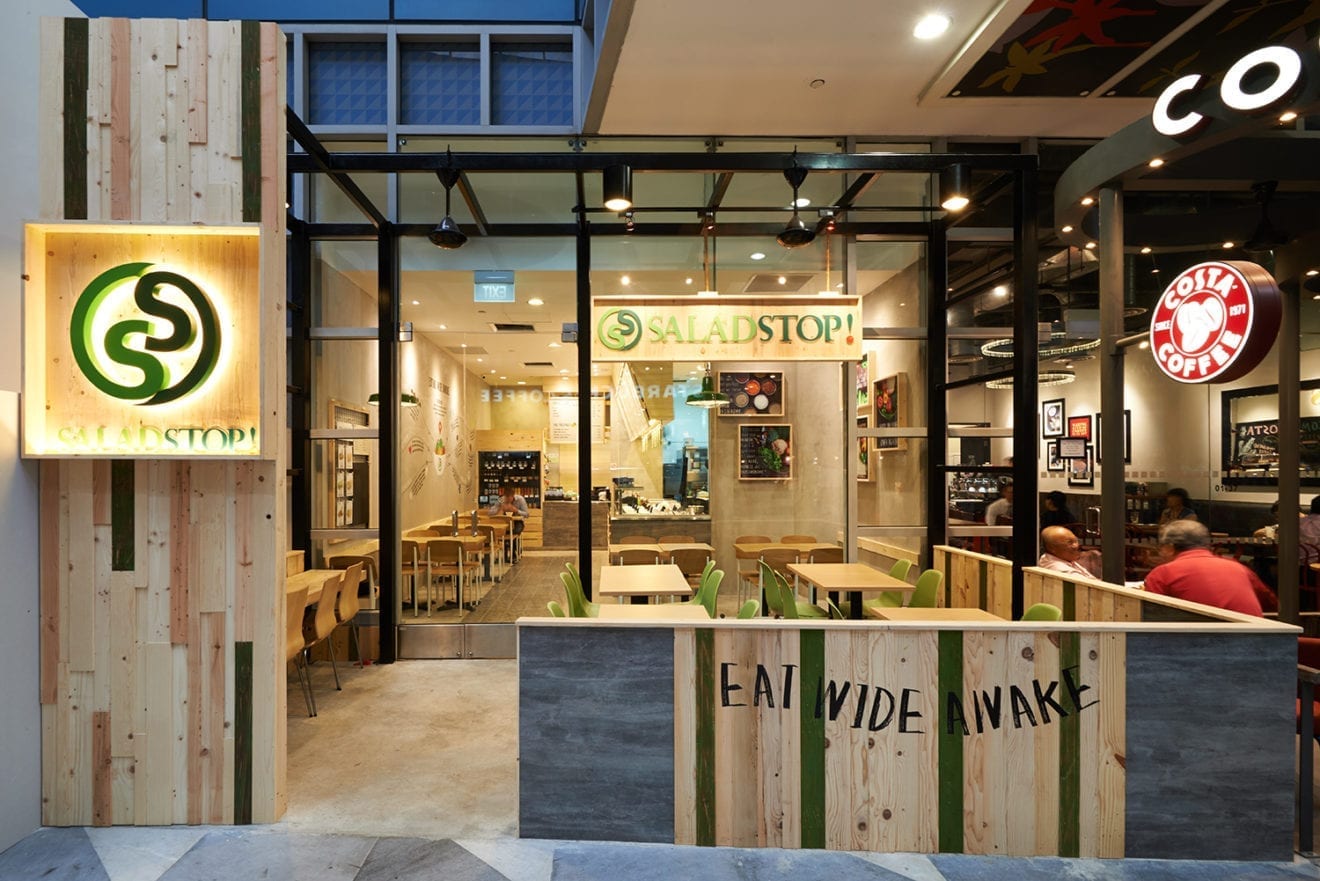
    Singapore salad bar chain SaladStop! has raised S$5 million (US$3.6 million) from private equity firmsDSG Consumer Partners and Hera Capital who took a minority stake in the company.

    SaladStop! has 15 outlets in Singapore and eight in the Philippines, with stores in Hong Kong, Indonesia and Japan scheduled to open by the end of the year. Its first round of funding will be focused on further growing its footprint in Singapore, investing into new ventures and continuing to develop its technological platforms.

    A family business, SaladStop! was founded by hotelier Daniel and Adrien Desbaillets in 2009 and is co-headed by daughter Katherine and son-in-law Frantz Braha.

    Hera Capital’s Thierry de Panafieu says the company benefits from the growing middle class in Asia and increasing awareness toward healthy and sustainable eating.

    SaladStop!’s motto, Eat Wide Awake, encourages consumers to be more knowledgeable about their food. It is pioneering a food movement that believes in the basic human right to truly eat well.

    Hera Capital is a private equity firm investing in fast-growing SMEs in the consumer retail, media and digital sectors with a focus on Southeast Asia. Hera Capital has invested into such firms as ActSocial, Bel Perfumes, CashCashPinoy, Creme Simon and Sophie Paris.

    DSG Consumer Partners is a venture capital fund focussed on early-stage consumer businesses in India and Southeast Asia. Brands funded and backed by the founders since 2004 include Bakers Circle, Burger King India, Chai Point, Eazydiner, Raw Pressery, Saffronart, Saraf Foods, Smoke House Deli, Sula Wines and Veeba Food.

  • Richemont expects weaker half-year earnings after restructuring costs

    Richemont expects weaker half-year earnings after restructuring costs

    Luxury goods maker Richemont said on Wednesday that it expected operating profit in the six months to September to decline by 45% from a year ago.

    The Luxembourg-and JSE-listed group said in a statement that the decline reflected the effect of one-off restructuring charges of about €65m, and the additional effect of inventory buybacks.

    “We are of the view that the current negative environment as a whole is unlikely to reverse in the short term. However, we remain convinced of the long-term prospects for luxury goods globally and in particular for watches and jewellery,” it said.

    Sales in the five months to August dropped 13% at constant exchange rates and 14% at actual rates.

    Richemont said sales in the UK had shown growth since the weakening of pound against most currencies at the end of June following the EU referendum.

    Elsewhere in Europe, sales were down, particularly in France, due to a significantly lower level of tourist activity.

    There was positive momentum in both jewellery and accessories in the Americas, but an overall decline in sales due to a weaker performance in watches.

    In the Asia-Pacific region, growth in mainland China and Korea was more than offset by the continuing weakness of the Hong Kong and Macau markets.

    Retail declined overall, primarily due to Europe and Japan. All other regions’ sales declines were low single digits, supported by jewellery and accessories. The marked decrease in wholesale sales reflected the continuing negative trend and the watch inventory buybacks.

    Richemont’s other businesses reported sales growth, thanks to positive performances at Montblanc, Chloé, Azzedine Alaïa and Peter Millar.

  • Chinese restaurant chains bloom in Singapore

    Chinese restaurant chains bloom in Singapore

    Four Mainland China restaurant chains have set up in Singapore since November, the latest opening in Riverside Point on Friday.

    It will be the first overseas outlet for Chengdu-style hotpot chain Spicy House, which has about 30 outlets on the mainland.

    Two restaurants opened in June, Shi Miao Dao Yunnan Rice Noodles in VivoCity and Riverside Grilled Fish in Raffles City, while Faigo HotPot opened in Clarke Quay in November.

    Other China food brands in Singapore go back about four years, including Hai Di Lao Hot Pot, which will open its fourth outlet in VivoCity this month, and 9Goubuli, a Chinese restaurant in Marina Bay Sands.

    Faigo HotPot is a 12-year-old chain with more than 100 outlets across China. This is its first overseas outlet, the 130-seat Singapore restaurant being run by Shanghai Dragon Restaurant Management. The stocks are served in individual pots heated by electric stoves complete with a heat-control panel and USB ports for charging mobile devices. Diners can choose from more than 70 ingredients, and the outlet is the first in the chain to have a sauce bar offering nearly 20 condiments.

    Faigo Hotpot

    Riverside Grilled Fish, which has opened 54 outlets in China in its 11 years, is using its first overseas outlet as a springboard to make inroads into the Southeast Asian market. It specialises in spicy Chongqing-style grilled fish, and the Singapore franchise is owned by Minor Food Group, which runs the Thai Express and Xin Wang Hong Kong Cafe chains.

    Riverside Grilled Fish

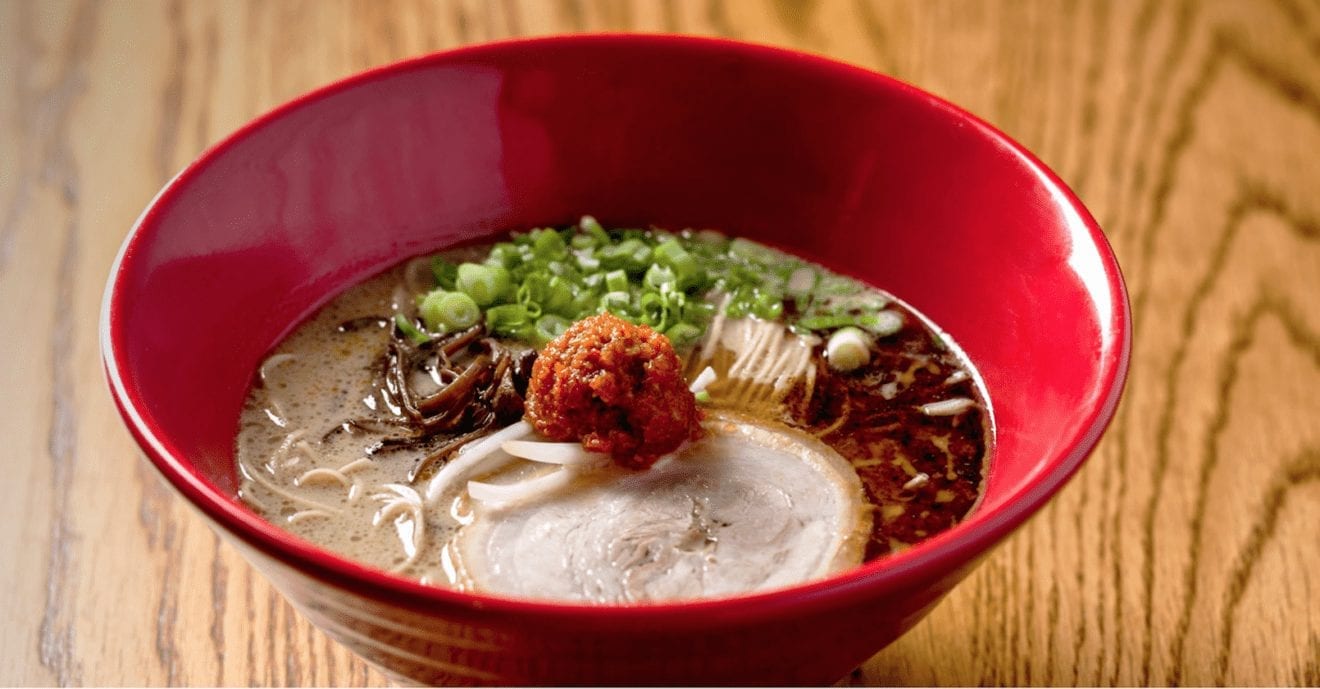
    Shi Miao Dao Yunnan Rice Noodles in VivoCity’s Food Republic foodcourt serves “crossing the bridge” rice noodles, an elaborate set with 11 sides including braised chicken, fried peanuts and raw quail egg and vegetables. There is a choice of five types of soup, and the dish dates back to the Song dynasty. The Singapore stall is part of a chain which has more than 800 outlets across China, as well as Canada, Japan and Thailand.

    Spicy House owner Zac Wang from Shanghai believes Chinese hotpot chains like his will do well in Singapore, where he has been based for six years. The 120-seat restaurant at Riverside Point offers three types of communal hotpots, including one with nine compartments for cooking ingredients separately. The menu lists about 100 ingredients.

  • Baroque Japan opens two shops in NYC

    Baroque Japan opens two shops in NYC

    Baroque Japan, which has a retail portfolio of young women’s fashion apparel and accessories, has arrived in New York City.

    It has opening an Enfold fashion brand shop in the West Village and a Moussy outlet in SoHo.

    Enfold New York

    Launched in 2012, Enfold has a strong presence in Europe. Its West Village store stands at 850 sqft (78.9 sqm) and its neighbours include the Marc Jacobs and Michael Kors brands.

    Moussy NY

    Covering 1776 sqft, the Moussy SoHo store focusses on its denim made in Japan. Shoppers buying the brand’s jeans will receive an original, limited-edition paulownia wooden storage box. A Baroque brand since 2000, Moussy has 43 stores in Japan and 81 in China and Hong Kong.

    Founded in 2000, the company has 356 stores in Japan, 165 stores in China and Hong Kong, and 15 brands. It launched Baroque USA Limited in April with an eye to establishing itself in the American market.

  • Agatha Paris opens first stand-alone travel retail outlet

    Agatha Paris opens first stand-alone travel retail outlet

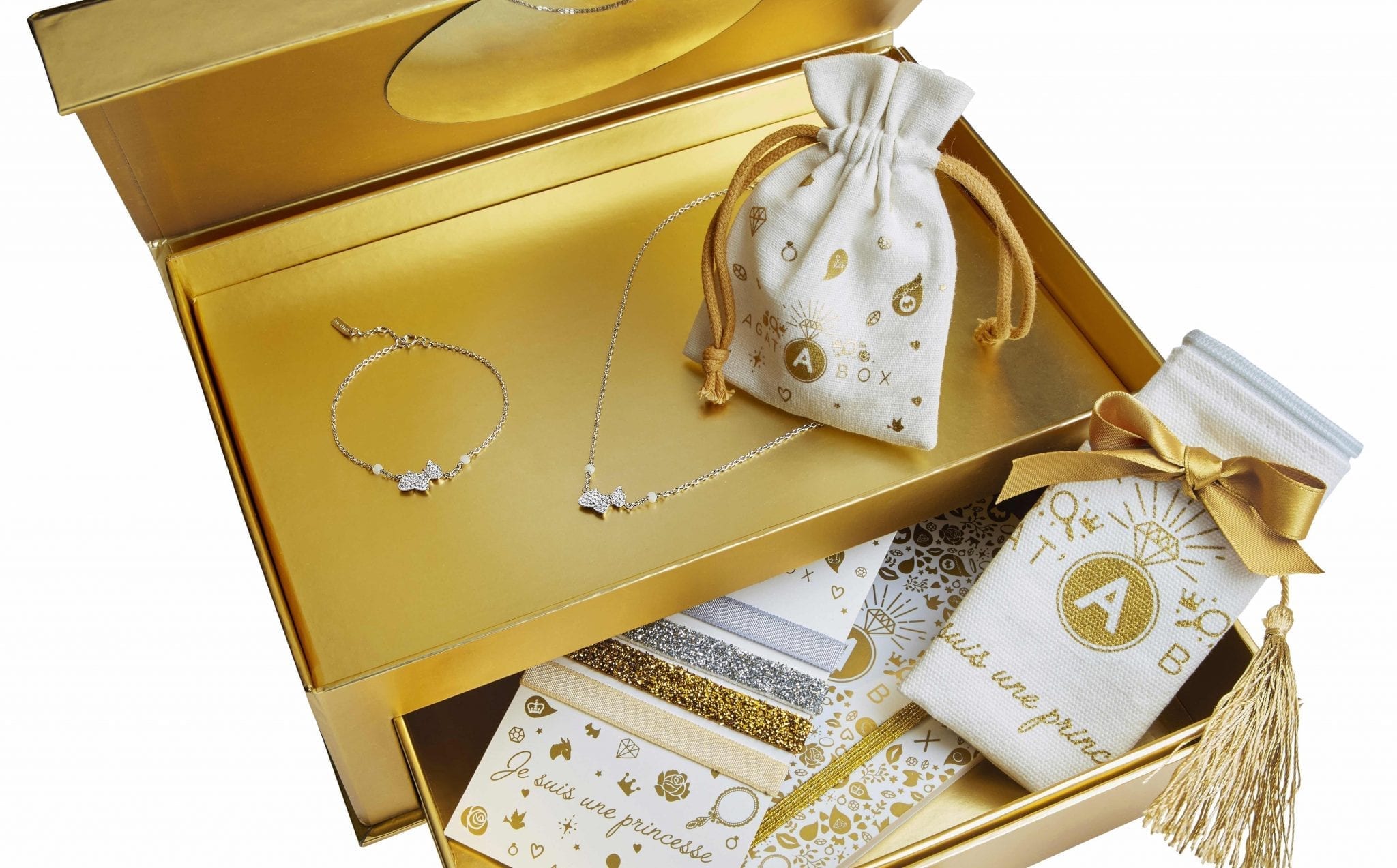
    French fashion jeweller Agatha Paris has opened its first stand-alone travel retail store, at Haikou Meilan International Airport on China’s Hainan Island.

    Opened in partnership with Hainan Duty Free, the 20 sqm store has a contract until September 2019.
    Agatha Paris will present its latest collections, including several travel-retail exclusive sets, at the upcoming TFWA World Exhibition in Cannes. The brand showcased a range of stainless-steel jewellery at this year’s TFWA Asia Pacific exhibition in Singapore.

    The brand’s collections are divided into five themes: Iconic, Timeless, Modern Chic, Classy and Sparkle. This year’s collections include African Art Deco, Grand Palais, Opera and Olympia.

    Global head of travel retail Karan Tuli says the brand launched into travel retail three years ago, initially with a sole focus on inflight sales to gain exposure. It has since expanded its network, with 330 points of sale in 25 countries, and listings with 30 airlines. Its 14 ground shop locations in Asia include China, Japan, the Philippines, South Korea and Thailand.

    “Business in Australia, Cambodia, Singapore and Vietnam is on the radar for the coming months,” says Tuli.

    “Southeast Asia and China are seeing fast expansion, and the potential for the brand to grow its travel-retail footprint is more positive than ever. Costume jewellery is a tough category, but recent spending trends have supported a positive outlook for us.”

    King Power Group founder Antares Cheng acquired the Agatha Paris brand in 2006.

  • SoftBank to deploy LoRaWAN network

    SoftBank to deploy LoRaWAN network

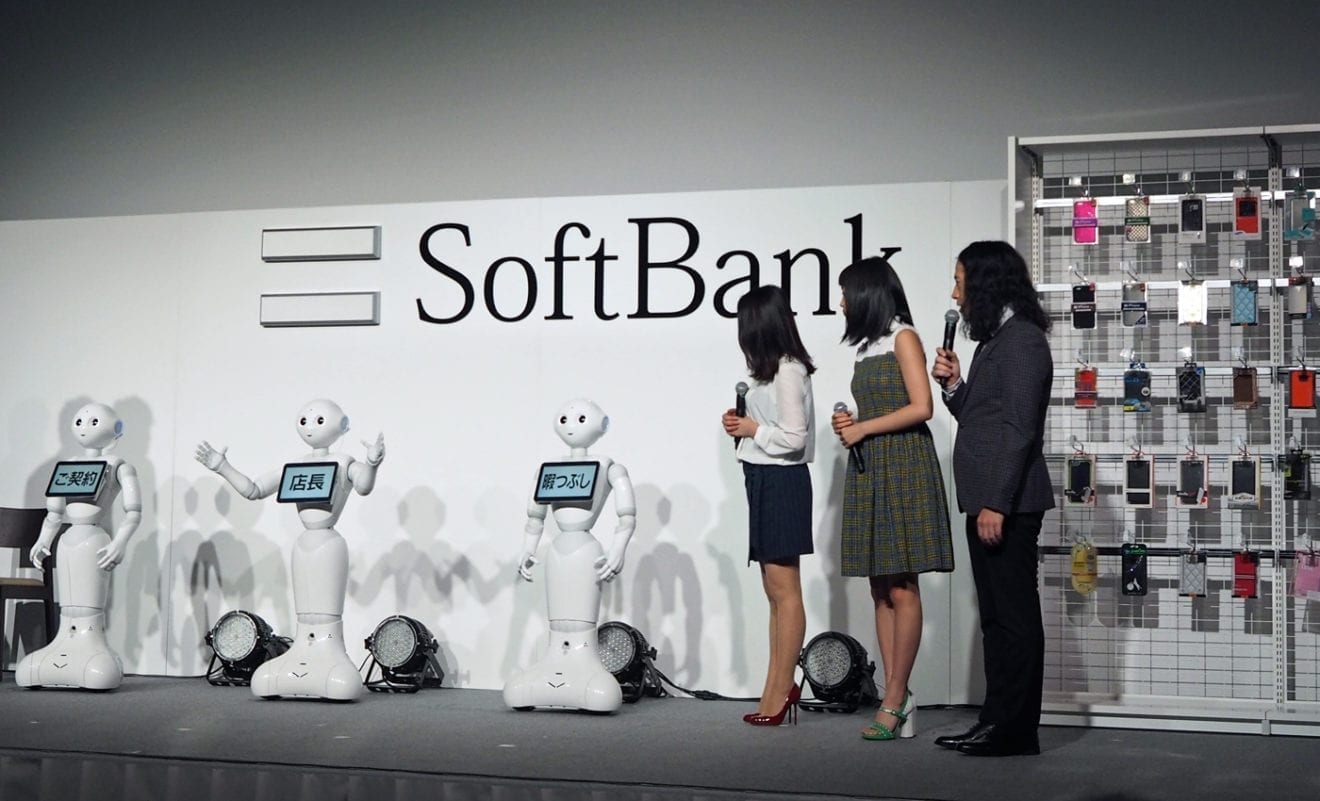
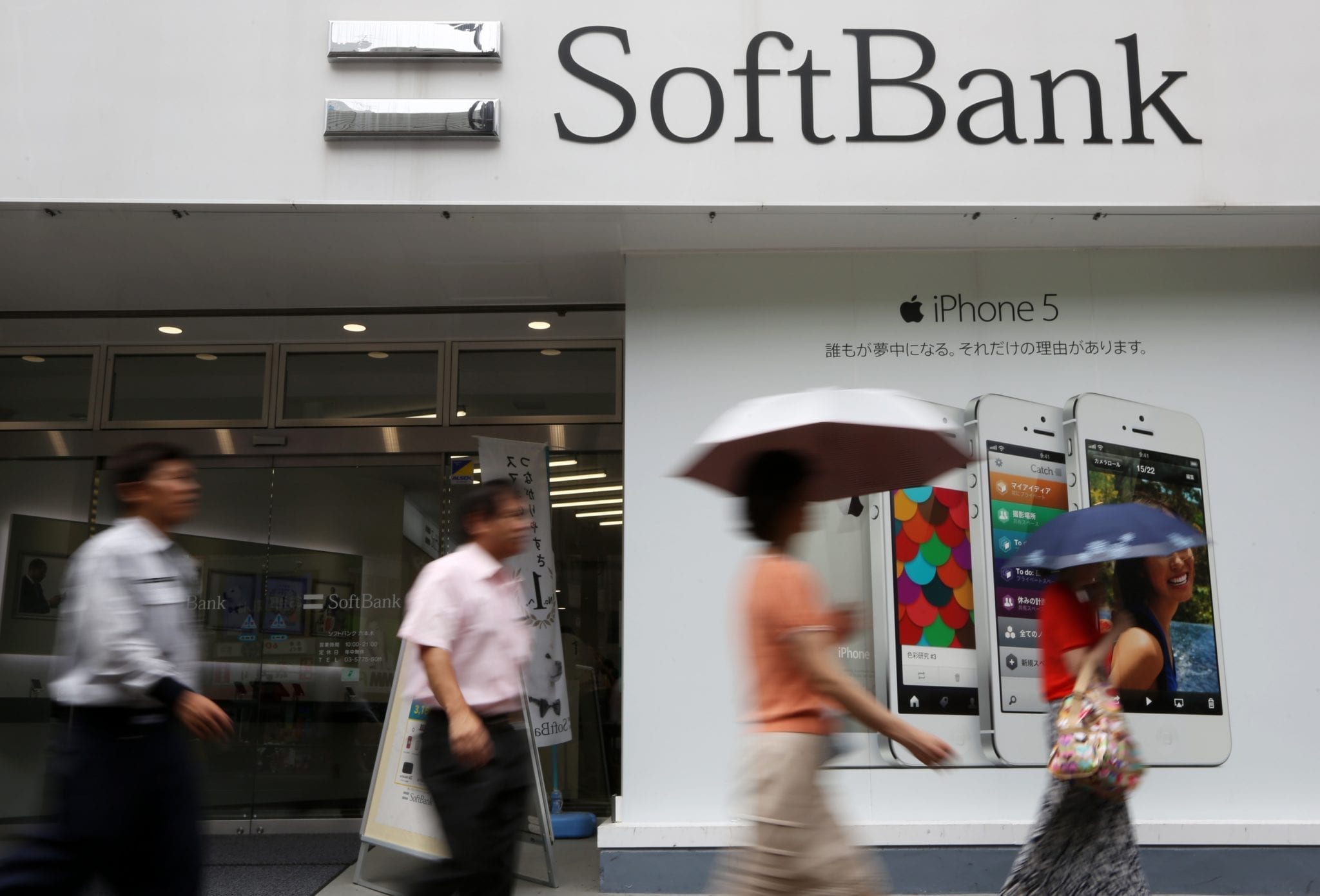
    Japan’s SoftBank has revealed plans to roll out a LoRaWAN low power wide area (LPWA) network in the current financial year.

    The operator plans to use the network to provide end-to-end IoT services, ranging from device and application support to consulting.

    SoftBank will target the service at industry sectors that require low cost, low power network construction, including equipment monitoring and control for commercial buildings, automated gas and water meter reading, senior and child monitoring, infrastructure monitoring and logistics.

    In collaboration with LPWA specialist Actility, Hon Hai Precision Industry and LoRa technology developer Semtech Corporation, Softbank will aim to build a LoRaWAN ecosystem in Japan.

    Softbank said the LoRaWAN deployment represents the first stage of the company’s plans to usher in the IoT era.

    The company eventually aims to deploy the full set of LPWA networks, including Cat-M1 and narrowband IoT (NB-IoT), to ensure its IoT network can operate in different environments.

    LoRaWAN uses the unlicensed 920-MHz band in Japan and was designed to meet the low cost and efficiency requirements for the IoT. Main features include devices with battery life of at least 10 years, support for numerous simultaneous connections and a communication range of multiple kilometers.

    Specifications for LoRaWAN are developed by the LoRa Alliance, a collaboration between 391 IoT-related companies worldwide.

  • Starbucks Asia rolls out Teavana

    Starbucks Asia rolls out Teavana

    Starbucks Asia is rolling out Teavana in 6200 stores across its 16 Apac markets.

    Four tea beverages prepared in-store will be offered to the 16 countries, with two or three expected to be sold in each market, the choice up to each one.

    Starbucks acquired US-based Teavana Holdings in December 2012, a “super premium tea” product it says brings “exotic blends, great flavors, wellness and innovation” to customers globally.

    The Asian launch began with China at the end of last month, with Korea and Indonesia following at the beginning of this month. The majority of Asian markets will see the new lines in mid-September, with a Japan launch scheduled for October and India later this year.

    Vera Wang, director, product line innovation at Starbucks China and Asia Pacific said the teas have been developed especially for Asian tastes.

    “We recognise Asian consumers are developing sophisticated taste preferences.”

    While a premium product, pricing will be left to the determination of each market, she said.

    “Pricing (of all Starbucks lines) is determined product by product and market by market.”

    She declined to discuss the company’s expectations for Teavana’s share of Starbucks sales in the region.

    “I’m not at liberty to talk about that. But tea definitely has huge potential for us and we have a lot of confidence going into Asia with Teavana.”

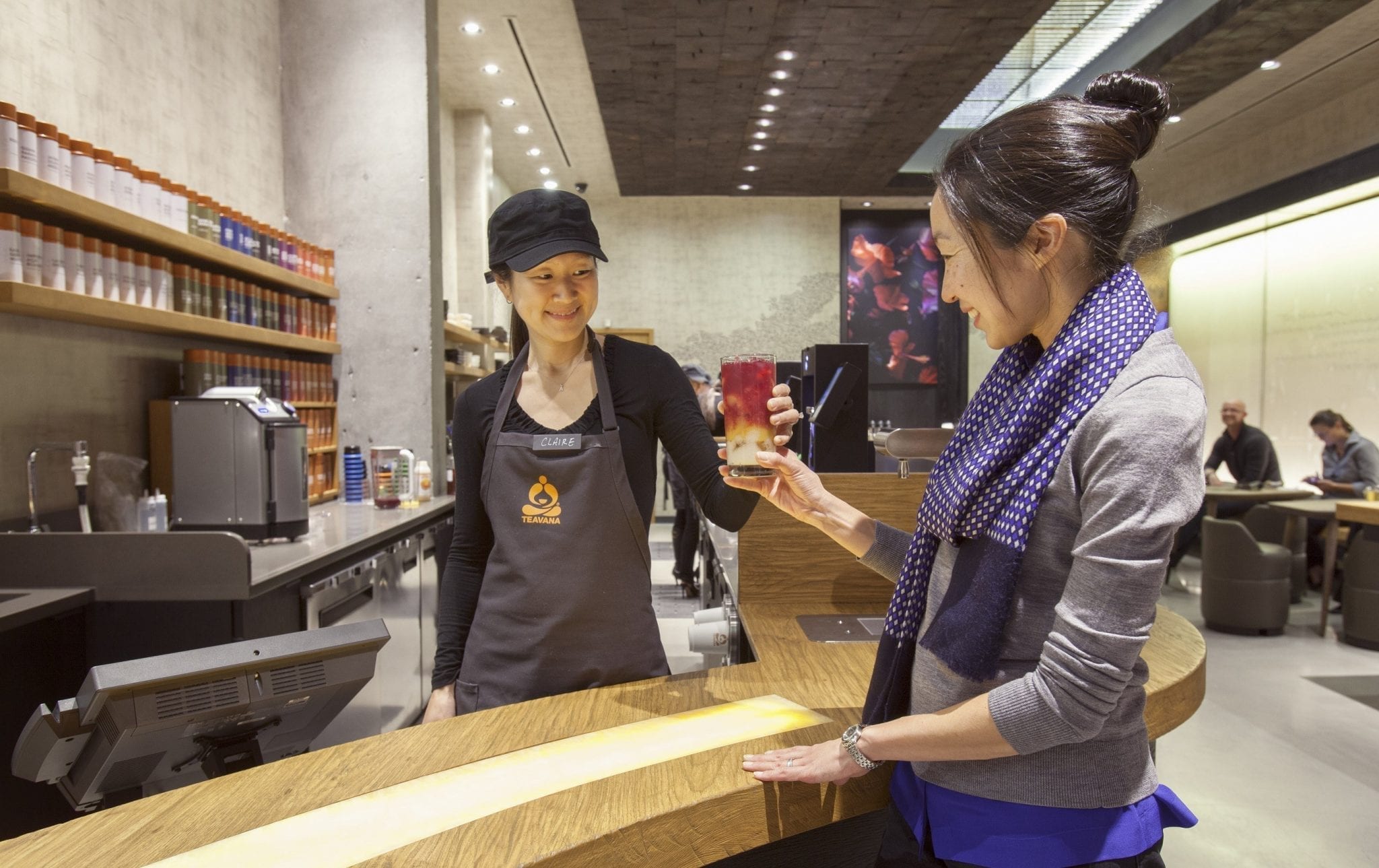
    Starbucks Korea staff promoting Teavana at the Starfield Hanam GL store.

    Besides fresh-brewed tea in cafes, Teavana full-leaf tea sachets will also be sold for take-home use.

    The four launch lines of Teavana in Asia are Matcha & Espresso Fusion (a matcha tea blended with a shot of espresso), Black Tea with Ruby Grapefruit and Honey, Iced Shaken Green Tea with Aloe and Prickly Pear; and Iced Shaken Hibiscus Tea with Pomegranate Pearls.

    Wang said, those core lines would be complemented by other blends selected on a market-by-market basis in the future, depending on customer feedback.

    John Culver, group president of Starbucks global retail said in a statement Teavana represents “a tremendous opportunity to leverage the company’s expertise in creating best-in-class retail experiences, handcrafting custom beverages, and sourcing the finest ingredients, to become a leader in a new category for us”.

    “Just as we’ve done for coffee, this is tea reimagined at Starbucks.”

    Last year, Starbucks’ tea business in the US grew by 12 per cent with all tea categories posting strong growth, led by iced tea at 29 per cent. Building on this and the success of Teavana to date in other parts of the world, Starbucks aims to increase its global tea business to US$3 billion over the next five years.

    Starbucks Teavana will be launched in all stores in Australia, Brunei, Cambodia, China, Hong Kong, India, Indonesia, Japan, Korea, Malaysia, New Zealand, The Philippines, Singapore, Taiwan, Thailand and Vietnam.
  • Softbank, Wireless City kick off 5G project

    Softbank, Wireless City kick off 5G project

    Softbank and its affiliate company, Wireless City Planning, have officially launched the ‘5G Project’.

    As the first phase of the project, which was announced in Tokyo last week, Softbank plans to roll out commercial services based on Massive MIMO technology from September 16, a move which Softbank says will make it the world’s first cellco to provide such services.

    Under the plan, SoftBank will be deploying the technology across 100 base stations in 43 cities across Japan, of which 30-40% will be deployed in downtown areas of the Tokyo capital.

    At the media conference for the launch last week, Shubun Kitahara, director of the network planning department of SoftBank’s mobile technology division, tested at four locations in downtown Tokyo, which showed that massive MIMO increased communications speed by 6.7 times on average.

    According to Softbank, corresponding terminals only need to support SoftBank 4G (compatible with TD-LTE). The service is also available on the SoftBank 4G terminals customized for Y!mobile.

    Aiming for 5G commercialization in 2020, Softbank last year signed separate research collaboration agreements with Huawei and ZTE covering the development of stopgap technologies on the road towards 5G.

    SoftBank has teamed with ZTE to help develop networking equipment based on ZTE’s Pre5G technology, such as the vendor’s Massive MIMO base stations.

    Massive MIMO base stations have the capacity to support more than 100 antenna elements, allowing up to eight users to transfer data simultaneously.

    SoftBank already has cooperation agreements covering Massive MIMO as well as ultra-dense networks and multi-user shared access technology.

  • Honda recalls 668,000 more cars in Japan over Takata air bags

    Honda recalls 668,000 more cars in Japan over Takata air bags

    Honda Motor Co on Thursday said it was recalling about 668,000 vehicles in Japan to replace air bag inflators supplied by Takata, as part of an expanded nationwide recall announced earlier this year.

    Japan’s second-largest automaker said it had recalled models including its Fit subcompact hatchback model, and the Civic and Accord sedan models over passenger-side air bags. Vehicles produced between 2009 and 2011 were affected, it added.

    The latest announcement takes Honda’s global tally of recalled air bags to about 51 million, around half of the roughly 100 million slated for recall worldwide over inflators which are at risk of exploding with excessive force.

    Defective air bags have been linked to at least 14 deaths and 150 injuries worldwide, and are at the center of the auto industry’s biggest ever product recall.

    Thursday’s recall comes after Japan’s transport ministry in May ordered automakers to recall an additional 7 million vehicles in Japan equipped with Takata air bag inflators which do not contain a drying agent, in phases by 2019, following an expanded recall by U.S. transport authorities.

    Without a drying agent, the ammonium nitrate-based propellant used in Takata inflators has a tendency to explode violently following prolonged exposure to hot, humid conditions, spraying metal shrapnel into vehicle compartments.

    Honda, once Takata’s largest customer, has said that it would stop using Takata-made inflators in its new models, and has stopped procuring replacement inflators from the company.

    Battered by the recalls, Takata is looking for a financial backer to help overhaul its business and carry ballooning costs as its stock price has crumbled almost 90 percent since early 2014 and it faces potentially billions of dollars of liabilities.

  • Hermès Apple Watch launched at up to $1499

    Hermès Apple Watch launched at up to $1499

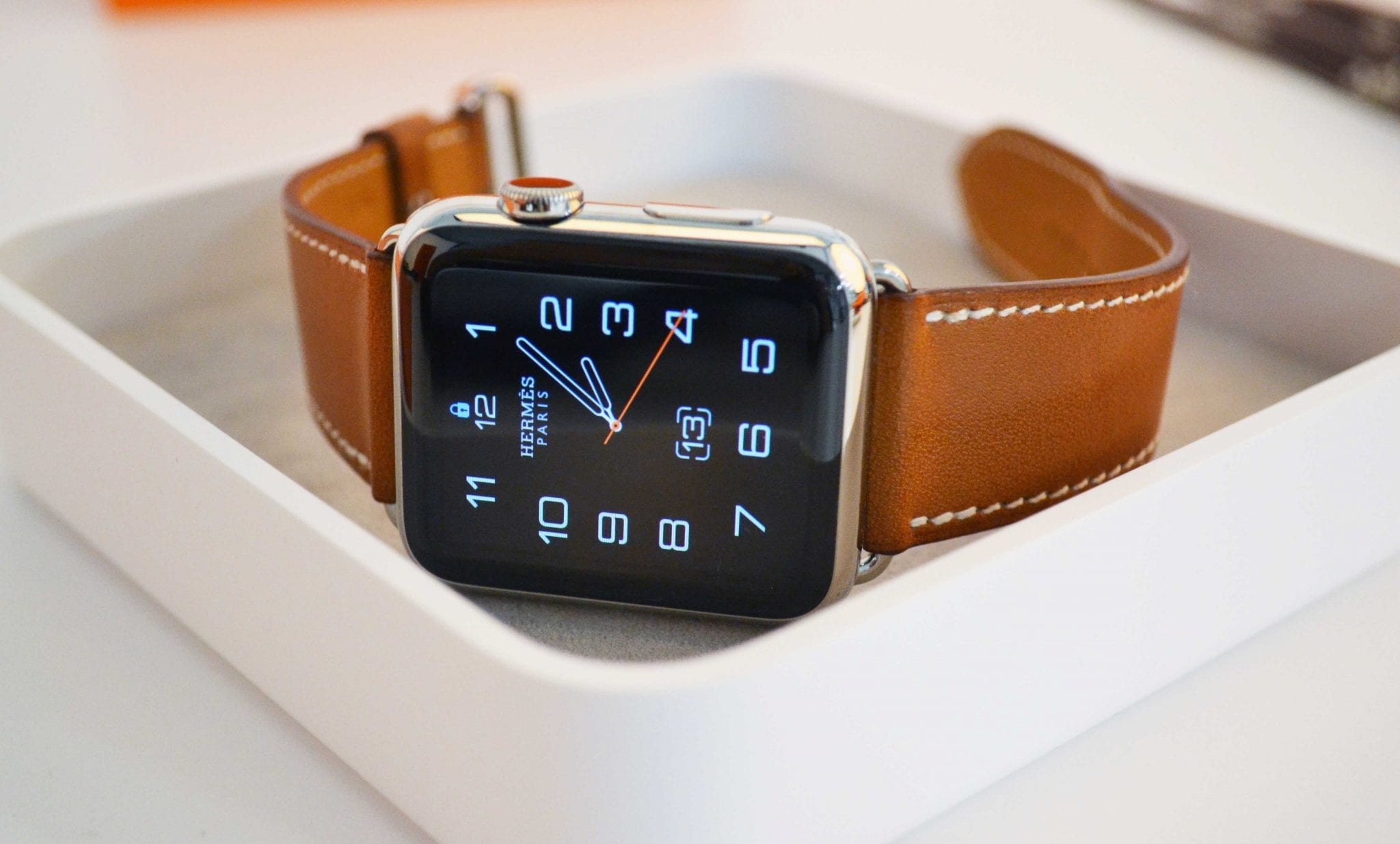
    Hermès and Nike have revealed new collaborations with Apple, to produce exclusive co-branded Apple Watches.

    Hermès introduced new Apple Watch styles and an expanded assortment of wristbands that incorporate its signature palette alongside a series of bold new colors.

    Meanwhile, Nike is focused on functionality for the sportsperson, with the Apple Watch Nike+ Series 2, featuring GPS, a two-times-brighter display, water resistance to 50m and a dual-core processor.

    Launch dates in Asia

    In Asia, the Apple Watch Hermès will be available from September 23 in Australia, China, Hong Kong, Japan, Macau, Singapore and Taiwan. The Nike watch goes on sale from yesterday, September 9.

    The Hermès models range in price from US$1149 to $1499, while the Nike sells for a more affordable $369 – $399. The Hermès wristbands will also be sold separately.

    Apple watch Hermes double buckle cuff

    Hermes says the design process was driven “entirely by a shared ambition for ultimate beauty and utility,” featuring exclusive watch face designs inspired by the iconic Clipper, Cape Cod and Espace Hermès models.

    “Ours is a partnership born of parallel thinking and mutual regard — we share similar preoccupations, ever evolving and refining our design,” said Jonathan Ive, Apple’s chief design officer.

    Siri speaks

    The Apple Watch Nike+ also includes exclusive Siri commands and Nike watch faces along with deep integration with the new Nike+ Run Club app to motivate wearers to go for a run, coaching plans that adapt to their unique schedule and progress, and guidance from the world’s best coaches and athletes.

    “Apple Watch is the ultimate device for a healthy life and we wanted to push it further to create the best smartwatch in the world for runners and athletes,” said Jeff Williams, Apple’s COO. “Apple Watch Nike+ takes performance tracking to a whole new level and we can’t wait to bring it to the world’s largest community of runners.”

  • Japan strongest market for Furla Asia

    Japan strongest market for Furla Asia

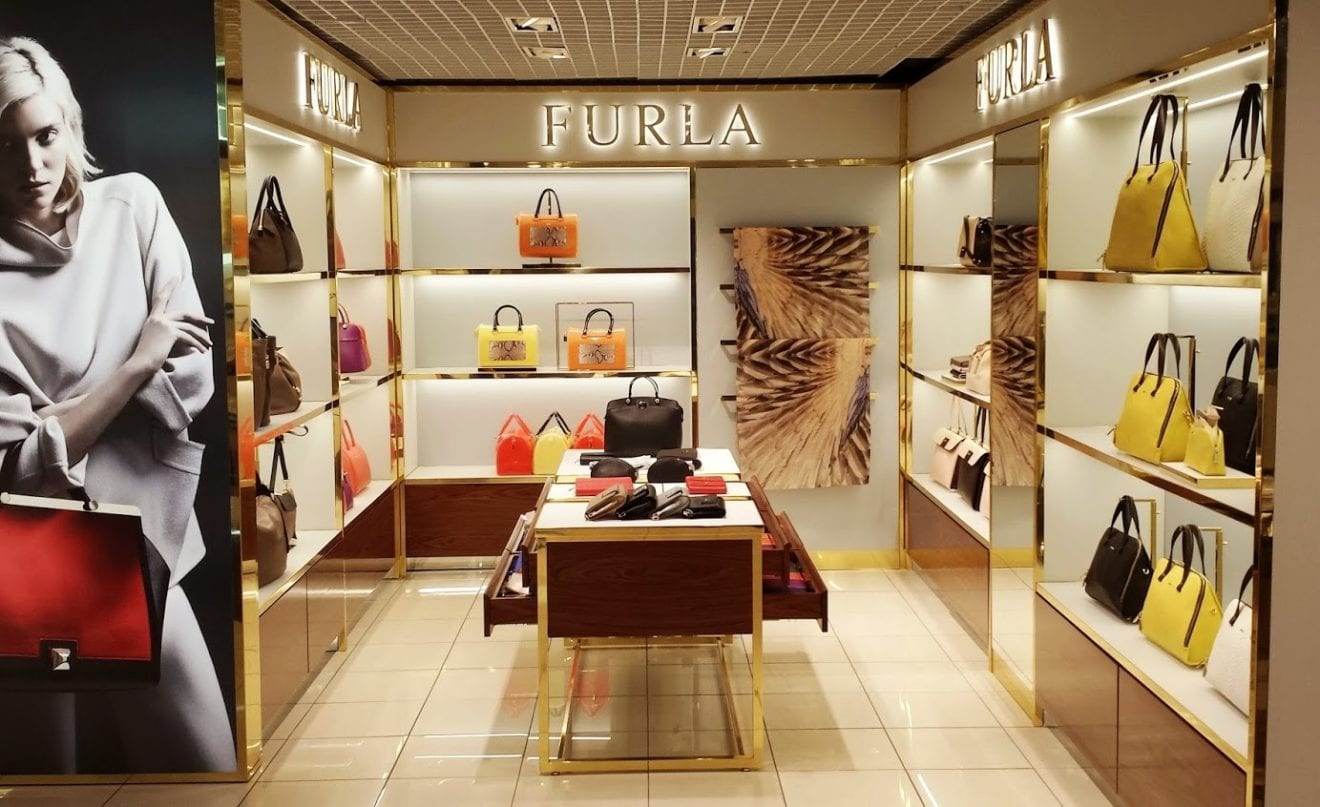
    Italian luxury leathergoods brand Furla has reported a 38 per cent increase in travel-retail sales for its first half, with Japan being its strongest market.

    Furla has 223 travel-retail points of sales in 52 countries, the latest openings for Furla Asia including Singapore’s Changi Airport with Lagardere Travel Retail.

    Following record results last year in terms of sales and profitability, the Furla Group overall has continued growth in its latest first half with sales of €194 million (US$217 million) up 28 per cent from the figures for the same half last year.

    The group has 425 mono-brand stores, up from 415 at the end of last year. Counting multi-brands and department stores, the group is present in more than 1200 other locations worldwide, and has its products in more than 100 countries.

    Furla Group’s latest mono-brand store openings include Citic Mall in Shanghai and Mira Mall in Hong Kong.

    Japan remains its strongest market, representing 26 per cent of total sales in the half, with a 30 per cent increase. Furla Asia/Pacific sales rose 22 per cent, equal to almost 20 per cent of the total sales for the group.

  • JCB to offer Apple Pay in Japan

    JCB to offer Apple Pay in Japan

    JCB, the only international payments brand based in Japan, today announced that it brings its customers Apple Pay when it launches in October, an easy, fast and secure way to make mobile payments that is private and convenient with iPhone 7, iPhone 7 Plus, Apple Watch Series 2 throughout their day, including in stores, within apps and on the web.

    Since its establishment in 1961, JCB has been a pioneer in the Japanese payment industry, providing attractive products and services to meet the emerging needs and expectations of Japanese consumers. As part of this initiative, JCB introduced the contactless payment solution QUICPay in 2005, playing a leading role for mobile payments in Japan.

    The QUICPay acceptance network can now be used for Apple Pay transactions, enabling everyday use at places such as convenience stores, supermarkets and drug stores. By supporting Apple Pay, we will be bringing a convenient and secure customer experience to an even broader range of consumers.

    The newly released JCB Token Platform (JTP) will play an important role in the technology for secure mobile payments by replacing the original card number with a unique device specific number for Apple Pay users.

    Apple Pay is easy to set up and you will continue to receive rewards and benefits offered by your credit cards. Customers can also use JCB Card to pay for Suica on Apple Pay including recharging Suica balance.

    In stores, you can pay with Apple Pay with iPhone 7, iPhone 7 Plus and Apple Watch Series 2 anywhere QUICPay is accepted. Just tell the cashier you would like to pay with QUICPay, then simply place your iPhone 7, iPhone 7 Plus near the contactless reader, and with the touch of a finger on Touch ID, the payment is complete. When paying with your Apple Watch Series 2, double-click the side button before holding it near the reader.

    For JCB cardholders, online shopping in apps and on websites accepting Apple Pay is as simple as the touch of a finger on Touch ID, so there’s no need to manually fill out lengthy account forms or repeatedly type in shipping and billing information. When paying for goods and services on the go in apps or Safari, Apple Pay works with iPhone 6 and later, iPad Pro, iPad Air 2, and iPad mini 3 and later. You can also use Apple Pay in Safari on any Mac introduced in or after 2012 running macOS Sierra, and confirm the payment with iPhone 6 or later or Apple Watch.

    “The payment industry is rapidly evolving with diversifying consumer needs and technological advancements. The simple and intuitive user experience that Apple Pay provides, together with JCB’s unique position in Japan as an issuer, acquirer and payment system, will help create a new payment lifestyle that is both secure and convenient for everyday use,” said Ichiro Hamakawa, President and CEO, JCB Co., Ltd. “Apple Pay represents another giant step towards the realization of a cashless society. As a global brand and a pioneer in the payment industry, we are committed to supporting this trend in both Japan and abroad through our network.”

    Security and privacy is at the core of Apple Pay. If your iPhone, iPad or Apple Watch is ever lost, you can use Find My iPhone to put your device in Lost Mode to suspend Apple Pay, or you can wipe your device clean completely. You can also stop the ability to make payments with Apple Pay on iCloud.com.

    When you use a credit card with Apple Pay, the actual card numbers are not stored on the device, nor on Apple servers. Instead, a unique Device Account Number is assigned, encrypted and securely stored in the Secure Element on your device. When you use Apple Pay, your credit card number will not be shared with the merchant.

  • Uniqlo overseas push pays off for Fast Retailing

    Uniqlo overseas push pays off for Fast Retailing

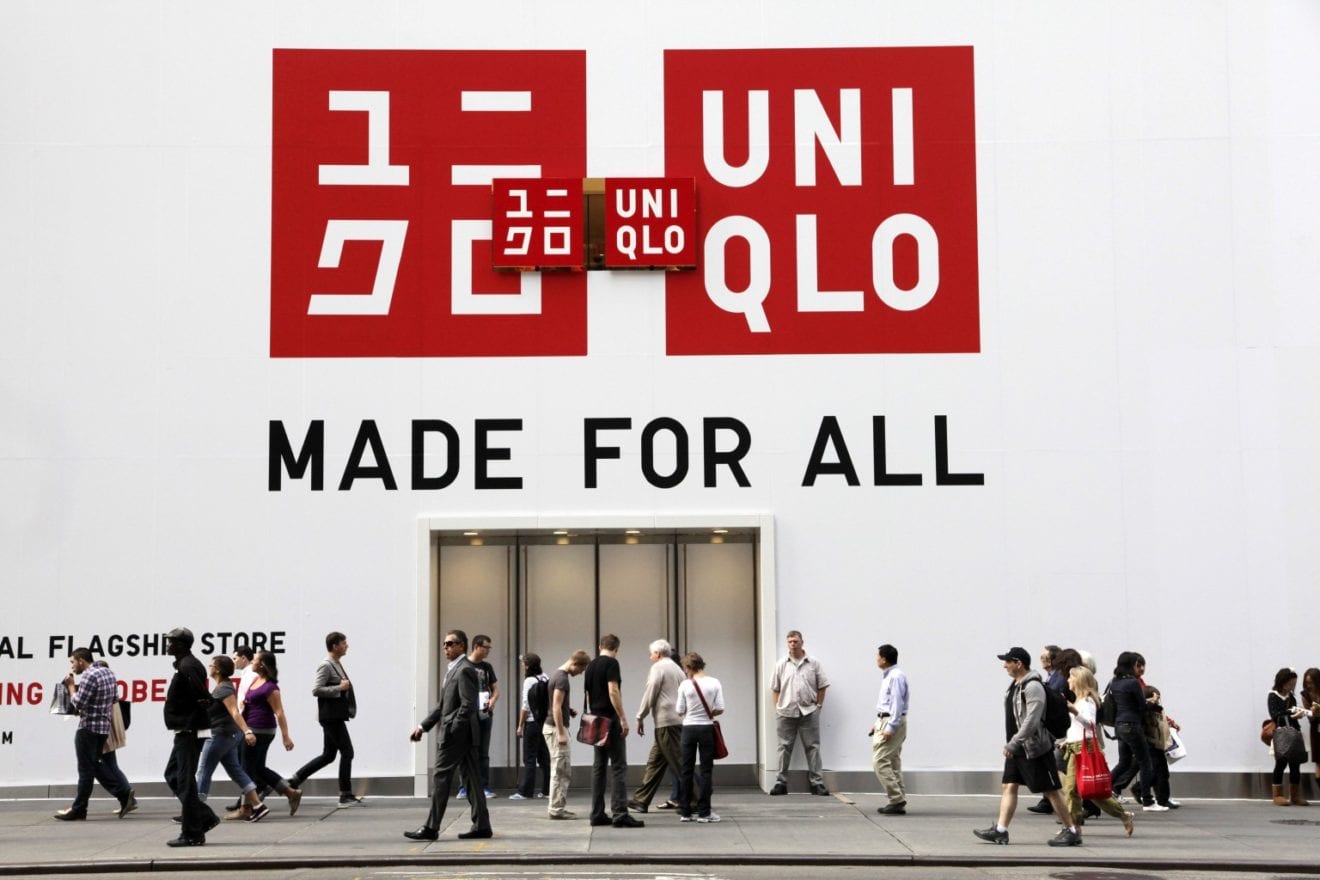
    Fast Retailing raised its full-year earnings forecasts after sales at its Uniqlo casual-wear stores in China and South Korea grew more strongly than expected during the first half of the financial year, showing its overseas expansion is bearing fruit.

    Overseas growth is key to the Japanese firm’s goal of becoming the world’s top apparel retailer by 2020 ahead of Zara owner Inditex, Hennes & Mauritz and Gap.

    Chief executive Tadashi Yanai said Fast Retailing would have more Uniqlo outlets overseas than in Japan by this autumn, with openings in mainland China, Hong Kong and Taiwan to continue at break-neck pace.

    “Maybe in about five years, we’ll have 1,000 stores [in China],” he said, compared with 415 at the end of February. “Eventually we want to have about 3,000 stores [there].”

    Uniqlo, known for its HeatTech fabric technology and rainbow-coloured basics, now has close to 1,600 stores globally, with about 46 per cent of those outside Japan.

    Fast Retailing said it now expected operating profit of 200 billion yen for the financial year to August, up from its previous estimate of 180 billion yen. The average forecast of 22 analysts was for 197.25 billion yen.

    Asia’s biggest apparel retailer also bumped up its revenue forecast to 1.65 trillion yen from 1.6 trillion yen and its net profit estimate to 120 billion yen from 100 billion yen.

    Overseas sales at Uniqlo jumped 49 per cent in the first half from a year earlier, led by China and Korea, although the United States remained a weak spot. The firm did not break out sales results by country, only saying whether they met its targets.

    In Japan, sales rose 12 per cent during the period as shoppers snapped up items like its ultra-light down jackets and extra-fine merino sweaters.

    Fast Retailing also got a boost from the yen’s depreciation, booking a 13.5 billion yen foreign-exchange gain for the six-month period.

    But the company also warned it was facing rising import costs from the weaker yen. As a result, it will raise prices by 10 per cent on average for roughly a fifth of its products in the next autumn/winter season at Uniqlo Japan.

    Shares in Fast Retailing have gained 10 per cent in the year to date, while the Topix Index is up 13 per cent.

    Separately, Britain’s Co-operative Group, the supermarkets-to-funerals operator that almost collapsed in 2013, said it had been rescued by selling assets including its pharmacies and could now focus on rebuilding.

    Co-operative reported pre-tax profit of £124 million for the year to January 3, against a loss of £255 million a year earlier, on revenue of £9.4 billion, helped by disposals.

    The mutually owned group said it had emerged from the rescue phase of a three-year turnaround as a slimmer business focused on its food stores, funerals, insurance and legal services. It has cut net debt to £808 million from £1.4 billion.

    Chief executive Richard Pennycook said the hard work of rebuilding the group was under way after the completion of its rescue plan.